

When most people think about Hawaii, they picture palm trees, beautiful beaches, and clear blue water. That was exactly what I expected too. Before visiting the Big Island, Hawaii Volcanoes National Park was simply another stop on my itinerary. I had no idea it would end up being one of my favorite experiences of the trip.
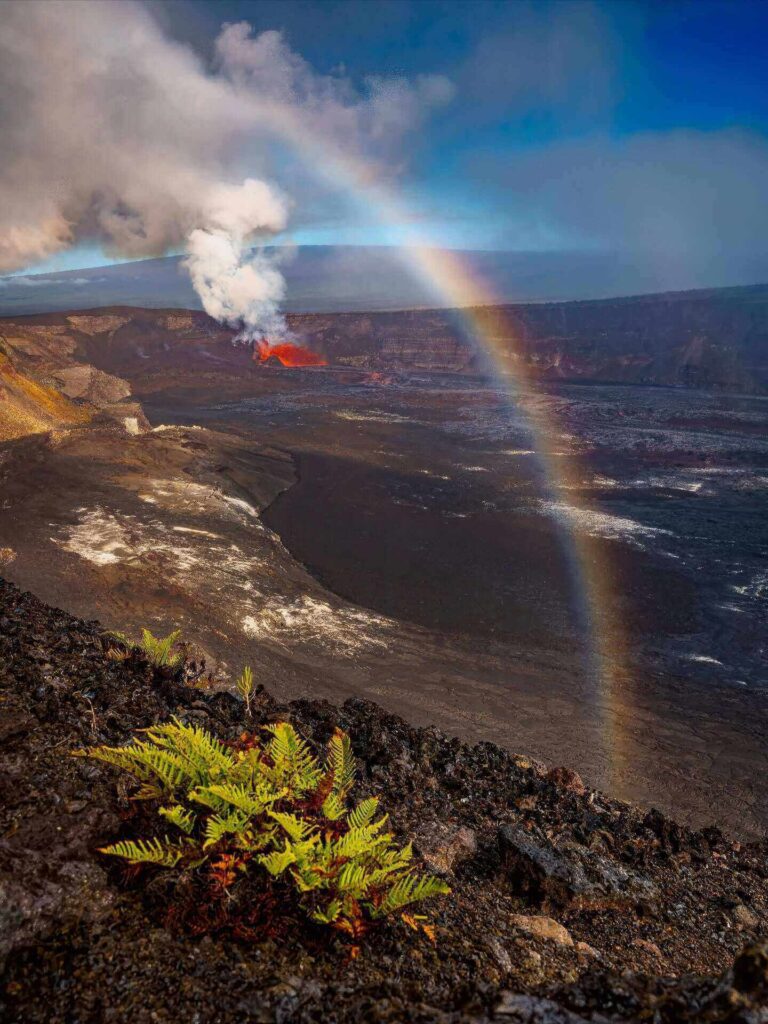
The moment I drove through the park entrance, the scenery completely changed. The lush rainforest slowly gave way to vast fields of black lava rock, steam drifted from cracks in the ground, and enormous craters stretched across the landscape. It didn’t feel like the Hawaii I’d imagined. In some places, it felt more like another planet.
Since I only had one full day to explore, I knew I couldn’t see everything. Instead of trying to fit every trail and viewpoint into my schedule, I focused on the park’s biggest highlights and gave myself enough time to actually enjoy them.
That meant hiking across the Kīlauea Iki crater floor, walking through the Nāhuku Lava Tube, stopping at scenic overlooks, and driving the entire Chain of Craters Road to the coast.
Looking back, slowing down was the best decision I made. Every stop felt different, and the constantly changing landscape kept surprising me throughout the day.
If you’re planning your first visit, this is the one day itinerary I’d recommend. It covers the park’s highlights without making the day feel rushed, along with a few tips I wish I’d known before I arrived.
Is One Day Enough for Hawaii Volcanoes National Park?
Yes, especially if it’s your first visit. One full day is enough to see the park’s biggest highlights without feeling like you’re rushing from one stop to another.
That’s exactly how much time I had, and it was enough to hike the Kīlauea Iki Trail, walk through the Nāhuku Lava Tube, stop at several crater viewpoints, and drive the entire Chain of Craters Road to the coast. By the end of the day, I felt like I’d experienced everything that makes this park so unique.
Of course, you won’t see everything. Hawaii Volcanoes National Park is huge, with more than 150 miles of hiking trails and plenty of scenic spots that deserve extra time. I also found myself lingering longer than planned at some viewpoints because the scenery kept changing, and it was hard to walk away.
If you love hiking or photography, spending two days here would be even better. But for most people visiting the Big Island for five to seven days, I think one full day is the perfect introduction. Start early, have a rough plan, and you’ll be surprised by how much you can see without the day feeling rushed.
Before You Go
A little preparation made a big difference during my visit. Hawaii Volcanoes National Park is easy to explore, but it’s also much larger and more remote than many first time visitors expect. Spending a few minutes planning ahead will help you make the most of your day and avoid a few common frustrations.
Check the Latest Eruption Updates
One of the things that makes Hawaii Volcanoes National Park so fascinating is that it’s constantly changing. Depending on volcanic activity, certain trails or viewpoints may close, while new lava viewing areas can sometimes open.
Even if you’ve already planned your itinerary, I’d recommend checking the National Park Service website the night before or the morning of your visit. Conditions can change quickly, and you’ll get the latest information on road closures, trail updates, and whether there’s any visible volcanic activity.
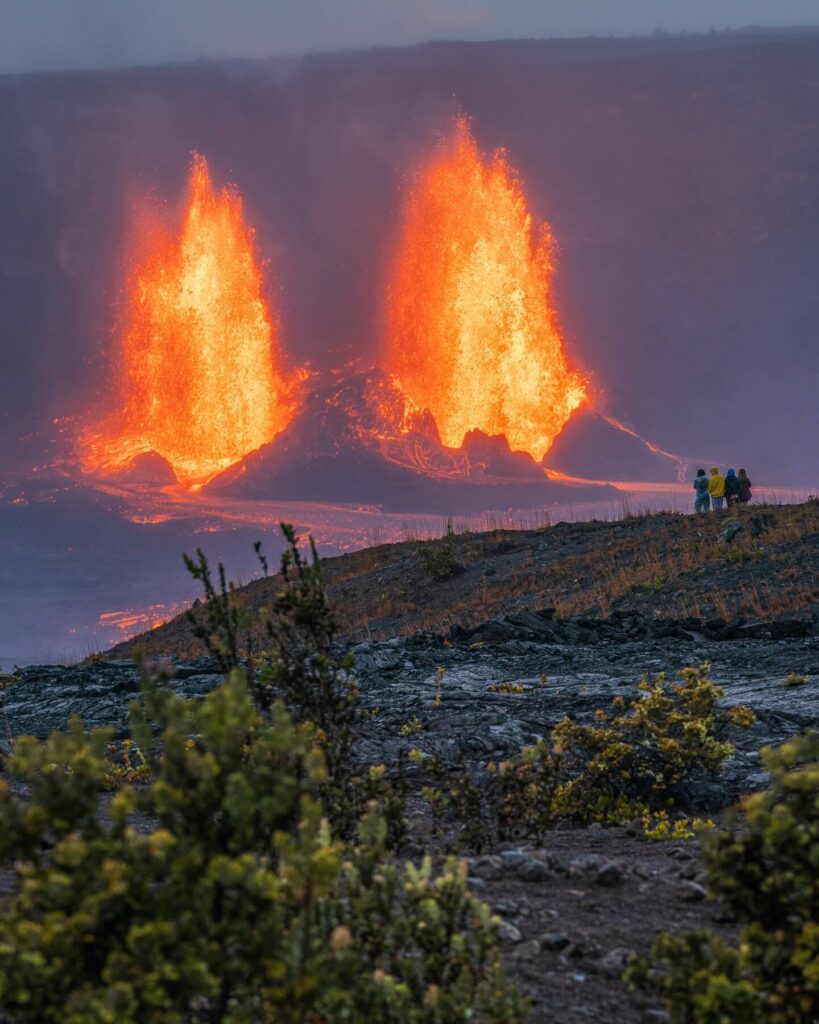
If an eruption is happening during your trip, you might even have the chance to see glowing lava from one of the designated viewpoints.
Download Offline Maps
Don’t rely entirely on your phone signal.
I had good service near the Visitor Center, but it became much less reliable as I drove farther into the park, especially along Chain of Craters Road. Downloading Google Maps offline before you arrive made getting around much easier and saved me from wondering if I’d missed a turn or the next scenic stop.
Fill Up Your Gas Tank Before You Arrive
There aren’t any gas stations inside the national park, and once you start driving Chain of Craters Road, you’ll be covering more distance than you might expect.
I filled up my car in Volcano Village before entering the park, which gave me one less thing to think about during the day. If you’re driving from Hilo or Kona, it’s worth topping off your tank before you arrive.
Bring Plenty of Water and a Few Snacks
The weather can be cool near the summit, but don’t let that fool you. Hiking across exposed lava fields under the afternoon sun can get surprisingly warm.
I brought one reusable water bottle, and by the end of the Kīlauea Iki Trail I wished I’d packed another. A few snacks also came in handy between stops, especially since food options inside the park are limited.
My One Day Hawaii Volcanoes National Park Itinerary
I wanted to make the most of my day, so I planned to arrive before the park got busy. Looking back, that was one of the best decisions I made. The cooler morning temperatures made hiking much more enjoyable, parking was easy, and many of the popular viewpoints were still quiet. Starting early also meant I never felt rushed and had plenty of time to enjoy each stop.
Here’s exactly how I spent my day.
Arrive at Hawaii Volcanoes National Park
I aimed to reach the park around 7:30 in the morning. If you’re staying in Volcano Village, it’s only a short drive. From Hilo, plan for about 45 minutes, while Kona is roughly two to two and a half hours away.
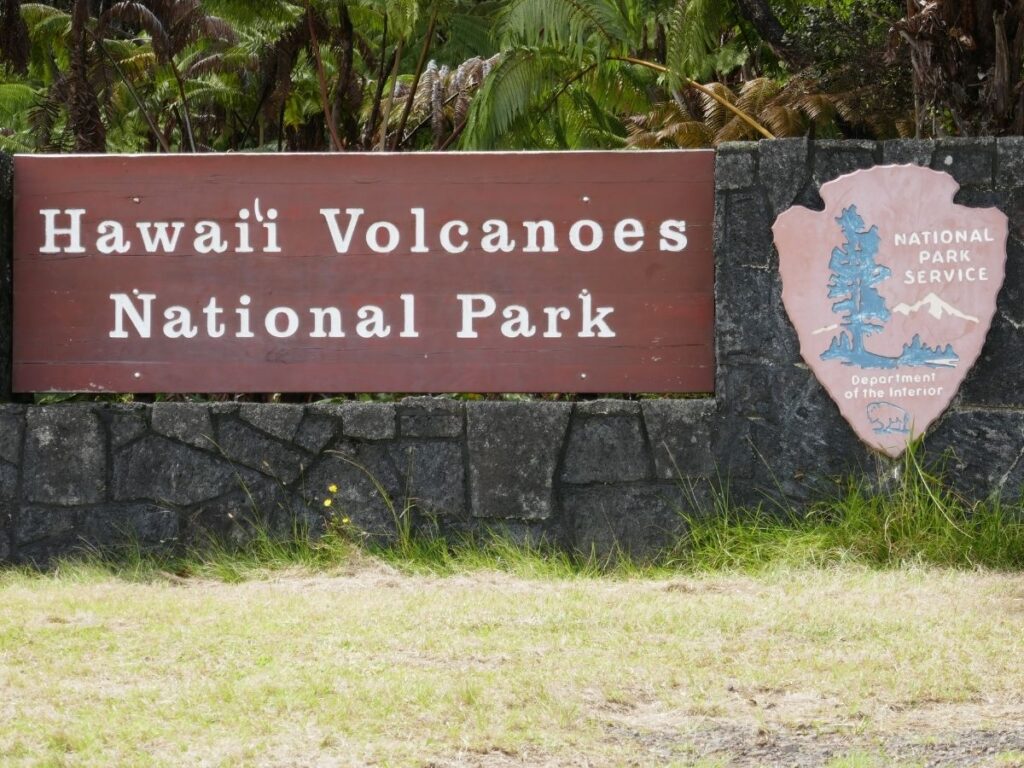
Arriving early made a huge difference. Parking was easy, the roads were quiet, and the trails hadn’t filled up yet. As I drove farther into the park, I noticed steam drifting across the landscape in the soft morning light, and it was the perfect introduction to a place that’s still changing every day.
Stop at Kīlauea Visitor Center
Even if you’ve planned your itinerary, I recommend stopping at the Visitor Center first. I spent about 20 minutes here, and it helped me get my bearings before exploring the park.
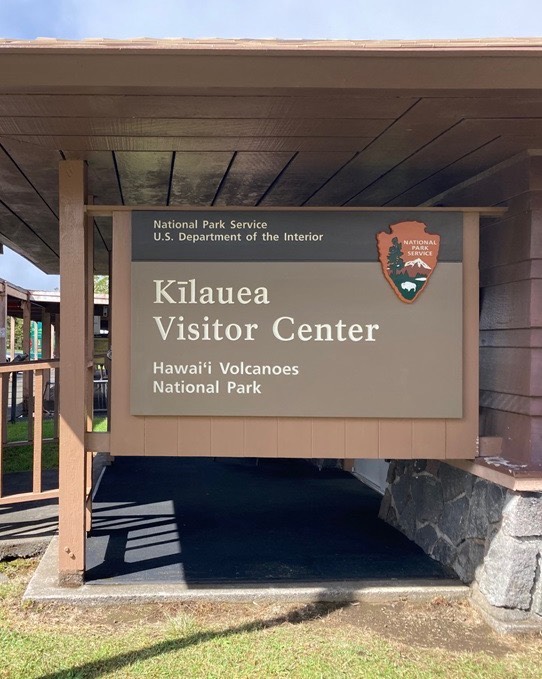
The rangers shared the latest trail conditions and eruption updates, which are worth checking since things can change quickly. I also enjoyed the small exhibits explaining how the Hawaiian Islands were formed and why Kīlauea remains one of the world’s most active volcanoes.
Before leaving, I refilled my water bottle, picked up a park map, and made one last restroom stop, which made the rest of the day much easier.
Walk to the Steam Vents
My first stop was the Steam Vents, just a few minutes from the Visitor Center.
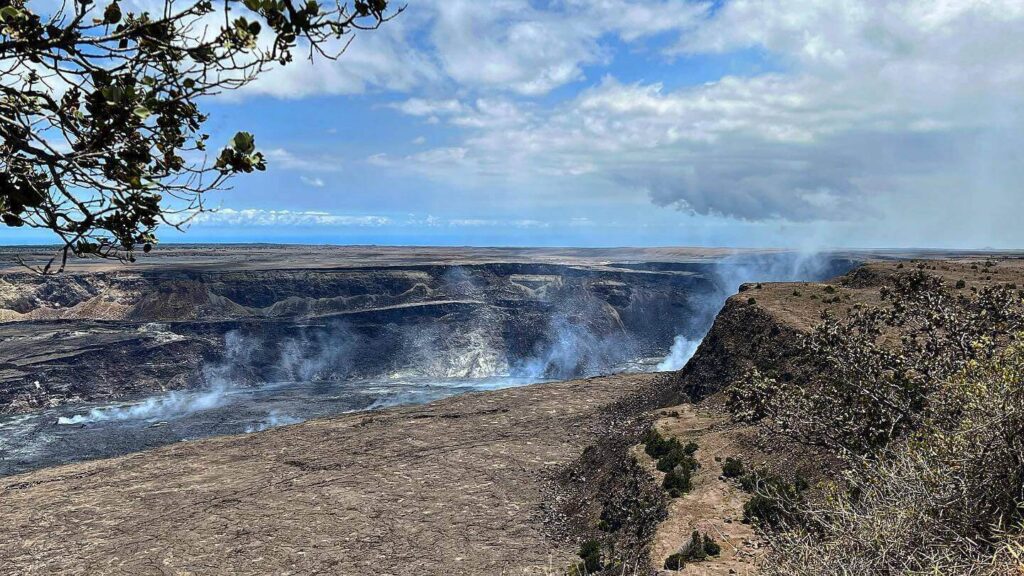
I wasn’t expecting much, but seeing thick clouds of steam rising from cracks in the ground was much more impressive in person. The sulfur smell is noticeable but not overwhelming, and the short paved boardwalk makes this an easy stop for any visitor.
Standing there was my first reminder that this isn’t just a place shaped by volcanoes long ago. The volcanic activity is still happening beneath your feet, and it’s something you can actually see and feel.
Kīlauea Overlook and Halemaʻumaʻu Crater
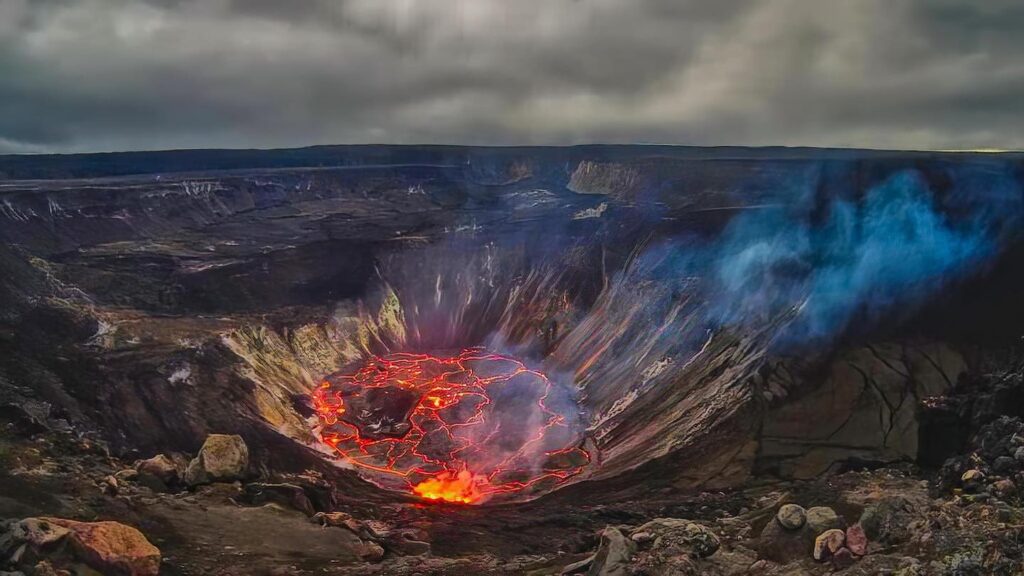
Next, I headed to Kīlauea Overlook to see Halemaʻumaʻu Crater. Photos don’t really prepare you for how massive it is.
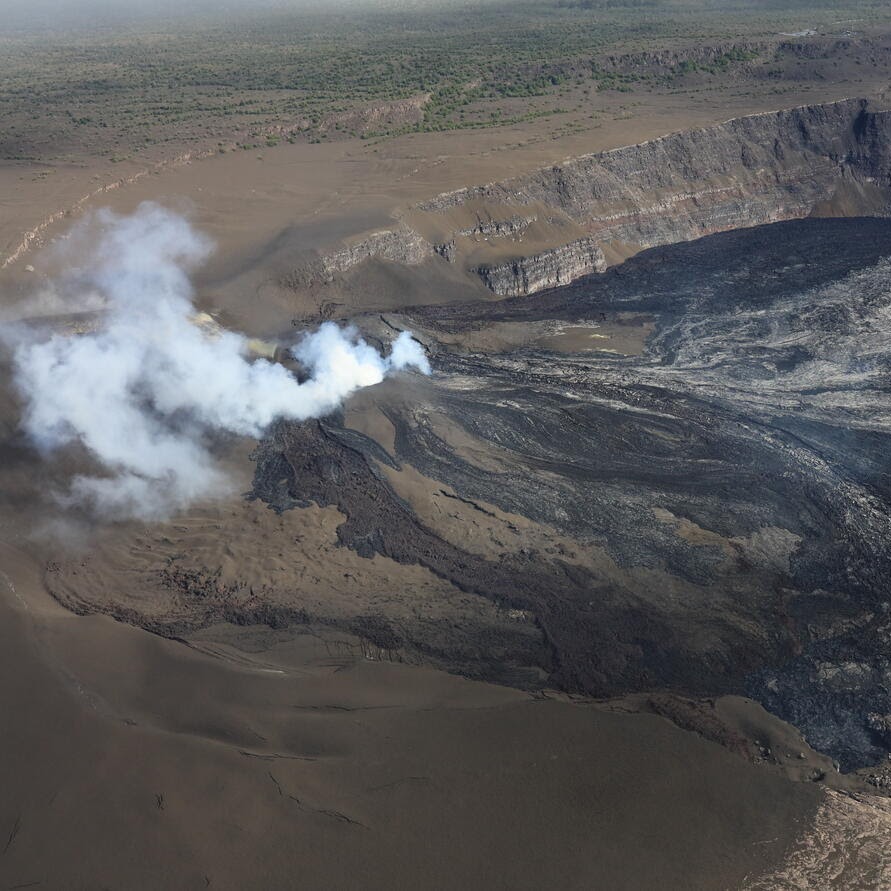
The view changes depending on volcanic activity, but even without visible lava, standing on the edge of such a huge crater is unforgettable. I expected to stop for just a few minutes, but I ended up staying much longer as the clouds shifted and revealed different parts of the crater.
If you’re visiting with a camera, I’d recommend coming in the morning. The light is softer, the viewpoints are quieter, and you’ll have plenty of time to simply stand there and take it all in before moving on to the next stop.
Hike the Kīlauea Iki Trail
If I could recommend just one hike in Hawaii Volcanoes National Park, it would be the Kīlauea Iki Trail. Before my visit, several people told me it was the park’s best hike, and after finishing it, I completely agreed.
The trail is about 3.2 miles as a loop and usually takes two to three hours. I’d rate it as moderate, with a few uphill sections, but nothing too difficult if you take your time.
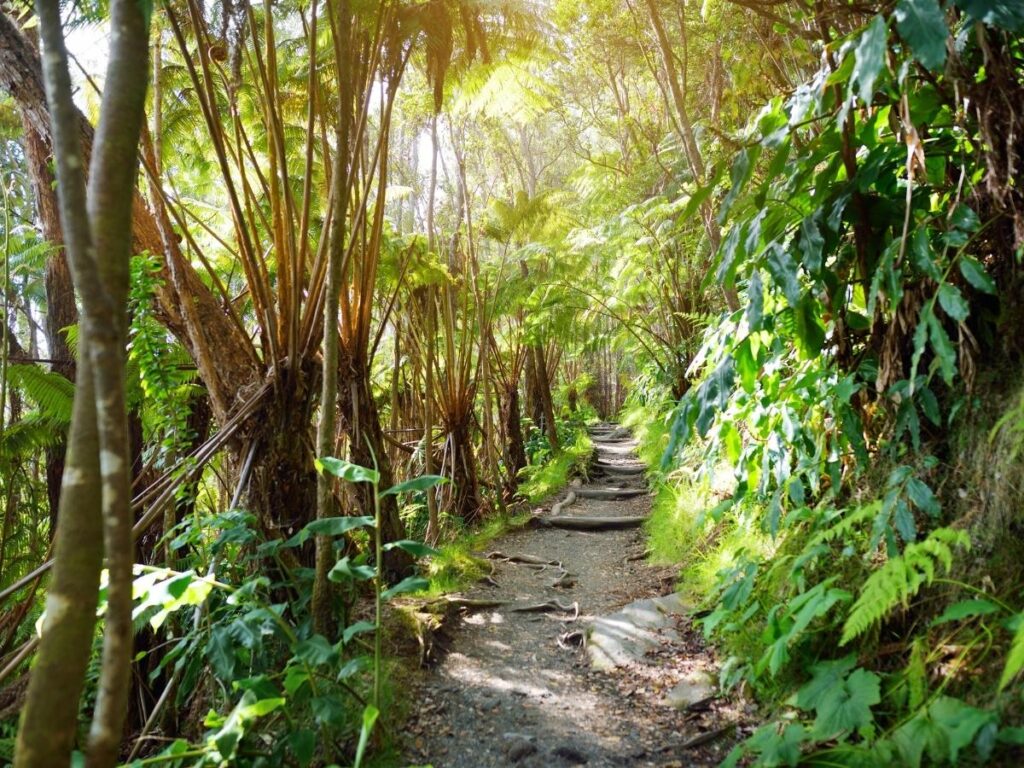
The hike begins in a lush rainforest filled with towering ʻōhiʻa trees and giant ferns. For a while, it feels like a typical Hawaiian forest trail. Then, almost without warning, the trees disappear and you’re standing on the floor of a massive volcanic crater.
More than 60 years ago, this crater was filled with molten lava. Today, it’s a huge expanse of hardened black rock, with steam still rising from a few cracks in the ground. Walking across the crater was easily my favorite part of the day.
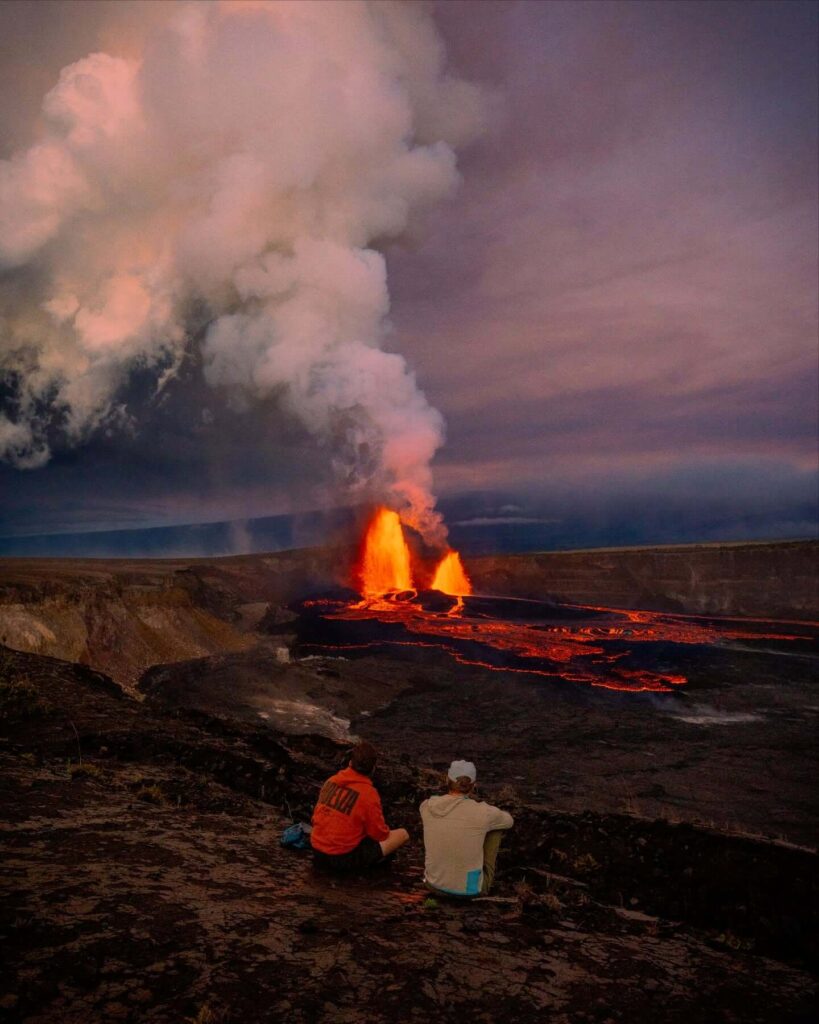
The landscape feels so different from anywhere else on the island that I found myself stopping every few minutes to take it all in.
If you only have time for one hike, I’d choose this one without hesitation. Just be sure to wear proper hiking shoes, bring plenty of water, and allow extra time because you’ll probably stop for more photos than you expect.
Explore Nāhuku (Thurston Lava Tube)
After the hike, I drove a few minutes to Nāhuku, also known as Thurston Lava Tube. It was the perfect next stop because it offered a completely different experience.
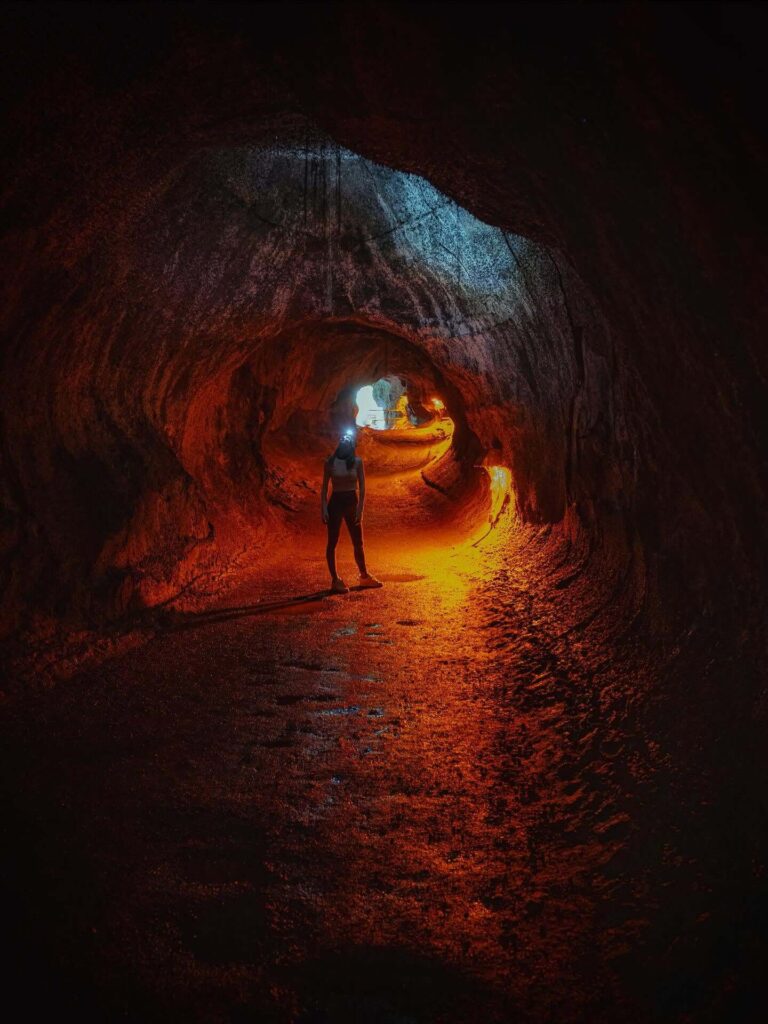
A short rainforest trail leads to the lava tube, where molten lava once flowed like an underground river. Today, you can walk through the tunnel and see the rough volcanic walls left behind after the lava drained away.
The cave is cool, quiet, and much darker than it looks from the entrance. It only takes about 20 minutes to explore, but it was one of my favorite stops because it showed another side of the park’s volcanic history.
If you’re taking photos, Night Mode on your phone works much better inside the tunnel.
Lunch at Volcano House
By lunchtime, I was ready for a break, so I stopped at Volcano House, the only restaurant inside the park.
The food was good, but the real highlight was the view. The dining room overlooks Kīlauea Caldera, making it one of the most unique places I’ve had lunch in Hawaii. The menu includes burgers, sandwiches, salads, fresh fish, and a few local favorites.

If you’re visiting during a busy season, try to eat a little before or after the main lunch rush to avoid waiting for a table.
If you’d rather save money, packing a picnic is also a great option. There are several picnic areas throughout the park where you can enjoy lunch before continuing your afternoon drive.
Return for Sunset
If you still have some energy at the end of the day, I’d recommend driving back to Kīlauea Caldera before heading out of the park. The atmosphere feels completely different as the sun begins to set.

The crowds start to thin, the light becomes softer, and the steam rising from the crater stands out even more in the cool evening air. If there’s an active eruption during your visit, this is also one of the best times to see the crater glow after dark. Even without visible lava, I thought it was a peaceful way to end an unforgettable day.
What I Loved Most
Looking back, my favorite part wasn’t one specific viewpoint or trail. It was how quickly the scenery changed throughout the day.
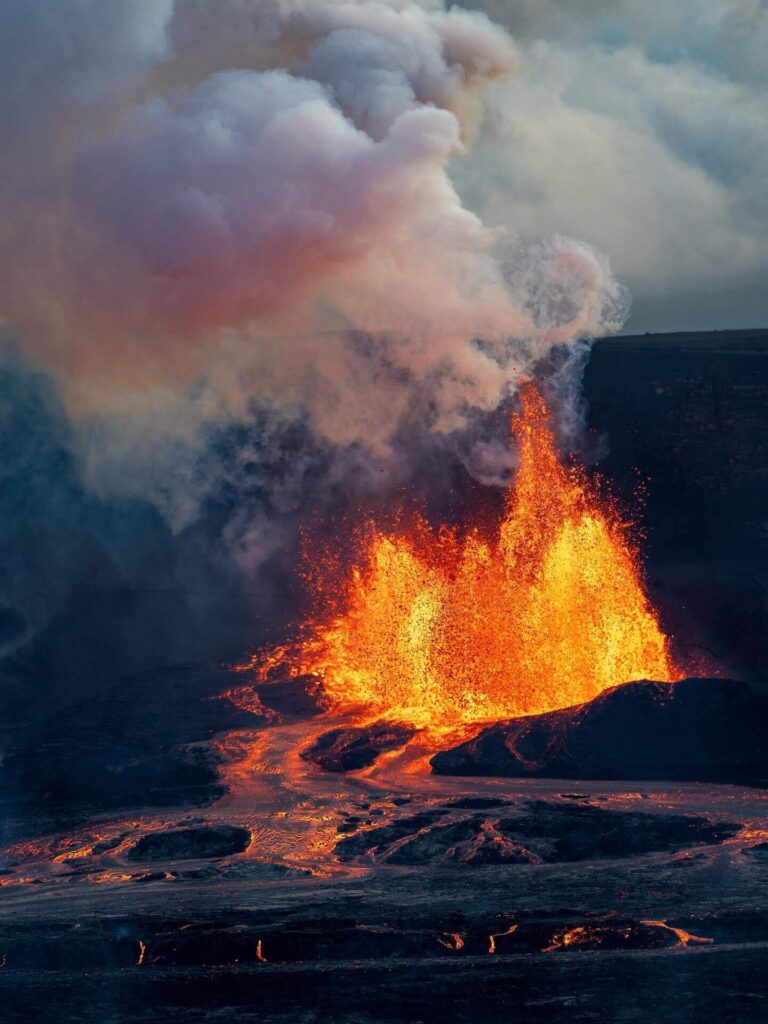
I started the morning walking through a cool rainforest surrounded by giant ferns. A little later, I was crossing the floor of a volcanic crater that looked almost like another planet. By the afternoon, I was standing beside the Pacific Ocean watching waves crash against black lava cliffs.
I’ve visited quite a few national parks, but very few offer this much variety in a single day. Every stop felt completely different from the last, which kept the entire visit interesting.
What Surprised Me
A few things caught me off guard during my visit.
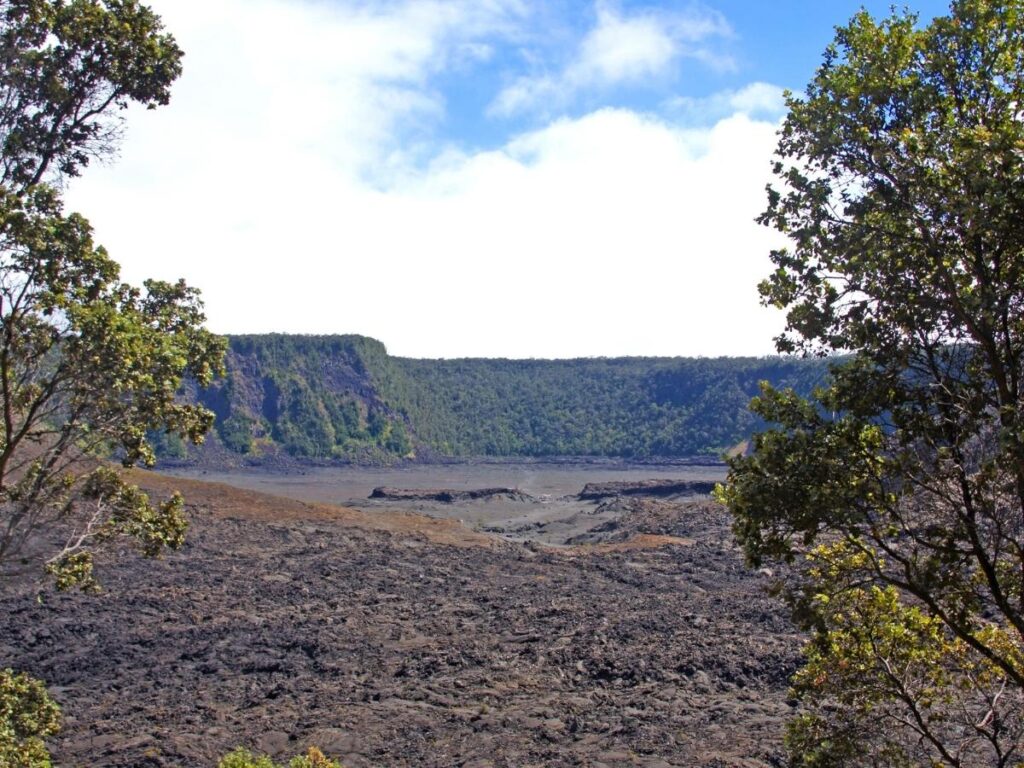
The first was just how big the park is. Looking at the map, I assumed everything would be close together, but you’ll spend more time driving than you might expect. Thankfully, the scenery along the roads is beautiful, so the drives become part of the experience.
The weather also changed much more than I expected. I started the morning in a light jacket, took it off while hiking across the crater, and needed it again later in the afternoon. Dressing in layers turned out to be one of the best decisions I made.
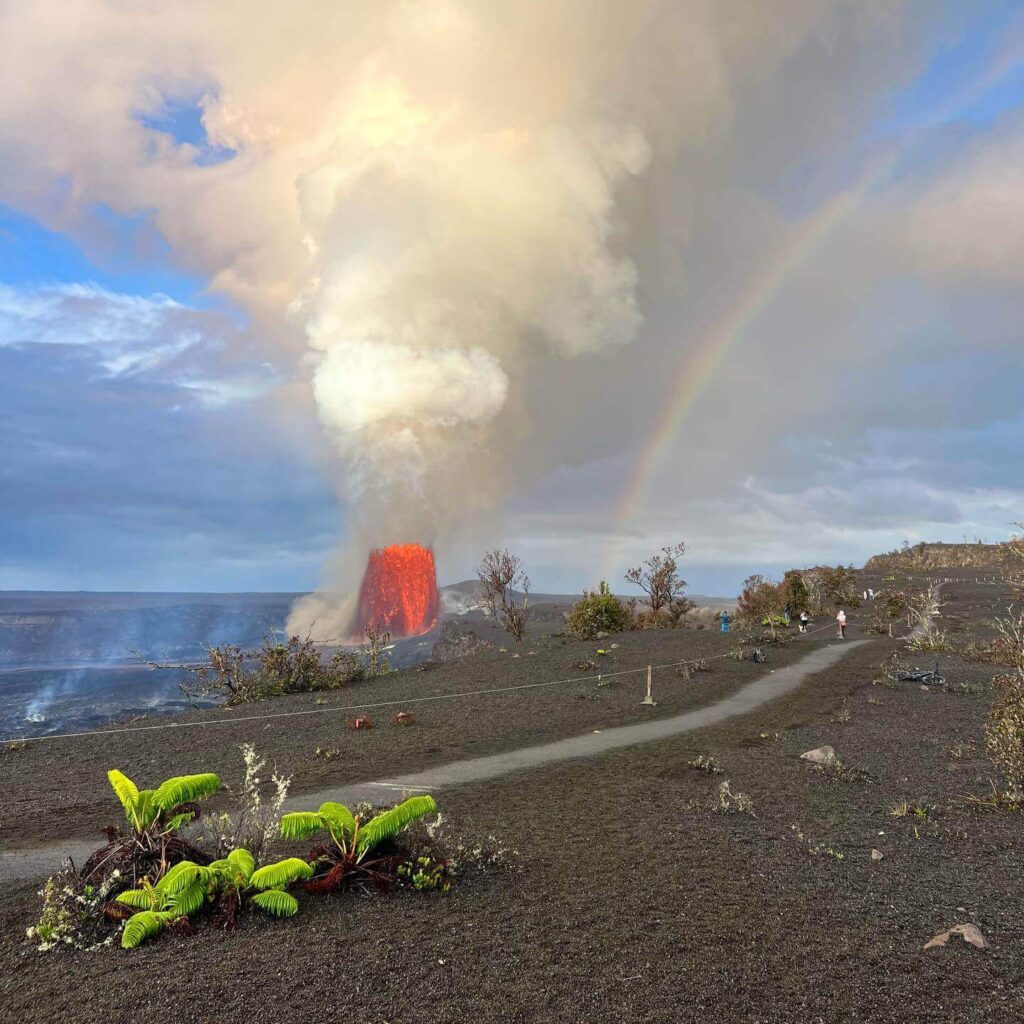
The biggest surprise, though, was how unlike the rest of Hawaii the park feels. If someone had dropped me onto the Kīlauea Iki crater floor without telling me where I was, Hawaii would have been one of my last guesses. That contrast is exactly what made this place so memorable.
Best Time to Visit Hawaii Volcanoes National Park
One of the best things about Hawaii Volcanoes National Park is that you can visit any time of year. The weather stays fairly mild, and every season offers a slightly different experience. That said, I do think some months are better than others depending on what you’re hoping to do.
Spring (April to June)
If I were planning another trip, I’d choose spring. The temperatures are comfortable, hiking is much more enjoyable, and the busy summer travel season hasn’t fully arrived yet.
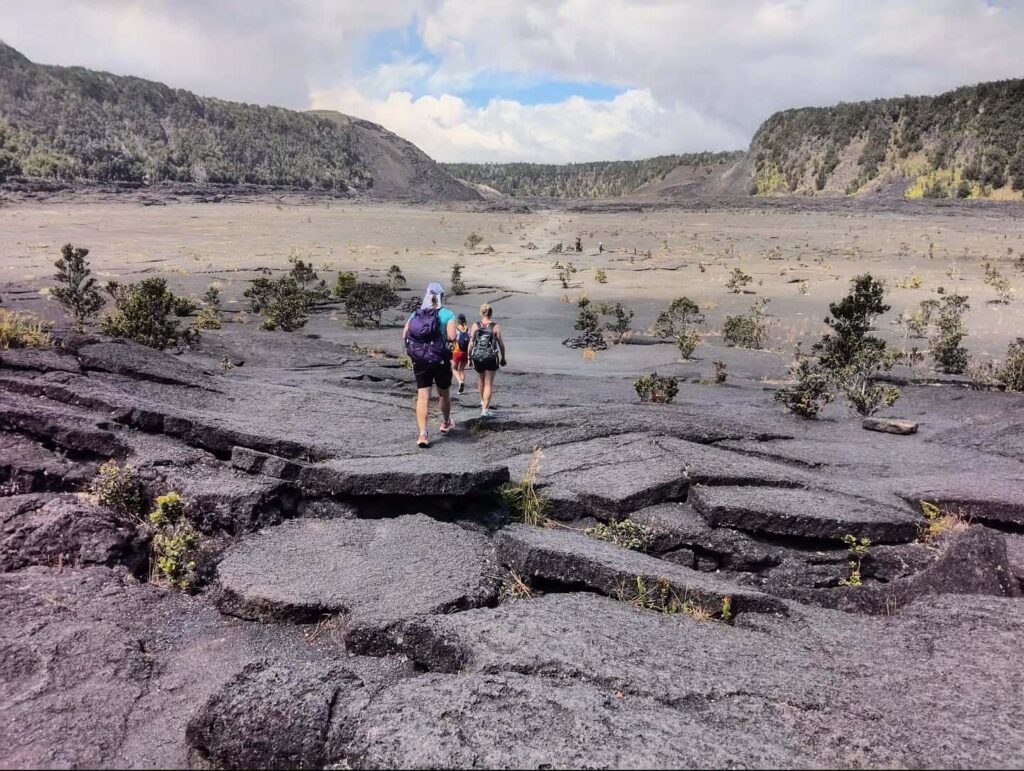
The trails and viewpoints generally feel less crowded, making it easier to take your time and enjoy the scenery.
Summer (June to August)
Summer is a great time to visit if you want the longest days. You’ll have plenty of daylight to complete the Kīlauea Iki Trail, drive Chain of Craters Road, and still have time to return for sunset.
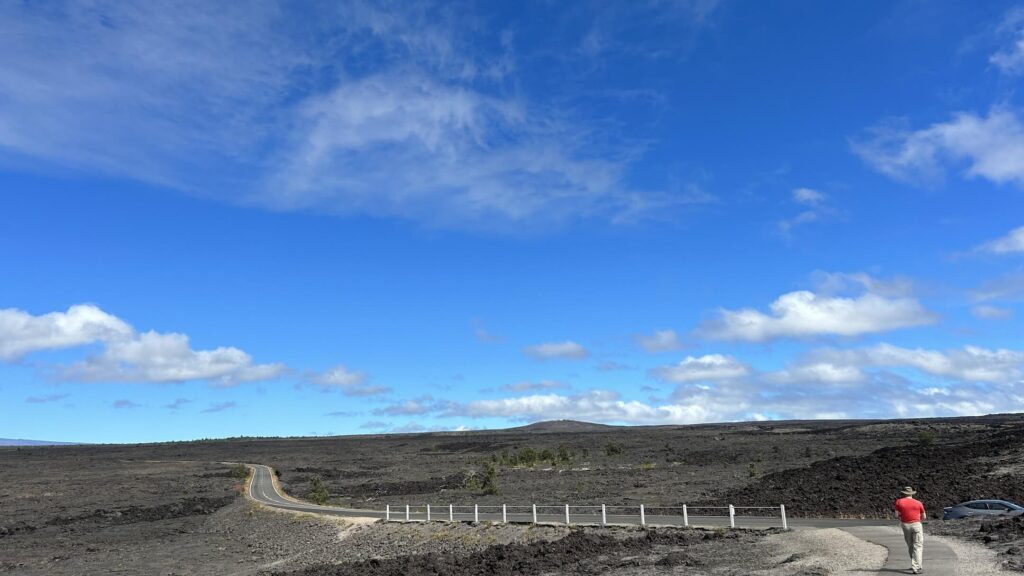
Just expect larger crowds, especially around the Visitor Center and the park’s most popular overlooks.
Fall (September to November)
Fall is another excellent time to visit. The summer crowds begin to fade, but the weather is still warm enough for hiking. If you prefer a quieter experience without sacrificing good conditions, this is a great time to plan your trip.
Winter (December to March)
Winter usually brings more rain, especially around the higher elevations, and mornings can feel surprisingly cool. I wouldn’t avoid visiting, though.
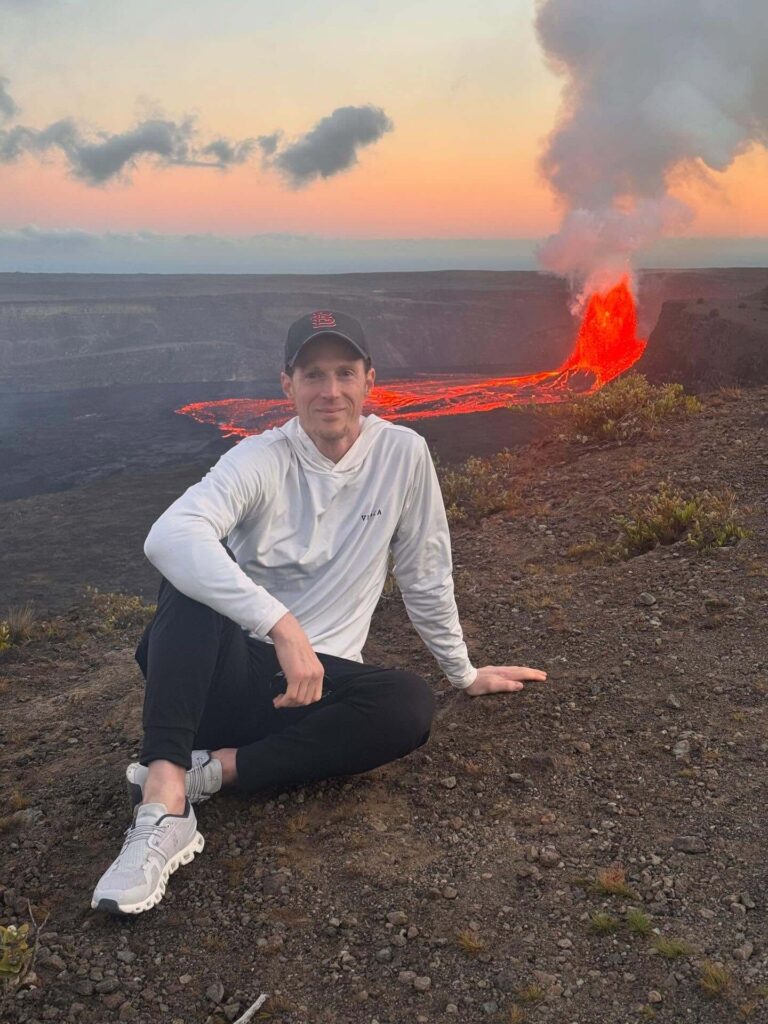
Just pack a light rain jacket and dress in layers, since the weather can change several times throughout the day.
Where to Stay
Where you stay can make a big difference, especially if you only have one day to explore the park. I found it much easier to enjoy the experience by staying within a reasonable driving distance.
Volcano Village
If Hawaii Volcanoes National Park is the main reason for your trip, I’d stay in Volcano Village. It’s only a few minutes from the park entrance, so getting there early is easy. That extra time in the morning means quieter trails, easier parking, and cooler temperatures for hiking.
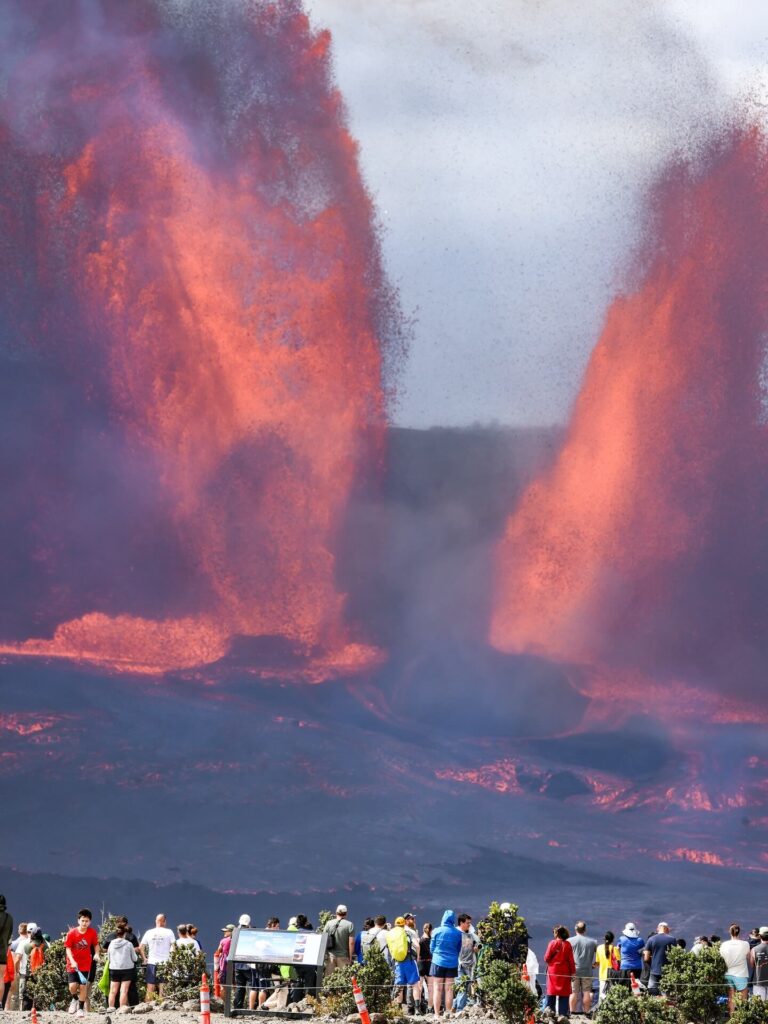
The village has a relaxed atmosphere with cozy lodges, vacation rentals, cafés, and a handful of restaurants, making it a great place to unwind after a full day in the park.
Hilo
I stayed in Hilo, and I thought it was a great choice. The drive to the park takes about 45 minutes, which felt very manageable, and there was plenty to do before and after my visit. Hilo has more hotels, restaurants, grocery stores, and local shops than Volcano Village, plus you’re close to attractions like Rainbow Falls and Akaka Falls.
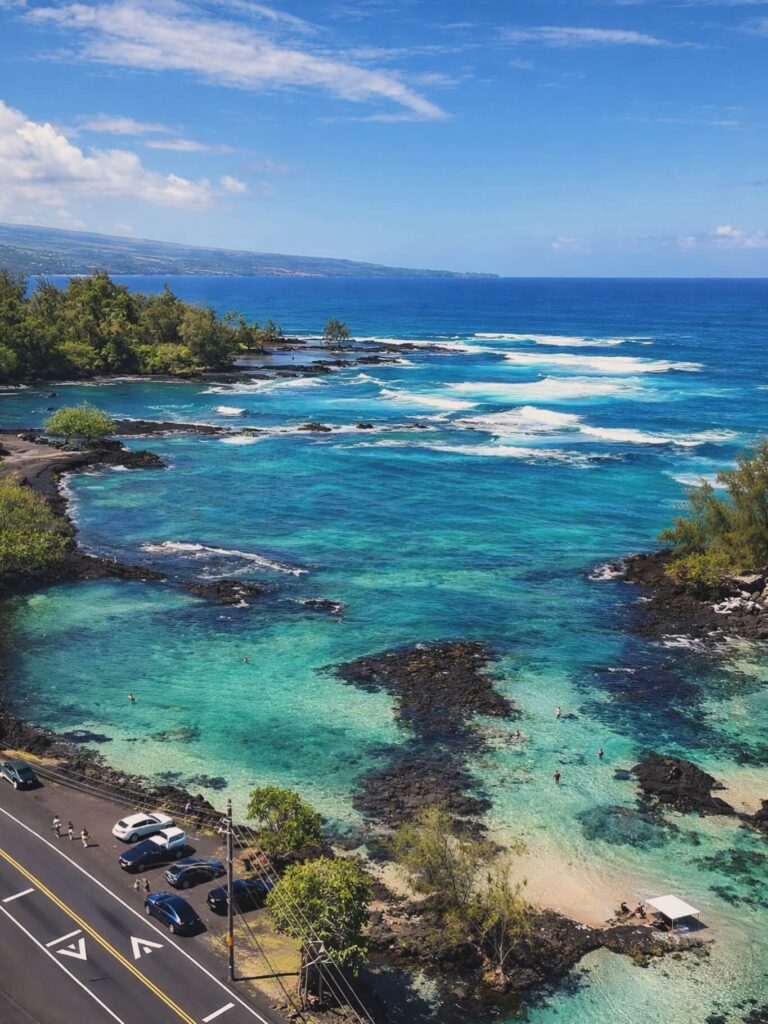
If you’re spending several days on the Big Island, Hilo makes a convenient base for exploring the island’s east side as well as the national park.
Kona
Kona is the best choice if your vacation is focused on beaches and resorts. It has the largest selection of hotels, restaurants, and nightlife on the island, but it’s also the farthest option from the park.
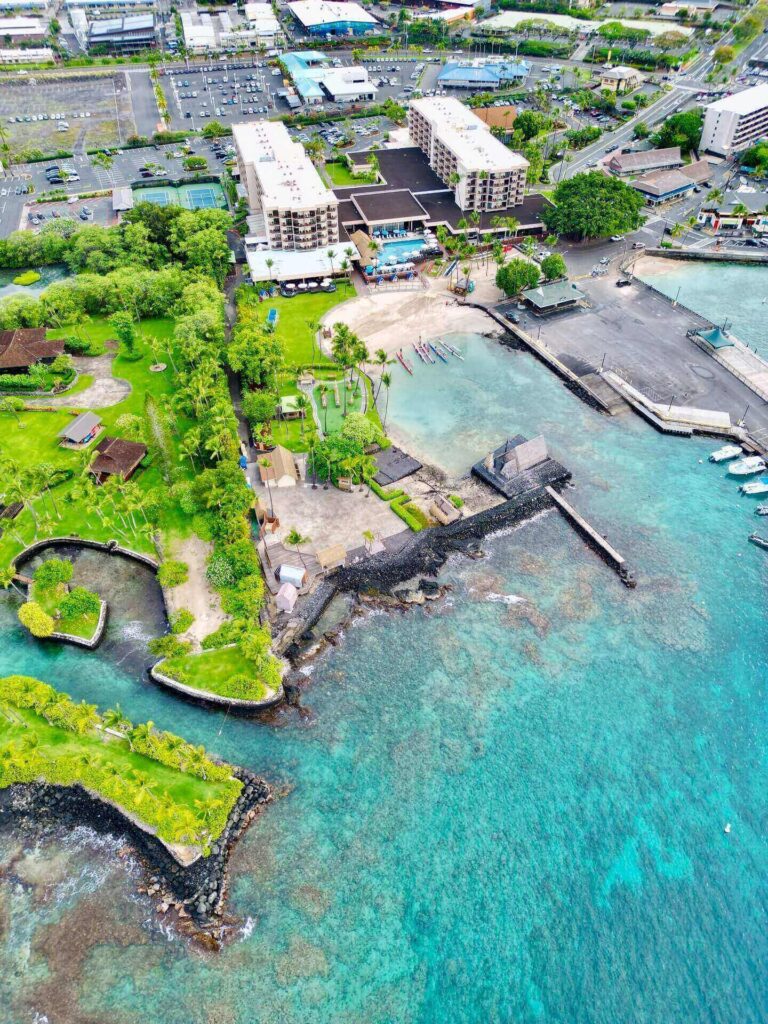
The drive takes around two to two and a half hours each way, so you’ll need an early start if you’re following this itinerary. It’s definitely doable, but be prepared for a long day behind the wheel.
Where to Eat
There aren’t many places to eat inside Hawaii Volcanoes National Park, so it’s worth thinking about lunch before you arrive. Whether you want to sit down for a meal or grab something quick before heading out on the trails, these were the places I’d recommend.
Volcano House
If you’re planning to eat inside the park, Volcano House is the obvious choice. It’s the only full service restaurant here, and the views overlooking Kīlauea Caldera make it a memorable place to take a break.
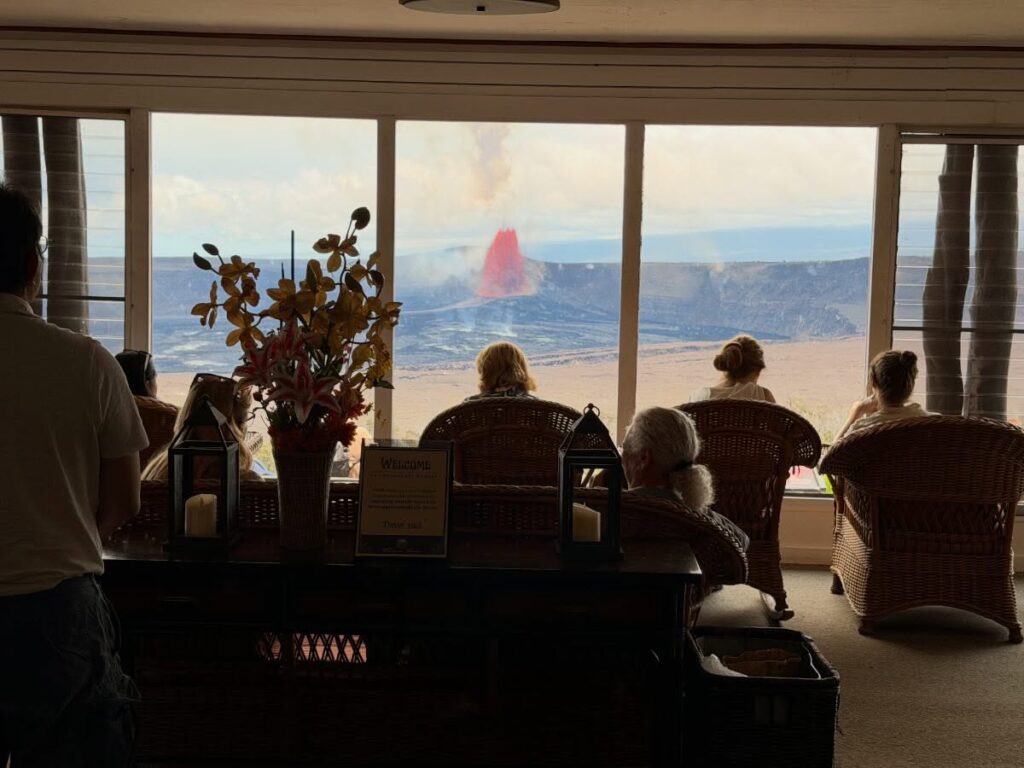
I stopped here after hiking the Kīlauea Iki Trail, and it was the perfect chance to rest before spending the afternoon exploring Chain of Craters Road.
Thai Thai Bistro & Bar
Just a few minutes outside the park in Volcano Village, Thai Thai Bistro & Bar is a popular choice after a long day of hiking. The portions are generous, the food is comforting, and it’s a great place to relax if you’re staying nearby.
Kilauea Lodge Restaurant
If you’re spending the night in Volcano Village, Kilauea Lodge Restaurant is another excellent option. The historic lodge has a cozy atmosphere, and the menu features fresh seafood, steaks, and dishes made with local ingredients. It’s a nice choice if you’re looking for something a little more special after a day in the park.
Eagle’s Lighthouse Café
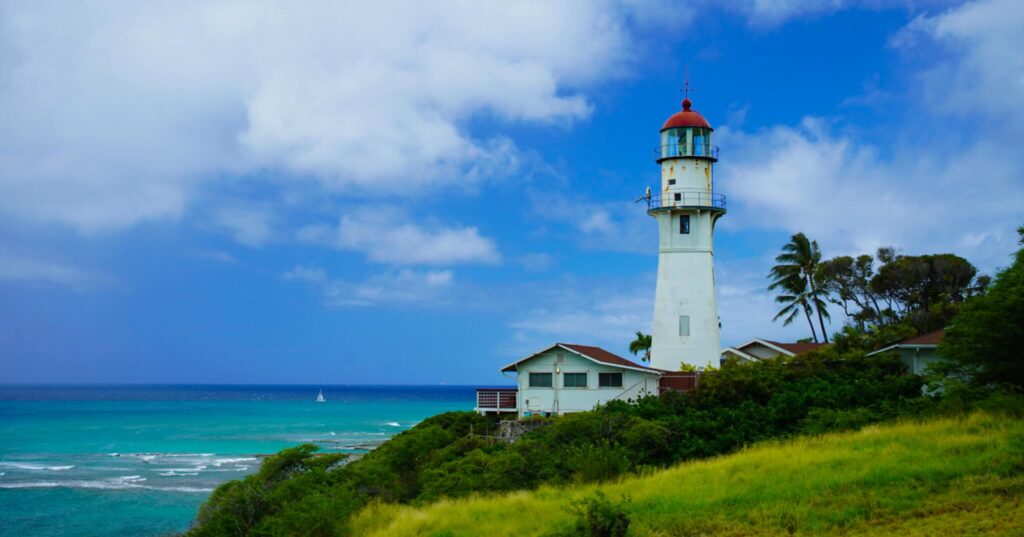
If you’re arriving early like I did, Eagle’s Lighthouse Café is a great place to grab breakfast or an early lunch before entering the park. It’s casual, affordable, and a good way to start the day before several hours of hiking.
Common Mistakes First Time Visitors Make
After spending a full day in the park, there are a few things I’d do the same and a few mistakes I’d definitely avoid.
The biggest one is arriving too late. Many people don’t enter the park until mid morning, but by then the parking lots are much busier, the popular trails have filled up, and hiking becomes warmer. Getting there early made the entire day feel much more relaxed.

I also underestimated how large the park is. On the map, everything looks fairly close together, but once you start driving between trailheads, overlooks, and the coast, the distances add up. Giving yourself extra time between stops makes the day much less stressful.
If you enjoy hiking, I wouldn’t skip the Kīlauea Iki Trail. The overlooks are beautiful, but walking across the crater was easily the highlight of my visit and gave me a completely different appreciation for the park.
Another mistake is forgetting to check the latest eruption updates before you arrive. Volcanic activity changes regularly, and a quick look at the park website can save you from disappointment or even lead you to new viewing opportunities.
Finally, wear proper hiking shoes. Flip flops are perfect for Hawaii’s beaches, but they’re not much fun on uneven lava rock.
Is Hawaii Volcanoes National Park Worth Visiting?
Without question.
Before visiting the Big Island, I imagined Hawaii as a place of golden beaches, waterfalls, and palm trees. Hawaii Volcanoes National Park completely changed that picture.
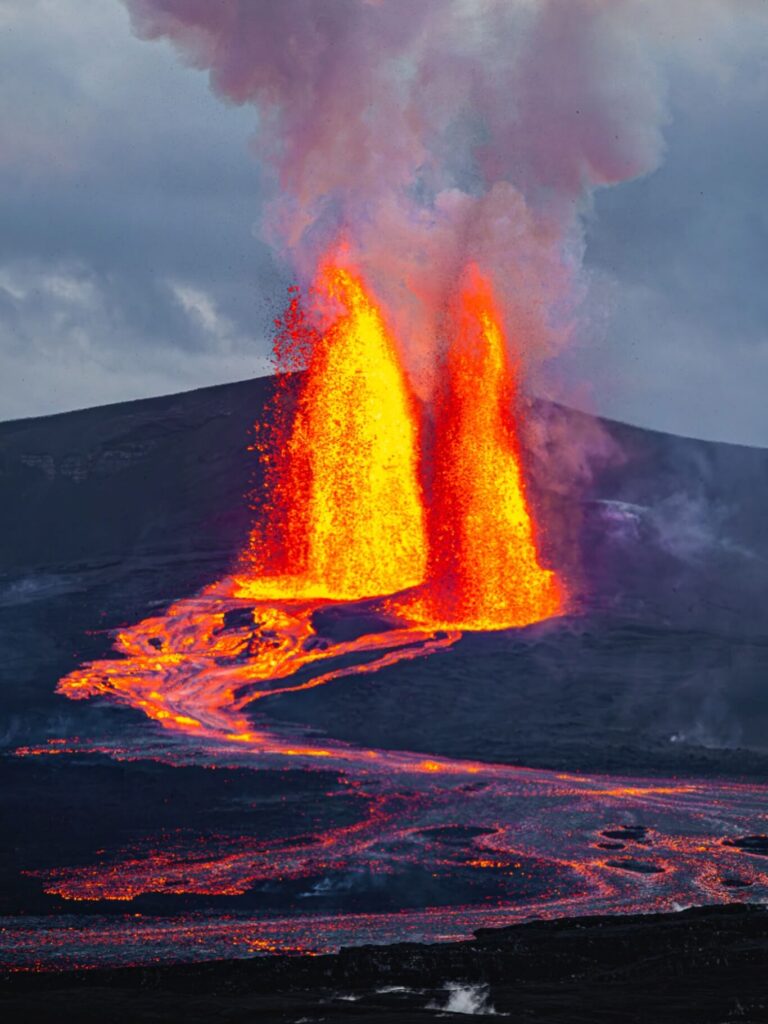
In a single day, I hiked across a volcanic crater, watched steam rising from the ground, explored an ancient lava tube, and drove through miles of lava fields before ending up beside the Pacific Ocean. It felt like visiting several completely different landscapes without ever leaving the park.
If you only have one day, I think this itinerary gives you a great introduction without feeling rushed. And if you can spend two days here, even better. There are still plenty of trails and viewpoints I’d love to come back and explore.
For me, this wasn’t just another stop on my Hawaii itinerary. It ended up being one of the most memorable experiences of my entire trip, and it’s a place I’d happily visit again.