
I didn’t go to Orléans expecting it to stay with me.
It was meant to be a quick stop on the way to the Loire Valley. I thought I’d visit the cathedral, walk around for a bit, and then move on. But once I got there, the pace of the city changed how I experienced it.
Nothing about Orléans feels rushed. The streets are calm, the old town is easy to wander without a plan, and you don’t feel like you need to keep checking what to do next.
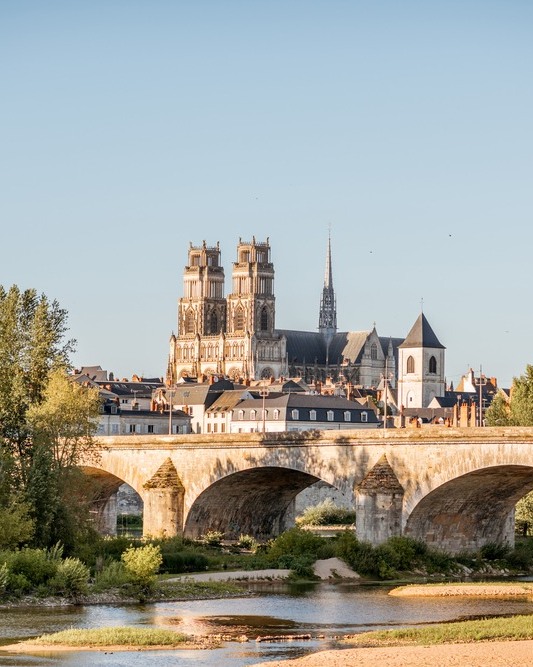
I found myself slowing down without really noticing it, turning into quiet streets just to see where they led, and spending longer than expected by the Loire River simply because it felt like a good place to pause.
The history, especially around Joan of Arc, adds another layer, but it never feels overwhelming. It’s just there in the background, giving a bit more meaning to what you’re seeing.
By the time I left, I realized I hadn’t tried to see everything, and I didn’t need to. What stayed with me were the smaller moments rather than any single highlight.
If you’re planning a visit, this guide covers the best things to do in Orléans, along with a simple way to experience the city without over planning it.
Why Visit Orléans
Orléans isn’t trying to compete with bigger French cities, and that’s part of why it works so well.
It feels more local than polished. You don’t get the same pressure to see everything, and that changes how you move through the city. Instead of planning your day around major sights, you end up noticing smaller things, like a quiet street that suddenly opens into a square, or a café where you sit longer than you expected because there’s no reason to rush.
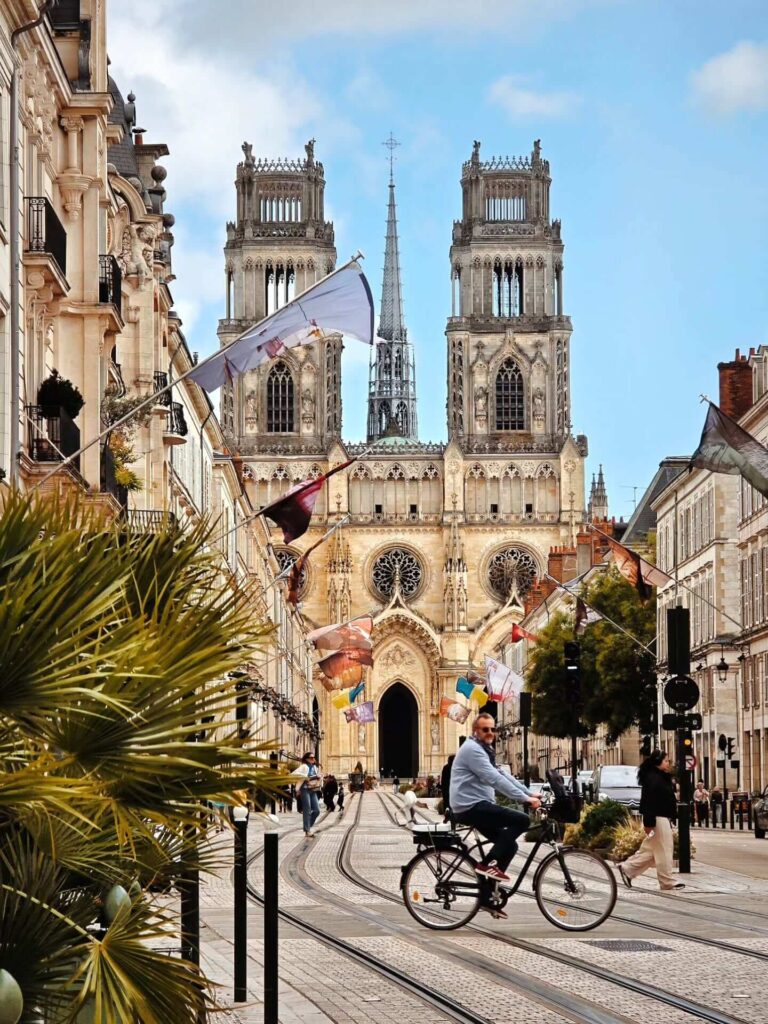
A lot of the experience here comes from those in between moments. Walking through the old town without a fixed route, stopping for coffee when you feel like it, or heading toward the Loire River just to take a break from the streets. It’s not a place that constantly demands your attention, and that actually makes it more enjoyable.
I think Orléans works best for people who like a slower pace when they travel. If you enjoy wandering without a strict plan, it’s easy to settle into. There’s also a strong sense of history, especially with Joan of Arc, but it doesn’t feel overwhelming or overly staged. It’s just part of the city rather than the only reason to visit.
It also makes a good base if you’re planning to explore the Loire Valley. You can take day trips to nearby castles and come back somewhere that feels quieter in the evening, which I personally preferred over staying somewhere busier.
That said, it’s not for everyone. If you’re looking for constant activity, a long list of major attractions, or a busy nightlife scene, it might feel a bit too slow. But if you enjoy taking your time and letting a place unfold naturally, Orléans does that really well.
Best Things to Do in Orléans
1. Visit Cathédrale Sainte Croix
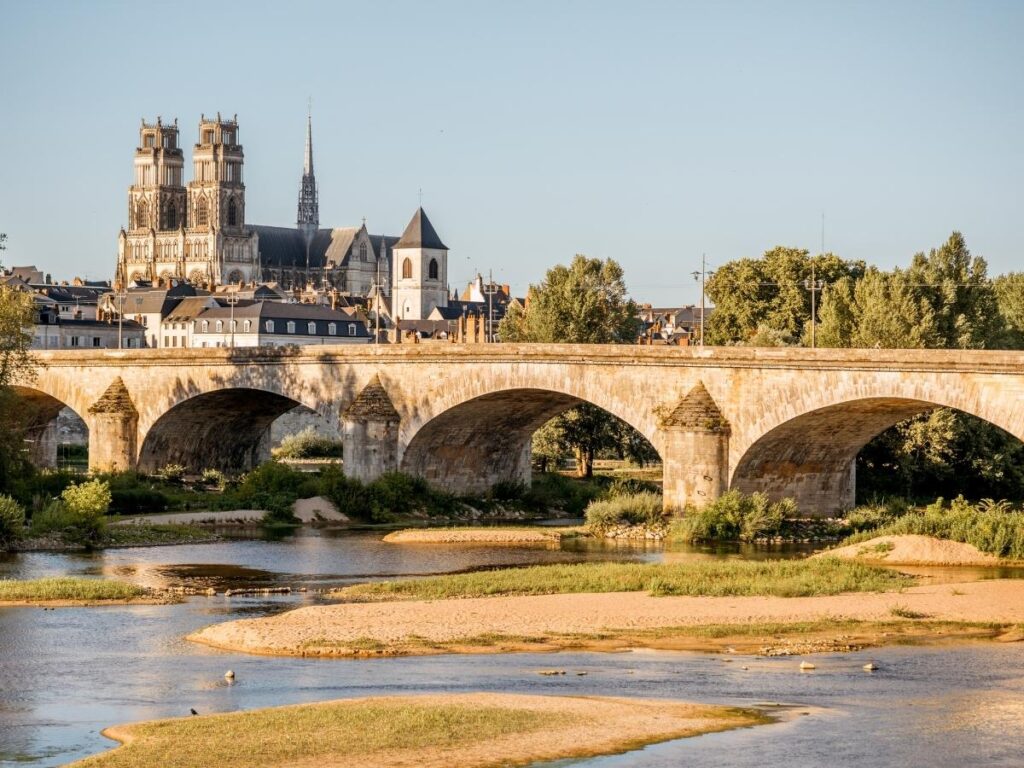
This is usually the first place you notice when you arrive in Orléans, and it naturally becomes a starting point. The cathedral rises above everything else, so you’ll probably find yourself walking toward it without even planning to.
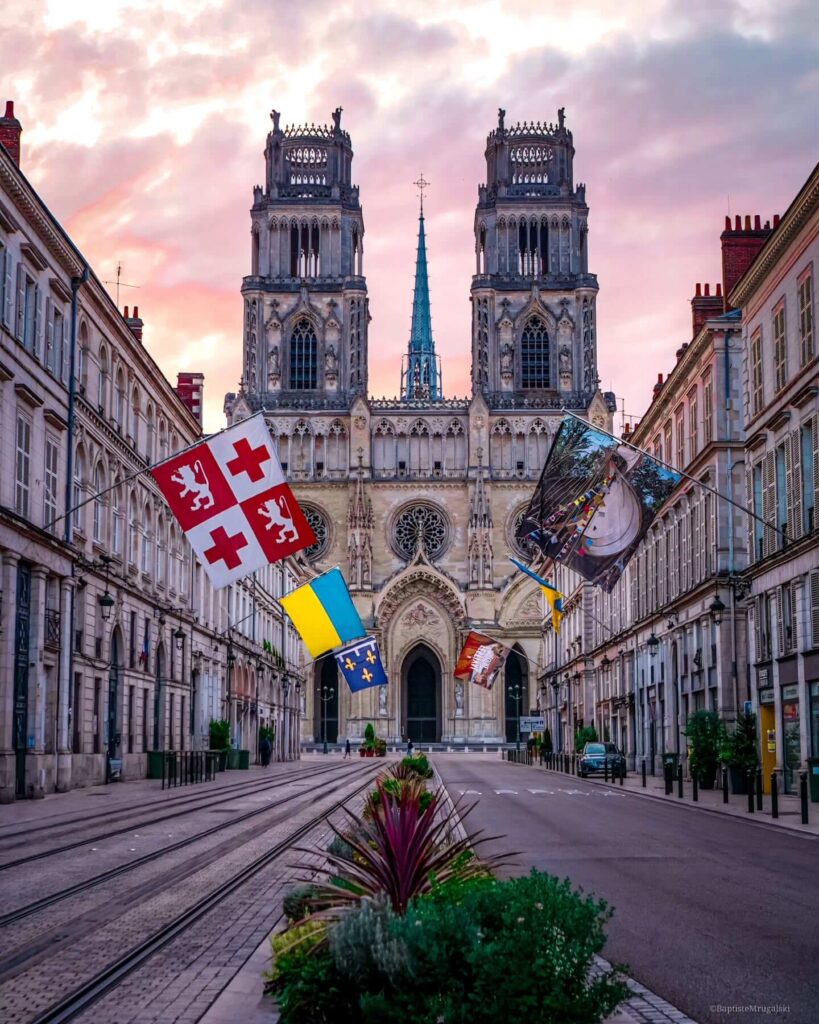
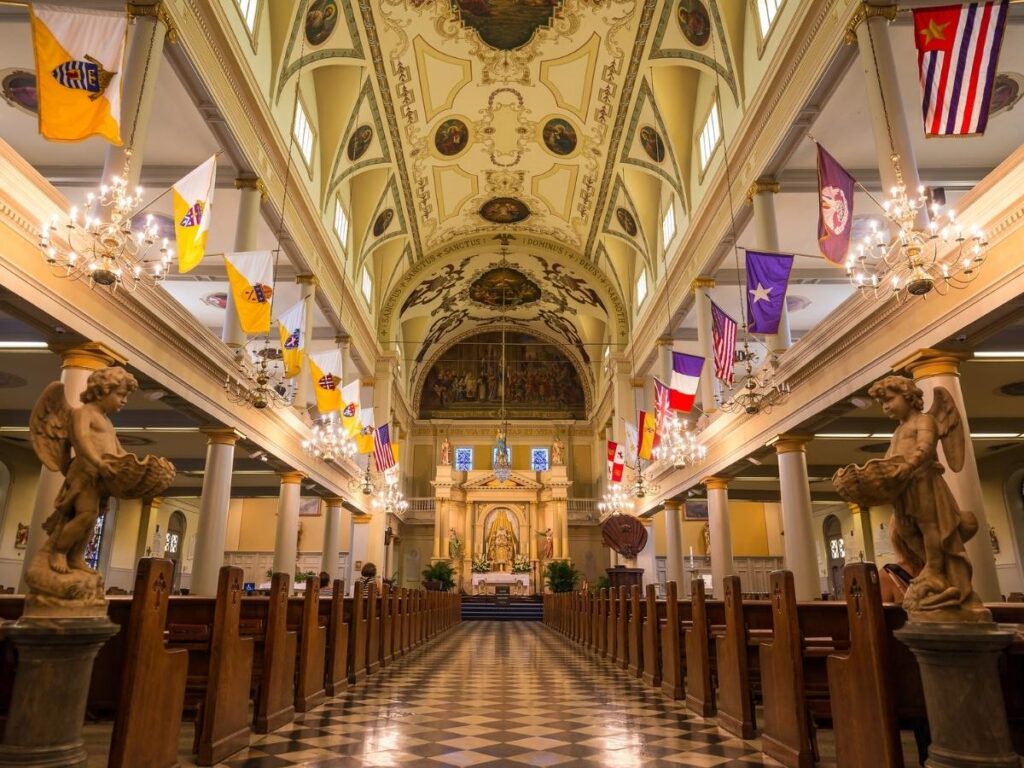
What stayed with me wasn’t just how large it is, but the contrast between outside and inside. From a distance, it feels grand and imposing, but once you step in, it’s much quieter and calmer than you’d expect. The light through the stained glass, the scale of the space, and the silence all slow you down a bit.
There’s also a strong connection to Joan of Arc here, which makes it feel more meaningful than just another historic church. Even if you’re not deeply interested in history, knowing that link changes how you see it.
If you can, go earlier in the day. It feels completely different when it’s not crowded, and you actually get a moment to take it in.
2. Walk Through the Old Town (Centre Ancien)
This was the part of Orléans I kept coming back to.
The old town isn’t something you need to “do” in a structured way. It’s better when you don’t have a route at all. I spent most of my time just walking, turning into streets that looked interesting, and not really worrying about where I’d end up.
You’ll notice the half timbered houses first, but what makes it enjoyable are the smaller details, the quiet corners, the little shops, the way some streets suddenly feel more lively while others are almost empty.
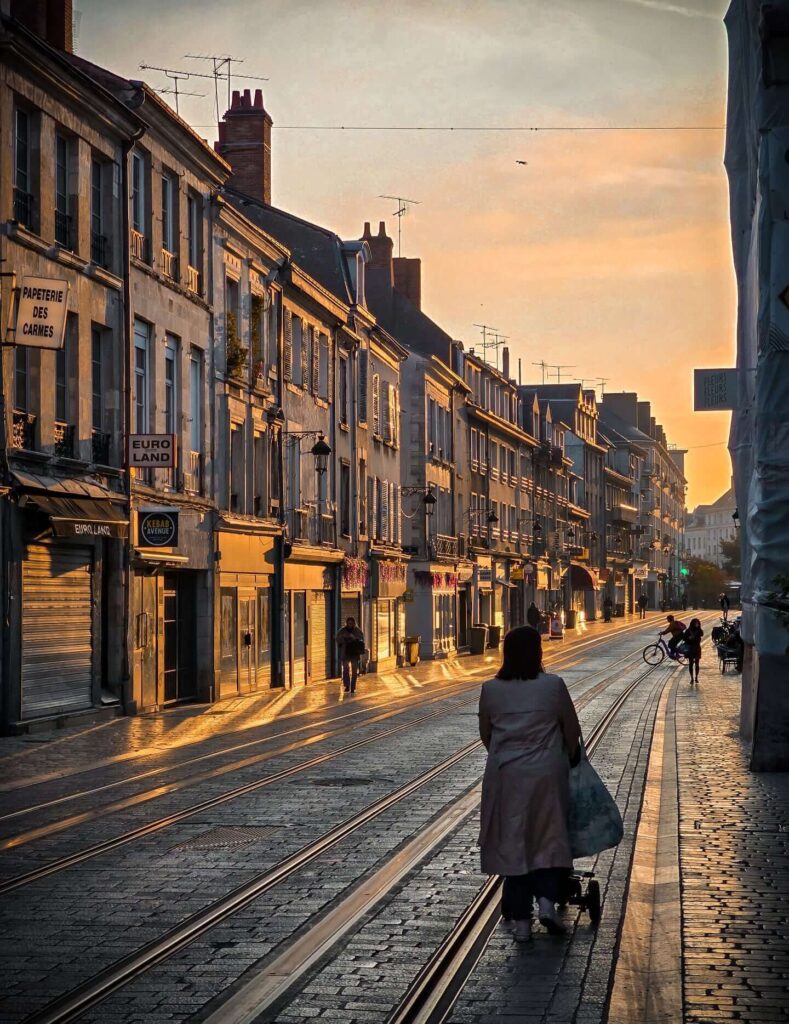
It never felt overwhelming, which made it easy to explore at my own pace. Even when I ended up in slightly busier areas, it didn’t take long to find somewhere quieter again.
What I liked most was how effortless it felt. I didn’t need to check maps constantly or plan what to see next. Just walking was enough.
3. See Place du Martroi
You’ll likely pass through this square at some point without even trying to find it.
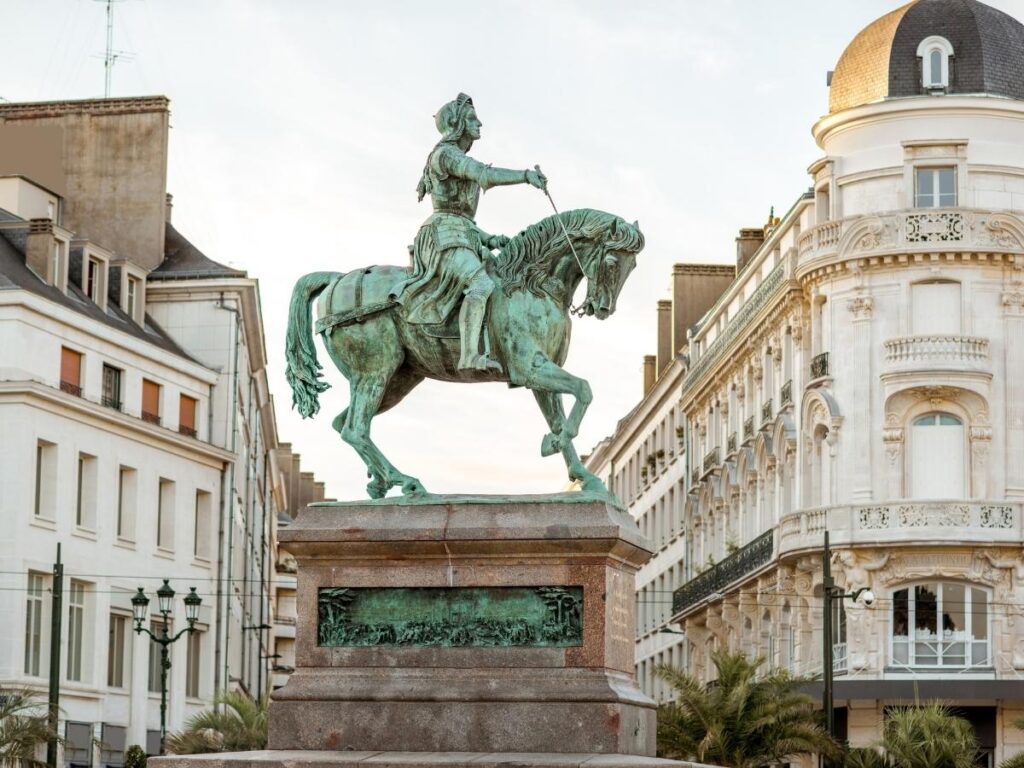
Place du Martroi is one of the main gathering points in the city, and it feels more open compared to the narrower streets around it. In the center, there’s a statue of Joan of Arc on horseback, which ties back into the city’s history in a very visible way.
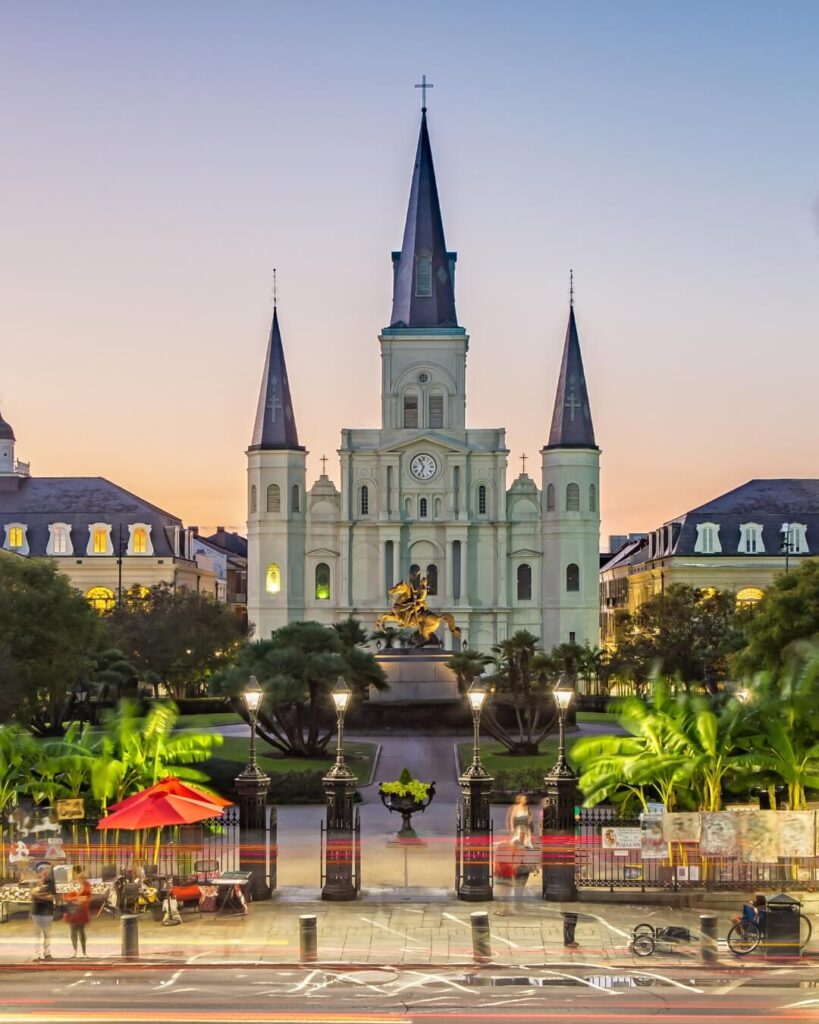
It’s not necessarily a place you spend a long time, but it works well as a pause between exploring. There are cafés around the edges, and it’s a good spot to sit for a bit and take in the atmosphere.
I noticed it changes quite a bit depending on when you’re there. In the morning, it feels quieter and more relaxed. By the afternoon, there’s more movement, people passing through, stopping briefly, or meeting up.
4. Follow the Joan of Arc Trail
Joan of Arc is such a central part of Orléans that you don’t really have to go out of your way to “find” her story, it’s already woven into the city.
There are a few key places you can visit, like the Maison de Jeanne d’Arc and the cathedral, but what made it interesting for me was how present her story still feels as you move around. It’s not limited to one museum or one site.
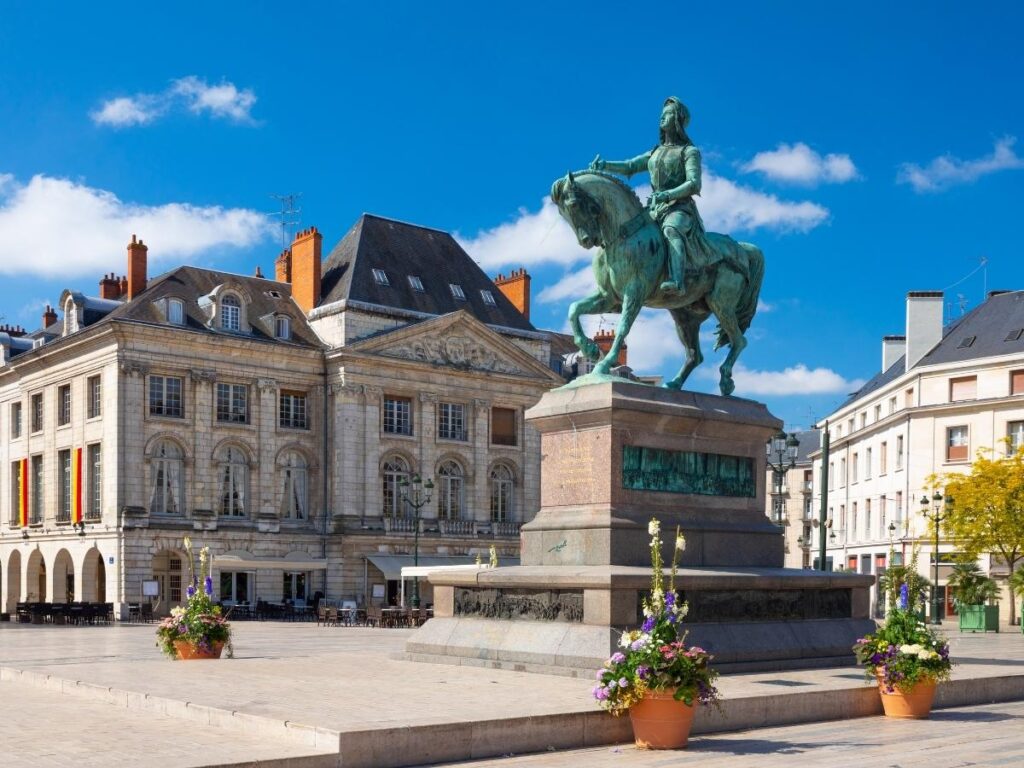
Even without following a strict route, just being aware of her connection to the city adds another layer to what you’re seeing. Certain places feel more significant once you understand what happened there.
What surprised me most was that it didn’t feel distant or overly formal. It felt like something the city still holds onto rather than something purely historical.
5. Walk Along the Loire River
If there’s one place where I naturally slowed down the most, it was here.
The Loire River feels like a break from the city, even though it’s right next to it. After spending time in the old town, walking along the river feels more open and less structured. There’s more space, fewer distractions, and it’s easier to just stop for a while without feeling like you should be somewhere else.
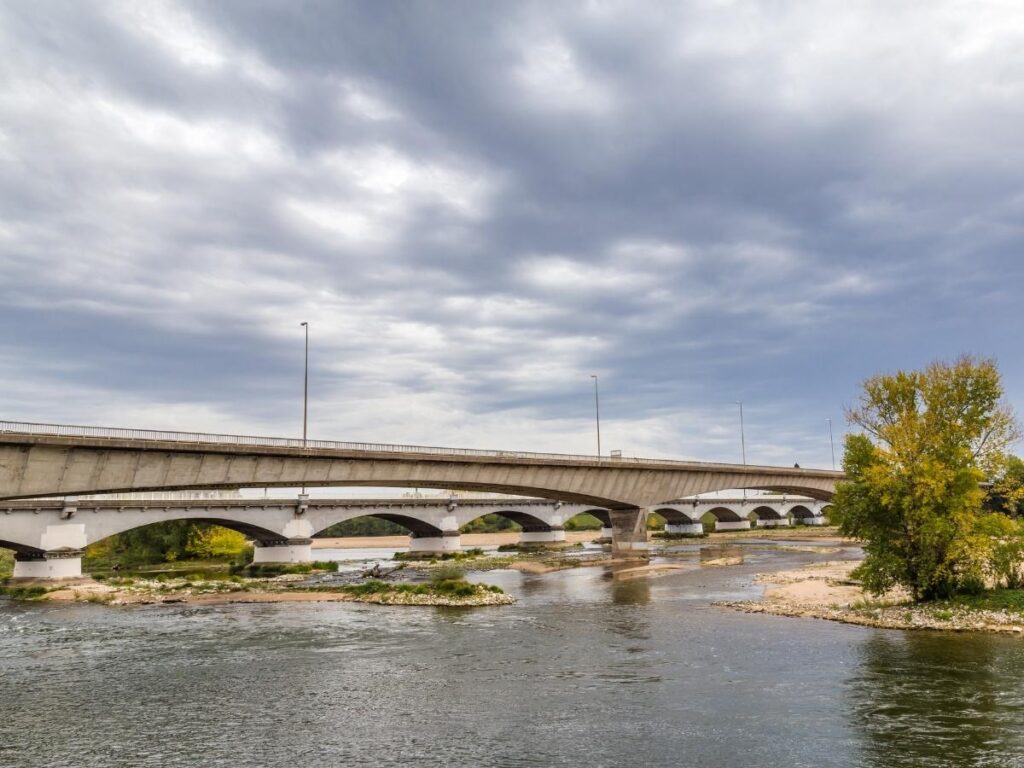
I ended up spending more time here than I planned, especially later in the day. It’s a good place to reset a bit, whether that’s sitting by the water or just walking without a destination.
Late afternoon into sunset felt like the best time. The light changes, it gets quieter, and the whole area feels more relaxed.
6. Visit Musée des Beaux Arts
This is one of those places that depends on what kind of trip you’re having.
If you enjoy art, it’s an easy addition. The museum has a good collection of European paintings, and it’s not overwhelming to get through. You can spend an hour or two here without it taking over your day.
I liked that it felt manageable. It didn’t feel like something you had to commit a full afternoon to unless you wanted to.
At the same time, if art isn’t something you usually prioritize when you travel, this is one you can skip without feeling like you’ve missed an essential part of the city.
7. Explore Local Markets
If your visit lines up with a market day, it’s worth making a bit of time for it.
The markets feel more like everyday life rather than something set up for visitors. You’ll see fresh produce, local food, and people going about their routine, which gives you a different perspective compared to the main sights.
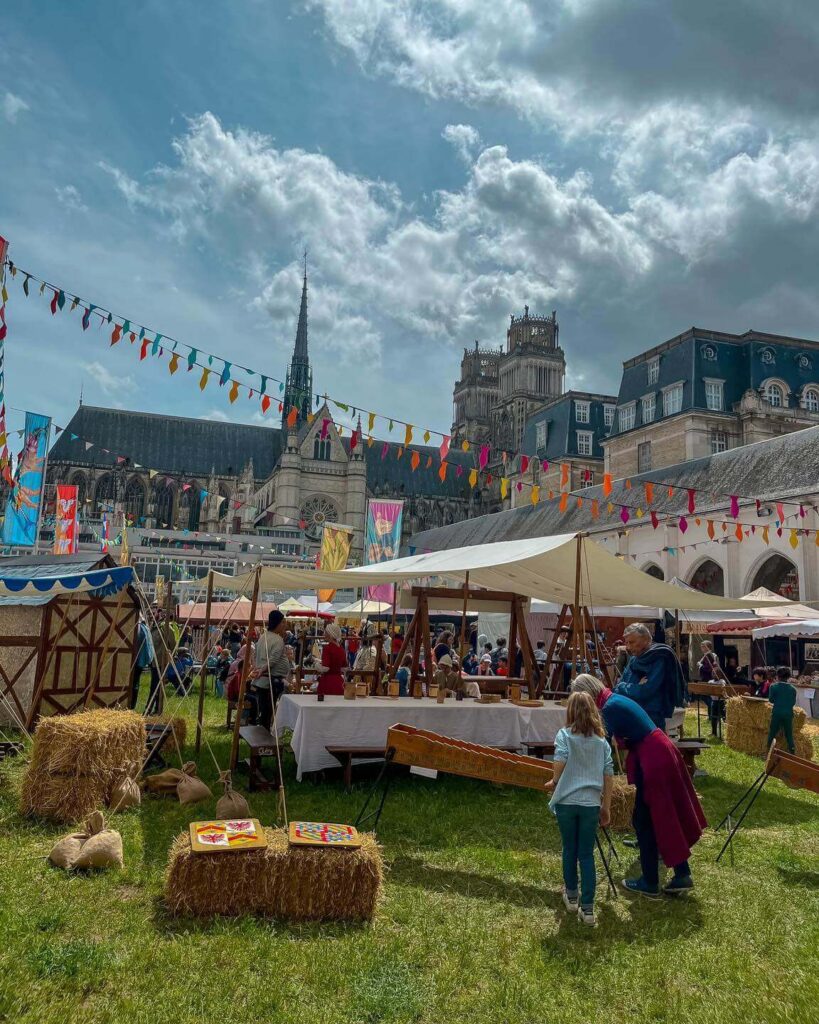
I didn’t go in with a plan here either. Just walking through, looking around, maybe picking up something small to eat, it all adds to the experience in a simple way.
It’s not something you need to go out of your way for, but if it happens to fit into your schedule, it’s a nice change of pace.
8. Relax at Parc Floral de la Source
This is a bit outside the main center, so it takes a little more effort to get to, but it can be worth it if you want a quieter break.
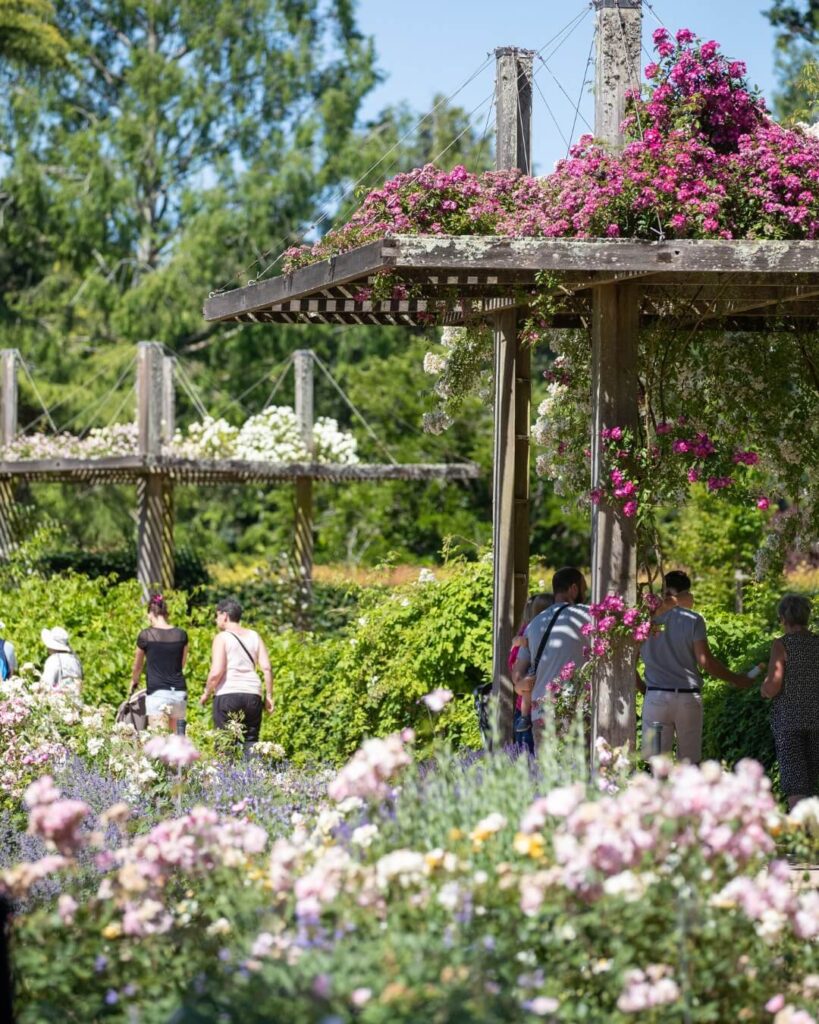
The park feels more open and removed from the city. After spending time in the streets and around the main areas, it’s a different kind of space, more relaxed and less structured.
I wouldn’t say it’s essential if you only have a short visit, but if you have extra time or just feel like stepping away from the city for a while, it’s a good option.
9. Take a Day Trip to Loire Valley Castles
One of the advantages of staying in Orléans is how easy it is to explore the Loire Valley from here.
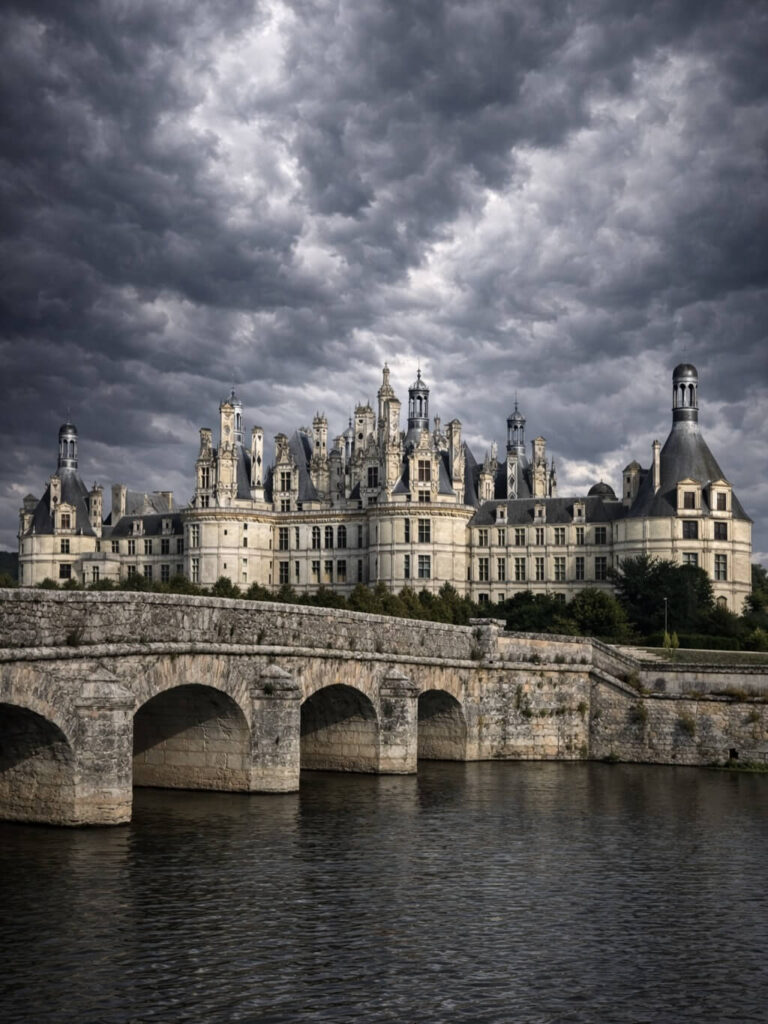
Places like Château de Chambord or Château de Blois are close enough for a day trip, and they offer a completely different experience compared to the city. The scale, the setting, and the history all feel very different from what you see in Orléans itself.
What I liked about using Orléans as a base is that you can visit these places during the day and come back somewhere quieter in the evening. It keeps the trip balanced.
Even adding just one castle to your itinerary can give you a better sense of the region as a whole.
How to Spend One Day in Orléans
If you only have a day in Orléans, the best approach is to keep things simple and not try to fit in too much. The city isn’t about rushing from one place to another, and trying to do that actually takes away from what makes it enjoyable. It works better when you give yourself a bit of flexibility and let the day unfold naturally.
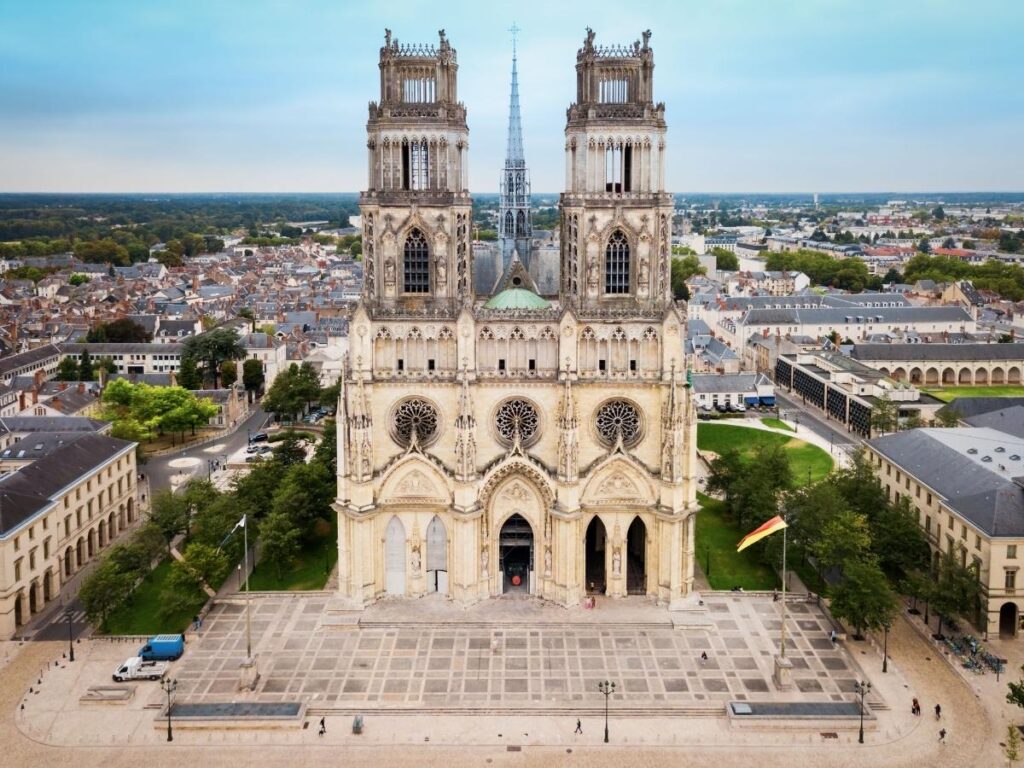
Start your morning at Cathédrale Sainte Croix. It’s one of those places that feels right to visit early, before the streets get busier. The atmosphere inside is much calmer at that time, and you can take a moment to look around without feeling like you need to move on quickly. From there, head straight into the old town.
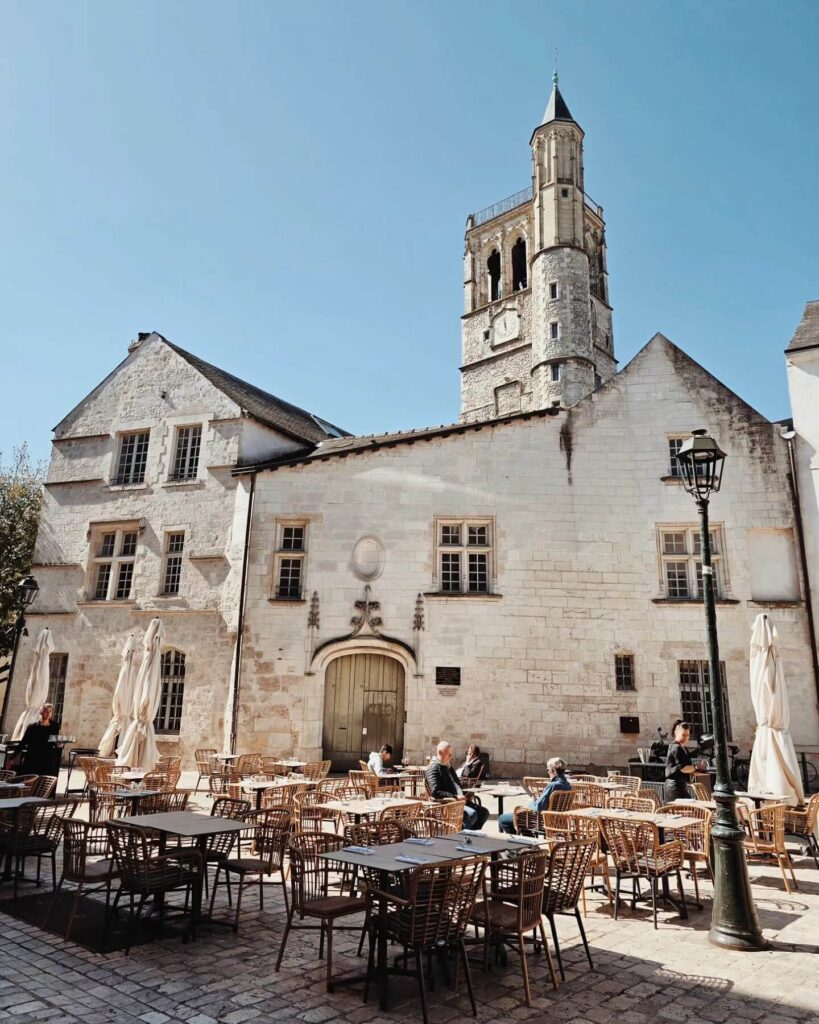
This is where I’d avoid having a fixed plan. Just walk. Some streets will naturally lead you toward small squares, others toward quieter corners, and that’s part of the experience. You don’t need to cover the area, just spend some time in it. If you come across a café that feels inviting, it’s worth stopping instead of saving it for later.
By the afternoon, you’ll likely find yourself near Place du Martroi without trying too hard. It’s a good point to pause for a bit, maybe sit down for lunch nearby and take a break from walking. After that, you can loosely follow the Joan of Arc sites.
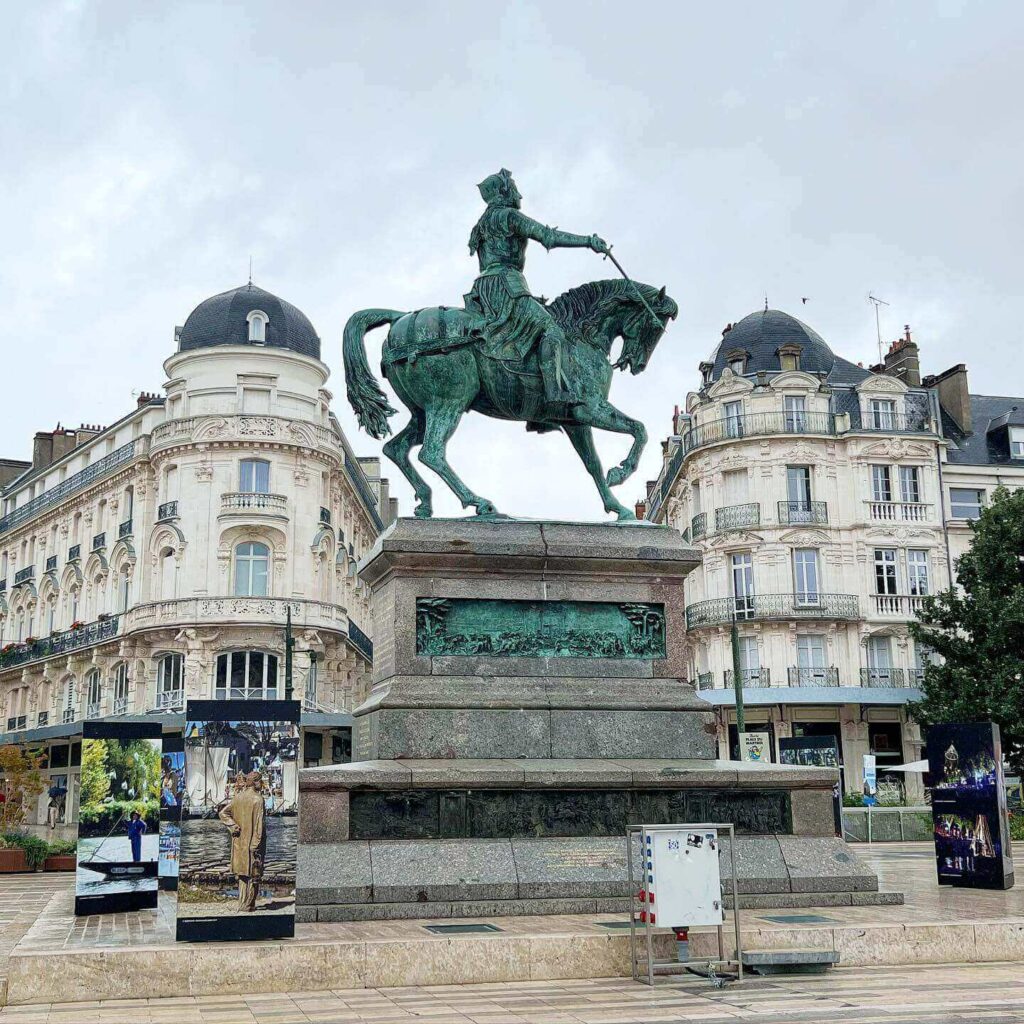
There’s no need to treat it like a checklist, but visiting a couple of these places adds more context to the city and what you’ve already seen.
As the day starts to slow down, head toward the Loire River. This is where the pace shifts again. After spending time in the streets, the river feels more open and relaxed. It’s a good place to walk without thinking about where you’re going, or just sit for a while if you feel like it.
For the evening, I’d keep things just as unplanned. Find a place for dinner that feels right in the moment, somewhere close to where you already are rather than going out of your way. That way, you’re not rushing to end the day either.
This kind of pace lets you see Orléans without feeling like you’re trying to get through it. It leaves space for the small moments, which, in my experience, are what you remember the most here.
Where to Stay in Orléans
Where you stay in Orléans can make a noticeable difference, even though the city itself isn’t very large. It’s the kind of place where location affects how naturally your day flows, especially if you’re only there for a short time.
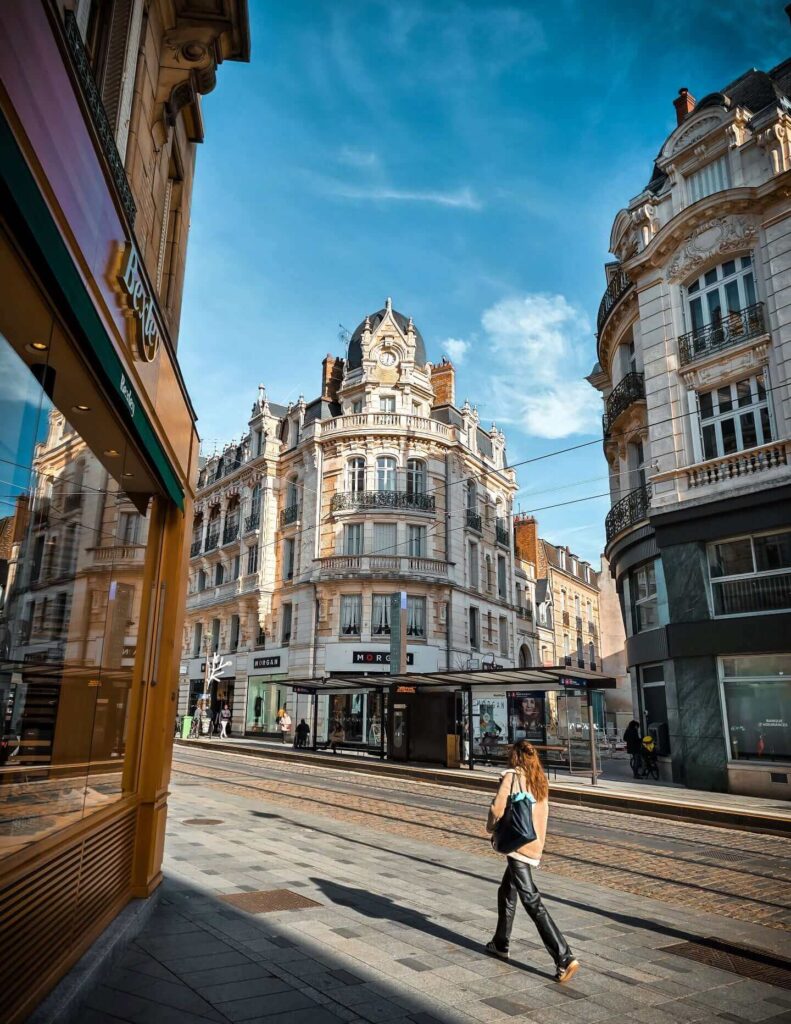
If it’s your first visit, staying in or close to the old town makes everything easier. Most of the main places you’ll want to see are within walking distance, so you can step outside and already be in the middle of it all. I liked how little effort it took to explore, there was no need to think about transport or plan routes.
You can also go back to your hotel during the day without it feeling like a detour, which makes the whole experience feel more relaxed.
Staying near the train station is more practical, especially if you’re arriving late, leaving early, or planning day trips around the Loire Valley. It’s convenient, but it doesn’t have quite the same atmosphere as the old town.
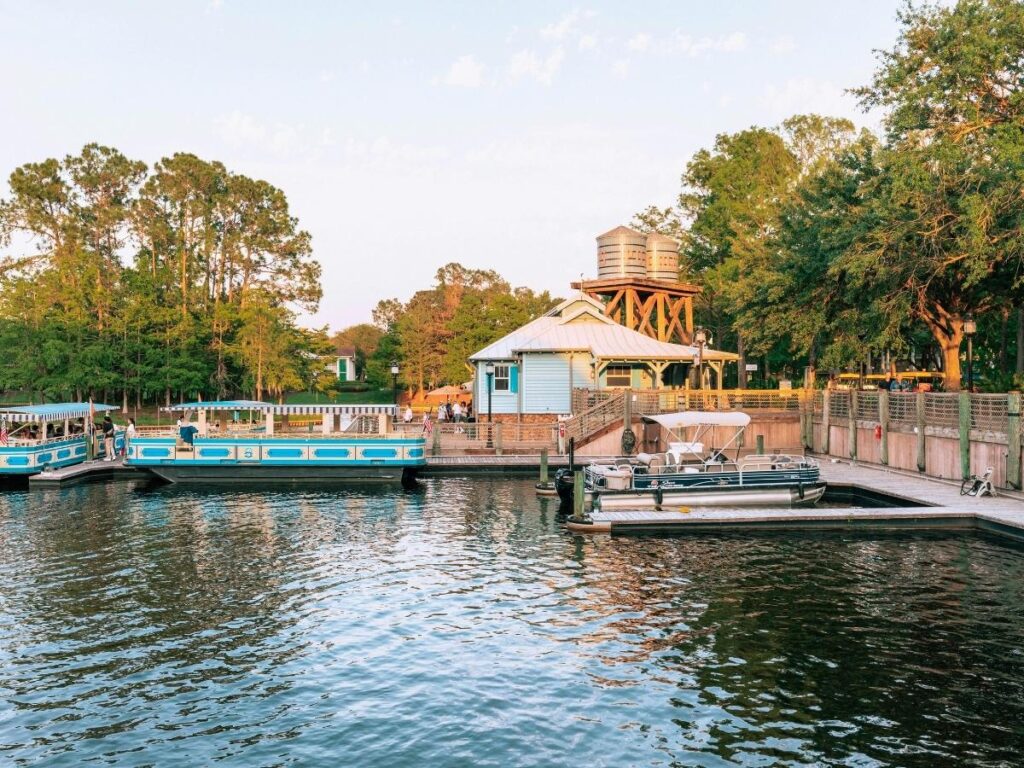
You’ll likely find yourself walking into the center anyway, which only takes a few minutes, but it’s something to keep in mind depending on how you prefer to travel.
If you’d rather be somewhere quieter, staying closer to the river can be a good option. That area feels more open and less busy, especially in the evenings. It’s a nice choice if you enjoy slower mornings or coming back to a calmer setting after a day of exploring.
The only trade off is that you’ll be slightly further from the main streets, but still within a comfortable walking distance.
Best Time to Visit Orléans
The time of year you visit Orléans doesn’t completely change the experience, but it does shift how the city feels.
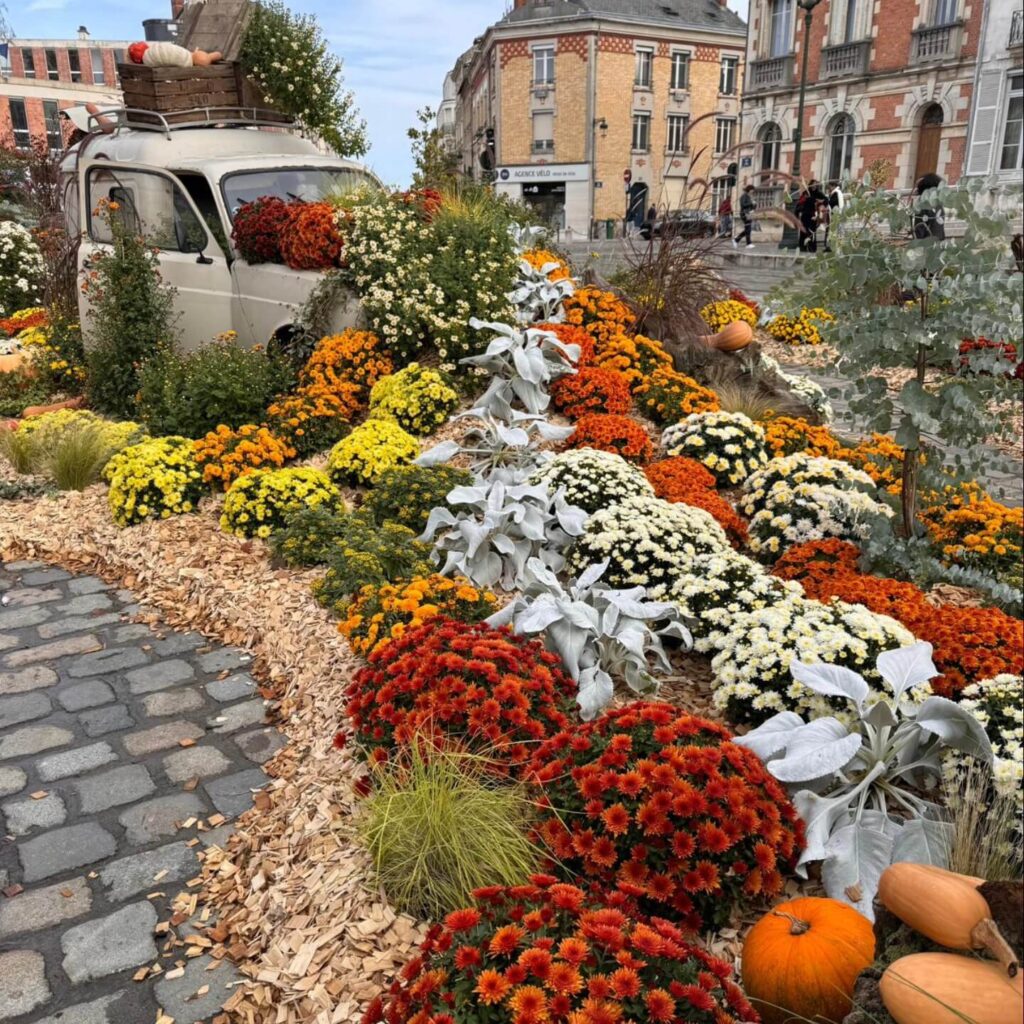
Spring felt like one of the easiest times to be there. The weather is comfortable enough to spend most of the day walking, and the city isn’t too crowded. It’s a good balance if you want to explore without dealing with too many people or extreme temperatures.
Summer brings more energy. There are more people around, the days are longer, and the city feels a bit more active. It’s still enjoyable, but you’ll notice a difference in how busy certain areas get, especially in the afternoons.
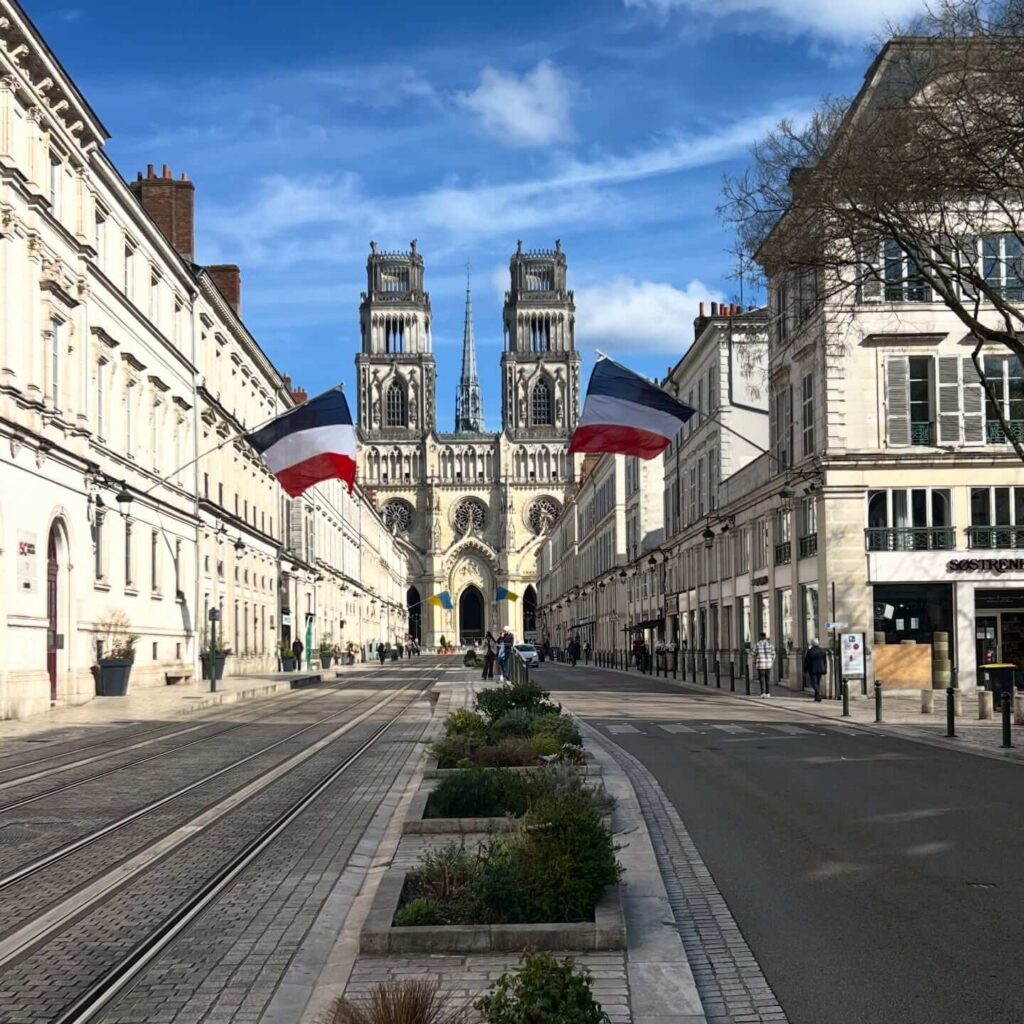
Fall is quieter again, and in a way, it suits the city well. The pace slows down, and it feels more relaxed overall. If you prefer fewer crowds and don’t mind slightly cooler weather, it’s a nice time to visit.
Winter is the calmest of all. The city feels much quieter, and some places may have shorter hours, but if you’re looking for a peaceful atmosphere and don’t mind a slower pace, it can still be a good experience.
Practical Travel Tips
Getting There
Getting to Orléans is fairly straightforward, especially if you’re coming from Paris. The train is the easiest option, and the journey takes about an hour, sometimes a little more depending on the service. I found it to be a very simple trip, no complicated transfers or long travel time, which makes Orléans feel much closer than it looks on the map.
Trains run regularly throughout the day, so you don’t need to plan too tightly around one specific departure. Once you arrive, you’re already quite close to the center, which makes the transition from station to city feel quick and easy.
Getting Around
One of the things I appreciated most about Orléans is how walkable it is. I didn’t feel the need to use public transport at all while exploring the main areas. Most of the places you’ll want to see are within a comfortable walking distance of each other, especially if you’re staying near the old town.
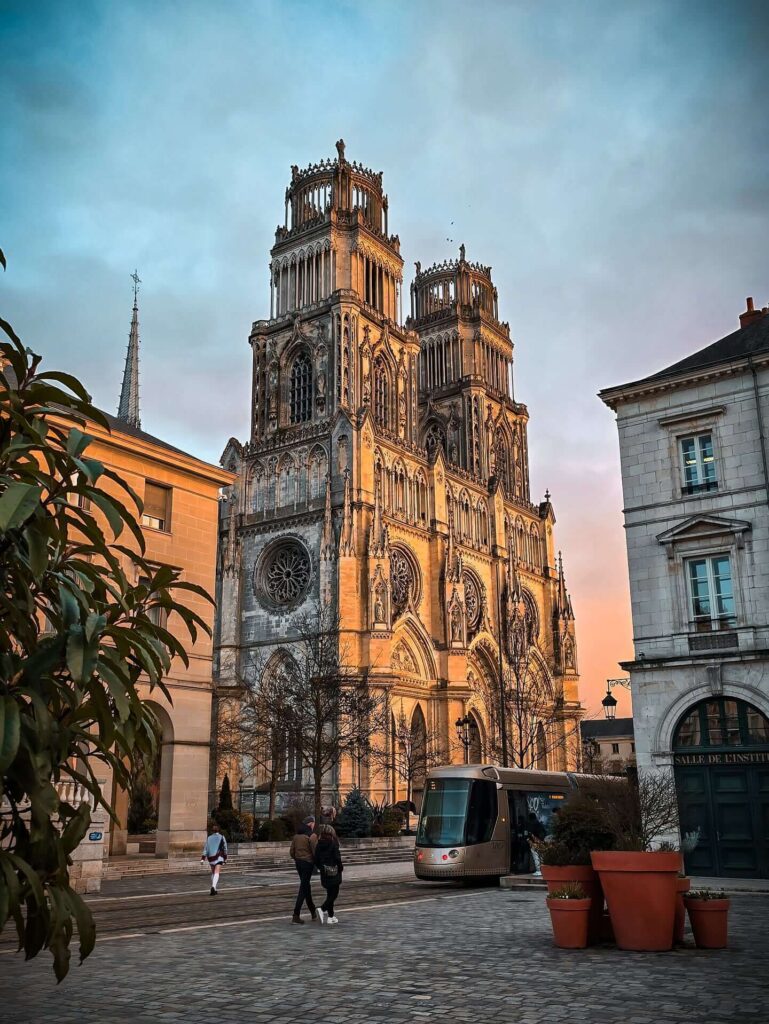
Walking also makes a big difference in how you experience the city. You notice more, you take small detours, and you don’t feel rushed. That said, there are trams and buses if you need them, especially if you’re heading slightly outside the center, like to Parc Floral de la Source. But for most visits, you probably won’t need to think about transport much.
How Long to Stay
Orléans is not a place where you need several days unless you’re using it as a base.
One full day is usually enough to see the main areas, walk through the old town, visit the cathedral, and spend some time by the river without feeling rushed. That said, it’s the kind of place where slowing down makes the experience better, so even within one day, it helps not to overplan.
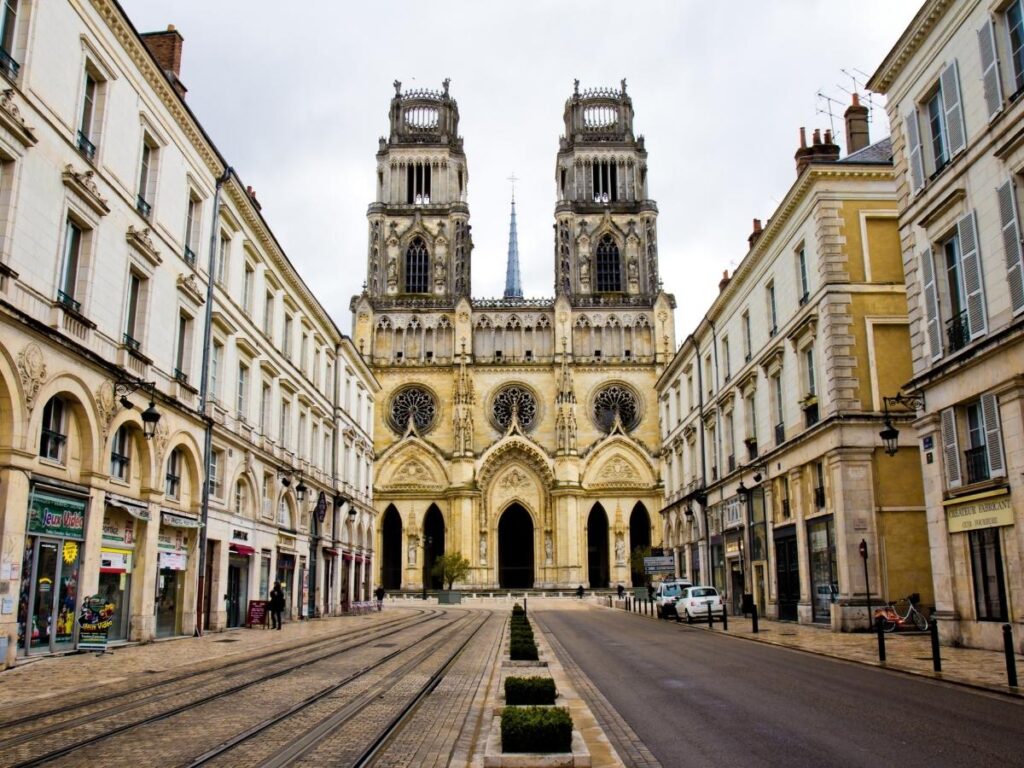
If you’re thinking of visiting nearby Loire Valley castles, then staying for two days makes more sense. That way, you can explore Orléans at a relaxed pace and still have time for a day trip without squeezing everything in.
Things to Know
A small thing that caught me off guard at first was how early some places close, especially smaller shops and cafés. It’s not unusual for things to shut earlier than you might expect, particularly outside the busiest areas. It’s worth keeping that in mind so you don’t leave meals or plans too late in the day.
Sundays feel noticeably quieter as well. Some places may be closed, and the overall pace of the city slows down even more. It’s not a bad thing, but it does change how the day feels. If you’re there on a Sunday, it’s a good day to keep things simple, maybe focus on walking, the river, and just taking your time rather than trying to fit in too much.
Who Orléans Is Perfect For
Orléans isn’t going to appeal to everyone in the same way, and that’s actually part of its charm.
It’s the kind of place that works best if you enjoy slowing down when you travel. If you like having a loose plan rather than a packed schedule, you’ll probably feel comfortable here. The city doesn’t push you to move quickly or try to see everything, and that makes it easier to enjoy the time in between places.
I think it suits people who care more about how a place feels than how many attractions they can check off. There aren’t endless “big sights,” but there’s a steady rhythm to the city that you start to notice after a few hours.
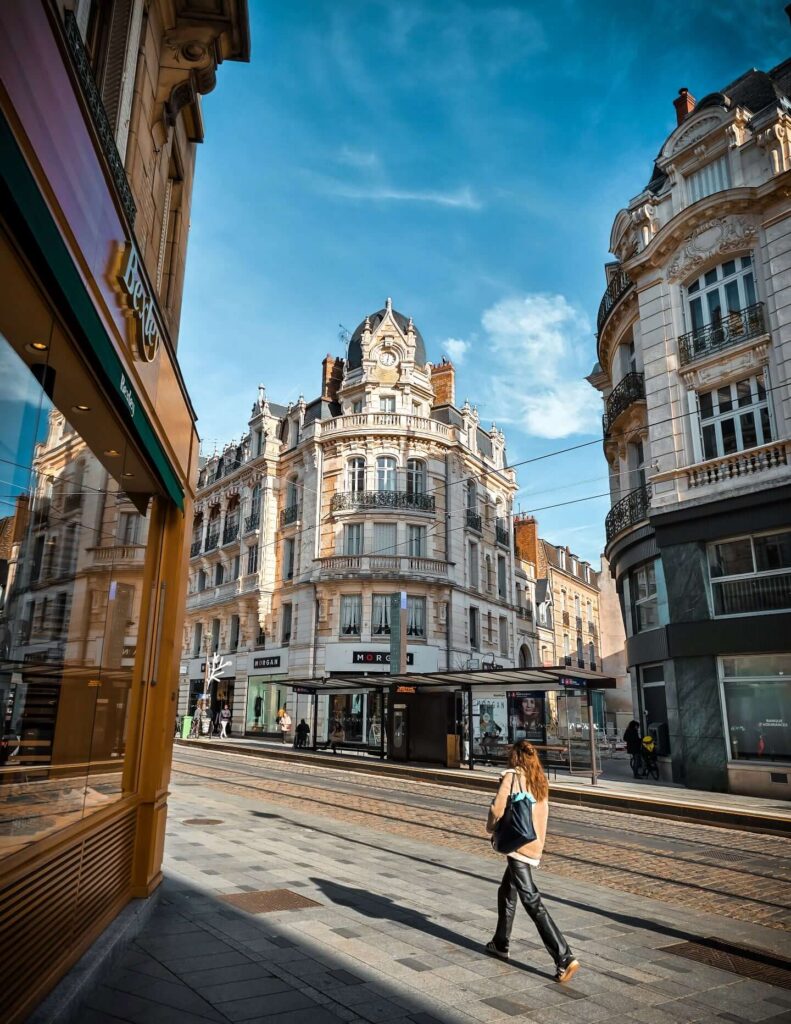
Walking through the old town, stopping somewhere without planning it, or just spending time by the river, those are the kinds of moments that define the experience here.
It also makes a good base if you’re exploring the Loire Valley but don’t want to stay somewhere overly busy. You can take day trips to the castles and come back somewhere that feels calmer in the evening, which I personally found more enjoyable.
If you’re someone who prefers constant activity, a busy nightlife, or a long list of major attractions, Orléans might feel a bit too quiet. But if you’re happy taking your time and letting a place unfold naturally, it fits really well.
Final Thoughts
Orléans isn’t the kind of place that tries to impress you straight away.
It doesn’t have that immediate impact where everything feels exciting from the moment you arrive. Instead, it’s much more gradual. The longer you spend there, the more it starts to come together through small, simple moments.
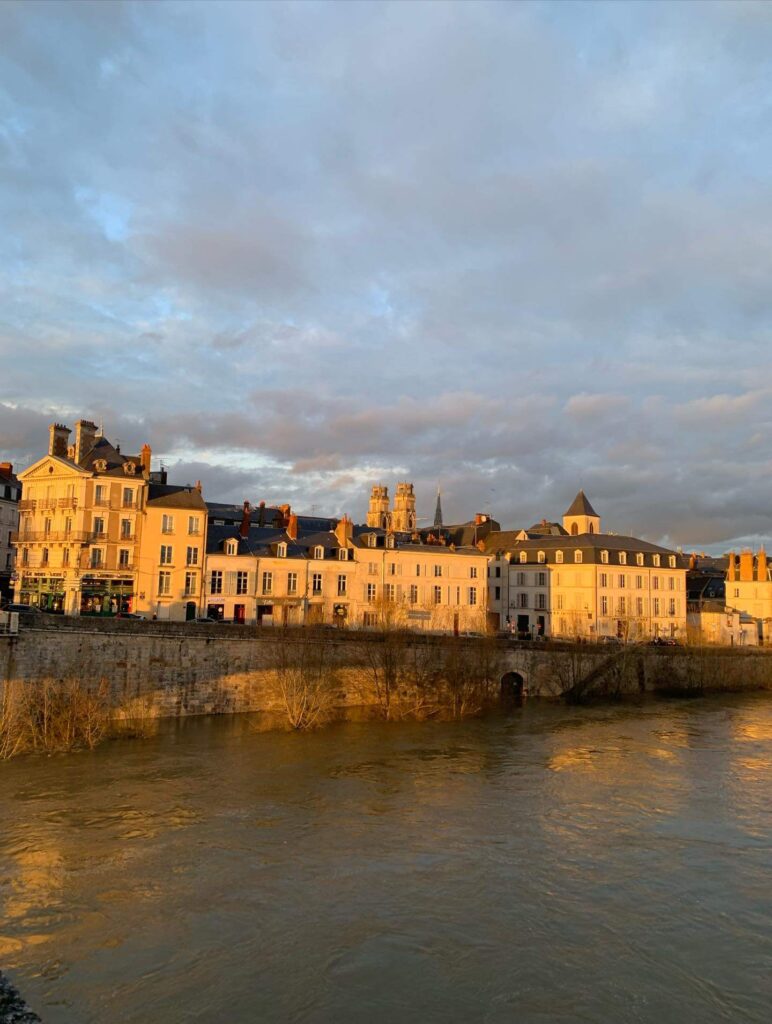
For me, it wasn’t about any one place. It was walking without a plan and ending up somewhere quieter than expected. It was sitting by the Loire River and losing track of time a little. It was noticing how easy it felt to explore without thinking too much about what to do next.
That’s what stayed with me more than anything specific.
By the time I left, I realized I hadn’t tried to see everything, and I didn’t feel like I had missed out either. It felt complete in a different way, not because I covered a long list of sights, but because I experienced the city at its own pace.