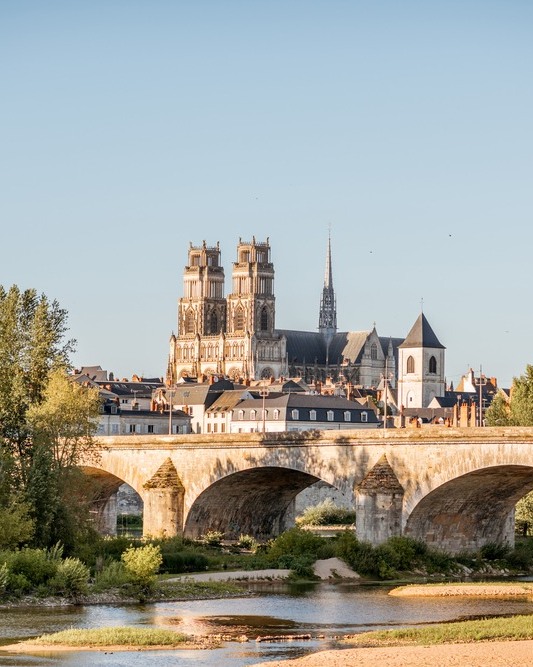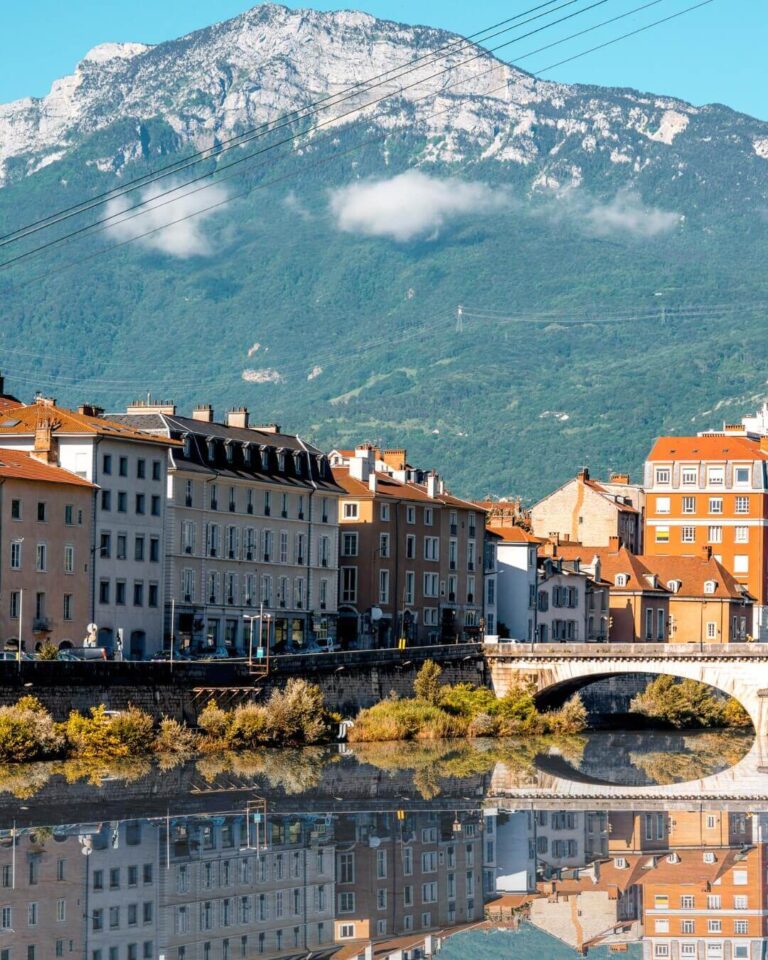

I didn’t expect much from Montpellier at first. It felt like one of those places you pass through on the way to somewhere more well known in the South of France. I almost treated it like a short stop rather than a destination. But once I got there and started walking around, it didn’t take long to realize the city had a completely different feel than I had imagined.
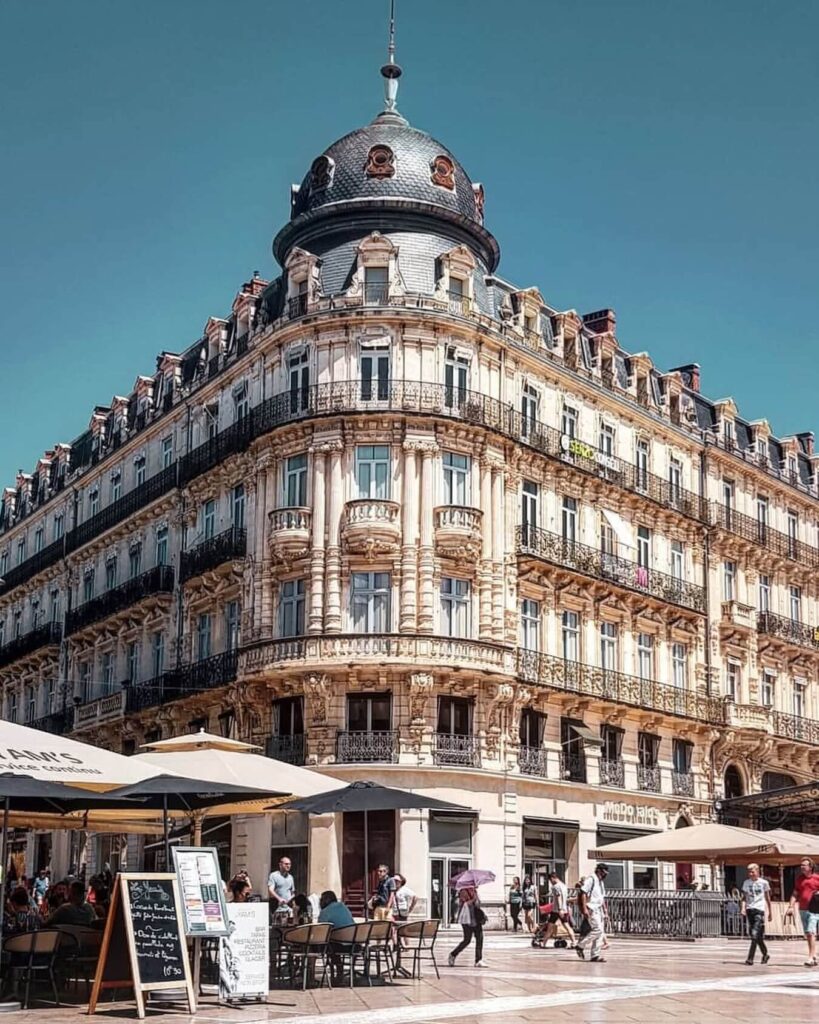
What stood out to me most was how effortlessly everything seemed to come together. You’ll be walking through narrow, older streets that feel quiet and slightly worn in, and then suddenly you’re in a wide, open square with modern buildings and people sitting out at cafés.
There’s a strong student presence here, so the city feels active without being overwhelming. It’s not trying too hard, and that’s exactly what makes it enjoyable.
Another thing I noticed pretty quickly is how easy it is to explore. You don’t need a packed itinerary or strict plan. Most of the main areas are within walking distance, and the tram makes it simple to get a bit further out if you want to.
I found that the best parts of Montpellier weren’t the big sights, but the moments in between, walking through a street you didn’t plan to visit, stopping for a coffee, or just sitting in a square and watching the city move around you.
If you’re planning a trip, I’ll walk you through the best things to do in Montpellier, but also how I’d actually spend my time there. I’ll share what stood out to me, what’s worth prioritizing, and a few simple tips that make the whole experience smoother once you arrive.
Is Montpellier Worth Visiting?
I’d say yes, but it depends a bit on what kind of trip you’re looking for.
Montpellier isn’t the kind of place that immediately impresses you with big landmarks or famous sights. It’s quieter in that sense. What it does have is a really comfortable, easygoing atmosphere that grows on you the more time you spend there. It feels like a city people actually live in, not just somewhere designed around visitors.
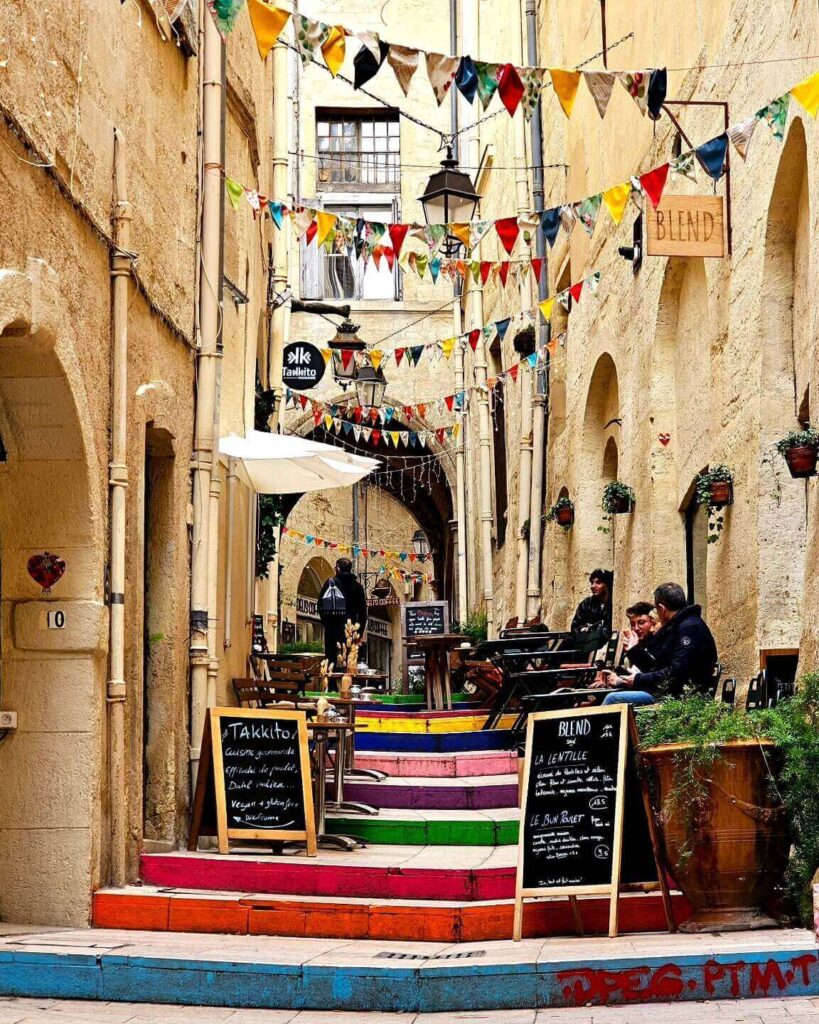
I noticed this pretty quickly while walking around. The streets in the old town feel active but not crowded, cafés are filled with locals and students rather than just tourists, and there’s a natural rhythm to the city that makes it easy to settle into.
You’re not rushing from one attraction to another. Instead, you’re just moving through the city at your own pace, and that ends up being the best part of the experience.
If you enjoy places where you can walk without a strict plan, stop whenever something catches your attention, and spend time just sitting in a square or at a café, Montpellier works really well. There’s enough to see to keep things interesting, but not so much that it feels overwhelming.
That said, if your main goal is a beach focused trip, this might not be the ideal place to stay the whole time. The coastline is close and easy to reach, which is great, but the city itself isn’t a beach destination. It makes more sense as a base where you can enjoy both the city and short trips to the coast.
Overall, Montpellier is the kind of place that fits nicely into a South of France itinerary when you want something a bit more relaxed and less crowded, without feeling like you’re missing out on the experience.
Areas to Know Before You Explore
One thing that really helped me once I got to Montpellier was understanding how the city is laid out. It’s not huge, but the different areas each have their own feel, and knowing where you are makes a big difference in how you experience it.
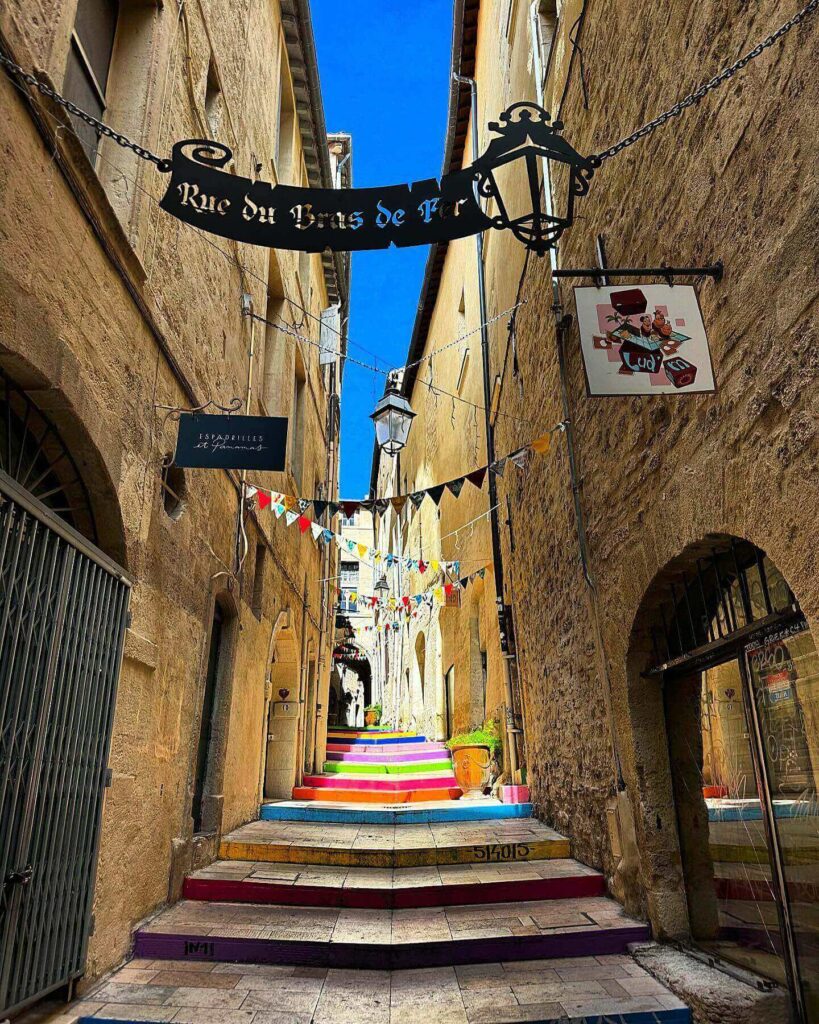
Most of your time will naturally be spent in the old town, known as Écusson. This is the part of Montpellier that feels the most historic, with narrow streets that twist around small squares, cafés tucked into corners, and buildings that look like they’ve been there forever.
It’s easy to lose your sense of direction here, but in a good way. I found that the best approach was to stop trying to navigate perfectly and just walk. Almost everything you’ll want to see is somewhere within this area or just on its edges.
Not too far from the old town, you’ll come across the Antigone district, and the shift is pretty noticeable. The streets suddenly open up, the buildings feel more structured, and everything looks more planned.
It’s a much more modern side of Montpellier, and even if you only walk through briefly, it’s interesting to see that contrast. It didn’t feel like a place I needed to spend hours in, but I’m glad I made the time to walk through it.
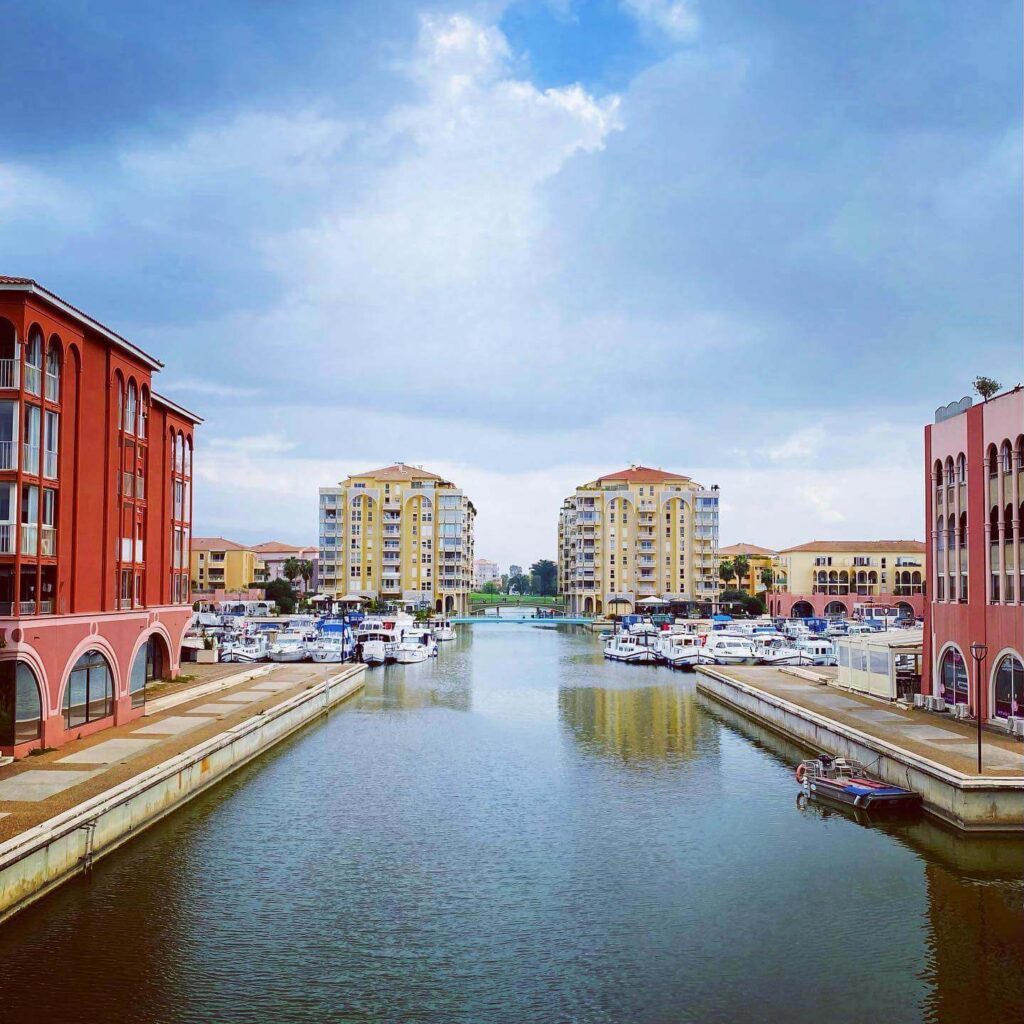
Further out, there’s Port Marianne, which feels quieter and more residential. You’re less likely to end up here unless you’re staying in the area or intentionally heading that way. It doesn’t have the same atmosphere as the old town, but it gives you a better sense of how locals live outside the more central parts of the city.
Then there’s the coast, which is one of the reasons Montpellier works so well as a base. The beaches aren’t right in the city, but they’re close enough that getting there is easy. You can take public transport and be by the water in around 20 to 30 minutes. It’s the kind of thing that’s simple to add to your trip without much planning.
Once you get a feel for how these areas connect, everything starts to make more sense. The city feels smaller, easier to navigate, and a lot less intimidating than it might seem at first.
Best Things to Do in Montpellier
Walk Through the Old Town (Écusson)
This is where Montpellier really started to make sense to me.
At first, I tried to follow a rough route on Google Maps, but that didn’t last long. The old town just doesn’t work that way. Streets curve unexpectedly, small alleys pull you in, and you’ll keep coming across little squares that aren’t even marked as major spots.
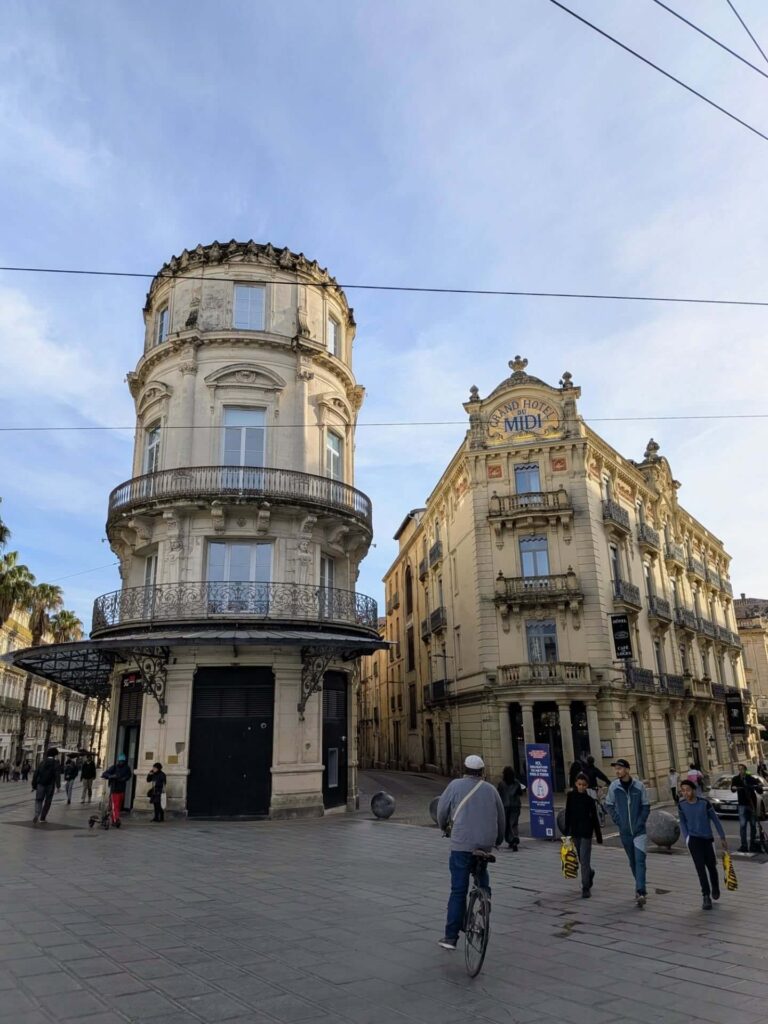
What I enjoyed most here was slowing down and letting the city lead a bit. You’ll notice details you’d normally miss, like balconies, old doors, or tiny cafés tucked into corners. It’s not about seeing something specific, it’s more about the feeling of being there.
If you can, start your day here in the morning. It’s quieter, and the whole area feels more relaxed before it fills up later in the day. That’s when it feels the most authentic.
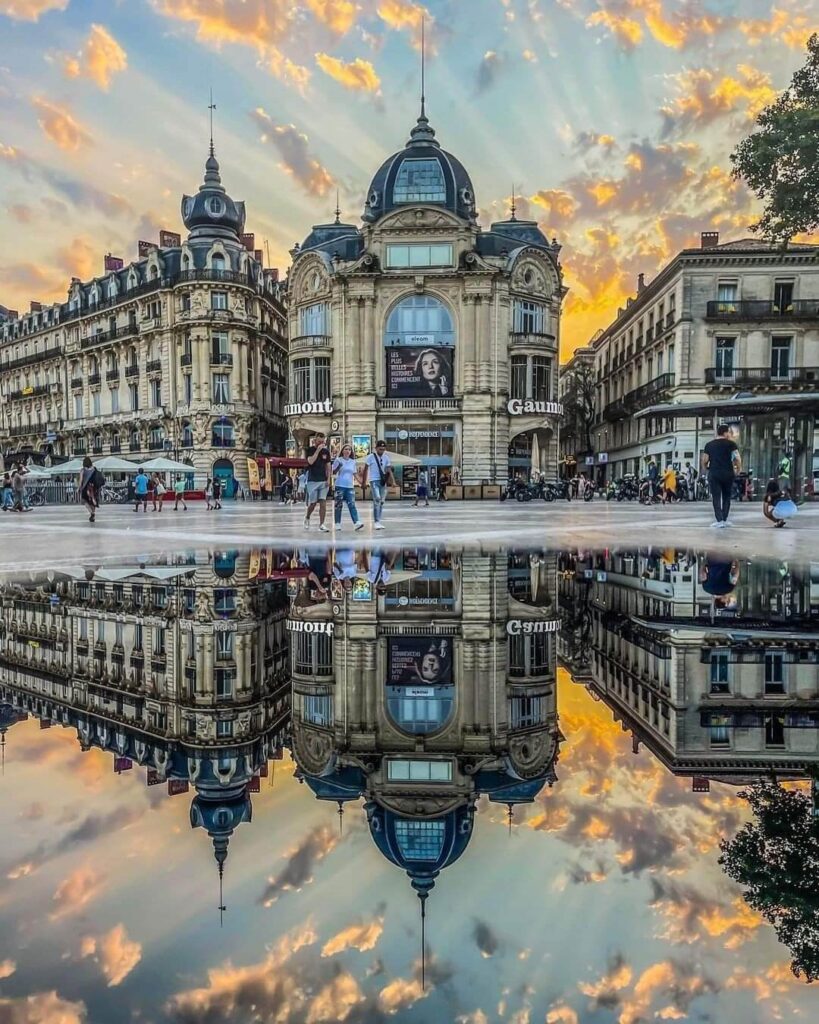
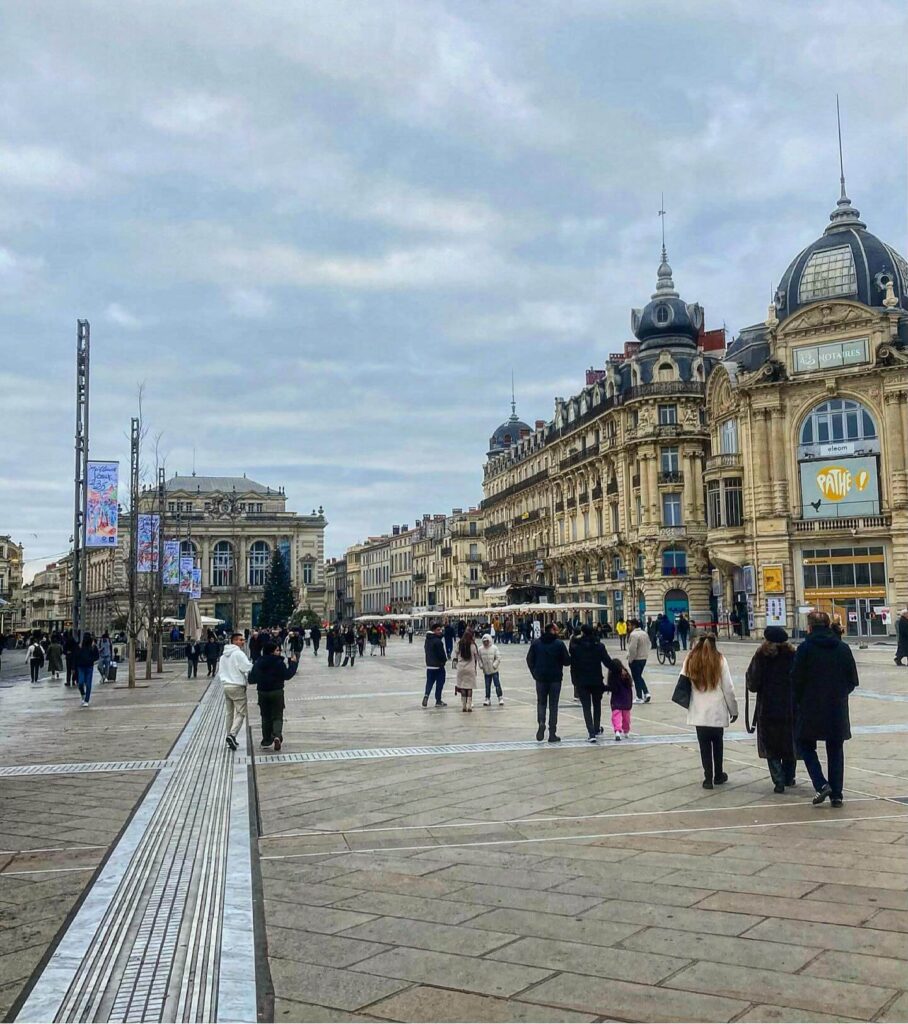
Visit Place de la Comédie
This is the part of Montpellier you’ll probably pass through more than once without even planning to.
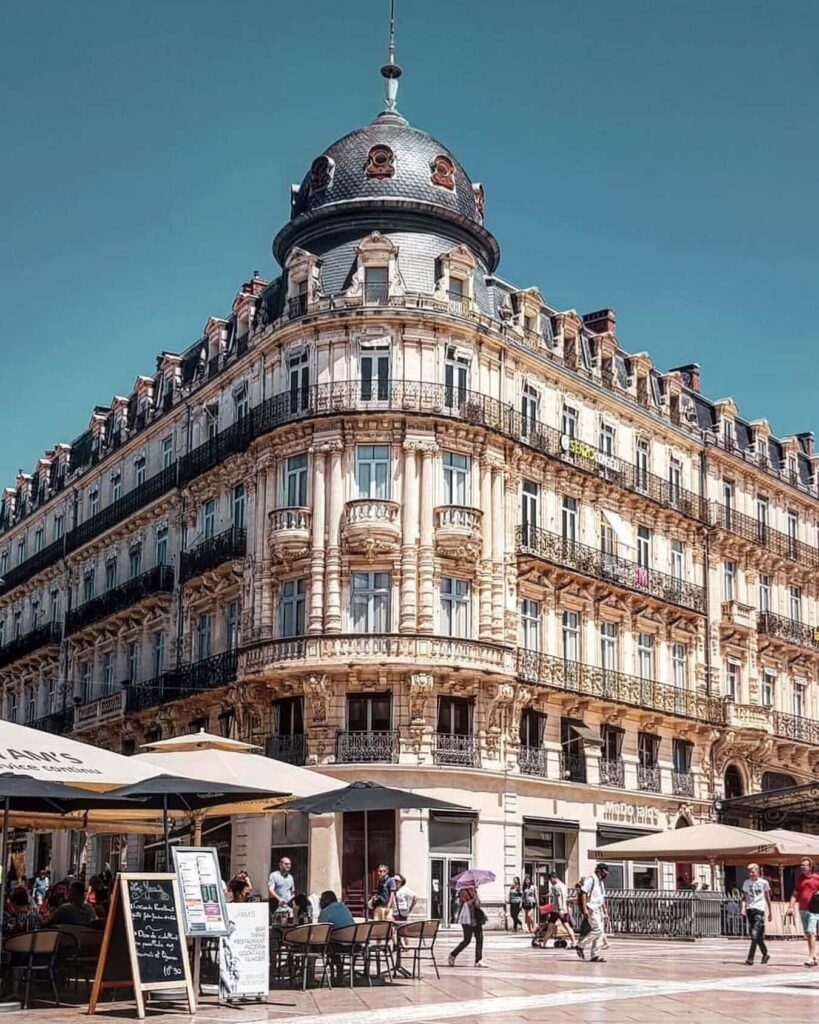
It’s the main square, so everything kind of connects here. The first time I walked into it, it felt open and lively, with people moving in every direction, street performers setting up, and cafés already full.
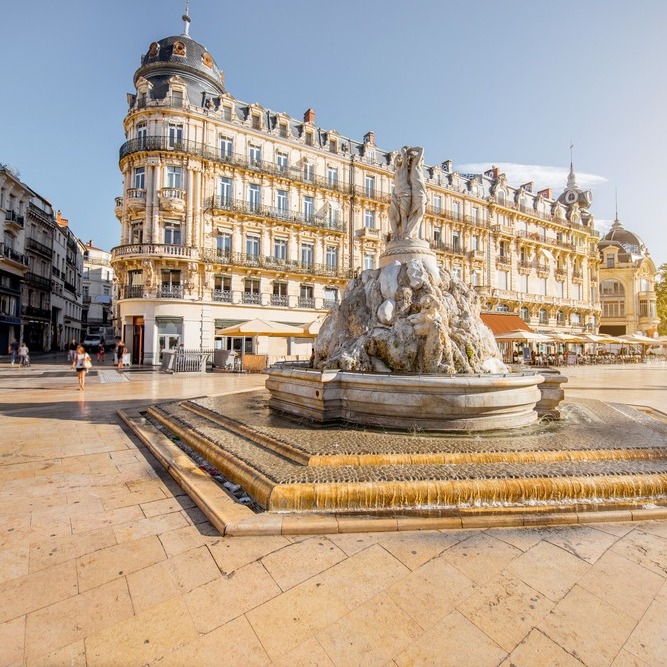
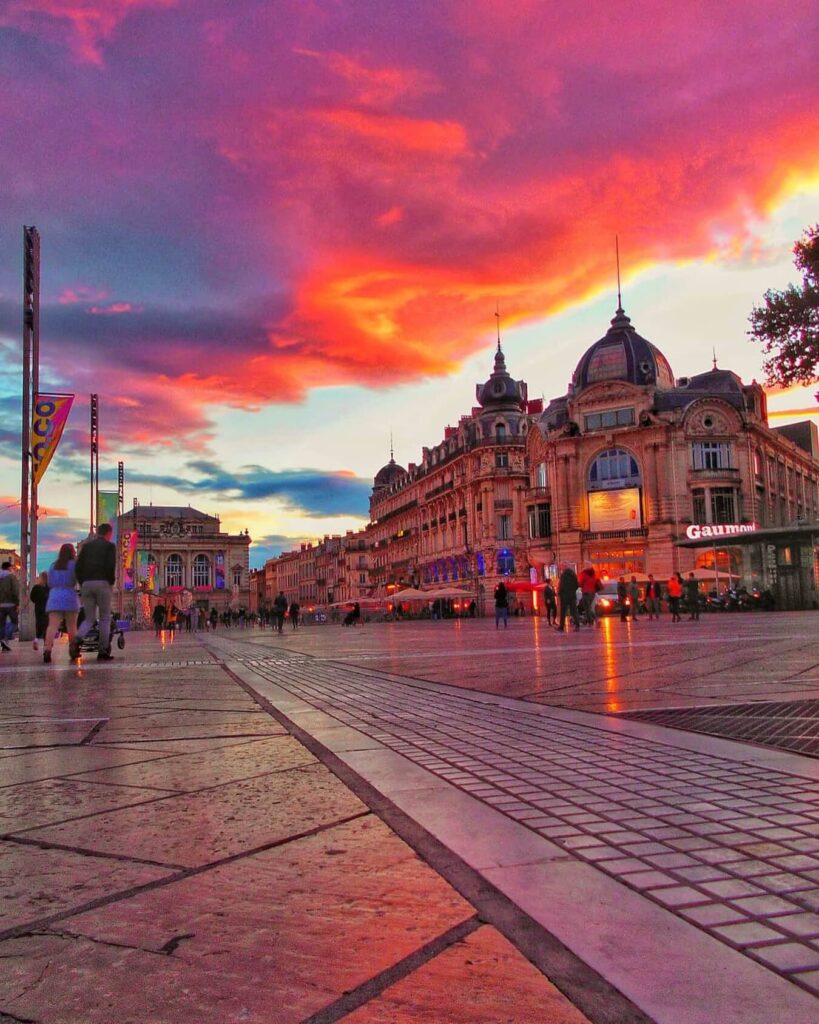
What I liked was how it changes depending on the time of day. In the afternoon, it feels more like a busy meeting point. By evening, it becomes a place where people slow down, sit outside, and stay a bit longer. I ended up coming back at night just to see how different it felt, and it was worth it.
It’s not somewhere you need to spend hours, but it naturally becomes part of your route as you explore.
See Montpellier Cathedral
This is one of those places that makes you stop for a moment because it looks a bit unexpected.
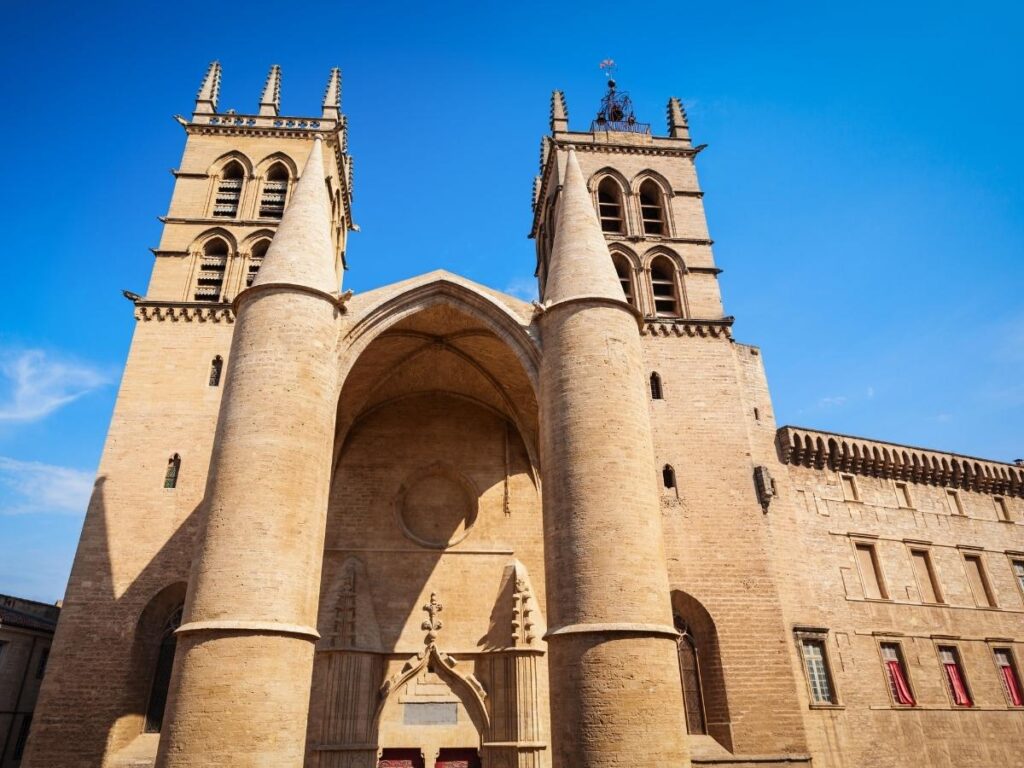
From the outside, it feels more solid and heavy than most cathedrals, almost like it was built for protection rather than decoration. The large pillars at the entrance stand out immediately and give it a different kind of presence.
I didn’t spend too long here, but it worked well as a short stop while walking through the old town. It’s close enough to everything that you don’t need to go out of your way.
Walk the Promenade du Peyrou
This was one of the spots where I actually paused for a while instead of just walking through.
After being in the tighter streets of the old town, this area feels much more open. There’s space to move around, and the views stretch out further, especially near the aqueduct.
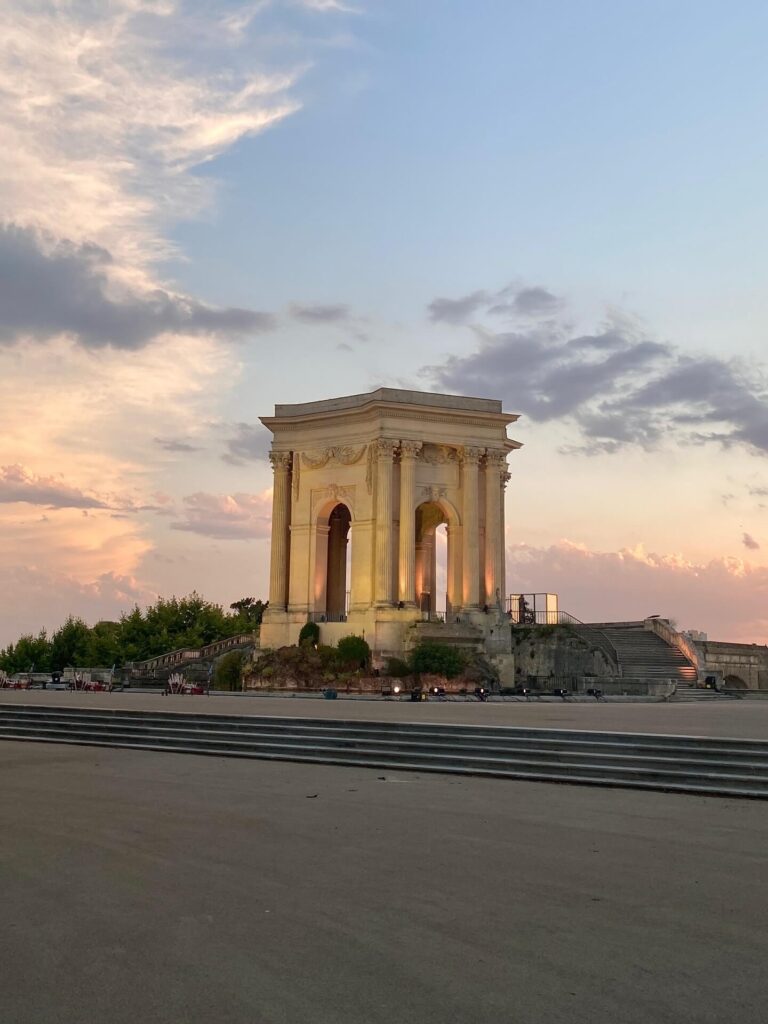
I ended up coming here later in the day, and it turned out to be a good decision. The light softens a bit, people sit around casually, and it feels like a natural place to slow down. It’s not about doing anything specific, just taking a break and letting the day settle a bit.
Explore Musée Fabre
I wasn’t sure if I’d include this at first, but it’s a good option if you want a change of pace.
The museum has a mix of different styles, so even if you’re not deeply into art, there’s still something to keep your interest. It also doesn’t feel overwhelming, which makes it easier to enjoy without committing too much time.
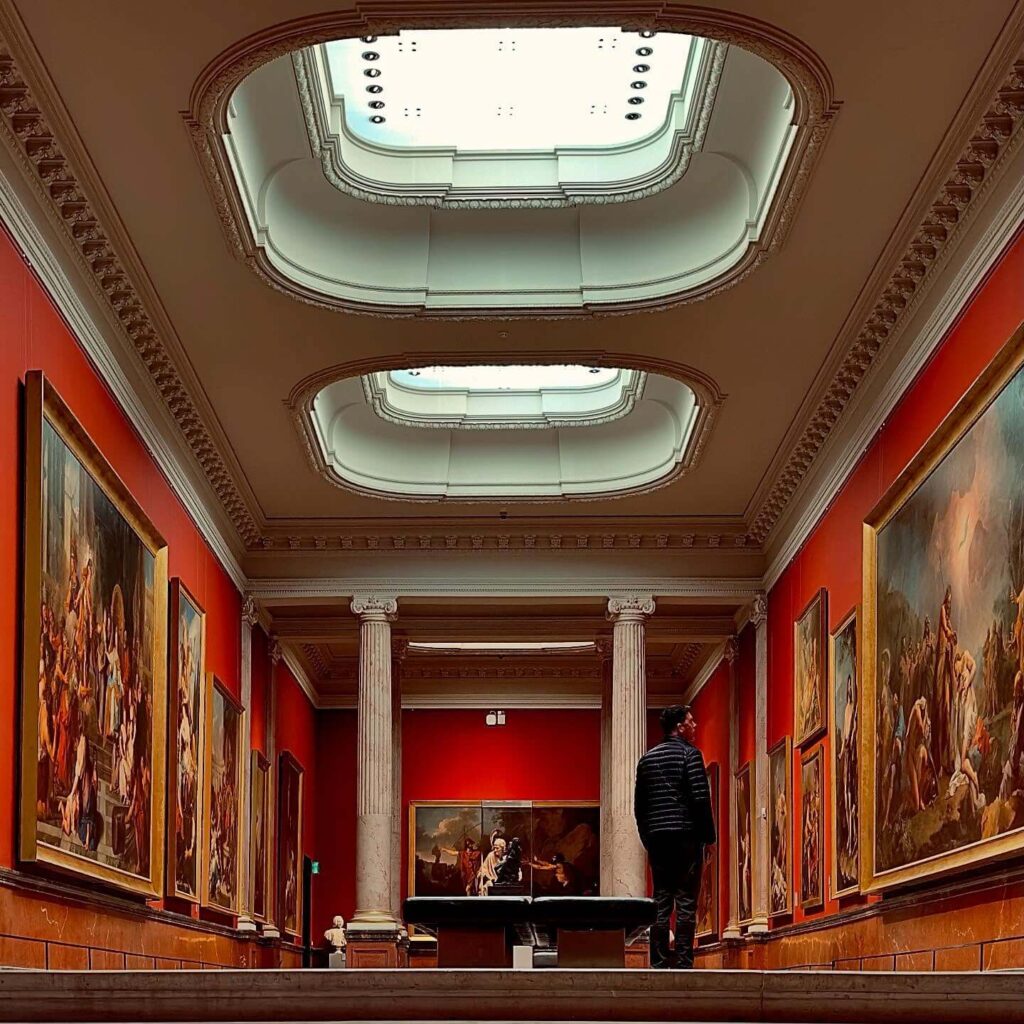
If you’re trying to keep your trip more outdoors and relaxed, you can skip it. But if you’re looking for a quieter indoor break, especially in the middle of the day, this works well.
Discover the Antigone District
Walking into Antigone felt like stepping into a different city.
Everything suddenly becomes more structured. The streets are wider, the buildings are aligned, and the whole area feels more planned compared to the organic layout of the old town.
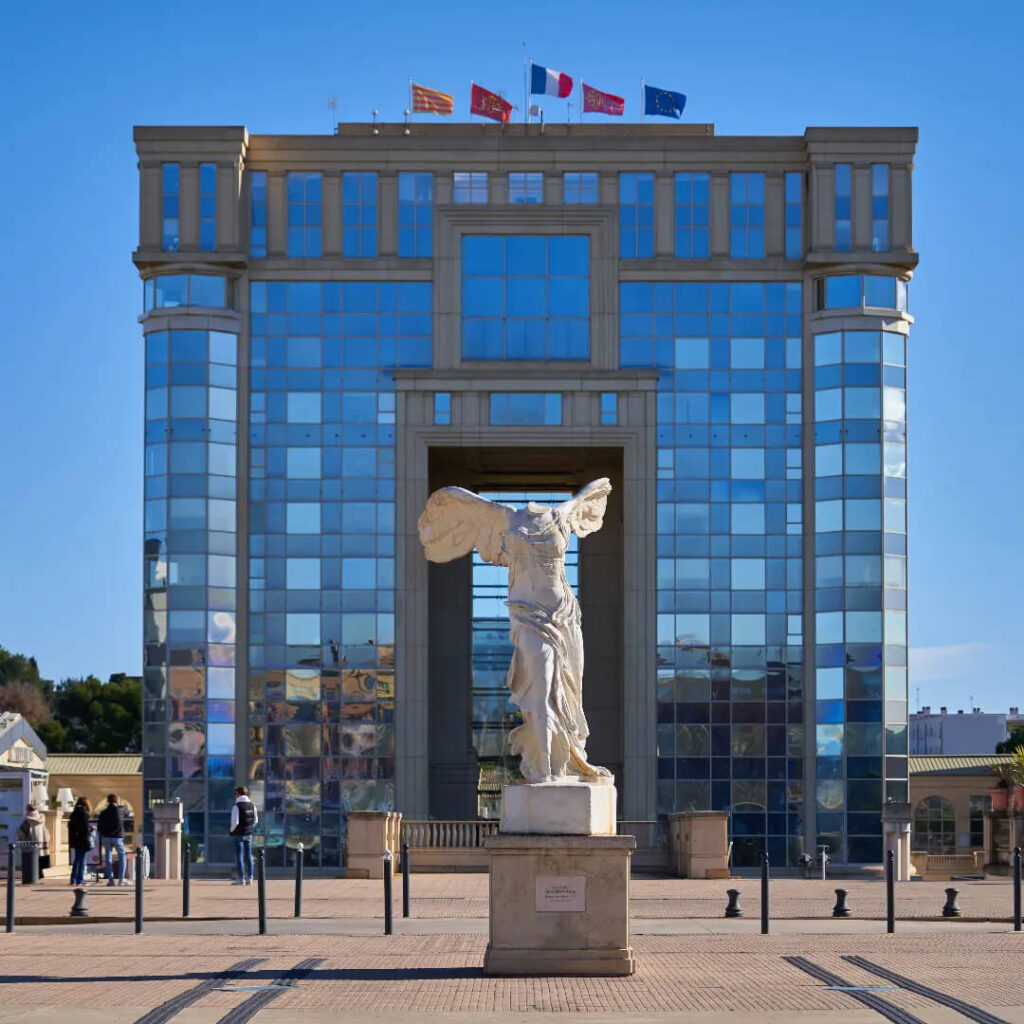
I didn’t stay here very long, but I’m glad I saw it. Even a short walk gives you a sense of how different Montpellier can feel depending on where you are. It’s less about spending time here and more about seeing that contrast for yourself.
Relax at Jardin des Plantes
At some point, you’ll probably want a quieter break, and this is a good place for that.
It’s shaded, calm, and feels slightly removed from the rest of the city. I found it especially useful in the middle of the day when walking around starts to feel a bit tiring.
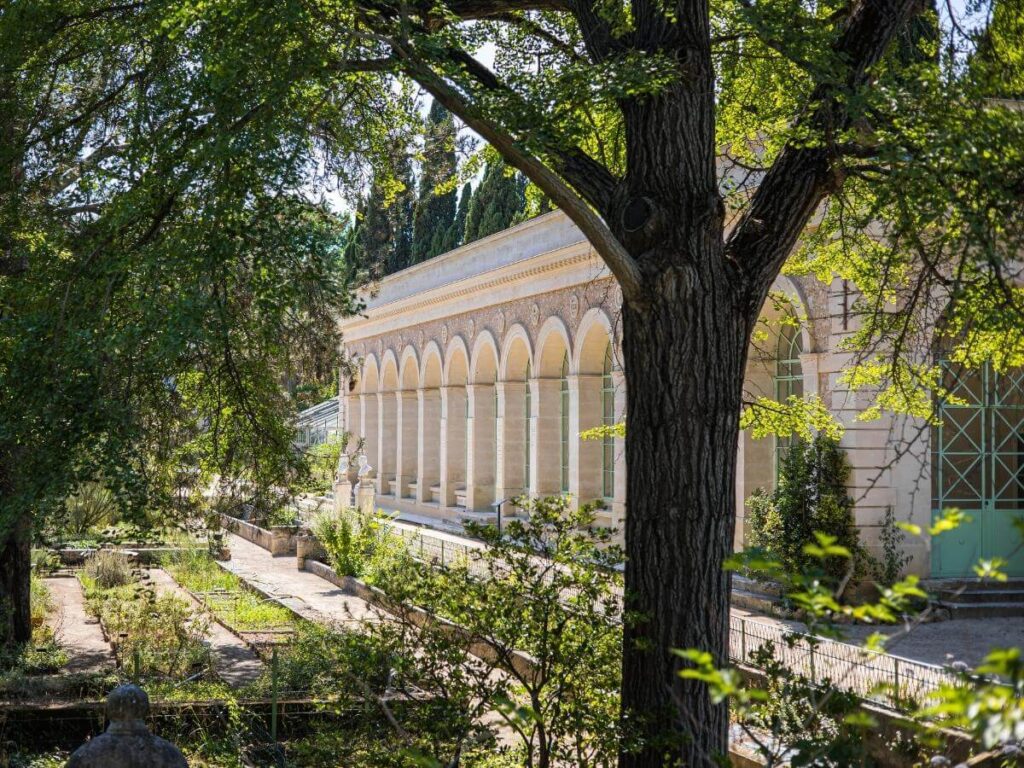
It’s not somewhere you need to plan around, but if you’re nearby, it’s worth stepping in for a while. Even a short visit can reset your pace for the rest of the day.
Take a Trip to the Beach
One thing I really liked about Montpellier is that you’re never too far from the coast.
Getting to places like Palavas les Flots or Carnon is pretty straightforward. You don’t need to plan much, just check the tram or bus and go. Within about half an hour, you’re by the water.
The beaches themselves feel relaxed rather than polished. They’re not the kind of places you go for a luxury experience, but that’s part of what makes them enjoyable. It’s easy, casual, and fits well with the overall feel of Montpellier.
If you have an extra day, this is one of the easiest ways to add something different to your trip.
Visit Marché du Lez
This was one of the places that felt a bit more local and less expected.
It has a mix of food stalls, small shops, and open spaces where people just hang out. It’s more active on weekends, so timing makes a difference here.
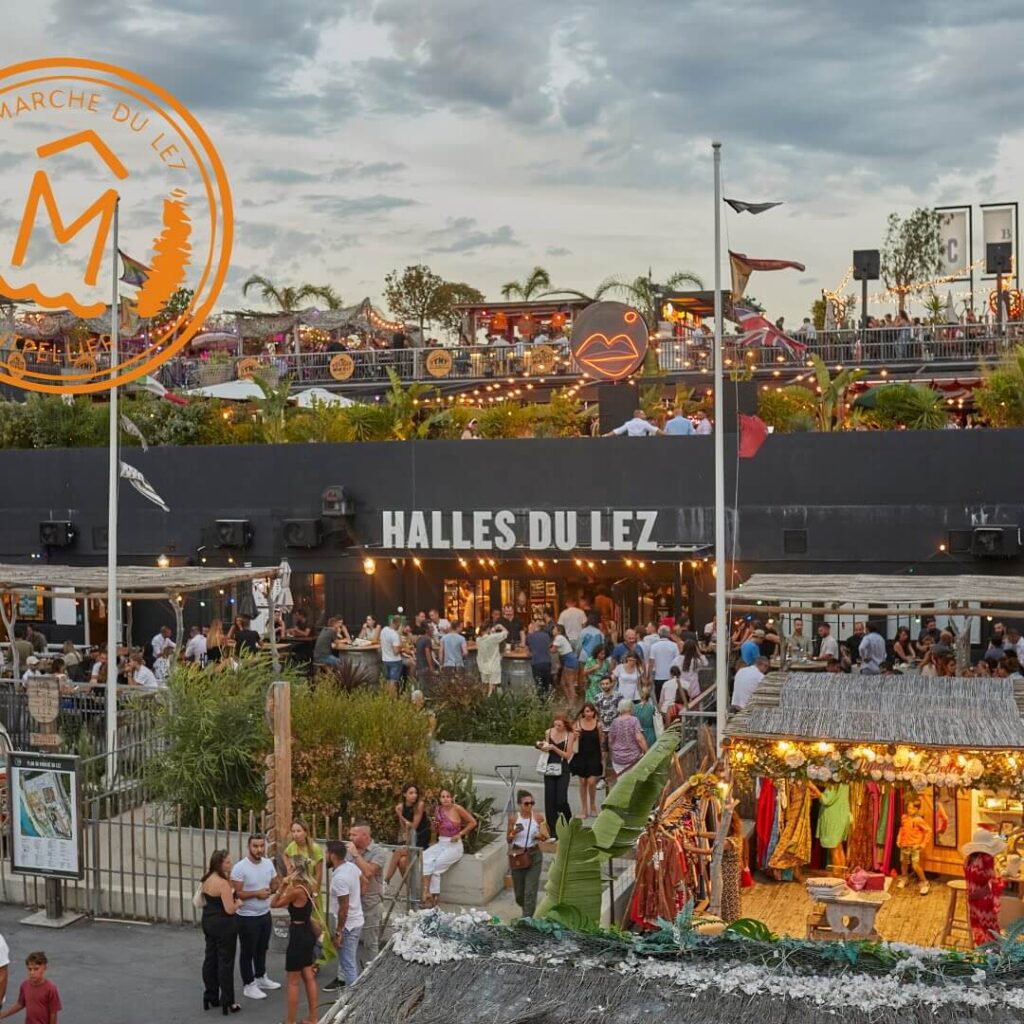
What I liked most was the atmosphere. It’s not overly structured or polished, and that makes it feel more real. You can walk around, try something to eat, or just spend some time without needing a plan.
If you’re looking for something beyond the historic side of Montpellier, this is a good place to include.
Try Local Food and Cafés
Food in Montpellier felt very easygoing to me, which I ended up appreciating more than I expected. It’s not a city where you need a long list of restaurants planned in advance. In fact, some of the better meals I had were the ones I didn’t plan at all.

Most days, I’d just walk around the old town or near one of the main squares and stop somewhere that looked comfortable. There are plenty of small cafés and casual restaurants, and a lot of them spill out onto the streets, so you can sit outside and just take your time. That part of the experience felt just as important as the food itself.
I found myself leaning toward simpler meals. Fresh seafood shows up quite a bit, along with light dishes that don’t feel too heavy, especially during the day. Lunches were usually relaxed, something small with a coffee or a glass of wine, rather than a full, structured meal. It fits well with the overall pace of the city.
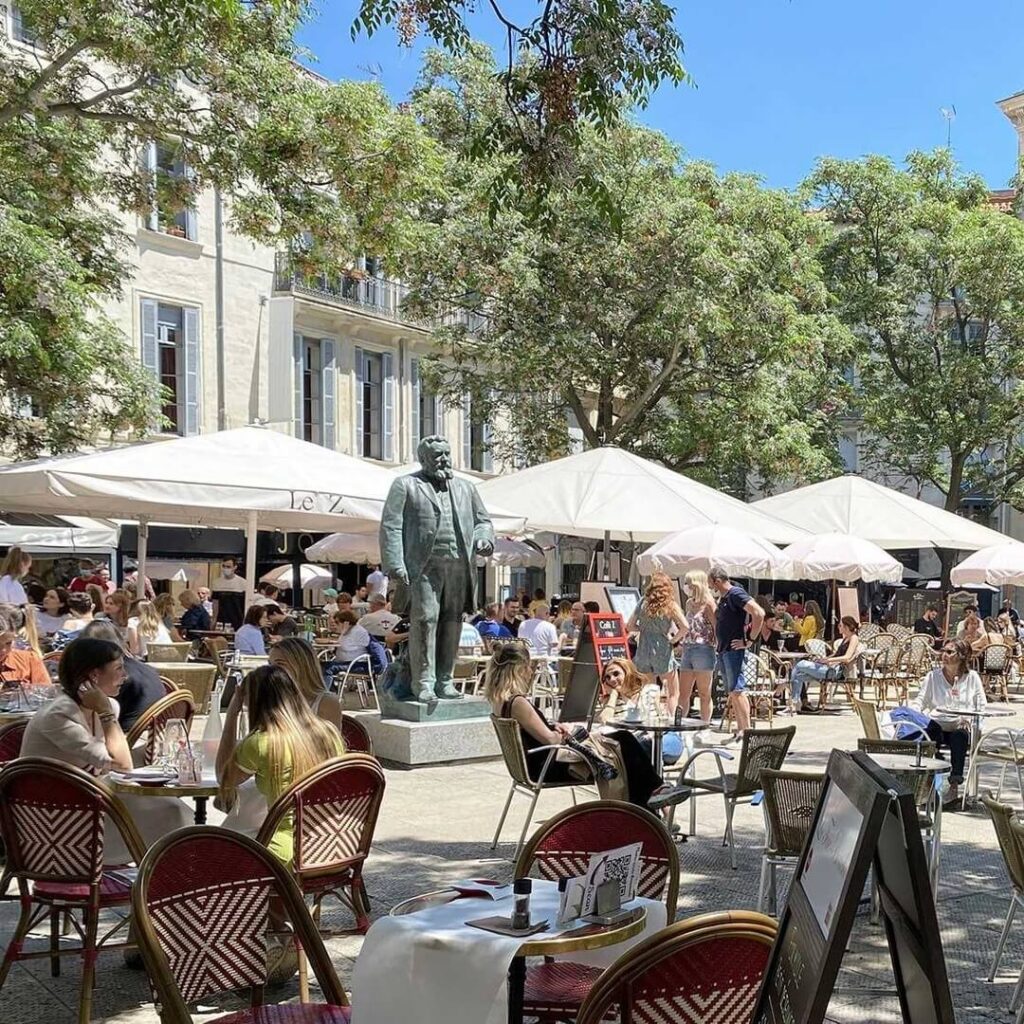
Even in the evenings, things don’t feel rushed. People sit longer, talk more, and the whole atmosphere stays fairly laid back. It’s not about trying to find the “best” place in the city, but more about finding somewhere that feels right in the moment.
If you prefer planning ahead, you can definitely look up a few spots, but honestly, Montpellier is one of those places where it works better to stay flexible. Walking a bit, looking around, and choosing based on how a place feels usually leads to a better experience than following a strict list.
Take a Day Trip from Montpellier
If you have an extra day or two, this is where Montpellier really starts to work in your favor. The city itself is easy to explore in a short time, but what makes it more interesting is how many different places you can reach nearby without too much effort.
What I liked is that each option feels completely different, so you’re not just seeing another version of the same place. It depends on what kind of day you’re in the mood for.
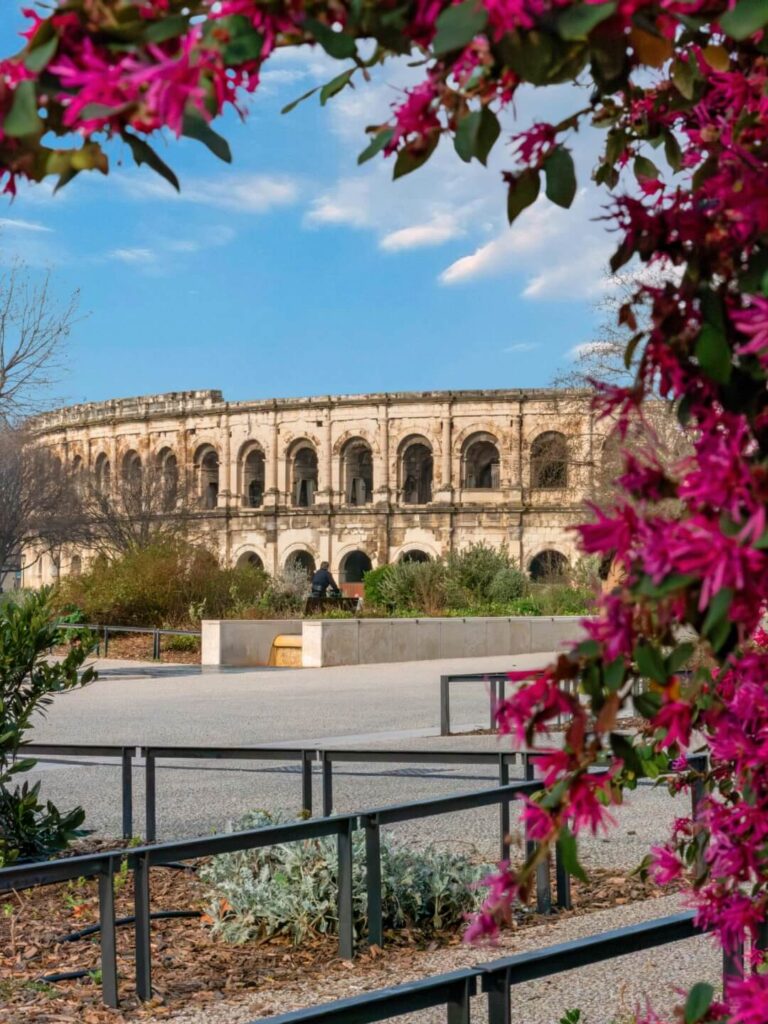
Nîmes is probably the easiest choice if you’re interested in history. It’s known for its Roman sites, and you don’t have to look far to see them. The arena is right in the center and still feels surprisingly intact, which makes it easy to imagine how it would have been used.
The city itself is simple to walk around, so you can see quite a bit without feeling rushed. It works well if you want something structured but still relaxed.
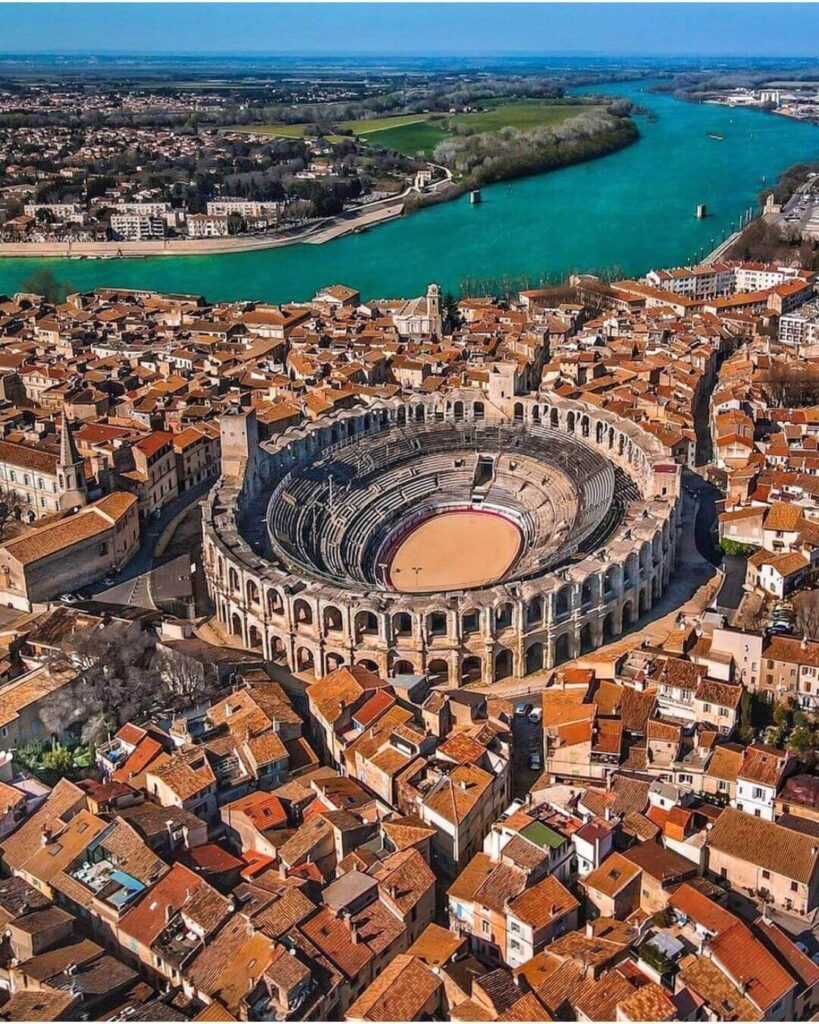
Arles has a slightly different feel. It’s smaller and a bit quieter, with a strong connection to art, especially Van Gogh. Walking through the streets feels more atmospheric than busy, and it’s the kind of place where you slow down without really planning to. I found it less about specific sights and more about the overall mood of the town.
Then there’s the Camargue, which is a completely different experience altogether. Instead of cities, you’re dealing with open landscapes, wetlands, and wildlife. It feels more remote, and getting around can take a bit more planning compared to the other options, but it’s worth it if you want a break from urban spaces.
You’ll see wide stretches of land, water, and, if you’re lucky, some of the wildlife the area is known for.
What makes these day trips work well is that none of them feel too far or complicated to reach. You can leave in the morning, spend a few hours exploring, and be back in Montpellier by evening without it feeling rushed. It’s an easy way to add variety to your trip without changing your base.
Montpellier Itinerary
1 Day in Montpellier
If you only have one day in Montpellier, I’d keep things very simple and not try to turn it into a packed itinerary. The city works best when you move through it slowly, and since everything is fairly close together, you can cover a lot without feeling like you’re rushing.
I’d start the morning in the old town, just walking without a fixed route. This is when the streets feel the calmest, before the day really picks up. You’ll notice more when it’s quieter, small details, local shops opening up, people going about their routines.
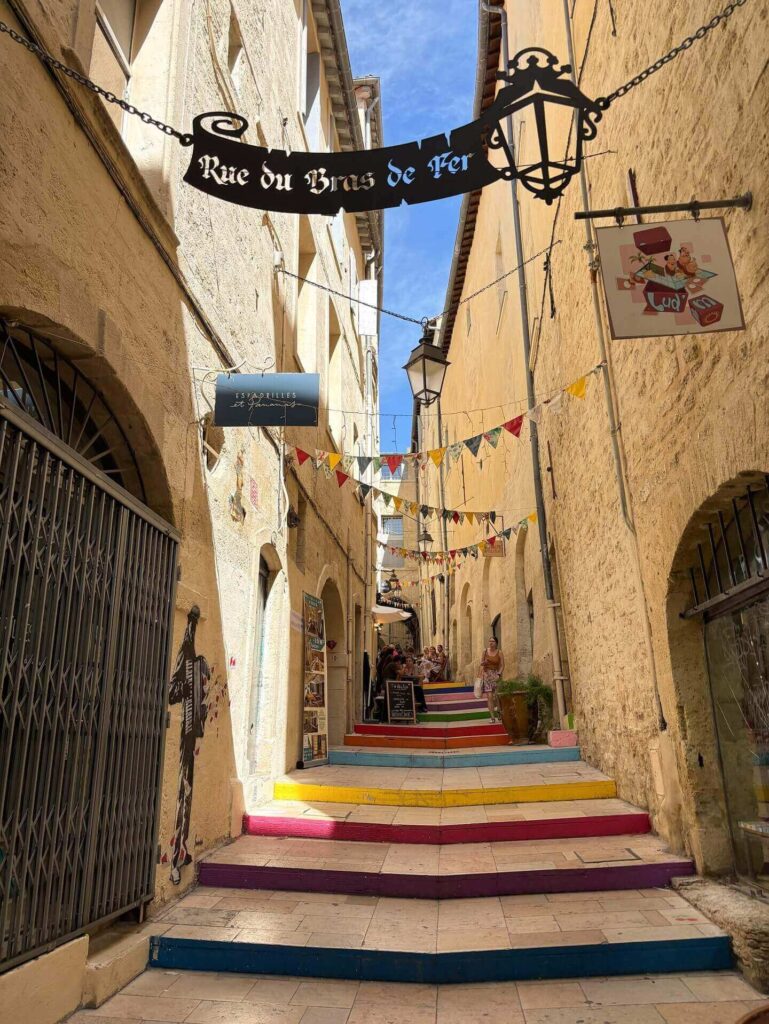
It’s also the easiest time to stop at the cathedral without it feeling busy, since you’ll likely pass it naturally while exploring.
By late morning or early afternoon, you’ll probably feel like you’ve wandered enough through the smaller streets, and that’s a good time to shift toward a more open area. Walking in the direction of the Promenade du Peyrou works well because it changes the pace of the day.
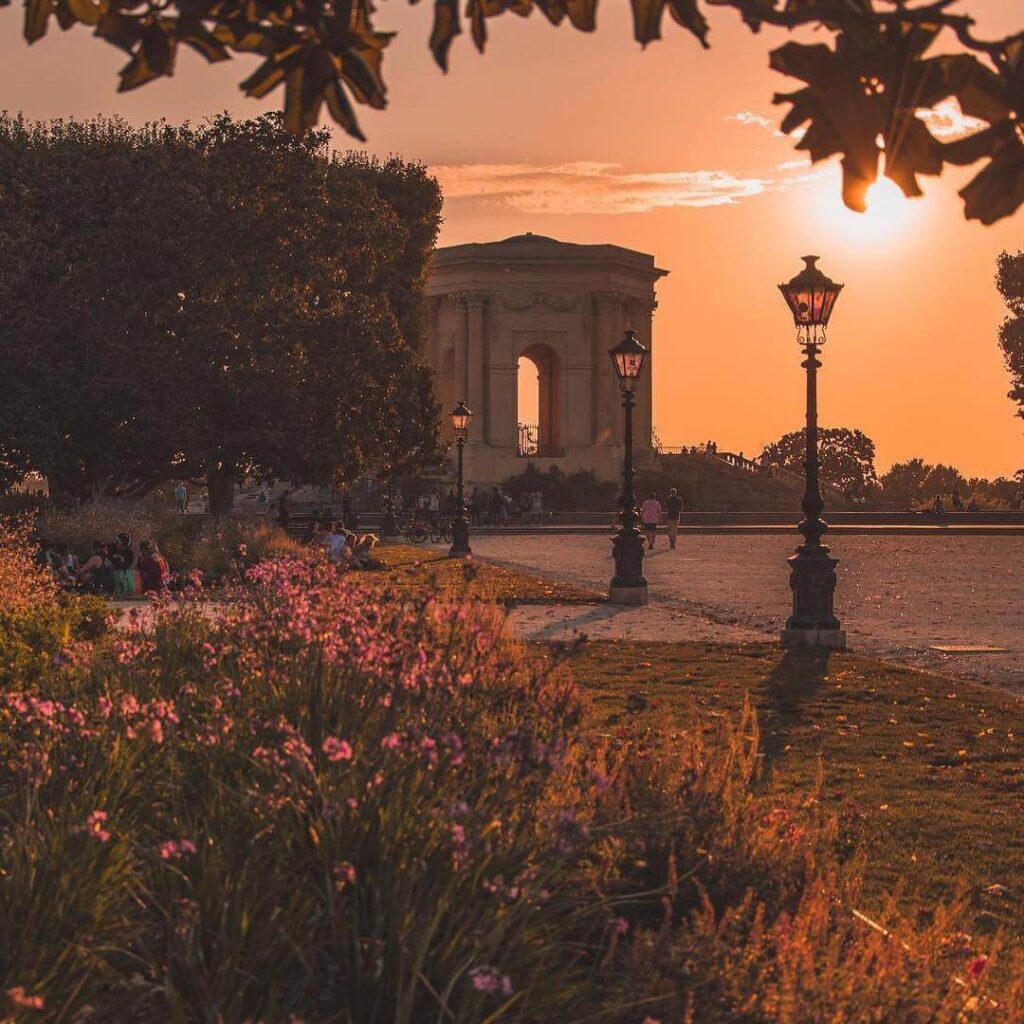
Around this time, you can decide how you’re feeling. If you want a break from being outside, stepping into the museum nearby makes sense. If not, you can just spend some time sitting around Peyrou, taking it slow for a while instead of constantly moving.
As the day starts to wind down, I’d head back toward Place de la Comédie. You’ll probably pass through it anyway, but in the evening it feels completely different than it does earlier in the day. There’s more energy, more people staying out, and it becomes an easy place to settle into dinner or just sit somewhere and watch everything happening around you.
2 Days in Montpellier
With two days, the whole experience feels less compressed, and that makes a big difference in how you enjoy the city.
On the first day, I’d follow a similar flow to the one day plan, but without worrying about fitting everything in. You can take longer breaks, sit down more often, and not feel like you need to move on quickly from one place to the next. Montpellier is the kind of city where those slower moments end up being the most memorable.
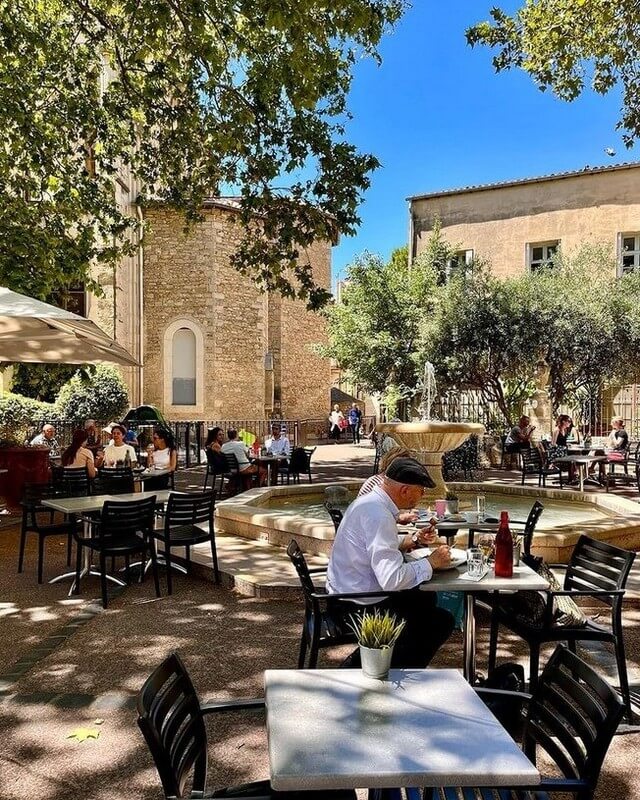
By the second day, you’ll already feel familiar with the layout, which makes everything easier. You might find yourself revisiting a street you liked or going back to a café you passed the day before. That flexibility is what makes staying an extra day worthwhile.
This is also when you can decide if you want to stay within the city or change things up a bit. If you’re still enjoying the pace, you can explore areas you didn’t get to, spend more time in a park, or just have a slower day overall.
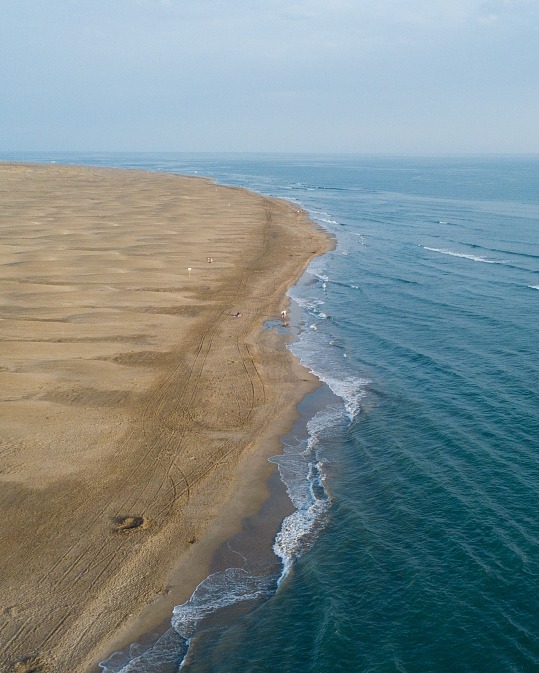
But if you feel like seeing something different, this is the perfect point to step outside Montpellier. A short trip to the beach or a nearby city like Nîmes adds a completely different feel to your trip without requiring much planning. You’re not traveling far, but the change in scenery makes it feel like a separate experience rather than just an extension of the same day.
Either way, having that second day gives you space to enjoy the city instead of just passing through it.
Practical Travel Tips
Getting Around
Getting around Montpellier is pretty straightforward. Most of the main sights are close enough that you’ll end up walking a lot without even thinking about it. That’s really the best way to experience the city anyway.
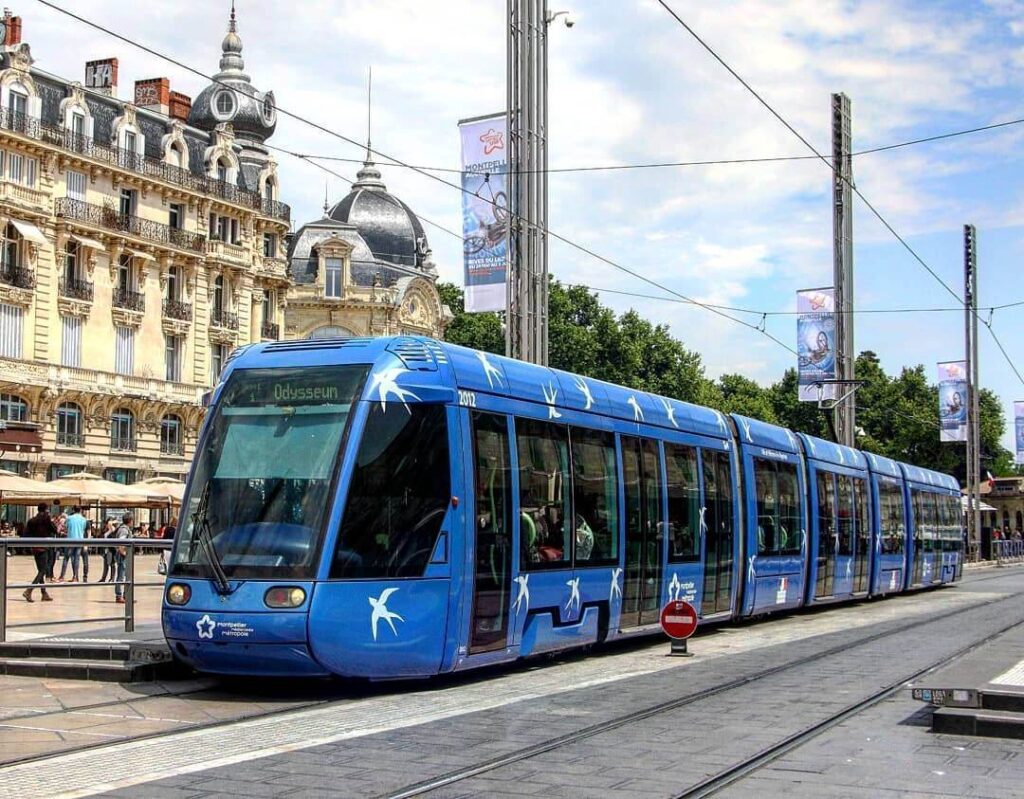
For anything a bit further out, the tram system is easy to use and connects most areas you’d need. I didn’t feel the need to use anything else while I was there.
Best Time to Visit
Timing can change how the city feels quite a bit.
Spring and early fall felt the most comfortable to me. The weather is pleasant enough to walk around during the day without it feeling tiring, and the city still has a good amount of energy.
Summer is more lively, but it also gets warmer, especially in the middle of the day. It’s still enjoyable, you just end up adjusting your pace a bit, maybe slowing down in the afternoons and staying out later in the evening.
How Many Days Do You Need
Montpellier isn’t the kind of place where you need to stay for a long time to understand it. It’s relatively compact, and most of what you’ll want to see is close together, which makes it easy to explore without rushing.
For most trips, one to two days feels just right. With one day, you can walk through the old town, see the main spots, and still have time to sit down, eat, and enjoy the atmosphere a bit. It won’t feel like you’ve seen everything, but you’ll definitely get a good sense of what the city is like.
If you have two days, things become a lot more relaxed. You’re not thinking about what to fit in next, and you can spend more time in places you actually enjoy instead of moving on quickly. You might find yourself revisiting a street you liked, sitting longer at a café, or just walking without a plan, which is really when Montpellier feels at its best.
Staying longer than that only really makes sense if you’re using Montpellier as a base. Since it’s well connected, it works well for taking day trips to nearby places or even the coast. But for the city itself, stretching your stay too much can start to feel a bit unnecessary. It’s better experienced over a short, relaxed visit than a longer one where you’re trying to fill time.
Where to Stay
Where you stay in Montpellier can slightly change how your trip feels, even though getting around is fairly easy no matter where you are.
Staying in the old town puts you right in the middle of everything. You can step outside and immediately be surrounded by cafés, small streets, and most of the places you’ll want to visit.
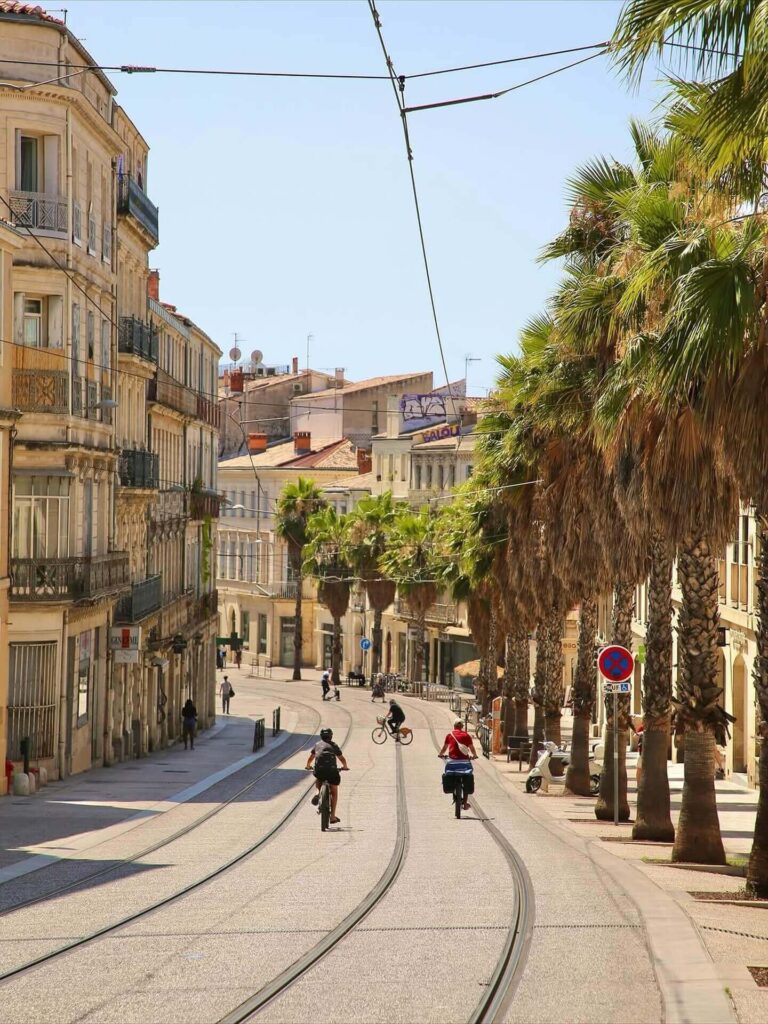
It’s convenient in a way that makes your trip feel effortless, especially if you’re only there for a short time. The only thing to keep in mind is that it can feel a bit more active, particularly in the evenings when people are out and the streets stay busy a little longer.
Antigone has a very different feel. It’s more open, more modern, and noticeably quieter. After spending time in the old town, coming back to a calmer area like this can actually feel like a nice balance.
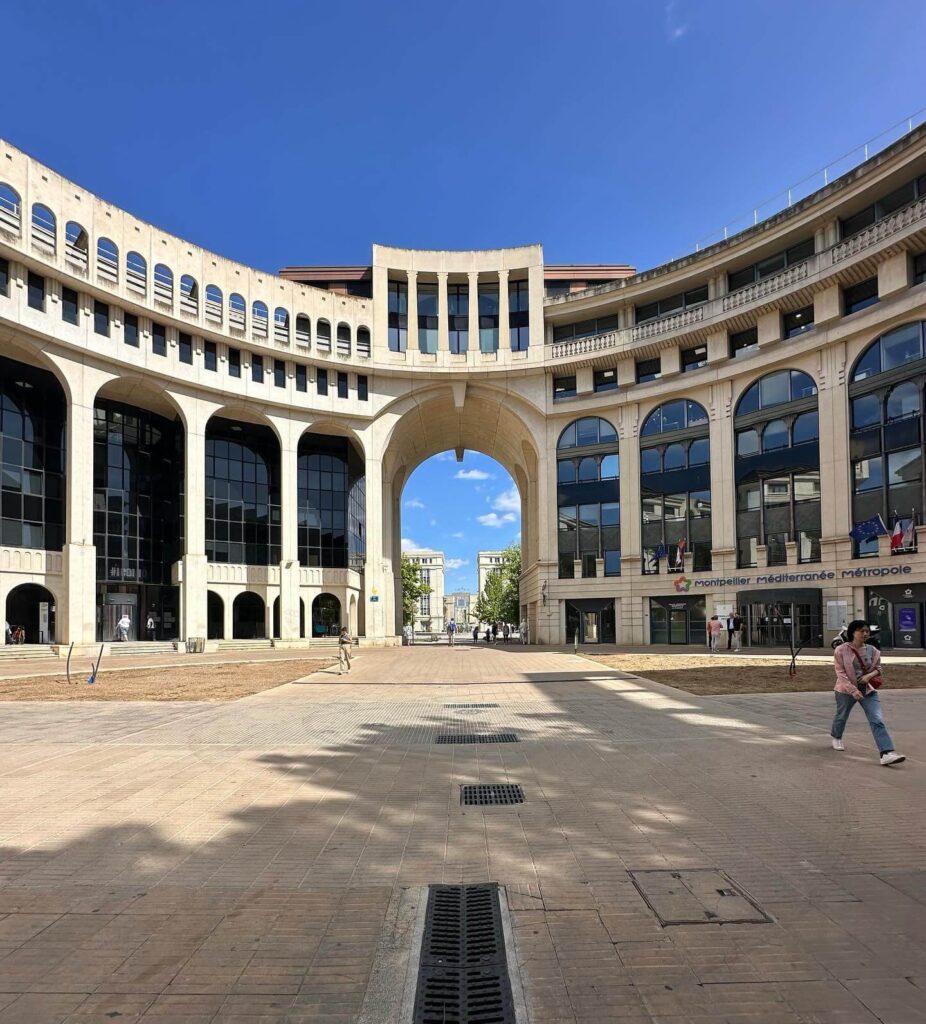
It doesn’t have the same atmosphere or character, but it makes up for it by being less crowded and a bit more relaxed. You’re also still close enough to the center that getting in and out doesn’t take much effort.
In the end, it really depends on what kind of experience you want. If you like being right in the middle of everything and don’t mind a bit of noise, the old town works well. If you prefer somewhere quieter to come back to at the end of the day, Antigone is a good alternative without feeling too far removed from the main areas.
Conclusion
Montpellier ended up being one of those places I appreciated more the longer I stayed.
At first, it didn’t feel like a destination that would stand out, but that changed once I slowed down and stopped trying to treat it like one. It’s not about moving from one major sight to another.
It’s more about the in-between moments, walking through streets without a plan, sitting at a café a little longer than you intended, or just letting the day unfold naturally.
If you’re planning a trip through the South of France, I’d include Montpellier for that reason alone. It brings a different kind of balance to the trip, something a bit more relaxed and grounded compared to the more well known stops.