
I didn’t expect Dijon to feel this calm.
After spending time in bigger French cities, arriving here felt like a shift I noticed almost immediately. There wasn’t that same rush of people moving from one landmark to the next. The streets felt quieter, but not empty, just lived in.
I remember stepping out for what I thought would be a quick walk and ending up wandering for much longer without really checking the time.
What stood out to me most was how easy it felt to slow down. I wasn’t trying to “cover” the city. I was just walking through it. Turning into smaller streets, pausing when something looked interesting, stopping at a bakery without planning to.
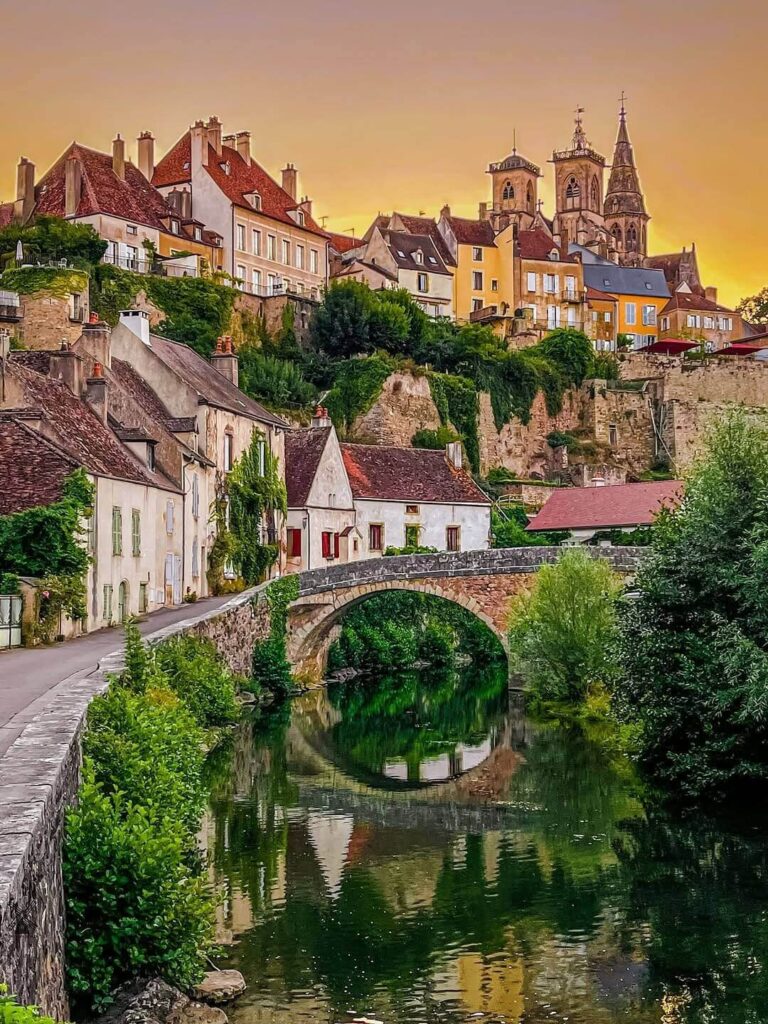
There’s a mix of historic buildings, local shops, and everyday life happening all at once, and it doesn’t feel staged or overly polished.
Even simple moments started to stand out more than I expected. The sound of footsteps on quiet streets early in the day, the smell of fresh bread drifting out from bakeries, small squares that suddenly open up after a narrow lane. It’s the kind of place where you don’t need to be doing something specific to feel like you’re experiencing it.
If you’re planning a trip and looking for the best things to do in Dijon, this guide is built around what actually felt worth my time. Not just the well known spots, but also how to move through the city in a way that doesn’t feel rushed or forced.
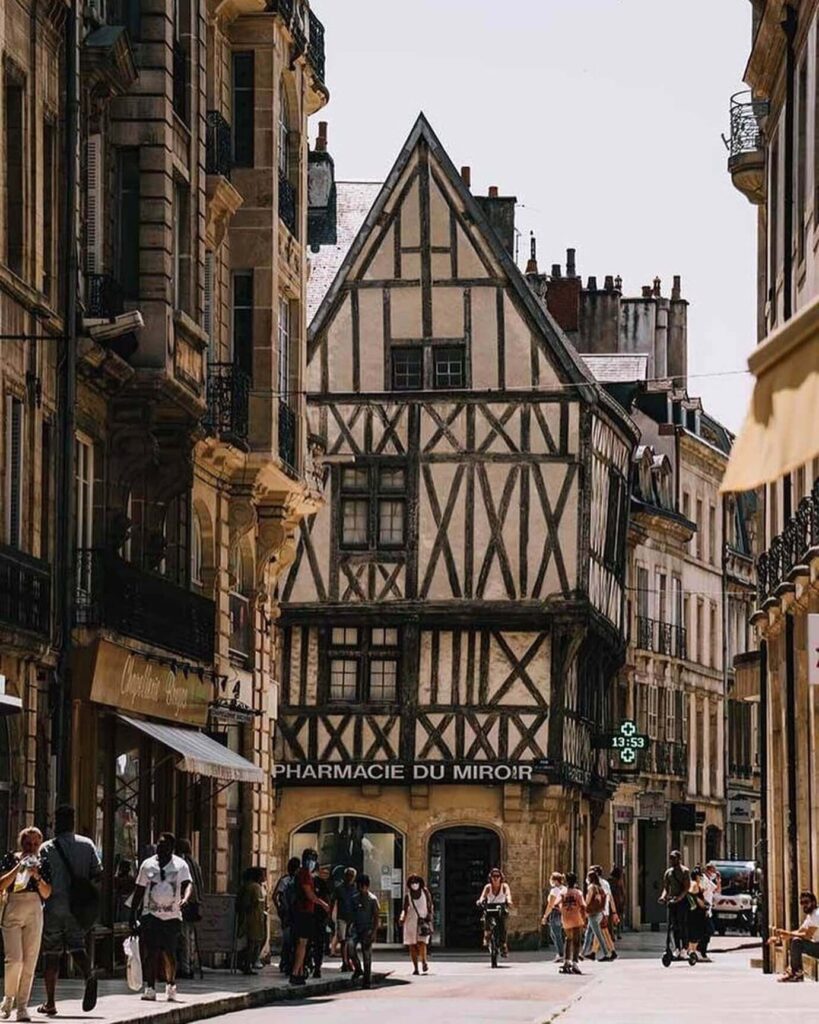
Dijon isn’t a place where you need a packed itinerary. In fact, I’d say it’s better when you leave some space to just walk, notice things, and let the day unfold a bit on its own.
I’ll walk you through the places that stood out to me, how I approached them, and a few things I’d do differently if I went again, so you can plan your time here in a way that feels a little more natural and a lot less stressful.
Why Visit Dijon?
Dijon isn’t the kind of place that tries to impress you right away, and I think that’s why it works so well.
There aren’t huge landmarks every few steps or a long list of you have to see this places. At first, that might make it feel like there’s less to do compared to bigger cities in France. But once you start spending time here, it shifts. The experience becomes less about ticking off sights and more about how the city feels as you move through it.
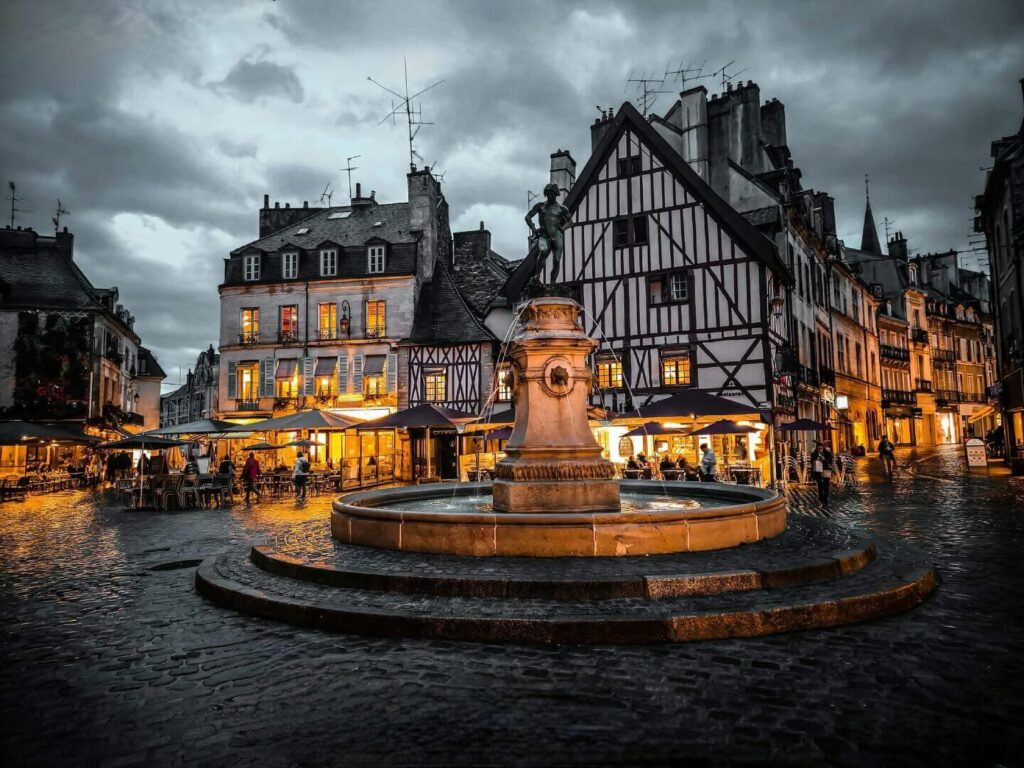
What I noticed pretty quickly is how naturally the pace slows down. You don’t have to plan for it, it just happens. The historic center is compact enough that you can walk almost everywhere without thinking about transport or routes. One street leads into another, and before you realize it, you’ve covered a good part of the city without really trying.
The food culture also feels more grounded. Instead of places that seem designed mainly for visitors, you’ll come across spots that locals actually use. Bakeries, small restaurants, markets, wine bars, they all feel like part of everyday life rather than something set up for tourism. That makes even simple meals or quick stops feel more memorable.

Another thing I appreciated was how manageable everything felt. Even in the busier areas, it never reached that point where it feels crowded or overwhelming. You can still pause, take your time, and enjoy where you are without feeling like you need to move along quickly.
I’d suggest Dijon if you enjoy cities where you can explore on foot without over planning, where food plays a big role in the experience, and where the overall trip feels more relaxed than rushed.
It’s also a good choice if you’re traveling through Burgundy and want a base that gives you both a city experience and access to the surrounding region without too much effort.
It’s not a place that tries to compete with bigger destinations, but it doesn’t need to. The appeal is in how easy it is to settle into it and just enjoy the time you spend there.
Best Things to Do in Dijon
1. Walk Through Dijon Old Town
This is where Dijon really started to make sense to me.
The Old Town isn’t something you “cover” in a structured way. It’s more like a collection of streets that slowly reveal themselves as you walk. One moment you’re on a slightly busier street with cafés and shops, and then you turn a corner and it suddenly becomes quieter, with older buildings and hardly anyone around.
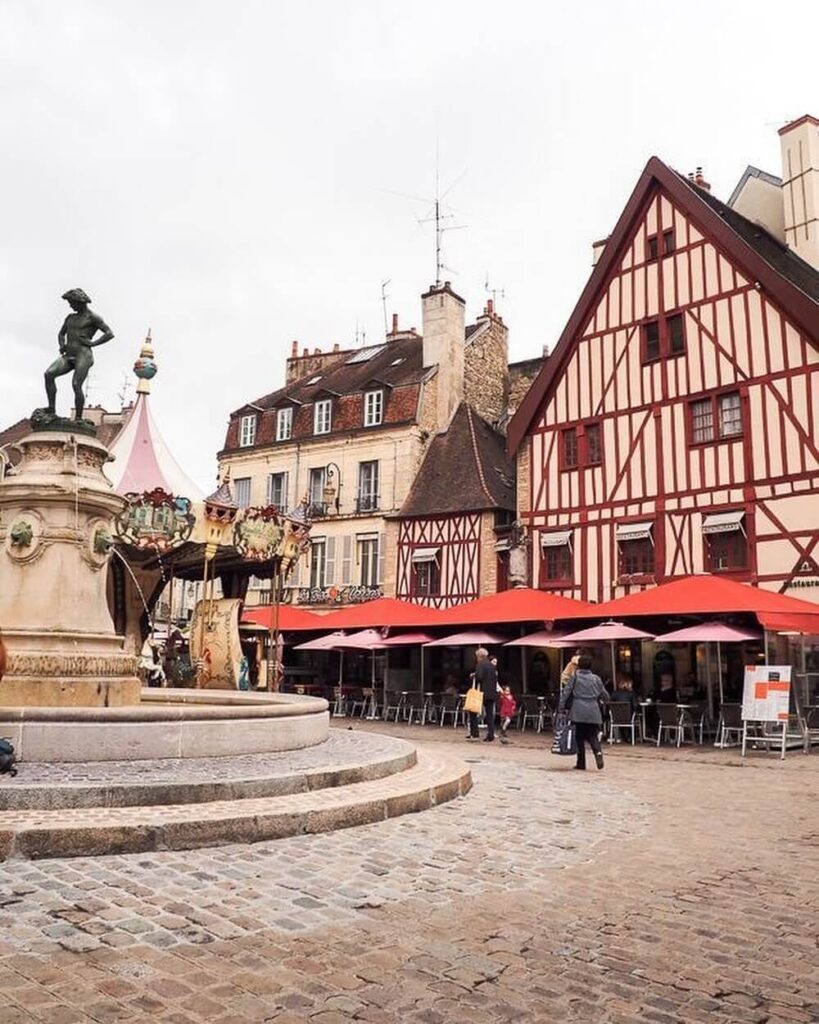
I didn’t use a map much here, and honestly, I think that made the experience better. I just kept walking, taking random turns, and stopping whenever something felt interesting. Sometimes it was a small square, sometimes a bakery, sometimes just a street that looked different from the others.
If you try to rush through this part, it won’t feel like much. But if you give it time, even an hour or two, it starts to feel more personal. This is easily the part of Dijon where I spent the most time without realizing it.
2. Visit the Palace of the Dukes of Burgundy
This is one of the main landmarks, but it didn’t feel overwhelming or overly crowded, which I appreciated.
When you walk into the courtyard, the scale of the building stands out right away. It’s large, but still fits naturally into the city instead of dominating it. I spent a bit of time just walking around outside before deciding whether to go in.
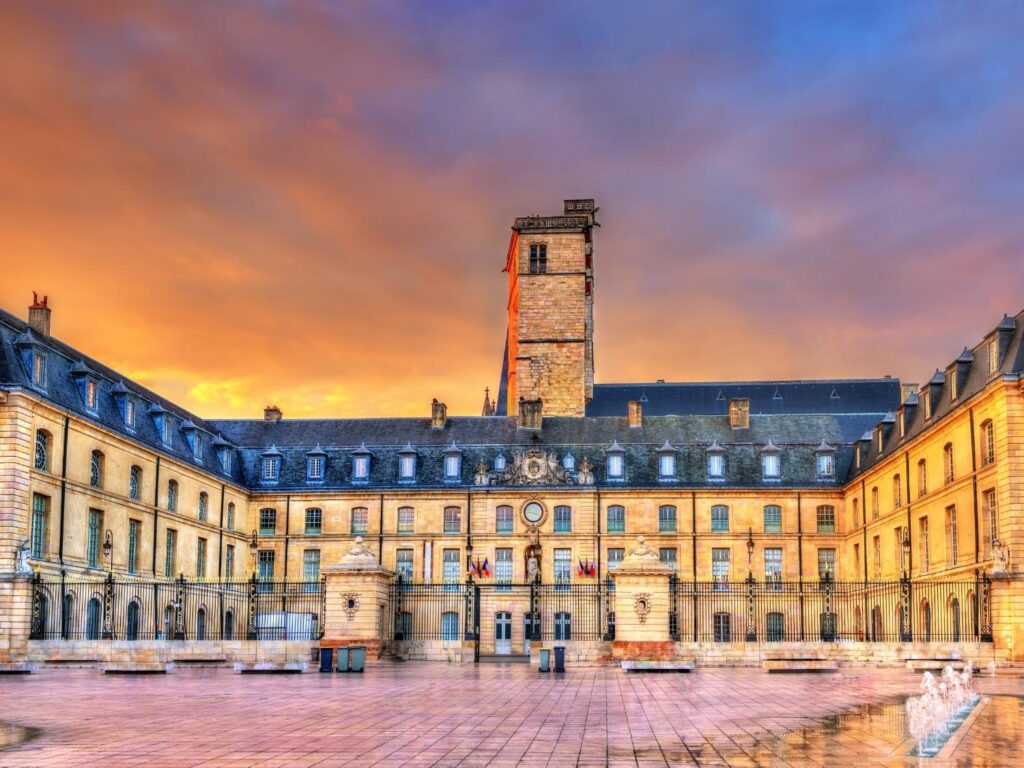
Inside, there’s a museum if you’re interested in history, but even if you skip that, the visit still feels worthwhile. The tower climb is something I’d recommend if you don’t mind a bit of effort. The view from the top gives you a better sense of how compact Dijon is, with all the rooftops stretching out around you.
It’s one of those places that adds context to the city without requiring a big time commitment.
3. Follow the Owl Trail (Parcours de la Chouette)
This ended up being one of the easiest ways to explore Dijon without overthinking it.
The Owl Trail is marked by small brass owl symbols on the ground, and it connects many of the main sights across the city. What I liked was that it didn’t feel like a strict route you had to follow step by step. You can join it at any point, follow it for a while, then drift off if something else catches your attention.
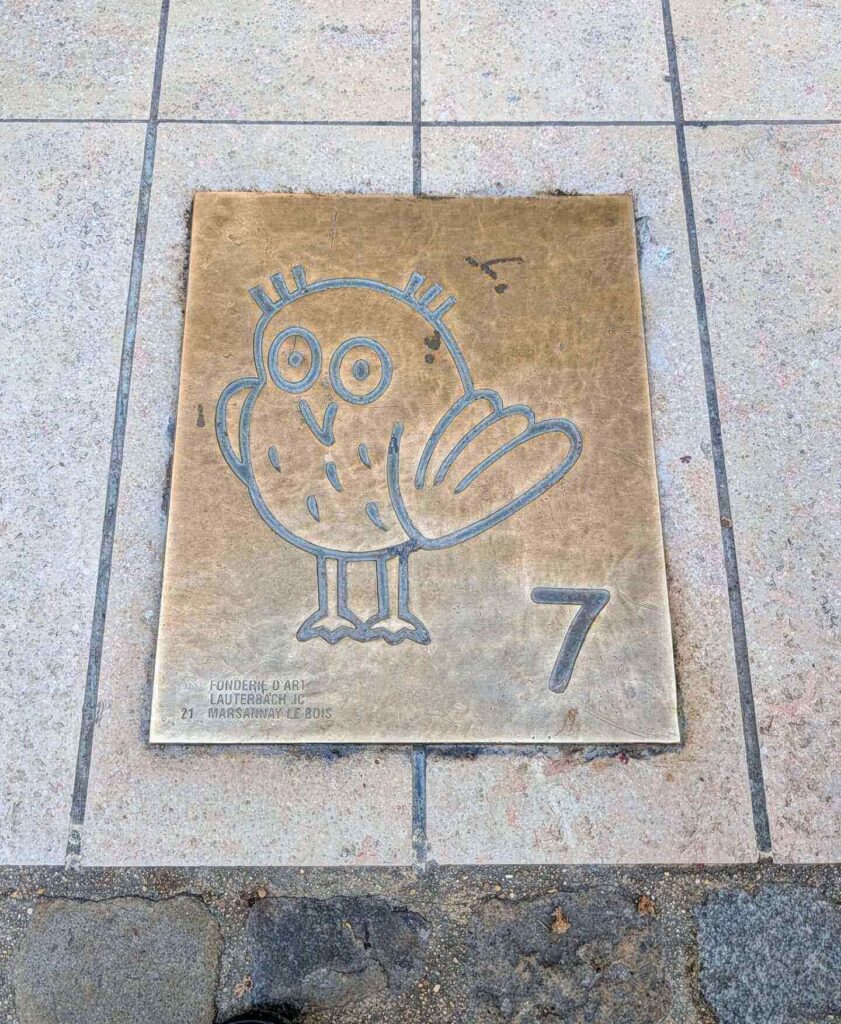
I didn’t complete the entire trail in one go. I followed parts of it throughout the day, and that worked better for me. It gave me direction when I needed it, but still left room to explore on my own.
If you’re someone who likes a bit of structure without feeling restricted, this is a really helpful way to move around Dijon.
4. Visit Notre Dame of Dijon & the Owl Carving
This is a small stop, but it’s one of those details that sticks with you.
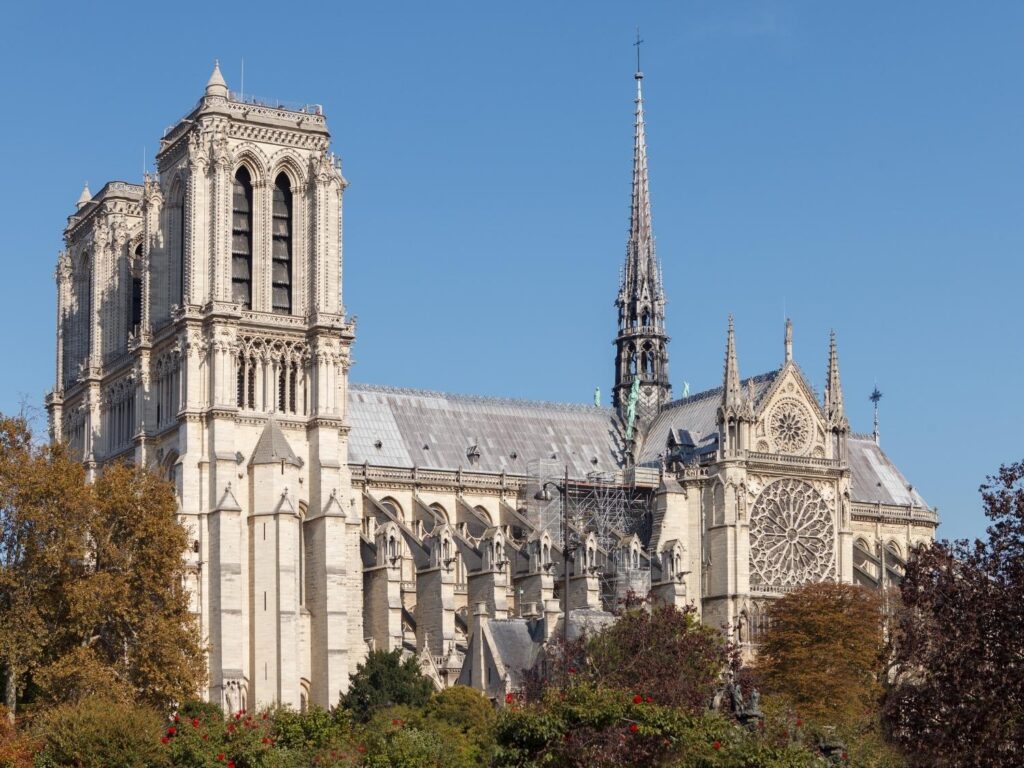
The church itself is worth a quick look, especially from the outside where the architecture stands out. But what most people come for is the small owl carving on the side wall. It’s easy to miss if you’re not looking for it, which actually makes finding it a bit more fun.
There’s a local tradition of touching the owl with your left hand for good luck. It might sound like a simple thing, but when you’re there, it feels like you’re taking part in something that’s been around for a long time.
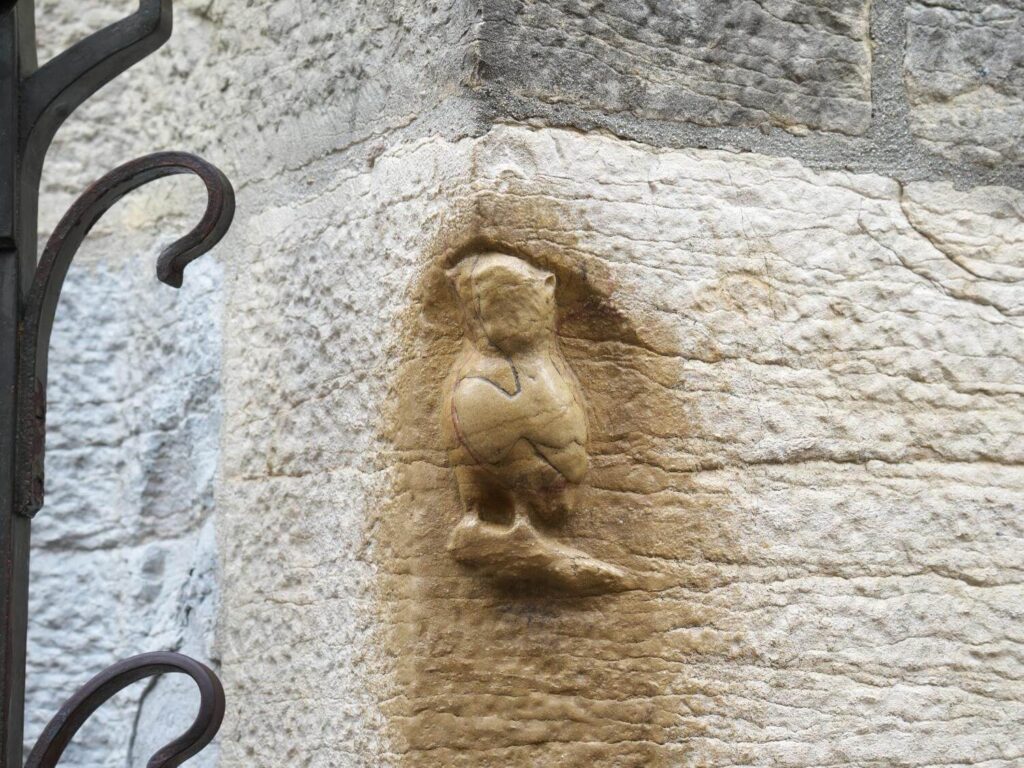
It doesn’t take more than a few minutes, but it adds a bit of character to your time in the city.
5. Explore Les Halles Market
If you want to see a more everyday side of Dijon, this is the place to go.
I visited in the morning, and that’s when it felt the most active. Locals picking up groceries, vendors setting up their stalls, people stopping for quick bites. It didn’t feel like a place designed for visitors, which made it more interesting to walk through.
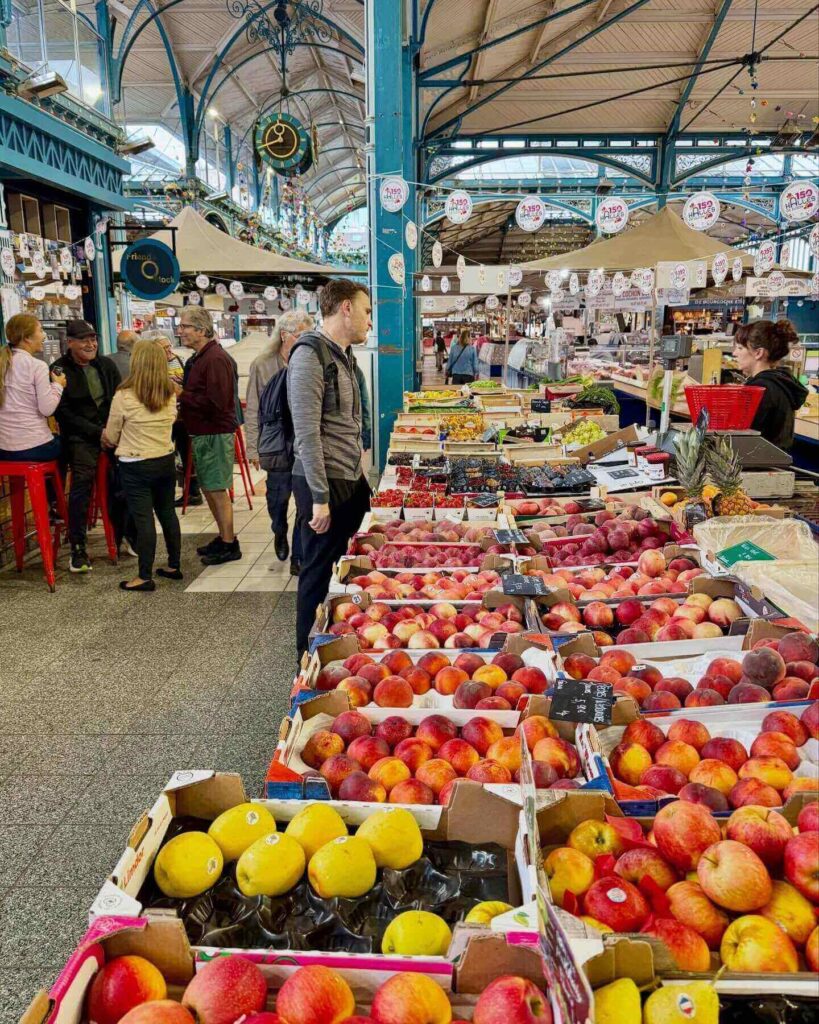
There’s a mix of things here, fresh produce, cheeses, meats, baked goods. I didn’t go with a plan to eat a full meal, but I ended up trying a few small things along the way. It’s a good spot to slow down, walk around, and just see what catches your attention.
Even if you’re not planning to buy much, it’s worth spending some time here just for the atmosphere.
6. Taste Dijon Mustard at Local Shops
Trying mustard in Dijon feels a bit different than you might expect.
Instead of just picking up a jar and leaving, some shops let you taste different varieties. I didn’t realize how much they could vary until I tried a few side by side. Some are sharper, some milder, some have added flavors that completely change the taste.

It doesn’t take long, but it’s one of those small experiences that connects you to what the city is known for in a more direct way. Even if you’re not particularly interested in mustard, it’s still worth stepping into a shop and trying a couple.
7. Walk Around Darcy Square & Porte Guillaume
This area is usually one of the first places you’ll see, especially if you’re arriving by train.
Darcy Square feels open compared to the narrower streets in the Old Town, and it’s a nice place to pause for a moment before heading deeper into the city. The nearby Porte Guillaume arch adds a bit of character and makes the area feel like a natural entry point.
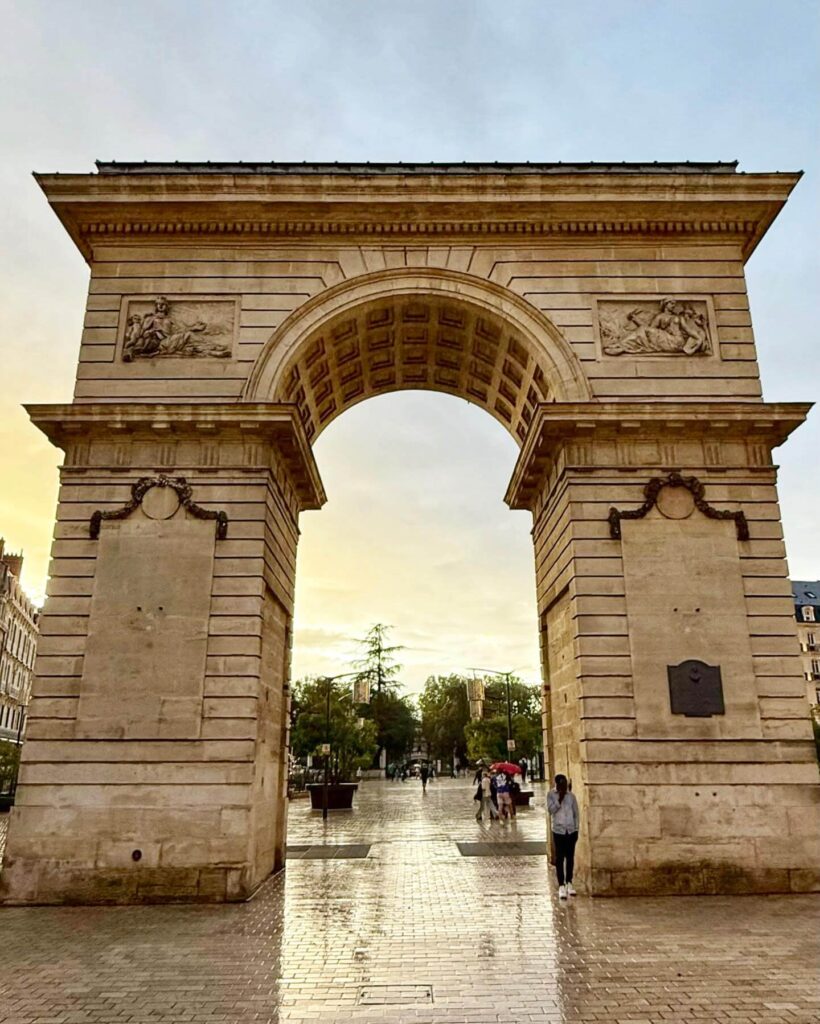
I didn’t spend a lot of time here, but I passed through it more than once. It’s one of those places that naturally fits into your route rather than being a destination on its own.
8. Visit a Burgundy Wine Bar
Spending some time in a wine bar felt like one of the most relaxed parts of the day.
Since Dijon is part of the Burgundy region, this is one of the easiest ways to connect with the local culture without leaving the city. I didn’t plan this in advance. I just walked around in the evening and picked a place that felt comfortable.

If you’re not sure what to order, it’s completely fine to ask for suggestions. Most places are happy to guide you, and it takes the pressure off trying to choose from a long list.
Even if you’re not deeply into wine, sitting down for a glass and slowing things down for a while is worth it.
9. Relax in Jardin Darcy
After a full day of walking, this ended up being a simple but needed break.
It’s not a large park, but it’s easy to reach and well kept. I sat here for a bit longer than I planned, which seemed to happen often in Dijon. You think you’ll stop for a few minutes, and then you just stay.
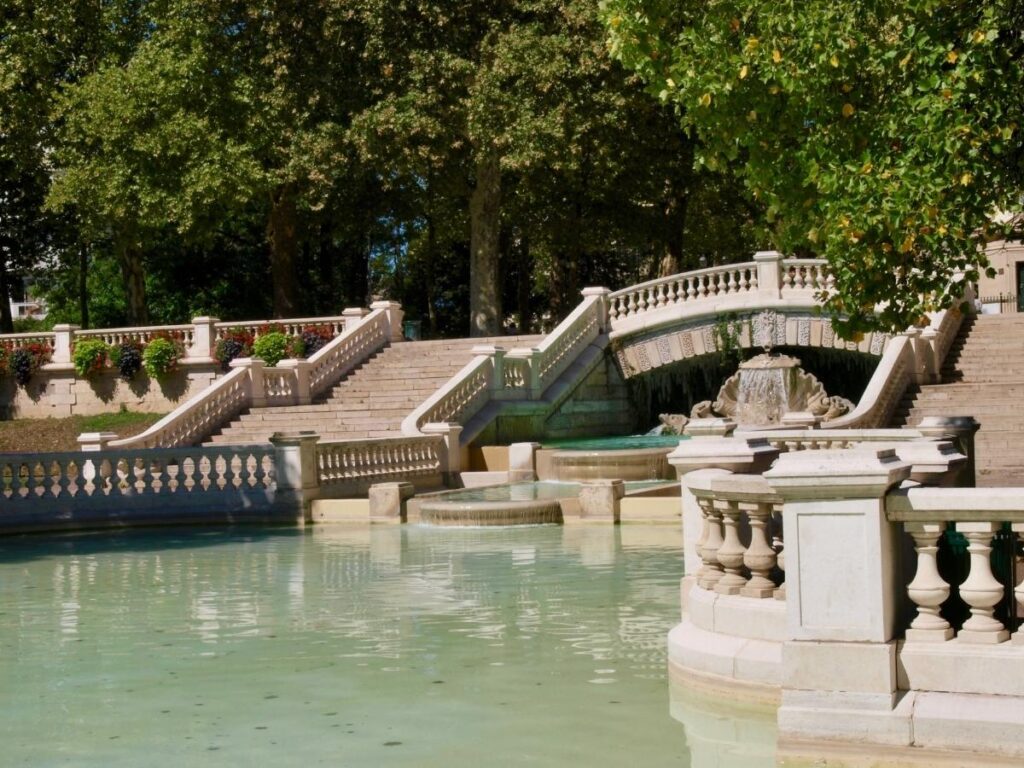
If your day starts to feel a bit full, this is a good place to pause before heading out again.
10. Take a Half Day Burgundy Wine Tour (Optional)
If you have extra time and want to see more beyond the city, this is something to consider.
Dijon is close to several well known wine areas, and a short tour can give you a different perspective on the region. It’s a bit more structured compared to exploring the city, but it balances things out nicely if you’re staying longer.
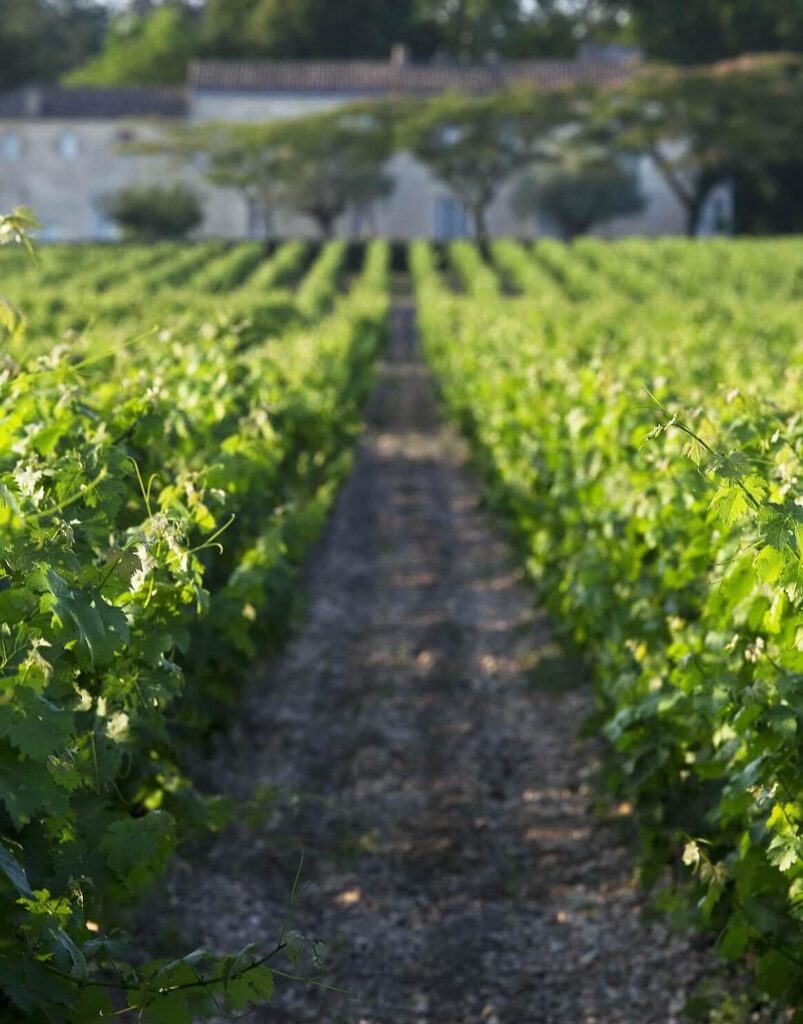
I’d only recommend this if you have at least a second day, so you don’t feel like you’re rushing through Dijon itself.
Where to Eat in Dijon
Food ended up being one of the highlights of my time in Dijon, but not in the way I expected.
Before arriving, I thought I’d need a list of specific restaurants to try. But once I got there, that approach didn’t really fit the city. Dijon feels more natural when you decide things as you go, especially when it comes to food.

Some of my better meals weren’t planned at all. I’d just be walking through the Old Town, notice a place that looked inviting, check the menu quickly, and go in without overthinking it.
That said, having a rough idea of what to look for does help. The food here leans heavily into Burgundy’s traditional dishes, and even if you’re not familiar with them, it’s worth trying a few while you’re here.

One dish you’ll see almost everywhere is boeuf bourguignon. It’s slow cooked beef in red wine, and in Dijon, it tends to feel more balanced and less heavy than you might expect. I tried it at a small, quiet restaurant without planning to, and it ended up being one of the more memorable meals of the trip.

Escargots are another classic, and I’ll be honest, I wasn’t sure about them at first. But once you try them, especially with garlic and butter, they’re easier to enjoy than they sound. If you’re even slightly curious, this is a good place to give them a chance.
Gougères were something I kept coming across in bakeries and markets. They’re small cheese puffs, light and slightly savory, and easy to try without committing to a full meal. These felt more like something you snack on while walking rather than sit down for.
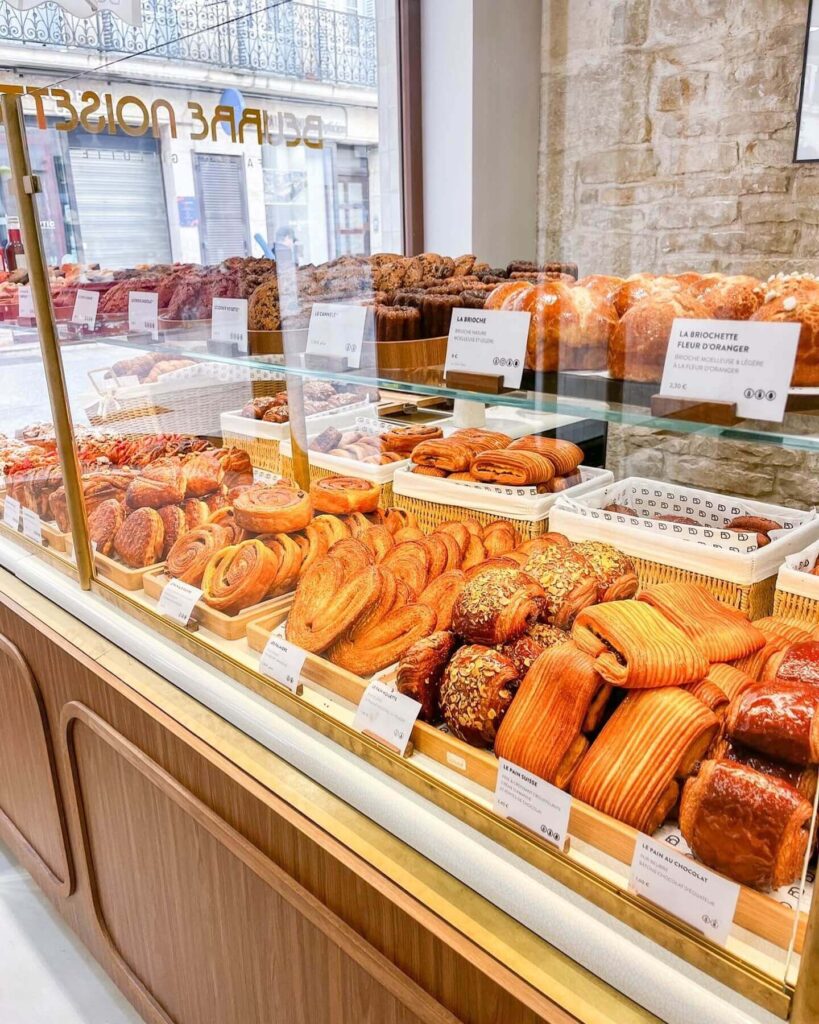
What worked best for me overall was keeping things flexible. Instead of planning every meal in advance, I’d walk around first, see what felt right, and decide in the moment. Sometimes I’d stop for something small, then have a proper meal later. Other times, I’d just sit down somewhere that looked quiet and take my time.
If you try to schedule every meal here, it can start to feel a bit rigid. But if you leave some space for spontaneity, food becomes part of the experience rather than just something you check off between sights.
In the end, eating in Dijon felt less about finding “the best restaurant” and more about enjoying what you come across naturally.
Dijon Itinerary
1 Day in Dijon
If you only have one day in Dijon, the best thing you can do is keep the plan simple and stay within the central area. The city is compact, so you won’t need to rush, but trying to fit in too much can take away from what makes Dijon enjoyable in the first place.
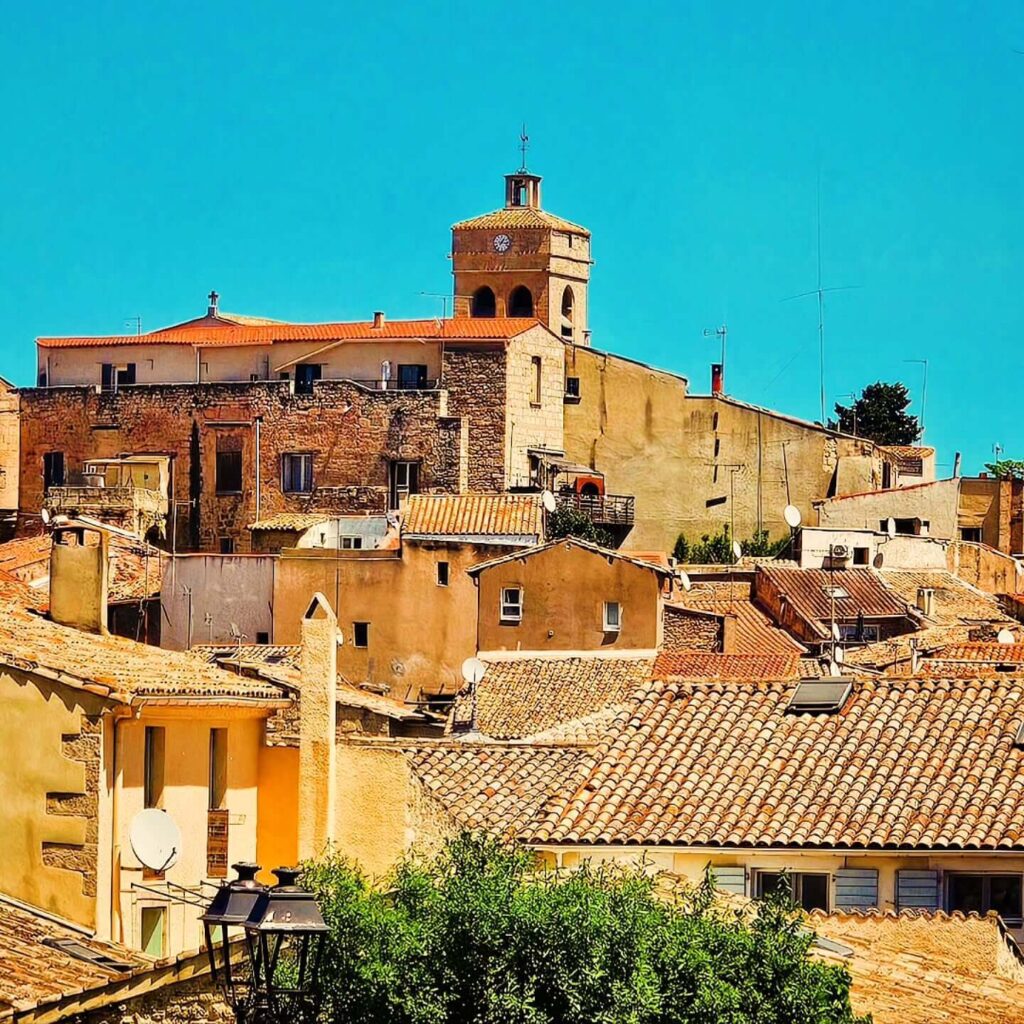
I’d start the morning in the Old Town. This is when the streets feel a bit quieter, and you can walk without distractions. Instead of heading straight to specific landmarks, just begin walking and let the city unfold naturally. You’ll pass small squares, shops opening up for the day, and streets that feel completely different from one another.
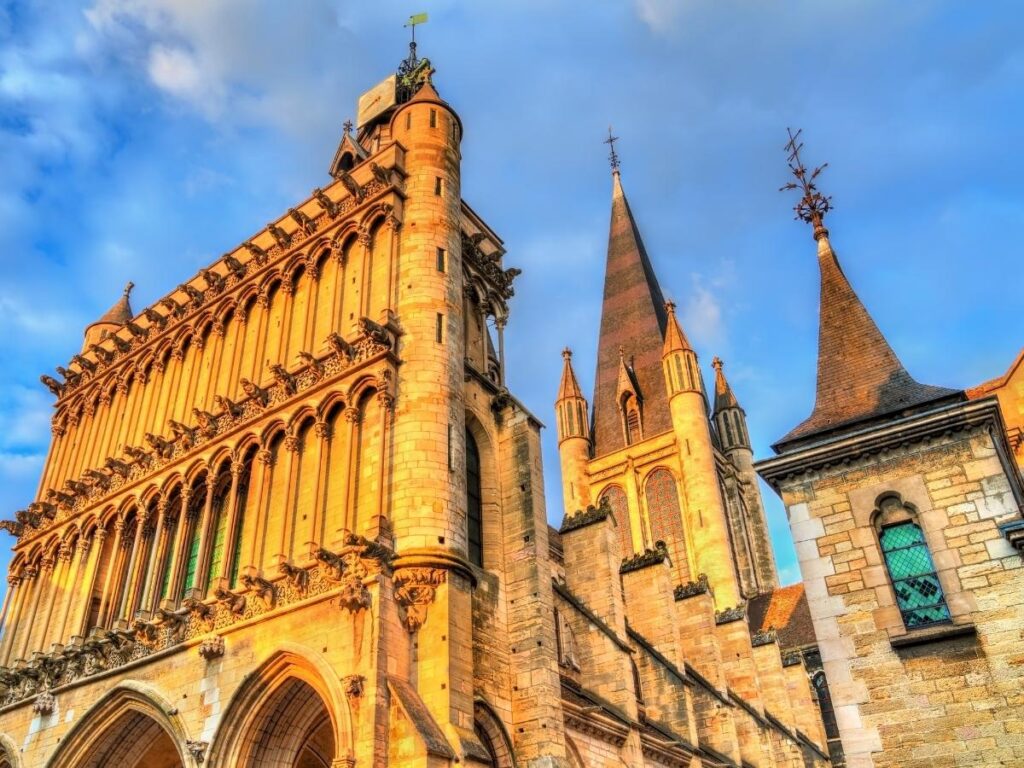
At some point during the morning, make your way to Notre Dame. It doesn’t take long to visit, but it’s worth stopping by, especially to find the small owl carving on the side of the church. It’s easy to miss if you’re not looking for it, so take a moment to walk around the building rather than just passing through.
By late morning or early afternoon, head toward the Palace of the Dukes of Burgundy. Spend a bit of time in the courtyard and, if you’re interested, go inside or climb the tower. Around this area, you’ll find plenty of places to stop for lunch. I wouldn’t plan this too strictly, just walk around nearby streets and pick somewhere that feels right.
The afternoon is best left a bit open. You can continue walking through the Old Town, follow parts of the Owl Trail, or just sit somewhere for a while and take a break. Dijon works best when you don’t try to fill every hour.
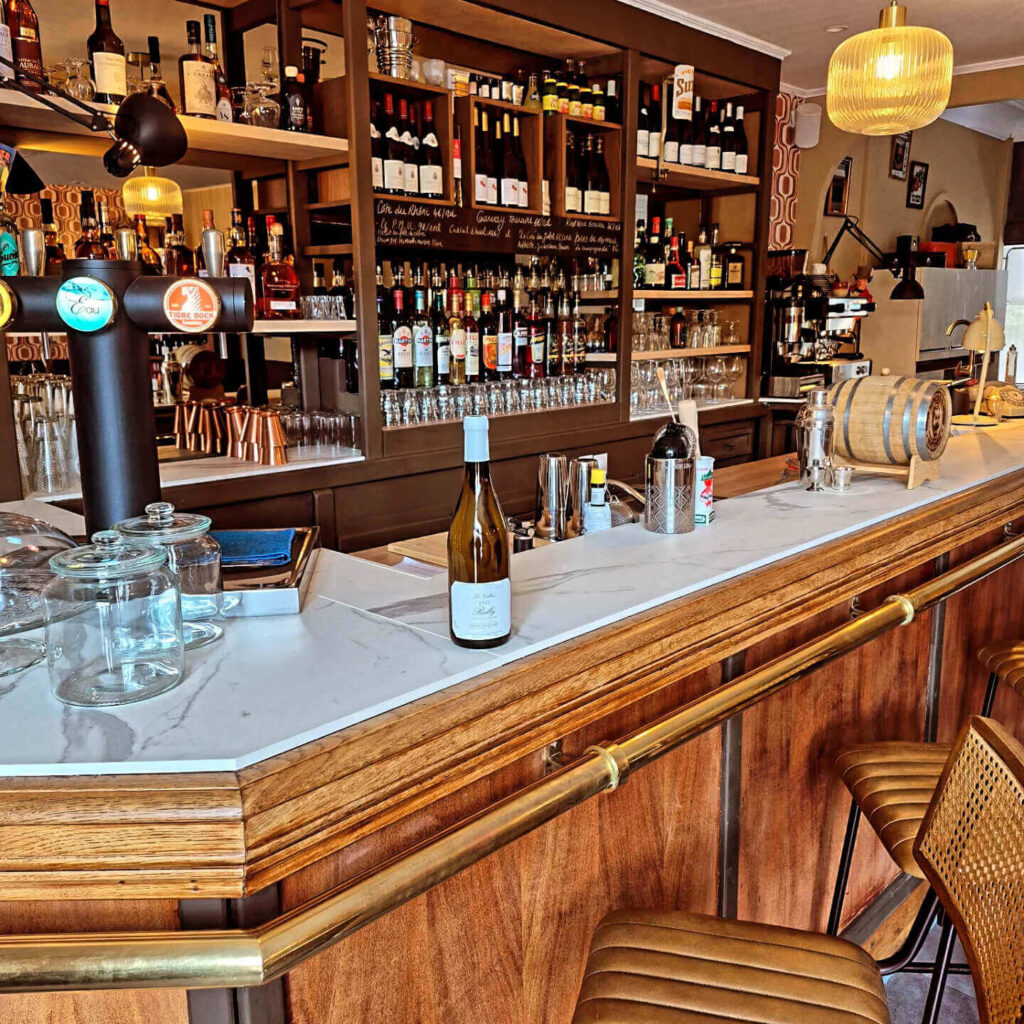
In the evening, I’d suggest ending the day at a wine bar. It’s a relaxed way to wind down, and since you’re in Burgundy, it feels like a natural part of the experience. There’s no need to over plan this either, just find a place that looks comfortable and take your time.
2 Days in Dijon
With two days, the experience becomes much more relaxed.
On your first day, you can follow a similar pace to the one day plan. Start in the Old Town, visit Notre Dame, spend time around the Palace, and just get familiar with the city. The difference is that you won’t feel like you need to move on quickly. You can spend longer in places, take breaks, and explore side streets without worrying about time.
The second day is where you can slow things down even more.
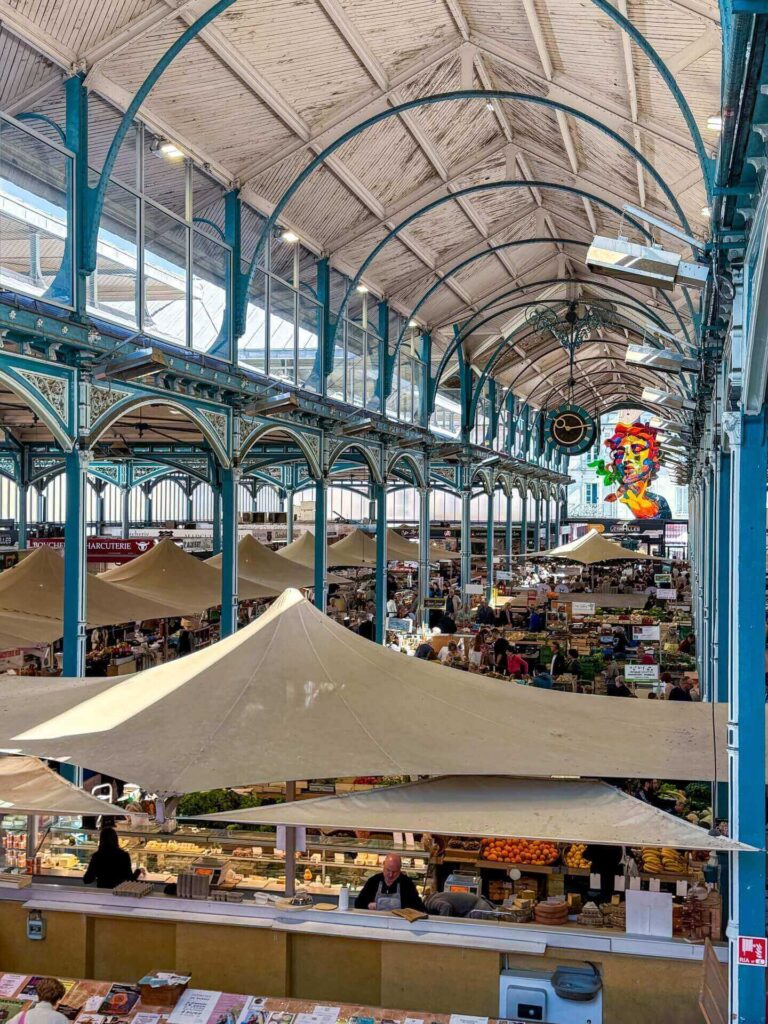
I’d start the morning at Les Halles market. Going earlier in the day makes a difference, as it feels more active and local. Walk through the stalls, try something small if you feel like it, and don’t rush out. It’s less about buying things and more about experiencing the atmosphere.
After that, you can either continue exploring the city at a slower pace or step slightly outside of it. If you enjoyed the first day, you might just want to revisit certain areas, walk through streets you missed, or spend more time sitting in a café or park.
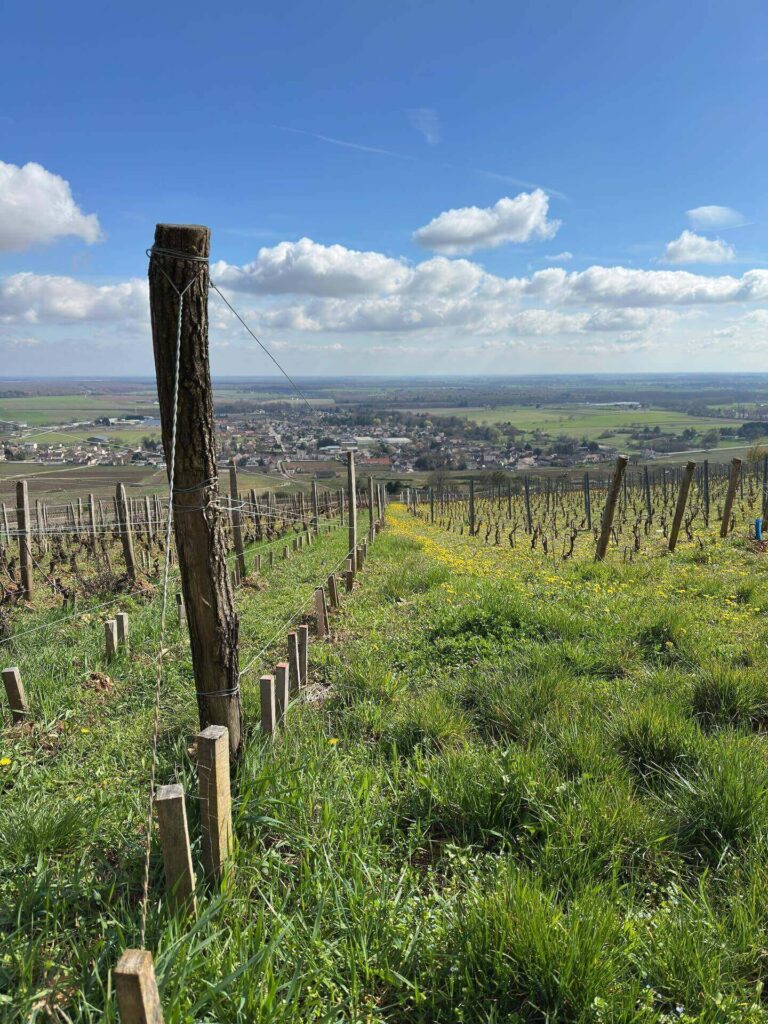
If you’re interested in wine or want to see more of the Burgundy region, this is a good day to consider a short wine trip. It adds variety to your time in Dijon without taking away from the city itself.
Overall, having two days means you don’t have to think too much about timing. You can let the day unfold more naturally, which is really when Dijon feels at its best.
Where to Stay in Dijon
Where you stay in Dijon can slightly shape how your trip feels, even though the city itself is quite compact.
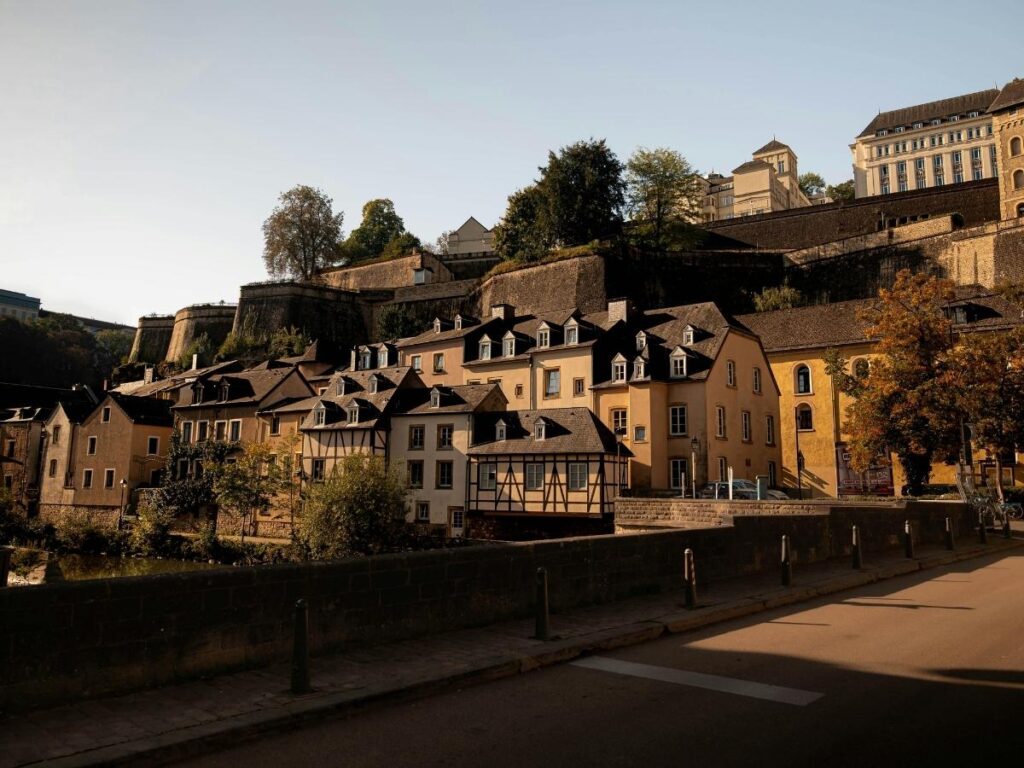
If it’s your first time here, staying in the Old Town makes things much easier. Most of the places you’ll want to visit are within walking distance, so you don’t have to think much about transport or planning your day around getting from one area to another.
You can step out in the morning and already be in the middle of the city, which makes a difference, especially if you only have a day or two.
I also liked how the atmosphere changes throughout the day in this area. In the morning, it feels quieter and more relaxed, while in the evening, the streets become a bit more lively with people heading out for dinner or drinks. Being able to experience both without needing to travel anywhere adds to the overall experience.
The only thing to keep in mind is that some parts of the Old Town can be a bit busier, especially closer to the main squares. If you prefer somewhere quieter, it’s worth choosing a place on a slightly less central street while still staying within walking distance.
Staying near the train station is more practical, especially if you’re arriving late, leaving early, or just passing through Dijon. It’s convenient in terms of access, and you’ll likely find more straightforward accommodation options here. But the trade off is that it doesn’t have the same character as the Old Town.
You can still walk into the center from the station area, so it’s not far, but it does change how your day starts and ends. Instead of stepping straight into the atmosphere of the city, you’ll have a short walk before things begin to feel more like Dijon.
If I had to choose again, I’d stay in the Old Town, even if it meant paying a bit more. Being able to walk out and immediately feel part of the city made the whole experience more enjoyable and a lot more effortless.
Practical Travel Tips
Getting Around
Getting around Dijon is probably one of the easiest parts of visiting the city.
Most of the places you’ll want to see are within walking distance, especially if you’re staying anywhere near the Old Town. I rarely had to think about directions or transport. I’d just head out and naturally end up where I needed to be. The streets connect well, and even when I wasn’t completely sure where I was going, I never felt lost for long.
There is a tram system, and it’s useful if you’re staying a bit further out or planning to go beyond the center. But for a short visit, you likely won’t need it much. Walking is not just convenient here, it’s also the best way to actually experience the city. A lot of what makes Dijon enjoyable isn’t just the main sights, but everything in between them.
Best Time to Visit
Timing can change how Dijon feels, even though the city itself doesn’t rely heavily on seasons.
I visited when the weather was mild, and that felt like the right balance. Spring and early fall seem to work best if you want comfortable temperatures and a slightly quieter atmosphere. You can walk around easily without dealing with heat or large crowds.
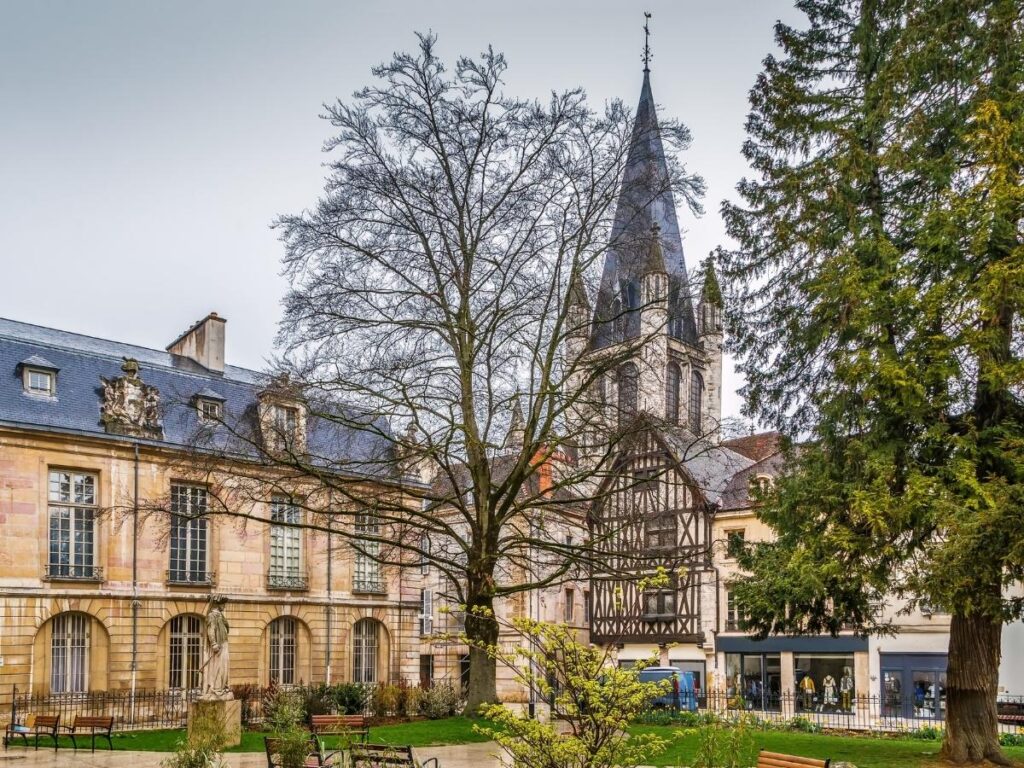
Summer brings more energy to the city. There are more people around, more activity, and a slightly livelier feel overall. That can be nice if you enjoy that kind of atmosphere, but it also means some areas feel busier than usual.
Winter is quieter, and while some people might enjoy that, it can feel a bit too slow depending on what you’re looking for. Dijon doesn’t rely on big seasonal events, so the experience stays fairly consistent, but the pace definitely shifts depending on when you go.
How Many Days You Need
Dijon isn’t a place where you need a long stay to feel like you’ve seen it.
One full day is enough to explore the main areas, walk through the Old Town, visit a few key spots, and still have time to sit down for a proper meal or a glass of wine. It won’t feel rushed as long as you keep your plans simple.
If you have two days, the experience becomes much more relaxed. You don’t have to think about time as much. You can revisit places, spend longer at the market, or just take breaks without feeling like you’re missing something.
Anything beyond that usually means you’re either slowing down even further or using Dijon as a base to explore more of Burgundy.
Conclusion
Dijon isn’t the kind of place that tries to keep you busy every minute, and that’s what makes it stand out.
It’s not built around big attractions or a long list of must see spots. Instead, it’s a city that feels easy to settle into. Walking through the streets, stopping for food without planning too much, and letting the day unfold naturally ended up being more rewarding than trying to see everything.
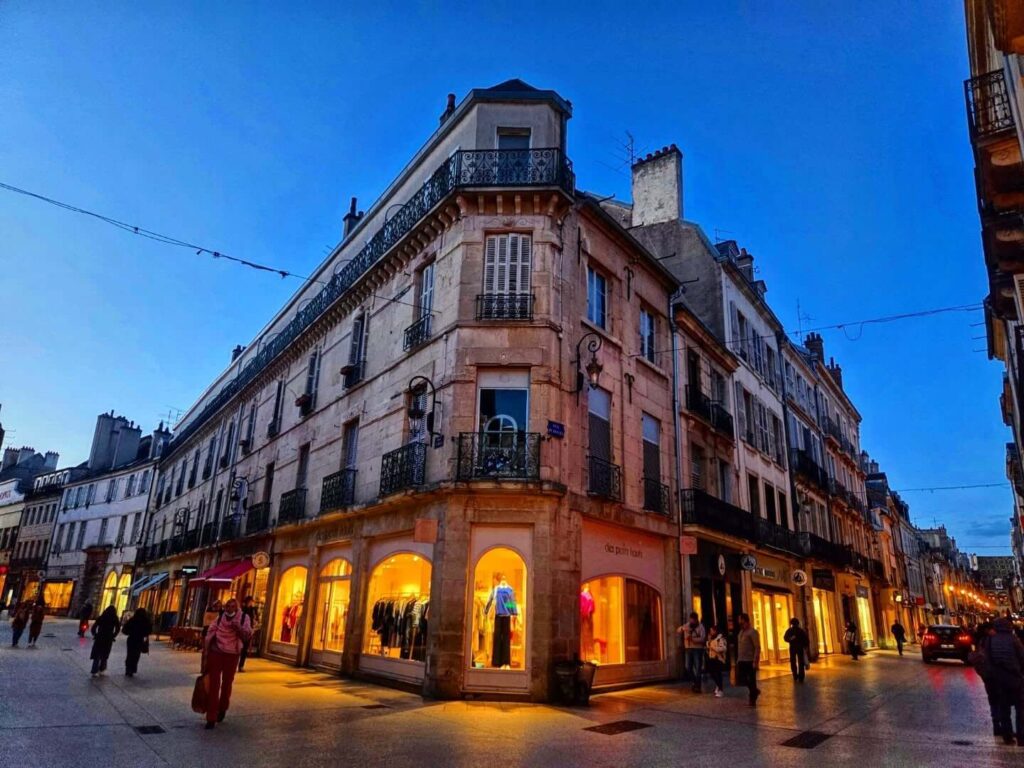
Even with just a day or two, you can get a good sense of what Dijon is about. It doesn’t take long to feel comfortable here, and that’s part of its appeal.
If you’re traveling through Burgundy or looking for a place that feels a bit slower and more relaxed compared to bigger cities, Dijon fits in naturally. It’s not a place that demands your attention, but once you’re there, it’s easy to appreciate.