

The first time I watched someone jump off a lava cliff into the bright blue Pacific, I couldn’t decide whether I was impressed or slightly terrified. From the beach, it didn’t look all that high, but standing near the edge was a different story.
The water suddenly seemed much farther away, and I quickly realized that photos never capture what these jumps actually feel like.
What surprised me most was how careful the experienced jumpers were. Nobody rushed to the edge. They spent several minutes watching the waves, checking the water below, and talking about the conditions before anyone jumped.
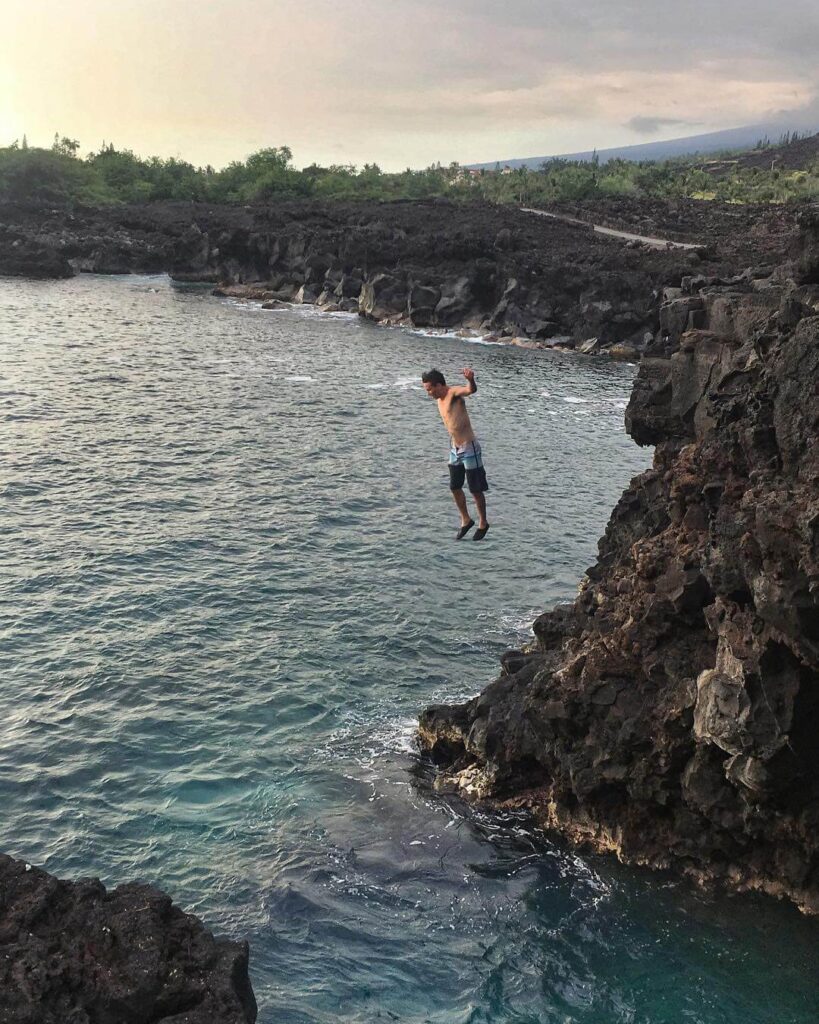
A few people even decided not to jump at all because the ocean didn’t look right. That was a good reminder that cliff jumping in Hawaii isn’t about being fearless. It’s about respecting the ocean and knowing when it’s smarter to walk away.
One of the things I love about Hawaii is that every island offers a different kind of cliff jumping experience. Maui’s Black Rock is a popular choice for beginners, while Oahu has everything from the family friendly jump at Waimea Bay Rock to more challenging spots like China Walls and Spitting Cave.
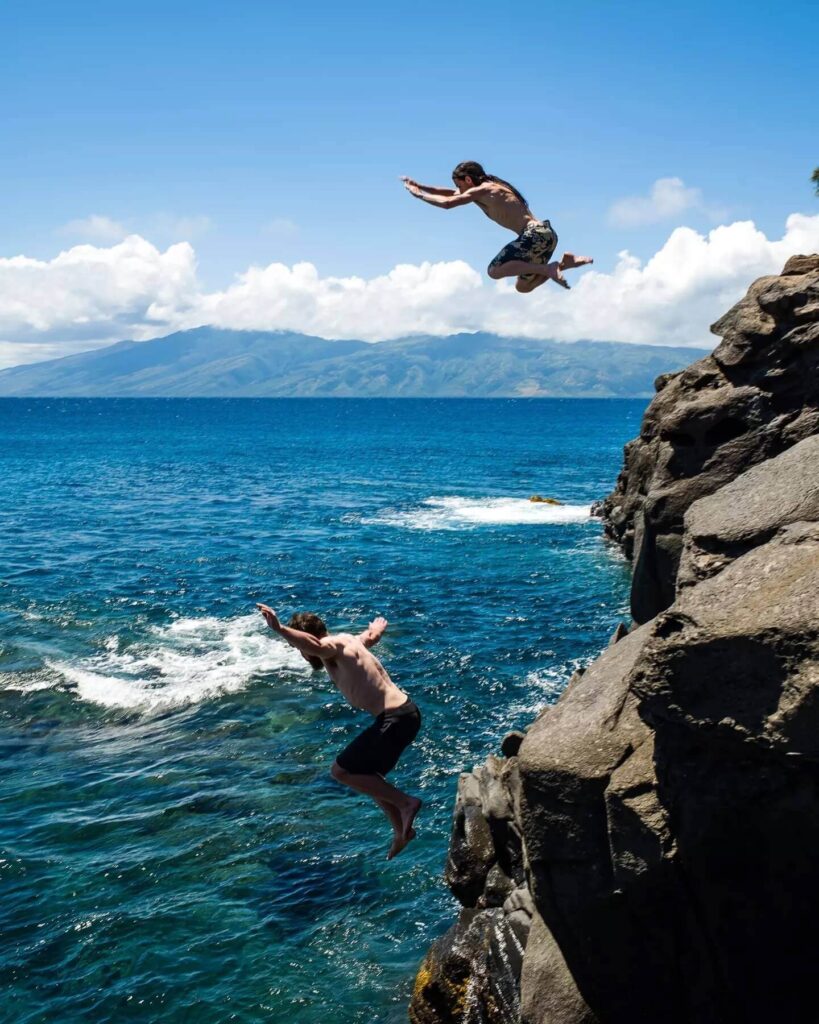
On the Big Island, South Point is one of the state’s most famous cliff jumps, and Kauai has a handful of lesser known locations where access and conditions can change over time.
In this guide, I’ll share the best places to go cliff jumping in Hawaii, along with practical safety tips, what to pack, and the common mistakes I’d avoid. Whether you’re planning your first jump or simply want to watch from the shoreline, you’ll have a much better idea of what to expect before you go.
Is Cliff Jumping in Hawaii Safe?
The short answer is yes, but only if you choose the right location and the right conditions.
Unlike jumping into a lake or river, Hawaii’s ocean is always changing. Waves, tides, currents, and even underwater rocks can make a spot that looked calm an hour ago much more dangerous. That’s why it’s so important not to rely on photos or videos when deciding whether it’s safe to jump.
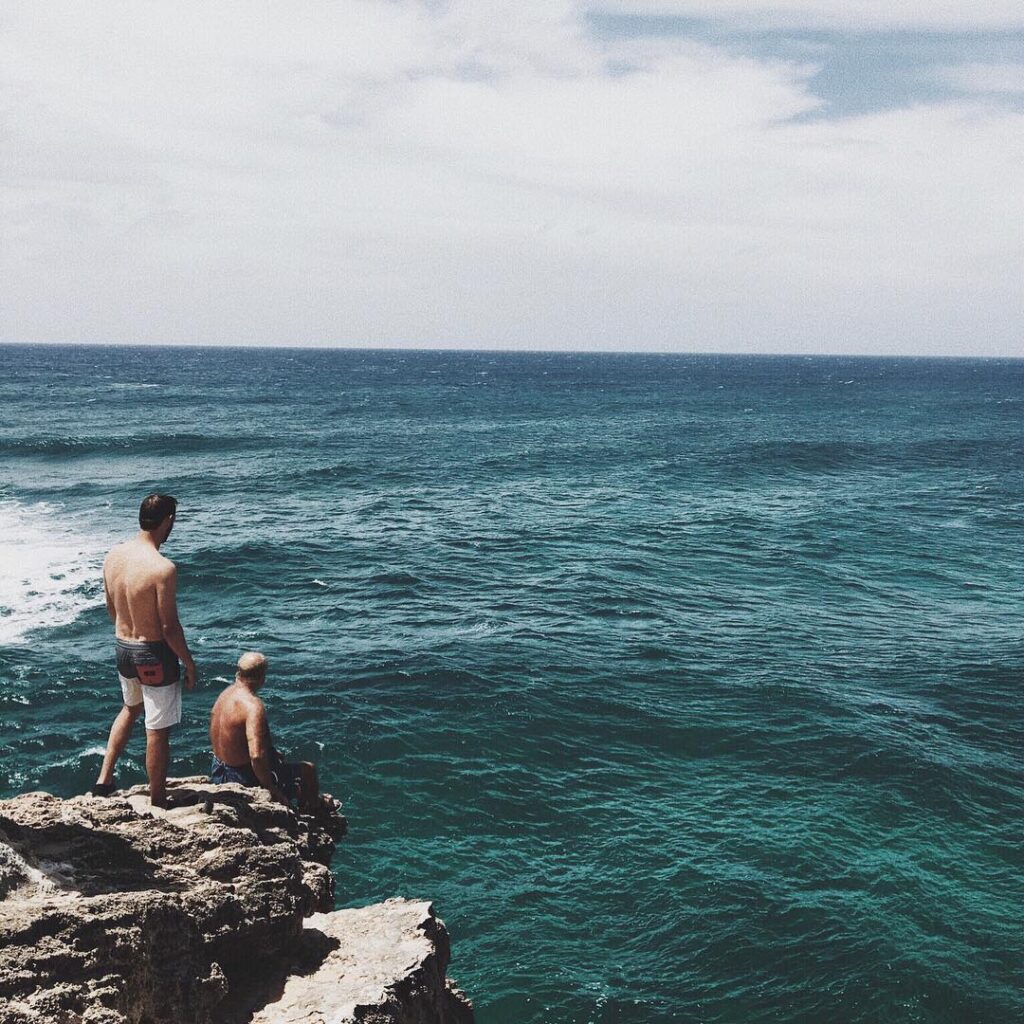
One thing I noticed while visiting Hawaii is that experienced locals never rush. They spend time watching the waves, checking where people enter and exit the water, and making sure the conditions look safe. It’s a simple habit, but one that’s worth copying.
Before jumping, make sure the water is deep enough, you know exactly where you’ll land, and there’s a safe way to climb back out. I also recommend never jumping alone and never feeling pressured to do it just because others are.
If something doesn’t feel right, trust your instincts and skip the jump. You’ll still get to enjoy some of Hawaii’s most beautiful coastal views without taking an unnecessary risk.
Best Time for Cliff Jumping in Hawaii
You can go cliff jumping in Hawaii at any time of year, but the experience depends a lot on the season and which island you’re visiting. Ocean conditions change throughout the year, so timing your trip can make a big difference.
Summer (May through September)
Summer is generally the best time for cliff jumping. The ocean is often calmer, especially around south facing shores, making many of Hawaii’s popular jumping spots much safer.
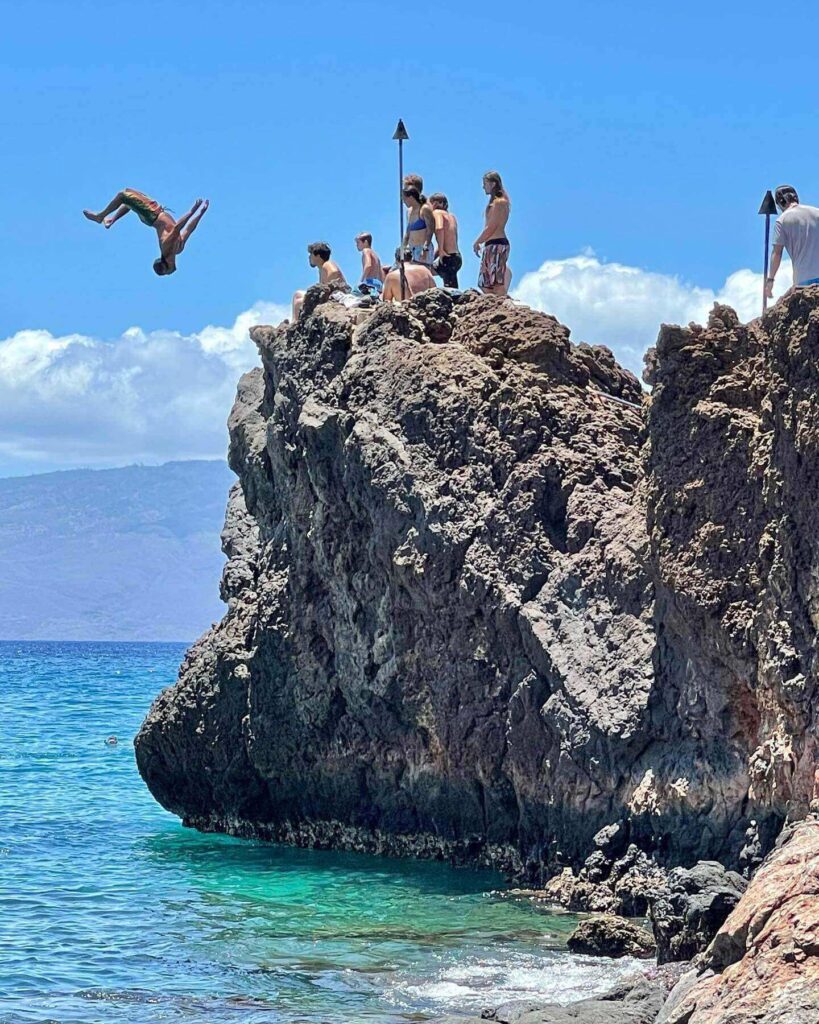
Places like Black Rock on Maui and Waimea Bay Rock on Oahu usually have gentler conditions during these months, which is why you’ll see more people enjoying them.
Winter (November through March)
Winter is a different story. Large swells arrive across many of Hawaii’s north shores, creating waves that can be several times bigger than they are in summer. Some locations that are popular for jumping during the warmer months become far too dangerous.
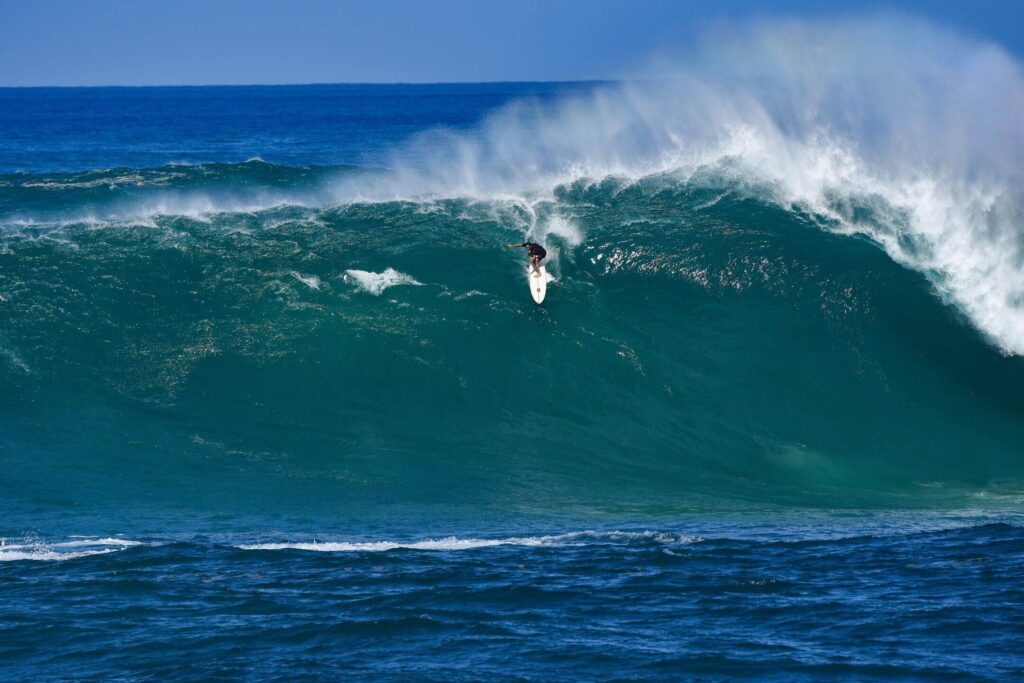
If you’re visiting in winter, always check the local surf forecast before heading out and be prepared to change your plans if conditions aren’t safe.
Spring and Fall
Spring and fall are two of my favorite times to visit Hawaii. The weather is still warm, the islands are often less crowded, and you’ll usually find calmer ocean conditions than during the peak winter surf season.
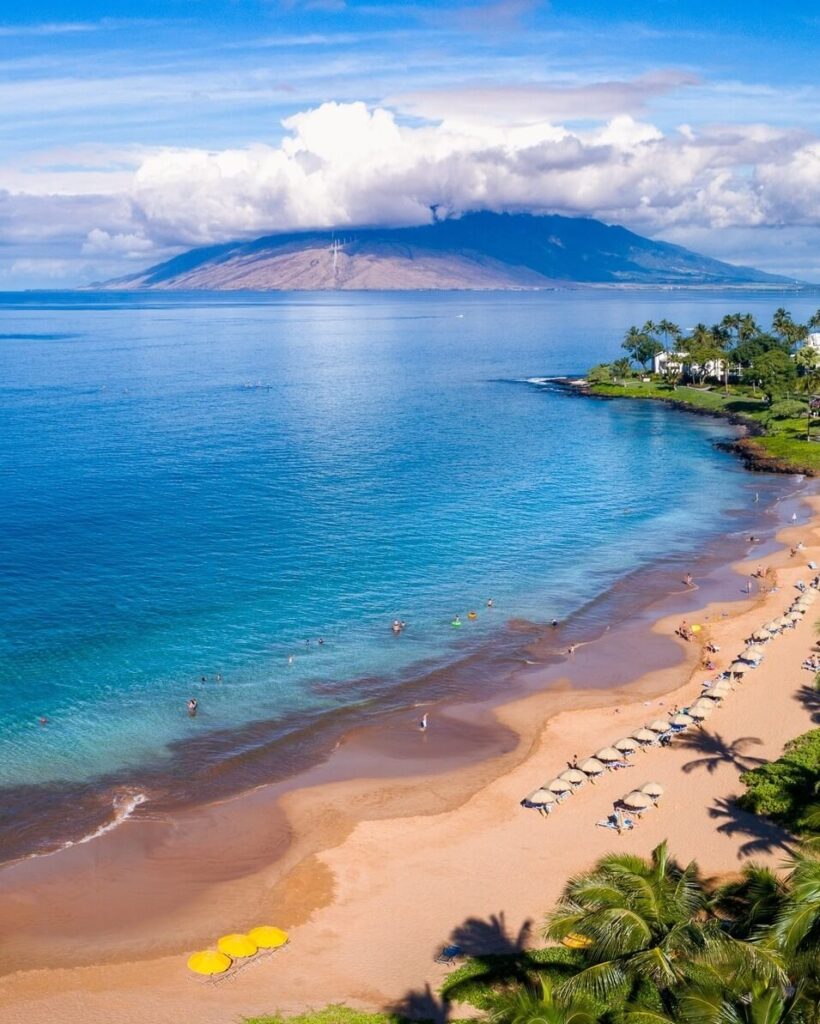
It’s a great time if you want to mix cliff jumping with hiking, snorkeling, and exploring the islands.
Things to Know Before You Jump
Cliff jumping might look easy in photos and videos, but there’s a lot more to it than climbing onto a rock and taking a leap. Spending a few extra minutes checking your surroundings can make all the difference.
Watch the Ocean First
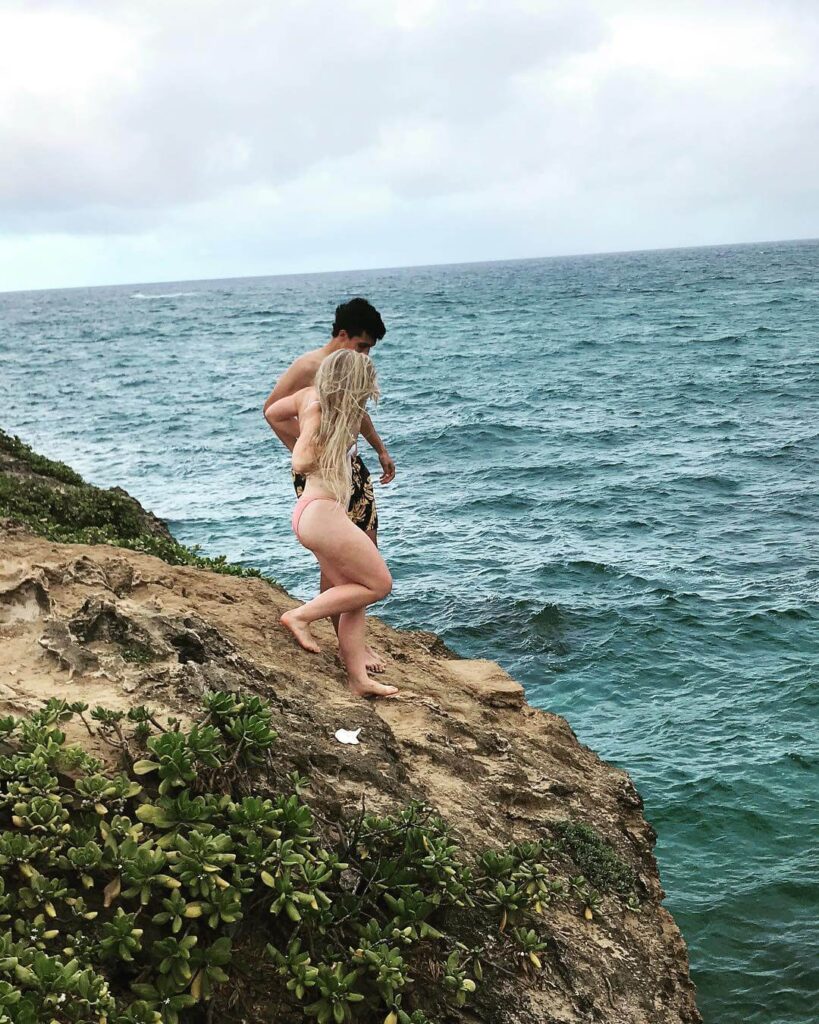
Before anyone jumps, take a few minutes to watch the water. Notice how the waves move through the area and where people are getting in and out. If experienced locals are standing on the rocks but choosing not to jump, that’s usually a good sign that conditions aren’t ideal.
Plan Your Exit
Getting into the water is only half the challenge. Some locations have ladders or easy places to climb out, while others require swimming through waves before scrambling over slippery lava rocks. Always know how you’ll get back to shore before you jump.
Conditions Can Change Quickly
One thing I learned in Hawaii is how quickly the ocean can change. A calm morning doesn’t always stay calm all day. Wind can pick up, tides shift, and incoming swells can completely change a spot within a few hours. If possible, visit earlier in the day when the water is often calmer.
Never Jump Alone
Even experienced cliff jumpers rarely go by themselves. Having another person nearby means someone can help or call for assistance if something goes wrong. It’s a simple precaution that’s always worth taking.
Best Cliff Jumping Spots on Oahu
Oahu is home to some of Hawaii’s most popular cliff jumping spots, with options ranging from beginner friendly jumps to dramatic cliffs that are only suitable for experienced ocean swimmers.
No matter where you go, always check the ocean conditions before jumping because they can change much faster than most visitors expect.
China Walls
Located near Hawaii Kai, China Walls is one of Oahu’s most famous cliff jumping spots. The lava shelf offers several jumping points ranging from about 15 to over 40 feet. On calm summer days, the clear blue water makes it easy to see why locals love this place.
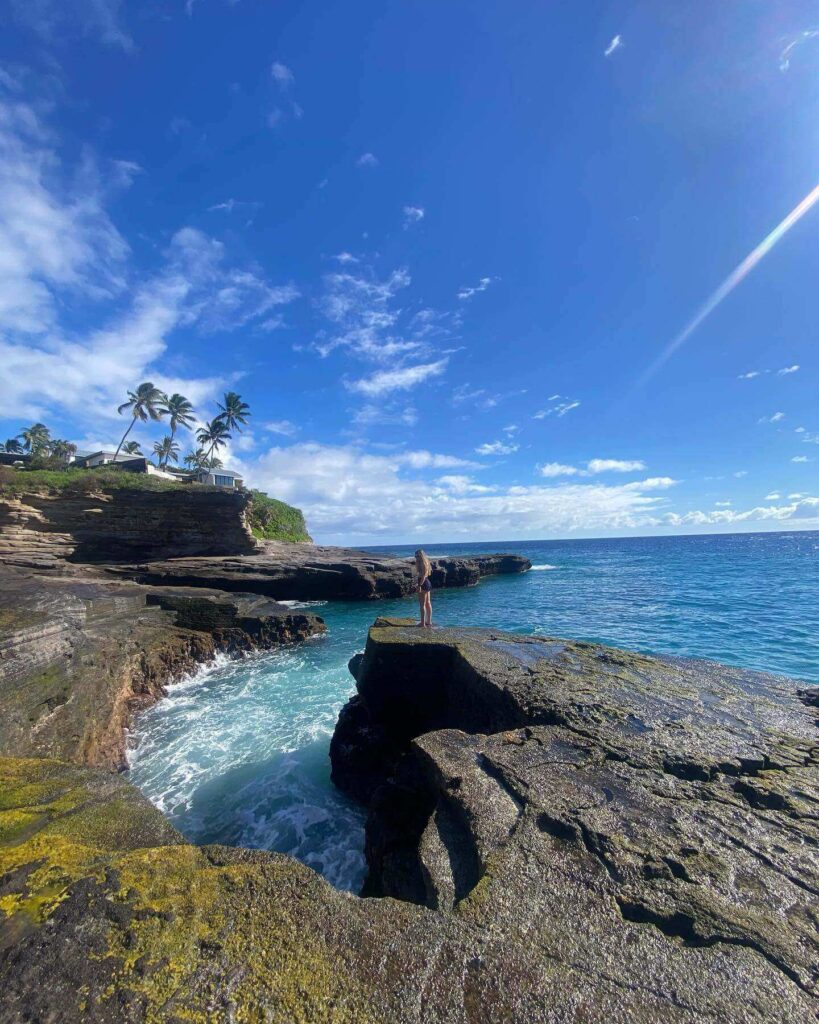
The biggest challenge here isn’t the height but the ocean. Waves can crash against the rocks without much warning, and conditions can become dangerous if the surf picks up. It’s best visited during calm weather, and even then, it’s a spot better suited to experienced jumpers.
Street parking is available nearby, followed by a short walk to the cliffs. Even if you don’t plan to jump, it’s a fantastic place to watch the sunset.
Waimea Bay Rock
Waimea Bay Rock is one of the best places to try cliff jumping for the first time. The jump is around 20 to 30 feet, and the rock is easy to reach from the beach.
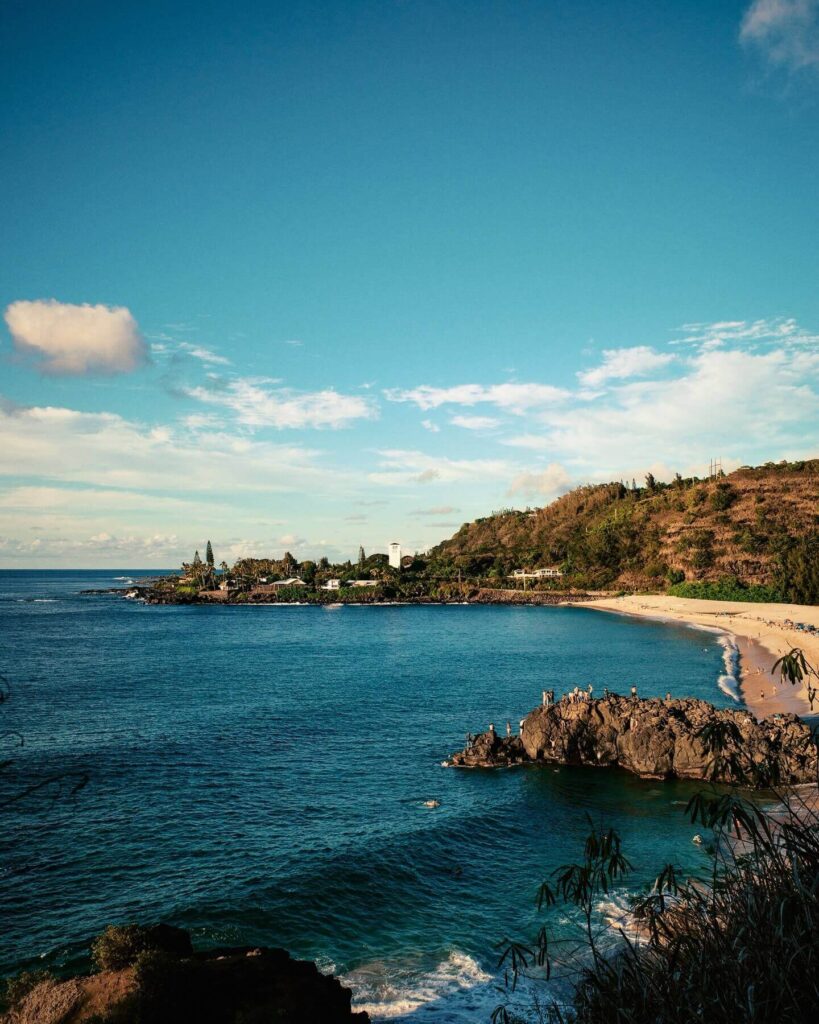
During the summer, you’ll usually see a mix of locals and visitors taking turns jumping into the calm bay. If you climb to the top and decide it’s not for you, there’s no shame in climbing back down. Plenty of people do.
Keep in mind that this area is completely different during winter, when massive waves roll into Waimea Bay and cliff jumping becomes unsafe.
Spitting Cave
Spitting Cave has become famous for its dramatic cliffs and ocean views, but it’s also one of Oahu’s most dangerous jumping spots. The jump is around 60 feet, and waves often rebound off the cliffs below, creating unpredictable currents.
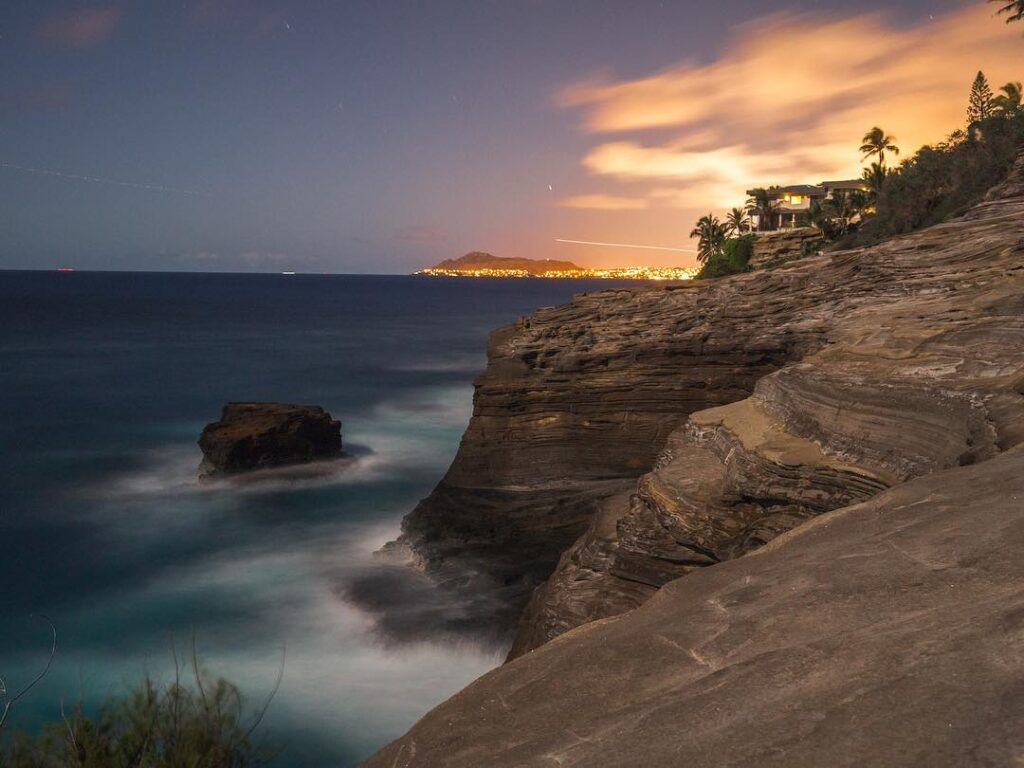
Unless you’re highly experienced and familiar with the conditions, I’d recommend enjoying the view instead. It’s one of the island’s best sunset viewpoints and well worth visiting even if you never leave the rocks.
Laie Point
Laie Point is better known for its scenery than its cliff jumping. While experienced locals occasionally jump here when the ocean is calm, most visitors come for the rugged lava cliffs, sea arch, and sweeping coastal views.
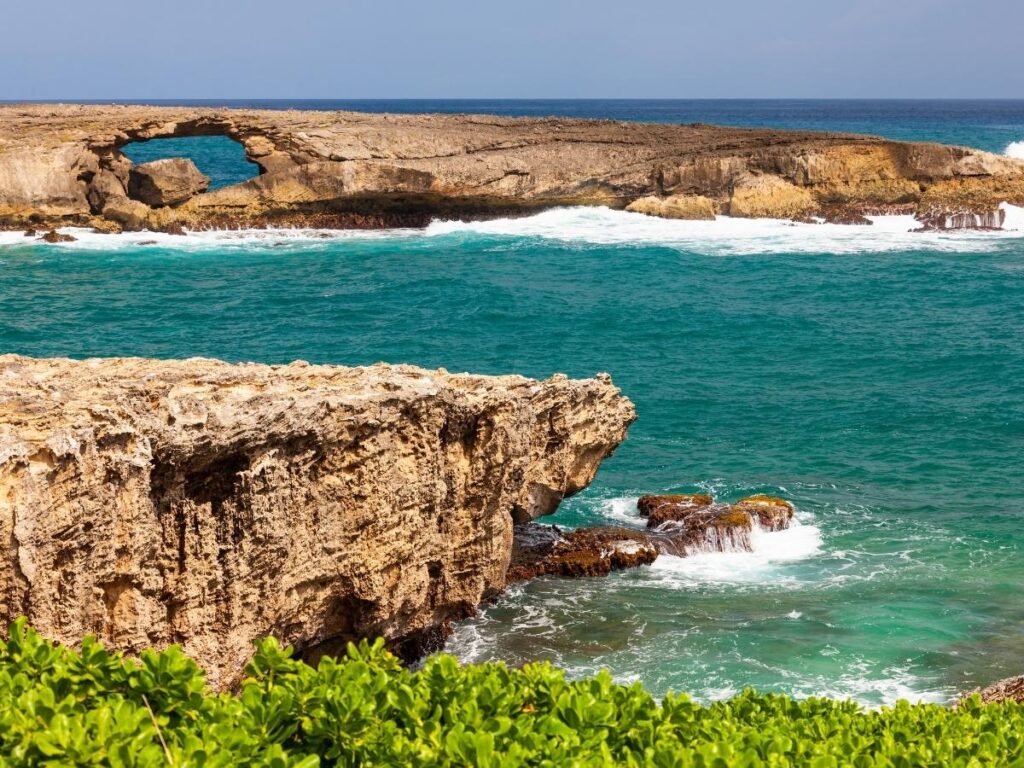
If conditions aren’t perfect, skip the jump and enjoy one of Oahu’s most scenic viewpoints before continuing your drive along the North Shore.
Best Cliff Jumping Spots on Maui
Maui doesn’t have as many well known cliff jumping spots as Oahu, but what it lacks in variety it makes up for with one iconic location. If you’re looking for a fun first jump while spending a day at the beach, Black Rock is the place most travelers head to.
Black Rock
If you’ve searched for cliff jumping in Maui, chances are you’ve already seen Black Rock. Located at the northern end of Kaʻanapali Beach, this lava outcrop offers jumps of about 15 to 20 feet, making it a great option for confident beginners.
One of the things I like most about Black Rock is that it doesn’t feel like you have to plan your whole day around it. You can spend the morning relaxing on the beach, go snorkeling in the clear water, and climb up for a jump whenever you feel ready. If you get to the top and change your mind, that’s perfectly fine too.
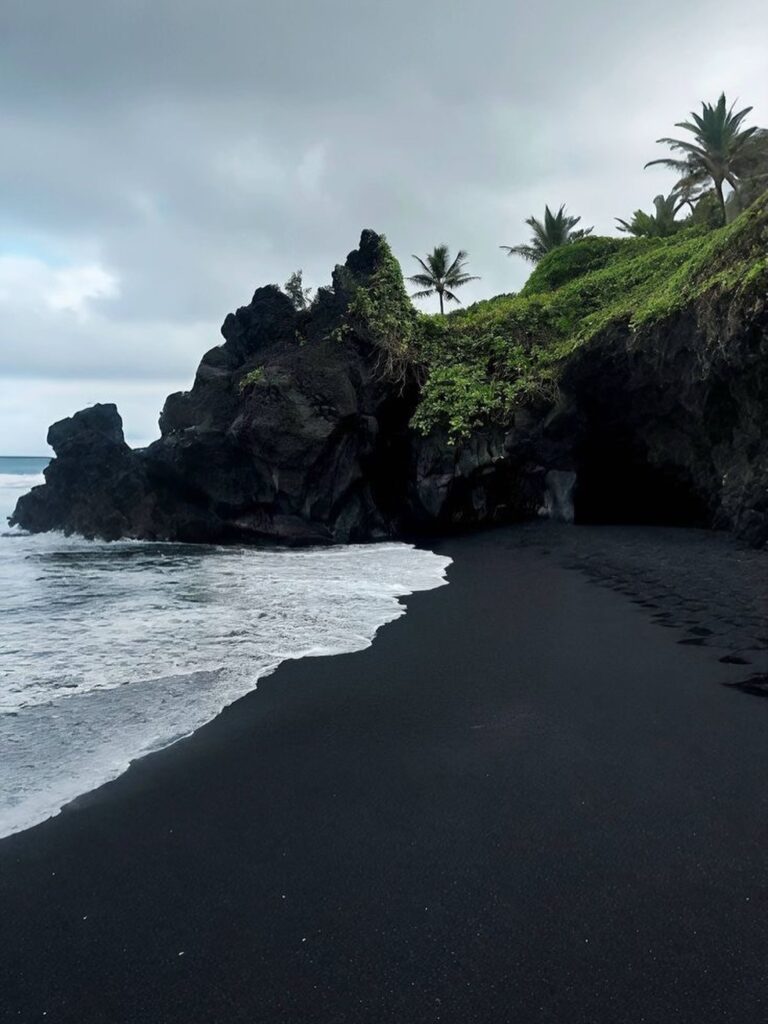
The water here is usually clear enough to spot colorful fish, and you may even see sea turtles swimming nearby. Just remember to admire them from a distance and never try to approach or touch them.
If you’re still around in the evening, stick around for the traditional cliff diving ceremony. It’s a long standing Kaʻanapali tradition that celebrates Hawaiian history and adds something special to an already beautiful setting. Even if you decide not to jump, Black Rock is well worth visiting for the views, snorkeling, and beach atmosphere.
Best Cliff Jumping Spots on the Big Island
The Big Island is home to one of Hawaii’s most famous cliff jumps, but it’s also one of the most challenging. If you’re researching cliff jumping in Hawaii, you’ll almost certainly come across South Point.
While it’s an incredible place to visit, it’s best suited to experienced swimmers who are comfortable in open ocean conditions.
South Point (Ka Lae)
South Point, also known as Ka Lae, is the southernmost point in the United States. The dramatic black lava cliffs overlooking the deep blue Pacific make it one of the island’s most unforgettable coastal viewpoints.
The jump is around 40 feet, although the exact height depends on where you enter the water. One of the most recognizable features here is the metal ladder attached to the cliff, which swimmers use to climb back out after jumping.
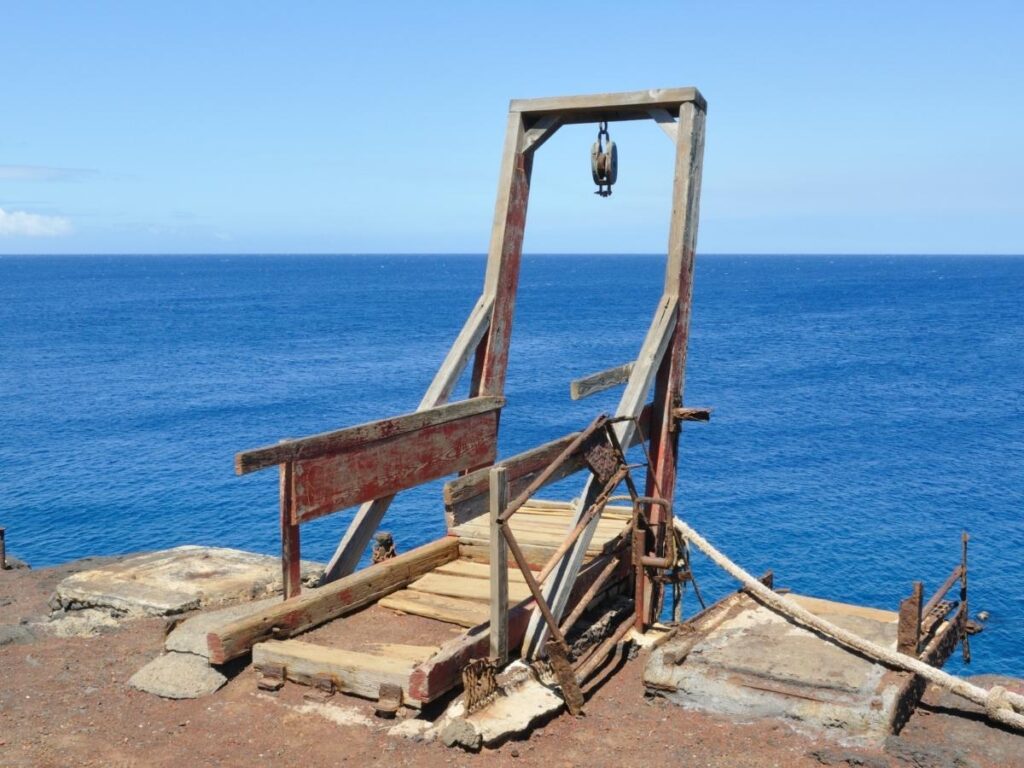
Before anyone jumps, you’ll usually see people watching the ocean for several minutes. That’s because the currents here can be much stronger than they appear, and rough conditions can make getting back to the ladder surprisingly difficult. If the water looks rough or windy, it’s best to skip the jump and simply enjoy the scenery.
Even if you don’t plan on jumping, South Point is worth adding to your itinerary. The lava cliffs, crashing waves, and wide open ocean views make it one of the Big Island’s most impressive stops.
Best Cliff Jumping Spots on Kauai
Kauai isn’t as well known for cliff jumping as Oahu or the Big Island, mainly because many of the spots that were once popular have changed over time.
Flooding, erosion, and changing access rules mean some locations mentioned in older travel guides are no longer open or recommended.
Kipu Area
The Kipu area has long been associated with rope swings and smaller cliff jumps into freshwater. However, access has changed over the years, so it’s important to confirm that the area is legally accessible before making the trip.
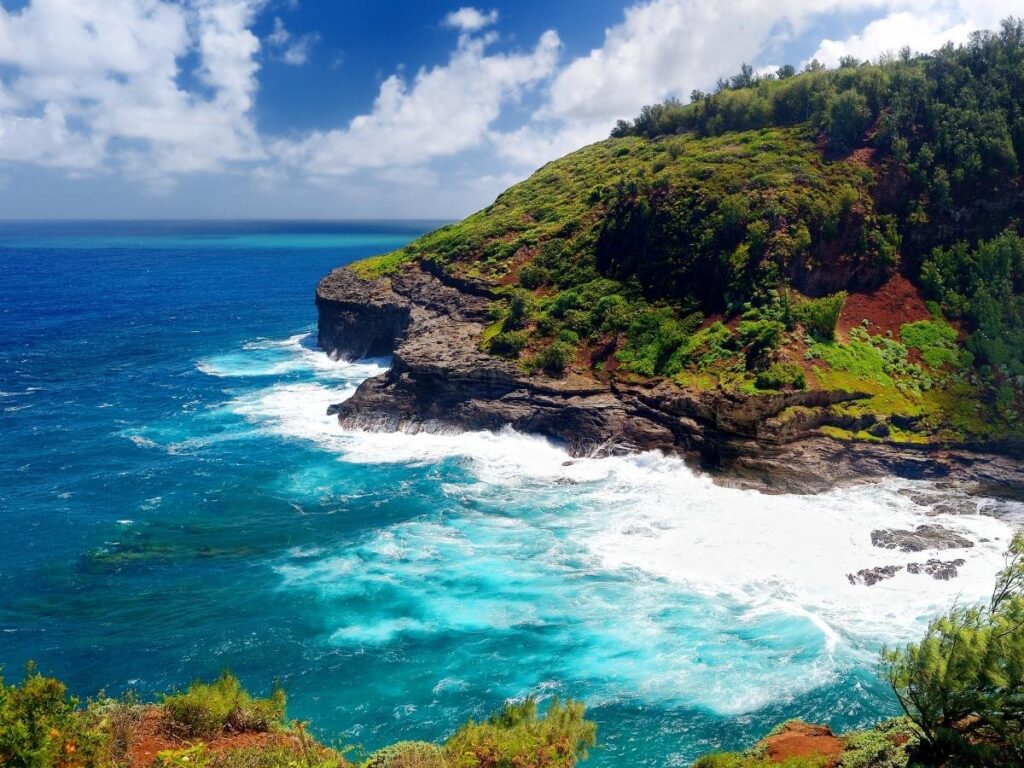
If it’s open, the jumps are generally lower than many of Hawaii’s ocean cliffs, but that doesn’t mean they’re automatically safe. Always check the water depth yourself, especially after heavy rain, when river levels and underwater conditions can change quickly.
One thing I like about Kauai is that you never have to force an adventure if conditions don’t feel right. If the water isn’t safe for jumping, you can spend the day hiking, visiting waterfalls, exploring the Nā Pali Coast, or relaxing on one of the island’s beautiful beaches instead.
Beginner Friendly Cliff Jumps
If you’re trying cliff jumping for the first time, my biggest piece of advice is to start small. You don’t need to jump from the tallest cliff to have an unforgettable experience. In fact, beginning with a lower jump is a great way to build confidence and get comfortable with entering the water safely.
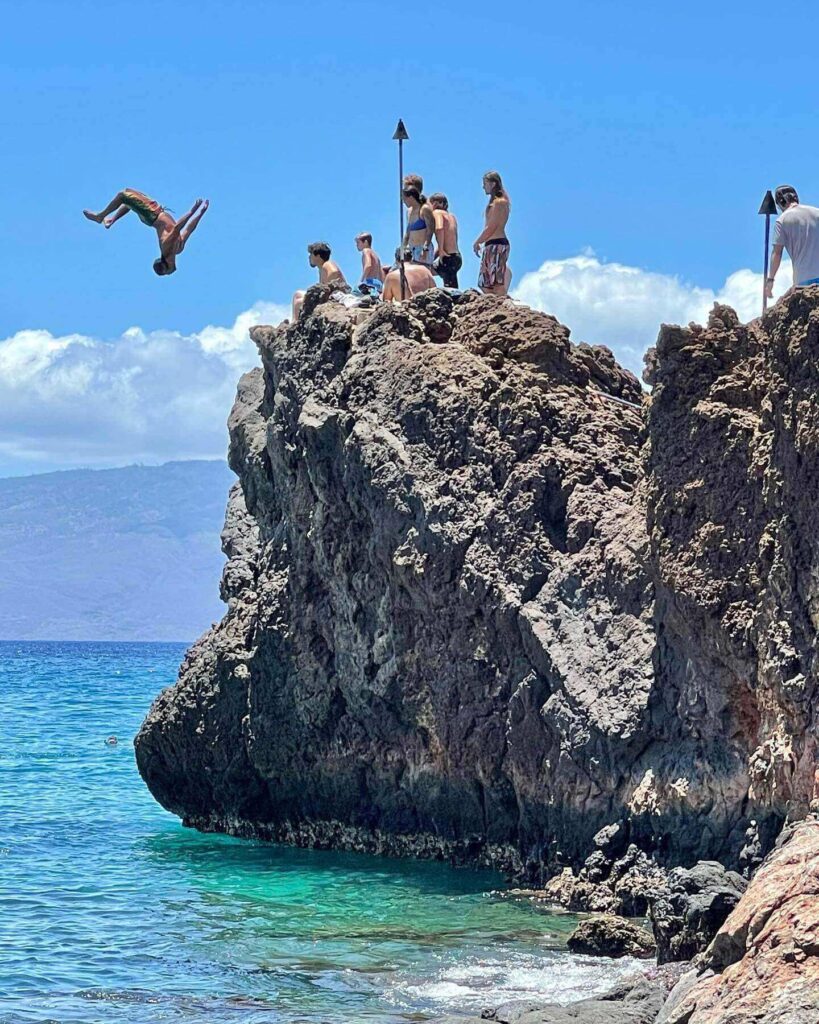
For most first timers, Black Rock on Maui is one of the best places to start. The jump is around 15 to 20 feet, the beach is easy to access, and you can spend the rest of the day swimming or snorkeling. Waimea Bay Rock on Oahu is another good option during the summer when the water is usually calm.
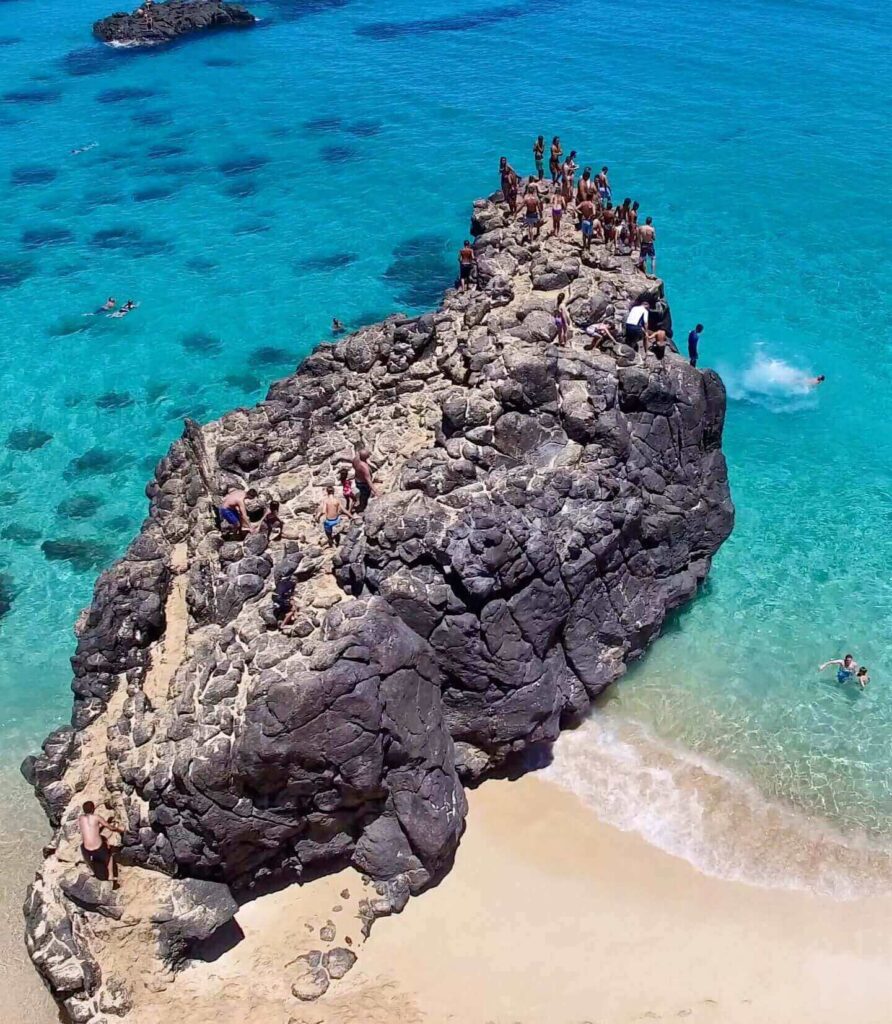
The jump is slightly higher, around 20 to 30 feet, but the relaxed atmosphere makes it a popular choice for both locals and visitors. If you already have some experience, the lower ledges at China Walls can also be an option on calm days, although the ocean there deserves much more respect.
No matter which location you choose, being a confident swimmer is just as important as being comfortable with heights. Always take a few minutes to watch the water, check the conditions, and make sure you know how you’ll get back to shore before jumping.
Most Challenging Cliff Jumps
Some of Hawaii’s best known cliff jumps have earned their reputation because they’re both exciting and demanding. These are places that should only be considered by experienced ocean swimmers who understand changing surf conditions and know when it’s smarter to stay on shore.
Spitting Cave on Oahu is the highest jump on this list at around 60 feet, but the height is only part of the challenge. Waves often rebound off the cliffs below, creating strong and unpredictable currents.
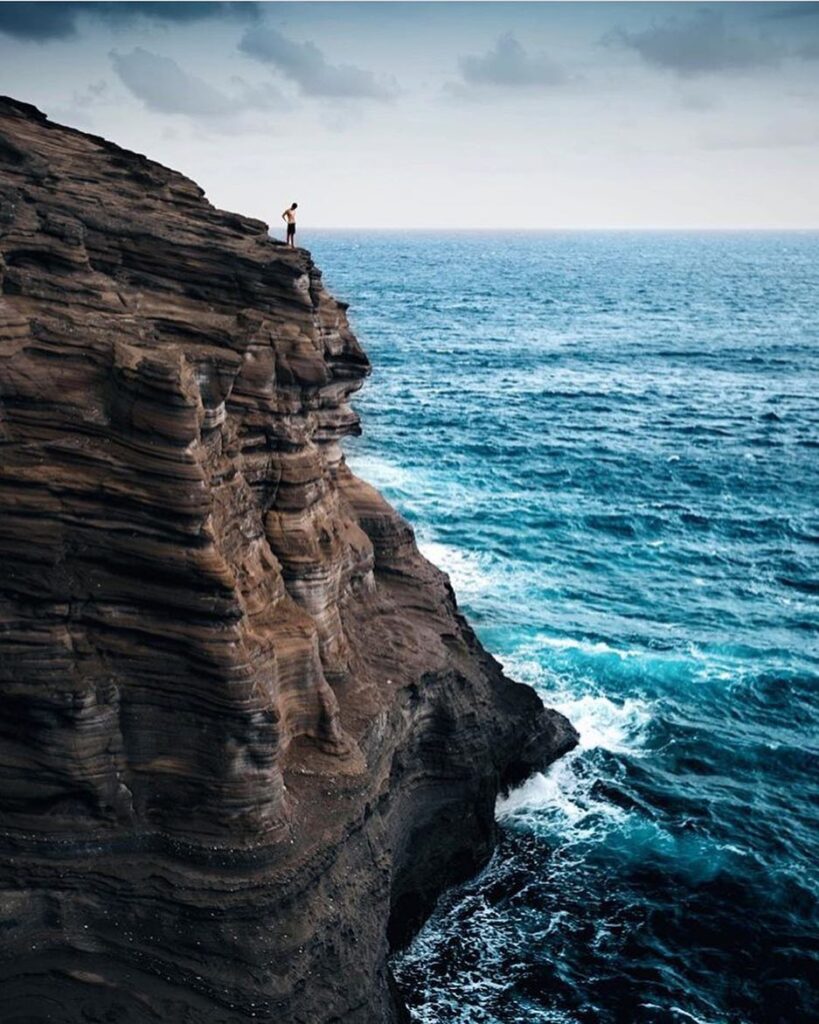
South Point on the Big Island is another advanced location, with a jump of about 40 feet and a metal ladder that swimmers use to climb back out of the water. The upper jumping points at China Walls also require calm ocean conditions and plenty of experience because waves can crash against the rocks without much warning.
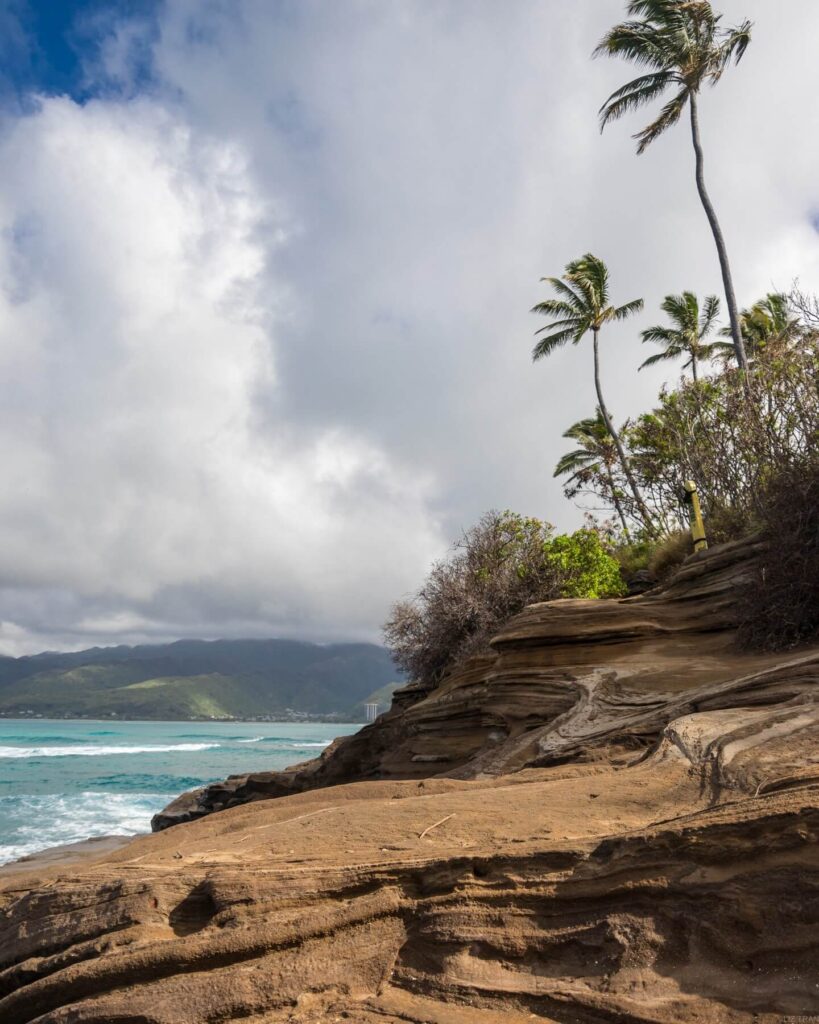
If you ever arrive at one of these spots and don’t feel completely comfortable, don’t feel pressured to jump. You’ll still get to enjoy some of Hawaii’s most spectacular coastal scenery, and there’s always another opportunity when conditions are better.
What to Pack
Packing for a day of cliff jumping doesn’t require a lot of gear, but bringing the right essentials will make the experience much more comfortable. Since you’ll be spending time around lava rocks, saltwater, and the sun, it’s worth planning ahead.
I always recommend packing reef safe sunscreen, plenty of drinking water, and a quick dry towel. Water shoes can also be helpful at some locations where the lava rocks are sharp or slippery, although they’re not necessary everywhere.
A dry bag or waterproof phone case is useful for keeping your valuables protected, especially if you’re swimming between different spots.
If you’re planning to capture the experience, bring a GoPro or another waterproof action camera. A few snacks and a lightweight change of clothes are also worth throwing into your bag, especially if you’re spending the whole day exploring the island.
If you’re driving between several locations, having a small cooler with cold drinks waiting in the car is something you’ll definitely appreciate after a few hours in the Hawaiian sun.
Photography Tips
Some of my favorite photos from Hawaii weren’t taken in the middle of a jump. Often, the best shots are the ones that capture the dramatic cliffs, the clear blue water, and the excitement before someone takes the leap.
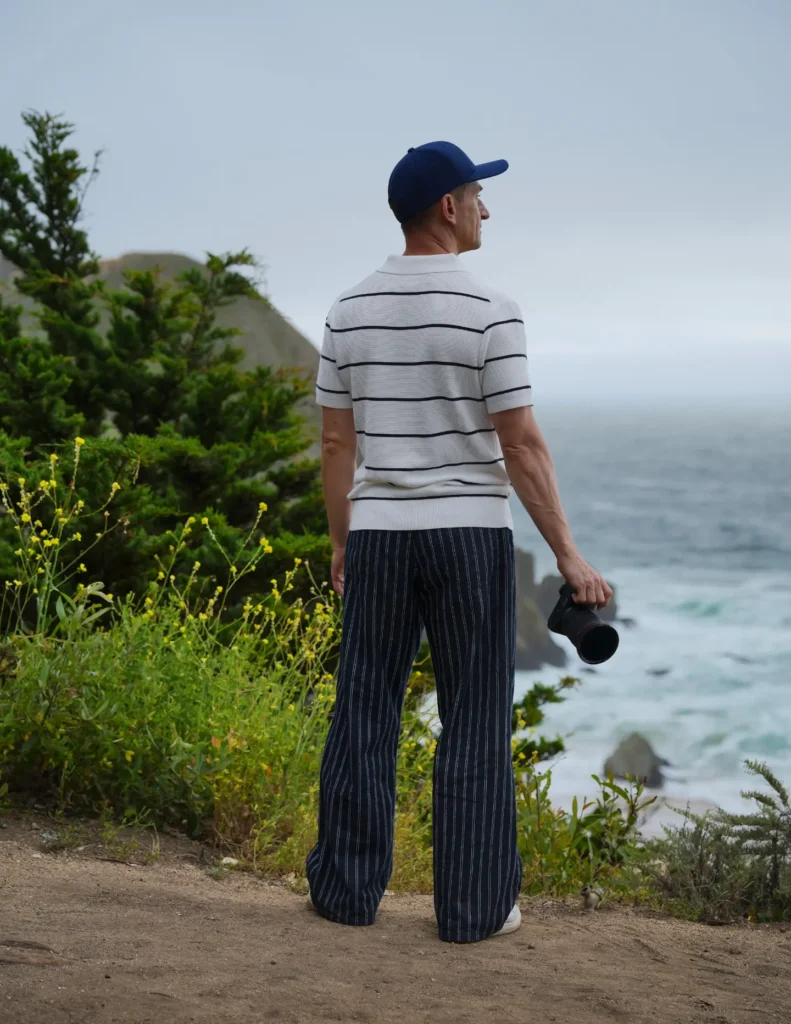
For the best lighting, try visiting early in the morning or later in the afternoon when the sun is lower and the colors are softer. If you’re traveling with friends, have one person stay on shore to take photos from a safe location. Using burst or continuous shooting mode makes it much easier to capture the exact moment someone leaves the rock and enters the water.
A GoPro is a great choice if you want underwater footage or a different perspective during the jump. If you plan to fly a drone, make sure drones are permitted in the area and always keep a respectful distance from other visitors, wildlife, and protected natural areas.
Local Etiquette
One thing I always try to remember when visiting Hawaii is that these cliff jumping spots aren’t just scenic places for travelers. Many are located near residential neighborhoods or have cultural significance, so treating them with respect is just as important as staying safe.
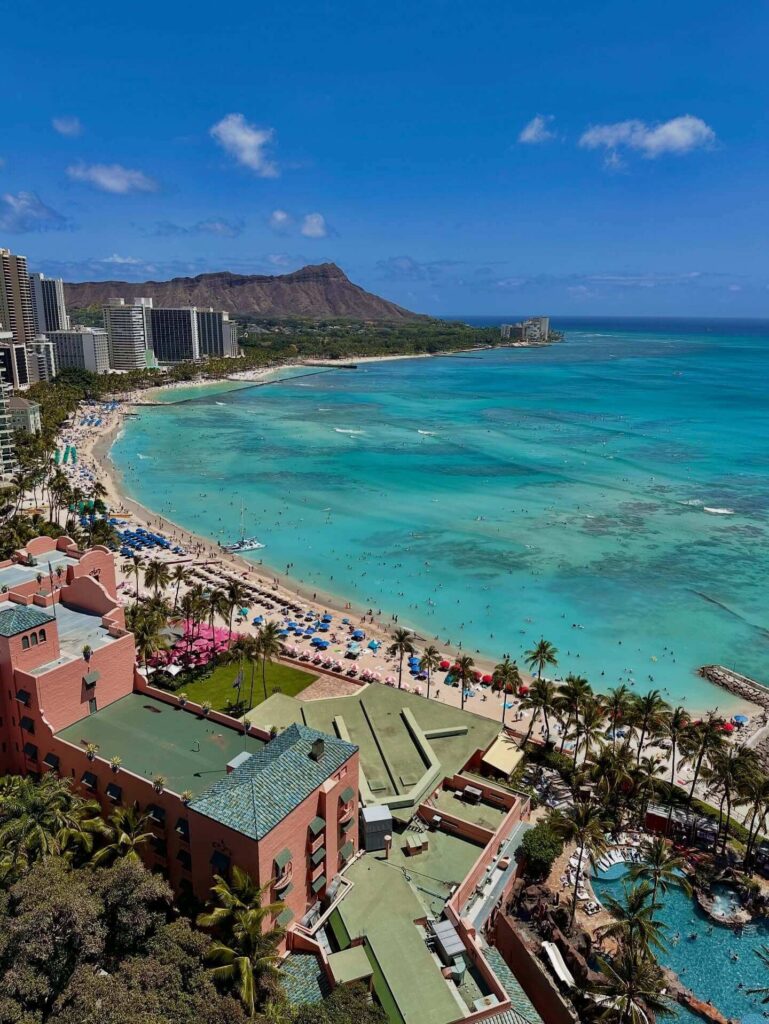
A little consideration goes a long way. Take all of your trash with you, park only where it’s allowed, and keep noise to a minimum, especially if you’re visiting early in the morning or around sunset. Stay on established paths whenever possible and avoid climbing over fragile lava rocks or damaging coastal plants just to get a better photo.
You’ll also want to respect any warning signs or closures, even if you see other people ignoring them. And if you’re lucky enough to spot sea turtles, monk seals, or other wildlife, enjoy watching them from a distance without getting too close.
Most importantly, never pressure someone into jumping if they aren’t comfortable. Everyone has a different comfort level, and there’s nothing wrong with deciding to stay on shore.
Sample One Day Oahu Cliff Jumping Itinerary
If you only have one day on Oahu, I’d suggest combining a couple of cliff jumping spots with some time to enjoy the island’s beautiful coastline.
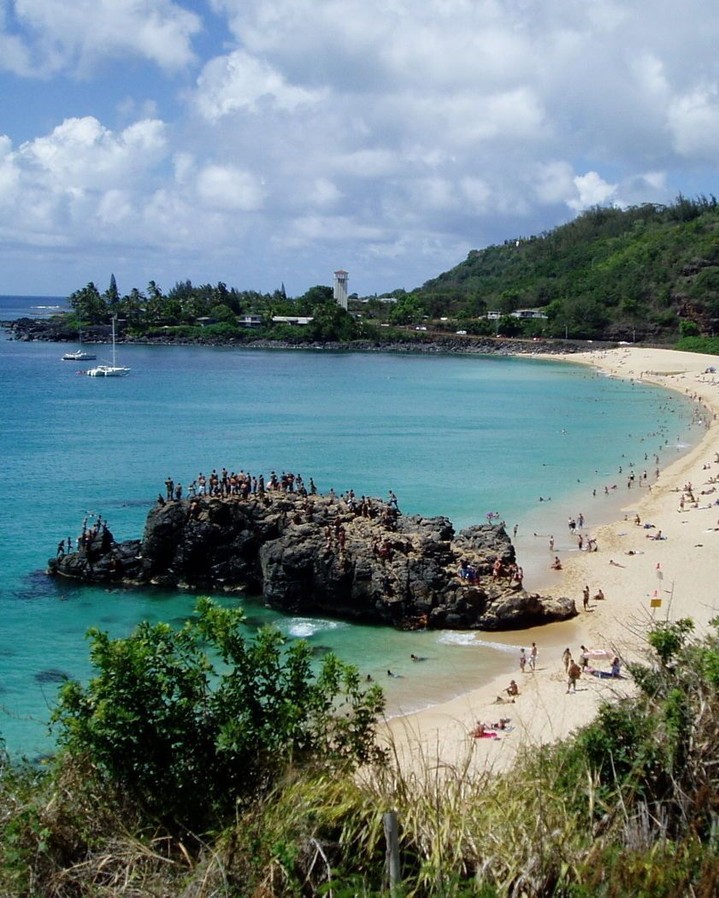
Start your morning at Waimea Bay Rock, especially during the summer when the water is usually calmer. Arriving early means fewer crowds and a better chance to enjoy the beach before it gets busy.
Next, drive along the North Shore and stop in Haleʻiwa for breakfast or lunch. It’s a great place to relax, grab a bite to eat, and enjoy the laid back surf town atmosphere.
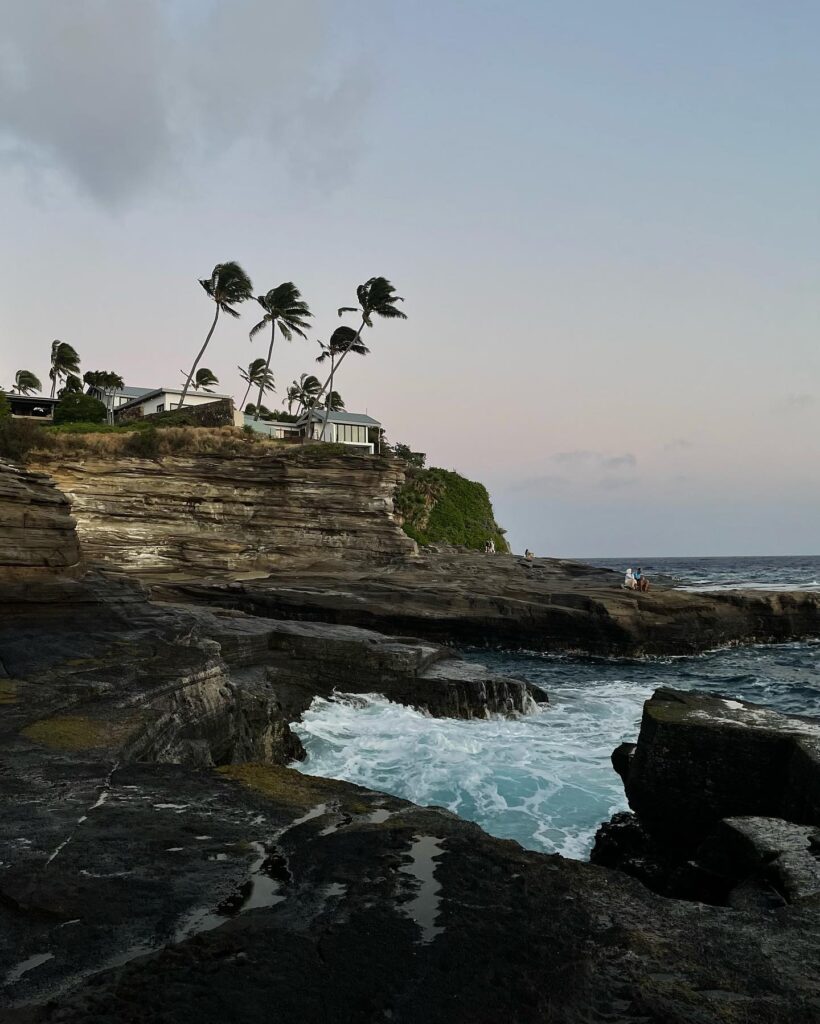
In the afternoon, head to China Walls. If you’re an experienced jumper and the ocean is calm, you might decide to take the leap. Otherwise, it’s still worth visiting for the incredible coastal views and powerful waves.
Wrap up your day at Makapuʻu Lookout or a nearby beach for sunset. It’s the perfect way to end a day exploring Oahu’s coastline.
What If Conditions Aren’t Safe?
If the ocean doesn’t look safe, don’t worry. Hawaii has plenty of other outdoor adventures to enjoy.
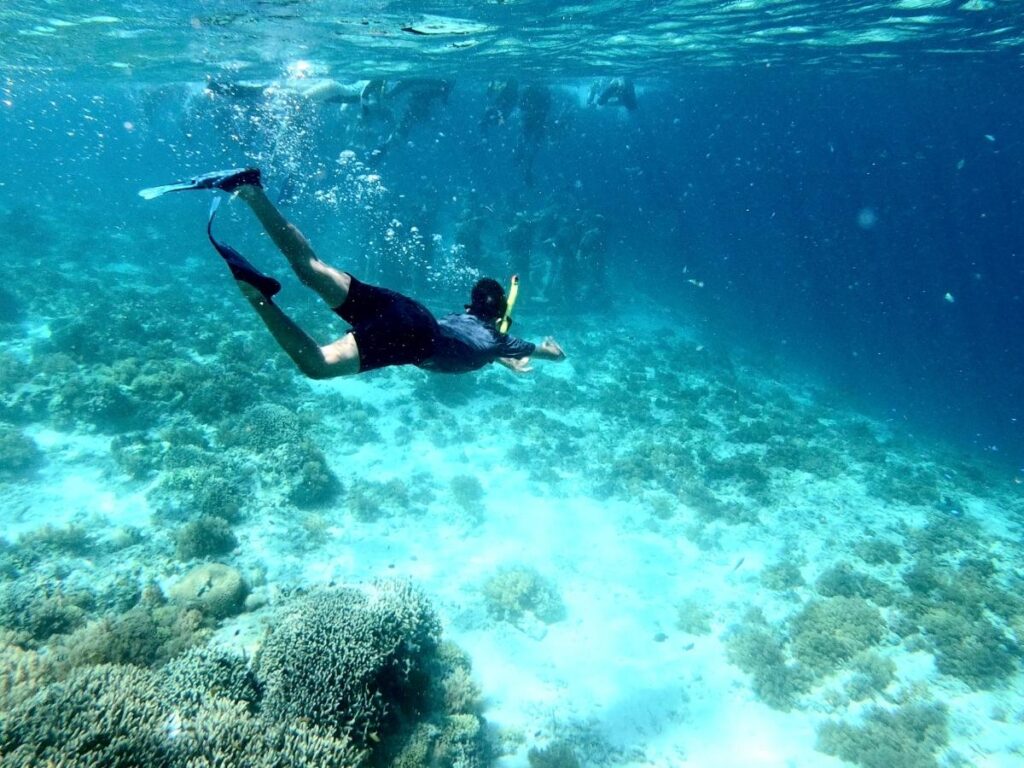
Spend the day snorkeling in a calm bay, paddleboarding, hiking a scenic coastal trail, or relaxing on one of the island’s beaches. During the winter months, watching surfers tackle Hawaii’s famous waves can be just as exciting as cliff jumping.
Sometimes changing your plans leads to the best memories of your trip.
Final Thoughts
Cliff jumping in Hawaii is one of those adventures that you’ll probably remember long after your trip is over. Standing on a lava cliff, looking out over the bright blue Pacific, is an experience that’s exciting whether you decide to jump or simply take in the view.
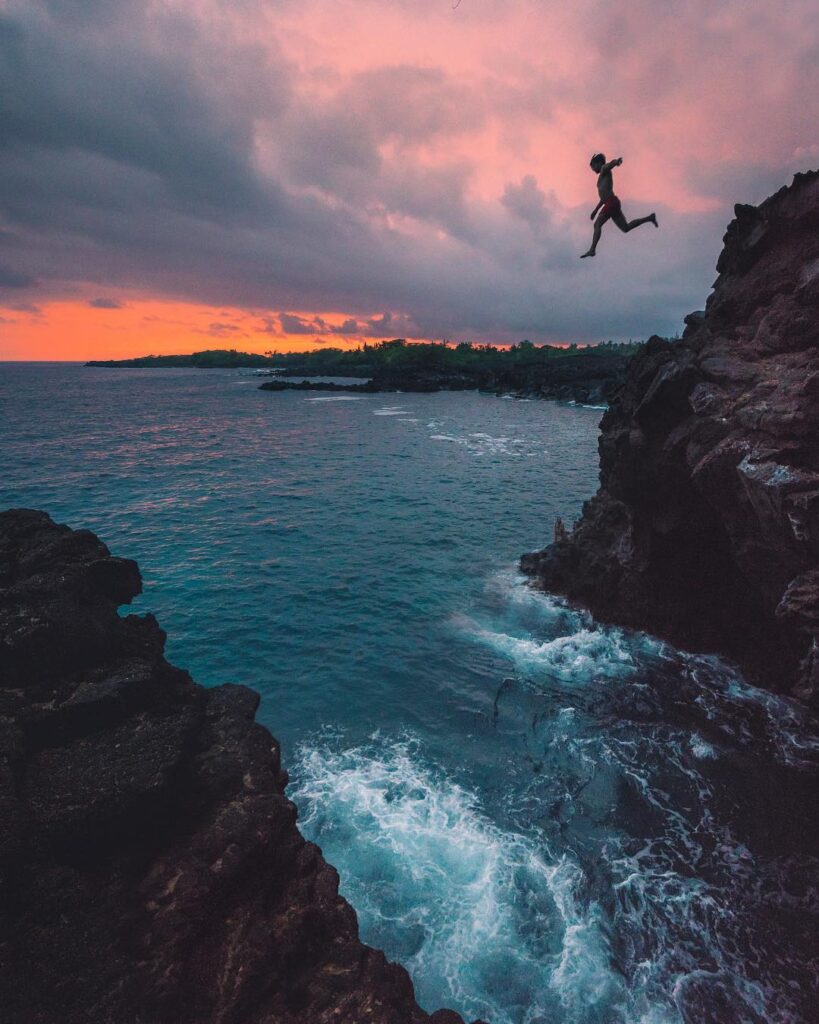
For me, it wasn’t just about the adrenaline. It was about appreciating Hawaii’s incredible coastline and realizing just how powerful the ocean can be.
If you’re planning to give it a try, start with a location that matches your experience level and don’t feel like you have to jump from the highest cliff. Taking your time, checking the conditions, and knowing when to walk away are all part of making the experience a good one.
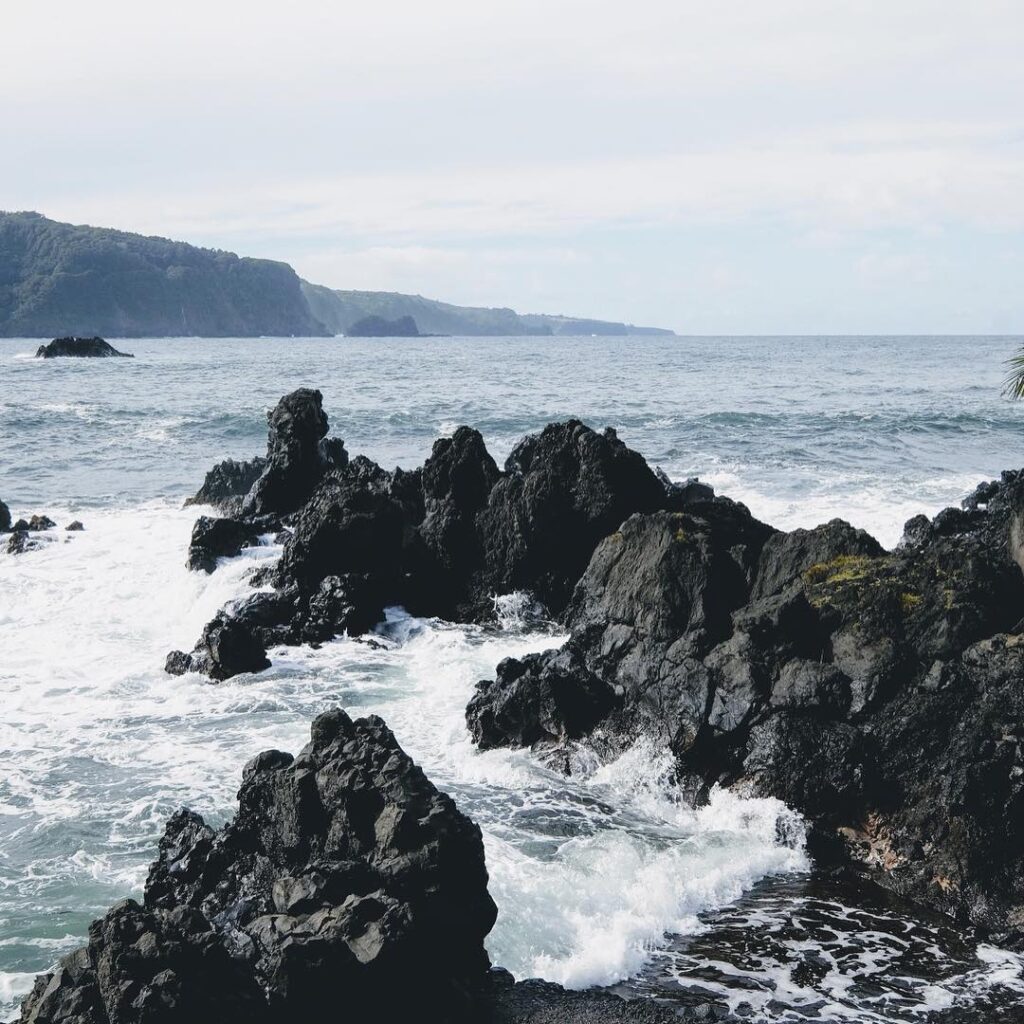
And if the ocean isn’t cooperating on the day you visit, don’t be disappointed. Hawaii has no shortage of beautiful beaches, scenic hikes, snorkeling spots, and coastal viewpoints to enjoy instead. Sometimes the best travel memories come from changing your plans.
Whether you take the leap or spend the day watching the waves from the shore, these cliff jumping spots offer some of the most spectacular views in Hawaii and are well worth adding to your itinerary.