

The first time I visited Chicago, I wasn’t quite sure what to expect. I pictured towering skyscrapers, busy streets, famous sports teams, and plenty of deep dish pizza. While I found all of those things, what surprised me most was how many different sides of the city there were.
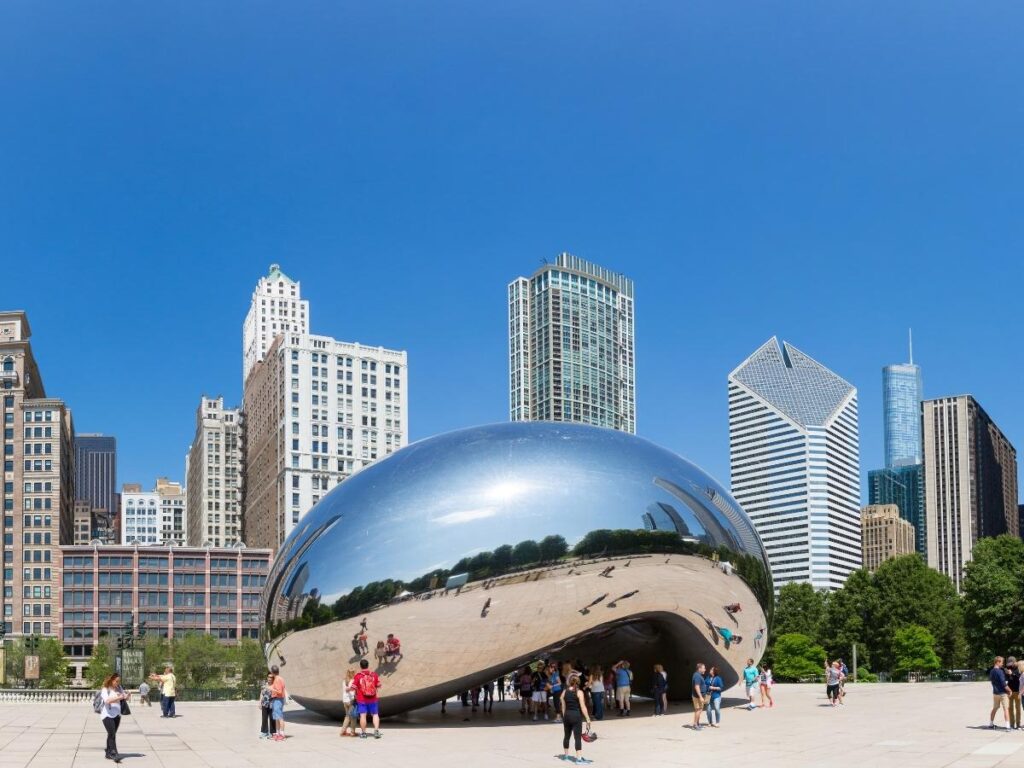
One morning I was wandering through Millennium Park surrounded by visitors taking photos of Cloud Gate, and later that same day I was sitting beside the Chicago River, watching boats drift past while locals relaxed after work. It didn’t take long to realize Chicago is much more than its skyline.
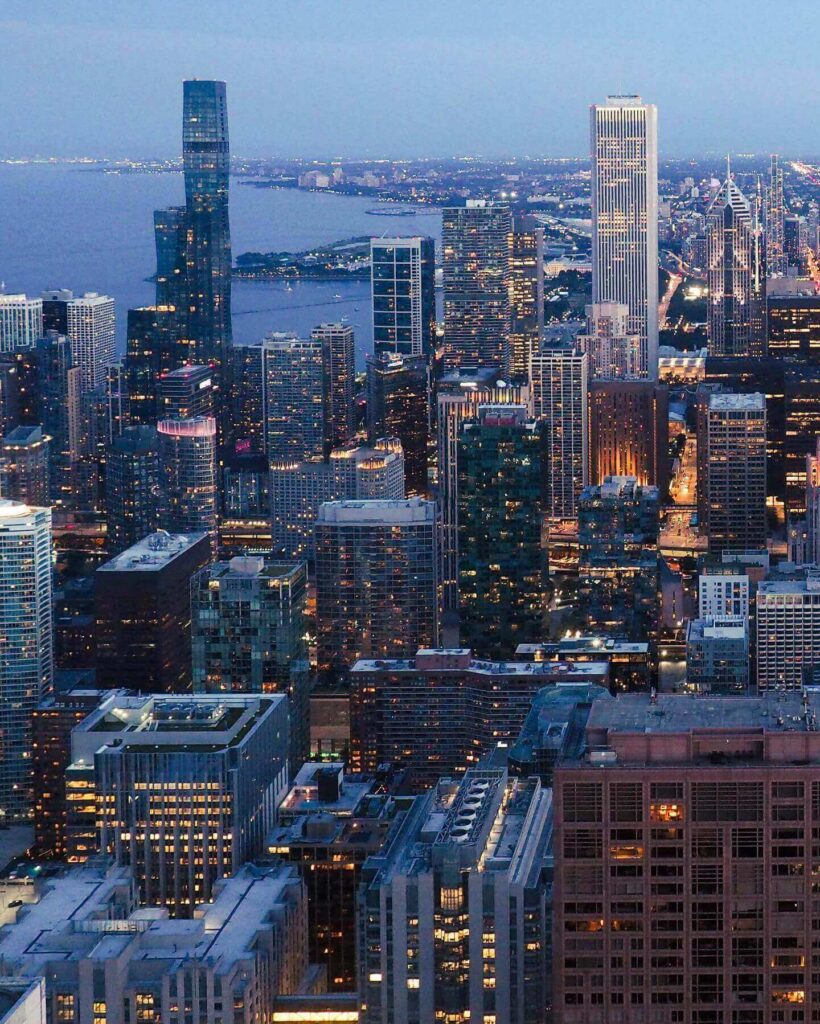
What I liked most was that the city never felt overwhelming. Many of the main attractions are easy to reach on foot, and the CTA makes getting around simple if you don’t feel like walking. Beyond downtown, every neighborhood has its own personality.
Lincoln Park feels relaxed and leafy, River North is packed with restaurants and nightlife, and the West Loop quickly became one of my favorite places to eat.
If you’re planning your first visit, I think three days is the perfect amount of time. It’s long enough to see the city’s biggest attractions, spend time along Lake Michigan, enjoy some incredible food, and explore a couple of neighborhoods without feeling like you’re rushing from place to place.
This itinerary is the one I’d recommend to a friend visiting Chicago for the first time, along with a few practical tips I wish I’d known before my own trip.
Why 3 Days Is Enough for Chicago
If it’s your first visit, I think three days is the perfect amount of time to experience Chicago without feeling rushed. You’ll have enough time to see the city’s biggest attractions, enjoy some great food, and explore a few neighborhoods while still leaving room to slow down and take in the atmosphere.
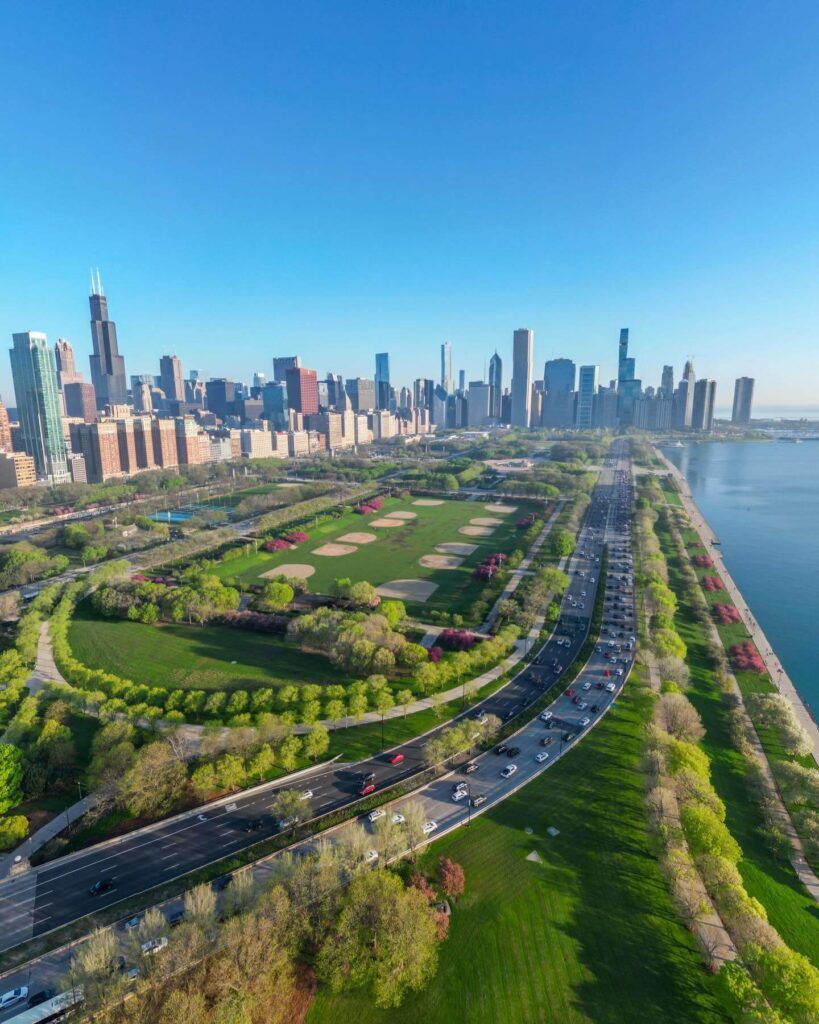
Over three days, you can visit Millennium Park, take an architecture river cruise, explore a museum or two, walk along the Lake Michigan shoreline, and spend time in neighborhoods like Lincoln Park or the West Loop. Since many of these attractions are close together, you won’t spend most of your trip commuting across the city.
Of course, you won’t see everything. Chicago has enough museums, neighborhoods, restaurants, and sporting events to fill an entire week. Instead of trying to do it all, I’d focus on the highlights and enjoy each stop rather than rushing through a long checklist.
Before You Go
A little planning before your trip can save both time and money. Chicago is easy to explore, but some of its most popular attractions get busy, especially during summer and holiday weekends.
Should You Buy a Chicago Attraction Pass?
If you’re planning to visit several paid attractions, a CityPASS or Go City Chicago Pass can be a good value.
It’s usually worth buying if your itinerary includes places like Skydeck Chicago, 360 Chicago, the Field Museum, Shedd Aquarium, Adler Planetarium, and an architecture river cruise. If you’re mostly planning to explore neighborhoods, parks, and free attractions, paying for tickets individually will probably be the better option.
Reserve Popular Attractions Early
One thing I’d definitely recommend is booking a few attractions before your trip. The architecture river cruise was one of my favorite experiences in Chicago, and many departures sell out well in advance during the summer.
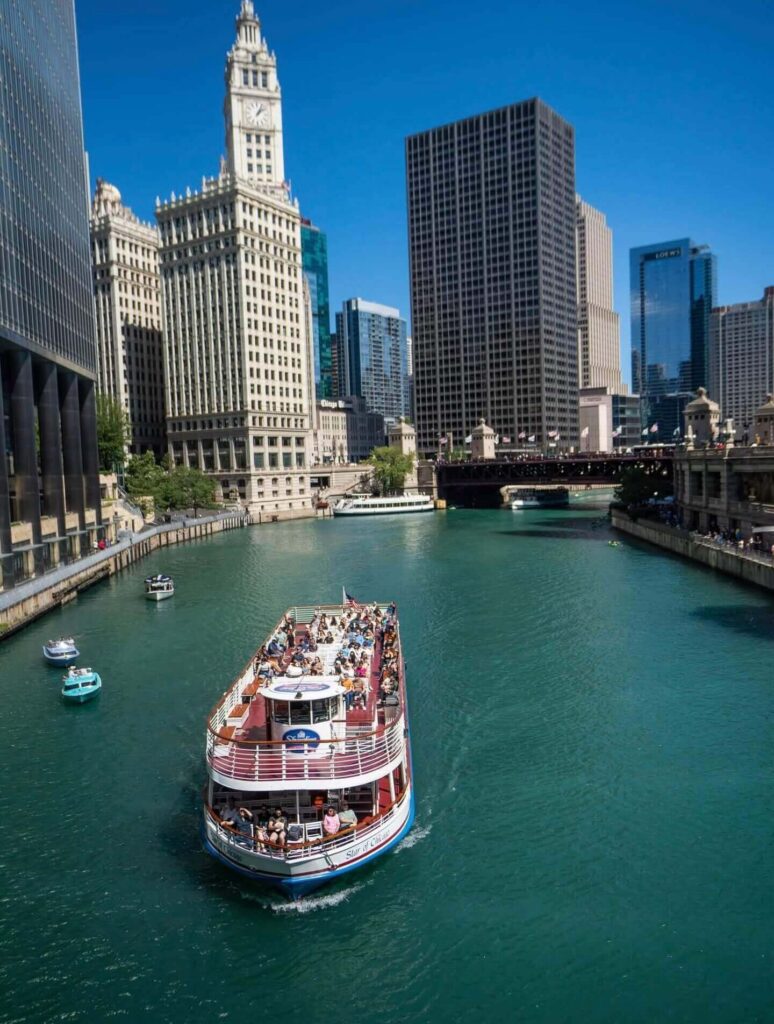
If you’re hoping to visit Skydeck or 360 Chicago around sunset, or catch a Cubs game during baseball season, it’s also worth reserving those tickets early to avoid disappointment.
Where to Stay in Chicago
Where you stay can have a big impact on your trip, especially if it’s your first time in Chicago. I’d recommend choosing a hotel somewhere close to downtown so you can spend more time exploring and less time commuting.
Chicago’s public transportation is excellent, but staying in the right neighborhood makes it much easier to walk to many of the city’s biggest attractions.
The Loop
If you’re visiting Chicago for the first time, I’d choose The Loop.
You’ll be within easy walking distance of places like Millennium Park, the Art Institute of Chicago, the Chicago Riverwalk, and several CTA train stations. It’s a convenient base if your itinerary is packed with sightseeing, and you’ll spend less time traveling between attractions.
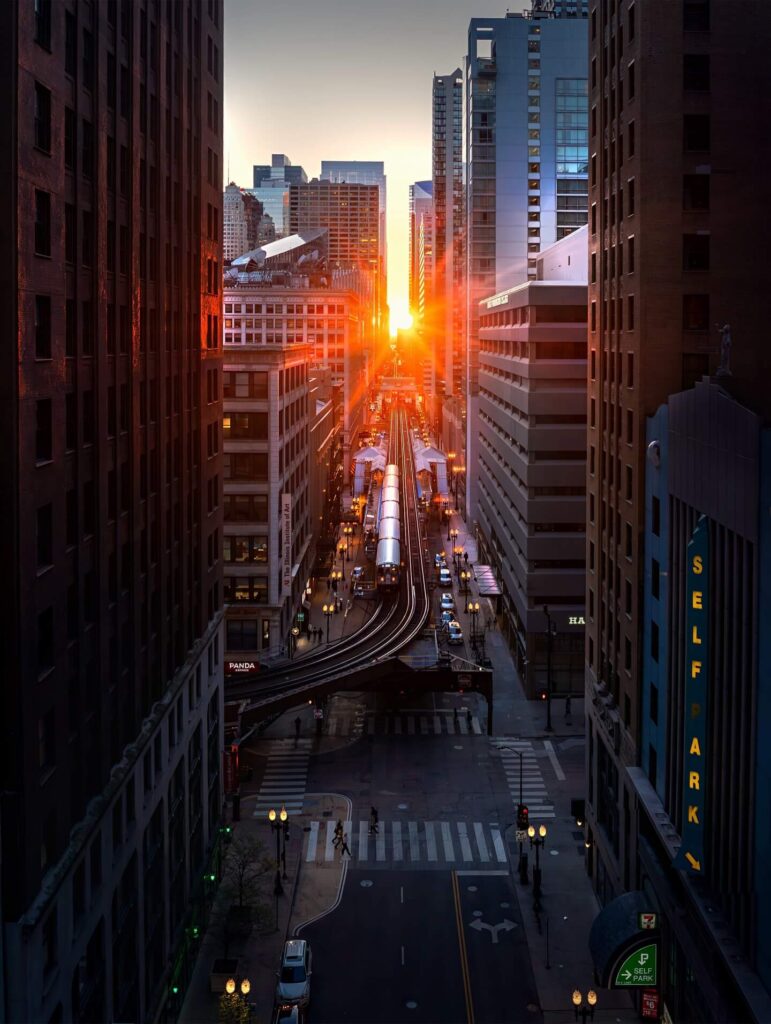
Mid range hotels generally cost around $180 to $350 per night, while luxury hotels are usually higher. Although The Loop can feel a little quieter after office workers head home in the evening, I think the location easily makes up for it.
River North
If you enjoy good restaurants, rooftop bars, and a livelier atmosphere after dark, River North is a fantastic place to stay.
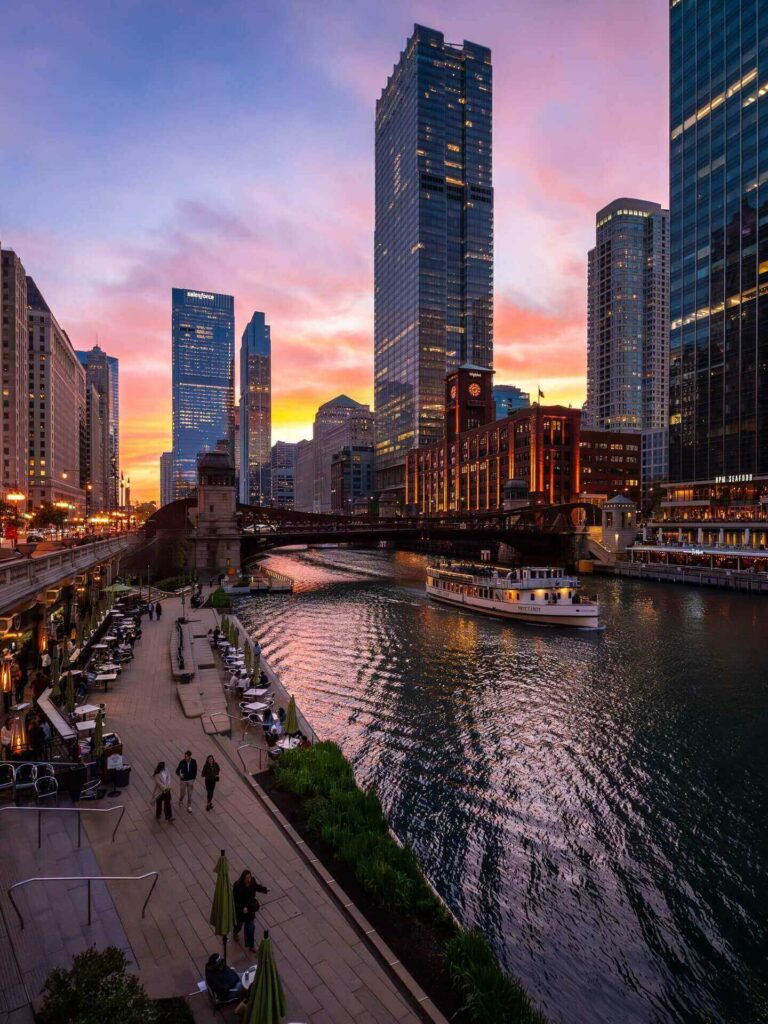
The neighborhood is filled with restaurants, cocktail lounges, cafés, and art galleries, yet it’s still close enough to walk to the Riverwalk, Magnificent Mile, and many downtown attractions.
I found myself returning to this area several evenings simply because there was always somewhere new to eat or explore.
Magnificent Mile
For visitors who enjoy shopping, the Magnificent Mile is hard to beat.
This area is lined with department stores, luxury boutiques, hotels, and restaurants, making it one of the busiest parts of the city.
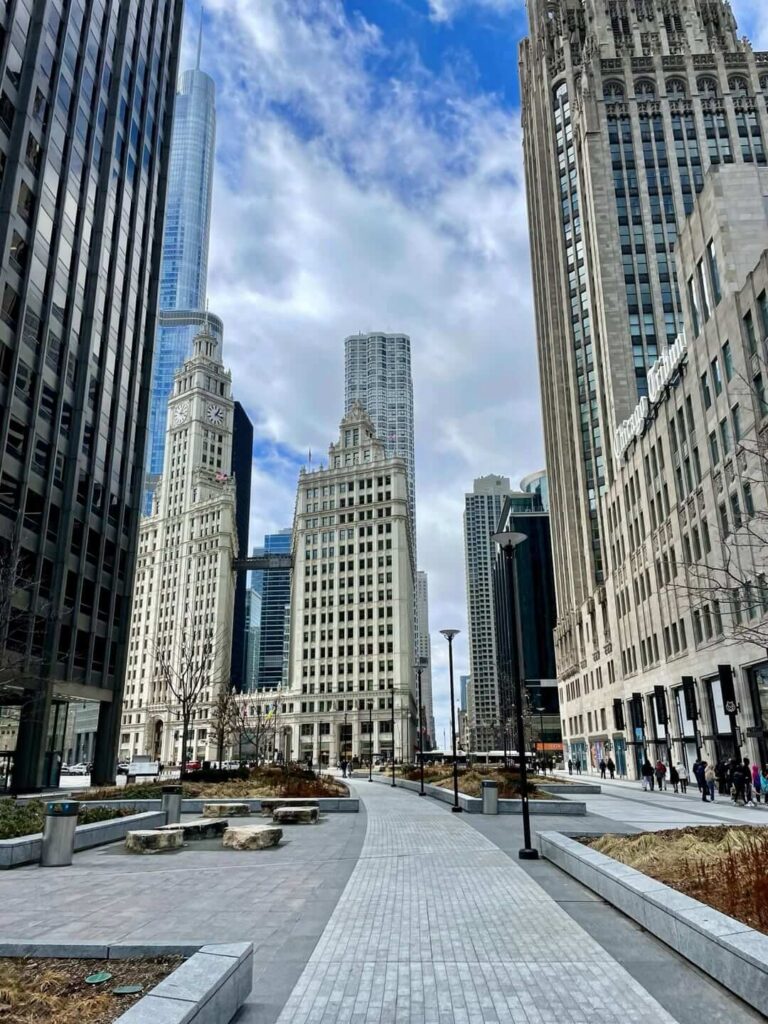
It’s also within walking distance of Lake Michigan, the Chicago River, and 360 Chicago, so you’ll still be close to several major attractions while having plenty of dining and shopping options nearby.
Lincoln Park
If you prefer a quieter neighborhood, Lincoln Park is an excellent choice.
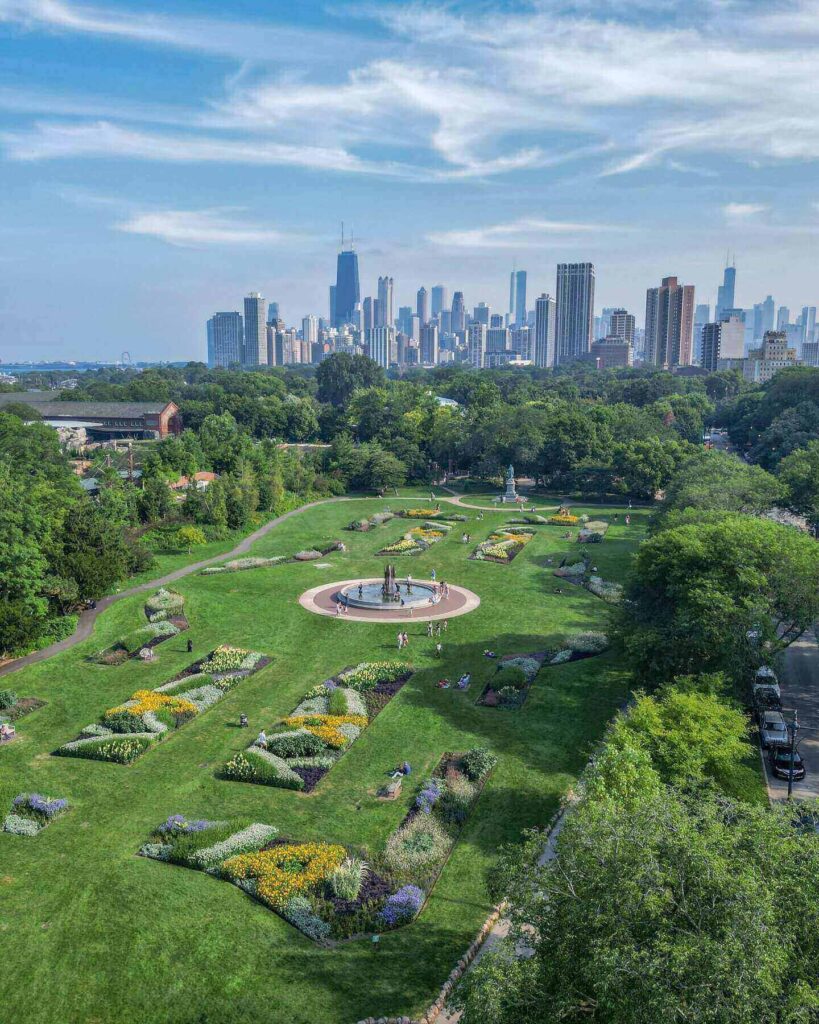
The area feels more residential than downtown, with tree lined streets, local cafés, beautiful parks, and the free Lincoln Park Zoo all within easy reach.
It’s a great option if you want a slower pace while still being able to reach downtown in about 15 to 20 minutes by train or bus.
Day 1: Chicago’s Classic Highlights
Your first day is all about seeing the landmarks that make Chicago famous. The best part is that most of today’s attractions are within walking distance, so you can spend less time commuting and more time enjoying the city.
Morning: Millennium Park and Cloud Gate
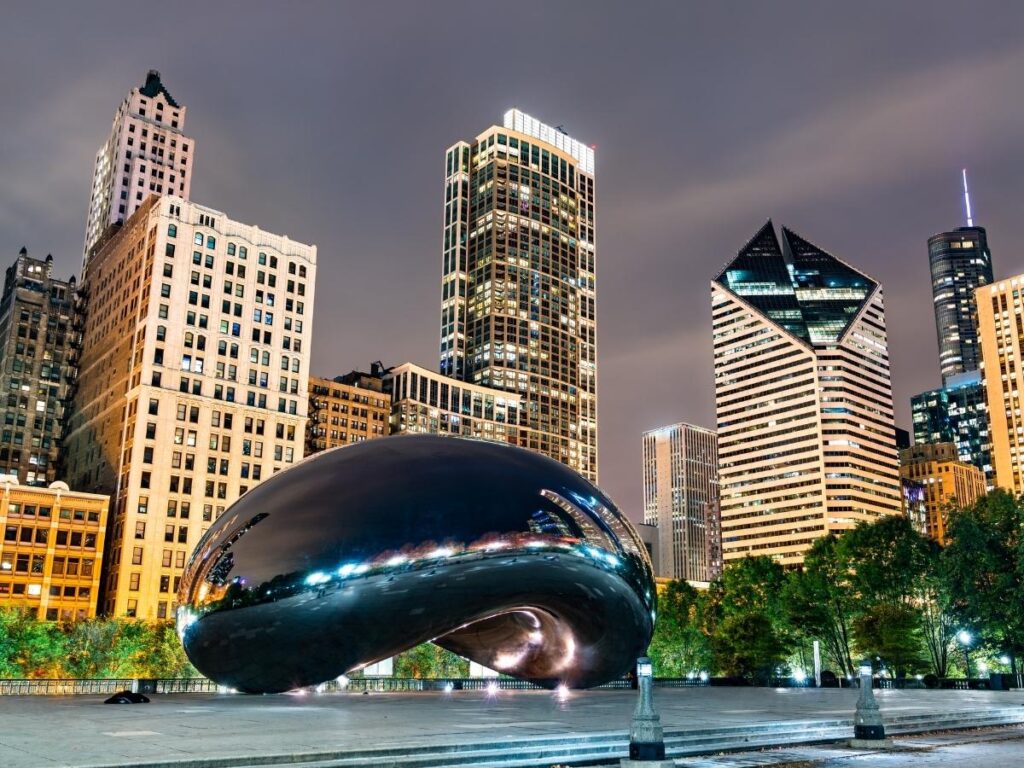
I like starting the day at Millennium Park before the crowds arrive. If you can get there before 9 a.m., you’ll have a much better chance of taking photos of Cloud Gate, better known as “The Bean,” without hundreds of people in the background. The morning light also reflects beautifully off the sculpture and the surrounding skyscrapers.
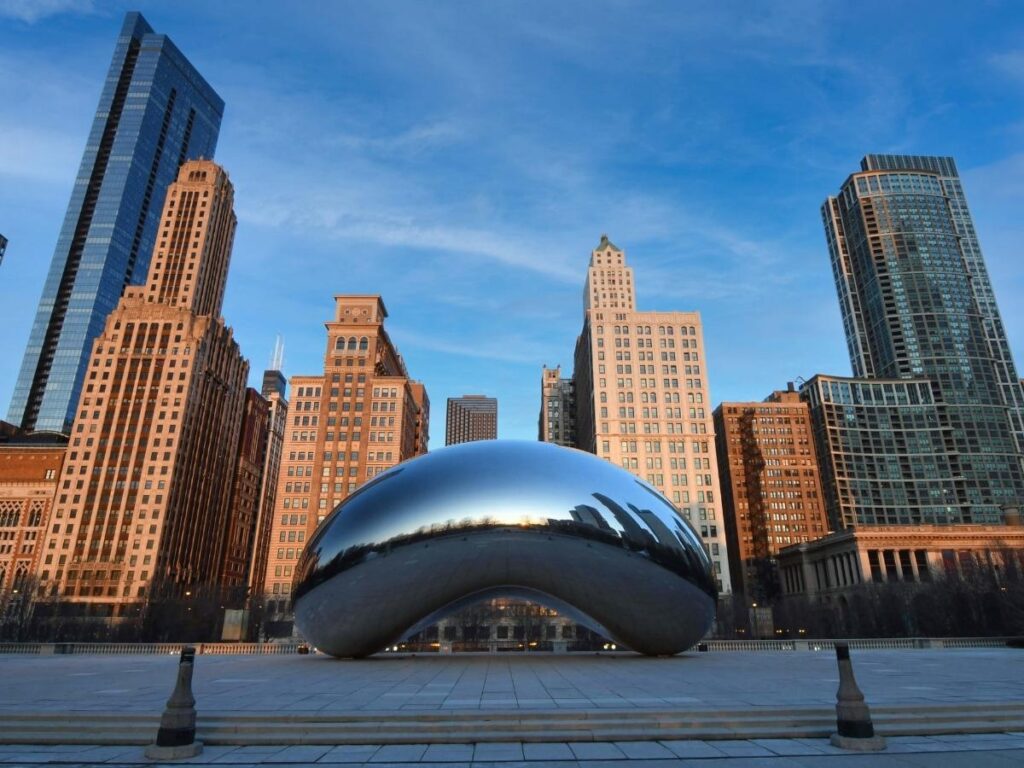
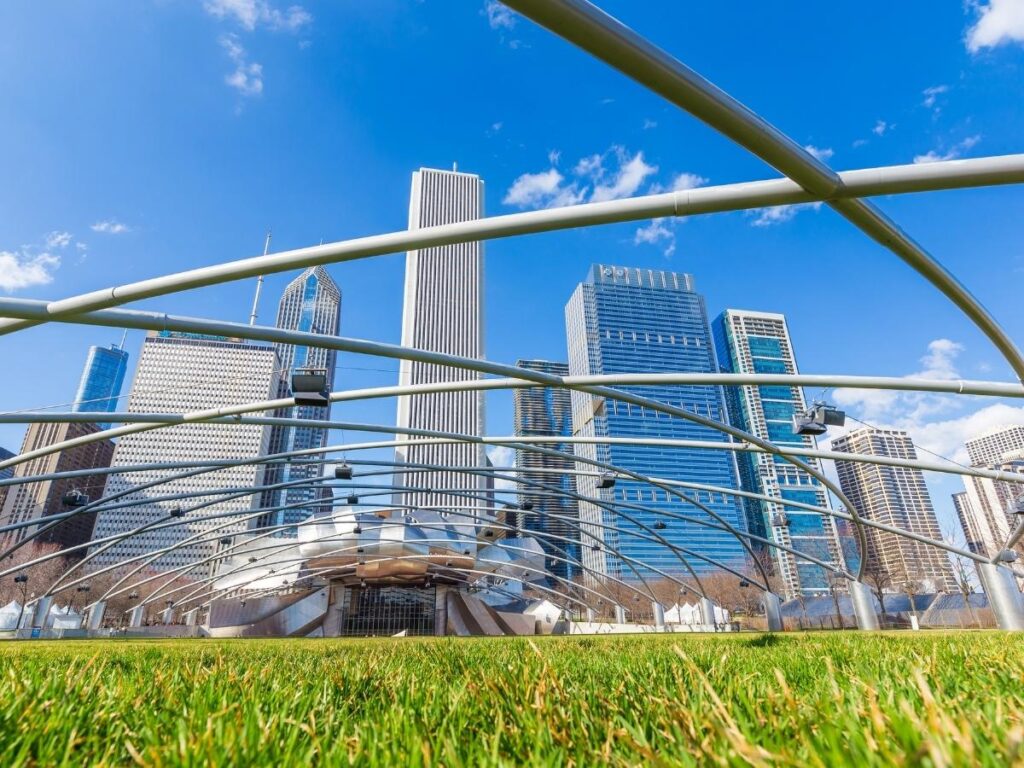
Don’t just stop at The Bean. Spend some time exploring the rest of the park too. Walk through Lurie Garden, admire the unique design of the Jay Pritzker Pavilion, visit Crown Fountain, and cross the BP Bridge for a different view of the skyline. It’s an easy area to explore, and there’s something interesting around every corner.
Mid Morning: Chicago Cultural Center
Just across the street is the Chicago Cultural Center, one of my favorite free attractions in the city.
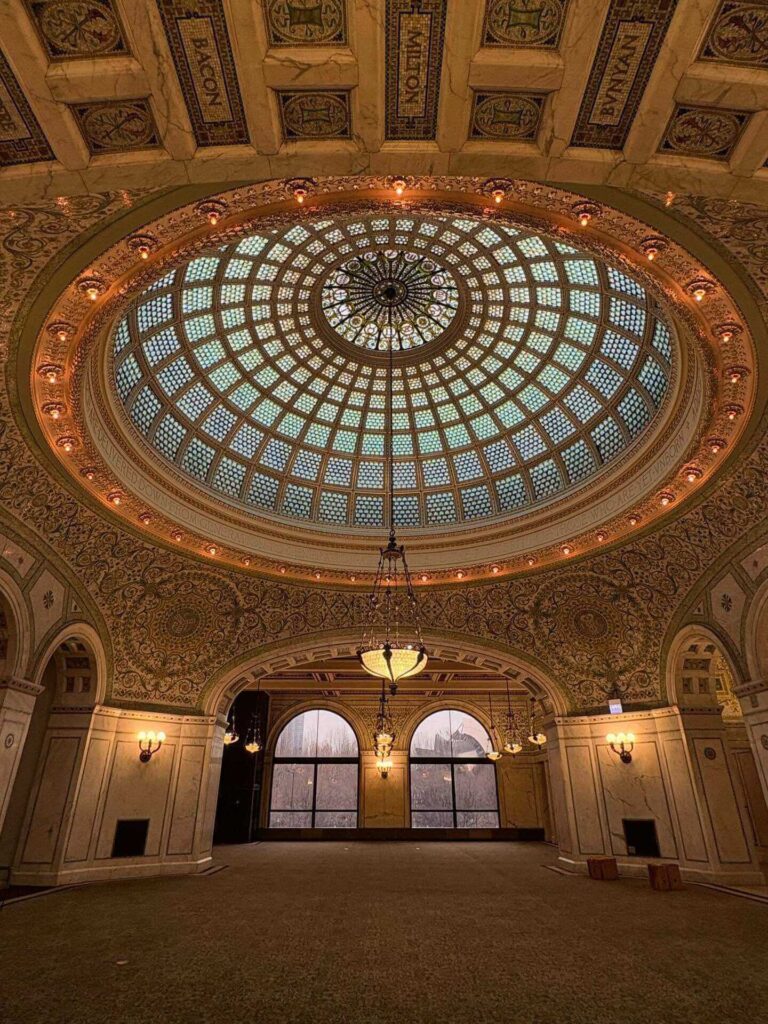
Inside, you’ll find grand staircases, rotating art exhibits, and one of the world’s largest Tiffany stained glass domes. I originally planned to spend about 20 minutes here but ended up staying much longer because the building itself is so beautiful. Since admission is free, it’s well worth adding to your morning.
Lunch: Take a Break
By lunchtime, you’ll have plenty of restaurants nearby.
If you’d like lunch with a view, Cindy’s Rooftop overlooks Millennium Park. For something quicker, Revival Food Hall has dozens of local food vendors, while The Gage is a great choice if you’re after a classic Chicago pub atmosphere.
Afternoon: Walk the Chicago Riverwalk
After lunch, head over to the Chicago Riverwalk.
This was one of my favorite places in the city because it offers a slower pace than the busy streets above. Grab a coffee, sit by the water, and watch boats pass beneath the bridges. It’s the perfect place to take a break while enjoying some of Chicago’s best skyline views.
Evening: Skydeck or 360 Chicago?
Finish your first day with one of Chicago’s observation decks.
Skydeck Chicago, inside Willis Tower, offers the highest views in the city and the famous glass ledges that extend beyond the building. Meanwhile, 360 Chicago provides fantastic views of both the skyline and Lake Michigan.
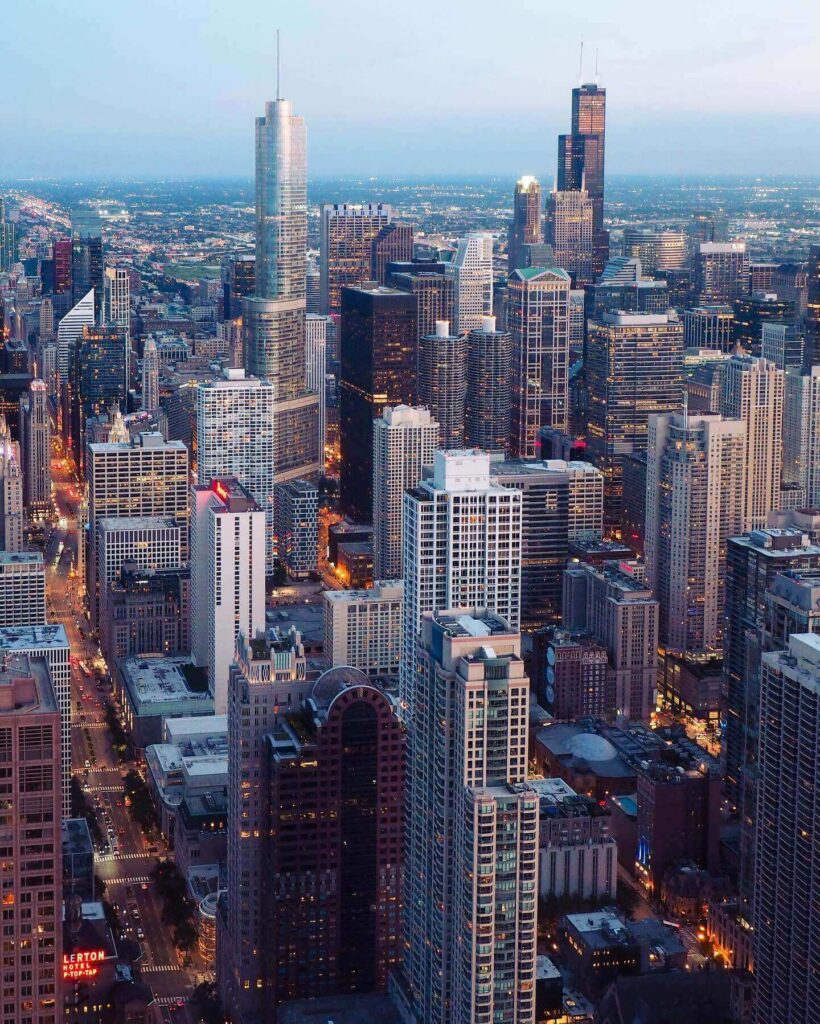
Personally, I slightly prefer 360 Chicago because you can really appreciate how the city meets the lake.
Whichever you choose, try to book your visit about an hour before sunset so you can enjoy both daytime views and the city lights after dark.
Dinner: Try Chicago’s Famous Deep Dish Pizza
You can’t leave Chicago without trying deep dish pizza.
Lou Malnati’s, Giordano’s, and Pequod’s Pizza are all excellent choices, although Pequod’s caramelized crust ended up being my favorite. Just remember that a deep dish takes time to bake, so waiting 30 to 45 minutes for your pizza is completely normal.

If you’re not too tired afterward, finish the evening with one last walk along the Chicago Riverwalk. Seeing the bridges and skyscrapers reflected on the water is a memorable way to end your first day.
Day 2: Museums, Lakefront Views, and Navy Pier
Your second day gives you a chance to experience a different side of Chicago. Instead of focusing on skyscrapers, you’ll spend time exploring one of the city’s world class museums before heading to the Lake Michigan shoreline. I like this mix because it balances indoor attractions with plenty of time outside.
Morning: Visit the Field Museum
If you only have time for one museum in Chicago, I’d choose the Field Museum.
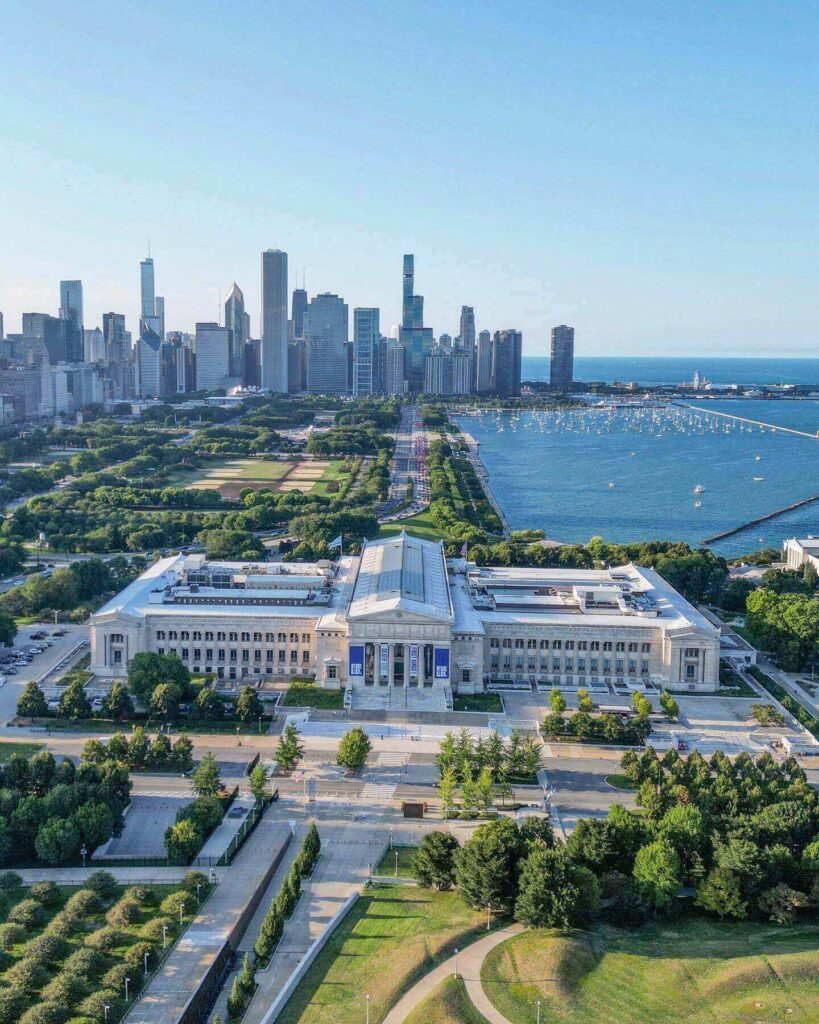
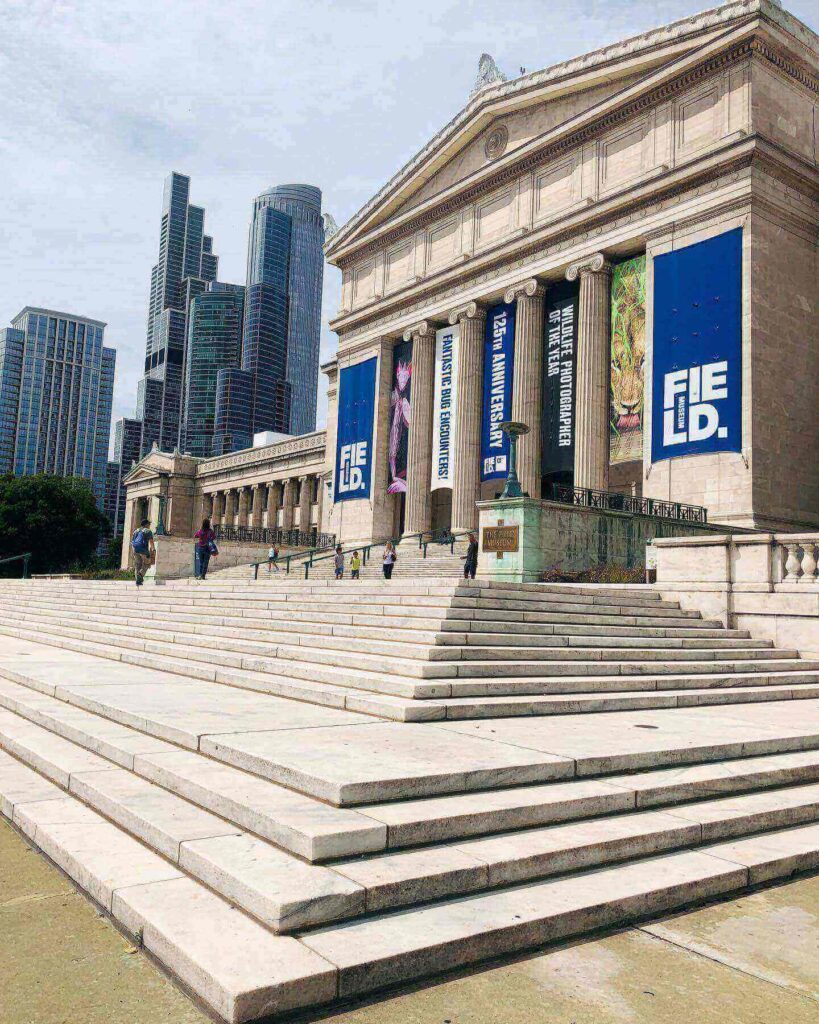
It’s one of the largest museums in the city, so don’t try to see everything. Instead, focus on the highlights like Sue, the famous T. rex skeleton, the Ancient Egypt galleries, the Hall of Gems, and the wildlife exhibits. I expected to spend a couple of hours here but ended up staying much longer because there was so much to explore.
Alternative: The Art Institute of Chicago
If you enjoy art more than natural history, spend your morning at the Art Institute of Chicago instead.
You’ll find famous works like Nighthawks by Edward Hopper and paintings by Monet, Van Gogh, Picasso, and Renoir. Both museums are excellent, so it really comes down to your personal interests.
Late Morning: Walk Around Museum Campus
After leaving the museum, take some time to walk around Museum Campus.
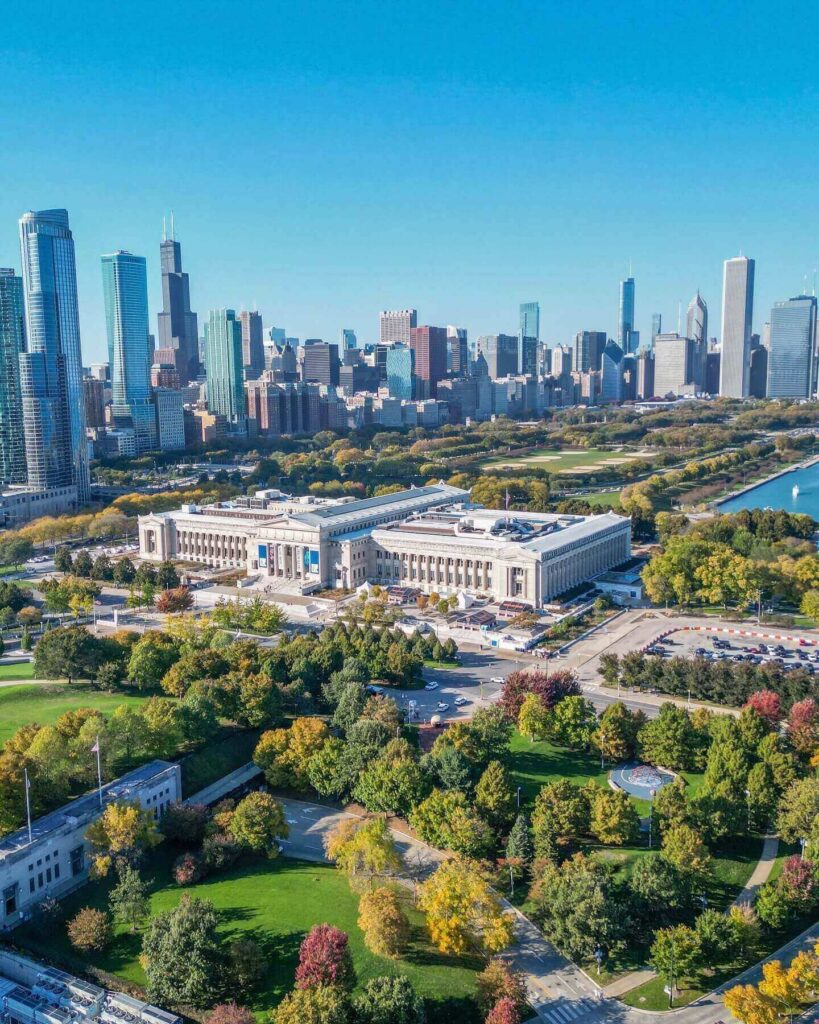
Looking back toward downtown, you’ll get one of my favorite views of the Chicago skyline. It’s a peaceful area to slow down for a few minutes before heading to lunch.
Lunch Near Museum Campus
The nearby South Loop has plenty of casual restaurants serving burgers, sandwiches, tacos, pizza, and other quick meals. I usually keep lunch fairly light since there’s still plenty planned for the afternoon.
Afternoon: Choose an Attraction
Rather than trying to fit several museums into one afternoon, I’d simply pick the attraction that interests you most.
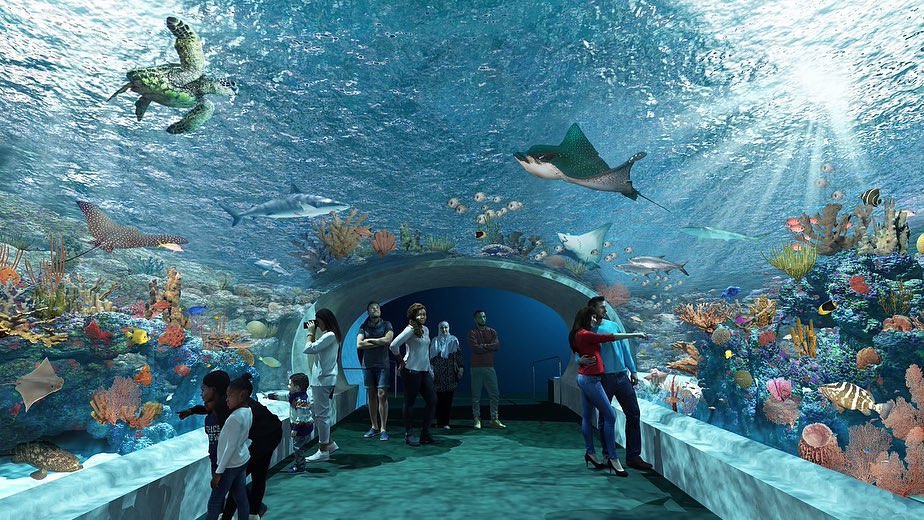
The Shedd Aquarium is a great choice if you’re traveling with family or enjoy marine life, while the Adler Planetarium is perfect if you’re interested in space and also offers one of the city’s best skyline viewpoints. If you’ve skipped the Art Institute, the Museum of Contemporary Art is another excellent option.
Evening: Explore Navy Pier
I think Navy Pier is worth visiting at least once, especially if it’s your first trip to Chicago.
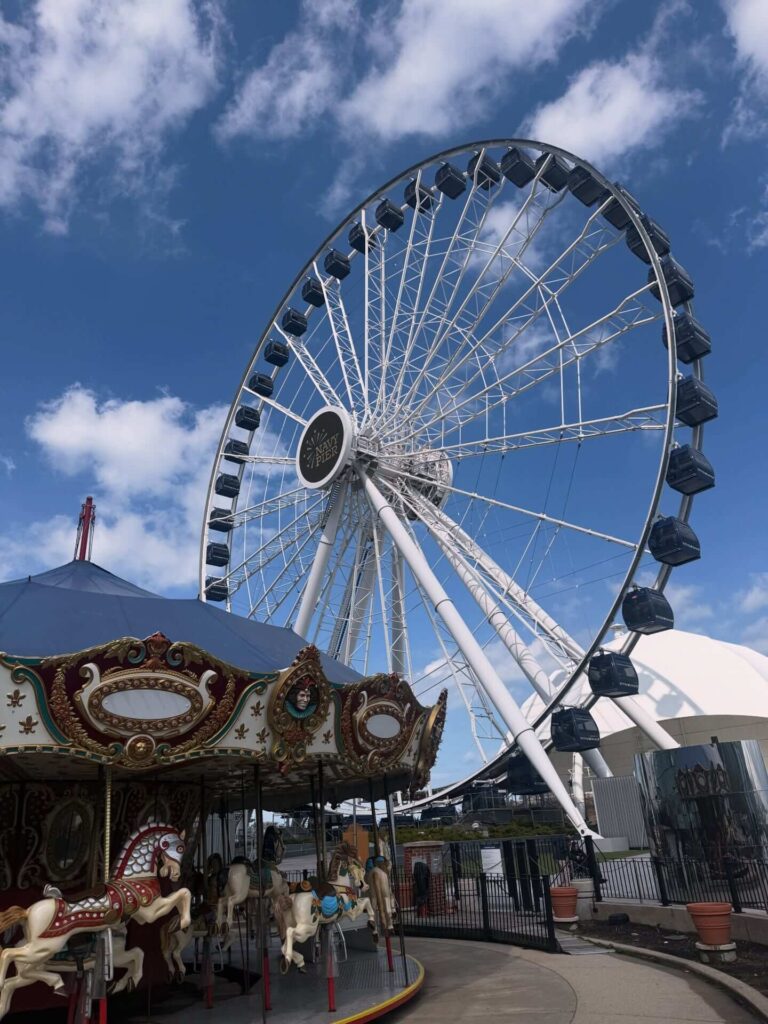
Spend an hour or two exploring the shops, restaurants, and waterfront before taking a ride on the Centennial Wheel if you’d like another great view of the city. During summer, you may even catch live music or evening fireworks.
Dinner and Rooftop Views
Tonight is a great opportunity to try another Chicago favorite, whether that’s an Italian beef sandwich, a Chicago style hot dog, or a classic steakhouse dinner.
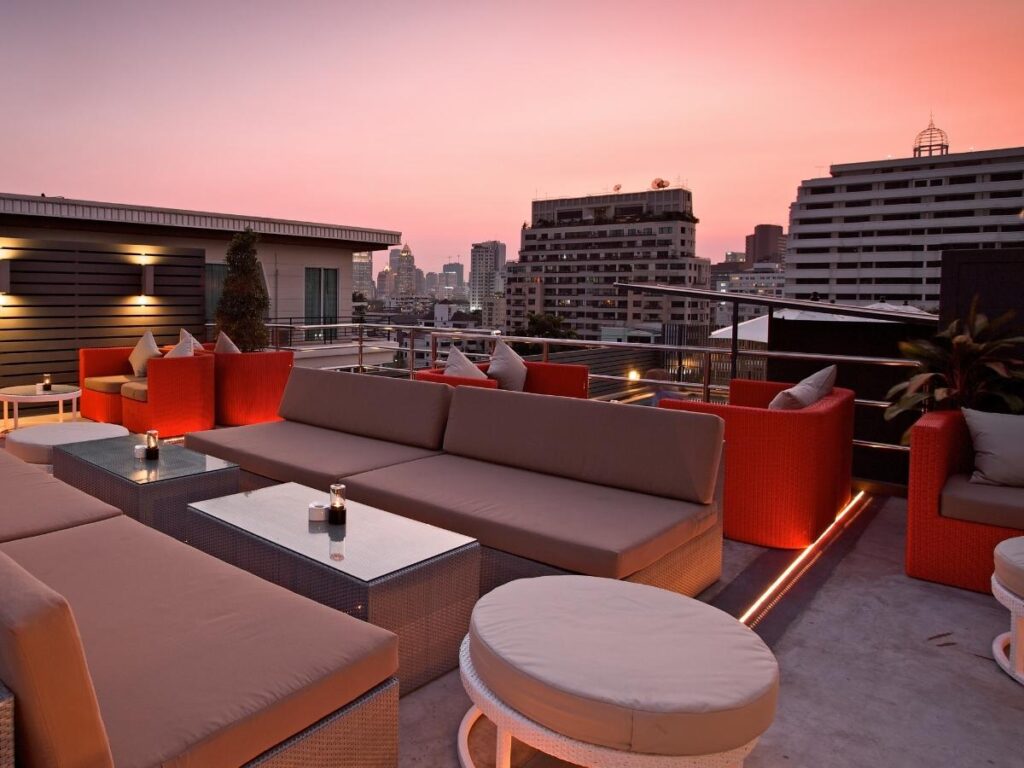
If you still have some energy afterward, end the evening at one of Chicago’s rooftop bars. Watching the skyline light up after dark is a great way to finish your second day.
Day 3: Explore Beyond Downtown
For your final day, I’d slow the pace down a little and spend more time exploring the neighborhoods that give Chicago so much of its character. The famous landmarks are worth seeing, but some of my favorite memories came from simply wandering quieter streets, finding great cafés, and seeing how locals spend their weekends.
Morning: Explore Lincoln Park
Lincoln Park quickly became one of my favorite neighborhoods in Chicago. Compared to downtown, it feels much calmer, with tree lined streets, historic homes, local coffee shops, and plenty of green space.
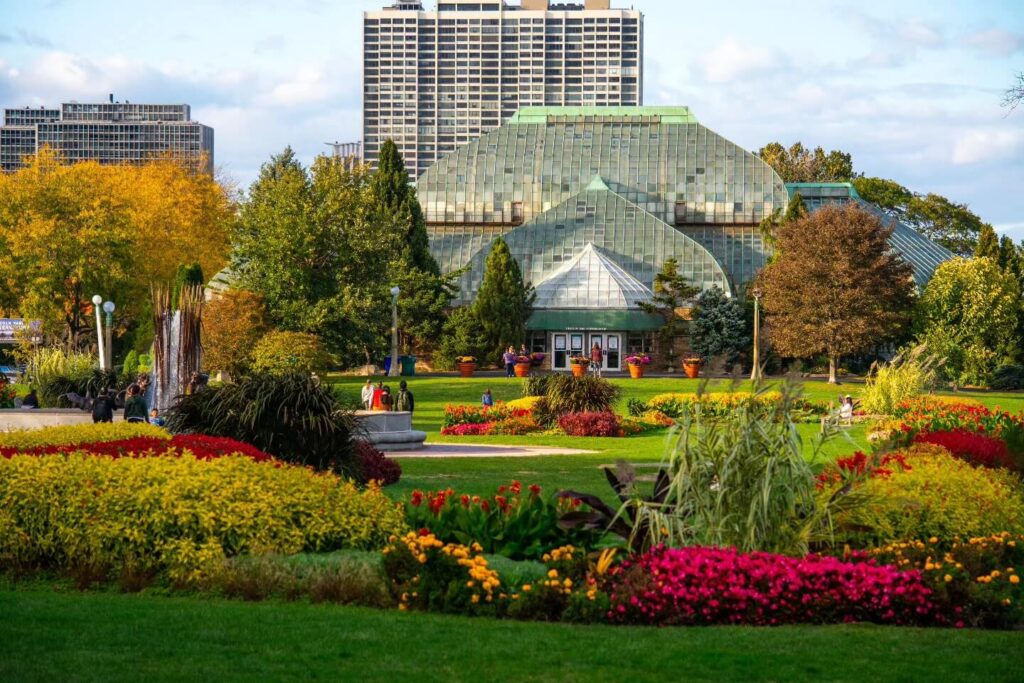
Start your morning with a walk through the park before visiting Lincoln Park Zoo. One thing that surprised me is that it’s completely free to enter, yet it’s one of the nicest city zoos I’ve visited. Even if you only spend an hour here, it’s worth stopping to see animals like lions, gorillas, penguins, and red pandas.
Right next door is the Lincoln Park Conservatory, another free attraction that’s easy to overlook. The historic glasshouses are filled with tropical plants, orchids, and seasonal flowers, making it a peaceful place to wander before continuing your day.
Brunch at a Local Café
Lincoln Park is one of the best neighborhoods in Chicago for brunch, so I’d definitely take your time here.
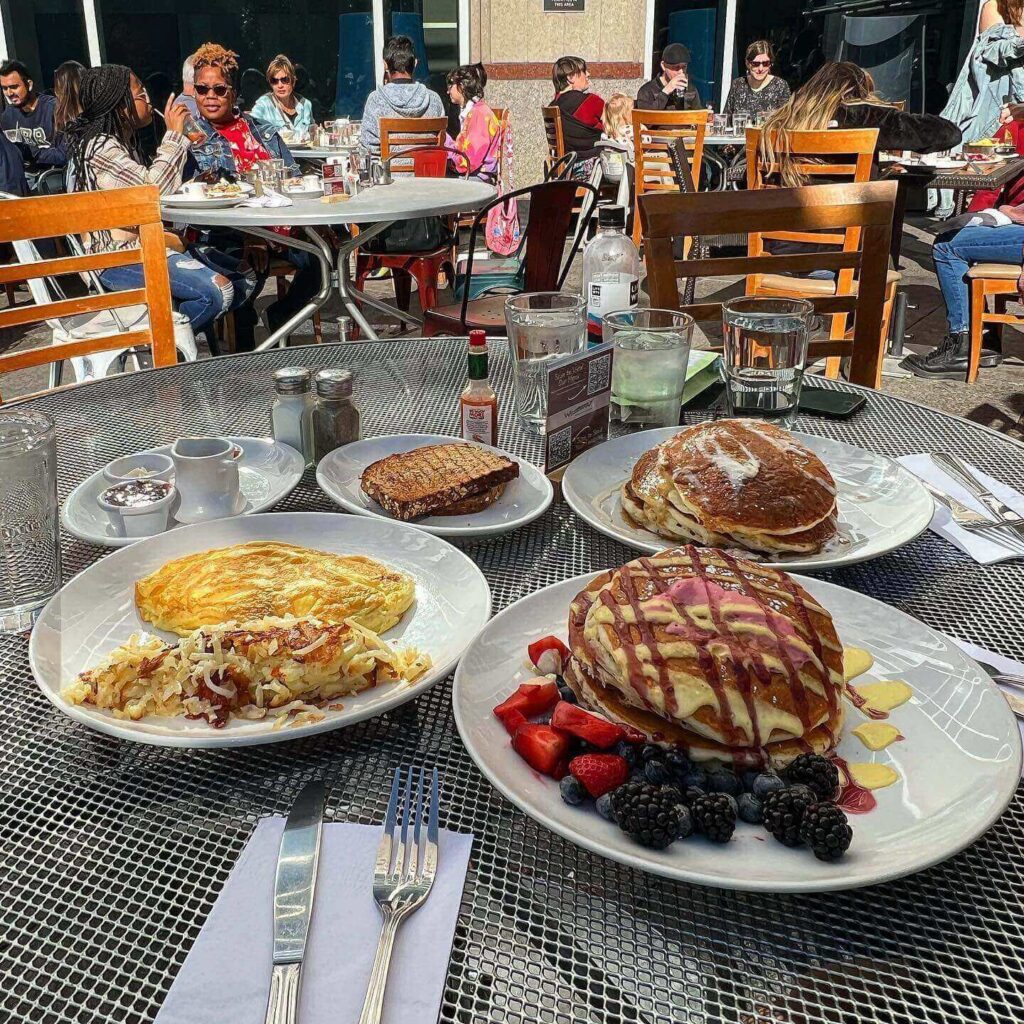
Whether you’re craving pancakes, eggs Benedict, avocado toast, or simply a good cup of coffee, you’ll have plenty of options within walking distance. I always enjoy slower mornings when I travel, and this neighborhood is perfect for that.
Afternoon: Explore the Neighborhood That Interests You Most
Rather than following a strict schedule, I’d use your final afternoon to explore whichever side of Chicago interests you most.
If you’re a food lover, head to the West Loop and wander around Fulton Market, where you’ll find excellent restaurants, bakeries, coffee shops, and Time Out Market Chicago.
If shopping is higher on your list, spend a few hours along the Magnificent Mile browsing everything from luxury boutiques to familiar department stores.
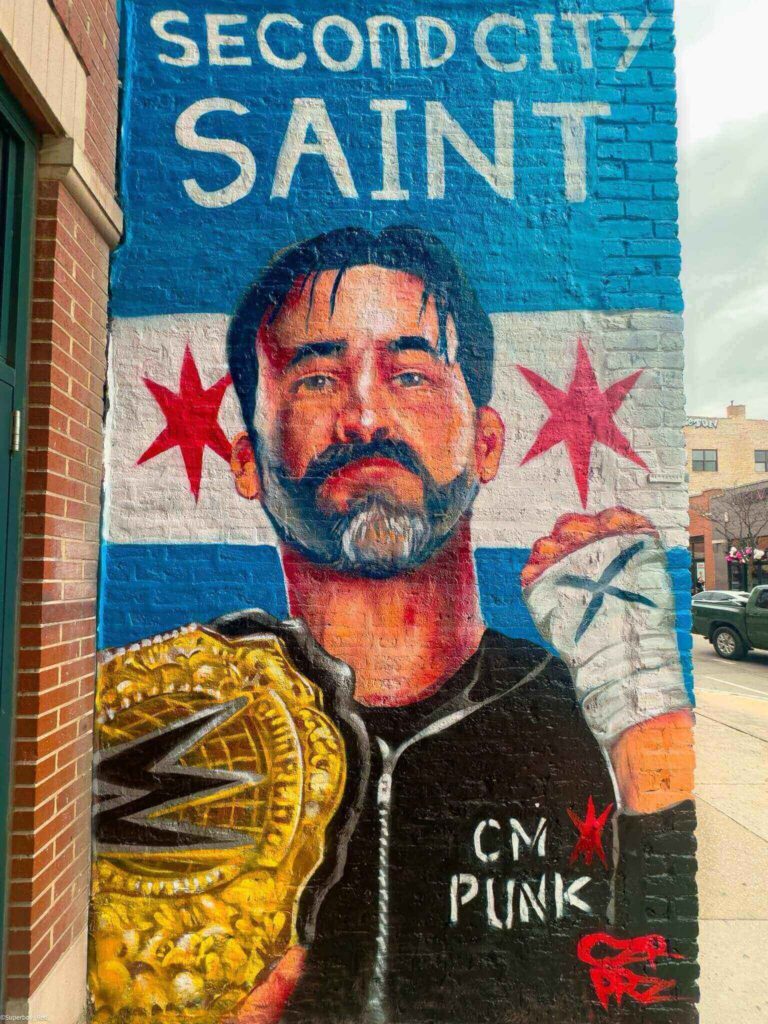
For a quieter afternoon, Old Town offers charming streets, historic buildings, and local shops, while Wicker Park is a great choice if you enjoy street art, vintage stores, bookstores, and independent cafés.
Families might prefer spending the afternoon at Maggie Daley Park, the Chicago Children’s Museum, or the Museum of Ice Cream, depending on the ages of the kids.
If the weather is nice and you’d like something a little different, consider renting a kayak on the Chicago River. Paddling between the skyscrapers gives you a completely different perspective of the city and is one of those experiences many visitors miss.
Final Dinner in Chicago
For your last evening, I’d treat yourself to a memorable dinner. Whether that’s a classic Chicago steakhouse, fresh seafood, Italian food, or one of the excellent restaurants in the West Loop, it’s worth ending your trip with a great meal instead of grabbing something quick before heading home.
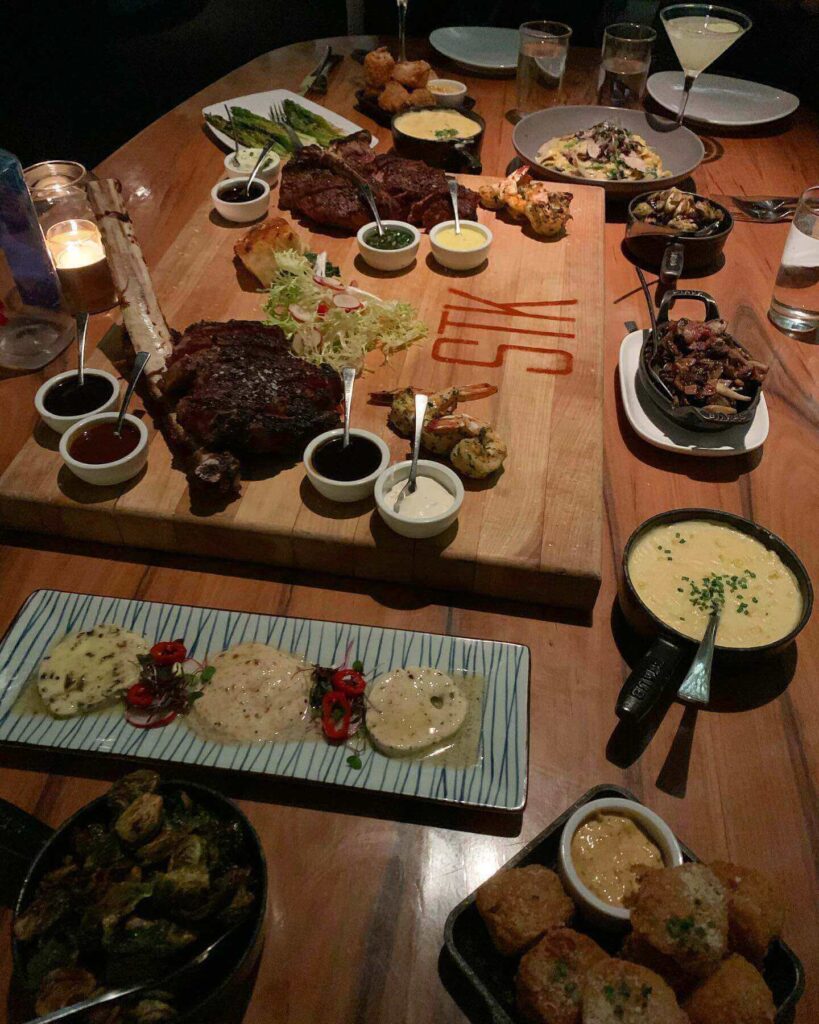
If you have time afterward, take one final walk through your favorite part of the city. Whether it’s along the Riverwalk, beside Lake Michigan, or through the quiet streets of Lincoln Park, those slower moments often become the memories that stay with you long after the trip is over.
The Best Time to Visit Chicago
Chicago is a city you can visit any time of year, but your experience will be very different depending on when you go.
Some seasons are perfect for spending long days outdoors, while others are better for museums, holiday markets, and cozy restaurants. If you have flexibility, I’d try to plan your trip around the kind of experience you’re looking for.
Spring (April to May)
Spring is one of my favorite times to visit Chicago. After the long winter, the city starts coming back to life. Parks fill with blooming flowers, outdoor patios begin reopening, and the weather is usually comfortable enough for walking around all day.
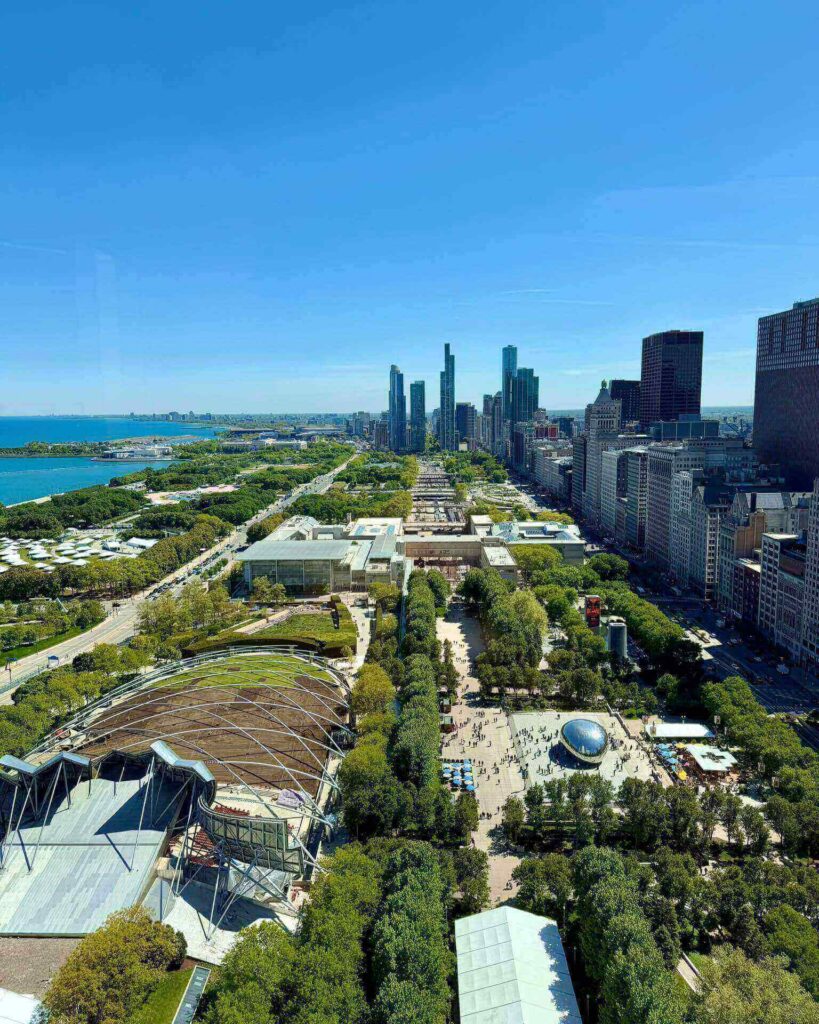
It’s also a quieter time to visit than summer, so you’ll often find shorter lines at popular attractions and slightly lower hotel prices. Just remember to pack a light jacket or sweater because temperatures can change quickly, especially near Lake Michigan.
Summer (June to August)
Summer is when Chicago is at its busiest, and it’s easy to see why. The city feels full of energy, with festivals, baseball games, outdoor concerts, rooftop bars, and beaches all in full swing. If you’ve ever seen photos of people relaxing along the Riverwalk or spending the afternoon by the lake, chances are they were taken during summer.
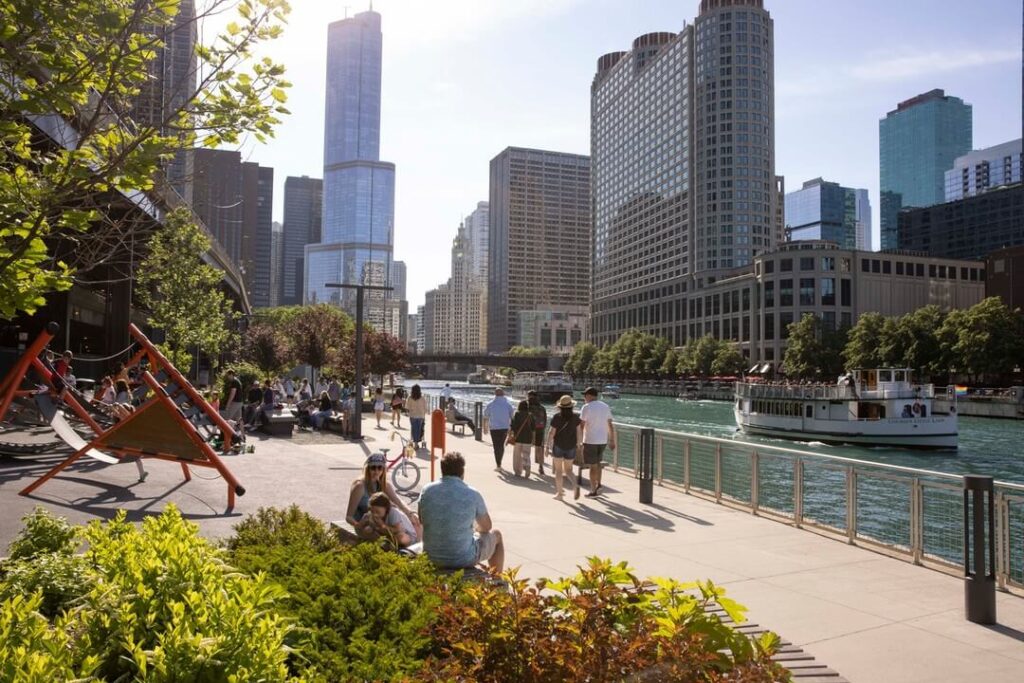
The trade off is that hotels are more expensive, and popular attractions can be crowded. If you’re visiting during these months, I’d book your hotel, architecture cruise, and observation deck tickets as early as possible.
Fall (September to October)
If I had to recommend just one season for a first visit, it would probably be early fall.
The weather is usually mild, the summer crowds begin to thin out, and walking around neighborhoods like Lincoln Park or the West Loop becomes especially enjoyable.
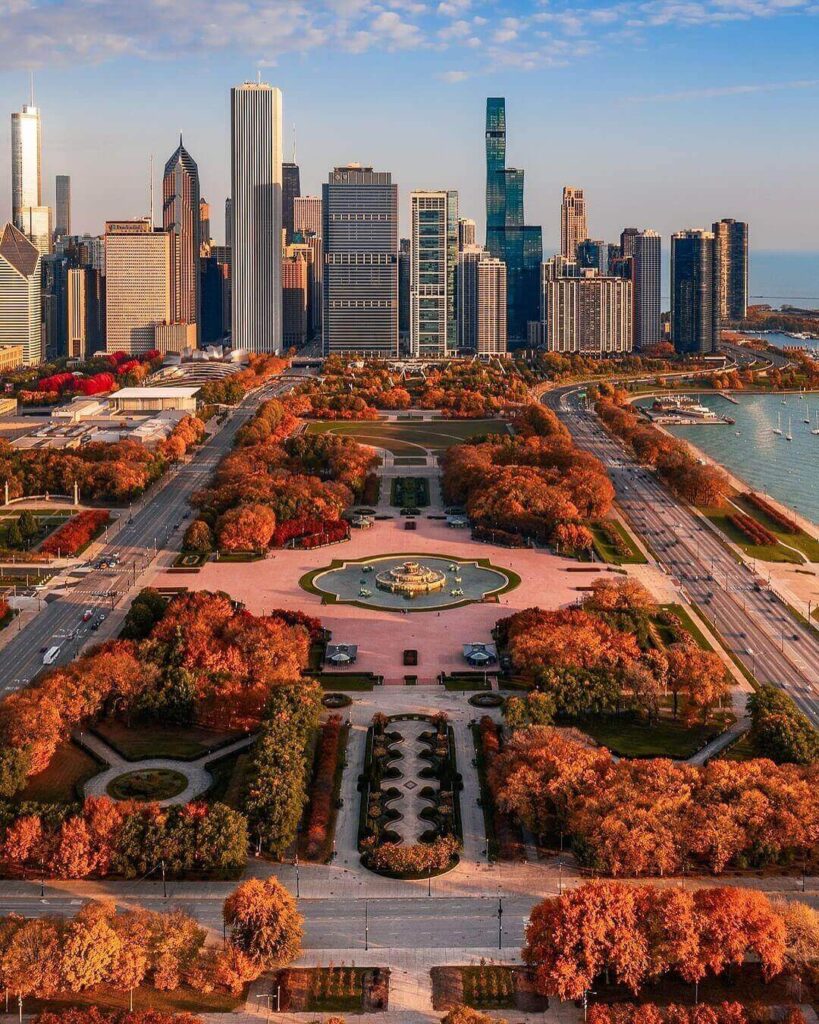
It’s also one of the best times for an architecture river cruise since you can comfortably sit outside without the heat of summer.
Winter (November to March)
Winter gives Chicago a completely different atmosphere. It can be cold, windy, and snowy, but if you don’t mind bundling up, you’ll see another side of the city.
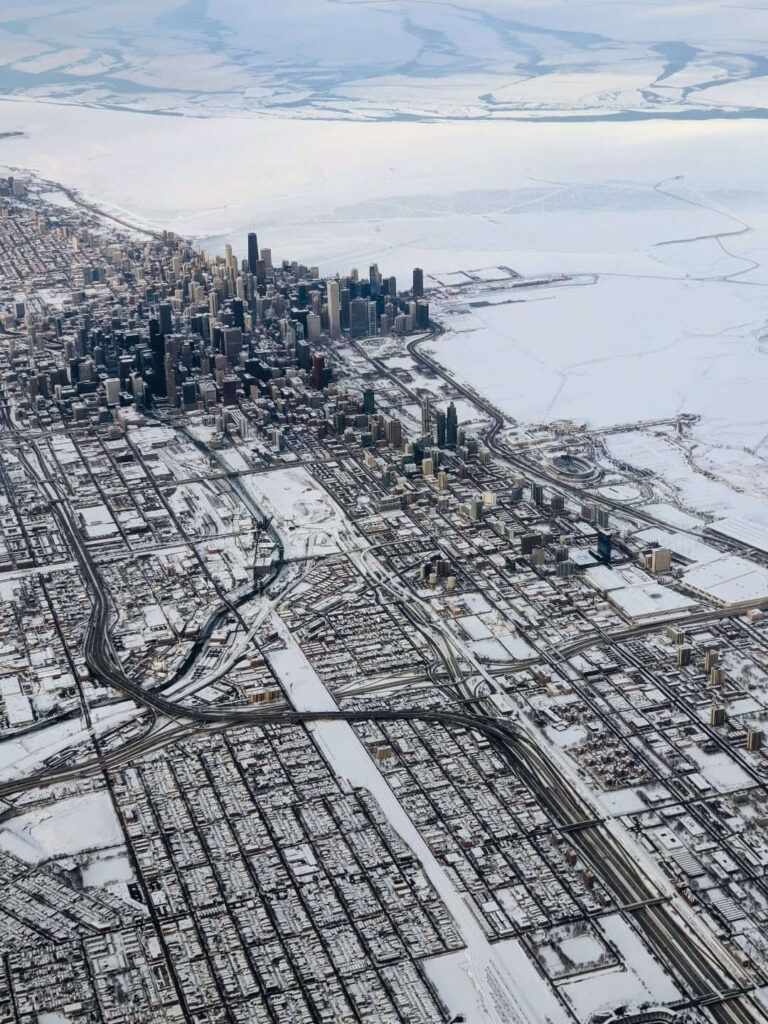
Holiday lights, Christmas markets, ice skating rinks, and cozy cafés make downtown feel especially festive in December. You’ll also find fewer tourists and, outside the holiday season, better hotel deals than during the busy summer months.
Just be sure to pack a warm coat, gloves, and comfortable boots if you’re planning to spend a lot of time outdoors.
Where to Eat During Your 3 Days
One of the things I enjoyed most about Chicago was the food. I arrived expecting to eat plenty of deep dish pizza, but I quickly realized there’s so much more to the city’s dining scene. Whether you’re after a quick bite between attractions or a memorable dinner, you’ll have no trouble finding something worth trying.
Breakfast
Chicago has plenty of great places to start your day.
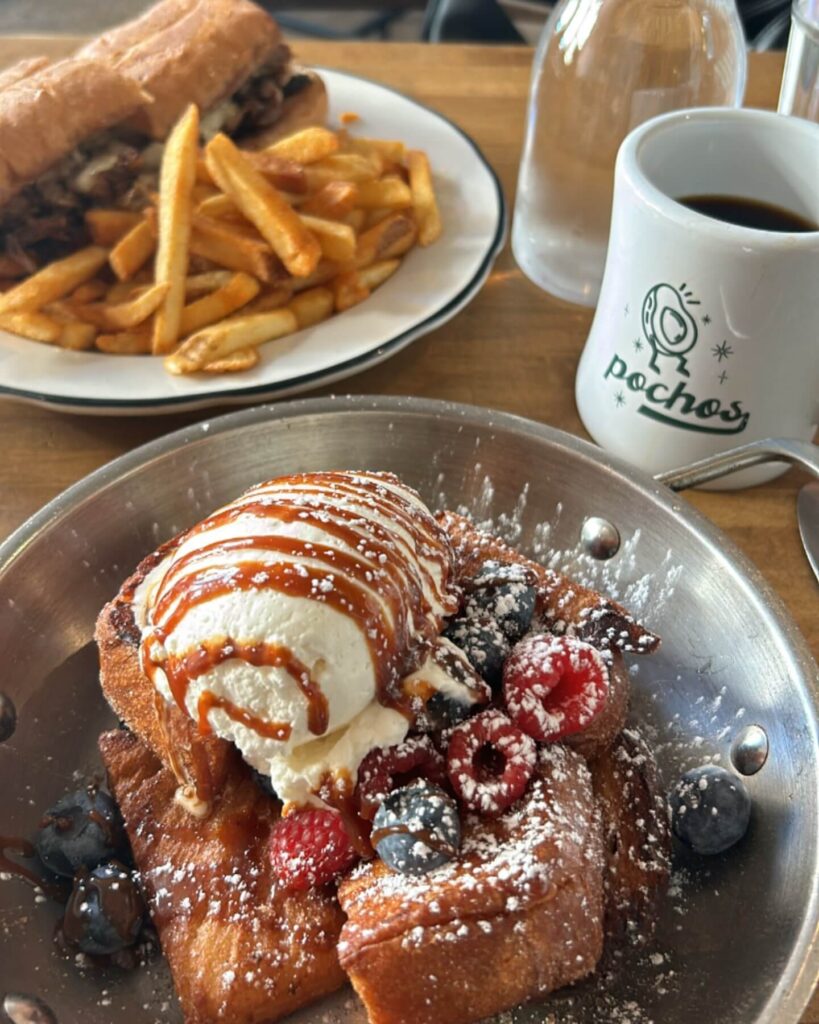
I usually like grabbing a coffee and a fresh pastry from a local bakery before heading out to explore, but if you prefer a bigger breakfast, you’ll find countless neighborhood cafés serving pancakes, omelets, and other classic American favorites.
Brunch
If you’re visiting over a weekend, I’d definitely make time for brunch. It’s something Chicago does really well.

Lincoln Park and the West Loop are two of my favorite neighborhoods for a relaxed brunch, with cafés serving everything from eggs Benedict and avocado toast to fluffy pancakes and excellent coffee. It’s a nice way to slow down before another afternoon of sightseeing.
Deep Dish Pizza
You can’t leave Chicago without trying deep dish pizza at least once.

Lou Malnati’s is known for its buttery crust, Giordano’s is famous for its stuffed pizza, and Pequod’s Pizza has a caramelized crust that ended up being my personal favorite.
No matter which one you choose, remember that deep dish is baked fresh, so it’s completely normal to wait 30 to 45 minutes for your pizza.
Chicago Style Hot Dog
A Chicago style hot dog is another local classic that’s worth trying.

Served on a poppy seed bun with mustard, onions, bright green relish, tomato slices, sport peppers, a pickle spear, celery salt, and famously, no ketchup, it’s an inexpensive meal that gives you a real taste of the city’s food culture.
Italian Beef
Another Chicago favorite is the Italian beef sandwich.

Thinly sliced roast beef is piled onto a crusty roll, often dipped in rich gravy and topped with sweet or hot peppers. It’s definitely messy, but it’s one of those local dishes you’ll probably end up talking about long after your trip.
Steak Dinner
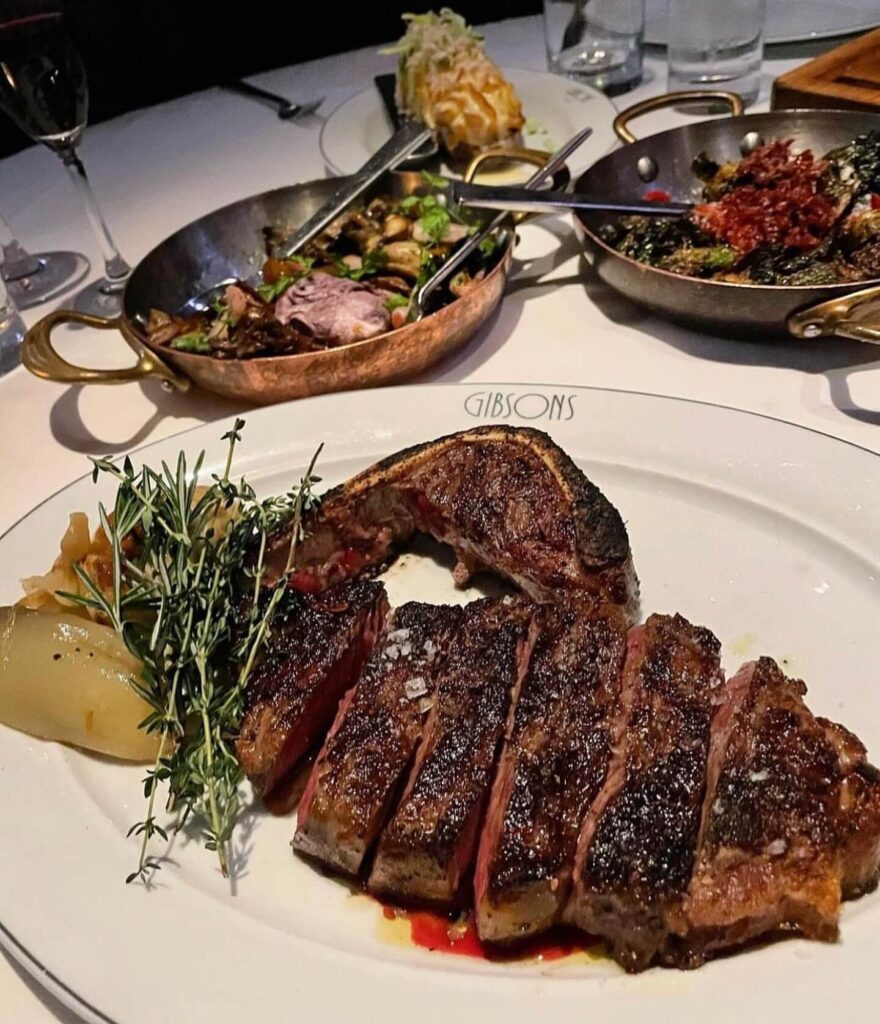
Chicago has a long reputation for excellent steakhouses, so if you’re celebrating a special occasion, your final evening is a great time to book one. It’s the perfect way to end your trip with a memorable meal.
Don’t Forget Dessert
Before leaving the city, I’d also recommend treating yourself to Garrett Popcorn, some locally made ice cream, or fresh donuts from a neighborhood bakery.

Sometimes the smaller food stops end up being just as memorable as the famous restaurants.
Getting Around Chicago
One of the things I appreciated most about Chicago was how easy it was to explore without a car. Most of the attractions in this itinerary are either within walking distance of each other or easy to reach using public transportation.
Walking
Downtown Chicago is very walkable, and I ended up covering far more of the city on foot than I expected.
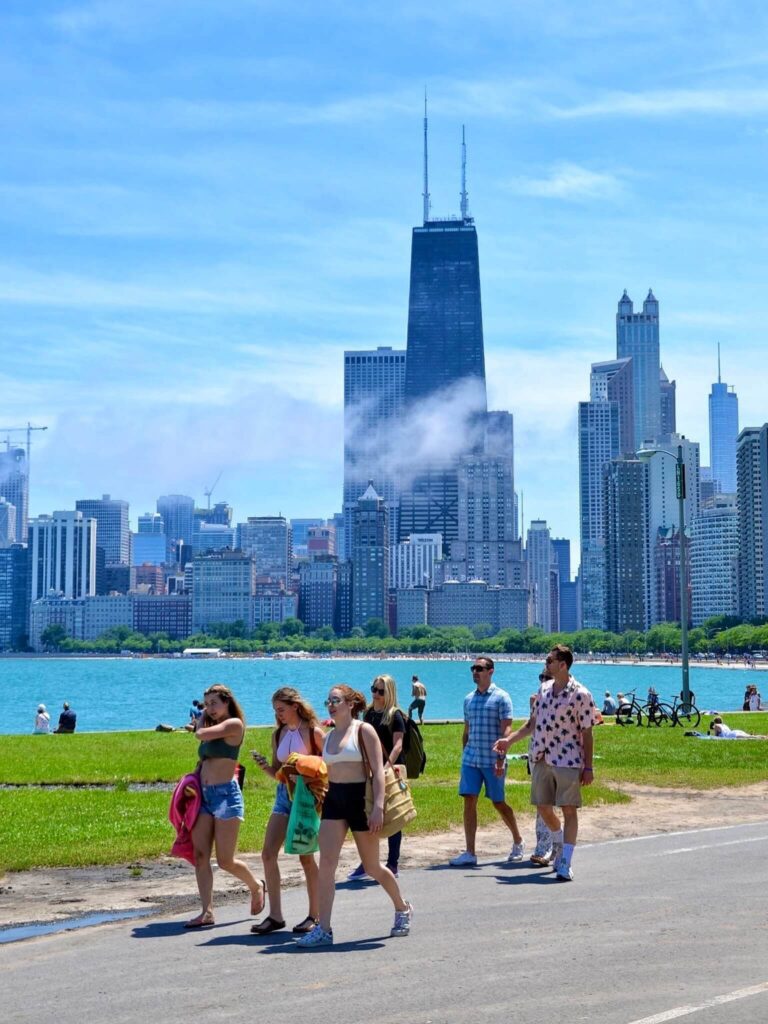
Comfortable shoes are one of the most important things to pack because it’s easy to walk several miles each day without even realizing it.
CTA Trains and Buses
Whenever I needed to travel a little farther, I used the CTA. The trains and buses are reliable, affordable, and connect nearly every neighborhood you’ll want to visit. If you’re planning to use public transportation several times a day, a multi day transit pass is usually worth buying.
Divvy Bikes
If the weather is nice, renting a Divvy bike is a fun way to explore the Lakefront Trail. Bike stations are scattered throughout downtown, and it’s an easy way to cover more ground while enjoying the views along Lake Michigan.
Common Mistakes First Time Visitors Make
After spending several days exploring Chicago, there are a few things I’d do differently if I planned the trip again.
The biggest mistake is trying to fit too much into each day. Chicago’s museums are much larger than they seem, and it’s far more enjoyable to fully explore one than rush through several attractions.
I also wouldn’t skip the architecture river cruise. I wasn’t sure it would be worth it before my trip, but it ended up being one of my favorite experiences.
Another thing visitors often underestimate is how much walking they’ll do. Even with the excellent CTA system, you’ll likely cover several miles each day, so comfortable shoes are essential.
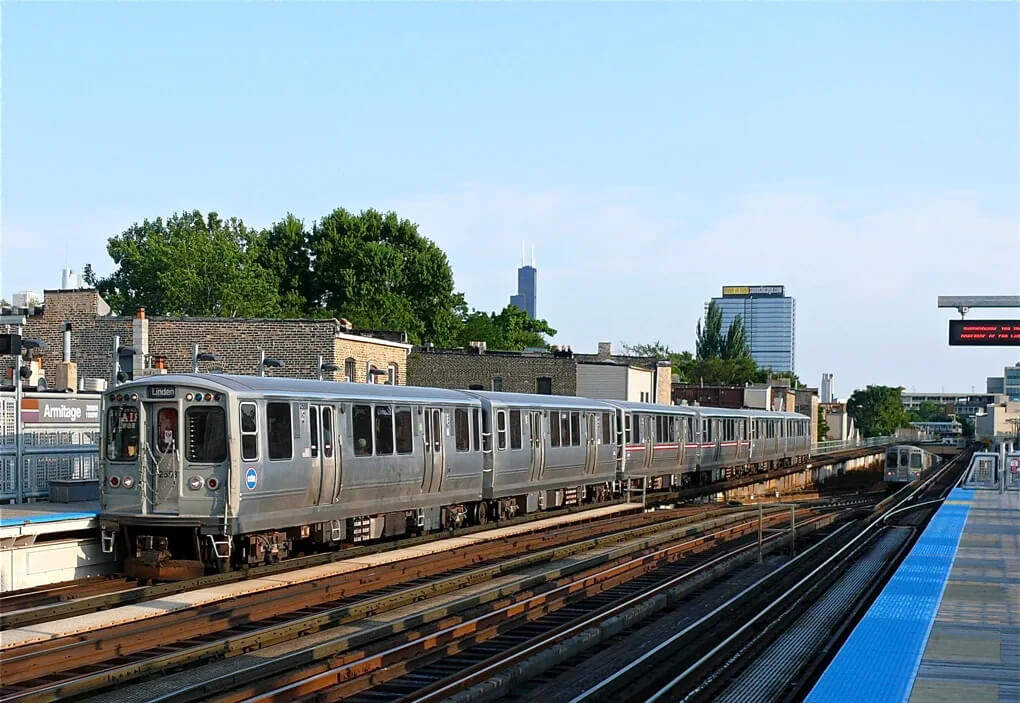
I also wouldn’t rent a car unless you’re planning day trips outside the city. Parking is expensive, traffic can be slow, and public transportation makes getting around surprisingly easy.
Finally, if you’re visiting during summer, book popular attractions and restaurants in advance. Sunset visits to the observation decks, architecture cruises, and popular restaurants can sell out quickly.
Final Thoughts
Three days gave me enough time to experience the parts of Chicago that I’d recommend to any first time visitor.
I was able to admire the city’s famous architecture, spend time along Lake Michigan, visit a couple of outstanding museums, explore neighborhoods beyond downtown, and, of course, enjoy some fantastic food.
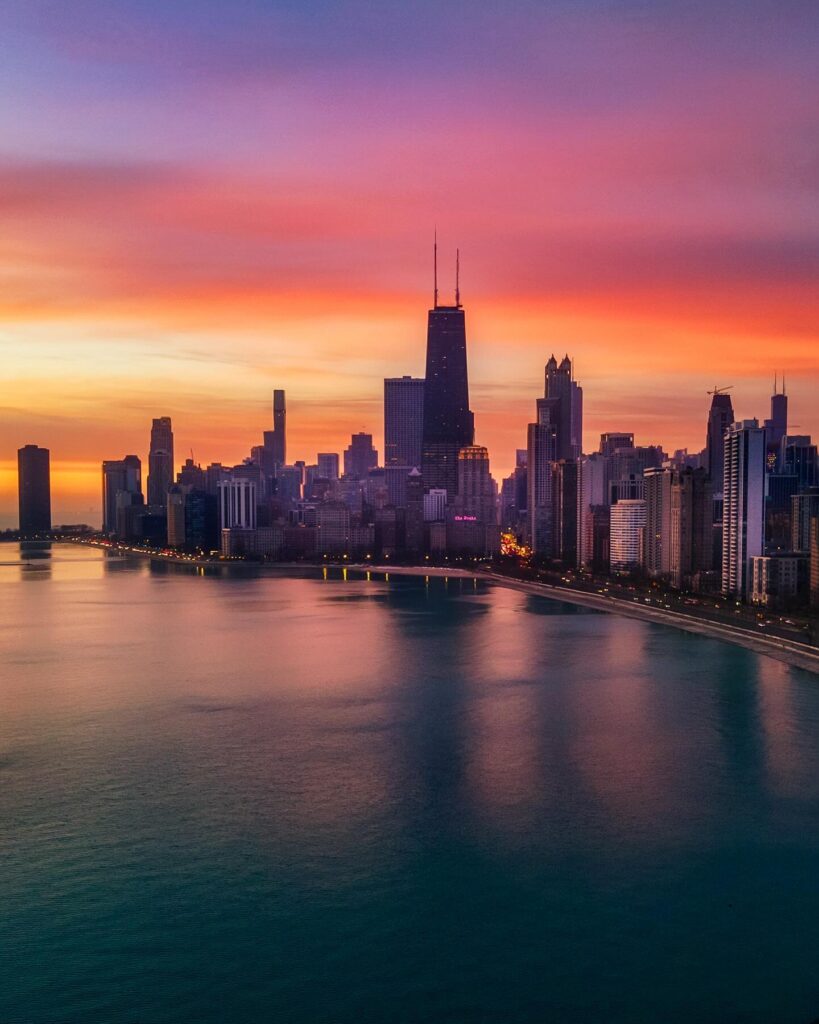
At the same time, I never felt like I’d completely “finished” Chicago. There were still neighborhoods I wanted to explore, restaurants I didn’t have time to try, and museums I’d happily return to on another visit.
That’s one of the things I like most about the city. Every neighborhood feels a little different, so every trip has the chance to be a new experience.
If you’re planning your first visit, I hope this itinerary helps you make the most of your three days while leaving enough flexibility to slow down, wander a little, and discover a few places that end up becoming your own favorites.