
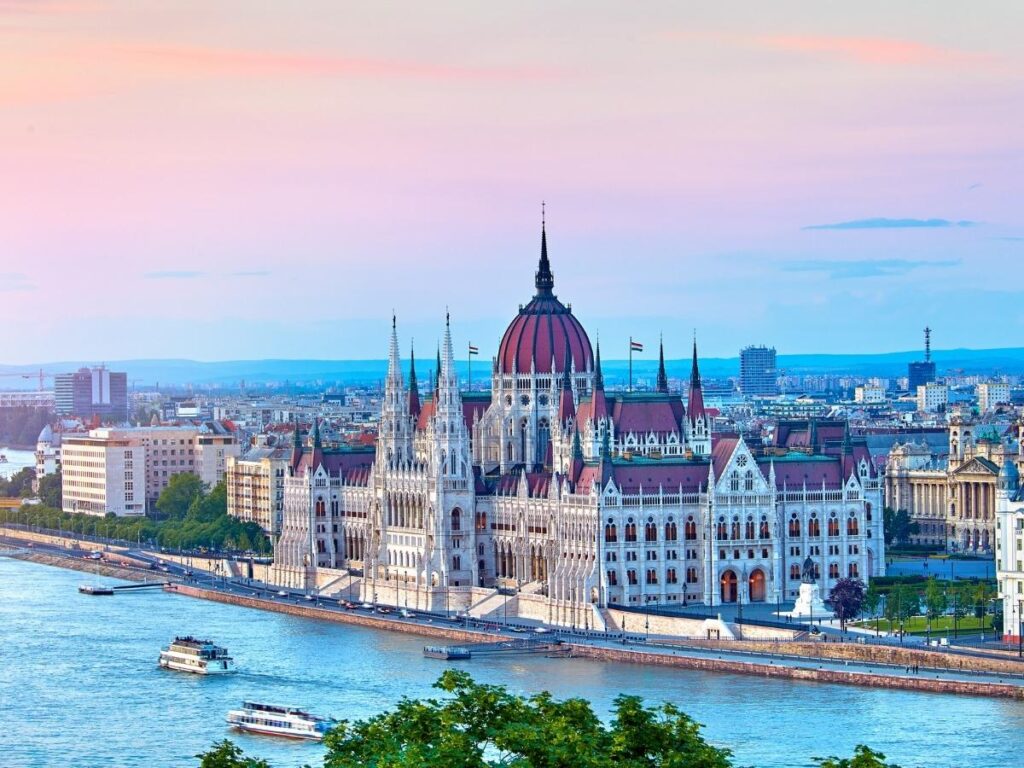
The first time I arrived in Budapest, the city felt bigger than I expected wide boulevards, long trams sliding along the riverbank, and that incredible Parliament building glowing across the Danube.
It didn’t take long for the place to grow on me. Budapest has this rare mix of energy and calm: historic without feeling heavy, lively without feeling chaotic, and full of corners that make you want to slow down and look around.
When I was planning my trip, I kept wishing for one guide that made things simplewhat I shouldn’t miss, how the neighbourhoods work, and how to fit the best pieces of the city into a short visit.
So that’s what this guide is meant to be: everything I learned, everything I loved, and the things I’d recommend whether you have one day or a long weekend.
Let’s dive into the best things to do in Budapest.
Quick Planning
Budapest is the kind of city that feels different depending on the time of year you visit, so it helps to know what you’re getting into. Spring, from March to May, is one of the easiest seasons to be here.
The weather is mild, the trees along the Danube start to bloom, and the city hasn’t reached its full tourist season yet so you can linger at viewpoints or in cafés without the crowds. Summer, on the other hand, is warm, lively, and full of festivals.
June to August is when the city really buzzes, especially around the riverfront and the thermal baths, but it’s also the busiest and priciest time to visit.
If you prefer a quieter, more comfortable experience, September and October are arguably the best months. The skies are usually clear, temperatures are perfect for long walks, and most attractions are still running on extended hours.
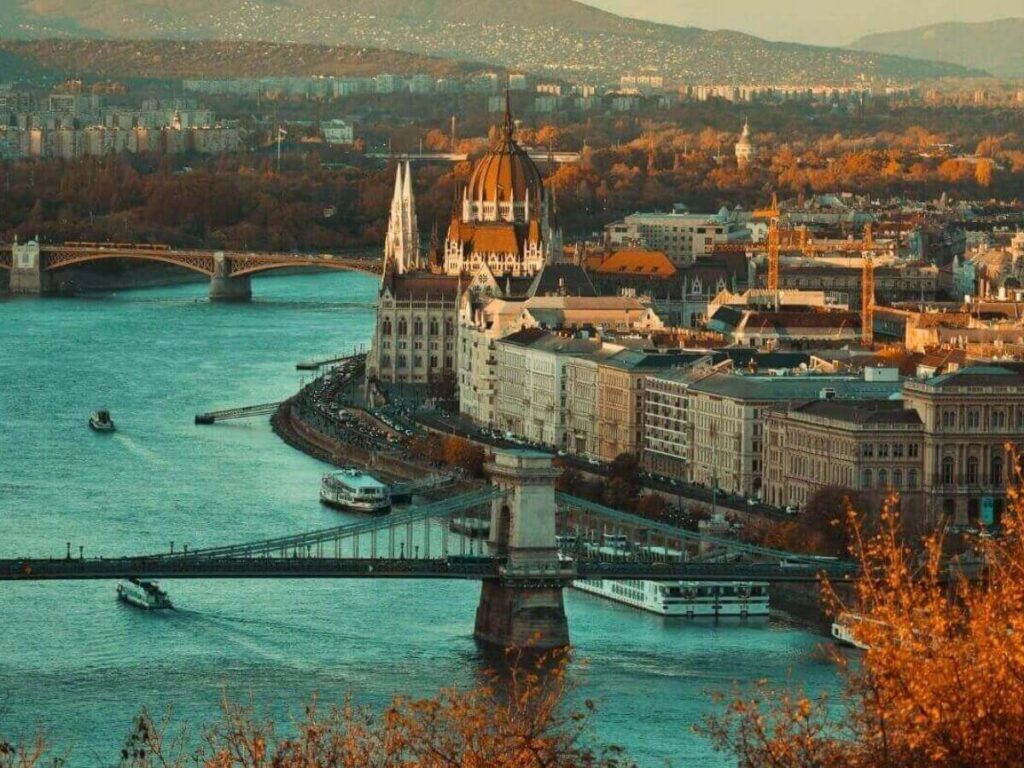
It’s also a great time for photography. The city looks incredible in autumn light. Winter, from November to February, is cold, but it has its own charm. The Christmas markets are genuinely lovely, and watching steam rise from the thermal baths when the air is freezing is one of those Budapest moments you don’t forget.
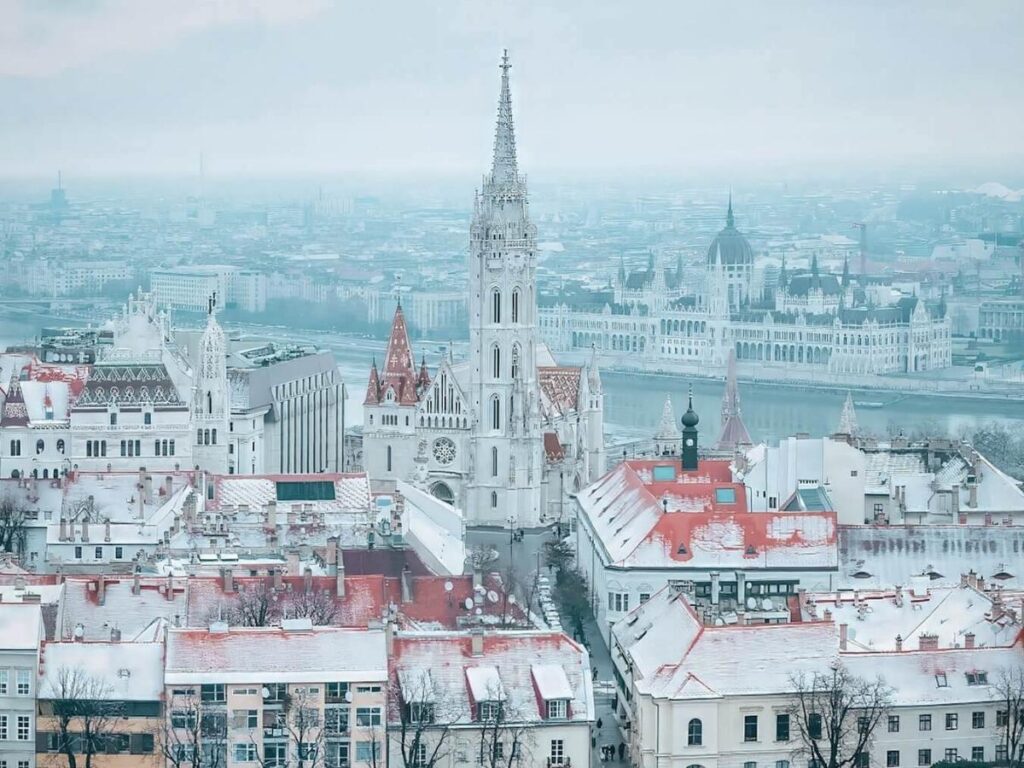
As for how many days you should spend here, it really depends on your pace. If you only have one day, you can still get a solid feel for the city by sticking to the essentials: the Parliament building from the riverbank, Fisherman’s Bastion, and a quick soak in one of the baths.
With two days, the experience opens up a lot more. You can explore Buda Castle, wander through the Jewish Quarter, and take a sunset cruise along the Danube, which is always worth it.
Three or four days give you space to slow down a little, visit museums, explore Margaret Island, or even take a half day trip to places like Szentendre or the Danube Bend.
And if you’re short on time, feel free to jump straight to the 2day itinerary that’s the one I’d recommend to most firsttimers.
Budapest at a Glance Neighborhood CheatSheet
Budapest is split by the Danube into two very different personalities: Buda on one side, Pest on the other. Most visitors stay in Pest because it’s lively and flat, while Buda is quieter and hillier with beautiful views. Each part has its own charm, so here’s a quick feel for the neighborhoods you’ll hear about most.
If you stay in the Inner Districts of Pest, you’ll be right in the heart of the action. This is where you’ll find the Parliament building, St. Stephen’s Basilica, and a neverending mix of cafés, bars, and restaurants.
It’s walkable, convenient, and ideal if you like being close to major sights without needing public transport constantly. The streets here feel busy in a good way, full of commuters, students, and travelers, so you always feel like you’re in the middle of something.
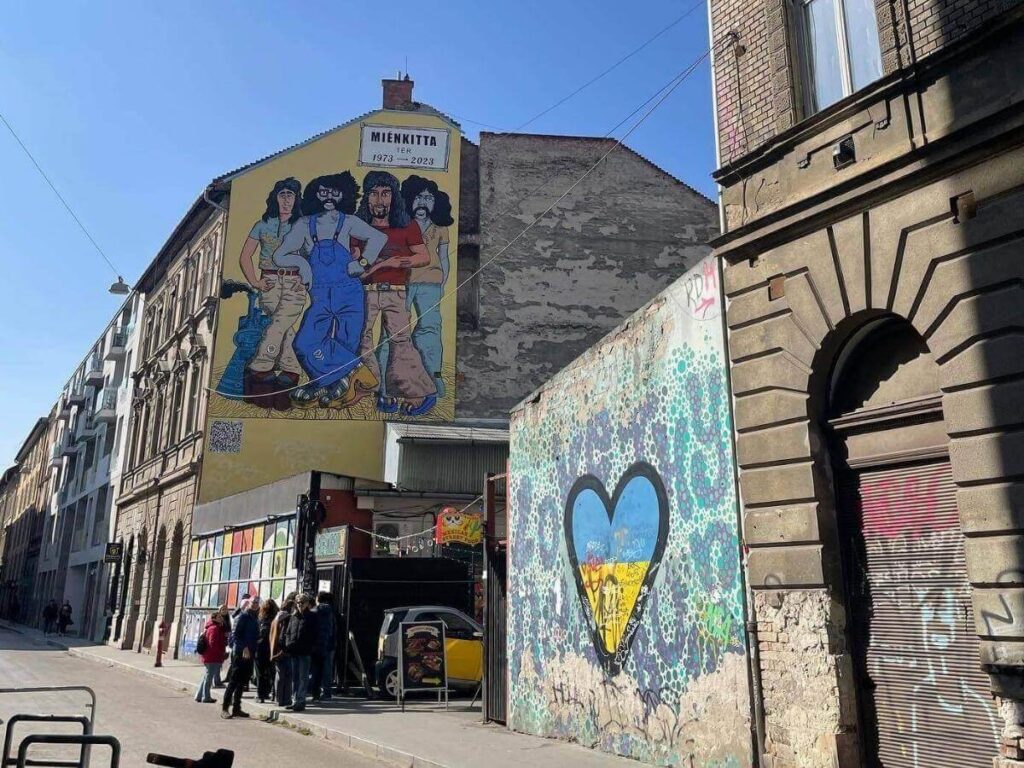
Just a few blocks over is the Jewish Quarter, which has a completely different vibe. It’s known for its ruin bars, quirky street art, vintage shops, and some of the best food in the city.
This area feels younger and more energetic, especially in the evenings, and it’s great if you like being able to step outside and instantly stumble into a good restaurant or late night bar. It’s popular with first-time visitors for exactly that reason.
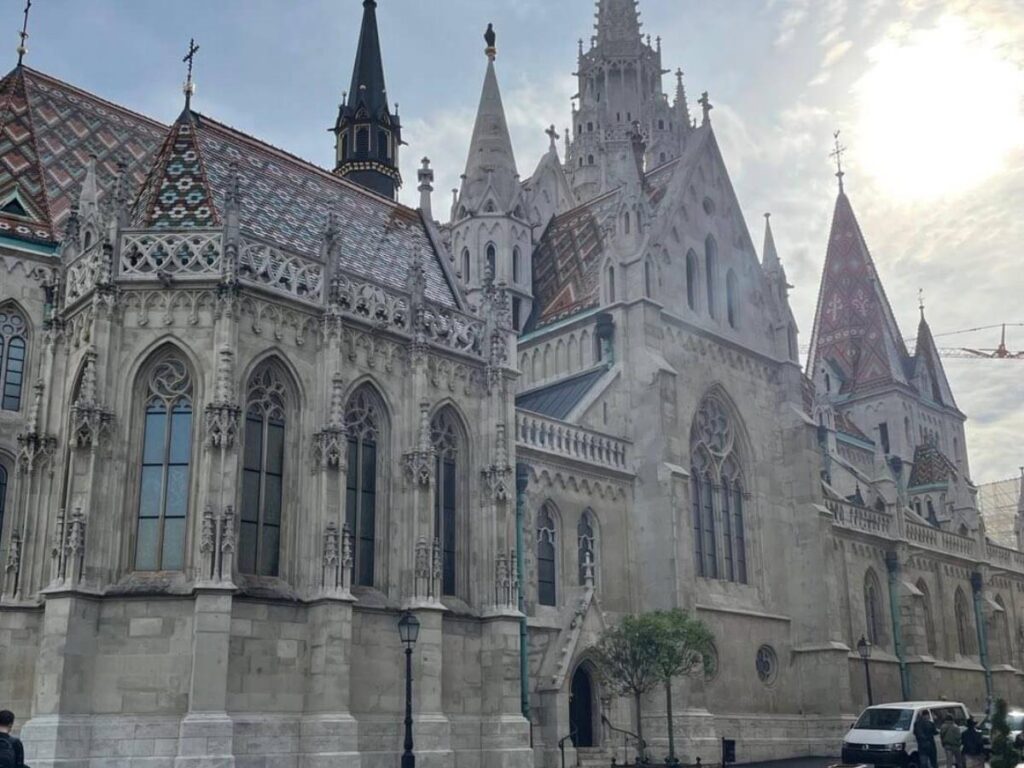
Across the river, the Castle District in Buda feels like a different worldquiet, historic, and postcardpretty. The streets are cobbled, the houses are colorful, and the views over the city are some of the best you’ll find.
It’s not as lively as Pest, but that’s part of the charm. If you like a slower pace or you’re traveling with family, this area makes a peaceful base while still being close to big attractions like Fisherman’s Bastion and Buda Castle.
Then there’s the elegant stretch of Andrássy Avenue and the Opera area, which feels more polished. Think wide boulevards, designer boutiques, grand buildings, and one of the prettiest metro stations in Europe. It’s close to Heroes’ Square and City Park, and it works well if you enjoy quieter residential streets with easy access to cafés and museums.
And finally, Margaret Island is Budapest’s built in escape. It sits right in the middle of the Danube, yet somehow feels far away from the city. If you want a morning run, a bike ride, a picnic, or just a break from sightseeing, this is where locals go to breathe a little.
If you’re wondering where to base yourself, here’s what I’d do:
For a first visit, I usually recommend the Jewish Quarter because it’s central, full of food options, and makes exploring easy. If you’re traveling with family or prefer a quieter environment, the Castle District on the Buda side is beautiful and calm.
If nightlife is a priority, stick to Inner Pest, where bars and restaurants stay lively into the evening. And if you want something elegant and upscale, the area around Andrássy Avenue is perfect.
Top Things to Do in Budapest
Iconic Landmarks
Hungarian Parliament Building
If there’s one building that defines Budapest, it’s this one. The Parliament sits right on the river, and the first time you see it in person, it really does stop you for a moment. The spires, the symmetry, the way the morning light hits the façade it’s even more striking than the photos make it look.
You don’t need a tour to enjoy it; simply walking along the riverbank gives you some of the best views. If you’d like to go inside, book your tickets well ahead of time because tours sell out quickly, especially during peak season.
Buda Castle
Crossing over to the Buda side brings you to the hilltop Castle District, which feels like stepping back in time. Getting up to Buda Castle is part of the fun whether you take the funicular or walk up the winding paths, the climb gives you glimpses of rooftops and river views along the way.
Once you’re up there, the area is spread out but easy to explore, with cobbled squares, museums, and plenty of quiet corners to enjoy the view. You don’t need long heremaybe an hour or two but it’s absolutely worth it for the perspective it gives you over the city.
Fisherman’s Bastion
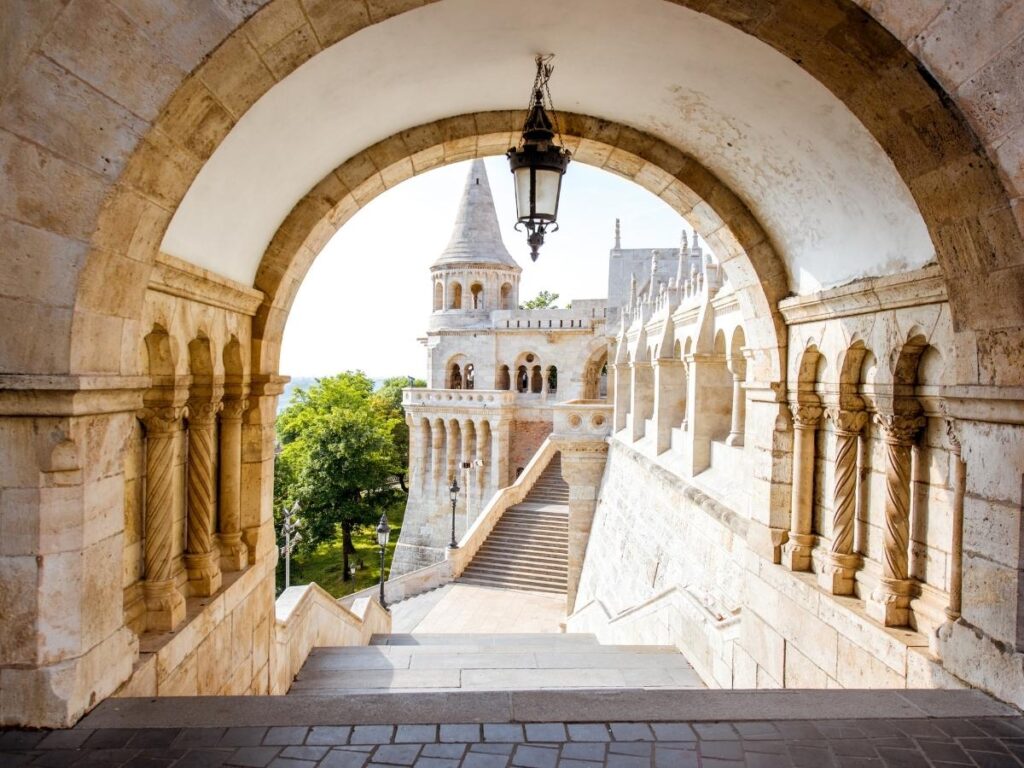
Just a short walk from the castle sits Fisherman’s Bastion, one of Budapest’s most photogenic spots. Its white stone towers and curved terraces look like something from a fairytale, and the view over the river and Parliament is incredible.
If you can, go early in the morning when the arches are still empty and the light is soft. Even if you’ve already seen photos, seeing the city framed through those arches in person is something else entirely.
St. Stephen’s Basilica
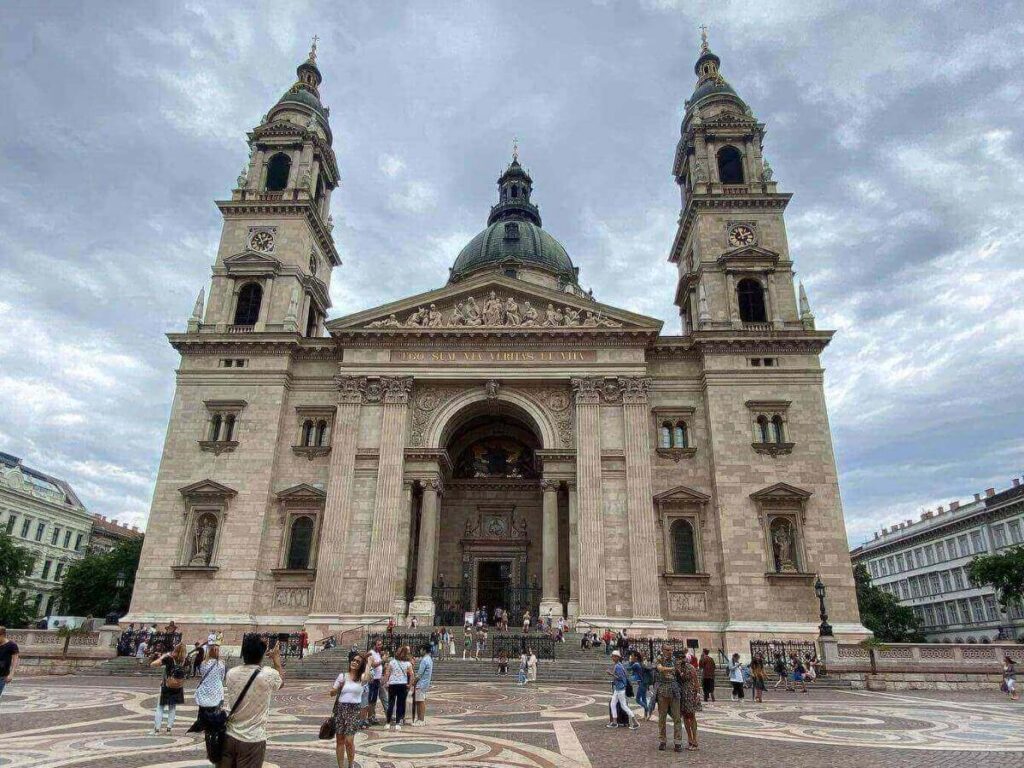
St. Stephen’s is impressive on the inside high ceilings, marble details, and a quiet, reverent atmosphere but the real surprise is the rooftop. Climbing up to the lookout puts you right above the rooftops of Pest, with panoramic views in every direction.
It’s an easy spot to fit into your day, and the rooftop is one of the best places to get your bearings if it’s your first time in the city.
Chain Bridge
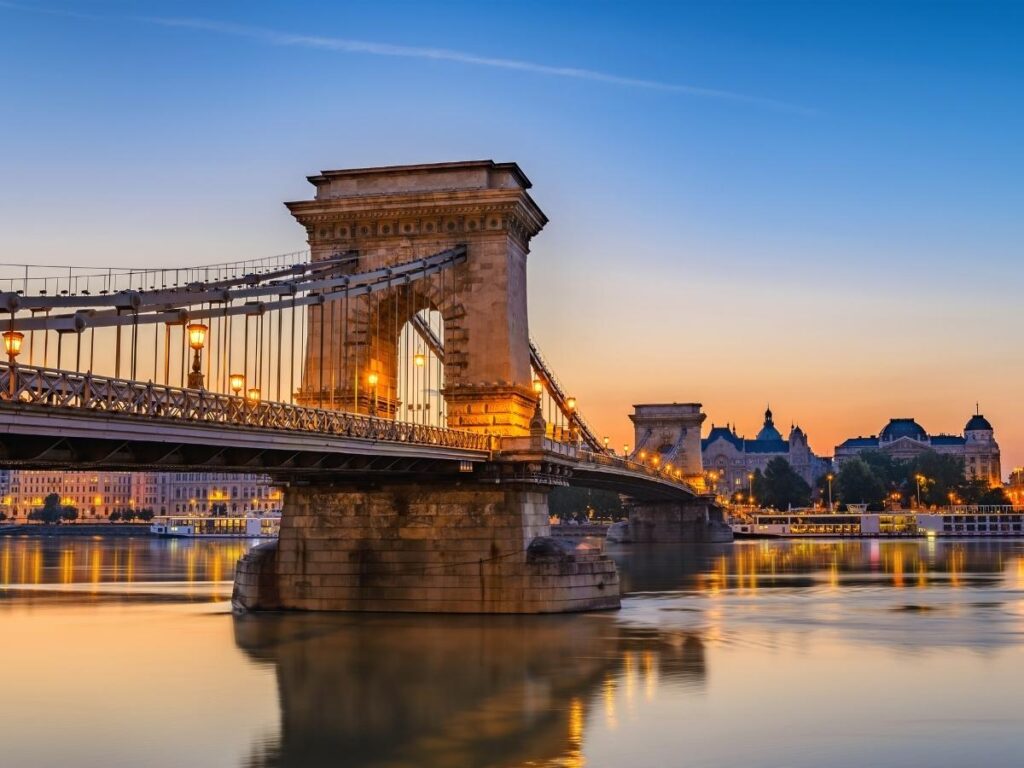
Budapest’s most famous bridge has a charm that’s hard to describe until you walk across it yourself. It connects the historical, hilly side of Buda with the lively streets of Pest, and the stroll across feels almost symbolic like you’re moving between two different versions of the same city.
It’s especially beautiful at night when the lights come on and reflect across the Danube. Even if you’re not usually a “bridge person,” this one is worth the walk.
Food & Markets
Great Market Hall
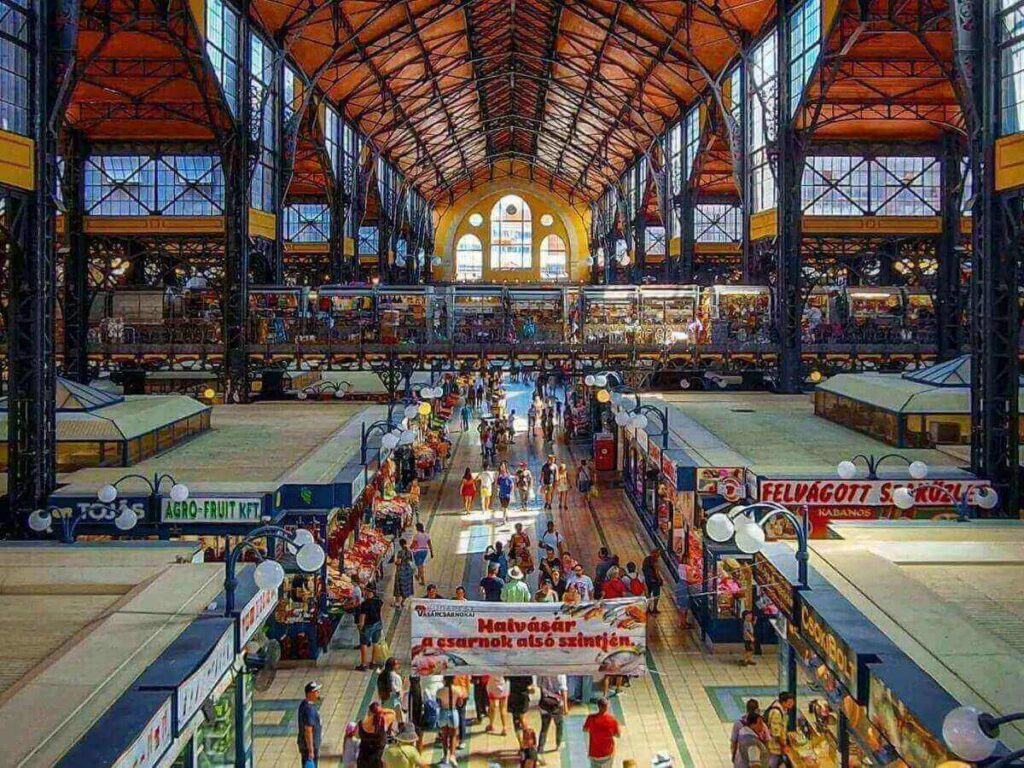
If you love browsing local markets when you travel, you’ll enjoy wandering through the Great Market Hall. It’s busy and colorful in the best way vendors selling paprika in every shade of red, stacks of pastries, rows of salami, and plenty of stalls where you can try Hungarian classics like lángos straight from the griddle.
The air always smells a little like fried dough and paprika, which feels very on brand for Budapest. The market gets crowded fast, especially with tour groups, so it’s worth going earlier in the day if you want to explore at a slower pace. Before 10 AM is usually the sweet spot.
Local Dishes to Try

Hungarian food is rich, comforting, and perfect for cool weather, but honestly, it tastes good anytime. Lángos is the snack you’ll see everywhere: crispy fried bread slathered with sour cream and cheese. It’s messy but so satisfying.
Goulash is another must try, especially if you want something warm and hearty after a morning of walking around the city. For dessert, Dobos Torte is a classic: thin layers of sponge cake with chocolate butter cream and a shiny caramel top.

And then there’s kürtőskalács, or chimney cake, which you’ll smell before you see its rolled dough caramelized over a spit and sprinkled with cinnamon, sugar, or cocoa. Eating one while wandering the streets feels like a little Budapest rite of passage.
Cafés & Quick Bites
Budapest takes its coffee culture seriously, and you’ll find great cafés tucked into nearly every neighborhood. Espresso Embassy is a personal favorite simple, well made coffee and a relaxed atmosphere that makes it easy to take a break from sightseeing. On the other end of the spectrum, there’s the New York Café, which is famous for its over the top interior.
It’s touristy, yes, but stepping inside feels like being transported into a painting, all gold trim and chandeliers. It’s the kind of place you go once, just for the experience. Otherwise, you’ll have no trouble stumbling into cozy spots for pastries, quick lunches, or an afternoon pick me up.
River Views & Lookouts
Danube Sunset Cruise
Budapest looks beautiful from almost any angle, but seeing it from the water at sunset feels especially memorable. As the boat moves slowly along the Danube, the whole city begins to light up the Parliament building, the bridges, the Castle District and you get this peaceful, panoramic view that you simply can’t get from the riverbank.
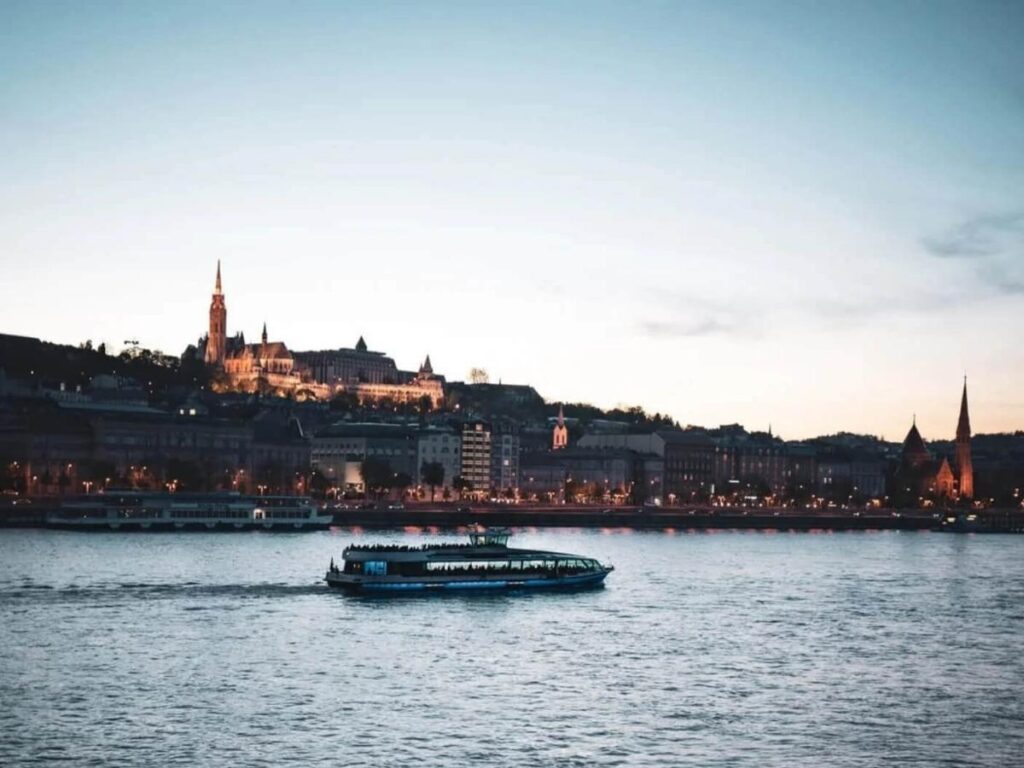
Some cruises are themed, but the simple, no frills ones are usually the most relaxing. If you can, time it so you’re on the water right after sunset; the sky deepens into this soft blue, and the lights along the river look like they were designed for that exact moment.
Gellért Hill
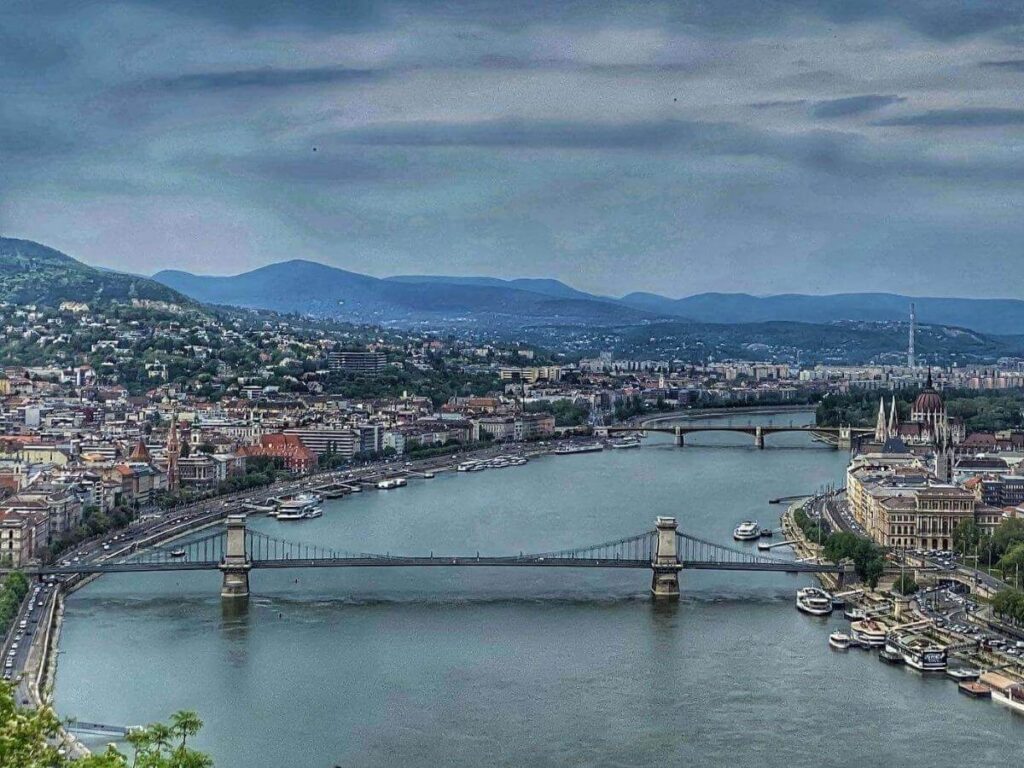
Gellért Hill involves a bit of effort, but the payoff is huge. The trail up isn’t difficult, just steady, and once you reach the top, the view stretches over both Buda and Pest in a way that makes you appreciate the structure of the city, the bridges, the rooftops, the curve of the river.
You can take your time wandering around the lookout points, and it’s a great spot for photos if the weather is clear. You’ll want about 45 minutes to an hour for the whole experience, depending on how many times you stop along the way.
Sample Itineraries
1 Day Budapest Hit List
If you only have one day in Budapest, you can still get a surprisingly full sense of the city. Start your morning at the Parliament building. This is one of those places that’s worth seeing up close, even if you’ve already admired it from afar. The riverfront is especially pretty in the early hours, and the light makes the building look almost golden.
From there, follow the Danube south toward the city center. It’s an easy, scenic walk, and it naturally leads you toward St. Stephen’s Basilica. Pop inside if you have time, but don’t miss the rooftop lookout. The view from the top gives you your first real feel for how Budapest is laid out, with its rooftops stretching into the distance.
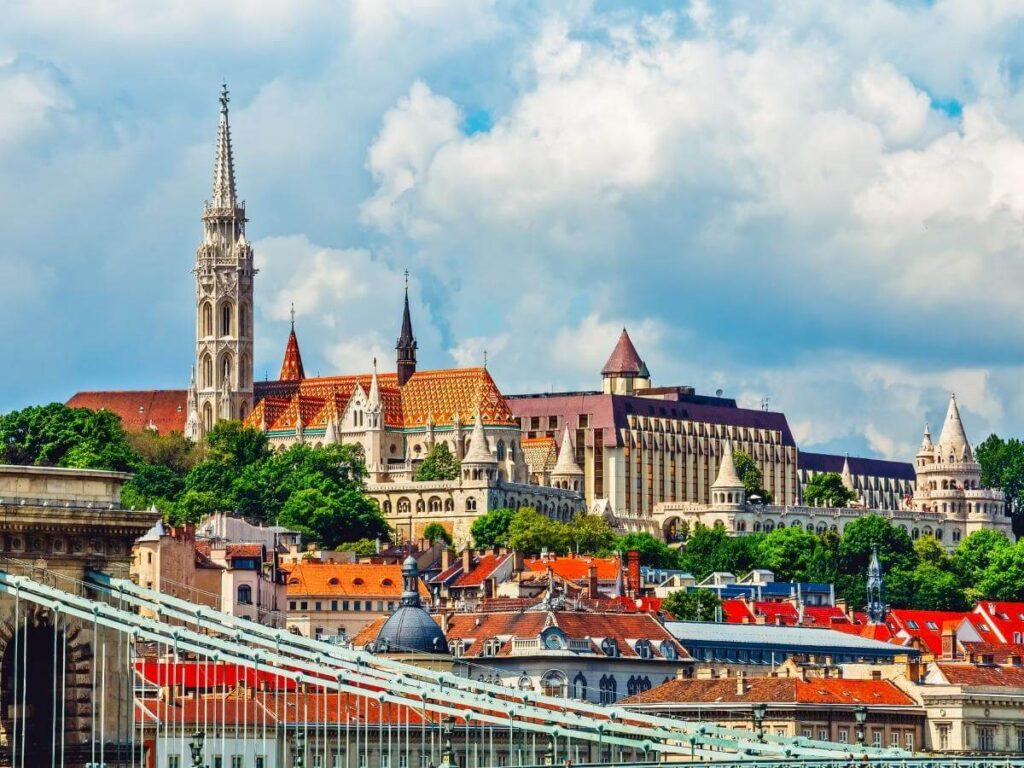
For lunch, head to the Great Market Hall. It gets busy, but the atmosphere is warm and lively, and grabbing a quick lángos or goulash here is part of the fun. After eating, cross the Chain Bridge into Buda and make your way up toward Fisherman’s Bastion and the Castle District.
Even if you take it slow, you’ll have plenty of time to explore the terraces, admire the views, and wander the cobbled paths.
End your day with a sunset Danube cruise. There’s nothing quite like watching the city light up from the water. When you’re back on land, the Jewish Quarter is an easy place to find dinner, lots of restaurants, plenty of energy, and a nice way to close out the day.
2 Day Weekend Itinerary
Day 1: Pest Highlights
Your first full day is all about the Pest side of the city. Start again near Parliament and stroll the Danube promenade in a relaxed way to ease into the morning. Then make your way to St. Stephen’s Basilica and explore the surrounding streets, which are full of cafés and shops if you want a midmorning break.
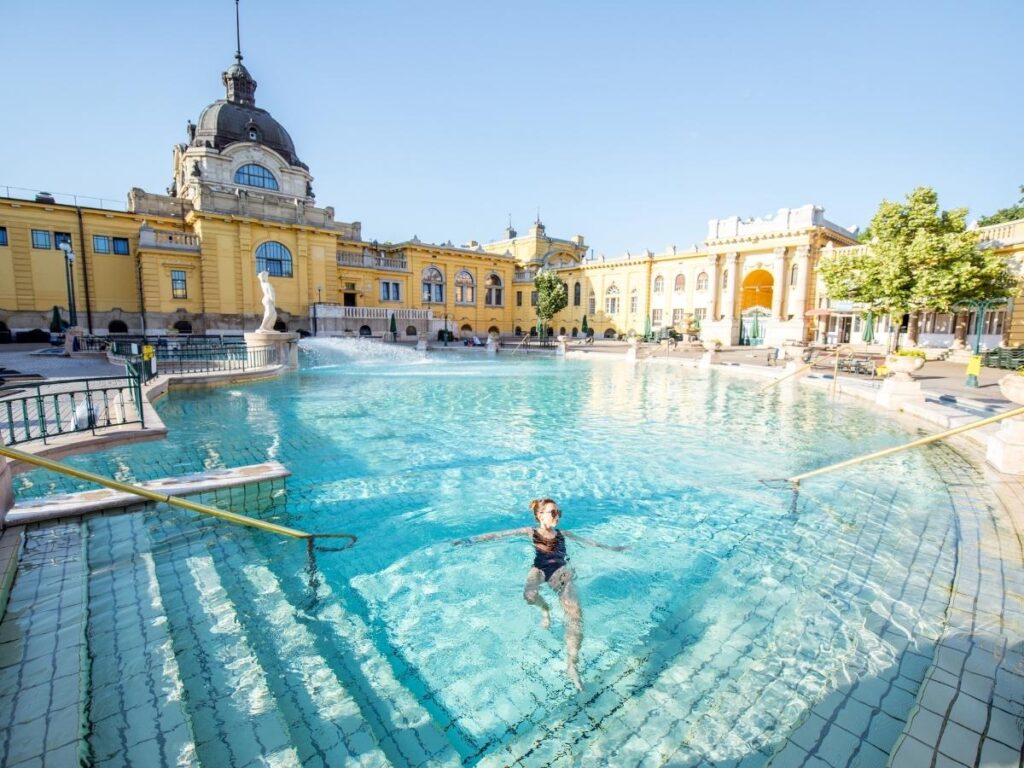
After lunch nearby, head toward Széchenyi Thermal Bath for the afternoon. This is one of the classic Budapest experiences, and spending a couple hours soaking in the warm outdoor pools is both relaxing and fun. You’ll walk out feeling like you’ve hit reset.

In the evening, have dinner in the Jewish Quarter, then wander into a ruin bar or two. You don’t need a plan here; half the charm is drifting from one spot to another and seeing what catches your attention.
Day 2: Buda & Views
Wake up early if you can and go to Fisherman’s Bastion for sunrise. It’s quieter, almost peaceful, and the soft light makes the terraces look magical. From there, explore Buda Castle at your own pace. You can visit the museums, but even just walking the grounds gives you beautiful views across the river.
Later in the afternoon, head toward Gellért Hill. The climb isn’t difficult, but it does take a bit of effort, and the reward at the top is worth it. If your legs need a break afterwards, you can relax at the nearby Gellért Bath.
As evening settles in, you can either take another river cruise sunsets look different every night or enjoy a slow walk along the riverbank as the city lights come on.
3 to 4 Day Slow Travel Itinerary
Day 3
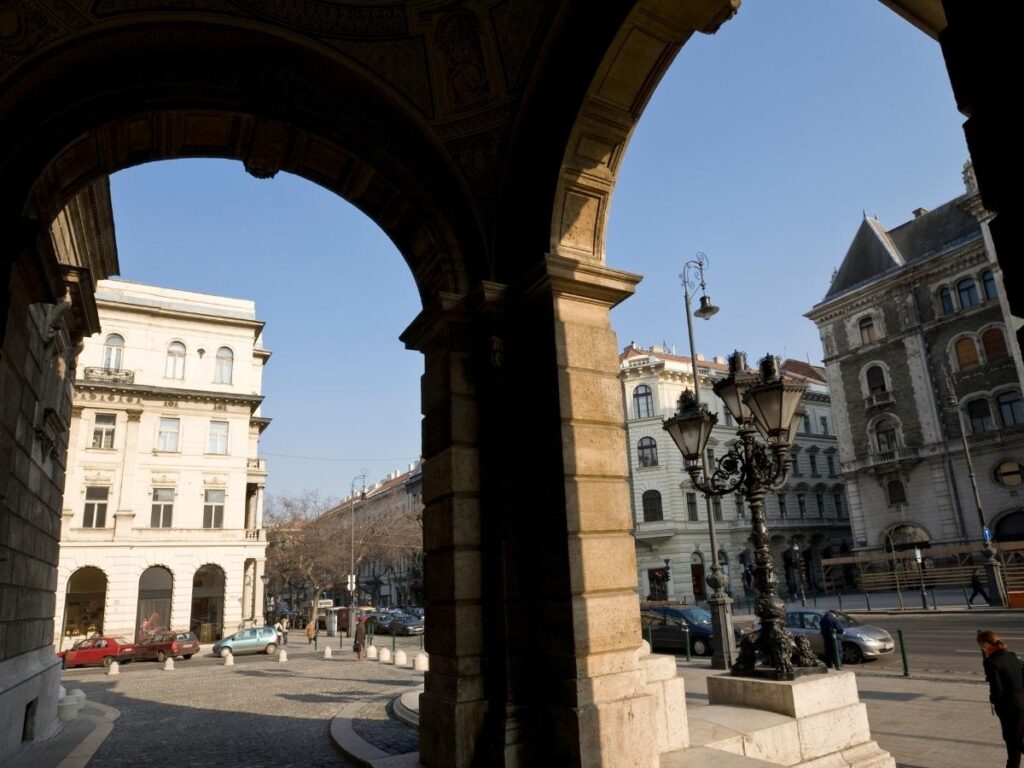
By your third day, you’ve seen the main sights, so it’s a great time to dive deeper. Start at the House of Terror Museum, which is intense but incredibly important for understanding Hungary’s modern history. From there, walk down Andrássy Avenue toward Heroes’ Square. The street is lined with elegant buildings, and the square opens beautifully into City Park.
Grab lunch near the park or at one of the cafés along the avenue, then spend a slow afternoon exploring City Park itself. It’s bigger than it first appears and full of little corners to sit and rest. When the day cools down, head to Margaret Island for a peaceful evening walk. Locals come here to relax, and it’s a nice change of pace after a few days of sightseeing.
Day 4 (Optional Day Trip)
If you have a fourth day, consider a short trip outside the city. Szentendre is close, colorful, and filled with small galleries and cobblestone streetsit’s easygoing and perfect for a halfday wander.
Eger is slightly farther but offers great wine (especially the famous Bull’s Blood), charming old town streets, and its own thermal baths. The Danube Bend is the most scenic option, with river views, historic towns, and hiking paths if you’re craving nature.
Any of these day trips pair well with a slower evening back in Budapest, perhaps with a simple dinner and a final stroll along the river.
Where to Eat
Budapest is a wonderful city for eating well without spending too much, and the food scene ranges from comforting Hungarian classics to creative modern dishes.
If you’re craving something traditional, Gettó Gulyás is a great place to start. It’s cozy, unfussy, and serves the kind of homestyle Hungarian food that warms you up from the inside out. Their goulash is hearty without being heavy, and the portions are generous enough that you’ll definitely leave satisfied.
For something a little trendier, Menza is one of those restaurants that always delivers. It’s colorful, lively, and has a menu that suits almost everyone perfectly if you’re traveling with people who all want different things. The atmosphere is half the fun; it feels like a local hangout wrapped inside a retromodern dining room.
If you want a more elevated take on Hungarian flavors, Stand 25 Bistro is worth planning ahead for. It’s small and popular, so reservations help, but the food is thoughtful and beautifully prepared without being overly formal. Think familiar dishes with a refined twist.
You’ve probably already heard of the New York Café, and yes, it’s famously touristy but it’s also genuinely stunning. The ceiling alone is enough to make the visit worthwhile. I wouldn’t recommend it for your everyday coffee, but if you want to sit somewhere lavish and soak in the old world glamour, it’s a fun experience.
And if you just want something quick and casual, Street Food Karaván in the Jewish Quarter is a good bet. It’s a little collection of food trucks tucked into an open courtyard, and you’ll find everything from burgers to lángos.
It’s relaxed, easygoing, and perfect when you’ve been exploring all day and don’t want a long sitdown meal.
Final Thoughts
Budapest is one of those cities that feels generous with its experiences. You can wander through grand boulevards in the morning, soak in warm thermal baths in the afternoon, and end your day watching the Danube shimmer under the city lights.
It has a mix of history, culture, and everyday charm that makes it incredibly easy to fall into a comfortable rhythm here.
Whether you’re racing through the highlights in a day or stretching out your trip over a long weekend, Budapest adapts beautifully. It never feels rushed, even when you are. And by the time you leave, you’ll probably find yourself already planning a return because the city has a way of staying with you long after your trip ends.