
The first time I arrived in Reykjavík, the air hit me before the view was cold, clean, a little sharp, with that faint mineral smell that comes from the hot springs nearby. I stepped off the airport bus, pulled my jacket tighter, and was surprised by how quiet the city felt for a capital.
Colourful rooftops on one side, the harbour on the other, and mountains in the distance that looked almost too perfectly placed.
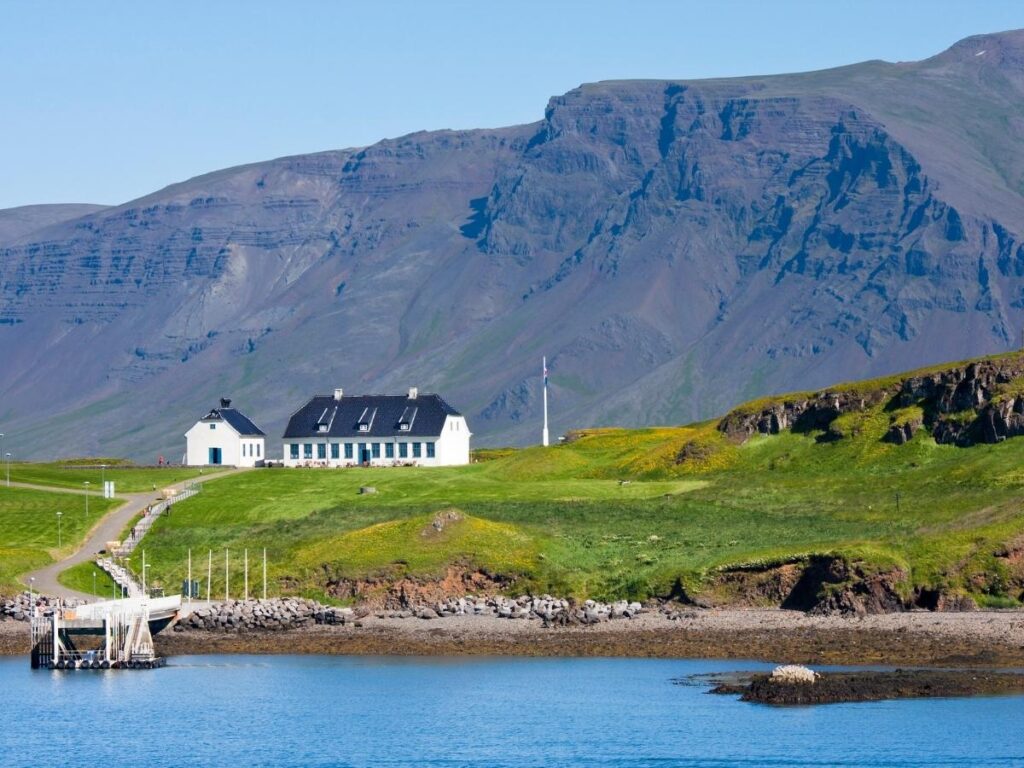
I only had one day on that trip, and at first it felt like a strange amount of time, too little to see everything, but just enough to feel overwhelmed by the options. Reykjavík doesn’t reveal itself all at once. It’s a city you get to know slowly: a warm bakery on a cold morning, a sudden patch of street art, the echo inside Hallgrímskirkja, the sound of gulls over the harbour.
This guide is the one I wish I had then: simple, realistic, and flexible. A route that helps you see the parts of Reykjavík that actually shape the experience, without rushing or filling the day just for the sake of it. If you only have one day, this plan will make it feel like enough.
Quick Snapshot Who This Guide Is For
This guide is really for anyone who finds themselves in Reykjavík with only a day to spare. Maybe you’re here on a long layover and want to see more than the airport. Maybe you’re stopping in the city before heading out on the Golden Circle or driving the South Coast.
Or maybe you’re the kind of traveller who likes to get a feel for a place quickly before diving deeper. Reykjavík works surprisingly well for all of those situations because it’s small, walkable, and calm enough that you don’t feel rushed the moment you arrive.
It doesn’t matter if you plan to walk everywhere, tuck yourself into a café whenever the wind picks up, or spend most of your time indoors exploring museums you can shape this itinerary around your style without feeling like you’re missing out. Reykjavík isn’t a city that demands a strict plan; it’s more like a place that grows on you as the day goes on.
There are two ways to approach this guide. You can follow the full timed itinerary if you want a smooth, straightforward introduction that covers the highlights without turning the day into a marathon.
Or you can treat it more loosely and use the seasonal swaps and alternatives to build a slower version of the daymaybe a long breakfast, a museum you’ve been curious about, or extra time by the harbour if the weather behaves. However you use it, the point is to make your day feel intentional rather than rushed.
One Day Reykjavík: The Timed Itinerary
This route is designed to be walked without rushing, even if the weather swings between calm and windy (which it usually does). Reykjavík is compact, and the day flows easily from neighbourhood to neighbourhood.
08:00 to 09:00 Breakfast at a Cosy Café
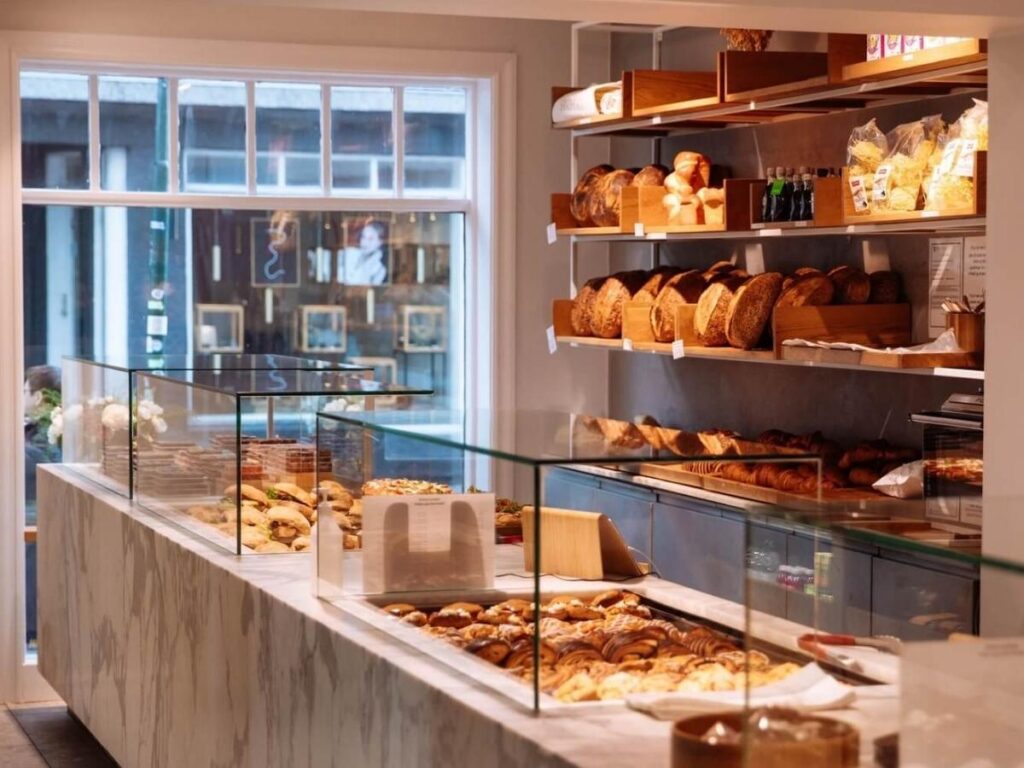
I like starting the day in Laugavegur, and Sandholt Bakery is the warmest place to ease into Reykjavík when the morning air still carries last night’s chill. If you go early, you’ll catch that moment when the windows fog slightly from the ovens and everyone walks in looking half-awake and relieved to be inside.
Their cinnamon pastries are the kind that disappear quickly, so don’t overthink it, order one and enjoy it slowly with a coffee.
The café can get busy, especially when flights arrive around the same time, but it’s perfectly fine to grab something to go and eat as you walk. Reykjavík is cosy enough that you’ll find a spot to lean against a wall or sit near a window elsewhere.

If you’re staying near the harbour and don’t want to cross the city first thing, Reykjavík Roasters is another lovely start to the day quieter, more focused on the coffee itself, and with a relaxed pace that matches the morning light.
09:15 to 10:00 Hallgrímskirkja and the View from the Tower
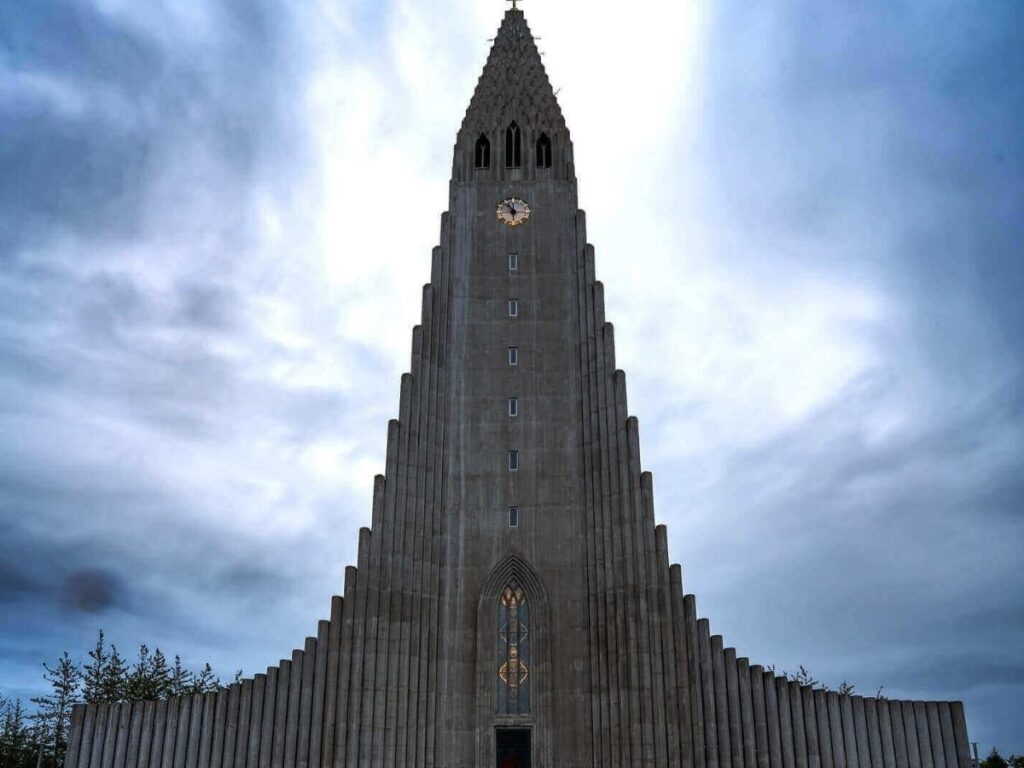
From Sandholt, it’s only a short walk uphill to Hallgrímskirkja, and even if you’ve seen photos of it, the building feels different when you’re standing directly below it. The way the concrete rises in columns gives it this almost volcanic presence, like it grew out of the ground rather than being built by hand.
Inside, it’s simple and calm, which makes the elevator ride to the top feel even more rewarding. The view is one of the best introductions to Reykjavík: the colourful roofs, the bay, and the mountains behind everything like a backdrop someone painted with too much precision.
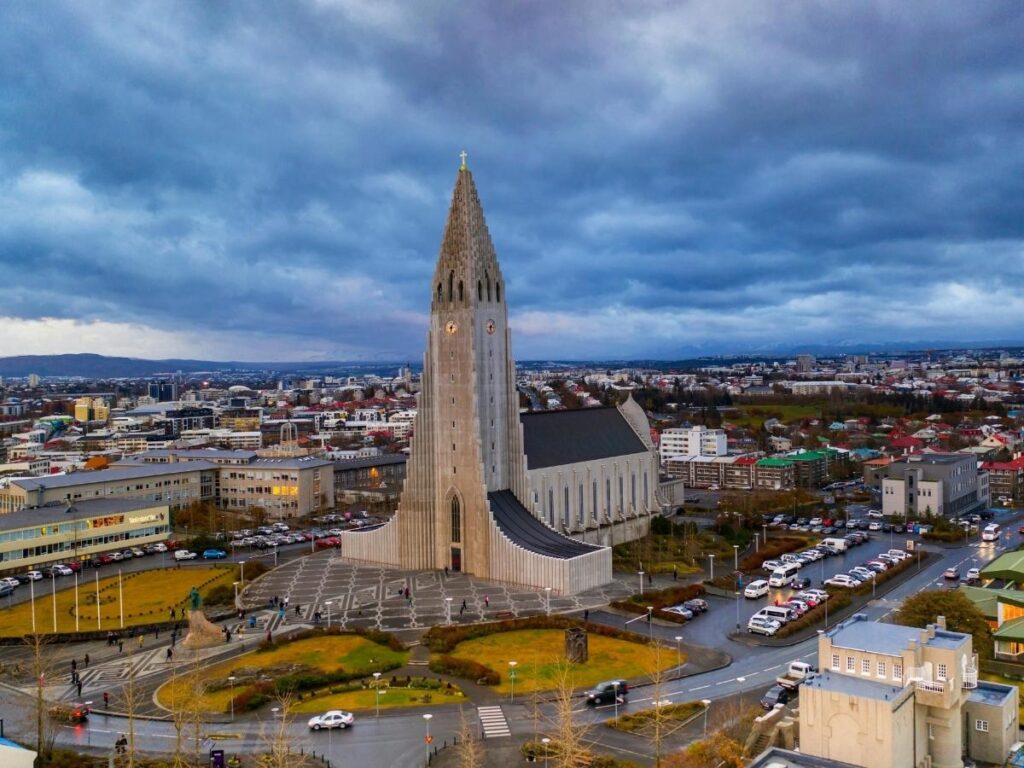
Morning is the prettiest time because the light sits low over the water and brightens the houses gently rather than washing them out.
If viewpoint towers aren’t your thing, you won’t miss a life-changing moment just enjoy the outside and walk on. The city is small; you’ll get plenty of good views naturally throughout the day.
10:15 to 11:00 Laugavegur: Reykjavík’s Main Street
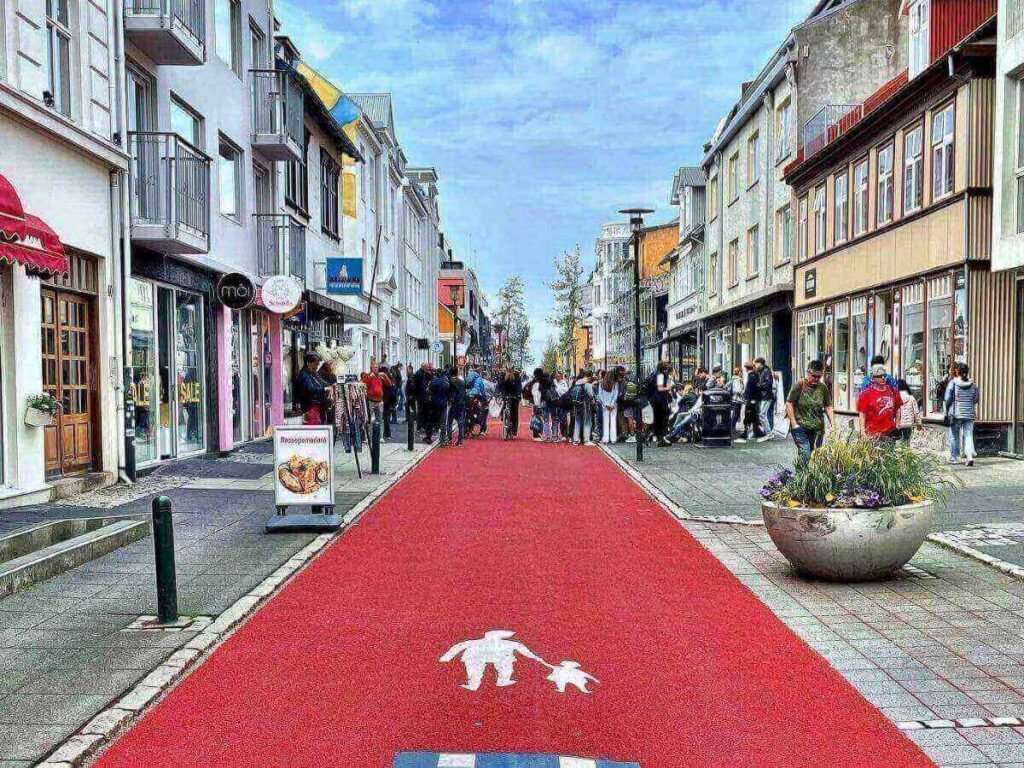
After the church, walking down Laugavegur feels like slipping into the everyday rhythm of the city. It’s not a dramatic street, but it’s lively in a low-key waysmall boutiques, knitwear shops, cafés tucked between doorways, and a handful of murals that appear suddenly when you turn a corner.
This is where you start to understand Reykjavík’s personality. People walk slowly, almost unhurried, despite the wind that can surprise you around some intersections. If you’re curious about Icelandic wool sweaters, pop into one of the wool shops even if you’re not going to buy one, the designs tell you a lot about the culture.
And take a moment to enjoy the street art. Some of it is bold, some subtle, and most of it feels like it belongs exactly where it is.
11:15 to 12:30 Harpa & the Old Harbour
The walk from Laugavegur to the waterfront is short, but it’s one of those transitions that suddenly changes the whole feel of the city. The sea air gets colder, the wind sharpens, and then Harpa appears in this geometric glass building that seems to borrow colours from the sky and the water depending on the moment.
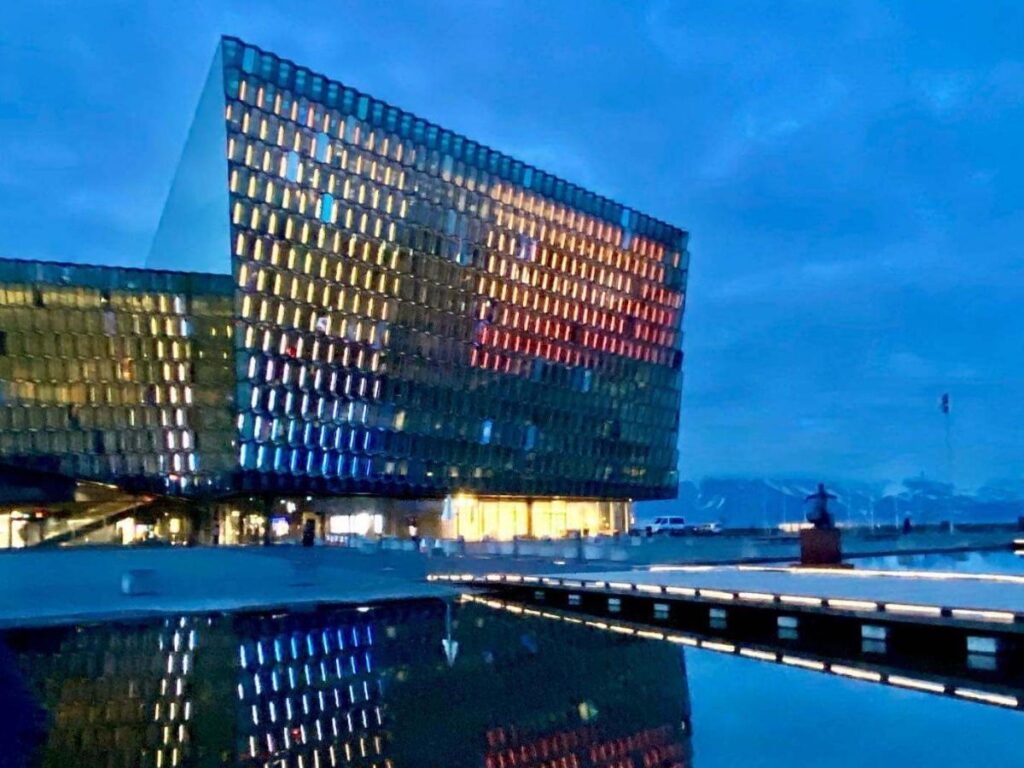
Inside, it’s warm and bright, and you can wander a bit without feeling like you’re intruding. When you step back outside and follow the path along the water, the city opens up into the Old Harbourboats bobbing, tour kiosks setting up for the day, and cafés that feel particularly inviting when the wind picks up.
On a calm day, the water reflects the buildings beautifully; on a windy day, the waves slap against the boats and gulls hover in the air like they’re part of the routine.
If you’re short on time, you don’t need to go inside Harpajust walk past, stop for a quick look, and keep moving. But if you’re into design or photography, it’s worth a few quiet minutes.
12:45 to 13:30 Lunch by the Harbour
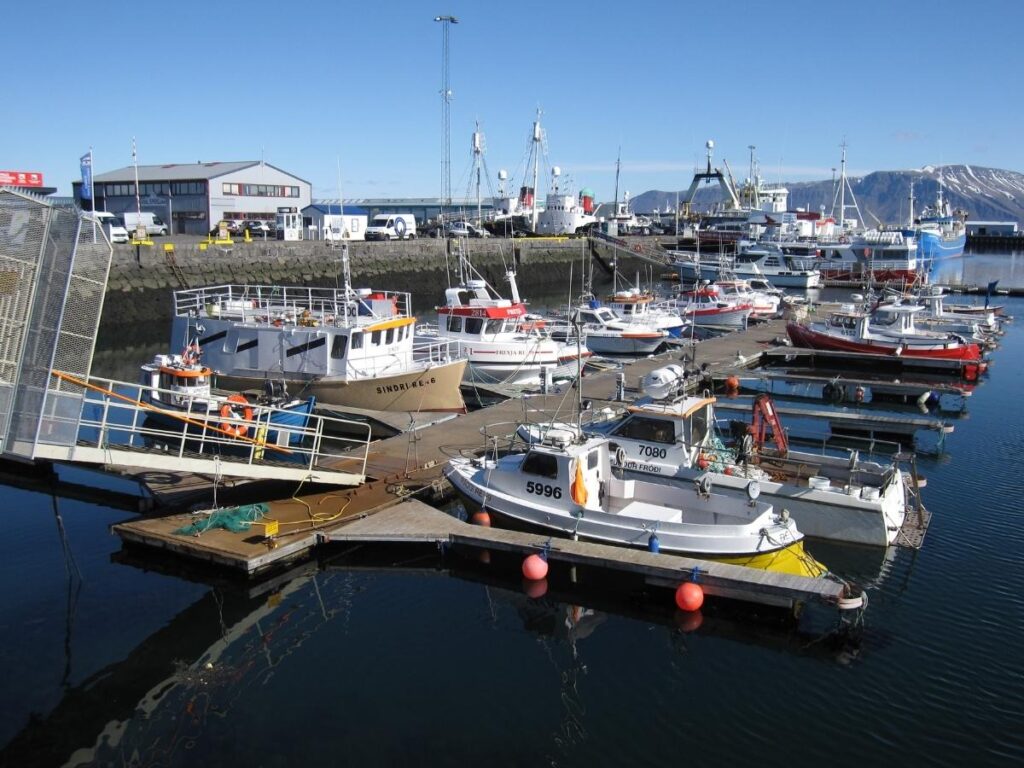
Harbour lunches are always comforting because they’re warm, simple, and hearty, exactly what you want if the weather has turned cold again by midday. Sægreifinn (The Sea Baron) is my usual choice.

Their fish soup comes in a modest bowl but somehow manages to taste like it was cooked just for you. Add a skewer or two if you’re hungry salmon, cod, or whatever they have that day.
If you want something more modern, Flatey Pizza does a great job with thin, chewy pizzas and ingredients that don’t feel like they were added as an afterthought. Both places can get busy as tours return or depart, so arriving a bit early helps. Even if you have to wait, it usually moves quickly.
14:00 to 15:30 Your Main Afternoon Activity
This part of the day depends heavily on the weather and what kind of traveller you are. Reykjavík gives you a few very different paths, and choosing just one keeps the day relaxed.
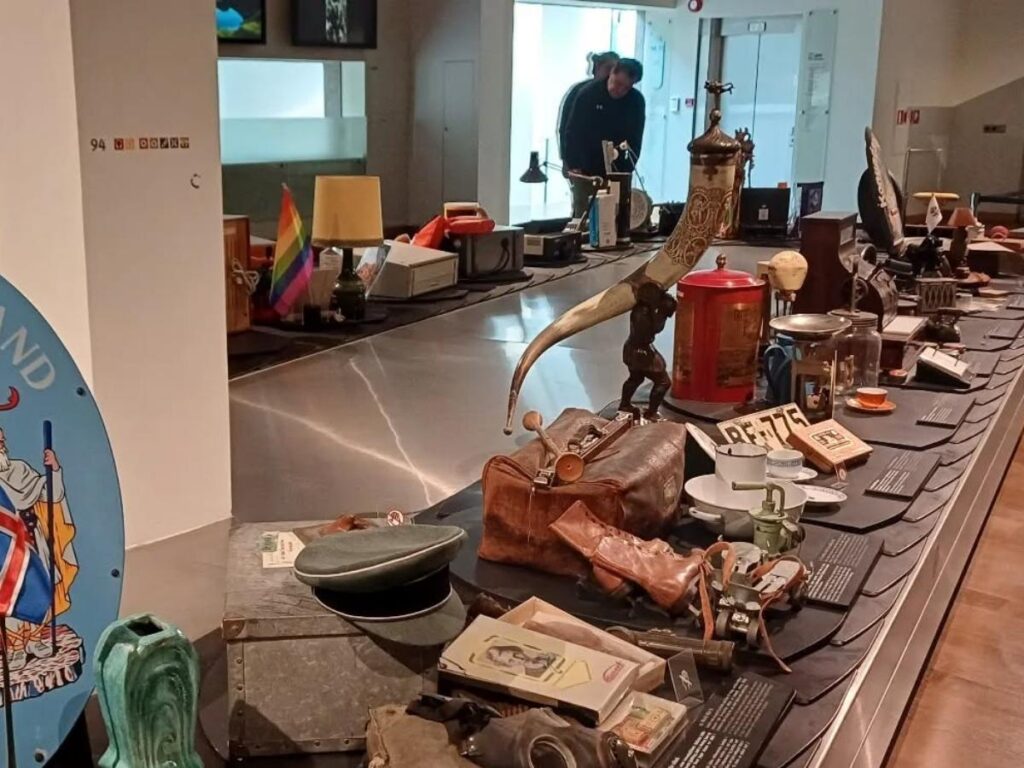
If you’re curious about Iceland’s past and how the country grew from tiny settlements into the place it is today, the National Museum of Iceland is an excellent stop. The exhibits are clear, detailed, and surprisingly easy to follow even if you usually skim through museums. It’s warm, indoors, and gives you a sense of the island’s deeper story.
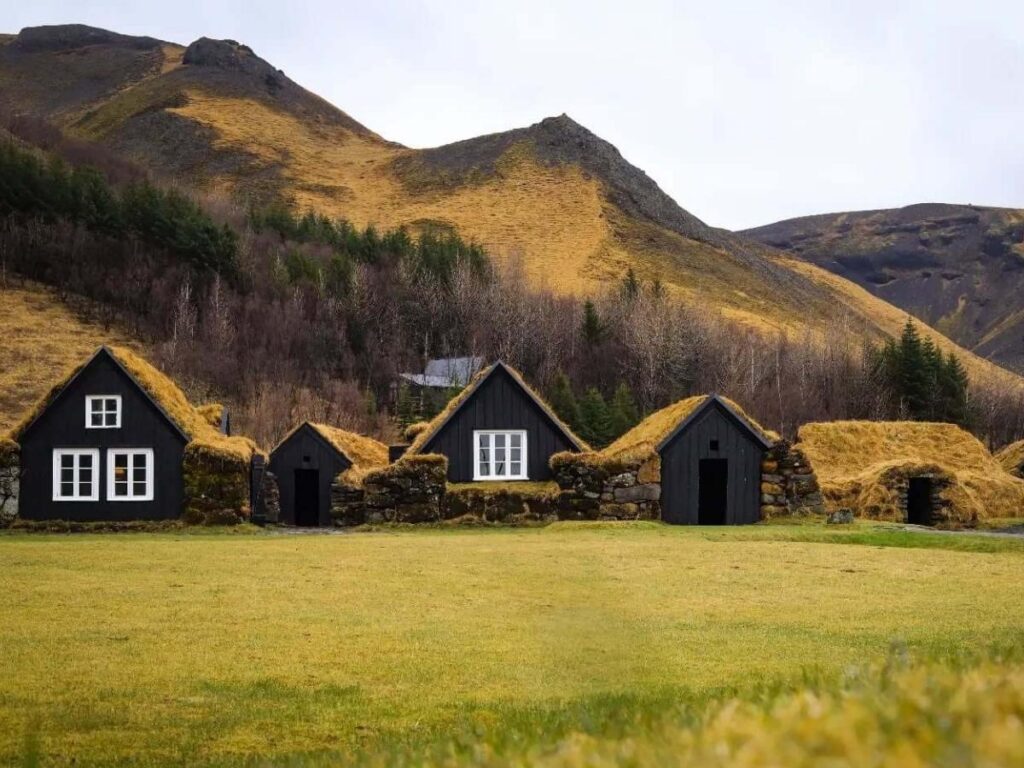
If the weather has opened up and the sky looks promising, the Árbær Open Air Museum is a completely different experience. It’s part museum, part village, historic turf houses, old buildings, and staff who know how to bring everything to life without sounding rehearsed.
Walking between the houses with the hills in the background feels a bit like stepping into another era.
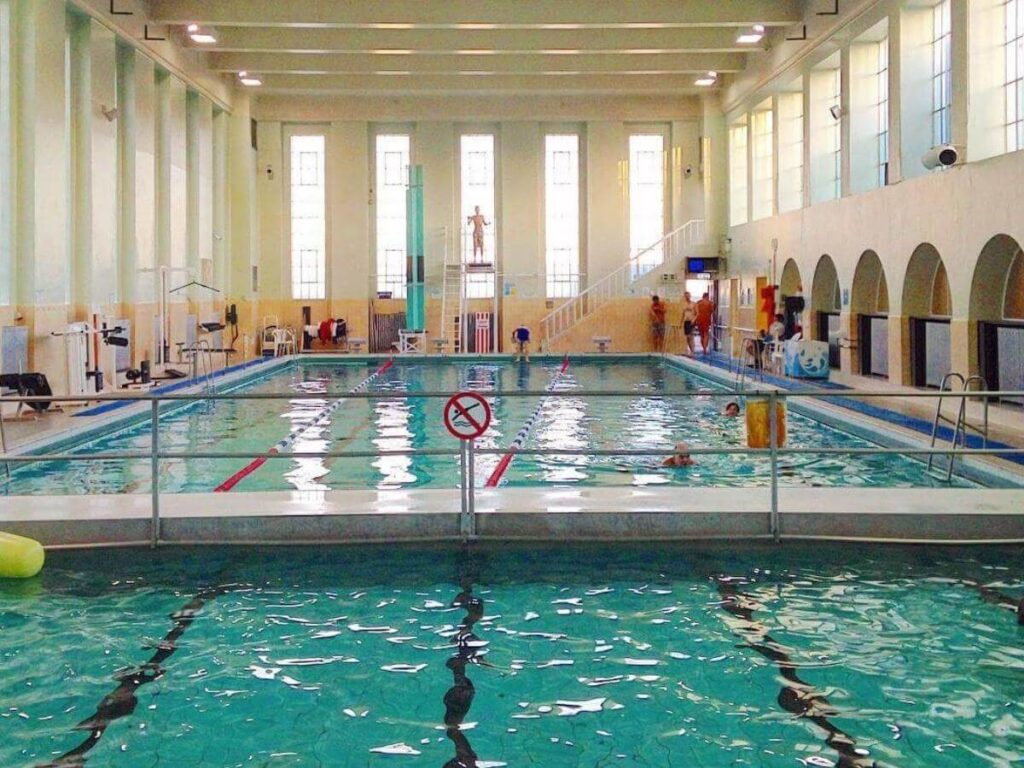
And if you need something easy and restorative, a local geothermal pool is always the right answer. Places like Sundhöllin or Laugardalslaug are part of everyday life for Icelanders, and soaking in hot water while the cold air brushes your face is one of the most grounding ways to spend an hour in Reykjavík.
16:00 to 18:30 Blue Lagoon or a Closer Alternative
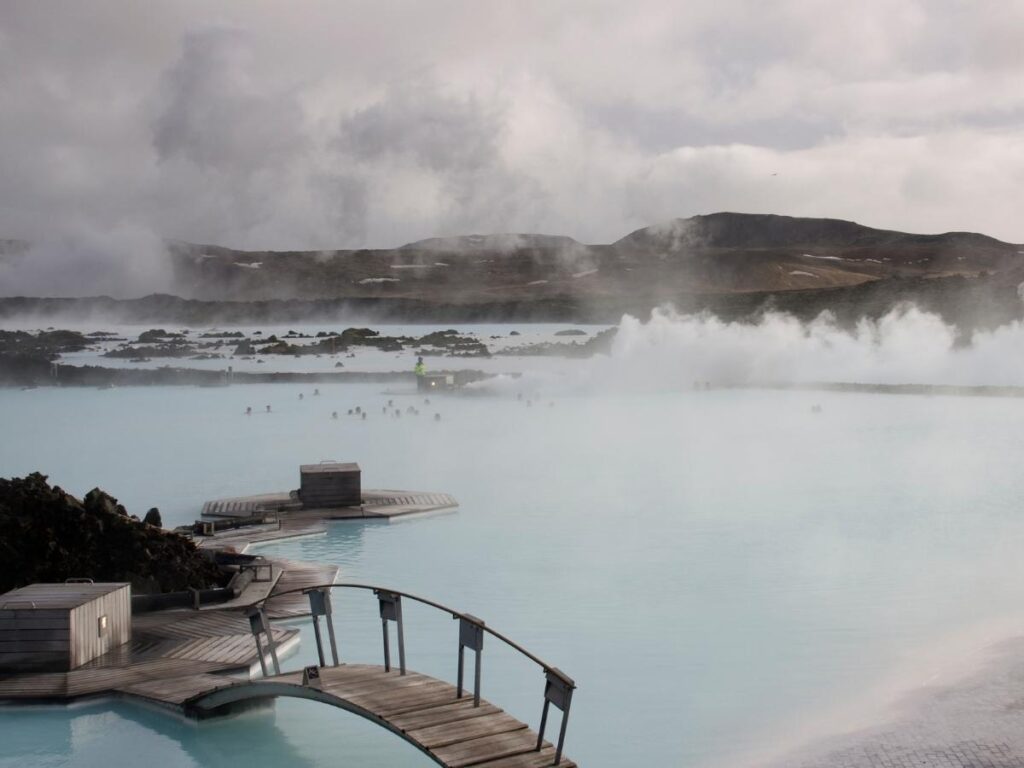
If this is your first time in Iceland and you’ve always imagined yourself floating in milky blue water with steam rising around you, then this is the moment. The Blue Lagoon is about 45 minutes from Reykjavík, and although it’s famous and sometimes crowded, it is beautiful in the late afternoon light.
The warmth, the colour, the steam it all feels surreal, especially if you’re visiting in winter.
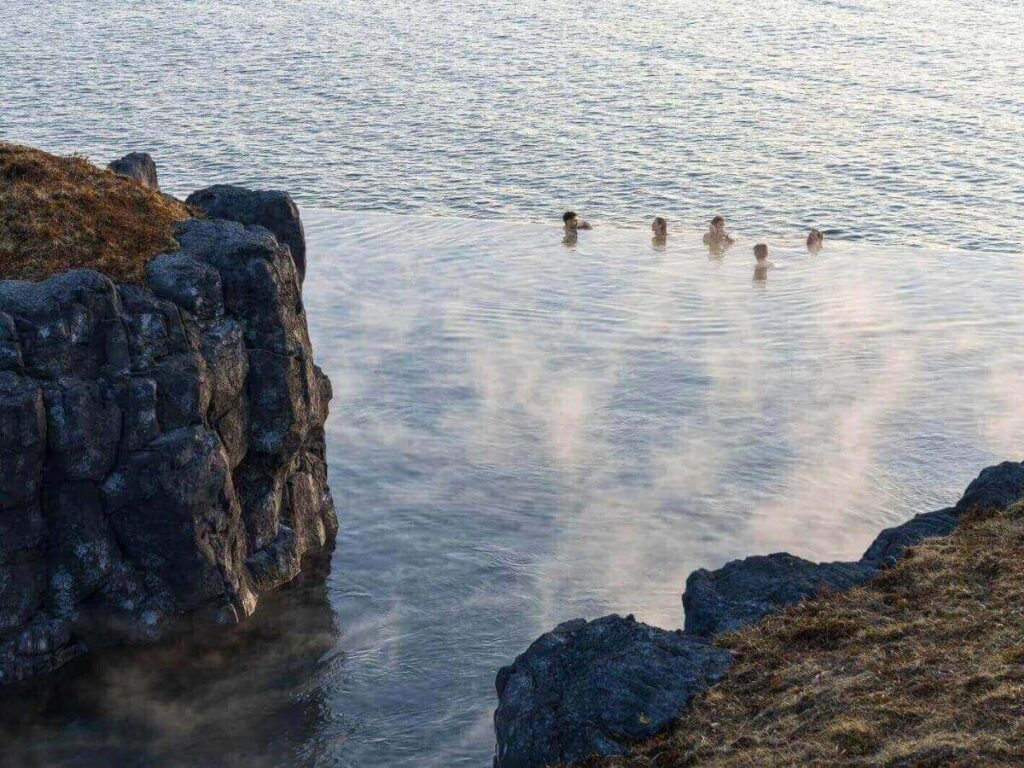
But it does take time. If you want something easier, the Sky Lagoon is closer, quicker to reach, and sits right on the edge of the sea. The way the horizon blends with the water there is worth seeing at least once.
And if neither appeals, going back to a local pool for a second soak as dusk arrives is surprisingly peaceful and far more budget-friendly.
Whatever you choose, book ahead if you’re heading to one of the lagoons. Reykjavík’s popularity means spontaneous plans don’t always work out here.
19:00 to 21:00 Dinner and a Low-Key Evening
By the time dinner approaches, you’ll probably feel pleasantly tired. The combination of cold air, walking, and hot water does that. Icelandic Street Food is great if you just want something warm and satisfying without thinking too hard about it. Their soups and stews are exactly what you want after a long day outdoors.

If you’re looking for something a bit more special but still comfortable, Messinn makes wonderful fish pans that arrive sizzling and smell incredible the moment they hit the table. And if you’re celebrating or just want a Nordic fine-dining experience, Dill is Reykjavík’s iconic spot, but you’ll need to plan ahead for that one.
End the night however feels right. A quiet beer at Skúli Craft Bar gives you a slow, cosy end to the day. And if the weather isn’t too harsh, a walk along the harbour at night is peaceful, the lights reflecting on the water, the sound of the wind softening, and almost no one around.
Seasonal Swaps:
Summer vs Winter
Reykjavík shifts noticeably with the seasons, and your day will feel different depending on when you visit. In summer, the long daylight hours change everything. You don’t have to rush, because the sun hangs around late into the evening, sometimes close to midnight.
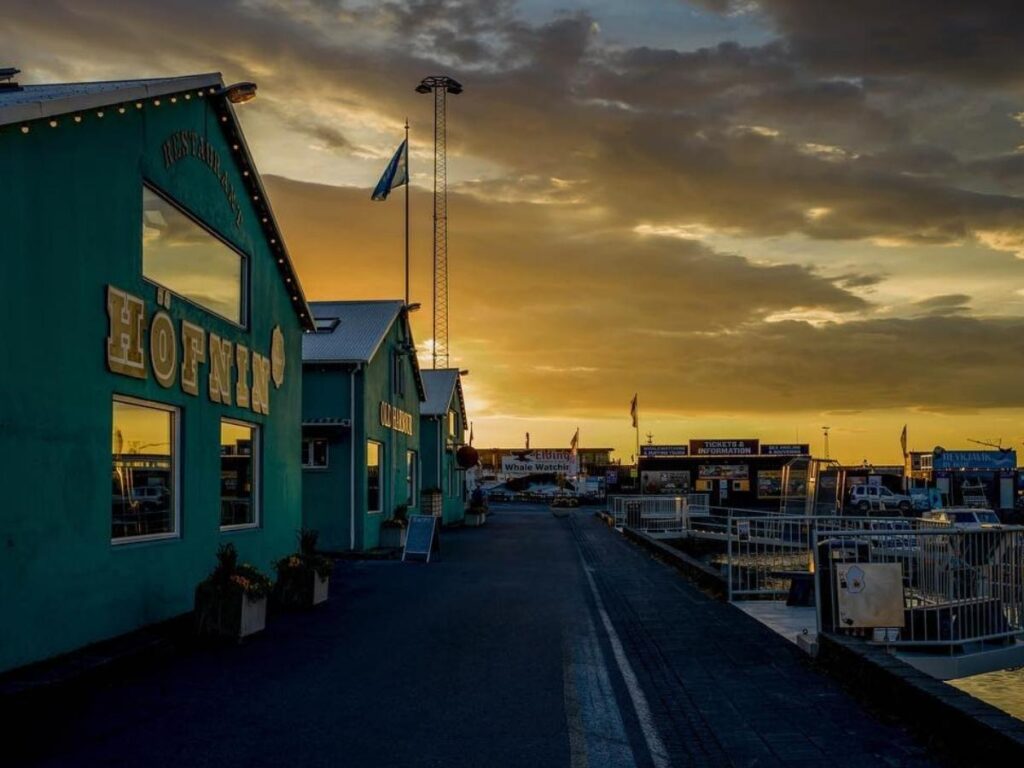
That extra light makes simple things like a walk along the harbour or sitting in an outdoor pool feel softer and more relaxed. If you’re visiting during these months, you can easily stretch the day, add a small detour, or fit in something like whale watching without feeling hurried.
Winter is the complete opposite, but in a way that gives Reykjavík a very cosy, almost intimate atmosphere. With the shorter daylight hours, you naturally end up planning your outdoor activities for the middle of the day and leaning into warm cafés, museums, and geothermal pools before and after.
If the sky clears at night, winter also gives you a chance at the Northern Lights, so keeping the evening flexible is a good idea. As long as you’re layered up, Reykjavík in winter feels calm, bright in its own way, and very easy to enjoy.
Best Day Trips
If you do find yourself with more than a single day, the areas just outside Reykjavík are where Iceland’s landscapes really start to open up. The Golden Circle is the most classic choice, and for good reason: Þingvellir, Geysir, and Gullfoss each show a different side of Iceland, and you can see all three without feeling rushed.
For a full, dramatic day out, the South Coast is unforgettable. You’ll pass huge waterfalls, black-sand beaches, and long stretches of wild coastline. It’s a lot of driving, but every stop feels worth the distance.
If you want something easier and closer, the Reykjanes Peninsula is perfect. It’s rugged, volcanic, and full of small stops that don’t take long to explore, and because it’s so close to the city, it works well even if you’re short on time or heading to the airport later that day.
Food & Drink: Where I Ate and What I’d Order
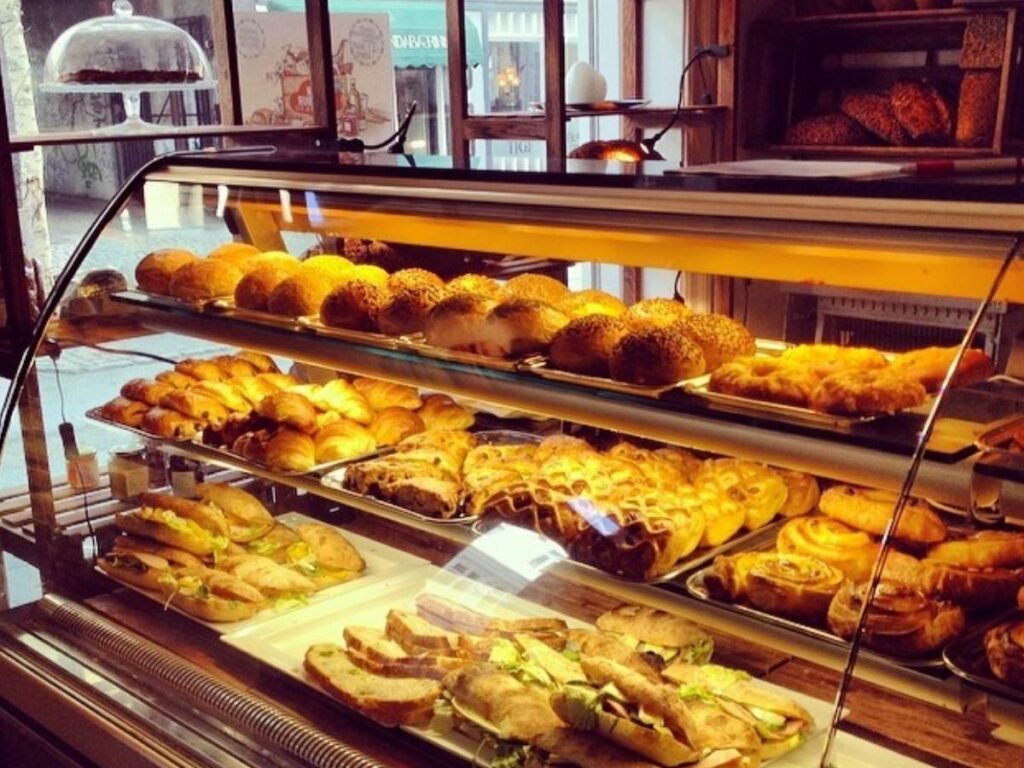
Food in Reykjavík leans toward the comforting side, especially if you’re visiting in colder months. Breakfast is usually where I keep things simple. Sandholt is my favourite place to start the morning warm bread, pastries that disappear faster than you expect, and a steady stream of locals grabbing coffee on their way to work.

If you prefer something quieter or you’re staying on the harbour side, Reykjavík Roasters is perfect. Their coffee is genuinely good, the kind where you take a sip and suddenly feel awake, and the atmosphere is slower and more relaxed. Either one will set the tone for the day without weighing you down.
By lunchtime, you’re probably ready for something warm, and the harbour is the best place to find it. Sægreifinn, or The Sea Baron, might look unassuming from the outside, but their fish soup is exactly what you want when the wind gets sharp.
It’s brothy, slightly creamy, and packed with flavour, and you can add a skewer of grilled fish if you’re hungrier than you thought. It’s not fancy, but that’s the charm: everything is straightforward and hearty.
Dinner in Reykjavík can go in a few different directions depending on your mood. If you want something that feels like a reward at the end of a long day, Messinn is an easy choice. Their fish pans arrive sizzling, and the combination of butter, herbs, and perfectly cooked fish makes the whole meal feel cosy and indulgent without being overwhelming.
If you’re in the mood for something special and you’ve planned ahead, Dill offers a tasting menu built around local ingredients, prepared in that Nordic way that’s thoughtful and a little surprising. It’s definitely a splurge, but if you enjoy fine dining, it’s memorable.
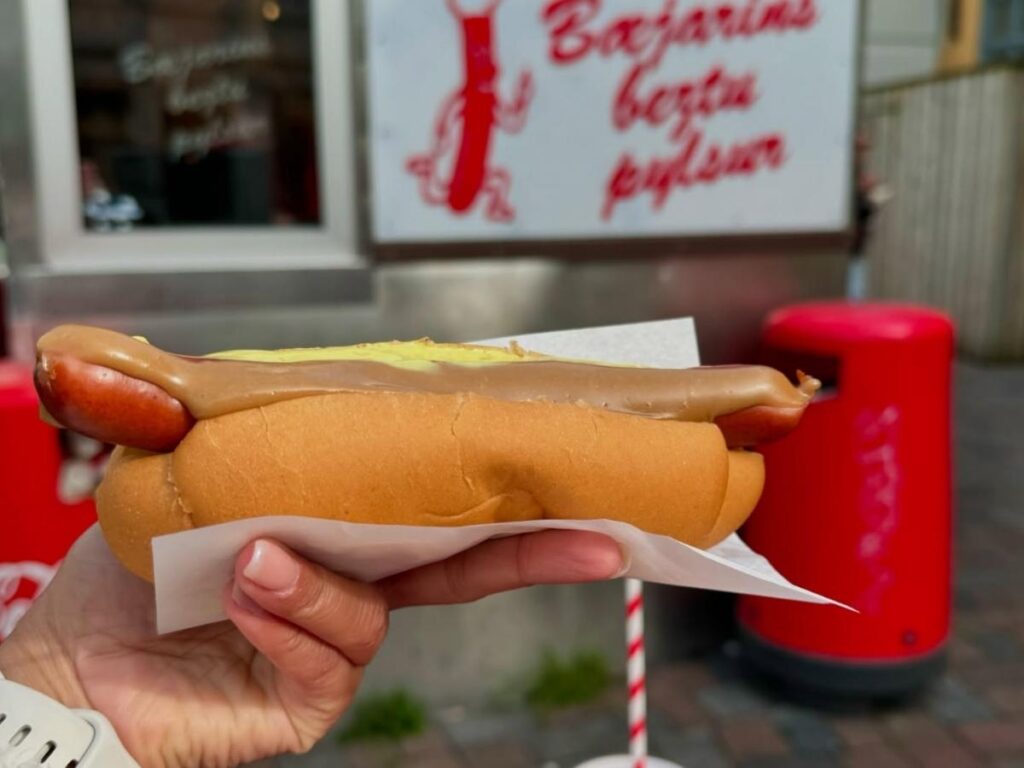
Reykjavík is also full of small food moments that are worth trying. If you’re walking near the harbour in the afternoon, grab a hot dog from Bæjarins Beztuthey’re simple, quick, and the toppings make them unexpectedly addictive. And if you like beer, try one of the local craft brews in the evening.

I tend to go for the stouts because they match the weather, but most bars will happily let you sample before you commit. It’s a nice way to end the day, something warm, something local, and a chance to sit for a moment before heading back into the cold.
Practical Tips: Transport, Money & More
Reykjavík is an easy city to move through, and most of what you’ll want to see sits within a short walking loop. You won’t need public transport unless the weather turns, but you will want waterproof shoes the ground can stay damp long after the rain stops.
Getting into the city from the airport is simple. The Flybus and other shuttle services run after every arrival and get you to Reykjavík in about 45 minutes. They’re reliable, comfortable, and far cheaper than a taxi, which most travellers only use if they’re arriving very late or are staying somewhere out of the way.
Money is straightforward too. You don’t need cashcards, they are accepted everywhere, and tipping isn’t expected. People appreciate good service, but you won’t offend anyone by paying the exact amount on the bill.
The weather is the only thing that requires real planning. Pack layers, even in summer, because the temperature can drop quickly, especially near the water. In winter, gloves and a warm hat make a big difference.
One small thing I always bring is a powerbank; the cold drains phone batteries faster than you’d expect, and having backup power saves a lot of stress when you’re relying on maps or taking photos.
Accessibility & Family Notes
Reykjavík is generally easy to get around, though a few areas benefit from a little extra awareness. Both Harpa and Hallgrímskirkja are wheel chair accessible, and moving through them are straightforward wide entrances, lifts, and staff who are used to helping visitors.
The Old Harbour area is a bit more mixed. Some parts are smooth and newly paved, while others still have uneven stones or gentle slopes. It’s manageable with a stroller or wheelchair, but you may slow down in a few spots.
If you’re travelling with children, the geothermal pools are one of the easiest family friendly activities in the city. They usually have shallow sections or small play areas, and the warm water is a welcome break for kids after walking around in the cold. Most restaurants are relaxed about families too, so you won’t feel out of place eating out with little ones.
Overall, Reykjavík is calm, compact, and simple to navigate, making it a comfortable choice for travellers of all abilities and ages.
Where to Stay in Reykjavík
Reykjavík is compact, so you can’t really choose a “wrong” area, but each neighbourhood has its own feel. If it’s your first time, Downtown is the easiest base. You can walk to most sights, grab breakfast without planning ahead, and step straight into the city’s rhythm the moment you leave your hotel.
If you prefer something quieter, the Old Harbour area has a calmer pace and lovely views across the water. It’s great for early risers, seafood lovers, and anyone who likes ending the day with a peaceful stroll along the bay.
For travellers watching their budget or those who prefer modern, practical staysthe Hlemmur area works well. It’s a little further from the harbour but still within easy walking distance, and you’ll find more affordable hotels, food halls, and supermarkets nearby.
Wherever you stay, Reykjavík’s size makes everything feel close. You’ll never be far from where you need to be.
Final Thoughts
Reykjavík is small, gentle, and easy to enjoy in a single day if you don’t try to pack too much into the itinerary. The best moments tend to be the simple ones standing by the harbour when the wind settles, warming up in a café after a walk, or watching the light shift across the rooftops.
If I could redo my first visit, I’d move a little slower and give myself more time in the places that felt good rather than sticking too tightly to a list. Reykjavík rewards that kind of approach.
And if you’re heading out next, the Golden Circle or the South Coast make perfect second-day trips. They show you the Iceland that stretches beyond the citywide, raw, and unforgettable.