
The first time I arrived in Marseille, the light caught me off guard. It had this warm, golden softness that settled over the water in the late afternoon, turning the sea into a sheet of pale silver.
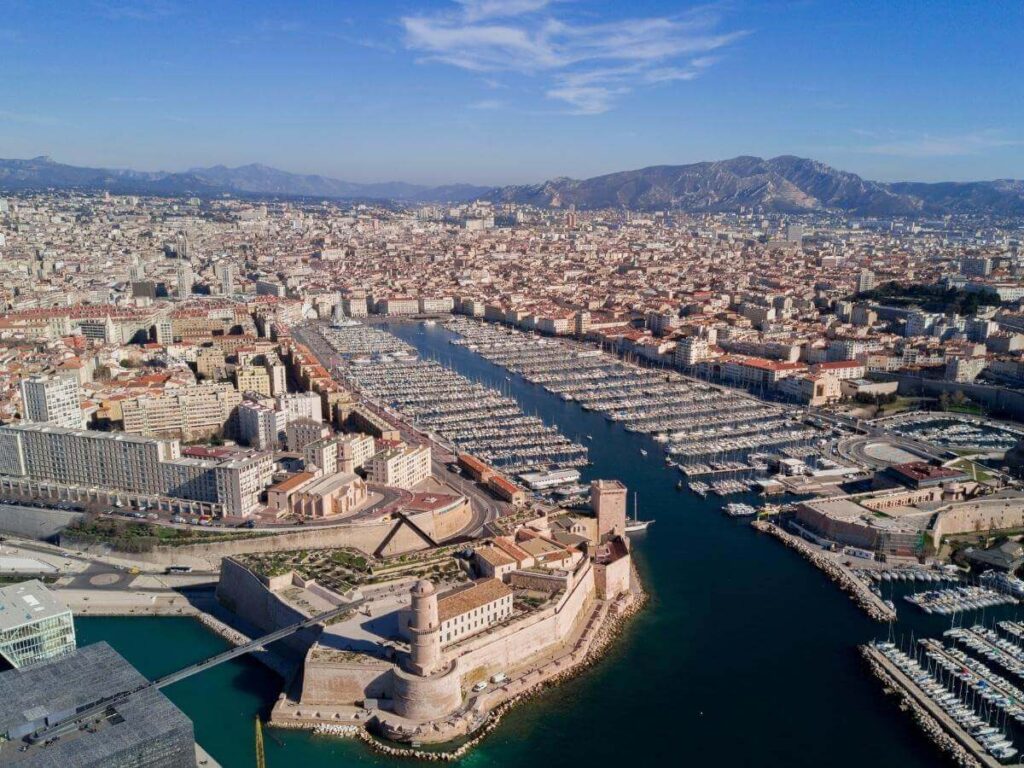
I wandered toward the Vieux Port, dragging my suitcase behind me, and the rhythm of the harbor pulled me in. Fishing boats rocked lazily, a few locals were wrapping up the day’s fish market, and the air smelled like saffron, salt, and seaweed. It felt messy and calm at the same time, a mix I didn’t expect but immediately liked.
People love to call Marseille gritty or chaotic or rough around the edges, and sure, parts of it are. But what those descriptions miss is the city’s character, its rawness, its honesty, its patchwork of cultures, and the small moments of beauty you notice only when you slow down a little. Marseille isn’t polished, but it’s alive, and that’s its charm.
This guide comes from my time wandering the city’s neighborhoods, getting pleasantly lost, eating far too well, and figuring out what’s worth your time. If you’re heading to Marseille and want a real, practical look at what to see, what to skip, and how to enjoy it without rushing, here’s everything I learned.
Marseille at a Glance
Marseille is one of those cities that speaks to travelers who like places with real personality. If you love food that has stories behind it, neighborhoods filled with art and slightly scruffy charm, dramatic coastal views, or long walks that lead to unexpected discoveries, you’ll probably enjoy Marseille more than you expect.
It’s a great fit for anyone who prefers substance over polish and who doesn’t mind a city that’s beautifully imperfect.
Weather wise, spring and early autumn are the sweet spots. From April to June, the days feel warm but not heavy, and the evenings are perfect for long walks around the port. September and October are even better if you want fewer crowds and calm sea conditions.
July and August can be extremely hot, and some Calanques trails close due to fire risks, so planning around that helps.
Most travelers find that two to four days is the right amount of time here. Two days gives you the essentials without rushing, and four days lets you add in a day trip or a full Calanques experience. Even if you’re stopping by on a cruise and only have a few hours, Marseille is surprisingly easy to get a taste of. The city’s biggest highlights are close to each other.
Getting around is simple. The center is very walkable, especially around the Vieux Port, Le Panier, and MUCEM. When distances get a little longer like reaching Notre Dame de la Garde or the beaches the buses and trams fill in the gaps. And when you want to explore the islands or Château d’ If, the boats from the port make the trip feel like part of the adventure.
If you want the quick version of how to structure your time, here’s how I’d do it. With just six hours, stick to the main loop: wander the Vieux Port, explore the streets of Le Panier, and walk across the footbridge at MUCEM to Fort Saint Jean for those beautiful sea views.
With one full day, add the climb (or bus ride) up to Notre Dame de la Garde for the best panoramic look at the city.
If you have two days, give yourself space to breathe and add something outdoors a half day to Cassis, a Calanques boat tour, or even a slow afternoon on the Frioul Islands. And if you have three or four days, widen the circle. Aix en Provence is an easy and refreshing day trip, or you can dedicate a full day to hiking the Calanques if you’re craving nature.
This is a quick picture of Marseille, enough to orient yourself, understand the rhythm of the city, and pick what kind of trip suits you best. If you love places that feel real, layered, and a little salt stained from the sea, you’ll settle in here quickly.
Best Things to Do in Marseille
Here are the places I enjoyed most, written in the order you can actually visit them without sprinting across the city.
Wander the Vieux Port
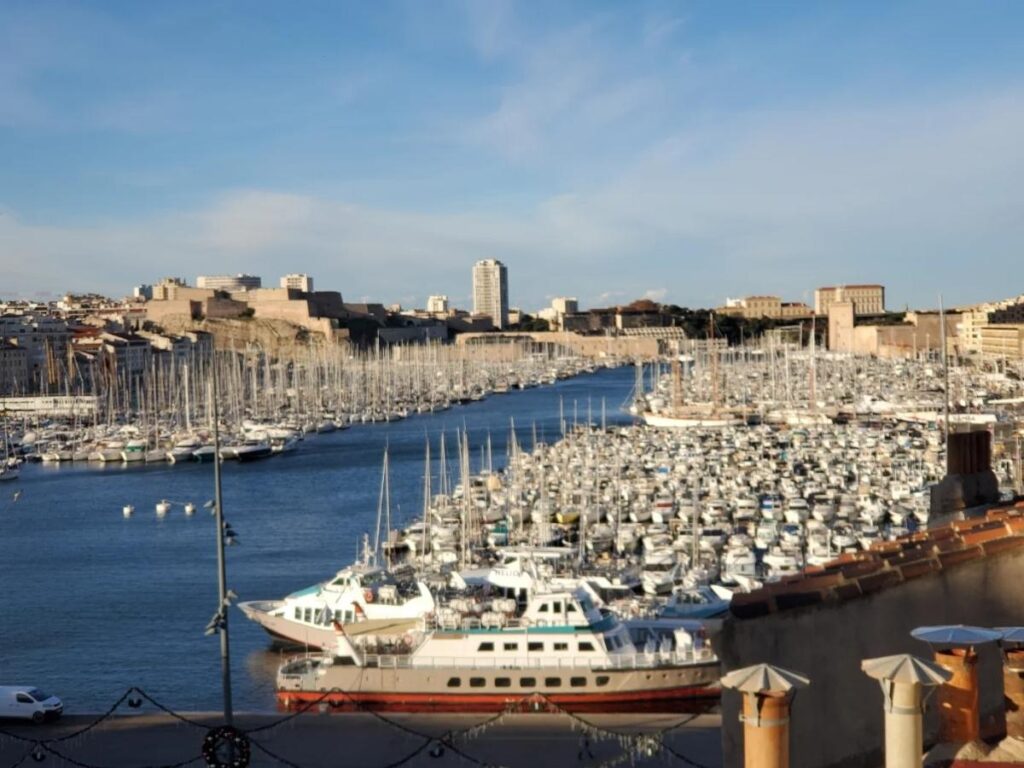
The Vieux Port is where Marseille feels most alive. In the mornings, the fish market is in full swing and the water is calm enough to mirror every boat in perfect detail. Later in the day, cafés fill up, musicians appear, and the whole area gets louder in a charming way.
If you’re into photography, sunset is the best moment. The light hits the basilica on the hill and makes everything glow.
Climb to Notre Dame de la Garde
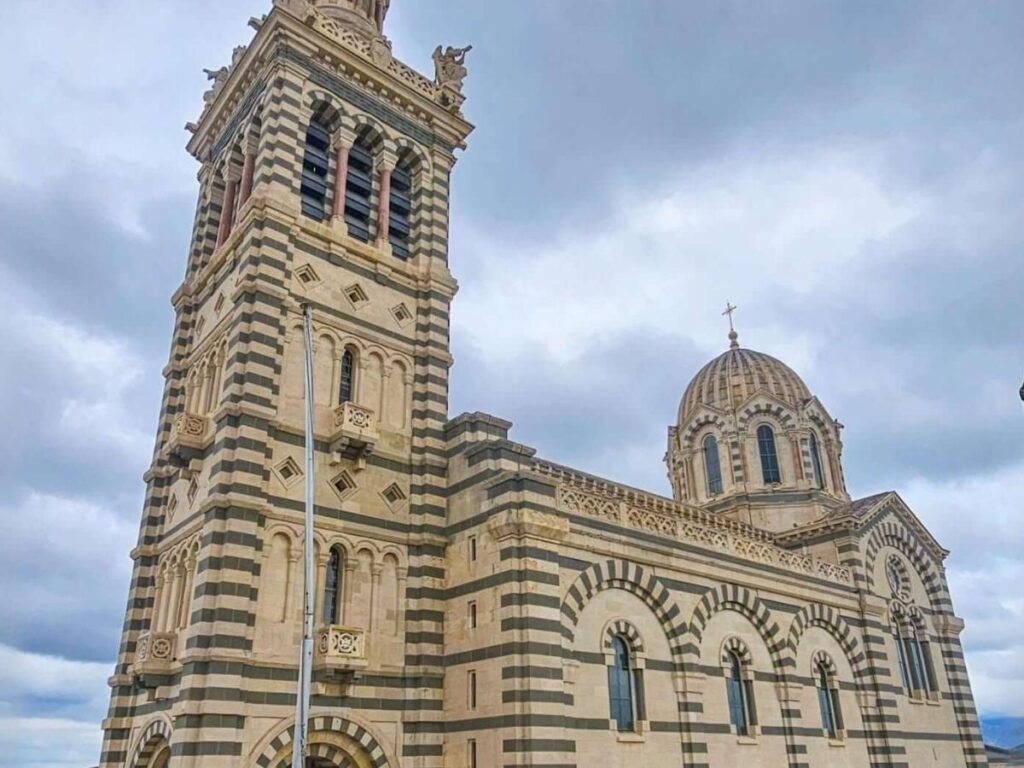
This basilica watches over the entire city, and the view from the top is worth every bit of the climb. You can walk if you want the full experience, but the hill is steep, so Bus 60 is a lifesaver.
From up there, you can see the islands, the port, and the maze of neighborhoods that make up Marseille. Inside, the boat models hanging from the ceiling are a nice touch, a reminder of how deeply the city is tied to the sea.
Explore Le Panier, Marseille’s Oldest Quarter
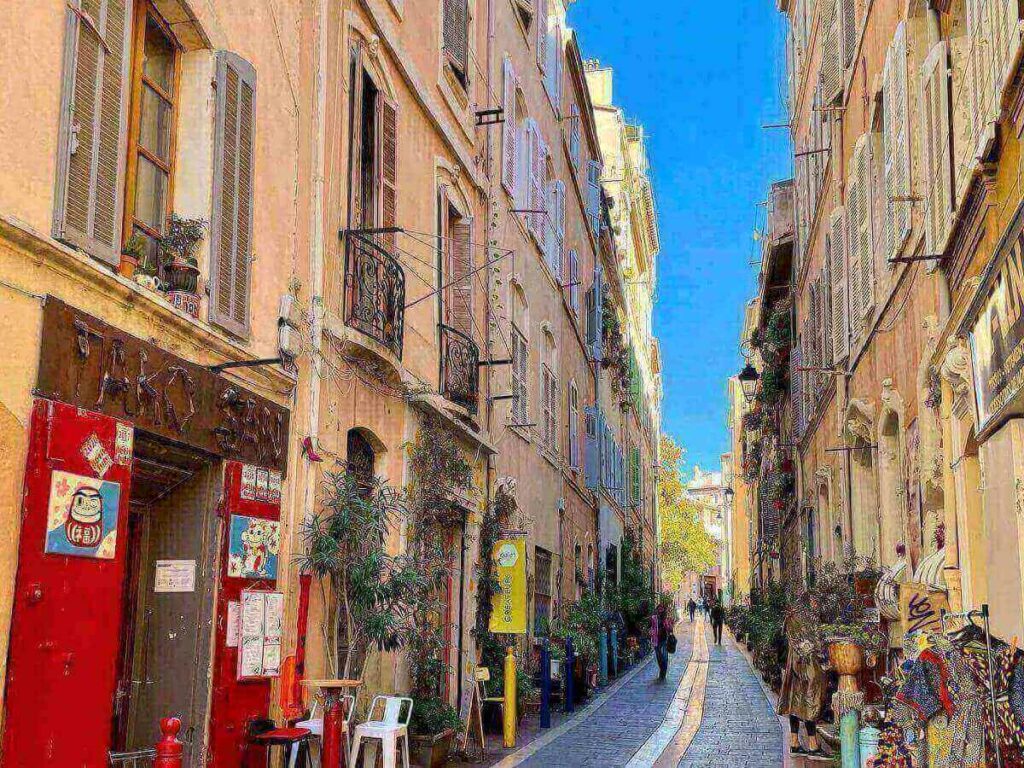
Le Panier is a small, colorful neighborhood where every corner has something to look at: murals, pastel houses, tiny cafés, artisan shops. The streets twist uphill, so take your time.
Make sure to step into La Vieille Charité for a breather; the courtyard is peaceful and beautifully designed, and it gives you a little break from the busy streets outside.
Visit MUCEM
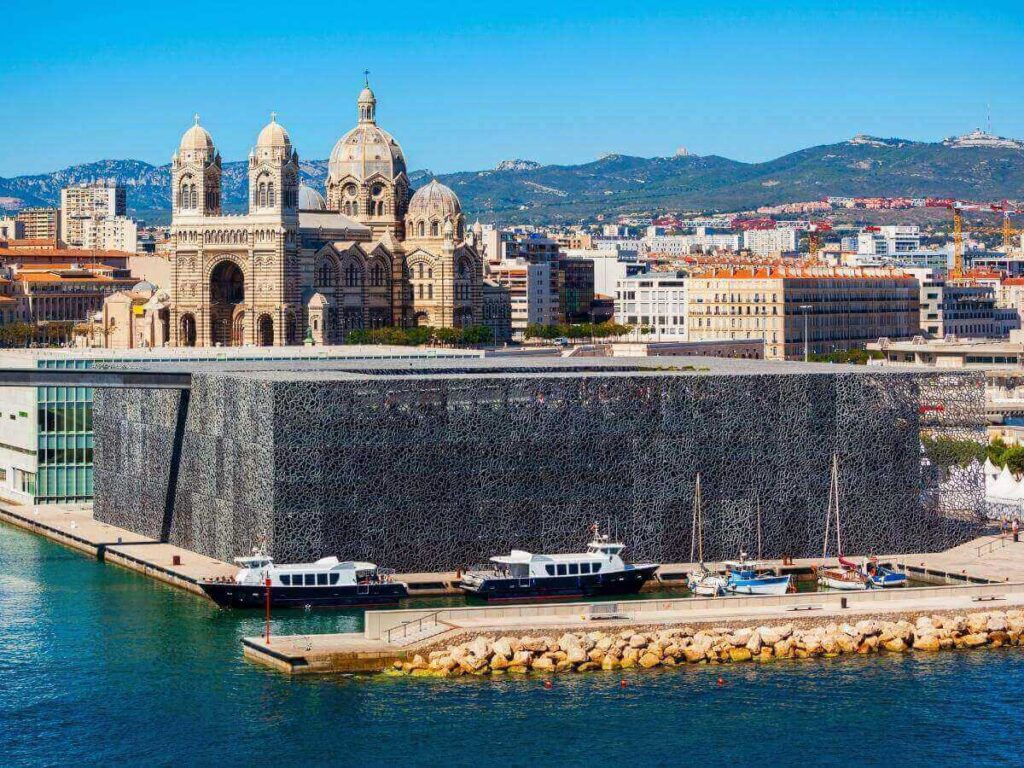
Even if museums aren’t your thing, MUCEM is worth visiting for its architecture alone. The patterned concrete walls, the rooftop walkway, and the sea views make it feel more like a sculpture than a building.
Don’t miss the footbridge that connects MUCEM to Fort Saint Jean. It’s free, scenic, and one of my favorite simple experiences in Marseille.
Fort Saint Jean
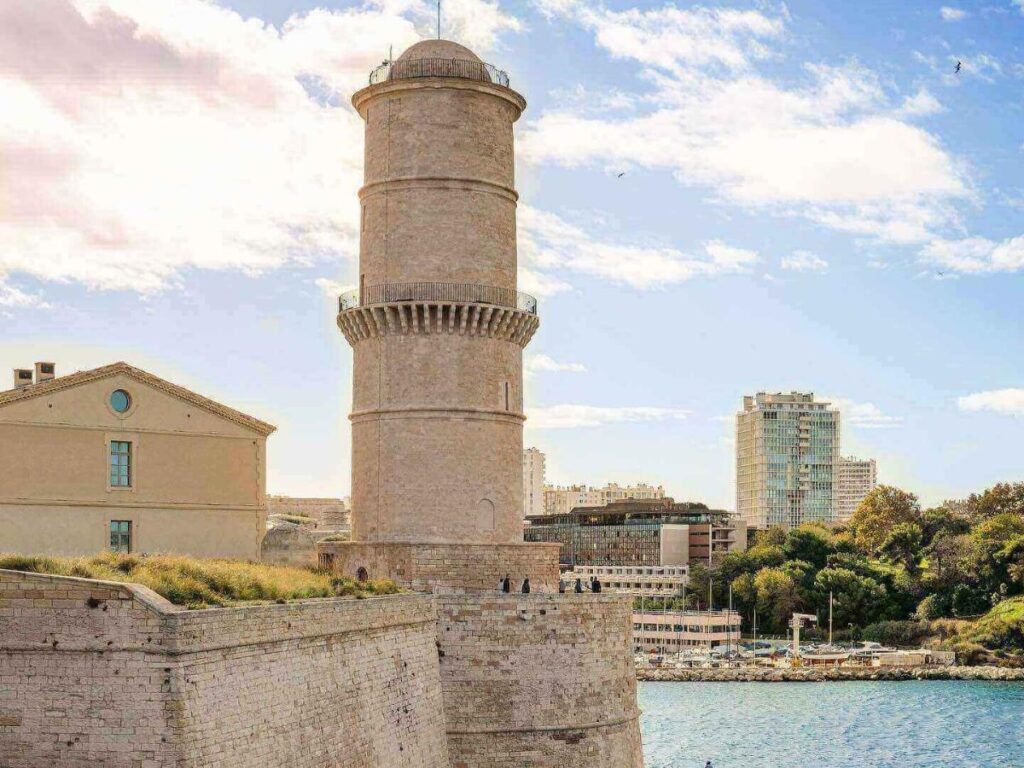
Right next to MUCEM, Fort Saint Jean is a surprisingly peaceful place to wander. You can walk along the old ramparts, explore small gardens, and enjoy panoramic views of the port. It’s a great spot to slow down for a bit and take in the city from yet another angle.
Frioul Archipelago
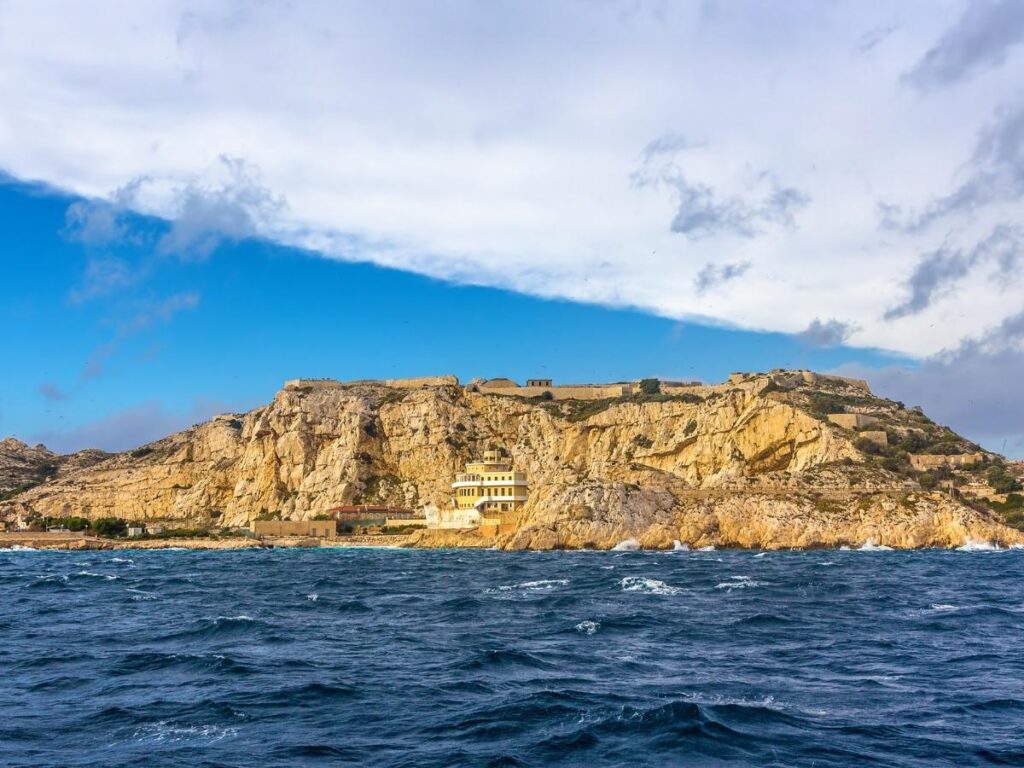
A short boat ride takes you to the Frioul Islands, where the city suddenly feels very far away. The landscape is rugged and dry, with quiet coves and unbelievably clear water. It’s the perfect half day trip, especially if you want a swim or a quiet walk. Just bring water and a snack there isn’t much on the island.
Calanques National Park
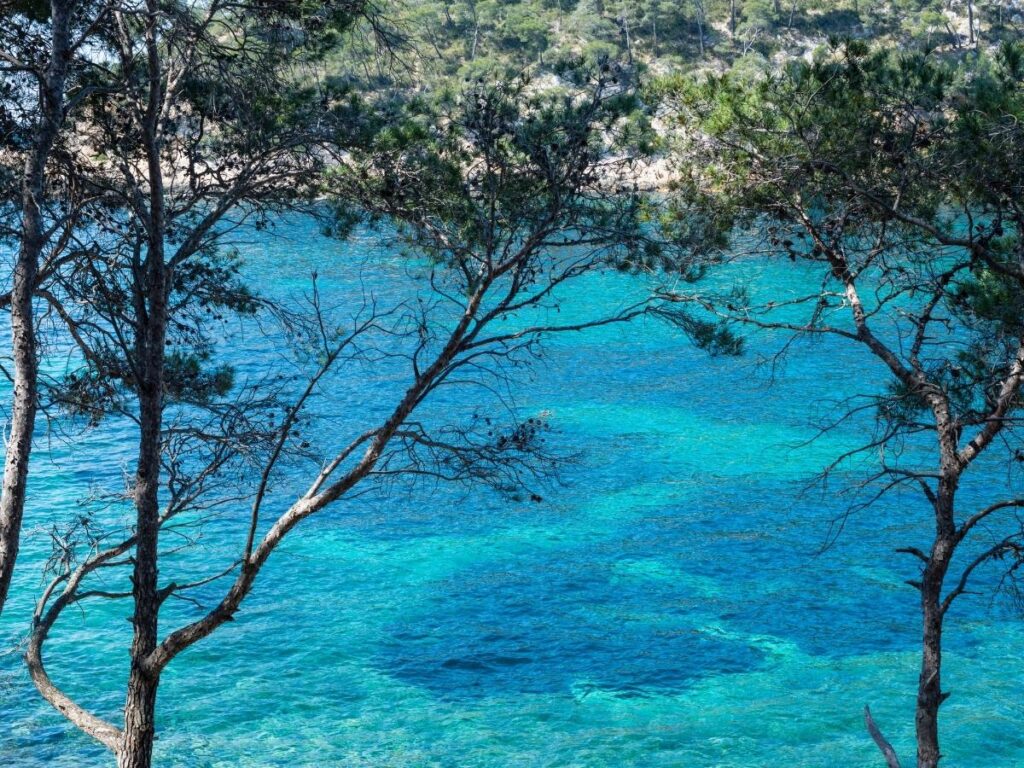
The Calanques are Marseille’s dramatic natural escape from steep white cliffs dropping into clear blue water. You can hike if you’re prepared for uneven paths and heat, or you can join a boat tour for easier access and fantastic views. Either way, it feels like you’ve stepped into another world right outside the city.
Cité Radieuse (Le Corbusier)
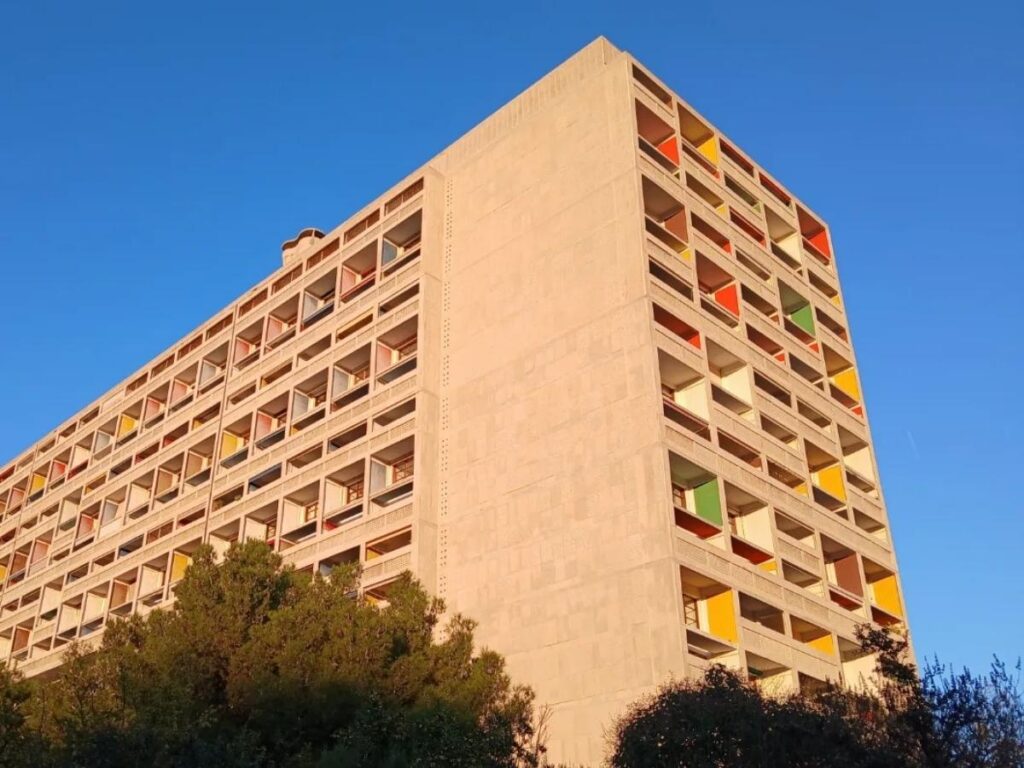
Le Corbusier’s Cité Radieuse is an odd looking concrete building that’s far more interesting than it seems at first glance. The rooftop is wide open, peaceful, and great for photos. There’s also a small apartment museum inside that shows how Corbusier imagined future living. It’s a quick stop, but a memorable one if you enjoy unique architecture.
Cosquer Méditerranée
This attraction recreates an underwater prehistoric cave discovered off the Marseille coast. You ride through dimly lit tunnels while projections show what the actual cave looks like underwater. It’s surprisingly immersive and a good option when it’s hot outside or if you’re traveling with kids.
6 Hour Itinerary for Marseille
If you only have six hours in Marseille, don’t worry you can still get a really good feel for the city. Everything you need to see is close together, and most of the major highlights sit around the Old Port. Here’s how I would spend a short stopover, based on doing this loop myself.
Start at the Vieux Port, because it’s the easiest landmark to reach and the best place to get your bearings. Give yourself at least half an hour here just to walk the length of the harbor, watch the boats come and go, and soak in the slightly chaotic energy that Marseille is known for.
If you arrive in the morning, the little fish market on the eastern side is still open, and it adds a fun local touch to the visit. Grab a coffee from one of the cafés along the port if you need a boost before the uphill parts later.
From there, wander into Le Panier, the oldest quarter of Marseille. It’s only about a 10 minute walk from the port, but you’ll feel like you’ve stepped into a different world. Le Panier is full of narrow, twisting streets, pastel houses, and murals that appear out of nowhere.
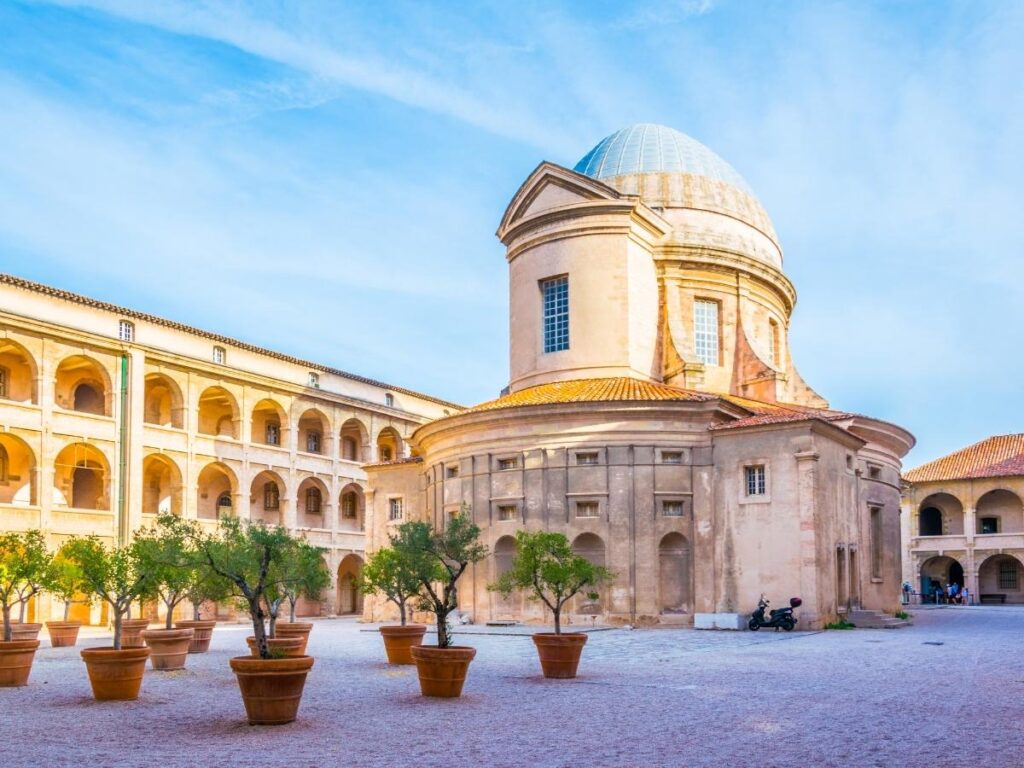
I like to take my time here and let myself get mildly lost. It’s that kind of neighborhood. If you have time, step into La Vieille Charité for a quick look at the courtyard; it’s one of those places where you instantly feel the noise of the city drop away.
After exploring Le Panier, walk downhill toward MUCEM. Even if you’re not planning to go inside the exhibits (you likely won’t have time during a short stopover), the building itself is so striking that it’s worth seeing up close. The walkways around the museum sit right above the water, and you get that mix of sea spray, wind, and wide open sky.
What you absolutely shouldn’t miss is the footbridge that connects MUCEM to Fort Saint Jean. It’s free, quick to walk across, and leads you straight into the fort’s gardens and old stone passageways.
Fort Saint Jean is a surprisingly peaceful spot, especially if your visit falls during a busy cruise day. You can wander the walls, peek into courtyards, and look out over the port from a few excellent viewpoints. It’s a good place to slow down for a few minutes before heading back.
By the time you walk back toward the port, you’ll have seen a solid mix of old Marseille, new Marseille, and a bit of everything in between. If you still have a moment before returning to the ship, stop for a final photo of the boats, the basilica perched on the hill, or the sunlight reflecting off the water.
1 Day Marseille Itinerary
If you only have one day in Marseille, I recommend starting early. The city feels gentler in the morning before the crowds arrive. Begin at the Vieux Port around sunrise if you can manage it.
The light is soft, the boats look beautiful in the still water, and the cafés are just beginning to open. Take a slow loop around the harbor, enjoy the shift from quiet to lively, and maybe grab a quick pastry or coffee to ease into the day.
From the port, make your way up into Le Panier, which is just a few minutes’ walk away. The neighborhood can feel like a maze, but that’s part of the fun of following whichever small street catches your eye.
You’ll see pastel houses, local artists’ studios, and plenty of street art tucked between old stone walls. When your legs need a break, step into La Vieille Charité. Its courtyard is calm and shaded, and it gives you a moment to reset before moving on.
Continue downhill to MUCEM, letting the sea breeze hit you as you approach. Even if you don’t go inside, it’s worth walking around the outside platforms and across the footbridge to Fort Saint Jean. The views here are some of the best in the city, and the contrast between the modern museum and the old fort makes for great photos.
After lunch either in Le Panier or near the port give yourself the afternoon to visit Notre Dame de la Garde. The hill is steep, so the bus (No. 60) is the easiest option, but if you’re feeling energetic, the walk is a memorable climb. The basilica offers a 360 degree view of the city, the islands, and the coastline. Spend some time simply taking it all in.
End the day at Vallon des Auffes for sunset. It’s a tiny fishing port tucked under a stone viaduct, and the light in the evening is gorgeous. People gather along the waterfront with glasses of wine, and the atmosphere feels peaceful in that slightly nostalgic way coastal towns often do at dusk. It’s the perfect way to close a full but not rushed day in Marseille.
2 Day Marseille Itinerary
With two full days, you can enjoy the city at a nice pace and add a bit of nature or a nearby coastal town into the mix.
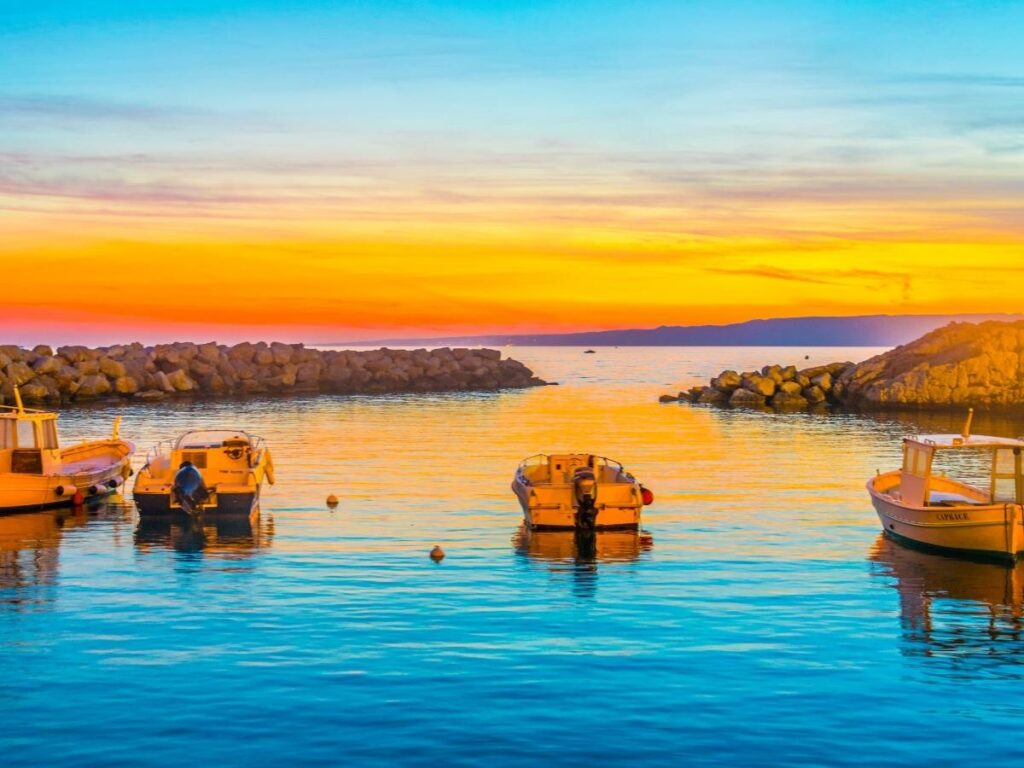
Day 1 follows the flow described above: Vieux Port at sunrise, a leisurely wander through Le Panier, a few hours around MUCEM and Fort Saint Jean, an afternoon on the hilltop at Notre Dame de la Garde, and sunset at Vallon des Auffes. You’ll go to bed with a clear sense of the city’s layout and personality.
On Day 2, choose what kind of day you want:
If you feel like being on the water without the effort of hiking, book a Calanques boat trip. Boats leave from the Vieux Port and take you along the coastline to see several calanques up close. The limestone cliffs and turquoise water look just as dramatic from the sea as they do from above, and you don’t need to pack much, just sunscreen and maybe a hat.
If you prefer something a bit slower and more charming, take a half day trip to Cassis. It’s about 30-40 minutes away, and the town feels like a quieter cousin of Marseille.
The harbor is pretty, the cafés are relaxing, and you can even take a shorter, calmer boat tour from there if you still want to see the calanques. Cassis tends to be less intense than Marseille, which makes it a nice contrast for your second day.
Either option gives you that blend of sea and scenery that Provence is known for.
3 Day Marseille Itinerary
Three days lets you explore Marseille without feeling rushed and still add a proper day trip.
On Day 1, follow the main Marseille loop: Vieux Port, Le Panier, MUCEM, Fort Saint Jean, and Notre Dame de la Garde. It’s a busy day, but everything is close together, and each stop naturally flows into the next.
On Day 2, dedicate your time to the Calanques. If you’re a hiker and the weather is comfortable (avoid the midday heat in summer), choose one of the marked trails and make a day of it.
The views are spectacular, but the paths can be rocky, so good shoes and plenty of water are musts. If hiking isn’t your style, go for a boat tour instead. It’s just as beautiful and far easier on the legs.
On Day 3, take a day trip to Aix en Provence. It’s an easy ride from Marseille and feels completely different, elegant, calm, leafy, and full of cafés that spill onto wide boulevards. Spend your time exploring the markets, wandering the old town, and soaking up the soft Provençal atmosphere.
After two days of coastline and rugged cliffs, Aix feels like a gentle reset before heading back to Marseille for dinner.
4 Day Marseille Itinerary
With four days, you have enough time to explore the city thoroughly and still enjoy some slower, quieter corners.
The first three days follow the rhythm above: Marseille’s highlights on Day 1, the Calanques on Day 2, and Aix en Provence on Day 3.
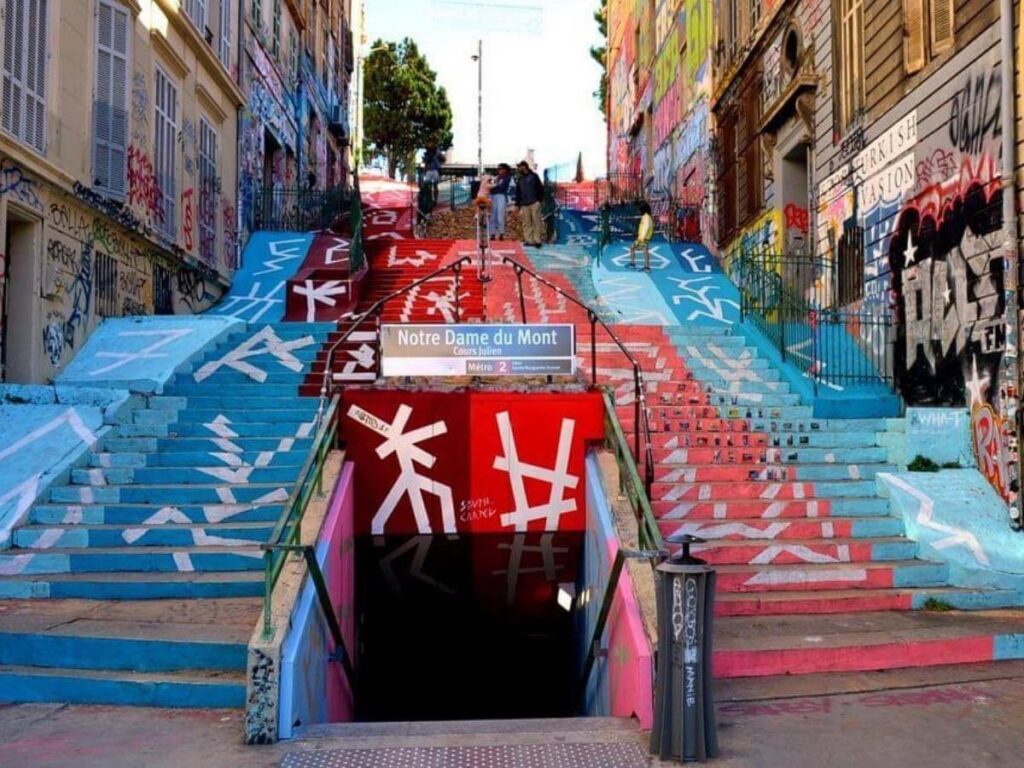
For Day 4, I suggest taking it easy and choosing something that fits your mood. You could head out to the Frioul Islands for a few hours of sun and quiet coves, or spend a late morning wandering through Cours Julien, which has a bohemian, street art heavy vibe and plenty of cafés to linger in.
Another good option is L’Estaque, a small village-like neighborhood on the northern edge of the city. It’s slower, less touristed, and great for an easy seaside stroll or a simple lunch by the water.
By the time you leave Marseille after four days, you’ll have seen the city’s history, its coastline, its nearby towns, and its more relaxed neighborhoods, a really nice balance that gives you the full picture of what makes this place so compelling.
Where to Eat in Marseille
Marseille’s food scene is one of the most enjoyable parts of visiting the city, and it reflects the mix of cultures that have shaped it.
If you want to try bouillabaisse, pick a trusted, traditional place and plan for a long meal. It’s usually served in stages, and it’s definitely a splurge, but worth doing once. Reservations are almost always needed, especially on weekends.
For something more casual, wander through Noailles. The market here is full of energy stalls selling spices, pastries, grilled meats, and fresh produce. It’s a great spot for a quick, inexpensive lunch.
The Algerian and Tunisian bakeries in this area are wonderful too; you can grab a warm brik or a sweet pastry for just a few euros. And if you spot panisse on a menu, try it; those crispy chickpea fritters are simple but addictive.
For coffee or something sweet, head to Cours Julien, where small cafés and independent bakeries line the streets. Look out for navettes, the orange blossom biscuits Marseille is known for. They’re perfect with an afternoon espresso.
Vegetarians won’t struggle either thanks to Marseille’s multicultural mix, it’s easy to find good Mediterranean, Middle Eastern, and North African dishes all over the city.
Where to Stay in Marseille
Choosing the right neighborhood makes a big difference because each part of Marseille has its own personality.
Vieux Port is the easiest for first time visitors. You can walk to almost everything, and there’s always something happening, from markets to sunset crowds.
Le Panier has more character and charm. The streets are narrow and historic, full of street art, small shops, and pretty corners great if you want a boutique feel.
If you like creative, laid back neighborhoods, stay in Cours Julien. It’s artsy, colorful, and full of cafés, bars, and murals. It feels younger and a bit hipster in the best way.
For something quieter, look at Prado or Endoume. These areas are more residential and close to the sea, especially the scenic Corniche Kennedy coastal path. It’s a good choice if you want calmer evenings.
Practical Tips for Marseille
Marseille is easy enough to navigate once you get the hang of it. The center is walkable, and buses and trams fill in the gaps when things get too steep. Tickets can be bought at machines or through the local app, which is convenient if you’re moving around a lot.
Taxis and Ubers are easy to find, especially around the port. As in any big city, stay aware at night and avoid wandering down empty side streets in unfamiliar areas.
Most places accept cards, but it’s handy to carry a little cash for markets or small bakeries. Knowing a few simple French phrases helps a lot too.
For popular spots like Château d’If or Calanques boat tours, it’s worth booking ahead. And if you’re visiting in summer, be prepared for strong heat, do outdoor activities early or late, bring plenty of water, and wear comfortable shoes. Marseille has hills and cobblestones that can catch you off guard.
Conclusion
Marseille isn’t a city that smooths its edges, and that’s exactly what makes it interesting. It’s bold, multicultural, noisy in places, unexpectedly peaceful in others, and always full of life.
Whether you come for the coastline, the food, or the neighborhoods with their messy charm, there’s always something surprising around the corner.
If you’re spending time in Provence or the French Riviera, make space for Marseille even a day here gives you a taste of a city that feels real, layered, and unforgettable.