
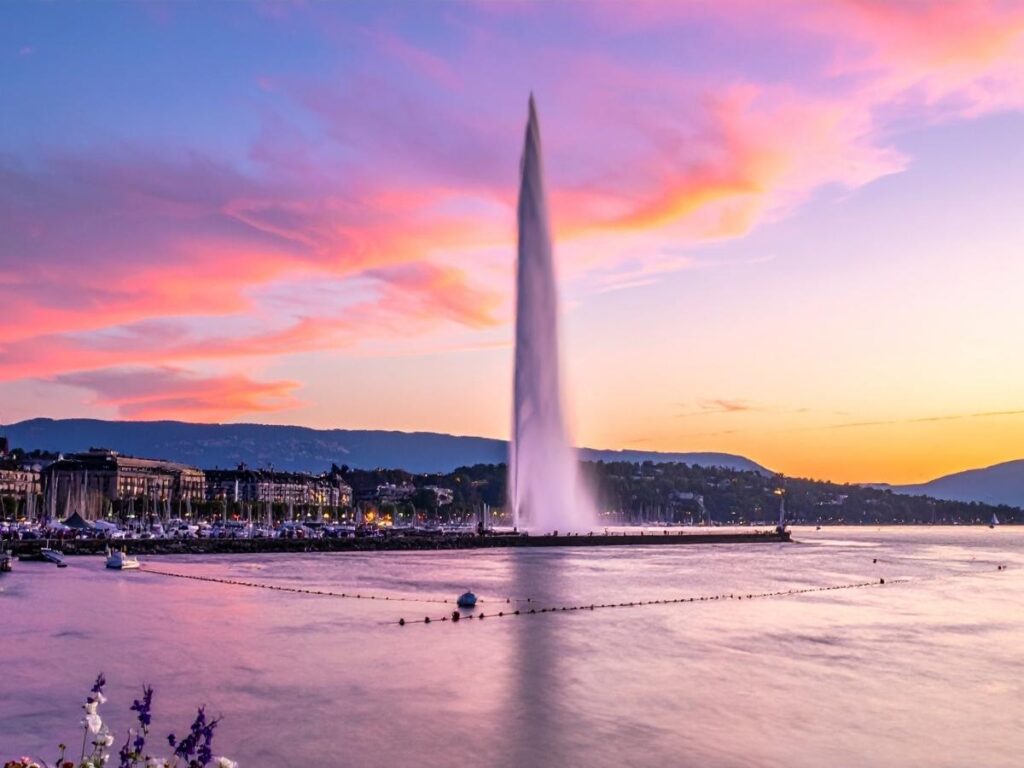
The first time I arrived in Geneva, I walked straight to the lakeside promenade and the wind met me before the view did cool, clean, and rolled in off the water. Mont Blanc was hiding behind a pale haze, the Jet d’Eau was rising in a white plume, and the whole lakefront felt slower than I expected for a city known for international offices and polished buildings.
People were walking their dogs, reading on benches, or just watching the light move across the lake. It immediately felt like a place where you could take your time.
What I love about Geneva is how compact it is. You can move from the Old Town’s quiet alleys to Carouge’s pastel streets to the wideopen lakeside in minutes, and each area has its own rhythm. There are museums, long waterfront paths, chocolate shops, neighbourhood cafés plenty to fill a day without feeling rushed.
If it’s your first visit, this guide brings together the things I’d genuinely repeat: the viewpoints that were worth the climb, the neighbourhoods I kept returning to, the meals I still think about, and the simple itineraries that leave room for wandering. Geneva works best at an easy pace, and this is how I like exploring it one lake view and one quiet street at a time.
Geneva at a Glance
Geneva is a great city for slow travellers, food lovers, and anyone who enjoys wandering without a strict plan. It’s compact enough that you can move between neighbourhoods in minutes, and most of the main sights sit close together, so even a short visit feels manageable.
The trams and buses run constantly, and the routes are simple, but you’ll probably end up walking more than you expect because the distances are genuinely short.
One helpful detail: most hotels give guests a free public transport card for the length of their stay, which makes getting around effortless. It removes the stress of buying tickets and lets you jump between areas without thinking about cost.
The city uses the Swiss Franc (CHF), and while Geneva can be pricey, mixing casual meals with a few treats keeps things balanced.
French is the main language, but English is widely spoken, especially in cafés, shops, and around the lakefront. Overall, Geneva is a place where things just work smoothly, easy transport, easy walking, and a lot of beauty packed into a small space.
My Top Things to Do in Geneva
See the Jet d’Eau up close
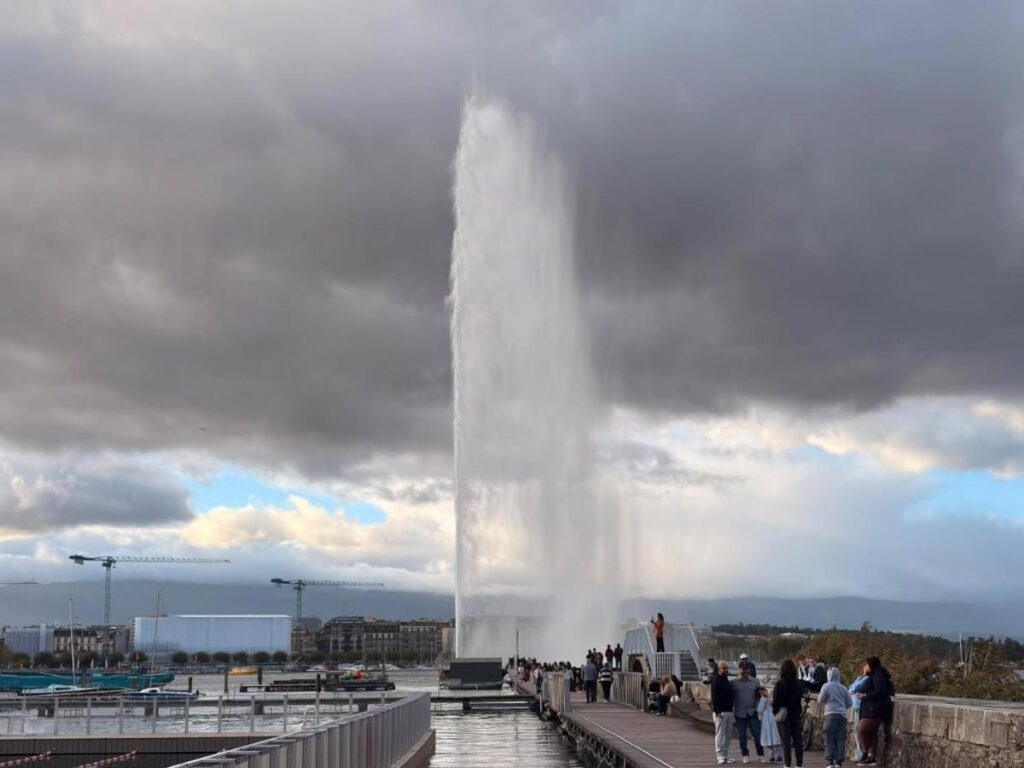
You can spot the Jet d’Eau from almost anywhere along the lake, but getting close to it is a different experience. The walk out along the breakwater on the EauxVives side is short, windy, and honestly a little fun. You hear the fountain before you properly see it, and when the mist drifts your way you’ll know instantly whether you walked too close.
I always find the light softer in the early morning or just before sunset, when the sun hits the water at an angle and the whole fountain glows. It doesn’t take long to see, but it’s one of those things you end up coming back to each time you walk along the lake.
Wander the Old Town
Geneva’s Old Town is small but full of charm, with stone lanes that twist their way up toward StPierre Cathedral. I’d plan a slow wander rather than a checklist the area rewards patience. Climb the cathedral towers if the weather is clear; the views stretch right across the rooftops and down toward the lake.
Afterwards, follow the slope down to Place du BourgdeFour, one of the oldest squares in the city, and grab a drink or snack from one of the cafés there. Even if you don’t stay long, the Old Town gives you a feel for the city’s history that the business district never shows.
Walk the Lakefront & Visit Jardin Anglais
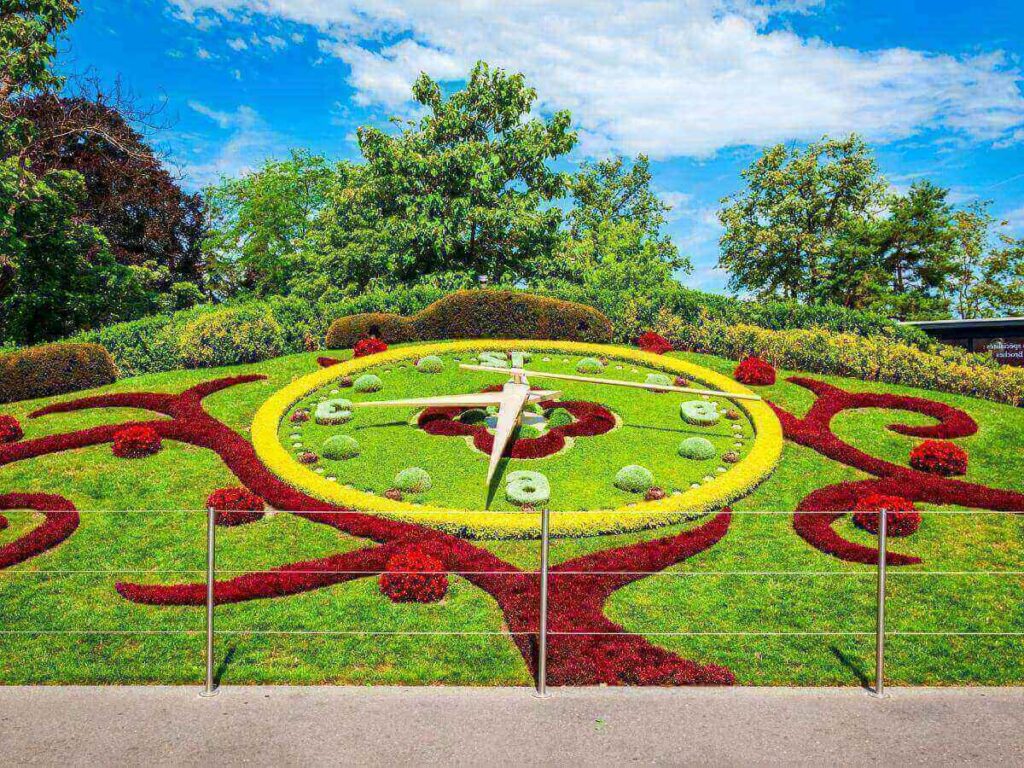
Geneva’s lakefront is one of the city’s biggest pleasures. Start at Pont du MontBlanc and walk toward Jardin Anglais, a calm green space right by the water. The Flower Clock sits at the entrance. It’s a quick stop, but go early in the day if you want a quiet moment with it. From there, the path opens up to a marina where swans drift lazily near the boats.
It’s one of the nicest places to pause, look back at the skyline, and take in just how close the city sits to the lake. The whole walk is easy and works in any season.
Tour the United Nations & See the Broken Chair
The Palais des Nations is not just another government building stepping inside one of the assembly rooms feels surreal, especially when you remember that actual negotiations take place there. The guided tour gives you just enough insight without overwhelming you, and it’s absolutely worth reserving in advance because spots fill quickly.
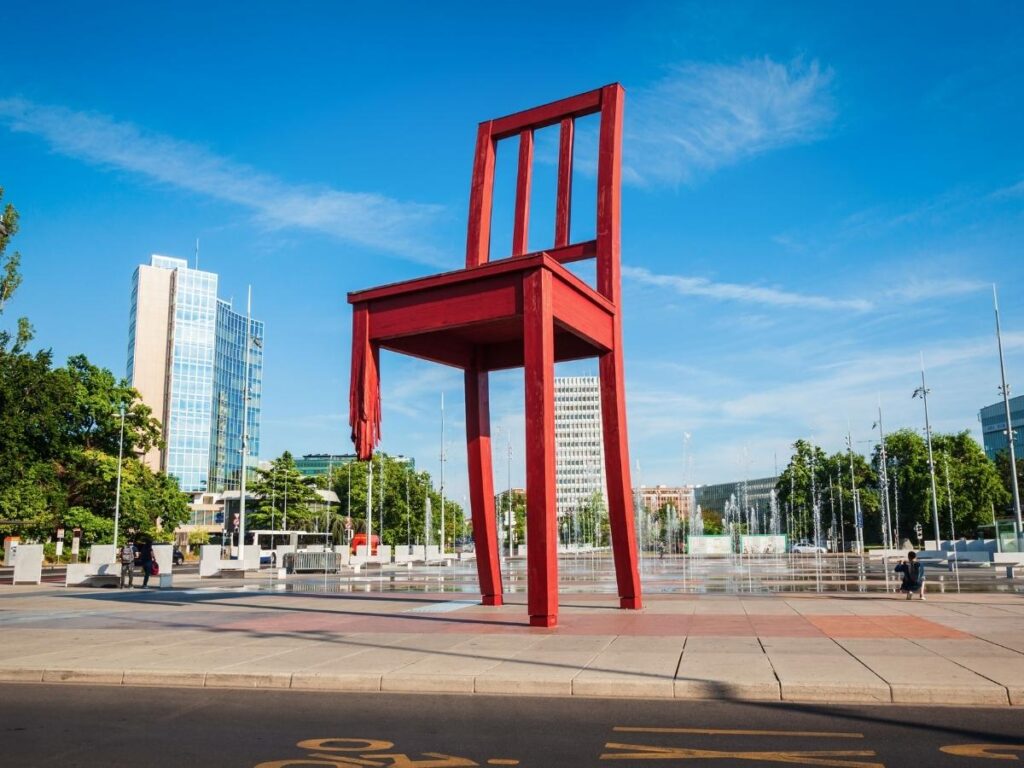
When you exit, cross the street to see Broken Chair, a huge wooden sculpture with one missing leg. It looks dramatic from afar, but it’s only when you stand beneath it that you realise its scale. It’s hard not to take a moment to reflect.
Visit the Patek Philippe Museum
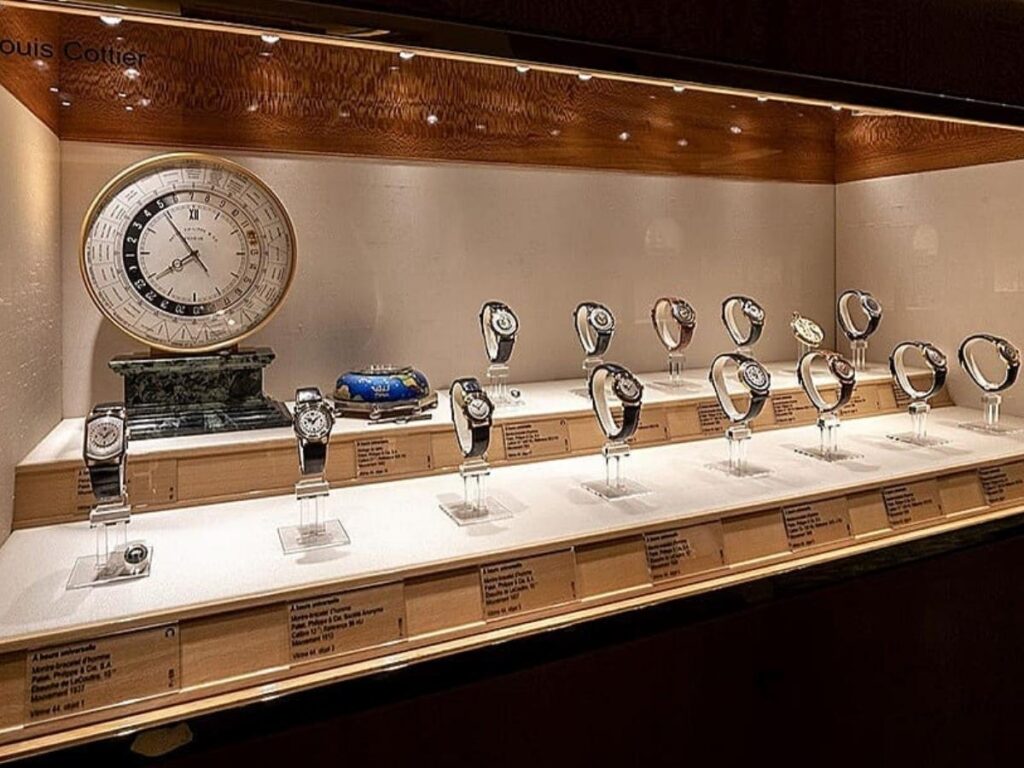
Even if watches aren’t your thing, this museum might surprise you. The early enamel pieces and historic pocket watches are incredibly detailed, and the layout guides you through Geneva’s long tradition of watchmaking.
The building has that quiet, hushed museum atmosphere that makes you slow down and really look at things. I usually spend about an hour here, though it’s easy to linger longer if you enjoy the intricate displays.
Try Swiss chocolate and local food
Chocolate tasting is practically a rite of passage in Geneva. Many shops offer small selections, so you can try pralines or truffles before choosing a box to take home. It’s easy to spend more time here than you planned.
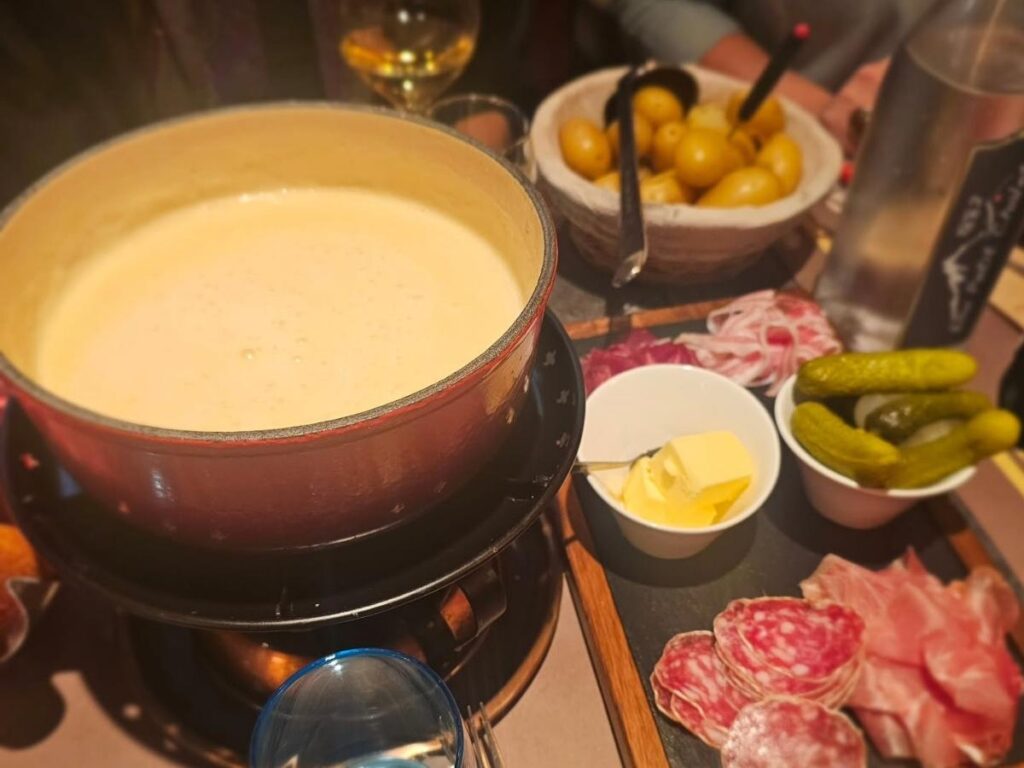
And of course, fondue is always on the menu rich, warm, and comforting, especially in cooler months. Whether you go for something upscale or a simple, traditional spot, it’s part of the experience of being in Geneva.
Neighbourhood Guide: Where to Spend Your Time
Old Town
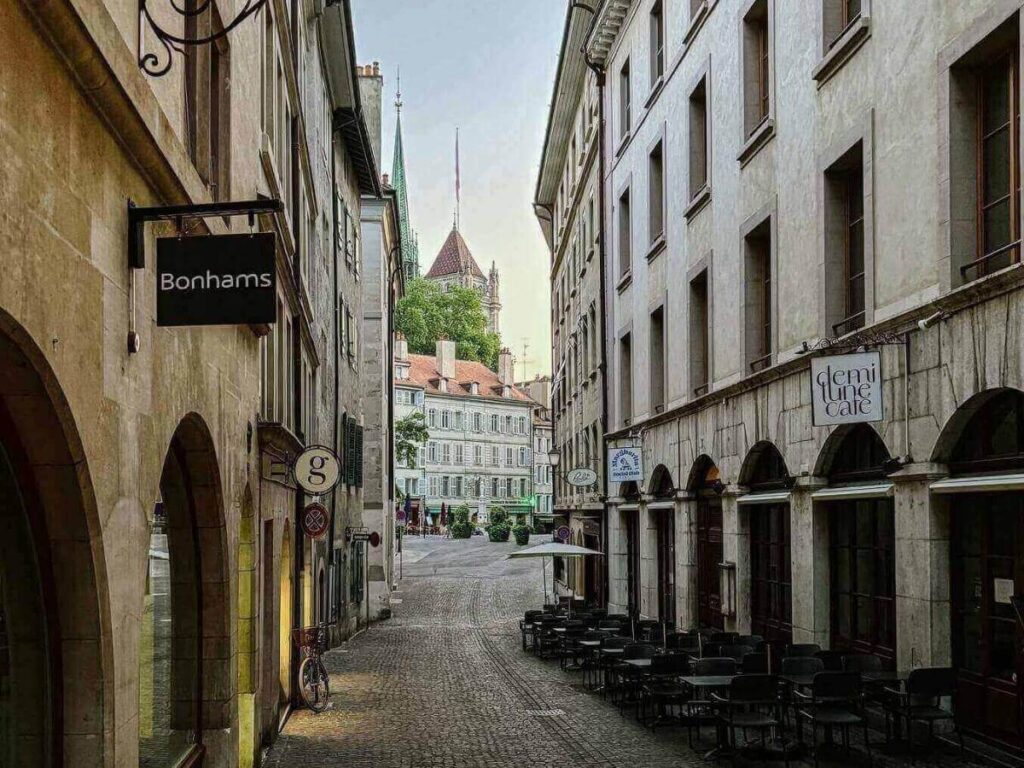
If you want to understand Geneva beyond the lake views, start in the Old Town. It’s a small hilltop world of stone lanes, steep steps, and quiet corners where everything seems to slow down.
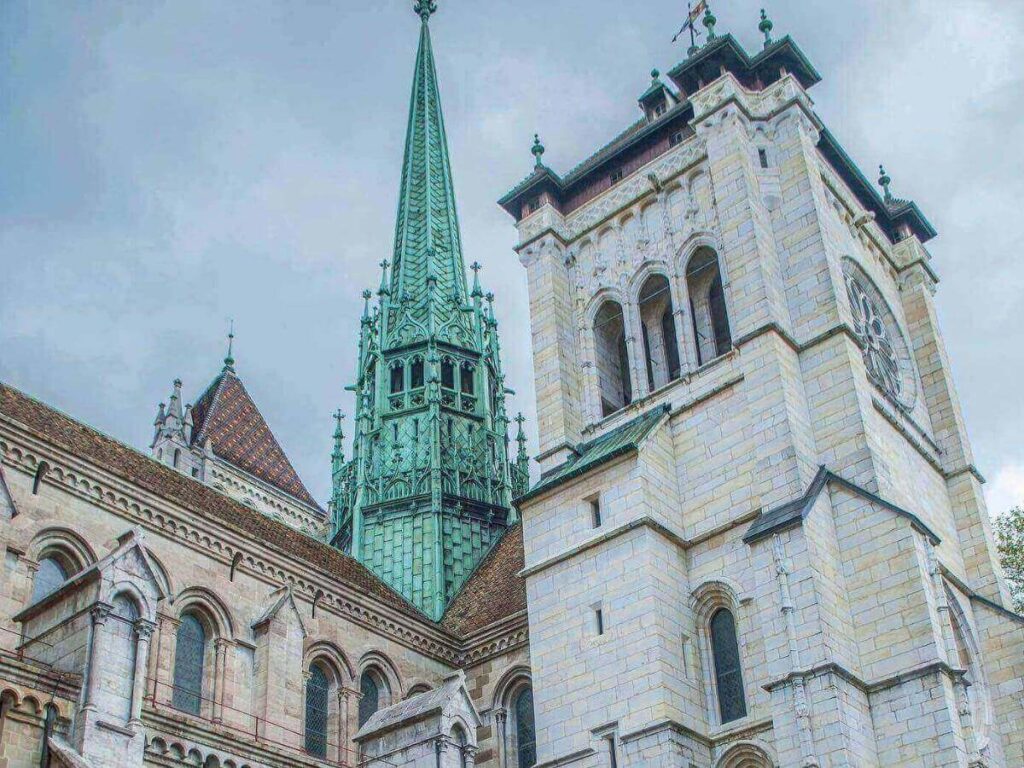
StPierre Cathedral rises over the neighbourhood, and climbing its towers is one of the best things you can do on a clear day. The rooftops stretch out beneath you, and the lake glints in the distance. Nearby is Maison Tavel, the oldest house in Geneva, which gives a surprisingly intimate look at how the city grew.
The Old Town gets busier later in the morning, especially when tour groups arrive, so I like going early. Even a simple walk through the narrow alleys feels peaceful before the crowds show up. Grab a warm drink in Place du BourgdeFour and let yourself drift through the streets without worrying about a route. It’s the right neighbourhood for wandering.
EauxVives & the Lakefront
EauxVives is where Geneva feels most open. The lakefront path runs right along the water, and the views never really stop the Jet d’Eau in motion, the boats moving in and out of the small harbour, and the shoreline curving gently around the bay. It’s a lovely place for a long, unhurried walk.
In summer, this area fills with swimmers and families heading to Baby Plage, a sandy spot where people paddle in the shallow water. Even if you’re not swimming, it’s a nice place to sit for a while and watch the day unfold.
On breezier days, the wind picks up quickly here, so it’s worth carrying a light jacket. If you’re in the mood for a break, stop at one of the lakeside bars. They’re perfect for an easy drink with a view.
Plainpalais
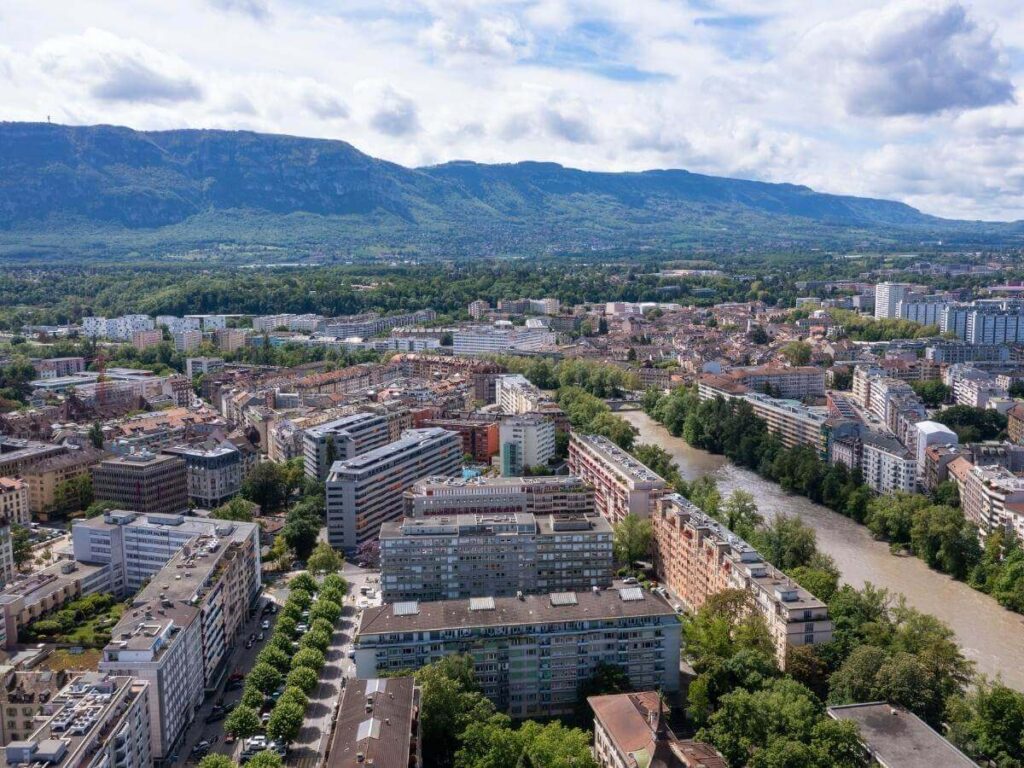
Plainpalais has a different energy from the lake front, bigger, busier, and a little more livedin. The large open square is home to a popular flea market on Sundays, where you can browse antiques, old records, vintage clothes, and fresh produce. It’s the kind of place where you might not buy anything, but you’ll definitely spot something interesting.
Just next to the square is a skatepark that gives the whole area a youthful feel, and there are plenty of food stalls around on market days. Plainpalais is also a good spot for casual, quick meals, especially if you’re exploring nearby neighbourhoods and need something simple before continuing your day.
Paquis
Paquis sits right next to the lake, but it has a completely different personality: lively, loud, and full of restaurants serving food from all over the world. If you love exploring different cuisines, this is where you’ll end up. The streets around the main tram line stay busy well into the evening, and there’s always somewhere interesting to eat.
Because it’s energetic and quite dense, I tend to stay on the main streets at night when I’m walking alone. It’s not a neighbourhood to avoid far from it but like any lively district, it feels safer when you stick to the brighter, busier parts. During the day, it’s a great area to wander through slowly and pick a place that catches your eye.
Carouge
Carouge feels like a quieter, softer version of Geneva, with pastel façades, small balconies, and streets lined with boutiques and craft shops. It has an almost Mediterranean vibe, thanks to its Sardinian architectural roots, and it’s a neighbourhood where time stretches a little. I like visiting in the late afternoon, when the sun hits the buildings at a warm angle and the cafés start to fill.
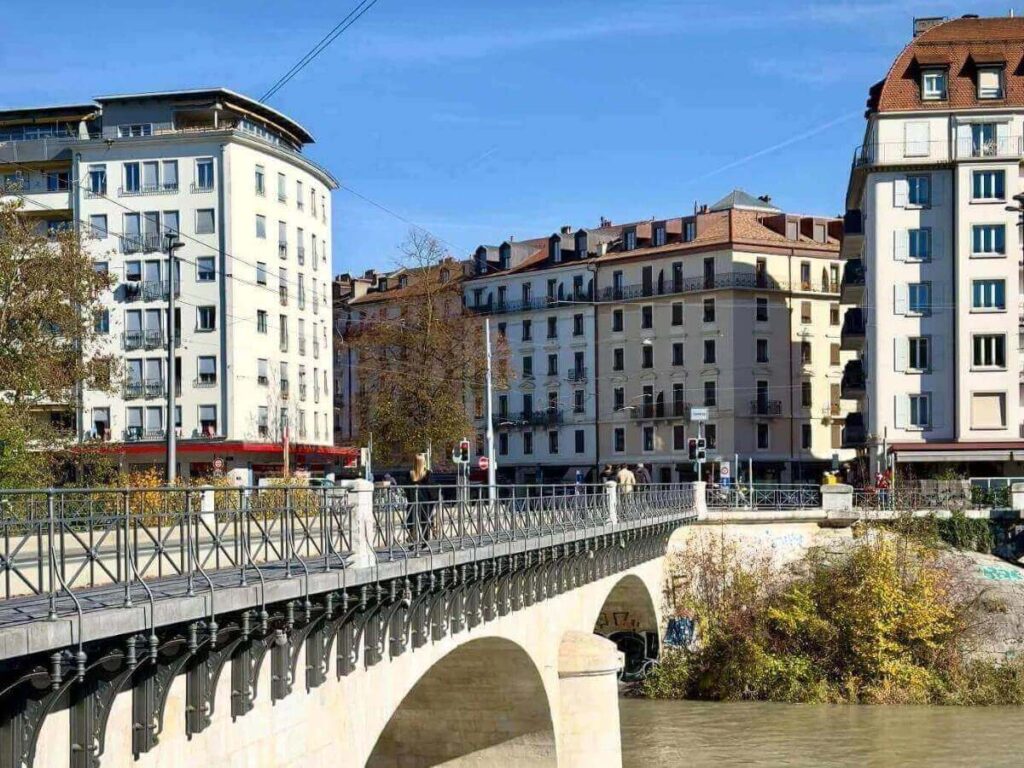
This is a wonderful place to browse pottery studios, bookshops, and small artisan stores. The courtyards often hide little benches or cafés where you can sit for a while, and the pace is so gentle that you might find yourself staying longer than planned. If you’re looking for a part of Geneva that feels local and relaxed, Carouge delivers exactly that.
Practical Itineraries
If You Have One Day
If you only have a single day in Geneva, you can still see a surprising amount without rushing. I’d start early along the lakefront, when the water is still and the morning light is soft. The Flower Clock sits right by the entrance to Jardin Anglais, and it’s usually much quieter before the city wakes up. From there, follow the path toward the Jet d’Eau.
The fountain looks impressive from afar, but the closer you get, the more you feel the spray drifting in the air, a small reminder that you’re standing right beside one of Geneva’s most iconic sights.
Once you’ve had your fill of the lake, make your way up to the Old Town. The walk is a gentle uphill climb, and the reward is one of the prettiest neighbourhoods in the city. Climb the towers of StPierre Cathedral if the weather is clear; the view stretches over the terracotta rooftops and the lake in a way that feels almost unreal.
Afterward, wander the lanes around Place du BourgdeFour, stopping for a quick drink or pastry if something catches your eye.
For lunch, head back down toward Plainpalais or the Rive area. Both have plenty of casual options: simple sandwiches, light bowls, or quick bites that let you fuel up without losing time.
Your afternoon can go in two directions depending on your mood. If you’re curious about global institutions, the United Nations tour is genuinely fascinating. If you prefer something more cultural and indoors, the Patek Philippe Museum is a great alternative especially on colder or rainier days.
In the evening, I like shifting the day’s pace. For something relaxed and charming, head to Carouge for dinner; the neighbourhood has warm lighting, good food, and a softer atmosphere. If you’re craving something livelier, Paquis is full of international restaurants and always has something interesting open.
A Relaxed Two Day Visit
If you have two days, you can slow everything down and enjoy Geneva at an easy, natural pace.
Day 1 works well as a mix of history, views, and lake walks. Start in the Old Town, taking your time with the cathedral and the narrow streets before making your way back down toward the water.
The path through Jardin Anglais is especially nice in the late morning as people start heading out for the day. From there, drift along the lake until you reach the Jet d’Eau. You’ll probably spot it long before you get near it.
In the late afternoon, make your way to Carouge. This neighbourhood feels completely different from central Geneva, and it’s the perfect place to slow down. Browse a few shops, sit under the trees in one of the squares, and pick a restaurant that suits your mood. Dinner here always feels a little more intimate than in the busier areas along the lake.
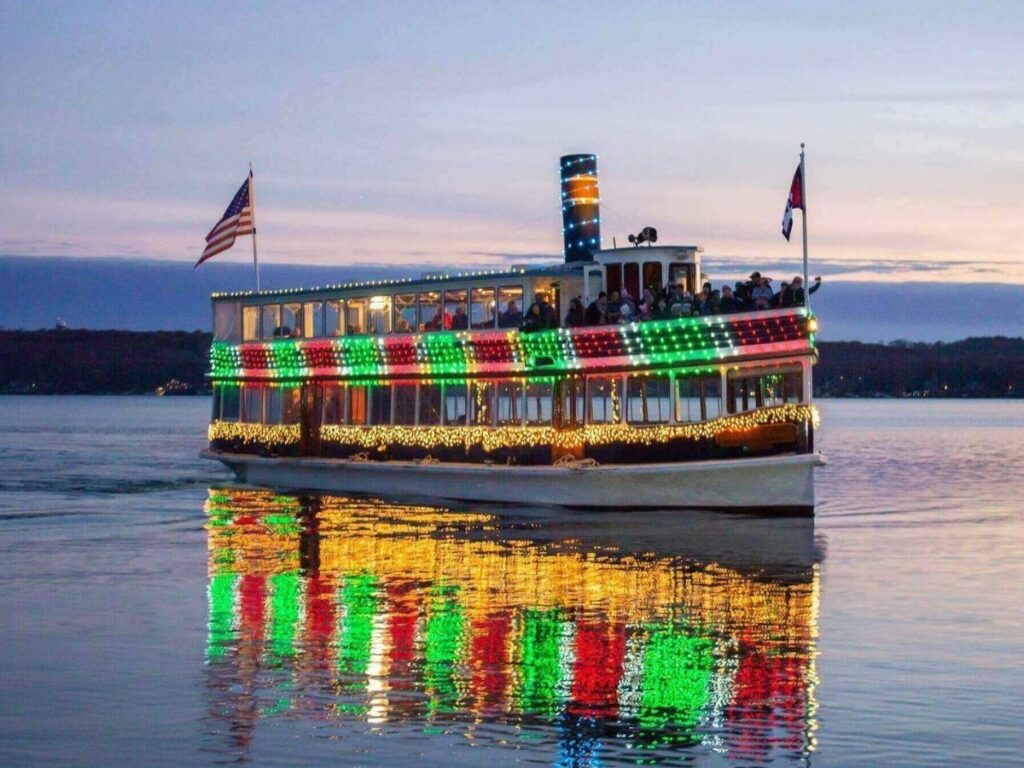
Day 2 is ideal for getting out onto the water. Take a morning cruise, even the short ones give you a completely different perspective of the city. The boats glide along quietly, and the views of the mountains and the skyline are worth the early start. When you return, grab lunch near the port or somewhere close to the lake.
For the afternoon, choose between another museum, a lakeside walk, or a visit to the United Nations, depending on what you skipped the day before. If the weather is clear, finish with a ride up Mont Salève. It sits just across the border but feels like part of the same landscape, and the viewpoint is stunning at sunset. Bring a light jacket it gets cooler as the sun drops.
A Weekend for Families
Geneva is great for families because everything is close and easy to navigate. Start in the Old Town, where kids can roam the narrow lanes and climb the towers of StPierre Cathedral for a fun, simple viewpoint. Walk down to the lake afterward and follow the path through Jardin Anglais; it’s wide, strollerfriendly, and always lively.
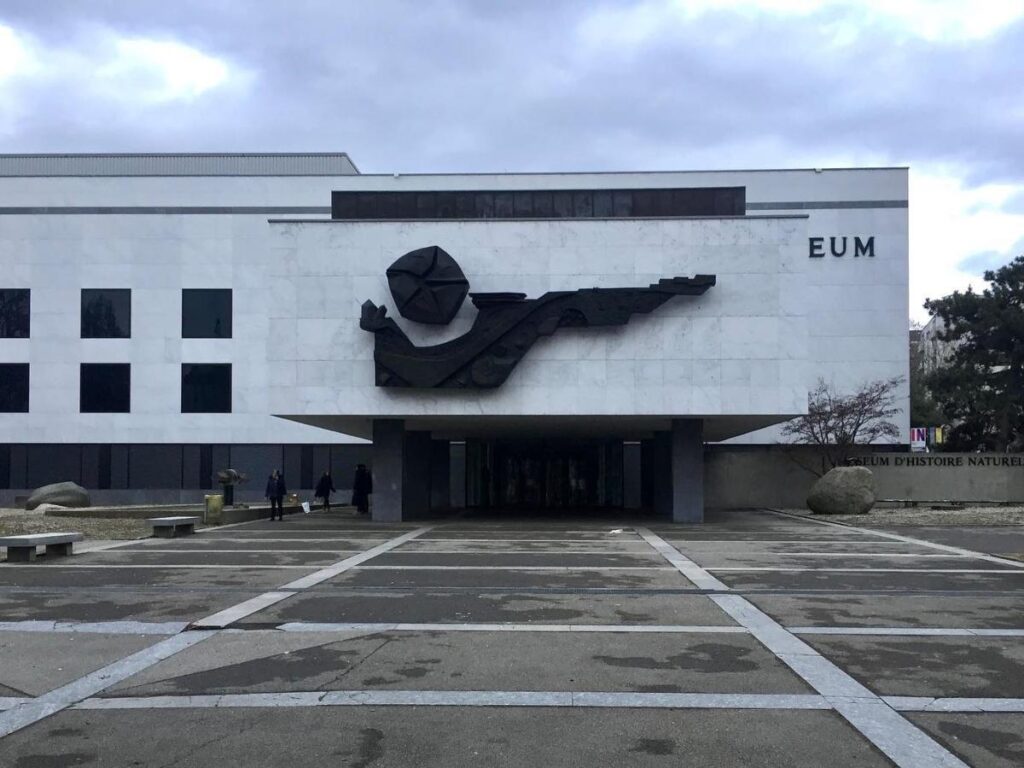
The Natural History Museum is an ideal midday stop. It’s small enough to explore in an hour and has exhibits that keep children entertained without overwhelming them. Later, take a short boat cruise on the lake; the calm ride and open views are usually a hit with younger travellers.
If you have an extra halfday, hop on the train to Lausanne or Nyon. Both are close, easy to explore, and full of open spaces where kids can move at their own pace.
A Food Focused Weekend
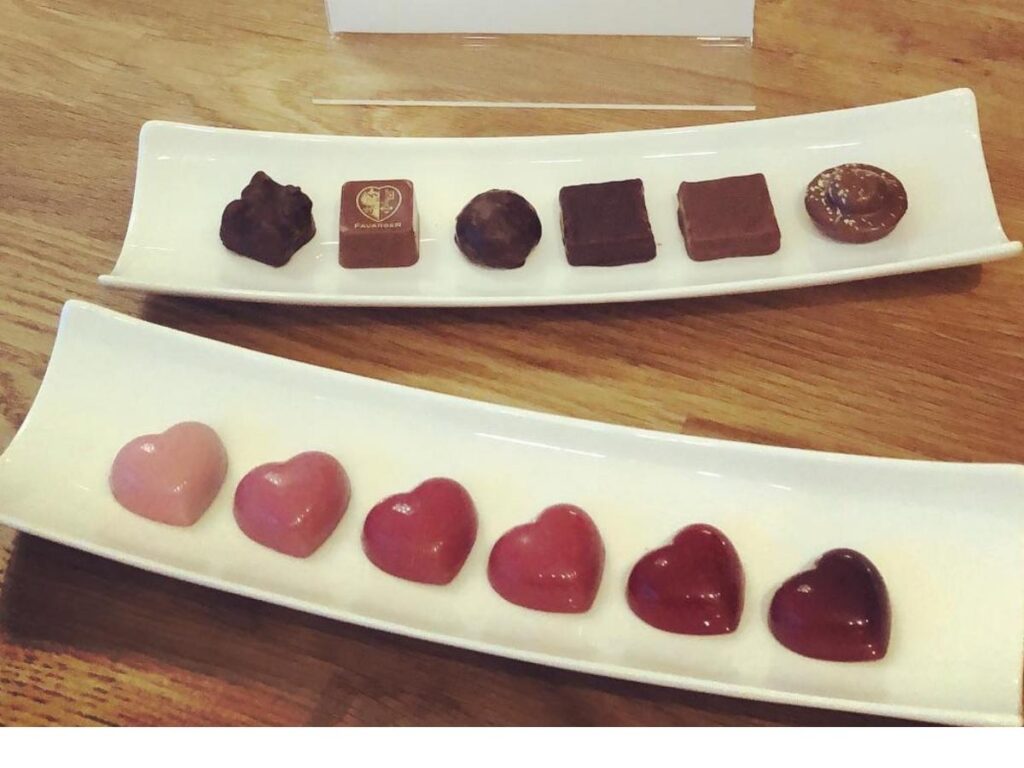
For a weekend built around eating, start with a chocolate tasting. Try a few pralines from different chocolatiers and you’ll quickly understand why Geneva takes chocolate so seriously.
In the evening, settle in for a fondue dinner rich, warm, and perfect after a day of walking. The next afternoon, head to a lakeside wine bar for a quiet drink with a view of the water. It’s one of the simplest pleasures in the city.
End the weekend in Carouge, where cafés and bakeries spill onto the squares. It’s the perfect neighbourhood for a slow final morning, a good pastry, and a last walk before leaving.
A Luxury Weekend
For something indulgent, stay at a waterfront hotel and start your day with lake views right from your window. Wander the promenade at an easy pace, then dress up for a fine dining dinner many restaurants near the lake specialise in seasonal menus and elegant settings.
On the second day, book a private boat experience. Even a short cruise feels special, and the views of the mountains and city from the water are unforgettable. Spend your final afternoon browsing boutiques in Carouge, where small studios and artisan shops make it the ideal neighbourhood for a relaxed, stylish finish to the weekend.
Where to Eat & Drink
Splurge
If you want to treat yourself, Geneva does luxury dining beautifully. The lakeside restaurants are the obvious choice, not just for the food but for the setting big windows, soft lighting, and panoramic views that change as the evening moves on.
On warm days, outdoor terraces feel especially inviting, and there’s something memorable about watching the Jet d’Eau in the distance while your meal arrives.
A few places offer seasonal tasting menus built around local produce, and they’re worth considering if you enjoy slow, thoughtful dining. Just make sure to reserve ahead of time. Weekends fill up quickly, especially the tables closest to the water. If you want a seat with a view, booking early is almost essential.
Mid Range
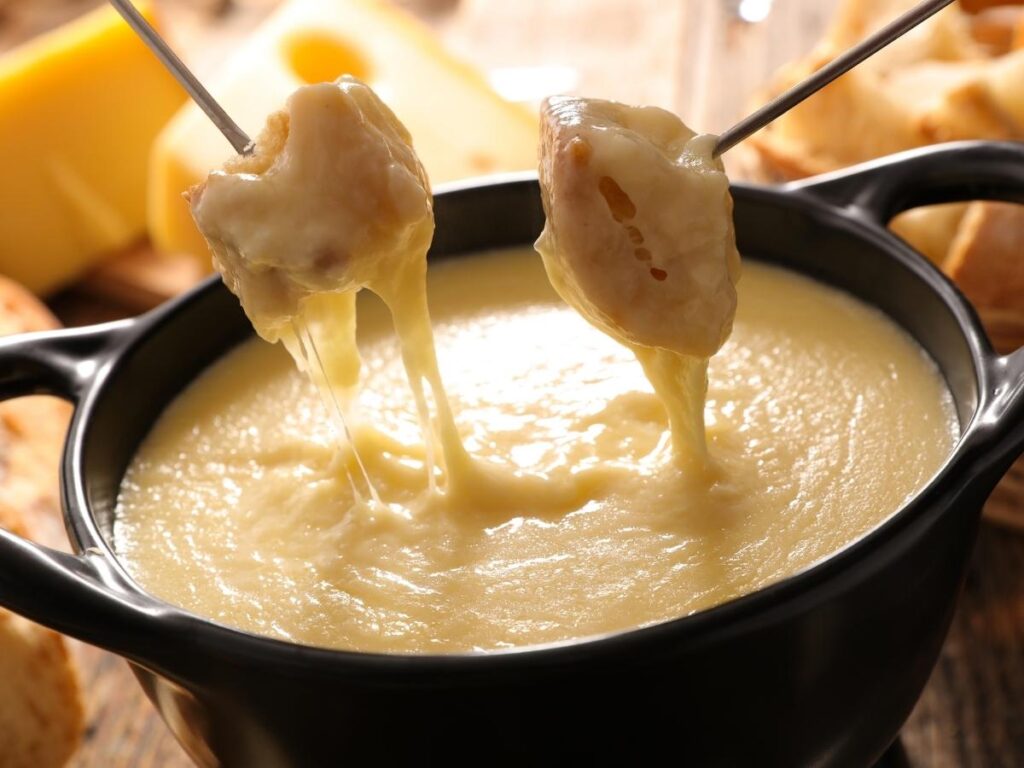
For something more relaxed but still hearty, go for fondue. Geneva has several traditional spots that serve the classic blend of cheese along with rösti and simple meat dishes. These places are cosy in winter and lively in summer, and they’re the kind of restaurants where you leave full and happy rather than feeling like you’ve just sat through a formal dinner.
You’ll also find plenty of bistro-style restaurants tucked around the Old Town and Rive area. They’re good for a comforting meal after a day of walking, nothing overly fussy, just reliable dishes in a warm setting. If you’re unsure where to go, following the locals usually works; the popular spots tend to show it.
Casual & Budget
If you’re keeping things simple, Geneva still has great options. Sandwich shops and bakeries are everywhere, and many sell generous portions that make for an easy lunch by the lake. In Paquis, you’ll find an impressive mix of Asian, Middle Eastern, and Mediterranean food. It’s one of the best areas to wander when you don’t know exactly what you’re craving.
On Sundays, Plainpalais turns into an openair market filled with quick snacks, fresh produce, and small stalls serving hot food. It’s a fun way to eat without sitting down for a full meal, and the atmosphere alone makes it worth the stop.
Coffee, Pastries & Chocolate
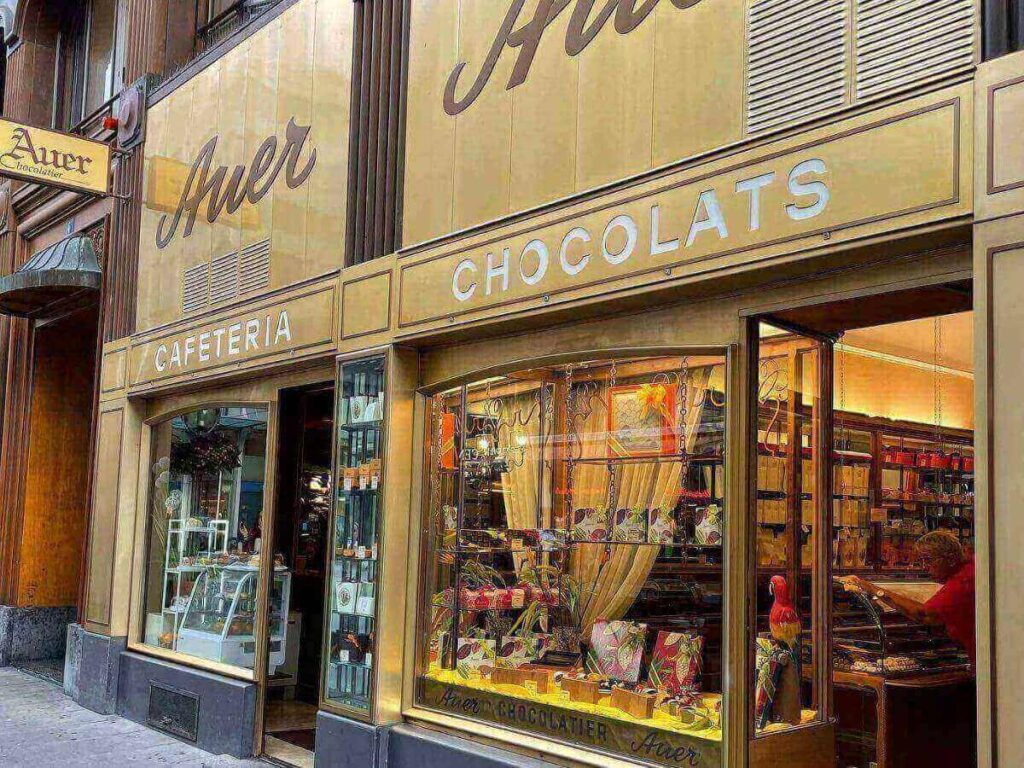
Geneva’s chocolate shops are a delight. Many let you sample before buying, so you can try pralines, truffles, or bars made from local ingredients and choose a small box to take home. It’s easy to hop between shops and turn it into a mini tasting tour.
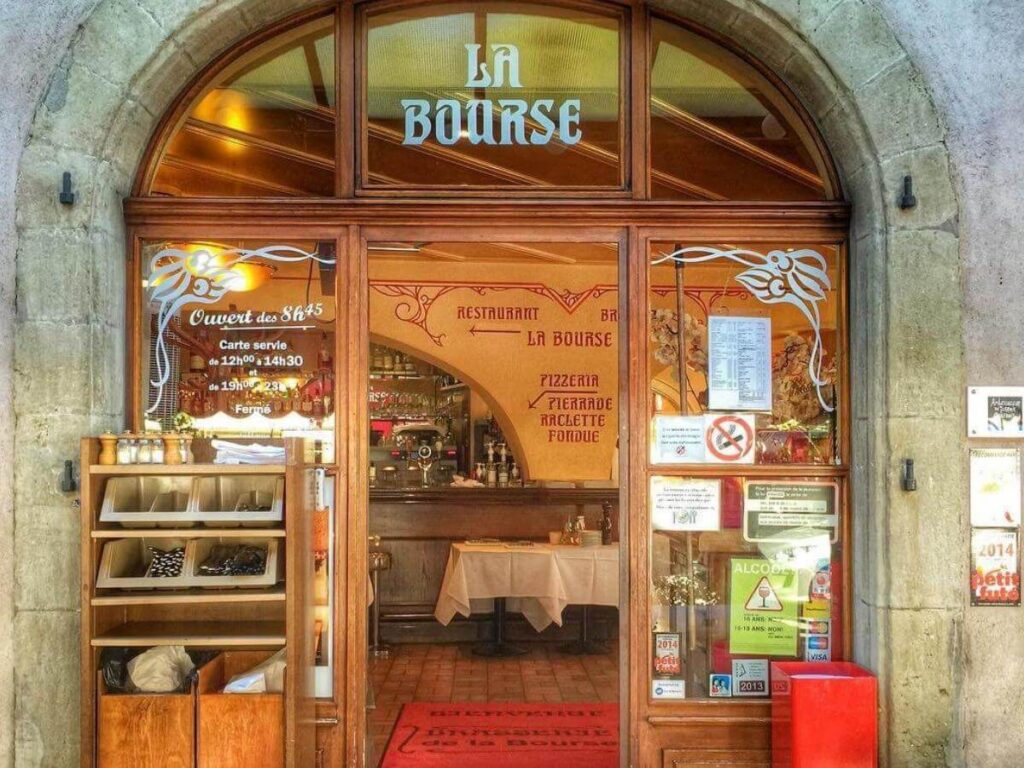
For pastries, look for flaky croissants, fruit tartlets, and whatever seasonal specialty happens to be on display that week. Geneva’s bakeries tend to be small and inviting, and sitting down with a warm pastry and a good coffee is one of the simplest pleasures in the city, especially if you’ve been walking all morning.
Where to Stay in Geneva
Luxury
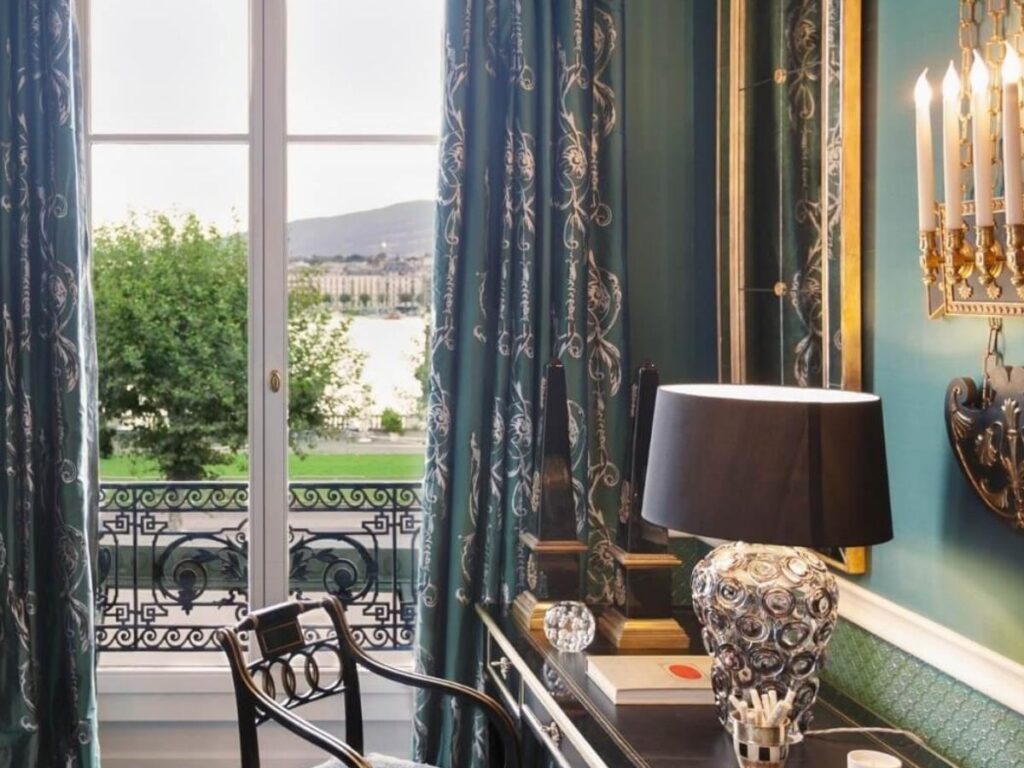
If you’re looking for something special, Geneva’s luxury hotels make the most of their lakeside locations. Staying right on the waterfront means you wake up to the kind of view that immediately sets the tone for the soft morning light over the water, boats drifting by, and Mont Blanc occasionally peeking through the clouds.
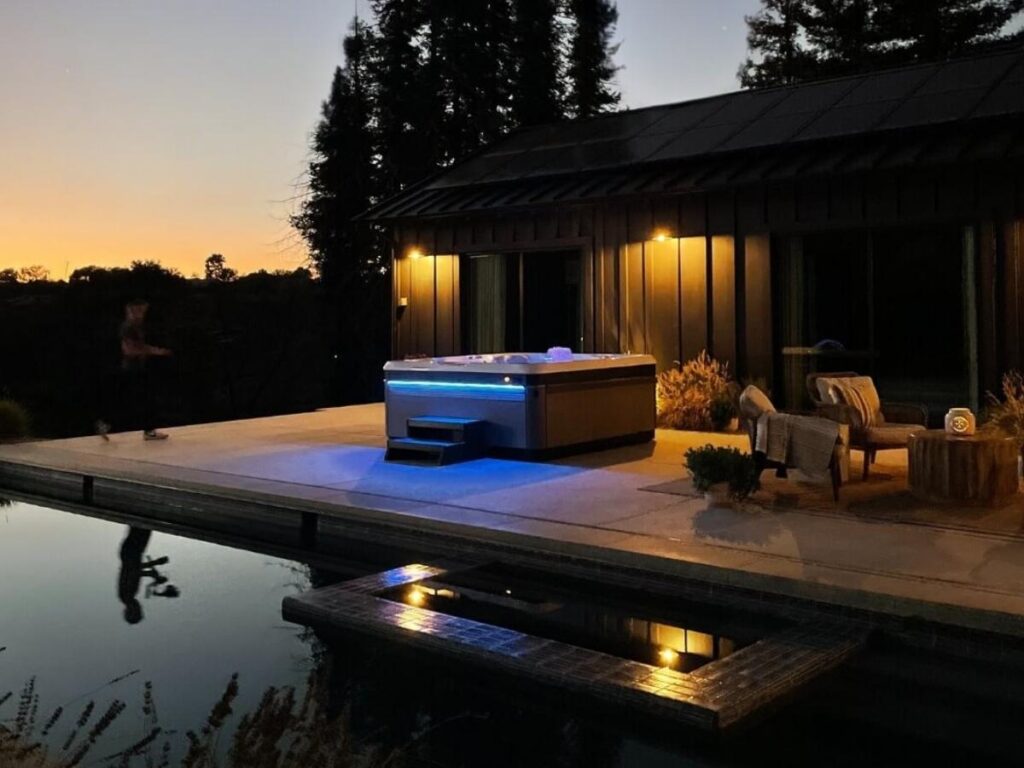
Many of these hotels have spas, calm relaxation areas, and restaurants that overlook the lake, so even if you don’t plan to sightsee much, you still feel like you’re on a peaceful getaway. They’re also incredibly convenient: you can step outside and be on the promenade within seconds.
Mid Range
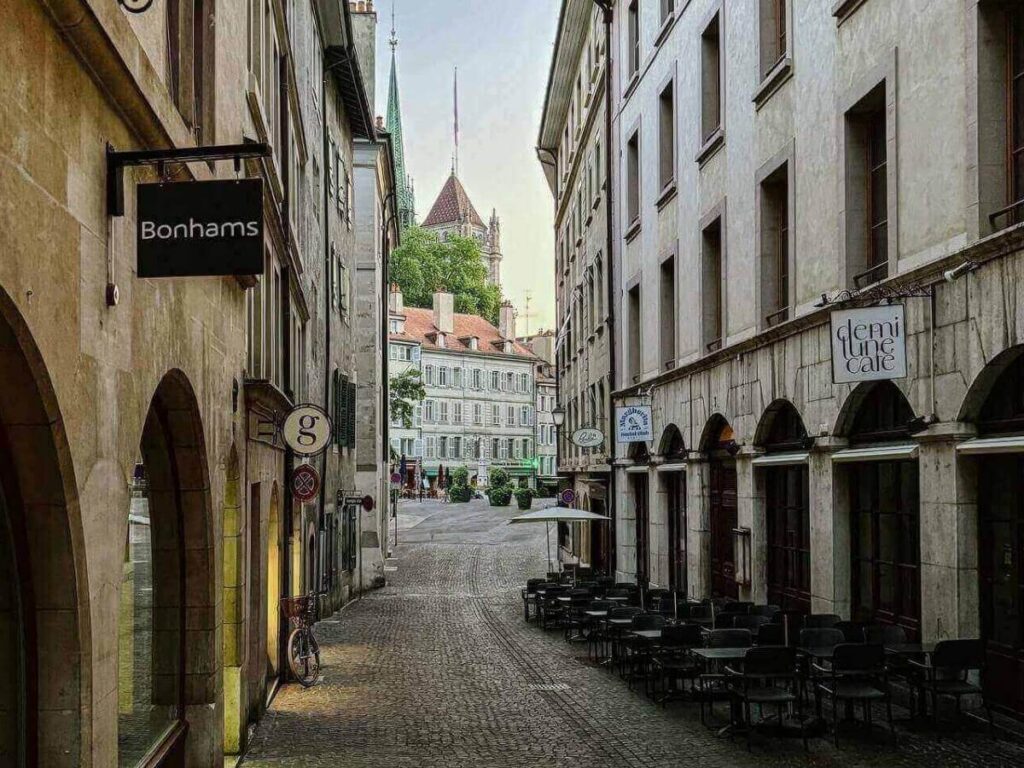
For something comfortable without stretching your budget too far, the midrange hotels near Cornavin station or the Old Town work well. These areas are extremely practical if you plan to use the trams, the connections are excellent, and most major sights are just a short ride or walk away.
The hotels themselves tend to be modern, clean, and straightforward, with everything you need for a few days in the city. What I like most is how easy it is to get around from here; you can drop your bags, head out the door, and be at the lake or the Old Town in minutes.
Budget
Geneva isn’t known for being inexpensive, but there are still decent budget options if you look slightly outside the centre. Simple hotels and guesthouses in areas like Plainpalais, Les Acacias, or just beyond Cornavin often offer better value, and the tram lines make it easy to get everywhere quickly.
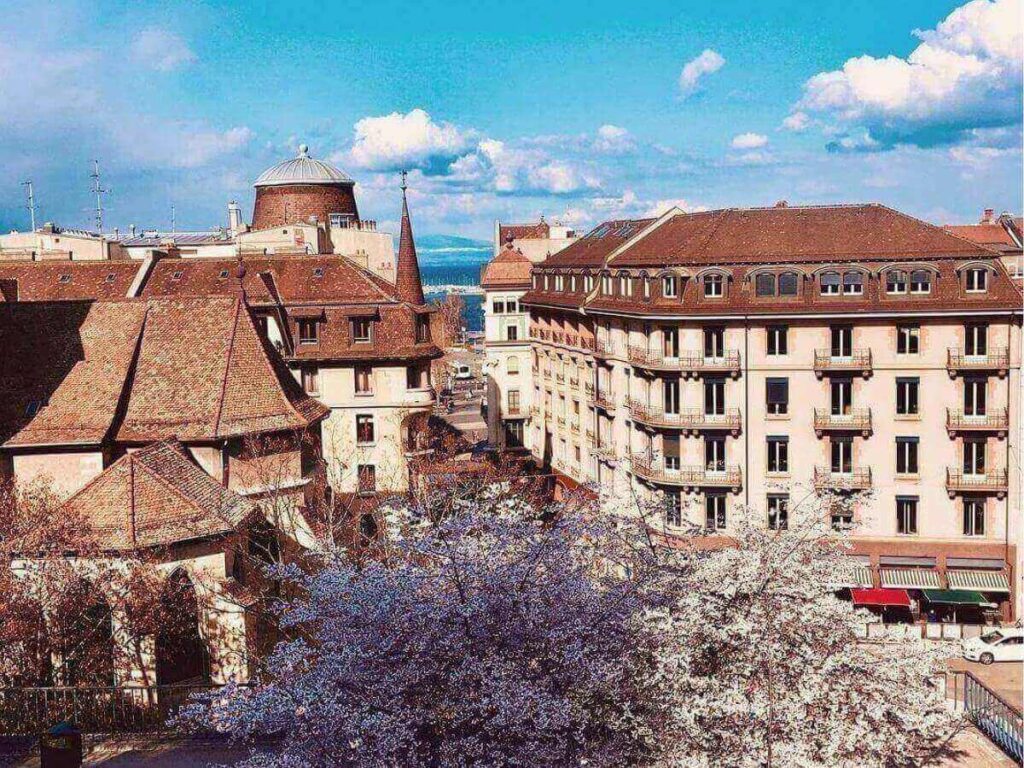
You might not have lake views or fancy amenities, but if you’re planning to spend most of your time exploring, these stays give you exactly what you need: a clean room, a quiet night’s sleep, and quick access to the rest of the city without paying premium prices.
Boutique
If you want something with a little more personality, Carouge is the place to look. This neighbourhood has a softer, more artistic feel than central Geneva, and the boutique hotels here often reflect that colourful interiors, small courtyards, and a sense of calm that’s hard to find closer to the lake.
Staying in Carouge makes your trip feel a bit more local; mornings here start slowly, with cafés opening their terraces and shop owners setting out displays on the street. It’s a lovely area to come back to at the end of the day, especially if you enjoy quiet evenings and neighbourhood charm.
Final Thought
Geneva is the kind of city that reveals itself slowly. The lake, the quiet lanes, the neighbourhood cafés, and the viewpoints all feel better when you give yourself the space to wander between them.
Whether you’re here for a day or a long weekend, I hope this guide helps you settle into the rhythm of the city and enjoy it the way I do one easy walk, one good meal, and one beautiful view at a time.
If you want to keep this guide handy for later, feel free to pin it and return whenever you start planning your trip.