
The first time I went to Seville, I didn’t expect the city to slow me down the way it did. I arrived with a list of things to see, thinking I’d rush from one sight to the next, but the city immediately had other ideas.
There was this soft scent of orange blossoms drifting through the streets, and the evenings stretched into that warm, golden light that makes you walk at half your usual pace.
The plazas felt unhurried, the bars felt familiar even if you’d never stepped inside before, and the whole rhythm of the city made it surprisingly easy to forget whatever plans you had.
This guide comes from that first trip and the few returns I’ve made since. It gathers the places I kept going back to, the routes that always felt the smoothest, and the small details that made each day simpler like when to visit the Alcázar before the heat settles in, or which neighbourhoods feel best at night.
You’ll find itineraries for two, three, and four days, along with food ideas, timing tips, and notes that make sightseeing feel relaxed rather than rushed.
Seville is a city that naturally urges you to slow down. This guide is here to help you follow that pace, while still seeing everything that makes the city special.
Quick Start: If You Don’t Want to Read the Whole Thing
If this is your first time in Seville, three days is the sweet spot. It gives you enough time to actually enjoy the Cathedral and the Alcázar without rushing through their details, to wander the narrow lanes of Santa Cruz at an easy pace, and to spend an unhurried evening in Triana where the river looks its best just before sunset.
With three days, Plaza de España fits naturally into the trip too, and you still have room to end at a flamenco show one night, which is something I always recommend doing at least once.
If you’re only passing through and have a single day, you can still get a good feel for the city; you’ll just need to keep things simple. Start with the Cathedral and the Giralda first thing in the morning, because that’s when the light is soft and the lines are shortest.
From there, drift into Santa Cruz, where even a slow stroll feels rewarding. In the afternoon, give yourself a break at Plaza de España; you don’t need to do anything there except sit and take in the tiled details and the way the light hits the arches.
End your day with tapas somewhere nearby and then head to a flamenco performance. Even with only one day, that combination gives you a surprisingly complete Seville experience.
If you prefer a slower trip and honestly, Seville is a city that rewards that mindset, four days is ideal. You’ll have time to see all the main sights without feeling like you’re on a timer, and you also get the luxury of choosing a day trip.
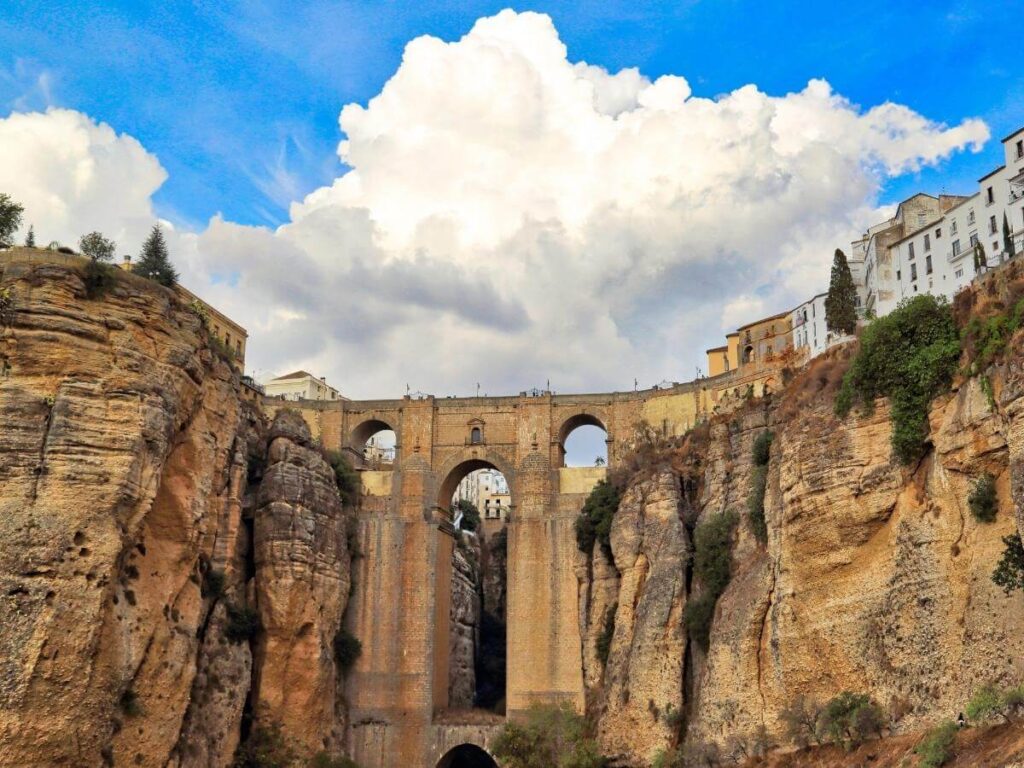
Córdoba is the obvious choice if you’ve never been; the Mezquita alone makes it worth the journey. Ronda is another favourite if you’d rather trade architecture for open views and dramatic cliffs. With four days, you move through Seville in a way that feels relaxed and unforced, which is how the city feels at its best.
Soft morning sunlight on Seville Cathedral’s façade before the crowds arrive
Day 1 Cathedral, Giralda, Santa Cruz & Sunset at Las Setas
Morning Seville Cathedral & La Giralda
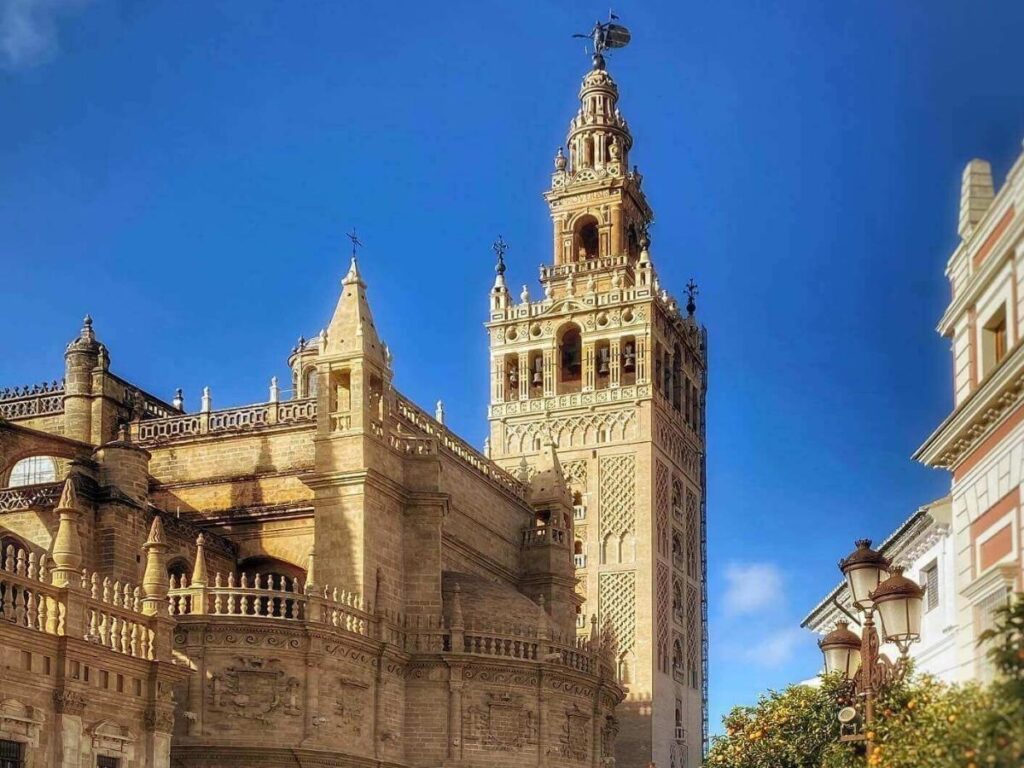
If you can, start your first morning a little earlier than usual. The square around the Cathedral has a quiet, almost gentle feel before the groups arrive. You can hear the fountains and the rattle of café chairs instead of tour guides and crowds.
It’s the best time to see the Cathedral because the sun hits the façade in this soft, golden way and the entrance lines are still short.
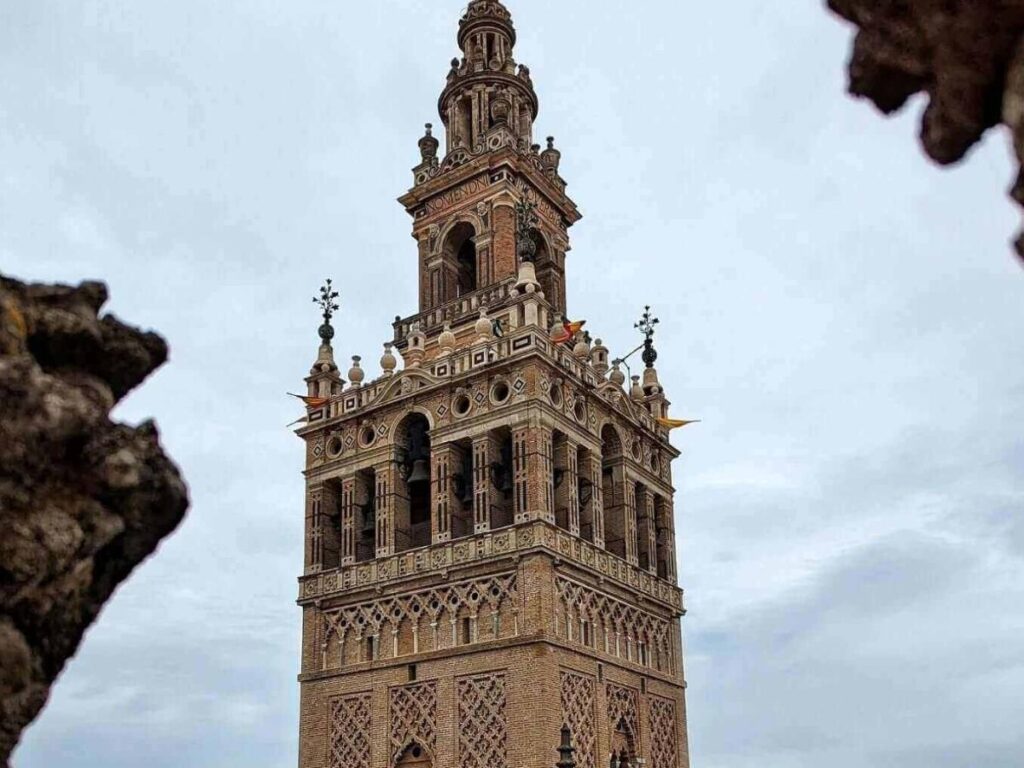
Inside, the building absorbs sound in a way that makes you instinctively lower your voice. I always need a moment just to take in how massive the space feels. When you climb La Giralda, don’t be put off by how tall it looks. The ascent is a slow spiral of ramps rather than stairs, and it’s surprisingly manageable.
Take your time. There are windows along the way that give you little previews of the view, and once you reach the top, the rooftops of Seville spread out in every direction.
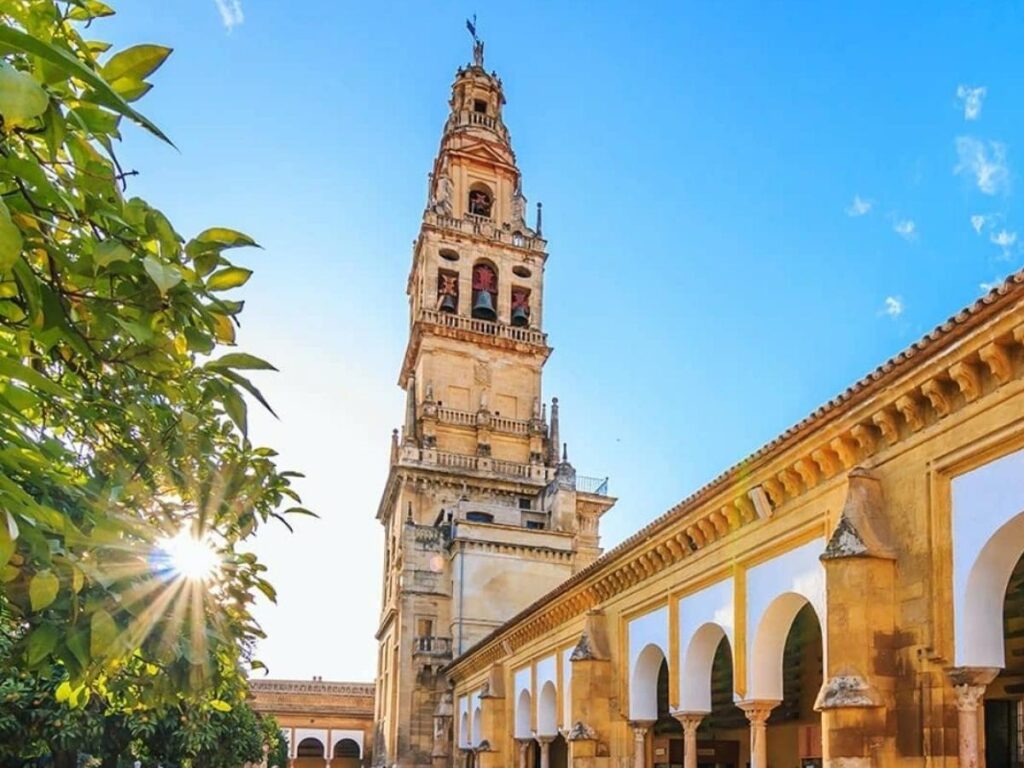
Before you leave, pause in the Patio del Naranjos. In the morning it’s usually still quiet, and the orange trees cast a soft, dappled shade that is perfect for catching your breath.
Plan around two hours here. If you linger, you won’t regret it.
Afternoon Wandering Santa Cruz
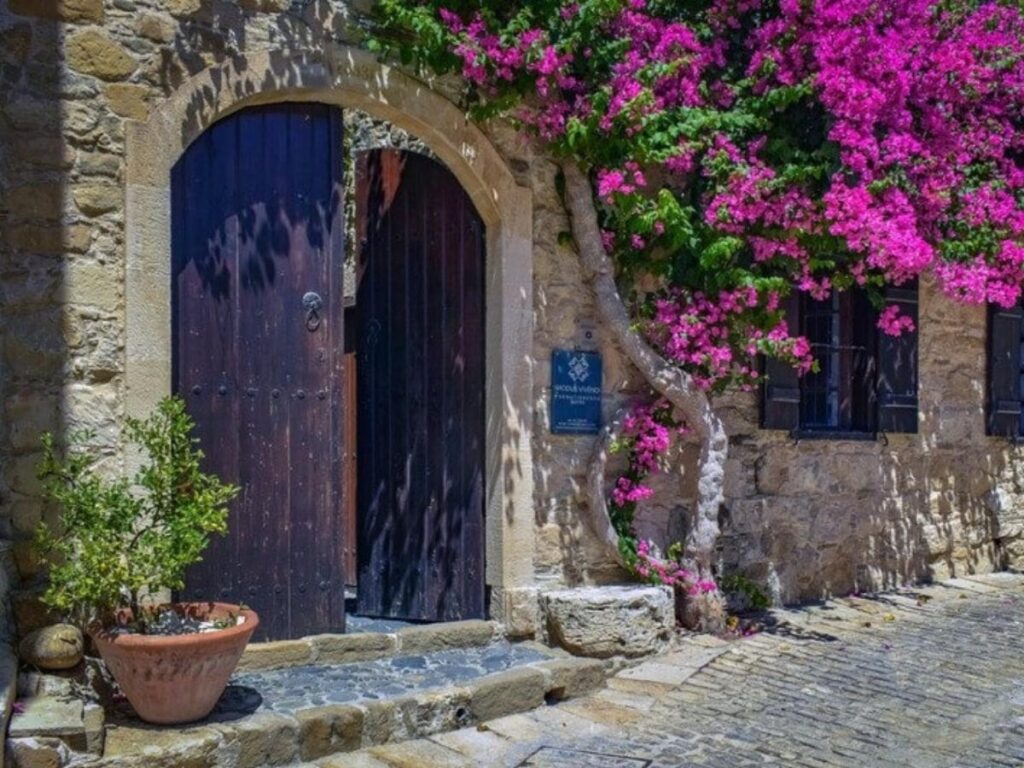
The walk from the Cathedral into Santa Cruz is short, but the tone shifts immediately. The streets narrow into a maze of whitewashed houses, hidden courtyards, and sudden bursts of bougainvillea. This is where I like to slow down and let the neighbourhood decide my route for me.
You don’t need a list of specific spots hereSanta Cruz is more about the feeling of walking without a destination. I usually stop somewhere simple for a small tapa: a tortilla slice if I want something comforting or a bowl of chilled salmorejo if the day is warm.
You’ll find tiny cafés with two or three tables tucked into corners that feel like they belong in a different century.This part of the day is about drifting, not rushing.
Evening Sunset at Las Setas
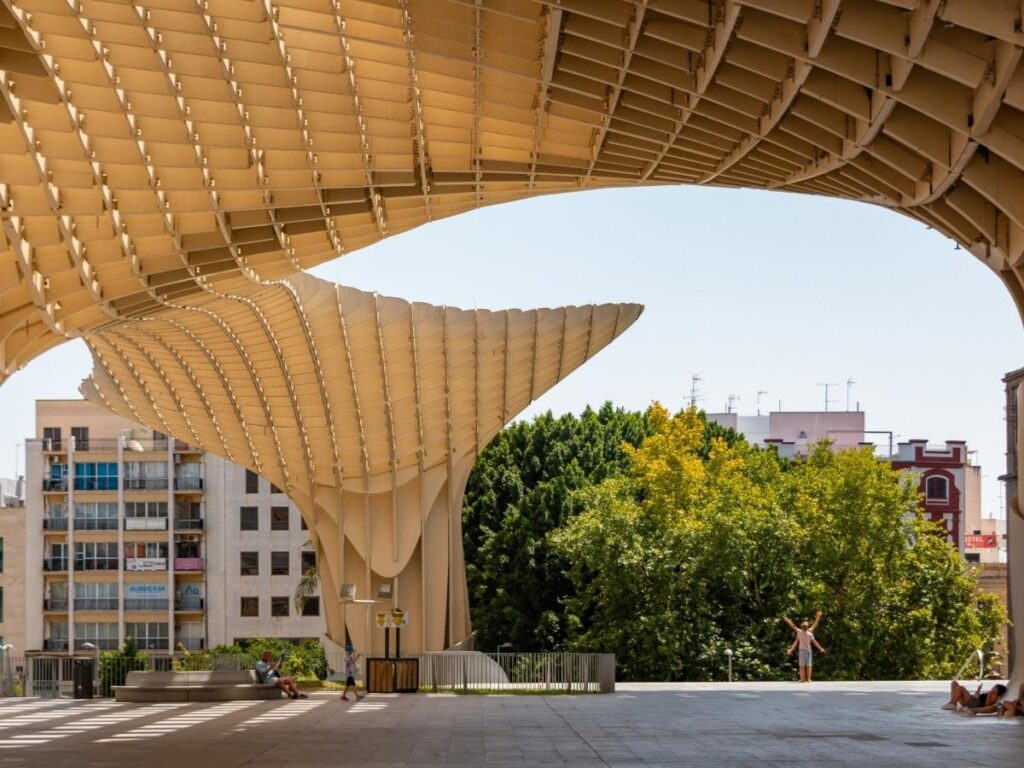
When late afternoon rolls into early evening, make your way to Metropol Parasol, or Las Setas as everyone calls it. The whole structure curls over the square in a way that feels futuristic compared to the rest of Seville, but once you’re up on the walkway, the contrast disappears.
You get a soft breeze, shifting light, and a slow view of the city preparing for the night.
The sunset here is beautiful. The rooftops turn warm and the sky usually takes on muted pink tones. It’s a good place to reset your energy before dinner.
Dinner A Tapas Night Without a Plan

Seville is a city where dinner doesn’t need reservations or research. Some of the best evenings come from stepping into the first place that feels inviting. I like to start simple: jamón, olives, maybe a glass of something cold. After that, move on to a second bar for something warm espinacas con garbanzos, lightly grilled prawns, or whatever looks good on the menu that day.
Day 2 The Alcázar, Plaza de España & Flamenco
Morning Real Alcázar
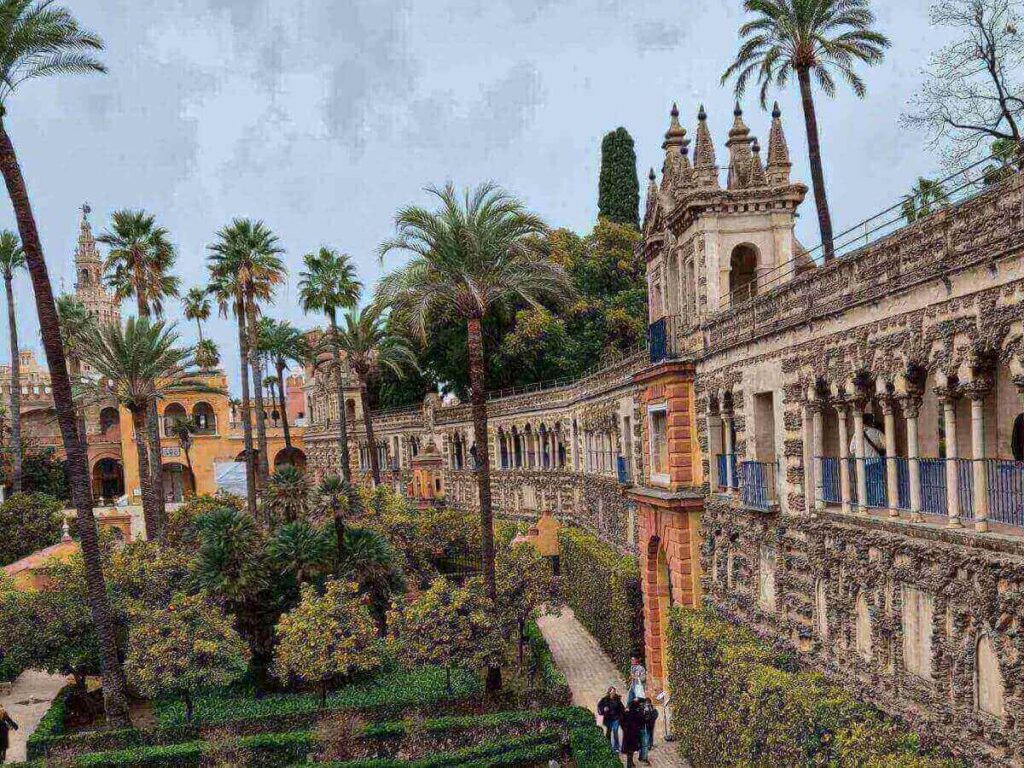
If there’s one place where timing matters, it’s the Alcázar. Booking ahead makes everything easier, but the real secret is arriving right when the gates open. The first hour of the day has a calmness to its quiet courtyards, empty hallways, light falling through arches.
The palace itself is a beautiful mix of carved stone, geometric patterns, and intimate little rooms, but the gardens are what stay with you. Wander slowly. There are corners where the only sounds you’ll hear are birds and fountains. It feels like the city disappears for a moment.
Expect to spend two to three hours here, especially if you enjoy photographing details.
Midday Plaza de España & Parque de María Luisa
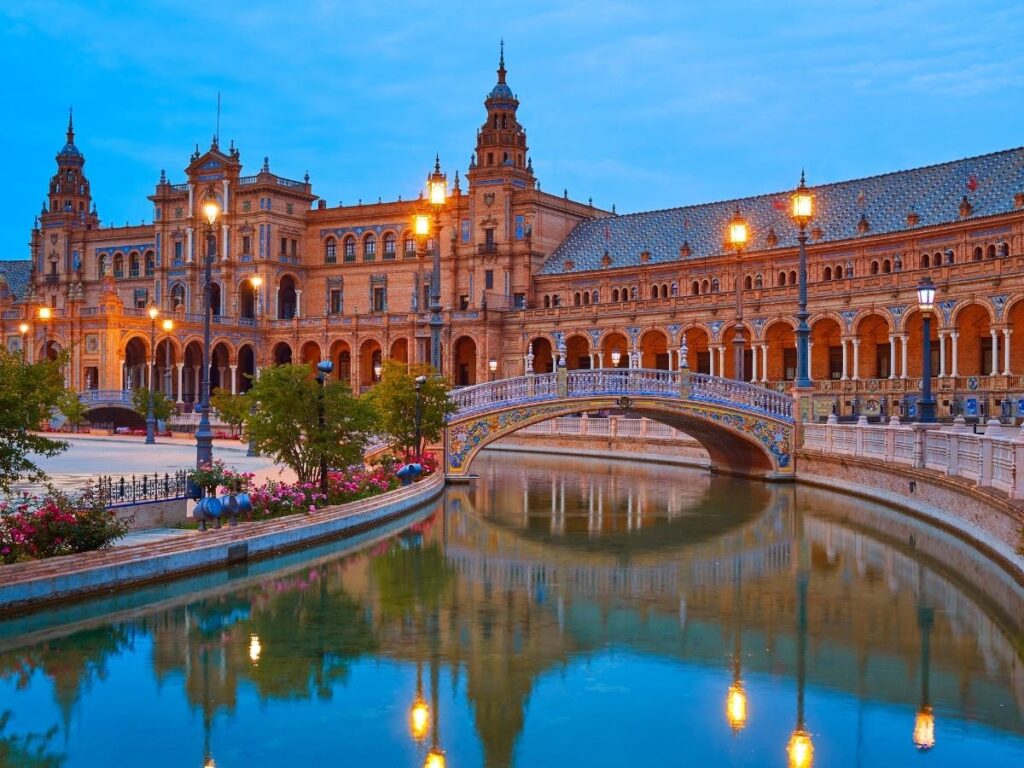
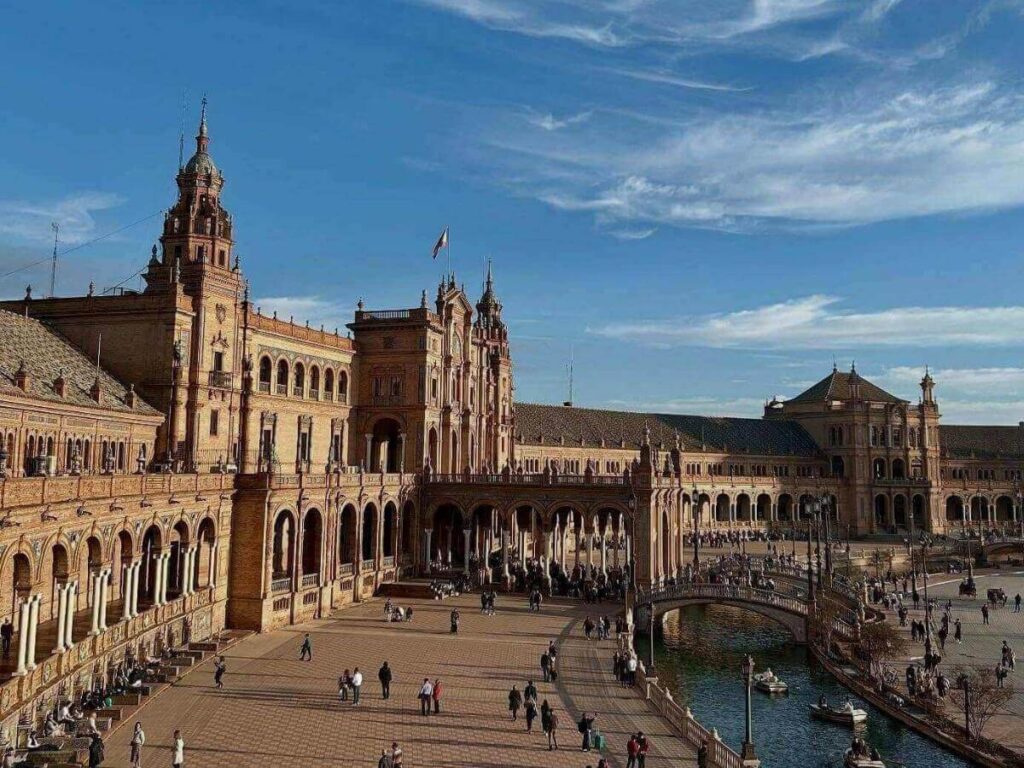
When you leave the Alcázar, take a short walk or taxi to Plaza de España. It’s one of those places that genuinely looks as grand in person as it does in photos. Kids row small boats across the canal, musicians drift between the arches, and the tiled alcoves around the plaza show scenes from every region in Spain.
It’s a surprisingly good spot for lunch if you want something casual. I sometimes bring a sandwich or fruit, sit along the edge of the plaza, and just watch the movement around me.
From there, wander into Parque de María Luisa. It’s shady, green, and peaceful, the kind of park where you can happily lose half an hour without meaning to.
Evening Triana & Flamenco
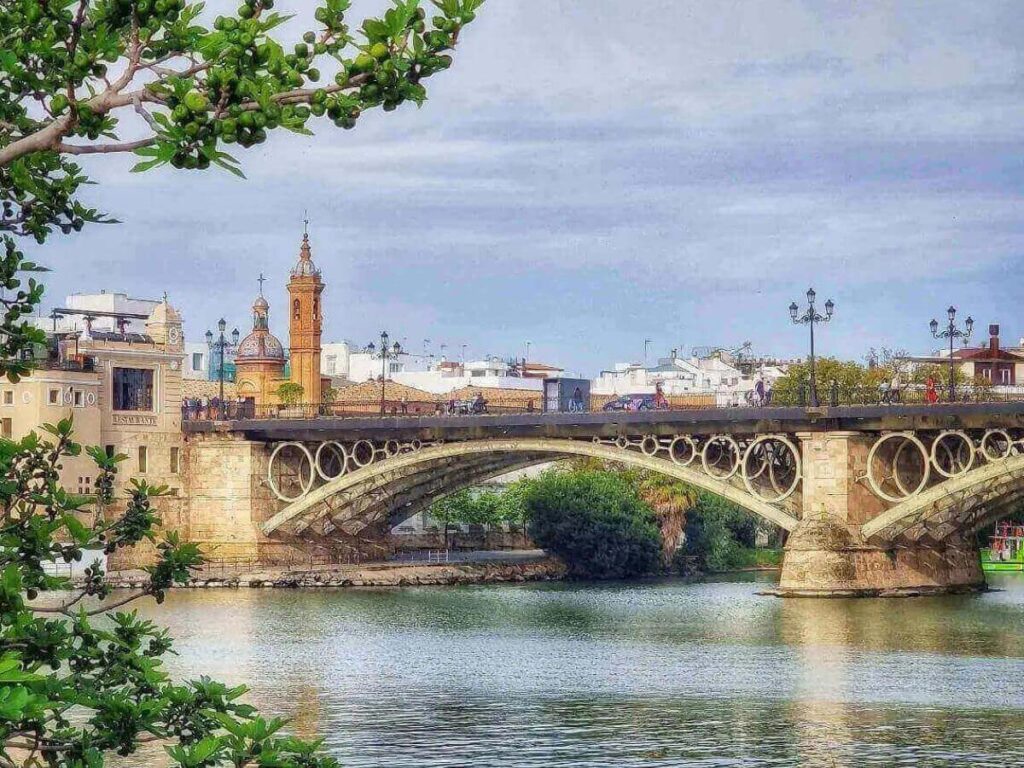
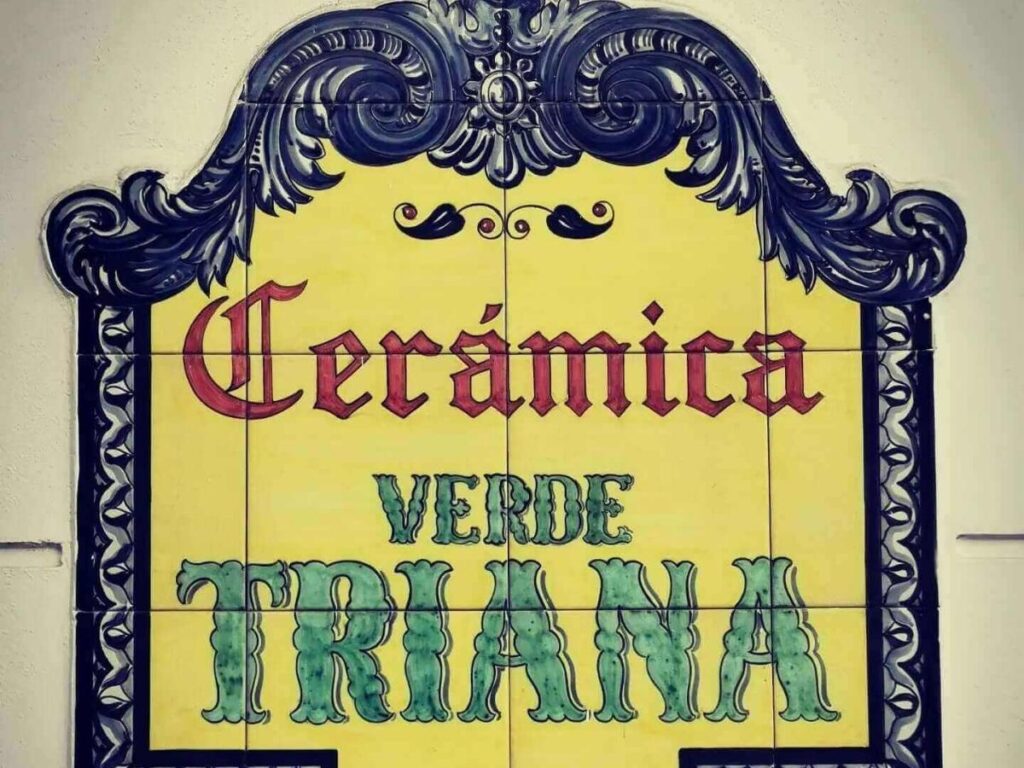
As the light starts to soften, cross the Triana Bridge over to the neighbourhood of Triana. The river looks especially pretty around this time, and you’ll see locals heading out for evening strolls or browsing the ceramics shops the neighbourhood is known for.
This area has a quieter, more lived-in feel than the centre. If you’re hungry before the show, stop for a tapa or two along the riverside.
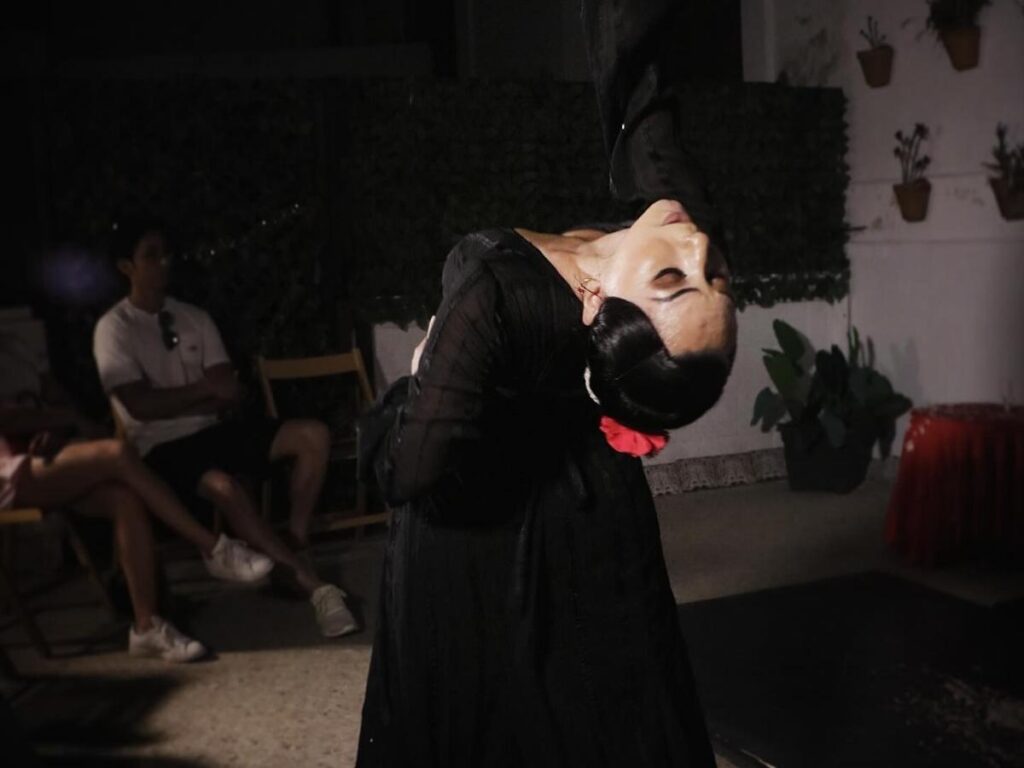
Flamenco is always best at night. Whether you choose a small peña or a more traditional tablao, book ahead and arrive early for the best seats. The smaller venues tend to feel more intimate, the dancers are close enough that you can see every detail of their footwork.
End the night with a slow walk back over the bridge. The reflections on the river are beautiful.
3 Days in Seville
My ideal amount of time is enough for the must-sees and still some breathing room.
Day 1 Las Setas, Casa de Pilatos & Cathedral Evening
If you like starting trips with a sense of orientation, begin at Las Setas for a wide view of the city. From here, walk to Casa de Pilatos, which I always describe as a quieter, gentler cousin of the Alcázar. It has beautiful tilework, peaceful courtyards, and a slower rhythm.
Spend the rest of your afternoon exploring either Arenal or Santa Cruz, depending on your mood. Arenal is close to the river and has a slightly more modern feel; Santa Cruz is charming and traditional.
Visit the Cathedral later in the day if you haven’t already. It’s softer in the late light and then stay nearby for tapas.
Day 2 Alcázar, Santa Cruz & Alameda
Start with the Alcázar again if it’s your first visit; otherwise skip directly into Santa Cruz. This neighbourhood always reveals something new when you wander without an agenda.
If you feel like experiencing a completely different side of Seville, head toward Alameda de Hércules in the afternoon. It’s more local, more casual, and great for a relaxed coffee or a long lunch. This day is your “easy” day: think slow meals, shaded streets, and maybe even a short rest back at your hotel.
Day 3 Plaza de España, Torre del Oro & Triana
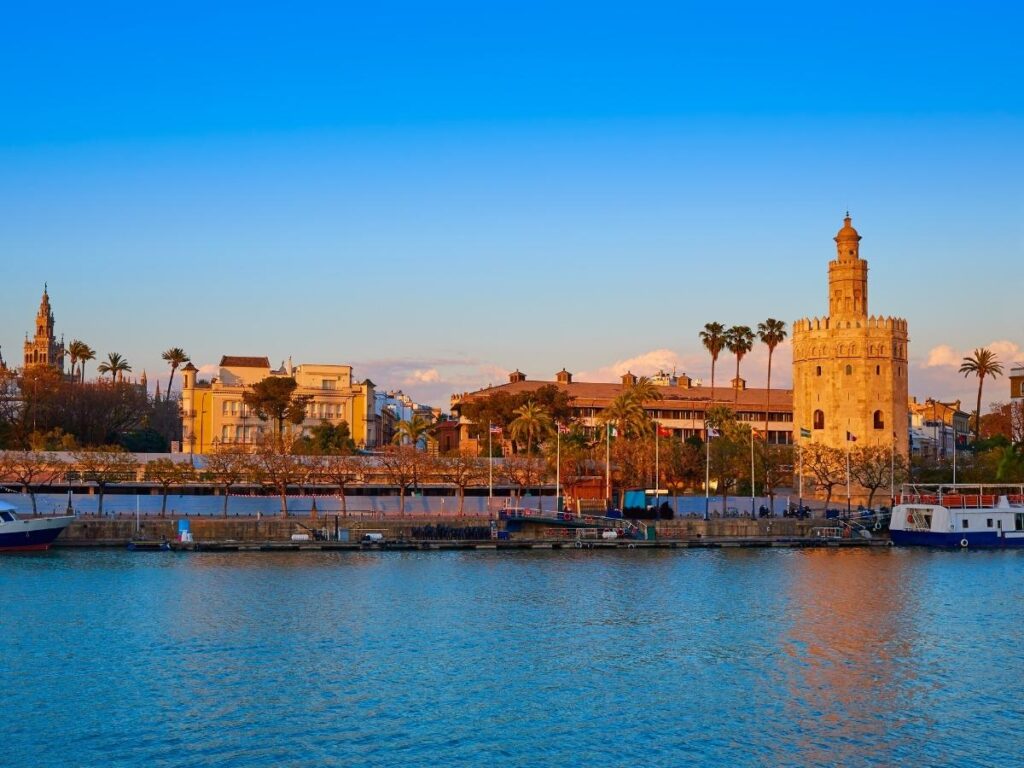
Spend the morning enjoying Plaza de España without rushing. Take your time in the park, then walk slowly up the river toward Torre del Oro. You can go inside, but it’s a quick visitI often enjoy it more from the riverside.
Cross into Triana again for the afternoon. It’s the perfect last-day neighbourhood: colourful, lively, and full of places to sit with a drink while the day winds down. If you missed flamenco earlier, tonight is a great time to go.
4 Days in Seville
Enough time for everything, plus a day that feels completely unplanned.
With four days, you can stretch the three-day itinerary in all the right wayslonger lunches, slower mornings, maybe an extra hour back at your hotel during the warmest part of the day.
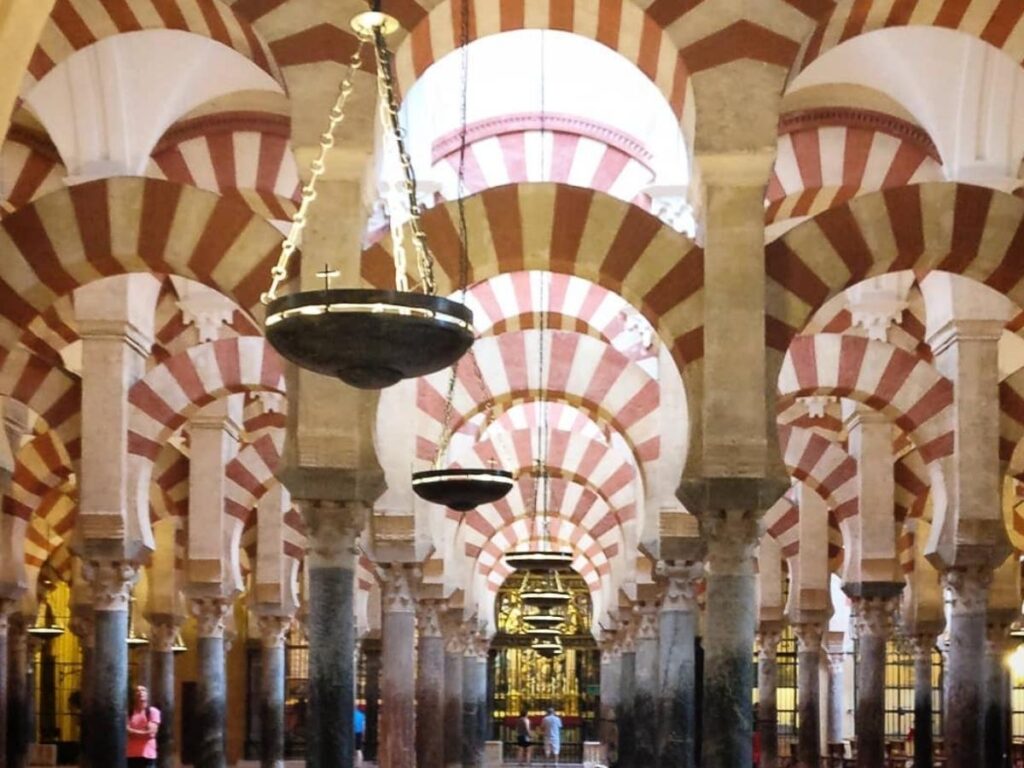
But the best addition is a day trip. Córdoba is my top choice, the Mezquita is unlike any other building in Spain, and the old town has a gentle, lived-in beauty. The train ride is short and straightforward.
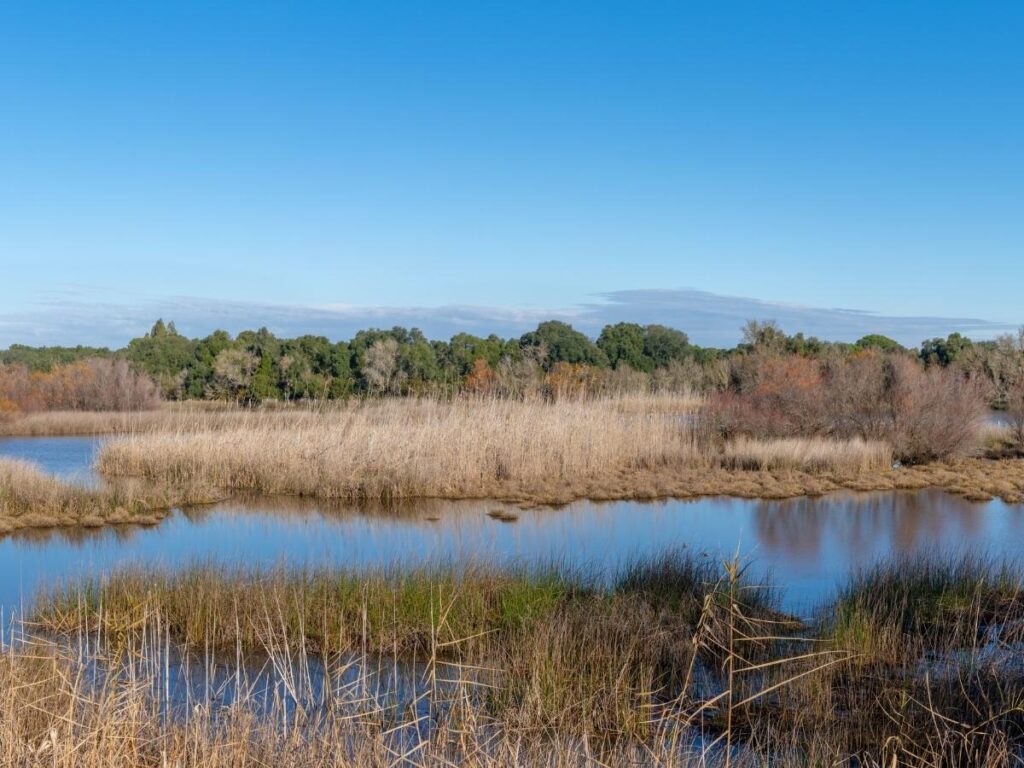
Ronda is a great alternative if you want open views and dramatic cliffs instead of architecture. And if you want something completely different, Doñana National Park offers wetlands, birdlife, and wide, calm landscapes that feel worlds away from the city.
Whether you return to Seville for dinner or stay out until after sunset somewhere else, the fourth day gives your trip a softness that shorter stays can’t match.
Seville’s Best Sights Explained
If you want a quick sense of what each major sight in Seville is really like not just what it looks like in photos, here’s the version I wish someone had given me before my first trip. Think of this as the “why you should go” section, told simply and honestly.
Seville Cathedral
The Cathedral is one of those places that feels grand even before you step through the doors. The square outside is lively, but once you’re inside, the space swallows the noise and you’re left in this huge, echoing interior that instantly slows your pace. Light pours in from high windows, and it feels cool even on the warmest days.
Make time for the climb up the Giralda; the ramped ascent is gentler than it looks, and the view from the top gives you a real sense of how Seville fits together. Before you leave, step into the Patio del Naranjos. It’s shaded, quiet, and feels like a small pause between the busy streets and the vastness of the cathedral.
Real Alcázar
The Alcázar is one of those places where you think you’ve seen the best of it, and then you turn a corner and find something even more beautiful: a carved archway, a tiled courtyard, a room with patterns that look like they were made yesterday. It’s a palace, yes, but it’s the gardens that make it unforgettable.
They stretch out far more than you’d expect, full of fountains, little pathways, hedges, and hidden spots where the noise of the city disappears completely. If you go right when it opens, there’s a calmness that makes the visit feel almost private. It’s worth taking your time here; the details are the real charm.
Plaza de España
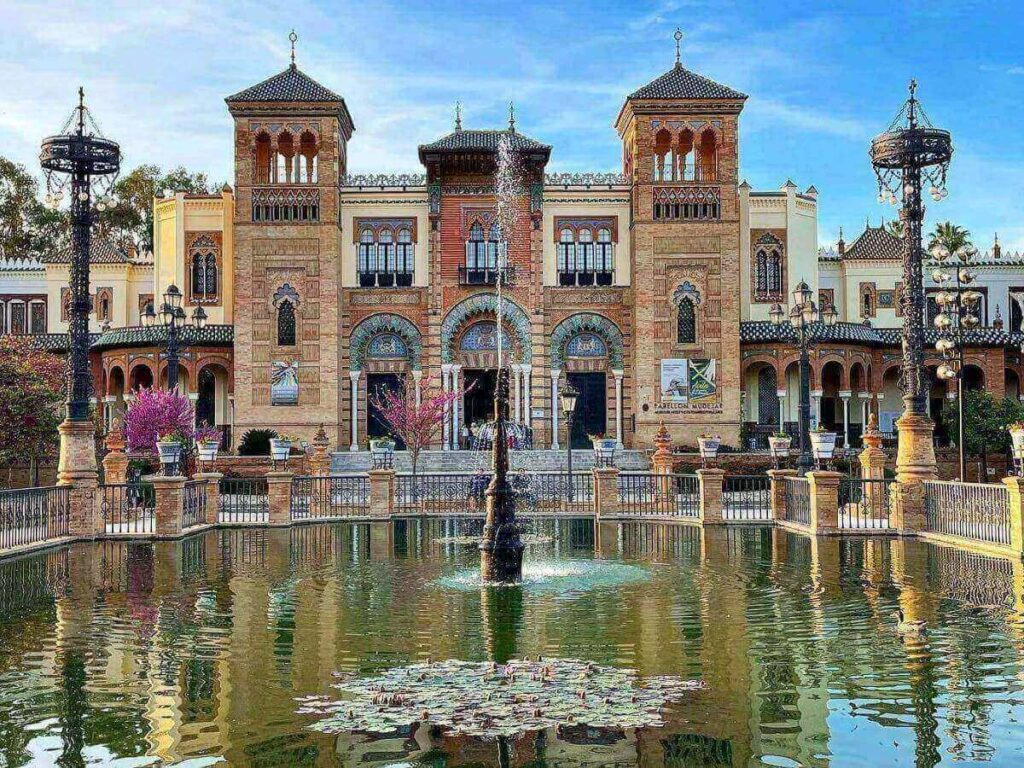
Plaza de España looks dramatic in photos, but in person it’s even more immersive. The curve of the building, the ceramic tiles, the canal with rowboats drifting by it all feels like a backdrop from another era.
There’s always something happening: kids racing to feed the ducks, couples taking photos, small musicians setting up under the arches. The tiled alcoves telling the stories of Spain’s provinces are easy to miss if you rush, but they’re worth stopping for.
The plaza catches beautiful light in the morning, and if you visit earlier in the day, you get a quieter, brighter version of it before the crowds build.
Parque de María Luisa
Right next to the plaza is Parque de María Luisa, a green, shaded escape that feels a world away from the center. The paths snake through palm trees, ponds, tiled benches, and little pavilions. It’s one of the best places to take a breather between big sights, especially on warm days.
There’s no single “must-see” here; it’s more about walking slowly, finding a shady bench, and letting your feet rest while birds chatter above you. If you visit around midday, when the sun is strongest, the park is a lifesaver.
Flamenco
Flamenco in Seville isn’t just a performance; it feels like emotion turned into sound. You’ll find two main types of places: small peñas, which feel intimate and raw, and more traditional tablaos, which are structured and polished.
Both can be wonderful, but the experience is different. In a small venue, you’re close enough to hear the breath of the dancers and see every detail of their footwork. In a tablao, the staging is more theatrical.
No matter what you choose, book ahead, and come open flamenco isn’t meant to be watched like a casual show; it’s something you feel.
Food & Where I Ate
Food in Seville has this wonderful way of feeling both simple and memorable. You don’t need complicated dishes or long menus here; most bars serve a handful of small plates, a few handwritten specials, and maybe a tray of olives that appear the moment you sit down.
The flavours are straightforward: good olive oil, fresh seafood, slow-cooked stews, and vegetables that taste like they’ve only traveled a few kilometres. And the best part is that there’s no rush and no pressure.
You order one or two things, see how you feel, and then decide if you want more. Meals stretch naturally, especially in the evenings when locals wander in after nine and settle in with friends.
How to Eat Tapas in Seville
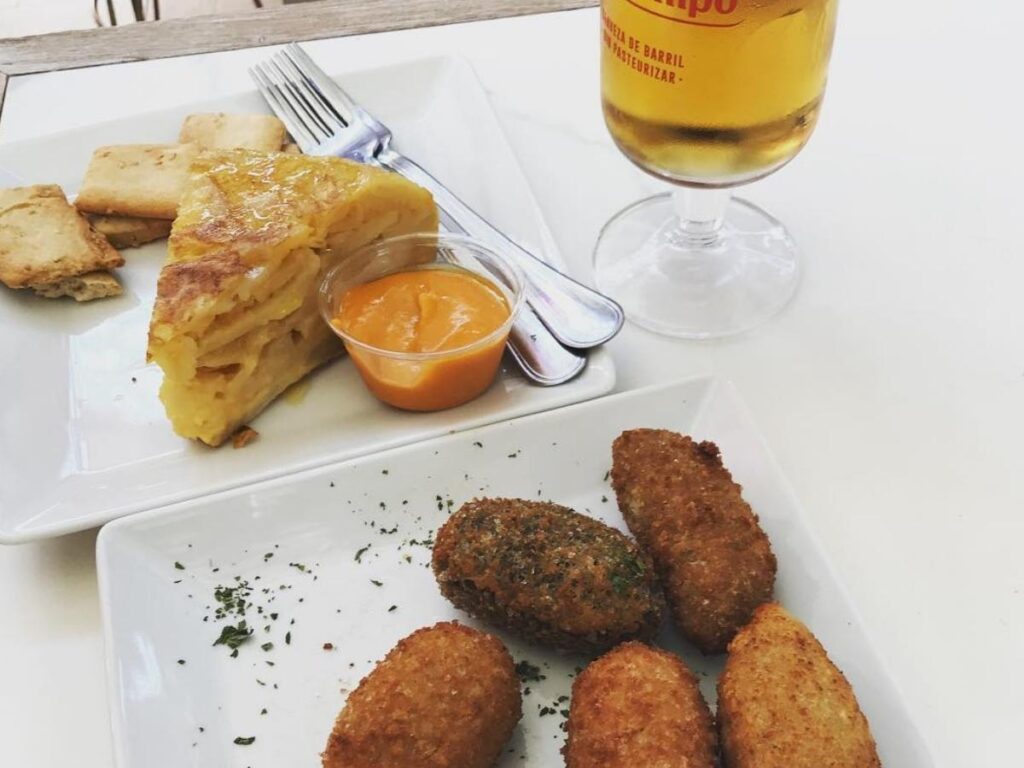
Tapas in Seville aren’t a “tapas tour” or a checklist; they’re simply how most people eat. Don’t feel like you need to order everything at once; bars here expect you to take it slowly. I usually start with something small, like a tortilla or olives, and then add whatever catches my eye as the night goes on.
Many places don’t have assigned seating, so you might end up standing at the bar next to someone who clearly comes every night. That’s part of the charm.
You’ll notice that meals happen later than in many other places. Even at eight, some restaurants feel half empty. Nine or nine-thirty is when things really wake up, and streets that seemed quiet earlier suddenly fill with voices, glasses clinking, and that warm buzz of people settling into the night.
Where I Ate A Few Places That Stayed With Me
My days in Seville usually started with breakfast somewhere near Santa Cruz. There’s almost always a bar serving tostada toasted bread with a drizzle of olive oil, fresh tomato, and a sprinkle of salt.
Add a glass of freshly squeezed orange juice, and you’re set until lunch. It’s simple but somehow perfect, especially if you sit outside and watch the neighbourhood come to life.
Lunch was usually lighter. The heat can make you crave something comforting but not heavy, and Seville’s classic espinacas con garbanzos , warm spinach and chickpeas with paprika always did the trick.
Tortilla is another favourite, especially if you need a quick pause in the middle of sightseeing. I often stopped at small bars where the menu isn’t much bigger than a postcard, which I always take as a good sign.
In the evenings, I found myself drawn to places that felt unpretentious: bars with handwritten menus taped to the wall, barmen who pour wine without measuring, and a mix of locals and travellers squeezed together in whatever space there is.
My favourite tapas were always the simplest ones: grilled prawns, croquetas, salmorejo, or a plate of jamón carved slowly behind the counter.
If I wanted something closer to a sit-down dinner, I’d head toward the river. There are restaurants with lovely outdoor seating, where grilled fish and slow-cooked meat arrive with just the right amount of seasoning.
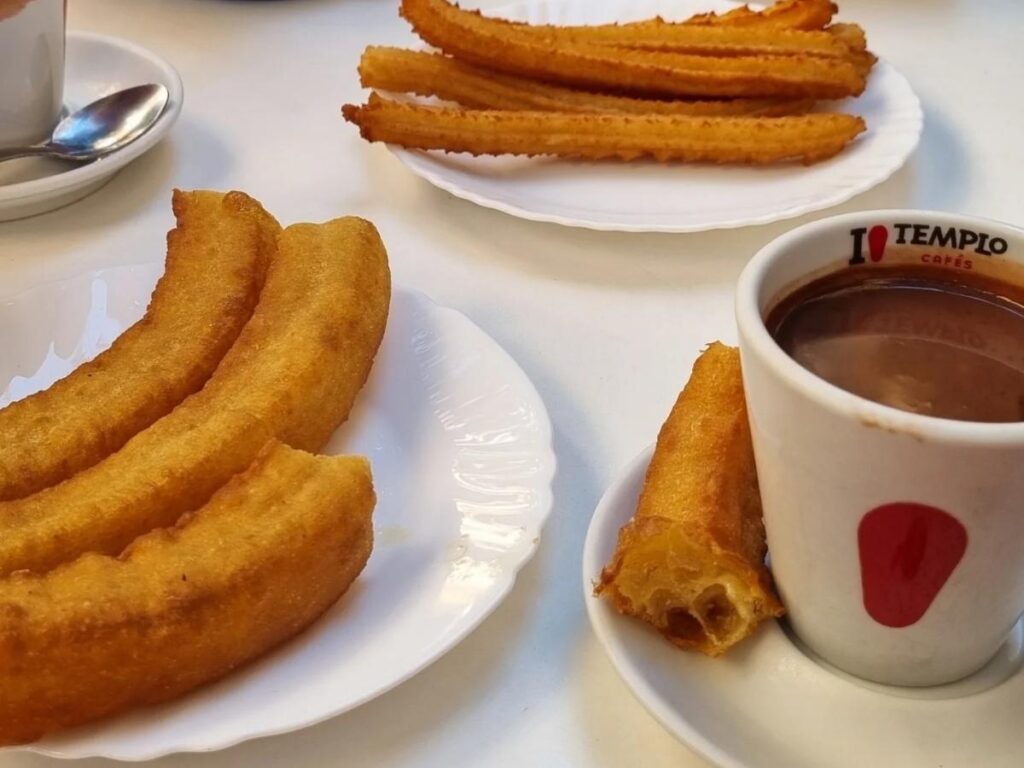
The evenings feel long here, and you almost always end your meal later than expected. And yes, I did give in to the late-night churros more than once. There’s something unbeatable about dipping warm churros into thick hot chocolate after a day of walking. It feels like a reward.
My Tapas Crawl Route
Whenever friends ask how to plan a tapas crawl in Seville, I always say not to plan too much. But if you want a route that naturally works, start somewhere near the Cathedral as the evening begins.
Have your first tapa and a small drink there, then wander into the narrow lanes of Santa Cruz. It’s impossible not to find a cosy bar along the way, and it’s the perfect place for your second stop, something simple like croquetas or a montadito.
From there, follow your appetite. If you keep walking toward Arenal, you’ll find places with a slightly livelier atmosphere.
If you cross the river into Triana, the tone shifts again to more locals, fewer visitors, and bars where the energy comes from the regulars chatting with the staff. Two or three stops is usually enough, especially if you’re the kind of person who likes to savour rather than rush.
The best tapas nights in Seville aren’t about finding the “top-rated” spots; they’re about wandering without hurrying, eating little by little, and letting the evening shape itself.
Practical Tips for Seville
Seville is easy to enjoy, but a few things make the days flow smoother.
Best Time to Visit
Spring is a lovely time to be here. The weather is gentle, the days feel long, and the scent of orange blossoms follows you around the city. Autumn is just as comfortable, with warm days and far fewer crowds.
Summer is very hot, especially in July and August, so you’ll want to plan sightseeing early in the morning and late in the evening. If you’re coming during Semana Santa or Feria, expect a busier, more energetic city and book anything important well ahead of time.
Getting Around
Most of Seville is walkable, and wandering is genuinely the best way to explore. When you need to go farther, the tram and buses are simple to use, and taxis are affordable. The city is flat enough for cycling, but the heat can make it tiring during midday.
Tickets & Reservations
The two sights that really need advance booking are the Alcázar and the Cathedral, especially in spring and autumn. Flamenco shows, particularly the intimate venues, also fill quickly. Everything else can usually be sorted on the day.
Safety & Etiquette
The city feels safe, even in the evenings, though you should stay aware in crowded areas like you would anywhere else. Inside churches, modest clothing is appreciated. And during flamenco performances, phones stay away. It’s part of respecting the atmosphere.
Accessibility
Many major sights have accessible entrances, and the Giralda’s ramp makes the climb doable for more visitors than you’d expect. Just keep in mind that older neighbourhoods like Santa Cruz have uneven cobblestones and narrow paths.
Where to Stay in Seville
Where you choose to stay in Seville can shape your days more than you might expect. Each neighbourhood has its own rhythm, and the experience changes depending on whether you want slow evenings, lively streets, or everything right on your doorstep.
Santa Cruz is the classic choice and the one most people imagine when they picture Seville. It’s full of narrow lanes, small courtyards, and whitewashed houses that catch the light beautifully in the early morning.
Staying here means you can step outside and immediately be in the middle of the historic centre: the Cathedral, the Alcázar, and countless tapas bars are only a short walk away.
The trade-off is that it can get busy, especially in peak seasons, and the streets can be so winding you’ll probably get lost once or twice. Honestly, that’s part of its charm.
Just a few minutes away, Arenal offers a slightly calmer version of the centre. The streets are wider, it’s easier to navigate, and there’s a good mix of cafés and bars that feel less crowded than those in Santa Cruz.
You’re still close to everything: the river, the Cathedral, the bullring but with a little more breathing room. It’s a great option if you want convenience without the constant flow of visitors.
Across the river, Triana has a completely different energy. It feels more local and more lived-in, with family-run tapas bars, tiny ceramics workshops, and laundry hanging from balconies.
The riverfront is lovely in the evenings, and meals here tend to be slower and more relaxed. If you like the idea of staying somewhere that feels like a neighbourhood first and a tourist area second, Triana is a wonderful choice.
Then there’s Alameda, which brings a younger, more modern side of Seville. This area revolves around a large plaza filled with bars, cafés, and people lingering late into the night. It’s lively without being chaotic, and it’s the kind of place where you can easily spend a whole evening just moving from one spot to the next.
If you enjoy staying somewhere with a bit of buzz, the type of place where you can grab good coffee in the morning and find live music at night Alameda will suit you perfectly.
In the end, it comes down to the pace you want. Stay central if you want to walk everywhere. Choose Triana if slow evenings by the river appeal to you. Pick Alameda if you like nightlife and cafés.
No matter where you stay, Seville is compact enough that nothing ever feels too far away it’s just about choosing the vibe that feels right for your trip.
Conclusion
Seville is one of those cities that settles into your memory slowly. It’s rarely the big sights that stay with you the most, but the quieter moments: sitting in a shaded courtyard with the faint trickle of a fountain, walking home after dinner while the city glows under warm streetlights, or hearing a flamenco singer’s voice drift out from a bar you just happened to pass.
It’s a city that invites you to slow down, even if you’re not usually the type who does.
Whether you spend two days here or stretch your trip to four, you’ll start to feel the city easing into your rhythm or maybe you’ll find yourself falling into it. That’s what I love most about Seville: it doesn’t demand anything from you. It simply asks you to pay attention, walk a little slower, and enjoy the small details.
If you want help planning the next part of your trip, choosing the right neighbourhood to stay in, putting together a tapas crawl that doesn’t feel overwhelming, or deciding whether Córdoba or Ronda is the better day trip for you, I can help with that.
And if you’re saving ideas to Pinterest, I can put together ready-made pin designs or captions to go with this guide.