

When I started planning my first trip to Hawaii’s Big Island, I made the same mistake many first time visitors make. I looked at a map and assumed it would be easy to see the entire island in a few days.
Then I started checking driving times and quickly realized just how big it really is. The Big Island is larger than all the other Hawaiian Islands combined, and getting from one side to the other can take several hours.
The good news is that four days is enough time to experience many of the island’s highlights if you plan your route carefully. Instead of trying to see everything, I recommend focusing on the places that make the Big Island unique.
That means exploring volcanic landscapes in Hawaiʻi Volcanoes National Park, relaxing on black sand beaches, visiting waterfalls near Hilo, and spending time along the sunny Kona Coast.
What I love about the Big Island is how much the scenery changes from one region to the next. In a single trip, you can snorkel in crystal clear water, walk through lava fields, drive through tropical rainforest, and watch the sunset over the Pacific Ocean.
This itinerary is designed for first time visitors who want a mix of adventure, sightseeing, and relaxation without spending the entire trip rushing from place to place. By the end of these four days, you’ll have experienced some of the very best the Big Island has to offer while still leaving plenty of reasons to come back.
Big Island at a Glance
The Big Island feels completely different from the other Hawaiian Islands, and that’s one of the reasons I enjoyed it so much. Instead of spending your entire trip around beaches or resort areas, you’ll experience a surprising variety of landscapes.
One morning you might be snorkeling along the Kona Coast, and by the afternoon you’ll be driving through lava fields or standing beside a waterfall surrounded by dense tropical greenery.
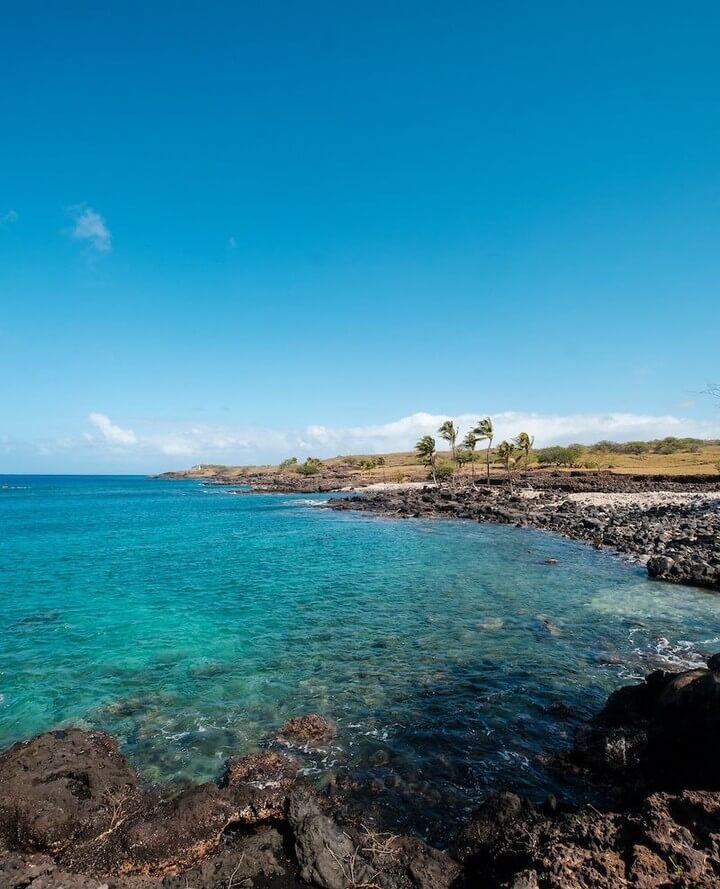
Because the island is so large, it’s helpful to think of it as several destinations rolled into one. The west side around Kona is generally sunny and dry, with beaches, resorts, coffee farms, and some of the island’s best snorkeling.
The east side around Hilo is greener and receives much more rain, which is why you’ll find waterfalls, botanical gardens, and lush rainforest scenery there. Then there’s the volcano region, which feels like an entirely different world with its craters, lava flows, and dramatic landscapes.
One thing I wouldn’t recommend is trying to do this trip without a rental car. Many of the island’s most interesting places are spread far apart, and having your own vehicle gives you the freedom to stop at scenic overlooks, beaches, and roadside attractions along the way.
Although four days isn’t enough time to see everything, it’s enough to experience the highlights without feeling rushed. The key is not spending all your time driving back and forth across the island.
That’s why I recommend splitting your stay between Kona and either Volcano Village or Hilo. Spending a couple of nights on each side of the island cuts down on long drives and gives you more time to actually enjoy the places you’re visiting rather than just passing through them.
By the end of your trip, you’ll probably have a list of places you didn’t get to see. That’s completely normal. The Big Island is one of those destinations that leaves most visitors planning a return trip before they’ve even gone home.
Where to Stay for a 4 Day Big Island Itinerary
One of the biggest mistakes people make when planning a Big Island trip is staying in the same hotel for the entire visit.
While it’s certainly possible to base yourself in Kona for four nights, you’ll spend a lot of time driving back and forth across the island. Since you only have four days, I’d recommend splitting your stay between the west and east sides of the island.
Days 1 and 2: Stay in Kona
Kona is the perfect place to begin your trip. Most visitors arrive at Kona International Airport, and the sunny west coast is home to many of the island’s beaches, snorkeling spots, coffee farms, and ocean activities. It’s also where you’ll find many of the resorts, restaurants, and tour operators.
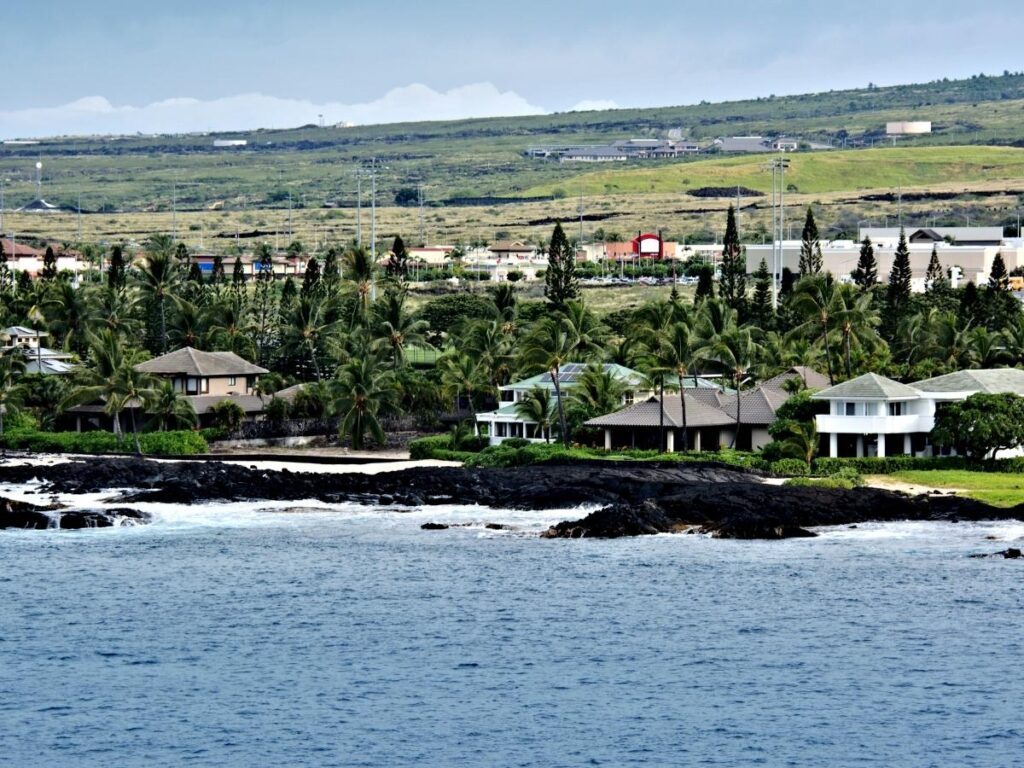
The weather is usually warmer and drier than on the Hilo side, which makes it an easy introduction to the island. After a long flight, it’s nice to settle into Kona, enjoy the ocean views, and ease into vacation mode before tackling some of the island’s longer drives.
Days 3 and 4: Stay in Volcano Village or Hilo
After exploring the Kona Coast, I recommend moving to either Volcano Village or Hilo for the remainder of your trip.
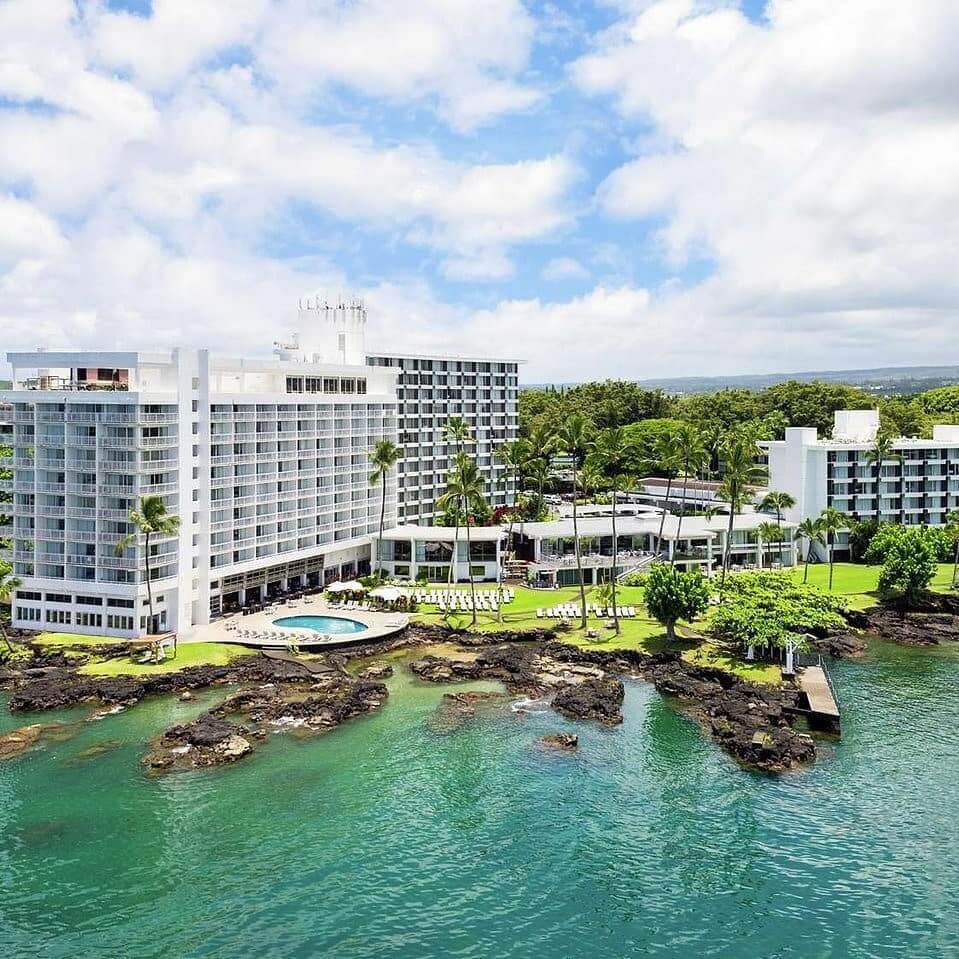
Volcano Village is ideal if Hawaiʻi Volcanoes National Park is high on your priority list. Staying nearby allows you to visit the park early in the morning or stay after sunset without facing a long drive back to Kona. The area feels quiet and peaceful, with cozy lodges tucked among lush forests.
If you prefer having more restaurant options and a livelier atmosphere, Hilo is a great alternative. You’ll be close to waterfalls, gardens, local markets, and the island’s rainforest landscapes while still remaining within easy reach of the national park.
Day 1: Explore Kona and the South Kona Coast
Morning: Arrive in Kona
Most travelers begin their Big Island adventure in Kona, and I think it’s the perfect introduction to the island. After landing, pick up your rental car and head to your hotel. Unless you’re arriving late in the day, try not to rush straight into sightseeing. Take a little time to settle in and enjoy your surroundings.
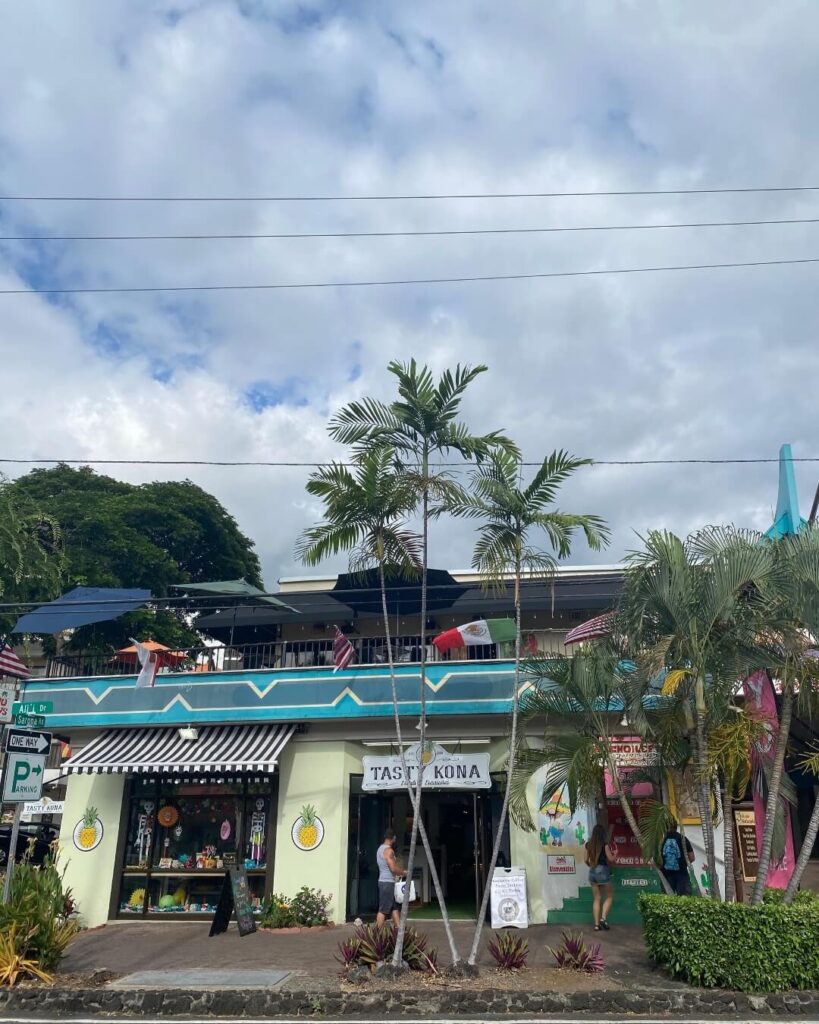
Once you’re ready to explore, head to Kailua Kona and stroll along Aliʻi Drive. This waterfront road is lined with restaurants, shops, historic sites, and oceanfront cafés. It’s a pleasant place to stretch your legs after a flight and soak up your first views of the Pacific.
If you’re arriving in the morning, grab breakfast or an early lunch before heading south. Fresh tropical fruit, Kona coffee, and ocean views are a pretty great way to start a Hawaii vacation.
Midday: Snorkel at Kealakekua Bay
One of the highlights of the Kona Coast is Kealakekua Bay, and if snorkeling is on your wish list, this should be near the top of your itinerary.
The bay is protected from strong waves, which helps keep the water exceptionally clear. On a calm day, visibility can be incredible, allowing you to see colorful fish, coral formations, and sometimes even spinner dolphins.
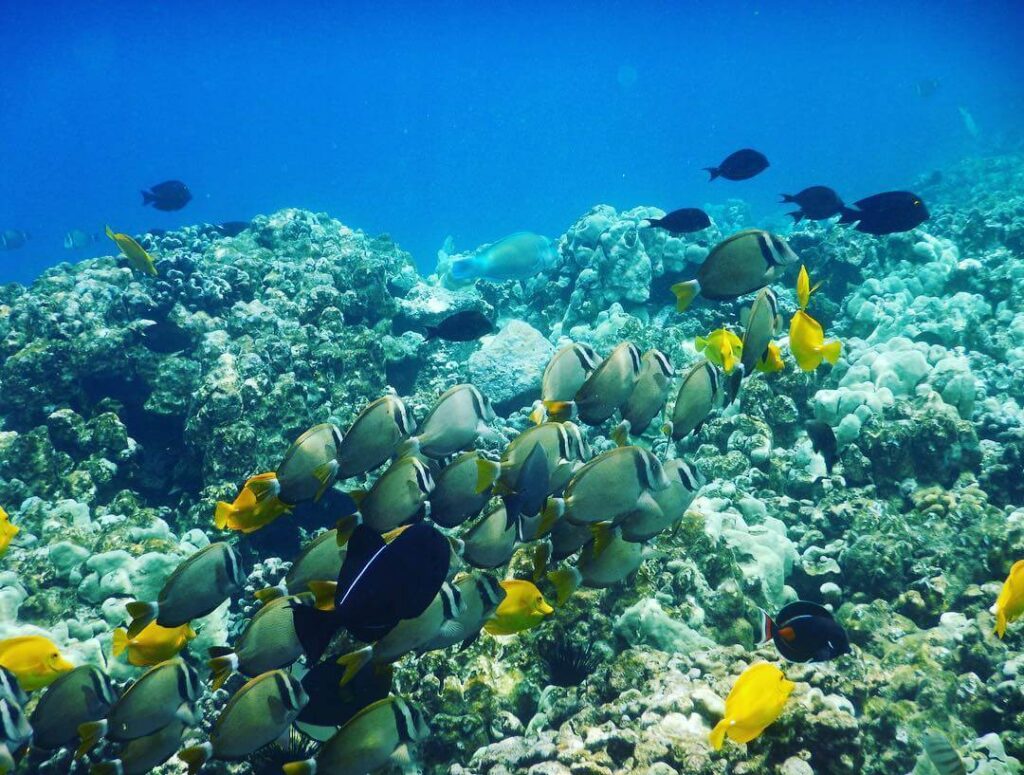
There are several ways to visit. Some travelers book a snorkeling cruise, while others choose a guided kayak tour. If you’d rather avoid the logistics, a boat excursion is usually the easiest option.
Many tours also stop near the Captain Cook Monument, a historic landmark located on the shoreline. Even if you’re not particularly interested in history, the scenery alone makes the trip worthwhile.
Afternoon: Puʻuhonua o Hōnaunau
After snorkeling, continue south to Puʻuhonua o Hōnaunau National Historical Park.
I think this is one of the most interesting cultural sites on the island because it provides a glimpse into traditional Hawaiian life long before modern tourism arrived. As you walk through the grounds, you’ll see reconstructed temples, carved wooden kiʻi, fishponds, and royal grounds that help tell the story of ancient Hawaii.
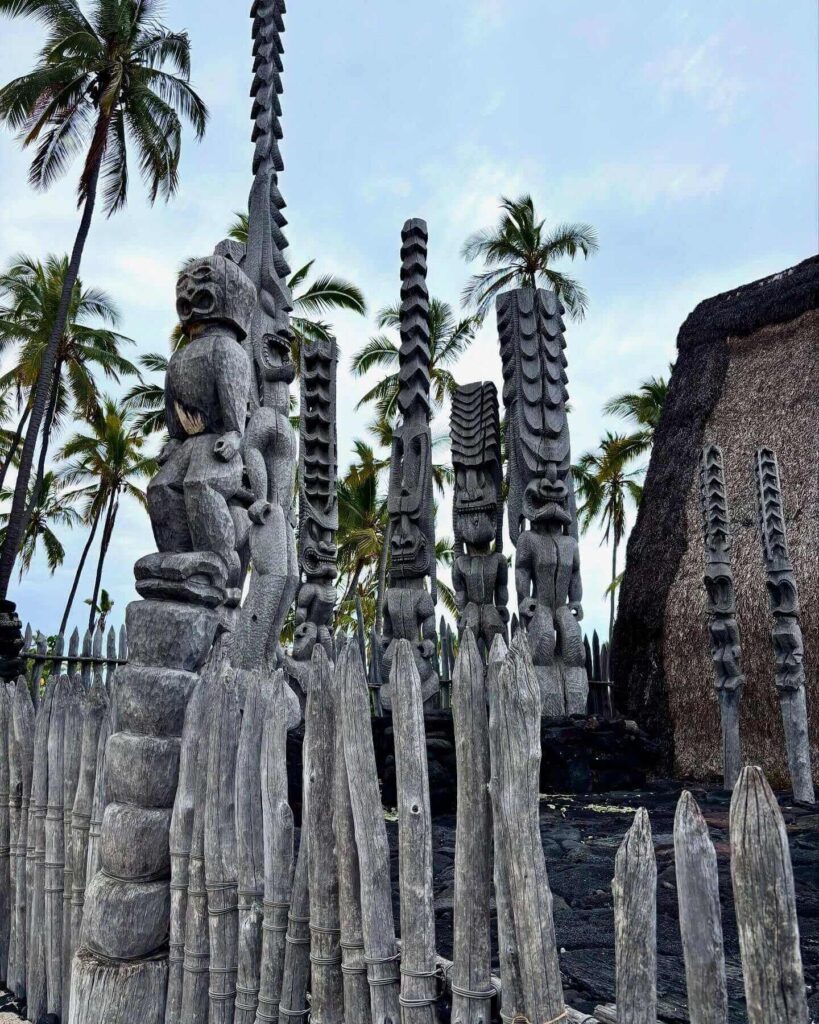
The setting itself is beautiful, sitting right along the coastline with lava rock, palm trees, and ocean views in every direction.
Before heading back toward Kona, consider stopping at nearby Two Step. Even if you’ve already snorkeled earlier in the day, it’s worth visiting for the scenery alone.
Evening: Sunset and Manta Rays
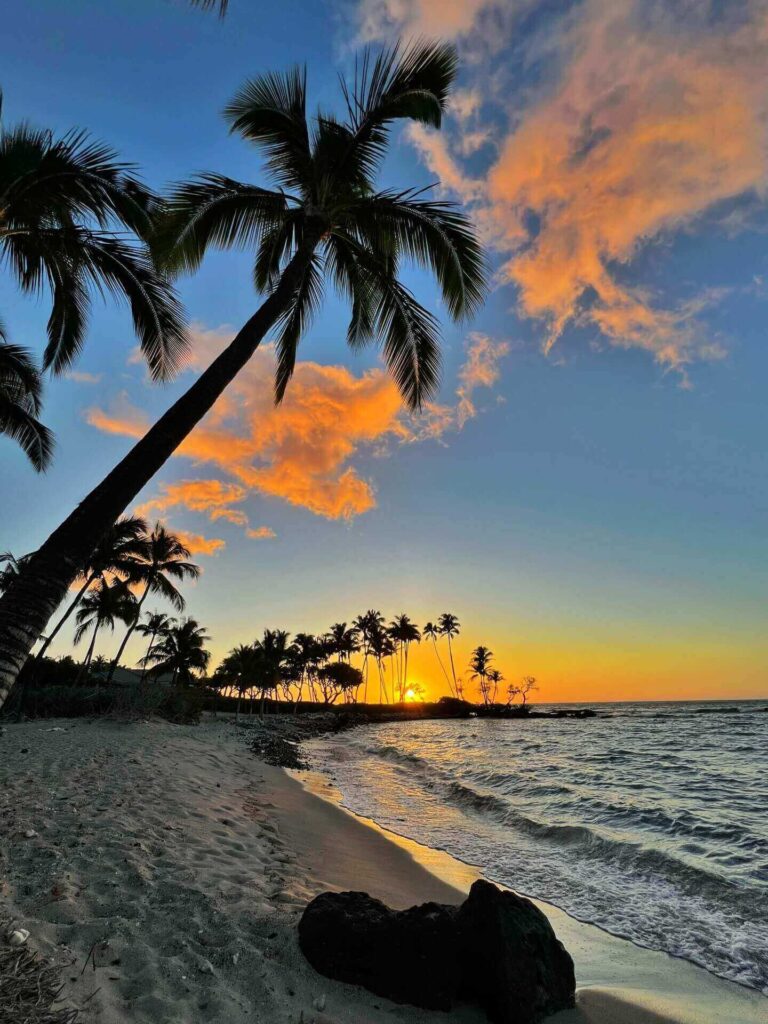
For your first sunset on the Big Island, head to Magic Sands Beach. The beach isn’t particularly large, but it’s a great place to watch the sky change colors as the sun sinks into the Pacific.
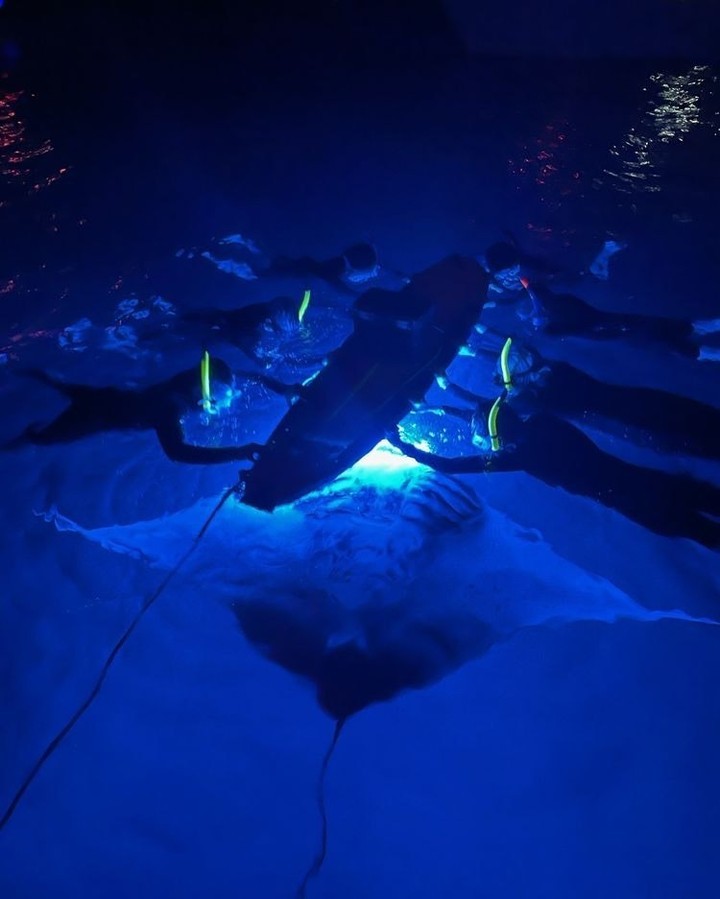
If you’re willing to stay out after dark, this is the perfect evening to book a manta ray night snorkel. It’s one of the most unique experiences on the island and something many visitors consider the highlight of their trip.
Floating in the water while giant manta rays glide gracefully beneath you is an experience that’s difficult to compare to anything else. Even people who aren’t usually interested in marine life often leave talking about it for the rest of their vacation.
Day 2: Hawaiʻi Volcanoes National Park
Morning Stop: Punaluʻu Black Sand Beach
Start early and begin the drive toward Hawaiʻi Volcanoes National Park.
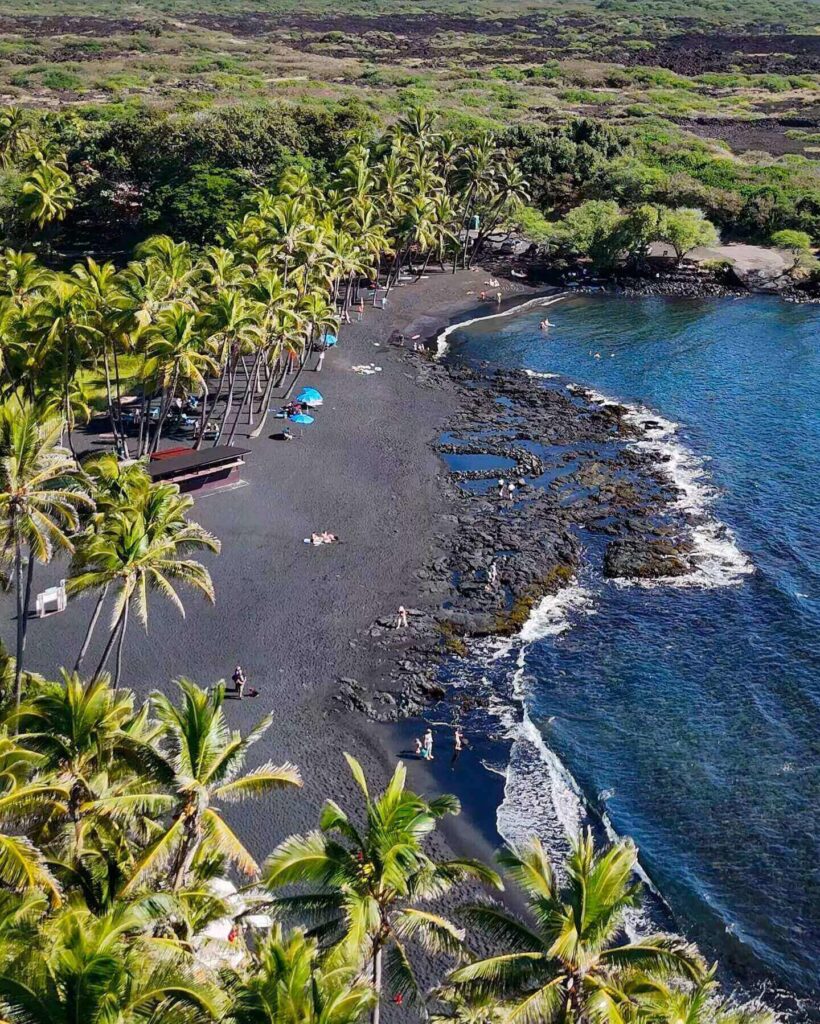
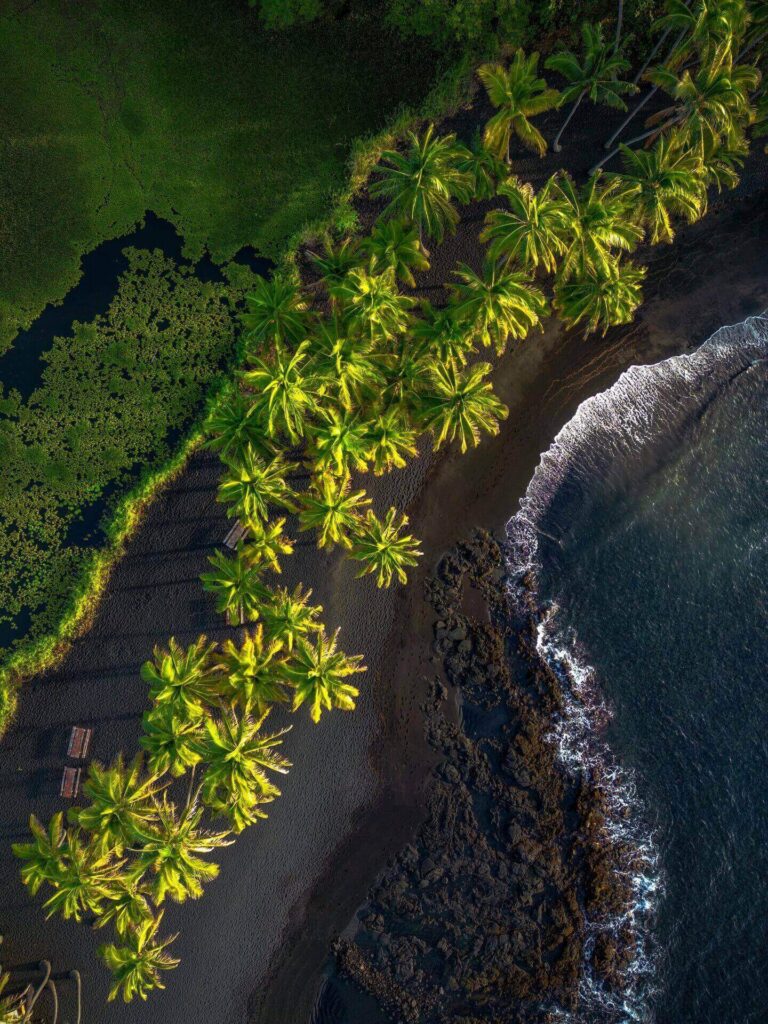
The journey itself is part of the experience, especially once you reach Punaluʻu Black Sand Beach. Formed by volcanic activity, the beach looks completely different from the white sand beaches many people picture when they think of Hawaii.
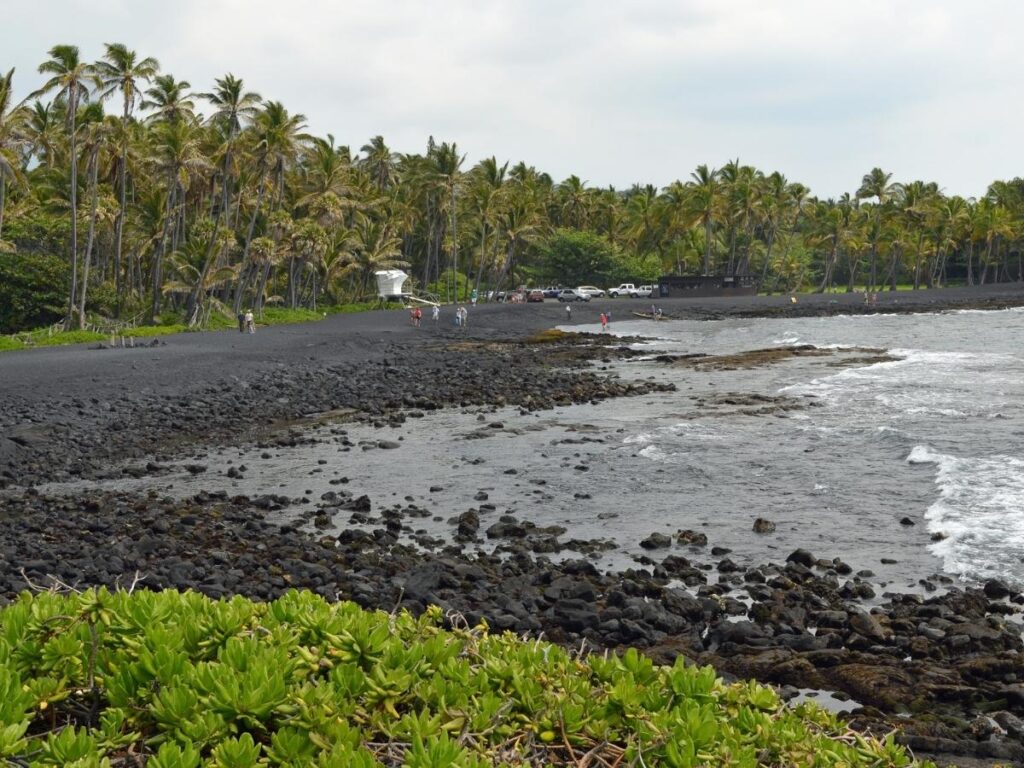
The contrast between the dark sand, swaying palm trees, and bright blue ocean is striking. It’s also one of the best places on the island to spot Hawaiian green sea turtles. They often rest along the shoreline, so keep your camera ready and remember to admire them from a respectful distance.
Explore Hawaiʻi Volcanoes National Park
Hawaiʻi Volcanoes National Park is one of the island’s most memorable attractions and deserves most of your day.
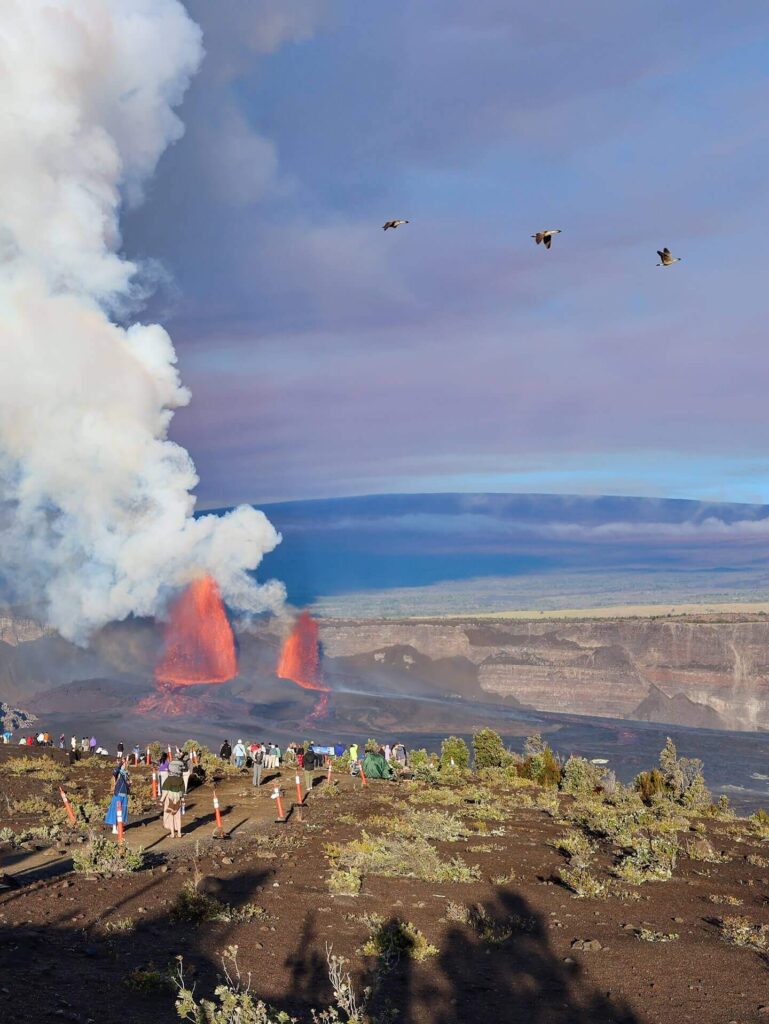
Begin at the visitor center to check current conditions and gather trail information. Volcanic activity changes over time, so it’s always worth getting the latest updates before exploring.
From there, make your way to some of the park’s most popular sights. The Steam Vents offer a reminder that volcanic activity continues beneath your feet, while the nearby crater overlooks provide sweeping views across the landscape.
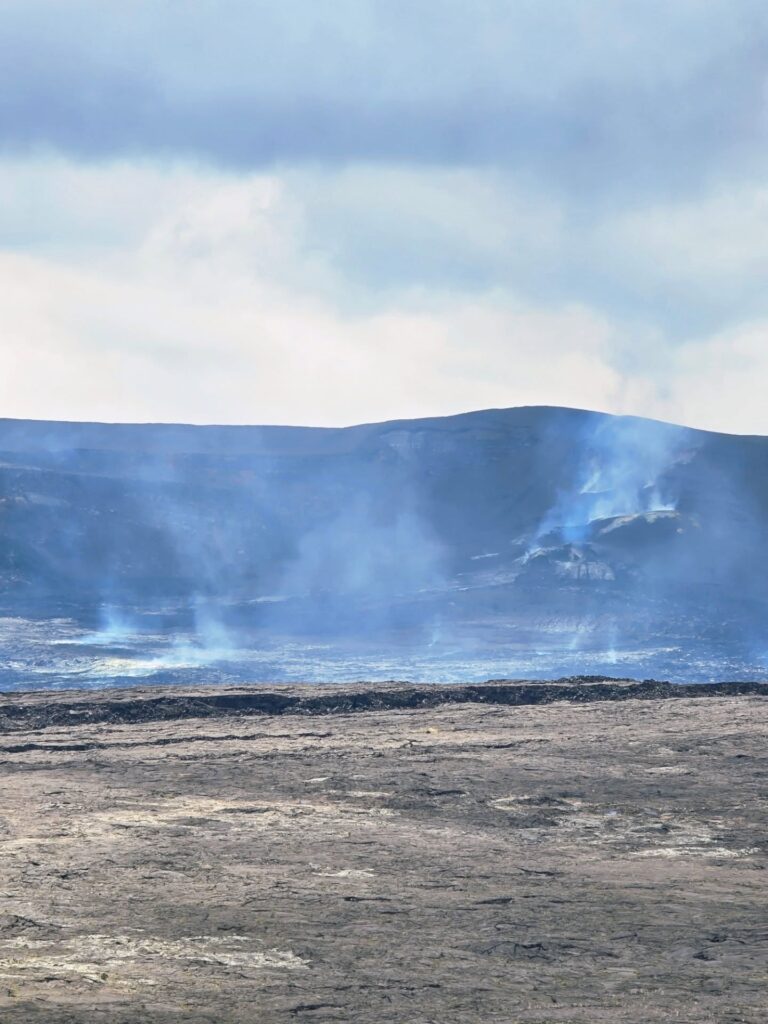
One stop I wouldn’t skip is Nāhuku Lava Tube. Walking through a tunnel formed by flowing lava thousands of years ago is a fascinating experience and helps you understand how the island was created.
Later in the day, drive Chain of Craters Road. The route passes through vast lava fields before eventually reaching the coastline. Along the way, you’ll see firsthand how volcanic eruptions have shaped the island over centuries.
Sunset in the Park
If your schedule allows, stay until late afternoon or sunset. The volcanic landscape takes on a completely different character as the light begins to fade.
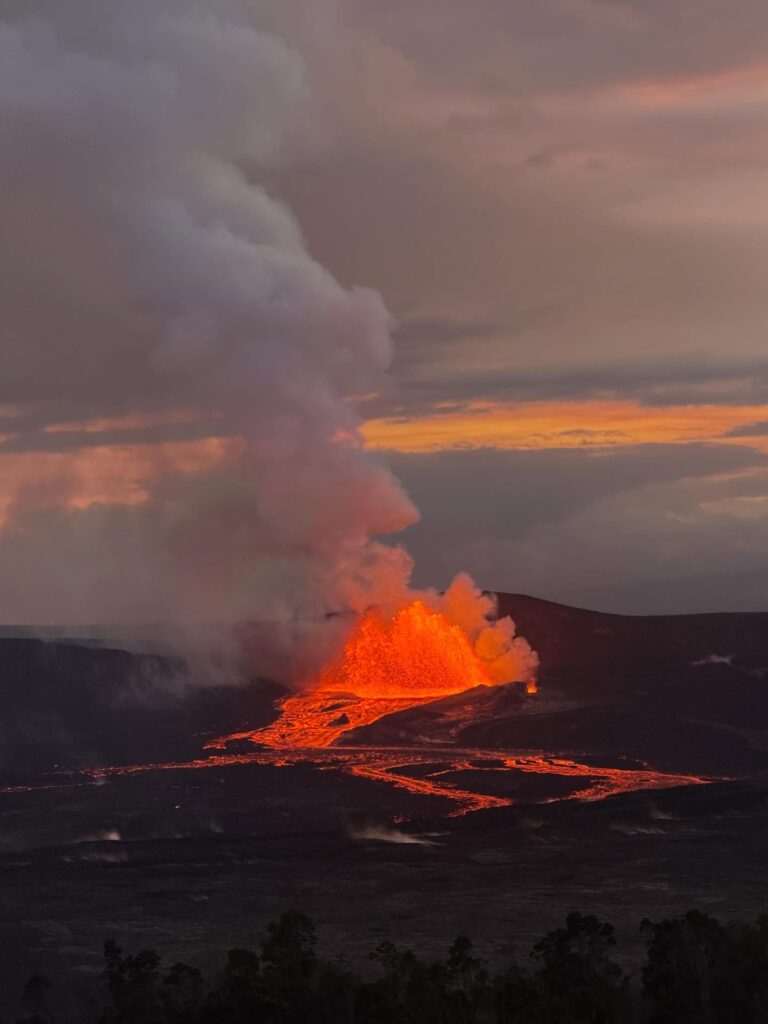
Watching the changing colors across the craters and lava fields was one of my favorite moments on the Big Island. Afterward, spend the night in Volcano Village so you can relax instead of facing a long drive back to Kona.
Day 3: Waterfalls and Hilo
The third day offers a completely different side of the Big Island.
After two days of sunny coastlines and volcanic scenery, you’ll find yourself surrounded by rainforest, waterfalls, and lush greenery.
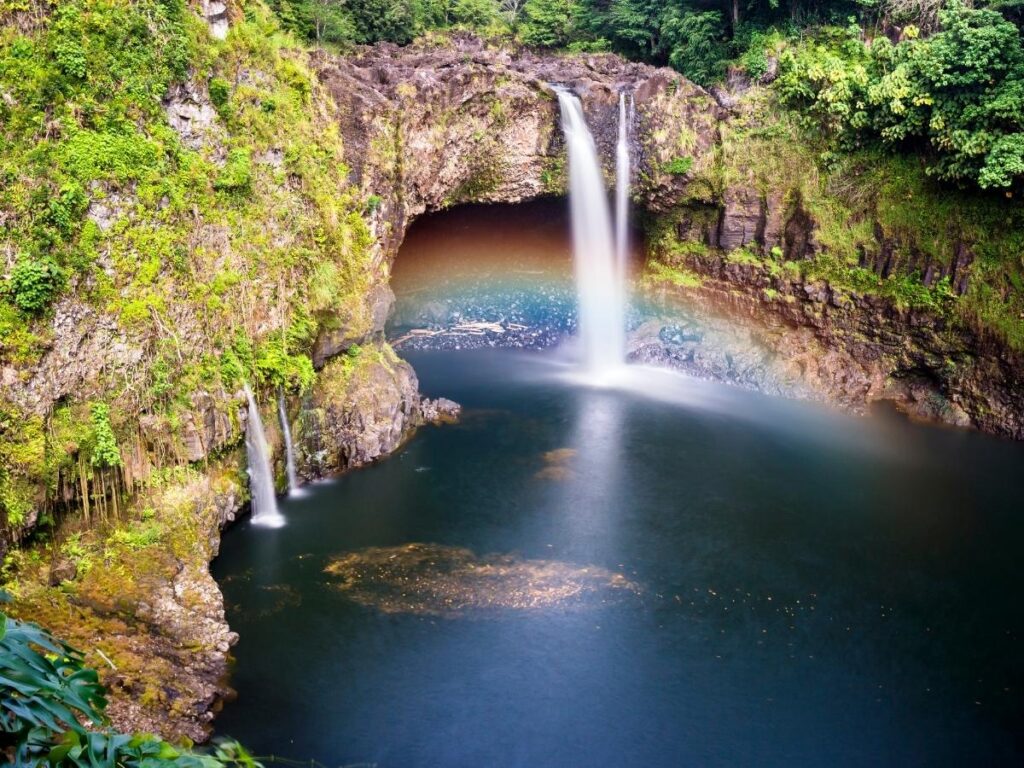
Start at Rainbow Falls, one of the easiest waterfalls to visit on the island. Early morning is often the best time to visit because sunlight frequently creates rainbows in the mist, giving the falls their name.
From there, continue north to Akaka Falls State Park. The short walking trail winds through tropical vegetation before reaching the towering waterfall. The entire walk is easy and scenic, making it one of the best short stops on the island.
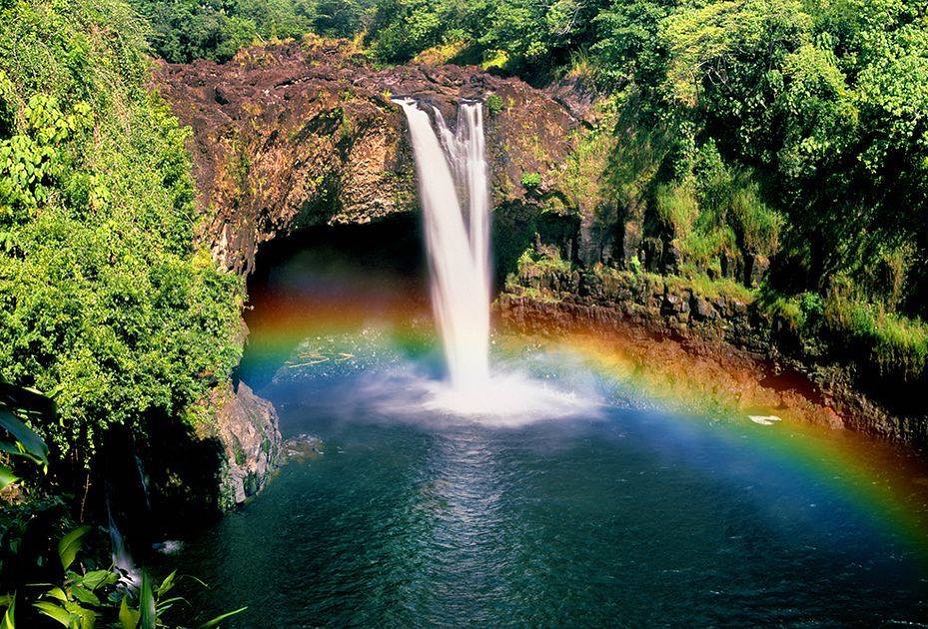
Afterward, spend a few hours exploring Hilo. Compared to Kona, Hilo feels more local and laid back. I enjoyed wandering through the farmers market, grabbing lunch, and exploring the waterfront without feeling like I needed a strict schedule.
If you still have energy in the afternoon, consider visiting Kaumana Caves or taking a scenic drive along the Hamakua Coast before returning to your hotel.
Day 4: Beaches and Relaxation
After several busy sightseeing days, I like to keep the final day flexible.
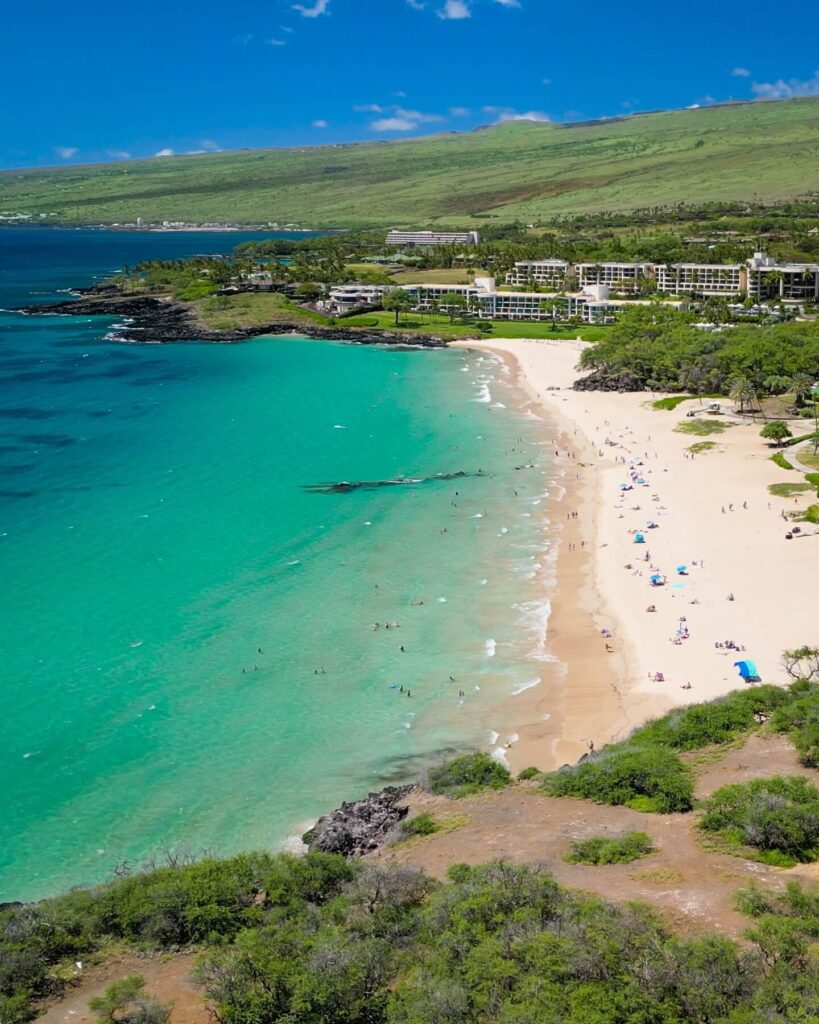
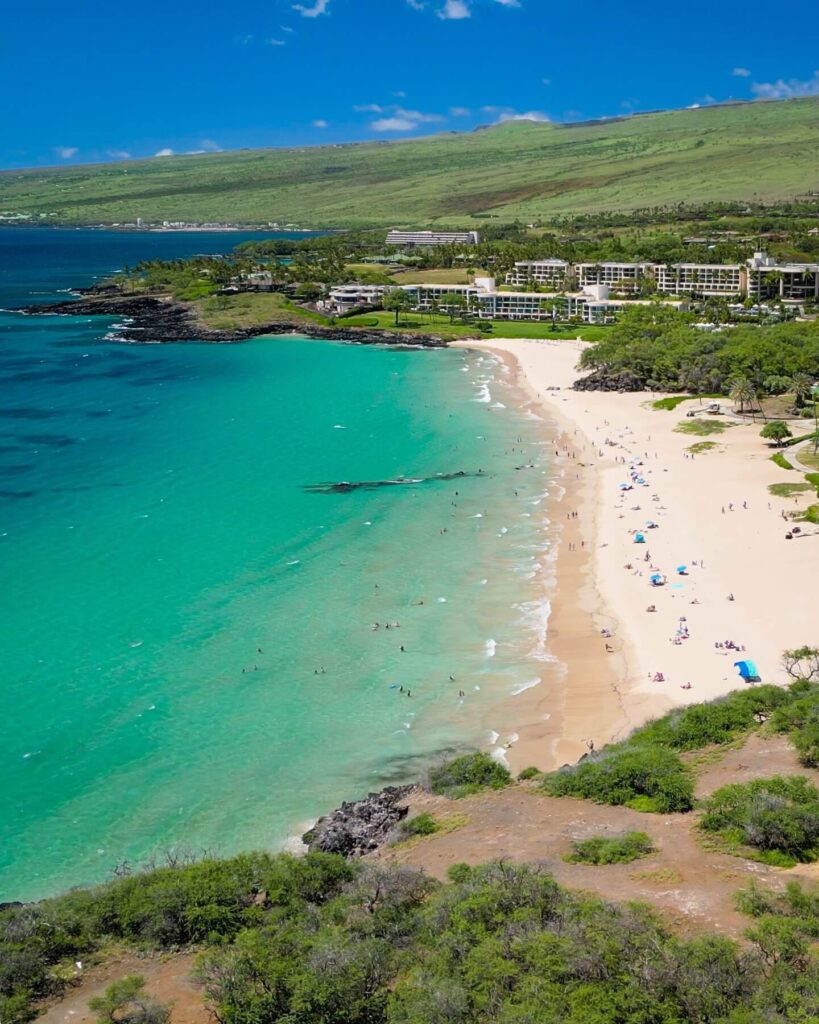
If you’re craving beach time, head to the Kohala Coast. Hapuna Beach and Mauna Kea Beach are both excellent choices, with soft sand, clear water, and plenty of room to spread out. They’re the kind of beaches where it’s easy to lose track of time.
Travelers looking for one final adventure could book a helicopter tour, zipline experience, or another snorkeling excursion. Seeing the island from above offers a completely different perspective and often reveals waterfalls and remote valleys that aren’t accessible by road.
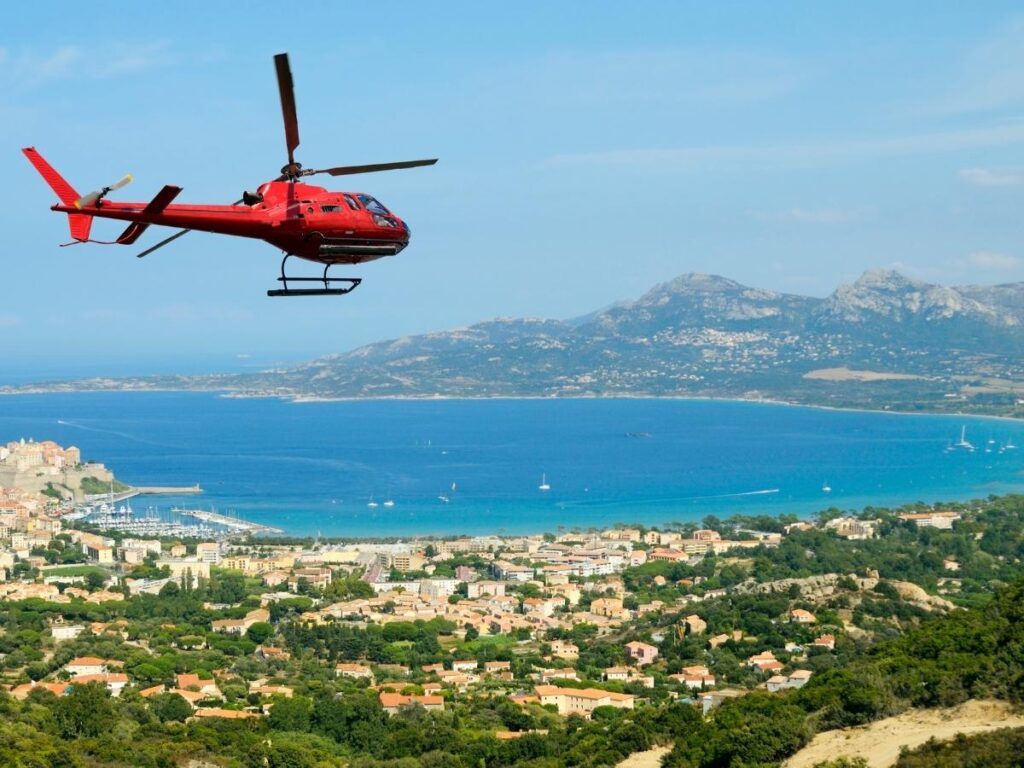
If relaxation sounds more appealing, spend the day enjoying one of the island’s resorts. Have a leisurely lunch, enjoy the pool, book a spa treatment, and soak up your final hours in Hawaii before heading home.
What I’d Skip on a Short 4 Day Trip
With only four days on the Big Island, I think it’s important to accept that you can’t see everything.
I wouldn’t attempt to drive completely around the island in a single day, and I wouldn’t try to squeeze in every waterfall, beach, and hiking trail you come across. Spending too much time on the road can quickly turn an enjoyable vacation into a checklist.

Instead, focus on a few memorable experiences in each region and give yourself time to enjoy them. The Big Island rewards slower travel, and you’ll leave with much better memories than if you spend four days constantly rushing to the next stop.
Best Time to Visit the Big Island
One of the things I love about the Big Island is that there’s really no bad time to visit. Unlike some destinations that have a short peak season, Hawaii’s largest island can be enjoyed year round.
The weather varies depending on where you are, so it’s often possible to find sunshine somewhere on the island no matter when you visit.
If I had to choose my favorite times to visit, I’d pick spring and fall. During these months, you’ll typically find pleasant temperatures, fewer crowds, and better hotel rates compared to the busy summer and holiday periods.
Spring
From March through May, is a particularly nice time to visit. The island feels a little quieter after the winter rush, and the weather is usually excellent for hiking, sightseeing, and beach days.
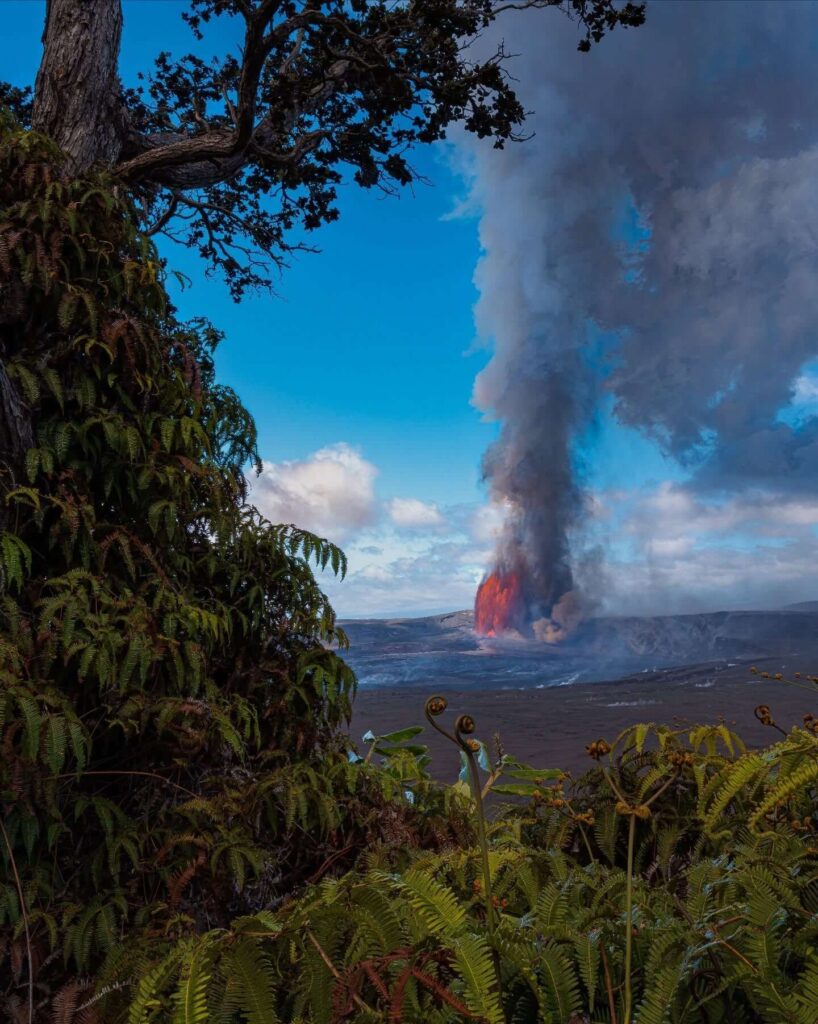
It’s also a great time for exploring Hawaiʻi Volcanoes National Park since temperatures tend to be comfortable throughout the day.
Summer
Brings long sunny days and ideal beach weather, especially along the Kona Coast. Families often travel during school vacations, so popular beaches, resorts, and attractions can feel busier. If you’re visiting during summer,
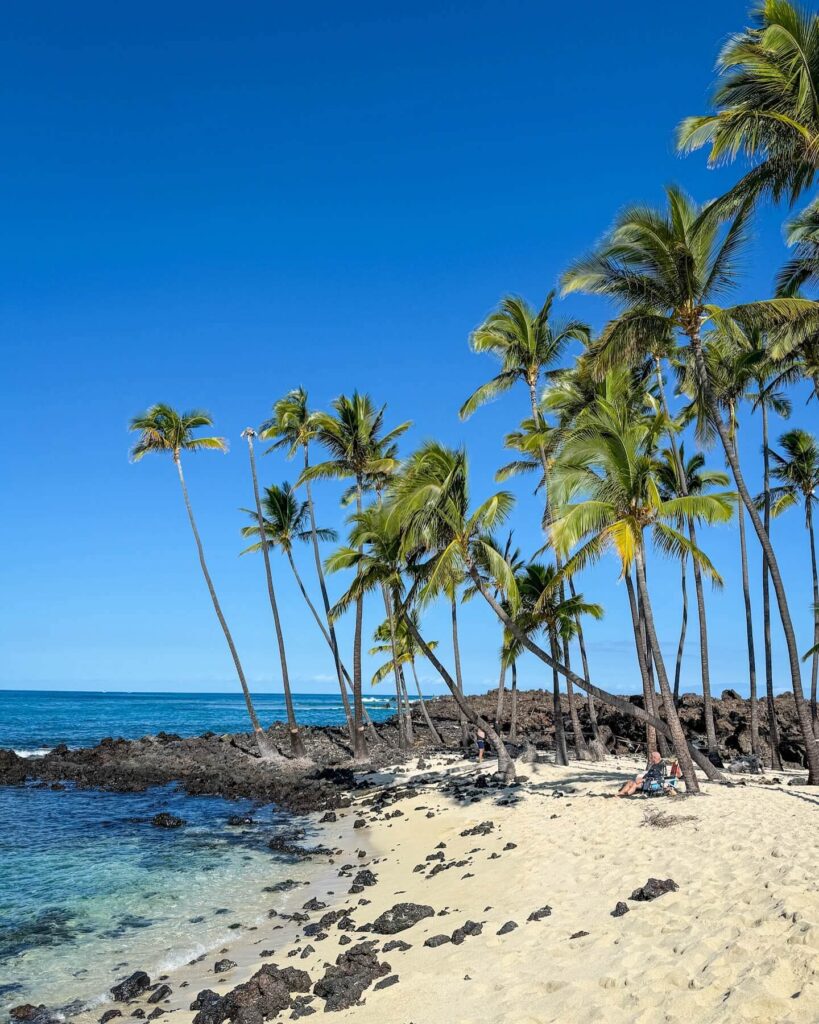
I recommend booking accommodations and popular tours well in advance.
Fall
It is often considered one of Hawaii’s best kept secrets. The ocean remains warm from the summer months, crowds begin to thin out, and you’ll often find lower prices on hotels and flights.
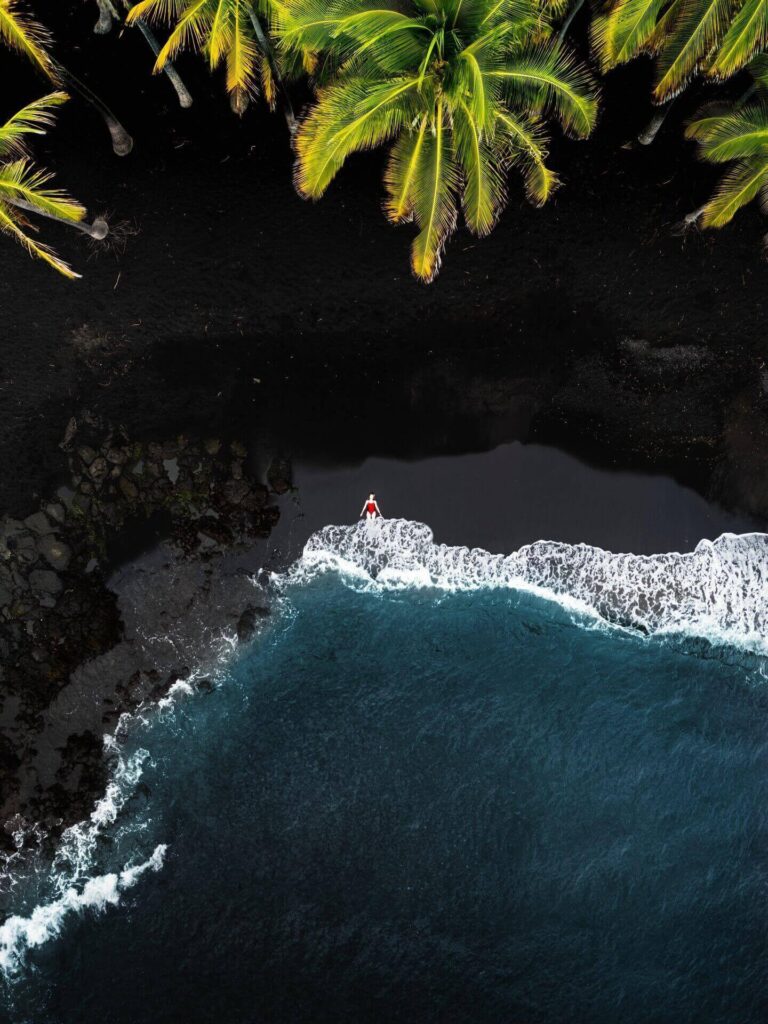
If you’re looking for a balance of good weather and fewer visitors, September through November can be an excellent choice.
Winter
It is also a wonderful time to visit, especially if you’re interested in whale watching. Humpback whales migrate to Hawaiian waters between roughly December and April, and seeing them from a boat tour or coastal viewpoint can be an unforgettable experience.
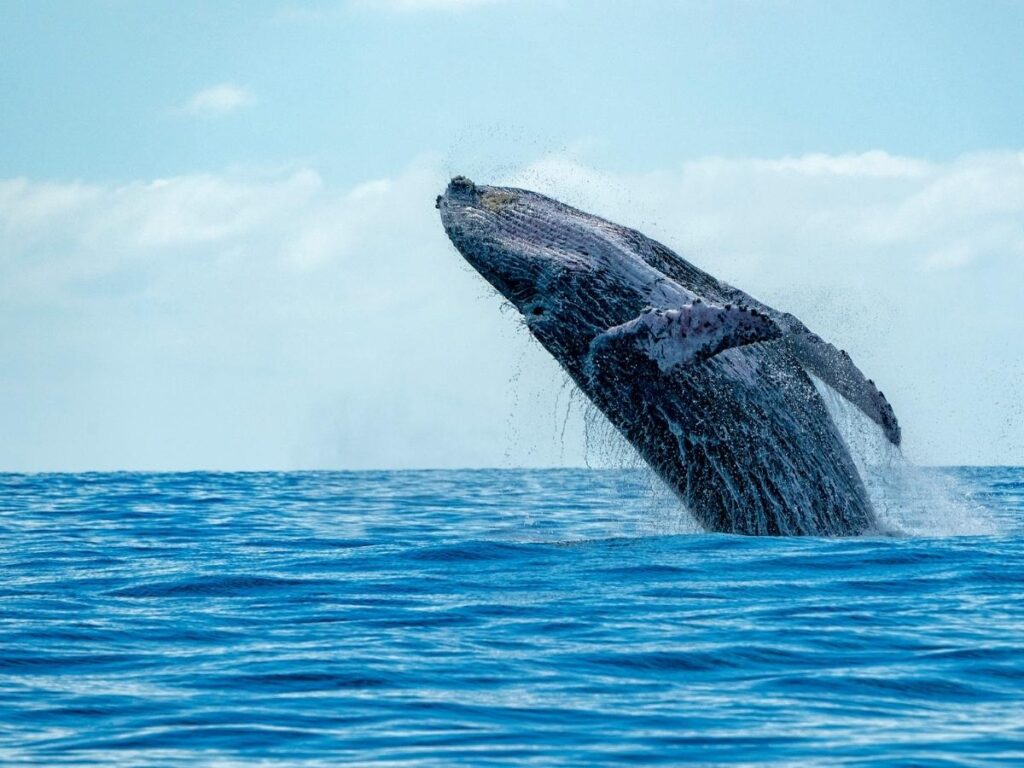
Just keep in mind that higher elevations, particularly around Mauna Kea and the volcano region, can be surprisingly cool. A light jacket is something you’ll be glad to have.
Practical Tips for Visiting the Big Island
The Big Island is much larger than many visitors expect, so a little planning can make your trip much smoother. One of the best things you can do is start your days early. You’ll avoid some of the crowds and have more time to enjoy the island without feeling rushed from one attraction to the next.
Since you’ll be spending plenty of time on the road, keep water and a few snacks in your car, especially when visiting more remote areas like Hawaiʻi Volcanoes National Park. Distances between towns can be longer than they appear on a map.
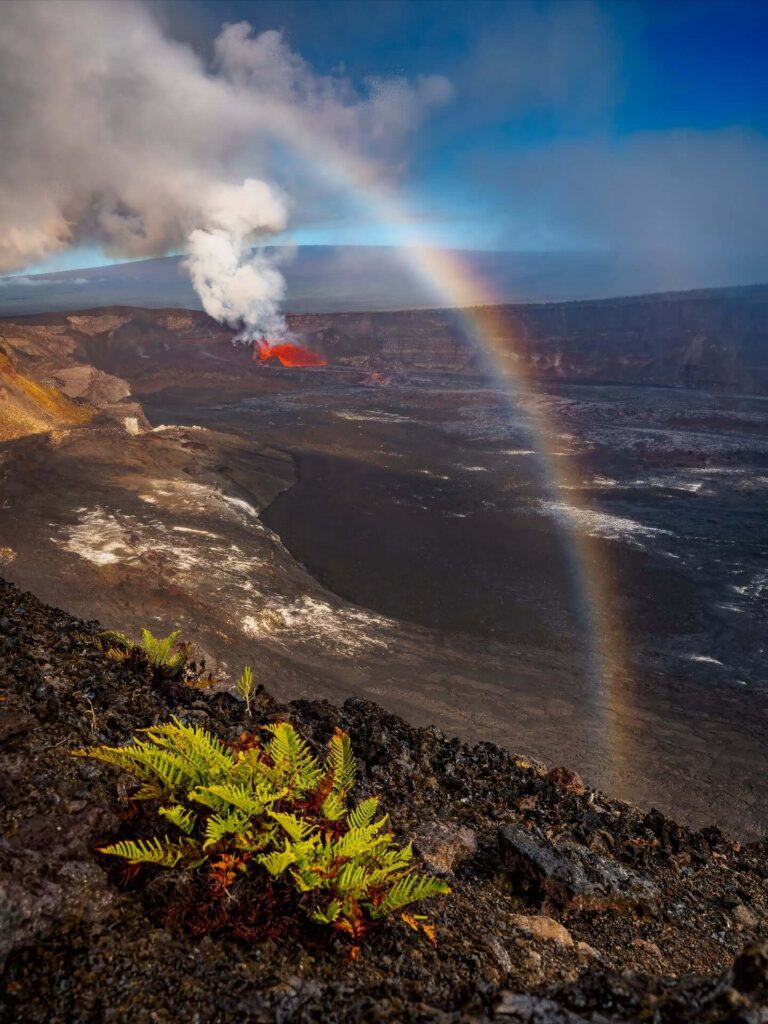
It’s also worth packing for different types of weather. While Kona is usually warm and sunny, Hilo and the volcano region can be cooler and wetter. I was glad I packed a light rain jacket for those unexpected changes in weather.
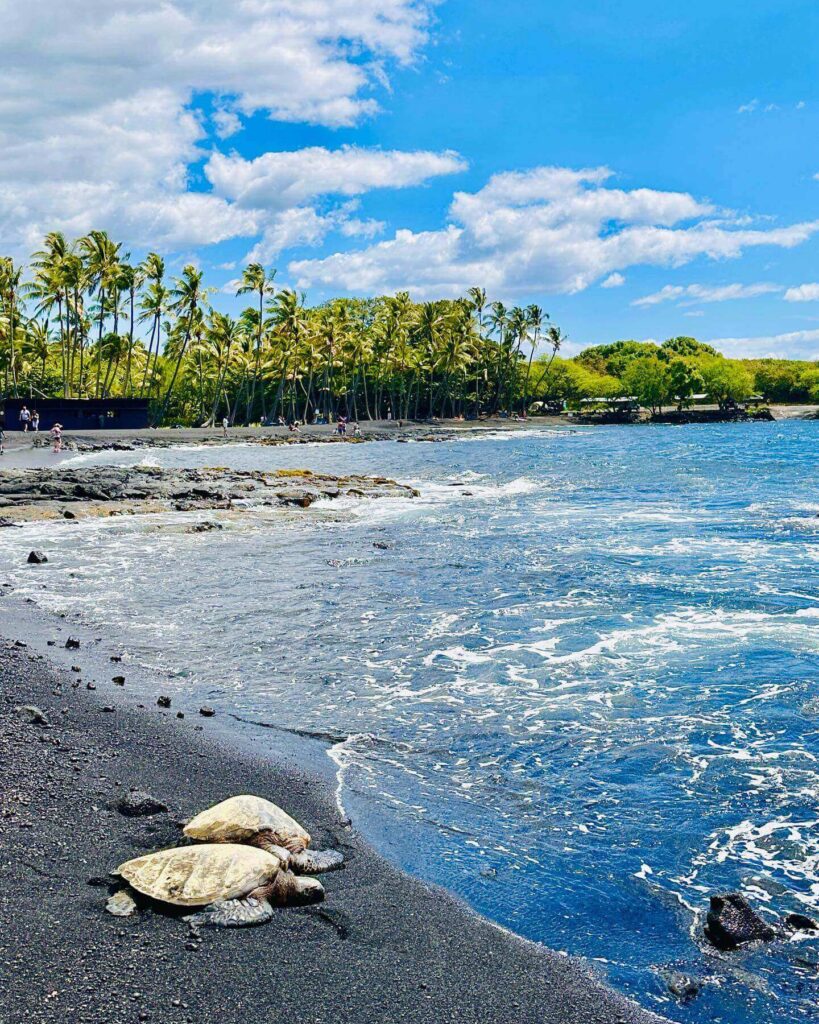
Wildlife is one of the highlights of visiting the Big Island, but remember to admire animals from a distance, especially sea turtles and dolphins. If a manta ray night snorkel is on your list, book it as early as possible since tours often sell out.
Finally, check current conditions before heading to Hawaiʻi Volcanoes National Park. Weather, road access, and volcanic activity can change, and having the latest information will help you get the most out of your visit.
Is the Big Island Worth Visiting?
Without a doubt.
What makes the Big Island so special is the sheer variety of experiences packed into one destination. Few places allow you to spend the morning snorkeling in crystal clear water, the afternoon exploring lava fields, and the evening watching the sun set over the Pacific Ocean.
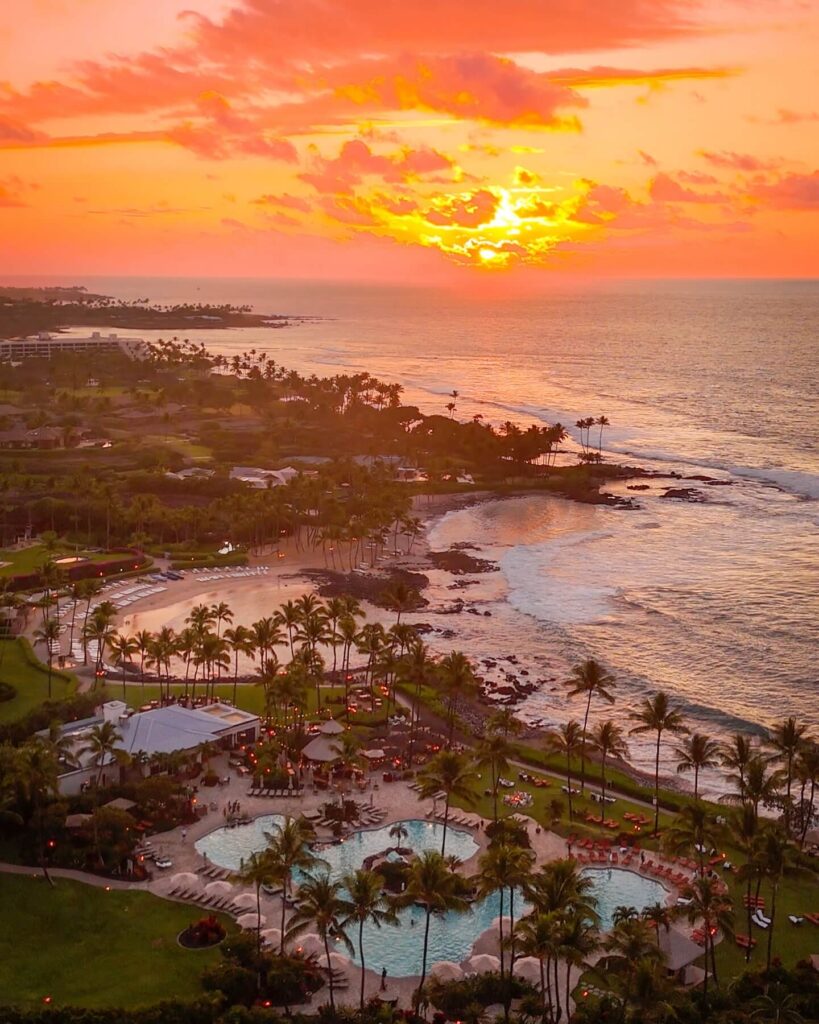
I also love how different each part of the island feels. Kona, Hilo, the volcano region, and the Kohala Coast each have their own personality. Instead of feeling like you’re visiting one destination, it often feels like several trips rolled into one.
For first time visitors to Hawaii, the Big Island offers an incredible introduction to the islands. You’ll find beautiful beaches, dramatic scenery, unique wildlife, fascinating Hawaiian history, and some of the most memorable landscapes in the state.
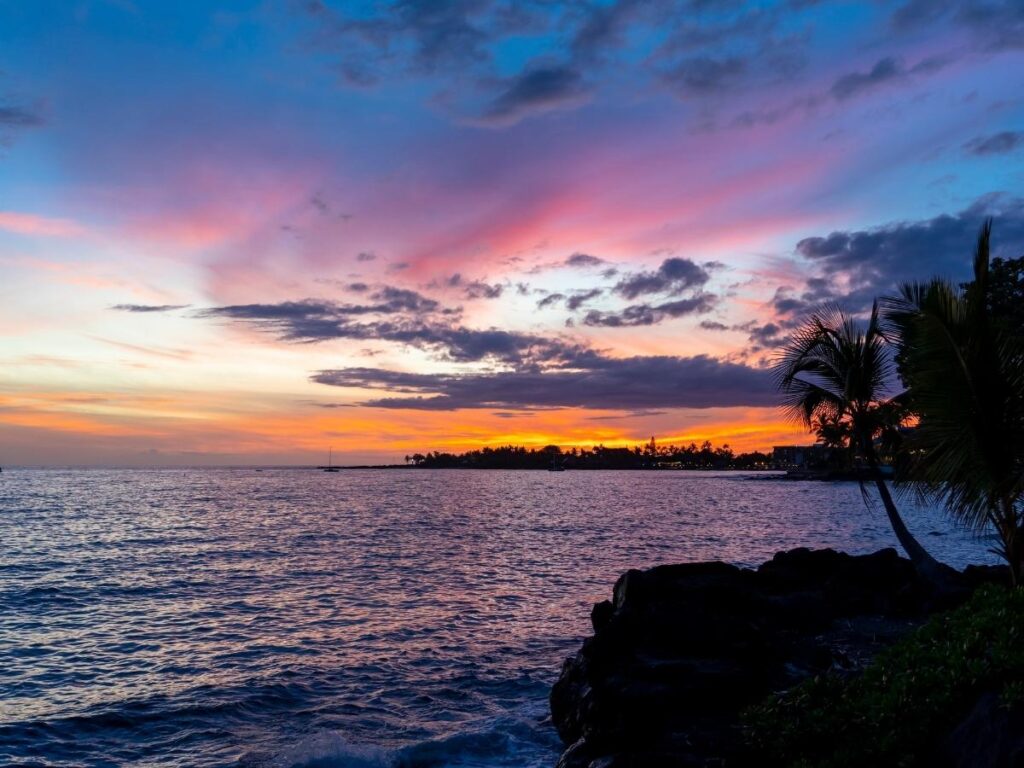
Even after four full days, chances are you’ll leave with a list of places you didn’t have time to visit. That’s exactly what happened to me, and it’s one of the reasons so many travelers end up returning. The Big Island has a way of making you feel like you’ve seen a lot while still leaving plenty more to discover.