

When most people think about Hawaii, they picture Waikiki’s busy shoreline or Maui’s famous resort beaches. That’s exactly what I expected before I started researching Molokai. Instead, I found an island where many beaches stretch for miles without crowds, beach bars, or rows of rental chairs.
That’s what makes Molokai so special. Every beach offers something a little different. Papohaku Beach is perfect for long walks and unforgettable sunsets, while smaller beaches like Dixie Maru are better for swimming when the ocean is calm.
On the island’s eastern side, you’ll find lush mountains meeting the coastline, creating some of the most scenic views on Molokai. Even the drive between beaches is part of the experience.
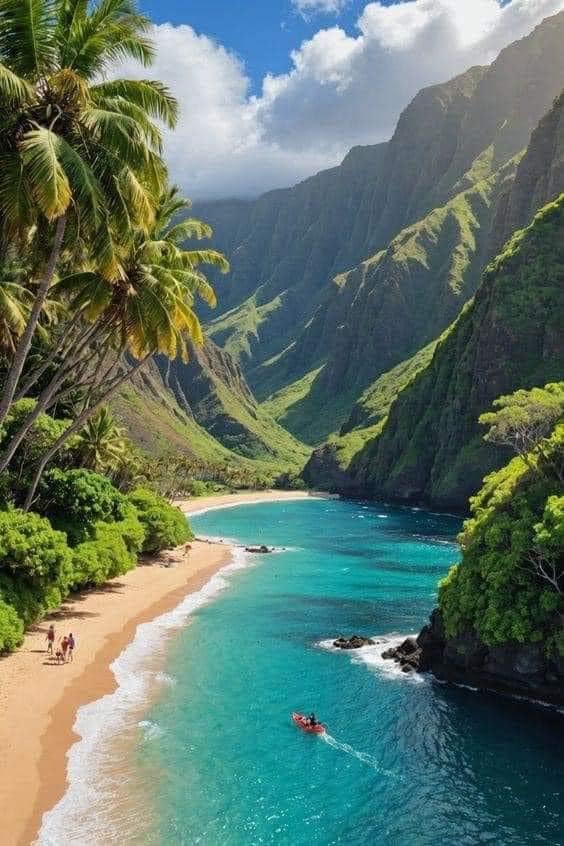
One thing I quickly realized is that visiting Molokai’s beaches takes a little more planning than on the other Hawaiian islands. Many beaches have only basic facilities, and some don’t have any at all. Bringing plenty of water, snacks, and checking ocean conditions before heading out will make your day much more enjoyable.
In this guide, I’ll share the best Molokai beaches to visit, along with practical tips about swimming conditions, parking, facilities, and what each beach is best known for. Whether you’re looking for a quiet place to relax, a great snorkeling spot, or the perfect sunset view, you’ll find plenty of options to add to your itinerary.
Why Molokai Beaches Feel Different
The first thing I noticed about Molokai wasn’t a particular beach. It was how peaceful the whole island felt. After visiting busier Hawaiian islands, the slower pace was refreshing. The roads were quiet, the beaches weren’t crowded, and it often felt like I had the coastline almost to myself.
Unlike Maui or Oahu, Molokai doesn’t have large beachfront resorts, busy shopping areas, or rows of rental umbrellas along the sand. Most beaches are wonderfully simple. You’ll usually find a small parking area, a short walk to the shore, and miles of open coastline without much development.
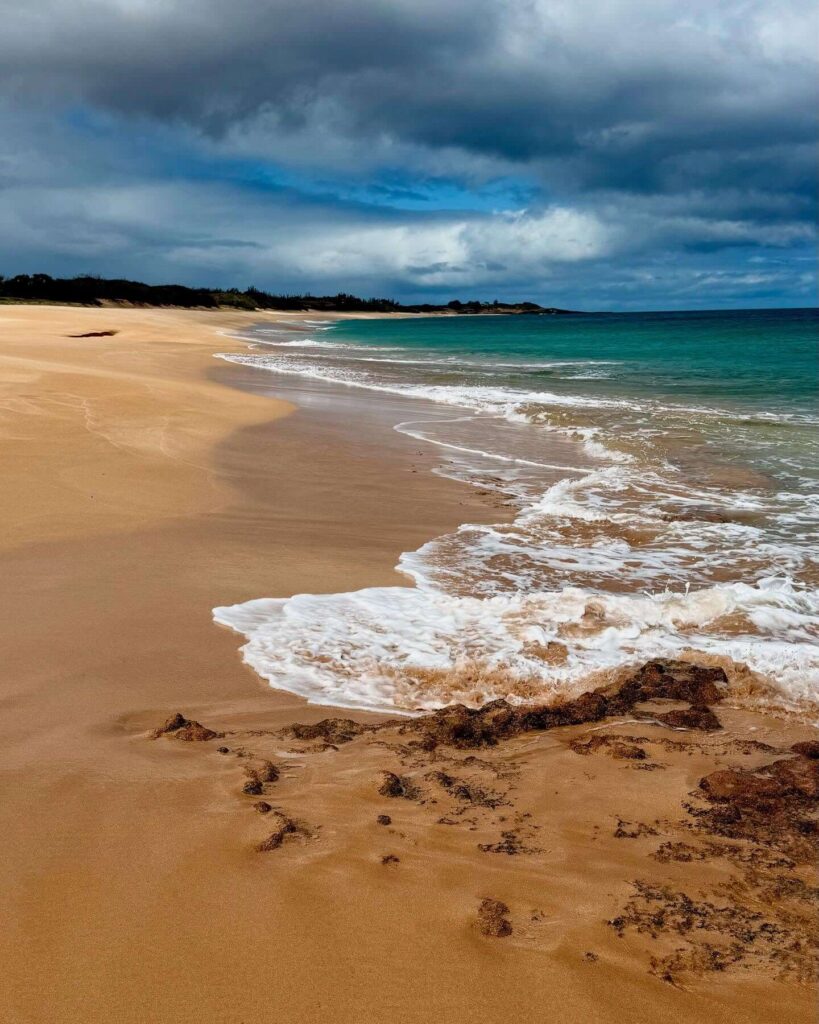
I quickly realized that was part of the appeal. Beaches like Papohaku are so large that you can walk for quite a while without seeing many other people. Instead of hearing music or traffic, you’ll mostly hear waves, seabirds, and the wind. It’s the kind of place where it’s easy to slow down and enjoy the scenery instead of rushing to the next stop.
You’ll also notice how much Molokai values its natural beauty and Hawaiian culture. Many beaches sit near local communities or culturally important areas, so it’s important to stay on public paths, respect private property, and leave the beaches exactly as you found them. If you’re lucky, you might even spot a Hawaiian green sea turtle resting on the shore.
Molokai Beach Map
Molokai isn’t a large island, but its beaches are spread across the west, central, and eastern coasts. Grouping them by region makes planning your days much easier, especially if you don’t want to spend too much time driving back and forth. Most visitors find it easiest to explore one side of the island at a time.
West Molokai
The west coast is home to many of Molokai’s best known beaches and is where you’ll find some of the island’s longest stretches of sand. If you’ve seen photos of Papohaku Beach, this is the area they were taken.
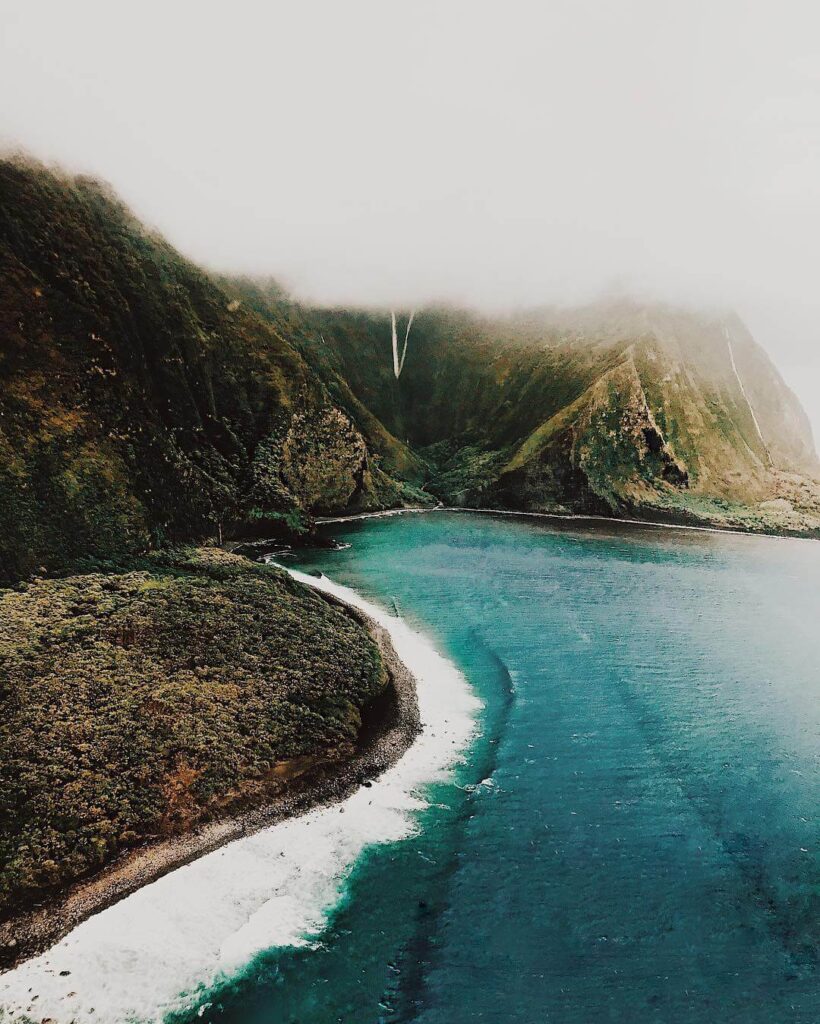
Here you’ll find Papohaku Beach, Kepuhi Beach, Dixie Maru Beach, Make Horse Beach, and Poolau Beach. These beaches are known for their wide open coastline, beautiful sunsets, and peaceful atmosphere.
It’s a great part of the island if you enjoy long beach walks, photography, or simply relaxing without the crowds you’ll find on Hawaii’s more popular islands.
Central Molokai
If you’re staying in or around Kaunakakai, the beaches in central Molokai are the easiest to reach. They may not be as dramatic as the west coast, but they’re perfect for a relaxing afternoon by the water without spending much time on the road.
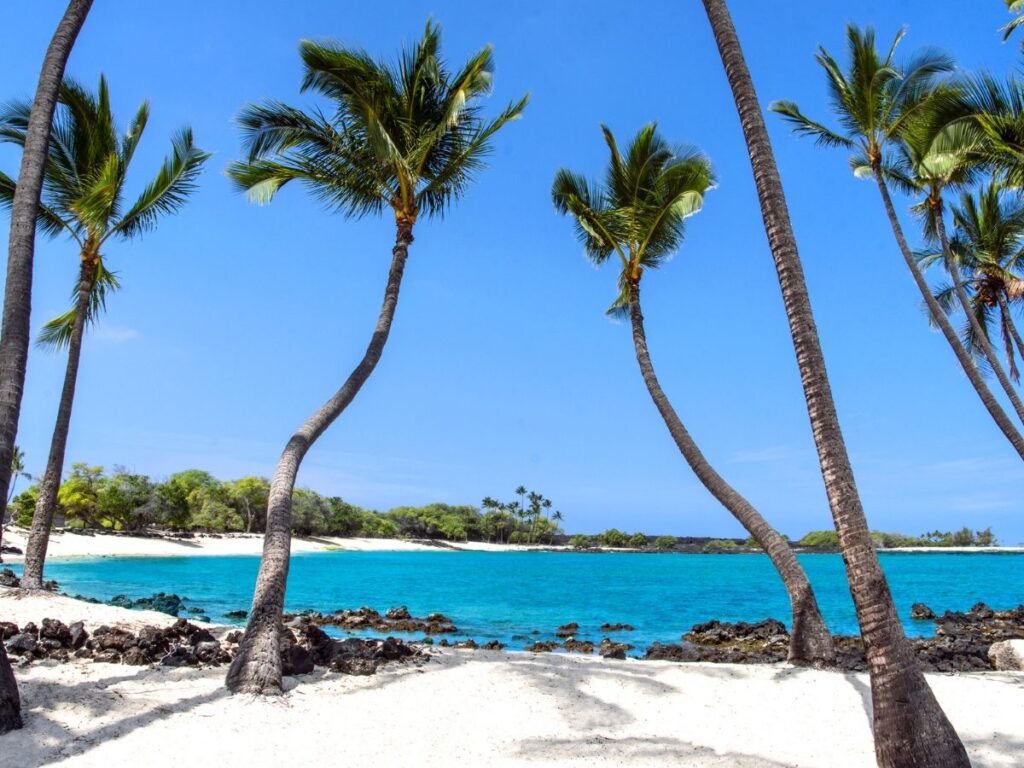
This area includes One Aliʻi Beach Park, Kawili Beach, and Kakahaiʻa Beach. These beaches are popular for picnics, short beach walks, and enjoying a quieter side of the island. They’re also convenient stops before or after exploring Kaunakakai’s shops and local restaurants.
East Molokai
The scenery changes noticeably as you drive toward the eastern side of the island. The landscape becomes greener, the mountains rise much higher, and the drive itself is one of the highlights of visiting Molokai.
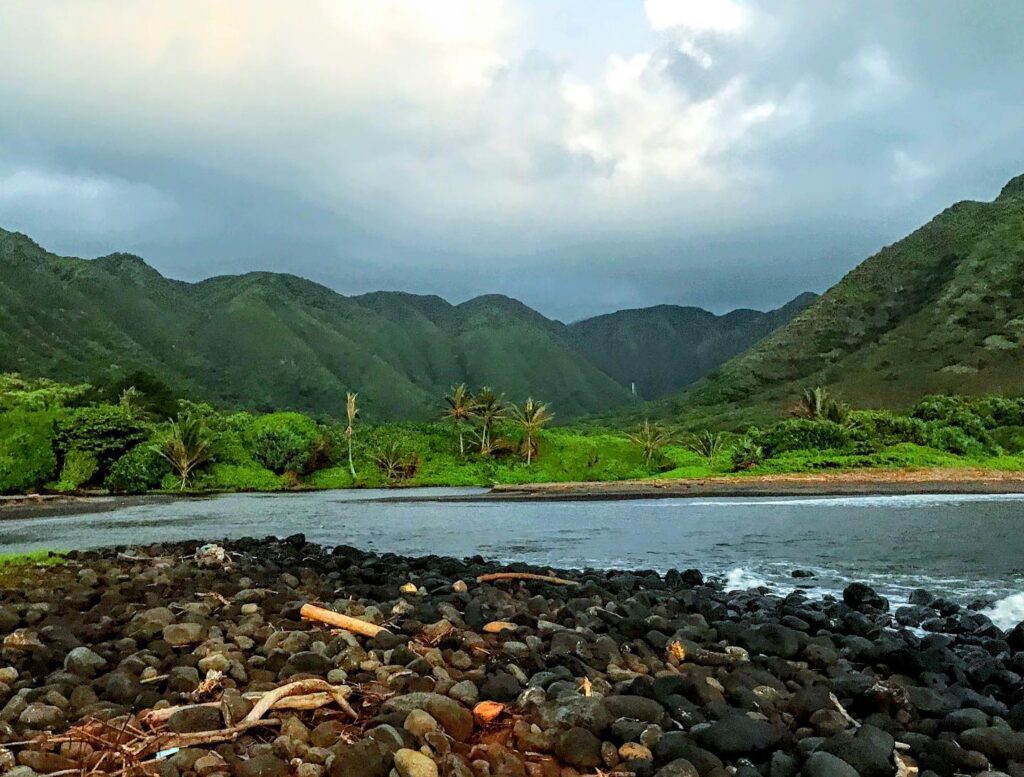
You’ll find Halawa Beach Park, Murphy’s Beach, and Kumimi Beach here. These beaches are excellent choices if you’re interested in snorkeling, scenic coastal views, or visiting Halawa Valley.
Since they’re farther from Kaunakakai, it’s worth planning to spend most of the day exploring this part of the island rather than making a quick visit.
Best Molokai Beaches
Papohaku Beach
If I could only recommend one beach on Molokai, Papohaku Beach would be my top pick. Stretching for nearly three miles along the island’s west coast, it’s one of the largest white sand beaches in Hawaii.
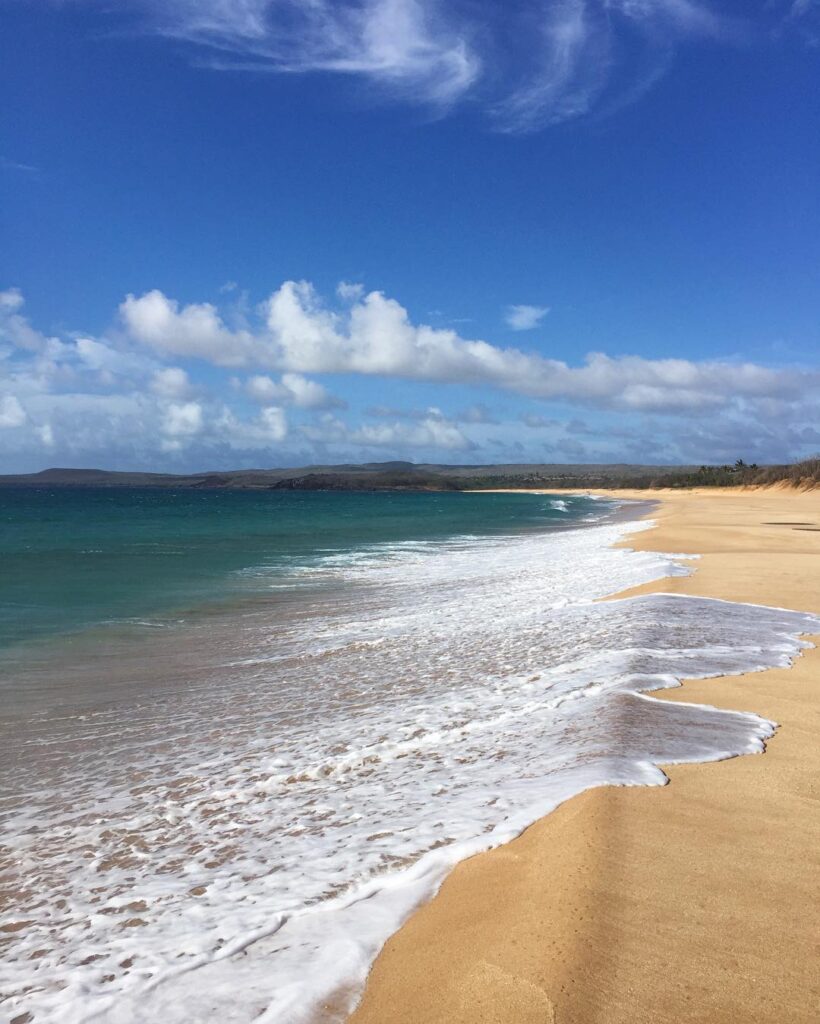
This is the kind of beach where it’s easy to slow down. I loved simply wandering along the shoreline, listening to the waves, and taking in the wide open views. The beach changes as you walk, with soft sand, low dunes, and plenty of space to spread out. It’s also one of my favorite places on Molokai for photography.
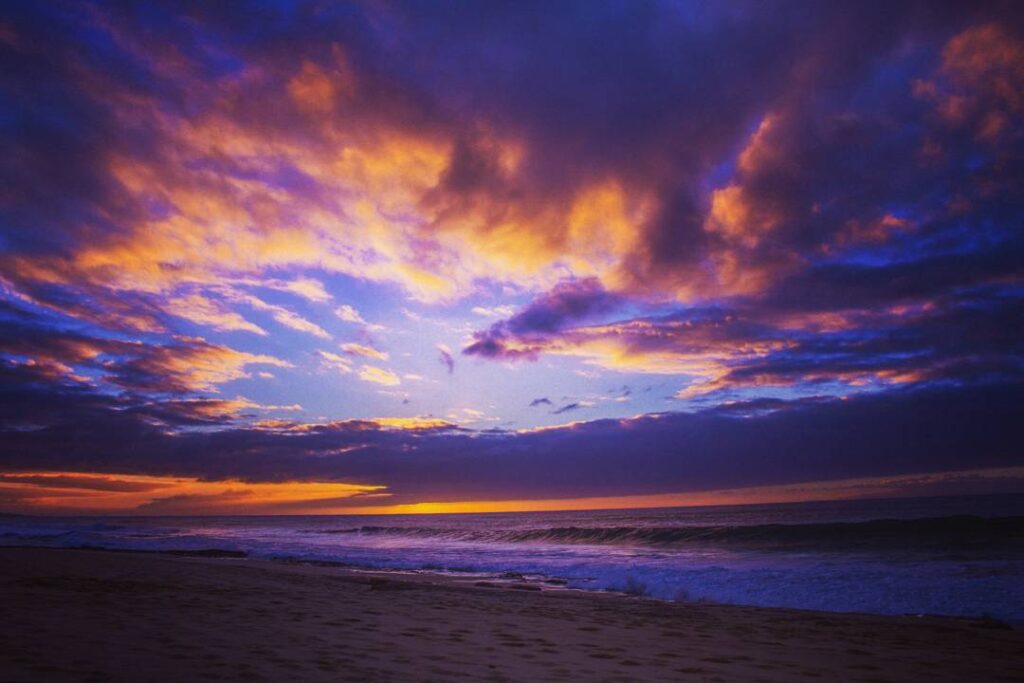
Papohaku is also one of the island’s best sunset spots. As the sun drops into the Pacific, the beach takes on beautiful golden colors, and you’ll usually have plenty of room to enjoy the view in peace.
Papohaku Beach Park has parking, restrooms, picnic tables, and covered pavilions. There aren’t any food vendors nearby, so bring water and snacks if you plan to spend a few hours here.
Kepuhi Beach
Just north of Papohaku, Kepuhi Beach offers a different experience. It’s smaller and framed by dark lava rocks, giving it a more rugged feel. I could easily spend an afternoon here simply watching the waves roll in, especially when the surf is high.
Swimming conditions change throughout the year. During calm summer weather, the water can be inviting, but winter swells often make it unsafe. Since there are no lifeguards, it’s always worth checking the ocean before getting in.
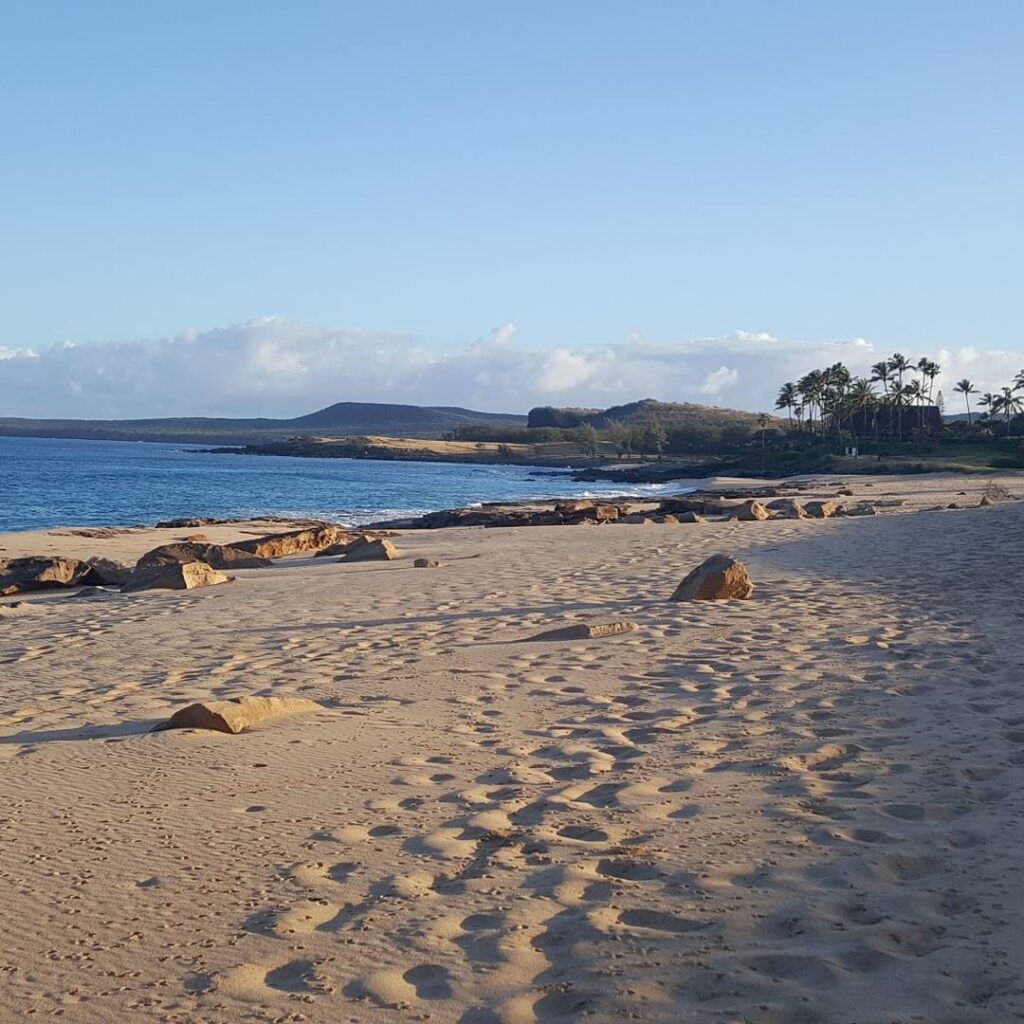
Kepuhi is another excellent sunset beach. The west facing coastline and lava rocks create beautiful views as the sun begins to set, making it a favorite spot for photographers.
Parking is available nearby, but facilities are limited, so it’s a good idea to bring everything you’ll need.
One Aliʻi Beach Park
Located just outside Kaunakakai, One Aliʻi Beach Park is one of the most convenient beaches on Molokai. If you’re staying in town, it’s only a short drive away, making it an easy place to spend a relaxing afternoon.
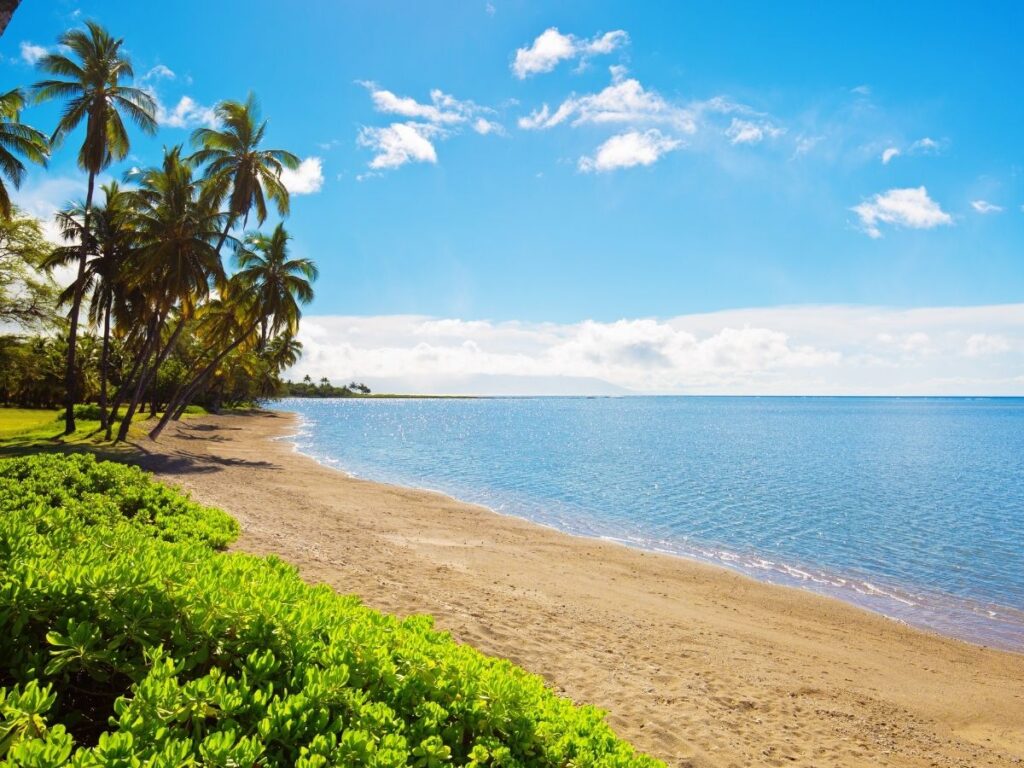
The beach has a friendly, laid back atmosphere and is popular with both visitors and local families. The water is often calmer than at many of Molokai’s west coast beaches, making it one of the better places to swim when conditions are good. I also like how easy it is to combine a visit here with lunch or shopping in Kaunakakai.
The park has parking, restrooms, picnic tables, grassy areas, and plenty of shade, so it’s comfortable if you want to stay for a few hours. If you’re lucky, you might even spot a Hawaiian green sea turtle near the shoreline.
Kakahaiʻa Beach
If you’re looking for a peaceful beach rather than a busy swimming spot, Kakahaiʻa Beach is worth a stop. Located along Molokai’s southern coast, it usually stays quiet and is backed by coastal wetlands that attract native birds.
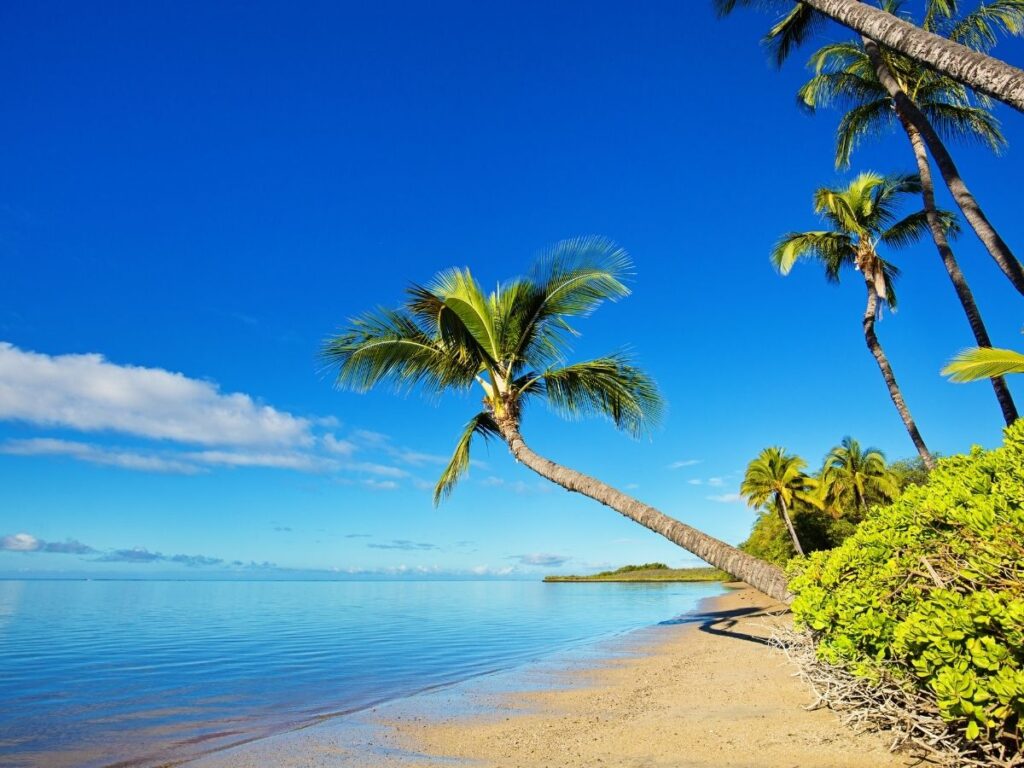
The shoreline is great for a leisurely walk or simply sitting and enjoying the views. Swimming isn’t the main reason to visit, as the shoreline can be rocky and conditions vary. Instead, it’s a nice place to slow down and enjoy one of Molokai’s quieter coastal areas.
Kawili Beach
Kawili Beach sits beside Kaunakakai Harbor and offers a different side of Molokai. Instead of dramatic scenery, you’ll find local fishermen, small boats, and peaceful harbor views that give you a glimpse of everyday life on the island.
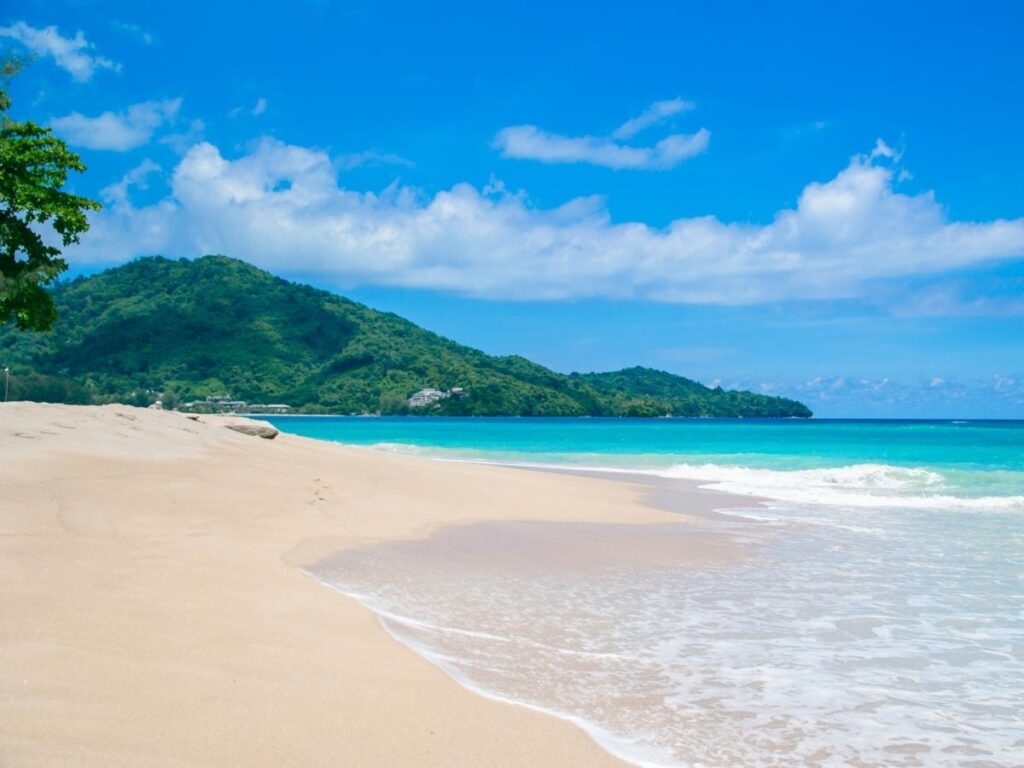
While swimming isn’t recommended, it’s a pleasant place for a short walk or to sit by the water, especially in the late afternoon when fishing boats return to the harbor. If you’re already exploring Kaunakakai, it’s an easy stop that’s well worth adding to your day.
Murphy’s Beach
Murphy’s Beach is one of my favorite spots on Molokai if you enjoy snorkeling. Located on the island’s eastern side, it’s protected by an offshore reef that often keeps the water calmer during the summer months.
On a clear morning, visibility can be surprisingly good, and you may spot colorful tropical fish, healthy coral, and even the occasional Hawaiian green sea turtle.
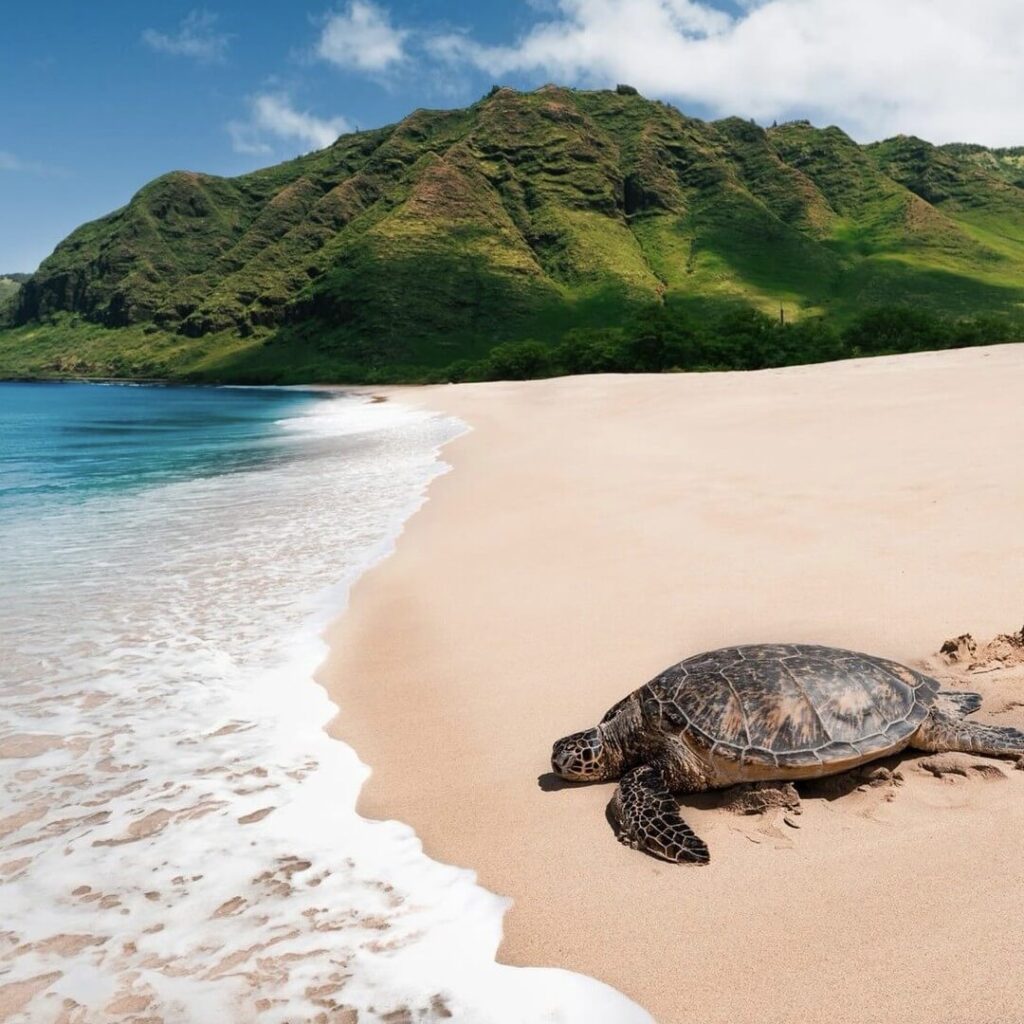
Even if you don’t plan to snorkel, it’s still a lovely place to spend an hour or two. The beach is quiet, a few palm trees provide natural shade, and it feels far removed from the busier beaches on Hawaii’s other islands.
Just remember to bring your own snorkeling gear, water, and snacks since there aren’t any rental shops or food vendors nearby. I also recommend arriving in the morning before the afternoon trade winds start picking up.
Halawa Beach Park
Halawa Beach Park sits at the end of one of the most scenic drives on Molokai, and getting there is part of the experience. As you head east, the landscape becomes greener, with steep sea cliffs, lush valleys, and waterfalls appearing after rainfall.
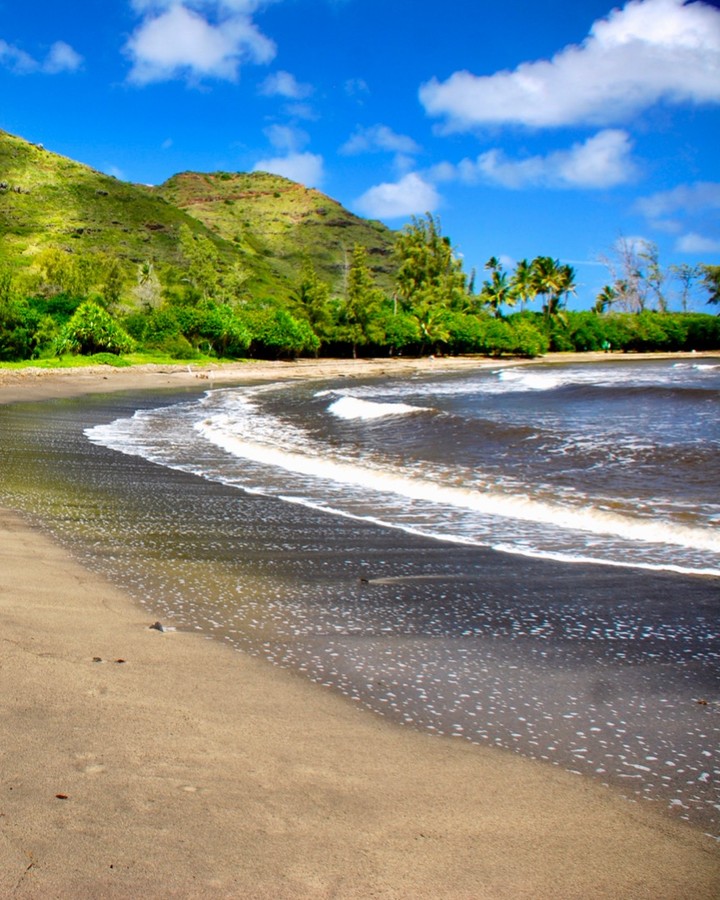
The beach marks the entrance to Halawa Valley, one of Hawaii’s oldest inhabited valleys, making it a great place to combine with a guided valley tour. Coconut palms, golden sand, and dark lava rocks give the beach a beautiful natural setting that’s perfect for photography or simply relaxing by the ocean.
Swimming is sometimes possible when the water is calm, but conditions can change quickly, so it’s always worth checking the surf before getting in. The park has parking, restrooms, and picnic tables, making it an easy place to stop for a couple of hours while exploring the island’s east coast.
Kumimi Beach
Kumimi Beach doesn’t receive as much attention as some of Molokai’s other beaches, but it’s well worth visiting if you’re looking for a quieter snorkeling spot. An offshore reef helps keep the water calmer during the summer months, creating good conditions for spotting tropical fish and other marine life.
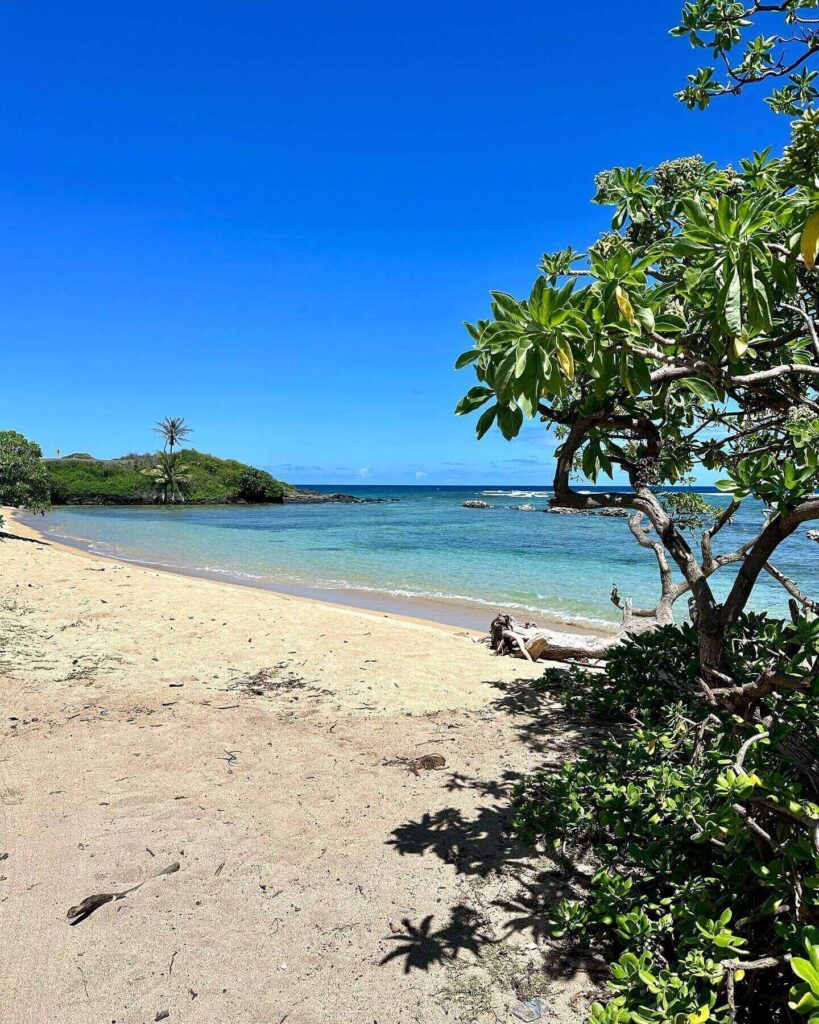
Like Murphy’s Beach, you’ll need to bring your own snorkeling equipment because there aren’t any rental facilities nearby. Even if you stay on shore, it’s a peaceful place to relax and enjoy the ocean views without many other visitors around.
Morning is usually the best time to visit, as the water tends to be calmer before the afternoon winds arrive.
Best Molokai Beaches for Swimming
One thing I quickly realized while planning this guide is that a beautiful beach doesn’t always mean it’s a good place to swim. Molokai has some incredible stretches of coastline, but several are known for strong shore breaks and rip currents, especially during the winter months.
That’s why it’s always worth checking the ocean conditions before getting in the water, even if it looks calm from the beach.
If swimming is one of the main reasons you’re visiting Molokai, these are the beaches I’d recommend.
Dixie Maru Beach
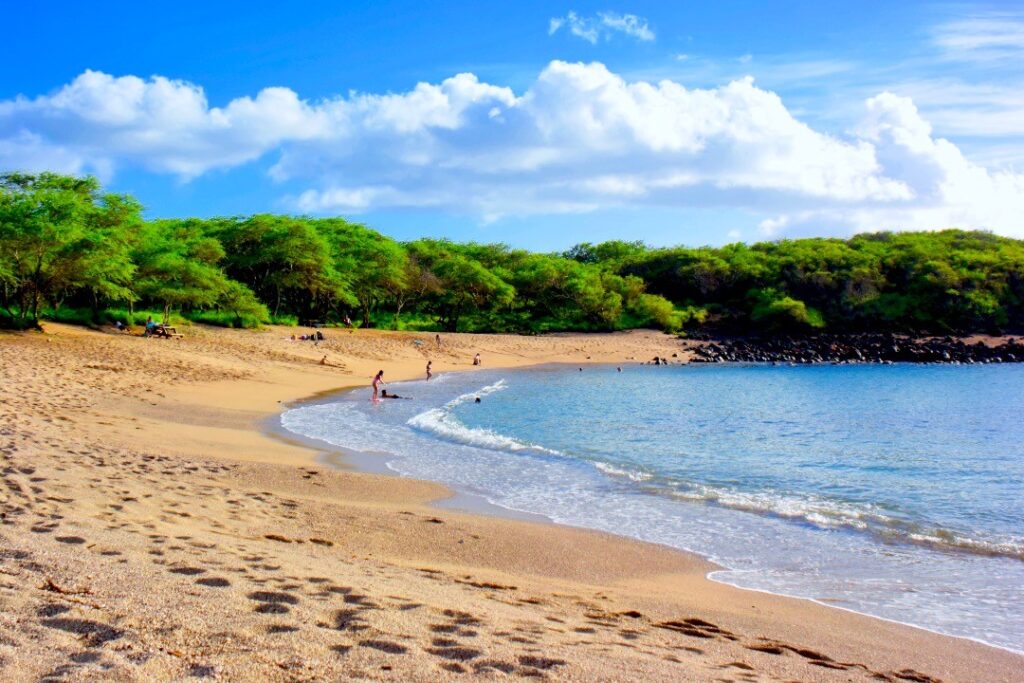
Dixie Maru Beach is probably the best choice for most visitors. The small sheltered cove helps protect the beach from some of the larger waves that reach nearby Papohaku Beach, creating calmer conditions during much of the summer. It’s a great place to cool off, enjoy a relaxed swim, or spend some time snorkeling close to shore.
One Aliʻi Beach Park
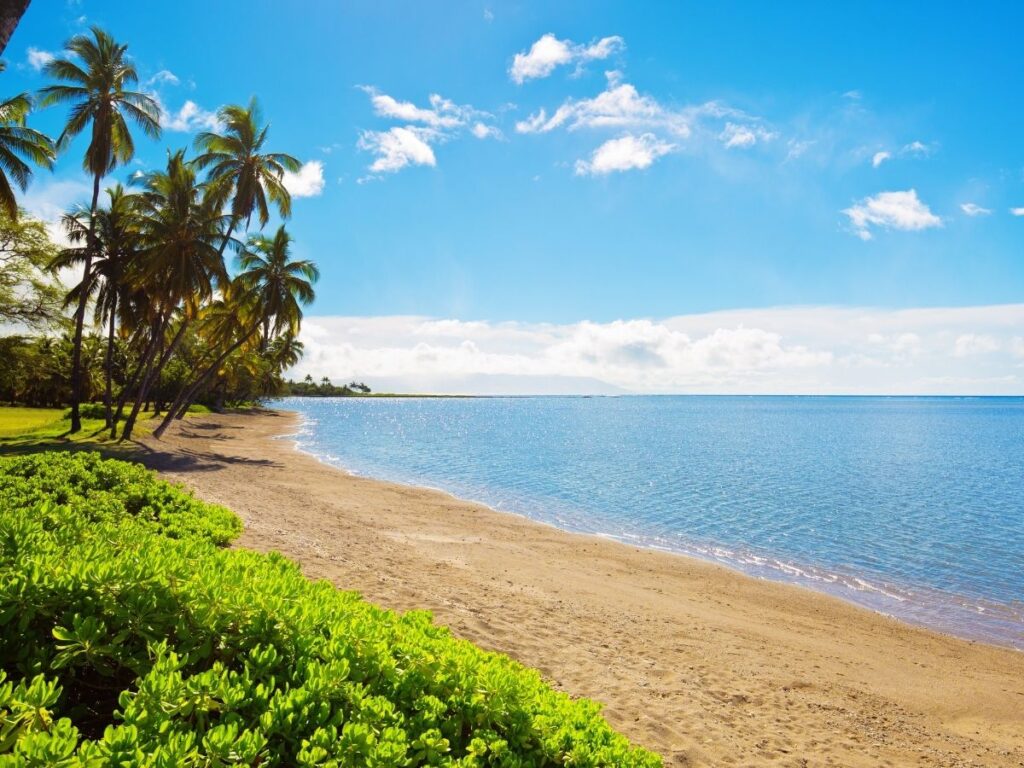
If you’re traveling with kids or simply want a beach that’s easy to access, One Aliʻi Beach Park is another good option. The water is often calmer than many of the island’s more exposed beaches, and having restrooms, picnic tables, and shaded grassy areas nearby makes it easy to spend a few hours here.
Murphy’s Beach
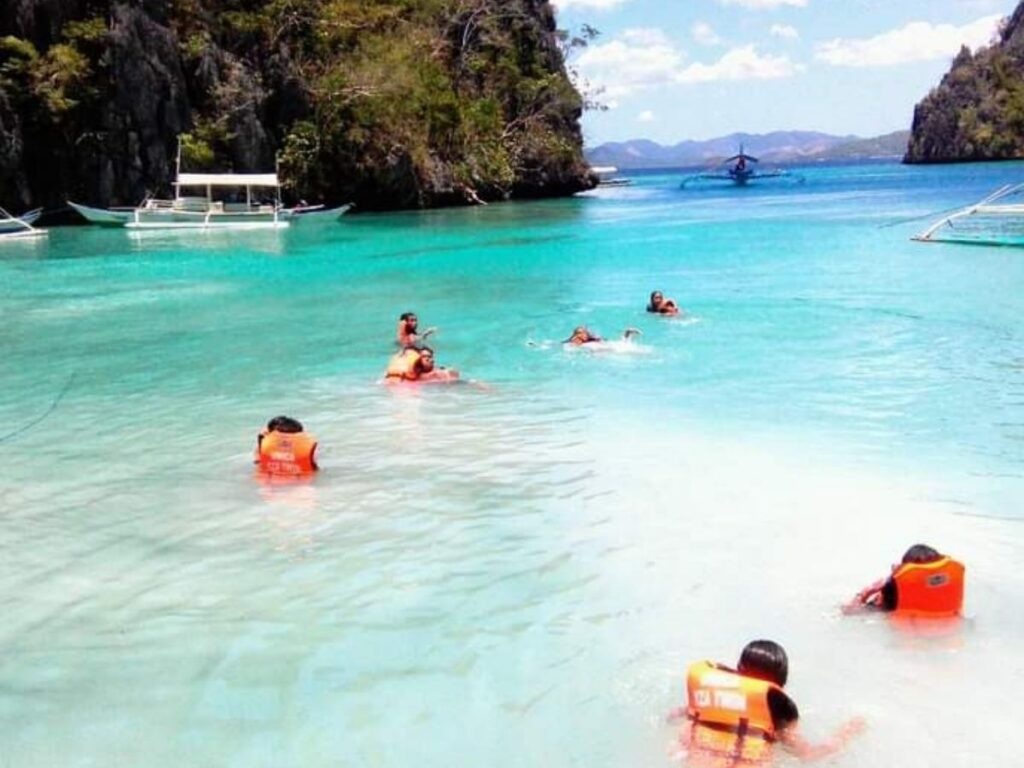
Murphy’s Beach is a great choice if you enjoy both swimming and snorkeling. The offshore reef helps keep the water calmer during favorable conditions, and it’s not unusual to see tropical fish or even a Hawaiian green sea turtle while you’re in the water. I recommend visiting in the morning when visibility is usually at its best.
Kumimi Beach
Kumimi Beach is another excellent option during the summer months. The reef offshore creates calmer water for swimming and snorkeling, while mornings generally offer the clearest conditions before the afternoon trade winds arrive.
Beaches Better Suited for Walking Than Swimming
Some of Molokai’s most beautiful beaches are best enjoyed from the shore. Papohaku Beach, Kepuhi Beach, Poolau Beach, and Make Horse Beach often experience stronger waves and powerful currents, particularly in winter.
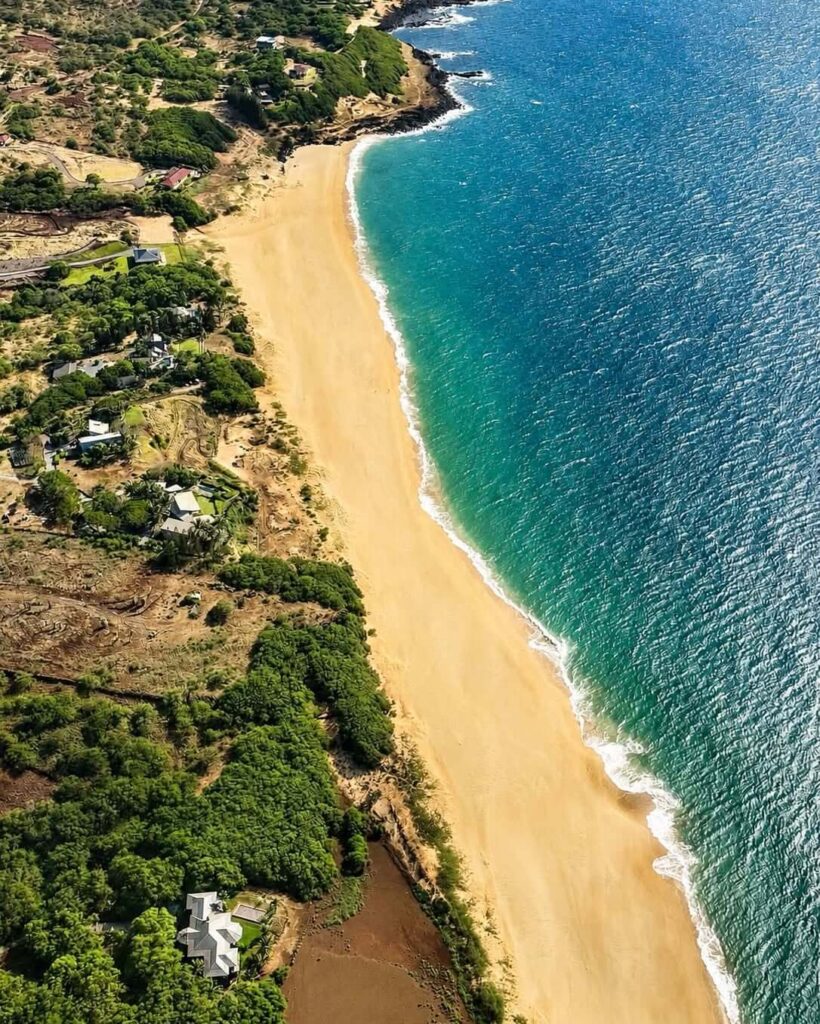
They’re fantastic places for long walks, photography, or simply relaxing on the sand, but I’d think twice before swimming unless the ocean is unusually calm and local conditions are considered safe.
No matter which beach you choose, remember that most beaches on Molokai don’t have lifeguards. Taking a few minutes to watch the waves and check the surf conditions can make all the difference.
Best Time to Visit Molokai Beaches
Molokai is a destination you can visit at any time of year, but the beaches can feel quite different depending on the season. If swimming and snorkeling are at the top of your list, timing your trip can make a big difference.
Winter (December through February)
Winter brings larger swells, especially along the west coast. It’s a great time to watch powerful waves roll into beaches like Papohaku and Kepuhi, and you may even spot humpback whales offshore. The downside is that the ocean can be rough, so swimming isn’t always possible at many beaches.
Spring (March through May)
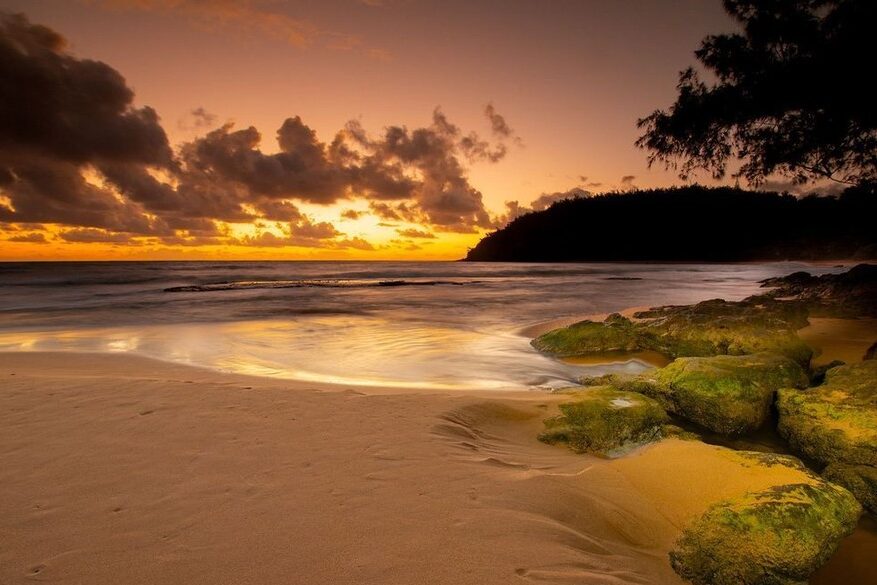
Spring is probably my favorite time to visit Molokai. The weather is warm without being overly hot, the island stays quiet, and many beaches are perfect for long walks, sightseeing, and photography. It’s also a lovely time to enjoy scenic drives before the summer season begins.
Summer (June through August)
Summer usually brings the calmest ocean conditions, making it the best time for swimming, snorkeling, and spending full days at the beach.
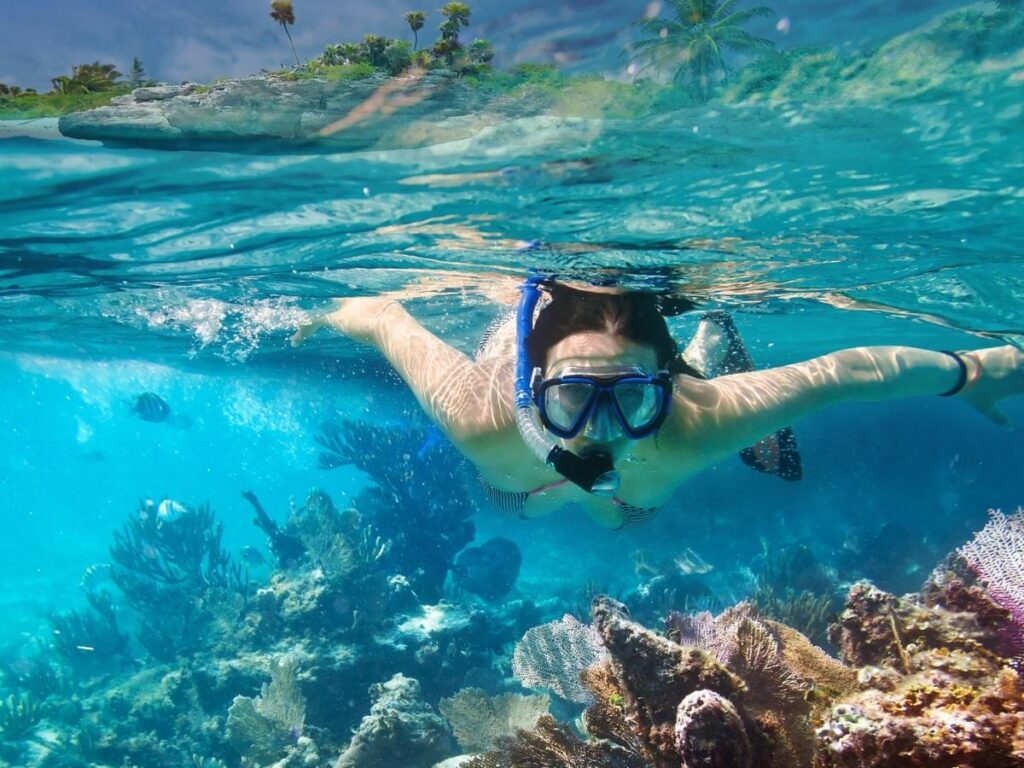
Places like Murphy’s Beach, Kumimi Beach, and Dixie Maru are often at their best during these months. Even in summer, Molokai never feels nearly as busy as Maui or Oahu.
Fall (September through November)
Fall is another excellent time to visit. The ocean is still warm, visitor numbers begin to drop, and the weather remains pleasant. It’s a great season for beach days, coastal drives, and watching the sunset before the larger winter swells return.
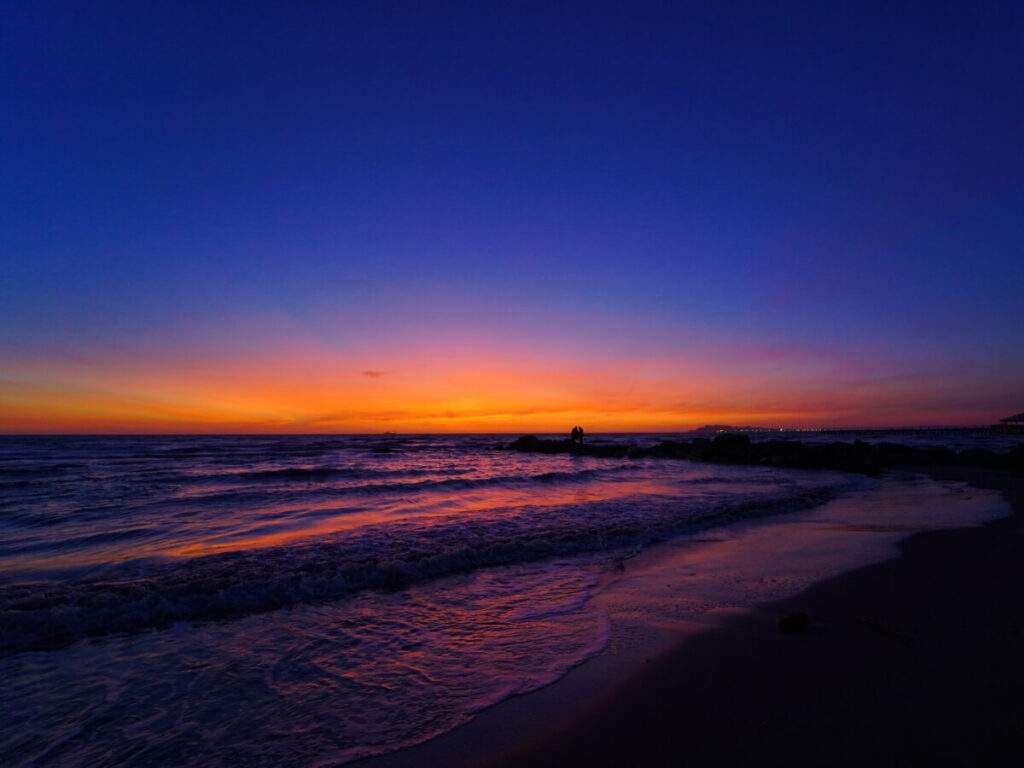
If I were planning my own trip, I’d visit in late spring or early fall. The weather is comfortable, the beaches are quiet, and you’ll usually have a better chance of finding calm water for swimming while still enjoying the peaceful atmosphere that makes Molokai so special.
Beach Safety Tips for Visiting Molokai
One of the things I love about Molokai is how natural its beaches feel. The downside is that many have few facilities and most don’t have lifeguards, so it’s important to come prepared.
Before swimming, spend a few minutes watching the ocean and checking for warning signs. Conditions can change quickly, even if the water looks calm from the shore.
I also recommend bringing plenty of water, snacks, and reef safe sunscreen since many beaches don’t have nearby shops. Water shoes are useful at beaches like Murphy’s, Kumimi, Make Horse, and Poolau, where rocky shorelines are common.
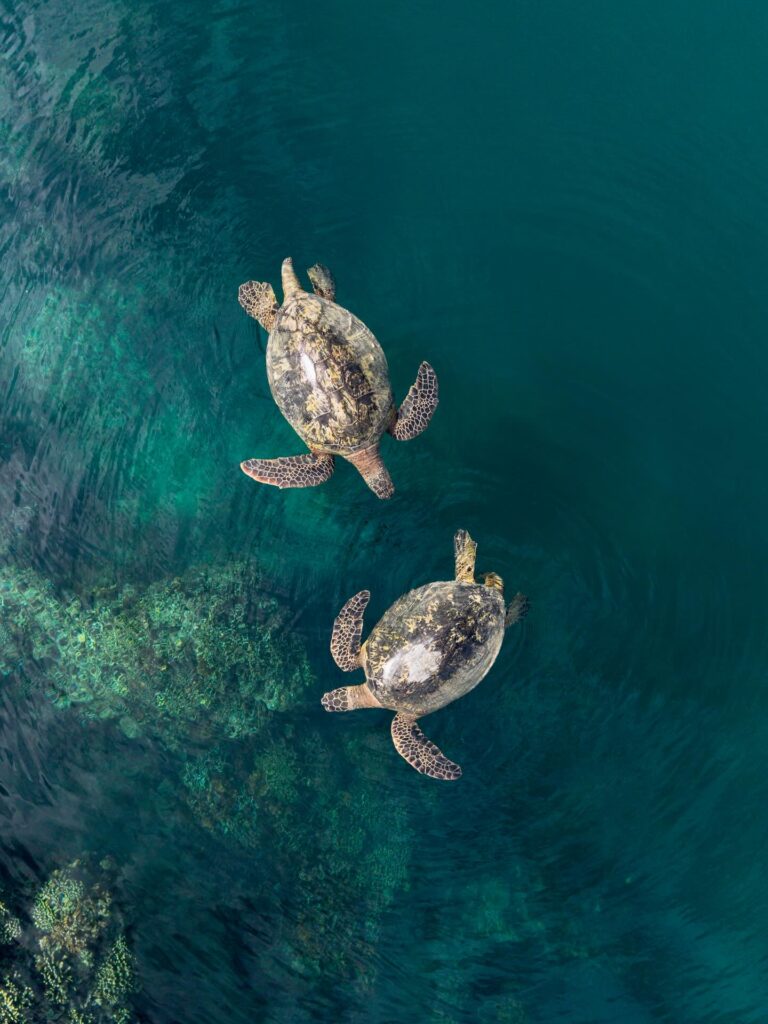
Finally, respect the island’s wildlife. If you spot a Hawaiian green sea turtle or Hawaiian monk seal, enjoy the moment from a distance and never try to touch or feed them. It’s one of the best parts of visiting Molokai, and keeping your distance helps protect these incredible animals.
One Day Molokai Beach Road Trip
If you only have one full day on Molokai, you can still visit several beautiful beaches without spending the entire day driving. I’d recommend starting early so you can enjoy the beaches before the afternoon heat and stronger winds arrive.
Morning
Start your day at Murphy’s Beach, one of the island’s best snorkeling spots. The water is usually calmest in the morning, making it the best time to snorkel or simply relax by the shore.
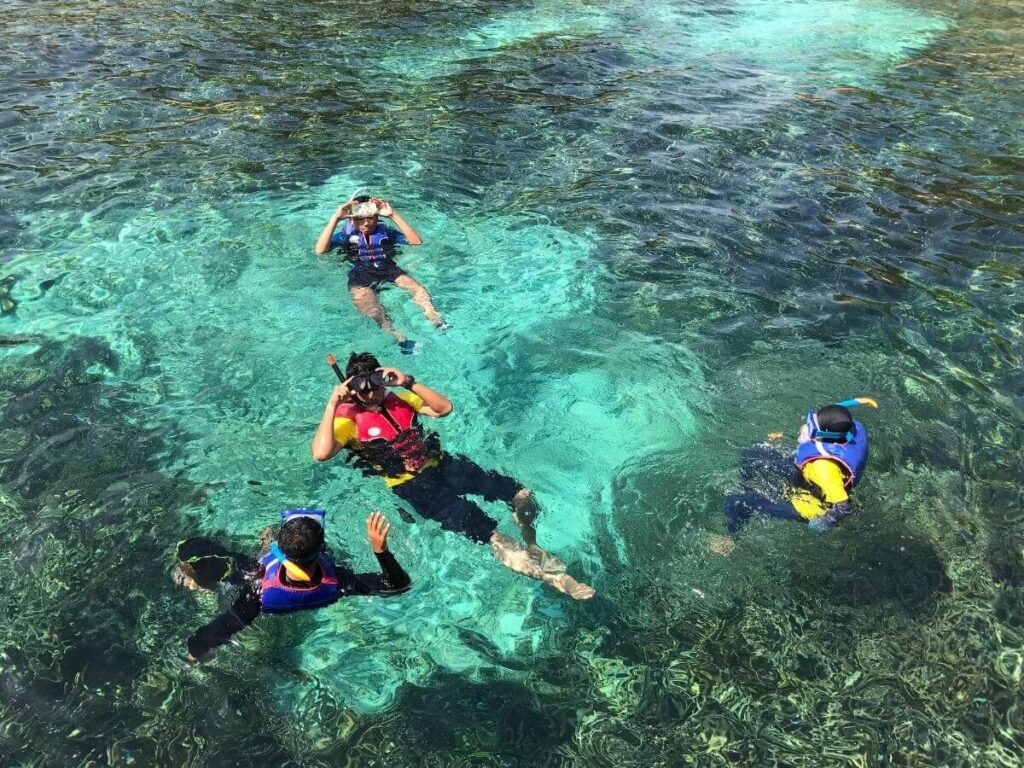
Afterward, continue to Halawa Beach Park, where you can take a walk along the beach and enjoy the lush scenery surrounding Halawa Valley. If you have a little extra time, a guided tour of Halawa Valley is well worth adding to your itinerary.
Lunch
Drive back to Kaunakakai for lunch. It’s the island’s main town and the best place to grab a meal, refill your water bottles, and pick up snacks before heading to the west side of Molokai.
Afternoon
Spend the afternoon exploring Papohaku Beach. It’s one of those places where you can wander along the shoreline for ages without seeing many other people.
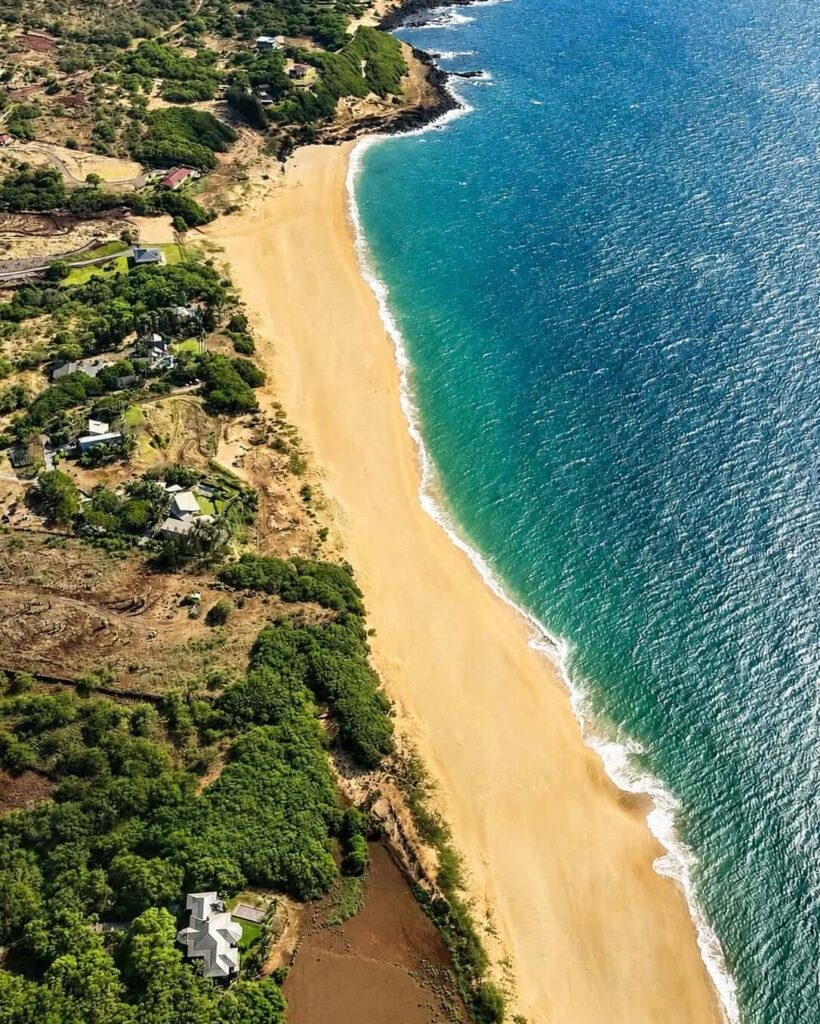
If the weather is warm and the ocean is calm, stop by nearby Dixie Maru Beach for a swim before continuing your day.
Sunset
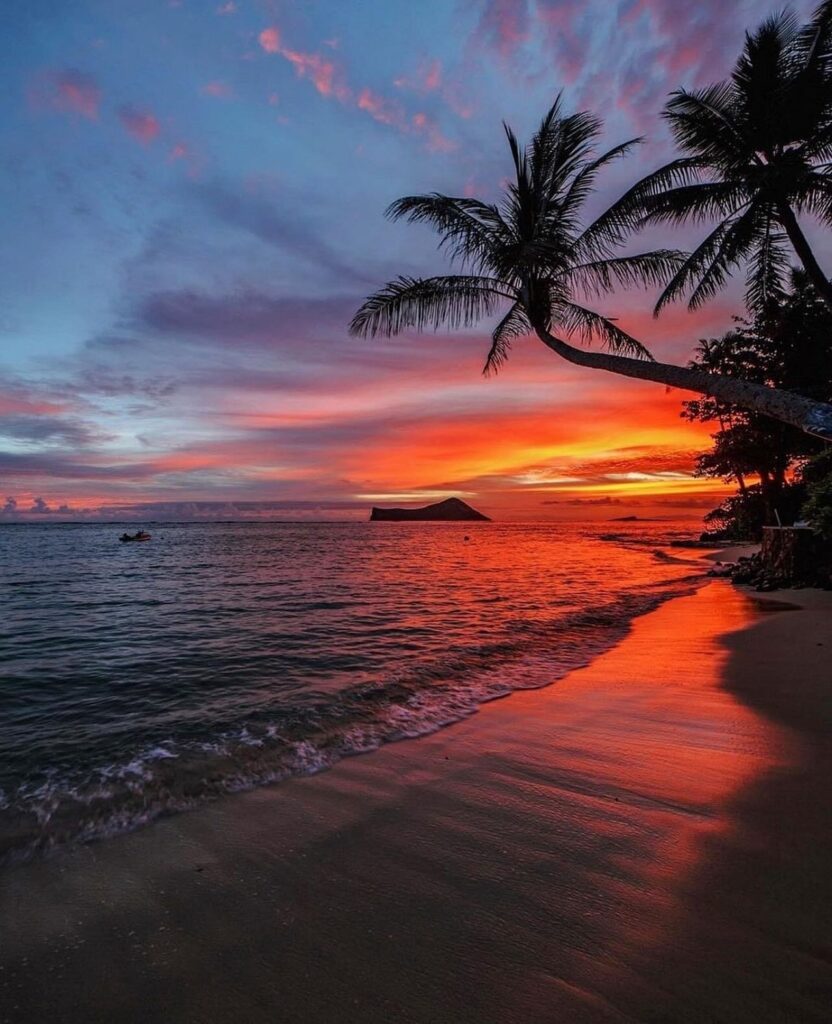
Finish your trip at Kepuhi Beach or head back to Papohaku Beach for sunset. Both offer incredible views, but Papohaku’s wide open shoreline makes it especially peaceful. Watching the sun sink into the Pacific is the perfect way to end a day on Molokai.
Where to Stay for Easy Beach Access
Molokai doesn’t have many hotels or resorts, so choosing the right area can make getting around much easier. Fortunately, the island is small enough that you can reach most beaches within a reasonable drive.
West Molokai
If your trip is all about beaches and sunsets, the west side is a great place to stay. You’ll be close to Papohaku Beach, Kepuhi Beach, Dixie Maru Beach, and Make Horse Beach, making it easy to explore this part of the island without spending too much time on the road.
Kaunakakai
For most first time visitors, I’d recommend staying in Kaunakakai. Since it’s located near the middle of the island, you can easily explore both the east and west coasts. \
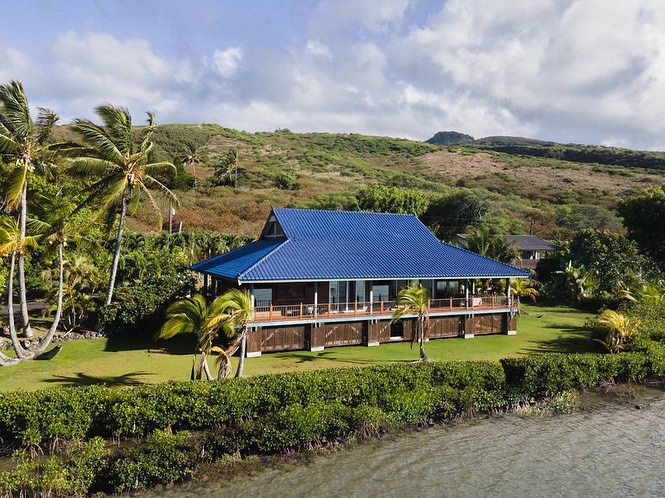
You’ll also have convenient access to restaurants, grocery stores, and gas stations, which can be helpful since services are limited elsewhere on the island.
East Molokai
If you prefer a quieter setting surrounded by nature, consider staying on the east side. You’ll be closer to Halawa Beach Park, Murphy’s Beach, and Kumimi Beach, along with some of the island’s most scenic drives. It’s a great choice if you plan to spend more time exploring Molokai’s lush landscapes than hopping between beaches.
Common Mistakes Visitors Make
After researching Molokai and planning this guide, there are a few things I’d do differently if I were organizing my own beach trip.
The biggest mistake is assuming every beach is safe for swimming. Some of the island’s most beautiful beaches, including Papohaku and Poolau, often have strong currents and powerful shore breaks. Even if the water looks calm, it’s always worth checking the conditions before getting in.
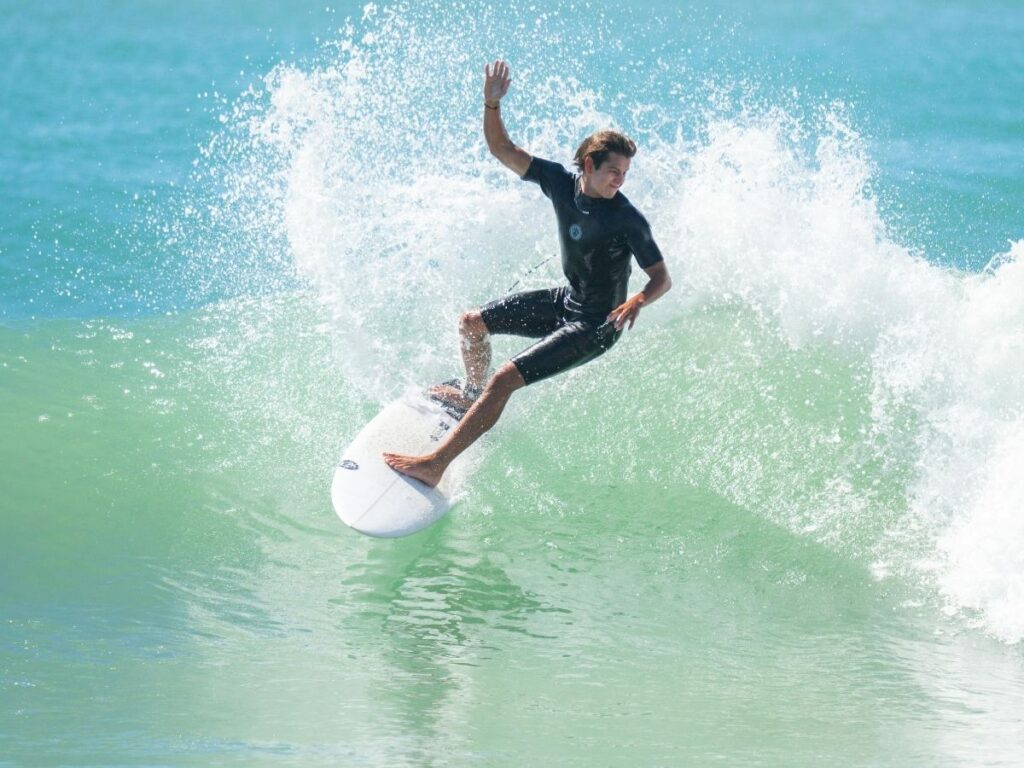
Another mistake is arriving unprepared. Many beaches don’t have nearby restaurants, shops, or rental facilities, so bringing plenty of water, snacks, sunscreen, and anything else you’ll need for the day makes a big difference.
I’d also avoid trying to squeeze every beach into a single day. Molokai is best enjoyed at a slower pace. Spending a few hours at two or three beaches is far more rewarding than constantly driving across the island and feeling rushed.
Finally, don’t stop after visiting Papohaku Beach. It’s easily the island’s most famous beach, but places like Murphy’s Beach, Halawa Beach Park, and Dixie Maru offer completely different experiences and are just as memorable.
Final Thoughts
What I love most about Molokai is that it feels like Hawaii before large resorts and busy tourist attractions took over. The beaches are quiet, the scenery is beautiful, and it’s easy to find a stretch of coastline where you can simply relax and enjoy the sound of the ocean.
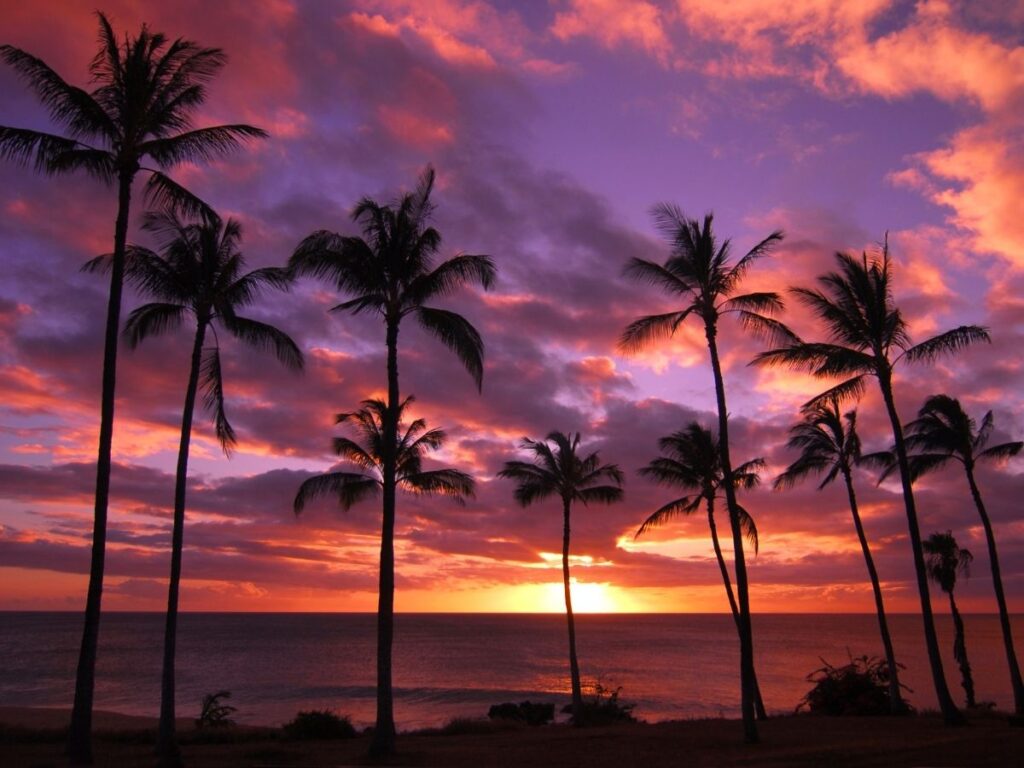
Whether you’re snorkeling at Murphy’s Beach, taking a sunset walk along Papohaku, or exploring the lush scenery around Halawa Beach Park, each beach offers something a little different. That’s what makes exploring Molokai so enjoyable.
If you’re looking for lively nightlife and packed beach resorts, Molokai probably isn’t the island for you. But if you enjoy uncrowded beaches, scenic drives, and a slower pace of travel, I think you’ll leave wondering why you didn’t spend a few extra days here.