

The first time a German stranger corrected me, I was standing at an empty crosswalk in Cologne at 7 a.m., one foot off the curb against a red light. A man in a suit put his arm out, looked at me, and said one word: nein. There were no cars for a quarter mile. He just did not want me setting the example for the two kids waiting beside us. That is Germany in a nutshell. The rules are quiet but real, and most are things nobody warns you about until you have already tripped over one.
I have spent a lot of time there, mostly around Berlin, Munich, and the Rhine, and I keep meeting travelers who get caught by the same short list of rules. A few cost you five euros and a stern look. One can cost you three years. Here are the ones I actually watch for, who each one matters most for, and how to stay on the right side of it.
1. Crossing the street on a red light
In Germany, stepping into a crosswalk against a red pedestrian signal is an offense, even with zero traffic in sight. The fine itself is small, usually between 5 and 10 euros, so money is not really the point.
The bigger reason to wait: Germans take it seriously, children copy adults, and you will get corrected out loud. There is also a practical angle. If a car clips you while you crossed on red, your compensation claim can shrink because you broke the rule. This matters most for anyone traveling with kids.
2. Making noise during quiet hours
Germany protects Ruhezeit, or quiet hours, and it applies to you in a rental or hotel too. The standard nighttime window runs from 10 p.m. to 6 or 7 a.m., all day Sunday counts as protected, and parts of the south still keep a midday hush from roughly 1 to 3 p.m.
During those hours the list of no-go activities is longer than you would guess: loud music, a rowdy Airbnb dinner, running the washing machine, even dragging a hard-wheeled suitcase across a tiled hallway at midnight. Fines can climb into the hundreds of euros, and neighbors do call the local Ordnungsamt. If you are traveling as a group or renting an apartment, brief everyone on this before the first night.
3. Riding transit without a validated ticket
German buses, trams, and U-Bahns run on an honor system. There are no turnstiles, so you walk straight on, which fools a lot of visitors into thinking checks are rare. They are not. Plainclothes inspectors board in teams and ask to see tickets between stops.
Get caught without a valid one and the standard penalty is 60 euros, cash or card, on the spot. The trap most tourists miss: a paper ticket from a machine often has to be stamped in the little validation box on the platform or tram before it counts. An unstamped ticket reads as no ticket at all. This one bites budget travelers and first-timers hardest.
4. The salute and the symbols (this is the three-year one)
This is the rule I most want people to hear. Under Section 86a of the criminal code, publicly displaying Nazi symbols or performing the Hitler salute is a crime in Germany, and it carries up to three years in prison or a fine. It applies to everyone on German soil, tourist or not.
Intent as a joke does not save you. In 2017 two visitors were arrested for posing with the salute outside the Reichstag for a photo. If you are visiting memorials or history sites, and you should, keep the gestures and the ironic photos in your imagination. This is the single line in this list worth memorizing.
5. Flipping someone off, or calling them a name
Insulting people is genuinely illegal here, under Section 185. The middle finger, sticking out your tongue, and a shouted insult all fall under it, and the penalty can be a fine or, in theory, up to a year. Drivers get caught the most: one man in Bavaria was fined 5,000 euros for giving the finger to a speed camera.
Aim it at a police officer and the number climbs fast. If traffic or a pushy cyclist gets under your skin, keep your hands on the wheel and your opinions to yourself.
6. Running out of gas on the Autobahn
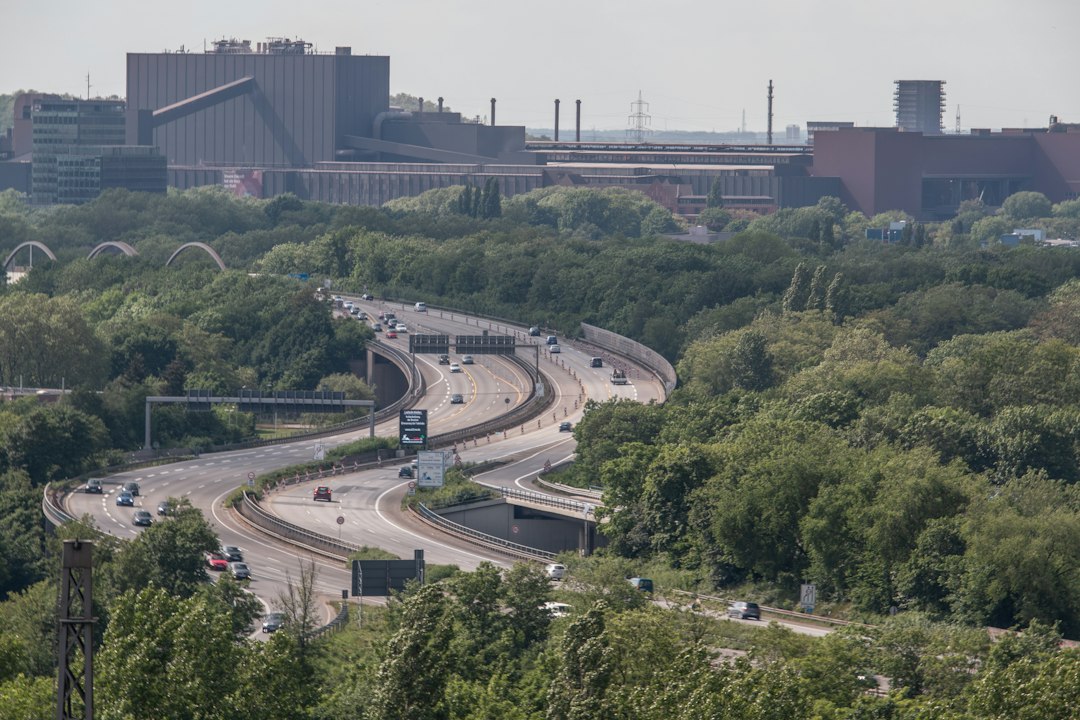
Coasting to a stop with an empty tank on the Autobahn is treated as a preventable offense, not bad luck, because stopping there for anything short of a real breakdown is forbidden. Expect around 35 euros for a brief stop, closer to 70 if you sit long enough to count as parking, and far worse if it causes a crash.
The fix is simple: fill up the moment the fuel light comes on rather than gambling on the next services. If you are renting and planning long stretches at speed, watch the gauge like the locals. This one is for road trippers.
7. Tossing a deposit bottle in the bin
This one will not get you fined, it will just quietly cost you money, so I count it as a rule worth knowing. Most bottles and cans in Germany carry a Pfand, a deposit of roughly 8 to 25 cents baked into the price. Throw the empty away and you forfeit it.
Instead, feed empties into the reverse-vending machine (the Pfandautomat) at almost any supermarket and it prints a voucher you redeem at the till. On a week-long trip with a few drinks a day, that adds up to real coffee money. Anyone self-catering should hang onto every bottle.
8. Counting on shops being open on Sunday
German shop-closing law keeps most stores shut on Sundays and public holidays, and it surprises visitors every week. Roll into town on a Sunday to stock the fridge and you will find the supermarket dark.
The exceptions are worth knowing: bakeries often open Sunday mornings, corner shops called Spätis stay open in cities like Berlin, and stores inside train stations, airports, and gas stations keep running. My rule is to do the real grocery shop on Saturday and treat Sunday as a bakery-and-museum day. This matters most for anyone cooking their own meals.
Do these actually apply to tourists?
Yes, all of them. German law does not grade on a visitor curve, and the salute and insult rules in particular are enforced against foreigners with some regularity.
Is it true you cannot shower or flush after 10 p.m.?
That is a myth that refuses to die. Normal bathroom use is fine at any hour. Quiet hours target loud, avoidable noise like drilling, parties, and blasting music, not living in your rental like a human being.
None of this is meant to spook you out of going. Germany is one of my favorite countries to move around in, precisely because the systems work and people trust each other to follow them. Learn these eight, and you get to enjoy the trains, the beer gardens, and the road trips without an awkward run-in. Screenshot this before you fly, and travel easy.
Featured image: Photo by Ansgar Scheffold on Unsplash