
The first time I visited the Big Island, I realized quickly that this isn’t a place you experience from your hotel balcony. It’s not the kind of island where one beach represents the whole trip. The landscapes shift dramatically, sometimes within a 30 minute drive.
I remember leaving a stretch of black lava fields that looked almost lunar, only to find myself winding through dense rainforest not long after. Then, later that same afternoon, I was standing on a wide white sand beach backed by dry, golden hills that felt closer to California than Hawaii.
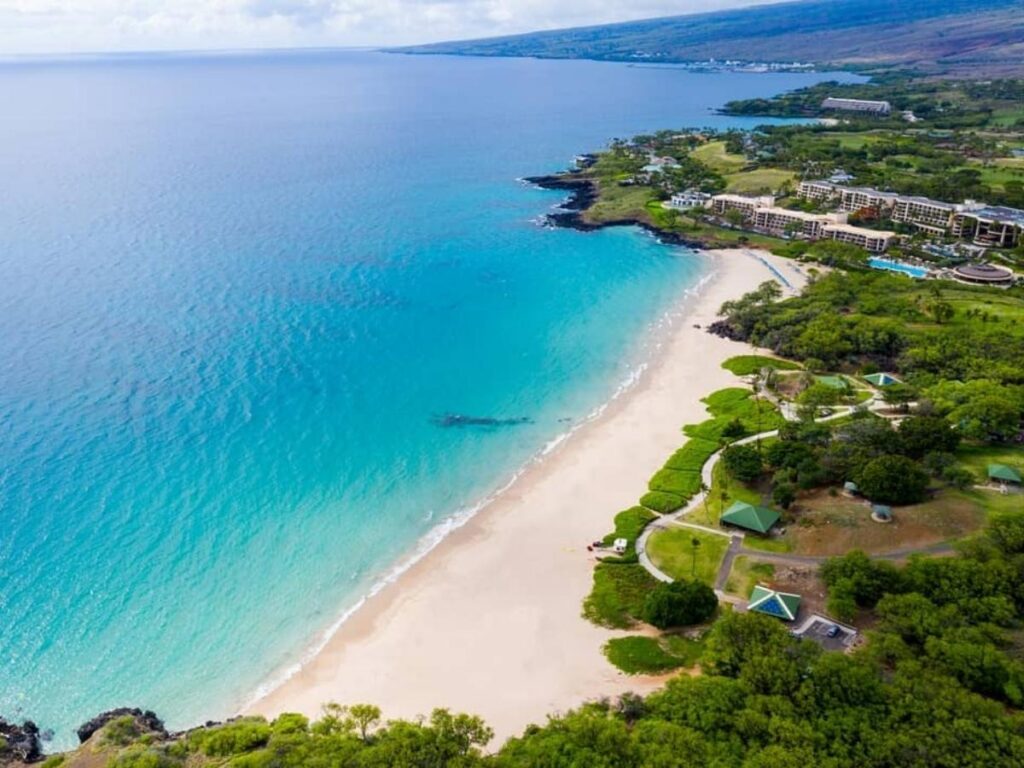
And the best way I experienced that variety was through the Best State Parks on the Big Island. Not from scenic drives alone, not from resort grounds, but by actually getting out of the car and walking into these places.
State parks here aren’t just small green spaces with picnic tables. They protect some of the island’s most dramatic coastlines, waterfalls, and beaches. They’re where you really feel the scale of the island.
When I started planning my trip, though, I ran into a small but frustrating problem. Most guides blended everything together. A state park would be listed next to a national park, which would be listed next to a random beach pull off.
It all became one long list of “places to go,” without much context. I kept asking myself: Which of these actually deserves half a day? Which one is worth the drive? Which ones feel similar enough that I don’t need to do both?
That’s why this guide focuses specifically on Big Island state parks. I’m not just listing names. I’m sharing what each place feels like when you’re standing there, who I think will appreciate it most, and how I’d realistically fit it into a short trip.
Some parks are perfect if you want an easy, beautiful stop without much effort. Others require a bit more planning or flexibility with weather.
If you’re trying to decide where to spend your limited time, especially if you only have three to five days, this will help you narrow it down with confidence. The Big Island is huge, and you won’t see everything.
But you can choose the state parks that match your style of travel and walk away feeling like you experienced the island’s range instead of just checking off stops.
What Counts as a State Park on the Big Island?
Before we get into specific recommendations, it helps to clear up something that confused me when I first started planning.
The Big Island has several different types of protected areas, and they’re not all managed the same way. You’ll see references to Hawaii state parks, county beach parks, and national parks. On the surface, they can look similar.
They all have parking lots, restrooms, and scenic views. But who manages them, how you pay for entry, and what kind of experience to expect can vary quite a bit.
For example, Hawaii Volcanoes National Park is federally managed. It’s part of the U.S. National Park system, which means it has its own entrance fees, visitor centers, and regulations. The same goes for Kaloko Honokohau National Historical Park.
Even though it might feel like just another beautiful coastal stop, it’s technically a national historical park, not a state park.
Then there are county beach parks. These are often smaller beach areas maintained by the local county. Some are fantastic, especially if you’re looking for a quick swim or picnic spot. But they aren’t part of the Hawaii State Parks system.
This article focuses specifically on official Hawaii state parks on the Big Island, including those labeled as state recreation areas. The wording can make it sound like they’re different, but they’re managed through the same state system.
That means similar parking rules, similar fee structures for non residents, and a certain level of infrastructure, usually restrooms, signage, and designated parking.
Why does this matter? Because when you’re planning your days, it helps to know what kind of stop you’re building around. A national park like Hawaii Volcanoes can easily take a full day. A state park beach might be perfect for a relaxed morning. A county park might be a quick scenic detour.
By narrowing this guide to state managed parks, I’m keeping the focus clear and practical. These are the places you can plan around with a similar expectation of access, fees, and overall experience, without mixing in completely different systems.
Best State Parks on the Big Island
These are the parks that genuinely stayed with me after my trip. Not just because they’re popular, but because of how they felt in the moment, how easy they were to experience, and how well they show the island’s range.
1. Hapuna Beach State Recreation Area
If you close your eyes and picture Hawaii, you’re probably imagining something that looks a lot like Hapuna.
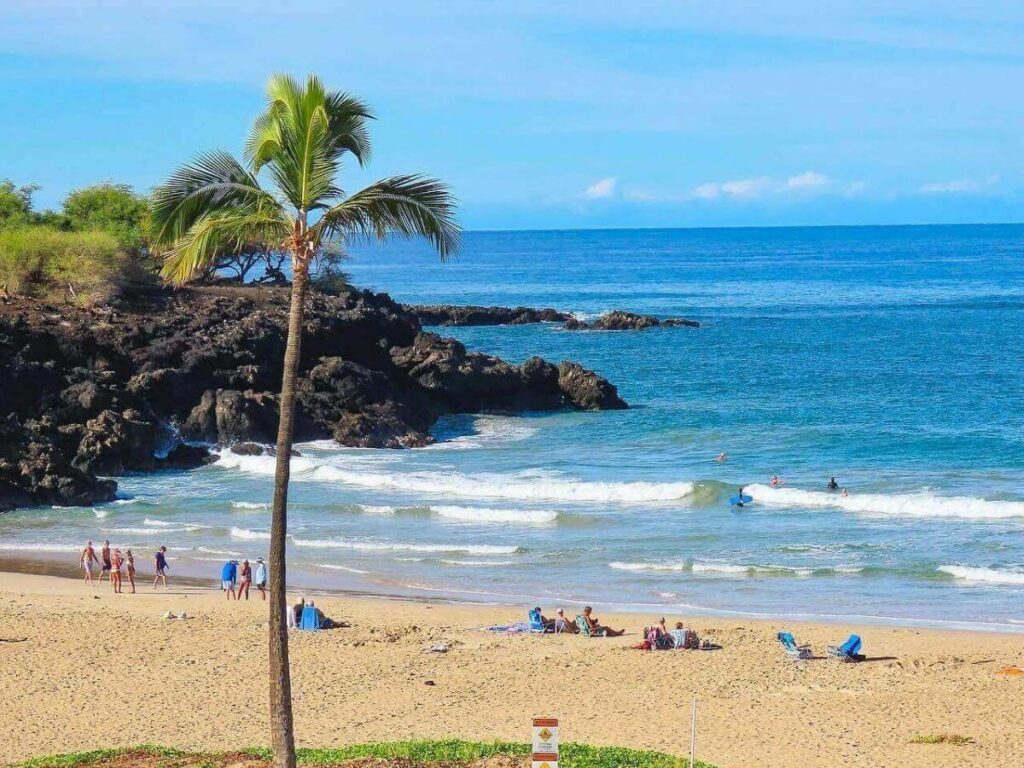
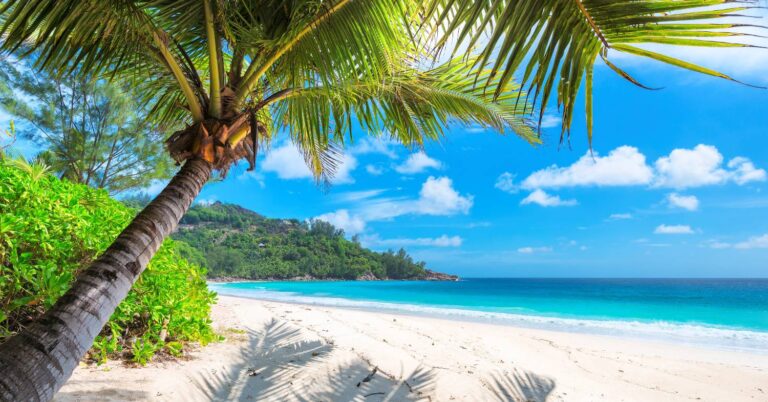
The first time I walked down from the parking lot, I remember thinking how wide everything felt. The beach stretches out in a long, soft arc of white sand, and even when there are plenty of people around, it rarely feels cramped. The water is clear and usually a beautiful shade of turquoise, especially on sunny Kona side mornings.
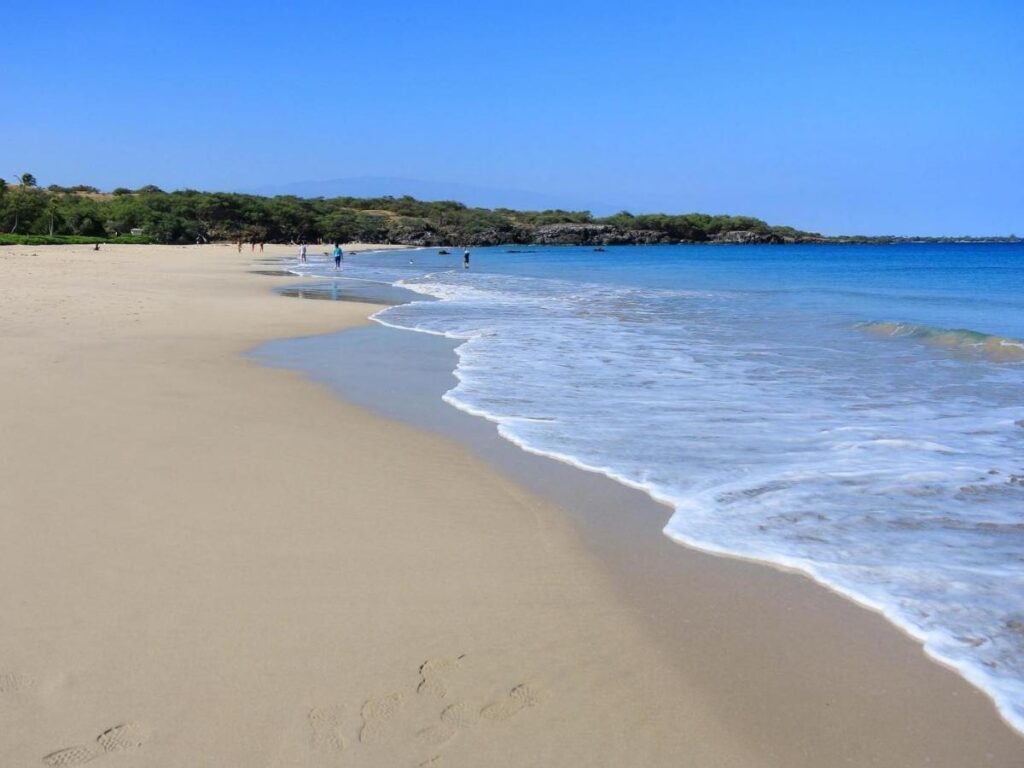
When the surf is calm, this is one of the best swimming beaches on the island. The entry into the water is gradual, which makes it feel comfortable even if you’re not a strong swimmer.
There are lifeguards on duty, which adds peace of mind if you’re traveling with family. Restrooms and showers are available too, so it’s easy to spend half a day here without feeling unprepared.
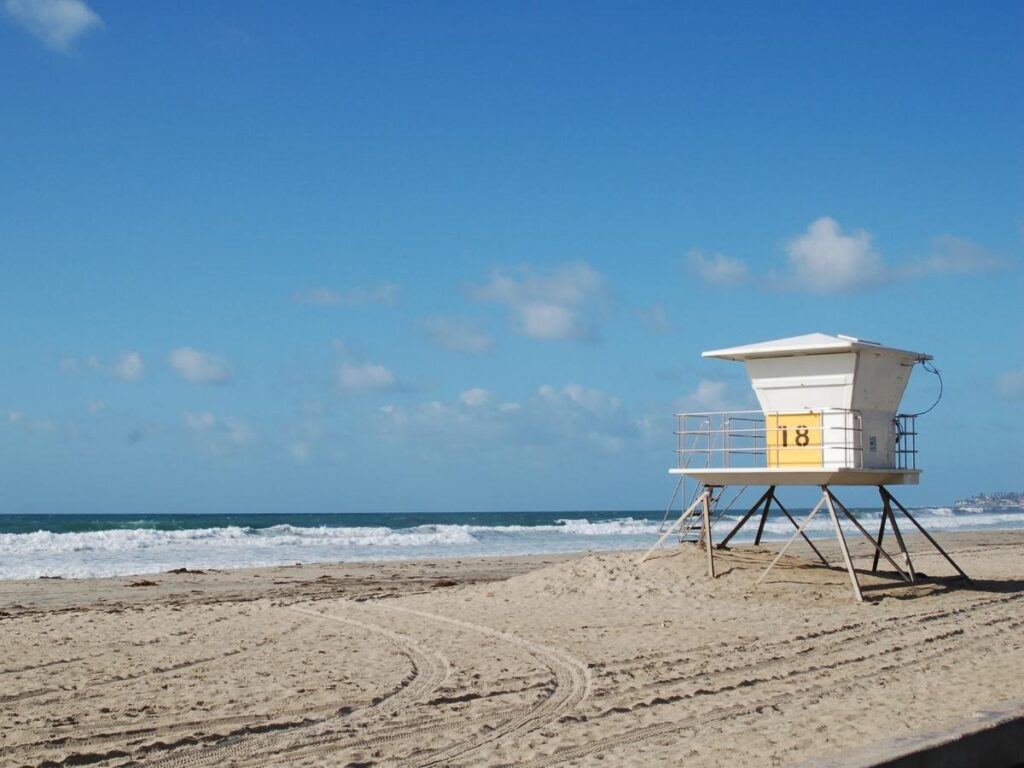
A few things I learned quickly: parking fills up earlier than you’d expect. If you arrive late in the morning, especially on weekends, you might have to circle or wait. I’d aim to get there before 9 or 10 AM. The water also tends to be calmer earlier in the day. By afternoon, the wind can pick up and the waves get rougher.
If you’re looking for the kind of beach day that feels effortless and scenic without needing a long hike or rough road, this is easily one of the best beaches in the Big Island state park system. It’s the one I’d recommend first time visitors prioritize.
2. Akaka Falls State Park
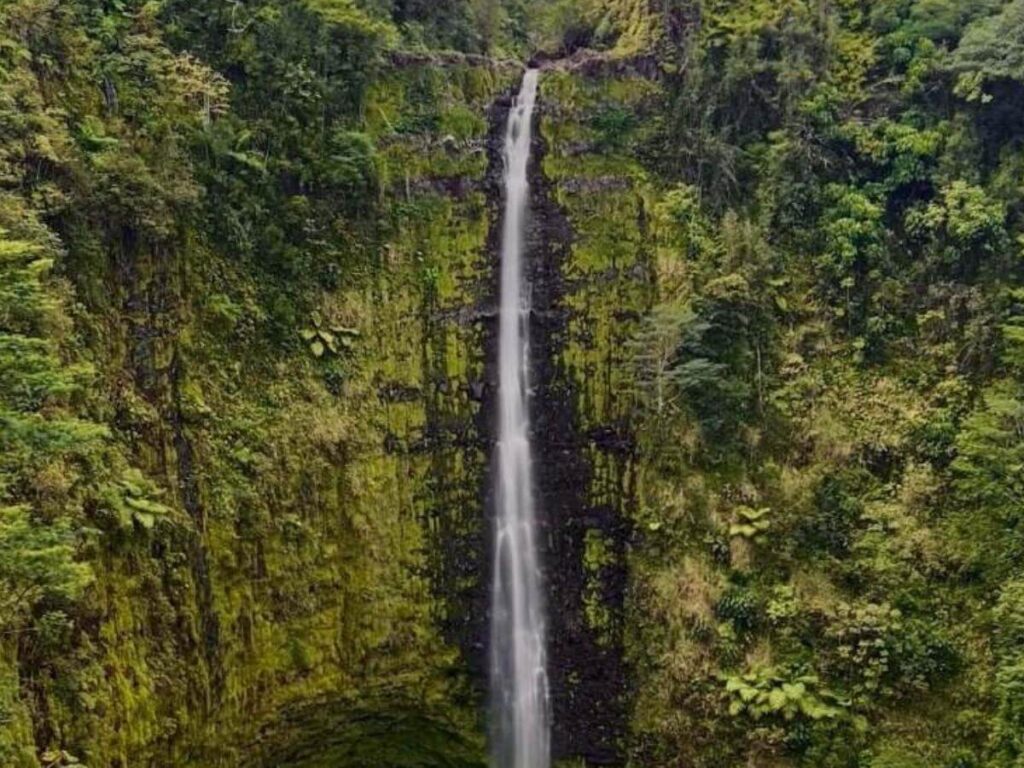
Driving toward the Hilo side of the island feels like entering a different world. The dry browns of Kona give way to deep greens, thick vegetation, and frequent rain showers. And honestly, that rain adds to the atmosphere here.
Akaka Falls drops more than 400 feet into a lush gorge, and while photos are beautiful, they don’t quite capture the scale. You hear the waterfall before you see it. There’s a steady rush of water echoing through the trees, and when you reach the main viewpoint, the drop is dramatic and straight down, framed by dense tropical plants.
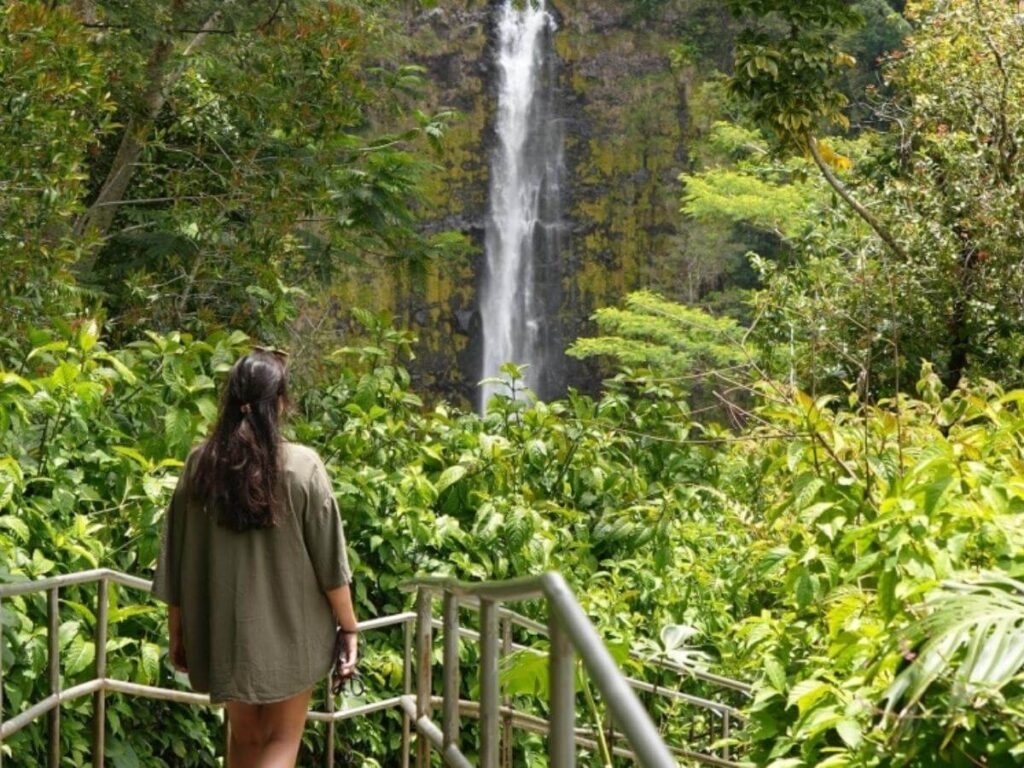
The trail itself is a short paved loop, under a mile, and manageable for most people. It’s not a strenuous hike. It’s more of a scenic walk through what feels like a botanical garden, with bamboo groves, wild orchids, and thick ferns lining the path. Even if you’re not typically into hiking, this is one of those stops that feels worth the effort.
If you go later in the morning, you may encounter tour buses. I found it much more peaceful earlier in the day. Also, bring a light rain jacket or at least expect some mist. The trail can get slick, especially after rainfall, so take your time.
For anyone searching for Big Island hiking parks that offer a rewarding view without a long trek, this is an easy addition to your itinerary, especially if you’re already exploring Hilo.
3. Waipio Valley Lookout
Waipio Valley is one of those places that makes you pause.
Access to the valley floor has changed in recent years, and you can’t simply drive down unless you meet specific requirements. But the lookout itself remains open, and honestly, the view from above is what most people come for anyway.
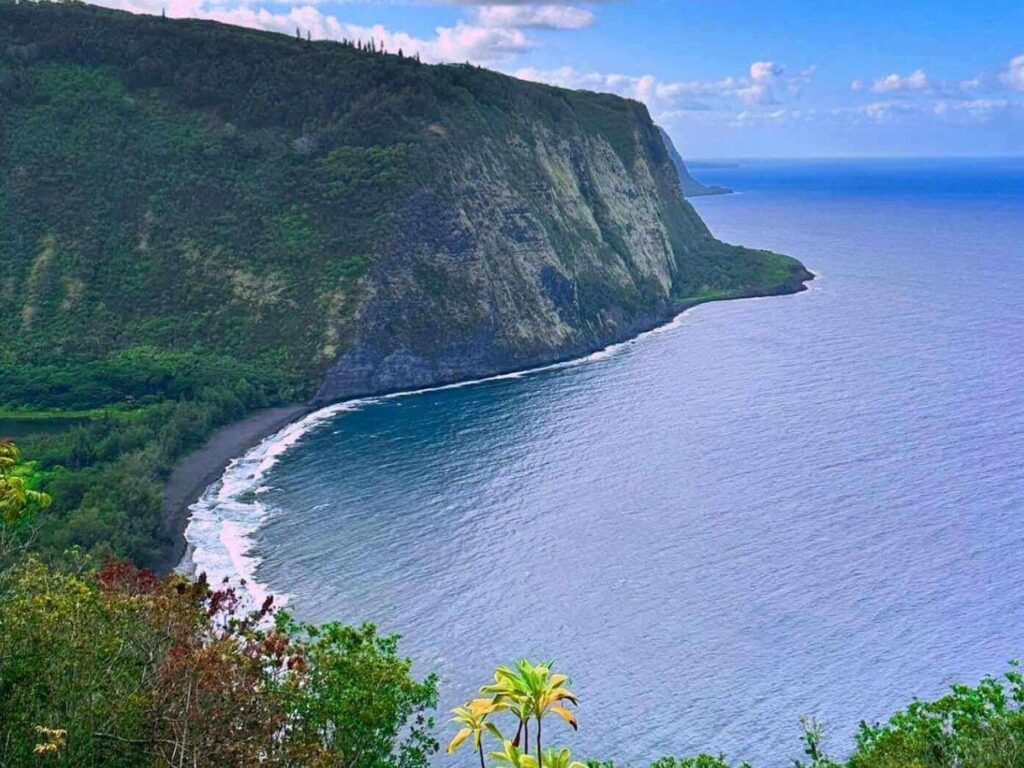
From the edge, you see steep green cliffs dropping down toward a long black sand beach. On clear days, you can spot waterfalls threading down the cliff faces. The valley feels isolated and powerful, like it’s been carved out by something ancient and persistent.
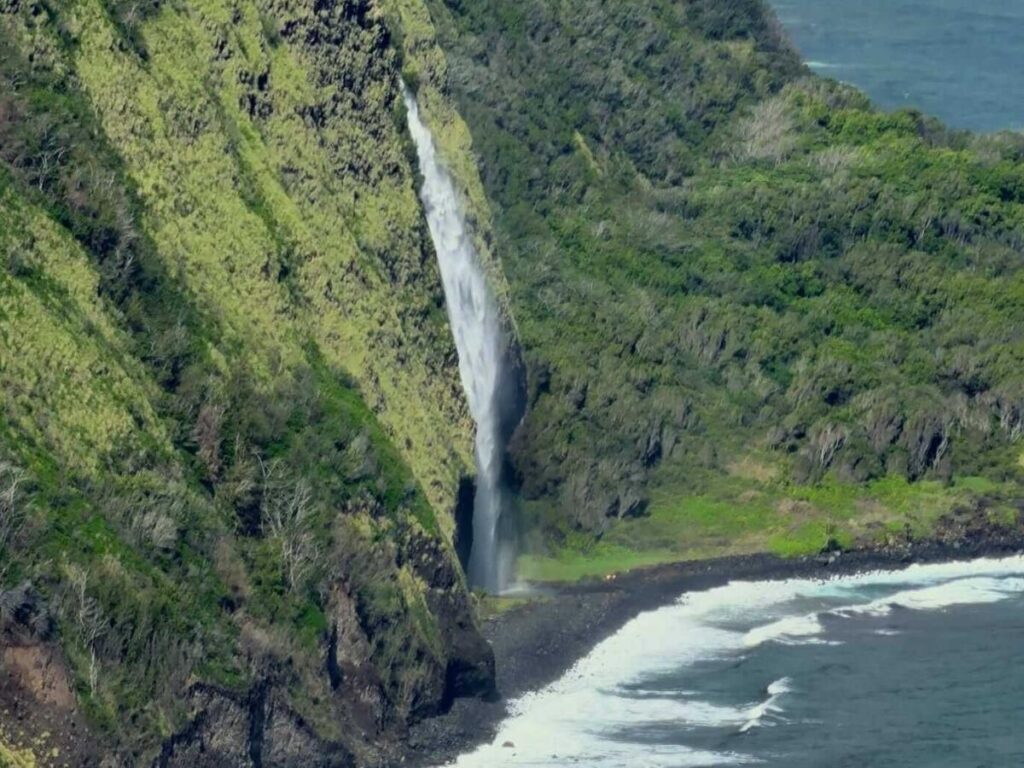
There’s not much infrastructure here. You’ll park, walk a short distance, and stand at the overlook. But the simplicity adds to the experience. It’s quiet, often windy, and feels less commercial than other scenic stops.
I’d timed this visit carefully. Midday can be hazy. Late afternoon, when the light softens the cliffs and the shadows deepen, feels more atmospheric. If you’re exploring Big Island scenic lookouts, this is one that lingers in your memory long after you leave.
4. Kekaha Kai State Park
Kekaha Kai feels less polished than Hapuna, and that’s part of its appeal.
The road leading in can be uneven and dusty. Depending on recent conditions, a higher clearance vehicle may be helpful. It’s not the kind of place you accidentally stumble upon. You have to intend to go.
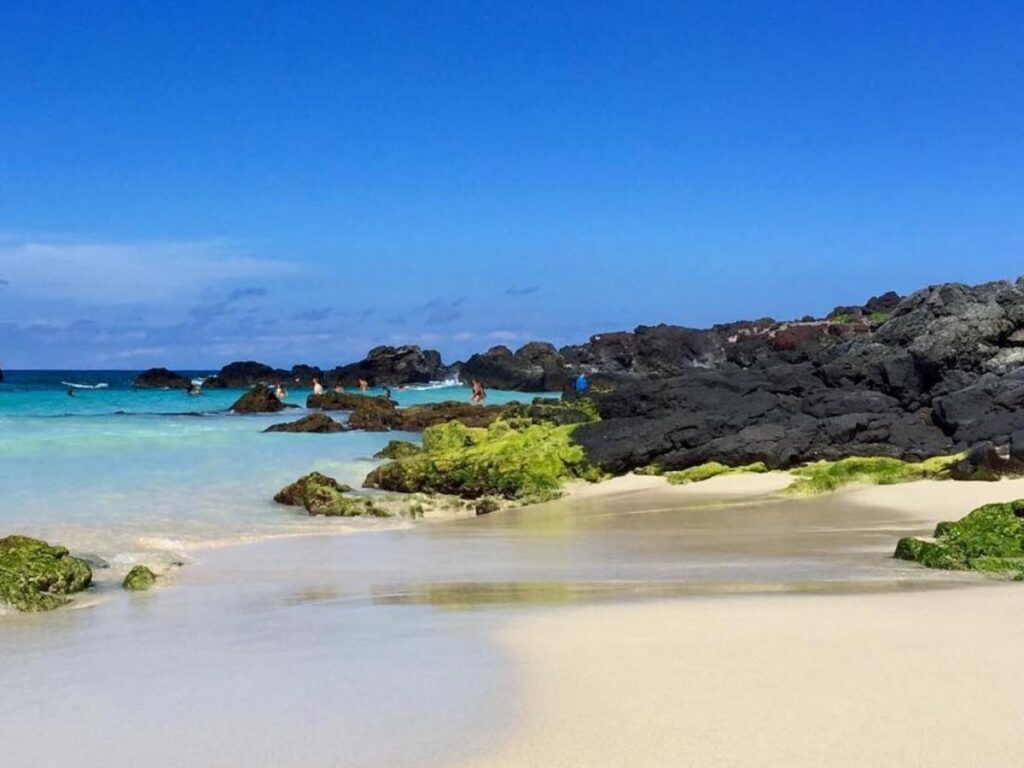
But once you arrive, the landscape opens up into lava rock fields and long stretches of sand that feel less structured and less crowded. There are multiple beach areas within the park, and you can wander a bit to find a spot that feels more private.
Facilities are limited. Shade is scarce. You’ll want to bring plenty of water, sunscreen, and anything else you might need for a few hours. But if you enjoy beaches that feel a little more raw and less built up, this park delivers that contrast.
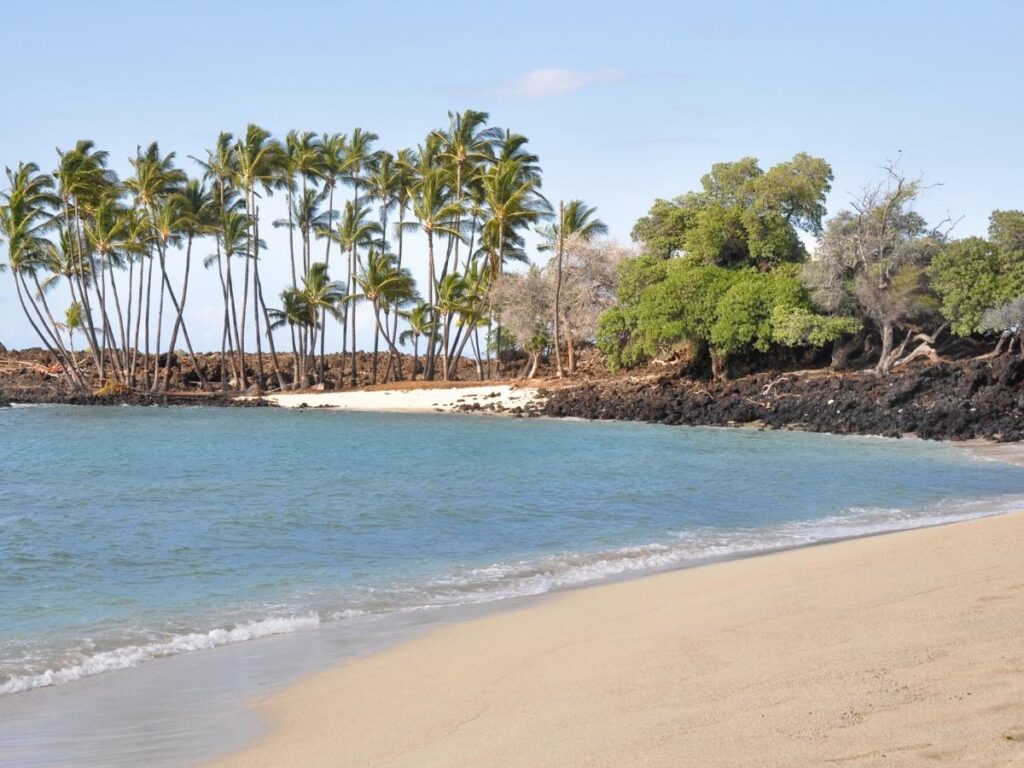
I wouldn’t recommend it for someone who wants easy access and full amenities. But if you like the idea of a beach that feels slightly removed from the main flow of visitors, this is where I’d go.
5. Laupahoehoe Point Beach Park
Laupahoehoe is not where you go to swim. The ocean here is powerful, and the shoreline is mostly lava rock.
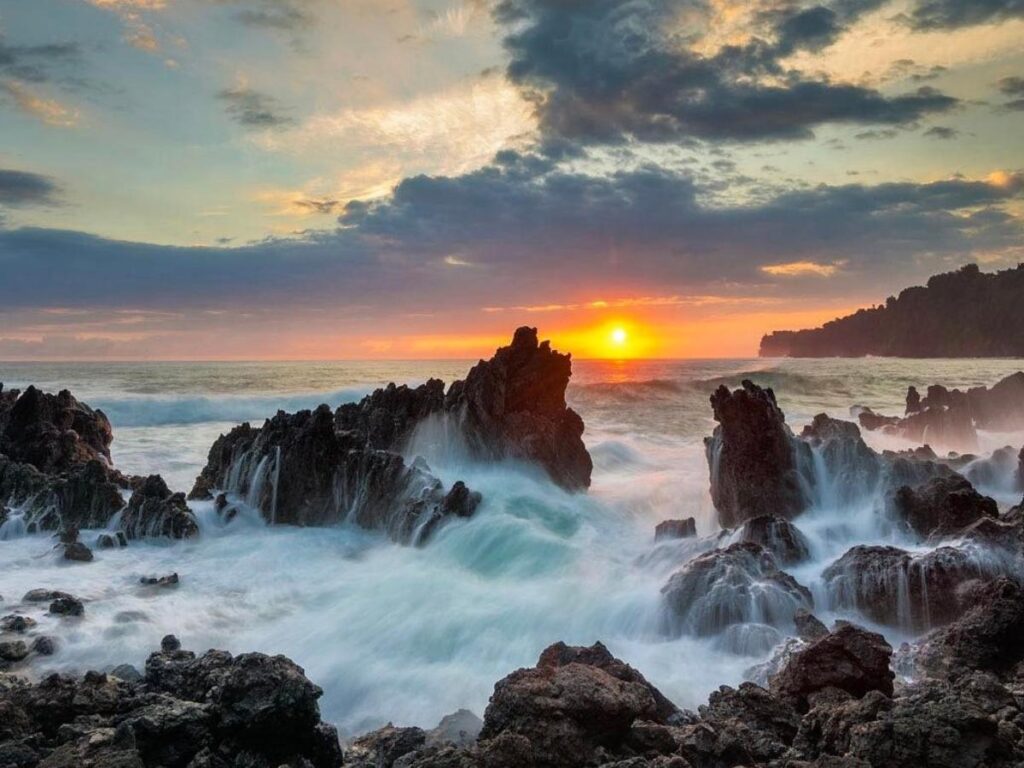
What makes it worth visiting is the mood. The coastline is dramatic, with waves crashing against dark rock formations. It feels quieter and more local, especially compared to the larger beach parks on the Kona side.
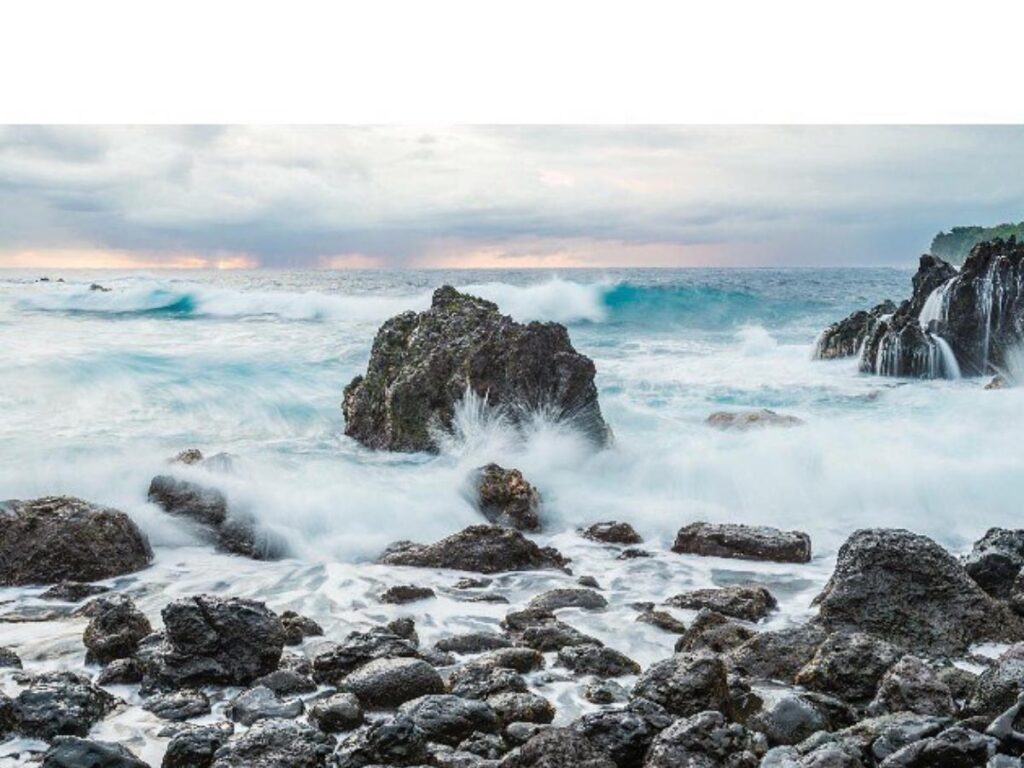
I stopped here expecting to stay maybe fifteen minutes. Instead, I found a picnic table, sat down, and just watched the water. There’s something calming about observing the ocean from a safe distance when it’s that strong.
If your trip has mostly been sandy beaches and resort views, this is a refreshing change. It shows another side of the island, one that feels more rugged and less curated.
6. Makalawena Beach
Makalawena sits within Kekaha Kai State Park, but getting there requires a bit more commitment. You’ll park along the main access road and then walk across uneven lava rock terrain before reaching the sand.
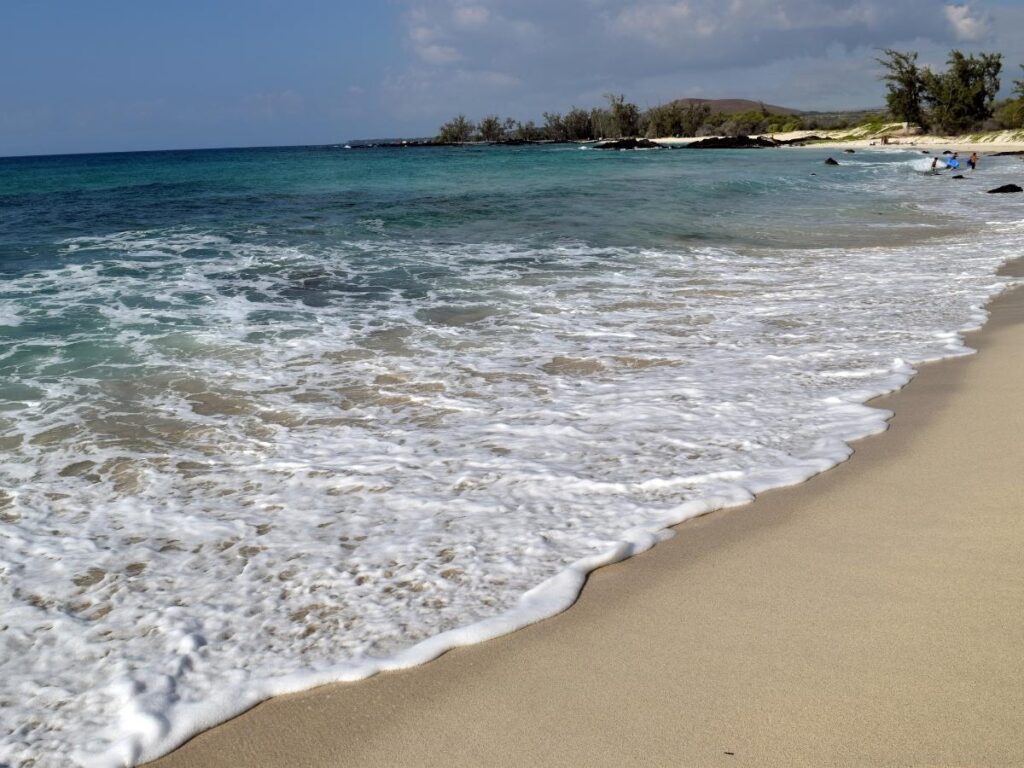
It’s not a difficult hike, but it’s exposed and can feel hot under the midday sun. Wear sturdy sandals or sneakers, and bring water. Once you crest the final stretch and see the beach open up, though, it feels rewarding.
The sand is soft and pale, the water clear, and the crowds thinner than at Hapuna. It has that slightly hidden feeling without being inaccessible. There are fewer facilities here, so come prepared.
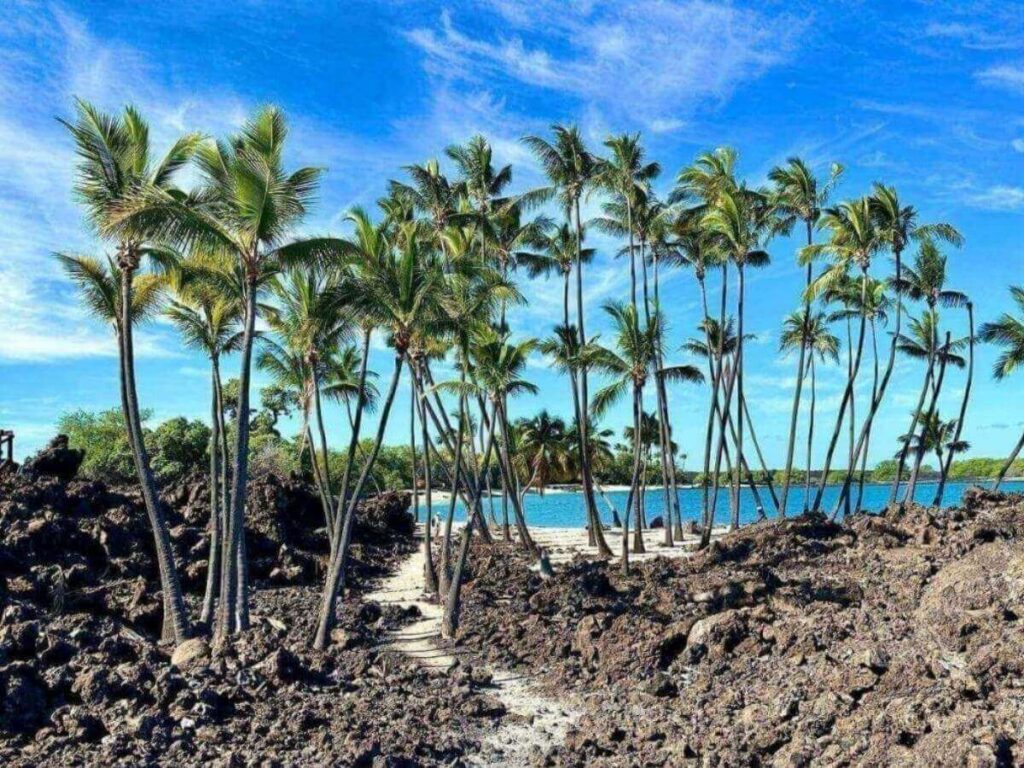
If you’re short on time, I’d still prioritize Hapuna for convenience. But if you enjoy putting in a little extra effort for a quieter stretch of beach, Makalawena feels like you earned it.
Best Big Island State Parks by Travel Style
One thing I learned quickly on the Big Island is that where you stay and how much time you have changes everything. The island is big, distances are longer than they look on a map, and weather varies dramatically from one side to the other.
So instead of trying to see every park, I’d match them to your travel style and base.
If You Only Have 3 Days
If your trip is short, I wouldn’t try to squeeze in every corner of the island. You’ll spend more time in the car than actually enjoying the scenery.
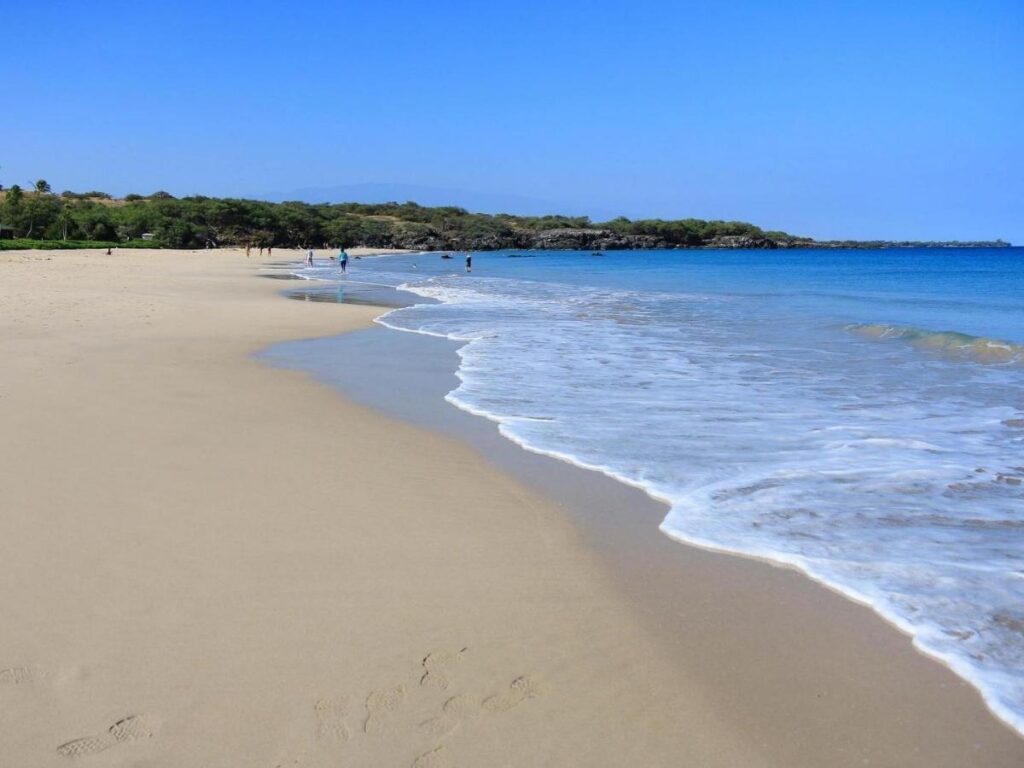
With just three days, I’d focus on parks that show you the island’s variety without requiring complicated logistics. Hapuna Beach State Recreation Area gives you that classic white sand, swim friendly beach experience. It’s easy, scenic, and doesn’t require much planning beyond arriving early.
Then I’d balance that out with something completely different, like Akaka Falls State Park. The rainforest setting and dramatic waterfall feel like a different island entirely. The walk is short, so you won’t burn half a day hiking.
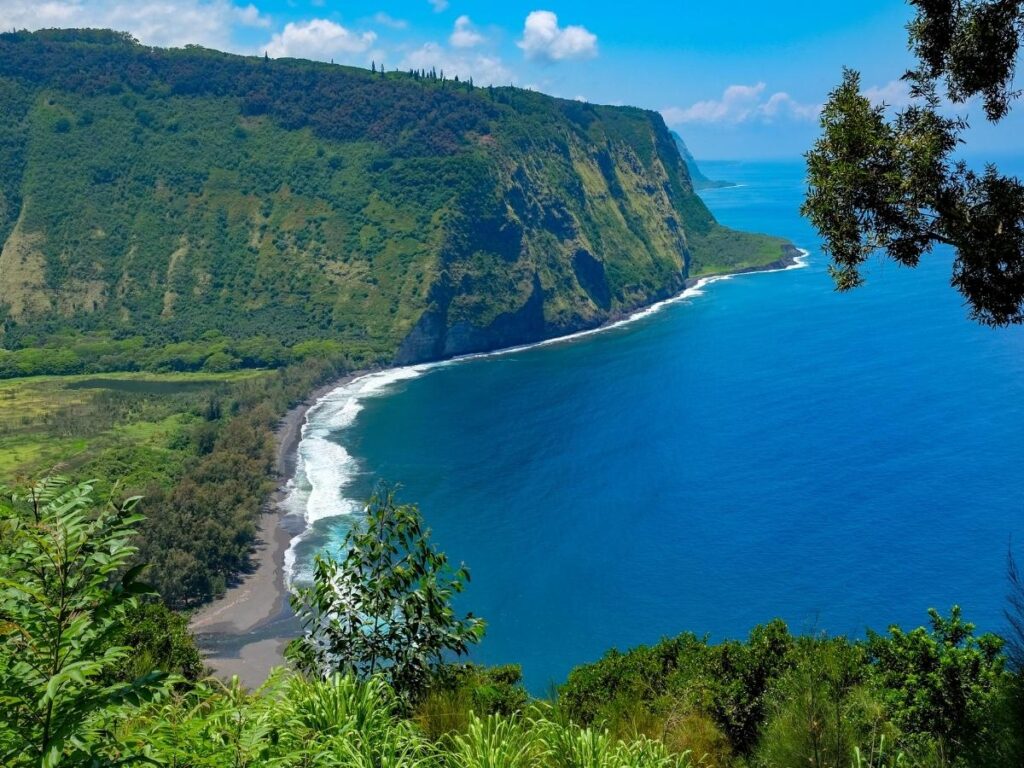
Finally, I’d add Waipio Valley Lookout for perspective. Standing above the valley, looking down at the cliffs and black sand beach, gives you that sweeping, cinematic view people associate with Hawaii. Beach, waterfall, cliffs. In three stops, you’ll experience three distinct landscapes.
If You’re Staying in Kona
If your hotel or rental is on the Kona side, you’re in the drier, sunnier part of the island. This is where beach days are easiest to plan because you’re less likely to deal with sudden rain.
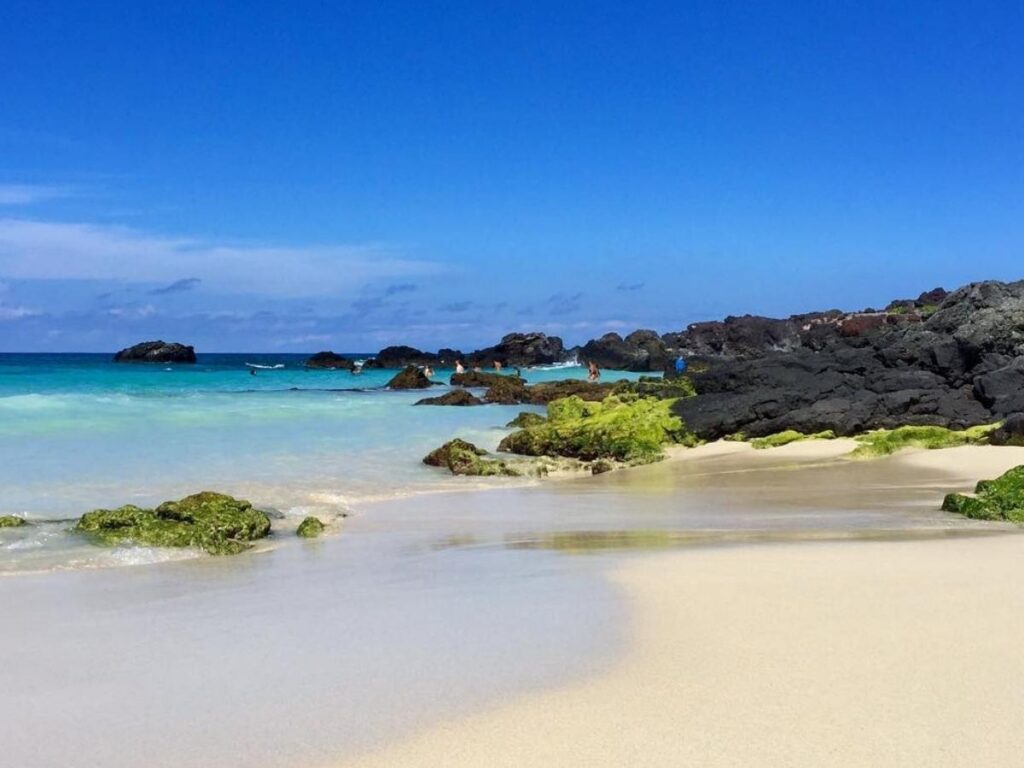
In that case, I’d lean into the west side parks. Hapuna is the obvious choice for a relaxed beach day with facilities and easy access. If you want something that feels less structured, Kekaha Kai State Park gives you that wilder coastline with fewer crowds and more open space.
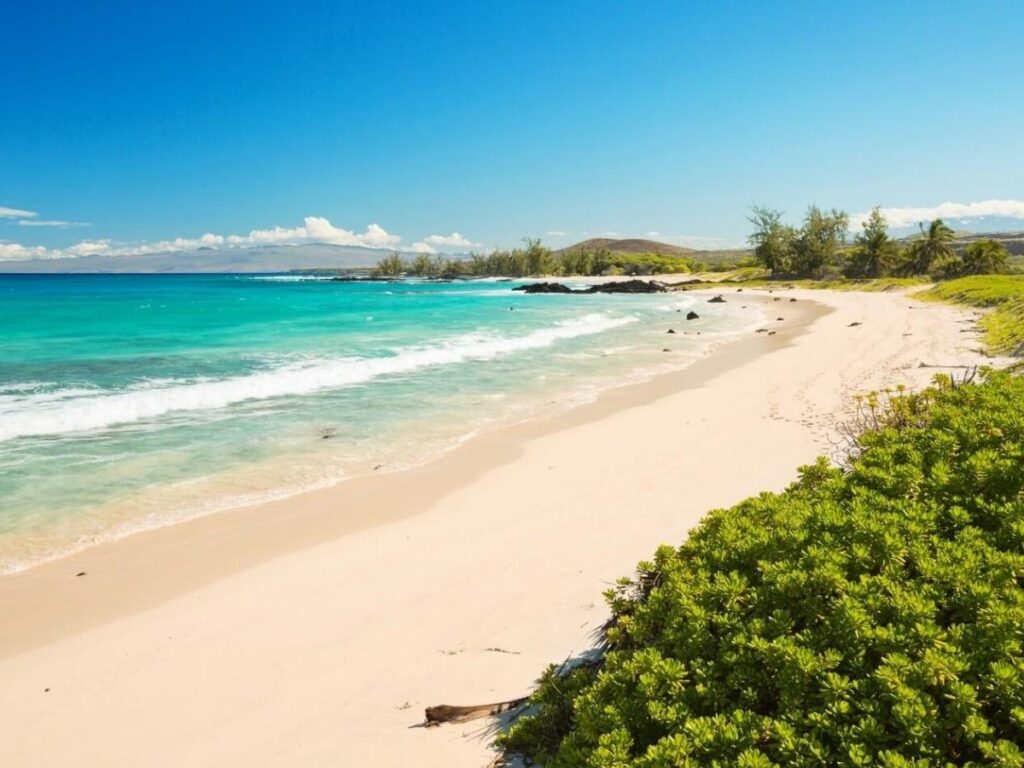
If you’re up for a little effort, walk out to Makalawena Beach within Kekaha Kai. It takes more planning, but it feels quieter and more removed from the main tourist flow.
When staying in Kona, I wouldn’t automatically plan a long Hilo side day unless you’re committed to driving. Traffic and distance can eat into your schedule. It’s often more enjoyable to group the west side parks together and keep your days relaxed.
If You’re Staying in Hilo
Hilo feels completely different. It’s greener, cooler, and yes, rainier. But that rain is what makes the waterfalls and cliffs look so dramatic.
If you’re based here, Akaka Falls State Park is an easy half day stop. You don’t need to worry about perfect sunshine; overcast skies often make the waterfall look moodier.
Pair that with Waipio Valley Lookout, which isn’t too far north and gives you that sweeping coastal view. And if you’re in the mood for something quieter and less crowded, Laupahoehoe Point Beach Park offers rugged lava coastline scenery that feels raw and peaceful.
When staying in Hilo, I’d stay flexible with your schedule. Check the weather in the morning and shift beach plans to brighter windows if possible. The scenery is beautiful in all conditions, but a little timing goes a long way.
Big Island State Park Fees & Practical Tips
There are a few practical things I wish someone had explained to me clearly before I started visiting different parks. None of them are complicated, but knowing them ahead of time makes your day feel smoother and less rushed.
First, most Big Island state parks charge parking fees for non residents. If you’re visiting from the mainland or internationally, you’ll likely pay a per vehicle fee when you enter larger parks like Hapuna Beach State Recreation Area or Akaka Falls State Park.
The amounts aren’t extreme, but they add up if you’re hopping between parks in a single day. I found it helpful to group parks geographically rather than driving back and forth across the island.
Payment methods can vary. Some parks are cashless and use automated machines. Others may still accept cash. I’d bring a credit card just in case, especially since Wi Fi and cell service aren’t always reliable in more remote areas. It’s not fun standing at a kiosk realizing you don’t have the right payment method.
Restrooms are usually available at the larger state parks, but I’d set expectations properly. They’re functional, not fancy. Think beach park facilities rather than resort bathrooms.
At smaller or more remote stops, facilities may be limited or very basic. I always kept hand sanitizer and a small towel in my bag, which came in handy more than once.
Shade is another thing to plan for, especially on the Kona side of the island. The west coast tends to be sunnier and drier, which is great for beach days, but many of the beaches and coastal parks have very little natural shade.
At places like Kekaha Kai State Park, you’re exposed to the sun for most of the day. Bringing a hat, reef safe sunscreen, and plenty of water isn’t optional, it’s essential. I saw more than a few visitors underestimate how intense the midday sun can feel.
Weather differences across the island are real and dramatic. You can leave Kona in full sunshine and arrive in Hilo to steady rain an hour later. That rain makes waterfalls like those at Akaka Falls even more impressive, but it also means you should pack a light rain jacket if you’re crossing to the east side.
I started checking both Kona and Hilo forecasts separately each morning rather than assuming conditions would be the same everywhere.
Understanding Big Island park fees and general conditions ahead of time won’t make your trip glamorous, but it will make it easier. You’ll spend less time figuring out logistics in parking lots and more time actually enjoying the beaches, cliffs, and waterfalls you came to see.
How I’d Add These State Parks Into a 5 Day Big Island Trip
If you have five days on the Big Island, you’re in a good spot. It’s enough time to experience the island’s contrast without feeling like you’re racing from one corner to another. But it’s still not enough to see everything. The island is larger than most people expect, and drive times add up quickly.
When I was planning, I realized the biggest mistake would be zigzagging across the island every day. Instead, I grouped areas together and let each day have a clear theme. That made the trip feel intentional rather than chaotic.
Day 1: Kona Arrival + Hapuna Beach State Recreation Area
After landing in Kona, I wouldn’t schedule anything ambitious. Travel days are unpredictable. You might be tired, hungry, slightly dehydrated, or adjusting to a time difference. The sun also feels stronger here than you expect, especially if you’ve come from somewhere cooler.
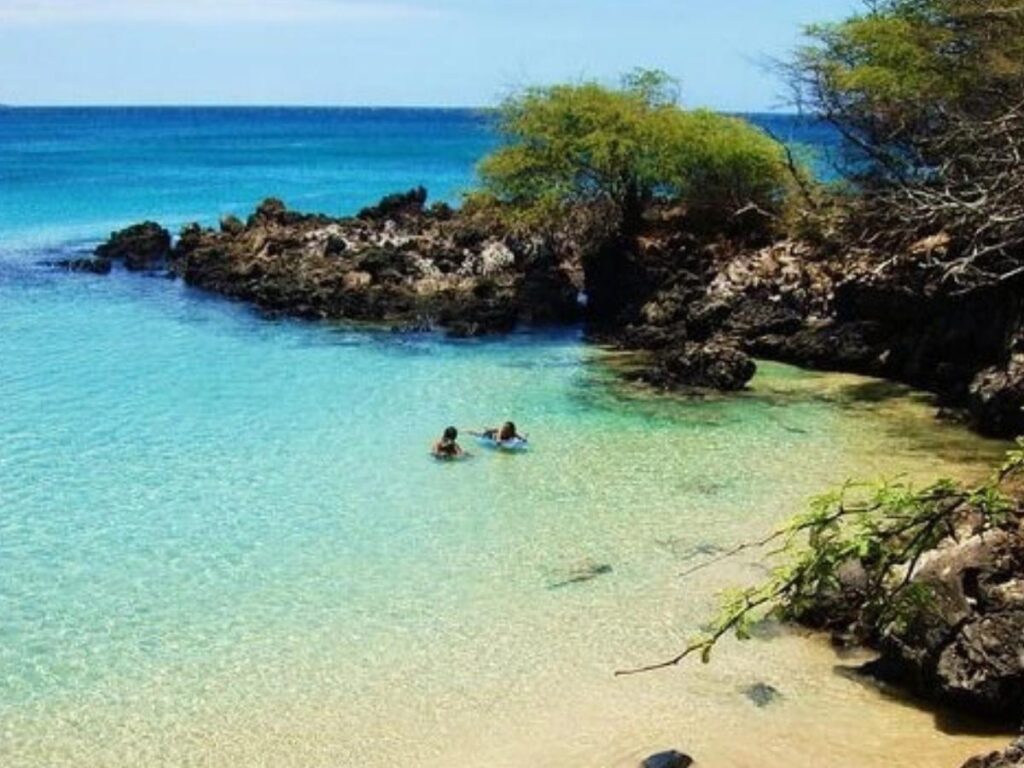
Instead, I’d make my first stop at Hapuna Beach. It’s an easy drive from the airport area, and it doesn’t require mental energy. You park, walk down, and suddenly you’re standing in front of a wide stretch of white sand and clear water.
On arrival day, I wouldn’t even think about “doing” anything. Just walk the shoreline. Put your feet in the water. Sit for a while and let your body catch up to the fact that you’re in Hawaii. The beach is large enough that even if it’s moderately busy, you can find space to spread out.
This kind of gentle start sets the tone. No pressure, no complicated navigation, no long hikes. Just sand, water, and open sky.
Day 2: Kekaha Kai State Park + Makalawena Beach
By the second day, you’ll likely feel more settled. This is when I’d explore something that feels less structured and a little more adventurous.
Kekaha Kai has a different personality than Hapuna. The road can be uneven and dusty, and it feels like you’re leaving the more developed resort areas behind. That small effort changes the mood immediately. The beaches here feel quieter, more open, and less curated.
If you’re willing to put in a bit more effort, walk out to Makalawena Beach within the park. The path across lava rock isn’t long, but it’s exposed and can feel hot. I’d go earlier in the morning before the sun is intense.
Bring water. Wear proper shoes. Once you reach the sand, though, it feels rewarding in a way that easy access beaches don’t always deliver. This day feels exploratory. You’re not just relaxing; you’re discovering.
Day 3: Volcano Area + Hawaii Volcanoes National Park
Even though this isn’t a state park, I wouldn’t skip it. The volcano area adds depth to your understanding of the island.
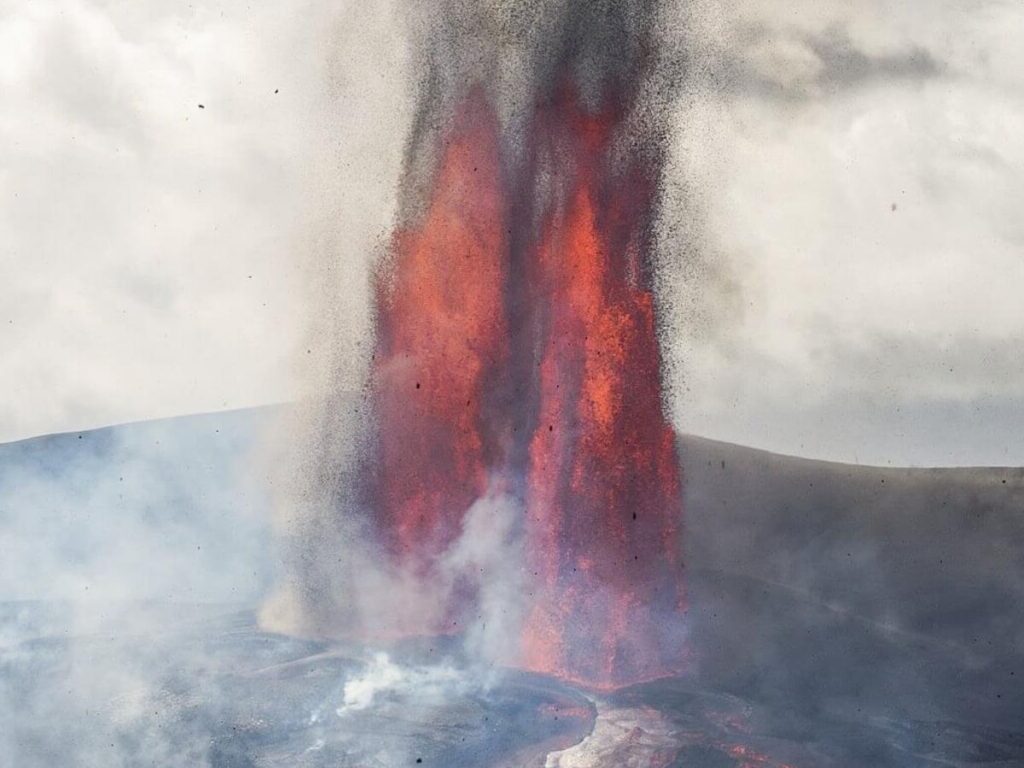
Driving from Kona toward the volcano region feels like traveling across different climates in one afternoon. The dry lava fields transition into cooler, higher elevation terrain. Inside Hawaii Volcanoes National Park, the landscape feels stark and powerful.
Steam vents rise from the ground. Craters stretch wide and silent. Old lava flows look frozen in motion. I’d give this most of the day. Stop at scenic overlooks. Walk one or two short trails rather than trying to cover everything. The park isn’t about speed. It’s about scale and atmosphere.
If you’re staying on the west side, be prepared for a longer drive. Some travelers choose to spend a night near Volcano or Hilo to break it up, which can make the following day easier.
Day 4: Hilo + Akaka Falls State Park
By now, you’ll likely notice how dramatically the island changes from west to east. Hilo feels greener, more humid, and slower paced.
I’d start the day exploring Hilo casually. Grab coffee, walk around town, maybe stop at a local market if timing allows. Then head to Akaka Falls. The short paved loop makes it an easy addition to your day, but the waterfall itself feels dramatic, especially after rainfall.
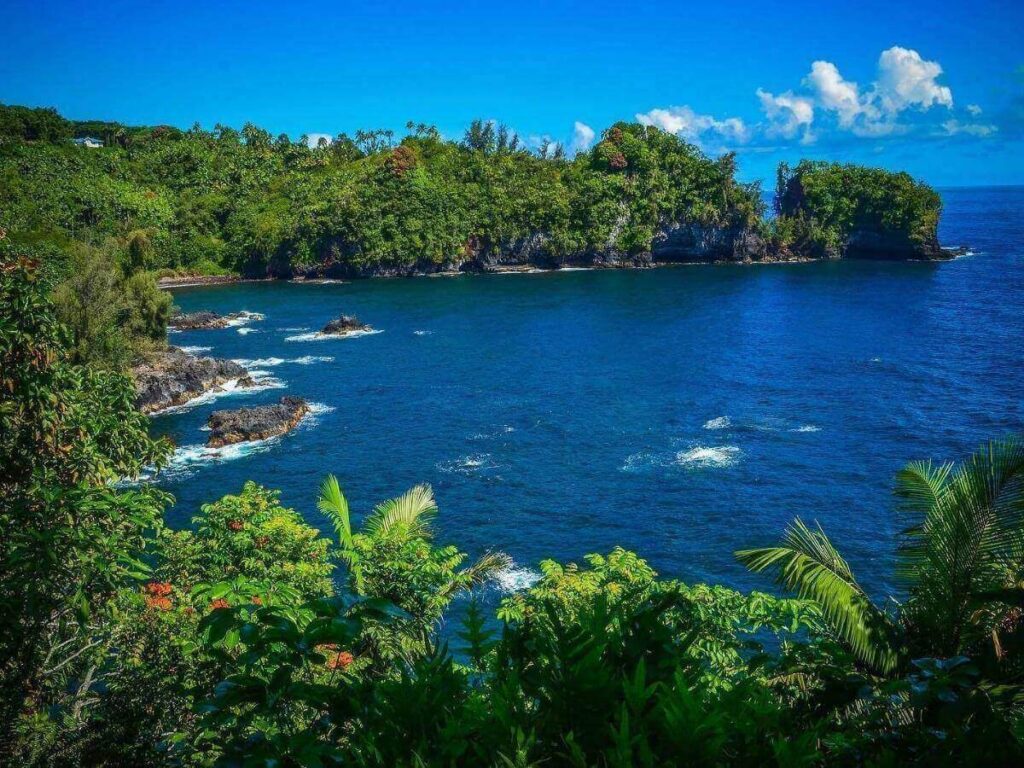
The air here feels cooler. The vegetation is thick and layered. It’s a refreshing contrast after beach heavy days.
If you have extra time and energy, the drive along the Hamakua Coast offers additional scenic pull offs. But even if you keep it simple with Hilo and Akaka Falls, it’s a full feeling day.
Day 5: Waipio Valley Lookout
I’d save Waipio for the final day.
There’s something fitting about ending your trip with a view that feels expansive and reflective. Standing at the lookout, watching the cliffs drop steeply toward the valley floor and black sand beach below, gives you perspective on how varied the island really is.
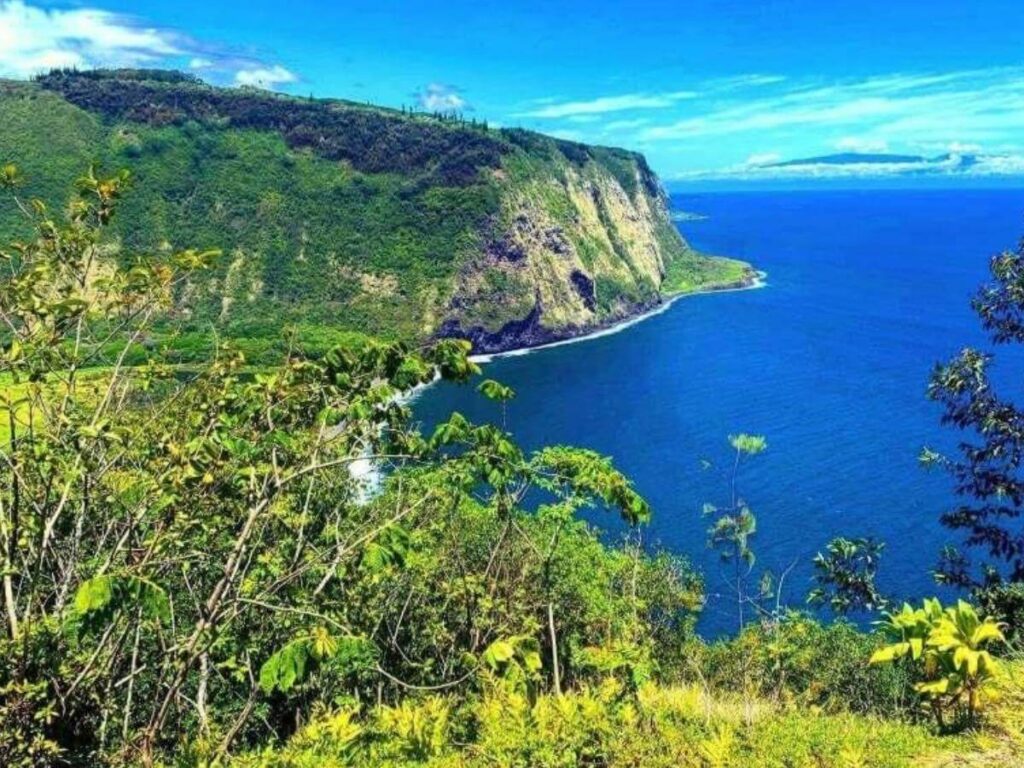
I’d try to visit later in the afternoon if possible. The light softens, shadows deepen, and the valley takes on more texture. It’s not a place you spend hours, but it’s a place that makes you pause.
After a week of beaches, lava fields, and waterfalls, this view ties everything together. It’s a quiet ending to a trip that likely covered more terrain than you expected.
And that’s how I’d structure five days: beach to wild coast, volcanic landscape to rainforest, and finally, cliffs overlooking the sea. Not rushed. Not overloaded. Just enough contrast to understand what makes the Big Island so different from anywhere else.
Conclusion
The Best State Parks on the Big Island show you just how layered this island really is. In a single trip, you can go from soft white sand beaches to misty rainforest waterfalls, from lava rock coastlines to towering green cliffs.
If I had to narrow it down to two non-negotiables, I’d still choose Hapuna Beach for pure relaxation and Akaka Falls for scenery that feels distinctly tropical and immersive. Together, they capture two very different sides of the island.
Of course, the real magic happens when you connect these parks into a thoughtful route instead of treating them like random stops on a map. If you’re mapping out your days and want a smoother plan, my full Big Island itinerary guide walks through how to pace it all without spending your entire vacation in the car.