
Standing on a trail surrounded by hardened lava while steam rises from cracks in the ground feels surreal. That was my first impression when I visited Hawaiʻi Volcanoes National Park on the Big Island.
I had seen photos before the trip, but the landscape still surprised me. Instead of the lush tropical scenery many people imagine when they think of Hawaii, much of the ground here is black, rugged, and shaped by lava flows that aren’t as ancient as you might expect.
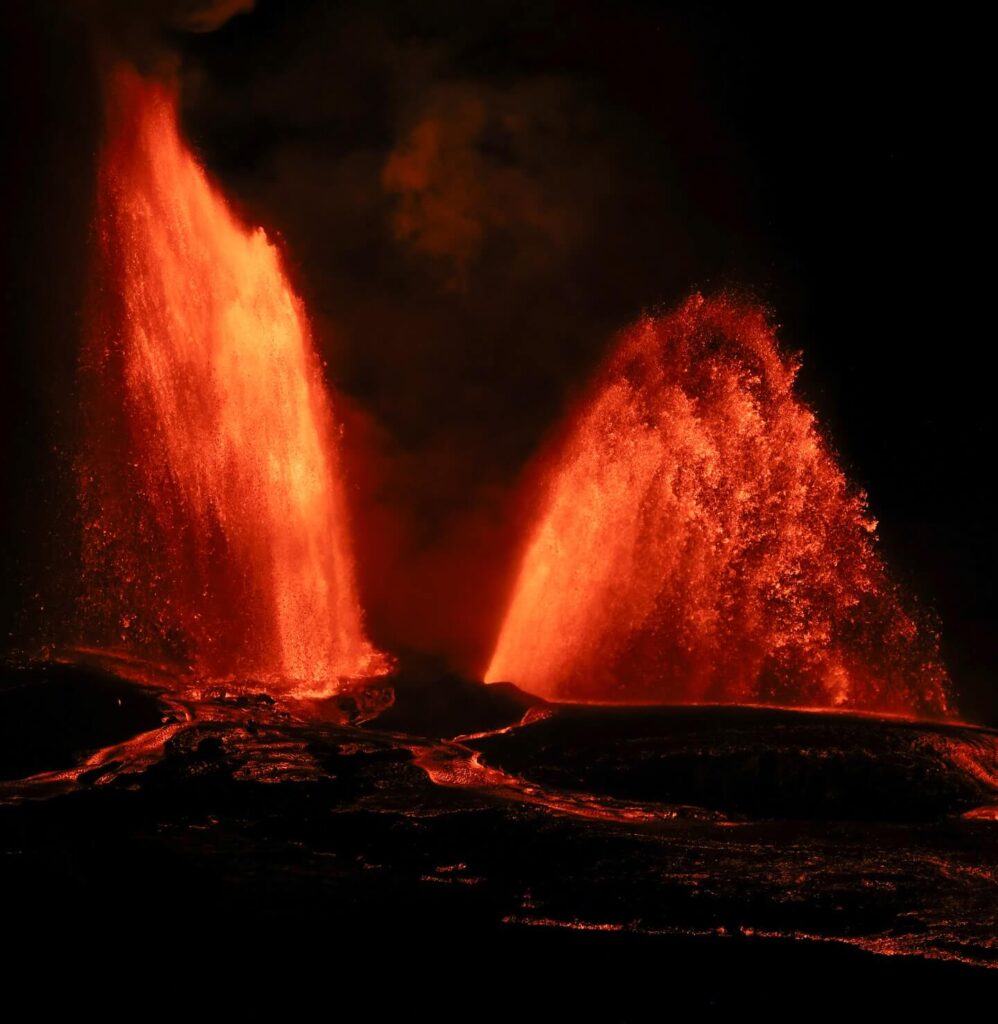
What struck me most was how alive the place still feels. In some areas steam rises from vents in the earth, and the faint smell of sulfur drifts through the air. It quickly becomes clear that this isn’t just a place where volcanoes erupted long ago. The landscape is still being shaped by volcanic activity today.
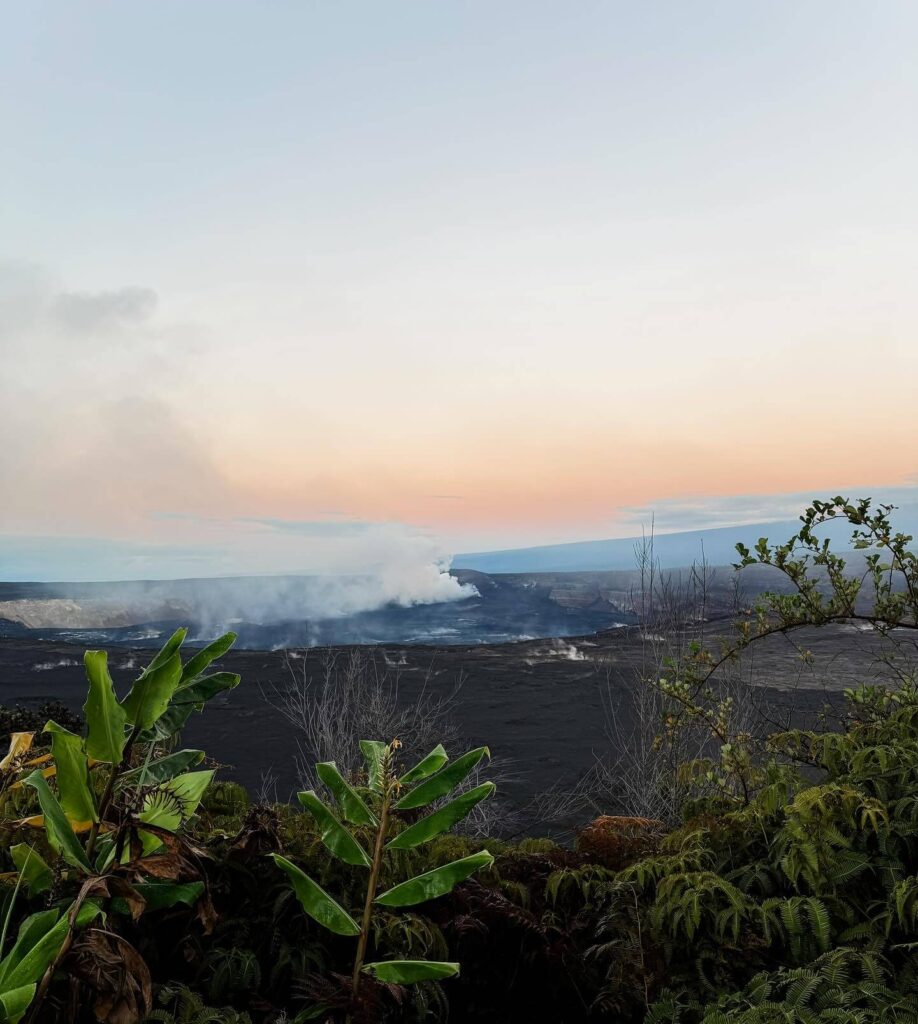
Before visiting, I pictured the park as mostly barren lava fields. But the variety of scenery surprised me. One moment I was walking across rough volcanic rock, and the next I was on a trail surrounded by thick rainforest and towering tree ferns. The contrast between these environments makes the park feel especially unique.
While many visitors explore the park by driving Crater Rim Drive or the Chain of Craters Road, I realized pretty quickly that the best experiences happen when you step out of the car. The viewpoints are impressive, but the trails give you a much better sense of the scale of the landscape.
Some hikes cross hardened lava lakes, others lead into volcanic craters, and a few pass through lava tubes formed by flowing magma.
If you’re planning a visit, hiking is one of the best ways to understand how this landscape formed. Walking these trails brings you much closer to the volcanic features that shaped the island.
In this guide, I’m sharing the best day hikes in Hawaiʻi Volcanoes National Park, from short and easy walks to longer trails that cross craters and lava fields. Whether you have a few hours or a full day in the park, these hikes offer some of the most memorable ways to experience it.
Why Hiking in Hawaiʻi Volcanoes National Park Is Unique
Hiking in Hawaiʻi Volcanoes National Park feels very different from most national parks in the United States. In many places you might expect mountain views, alpine lakes, or desert canyons. Here, the entire landscape is shaped by volcanoes. The ground beneath your feet was once molten lava, and in some places the earth still releases steam from cracks in the rock.
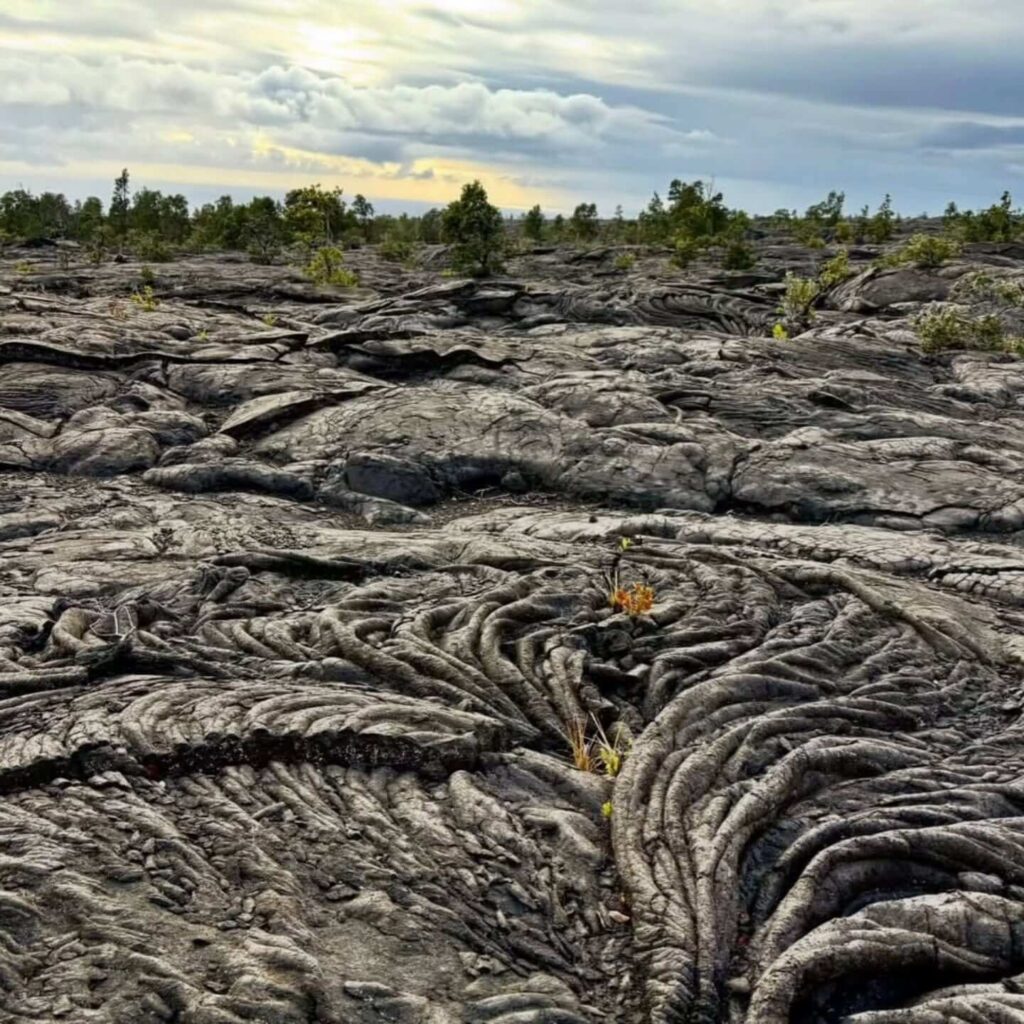
One of the things that makes hiking here so interesting is how quickly the scenery can change. A trail might begin in thick rainforest with tall tree ferns and birds calling from the canopy. After a short walk, the trees suddenly thin out and the path opens onto a wide lava field. The dark rock stretches out in every direction, and the terrain can feel almost otherworldly.
Walking across these hardened lava flows is an experience you won’t find in many other places. The surface of the lava often looks rough and twisted, frozen in shapes that formed as it cooled. In some areas you can even see small vents where steam escapes from the ground, a reminder that volcanic activity is still happening beneath the surface.
Many trails also offer views into volcanic craters that were formed during past eruptions. Standing on the rim of a crater gives you a real sense of how powerful those eruptions must have been. Some craters are quiet now, while others still show signs of heat and geothermal activity.
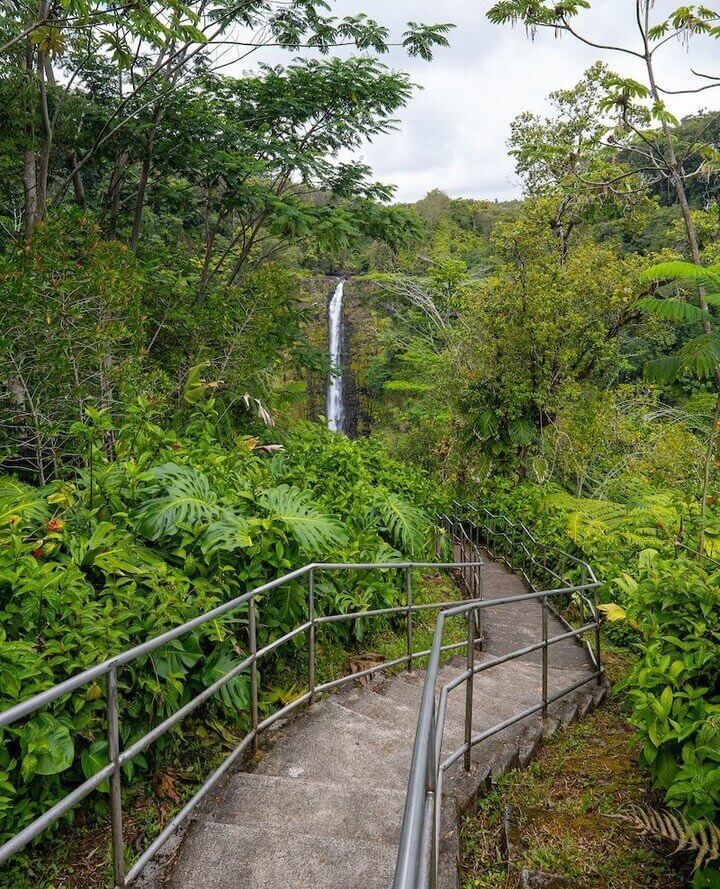
Another surprising part of the park is how much rainforest exists alongside these volcanic landscapes. Certain trails pass through dense green forests filled with ferns, moss, and native birds before emerging into open lava fields. The contrast between these environments is striking and makes the hikes feel constantly changing.
You’ll also find lava tubes throughout the park. These tunnels were formed when lava flowed beneath the surface and the outer layer cooled into solid rock. When the lava eventually drained away, it left hollow passages underground. Walking through one of these lava tubes gives you a glimpse of how lava once moved through the island.
Because the park contains both volcanic terrain and rainforest ecosystems, many trails feel like several hikes in one. Within a relatively short distance you can move between completely different landscapes, which is one of the reasons hiking here feels so unique.
Quick Guide to Hawaiʻi Volcanoes National Park Trails
If you’re visiting Hawaiʻi Volcanoes National Park for the first time, it can be difficult to decide which hikes to prioritize. The park has more than 150 miles of trails, ranging from very short walks to longer hikes that take most of the day. Fortunately, many of the park’s most interesting landscapes can be reached on relatively short trails.

One of the most popular hikes is the Kīlauea Iki Trail, a four-mile loop that usually takes around two to three hours. The trail begins in the rainforest before descending into a large volcanic crater where hikers cross a hardened lava lake.
It’s one of the most memorable hikes in the park because it shows both the lush forest and the volcanic terrain that makes this area unique.
If you’re looking for something shorter, the Devastation Trail is an easy one-mile walk that takes about 30 minutes. The trail crosses a landscape shaped by the 1959 eruption, where much of the surrounding forest was buried under ash.
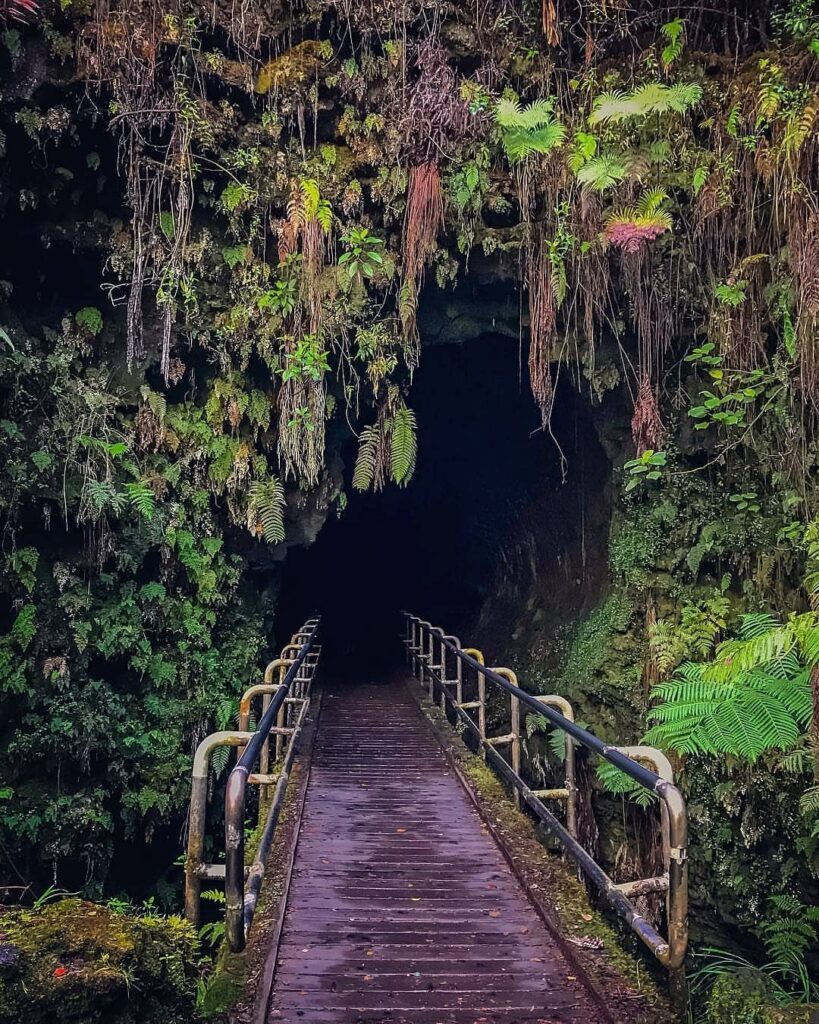
Nearby, the Nāhuku Lava Tube Trail is an even shorter walk that leads through rainforest to a lava tube where visitors can walk through a tunnel formed by flowing lava.
The Mauna Ulu Trail is another great moderate hike at about 2.5 miles round trip. It crosses lava flows from eruptions in the late 1960s before reaching a viewpoint overlooking the volcanic landscape.
Sections of the Crater Rim Trail also offer excellent views into volcanic craters and can be explored in shorter segments rather than hiking the entire route.
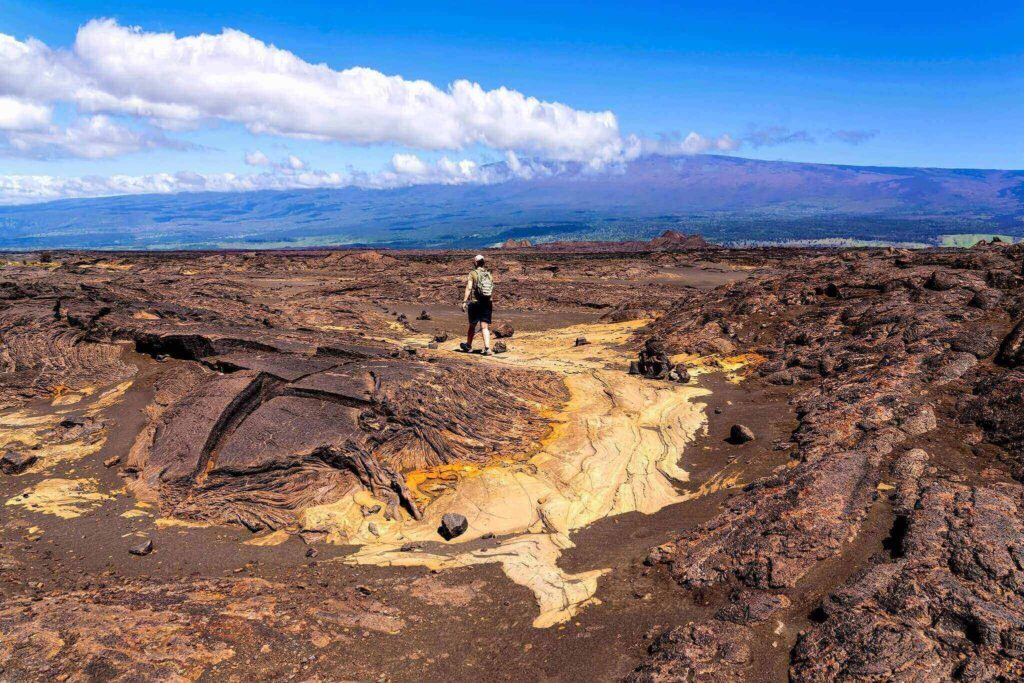
For those who want something a bit longer, the Puʻu Huluhulu Trail climbs to a small summit with views of Mauna Loa lava flows, while the Nāpau Trail is a much longer hike that travels deep into volcanic terrain and can take most of the day.
Many visitors combine two or three of the shorter trails during a single visit. Doing this gives you the chance to see several different landscapes, from rainforest paths to wide lava fields, without spending the entire day on one long hike.
Best Easy Hikes in Hawaiʻi Volcanoes National Park
If you’re short on time, traveling with kids, or simply looking for an easy way to experience the park, there are several short hikes that still give you a great sense of the landscape. One of the nice things about Hawaiʻi Volcanoes National Park is that you don’t always need to hike long distances to see something interesting.
Some of the most unique features, like lava tubes and steam vents, are surprisingly easy to reach.
These shorter trails are also located near the main park roads, which makes them easy to combine in a single visit. Many people stop at two or three of these trails while exploring the park, and each one offers a slightly different perspective on the volcanic landscape.
Devastation Trail
Distance: 1 mile round trip
Time: About 30 minutes
Difficulty: Easy
The name “Devastation Trail” gives you a good hint about what this place looks like. When I first walked this trail, the wide open landscape immediately stood out. Compared to the thick rainforest in other parts of the park, this area feels quiet and almost stark.
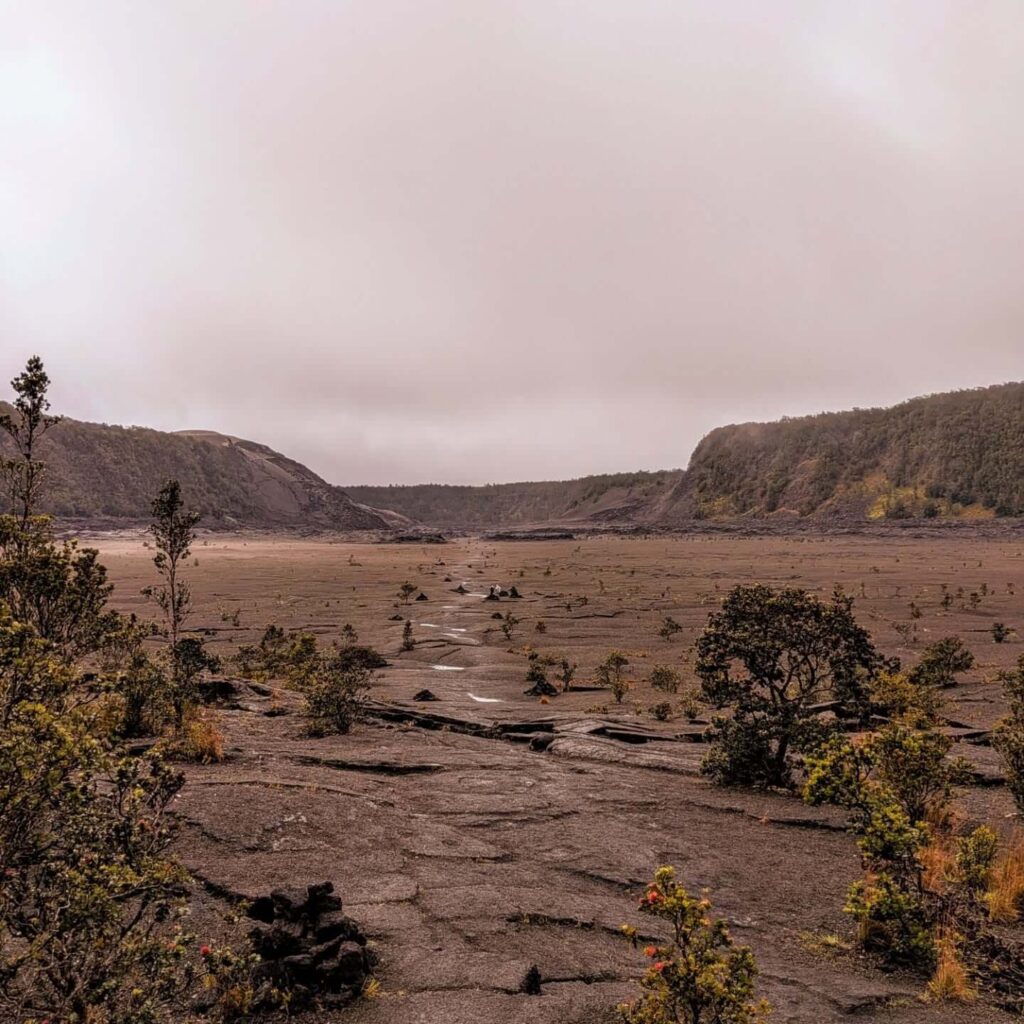
The trail crosses land that was heavily impacted by the 1959 eruption of Kīlauea. During that eruption, ash and cinder fell over the surrounding forest and buried much of the vegetation. Even today the landscape still shows the effects of that event.
Over the years, plants have slowly started to return. Small shrubs and grasses are beginning to grow across the lava field, which gives you a glimpse of how the environment gradually recovers after an eruption.
The trail itself is mostly flat and partially paved, making it one of the easiest walks in the park. Along the way you’ll see views of volcanic cones and wide lava fields stretching across the landscape. Because it’s short and easy, it’s a great stop if you want a quick walk without committing to a longer hike.
Nāhuku (Thurston Lava Tube Trail)
Distance: 0.4 miles
Time: About 20 minutes
Difficulty: Easy
The Nāhuku Lava Tube Trail is one of the most popular stops in Hawaiʻi Volcanoes National Park, and it’s easy to understand why once you see it.
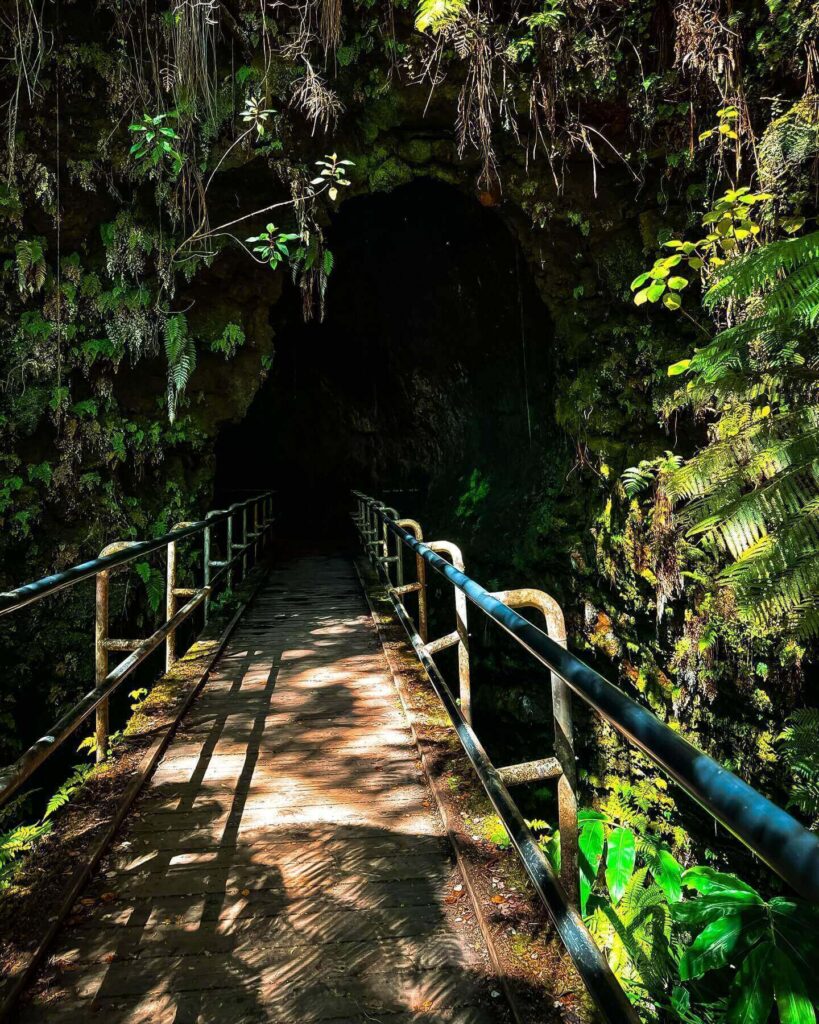
The trail begins in a lush rainforest where tall tree ferns line the path and the air feels cool and damp. After a short walk, you’ll reach the entrance to the lava tube, which is a long tunnel created by flowing lava.
Hundreds of years ago, lava moved through this area beneath the surface. The outside of the flow cooled and hardened first, while molten lava continued moving through the center. When the lava eventually drained away, it left behind a hollow tunnel.
Today visitors can walk through part of that tunnel. Inside, the lava tube is dimly lit and surprisingly spacious. The rock walls still show the textures left behind by the flowing lava, which makes it easier to imagine how the tunnel formed.
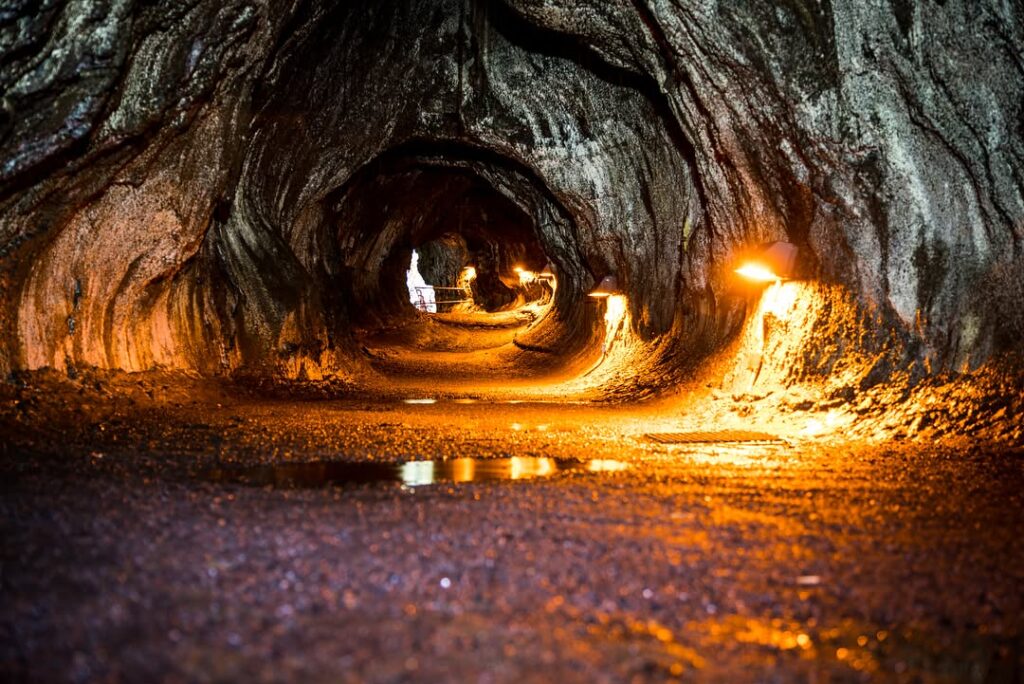
One of the things I found interesting about this trail is the contrast between environments. Just a few minutes before entering the lava tube, you’re surrounded by dense green rainforest. Then suddenly you’re inside a dark volcanic tunnel formed by molten rock.
Because this trail is short and close to the main road, it can get busy during the middle of the day. If you want a quieter experience, visiting early in the morning or later in the afternoon usually means fewer people.
Haʻakulamanu (Sulphur Banks Trail)
Distance: 1.3 miles round trip
Time: About 30 to 45 minutes
Difficulty: Easy
The Haʻakulamanu Trail, often called the Sulphur Banks Trail, offers a close look at the geothermal activity happening beneath the surface of the park.
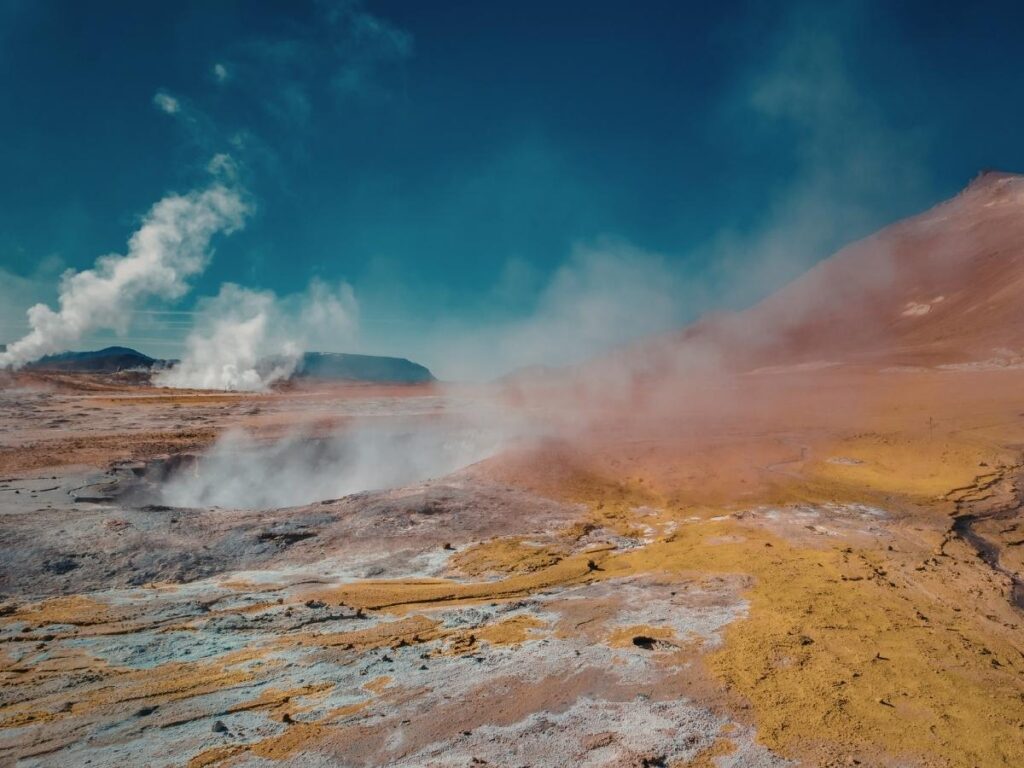
As you walk along the path, you’ll notice steam rising from vents in the ground. These vents release volcanic gases that travel upward through cracks in the rock. Around many of the vents, the soil is stained bright yellow from sulfur deposits left behind by these gases.
The smell is noticeable as well. In certain areas you’ll catch the strong scent of sulfur drifting through the air, which adds to the sense that the landscape here is still very active.
Wooden walkways guide visitors safely through parts of the geothermal area, helping protect both the fragile ground and the people walking through it. Informational signs along the trail explain how the gases interact with minerals in the soil to create the colorful deposits.
Even though the trail is fairly short, it gives you a fascinating glimpse into the volcanic forces still shaping Hawaiʻi Volcanoes National Park today.
Best Moderate Day Hikes in Hawaiʻi Volcanoes National Park
If you have a few hours to explore, the moderate hikes in Hawaiʻi Volcanoes National Park offer some of the most memorable scenery. These trails usually involve a bit more distance or elevation than the short walks, but they reward you with a deeper look at the volcanic landscape.
You’ll cross lava fields, descend into craters, and reach viewpoints that are hard to appreciate from the road alone.
These hikes are manageable for most visitors with basic hiking experience, and they’re a great way to see parts of the park that feel much quieter and more immersive.
Kīlauea Iki Trail
Distance: 4 miles loop
Time: 2 to 3 hours
Difficulty: Moderate
The Kīlauea Iki Trail is often considered the highlight hike in Hawaiʻi Volcanoes National Park, and after doing it myself, I can see why it’s so popular.
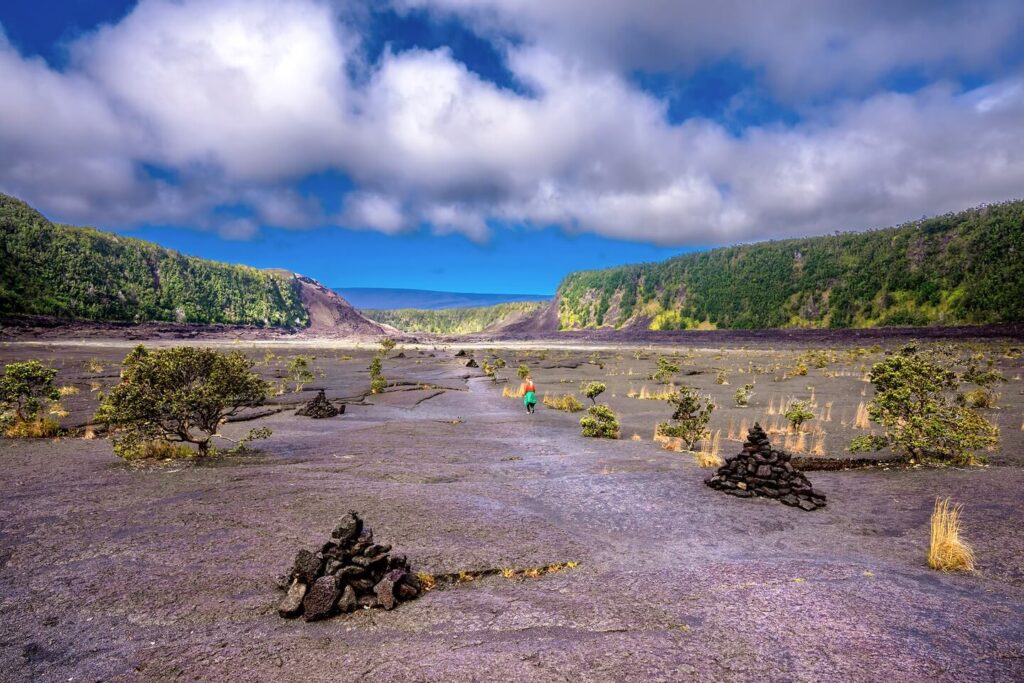
The trail begins along the crater rim in a section of lush rainforest. At first, the path winds through tall trees and thick vegetation, and it almost feels like a typical tropical hike. But as the trail gradually descends toward the crater floor, the scenery begins to change.
When you finally reach the bottom of the crater, the landscape opens up dramatically. In 1959 this crater held a large lava lake during a powerful eruption that lasted several weeks. Today that lava lake has hardened into a wide, black expanse of rock.
Walking across the crater floor is a completely different experience from hiking through the forest above. The ground is rough and cracked, and in several spots steam still rises from vents in the rock. It’s a reminder that the volcanic system beneath the park is still active.
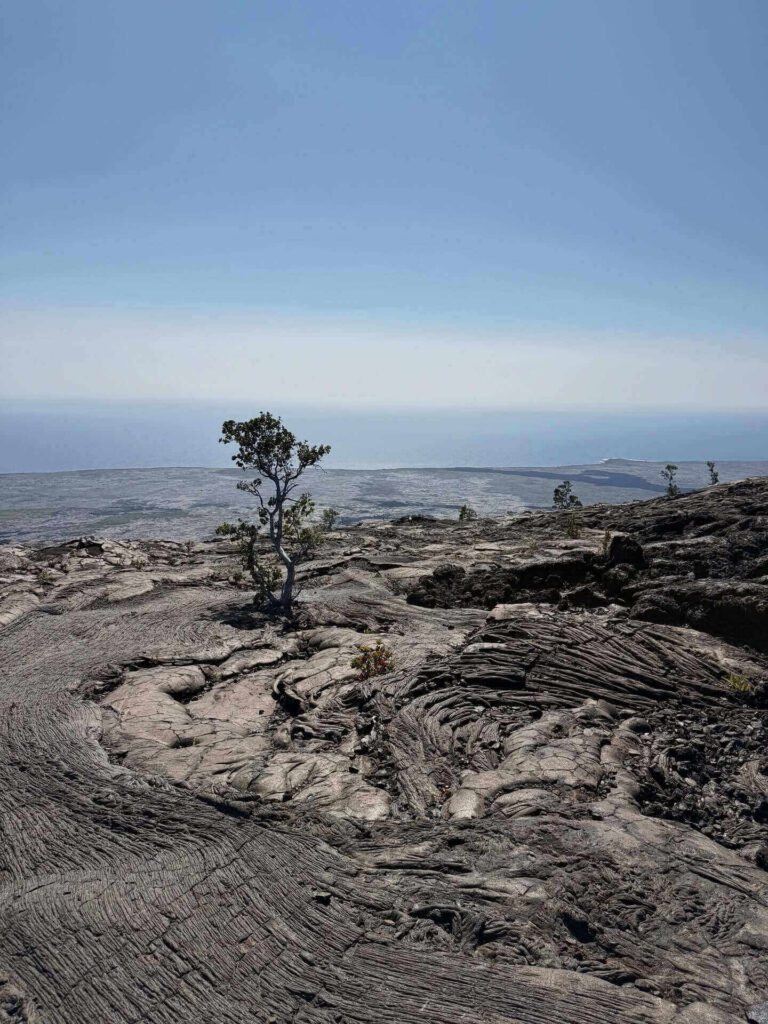
The trail across the crater is marked with small rock piles that help guide hikers across the hardened lava. As you walk, the steep crater walls rise on all sides, making the landscape feel enormous.
The hike finishes with a climb back up through rainforest to the crater rim. The climb can feel a little steep near the end, but by that point you’ve already experienced one of the most unique hikes on the Big Island.
Mauna Ulu Trail
Distance: 2.5 miles round trip
Time: 1 to 2 hours
Difficulty: Moderate
The Mauna Ulu Trail explores a landscape shaped by eruptions that occurred between 1969 and 1974. Compared to some of the busier trails near the visitor center, this area feels more remote and quiet.
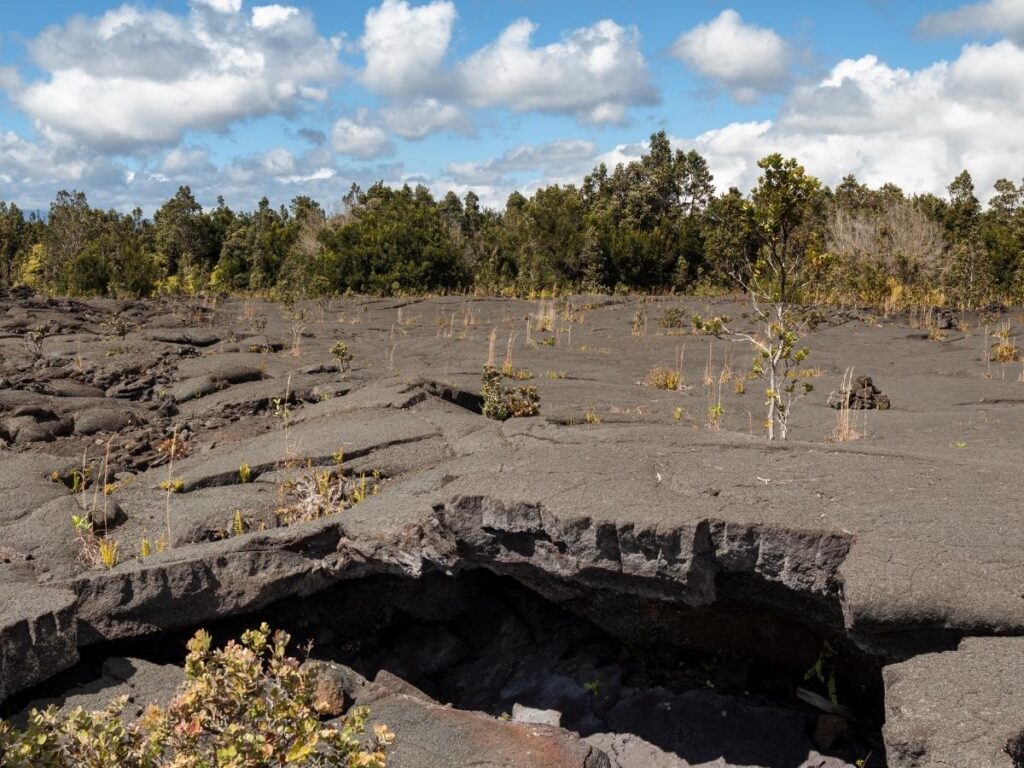
The trail begins across a broad lava field where the terrain looks rugged and uneven. In many places the lava has cooled into twisted and jagged shapes that show how it once flowed across the land.
As you walk across the lava, it’s easy to imagine how dramatic the eruptions here must have been. During the Mauna Ulu eruption, lava fountains reached impressive heights and new lava flows spread across the surrounding landscape.
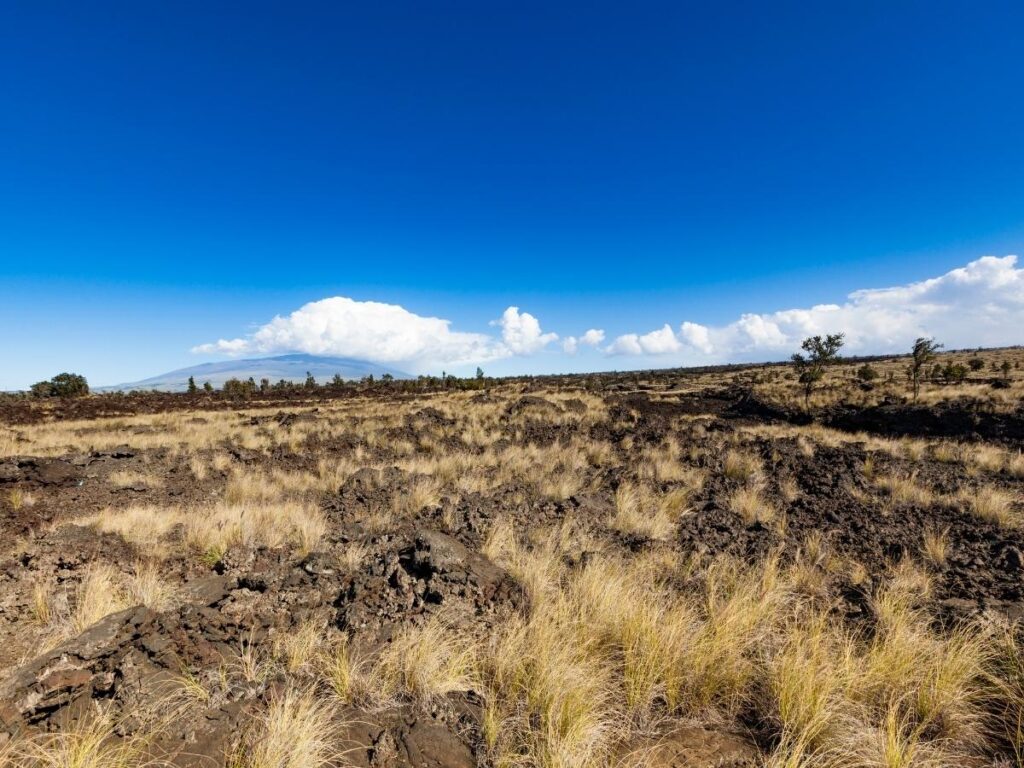
The trail eventually climbs toward a viewpoint near the Mauna Ulu volcanic cone. From the overlook, you can see large stretches of lava fields spreading out toward the horizon. On clear days, the view gives you a real sense of how massive the volcanic landscape is.
Because this trail sits a little farther from the main visitor areas, it usually feels less crowded than places like Kīlauea Iki. If you’re hoping for a hike that feels quieter while still offering impressive scenery, this is a great option.
Crater Rim Trail (Best Sections)
Distance: Up to 11 miles total
Difficulty: Moderate
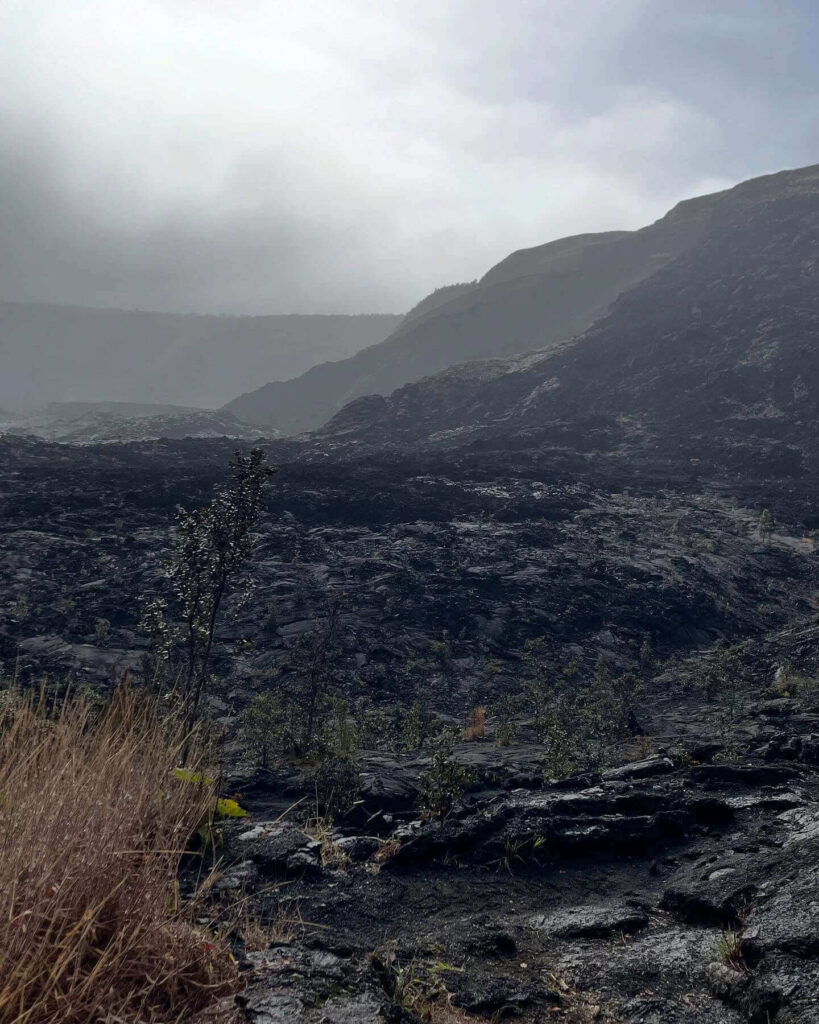
The Crater Rim Trail runs along the edge of the Kīlauea summit caldera and stretches for about eleven miles in total. While the full trail is fairly long, most visitors choose to hike shorter sections rather than attempting the entire route.
One of the reasons this trail is so popular is that it offers several different viewpoints of the volcano. Even a short walk along the rim can give you impressive views of the caldera and surrounding volcanic features.
One of the most interesting areas along the trail is the Steam Vents section, where steam escapes from cracks in the ground. Standing near these vents gives you a close look at the geothermal activity happening beneath the surface.
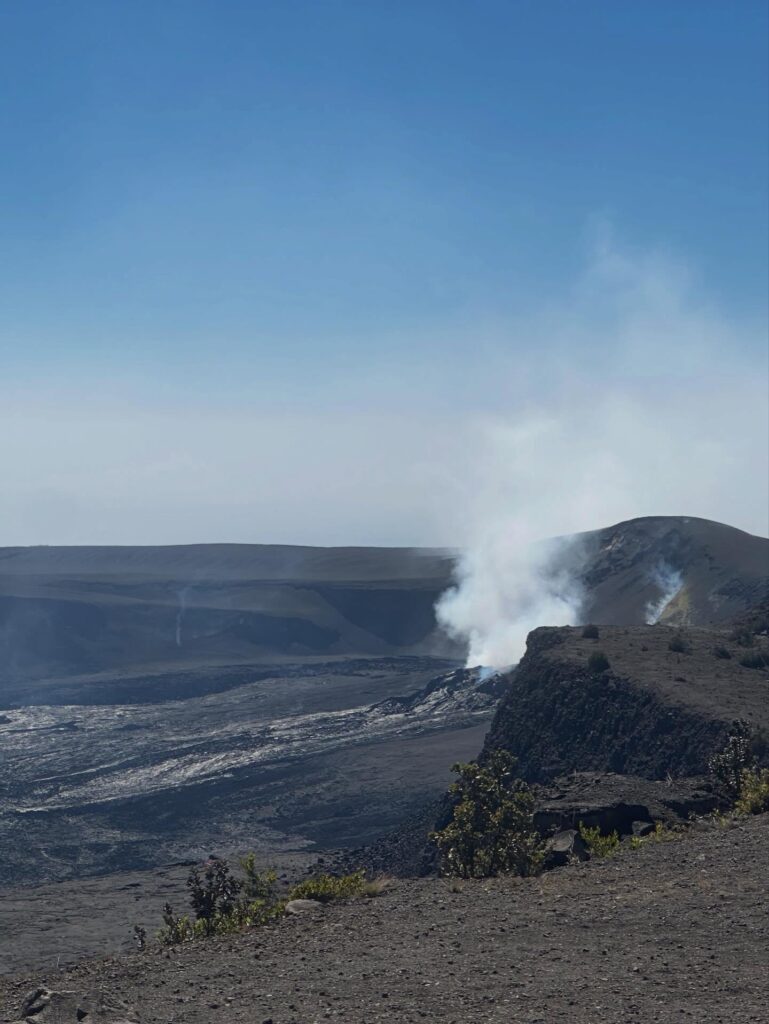
Another highlight is the Kīlauea Overlook, which provides one of the best views into the Halemaʻumaʻu crater. Depending on current volcanic activity, the crater can appear dramatically different from year to year, which makes each visit a little unique.
Near the Jaggar Museum area, the trail offers sweeping views across the summit caldera. This section is especially impressive at sunset, when the changing light adds even more depth to the landscape.
Even if you only hike a short stretch of the Crater Rim Trail, it helps you understand the scale of Kīlauea volcano and how massive the summit caldera really is.
Best Challenging Day Hikes
If you’re comfortable with longer hikes and want to explore quieter parts of the park, there are a few trails that take you deeper into Hawaiʻi Volcanoes National Park. These hikes require more time and preparation, but they also offer a chance to see landscapes that many visitors miss.
Because these trails move farther away from the main visitor areas, they tend to feel much more remote. You’ll often find fewer people on the trail, and the scenery becomes more rugged and expansive the farther you go.
Puʻu Huluhulu Trail
Distance: 2.5 miles round trip
Time: 1 To 2 hours
Difficulty: Moderate to challenging
The Puʻu Huluhulu Trail is a relatively short hike, but it leads to one of the more interesting viewpoints in the park. The trail begins in a quiet forested area and gradually climbs toward a small volcanic hill known as Puʻu Huluhulu.
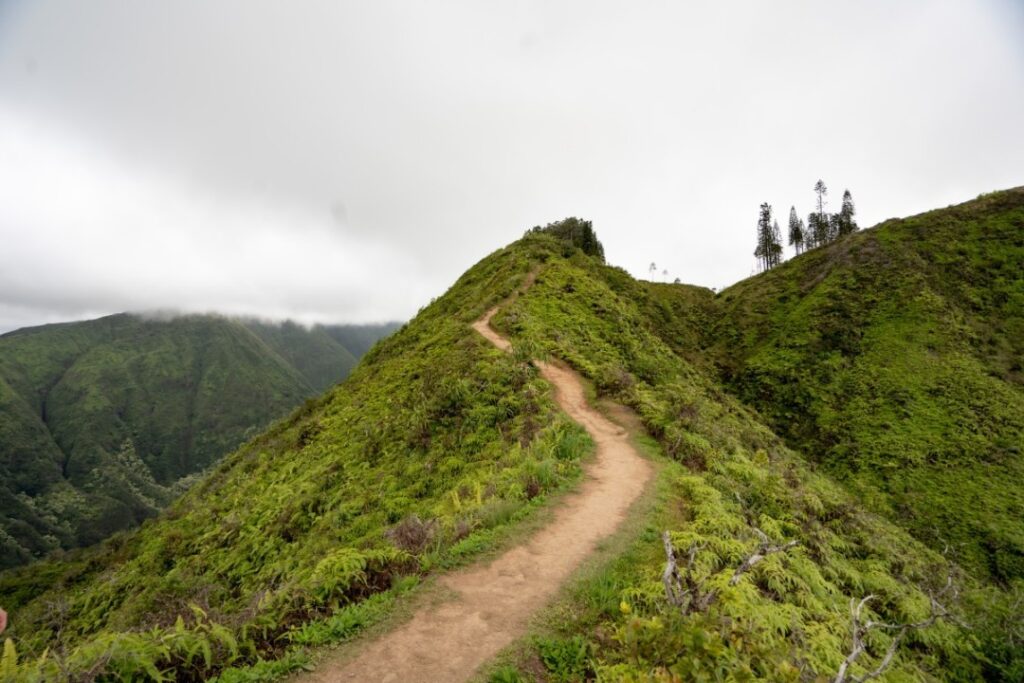
The first section of the hike moves through woodland, which provides some shade and a nice contrast to the lava fields found elsewhere in the park. As you climb higher, the vegetation begins to thin out and the landscape opens up.
When you reach the summit, the views stretch across wide lava flows created by eruptions from Mauna Loa. From this vantage point, you can see just how vast the volcanic terrain of the Big Island really is. On clear days the view feels almost endless, with dark lava fields spreading across the landscape.
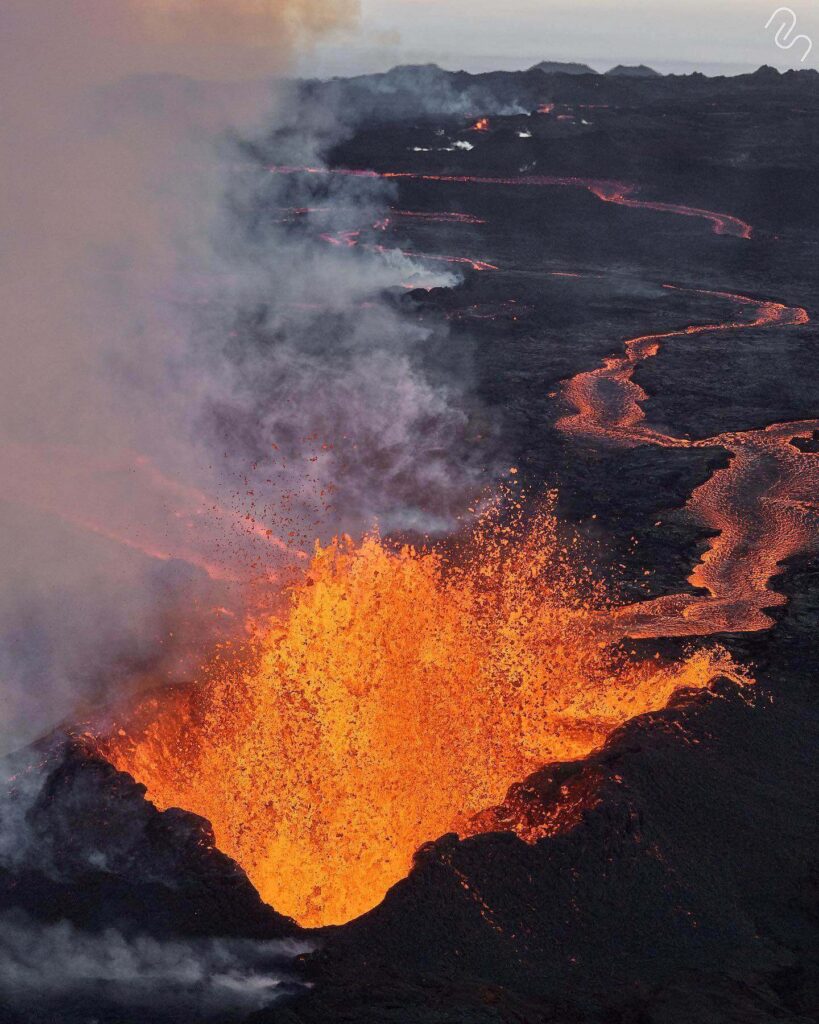
Because the trail is located away from the busier sections of the park, it often feels much quieter. If you’re looking for a hike where you might have the trail mostly to yourself, this is a good one to consider.
Nāpau Trail
Distance: Up to 10 miles round trip
Time: 5 To 7 hours
Difficulty: Challenging
The Nāpau Trail is one of the longer day hikes in Hawaiʻi Volcanoes National Park and offers a deeper look at the park’s volcanic terrain. The trail begins at the end of Chain of Craters Road, which already feels remote compared to the main summit area.

From the trailhead, the path crosses several lava flows created by eruptions along the East Rift Zone of Kīlauea. The terrain can feel rugged and exposed, with long stretches of open lava fields and very little shade.
Along the way you’ll pass volcanic cones and wide expanses of hardened lava that show how eruptions have shaped this part of the island. As the trail continues, the landscape begins to change slightly and patches of vegetation appear where plants have slowly started to grow back.
The full hike to Nāpau crater and back can take most of the day, so it’s important to plan ahead. There are very few facilities along the route, and the sun can be intense when hiking across open lava fields. Bringing plenty of water, wearing sun protection, and starting early in the morning can make the hike much more comfortable.
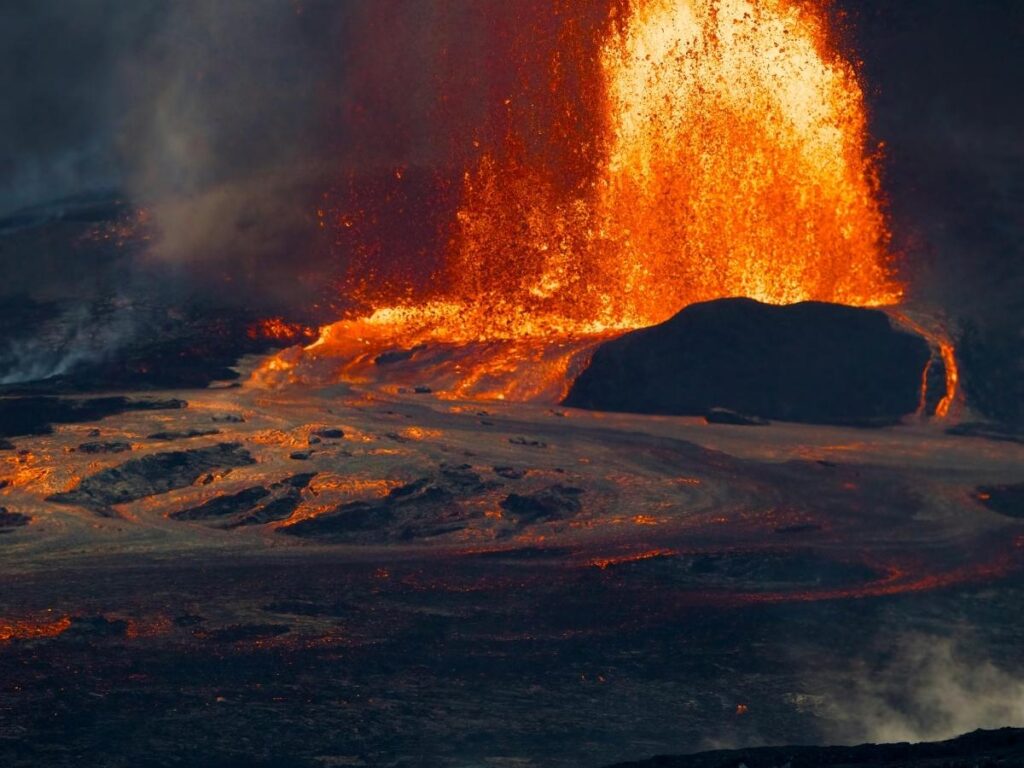
For hikers who enjoy longer adventures, the Nāpau Trail offers one of the most immersive ways to experience the volcanic landscape of Hawaiʻi Volcanoes National Park.
My Favorite Hike in Hawaiʻi Volcanoes National Park
If I had to recommend only one hike in Hawaiʻi Volcanoes National Park, it would easily be the Kīlauea Iki Trail. Out of all the trails I explored in the park, this one felt the most memorable because it shows so many different sides of the landscape in a single hike.
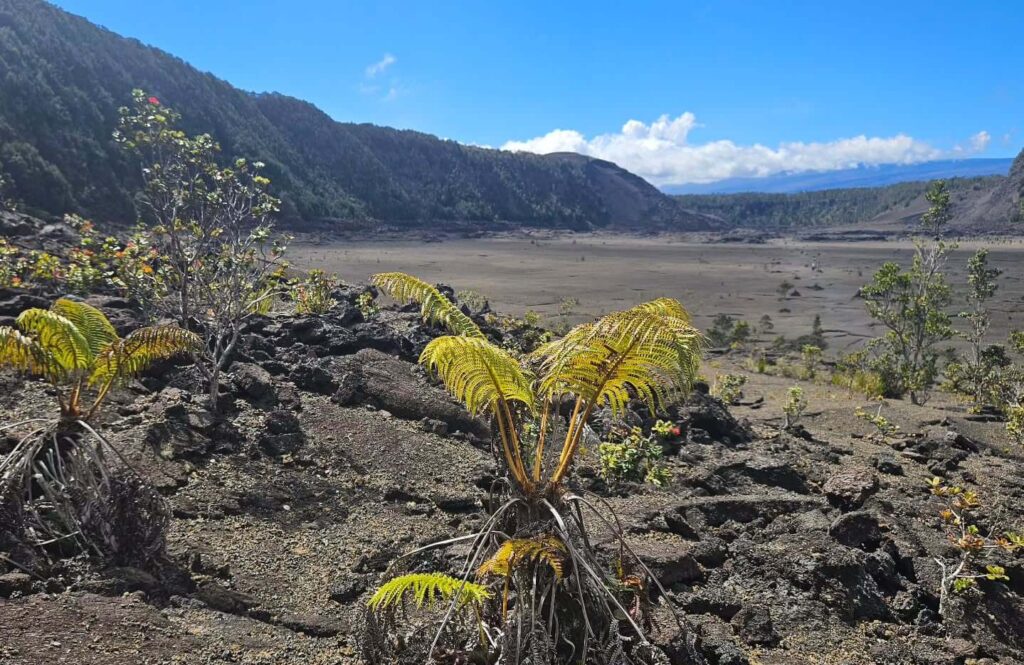
The trail begins along the crater rim in a section of thick rainforest. At first, it feels like a typical tropical hike. The path winds through tall trees and large tree ferns, and the air is cool and shaded. But as you continue walking, the trail gradually descends toward the crater floor, and the scenery begins to change.
Eventually the forest opens up and you step onto the floor of the crater. That moment really stood out to me. Suddenly you’re standing in the middle of a huge volcanic bowl surrounded by steep crater walls. The ground beneath your feet was once a lake of molten lava during the 1959 eruption, and today it has cooled into a wide field of hardened black rock.
Walking across the crater feels almost surreal. The surface of the lava is cracked and uneven, and in several places steam still rises from small vents in the ground. It’s a reminder that the volcano beneath the park is still active, even though the lava lake you’re crossing cooled decades ago.
As you cross the crater, you’ll notice small rock piles placed along the route. These help guide hikers safely across the hardened lava and make it easier to follow the trail across the open landscape.
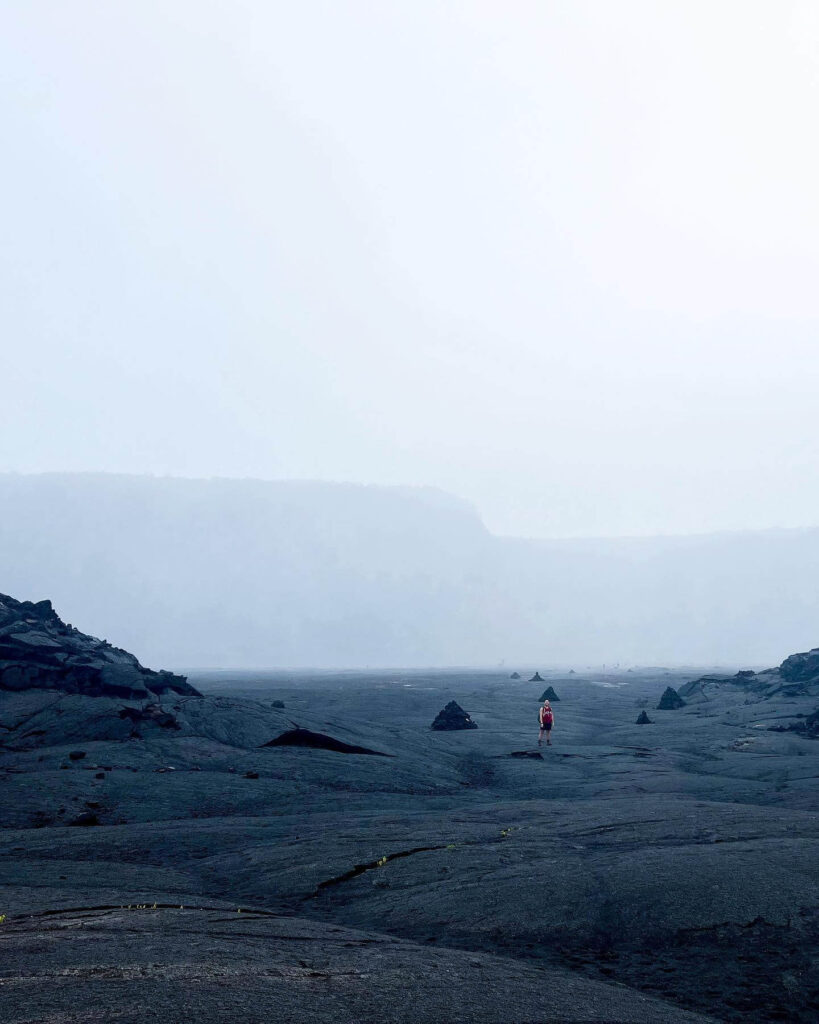
One of the things that makes this hike so special is the contrast between environments. You start the hike surrounded by lush green rainforest, then suddenly find yourself walking across a massive lava lake that looks almost like another planet. Few hikes change scenery so dramatically within such a short distance.
The final part of the trail climbs back up through the forest to the crater rim. The climb can feel a bit steep near the end, but reaching the top after crossing the crater feels incredibly rewarding.
If you only have time for one hike in the park, this is the one I would choose. It captures the unique character of Hawaiʻi Volcanoes National Park better than any other trail and gives you a real sense of how powerful the volcanic forces shaping this island have been.
Best Time of Day to Hike
Timing your hike well can make a big difference in how comfortable and enjoyable it feels. In general, early morning is the best time to start hiking in Hawaiʻi Volcanoes National Park.
Temperatures are usually cooler at this time of day, which makes walking across exposed lava fields much easier. Many trails in the park have very little shade, so starting early helps you avoid the stronger heat that builds later in the day.
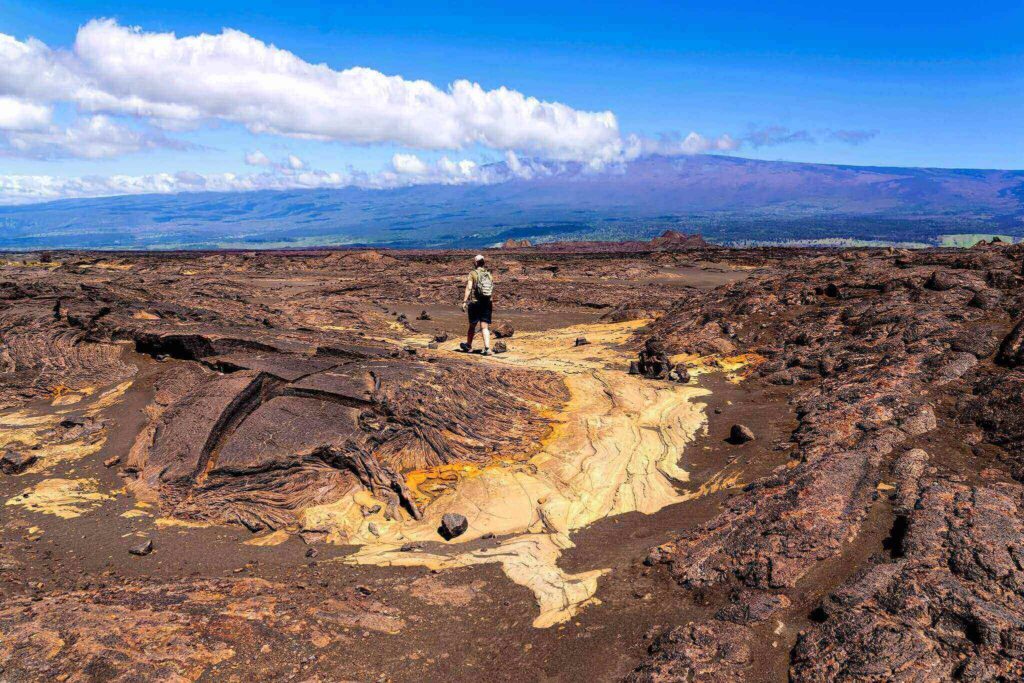
Morning also tends to be quieter. Popular trails like Kīlauea Iki and Nāhuku Lava Tube can get busy as the day goes on, especially when tour buses arrive. Starting earlier often means you’ll share the trail with fewer people and have a more peaceful experience.
Late afternoon can also be a beautiful time to explore, particularly near the crater rim areas. As the sun begins to drop, the light becomes softer and the shadows across the lava fields become more dramatic. Views of the Kīlauea caldera often look especially striking during this time of day.
Midday is usually the least comfortable time to hike, mainly because the lava rock absorbs heat and reflects sunlight. Even on mild days the temperature can feel warmer when you’re walking across open lava fields.
If midday is the only time you can hike, bringing plenty of water, wearing a hat, and taking breaks in shaded areas can make the experience more manageable.
Final Thoughts
Hawaiʻi Volcanoes National Park is one of the most unique landscapes I’ve explored in the United States. The combination of rainforest, lava fields, volcanic craters, and underground lava tubes makes every trail feel different from the last.
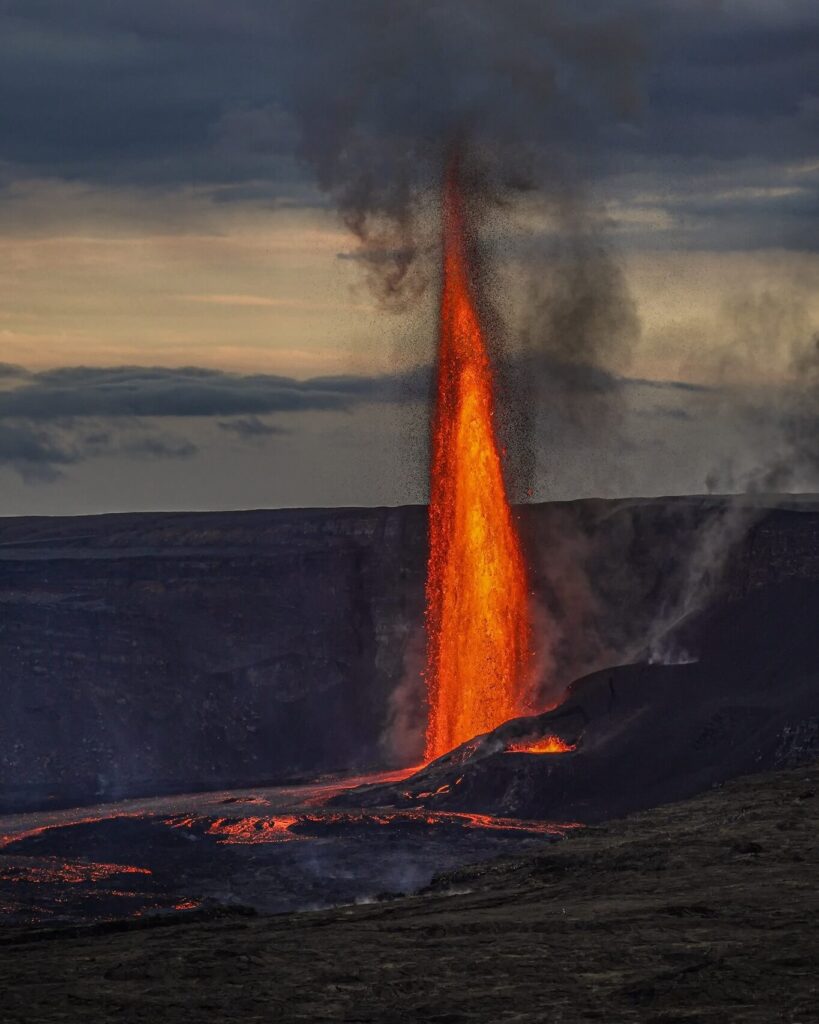
While it’s possible to see many highlights by driving through the park, hiking gives you a much better sense of the landscape. Walking across a crater floor, standing near steam vents, or stepping inside a lava tube helps you understand how the island was formed and how it continues to change over time.
What stood out to me the most was how varied the park feels. In just a few hours you can move from lush green forest to wide lava fields that look almost like another planet. That contrast is part of what makes hiking here so memorable.
If you’re visiting the Big Island, setting aside time for at least one or two hikes in the park is well worth it. Even a short trail can give you a closer look at the volcanic features that make this place so fascinating, and it adds a whole new dimension to your visit beyond the scenic drives and viewpoints.