
The first time I watched the northern lights curl across the sky outside Fairbanks, it felt like someone had painted neon ribbons across the darkness just for a handful of us standing there in the cold.
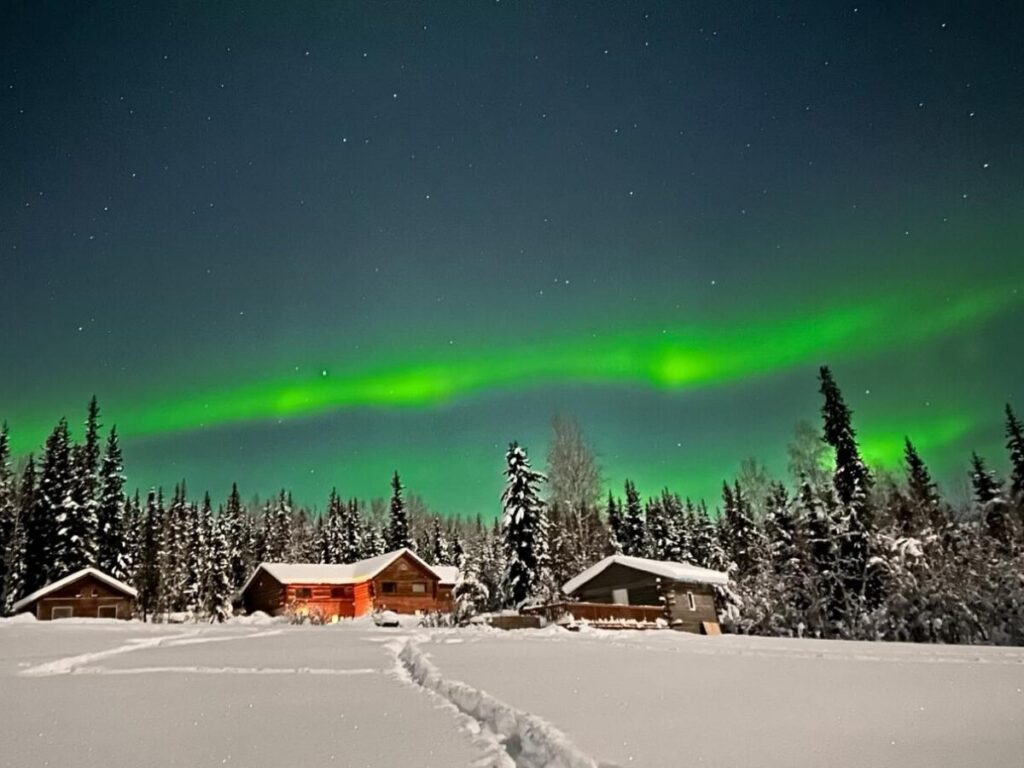
The air was sharp, the snow under my boots crackled, and for a moment everything went so still that I forgot how cold my fingers were. Fairbanks is full of moments like that quiet, unexpected flashes of beauty that make the long flights, late nights, and endless layers feel completely worth it.
If you’re planning a trip here, it helps to know that Fairbanks doesn’t reveal itself all at once. The seasons shift what you can do, the cold demands a little preparation, and the best experiences often happen late at night when most people would rather be asleep.
That’s why I put this guide together: to share the things I genuinely loved doing, the little details that made my days easier, and the tips that helped me actually see the aurora instead of just hoping for the best.
Consider this your practical, realworld companion to exploring Fairbanks with enough insight to help you plan, and enough breathing room to let the magic sneak in.
Best Things to Do in Fairbanks At a Glance
If you’re trying to get a feel for Fairbanks before diving into the full guide, here’s a quick walk through the highlights.
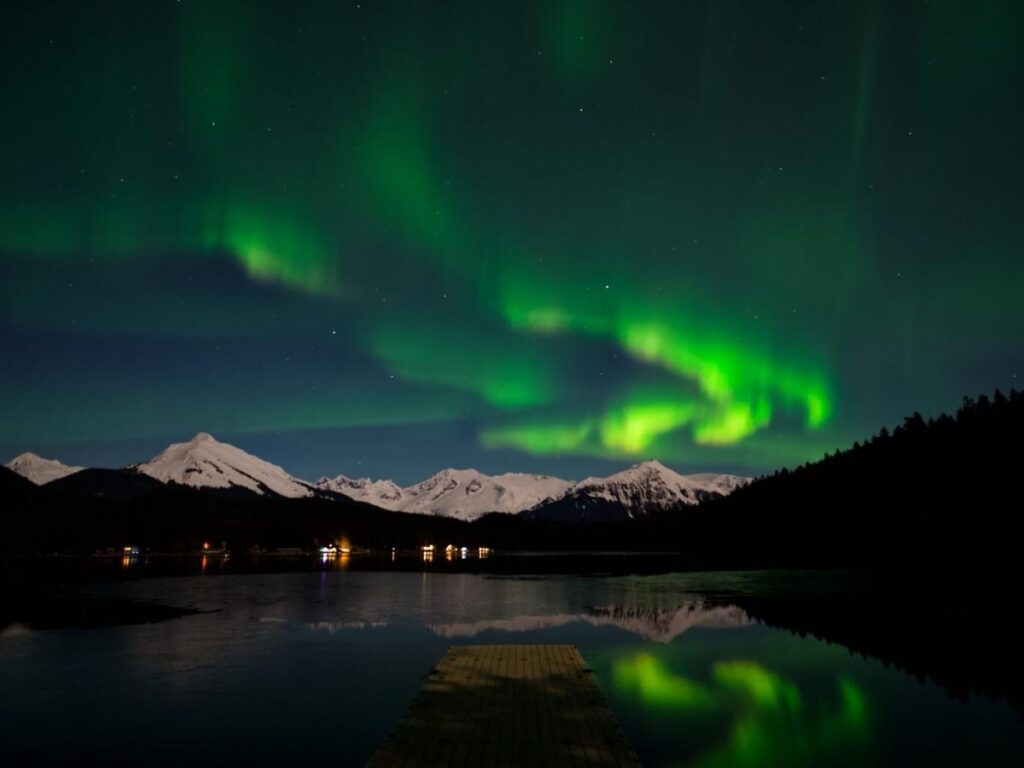
Most people come for the Northern Lights, and Fairbanks really is one of the best places on earth to see them. Whether you join a late night tour or drive out on your own, watching the sky shift from dark to green never feels ordinary.
When the cold sets in the next day, Chena Hot Springs is the perfect antidote: a steaming outdoor pool surrounded by snow, plus an Ice Museum that feels like stepping into a glittery freezer full of sculptures.
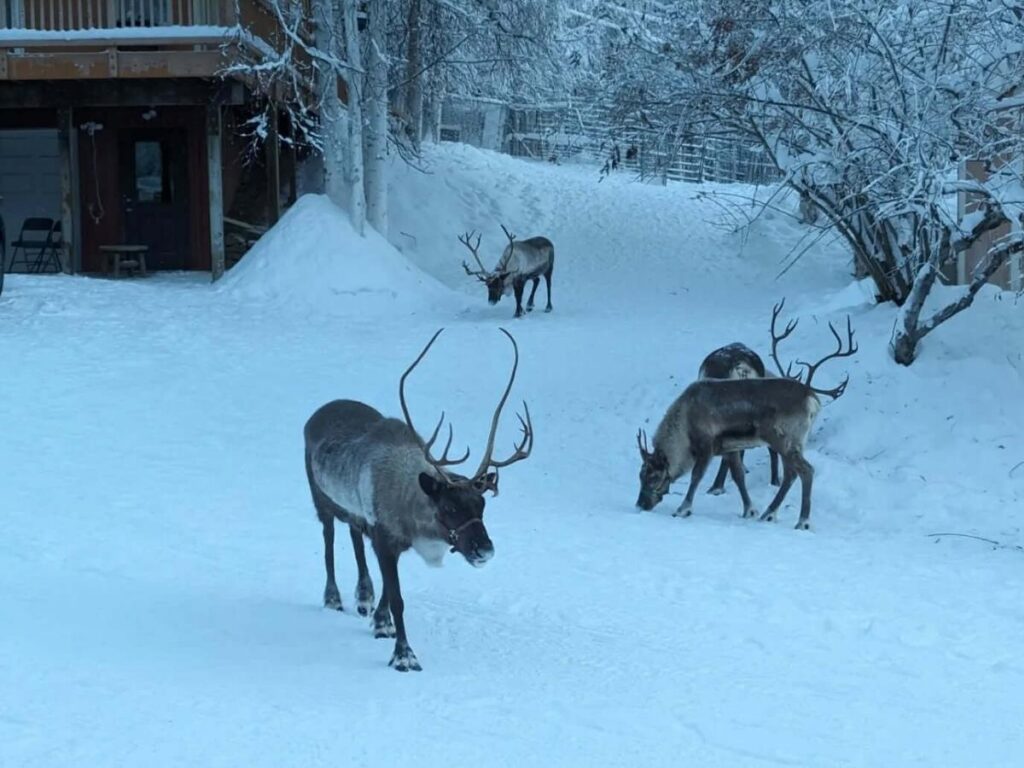
For something a little unexpected, Running Reindeer Ranch offers guided forest walks where reindeer wander around you as calmly as pets. If you’d rather stay indoors for a bit, the Museum of the North is thoughtful, beautifully designed, and one of the best ways to understand Alaska’s cultural and natural history.
On busier days, you can try dog sledding, explore the quirky wooden buildings at Pioneer Park, or, if you’re up for a long outing, follow the Dalton Highway all the way to the Arctic Circle.
Summer brings its own kind of magic. The sun barely sets, which means you can float down the river late in the evening, hike ridges like Wickersham Dome or Ester Dome, and pack in more daylight exploring than you’d think possible.
And when the weather turns or you need a slower afternoon, the Fountainhead Antique Auto Museum and the Fairbanks Ice Museum are both easy, fun stops.
Between outings, you’ll also find plenty of cozy cafés, breweries, and small diners where you can warm up, recharge, and compare aurora stories with whoever ends up at the table next to you.
When to Visit Fairbanks
Fairbanks is very much a “right season, right experience” kind of place. You can visit any time of year and have a great trip, but what you end up doing and how many layers you wear depends entirely on when you go.
Your timing shapes everything, from how much daylight you’ll have to whether your camera battery freezes the second you step outside.
Winter (October–March): The Aurora Season + Snow Adventures
If seeing the northern lights is the reason you’re coming to Fairbanks, winter is absolutely the time to be here. The nights are long, and the skies can be unbelievably clear, especially once you’re outside the city.
Guided aurora tours run most nights, and they really do make a difference not because you can’t go on your own, but because locals know where the clouds drift, where the light pollution drops off, and which spots stay warmer than others.
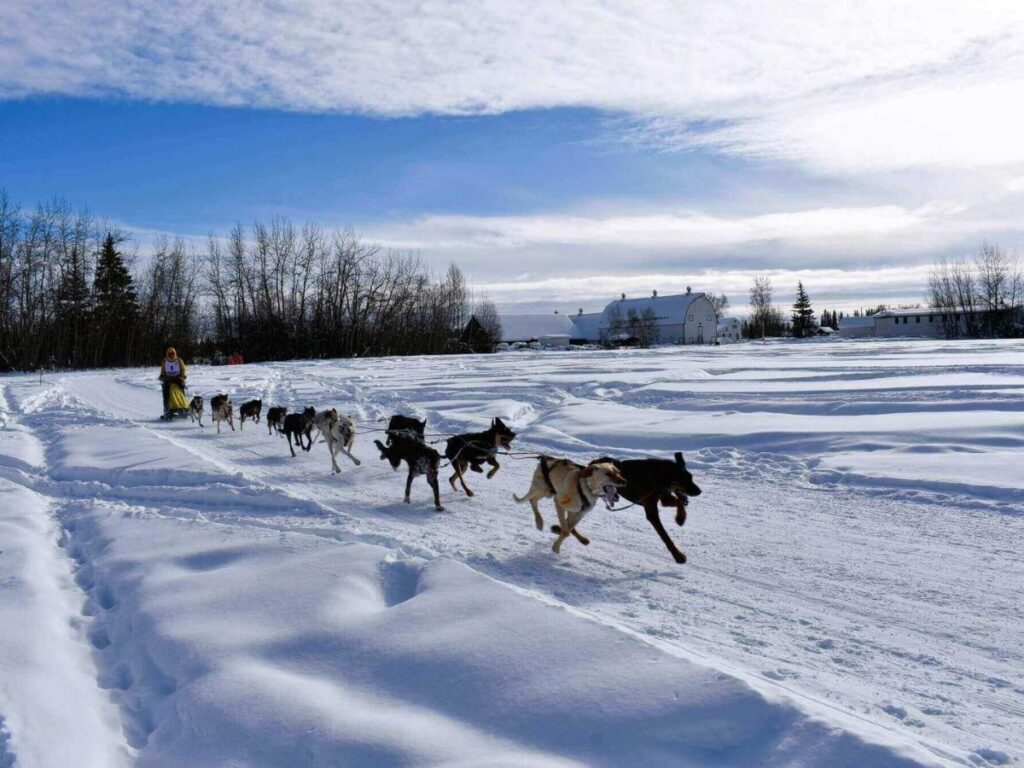
Winter also comes with all the snowy things people imagine when they picture Alaska. Dog sledding, snowmobiling, soaking in steaming hot springs while snow falls around you it all feels a little surreal at first, but in the best way.
There are ice festivals, ice carvings, frosted forests, and those incredibly still moments when the temperature drops so low the world goes quiet.
My favorite time to visit in winter is late February into March. The sun finally starts returning, the temperatures don’t sting quite as much, and the aurora is still going strong. It’s a sweet spot that gives you the magic of winter without the full “my eyelashes are freezing together” experience.
Summer (May–August): Midnight Sun + Endless Daylight
Summer in Fairbanks is a completely different world. The sun barely sets, which means your days feel stretched out in the best possible way. You can head out for a hike at 9:30 p.m., sit by the river long past what should be bedtime, or take a slow scenic drive without ever worrying about losing daylight.
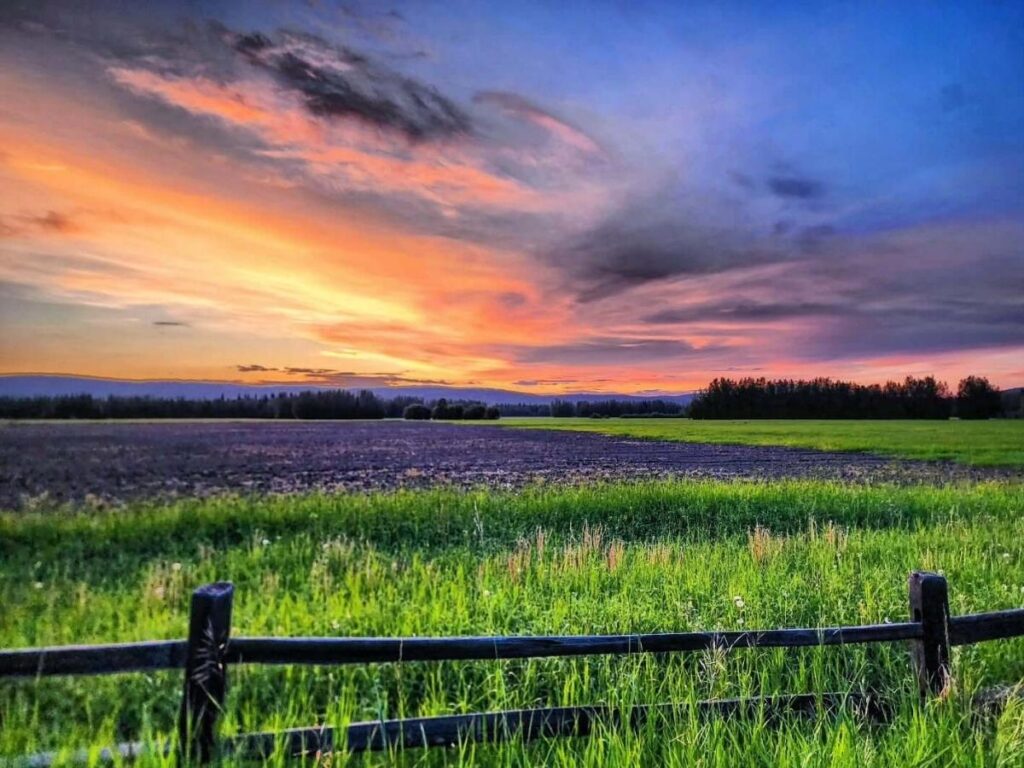
Everything looks softer under that bright, late night sun: the rivers, the spruce forests, even the mountains off in the distance.
Temperatures rise, wildflowers start popping up everywhere, and the whole town settles into a kind of relaxed, outdoorsy rhythm. People fish after work, families picnic at 11 p.m., and the energy is warm and easy.
This is the time to hike Wickersham Dome, paddle the Chena River, and explore without layering yourself like you’re preparing for a small expedition.
Summer is also great if you like having flexibility. You’re not racing against sunset, tours run throughout the day, and the weather while not perfectly predictable tends to be gentler.
Shoulder Seasons (April & September): Quiet, Affordable, and Unique
April and September don’t get as much attention, but they can be wonderful months to visit if you like calm, less crowded trips.
Early spring (April) is a mix of melting snow, muddy roads, and longer daylight, not the prettiest moment of the year, but still good for budget travelers or people who want to see the tail end of winter without the deep freeze.
September, on the other hand, is genuinely beautiful. The hills around Fairbanks turn golden, the temperatures cool down just enough to feel crisp, and the northern lights begin making regular appearances again.
It’s that sweet spot where you can spend your days hiking in fall colors and your nights watching the sky shift green. Plus, prices are usually lower, and you won’t be elbowing your way through crowds.
If you want a mix of both worlds a little sun, a little aurora, fewer people September is the month I point people to again and again.
Top Things to Do in Fairbanks
Below are the experiences that really shape a first trip to Fairbanks. Some are big, bucket list moments. Others are quieter, more surprising. But together they give you a sense of what makes this part of Alaska feel so singular.
Chase the Northern Lights
Seeing the aurora in Fairbanks never feels routine, even if you’re staying several nights. The sky here has a way of opening up when you least expect it. One minute it’s completely dark, and the next there’s a soft green glow stretching across the horizon.
Fairbanks sits under what’s called the “auroral oval,” which basically means your chances of catching a show are unusually good compared to other places in the world.
You can go out on your own if you have a rental car and a bit of patience. Places like Murphy Dome and Cleary Summit are popular because they’re high, open, and far enough from city lights.
But guided aurora tours can take the stress out of guessing the guides watch cloud forecasts obsessively and will sometimes drive an hour or two just to get you under clear skies.
If you genuinely want a good chance of seeing lights, give yourself at least three nights. Even in perfect conditions, the aurora has its own rhythm, and being out more than once makes all the difference.
Dress warmer than you think you need, bring extra camera batteries, and be ready for late nights. The moments when the sky finally shifts are worth every yawn the next morning.
Soak at Chena Hot Springs & Visit the Aurora Ice Museum
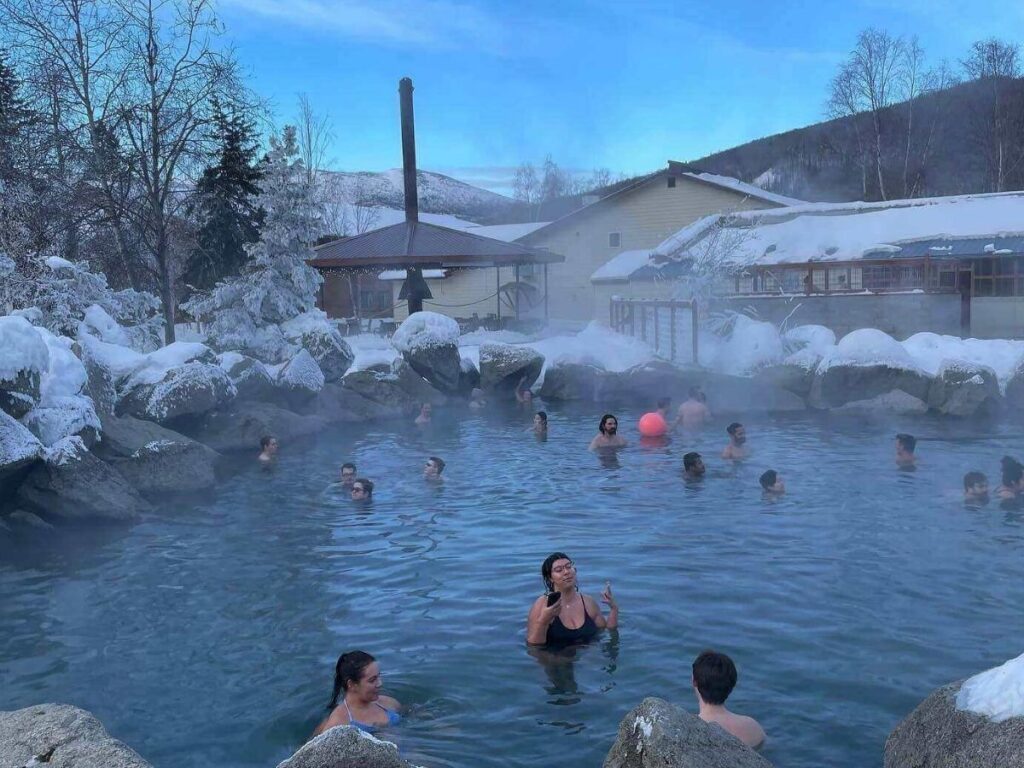
Chena Hot Springs is one of those places that just feels right in the middle of winter. It’s about an hour outside Fairbanks, and the drive itself can be beautiful long stretches of snowy forest and the occasional moose wandering near the tree line.
Once you arrive, the hot springs sit in a rocky outdoor pool where the steam rises thick into the cold air. If you’ve never floated in hot water while snowflakes land on your shoulders, it’s a strangely magical experience.
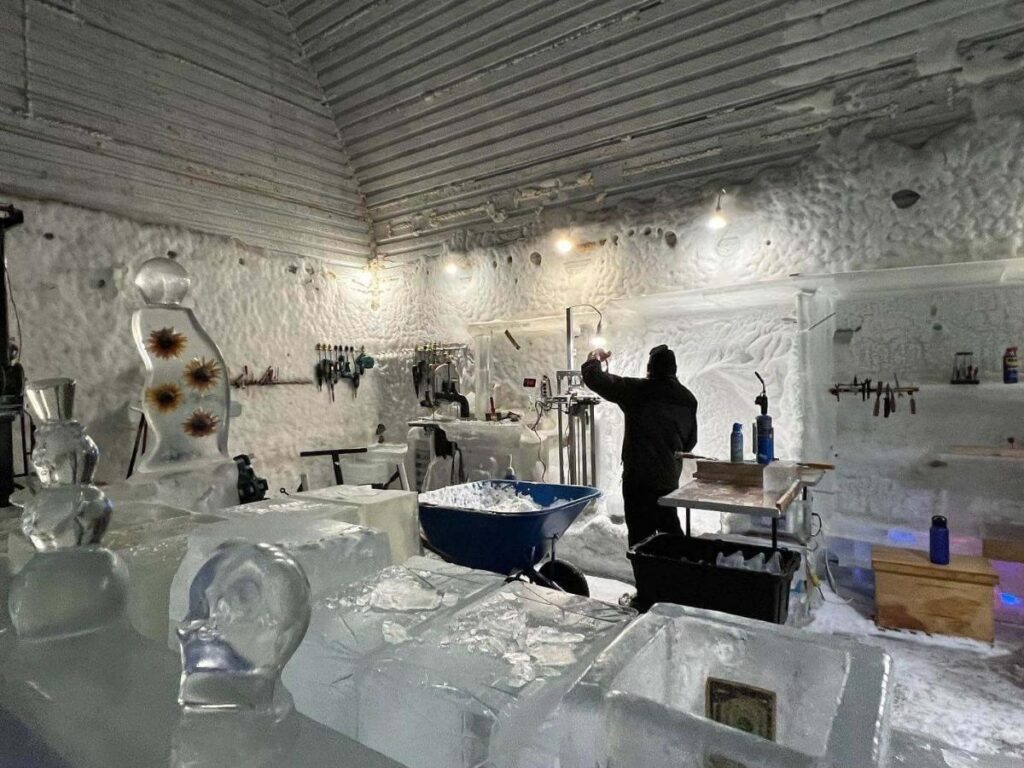
Right next to the pools is the Aurora Ice Museum, a frozen collection of ice sculptures, colorful lighting, and quirky designs that look like something out of an Arctic fantasy film. Everything inside is made of ice: the stools, the martini glasses, even the walls and ceilings. It’s fun, a little bizarre, and very, very cold gloves are nonnegotiable.
Chena is one of the easiest halfday trips from town, and it’s the perfect pick if you want something that feels both adventurous and relaxing at the same time.
Explore the University of Alaska Museum of the North
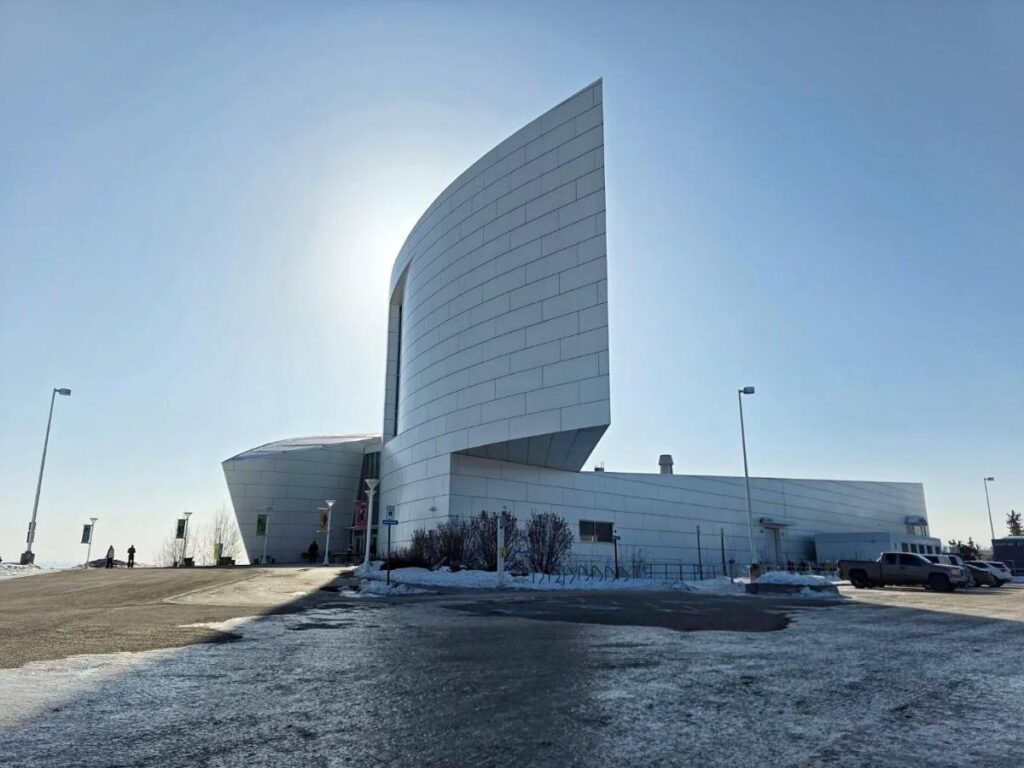
If the weather turns or you’re craving a warm, thoughtful morning, the Museum of the North is easy to love. The building itself is striking white, angular, and shaped in a way that mirrors the surrounding landscape. Inside, the exhibits walk you through Alaska’s cultural and natural history in a way that feels both clear and nuanced.
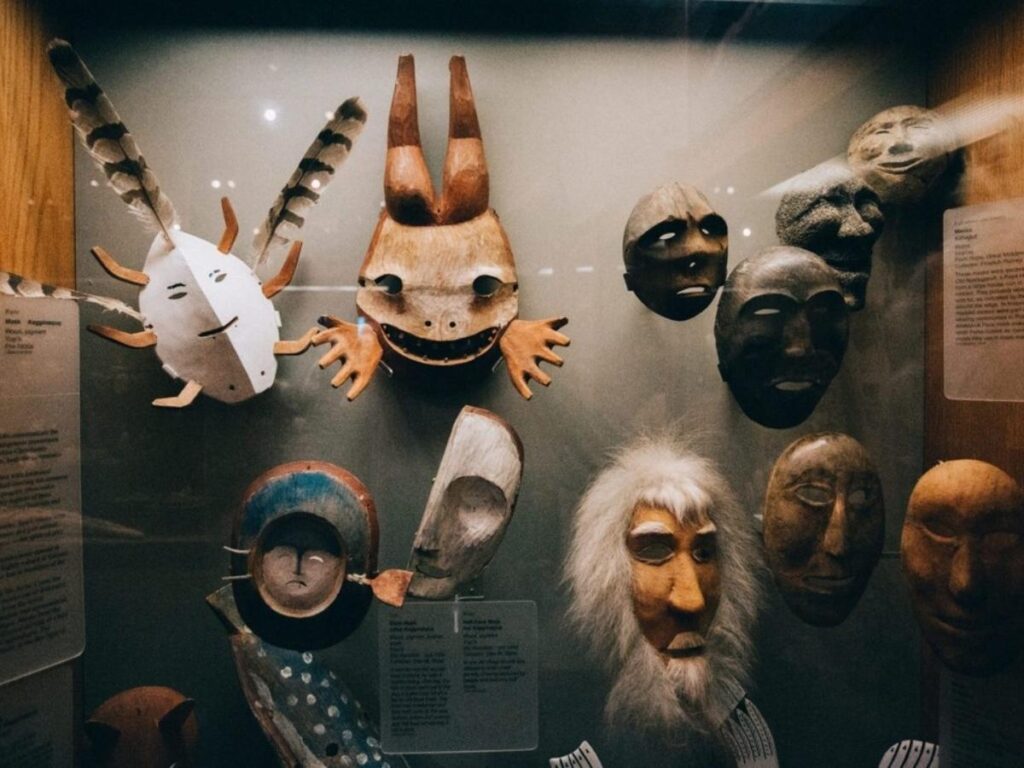
You’ll find displays on Alaska Native traditions, wildlife, geology, early settlement, and modern Arctic research. There are art installations, fossils, and quiet corners where you can pause without feeling rushed.
It’s the kind of museum that doesn’t try to overwhelm you but still gives you a deeper sense of place. Most people spend around an hour and a half here, though it’s very easy to linger.
Explore Pioneer Park
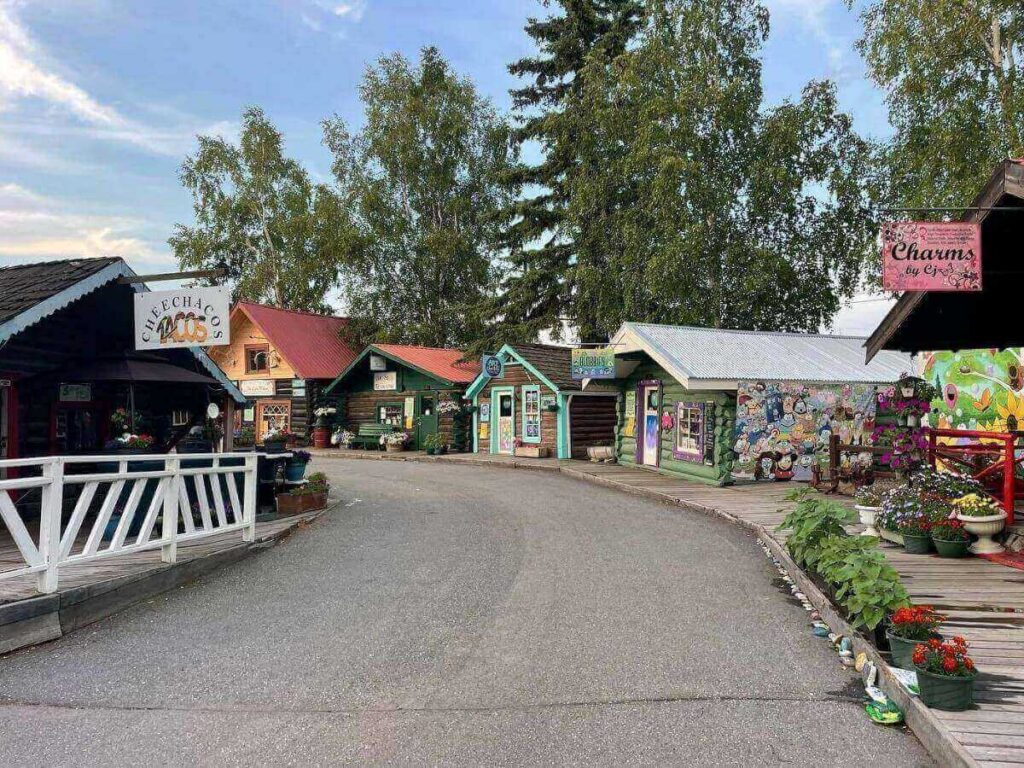
Pioneer Park is a little quirky, a little nostalgic, and very Fairbanks. It’s a blend of Gold Rush era cabins, small museums, local shops, and open areas where families wander on warm summer days. There’s a big old carousel, seasonal performances, and plenty of spots to grab a snack or coffee.
The park doesn’t require a big time commitment; you can stroll through in under an hour but it’s an easy and pleasant way to get a sense of the town’s early days. It feels a bit like walking through a scrapbook of Fairbanks history, but one with ice cream stands and live music in the mix.
Take an Arctic Circle or Dalton Highway Tour
If you’re someone who loves long drives and wide open landscapes, the journey up the Dalton Highway toward the Arctic Circle is unforgettable.
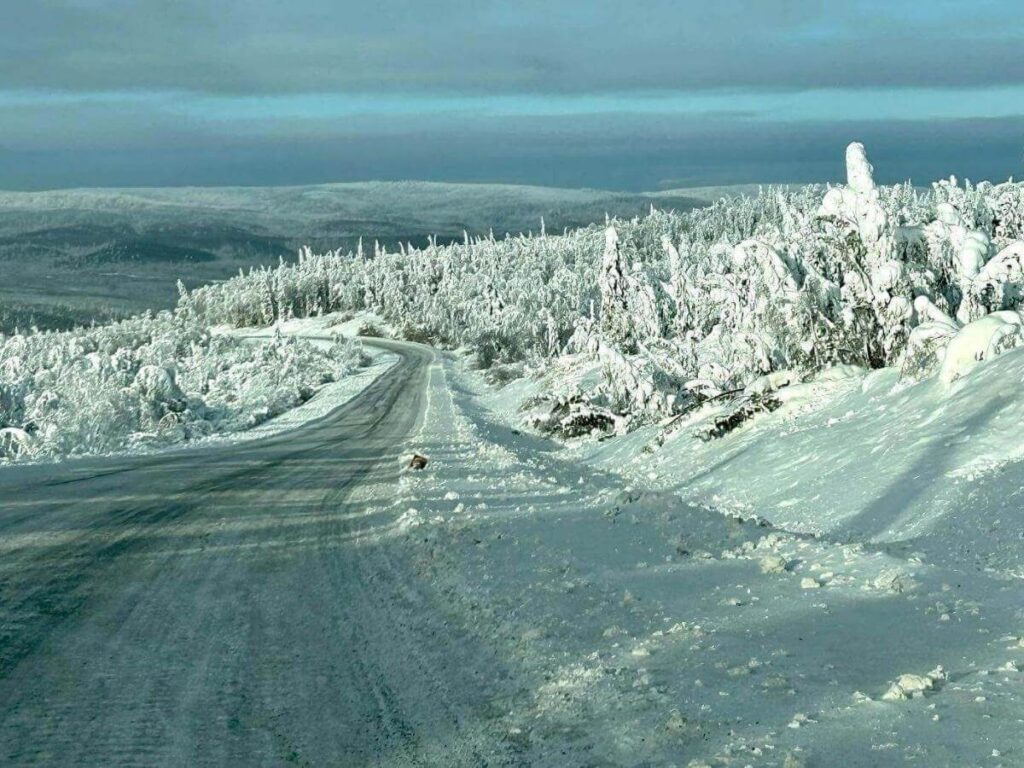
It’s a long day, often ten to twelve hours but the road takes you through scenery you truly won’t see anywhere else: frozen rivers, rolling snow covered hills, endless stretches of spruce forest, and the vast emptiness of Alaska’s interior.
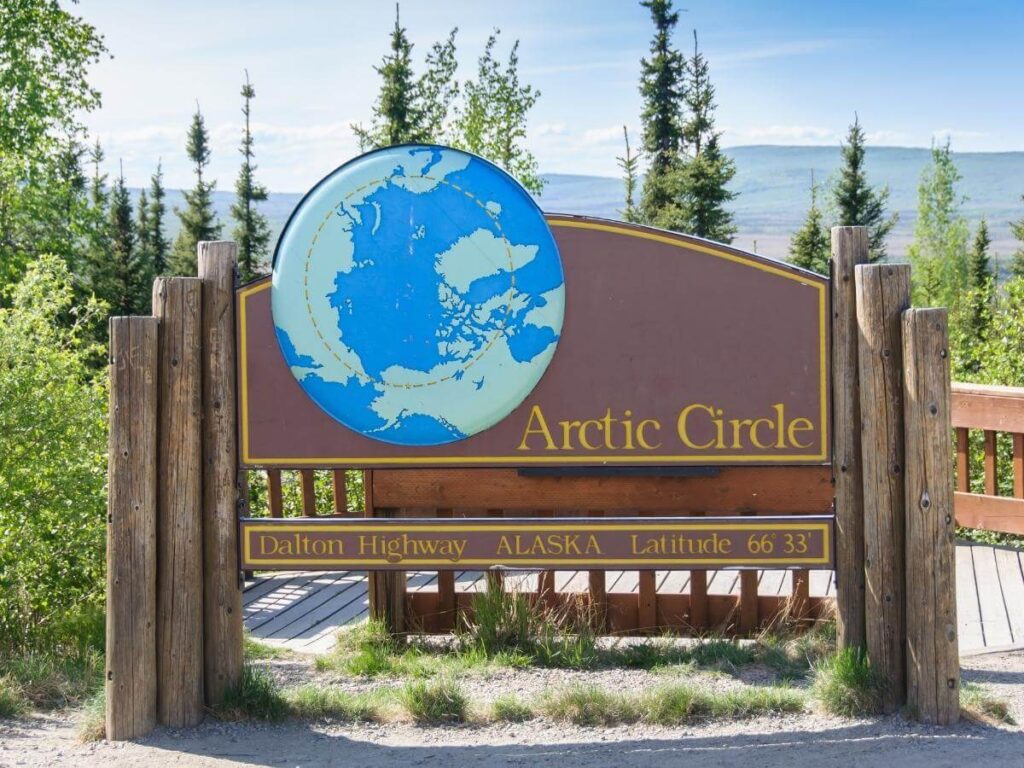
Guided tours add stories and context that make the hours pass quickly, especially when you’re learning about life along the pipeline or hearing firsthand accounts of winter travel in the Arctic. Reaching the Arctic Circle sign feels like stepping into a tiny club of people who decided to see what exists beyond the usual tourist routes.
Driving the route yourself in winter isn’t recommended unless you’re extremely comfortable with remote, icy roads. The tours take care of that stress for you, letting you sit back and actually enjoy the scenery.
Hike Wickersham Dome or Ester Dome
The land around Fairbanks rises into a series of domed rounded ridges that offer big, sweeping views once you get above the tree line. Wickersham Dome is a favorite because the trail feels remote without being difficult. On clear days, the views seem to stretch forever, and the landscape changes colors completely depending on the season.
Ester Dome is closer to town and a bit more forgiving if you want a shorter outing. It’s especially beautiful in September when the birch trees turn gold. Both hikes are best in summer or early fall, when the trails are dry and daylight lasts long enough to wander without worrying about racing the sunset.
Visit the Fountainhead Antique Auto Museum
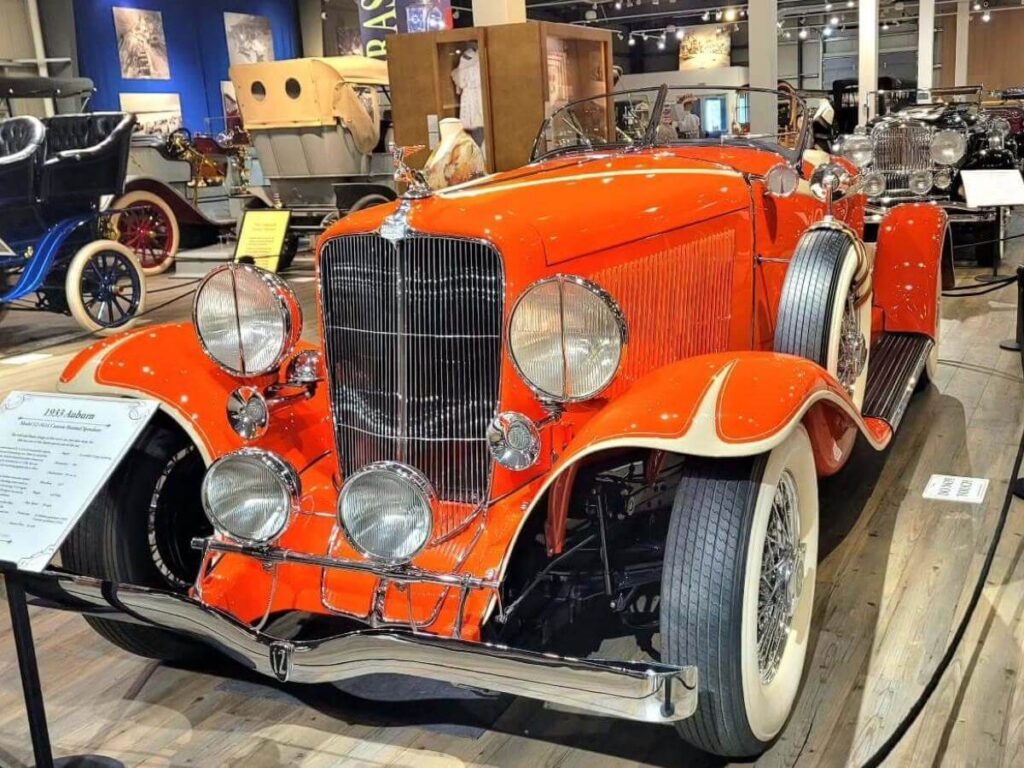
Even if you have no particular interest in cars, this museum is strangely fascinating. It’s full of early 1900s vehicles restored to pristine condition, displayed alongside vintage fashion and photos that show how people actually lived and traveled in Alaska’s early days.
The combination of clothing, history, and engines makes the whole place feel like a well-curated time capsule.
It’s small enough to enjoy without feeling overwhelmed, and the storytelling throughout the exhibits is both charming and surprisingly detailed.
See the Fairbanks Ice Museum
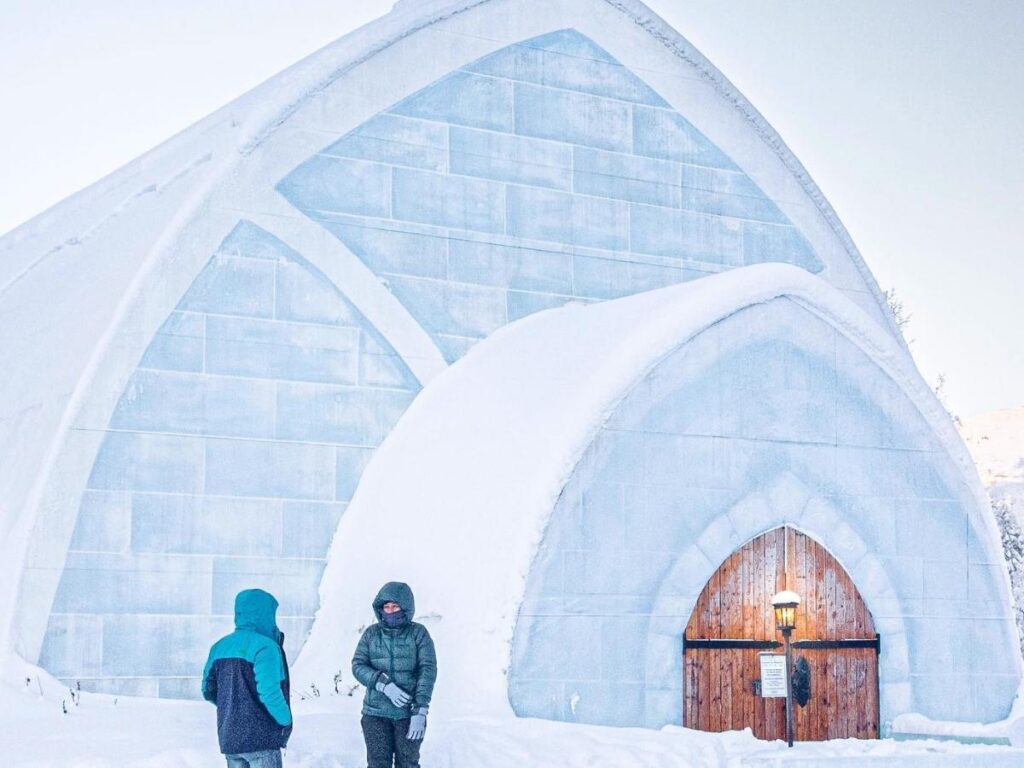
This downtown museum is simple but memorable, especially if you visit in winter. Inside, you’ll find rooms filled with ice carvings lit from behind to enhance their color and detail. There are demonstrations where you can watch a sculptor carve ice right in front of you, and the small size makes the whole experience feel personal rather than crowded.
It’s a great way to warm up (ironically) after a cold morning outside or to fill a slower afternoon between bigger activities.
Eat at Cozy Cafés, Breweries & Local Diners
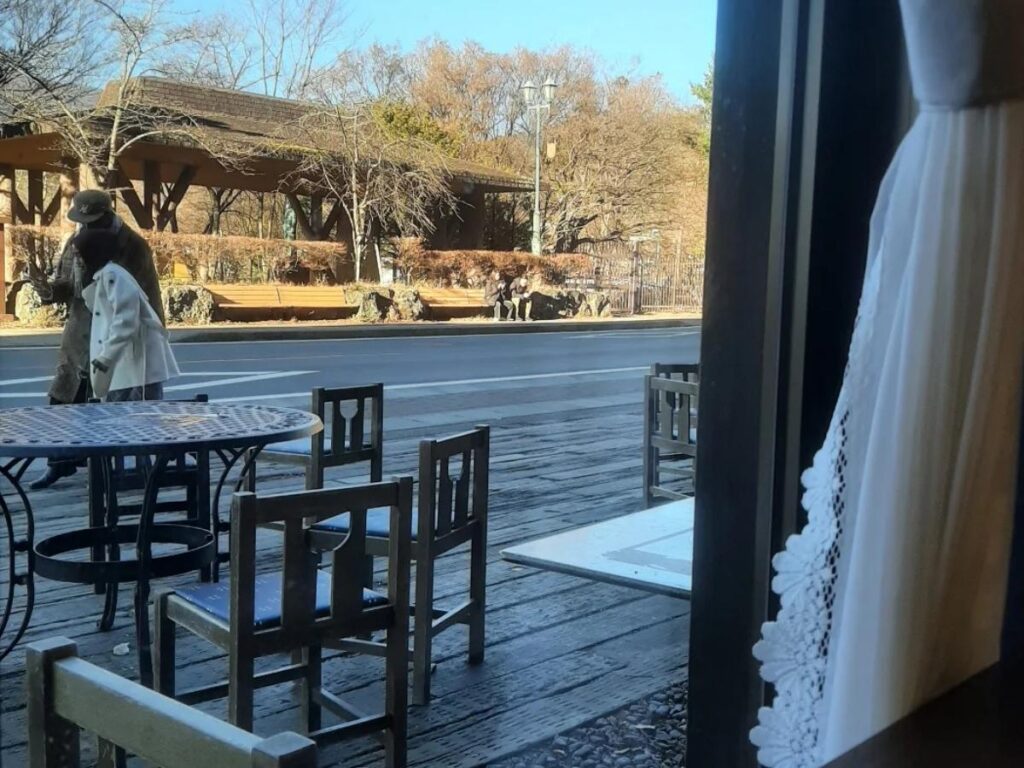
Fairbanks isn’t a city filled with trendy restaurants, but it is a town that knows how to do cozy food well. You’ll find small bakeries with warm pastries, cafés where locals linger with giant mugs of coffee, family-run diners serving hearty comfort meals, and breweries pouring local beer alongside surprisingly good pub food.
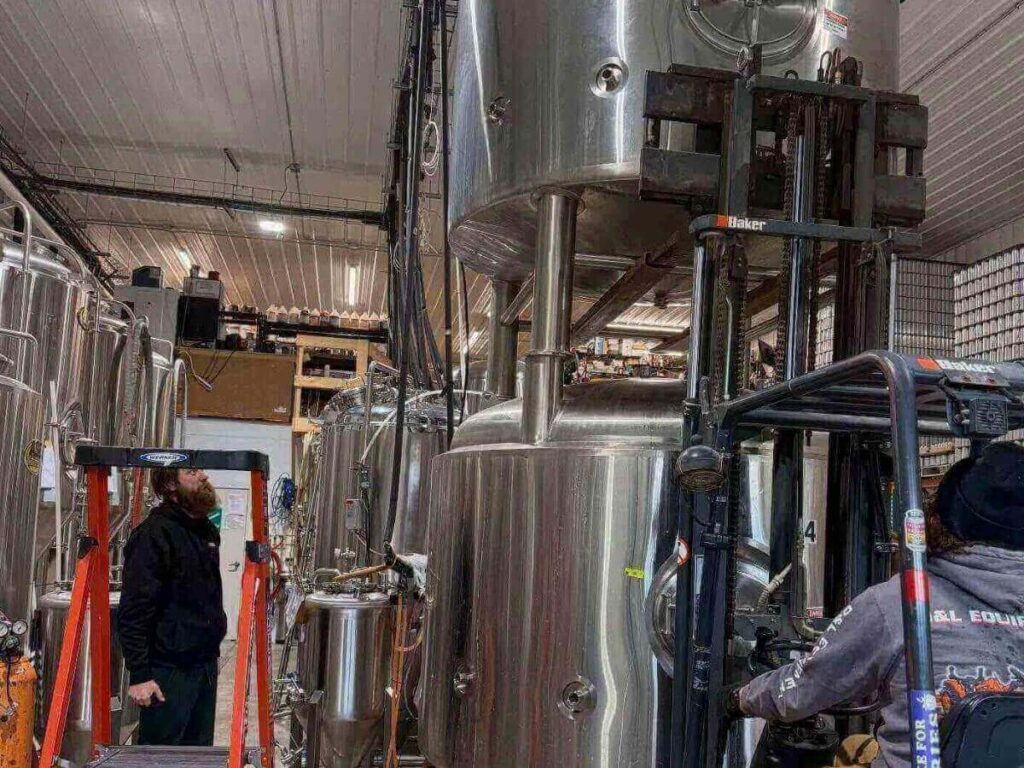
In summer, food trucks pop up near the river, and grabbing something simple to eat while watching the sun hover above the horizon feels perfectly Fairbanks. Just keep in mind that hours can be unpredictable in winter sometimes a place closes early because of weather, staffing, or just because it’s Alaska.
Sample Fairbanks Itineraries
If you don’t want to overthink your schedule, these simple itineraries will give you a sense of how to shape your days. Fairbanks has a slower rhythm than most cities, and the best trips here usually mix a little adventure with a lot of breathing room.
1 Day Fairbanks (Winter)
If you only have one day in Fairbanks during winter, start the morning somewhere warm and inviting the Museum of the North is perfect for this. The exhibits do a good job of grounding you in Alaska’s story, and wandering through the galleries with frozen eyelashes from the walk outside feels oddly comforting.
Once you’re ready to step back into the cold, spend your afternoon doing something that feels distinctly Alaskan. A short dogsledding tour is a great option if you’ve never tried it before. The dogs are full of energy, the musher will usually have stories to share, and gliding over snowy trails gives you that “wow, I’m really in Alaska” moment.
If the weather is milder or you’d prefer something slowerpaced, take a stroll around Pioneer Park instead. In winter it’s quieter, almost serene, and the old wooden cabins look like something out of a storybook.
After a break and a good meal, the long-awaited part of the day arrives: your aurora night. Tours typically leave late around 10 or 11 p.m. and you’ll be out for several hours, often until well after 2 a.m.
Dress warmer than you think you need, bring snacks, and trust the process. Even if you’re tired, that first burst of green in the sky wipes away everything except pure wonder.
2 Day Fairbanks (Aurora Focused)
If you have two days and your main goal is to see the aurora, this plan keeps things simple and maximizes your chances.
Spend Day 1 driving out to Chena Hot Springs, which is about an hour from town but feels like a completely different world. Visit the Ice Museum first, warm your hands on a hot drink afterward, and then slip into the springs themselves. It feels almost dreamlike to be floating in hot water while everything around you is frozen solid.
Many visitors stay until it gets dark in hopes of seeing the aurora from the property and occasionally it really does show up right above the pool but even if it doesn’t, it’s still one of the most relaxing ways to spend a cold day in Alaska.
On Day 2, you’ll likely want a slower morning. Grab breakfast or a long coffee at a local café and give yourself time to thaw out. After lunch, rest a bit or explore downtown lightly, nothing that requires too much effort.
Your second night will probably run late again, especially if you book a guided aurora chase. Guides track cloud cover in real time and often drive out to spots the average visitor would never find, so it’s worth letting them take the lead.
And yes, the bonus tip is real: avoid planning early mornings after aurora nights. Fairbanks rewards the wellrested or at least the not totally exhausted.
3 Day Fairbanks (Summer / Midnight Sun)
Three summer days in Fairbanks give you enough time to enjoy the Midnight Sun, explore some of the landscape, and still leave room for slow moments by the river.
On Day 1, learn the lay of the land by spending a couple of hours at the Museum of the North. When you’re done, head over to Pioneer Park for an easy wander through historic cabins, quirky displays, and little local shops.
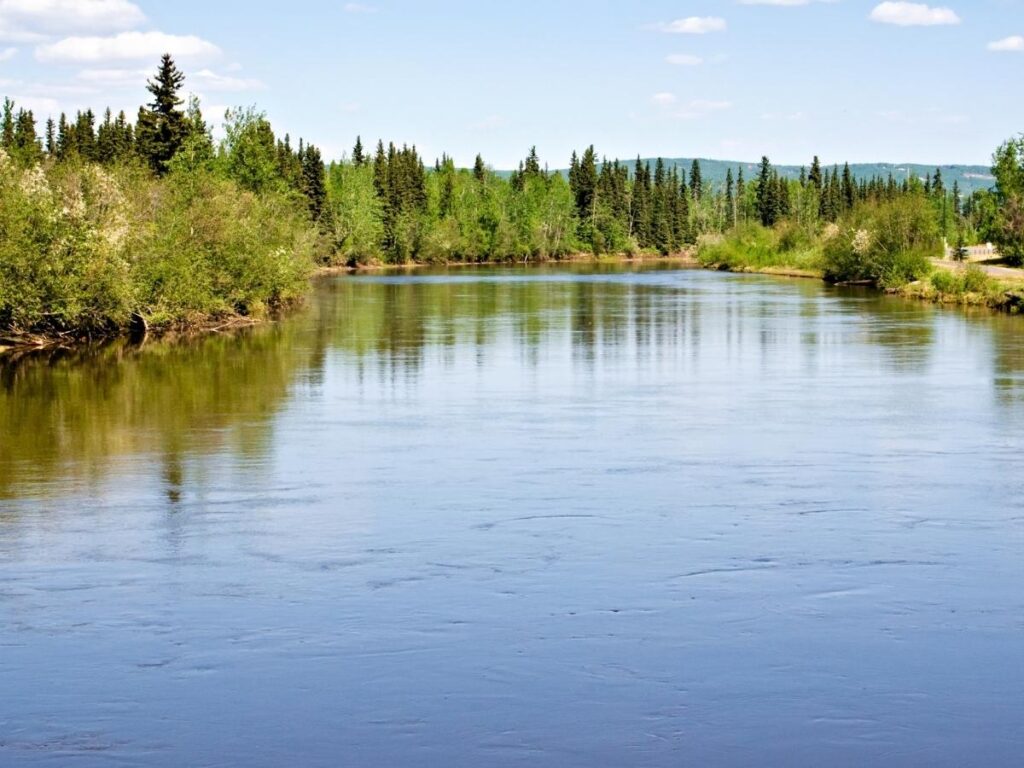
In the evening, grab dinner along the Chena River in midsummer, the sun hangs low for hours, bathing the whole area in warm light that never completely fades.
Day 2 is your hiking day. Choose between Wickersham Dome or Ester Dome depending on how much time and energy you have. Wickersham offers sweeping views and a more remote feel; Ester is closer to town and great if you want a shorter trail. Either way, the long daylight makes the whole outing feel relaxed.
Afterward, head back into town and end your evening with a river float under the Midnight Sun. It’s one of the most peaceful experiences in Fairbanks. The sky stays bright, the water is calm, and everything slows down in a way that’s hard to describe.
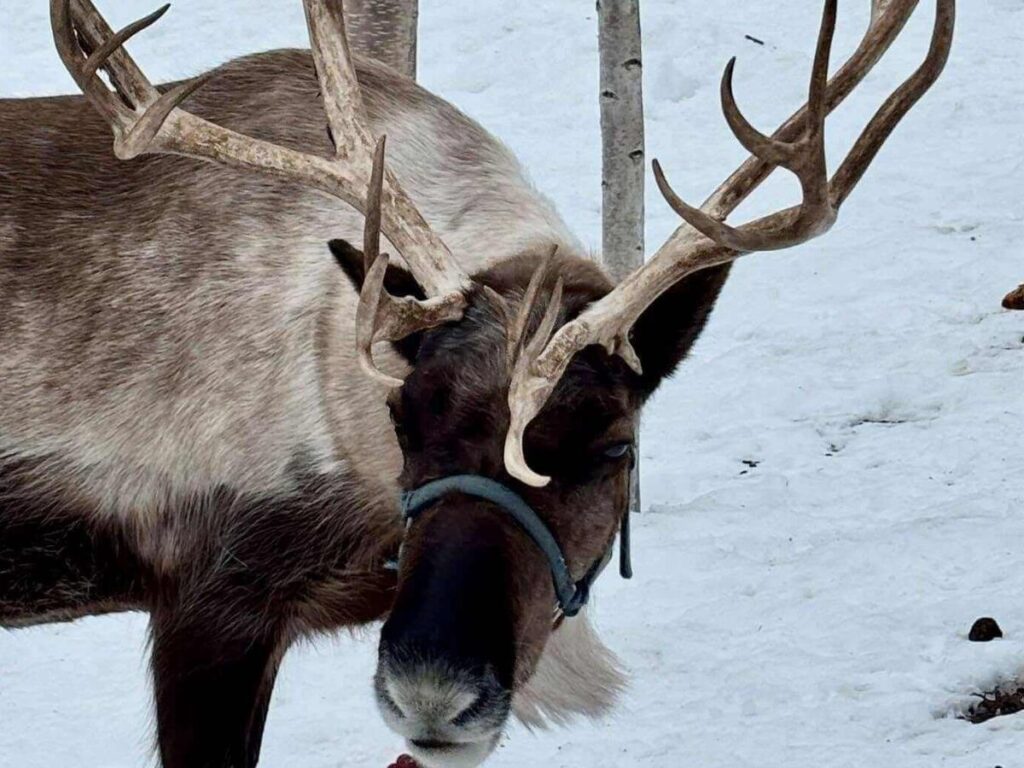
On Day 3, switch gears and visit Running Reindeer Ranch. The morning light filters beautifully through the birch forest, and walking alongside reindeer feels both grounding and unexpectedly whimsical.
When you’re done, treat yourself to something easy: a brewery visit, a riverside walk, or a longlingering lunch. Summer in Fairbanks doesn’t rush you, and your last day doesn’t need to either.
Practical Planning Tips
Fairbanks is one of those destinations that feels remote in all the right ways, but once you’re actually here, it’s friendlier and easier to navigate than most people expect. Still, a little preparation goes a long way, especially in winter when daylight is short and the cold can surprise even seasoned travelers.
Getting Around
Most visitors quickly realize that renting a car makes life noticeably smoother. Not because Fairbanks itself is difficult to move through, the town is small, traffic is light, and parking is easy but because so many of the best things to do sit just outside the city limits.
Whether you’re heading to the trailhead for a hike, driving out to Chena Hot Springs, or finding a darker spot for aurora viewing, having your own wheels gives you flexibility.
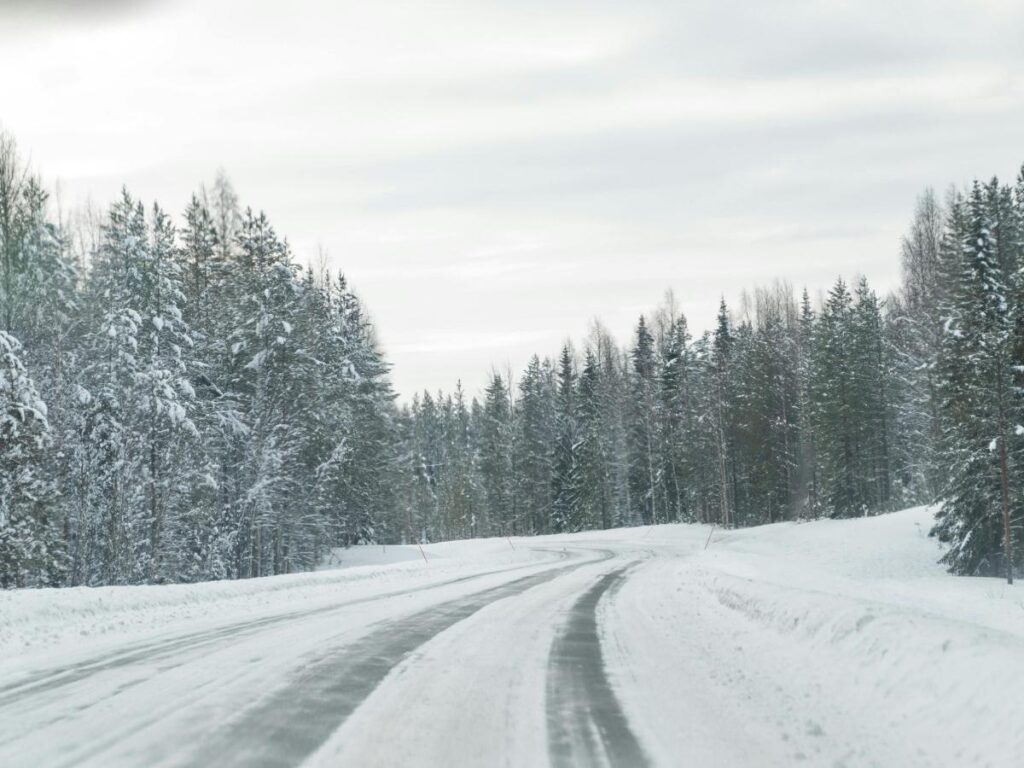
Winter does add a layer of caution. The roads can get icy, and driving in darkness becomes the norm rather than the exception. If that sounds stressful, there’s no shame in handing the responsibility to someone else.
Many local tours include transportation, and the drivers know these roads in every season. It’s honestly a relief sometimes to sit in a warm van, sipping coffee while someone else keeps an eye on the weather and the route.
Downtown itself is walkable if you’re staying nearby you can wander between cafés, shops, and museums without needing a car but beyond that, a short drive is almost always involved. Rideshares and taxis exist but aren’t reliable enough to build your whole trip around. Fairbanks is the kind of place where independence (or a good tour guide) goes a very long way.
Where to Stay
Where you choose to stay shapes the tone of your trip more than you might think. If you want to be close to restaurants, museums, coffee shops, and pickups for tours, staying downtown is the easiest choice. It’s practical and convenient, especially on cold mornings when you don’t want to scrape ice off the car before breakfast.
If you’d rather feel a little removed from the bustle, the riverfront hotels offer a quieter atmosphere with wide, peaceful views especially lovely in summer when the late night sun reflects off the water. They’re still close to town, but the mood shifts in a way that feels more like a retreat.
Then there’s the option of staying closer to Chena Hot Springs. This is ideal for travelers who want their trip to revolve around nature, soaking, and slow days without the back and forth between Fairbanks and the hot springs.
You’ll be farther from restaurants and shops, but closer to dark skies and the calm of the forest. For some people, that’s exactly the point.Think less about the “best” area and more about what kind of trip you want: quick access to everything, a quieter riverside base, or a deeper escape into Alaska’s landscape.
Best Day Trips from Fairbanks
If you have a little extra time, Fairbanks is surrounded by places that feel wildly different from one another. These day trips stretch your sense of Alaska beyond the city and give you a glimpse of how varied and dramatic the interior really is.
Denali National Park (Seasonal)
Denali is one of those places people dream about long before they book a ticket to Alaska. From Fairbanks, you can visit as a long day trip during summer, when the roads are clear and the scenery is at its brightest.
You won’t be able to explore the entire park in a single day, but honestly, the drive alone is worth the effort. The mountains rise slowly in the distance, the valleys open up, and every turn offers a “wow” moment that makes the miles disappear. It’s best done when the weather is warm and the daylight stretches into the evening.
Arctic Circle
Traveling to the Arctic Circle is the kind of adventure you do once and talk about forever. It’s a long, rugged journey usually ten to twelve hours along the Dalton Highway, a road known for its remoteness and raw beauty. You cross the Yukon River, pass endless stretches of spruce forest, and eventually reach the iconic Arctic Circle sign.
Most people choose to go with a guided tour, and for good reason: winter driving conditions can be intense, and the guides’ knowledge of the region brings the entire route to life. It’s not a relaxing day, but it’s absolutely unforgettable.
White Mountains Recreation Area
For those who love quiet, open landscapes, the White Mountains offer a beautiful change of pace. In winter, the area becomes a snowy playground for cross country skiing and snowshoeing. In summer, the trails open up for day hikes with rolling views of the interior. It’s not a heavily visited area, which is part of its charm.
You can spend hours walking or skiing here without seeing many other people. If you want wilderness without committing to something extreme, this is a great place to go.
Where to Eat & Drink in Fairbanks
Fairbanks isn’t a big culinary city, but it has a way of comforting you with warm, hearty meals and places where you can thaw out and linger. The charm often comes from the atmosphere rather than elaborate menus.
Small bakeries are scattered throughout town, and many of them serve pastries that taste like they were baked for cold mornings buttery, filling, and perfect with a hot cup of coffee.
In summer, eating by the river is one of the simple pleasures of visiting Fairbanks. Restaurants along the water feel extra inviting when the sun hangs low in the sky for hours. If you’re here for the brewery scene, you’ll find a few relaxed, friendly spots where locals gather after work, sharing drinks and trading stories about aurora sightings or weekend hikes.
Comfort food also reigns here with big portions, homey flavors, and no pressure to dress up or rush out. Winter nights in Fairbanks can be long and cold, and there’s something grounding about settling into a booth with a warm plate of something hearty after being outside for hours.
Do check hours ahead of time. Fairbanks businesses, especially in winter, sometimes open later, close earlier, or shift schedules based on weather or staffing. It’s part of the charm or the adventure, depending on how hungry you are.
Final Thoughts
Every time I leave Fairbanks, I find myself thinking about the nights I spent staring up at that huge sky the way the aurora moves quietly at first and then suddenly stretches in a way that makes you gasp.
Or the warm steam rising off Chena Hot Springs while everything else around me was frozen. Or the long summer evenings when the sun simply refused to set, and the whole town hummed with an easy, glowing calm.
Fairbanks has a way of slowing you down without asking for it. You end up paying attention to small things: the crunch of snow under boots, the softness of the midnight sun, the sudden appearance of a reindeer between birch trees.
Whether you’re here for the aurora, the outdoors, or just a change of pace from your everyday life, this part of Alaska has a quiet kind of magic that sneaks up on you.
I hope this guide gives you enough practical help to plan your days, but also enough space to let Fairbanks work its own charm on you. No two trips here ever feel the same, and that’s part of why people keep coming back.