

The first time I paid for dinner in Lisbon, the card machine flashed a friendly little question: did I want to be charged in euros or in US dollars? Dollars felt safer, so I tapped yes. That single tap added close to nine percent to my meal, and I did not catch it until my statement landed two weeks later.
Nobody sits you down before your first big trip and explains this stuff, so I will.
Over the years I have watched money leak out of my accounts in small, forgettable ways: a bad ATM, a fee I agreed to without reading, a withdrawal I made three times when once would have done. None of it feels dramatic. That is exactly why it works.
A few dollars here, a percent there, and by the end of a two-week trip you have handed a payment processor the price of a nice lunch for nothing.
Here are the seven money traps abroad that catch travelers most often, and how I dodge each one now.
1. The card machine that offers to charge you in dollars
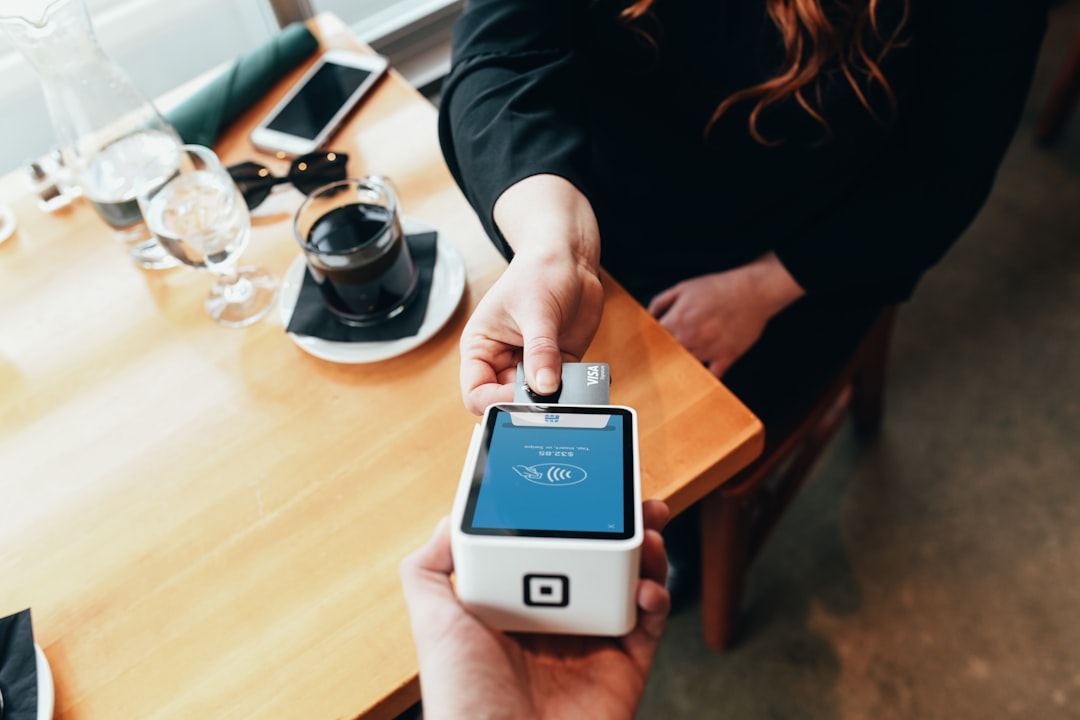
This is the one that got me in Lisbon. When you pay with a US card overseas, the terminal often asks whether you want the total in the local currency or your home currency. Choosing home currency feels reassuring because you see a familiar number.
It also hands the merchant’s bank the right to set the exchange rate, and they set it in their favor.
The industry even has a name for it, DCC, and according to Bankrate the markup runs anywhere from 3 to 12 percent on top of the real rate. Always pick the local currency. Let your own bank do the conversion at its normal rate, which is almost always better than whatever the terminal offers.
2. The ATM that plays the same trick
The dollars-or-local question does not stop at restaurants. Cash machines pull it too, usually right before they dispense your money, and the numbers can be worse. Rick Steves has flagged ATM conversion fees hitting nearly 13 percent, which turns a simple 200 euro withdrawal into a small donation to a stranger.
The screen will show a “guaranteed rate” and make declining sound risky. It is not. Choose “without conversion” or “pay in euros” (or whatever the local currency is), and your home bank handles it.
If the machine seems to punish you for saying no, that is a sign you picked the wrong machine, which brings me to the next trap.
3. Standalone ATMs parked next to the real ones
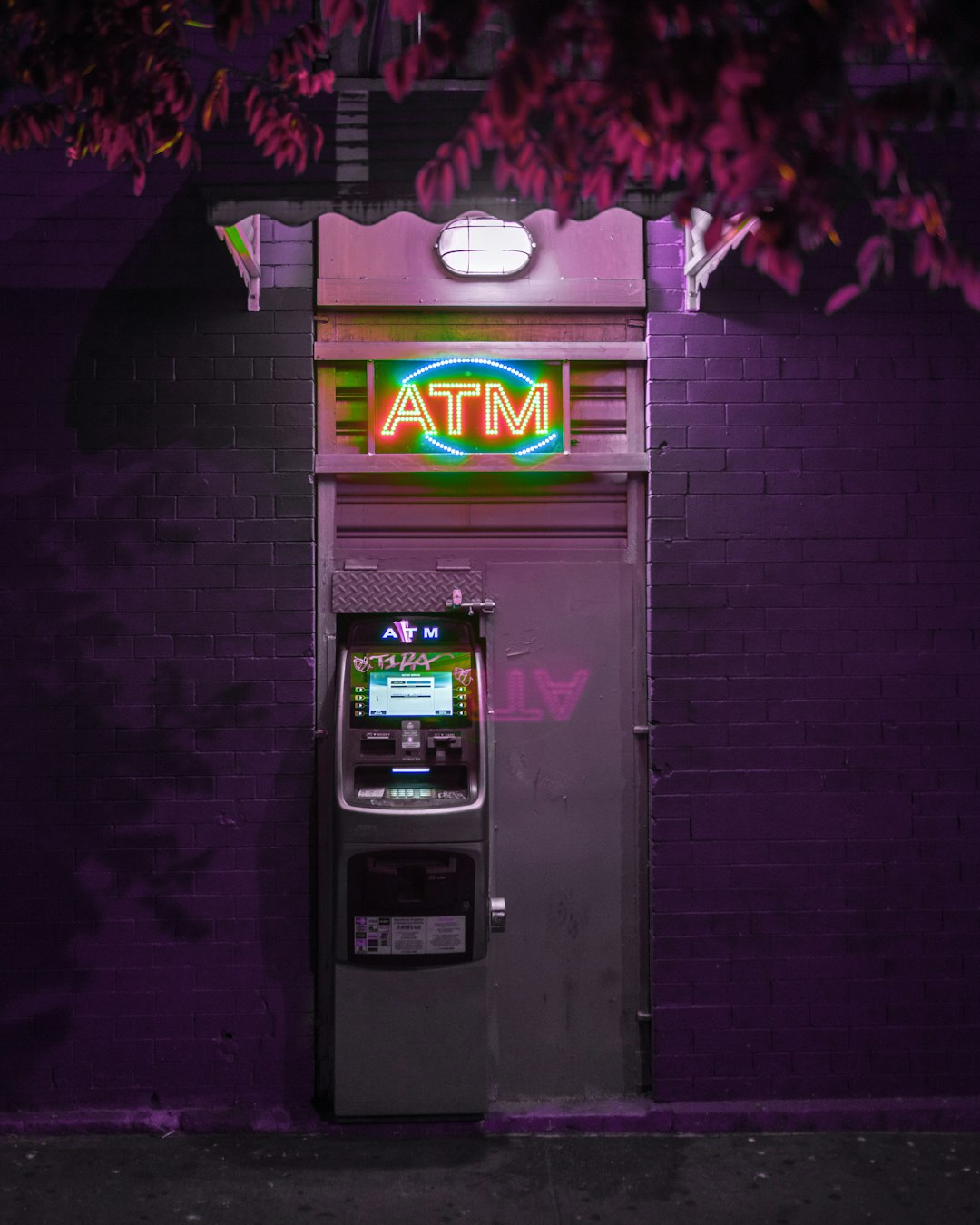
Not every ATM is run by a bank. Companies like Euronet, Travelex, Your Cash, and Cardpoint operate machines that sit in airports, train stations, and busy tourist corners, often a few steps from an actual bank branch. Rick Steves warns that these independent operators carry high fees, push the conversion trick hard, and can be less secure.
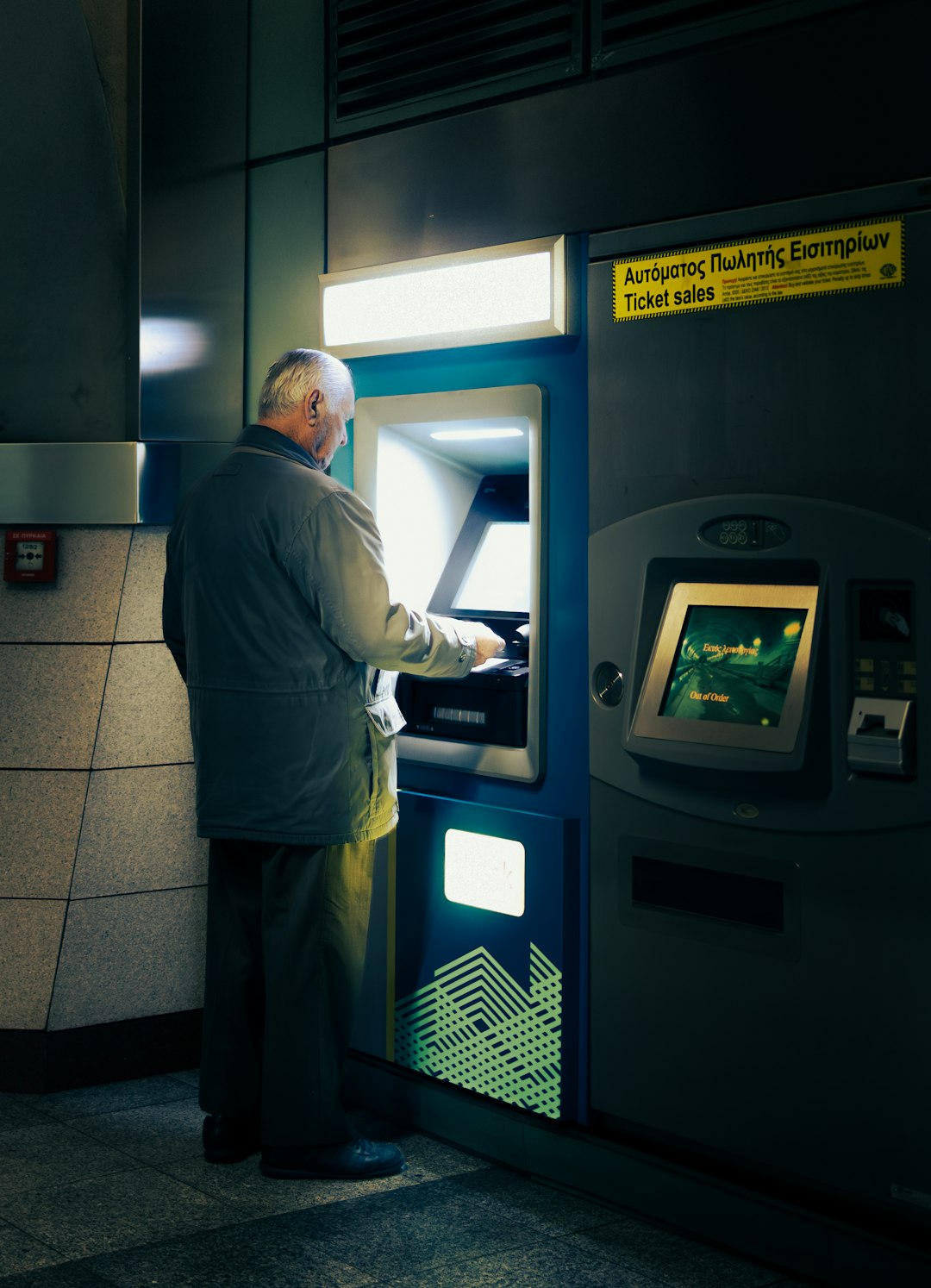
A bank-run ATM, by contrast, calculates your withdrawal at the day’s bank-to-bank rate, which is the best you will get. My rule is simple: I look for a machine attached to a real bank, ideally during opening hours so someone can help if the machine eats my card. If the only option is a lurid, screen-heavy kiosk promising “no fees” in four languages, I keep walking.
4. The card in your pocket with a foreign transaction fee
Even when you do everything right at the terminal, your own card can charge you for the privilege of spending abroad. Bankrate puts the typical foreign transaction fee at 1 to 3 percent per purchase. On a trip where you tap for coffee, museums, dinners, and taxis, that adds up fast and never shows on the receipt.
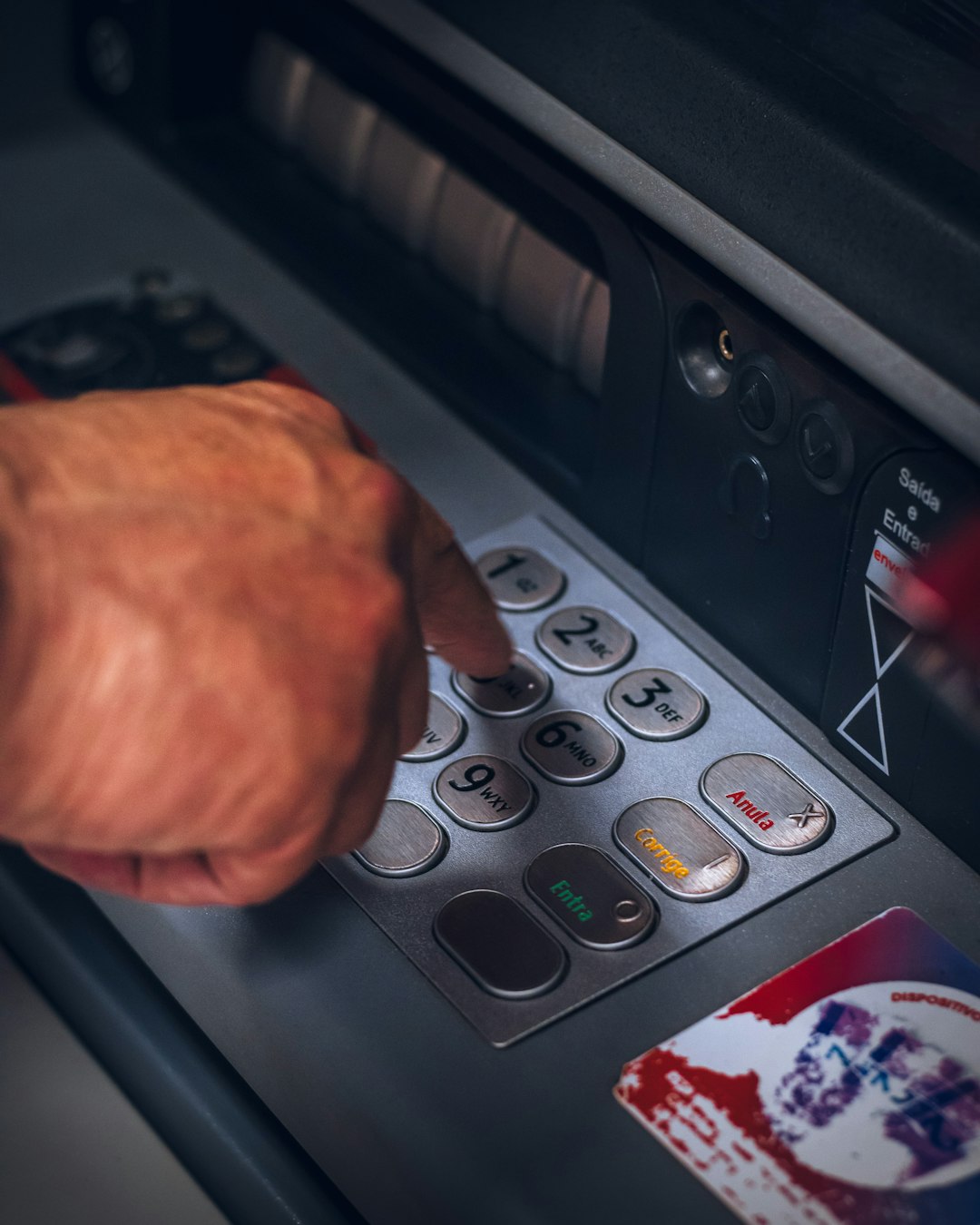
The fix is a one-time errand before you leave: get a debit or credit card that charges no foreign transaction fee. Plenty exist now, and switching to one for travel spending is the single change that saved me the most money. This tip is for everyone, but especially budget travelers who feel every percent.
5. Small withdrawals, over and over
Many banks charge a flat fee each time you use an out-of-network ATM abroad, on top of anything the machine itself charges. Pull out 40 euros on Monday, 40 on Wednesday, 40 on Friday, and you have paid that flat fee three times for the same amount of cash.
I take out a larger sum less often and stash the extra in a money belt or the hotel safe. Fewer trips to the machine means fewer fees and, honestly, fewer chances to have my card skimmed. If carrying more cash makes you nervous, aim for two mid-size withdrawals a week instead of daily nibbling.
6. The daily limit that is not in dollars
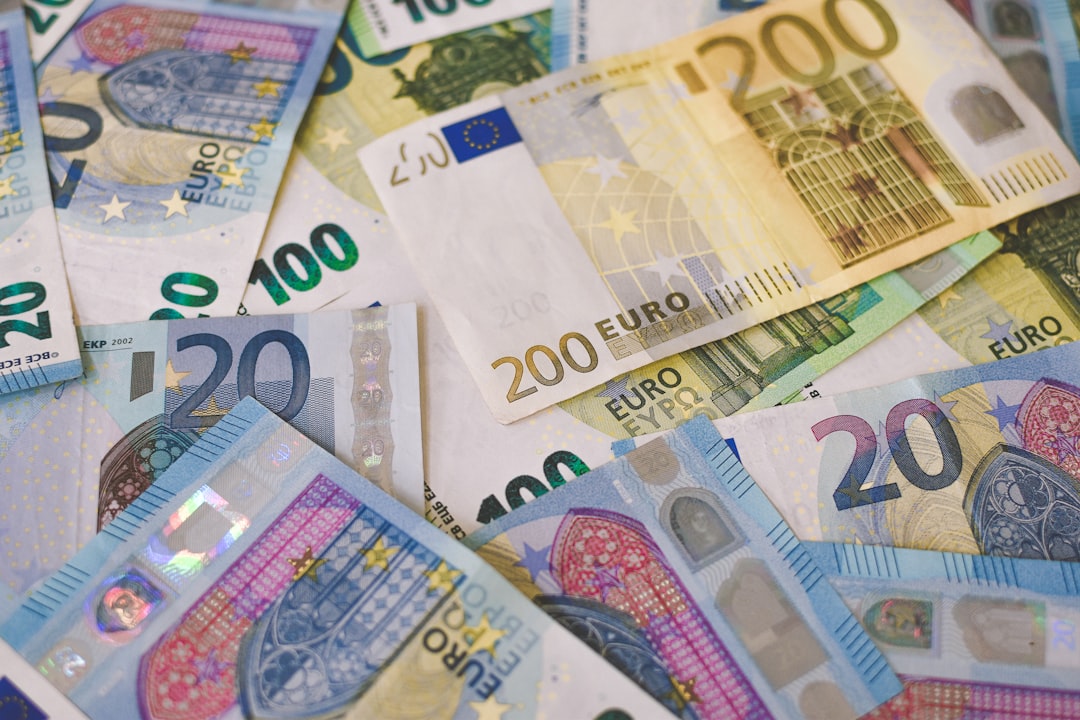
This one confuses people into thinking their card was declined. Your daily ATM limit is denominated in the local currency, not in dollars. If your bank caps you at 300 dollars, a European machine may only let you take out around 275 euros before it says “insufficient funds,” because the euro amount has quietly hit your ceiling.
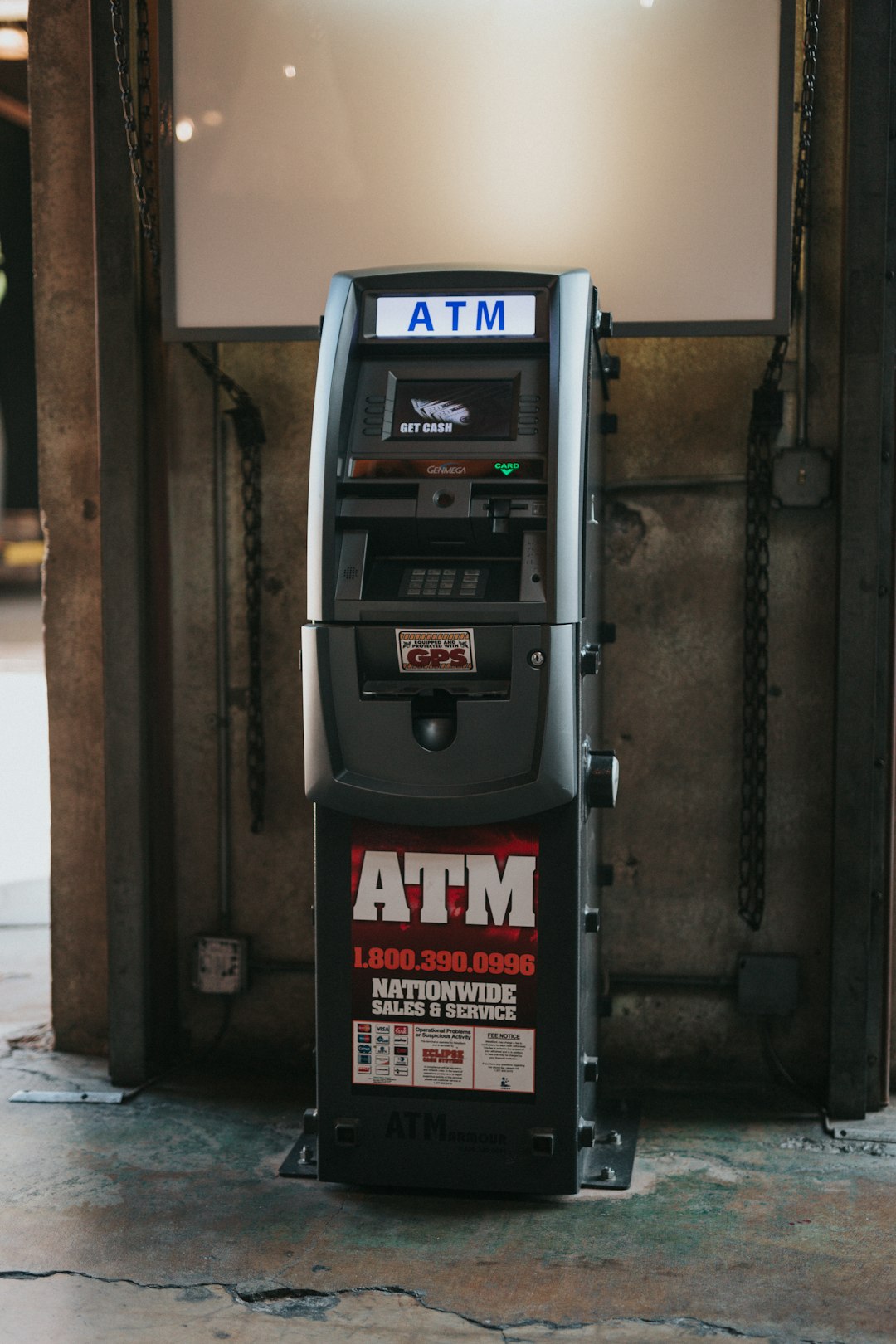
When a machine refuses a big withdrawal, I try a smaller number before assuming anything is wrong. Requesting an odd amount also helps you avoid a stack of large bills that no cafe wants to break. It is a small habit that saves a lot of standing at the counter looking apologetic.
7. One card, no backup, no cash
The cheapest trap of all is the one where you are stuck. Cards get frozen for “suspicious” activity the moment you buy a train ticket in a new country. Machines eat cards.
Wallets vanish. If your entire trip runs on one piece of plastic, a single glitch can strand you.
I travel with two cards from different banks in separate bags, plus a small reserve of home and local cash in a money belt. Couples can each carry one of the pair so a lost wallet never takes down both. It is boring insurance, and I have been grateful for it more than once.
A few quick questions I get
Should I ever choose to pay in my home currency?
Almost never. It could make sense only if your card’s foreign transaction fee is higher than the terminal’s markup, which is rare. For most travelers, local currency wins.
Is it better to bring cash from home or use ATMs there?
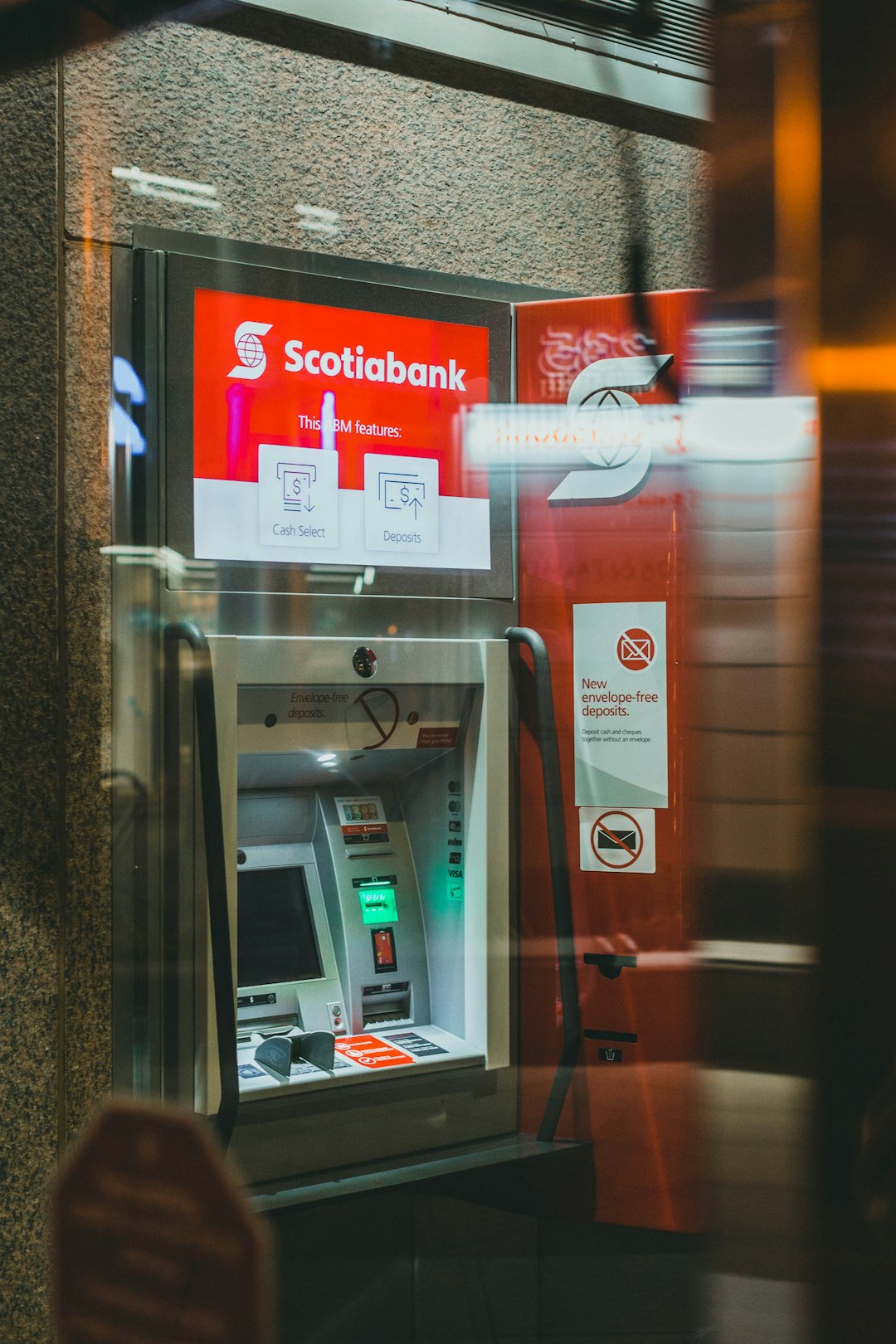
I bring a small emergency stash and get the rest from bank ATMs on arrival, since those give the day’s bank-to-bank rate. Airport exchange counters and “no fee” kiosks rarely match that.
Do I need to tell my bank I am traveling?
A quick travel notice still helps some banks avoid freezing your card, and it takes two minutes in most banking apps.
None of these habits are hard once they become routine. I still tap through the same screens at the same tired machines, I just say no to the parts designed to cost me. Do the same on your next trip and that quiet leak stops, one refused conversion at a time.
Photo by Jake Allen on Unsplash