
When I started planning my first European adventure, I assumed I’d need to save for years to afford it. Paris, London, Switzerland those destinations had me convinced Europe was out of reach on my budget. Then I discovered Eastern Europe, and everything changed.
I’ve spent months exploring countries where a full meal costs less than a latte in Paris, where medieval castles don’t charge admission, and where stunning beaches rival Greece at a fraction of the price. What surprised me most wasn’t just how affordable these places were it was how rich the experiences felt. From Ottoman history in Bosnia to wine caves in Moldova, I found some of my most memorable European moments in the continent’s most budget-friendly corners.
If you’re planning a European trip but worried about costs, I’m here to tell you it’s more than possible. I’ll walk you through the cheapest countries to visit in Europe, what you can expect to spend, and which experiences gave me the most value for my money.
Why Eastern Europe Is Your Budget Travel Sweet Spot
Here’s what I learned after traveling through both Western and Eastern Europe: the quality of experiences doesn’t match the price tags. I paid €8 for a three-course meal with wine in Bulgaria that would have cost me €40 in Italy. The architecture, history, and natural beauty? Just as impressive.
Countries like Serbia, Poland, and Bulgaria consistently rank among Europe’s most affordable destinations, with daily costs often under €50 including accommodation, meals, and activities. Compare that to Switzerland or France where you’d easily spend €150 per day for similar experiences.
What makes Eastern Europe so affordable comes down to currency differences, lower tourism development, and local economies that haven’t inflated to Western European levels. But here’s the thing, these countries are catching up fast. Albania and Romania are already gaining popularity, which means prices are starting to climb. Now is the time to go.
Bulgaria: Europe’s Budget Champion
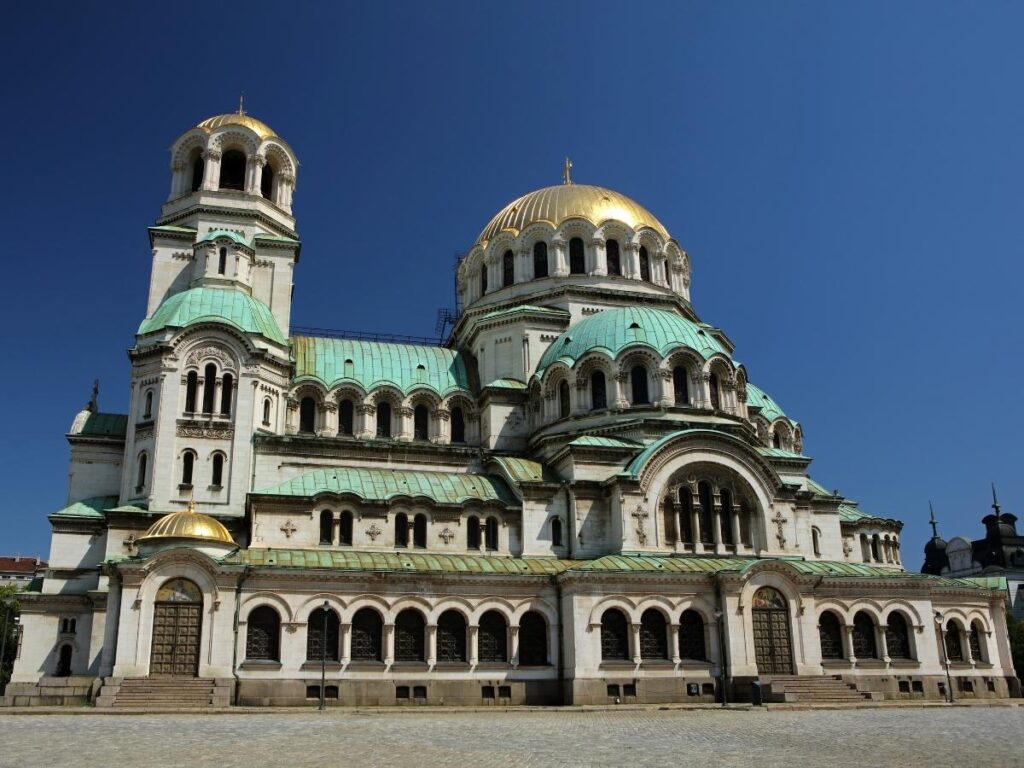
I’ll be honest, Bulgaria blew my mind. When I found meals with steak, vegetables, and beer for around €6, I thought it was a fluke. It wasn’t. Bulgaria consistently delivered incredible value.
What I Spent Daily: €30-45 (including accommodation)
Sofia, the capital, charmed me with its blend of Soviet history and Byzantine churches. I joined a free walking tour that took me to Alexander Nevsky Cathedral and the communist-era architecture that tells Bulgaria’s story. The city feels lived-in and real in a way that over-touristed capitals don’t.
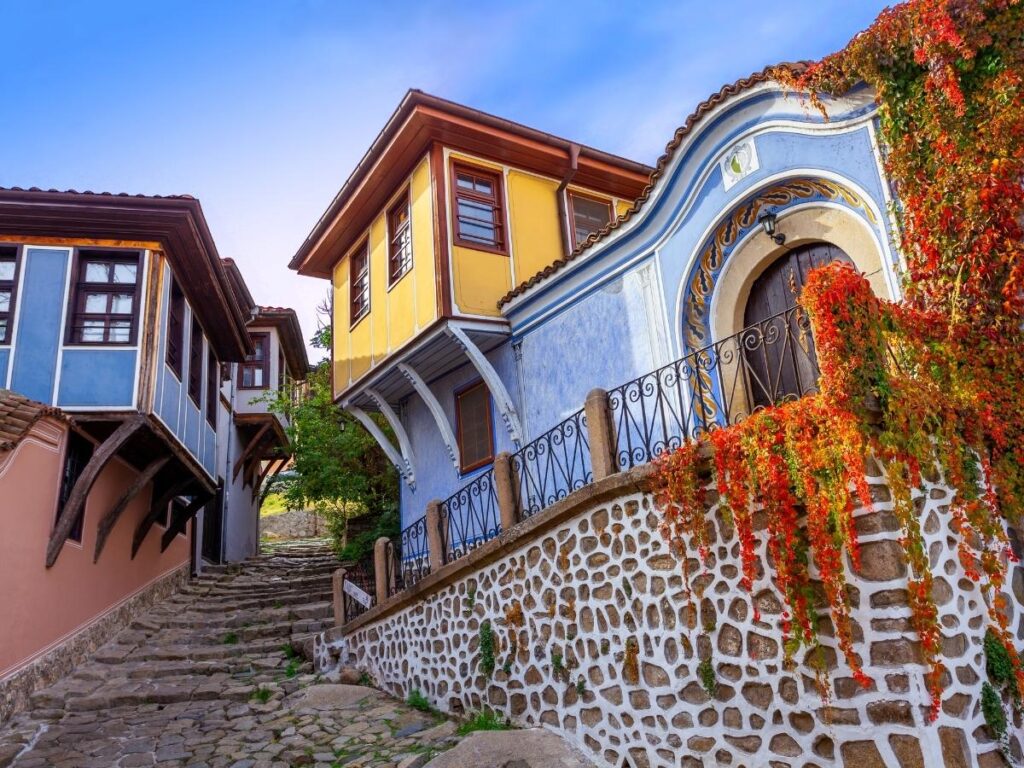
But Bulgaria really shines beyond Sofia. I headed to Plovdiv, which was Europe’s cultural capital in 2019, and wandered through its colorful old town perched on ancient hills. The Roman theater there is free to visit and absolutely worth the climb.
For beach lovers, the Black Sea coast offers sunshine and sand without the Croatian price tag. Sunny Beach gets rowdy with young travelers, but if you want something quieter, head to smaller coastal towns where you’ll find authentic Bulgarian life.
My Budget Tips:
- Shop at local markets for picnic supplies
- Stay in guesthouses instead of hotels for local insights
- Public transport costs under €20 monthly in most cities
- Many museums offer free entry on specific days
Albania: The Mediterranean on a Budget
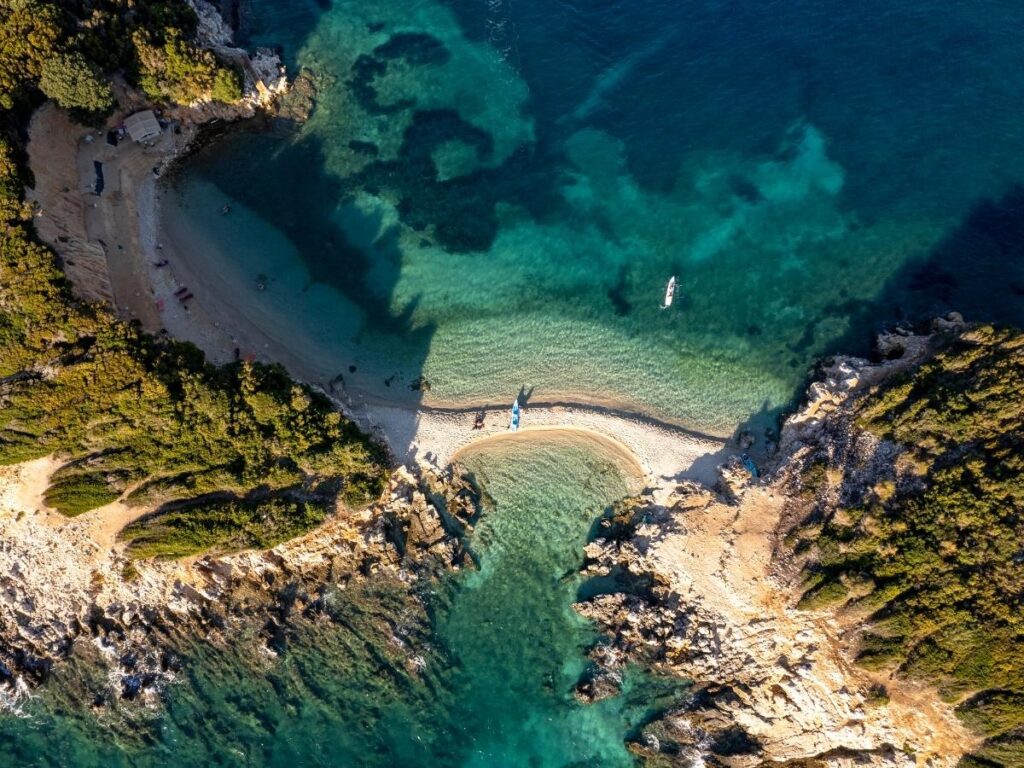
Albania surprised me more than any country in Europe. I’d heard whispers about its beaches, but I wasn’t prepared for the reality. The Albanian Riviera gave me turquoise water, pebble beaches, and sunset dinners that reminded me of Greece, except my entire meal cost €8 instead of €30.
What I Spent Daily: €35-50
Tirana, the capital, grabbed my attention immediately with its colorful buildings and street art. The National History Museum cost me €4 to enter, and I spent hours learning about Albania’s complex past. What I loved most was how the city transformed communist-era buildings with vibrant paint, it’s political art at its best.
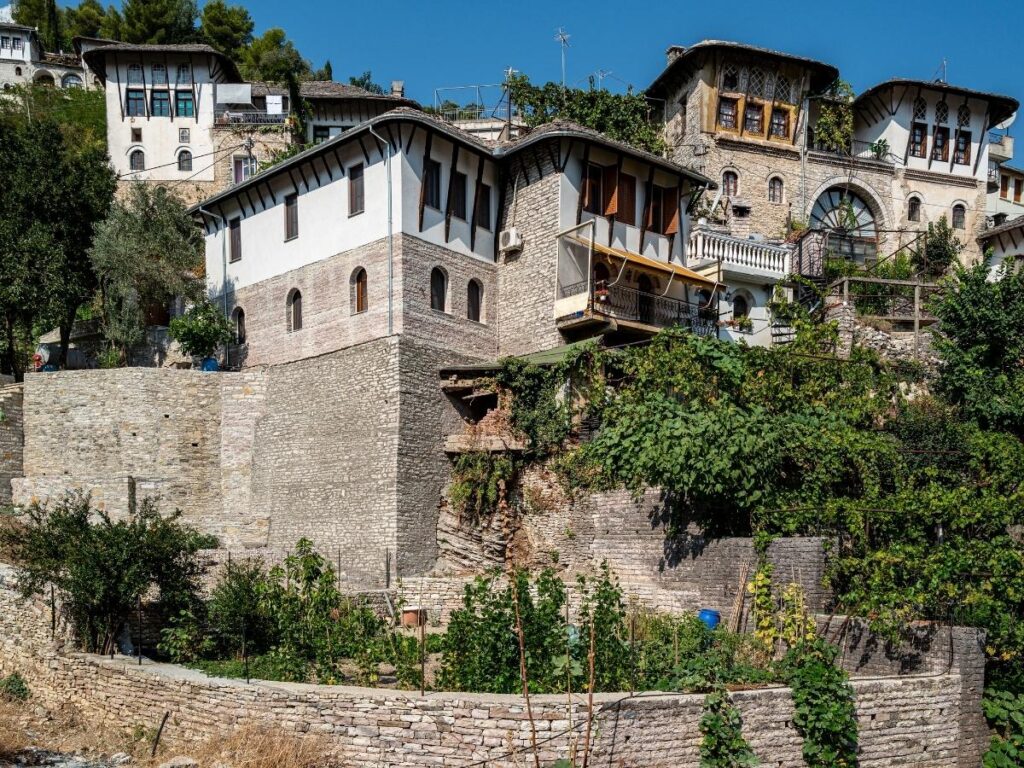
The Albanian Riviera became my favorite coastal spot, especially the stretch between Saranda and Vlore. I based myself in Saranda and took day trips to Ksamil’s islands, where the water looked photoshopped but was 100% real. Gjirokastra, a UNESCO town nearby, gave me Ottoman history and stone architecture that felt frozen in time.
Don’t skip the Albanian Alps if you like hiking. The Valbona to Theth trail ranks among my top European hikes, with mountain views that rival Switzerland at a fraction of the cost.
My Budget Tips:
- Wild camping is legal, so bring a tent if you have one
- Local buses (furgons) connect towns for €2-3
- Eat at family-run restaurants away from tourist areas
- The roads can be rough, so rent a car only if you’re comfortable
Romania: Castles and Culture Without the Crowds
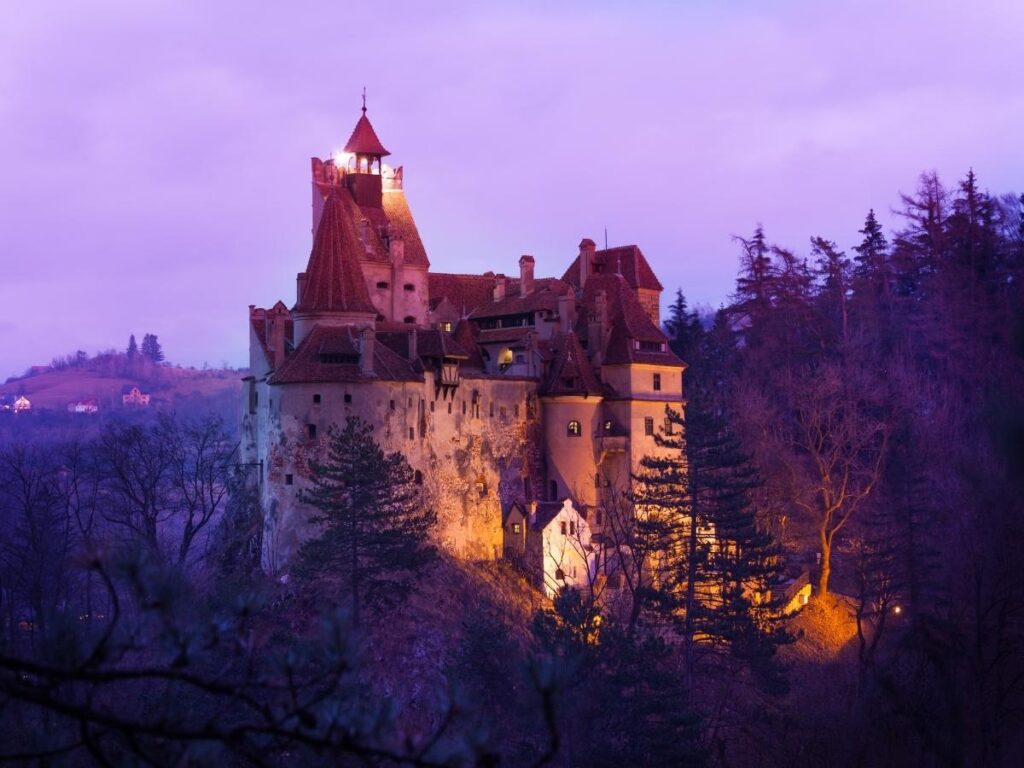
Romania delivered fairy-tale castles, medieval towns, and vampire legends without making me choose between seeing attractions and eating dinner. I spent three weeks exploring this country and barely scratched the surface.
What I Spent Daily: €40-55
Bucharest surprised me. I expected a gritty post-communist city and found elegant boulevards, beautiful parks, and the world’s largest parliament building. But the real magic happened when I left the capital.
Brașov became my base for exploring Transylvania. From there, I visited Bran Castle (yes, Dracula’s castle), which cost €10 to enter. More impressive was Peleș Castle in Sinaia, an ornate royal palace that made me gasp when I walked in. The Carpathian Mountains surrounding these towns offered hiking trails where I didn’t see another soul for hours.
Sighișoara might be my favorite Romanian town. This walled medieval city looks like it belongs in a storybook, and staying inside the citadel walls made me feel like I’d traveled back in time.
My Budget Tips:
- Rent a car or campervan for flexibility between towns
- Local guesthouses include breakfast and cost half what hotels charge
- Try mici (grilled meat rolls) and sarmale at traditional restaurants
- Avoid tourist restaurants near main squares
Poland: History Meets Affordability
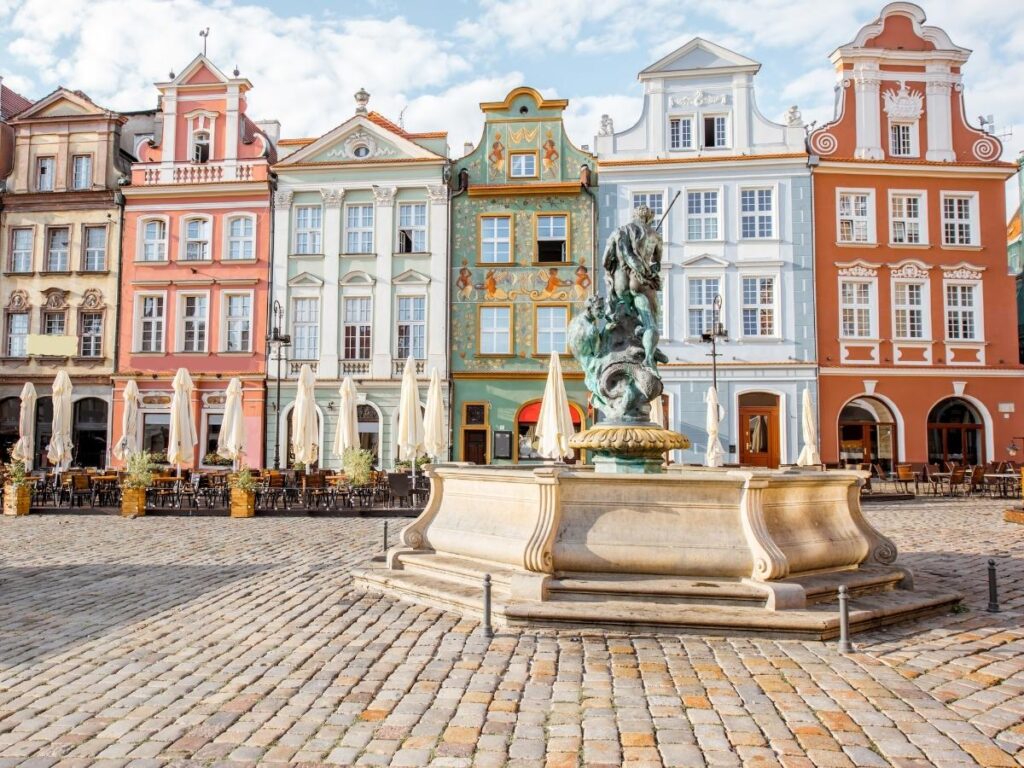
Poland balanced modern city energy with heartbreaking history and natural beauty. What I appreciated most was how well-developed the infrastructure felt compared to other budget European countries, you don’t sacrifice comfort to save money here.
What I Spent Daily: €45-60
Kraków stole my heart. The Main Market Square, one of Europe’s largest, costs nothing to enjoy. I spent evenings there watching street performers and eating obwarzanek (Polish bagels) for less than €1. But the city’s Jewish Quarter, Kazimierz, showed me a different side trendy cafes, street art, and reminders of the community that once thrived there.
Visiting Auschwitz-Birkenau shook me deeply. The tour costs around €15, and while it’s emotionally difficult, I felt it was important to witness that history firsthand.
Warsaw impressed me differently than Kraków. The Old Town was rebuilt after World War II, and learning that story made me appreciate the city’s resilience. I also loved how affordable Warsaw’s restaurant scene is; I had sushi, Polish pierogi, and Vietnamese pho all for under €10 per meal.
My Budget Tips:
- Poland’s train network is reliable and cheap
- Beer averages €2-3 in bars
- Student discounts apply at most attractions
- Visit in shoulder season for better hotel rates
Bosnia and Herzegovina: Where Cultures Collide
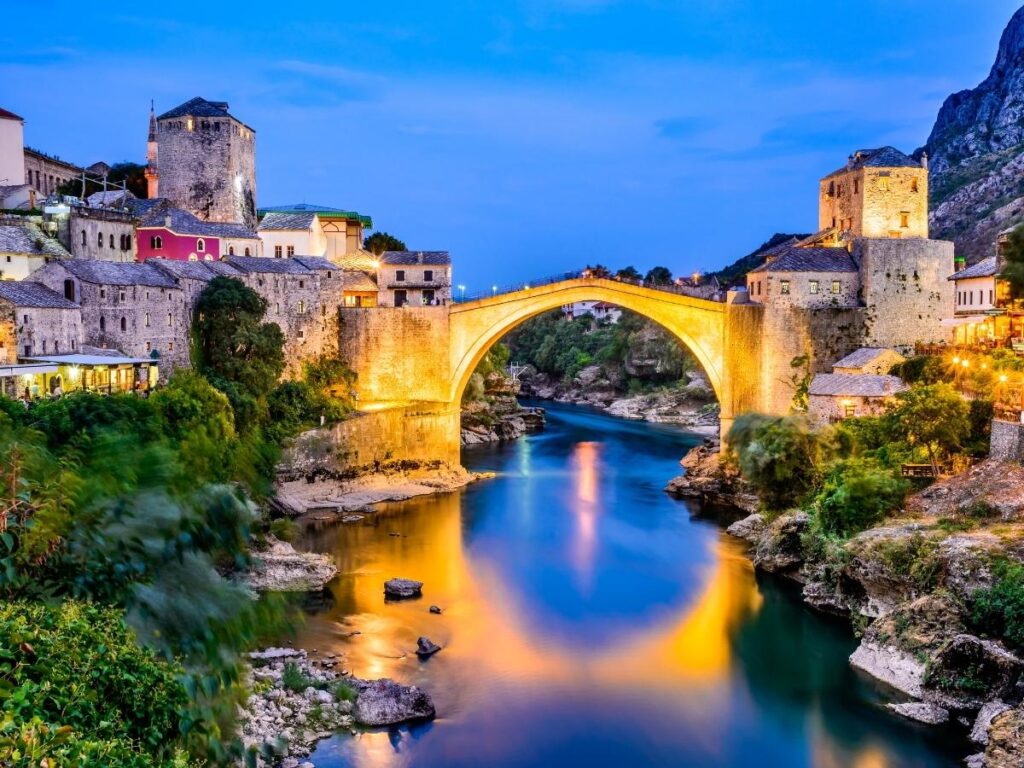
Bosnia blends Ottoman, Mediterranean, and Balkan influences in ways that fascinated me. Sarajevo felt like nowhere else in Europe, mosques next to Orthodox churches next to Catholic cathedrals, all within walking distance.
What I Spent Daily: €30-45
Sarajevo’s old town, Baščaršija, transported me to Istanbul with its copper shops and Turkish coffee houses. I learned about the Siege of Sarajevo at the War Tunnel Museum, which costs about €5 and provides crucial context for understanding the city today.
Mostar justified every travel photo I’d seen. The Stari Most (Old Bridge) really is that beautiful, especially when local divers plunge from it into the emerald river below. I stayed two nights and wished I’d planned for more.
The food sealed the deal for me. Ćevapi, grilled meat served with flatbread, costs €3-4 and keeps you full for hours. I must have eaten it five times in three days.
My Budget Tips:
- Sarajevo Film Festival in August offers great cultural experiences
- Accommodation in Mostar is cheaper than Sarajevo
- Try local burek for breakfast (€1-2)
- Buses connect major cities affordably
Serbia: Balkan Energy on a Budget
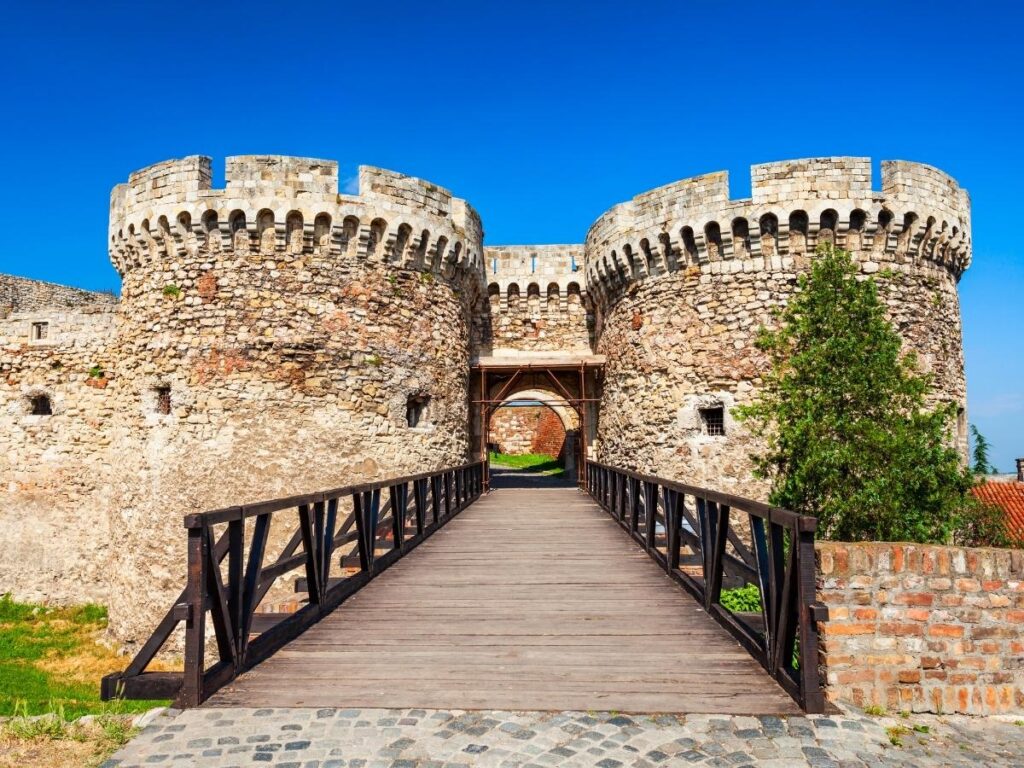
Belgrade caught me off guard. Serbia ranks among Europe’s most affordable destinations, and the capital delivers vibrant nightlife, riverside cafes, and fortress views without the price tag of other European capitals.
What I Spent Daily: €35-50
I spent my days exploring Belgrade Fortress, which offers free entry and panoramic views over where the Sava and Danube rivers meet. The Bohemian Quarter, Skadarlija, reminded me of Montmartre in Paris but with cheaper wine and live music.
Serbian food became my obsession. Pljeskavica (Serbian burger) and grilled meats came with generous portions for €5-6. I also discovered rakija, the local fruit brandy that locals insist fixes everything.
Novi Sad makes an easy day trip and hosts the EXIT music festival each July inside an old fortress. Festival tickets cost far less than similar Western European events.
My Budget Tips:
- Many Belgrade museums offer free admission on Sundays
- Public transport is very affordable
- Eat at kafanas (traditional taverns) for authentic meals
- Negotiate taxi fares before starting
Montenegro: Adriatic Beauty for Less
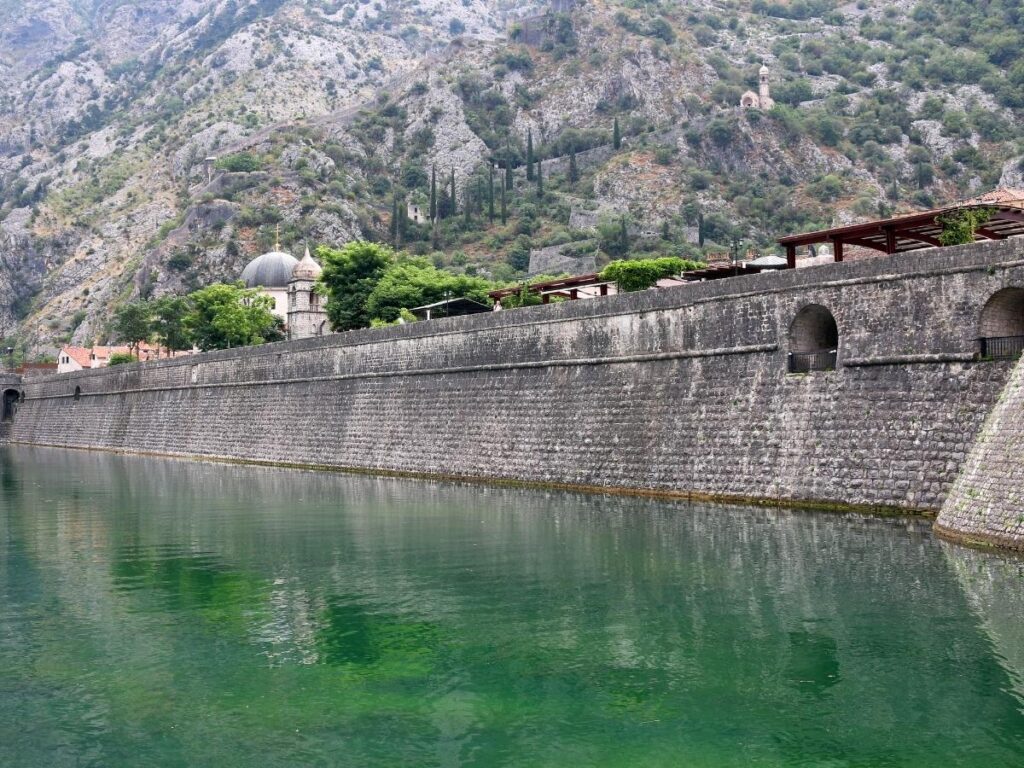
Montenegro gave me the Adriatic coast experience I wanted without Croatian prices. This small country packs beaches, mountains, and medieval towns into an area you can drive across in a few hours.
What I Spent Daily: €40-60
Kotor’s Bay looked like a fjord dropped into the Mediterranean. I climbed the fortress walls (€8 entry) early in the morning before the heat set in. The views justified every one of those 1,350 steps.
Budva offers beaches and nightlife, though it gets crowded in peak summer. I preferred quieter Perast, a tiny town with two island churches you can boat to for a few euros.
Durmitor National Park showed me Montenegro’s wild side. The black lake (Crno Jezero) and canyon drives through the north took my breath away.
My Budget Tips:
- Visit in May or September for better prices
- Local konoba restaurants serve fresh seafood reasonably
- Hiking in national parks is mostly free
- Montenegro uses the euro despite not being in the EU
Hungary: Beyond Budapest’s Beauty
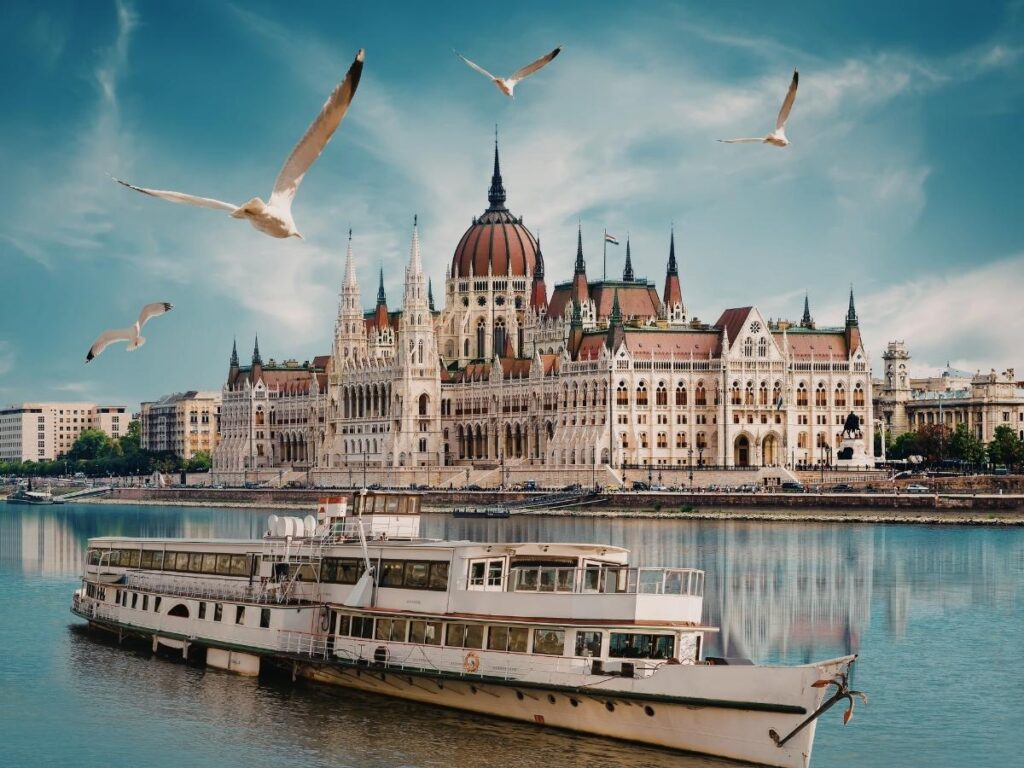
Budapest gets the attention, but Hungary offers more than its capital. I found the country perfect for travelers wanting Central European elegance without Western prices.
What I Spent Daily: €45-65
Budapest felt grand in ways other European capitals do parliament buildings, thermal baths, castle districts. But unlike Paris or Vienna, I could actually afford to enjoy it. The thermal baths at Széchenyi cost €20 for a full day of soaking. I went three times.
The Hungarian Parliament building impressed me from the outside (free) and inside (€15 for tours). Walking across the Chain Bridge at sunset cost nothing and gave me one of my favorite European memories.
I ventured to Eger, a wine region north of Budapest, and tasted wines in centuries-old cellars for €3-5 per glass. The town’s castle and basilica added history to the trip.
My Budget Tips:
- Buy the Budapest Card for transport and museum discounts
- Street food like lángos costs €2-3
- Many buildings are architectural masterpieces you can admire for free
- Thermal baths are cheaper on weekdays
Slovakia: Mountains and Castles on a Budget
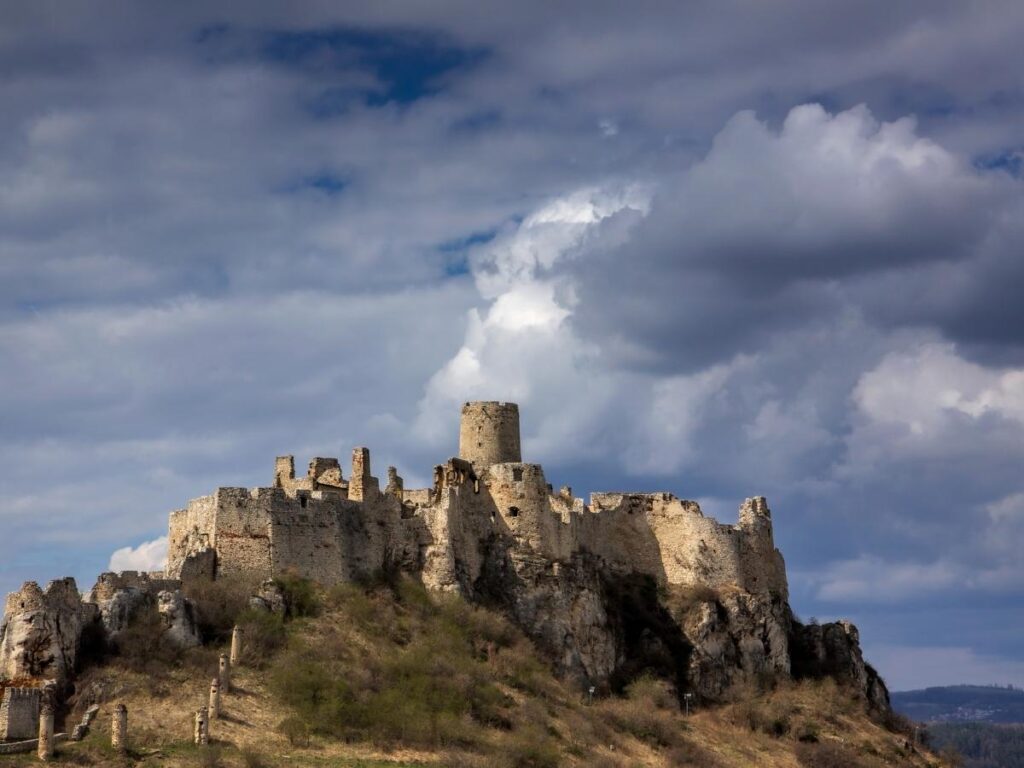
Slovakia flew under my radar until I visited, and now I recommend it to everyone. The High Tatras mountains and medieval castles rival popular European destinations but cost significantly less.
What I Spent Daily: €40-55
Bratislava makes a perfect weekend trip. The old town is walkable, the castle overlooks the Danube, and I found good meals for €8-10. What I loved most was how un-touristy it felt compared to Prague or Vienna.
The High Tatras mountains became my hiking paradise. Trails around Štrbské Pleso lake and Popradské Pleso offered alpine scenery without Swiss prices. Cable cars to mountain peaks cost €10-15, far less than similar lifts in Western Europe.
Spiš Castle, one of Europe’s largest castle complexes, cost €8 to explore. The ruins spread across a hilltop with views over the countryside that made the drive worthwhile.
My Budget Tips:
- Hiking in the Tatras is mostly free
- Traditional Slovak food is hearty and affordable
- Trains connect major cities efficiently
- Slovakia uses the euro
Practical Tips for Budget Travel in Europe
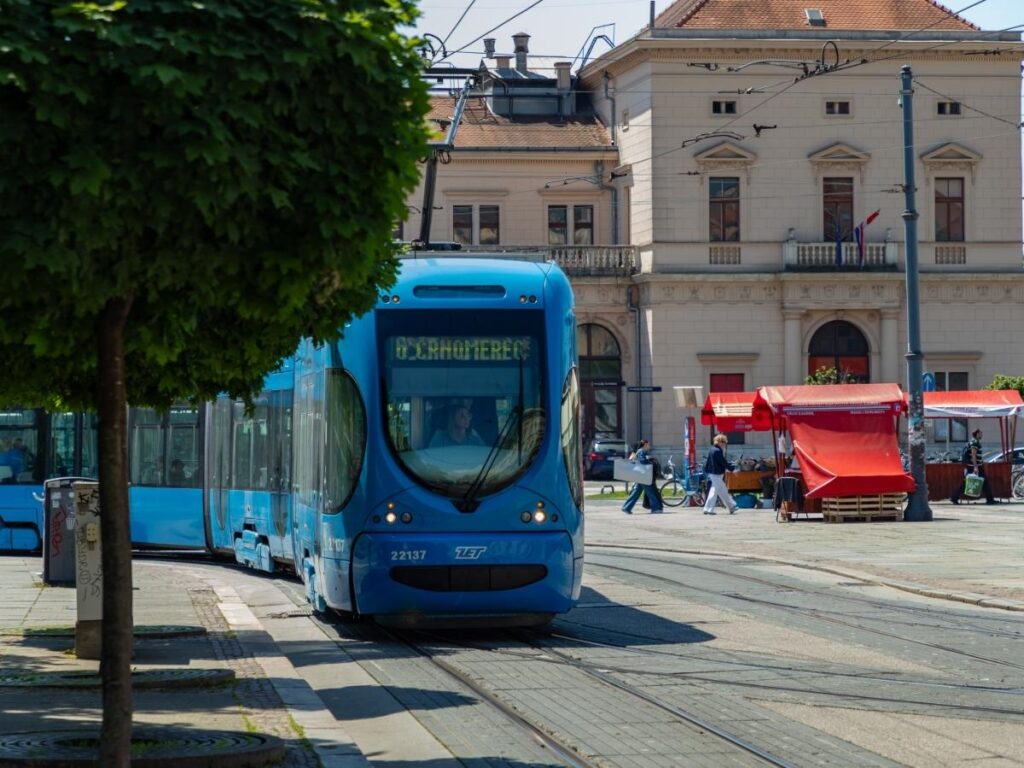
After months of budget travel across Europe, I learned tricks that helped me stretch my money further without sacrificing experiences.
Travel in shoulder season (April-May or September-October). Visiting during these months can cut costs by 30-50% compared to peak summer, plus you’ll avoid crowds and enjoy better weather than winter.
Cook some meals if your accommodation has a kitchen. Grocery stores like Lidl and Aldi exist across Eastern Europe with fresh produce, bread, and local specialties for a fraction of restaurant prices. I’d cook breakfast and lunch, then splurge on dinner out.
Use public transport instead of taxis. Monthly public transport passes in cities like Belgrade or Sofia cost less than €20. Even without monthly passes, buses and trams run frequently and cost €1-2 per ride.
Look for free walking tours in major cities. These pay-what-you-want tours gave me excellent introductions to cities and let me tip based on value received, usually €10-15.
Eat where locals eat, away from main tourist squares. If you see a restaurant with no English menu and locals eating there, that’s your spot. I found my best meals by following my nose and curiosity.
Book accommodation with breakfast included. Many guesthouses and family-run hotels include breakfast, saving you €5-10 daily and often providing homemade local specialties.
Download maps offline and use navigation apps that don’t require data. WiFi is common in cafes and accommodations, so you can plan your day before heading out.
Making the Most of Your Budget European Adventure
Europe doesn’t have to drain your savings. The countries I’ve shared gave me experiences that matched or exceeded what I found in pricier destinations. Medieval towns, mountain hikes, beach days, museum visits, incredible food none of it required sacrificing quality to save money.
What made these budget countries special wasn’t just the prices. I found more authentic experiences, fewer crowds, and locals who genuinely seemed happy to share their countries with travelers. In Albania, a family invited me to join their dinner. In Poland, a woman helped me navigate the train system for 20 minutes. In Serbia, I joined locals at a riverside cafe and stayed until midnight sharing stories.
Budget travel in Europe isn’t about roughing it or missing out. It’s about choosing destinations where your money goes further and where tourism hasn’t yet polished away the real character of places.
Start planning your affordable European adventure. Pick one or two countries from this list, give yourself enough time to explore beyond capitals, and prepare to be surprised by how far your budget can take you.
Which is the cheapest country to visit in Europe?
Based on daily costs, Serbia, Bulgaria, and Poland consistently rank as the most affordable European countries. You can travel comfortably in these places for €30-50 per day including accommodation, meals, and activities.
How much money do I need for a budget trip to Europe?
For Eastern European countries, budget €40-60 per day for mid-range travel. This includes hostel or budget hotel accommodation, two meals out, local transport, and one or two attractions. You can travel for less if you cook meals and stay in hostels.
Is Eastern Europe safe for solo travelers?
Yes, I found Eastern European countries very safe for solo travel. Poland, Czech Republic, Hungary, and the Baltic states have low crime rates. As always, use common sense, avoid walking alone late at night in unfamiliar areas, and keep valuables secure.
What’s the best time to visit cheap European countries?
May-June and September-October offer the best balance of good weather and lower prices. You’ll avoid summer crowds and heat while still enjoying long days and pleasant temperatures. Some mountain destinations are beautiful in winter if you ski.
Do I need to speak the local language to travel in Eastern Europe?
English is widely spoken in major cities and tourist areas across Eastern Europe, especially among younger people. I managed fine with English in all the countries I mentioned, though learning basic phrases always helps and locals appreciate the effort.
Can I use euros in all European countries?
No, while EU countries like Bulgaria, Poland, Romania, and Hungary are in the European Union, they maintain their own currencies. Serbia, Albania, Bosnia, and Montenegro aren’t in the EU, though Montenegro does use the euro. Always check currency before arriving.
Are budget European countries worth visiting compared to Western Europe?
Absolutely. I found the history, architecture, natural beauty, and cultural experiences in Eastern Europe equal to or better than many Western European destinations. The main difference is fewer crowds and lower prices, which I consider advantages.