
The first time I stepped out of Grand Central Terminal onto a crowded Manhattan street, I understood why they call it the city that never sleeps. The energy hit me like a wave, yellow cabs honking, steam rising from subway grates, the smell of street pretzels mixing with expensive perfume from passersby. I’d seen it all in movies, but nothing prepared me for how alive it would feel in person.
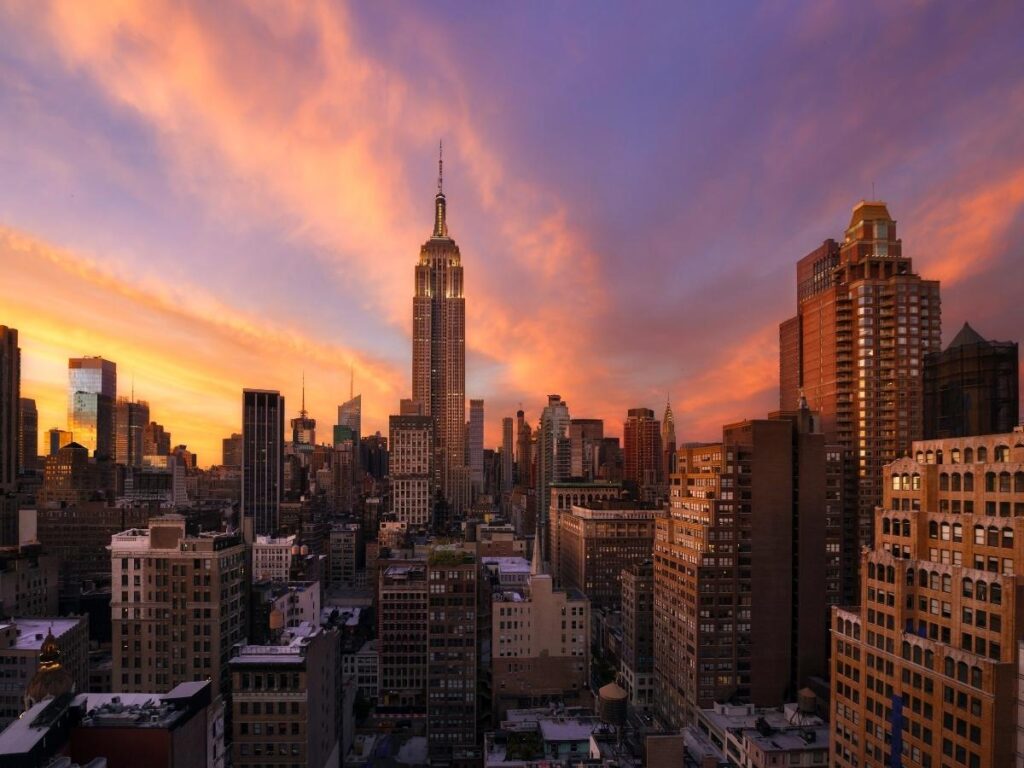
New York City isn’t just a destination. It’s an experience that changes you. Whether you’re dreaming of sunrise from the Empire State Building, a lazy afternoon in Central Park, or discovering hole-in-the-wall restaurants in Greenwich Village, this guide will help you experience NYC the way I did, beyond the tourist traps and into the heart of what makes this city so special.
Here’s everything you need to know to plan your first (or next) trip to New York City, from iconic landmarks to neighborhood gems I wish someone had told me about before I arrived.
Understanding New York City: The Five Boroughs
New York City is actually made up of five boroughs, each with its own personality. Manhattan is what most people picture when they think of NYC; the towering skyscrapers, Central Park, Times Square, and Broadway. Brooklyn has evolved into a cultural hub with incredible food, art galleries, and waterfront parks. Queens is the most diverse borough, where you can eat your way around the world in a single afternoon. The Bronx is home to Yankee Stadium and one of the city’s best zoos. Staten Island offers a quieter pace and that famous free ferry ride with Statue of Liberty views.
For first-time visitors, I’d recommend focusing on Manhattan and Brooklyn. You can always come back for the others and trust me, you’ll want to.
Best Time to Visit New York City
I’ve been to NYC in every season, and honestly, each one has its charm. Spring (April to June) brings cherry blossoms to Central Park and perfect walking weather. The city comes alive after the long winter, with outdoor markets popping up and restaurant patios opening for the season.
Fall (September to November) might be my favorite. The air turns crisp, the leaves in Central Park burst into color, and you get that quintessential New York feeling walking down tree-lined streets in the West Village. Plus, the September weather is usually perfect for exploring.
Summer (June to August) gets hot and humid, but there’s something special about outdoor concerts, rooftop bars at sunset, and free Shakespeare in the Park. Just be prepared for crowds and higher hotel prices.
Winter (December to February) can be brutally cold, but if you can brave it, you’ll find cheaper hotel rates and the city draped in holiday magic. Ice skating at Rockefeller Center, the holiday markets, and snow falling on brownstones in Greenwich Village, it’s worth bundling up for.
Getting Around NYC
The subway is your best friend here. I was intimidated at first, but after a day or two, I felt like a local. Download the MYmta app for real-time updates, and remember that uptown means north, downtown means south. The system runs 24/7, though some lines have reduced service late at night.
Walking is how you’ll discover the real New York. The city is incredibly walkable, and some of my best memories are from wandering streets I hadn’t planned to explore. Just wear comfortable shoes, I learned that lesson the hard way after my first day in new boots.
Yellow cabs are everywhere, but I found Uber and Lyft easier for getting exact prices upfront. During rush hour (roughly 7-9 AM and 4-7 PM), forget about cars altogether. You’ll move faster on foot or by subway.
Top Things to Do in New York City
Central Park
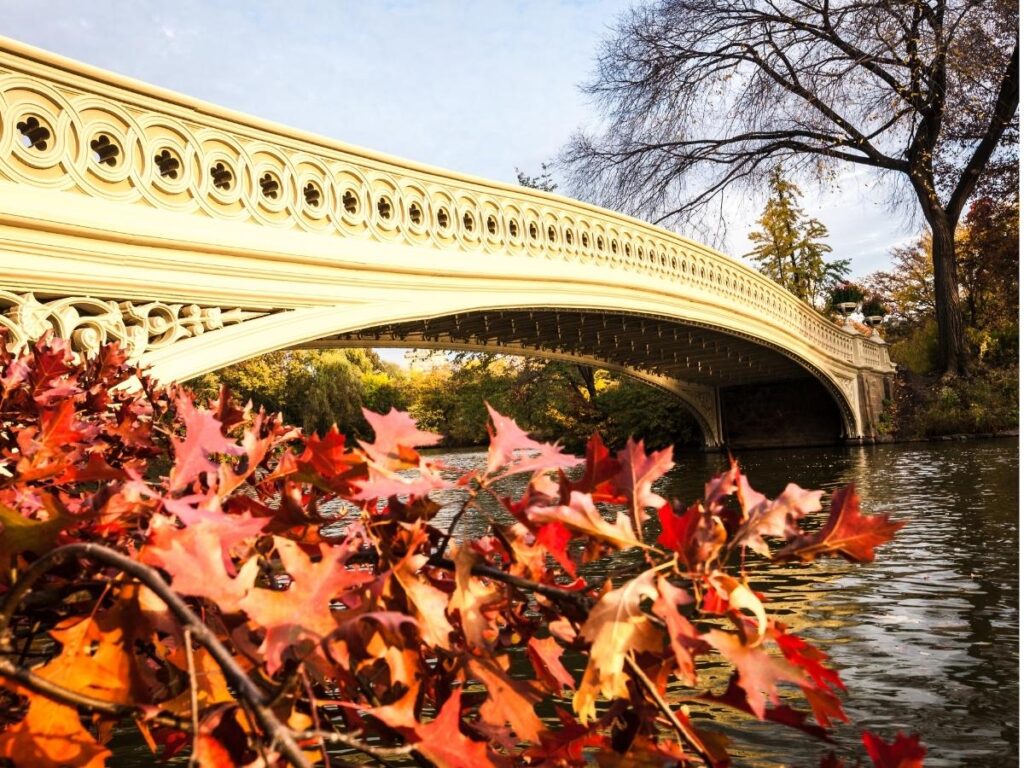
No trip to NYC is complete without Central Park. I planned to spend an hour there on my first visit and ended up staying half the day. The park spans 843 acres right in the heart of Manhattan, and it never gets old.
Start at Bethesda Terrace and walk to the Bow Bridge, it’s one of the most photographed spots in the park for good reason. Rent a rowboat on the lake if the weather’s nice, or just sit and people-watch. In warmer months, there’s often live music at the mall, and in fall, the leaves around the lake create this golden canopy that feels like stepping into a painting.
Don’t miss Strawberry Fields, the John Lennon memorial near the Dakota Building. It’s quieter than other parts of the park and has this peaceful energy that makes you want to sit and reflect. If you have time, walk all the way up to the Conservatory Garden at 105th Street most tourists don’t make it that far north, and the formal gardens are stunning.
The Metropolitan Museum of Art
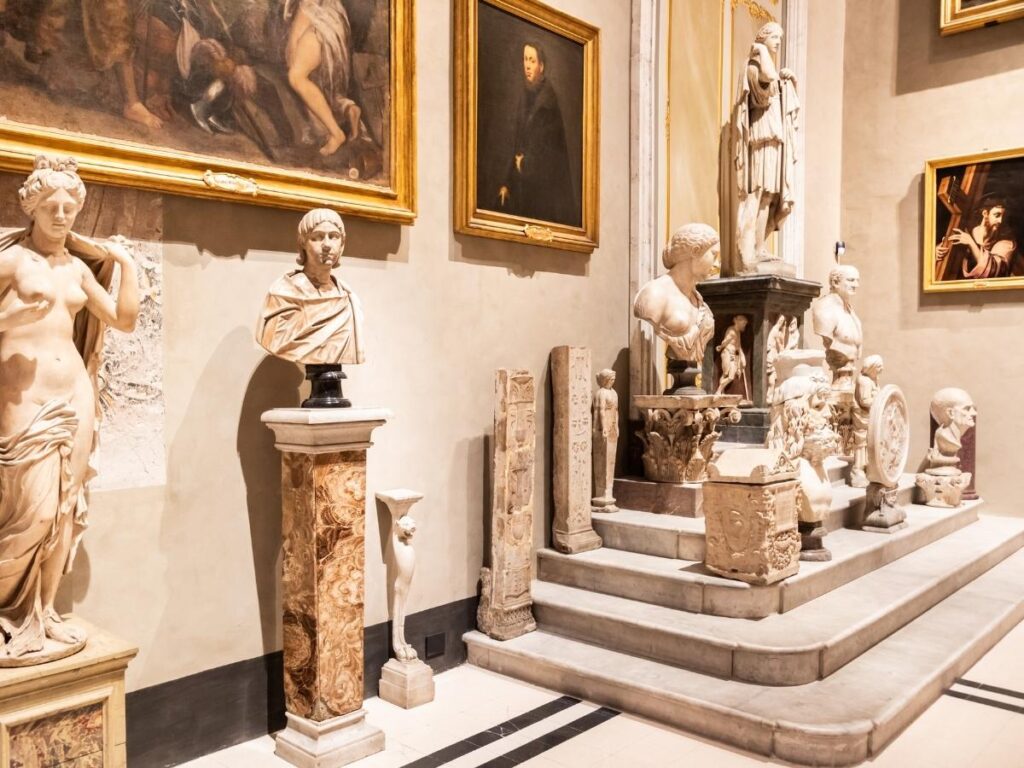
The Met is massive. I mean, you could spend days here and still not see everything. It spans 5,000 years of art from virtually every culture on earth. My advice? Pick two or three sections that interest you most rather than trying to see it all.
I always start with the European paintings (Van Gogh’s self-portrait never fails to move me), then wander through the Egyptian wing and end at the Temple of Dendur. On nice days, the rooftop sculpture garden has incredible views of Central Park and the Manhattan skyline. It’s also one of the best places in the city for sunset cocktails from May through October.
The Met is pay-what-you-wish for New York residents, but out-of-state visitors pay a suggested $30 admission. It’s worth every penny.
The High Line
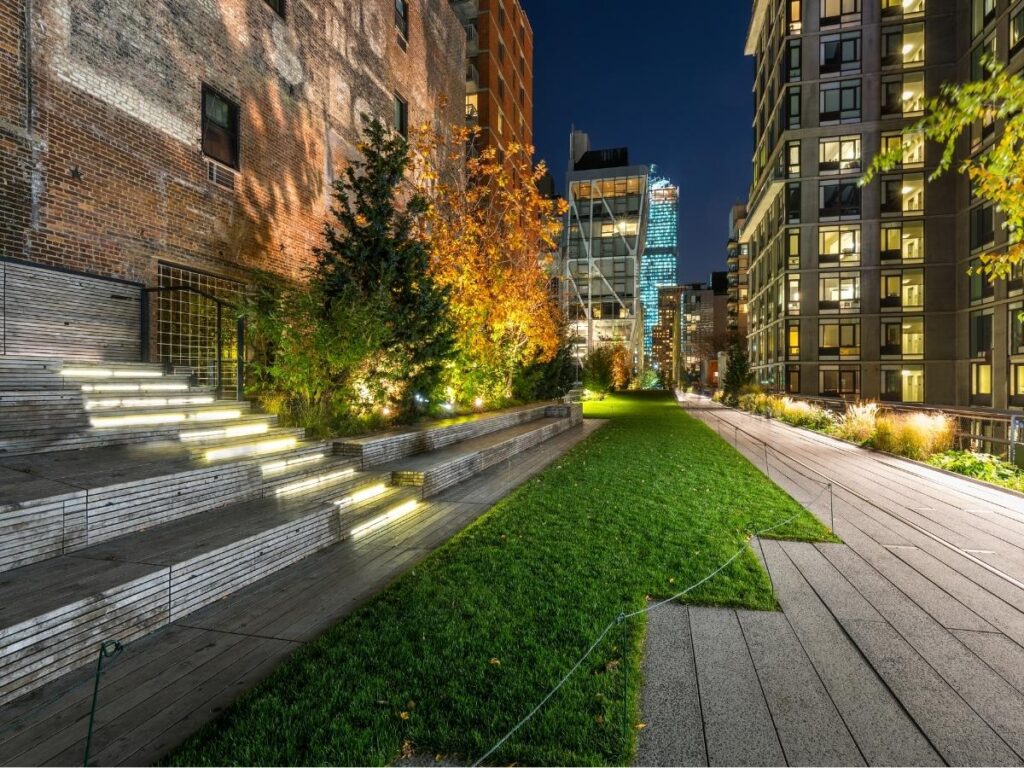
This 1.5-mile elevated park built on an old railway line changed the entire west side of Manhattan. I love starting at the southern end near the Meatpacking District and walking north through Chelsea.
The landscaping is beautiful, wildflowers and grasses mixed with art installations. You get these unique views of the city from above street level, seeing into buildings and down streets in ways you can’t from the ground. There are benches and lounge chairs scattered throughout, perfect for taking a break with a coffee.
Exit at 23rd Street to explore the Chelsea art galleries nearby, or continue all the way to Hudson Yards. Just know it gets crowded on weekends, especially in the afternoon. Early morning is magic, fewer people and better light for photos.
Statue of Liberty and Ellis Island
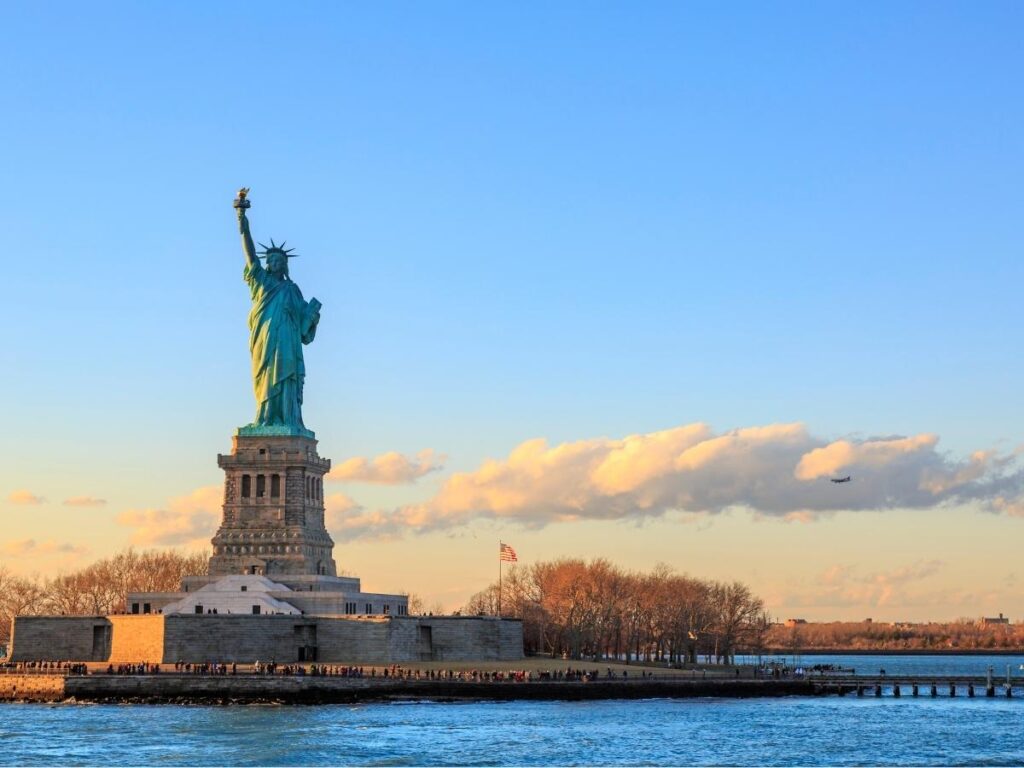
I’ll be honest, I put this off on my first trip because it seemed too touristy. I was wrong. Taking the ferry to Liberty Island and Ellis Island was one of the most moving experiences I had in New York.
You need to book tickets in advance, especially if you want to go inside the pedestal or crown. The crown tickets sell out weeks ahead. I opted for the pedestal, which gave great views without the claustrophobic climb.
Ellis Island was the real surprise for me. The immigration museum tells the stories of the 12 million people who passed through here, and you can search their database to see if your ancestors came through. I spent hours there and barely scratched the surface.
The entire trip takes about 4-5 hours. Bring snacks because food options on the islands are limited and overpriced.
Brooklyn Bridge
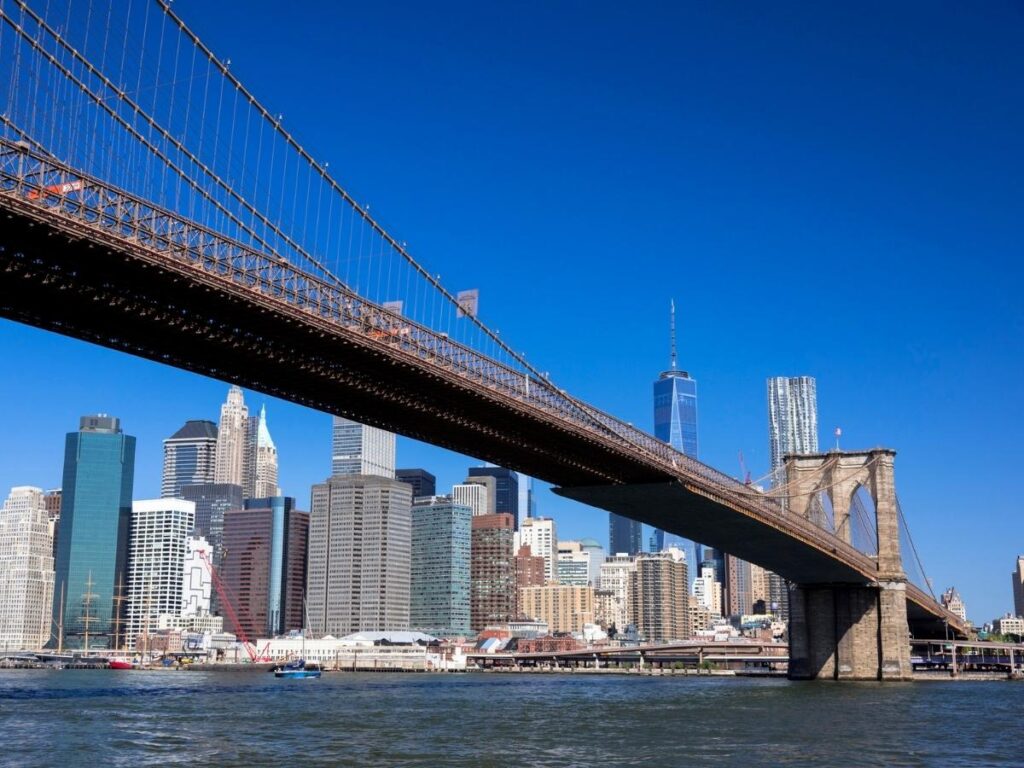
Walking across the Brooklyn Bridge at sunset became my favorite thing to do in NYC. Start on the Manhattan side (near City Hall) and walk toward Brooklyn. The pedestrian walkway is elevated above the cars, giving you unobstructed views.
The bridge itself is gorgeous, those Gothic stone towers and steel cables create this almost cathedral-like feeling. Looking back at the Manhattan skyline as the sun sets behind it, with boats passing on the East River below, I’ve done it a dozen times and it still takes my breath away.
Once you reach Brooklyn, you’re in DUMBO (Down Under the Manhattan Bridge Overpass). Grab pizza at Grimaldi’s or Juliana’s, walk through Brooklyn Bridge Park, or just take in the views from the promenade. If you time it right, the carousel in the park is a whimsical bonus.
Times Square
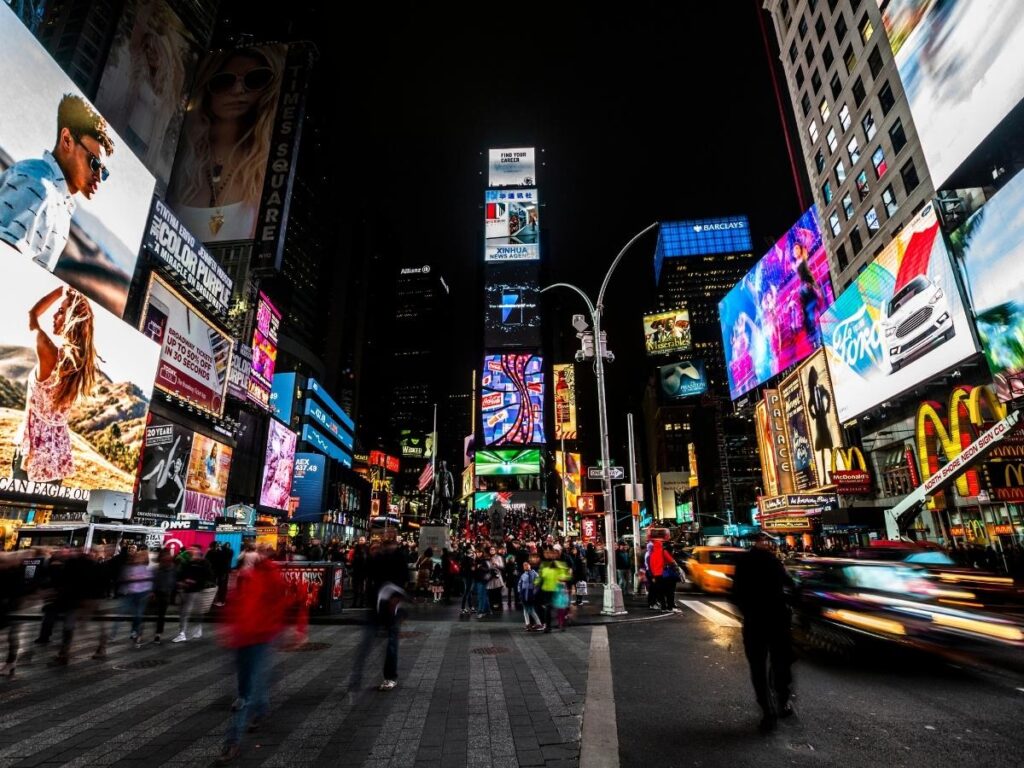
Times Square is everything you’ve heard, overwhelming, neon-lit chaos that somehow perfectly captures New York’s intensity. I won’t tell you to skip it because it’s something you need to experience once, but I also won’t tell you to linger for hours.
Go at night when the lights are at their brightest. Take your photos, soak in the energy, maybe catch a Broadway show nearby. Then head to quieter neighborhoods for dinner. The restaurants in Times Square itself are generally overpriced and underwhelming.
One tip: If you’re buying Broadway tickets, check out the TKTS booth for same-day discounts. Or look into lottery systems for popular shows, I’ve scored incredible seats for half price.
One World Observatory
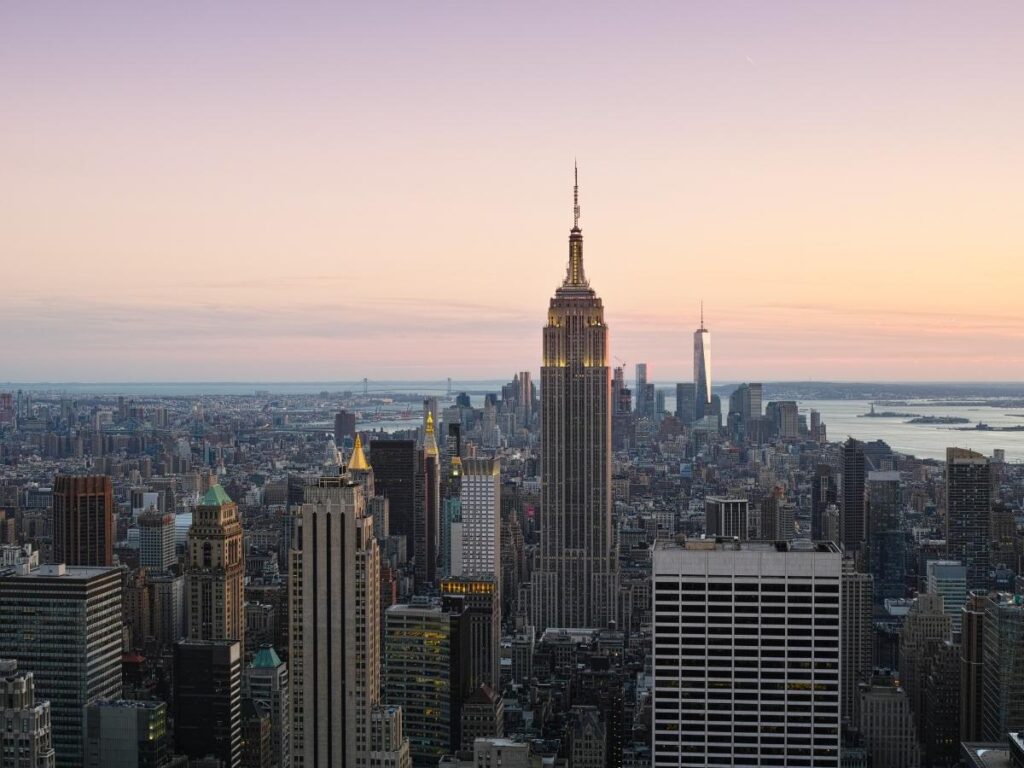
The views from One World Observatory rival anything else in the city. You’re at the top of the tallest building in the Western Hemisphere, looking out over all five boroughs and into New Jersey.
What I loved most was the elevator ride, it has these floor-to-ceiling screens showing the development of New York from the 1500s to today as you ascend. It’s a 47-second history lesson that sets the stage for the views above.
The 9/11 Memorial and Museum are right at the base of One World Trade Center. I’d recommend visiting both on the same day. The memorial’s twin reflecting pools are powerful in their simplicity, and the museum provides important historical context. Just know it’s emotionally heavy, I needed a quiet moment afterward.
Grand Central Terminal
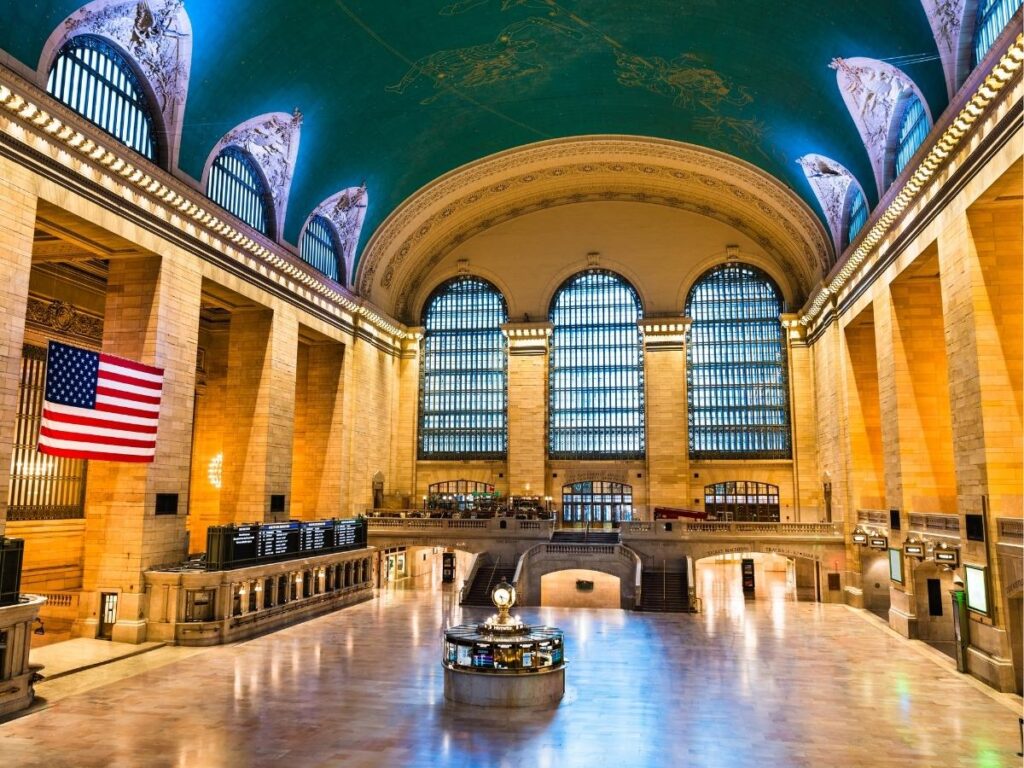
Grand Central isn’t just a train station, it’s an architectural masterpiece. I go there even when I’m not catching a train, just to stand in the main concourse and look up at the ceiling painted with constellations.
The Whispering Gallery near the Oyster Bar is a fun hidden gem. Stand in opposite corners of the arched corridor and whisper, your friend will hear you perfectly despite being 30 feet away. There’s also a great food market in the lower level and the Campbell Bar, a former office turned gorgeous cocktail lounge.
Visit during the week if you can. It’s beautiful when busy, but you’ll appreciate the architecture more without weekend crowds.
Best Neighborhoods to Explore
Greenwich Village and West Village
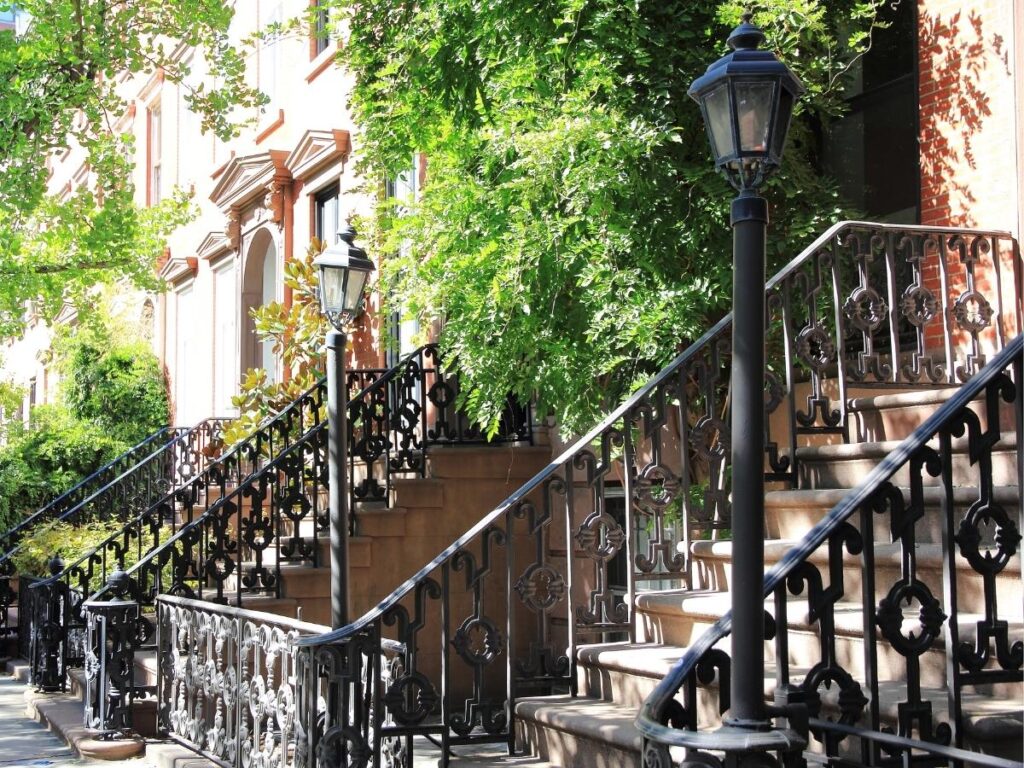
This is my favorite neighborhood in all of New York. The tree-lined streets, historic brownstones, tiny cafes, and cobblestone corners make it feel like a different era. Unlike most of Manhattan, the streets don’t follow the grid system they wind and curve, which means you’re constantly discovering new corners.
Start at Washington Square Park and the iconic arch. Street performers, NYU students, chess players, and musicians create this vibrant community feeling. From there, wander west toward Bleecker Street for vintage shops and record stores, then get lost on the smaller streets.
Grove Court, tucked into an alley between 10 and 12 Grove Street, is one of those spots you’d never find without knowing about it. It’s a tiny courtyard with six historic row houses that feels like stepping into a secret garden.
Don’t miss the Stonewall Inn, birthplace of the modern LGBTQ+ rights movement. It’s still a working bar, and standing there knowing the history it holds gave me chills.
For food, grab a falafel at Mamoun’s (cash only), have brunch at Jack’s Wife Freda, or splurge on dinner at The Spotted Pig. The Comedy Cellar on MacDougal Street hosts some of the biggest names in comedy, shows run nightly and sometimes feature surprise drop-ins.
SoHo
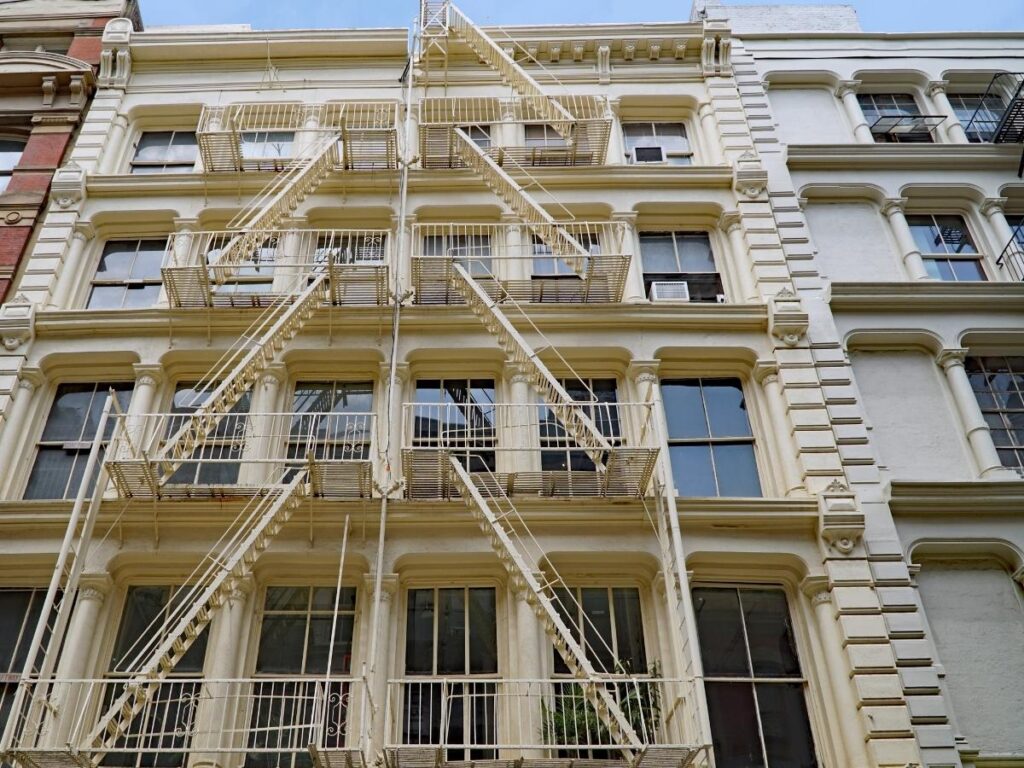
SoHo (South of Houston Street) transformed from an industrial wasteland to one of Manhattan’s chicest neighborhoods. The cast-iron architecture along streets like Greene and Broome is stunning, these five and six-story buildings with ornate facades that catch the light beautifully.
It’s a shopper’s paradise if that’s your thing. You’ll find everything from Chanel and Gucci to interesting independent boutiques. Even if you’re not buying, window shopping and architecture spotting make for a great afternoon.
For food, Balthazar is a New York institution classic French bistro with that power-lunch energy. Make a reservation or expect to wait. La Mercerie is perfect for a more relaxed breakfast or brunch, and Dominique Ansel Bakery is where the cronut was born (expect lines).
Prince Street and Spring Street are the main drags, but wander onto the smaller cross streets for a quieter experience.
Chelsea
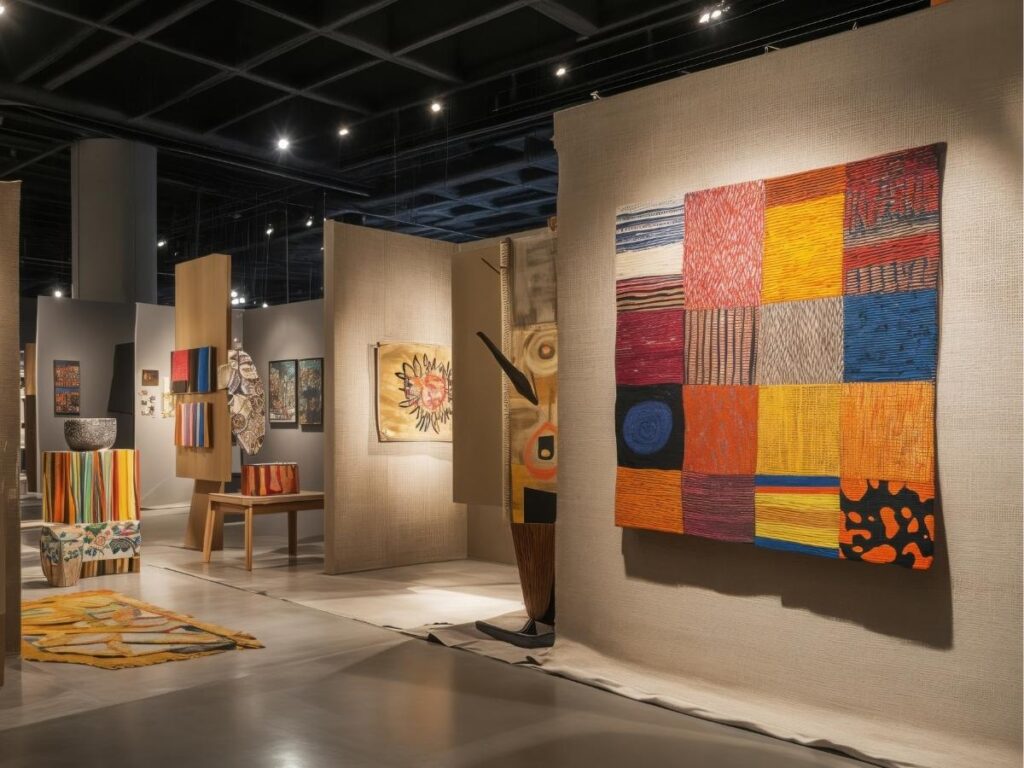
Chelsea sits between Greenwich Village and Midtown, home to hundreds of art galleries and the High Line. Thursday evenings are when most galleries have openings, you can wander from one to another, often with free wine and snacks.
Chelsea Market is a food hall inside an old Nabisco factory where they invented the Oreo cookie. It’s touristy but fun, with everything from fresh lobster to artisanal chocolates. I like to grab lunch here before walking the High Line.
The neighborhood has a strong LGBTQ+ presence and history, with great bars and nightlife along 8th Avenue.
Lower East Side
The Lower East Side has this edgy, creative energy that I love. It’s grittier than the West Village but packed with incredible restaurants, vintage shops, and bars.
Katz’s Delicatessen is a New York institution grab a pastrami sandwich and prepare for the best you’ve ever had. Russ & Daughters is another classic, perfect for bagels with lox and all the fixings.
The neighborhood comes alive at night. Bars like Please Don’t Tell (a speakeasy hidden behind a phone booth in a hot dog shop) and Attaboy create that underground cocktail scene New York does so well.
DUMBO, Brooklyn
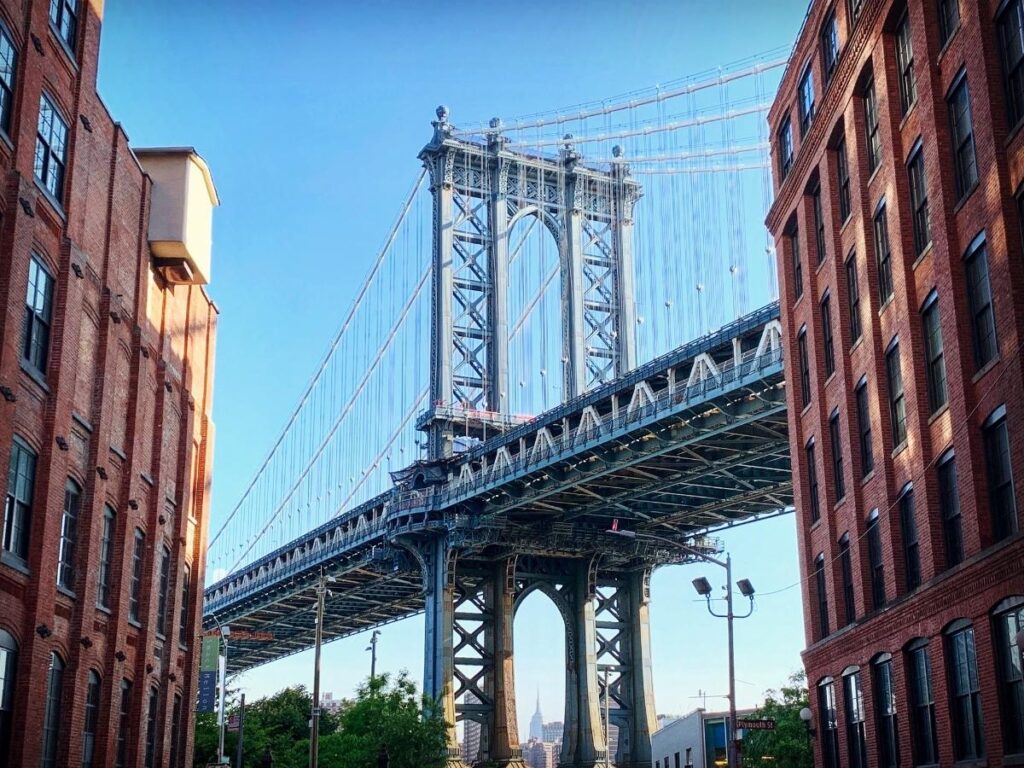
DUMBO deserves more than just a quick stop after the Brooklyn Bridge walk. The cobblestone streets, converted warehouses, and waterfront parks create this perfect blend of old New York charm and modern Brooklyn cool.
Brooklyn Bridge Park has multiple piers with different personalities. Pier 1 has the postcard views of the Manhattan skyline. Pier 2 has sports facilities. Pier 5 has a playground and this huge lawn where locals picnic in summer. Jane’s Carousel, a restored 1922 carousel in a glass pavilion, is whimsical and worth a ride.
Time Out Market has a great selection of food vendors if you want options beyond pizza. And the waterfront promenade, especially at sunset, might be my favorite place in all of Brooklyn to just sit and watch the city.
Where to Eat in New York City
New York’s food scene is why I never get tired of visiting. You could eat at a different restaurant every day for years and still have new places to try.
For pizza, I’m loyal to Joe’s Pizza in Greenwich Village for a classic New York slice a huge, foldable, greasy in the best way, and only a few dollars. For sit-down pizza, Juliana’s in Brooklyn or John’s of Bleecker Street are worth the wait.

Bagels are serious business here. Russ & Daughters on the Lower East Side has been making them since 1914, and their everything bagel with lox, cream cheese, tomato, and onion is perfection. Ess-a-Bagel and Absolute Bagels are also excellent.
For a splurge meal, Le Bernardin does seafood at the highest level. Eleven Madison Park is an experience (and a price tag to match), but it’s one of the best meals I’ve had anywhere. For something more accessible but still special, The Modern at MoMA or Gramercy Tavern never disappoint.
Street food is part of the NYC experience. The halal carts (especially the one at 53rd and 6th) serve chicken and rice that hits different at midnight. Hot dogs from Gray’s Papaya, pretzels from street vendors, and basically any food truck you see will likely be good.
For a true New York breakfast, hit a classic diner. Veselka in the East Village serves Ukrainian comfort food 24/7. The French toast at Sarabeth’s is legendary. Or go full luxury with brunch at The Loeb Boathouse in Central Park, you’re paying partly for the setting, but what a setting it is.
Where to Stay in New York City
Hotels in Manhattan are expensive, there’s no way around it. But location makes a huge difference in how you’ll experience the city.
For luxury, The Plaza overlooks Central Park and is as iconic as it gets. The Bowery Hotel in the East Village has that downtown cool factor. The Greenwich Hotel in Tribeca is understated elegance with a beautiful pool and spa.
Mid-range options I’ve loved include The Marlton Hotel in Greenwich Village (small rooms but great location and vibe), citizenM near Times Square (modern and efficient), and The Moxy Downtown (stylish and well-located).
Budget travelers should look at The Jane Hotel (tiny rooms but charming and affordable) or Pod Hotels (several locations with small but clever rooms). Hostels like HI NYC are clean and social if you don’t mind shared spaces.
Brooklyn offers better value. The William Vale in Williamsburg has incredible rooftop views at lower prices than comparable Manhattan hotels. 1 Hotel Brooklyn Bridge combines luxury with sustainability and has my favorite hotel rooftop bar in the city.
I’d avoid staying in Times Square if you can, it’s convenient for Broadway, but the constant crowds and noise get old fast. Look for neighborhoods with character and good subway access instead.
Things I Wish I’d Known Before My First Visit
The city is bigger than you think. Don’t try to see everything in one trip. I made that mistake my first time and ended up exhausted and missing things I actually wanted to do. Pick a few must-sees and leave room to wander.
Comfortable walking shoes are non-negotiable. You’ll walk miles every day, often on hard pavement. Save the cute-but-painful shoes for dinner.
The subway is safe and efficient, but it can be confusing at first. Some stations have separate entrances for uptown versus downtown trains. Check which direction you need before you swipe through. Express trains skip stops, local trains stop at all of them. And yes, sometimes it smells weird. You get used to it.
Tipping is expected everywhere,15-20% at restaurants, $1-2 per drink at bars, a few dollars for hotel housekeeping. It’s built into the service industry here in a way that feels different from other countries.
Looking up is important. Some of the city’s best architecture is above eye level. I almost missed the chrysler Building’s art deco spire because I was looking at my phone.
New Yorkers aren’t rude they’re just busy. Most people will help if you ask for directions, but don’t expect small talk in the subway. And whatever you do, don’t stop in the middle of the sidewalk. Walk with purpose or step to the side.
Museums can take hours longer than you expect. The Met, MoMA, Natural History Museum, they’re massive. Give yourself time or accept that you’ll come back.
Free doesn’t mean worse. Some of the best things in NYC cost nothing. Walking the Brooklyn Bridge, exploring Central Park, visiting Chelsea galleries, people-watching in Washington Square Park, these ended up being some of my favorite memories.
Practical Tips for Visiting NYC
Budget: New York is expensive, but there are ways to manage costs. Use the subway instead of taxis, eat at least one meal a day at casual spots, and take advantage of free attractions. Museums often have pay-what-you-wish hours or days, check their websites before you go.
Safety: I’ve walked around Manhattan at all hours and always felt safe, even as a solo female traveler. Use common sense stay aware of your surroundings, don’t flash expensive jewelry or electronics, and stick to well-lit, populated areas at night. The subway is safe, though I’d use Uber late at night when trains are less frequent.
Weather: Dress in layers. Buildings are aggressively air-conditioned in summer and overheated in winter. Bring an umbrella year-round rain appears without warning. Winter requires a serious coat, good boots, and accessories like hats and gloves. The wind between buildings can be brutal.
Phone: Most of Manhattan has excellent cell service and free WiFi in parks, cafes, and many public spaces. Download offline maps just in case.
Water: Tap water is safe to drink. Carry a reusable water bottle and fill it at fountains in parks or ask at restaurants.
Day Trip Options from NYC
If you have extra time, there are some great escapes within a couple hours of the city.
The Hamptons offer beautiful beaches and cute towns, though summer weekends get very crowded and expensive. I prefer going off-season when it feels more relaxed.
The Hudson Valley has incredible fall foliage, historic estates like the Vanderbilt Mansion, and charming towns like Beacon (home to Dia:Beacon, one of the world’s best contemporary art museums).
Philadelphia is 90 minutes by train, great for a day of history, cheesesteaks, and seeing the Liberty Bell.
Bear Mountain State Park is perfect if you need nature after all the concrete and steel. The hiking is beautiful, especially in fall, and it’s only an hour north of the city.
Final Thoughts
New York City lived up to every expectation I had and then surprised me with things I never knew to expect. It’s exhausting and exhilarating in equal measure. You’ll walk until your feet hurt, spend more money than planned, and probably get lost at least once despite your phone’s GPS.
But you’ll also have moments that stick with you forever. Sunset from Brooklyn Bridge. Coffee on a quiet West Village corner on a Sunday morning. The way the city lights reflect off buildings at night. A perfect bagel. A stranger giving you directions when you look confused. The energy of it all.
Start with the classics because they’re classics for a reason, then let yourself get lost in the neighborhoods. Talk to locals. Ask for restaurant recommendations. Walk different streets on your way back to your hotel. That’s when New York shows you who she really is.
And trust me, you’ll want to come back. I’ve visited a dozen times now, and I’m already planning my next trip.
How many days do you need in New York City?
I’d recommend at least 4-5 days for your first visit. This gives you time to hit the major attractions without feeling rushed and explore at least a couple of neighborhoods properly. A week is even better if you can swing it.
Is New York City safe for tourists?
Yes, NYC is generally very safe for tourists. Crime rates have dropped significantly over the past few decades. Use common sense, stay aware of your surroundings, and you’ll be fine. I’ve never felt unsafe walking around Manhattan, even late at night.
What’s the best way to get from the airport to Manhattan?
From JFK, take the AirTrain to Jamaica Station, then the subway or LIRR into Manhattan. It’s cheap but takes about an hour. From LaGuardia, take the M60 bus to the subway or use a taxi/rideshare. Newark has an AirTrain to NJ Transit trains. For convenience, rideshares run $50-80 depending on your airport and destination.
Do I need a car in New York City?
Absolutely not. In fact, having a car is more hassle than help. The subway, walking, and occasional taxis will get you everywhere you need to go faster and cheaper than driving. Parking is expensive and traffic is terrible.
When is the cheapest time to visit NYC?
January and February (after New Year’s) have the lowest hotel rates and fewer crowds. You’ll deal with cold weather, but it’s the most budget-friendly time to visit.
How much should I budget per day in New York City?
Budget travelers can get by on $100-150 per day (hostel, street food, free attractions). Mid-range travelers should budget $250-400 per day (decent hotel, mix of casual and nice meals, paid attractions). Luxury travelers can easily spend $500+ per day.