
I’ll be honest: I’ve chased a lot of sunsets and climbed more viewpoints than I can count. But some places have this way of stopping you mid-step, camera or not.
Over the years of traveling, I’ve found myself in spots where the light hits just right, where the landscape feels almost unreal, and where every angle seems worthy of a frame. These are the places that made me grateful I had my camera and even more grateful I was there to experience them.
Whether you’re planning your next trip with photography in mind or just dreaming about where to go next, here are 15 destinations that stood out to me for their visual beauty. I’ll share what made each one special, when to visit for the best light, and a few tips I learned along the way.
1. Santorini, Greece
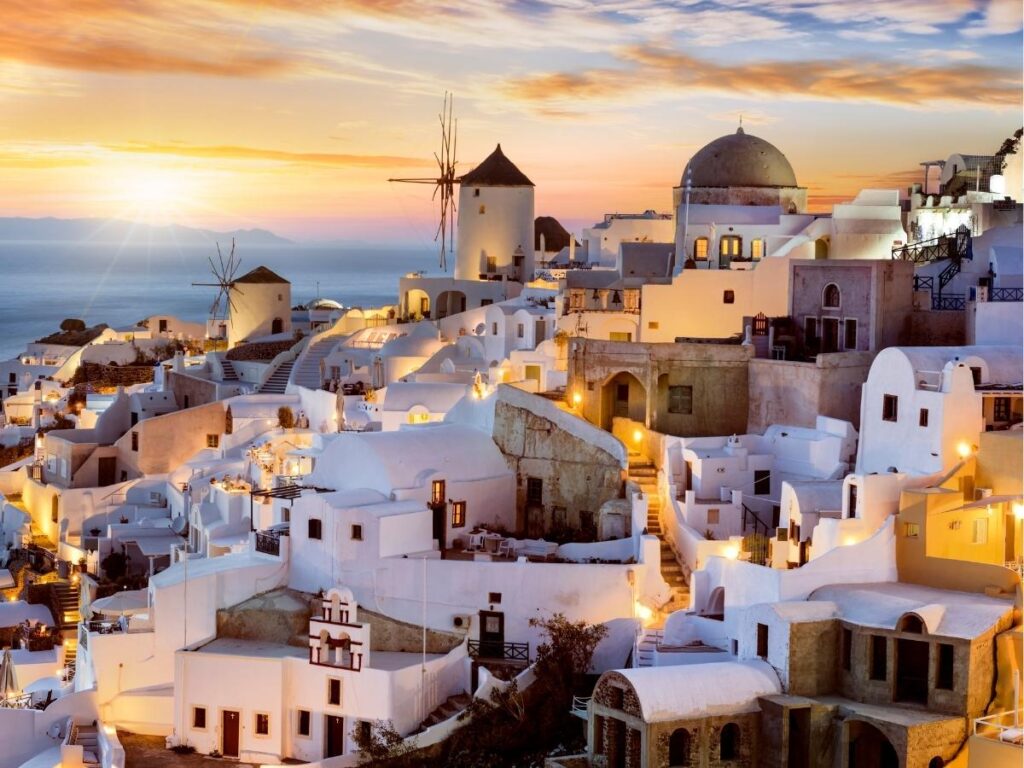
Santorini lived up to every photo I’d ever seen and then some. The white-washed buildings with their blue domes perched along the cliffside create this contrast against the deep Aegean Sea that’s hard to beat.
I spent my mornings wandering the narrow streets of Oia before the crowds arrived, and my evenings watching the sun dip below the horizon from different viewpoints each night. The golden hour here is particularly kind to photographers, bathing everything in warm, soft light.
Photography tip: Visit in the shoulder season (April-May or September-October) for better weather and fewer tourists blocking your shots. A tripod helps for those sunset long exposures.
What surprised me: The lesser-known villages like Pyrgos offered equally stunning views without the crowds.
2. Banff National Park, Canada
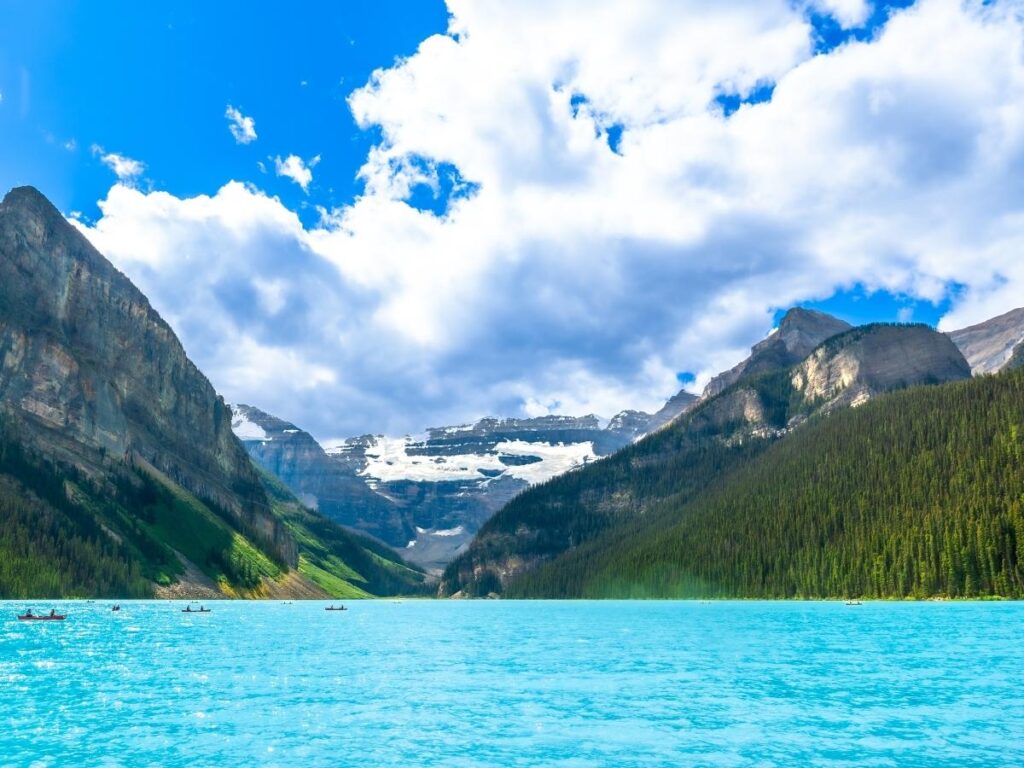
The turquoise waters of Lake Louise against snow-capped peaks were even more striking in person than I’d imagined. Banff feels like nature showing off, with every trail leading to another postcard-worthy view.
I hiked to the Lake Agnes Tea House early one morning and was rewarded with mist rising off the water and mountains reflected in perfect stillness. The park changes dramatically with the seasons, giving you completely different photography opportunities depending on when you visit.
Photography tip: Bring a polarizing filter to cut glare on the lake and enhance those vivid blues and greens. Early morning or late evening light works best.
What surprised me: The wildlife encounters added unexpected magic to my photos, elk grazing at sunrise created moments I couldn’t have planned.
3. Kyoto, Japan
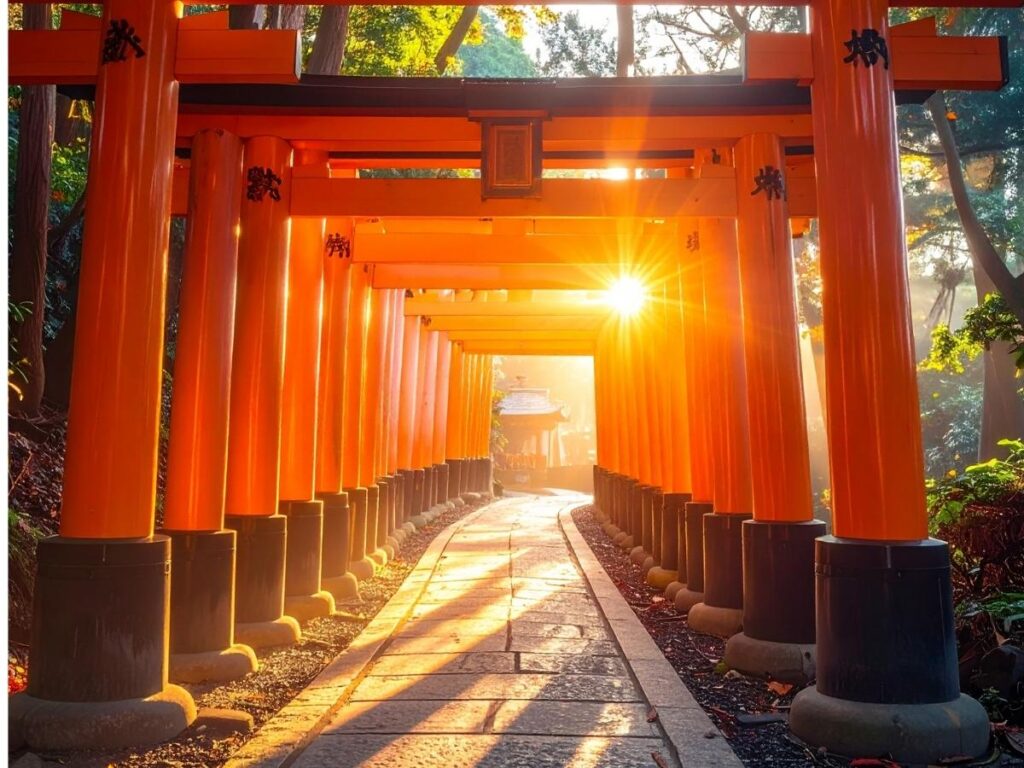
Walking through Kyoto felt like stepping into a different era. The city balances ancient temples with serene gardens, creating this peaceful atmosphere that translates beautifully through a lens.
The Fushimi Inari Shrine, with its thousands of vermillion torii gates winding up the mountainside, was a highlight. I visited during cherry blossom season, and the pink blooms against traditional architecture created scenes I’ll never forget.
Photography tip: Arrive at Fushimi Inari before 7 AM to photograph the gates without crowds. Bring a wide-angle lens for the temple interiors and gardens.
What surprised me: The play of light and shadow in the temple gardens created natural frames and depth I hadn’t anticipated.
4. Bora Bora, French Polynesia
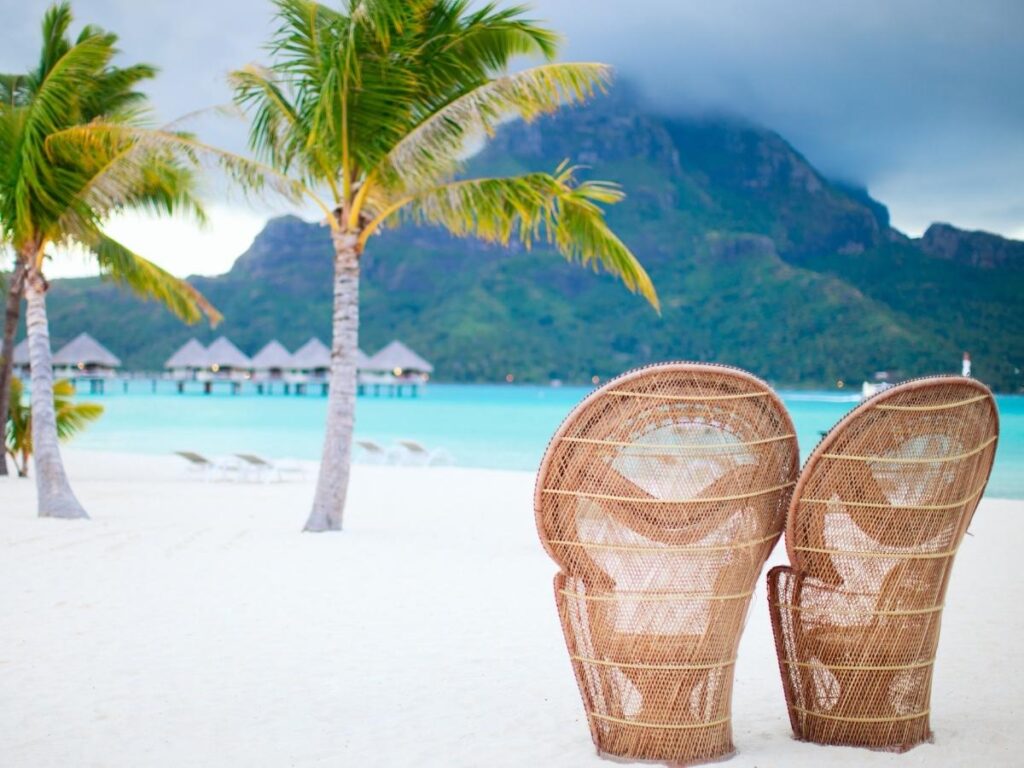
I’d dreamed of Bora Bora’s overwater bungalows and crystal-clear lagoons for years, and the reality exceeded expectations. The water shifts between shades of turquoise and sapphire depending on the depth and time of day.
Snorkeling gave me a completely different perspective, the underwater world here is just as photogenic as what’s above the surface. I spent sunrise on our bungalow deck watching the colors change across the lagoon.
Photography tip: A waterproof camera or housing is essential for capturing the marine life. Sunrise offers softer light and glassy water for reflections.
What surprised me: The green mountain peaks rising from the center of the island created dramatic backdrops I didn’t expect from a beach destination.
5. Iceland’s Golden Circle
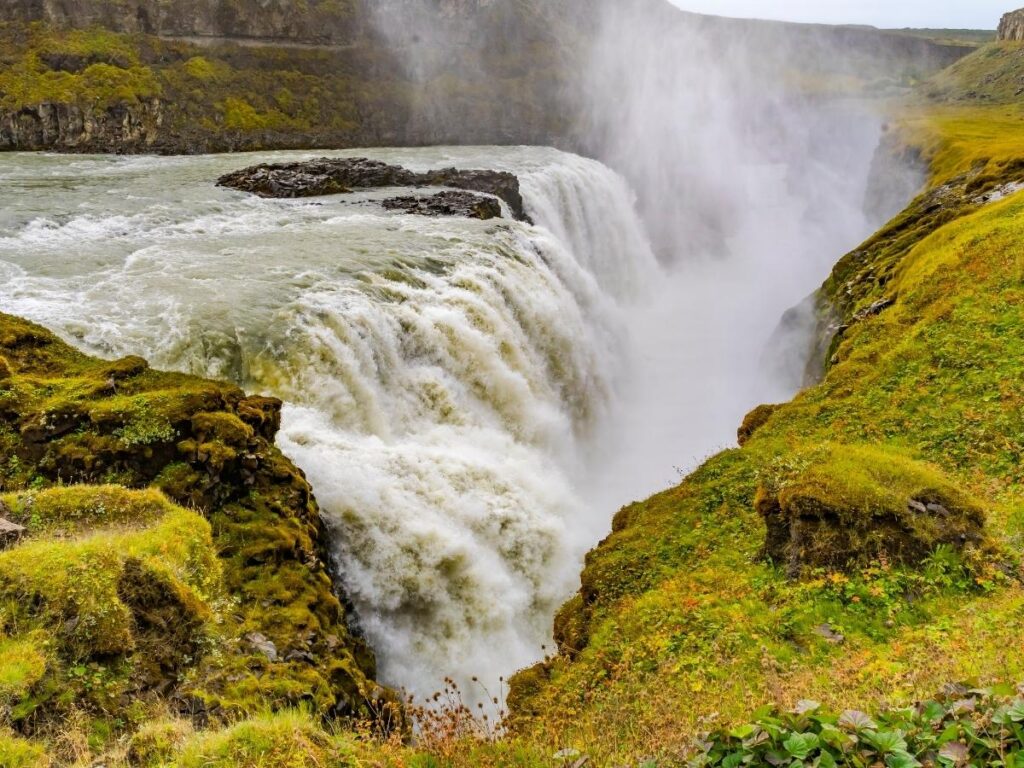
Iceland’s landscapes feel otherworldly. The Golden Circle route took me through Gullfoss waterfall, where I stood mesmerized by the power and scale of the cascading water, and Geysir, where I waited with my camera ready for the eruption.
The constantly changing weather created dramatic skies and unexpected rainbows. I learned quickly to always have my camera accessible because conditions shifted within minutes.
Photography tip: Pack weather-sealed gear and bring microfiber cloths for lens spray. The dramatic cloud formations add mood to your shots.
What surprised me: The geothermal areas offered vibrant blues and oranges that looked almost too saturated to be real.
6. The Maldives
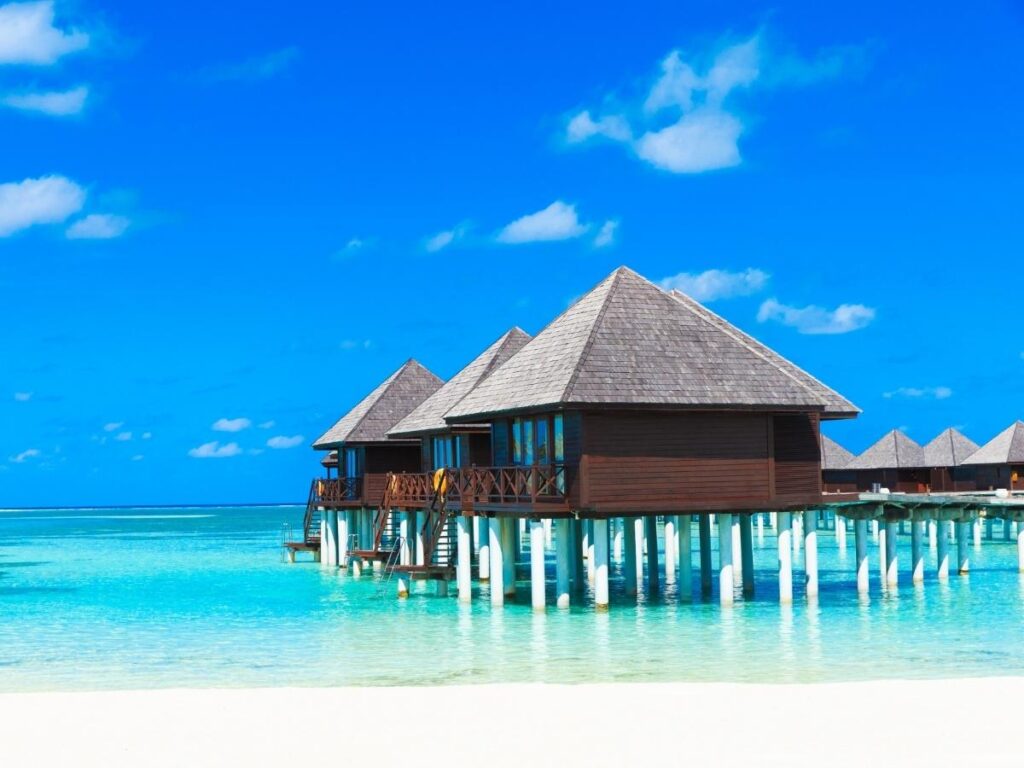
The Maldives represents paradise in its purest form. White sand beaches, palm trees, and water so clear you can see the coral from the surface. Every resort is on its own small island, creating this intimate connection with the ocean.
I photographed the bioluminescent plankton one night, a natural phenomenon that made the water glow with every movement. It required patience and the right camera settings, but the result was magical.
Photography tip: Night photography here rewards experimentation. For the bioluminescence, use a high ISO and long exposure.
What surprised me: The sunset colors reflected on the still water created perfect mirror images that looked surreal.
7. Machu Picchu, Peru
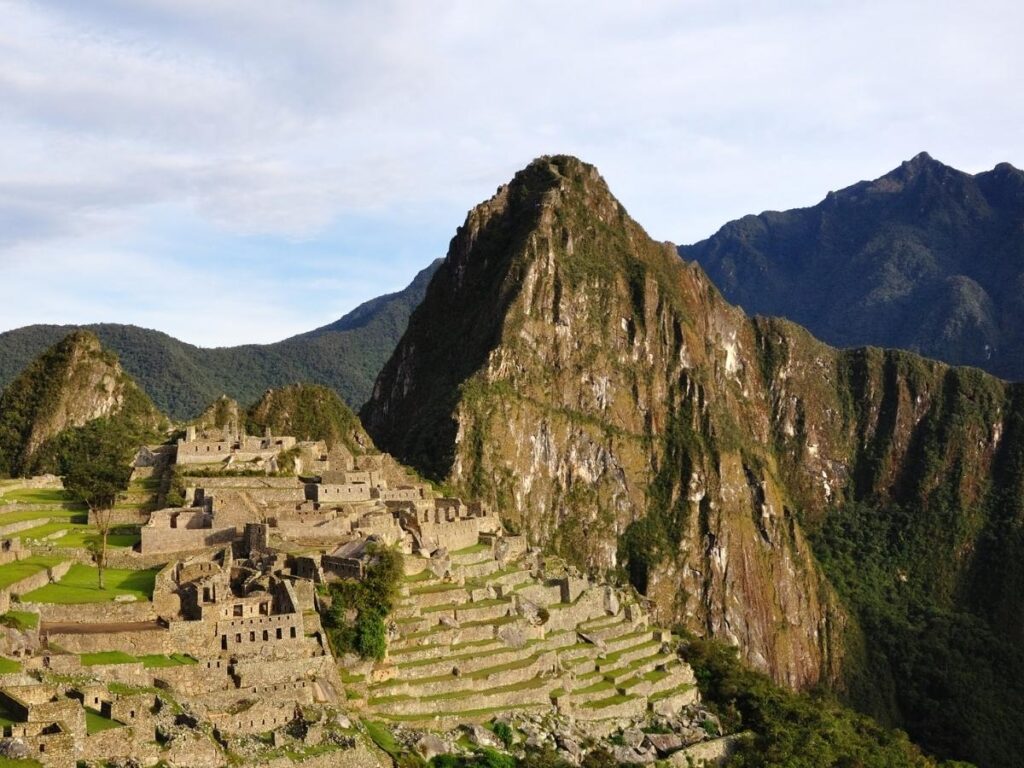
Reaching Machu Picchu at sunrise, with mist rolling through the ancient ruins and mountains towering in the background, was worth every step of the hike. The Inca citadel sits in this remarkable location that seems impossible.
I hiked Huayna Picchu for panoramic views of the entire complex from above. The perspective shift gave me photos that showed the full scale and setting of this wonder.
Photography tip: Book your sunrise entry in advance. The early morning light and mist create atmospheric conditions you won’t get later in the day.
What surprised me: The surrounding mountains and cloud forest were just as photogenic as the ruins themselves.
8. Petra, Jordan
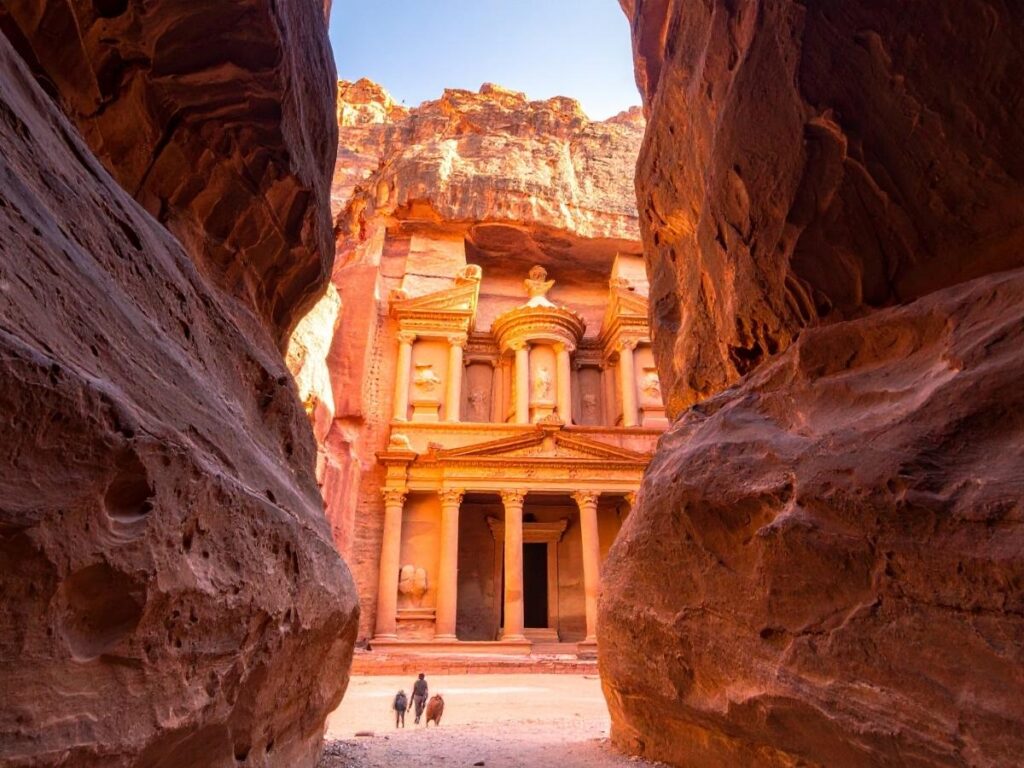
Walking through the narrow Siq canyon and emerging to see the Treasury carved into rose-colored rock was a moment I’d been anticipating for years. Petra exceeded those expectations completely.
The changing light throughout the day transforms the color of the sandstone from pale pink to deep red. I stayed from morning through late afternoon to capture these shifts.
Photography tip: Hire a local guide who knows the best viewpoints and less-crowded spots. The Monastery, requiring a climb, offers fewer tourists and equally impressive architecture.
What surprised me: The vastness of the site meant I could explore for days and still find new angles and hidden corners.
9. The Great Barrier Reef, Australia
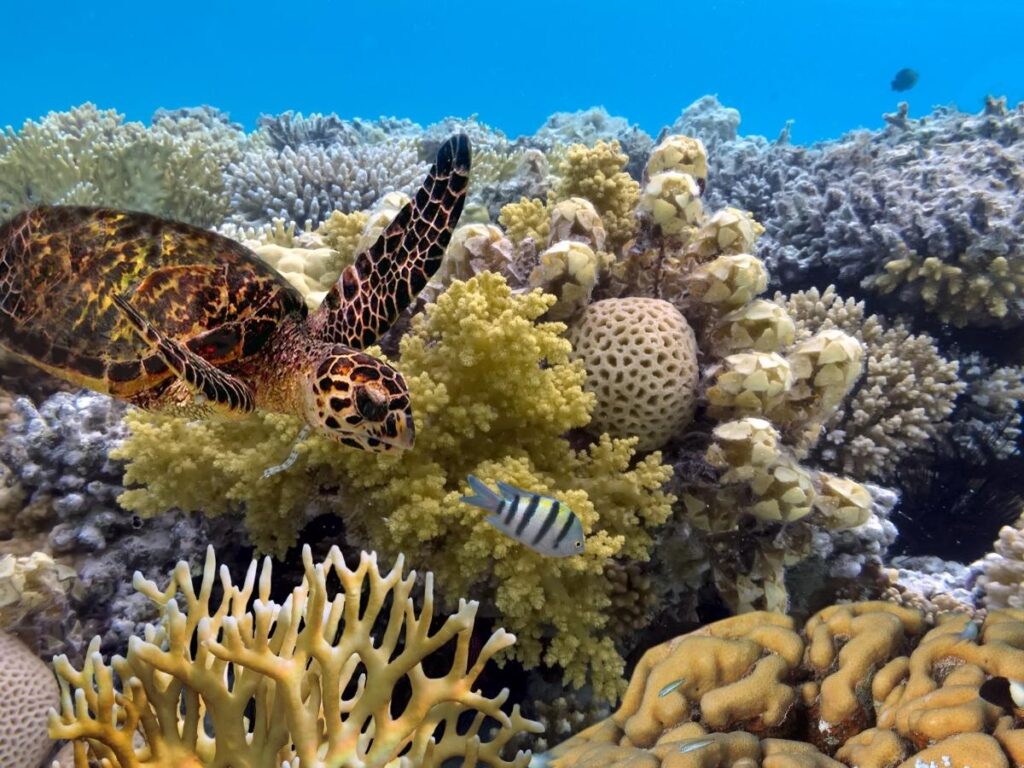
Diving into the Great Barrier Reef opened up an entirely new world of photography. The coral formations and tropical fish created colors and patterns unlike anything on land.
I took a liveaboard trip to reach the outer reef sections, where the coral was healthiest and most vibrant. Each dive site offered different marine life and underwater landscapes.
Photography tip: A wide-angle lens works best for reef photography. Dive during midday when the sun penetrates deepest for the best colors.
What surprised me: How the reef changed appearance between dive sites and at different times of day.
10. The Northern Lights, Norway
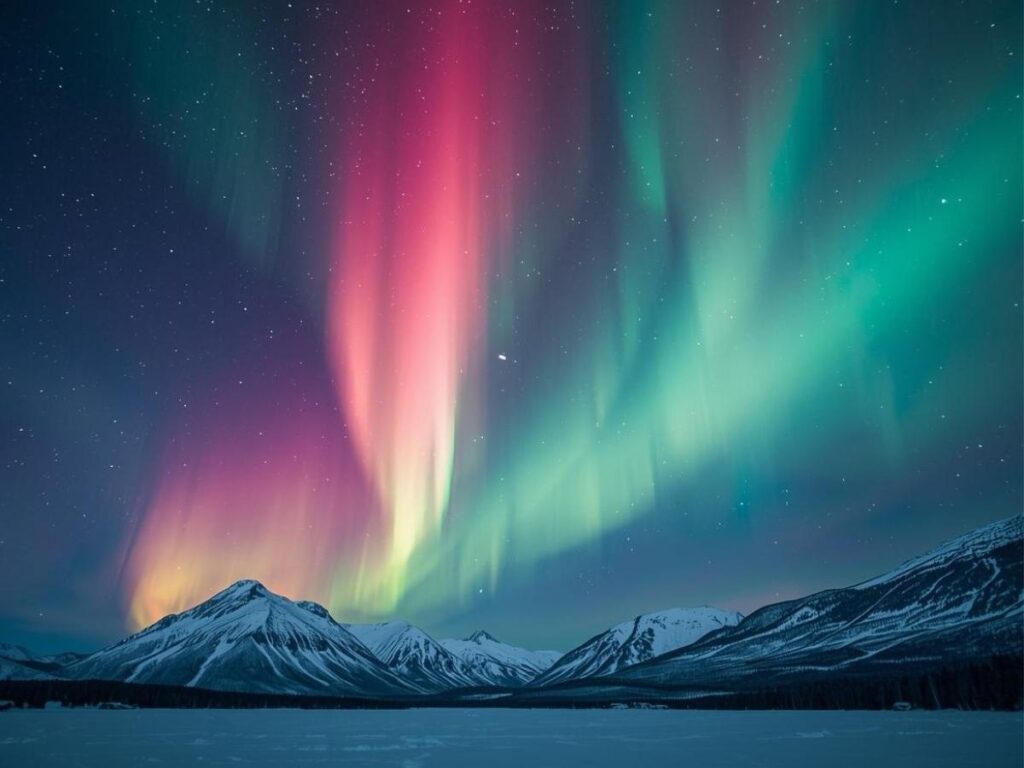
Seeing the aurora borealis dance across the Arctic sky was one of those experiences that makes you forget about your camera for a moment. The lights moved and shifted colors from green to purple, creating this natural light show.
I traveled to Tromsø in late February and spent several nights chasing clear skies. Patience was essential, some nights brought nothing, but when the lights appeared, they were spectacular.
Photography tip: Use manual focus set to infinity, a wide aperture, and long exposures (15-30 seconds). A sturdy tripod is non-negotiable.
What surprised me: How active and fast-moving the lights were much more dynamic than photos suggest.
11. Tuscany, Italy
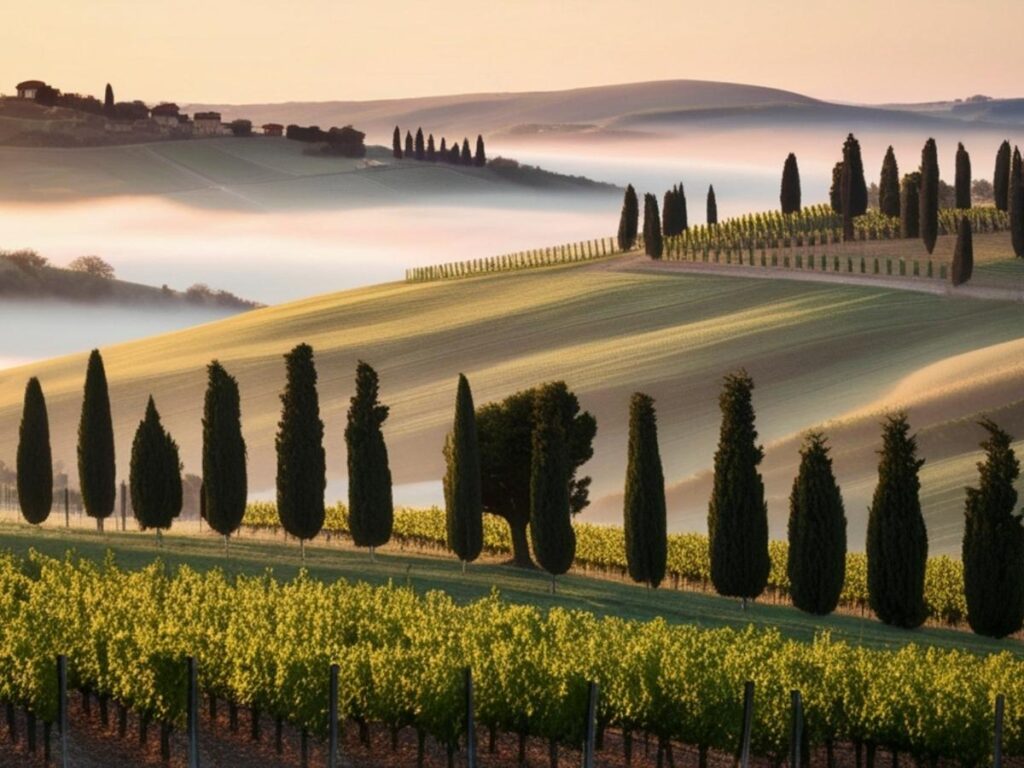
Rolling hills dotted with cypress trees, medieval hilltop towns, and endless vineyards. Tuscany offers this timeless beauty that changes with the seasons. I visited in fall when the grape harvest was underway and the light took on this golden quality.
Driving the back roads between villages, I stopped constantly for photos of the landscape. The Val d’Orcia region particularly captured this classic Tuscan scenery.
Photography tip: Golden hour is generous here, with the soft light lasting well into late afternoon. Scout locations ahead of time for sunrise and sunset.
What surprised me: How the morning fog settled into the valleys, creating layers of hills fading into the distance.
12. The Cliffs of Moher, Ireland
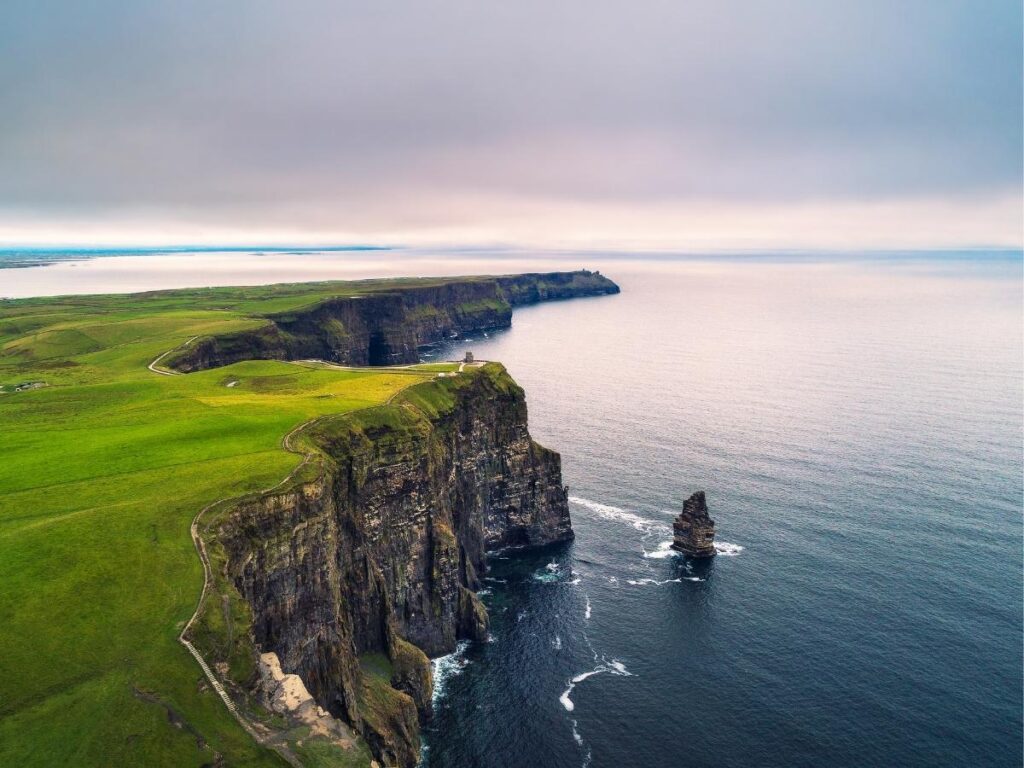
Standing on the edge of the Cliffs of Moher, with the Atlantic Ocean crashing hundreds of feet below, gave me this sense of nature’s raw power. The dramatic coastline stretches for miles, with the cliffs rising straight from the sea.
I visited on a day when mist rolled in and out, creating this moody atmosphere that added to the drama. The changing conditions meant my photos captured different moods within hours.
Photography tip: Early morning or late evening offers the best light and fewer tour buses. Bring a rain jacket the weather here is unpredictable.
What surprised me: The seabirds nesting on the cliff faces added life and scale to the images.
13. The Serengeti, Tanzania
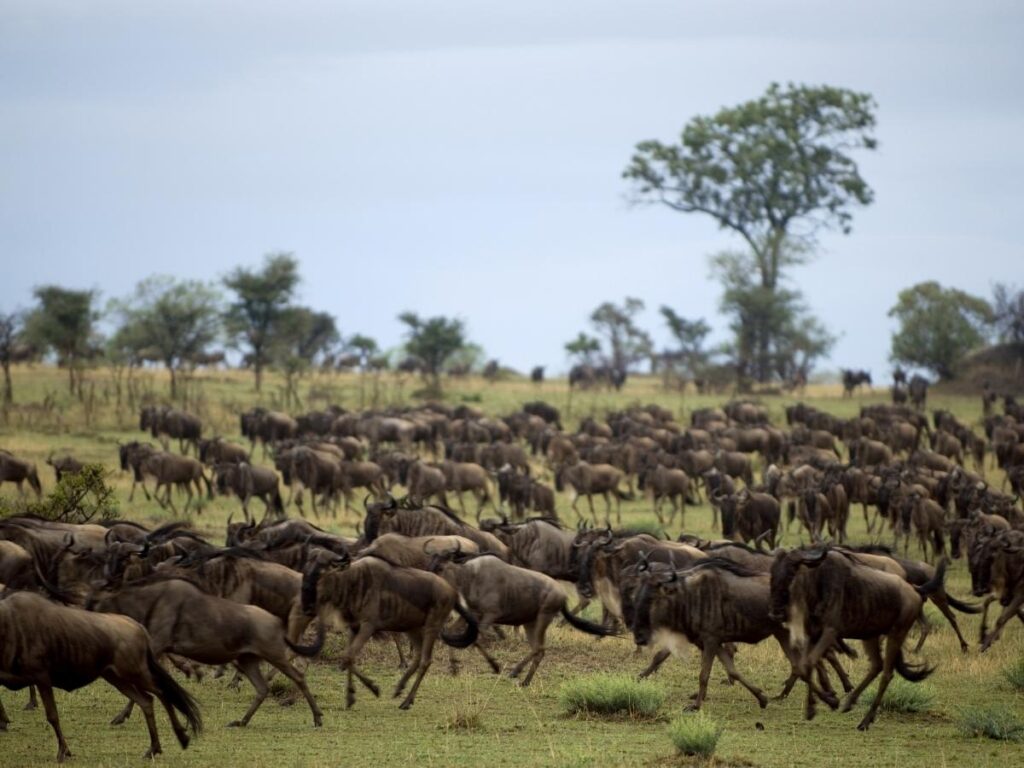
The Serengeti’s endless plains under massive skies created this sense of scale I’d never experienced before. Watching the Great Migration, with thousands of wildebeest stretching to the horizon, was humbling.
Safari photography taught me patience and anticipation. I spent hours waiting for the right moment a cheetah hunt, a elephant family interaction, or that perfect sunset silhouette.
Photography tip: A telephoto lens (200-400mm minimum) is essential. Shoot from safari vehicles with bean bags for stability.
What surprised me: How the landscape itself: the acacia trees, the golden grass, the dramatic storms was just as compelling as the wildlife.
14. The Swiss Alps
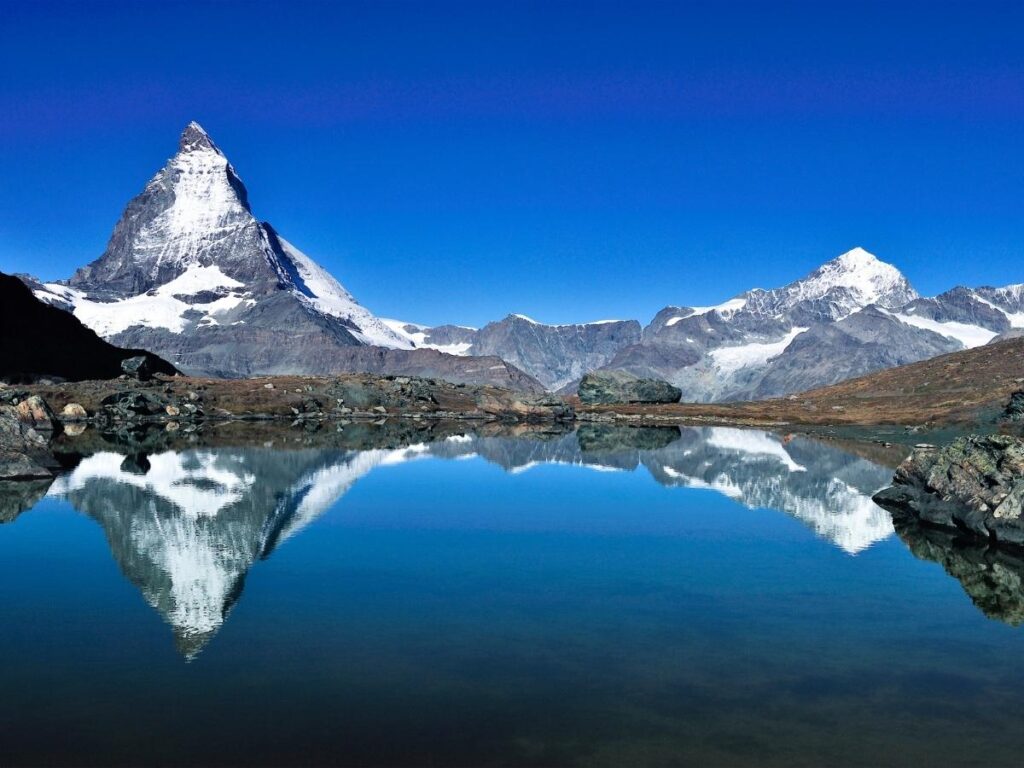
The Matterhorn reflected in Riffelsee at sunrise remains one of my favorite photos from years of travel. The Swiss Alps combine dramatic peaks with charming villages in a way that feels almost too perfect.
I took the Gornergrat railway to various viewpoints, each offering different perspectives of the surrounding mountains. The alpine meadows in summer added unexpected color to the dramatic landscape.
Photography tip: Cable cars and mountain trains provide access to viewpoints that would require serious mountaineering otherwise. Visit in late spring for wildflowers and snow-capped peaks.
What surprised me: How quickly weather changed, with clear skies turning to snow within an hour.
15. Angkor Wat, Cambodia
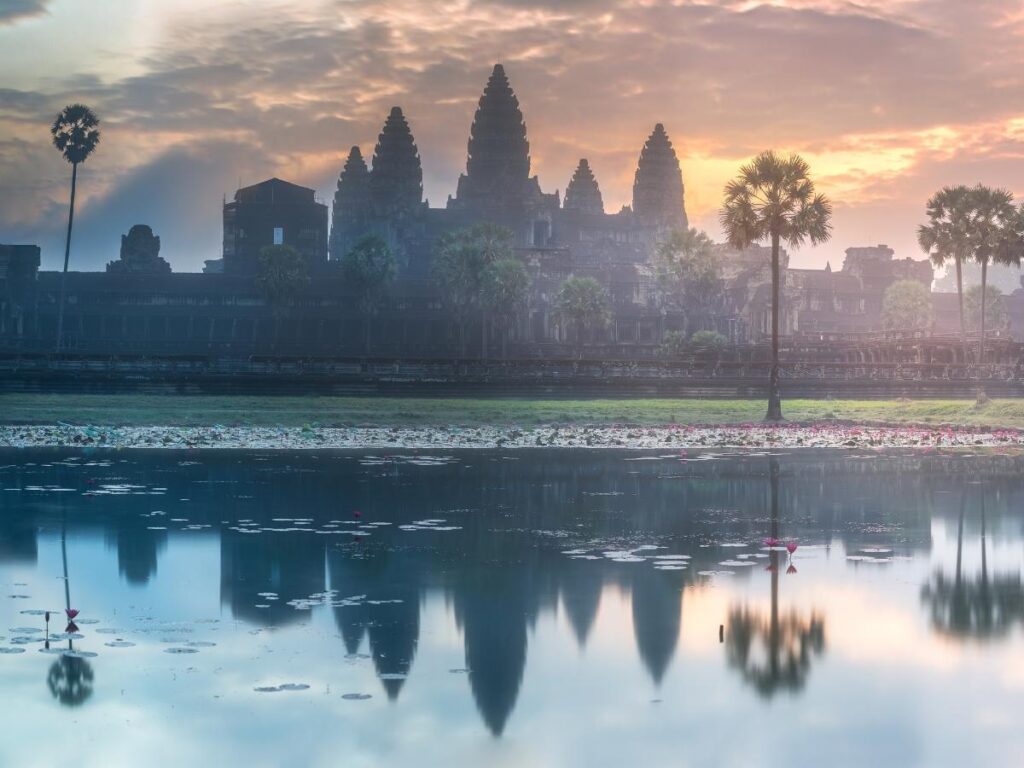
Watching sunrise over Angkor Wat, with the temple silhouetted against colorful skies and reflected in the surrounding pools, was worth the early wake-up. The complex is vast, with countless temples to explore beyond the main attraction.
I spent three days photographing different temples at various times of day. Ta Prohm, with tree roots growing through the ruins, offered this incredible blend of nature reclaiming ancient architecture.
Photography tip: Arrive before dawn for sunrise at Angkor Wat. Explore other temples like Bayon and Ta Prohm during midday when the main temple is crowded.
What surprised me: The intricate carvings covering every surface details that rewarded closer examination and macro photography.
Final Thoughts
These fifteen destinations have one thing in common: they made me stop and really see. Not just shoot, but observe and appreciate what was in front of me. Some required careful planning and early wake-ups, others surprised me when I least expected it.
If you’re building your own photography bucket list, consider what draws you visually. Is it dramatic landscapes? Architectural details? Cultural scenes? The best travel photos come from places that genuinely excite you, not just the most famous spots.
I’d love to hear about the places that made you reach for your camera. Have you visited any of these destinations? What would you add to the list?
For more travel photography tips and destination guides, explore the rest of Travel with Zee. And if you’re planning a trip to any of these locations, check out my detailed destination guides for more insights and recommendations.
How do you photograph popular tourist spots without crowds?
Visit during off-season, arrive very early or stay very late, and explore viewpoints beyond the main attraction. Patience helps sometimes waiting 20 minutes gives you a clear moment.
Do you edit your travel photos?
Yes, I edit to enhance what was already there adjusting exposure, contrast, and colors to match what I saw. I avoid heavy manipulation that makes the scene unrecognizable.
What’s one essential piece of gear for travel photography?
A sturdy, lightweight tripod. It opens up possibilities for sunrise/sunset shots, long exposures, and self-portraits in beautiful locations.
How do you decide which destinations to visit for photography?
I look for places with diverse subjects landscapes, architecture, culture, or wildlife that align with my interests. Reading photo essays and travel blogs helps me discover less obvious destinations too.