
Before visiting Vail, I was pretty sure I knew what kind of place it would be. In my head, it was polished ski runs, luxury storefronts, and a mountain town that feels impressive to look at but slightly out of reach if you’re not there for winter sports.
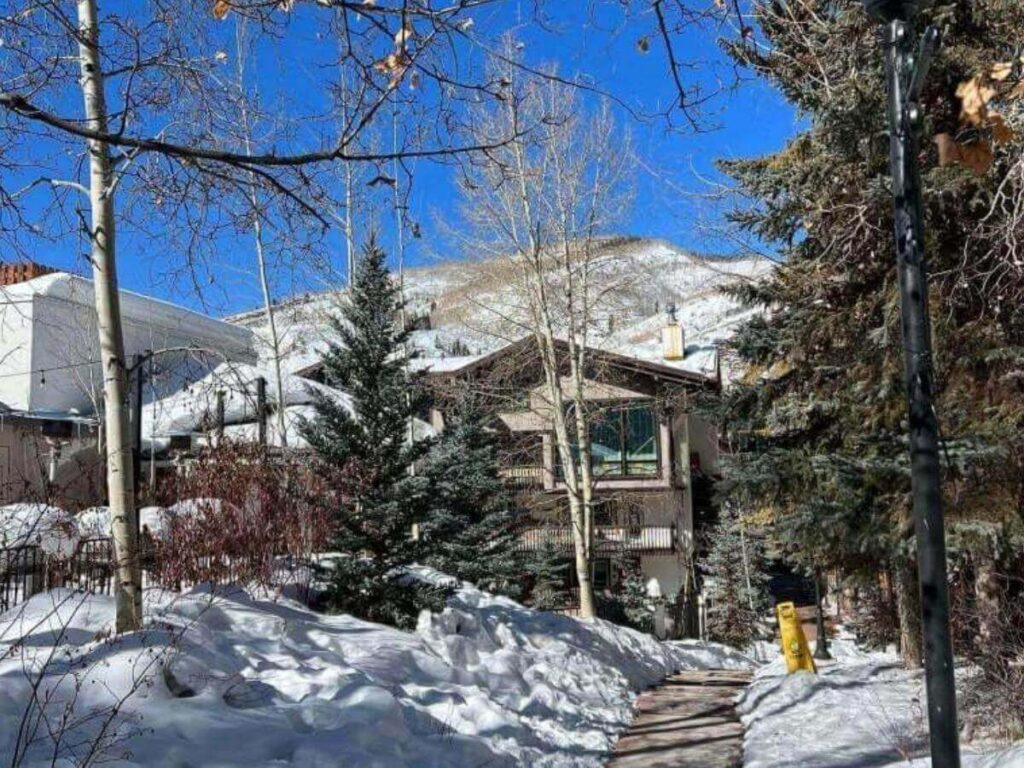
I pictured a destination built around skiing first, with everything else feeling secondary. Beautiful, no doubt, but also formal in a way that makes you feel like you need a reason to be there.
What caught me off guard was how quickly that impression faded once I stopped trying to experience Vail the right way. Outside of peak ski season, the town settles into a much quieter rhythm. Mornings start slowly. People walk instead of rushing.
The village feels designed for wandering rather than checking things off. Gondola rides turn into scenic pauses instead of transportation, and long stretches of the day don’t demand an activity to feel complete. Even without skis, I never felt like I was missing the point of the place.
That shift is important, because Vail doesn’t reward a packed itinerary. The more I tried to plan every hour, the less it made sense. The town works best when you give it space to breathe, when you choose one or two anchor experiences and let the rest of the day unfold around them.
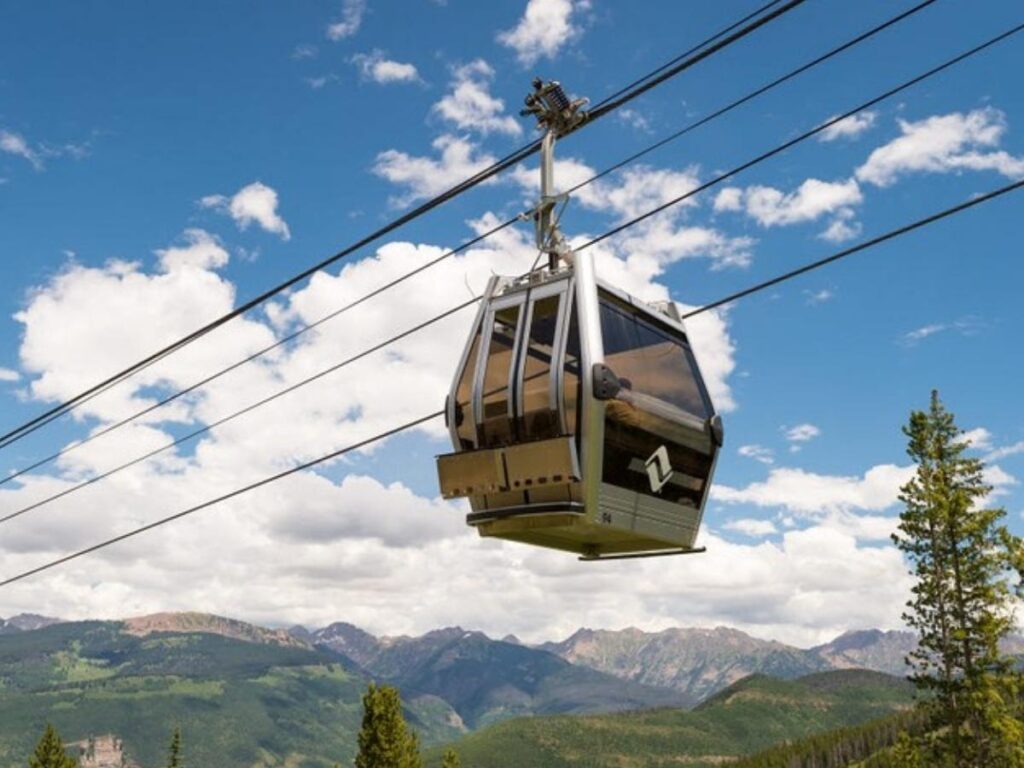
That might mean walking through the village without a destination, sitting by the creek longer than planned, or taking a gondola ride simply because the light looks good.
This guide reflects that approach. It’s not meant to push you from one highlight to the next or convince you that you need to do everything to see Vail. Instead, it’s about helping you figure out what’s actually worth your time, depending on how long you’re visiting and what kind of traveler you are.
Whether you have a single day or a few unstructured ones, Vail feels most rewarding when you slow down enough to see it where it is: calm, scenic, and quietly confident without needing constant movement to justify itself.
A Quick Look at Vail for First Time Visitors
Why Vail Feels Different From Other Colorado Mountain Towns
Vail feels different the moment you arrive, and that difference starts with how the town was built. Unlike many Colorado mountain towns that grew up around mining or railroads, Vail was planned from the beginning as a resort destination.
That intentional design shows up everywhere, from the way the streets curve through the village to how easily you can move around without ever needing to get in a car.
At first, that might sound like it would make Vail feel artificial or overly polished. I expected that, too. But in practice, the layout actually makes the town easier to enjoy, especially if it’s your first visit. You don’t have to research neighborhoods or figure out which areas are walkable.
The places you’ll want to spend time naturally connect to each other through pedestrian paths, bike trails, and free transportation that runs consistently throughout the day. What this means for you as a visitor is less mental effort. You’re not constantly checking maps or timing drives.
You can walk out of your hotel, wander for a while, stop when something catches your eye, and trust that you’re not straying too far from anything important. Vail feels designed to let you be present instead of efficient, which is not something every resort town gets right.
Vail Village vs Lionshead Village
Most first time visitors end up spending the majority of their time in either Vail Village or Lions head Village, and understanding the difference between the two helps set expectations.
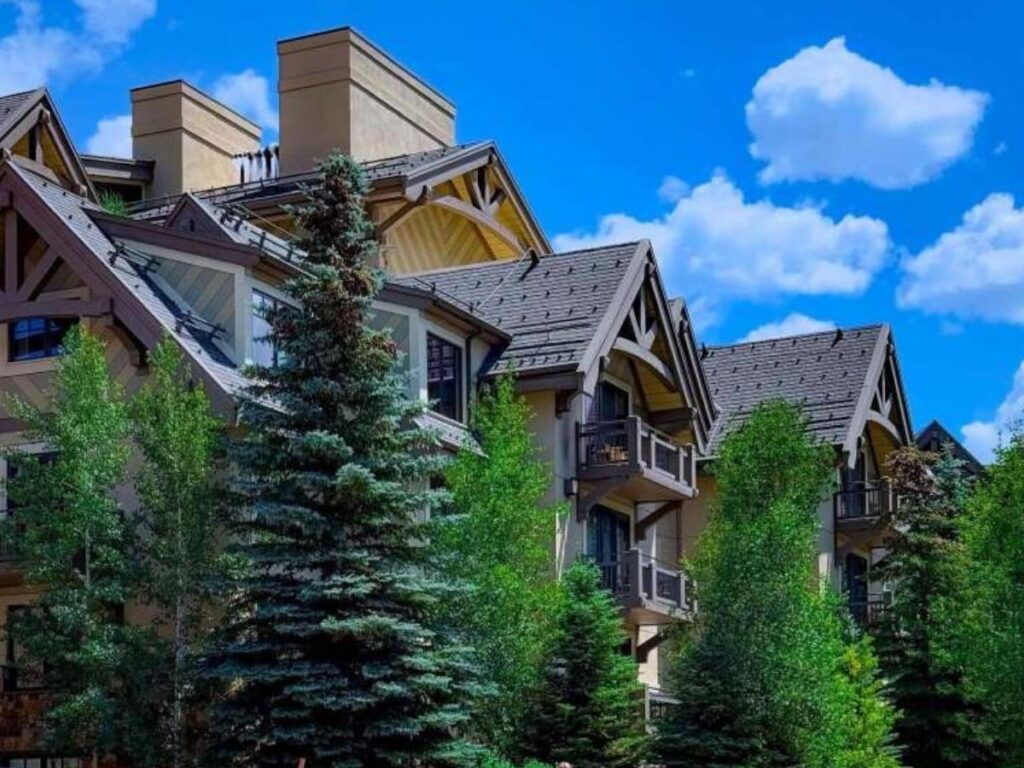
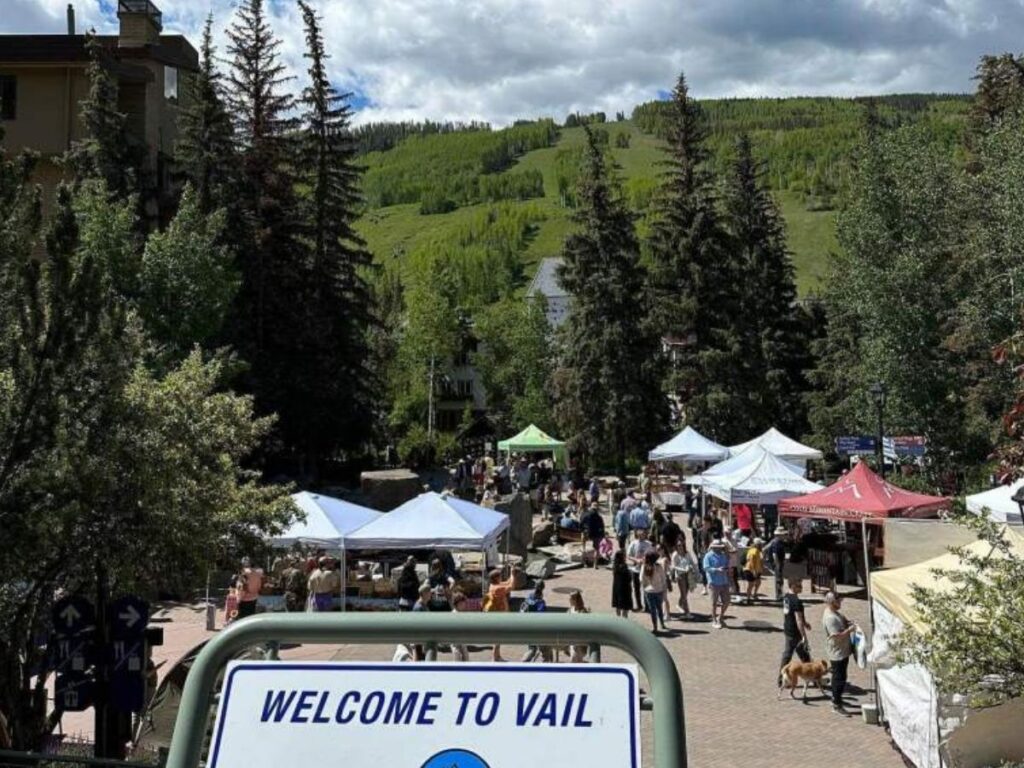
Vail Village feels like the heart of the town. It’s the area most people picture when they think of Vail, with alpine style buildings, cobblestone walkways, and small bridges crossing over the creek. There’s a steady hum of activity, but it rarely tips into feeling chaotic.
This is where wandering feels most natural. I found myself lingering here longer than planned, sitting down for coffee without checking the time, and turning short walks into long ones simply because the setting invites it.
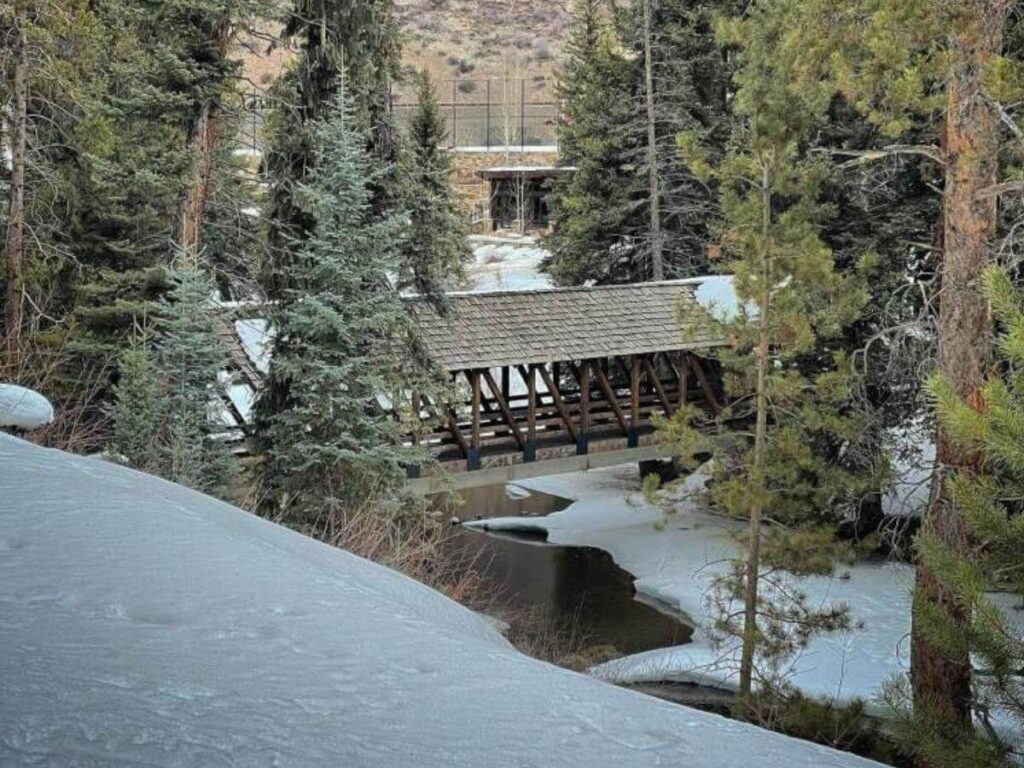
Lionshead Village has a slightly different energy. It’s more modern in design and tends to feel quieter, especially in the evenings. Gondola access is straight forward here, which makes it convenient if outdoor activities are a priority.
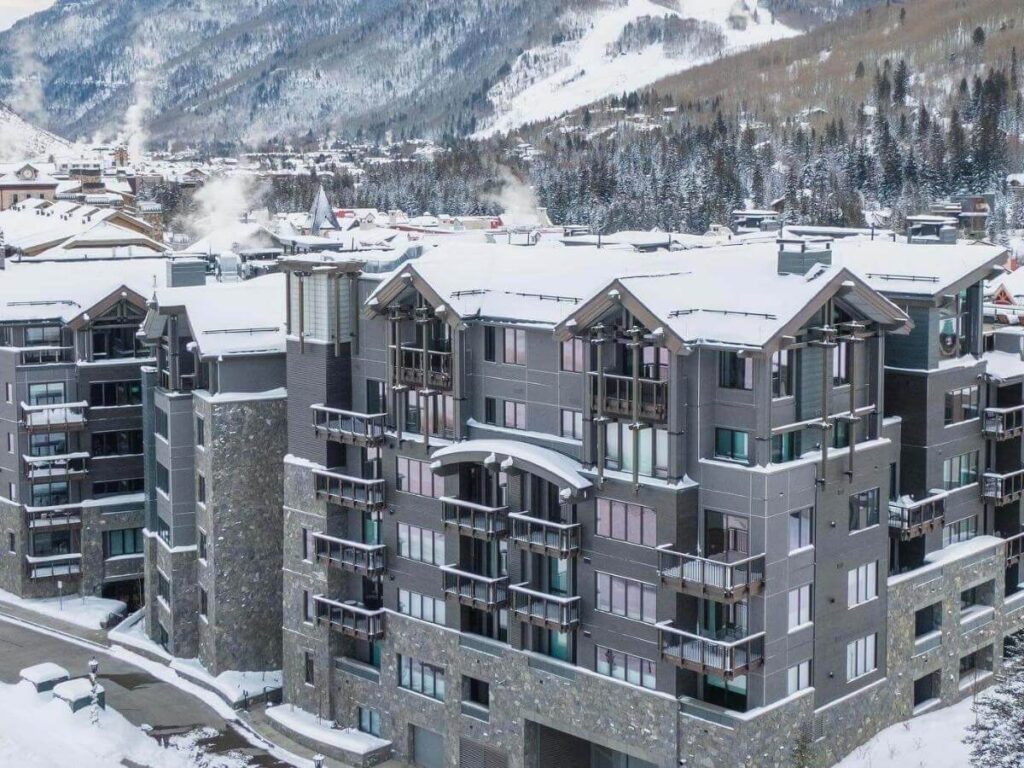
I liked Lionshead for early mornings and slower nights, when the village felt calm and spacious without trying too hard to entertain you.
The good news is that you don’t need to treat this as a major decision. The two villages are close enough that you can move between them easily, whether you’re walking, biking, or using free transportation.
Many people overthink where to base themselves, but in reality, you’ll likely experience both. Vail isn’t a place where choosing the wrong area changes the trip. Each village offers a slightly different mood, and together they give you a fuller sense of how the town works.
Best Things to Do in Vail
Ride the Gondola for the Views
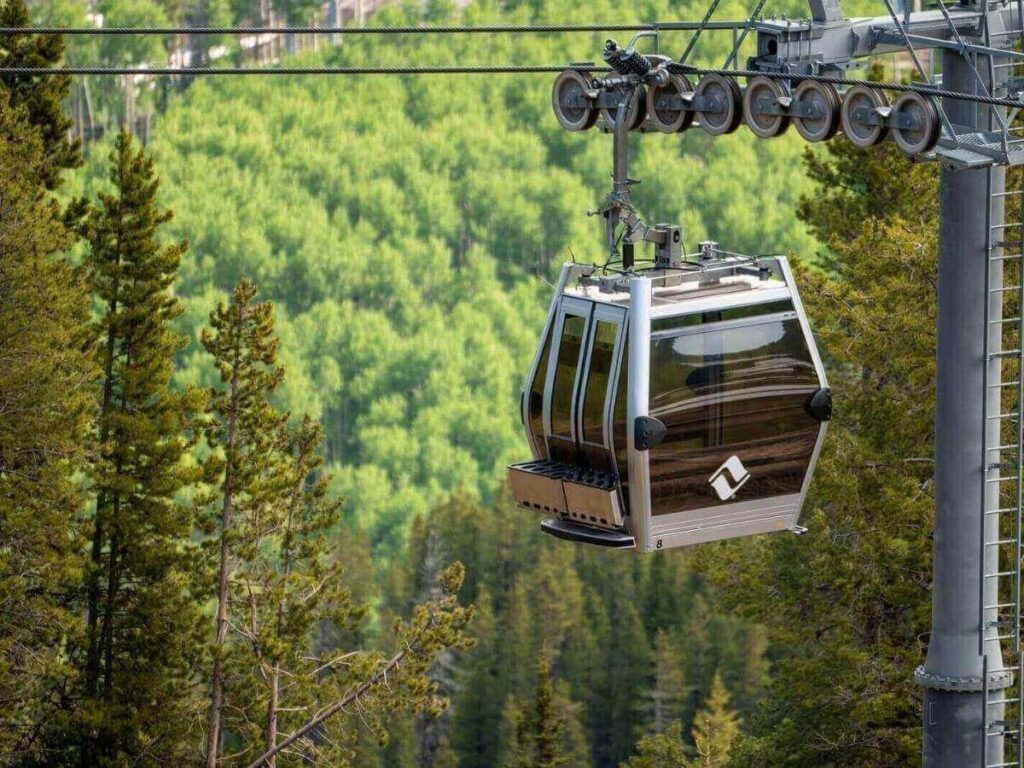
You really don’t need skis to understand why Vail is built the way it is. Taking the gondola up is one of the easiest ways to get your bearings and feel the scale of the mountains without committing to anything strenuous, especially if it’s your first day and you’re still adjusting to the altitude.
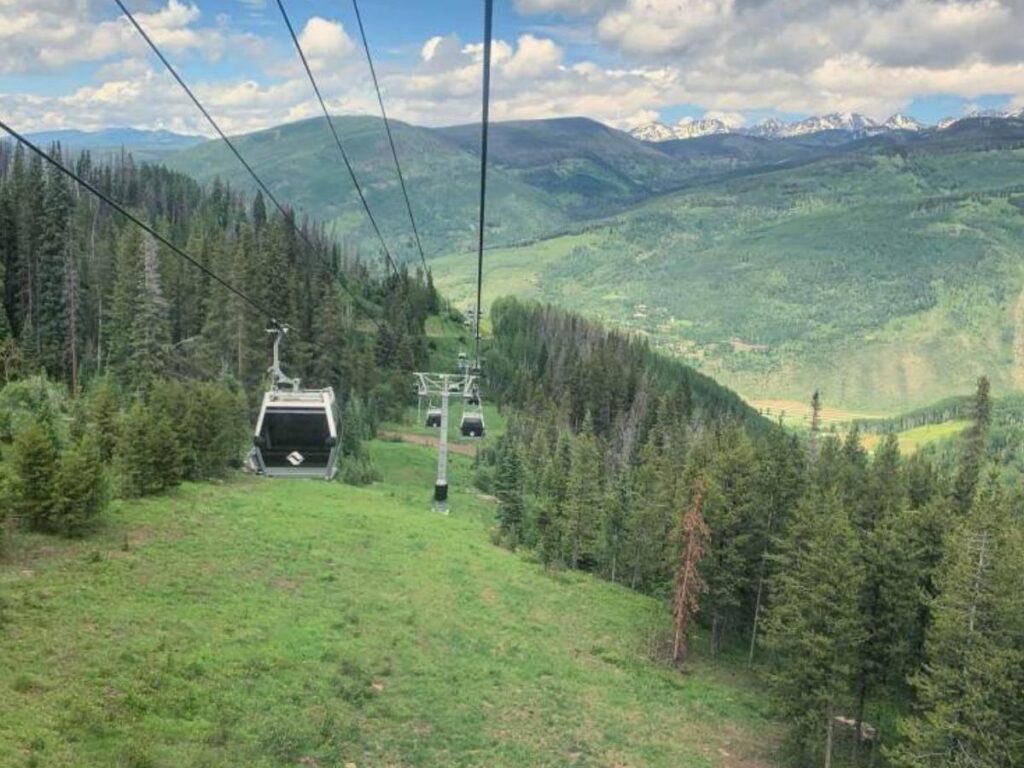
The ride itself is slow and calm, which gives you time to notice the details. The village gets smaller almost immediately, and suddenly you’re looking out at layers of peaks instead of buildings. That perspective shift matters more than I expected.
After seeing Vail from above, everything in town made more sense, from the way the villages are laid out to why the pace feels the way it does.
If you’re visiting in summer, the gondola is also a practical alternative to hiking. You get the views and the elevation without having to plan a full trail or worry about overdoing it on day one. I’d recommend doing this early in your trip, not because it’s a highlight you need to check off, but because it quietly frames the rest of your time in Vail.
Walk Through Vail Village Without a Plan
One of the best things I did in Vail required no planning at all. I just started walking.
Vail Village is compact enough that you never feel lost, but detailed enough that wandering feels intentional rather than aimless. Paths curve instead of running straight, small courtyards appear unexpectedly, and little foot bridges pull you toward the creek without you realizing it.
It’s the kind of place where a five minute walk turns into forty five because you keep stopping without meaning to.

What I liked most was that nothing felt urgent. There was no pressure to follow a route or reach a specific spot. I’d pause for coffee, keep walking, sit for a bit, then wander again. That rhythm suited Vail better than trying to move from attraction to attraction.
If you’re hoping for a quieter experience, early mornings and evenings are ideal. The village feels softer then, with fewer people moving through it and more space to notice the atmosphere instead of navigating around it.
Spend Time Along Gore Creek
Gore Creek runs through the middle of Vail, but it’s surprisingly easy to overlook if you’re focused on what you’re supposed to be doing. I almost did. Some of my favorite moments came when I stopped treating it like scenery and actually spent time near the water.
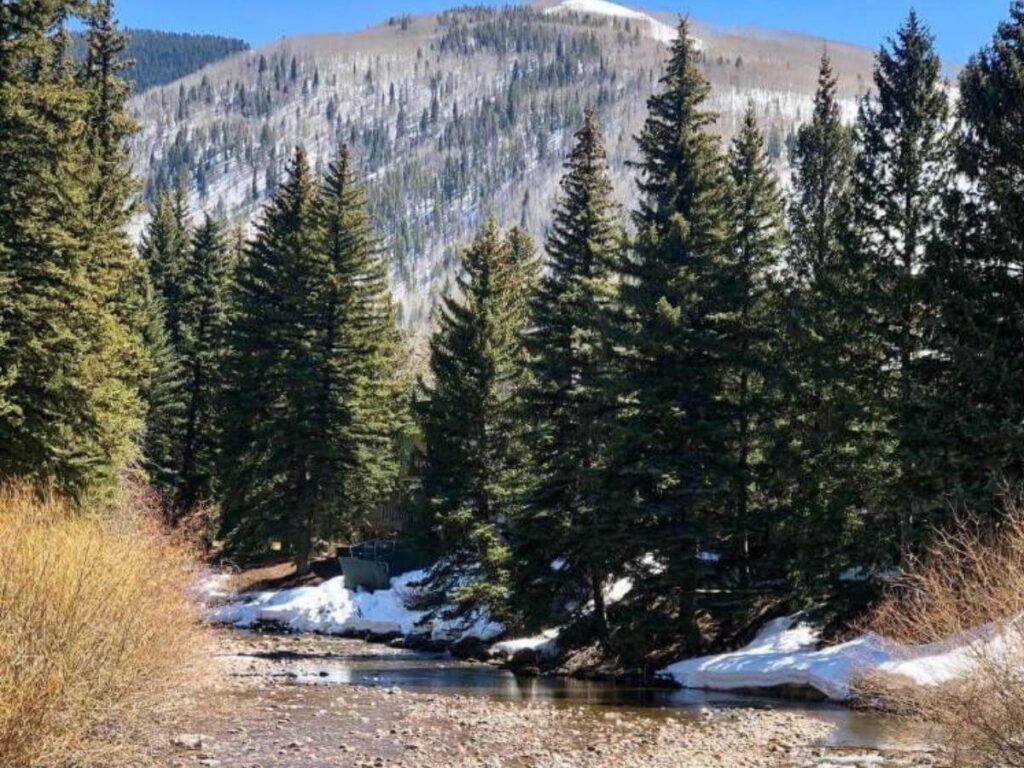
There are benches and quieter stretches along the creek where you can sit without feeling like you’re in the way. I’d bring a coffee, sit for longer than planned, and just watch the water move through town.
It’s a small thing, but it changes how Vail feels. Instead of a destination you’re passing through, it starts to feel like a place that’s alive and ongoing, whether you’re there or not.
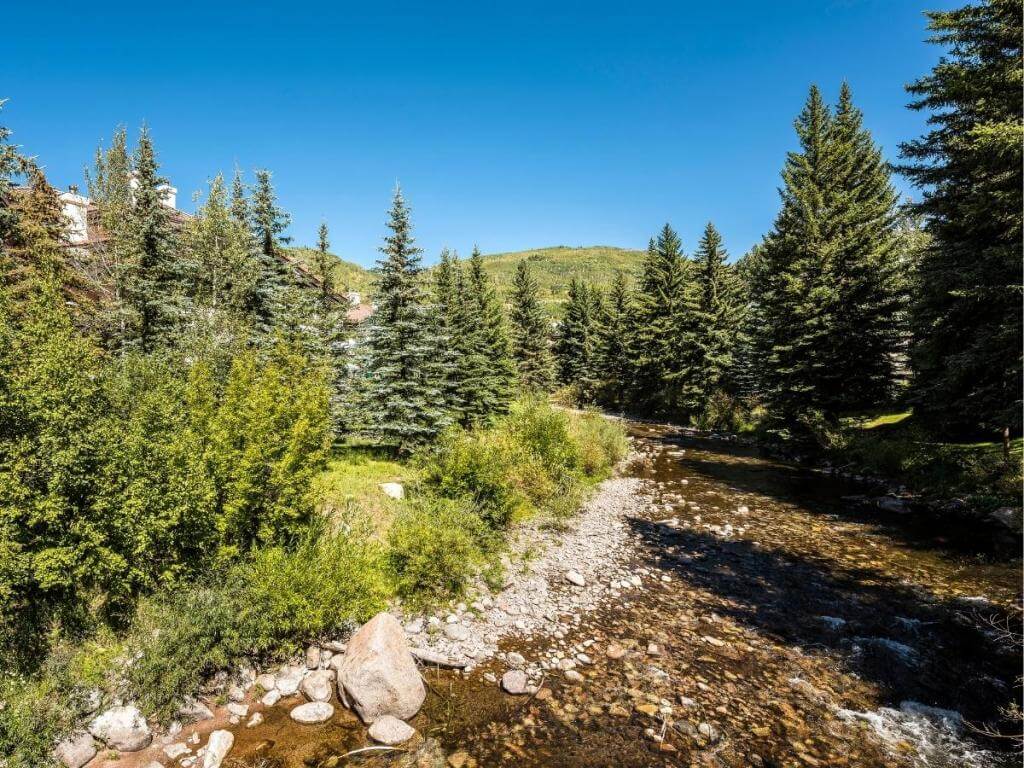
This isn’t a dramatic experience, and that’s exactly the point. Sitting by the creek grounded the trip in a way no scheduled activity did. If you’re the kind of traveler who appreciates stillness as much as scenery, this is one of those quiet moments that ends up staying with you.
Outdoor Things to Do in Vail Beyond Skiing
Easy Walks and Short Hikes Near Town
One thing I appreciated about Vail was how approachable the outdoors felt. You don’t need to be an avid hiker, own technical gear, or plan your day around trail logistics to spend time outside here. There are plenty of gentle paths and short trails near town that let you step into nature without turning it into a full production.
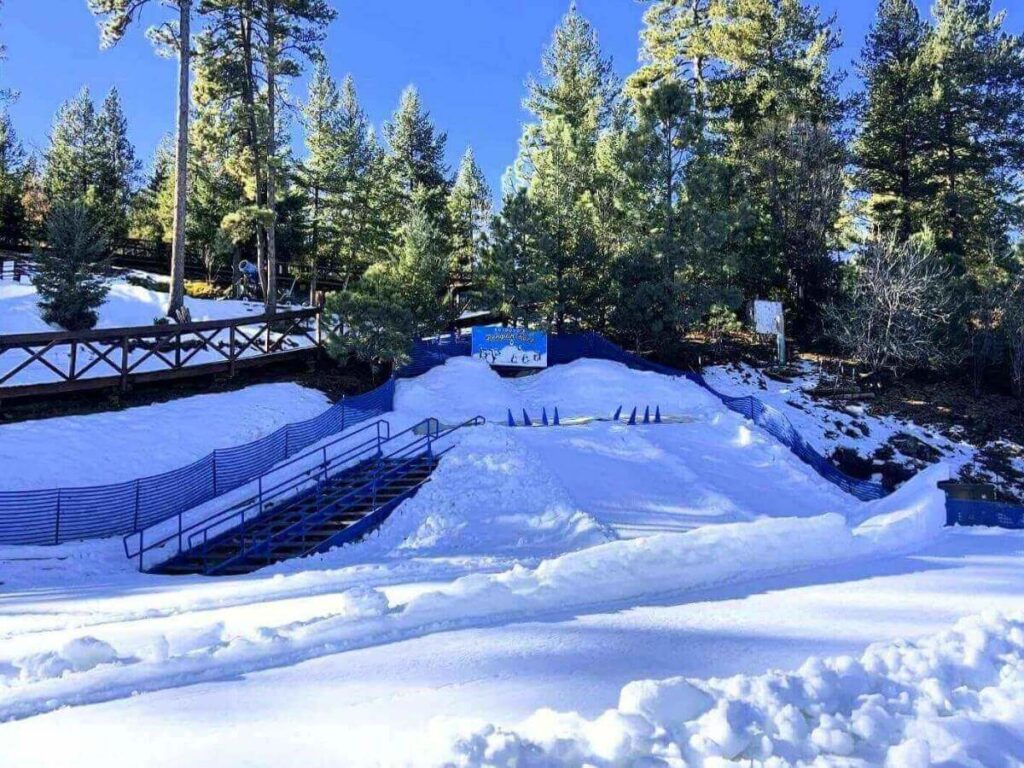
These walks are especially helpful at the start of your trip, when altitude can make even simple movement feel heavier than expected. Instead of pushing through a long hike, I liked having options where I could walk at an easy pace, stop when I felt like it, and still feel like I’d spent meaningful time outdoors.
They work just as well for a quiet morning as they do for filling a gap between meals or village wandering.
What stood out was how integrated these paths felt with the town itself. You’re never far from a view, a stretch of trees, or a spot where the noise fades enough to remind you why you came to the mountains in the first place.
Biking Through the Vail Valley
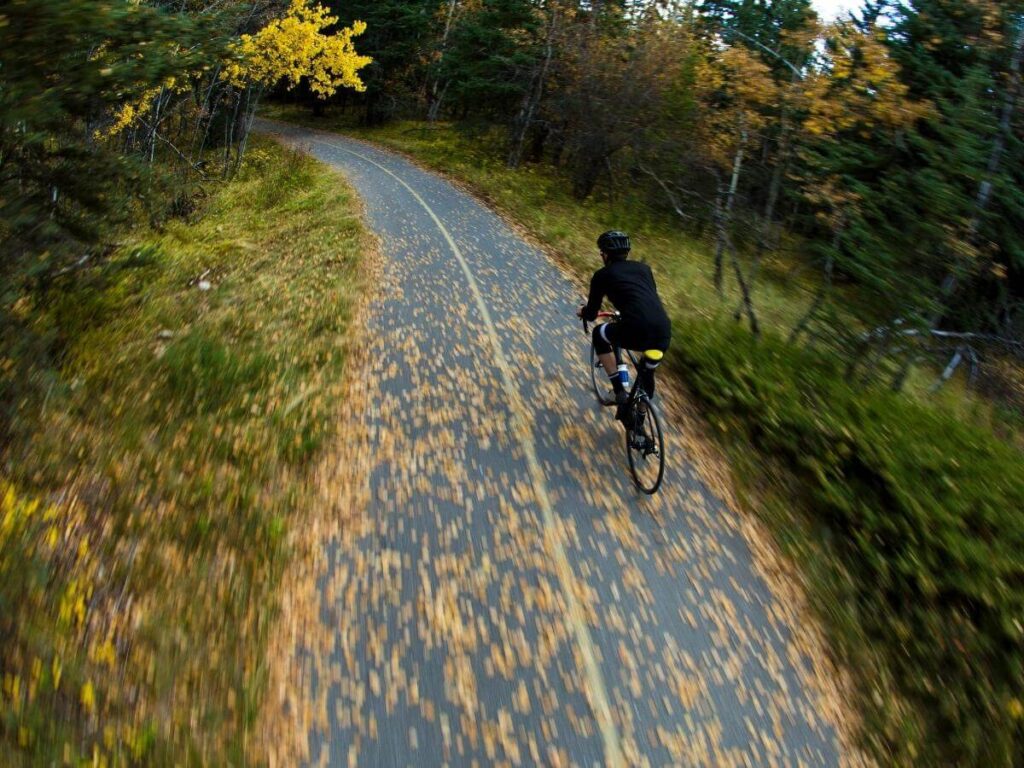
If you enjoy seeing a place at ground level, biking through the Vail Valley is one of the most natural ways to do it. The paved paths are smooth, scenic, and designed for all levels, which takes the pressure off if you’re not an experienced cyclist.
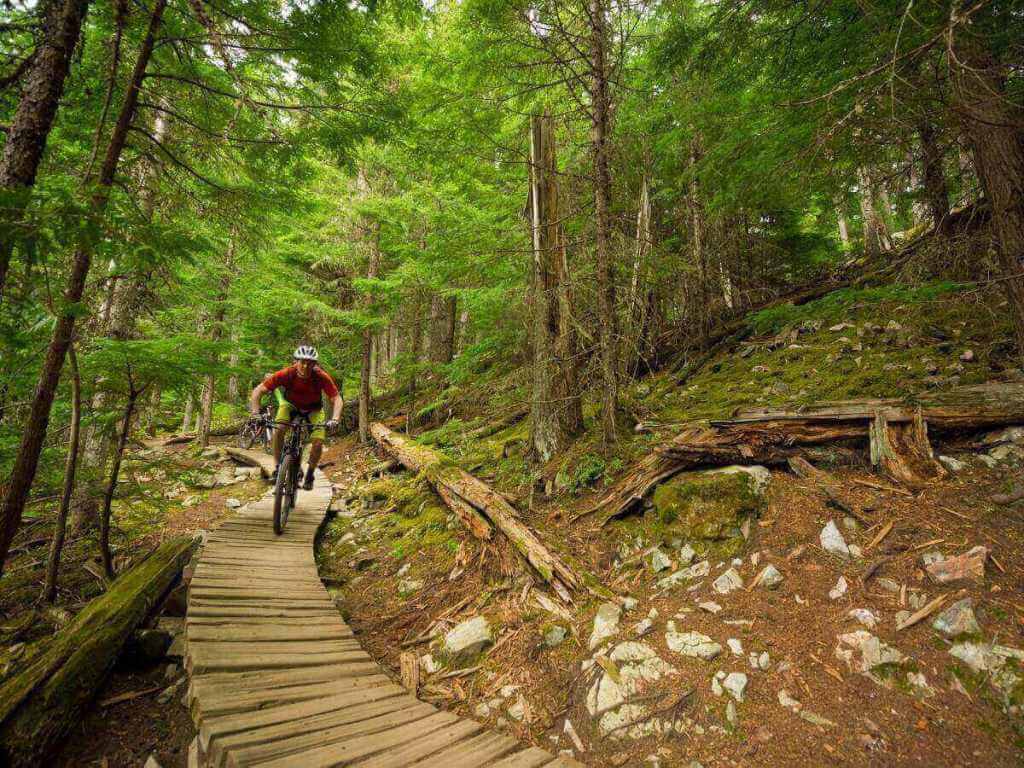
Biking here didn’t feel like a workout I needed to prepare for. It felt like moving through the landscape at a pace that let me notice things. The valley opens up slowly, with views shifting as you ride, and the route feels intuitive rather than demanding.
E bikes are especially useful if elevation changes feel intimidating or if you simply want to cover more distance without arriving tired. For me, biking struck a nice balance between being active and staying relaxed, which fits Vail’s overall rhythm better than pushing too hard.
Adventure Activities Worth Considering
Vail offers no shortage of adventure style experiences, from ziplining to alpine coasters to rafting nearby. If those kinds of activities are central to how you like to travel, you’ll find plenty of options that are well organized and easy to book.
That said, these experiences aren’t what make Vail feel special. They’re additions, not the foundation of the trip. I found that the more I tried to stack activities into a single day, the less connected I felt to the place itself. Vail isn’t a destination that rewards rushing from one thrill to the next.
If you’re interested in adventure activities, I’d suggest choosing one that genuinely excites you and letting it stand on its own. Build the rest of the day around quieter moments instead of trying to match the energy of the activity. Vail shines when you leave room to recover, wander, and notice where you are, rather than chasing a sense of productivity.
Food and Drink Experiences I’d Actually Plan Around
Where I’d Eat Without Overthinking It
Vail has plenty of dining options, but what worked best for me was letting go of the idea that every meal needed to be planned or reserved in advance. The town doesn’t reward rigid dining schedules. It rewards flexibility.
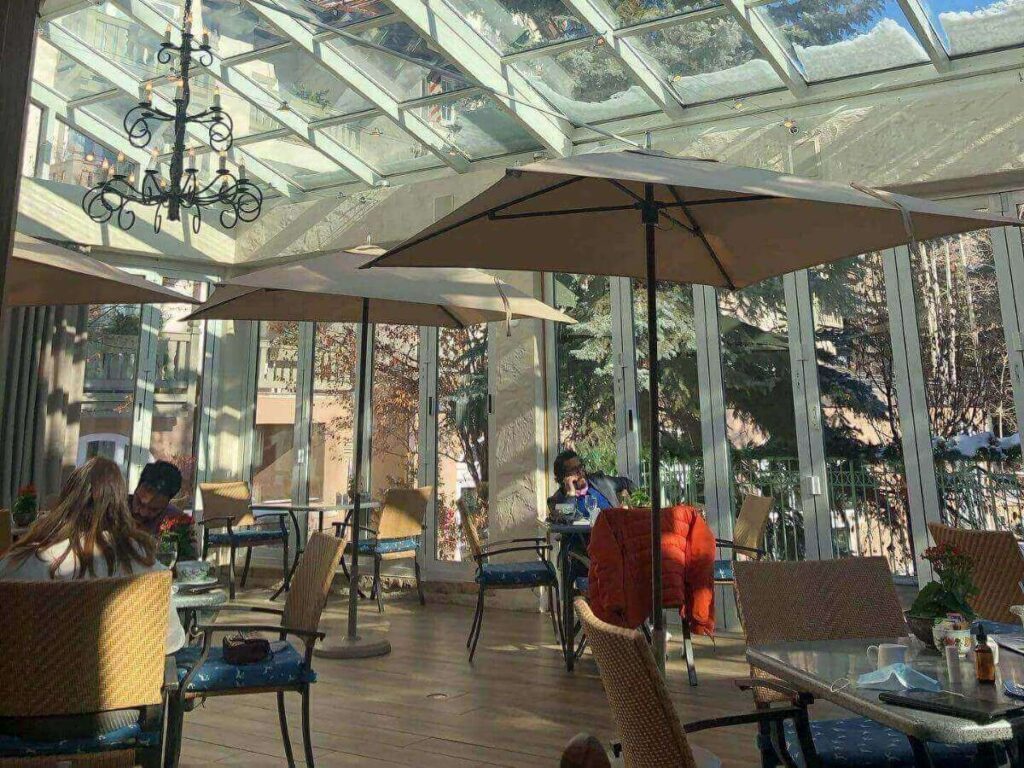
Casual breakfasts that stretch longer than expected, lunches that happen when you realize you’re hungry rather than at a set time, and dinners chosen based on how the day unfolded felt far more in tune with Vail’s pace.
I found myself gravitating toward places where I could settle in instead of rushing through a meal. Somewhere with outdoor seating, a comfortable dining room, or a view that made staying an extra twenty minutes feel natural.
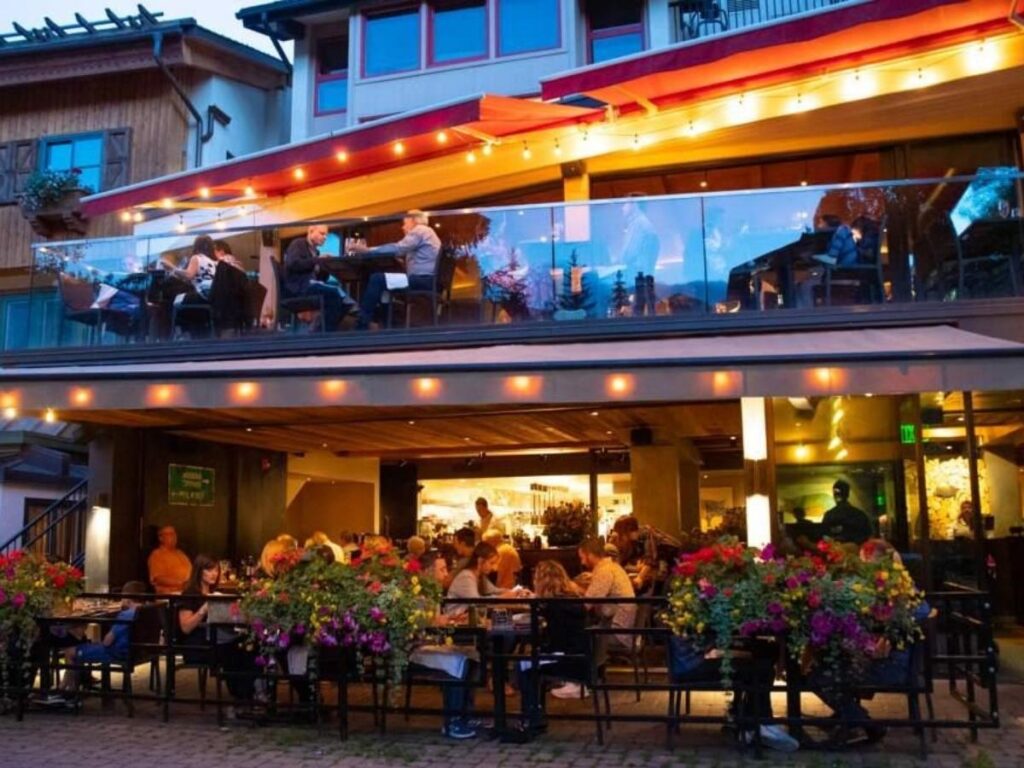
Meals became natural pauses in the day rather than something I had to organize around activities. That shift made everything feel easier and less transactional.
If you’re visiting during a busy period, it helps to be open minded. Eating a little earlier or later than peak times can make a big difference, both in wait times and overall experience. Vail dining feels best when it supports the flow of your day instead of interrupting it.
Après Culture Without Skiing
Après culture in Vail exists whether there’s snow on the ground or not. Even outside of ski season, late afternoons carry a distinct social energy that feels relaxed and inclusive rather than scene driven. It’s less about doing something specific and more about easing into the evening.
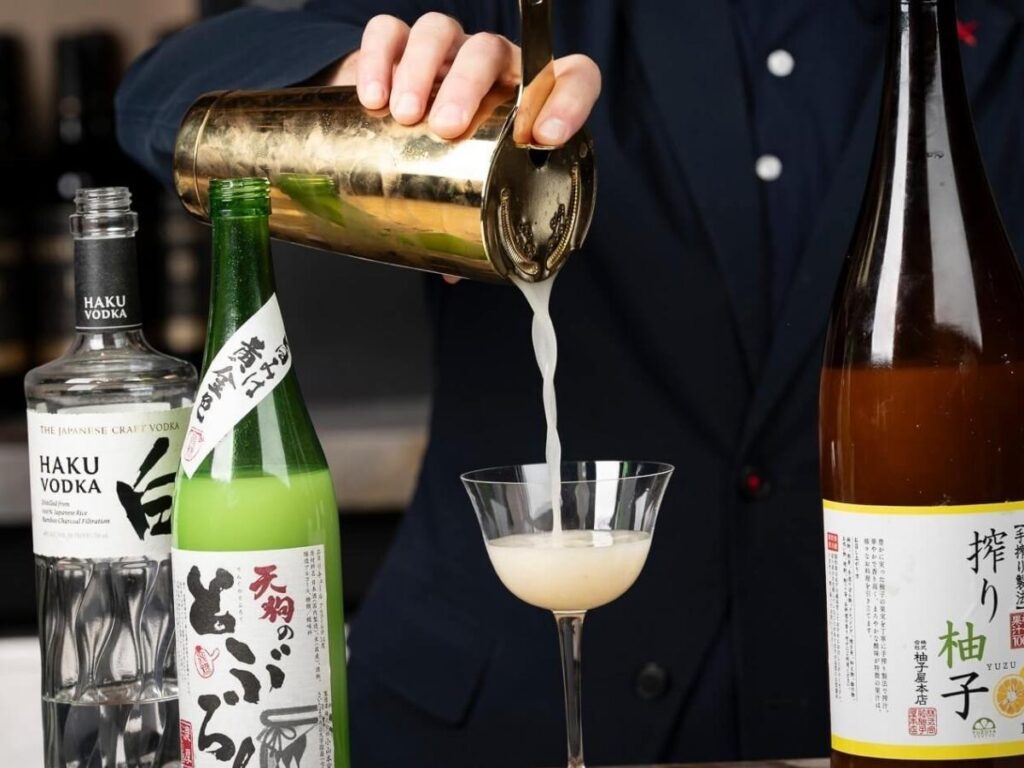
I got into the habit of sitting outside with a drink as the light shifted across the mountains, watching the village gradually slow down. People linger, conversations stretch, and there’s no pressure to move on quickly. It became one of the most grounding parts of the day, especially after time spent walking or biking.
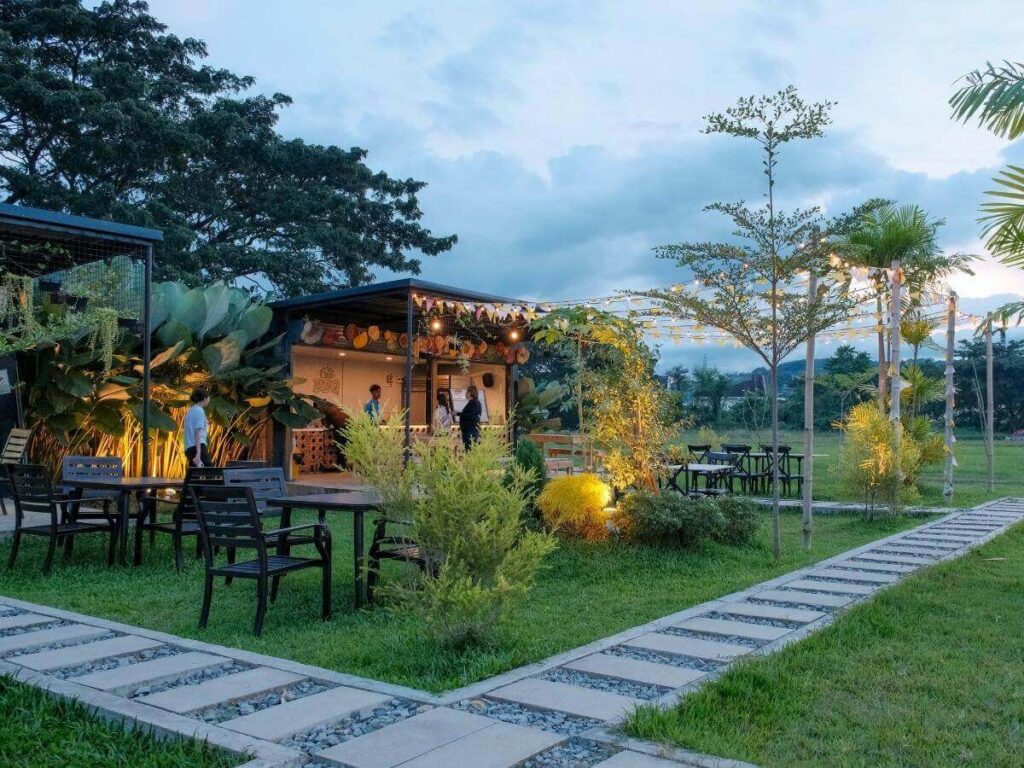
What I appreciated most was how unforced it felt. You don’t need to dress a certain way or know where to be. You just show up, find a spot that feels comfortable, and let the atmosphere do the rest. Even if you’re not someone who normally seeks out social scenes while traveling, this softer version of après fits naturally into Vail’s rhythm.
How I’d Plan Your Time in Vail
If You Have One Day
If you only have one day in Vail, the biggest mistake is trying to see all of it. Vail isn’t a place that reveals itself through highlights, and rushing from one spot to another usually leaves you feeling like you were always on your way somewhere else. I’d approach a single day as a chance to get a feel for the town rather than a full introduction.
I’d start with one experience that sets the tone. A gondola ride works well if you want immediate context and views, while an easy walk or short trail makes sense if the weather is good and you want to stay grounded. Once that anchor is in place, I’d let the rest of the day stay flexible.
Walk through the village without a route, follow the creek when it pulls you in, and stop for food when it feels right instead of when the clock says so.
The goal for one day isn’t coverage, it’s connection. If you leave feeling like you understood the pace and atmosphere of Vail, you did it right, even if you skipped more than you saw.
If You Have a Weekend
With two or three days, Vail becomes much easier to enjoy. You no longer need to fit everything into a single stretch, which takes a lot of pressure off. I’d still avoid filling every hour, but I’d be a little more intentional with mornings and let afternoons unfold naturally.
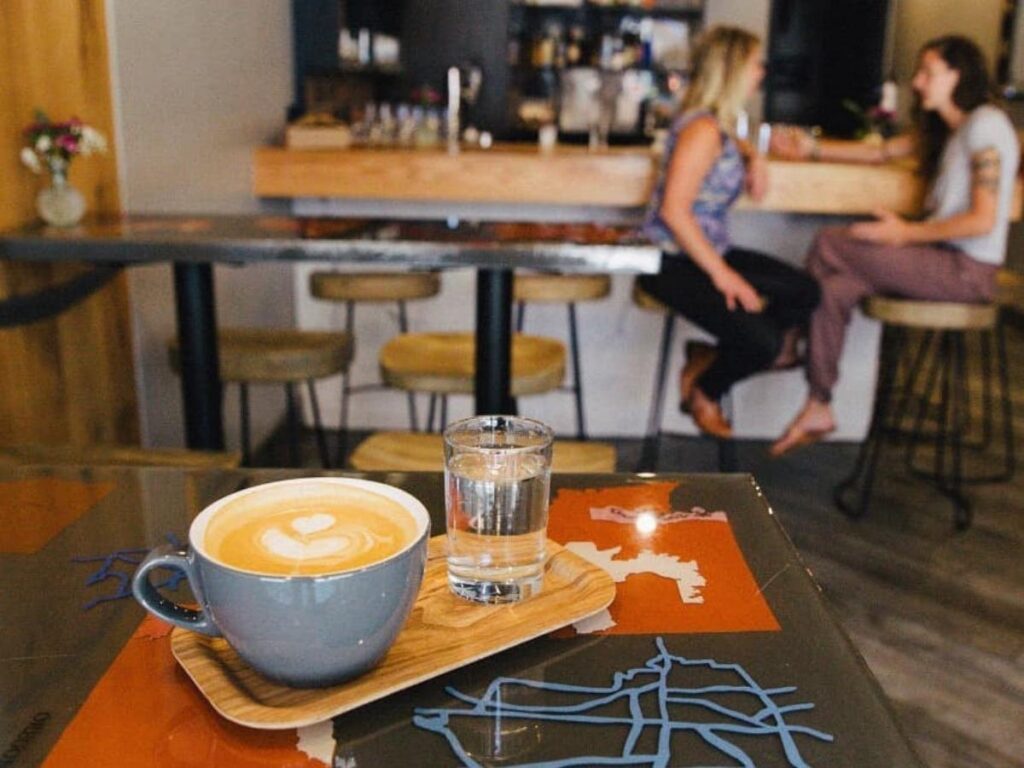
I like the rhythm of one more active morning per day, followed by slower time later on. That might mean spending the morning outside, then returning to the village for wandering, coffee stops, or a long lunch.
Some days it might be biking, other days a walk or gondola ride. What matters is giving yourself permission to stop early if you feel like it.
By the second day, most people start moving more slowly without realizing it. You stop checking maps as often. You linger longer. That’s usually a sign that you’ve adjusted to both the altitude and the pace, and it’s when Vail starts to feel less like a destination and more like a place you’re temporarily part of.
If You Have Four to Five Days
Four or five days is when Vail really shows its strength. At that point, you don’t need to plan the trip around activities at all. Instead, you can settle into a rhythm that feels sustainable rather than productive.
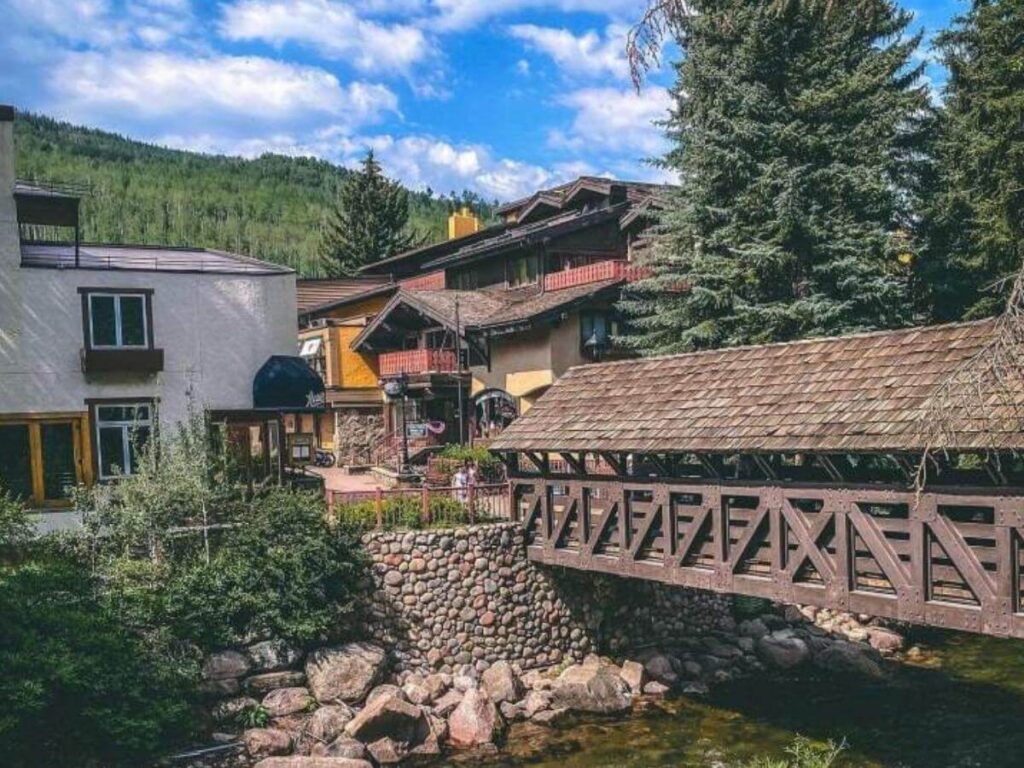
Some days might be more active, especially if the weather is good or you feel energized. Other days might be built almost entirely around slow walks, sitting outside, and letting meals stretch longer than expected.
That contrast is what makes a longer stay feel restorative instead of busy. You’re not trying to balance everything in one day because you know there’s time.
This is also when leaving space in your schedule matters most. When you’re not rushing, small moments start to stand out. A quiet morning walk.
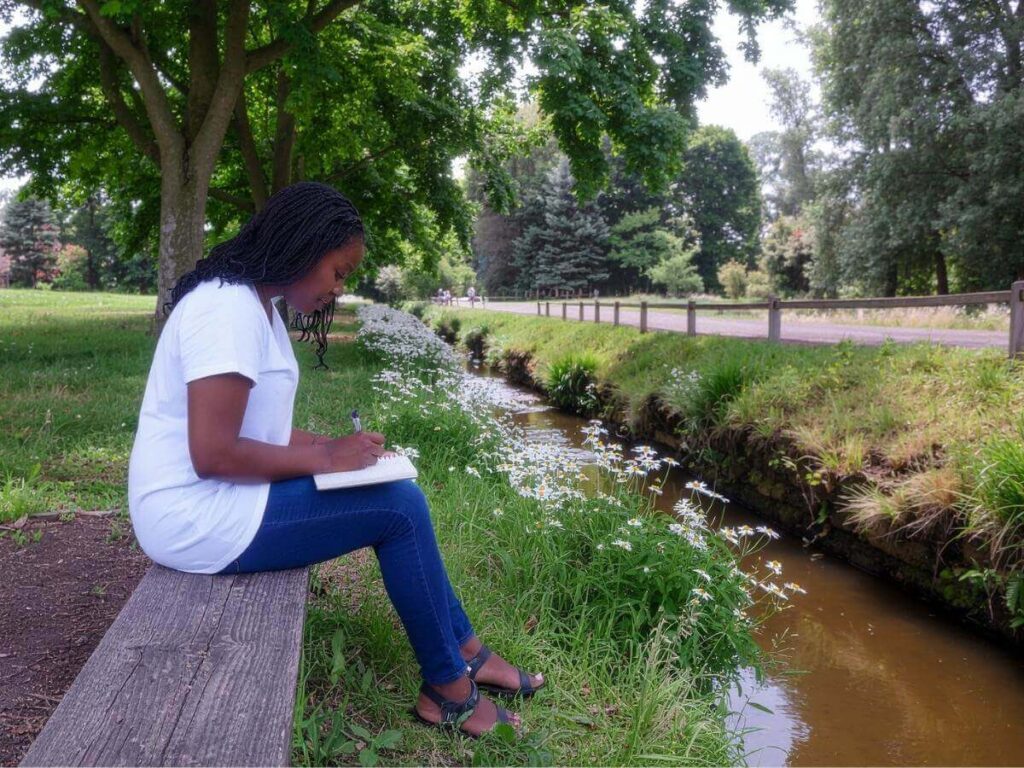
A bench you keep coming back to. A meal that turns into an unplanned afternoon. Those moments are hard to plan for, but they’re often what people remember most about Vail.
If there’s one thing I’d emphasize for any length of stay, it’s this: Vail gives more back when you ask less of it. Slow down, leave gaps in your plans, and let the place meet you where you are instead of trying to experience it all at once.
Practical Tips That Matter More Than You Expect
Altitude Is Real
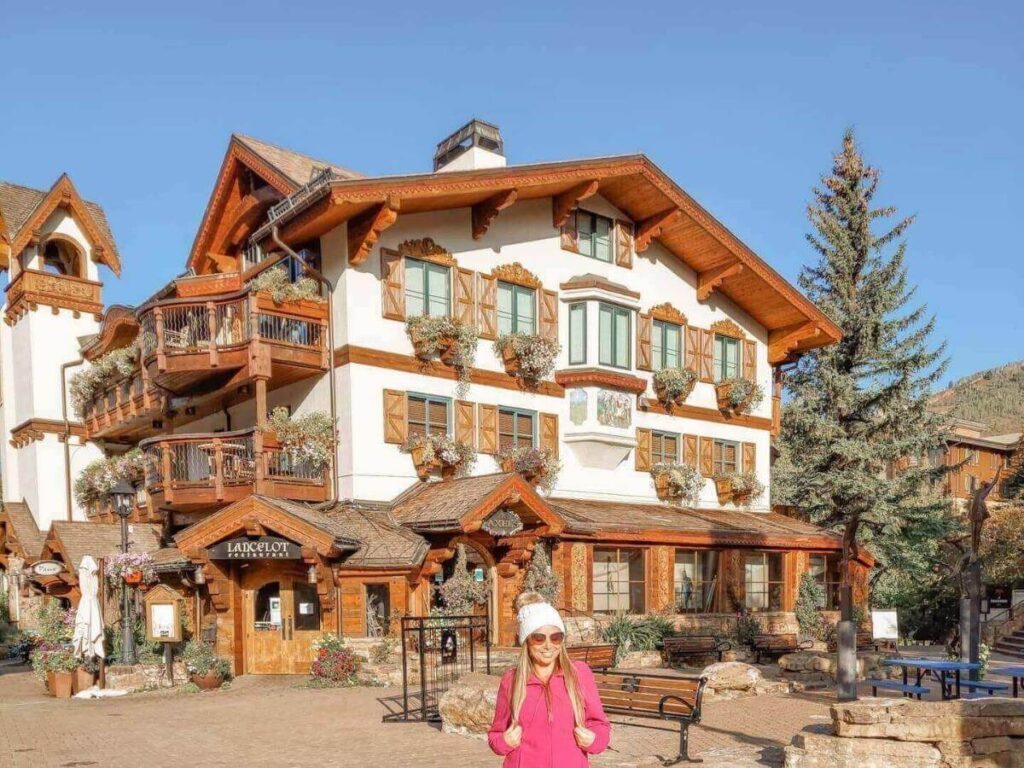
Altitude tends to show up after you think you’re fine. You might feel normal when you arrive, then notice your energy dip later in the day or the next morning. What helped me most was treating the first day as a buffer.
I drank water constantly, walked more slowly than usual, and didn’t push through tiredness just to stick to a plan. If something feels harder than expected, that’s normal. Vail gets easier when you give your body time to adjust.
Getting Around Without a Car
Vail is one of the easiest mountain towns to get around without driving. Most places you’ll want to visit are connected by walking paths, villages, and free transportation.
I ended up walking far more than I expected because it felt natural, not inconvenient. Not worrying about parking or driving after meals made the whole trip feel lighter and less structured.
When Vail Feels Crowded
Vail does get busy, especially during peak seasons, but timing makes a big difference. Early mornings are noticeably calmer, and weekdays feel more spacious than weekends. Even small shifts, like eating earlier or later, can change the experience.
When things feel busy, I found it easier to adjust my timing than try to escape the village altogether.
Is Vail Worth Visiting If You Don’t Ski?
Vail is at its best for travelers who enjoy scenery, walking, food, and time that isn’t heavily structured. It’s not a place that tries to entertain you every minute, and it doesn’t offer much in the way of nightlife or high energy distractions outside of ski season.
If you’re someone who values atmosphere over attractions, Vail can feel surprisingly satisfying without skis. The setting does a lot of the work. Long walks, slow meals, and being surrounded by mountains become the point, not something you fill time between.
If you’re looking for constant stimulation or a packed schedule, Vail might feel too quiet. But if you enjoy places that let you settle in instead of performing for you, it offers more than its ski town reputation suggests.
Final Thoughts
Vail surprised me because it asked very little of me as a traveler. Once I stopped trying to experience it the “right” way, it became a place that felt easy to exist in. I wasn’t managing logistics or chasing moments. I was walking, sitting, eating, and letting the landscape do what it does best.
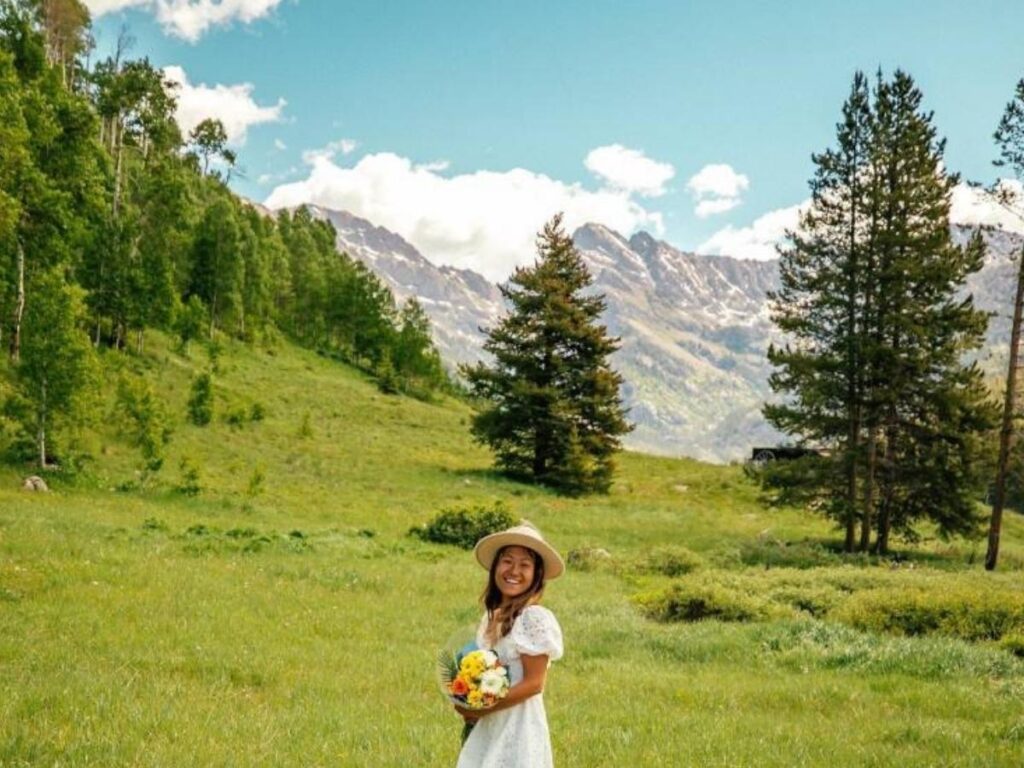
The village walks, mountain views, and quiet pauses ended up mattering more than any itinerary I could have planned. Those were the moments that stayed with me, not because they were dramatic, but because they felt natural.
If you plan your time with space instead of pressure, Vail becomes less about checking boxes and more about settling into a mountain rhythm that lingers long after you leave. It’s not a destination that asks you to do more. It’s one that gently invites you to slow down and notice where you are.