
I’ll be honest, I used to toss my suitcase in the closet the moment I got home from a trip, eager to forget about unpacking. But after returning from a beach weekend with sand coating every corner of my bag and a mysterious stain on the exterior, I realized my trusty travel companion needed some serious attention.
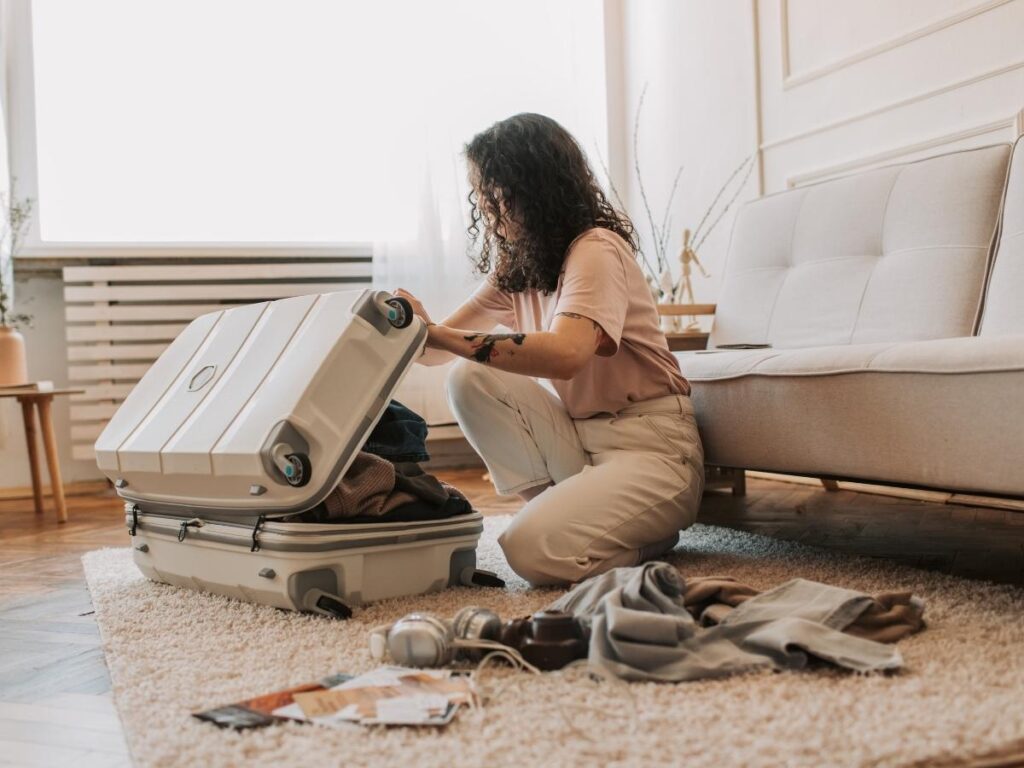
Your suitcase rolls through airport terminals, sits on hotel floors, and picks up more than just memories along the way. Regular cleaning keeps your luggage looking fresh and extends its life, which means more adventures together. In this guide, I’m walking you through exactly how I clean my suitcases, both the hard shell ones and my favorite fabric carry-on so you can keep yours in great shape too.
Why You Should Clean Your Suitcase Regularly
I know cleaning your luggage sounds like just another chore after an exhausting trip. But here’s why I make time for it now.
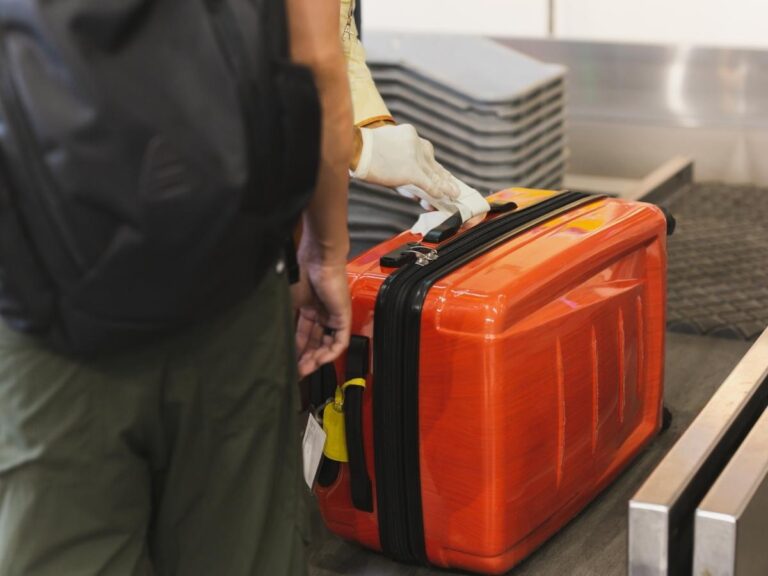
Hygiene matters more than you think. Luggage travels through airports, hotels, and vehicles where it picks up dirt, dust, and various debris. I’ve watched baggage handlers toss suitcases onto conveyor belts that haven’t seen a cleaning crew in who knows how long. All those germs and bacteria can hitch a ride straight into your home if you’re not careful.
Your belongings deserve better. The last thing you want is to pack fresh clothes for your next trip into a suitcase that still smells like the seafood market you visited two months ago. I learned this lesson when my favorite silk blouse came out of storage smelling musty because I’d never properly aired out my bag.
It protects your investment. Quality luggage isn’t cheap, and regular maintenance helps it last longer. I’ve had my main suitcase for five years now, and it still looks nearly new because I give it a good clean after every major trip.
When to Clean Your Suitcase
After every trip, you should give your luggage a quick wipe down, especially the handles and wheels. I do this as part of my unpacking routine now. For deeper cleaning sessions, I aim for every 2-3 trips, or immediately if something spills inside.
If you’ve stayed somewhere that made you suspicious about bed bugs, or if you’ve been traveling through particularly dusty environments, clean your suitcase right away. I don’t take chances with that.
Essential Supplies You’ll Need
Before we get started, gather these items. Most of them are probably already under your sink:
- Vacuum cleaner with attachments (a handheld works great)
- Soft microfiber cloths
- Mild dish soap or gentle laundry detergent
- Rubbing alcohol
- Baking soda
- Soft-bristle brush or old toothbrush
- Small bowl of warm water
- Magic eraser sponge (for hard shell luggage)
- Spray bottle (optional)
What to avoid: Skip the bleach, harsh spot removers, and cleaning solvents. These can damage your luggage’s protective coating and cause discoloration. I learned this the hard way with a fabric suitcase that ended up with bleach spots.
How to Clean Hard Shell Luggage

My polycarbonate suitcase sees the most abuse, so I’ve perfected this cleaning routine.
Step 1: Empty everything out
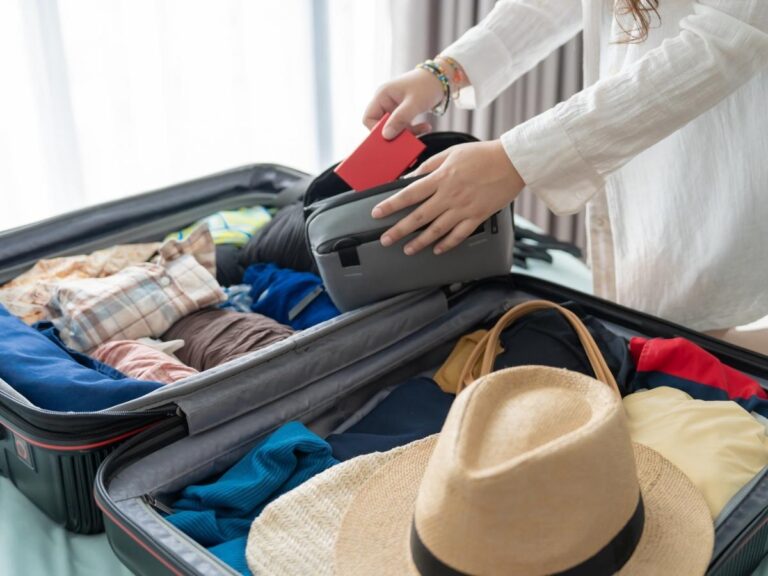
Pull out all your items and check every pocket. I always find at least one forgotten boarding pass or hotel key card. Make sure you’ve removed all belongings and checked inside pockets and compartments, watch out for smaller items like bobby pins, watches, and plug adapters.
Step 2: Tackle the exterior
Wipe the exterior with a damp cloth and gentle dish soap. I usually mix a small amount of soap in a bowl of warm water, dip my microfiber cloth, wring it out well, and wipe down the entire shell. Don’t soak it, you just want the cloth damp.
For scuff marks (because they’re inevitable), use a magic eraser or a paste of baking soda and water. The magic eraser works wonders on my white hard shell suitcase. Just rub gently in circular motions and watch those airport battle scars disappear.
Step 3: Clean the wheels and handle
This is the part I used to skip, but it’s actually crucial. The wheels touch every surface imaginable. I use a disinfectant wipe on the handle and an old toothbrush dipped in soapy water to scrub around the wheels and axles. You’d be surprised how much gunk builds up there.
Step 4: Rinse and dry
Wipe everything down again with a clean, damp cloth to remove any soap residue. Then dry thoroughly with a towel. I always leave the suitcase open in a well-ventilated area for a few hours to make sure it’s completely dry before storage.
How to Clean Fabric or Soft-Sided Luggage
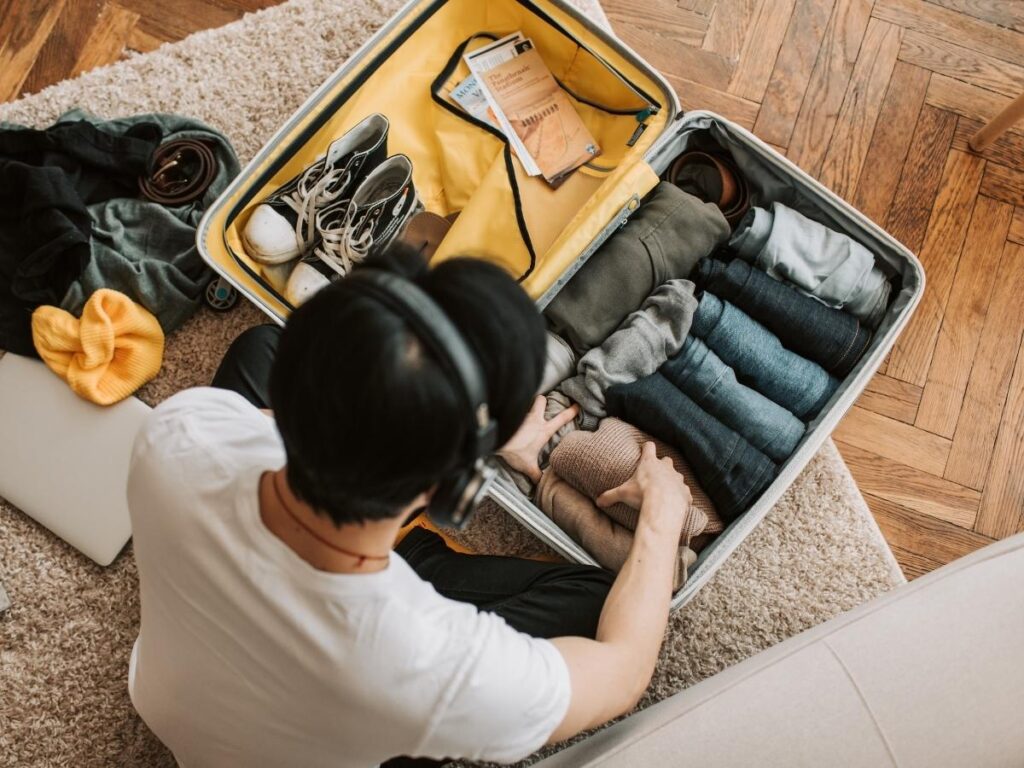
Fabric luggage requires a gentler touch, but it’s still straightforward.
Step 1: Start with vacuuming
Use a vacuum on the upholstery and pockets. I attach the upholstery brush to my vacuum and go over every inch of the fabric. This picks up crumbs, dust, and that mysterious lint that appears out of nowhere.
Step 2: Spot treat stains
For my fabric bags, I mix a tiny amount of mild laundry detergent with water. Apply this mixture to spot-treat any stains on the outside of your suitcase, then gently rub the stains to work the cleaning products into the fabric. I use a soft cloth and work from the outside of the stain toward the center to prevent it from spreading.
Coffee spills are my nemesis. When I have one, I blot it immediately with a dry cloth to absorb as much liquid as possible, then follow up with the detergent solution.
Step 3: Address the tough spots
For stubborn stains that won’t budge, I’ve found that a bit of upholstery shampoo works well. Apply a small amount, let it sit for a few minutes, then gently scrub with a soft brush. Don’t saturate the fabric, you want just enough moisture to lift the stain.
Step 4: Wipe and air dry
Go over the entire bag with a clean, damp cloth to remove any cleaning product residue. Then let it air dry completely in a well-ventilated space. I prop mine open and sometimes position a small fan nearby to speed things up. Never use a hair dryer or heater, as the concentrated heat can damage the fabric.
Cleaning the Interior of Your Suitcase
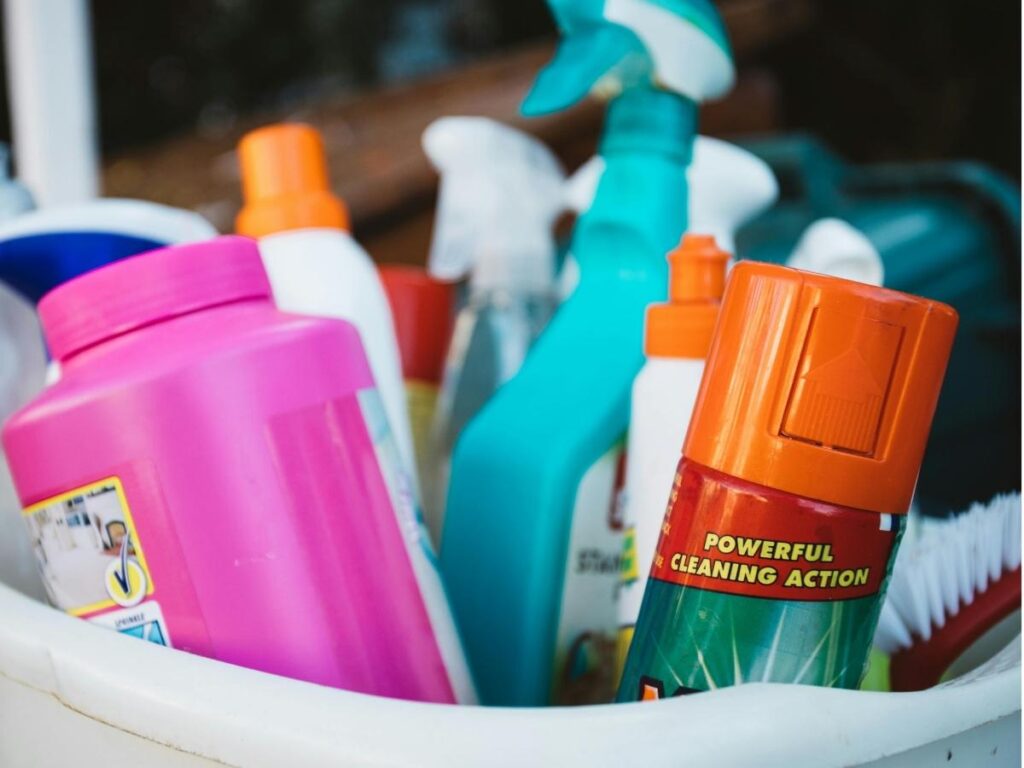
The inside of your suitcase needs just as much attention as the outside.
Remove all contents and accessories
Take out packing cubes, laundry bags, and any organizational accessories. I wash my packing cubes separately if they look dirty.
Vacuum thoroughly
Use a vacuum with an edge nozzle inside the suitcase, paying extra attention to corners and crevices. Those corners are magnets for sand, crumbs, and lint. I spend extra time on the zippered pockets where things tend to accumulate.
Wipe down the lining
Mix together a 50/50 solution of rubbing alcohol and water. You can add a little lemon juice to improve the smell if you wish. I dampen a cloth with this mixture and wipe down all interior surfaces. The alcohol helps disinfect while evaporating quickly, and the lemon juice leaves a fresh scent.
For major spills like shampoo or lotion, act quickly. Blot up as much as possible with paper towels, then clean the area with your soap and water solution. If it’s really bad, a wet/dry vacuum can help extract the liquid.
Eliminate odors
If your suitcase has developed a smell (hello, gym clothes from that hiking trip), a sachet of baking soda in your suitcase overnight can help neutralize unpleasant odors. I sprinkle baking soda liberally inside, let it sit overnight, then vacuum it all up the next day. Coffee grounds work too, though I prefer baking soda since it’s less messy.
Dry completely
This is important. Leave your suitcase open in a dry, well-ventilated area until the interior is completely dry. I usually give it a full day. Moisture trapped inside can lead to mold and mildew, which you definitely don’t want.
Dealing with Specific Problems
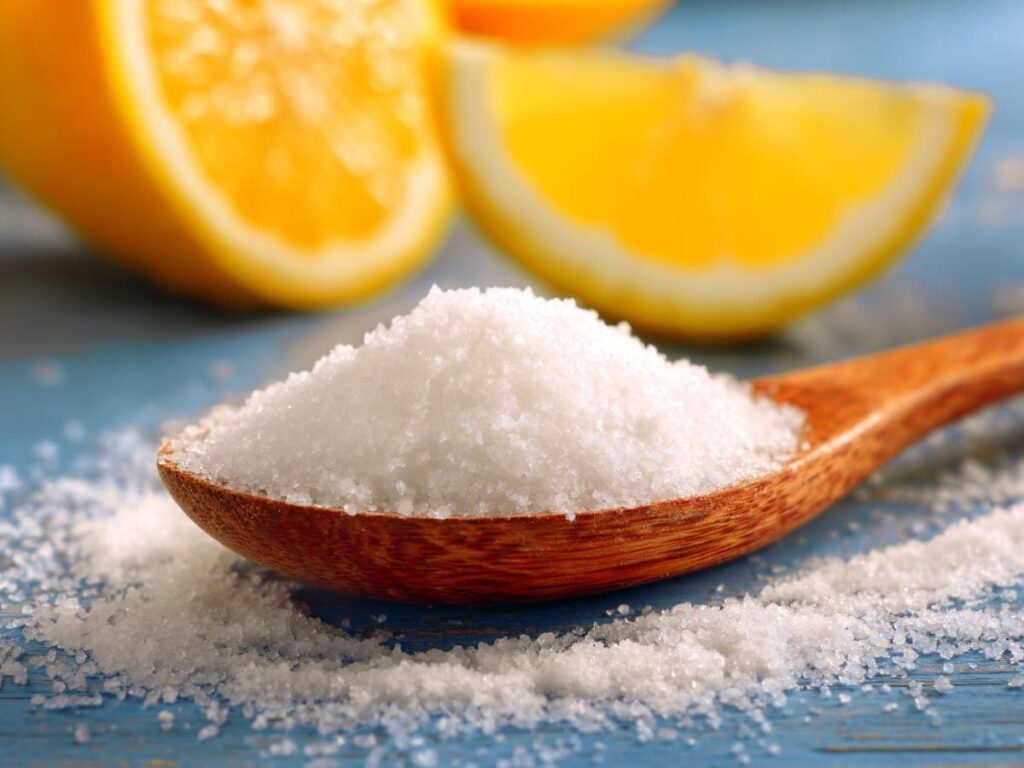
Over the years, I’ve encountered just about every suitcase cleaning challenge. Here’s what’s worked for me.
Grease or oil stains
These are tricky. Blot the stain with a dry cloth to absorb as much oil as possible, then apply a small amount of mild soap with warm water and gently dab. I’ve had success with a degreasing dish soap for particularly stubborn spots. Just avoid soaking the material.
Persistent odors
Sometimes baking soda isn’t enough. For really stubborn smells, I use an enzyme-based fabric spray designed for pet odors. It sounds weird, but it works. Spray the interior lightly, let it sit for the recommended time, then wipe clean and air out thoroughly.
Scuff marks on hard shells
The magic eraser is your best friend here. If that doesn’t work completely, a very small amount of non-gel toothpaste on a soft cloth can help buff out scuffs. Rub gently, wipe clean, and repeat if needed.
Wheels that won’t roll smoothly
Sand and dirt can block the wheels. I use an old toothbrush to clean around the wheel mechanisms, then wipe with a disinfectant wipe. If they’re still sticky, a tiny drop of silicone lubricant on the axles can help.
My Post-Trip Suitcase Care Routine

Here’s exactly what I do every time I return home from a trip.
Quarantine period
Whenever I return from a trip, I place my suitcase and carry-on in quarantine in the garage until I have unpacked it and cleaned all luggage surfaces properly. If you don’t have a garage, a porch or mudroom works. This prevents any potential bed bugs or other unwanted hitchhikers from entering your home.
Immediate unpack
I take everything out right away and put clothes directly into the washing machine. No leaving them on the floor “just for now.” Everything gets washed immediately in hot water.
Quick clean
Even if my suitcase looks fine, I give it at least a quick wipe-down with a disinfectant wipe, focusing on the handle, wheels, and any high-touch areas.
Air it out
Before putting my luggage away, I leave it open in a well-ventilated spot for at least 24 hours. Sometimes I do this in the garage with a fan running nearby. The fresh air helps eliminate any lingering odors and ensures everything is completely dry.
Proper storage
Once everything is clean and dry, I store my suitcases in a cool, dry place. I keep them slightly open so air can circulate, and I toss a dryer sheet or cedar sachet inside to keep them smelling fresh.
Preventive Care Tips
A little prevention goes a long way toward keeping your suitcase cleaner between trips.
Use packing cubes
I swear by these. They create a barrier between your belongings and the suitcase interior, catching crumbs and preventing direct contact with the lining. When something spills, it’s contained in the cube rather than seeping into your luggage.
Pack liquids carefully
Place any liquid items such as toiletries, shampoo, or sunscreen in sealed plastic bags to prevent leaks or spills from soiling the interior of your suitcase. I use gallon-size zip-top bags and squeeze out excess air before sealing. I’ve avoided countless disasters this way.
Consider a luggage cover
For my checked bags, I use a luggage cover to protect against dirt and scratches during handling. It’s saved my suitcase from looking beat up and makes it easier to spot on the carousel too.
Address spills immediately
If something leaks during your trip, don’t wait until you get home. Blot it up as soon as you can with whatever towels are available. The longer a stain sits, the harder it is to remove.
Separate dirty items
I always pack a laundry bag or large plastic bag for worn clothes and shoes. This keeps them away from clean items and prevents dirt from spreading throughout your suitcase.
How Often Should You Deep Clean?
This depends on how frequently you travel and where you go.
If you’re a frequent traveler like I’ve been over the past few years, aim for a deep clean every 2-3 trips. For occasional travelers, twice a year should suffice.
That said, trust your judgment. If your suitcase looks dirty, smells off, or you’ve traveled somewhere particularly dusty or suspect, clean it right away. I gave my luggage an immediate deep clean after a camping trip where it spent time in a very dusty tent.
What About Professional Cleaning?
For really tough jobs or if you have expensive leather luggage, professional cleaning might be worth considering. I had a vintage leather suitcase that needed special care, and a professional cleaner did wonders with it.
Search for luggage repair shops or specialty cleaners in your area. Some dry cleaners also offer luggage cleaning services. Just make sure they have experience with your specific type of luggage material.
Maintaining Your Luggage Between Trips
Beyond cleaning, a few simple habits help keep your suitcase in great condition.
Inspect regularly
Each time I use my suitcase, I check for loose stitching, zipper issues, or wheel problems. Catching small issues early prevents them from becoming major repairs.
Store properly
Keep luggage in a cool, dry place away from direct sunlight. I store mine in a closet with good air circulation. Never store damp luggage, as this creates the perfect environment for mold.
Avoid overloading
I used to stuff my suitcase until the zippers strained. Not anymore. Overloading stretches fabric, stresses zippers, and can damage the frame. If you need more space, it’s better to bring an additional bag.
Use it correctly
This sounds obvious, but don’t drag your rolling suitcase by the handle when it’s designed to roll. I see people do this all the time, and it’s tough on the wheels and handle mechanism.
Final Thoughts
Taking care of your suitcase might not be the most exciting part of travel, but it’s one of those small investments that pays off. My well-maintained luggage has accompanied me through countless adventures, and I know it’ll be ready for many more.
The key is making it part of your routine. Now when I return from a trip, unpacking and cleaning my suitcase are just one process. It takes maybe 15-20 minutes, and then my luggage is fresh, clean, and ready for whenever wanderlust strikes again.
Your suitcase is your travel partner. Treat it well, and it’ll serve you faithfully for years to come. Safe travels, and happy cleaning!
How do you clean the inside of a suitcase?
Start by vacuuming thoroughly to remove debris, then wipe down the interior with a cloth dampened in a 50/50 mixture of rubbing alcohol and water. For odors, sprinkle baking soda inside overnight before vacuuming it up. Always let the interior dry completely before storing.
Can you wash a fabric suitcase?
You shouldn’t submerge a fabric suitcase in water or put it in a washing machine, as this can damage the structure and protective coatings. Instead, spot-clean with a mild detergent solution and a soft cloth, then wipe with a damp cloth and air dry completely.
What removes scuff marks from hard shell luggage?
A magic eraser sponge works best for most scuff marks on hard shell luggage. For stubborn scuffs, try a paste made from baking soda and water, or gently buff with a small amount of non-gel toothpaste on a soft cloth.
How often should you clean your suitcase?
Give your suitcase a quick wipe-down after every trip, focusing on handles and wheels. Deep clean every 2-3 trips or immediately if you’ve had spills, encountered bed bugs, or traveled through particularly dirty environments.
How do you get the smell out of a suitcase?
Place an open container of baking soda inside your suitcase overnight, or sprinkle it directly on the interior and vacuum it up the next day. For persistent odors, use an enzyme-based odor eliminator spray and ensure the suitcase is thoroughly aired out before storage.