
I’ll never forget the morning I opened my laptop at a café overlooking the Seine, the smell of fresh croissants mixing with my coffee, and thinking: “I could get used to this.” France isn’t just a vacation destination it’s become one of my favorite places to balance work and life in ways that feel almost impossible back home.
Over the past few years, I’ve tested out remote work setups across France, from buzzing city centers to quiet coastal towns. What I discovered surprised me: France offers so much more than the obvious Paris headquarters experience. Whether you’re drawn to Mediterranean beaches, Alpine peaks, or historic wine regions, there’s a French city that matches your work style and wanderlust.
In this guide, I’m sharing 12 French cities where I’ve successfully worked remotely, complete with the honest details about internet speeds, coworking spaces, costs, and what makes each place special when you’re not staring at your screen.
Paris
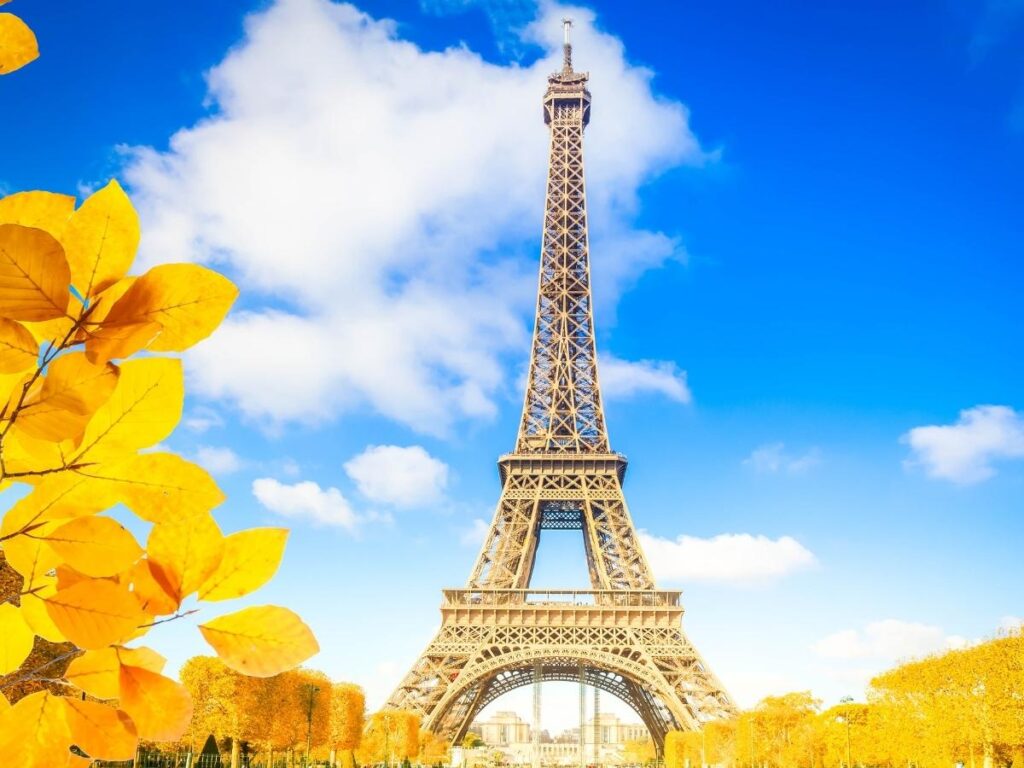
What Drew Me Here: The energy, the culture, the endless exploration
Let me be honest: Paris isn’t cheap, and I won’t pretend otherwise. But there’s something about working in the City of Light that makes every euro feel worthwhile. I found myself cycling between cozy cafés in Le Marais, coworking spaces near the Bastille, and parks where I could take calls with the Eiffel Tower in the background.
The Remote Work Reality: Paris has excellent internet infrastructure and countless coworking spaces. I particularly loved the ones in the 10th and 11th arrondissements as they are less touristy, more affordable, with that authentic Parisian neighborhood feel. Cafés here understand remote workers; most have good Wi-Fi and won’t rush you after one coffee.
When I Wasn’t Working: I spent weekends museum-hopping (the Musée d’Orsay became my Sunday ritual), discovering hidden passages in the Marais, and taking day trips to Versailles or Champagne. The metro makes everything accessible, and I loved that I could hop on a train to London, Brussels, or the French countryside whenever I needed a change of scenery.
Budget Tip: Flatsharing saved me considerably. I found a room in a shared apartment for about €800/month in the 19th arrondissement, still close enough to central Paris but much more affordable than living alone in a touristy area.
Toulouse
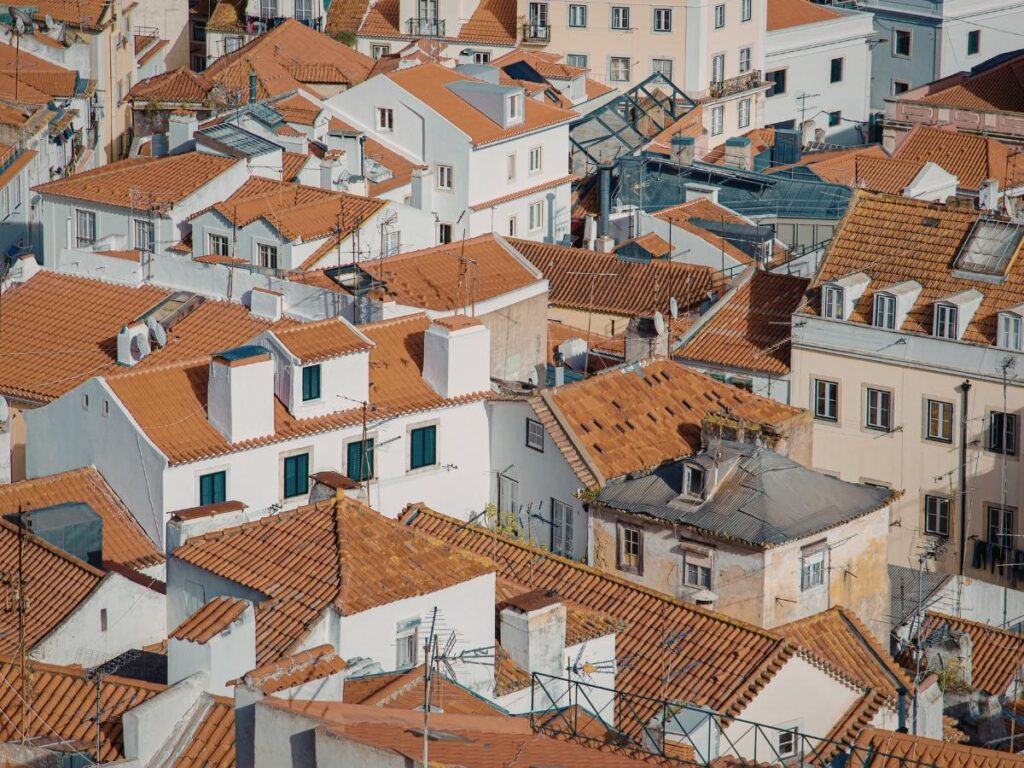
What Drew Me Here: The tech scene, the terracotta rooftops, the affordable lifestyle
Toulouse surprised me. I came expecting a smaller, sleepier version of Paris, but found a vibrant city with a thriving startup culture and some of the best quality of life I’ve experienced in France. The entire city has this warm glow from the terracotta buildings it’s called “La Ville Rose” (The Pink City) for good reason.
The Remote Work Reality: As Europe’s aerospace capital, Toulouse attracts innovators and engineers, which means the tech infrastructure is solid. I worked from several coworking spaces that catered specifically to startup founders and remote tech workers. The cost was about 30% less than Paris, and the community felt more collaborative, less competitive.
When I Wasn’t Working: I’d walk along the Garonne River at sunset, explore the stunning Basilica of Saint-Sernin, or escape to the Japanese Garden when I needed quiet. The food scene here rivals Paris cassoulet became my comfort meal and the nearby Pyrenees offered weekend hiking when I craved mountain air.
Annecy
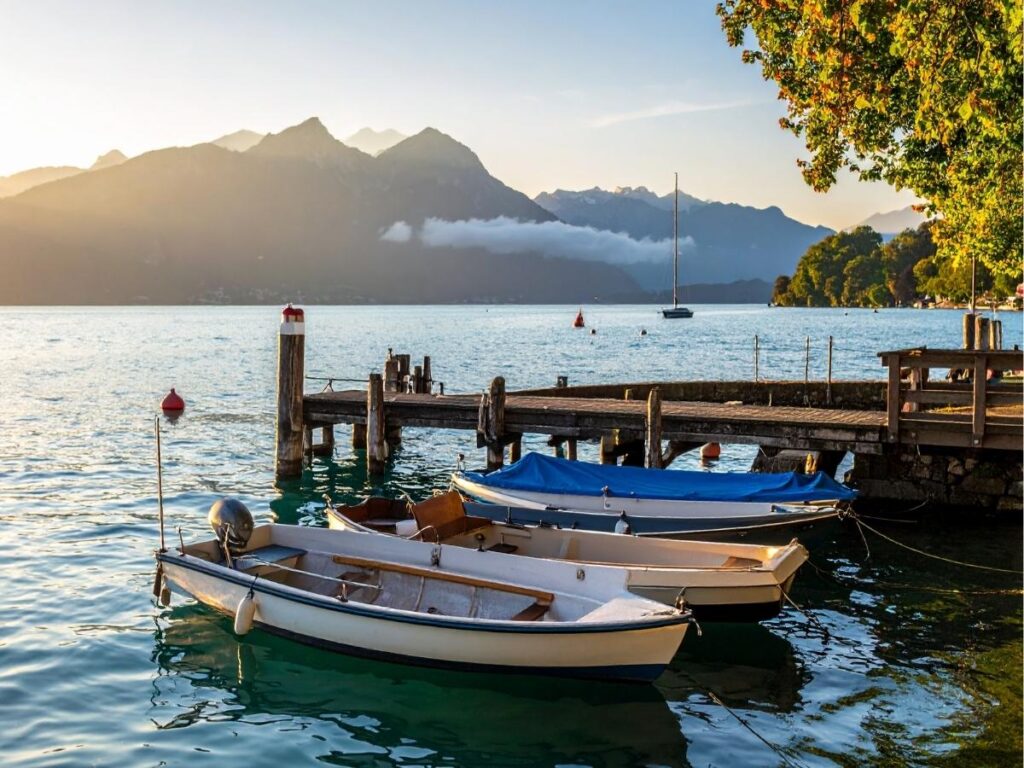
What Drew Me Here: That lake. Seriously, that crystal-clear alpine lake.
If I had to pick one French city where I felt most inspired while working, it would be Annecy. Nestled between the French Alps and Lake Annecy, this town offers what I call “active remote work” you can paddleboard before your morning meeting and hike after your last video call.
The Remote Work Reality: The Old Town has charming cafés with Wi-Fi, though I often worked from my lakeside apartment balcony. Internet speeds were reliable, and I found the slower pace actually boosted my productivity. It’s quieter than big cities, which means fewer distractions and more focus time.
When I Wasn’t Working: I was either in or on the water. Lake Annecy is perfect for swimming, kayaking, and stand-up paddleboarding. I’d cycle the 42-kilometer path around the lake, explore medieval streets in the Old Town, and take day trips to nearby Chamonix. Winter brought Alpine skiing within an hour’s drive.
Local Insight: While English isn’t as widely spoken here as in Paris, I found locals incredibly welcoming. Learning basic French phrases helped, but most people in tourism and hospitality spoke enough English to communicate.
Saint-Malo
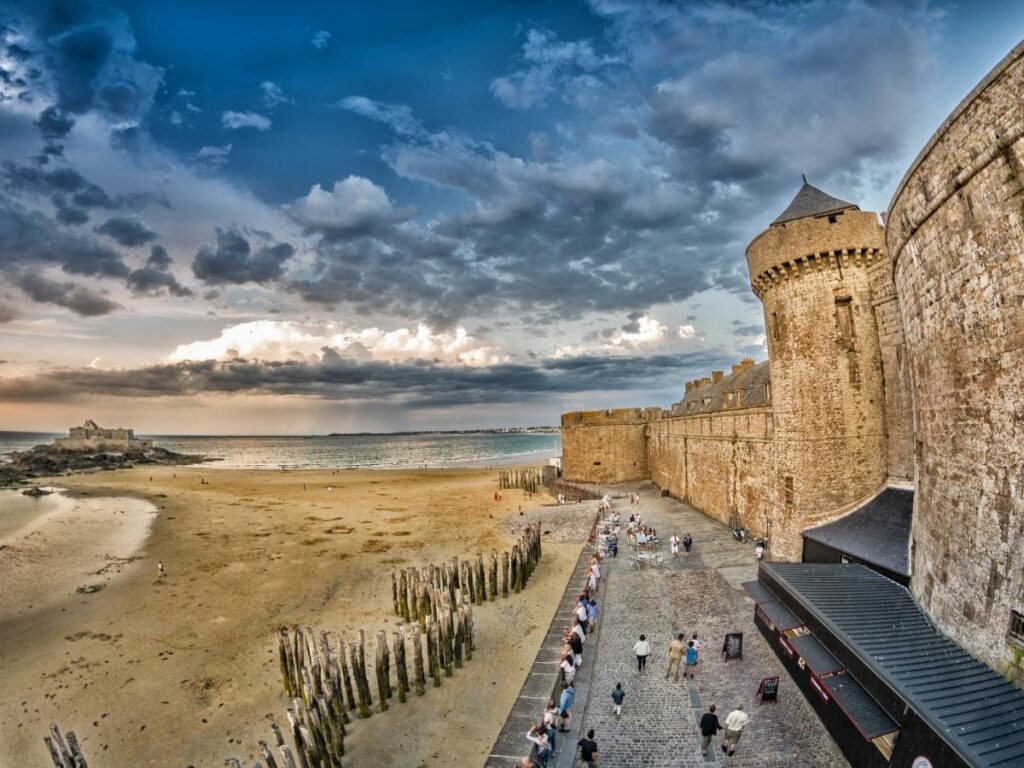
What Drew Me Here: Medieval walls, dramatic tides, Brittany’s rugged beauty
Saint-Malo feels like stepping into a pirate novel and I mean that in the best way. This walled coastal city on Brittany’s coast became my escape when I needed ocean air and historical atmosphere. Working here felt like a permanent vacation, but with good enough Wi-Fi that I never actually skipped deadlines.
The Remote Work Reality: The medieval old town has several cafés with reliable Wi-Fi where I’d set up for morning work sessions. I found a small coworking space near the port that welcomed remote workers and had surprisingly fast internet. The seasonal nature means summer gets busy with tourists, but spring and fall offered perfect working conditions.
When I Wasn’t Working: I walked the ramparts at sunset, explored the dramatic tidal islands of Grand Bé and Petit Bé (accessible only at low tide so check tide tables!), and spent entire afternoons at Plage du Sillon. The seafood here is exceptional. I still dream about the oysters.
La Rochelle
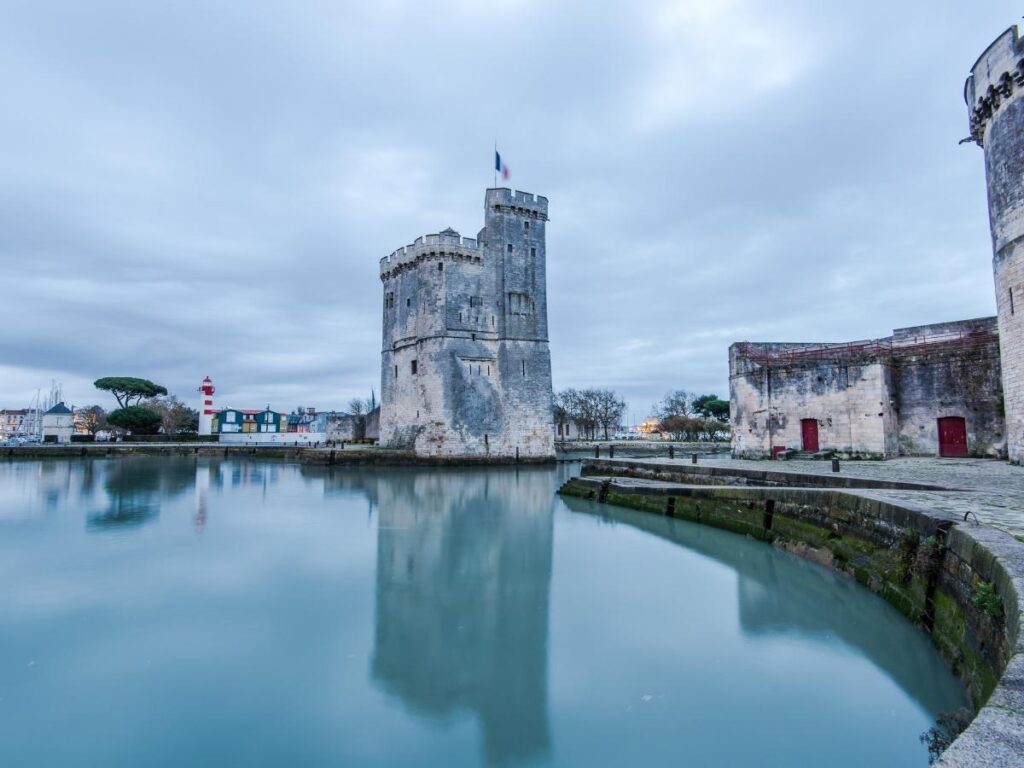
What Drew Me Here: The harbor, the islands, that perfect coastal-city balance
La Rochelle captured my heart with its working port, historic towers, and proximity to island escapes. It felt like a place where I could build a real life, not just pass through for a few months. The emerging tech scene meant I met other remote workers who’d settled here long-term.
The Remote Work Reality: Several coworking spaces cater to the growing remote work community, and the city’s commitment to innovation shows in its infrastructure. I appreciated the bike-share program, La Rochelle is incredibly cycle-friendly, making it easy to get around without a car.
When I Wasn’t Working: The Old Port became my evening ritual, watching boats come in while enjoying wine at a waterfront café. I’d take ferry trips to Île de Ré for beach days and cycling, explore the modern aquarium when weather turned gray, and discover the covered market for fresh produce and local specialties.
Strasbourg
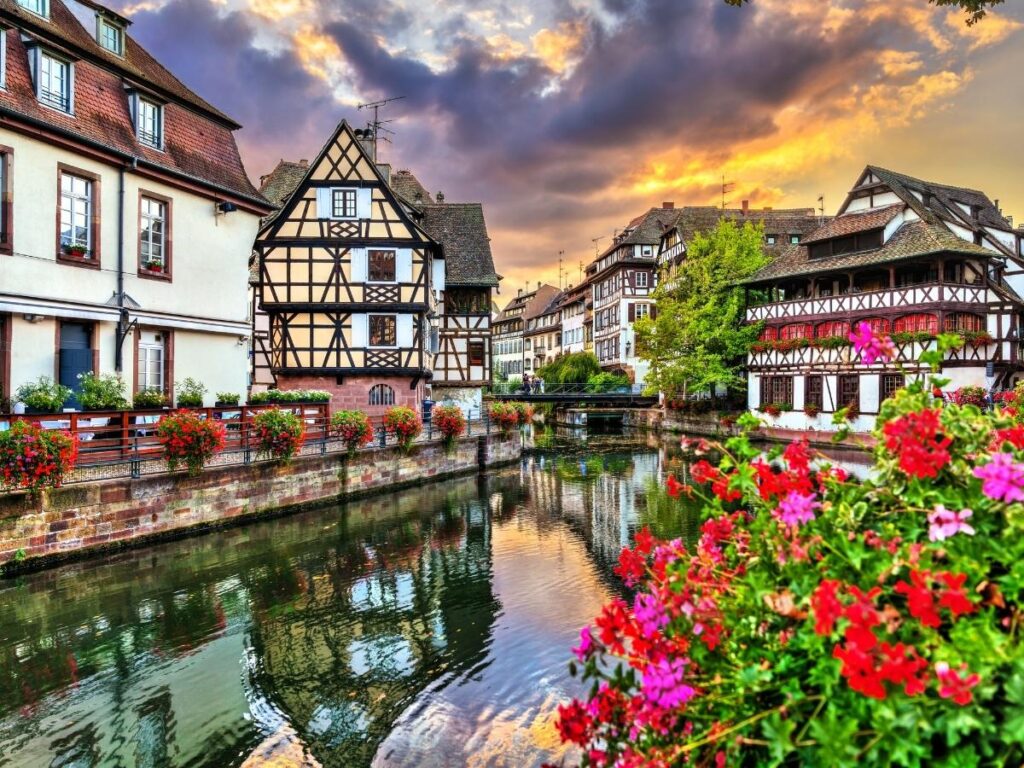
What Drew Me Here: European flair, German influences, that incredible Christmas market
Strasbourg sits right on the French-German border, and you feel both cultures everywhere, in the half-timbered houses, the food, even the architecture. Working here felt distinctly European in a way that’s hard to describe but easy to love.
The Remote Work Reality: As home to several European institutions, Strasbourg has excellent infrastructure and a truly international community. I found English-speaking professionals everywhere, which made networking easier. Coworking spaces here understand the needs of international remote workers.
When I Wasn’t Working: La Petite France neighborhood stole hours of my free time with its canals and colorful buildings. I’d visit the cathedral, cycle along the Rhine, and take quick trips into Germany’s Black Forest. If you’re here in December, the Christmas markets transform the entire city, it’s magical.
Cost of Living: About 23% cheaper than Paris while offering similar amenities and better quality of life. That saving made a real difference over several months.
Biarritz
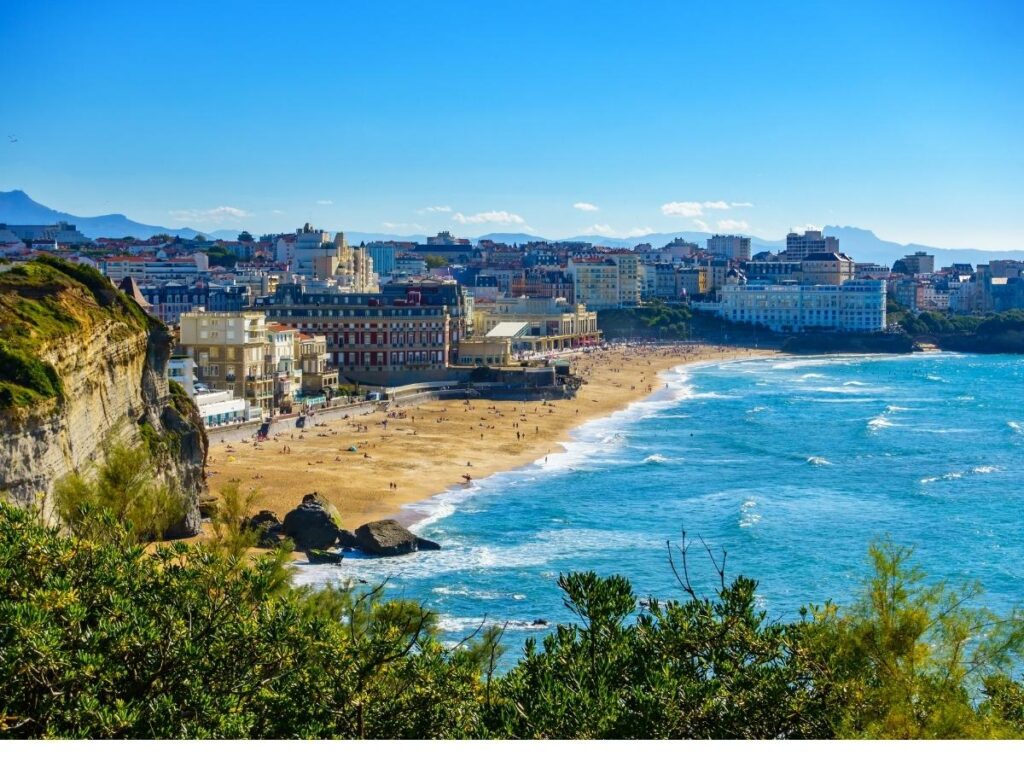
What Drew Me Here: Surf culture, Basque charm, that Atlantic energy
Biarritz is where I learned to surf poorly, but enthusiastically. This elegant resort town on the Basque Coast offers a lifestyle I’d only seen in movies: morning surf sessions, afternoon work, evening pintxos (Basque tapas) at local bars.
The Remote Work Reality: The surf culture here means everything runs on a slightly more relaxed schedule, which suited my work style perfectly. Several coworking spaces cater to the digital nomad surf crowd. Internet is reliable, and the mild climate means year-round comfort.
When I Wasn’t Working: I spent mornings at Côte des Basques trying to stand on my surfboard, explored the stunning Rocher de la Vierge rock formation, and discovered why Grande Plage is considered one of Europe’s most beautiful urban beaches. The food scene blends French and Basque traditions, everything I ate was memorable.
Toulon
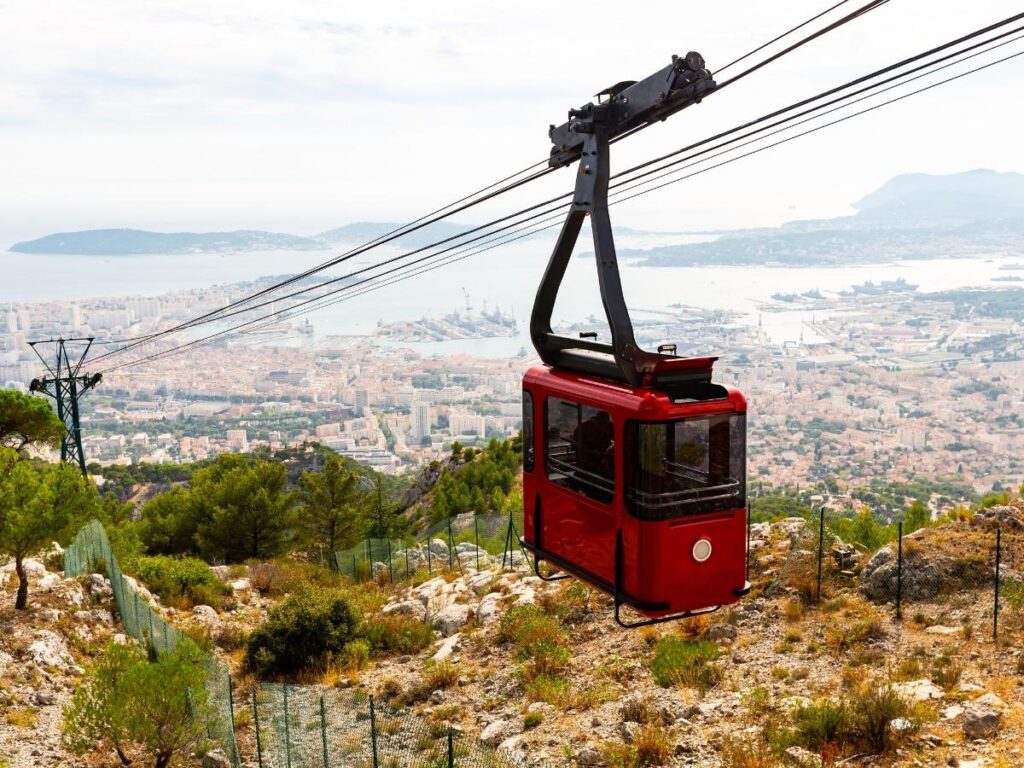
What Drew Me Here: French Riviera vibes without the French Riviera prices
Toulon gave me everything I wanted from the Mediterranean like beaches, sunshine, that distinctive southern French lifestyle at a fraction of Nice’s cost. I felt like I’d discovered a secret that only locals knew.
The Remote Work Reality: While not as geared toward digital nomads as Nice or Montpellier, Toulon has the essentials: good internet, several coworking options, and plenty of cafés where remote work is normalized. The slower pace actually helped my productivity.
When I Wasn’t Working: Plage du Mourillon became my regular beach, Mount Faron offered hiking with panoramic views, and the daily market at Cours Lafayette provided fresh ingredients for cooking in my apartment. I took boat trips to nearby islands and explored the historic naval port.
Budget Reality: About 22.5% cheaper than Nice according to cost-of-living data I researched before moving. That meant more money for weekend trips and experiences.
Nice
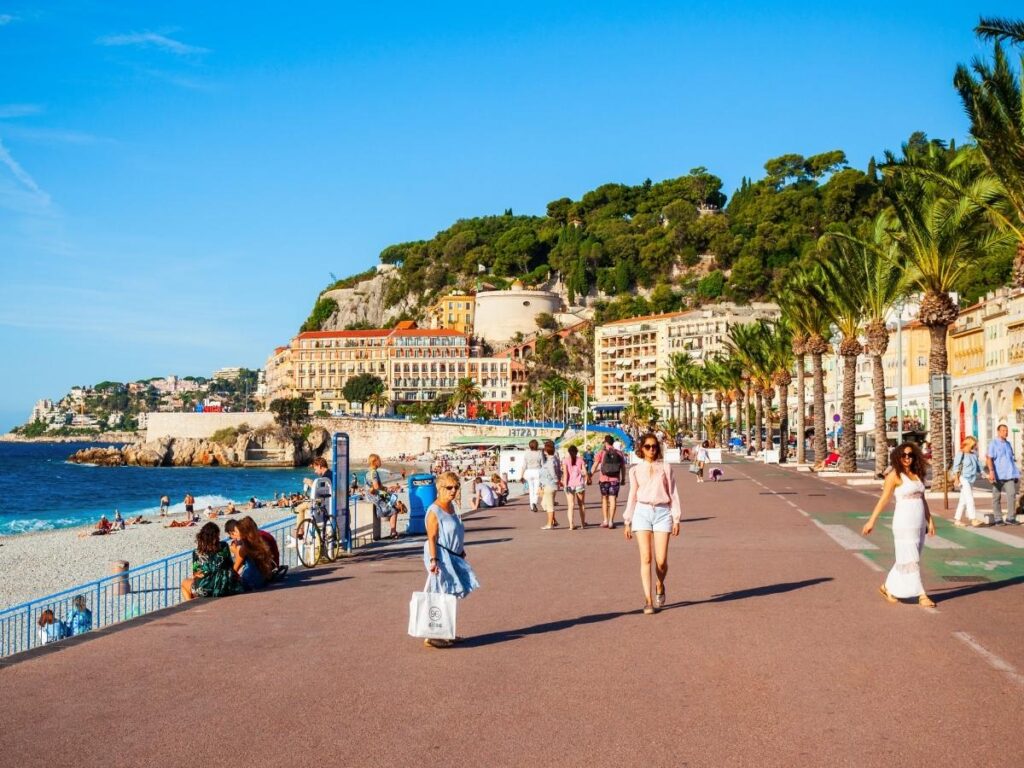
What Drew Me Here: Promenade des Anglais, Mediterranean sunshine, that classic Riviera glamour
Working from Nice felt like a reward I’d somehow earned. I’d take my laptop to beachfront cafés along the Promenade des Anglais, work through lunch with the Mediterranean stretching endlessly ahead, and remind myself this was actually my office.
The Remote Work Reality: Nice has embraced remote workers. I found excellent coworking spaces, particularly in the Libération neighborhood, and countless cafés with strong Wi-Fi and good coffee. The international community meant networking events and meetups happened regularly.
When I Wasn’t Working: I explored the maze-like streets of Vieux Nice (Old Town), discovered panoramic views from Castle Hill, and spent countless hours at various beaches, both public and private. Nice’s location made weekend trips to Monaco, Cannes, or Italian coastal towns incredibly easy.
Getting Around: The tram system is efficient, but I walked everywhere. Nice is wonderfully walkable, especially along the coast.
Porquerolles
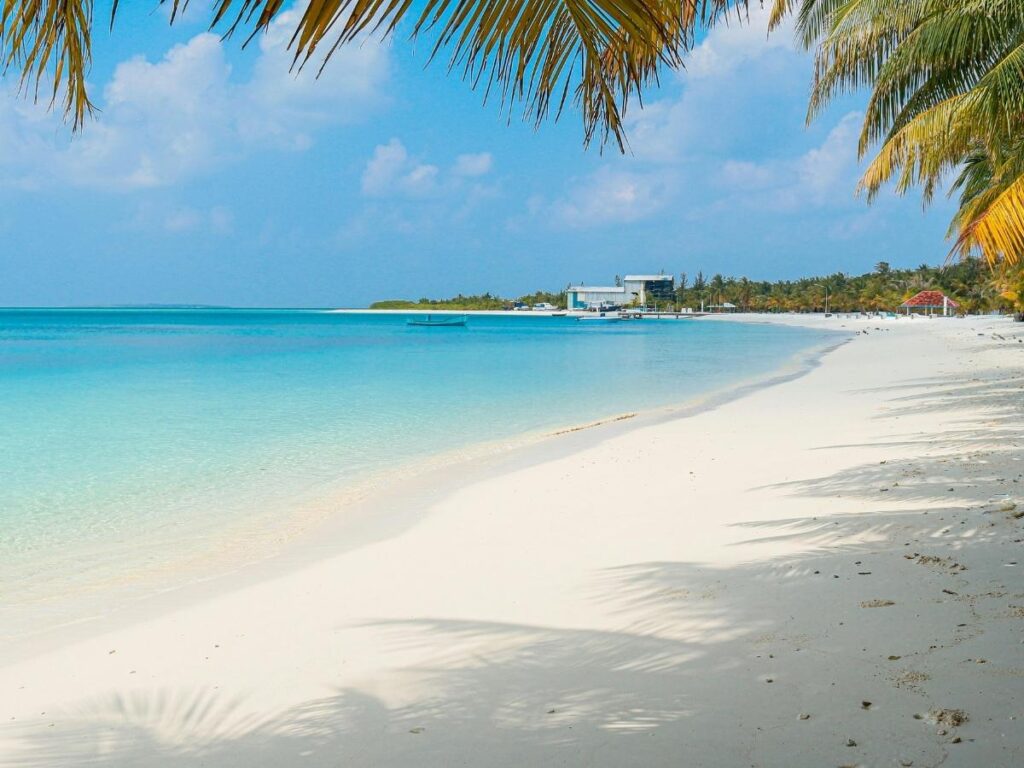
What Drew Me Here: Car-free island life, pristine beaches, Mediterranean tranquility
Porquerolles represents something different, a tiny island off the coast where cars are banned and time moves at bicycle speed. I spent a month here during spring, and it reset my entire relationship with work-life balance.
The Remote Work Reality: This is not for everyone. Internet on the island is adequate but not blazing fast. You’ll need to embrace slower connectivity and focus on work that doesn’t require constant video calls. The upside? Minimal distractions and natural boundaries between work and life.
When I Wasn’t Working: Every afternoon, I’d cycle to a different beach, Plage Notre Dame with its white sand and turquoise water became my favorite. I’d hike forest trails, explore Fort Sainte Agathe, and watch sunset from various coastal viewpoints. The island feels like a Mediterranean paradise that time forgot.
Honest Assessment: This works best for a short-term retreat or if your work is very flexible. Long-term, you might miss the energy and convenience of a larger city.
Bordeaux
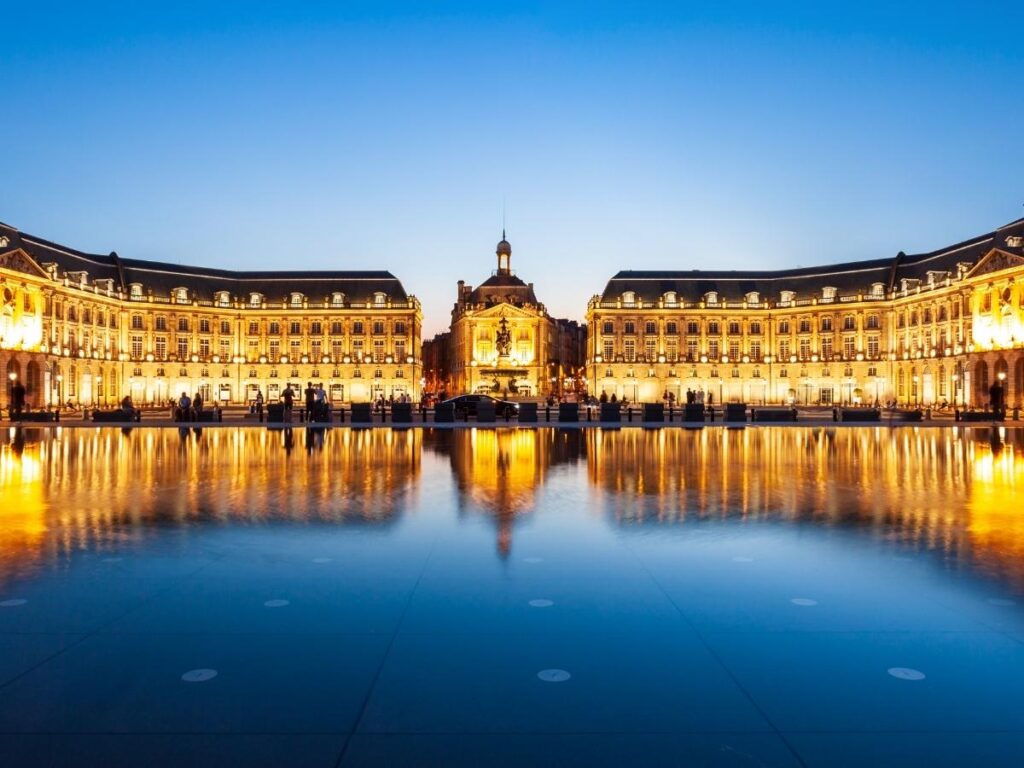
What Drew Me Here: Wine culture, riverside beauty, that perfect blend of urban and laid-back
Bordeaux won me over quickly. It has enough city energy to feel dynamic but enough chill that I never felt stressed. The wine culture permeates everything in the best possible way.
The Remote Work Reality: Bordeaux’s growing reputation as a tech hub means excellent coworking spaces and a community of remote workers and entrepreneurs. I found fast internet, modern amenities, and a cost of living significantly lower than Paris. The tram system makes getting around easy and cheap.
When I Wasn’t Working: I became slightly obsessed with wine. The Cité du Vin museum taught me wine history and culture, vineyard tours to Saint-Émilion and Médoc filled my weekends, and I discovered countless wine bars for evening tastings. Beyond wine, the UNESCO-listed city center rewarded aimless wandering, and the riverside path became my favorite jogging route.
Why It Works: Bordeaux feels like a real city where you could build a life, not just pass through. The international student population and growing expat community mean English speakers are common, but learning French enhances the experience considerably.
Chamonix
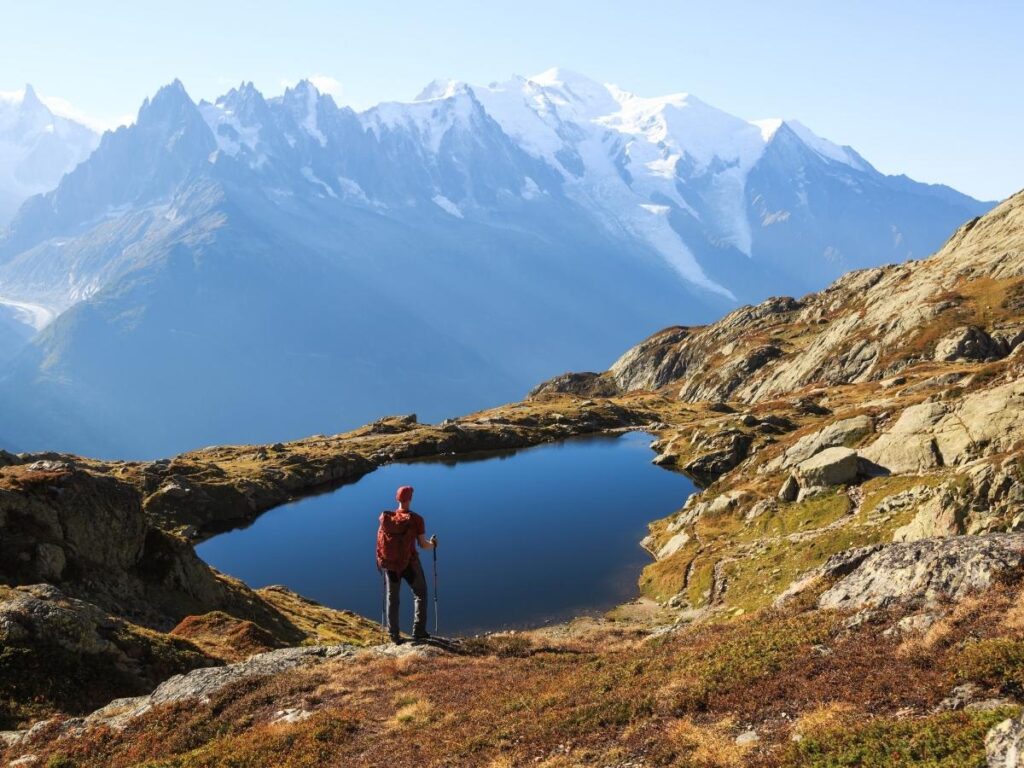
What Drew Me Here: Mont Blanc, mountain culture, that alpine air
Chamonix was my winter remote work experiment, and I fell hard for mountain life. Working with snow-covered peaks outside my window transformed my entire relationship with work. Every day felt like a gift.
The Remote Work Reality: Despite being a small mountain town, Chamonix has solid infrastructure thanks to year-round tourism. I found a coworking space specifically for winter season workers and remote professionals. The international crowd meant English was commonly spoken. Internet speeds were reliable enough for video calls.
When I Wasn’t Working: I skied. A lot. The access to world-class slopes is why most people come here, and I took full advantage. In summer, I returned for hiking the trails around Mont Blanc are spectacular. The town itself has great restaurants, bars, and that distinctive mountain-town atmosphere where everyone’s either just back from or just heading out to some adventure.
Cost Reality: A one-bedroom apartment in town center cost around €860/month when I was there which was reasonable considering the location and lifestyle access.
Who It’s For: Mountain people. If you don’t ski, snowboard, hike, or mountaineer, Chamonix might feel limiting. But if you do, it’s paradise.
My Honest Take on Remote Work in France
After months of testing different French cities for remote work, here’s what I learned:
France works brilliantly for remote workers who want culture, beauty, and quality of life alongside their laptops. The infrastructure is solid, the lifestyle is envious, and the variety of environments means you can find your perfect match.
French cities offer different personalities: Paris energizes me but exhausts my budget. Bordeaux and Toulouse provide that sweet spot of city amenities with reasonable costs. Coastal towns like Biarritz and Nice feed my need for ocean and sunshine. Mountain towns like Chamonix and Annecy inspire me but can feel isolated long-term.
The practical considerations: Internet is generally reliable across France, but speeds vary. Urban centers have better infrastructure than rural areas. French bureaucracy can be challenging, setting up a bank account or getting a phone plan requires patience. Learning basic French makes everything smoother, though many French people speak English, especially in tourist areas and major cities.
My recommendation: Start with a month or two in one city before committing long-term. France rewards slow travel, living somewhere long enough to find your favorite bakery, regular café, and neighborhood routine changes the entire experience.
Planning Your French Remote Work Adventure
Visit Travel with Zee for more detailed France travel guides, including the best times to visit each region, accommodation recommendations, and insider tips I’ve learned from living and working across this beautiful country. France has a remote work visa in development, so check current requirements before planning your stay.
Whether you choose the romance of Paris, the beaches of Biarritz, or the mountains of Chamonix, working remotely in France offers something genuinely special, a chance to live like a local in a country that’s mastered the art of balancing work and pleasure.
FAQ
Can Americans work remotely in France?
Currently, Americans can stay in France visa-free for up to 90 days within a 180-day period. For longer stays, you’ll need to apply for a long-stay visa. France is developing a specific digital nomad visa, so check the latest requirements before planning your trip.
What’s the average cost of living for remote workers in France?
It varies significantly by city. I found Paris cost around €2,500-3,500/month including rent and living expenses. Cities like Toulouse, Bordeaux, and Toulon range from €1,500-2,500/month. Smaller towns can be even more affordable, especially if you flatshare or rent long-term.
Is the internet reliable enough for video calls across France?
Yes, urban areas have excellent internet infrastructure. I regularly took video calls from cafés and coworking spaces across French cities without issues. Rural areas and small islands like Porquerolles may have slower connections, so research specific locations if high-speed internet is essential.
Do I need to speak French to work remotely in France?
While you can get by with English in major cities and tourist areas, learning basic French dramatically improves your experience. It shows respect, helps with daily tasks, and opens doors to local communities. I found that even my terrible French attempts were appreciated and helped build connections.