
Remember that feeling when you first decided you were going to Europe? The excitement mixed with just a tiny bit of overwhelm? I felt exactly the same way before my first trip across the continent. With centuries-old castles, cobblestone streets that wind through medieval towns, world-class museums, and cuisine that changes every few hundred miles, Europe felt like both a dream and a puzzle I needed to solve.
Here’s what I learned: you don’t need to see everything on your first trip. What you need are destinations that give you a genuine taste of what makes Europe special, places that are accessible for first-timers, and experiences that will leave you already planning your return visit.
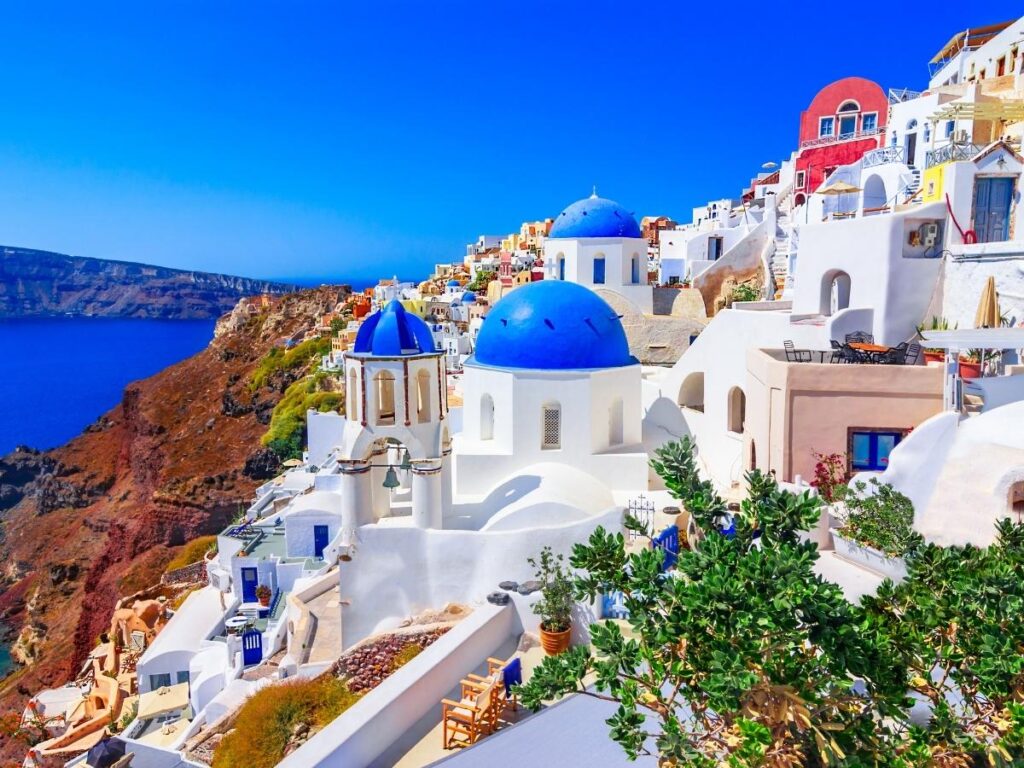
After exploring countless European cities and towns, I’ve narrowed down 12 destinations that are perfect for your first adventure. Whether you’re drawn to ancient history, stunning natural landscapes, vibrant food scenes, or simply want to wander streets that feel like they belong in a fairy tale, these spots deliver. Let me walk you through each one and share what made them stand out to me.
Rome, Italy: Where Ancient History Comes Alive
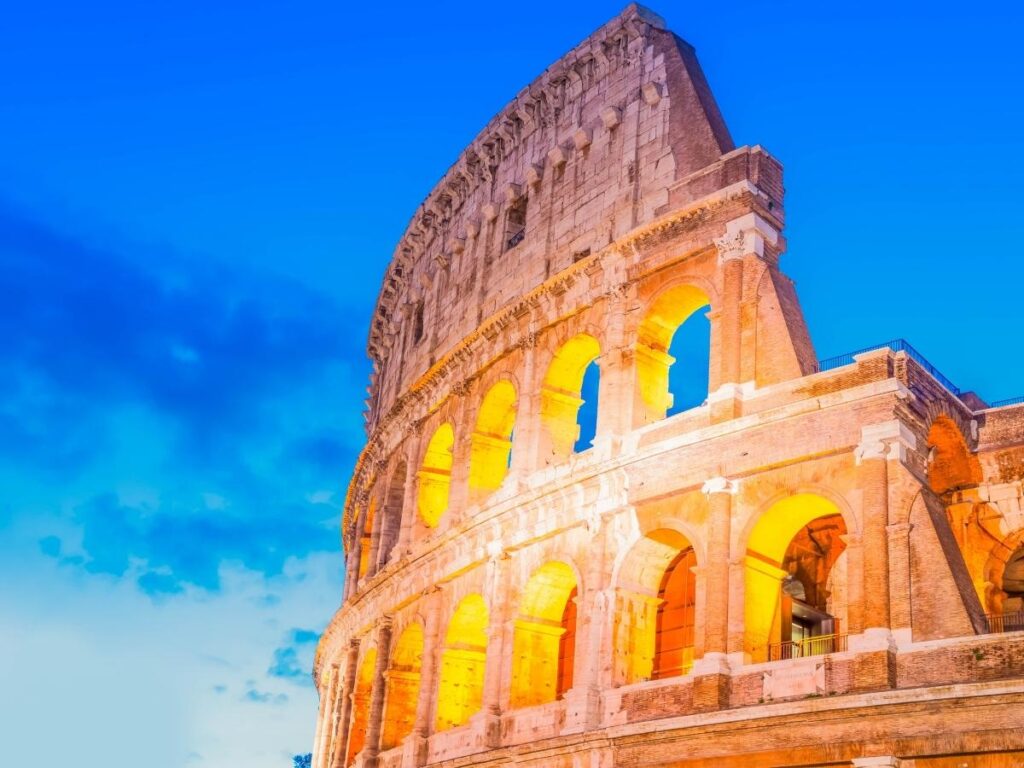
I’ll never forget standing in the Colosseum for the first time, imagining the roar of 50,000 spectators from nearly 2,000 years ago. Rome isn’t just a city with historical sites, it’s a living museum where you can walk the same paths as ancient Romans.
The sheer density of historical landmarks here is staggering. In a single day, I visited the Colosseum, wandered through the ruins of the Roman Forum, tossed a coin into the Trevi Fountain (ensuring my return to Rome, according to legend), and stood beneath the perfect dome of the Pantheon. Each site felt more impressive than the last.
What surprised me most was how accessible everything felt. Day trips to Pompeii are easily arranged, and Vatican City, technically the world’s smallest country, sits right within Rome’s boundaries. The Vatican Museums alone could fill an entire day, especially if you want to see the Sistine Chapel without feeling rushed.
Pro tip: Buy skip-the-line tickets for major attractions. I learned this the hard way after spending two hours in line at the Colosseum on a July afternoon.
Best for: History enthusiasts, first-time Europe travelers, anyone who wants to experience ancient civilizations up close.
Chania, Greece: The Perfect Mediterranean Escape
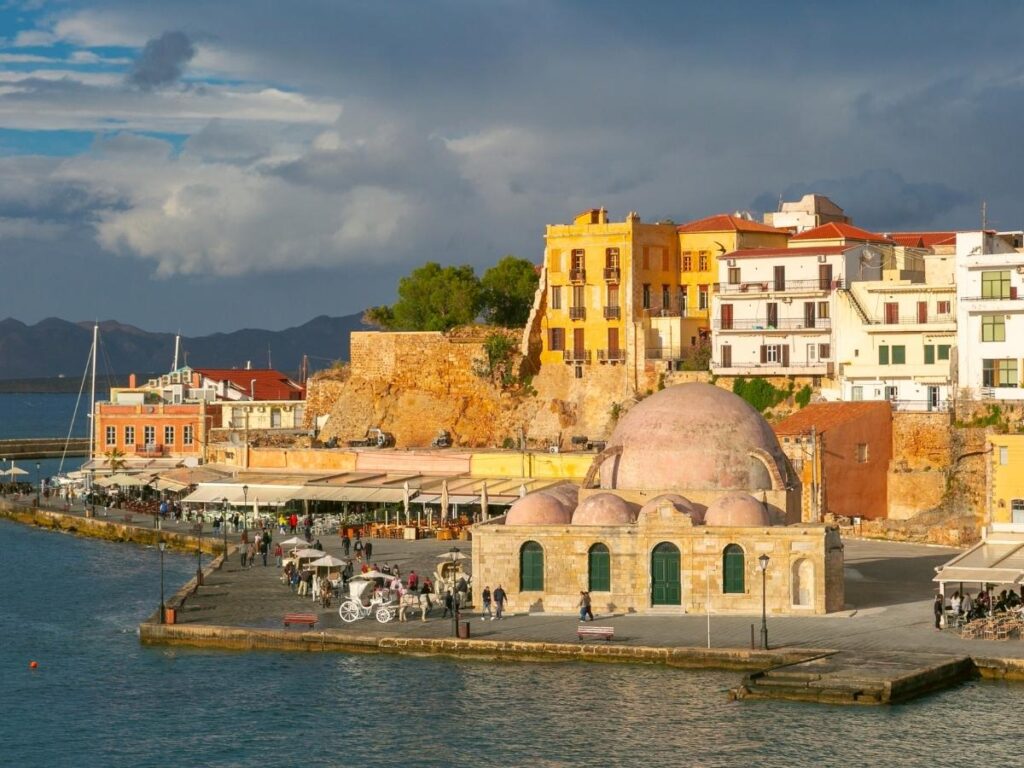
If you’re picturing what Europe looks like in your dreams, there’s a good chance it resembles Chania. This coastal town on Crete’s northwest coast combines everything I love about Greek islands: crystal-clear turquoise waters, pristine beaches, and architecture that tells centuries of stories.
The 14th-century Venetian harbor is where I spent most of my time. Colorful traditional houses line the waterfront, their facades reflecting in the calm water. I’d grab a table at one of the harborside tavernas, order fresh seafood and a cold glass of local wine, and watch the sun set behind the 16th-century lighthouse.
Beyond the harbor, Chania offers some of Greece’s most beautiful beaches. Nea Chora Beach is perfect if you want to stay close to town, but if you’re willing to venture further, Balos and Elafonissi will take your breath away. The pink-tinged sand at Elafonissi, in particular, looks almost unreal.
What I’d skip: The crowds at peak season (July-August). May, June, or September offer better weather-to-tourist ratios.
Best for: Beach lovers, couples seeking romance, photographers who want that perfect Mediterranean shot.
Paris, France: Every Bit as Magical as They Say
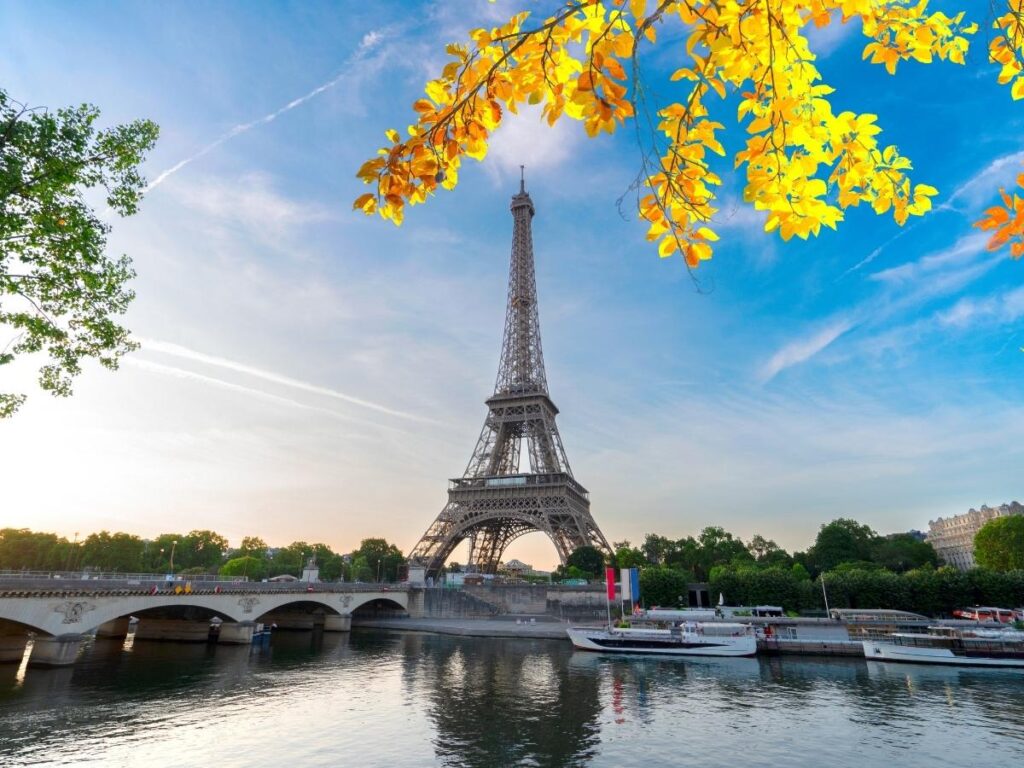
Yes, Paris lives up to the hype. I went in slightly skeptical, wondering if any city could match decades of buildup from movies and books. It did, and then some.
The Eiffel Tower sparkles every hour after sunset (something I didn’t know until my first evening there), the Louvre holds enough art to occupy you for weeks, and Notre-Dame Cathedral, despite recent fire damage remains a masterpiece of Gothic architecture. But what I loved most about Paris were the quieter moments: sitting in a café in Le Marais, watching Parisians go about their day, or strolling along the Seine at dusk.
Paris also serves as an excellent hub for exploring other European cities. High-speed trains connect you to Amsterdam, Barcelona, Zurich, and London in just a few hours. For a first-time backpacking trip through Europe, Paris makes a strategic starting point.
Insider tip: The Musée d’Orsay, with its incredible Impressionist collection, was actually more enjoyable for me than the overwhelming Louvre.
Best for: Art lovers, romantic getaways, travelers who want excellent transport connections to other European destinations.
Amsterdam, Netherlands: Canals, Culture, and Charm
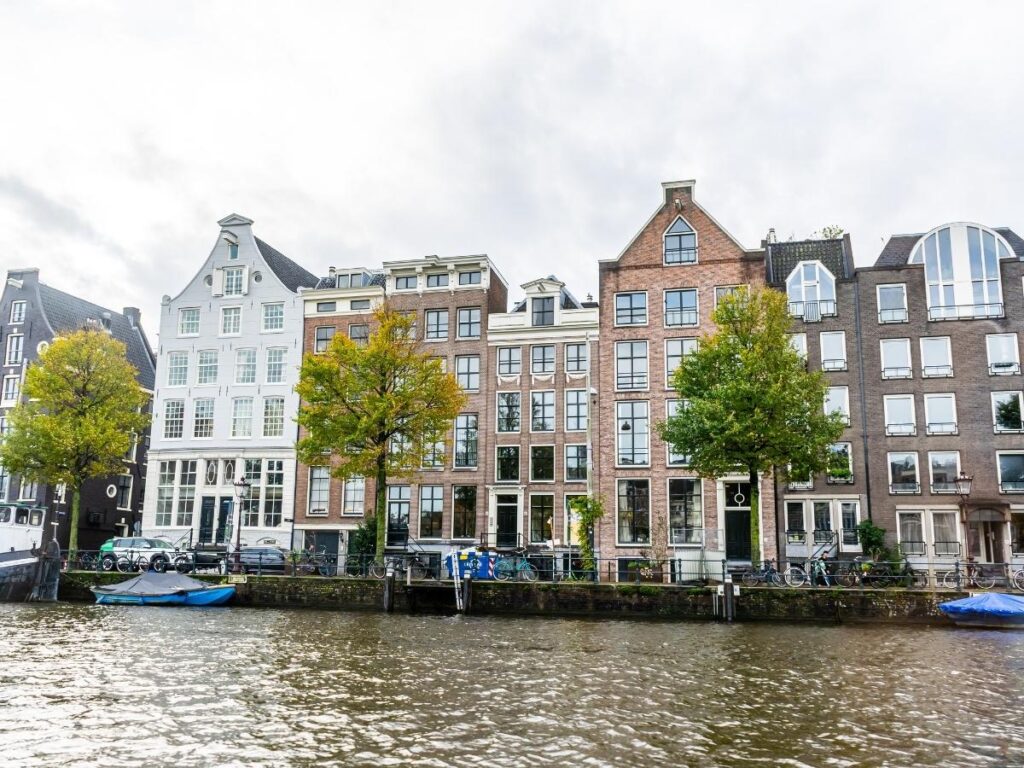
Amsterdam won me over immediately. Maybe it was the way light reflects off the canals in the early morning, or how the entire city feels designed for wandering, but something about this place just works.
The canal system is Amsterdam’s signature feature, and I recommend seeing it from every angle: walk alongside it, cycle across its bridges, and definitely take a canal boat tour. The perspective from the water gives you a completely different appreciation for the city’s architecture, with those narrow, leaning houses that seem to defy gravity.
The Anne Frank House moved me deeply. Standing in the actual rooms where she wrote her diary brought history into sharp focus. Other highlights included losing myself in the Van Gogh Museum (which houses the world’s largest collection of his works), people-watching in Vondelpark, and exploring the Rijksmuseum’s Dutch Golden Age masterpieces.
Getting around: Rent a bike. Amsterdam is one of the world’s most bike-friendly cities, and cycling here feels natural rather than stressful.
Best for: Art enthusiasts, cyclists, anyone who loves a laid-back urban vibe.
Bruges, Belgium: A Fairy Tale Come to Life
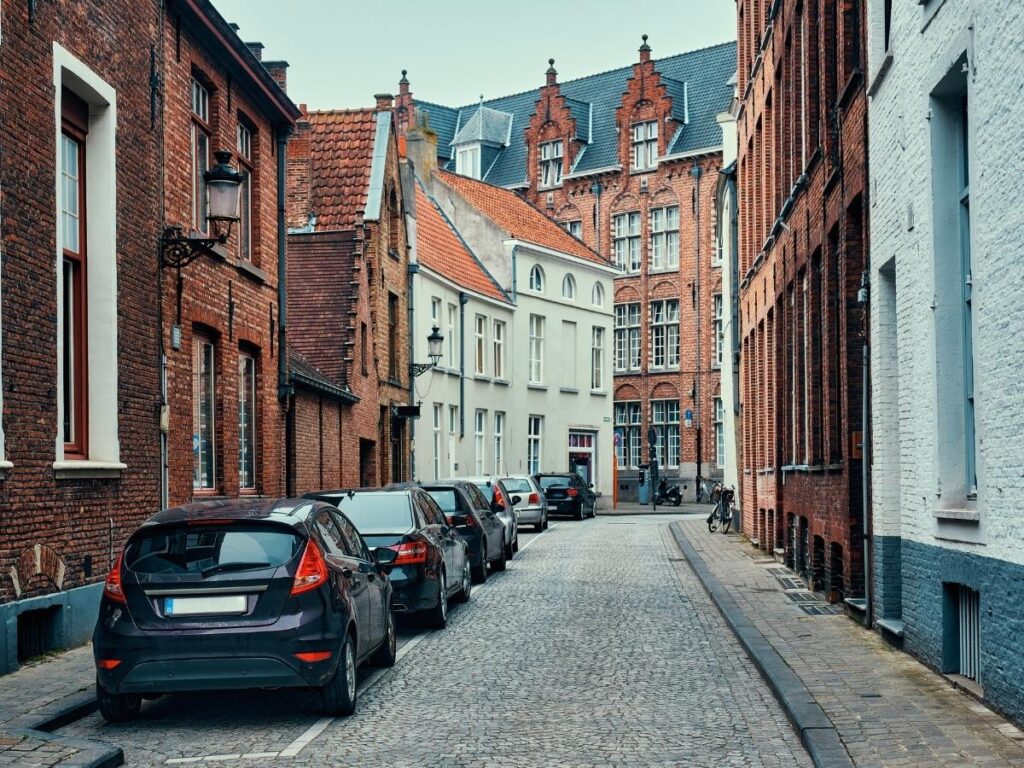
Walking through Bruges felt like stepping into a medieval storybook. This northwest Belgian city preserves its 12th to 15th-century architecture so well that you half expect knights to come riding around the corner.
The cobblestone streets wind through neighborhoods lined with step-gabled houses and medieval buildings. Like Amsterdam, Bruges has a lovely canal system, this one quieter and more romantic. I spent an afternoon just following the water, discovering hidden courtyards and quiet cafés along the way.
Markt Square serves as the city’s heart, dominated by the 13th-century Belfry of Bruges (yes, like in the Colin Farrell movie). Climbing its 366 steps rewards you with panoramic views worth every single one. The 14th-century Stadhuis (City Hall) nearby is a masterpiece of Gothic architecture.
And the food like Belgian waffles, world-famous chocolates, and beer that locals have perfected over centuries. I gained at least five pounds in Bruges, and I regret nothing.
Travel tip: Bruges is compact and walkable. Skip the tourist horse carriages and explore on foot.
Best for: Romantic getaways, chocolate lovers, travelers seeking a slower pace.
Vienna, Austria: Grand, Graceful, and Absolutely Gorgeous
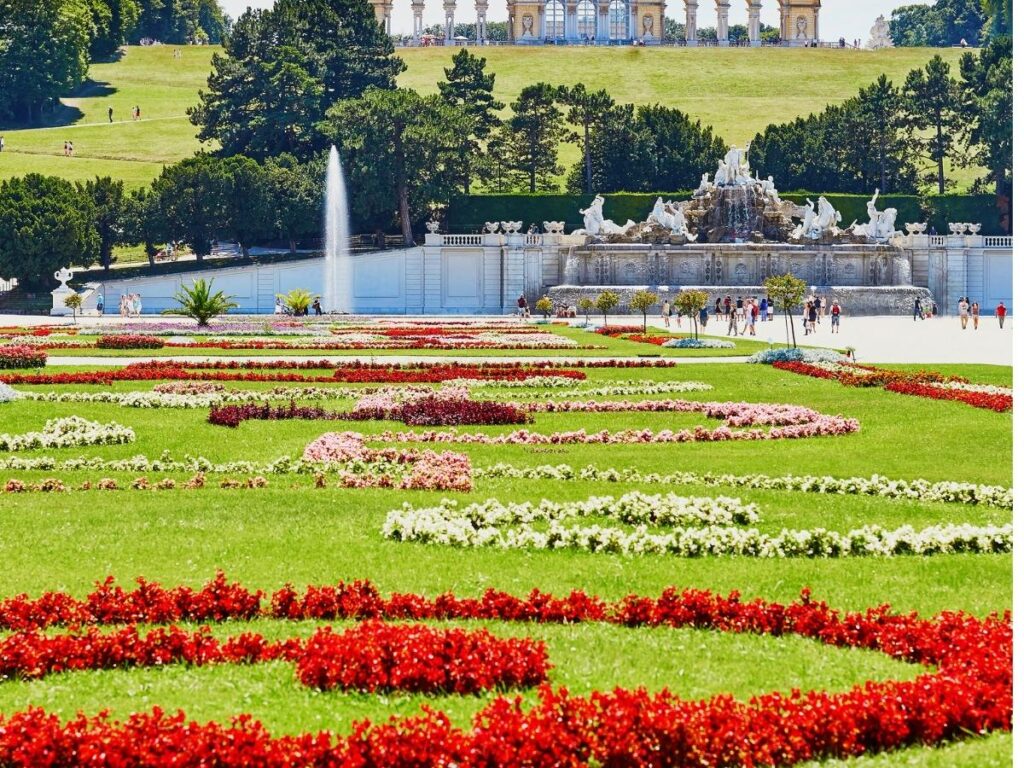
Vienna exudes a certain elegance that I haven’t found anywhere else. As Austria’s capital, this city seamlessly blends imperial history with modern European culture, all set along the Danube River.
The architecture here is stunning. Schönbrunn Palace, the former summer residence of the Habsburgs, rivals Versailles in grandeur. I spent hours exploring its 1,441 rooms (okay, you can only visit about 40, but still) and wandering the geometric gardens. The Hofburg Palace complex, right in the city center, is equally impressive.
Vienna’s café culture deserves its own paragraph. Traditional Viennese coffeehouses aren’t just places to grab caffeine rather they’re institutions where you can spend hours reading, writing, or simply watching the world go by. I’d recommend trying a slice of Sachertorte (a chocolate cake that Vienna perfected) at Café Sacher.
The Naschmarkt, Vienna’s most popular food market, became my go-to for breakfast. Fresh pastries, exotic spices, and vendors who’ve been there for generations create an atmosphere you won’t find in modern supermarkets.
Don’t miss: A classical music concert. Vienna is, after all, the city of Mozart and Beethoven.
Best for: Culture seekers, classical music fans, anyone who appreciates imperial grandeur.
Budapest, Hungary: Beauty on a Budget
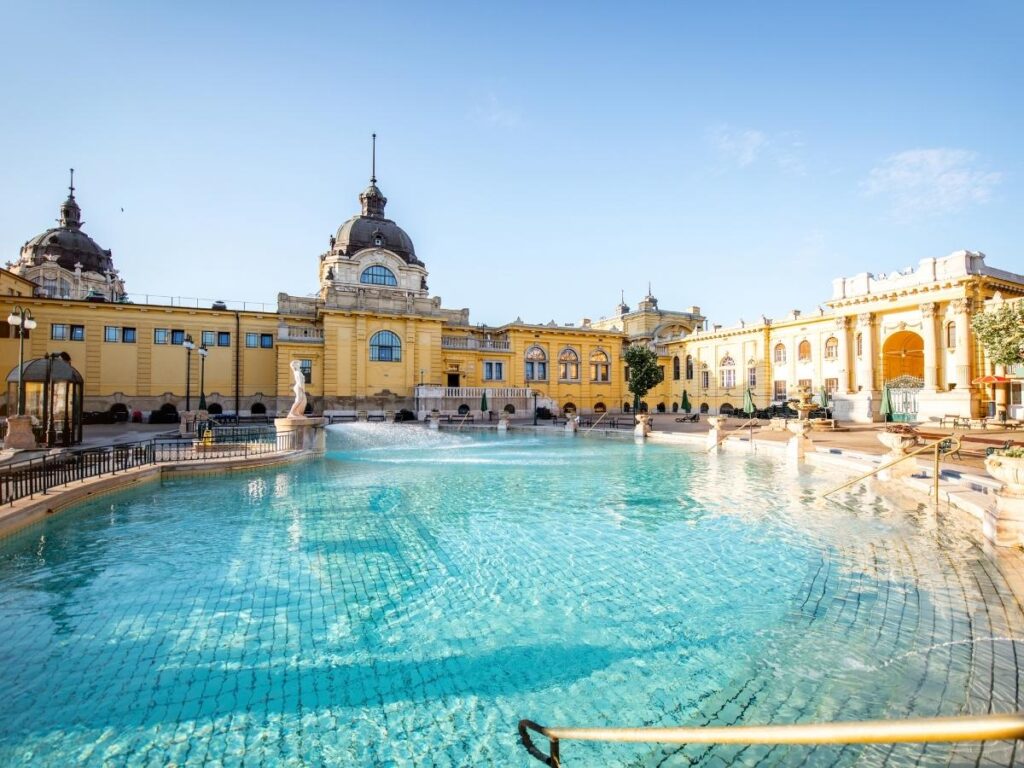
Budapest surprised me by being both stunningly beautiful and remarkably affordable. While Paris or London can drain your bank account in days, Budapest offers world-class experiences at a fraction of the cost.
The city straddles the Danube River, with historic Buda on one side and lively Pest on the other. Buda Castle, perched high on the hill, offers spectacular views of the entire city. I watched the sunset from Fisherman’s Bastion and understood why Budapest is called the “Pearl of the Danube.”
But what makes Budapest truly special is its thermal bath culture. The city sits on top of natural hot springs, and the Széchenyi Thermal Bath one of Europe’s largest that became my favorite spot to unwind. Picture yourself soaking in warm, mineral-rich water while grand Neo-Baroque architecture surrounds you. Pure bliss.
The Great Market Hall (Nagyvásárcsarnok) is where you should go for authentic Hungarian cuisine. I tried goulash, lángos (fried dough), and more funnel cakes than I care to admit.
Budget tip: Your dollar goes far here. A nice meal costs what a coffee might in Paris.
Best for: Budget travelers, spa enthusiasts, foodies, photographers.
Dolomites, Italy: Nature at Its Most Dramatic
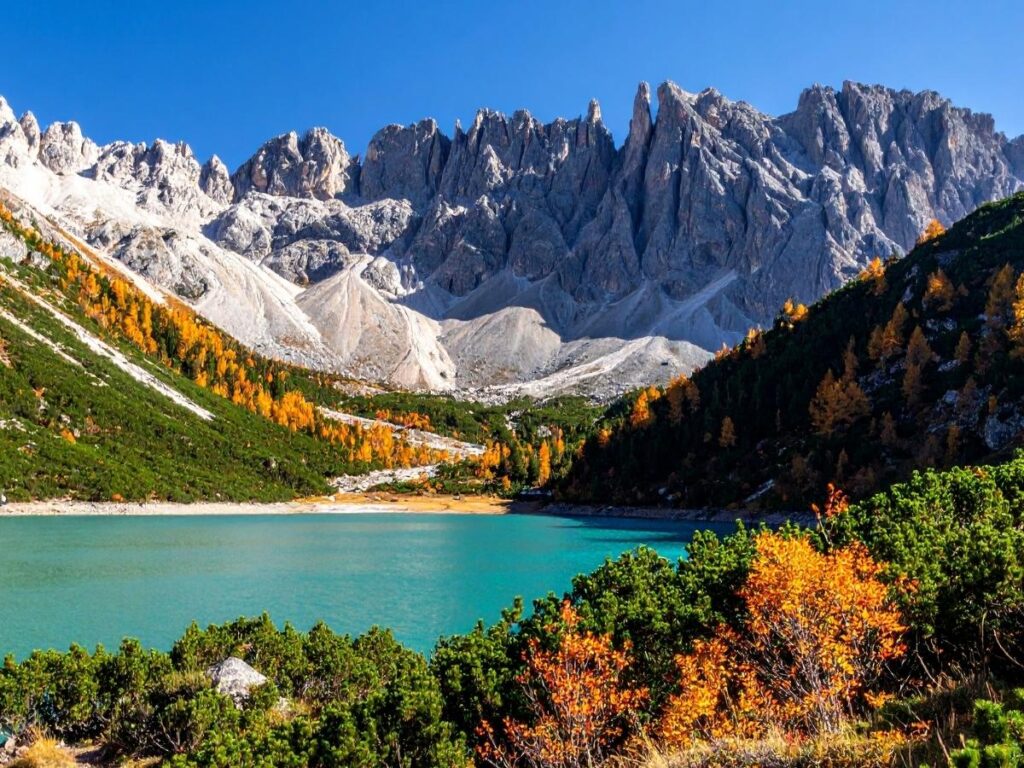
I’d seen countless Instagram photos of the Dolomites before visiting, but nothing prepared me for how dramatic these mountains actually are. This UNESCO World Heritage mountain range in northeastern Italy offers some of the most spectacular hiking in Europe.
The jagged limestone peaks rise sharply from green valleys, creating scenes that don’t quite seem real. Popular spots like Tre Cime di Lavaredo, Lago di Sorapis with its impossibly turquoise water, and the reflective surface of Lake Misurina are accessible even for moderate hikers like me.
What I loved most was how accessible the Dolomites are. From Trento, you’re only a two-hour drive into the mountains. From Milan, it’s about four hours. Several towns offer accommodations ranging from budget hostels to luxury mountain lodges.
Timing matters: June through September offers the best hiking weather. In winter, the Dolomites transform into a ski paradise.
Best for: Hikers, outdoor enthusiasts, photographers, anyone seeking nature over cities.
Barcelona, Spain: Where Gaudí’s Vision Meets Mediterranean Vibes
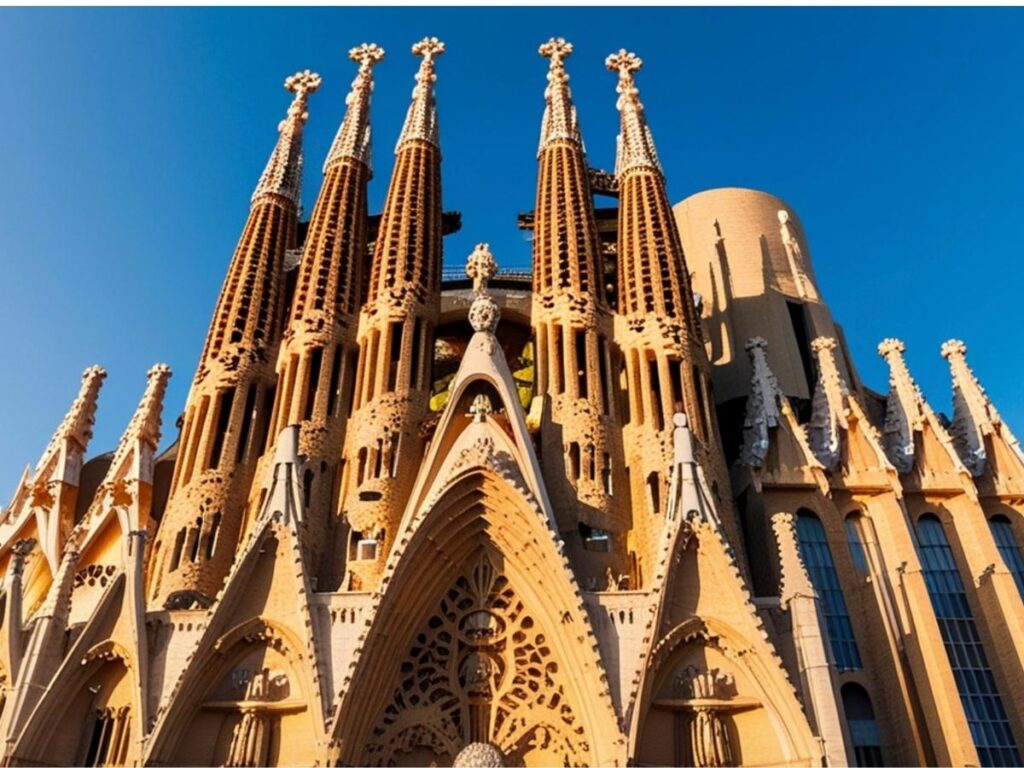
Barcelona was where I fell in love with Spanish culture. This Catalan capital delivers everything: beaches, architecture that defies logic, incredible food, and a pace of life that feels simultaneously relaxed and energetic.
La Sagrada Familia, Antoni Gaudí’s unfinished masterpiece, dominates the city skyline. I spent two hours inside, neck craned upward, trying to absorb the details of its tree-like columns and kaleidoscopic stained glass. Construction began in 1882, and it’s projected to finish around 2026, though delays are common.
Park Güell offers another dose of Gaudí’s whimsical genius, with colorful mosaics and organic shapes that make you question whether you’re still on Earth. Beyond Gaudí, the Gothic Quarter’s narrow medieval streets invite exploration, while La Boqueria Market feeds both your stomach and your Instagram.
And if you’re a football fan, watching FC Barcelona play at Camp Nou (or their new stadium when it opens) is electric.
Local insight: Lunch happens around 2 PM, dinner at 10 PM. Embrace the Spanish schedule.
Best for: Architecture lovers, foodies, beach seekers, urban explorers.
Prague, Czech Republic: Fairy Tales on a Budget
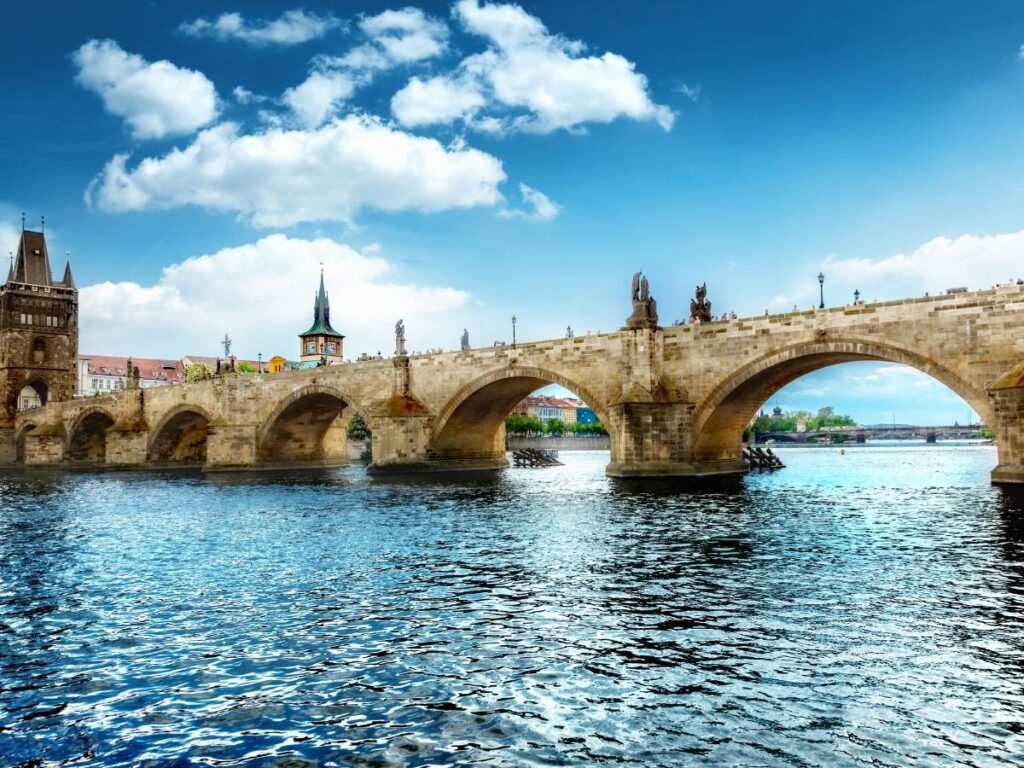
Prague feels like it was designed specifically for first-time European travelers. It’s beautiful, relatively affordable, compact enough to explore on foot, and packed with things to see.
The Old Town looks like a movie set. Prague Castle actually a complex of palaces, churches, and gardens, sits high above the city, and it’s every bit as impressive as its reputation suggests. The Charles Bridge, lined with baroque statues, connects the castle quarter to the Old Town and offers postcard views in every direction.
What makes Prague special beyond its beauty is its value. While most European capitals strain your budget, Prague lets you enjoy nice meals, good Czech beer, and comfortable accommodations without financial stress. The average daily cost runs significantly lower than Western European cities.
Evening magic: The Old Town Square’s Astronomical Clock attracts crowds every hour, but the square is most atmospheric after dark when the crowds thin.
Best for: Budget-conscious travelers, architecture enthusiasts, groups of friends, anyone who wants fairy-tale beauty.
London, England: Where History and Modernity Collide
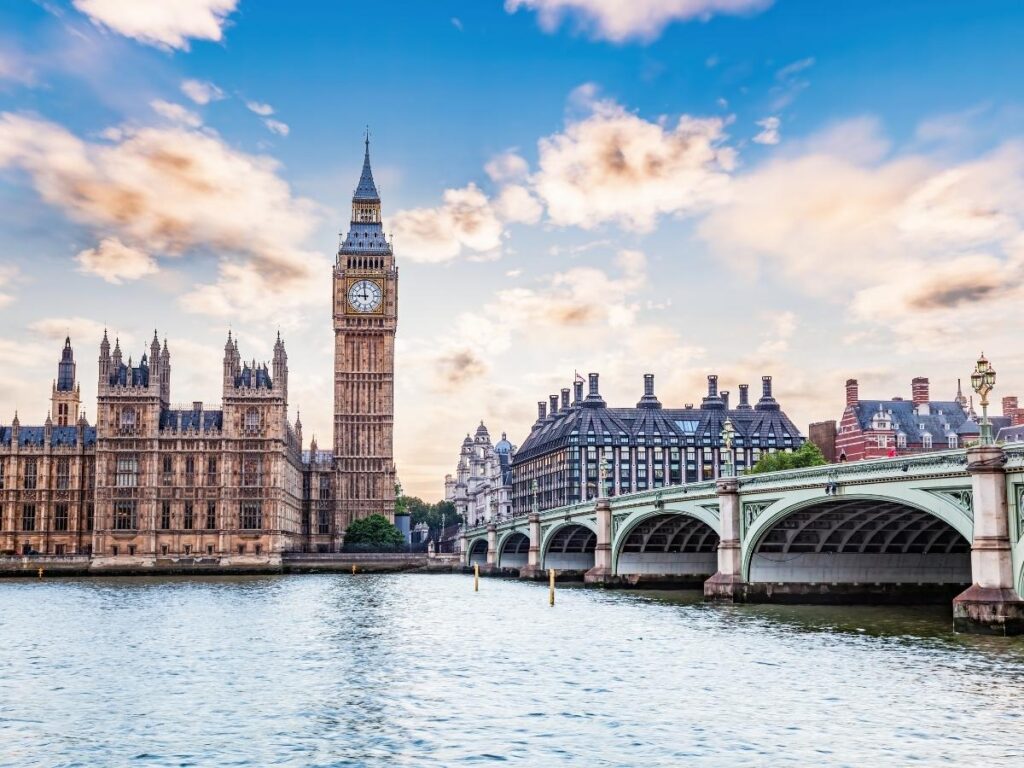
London can feel overwhelming at first, it’s massive, diverse, and constantly moving. But that’s also what makes it exciting. England’s capital offers something for everyone, making it an ideal first stop in Europe.
History buffs can spend days at the Tower of London, the British Museum (free admission!), and Westminster Abbey. Foodies can explore everything from traditional pub fare to world-class international cuisine at markets like Borough Market and Camden Market. Families have Harry Potter studio tours, the London Eye, and endless museums to keep kids engaged.
What I appreciated most about London was its efficiency. The Tube (London’s metro system) makes getting around straightforward, and multiple airports connect London to the rest of the world. This accessibility matters when you’re planning your first European adventure.
Money-saving tip: Many of London’s best museums, including the British Museum, Natural History Museum, and Tate Modern, offer free admission.
Best for: First-time international travelers, history enthusiasts, diverse food lovers, families.
Annecy, France: The Alpine Escape You Didn’t Know You Needed
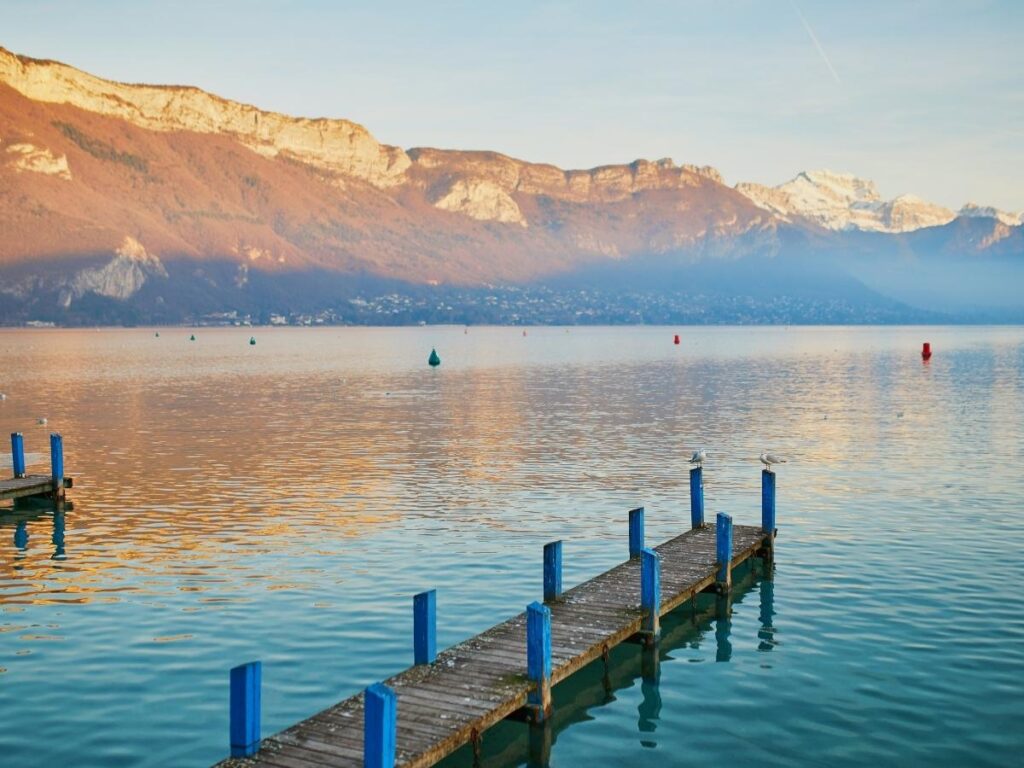
While everyone flocks to Paris, Annecy remains a quieter gem in southeastern France. This medieval town sits alongside Lake Annecy in the French Alps, offering a completely different European experience.
The Old Town (Vieille Ville) charmed me immediately with its pastel-colored buildings, flower-lined canals, and cobblestone streets. The Thiou River flows through the center, and the medieval Château d’Annecy overlooks everything from its hilltop perch.
But the real draw is Lake Annecy itself which is often called Europe’s cleanest lake. I spent my days here kayaking on crystal-clear water, cycling the 25-mile path around the lake, and hiking nearby mountain trails. The alpine scenery provides a peaceful counterpoint to Europe’s busier cities.
Best season: Summer (June-September) for water activities and hiking. Winter offers skiing in nearby resorts.
Best for: Outdoor enthusiasts, couples seeking tranquility, cyclists, anyone needing a break from urban sightseeing.
Planning Your European Adventure: Practical Tips
After sharing these destinations, let me offer some practical advice for planning your first Europe trip:
Start with 2-4 destinations. It’s tempting to create an ambitious itinerary that covers ten cities in two weeks, but you’ll spend more time traveling than experiencing. I’d recommend choosing 2-3 cities that are relatively close to each other for a first trip.
Consider transportation. Europe’s train network is excellent. Cities like Paris, Amsterdam, and Vienna serve as major hubs with connections throughout the continent. Budget airlines also make short flights between cities affordable.
Book accommodations in advance. Especially during summer months (June-August), popular destinations fill up quickly. I learned this after showing up in Prague during peak season without a reservation.
Travel insurance matters. Medical care in Europe is excellent but can be expensive for visitors. A good travel insurance policy provides peace of mind.
Mix city and nature. After several days of intense city sightseeing, places like the Dolomites or Annecy offer necessary breathing room.
Conclusion
Your first trip to Europe should feel exciting, not stressful. These 12 destinations each offer something unique while remaining accessible for first-time visitors. Whether you choose the ancient wonders of Rome, the canal-side beauty of Amsterdam, the alpine serenity of Annecy, or the vibrant energy of Barcelona, you’re starting a relationship with a continent that rewards return visits.
I’ve been back to Europe countless times since my first trip, and I still find new places to fall in love with. But these twelve destinations? They’re the ones I keep recommending to friends planning their inaugural European adventure. They’re the places that got me hooked.
FAQs
What is the best time to visit Europe for first-time travelers?
Late spring (May-June) and early fall (September-October) offer the sweet spot of pleasant weather and smaller crowds. Summer delivers warm weather but brings peak tourist season and higher prices.
How many destinations should I include in my first Europe trip?
For a 10-14 day trip, I’d recommend 2-3 destinations maximum. This gives you enough time to experience each place properly without spending half your vacation on trains or planes.
Do I need a visa to travel to Europe?
US citizens can visit most European countries for up to 90 days without a visa under the Schengen Agreement. However, always check current requirements before booking, as regulations can change.
What’s the most budget-friendly destination for first-time Europe travelers?
Prague and Budapest offer the best combination of beauty, culture, and affordability. Both cities provide world-class experiences at a fraction of Western European costs.
Should I buy a Eurail pass for my first Europe trip?
Eurail passes can offer value if you’re visiting multiple countries, but point-to-point tickets or budget airlines are often cheaper for 2-3 destination trips. Calculate your specific routes before committing to a pass.