
I knew the Big Island would have beautiful beaches, but I wasn’t expecting so much variety in one place. One day I was photographing sea turtles on a black sand beach, and the next I was standing above the clouds on Mauna Kea before exploring waterfalls tucked away in lush rainforests. Every drive seemed to lead to a completely different landscape.
That’s what makes the Big Island such an incredible destination for photography. From volcanic craters and dramatic coastlines to white sand beaches and tropical valleys, there’s always something new to capture.
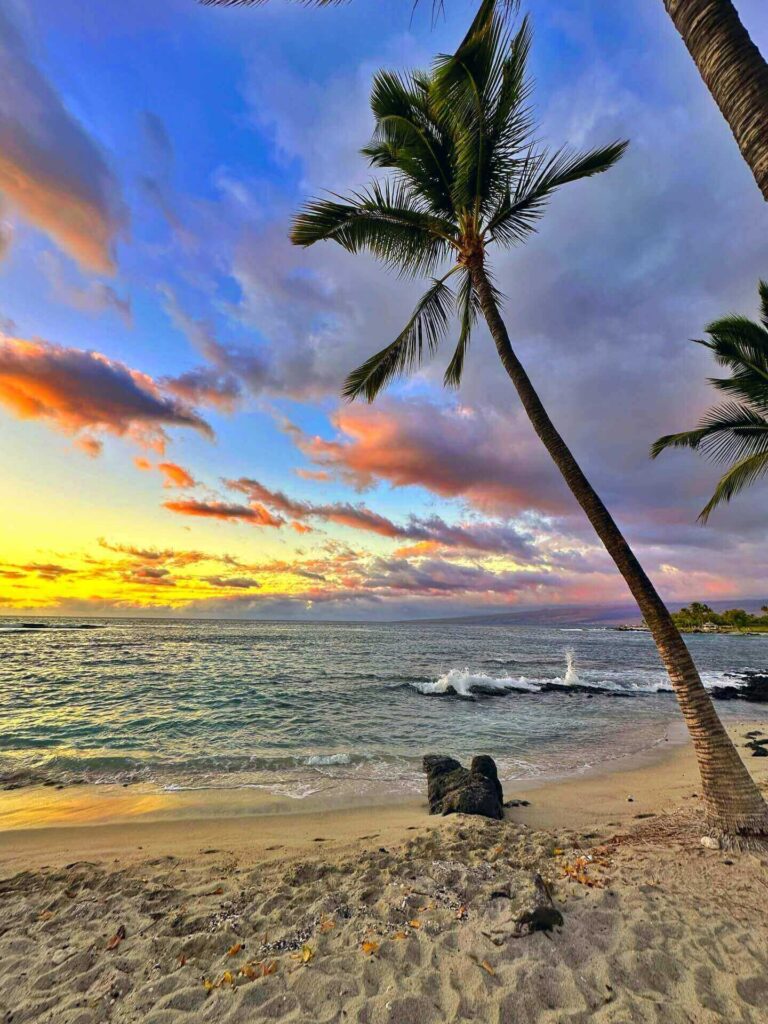
Some spots are easy roadside stops, while others take a little more effort, but every one of them is worth adding to your itinerary.
In this guide, I’m sharing my favorite Big Island Instagram spots, along with photography tips, the best time to visit each location, and practical advice to help you plan your trip and come home with photos you’ll love.
Photography Tips Before You Go
The Big Island is much larger than many first time visitors expect, so don’t underestimate the driving times. Instead of trying to visit photo spots all over the island in one day, I recommend exploring one region at a time. It makes for a much more relaxed trip and gives you time to enjoy each location.
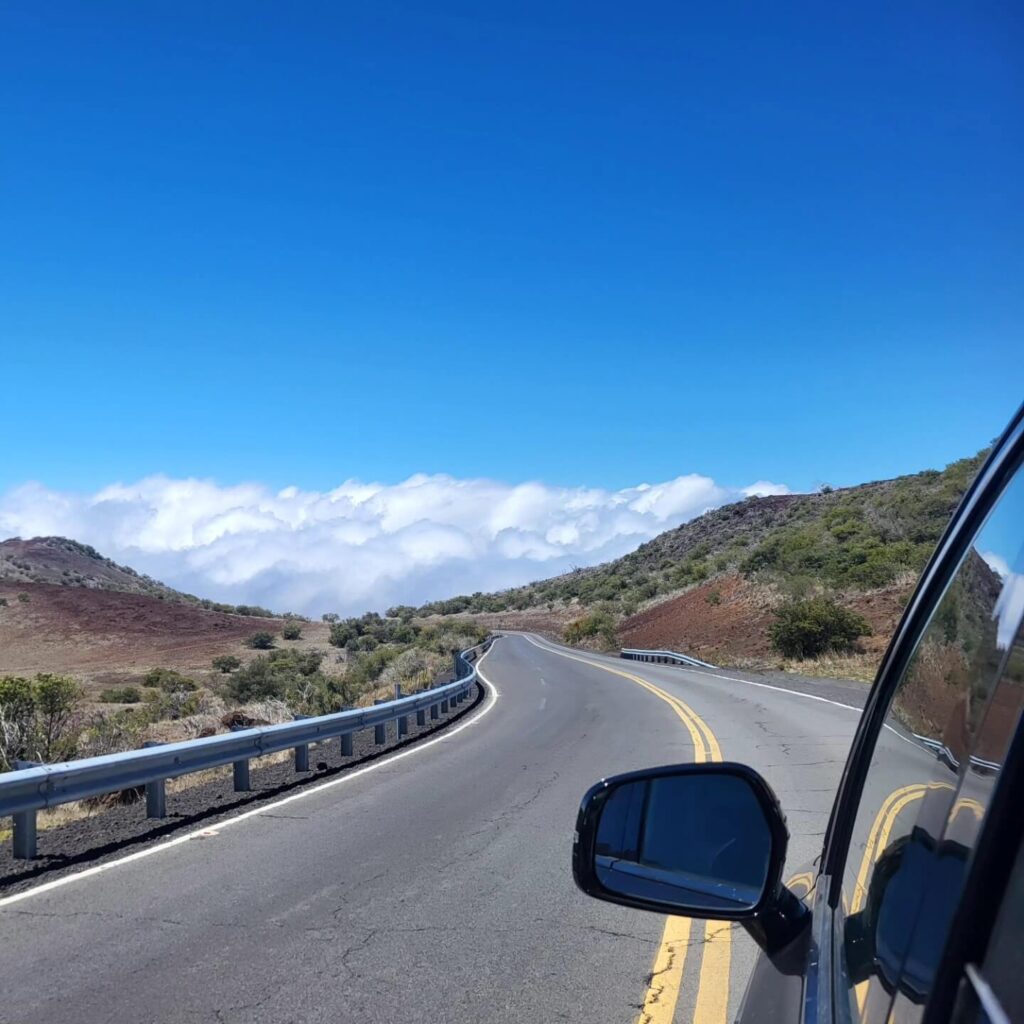
If you’re hoping for the best photos, start your day early. Popular beaches and waterfalls are much quieter in the morning, and the soft light is perfect for photography. Sunset is just as beautiful, especially along the Kona Coast and from Mauna Kea, where the views above the clouds are unforgettable.
The weather can also change quickly depending on where you are. Hilo is known for frequent rain, while Kona is usually much sunnier, so I always kept a lightweight rain jacket in the car just in case.
If you plan to fly a drone, check the local regulations before your trip. Drones aren’t allowed in Hawaii Volcanoes National Park or some other protected areas.
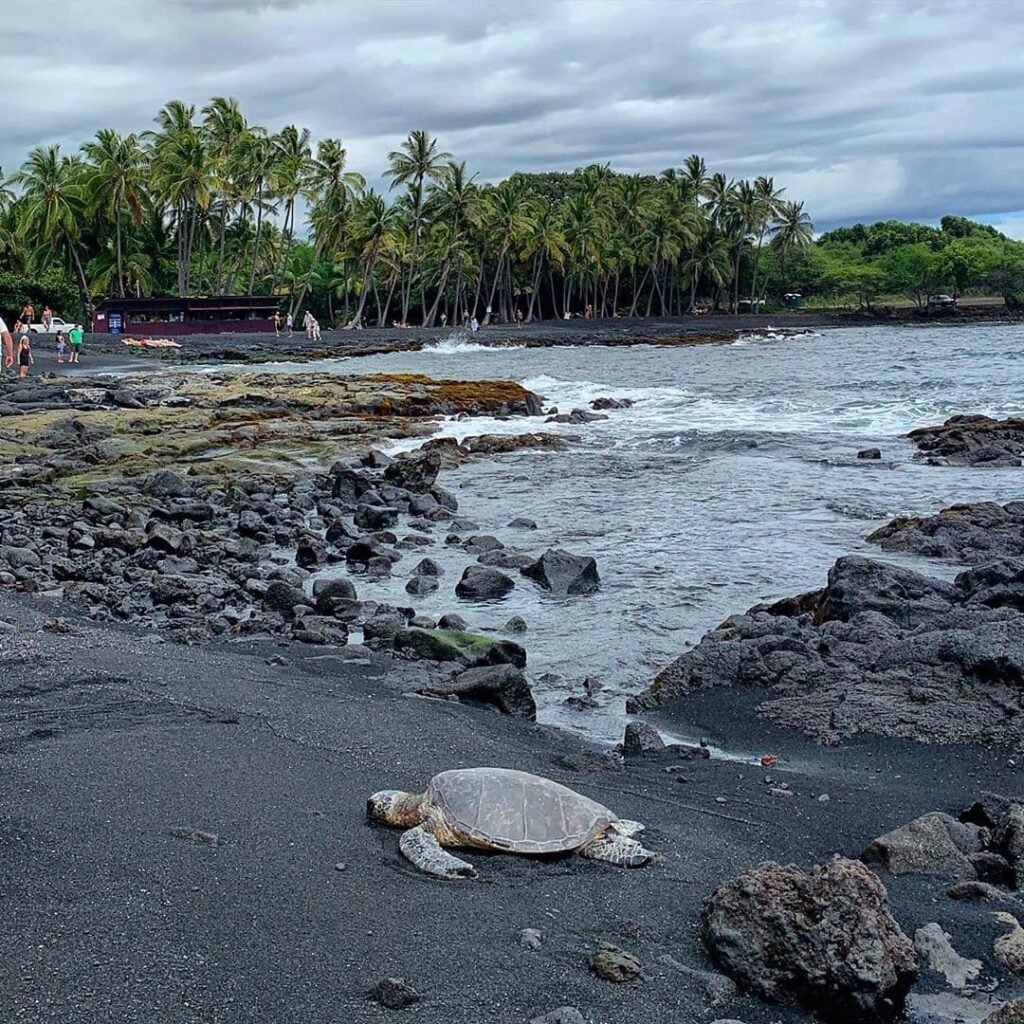
Finally, if you’re lucky enough to see Hawaiian green sea turtles resting on the beach, give them plenty of space. A zoom lens will help you get great photos while respecting these protected animals.
15 Best Big Island Instagram Spots
1. Punaluʻu Black Sand Beach
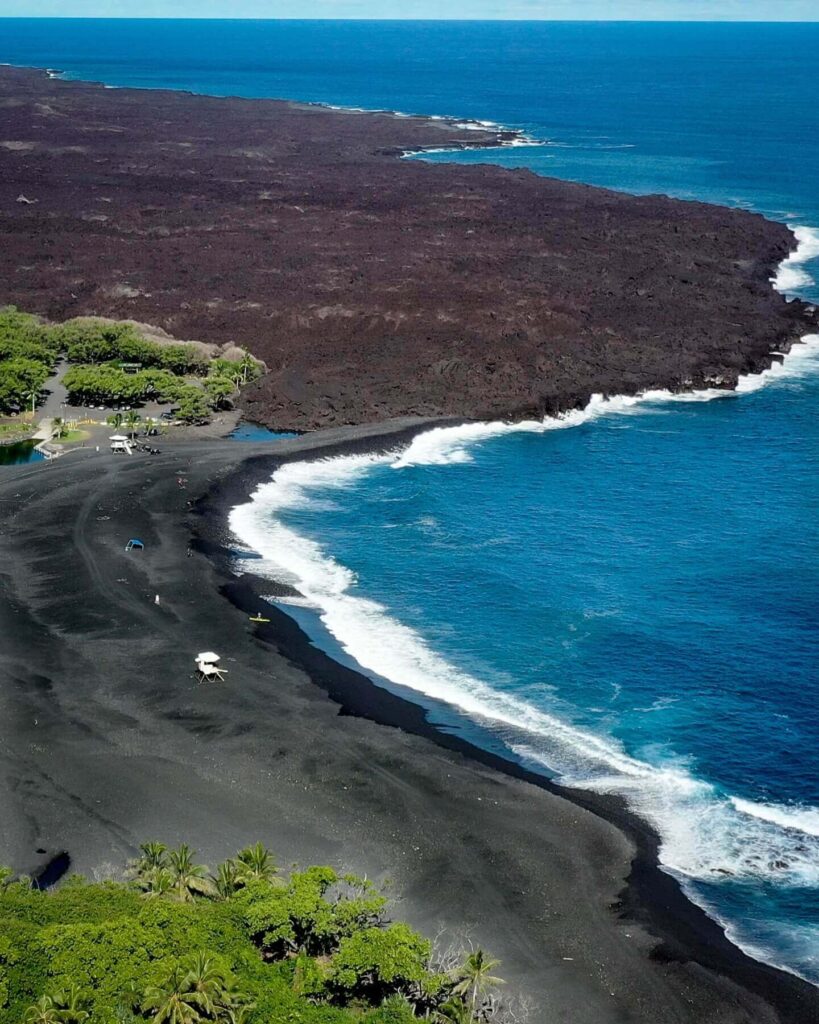
Punaluʻu Black Sand Beach is one of the most unique places on the Big Island. The jet black volcanic sand, swaying palm trees, and bright blue ocean create a beautiful contrast that’s hard to forget. It’s also one of the best places to see Hawaiian green sea turtles, which often come ashore to rest on the warm sand.
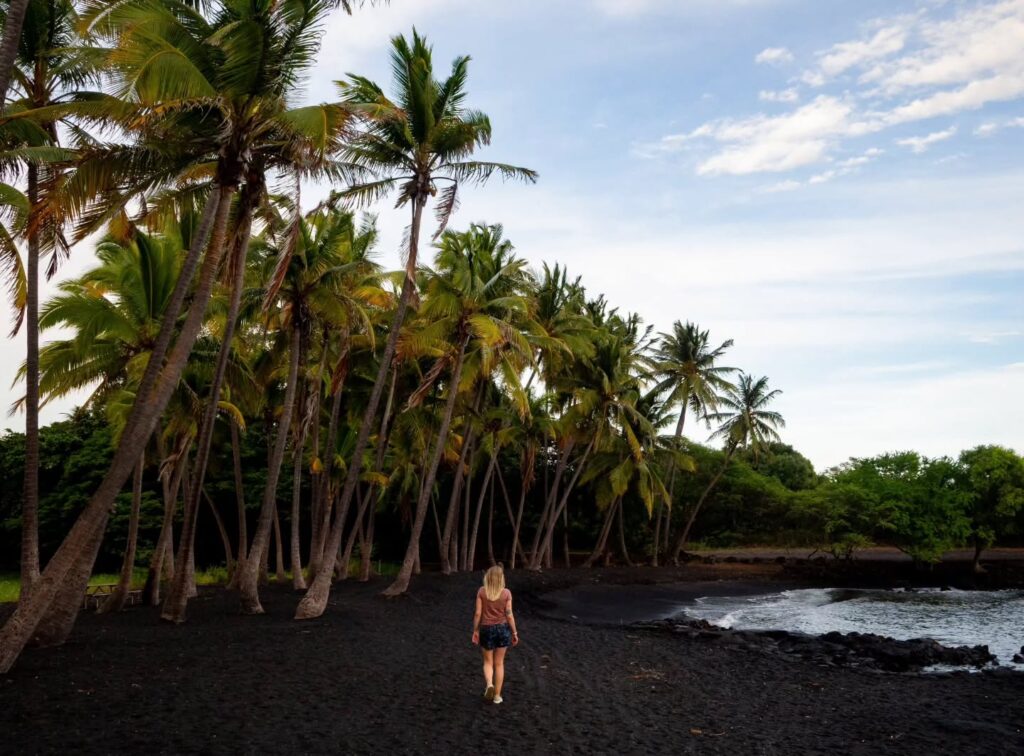
I recommend visiting in the morning when the beach is quieter and the light is softer. If you spot turtles, remember to keep a respectful distance and use your zoom lens instead of getting too close.
2. Papakōlea Green Sand Beach
Papakōlea Green Sand Beach is one of only a few green sand beaches in the world, and it’s even more impressive in person than in photos. The sand gets its unusual color from tiny olivine crystals left behind by ancient volcanic activity, creating a striking contrast with the blue ocean.
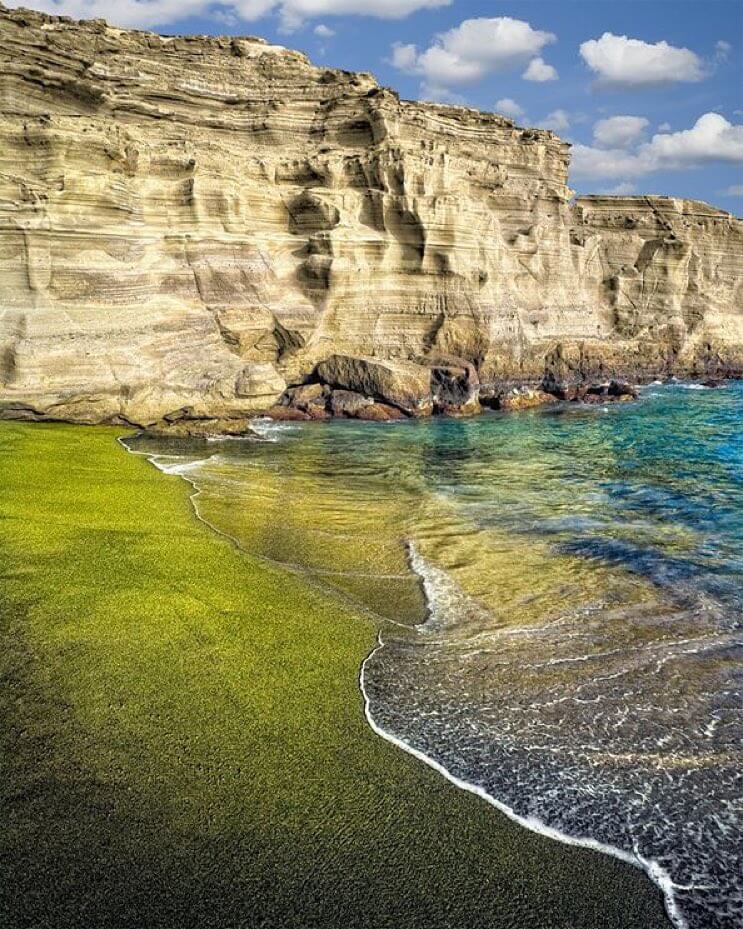
Getting here requires a 2.5 mile hike each way across an exposed trail, so bring plenty of water, sunscreen, and comfortable shoes. The walk is worth it, especially once you see the dramatic cliffs surrounding the beach.
3. Hawaii Volcanoes National Park
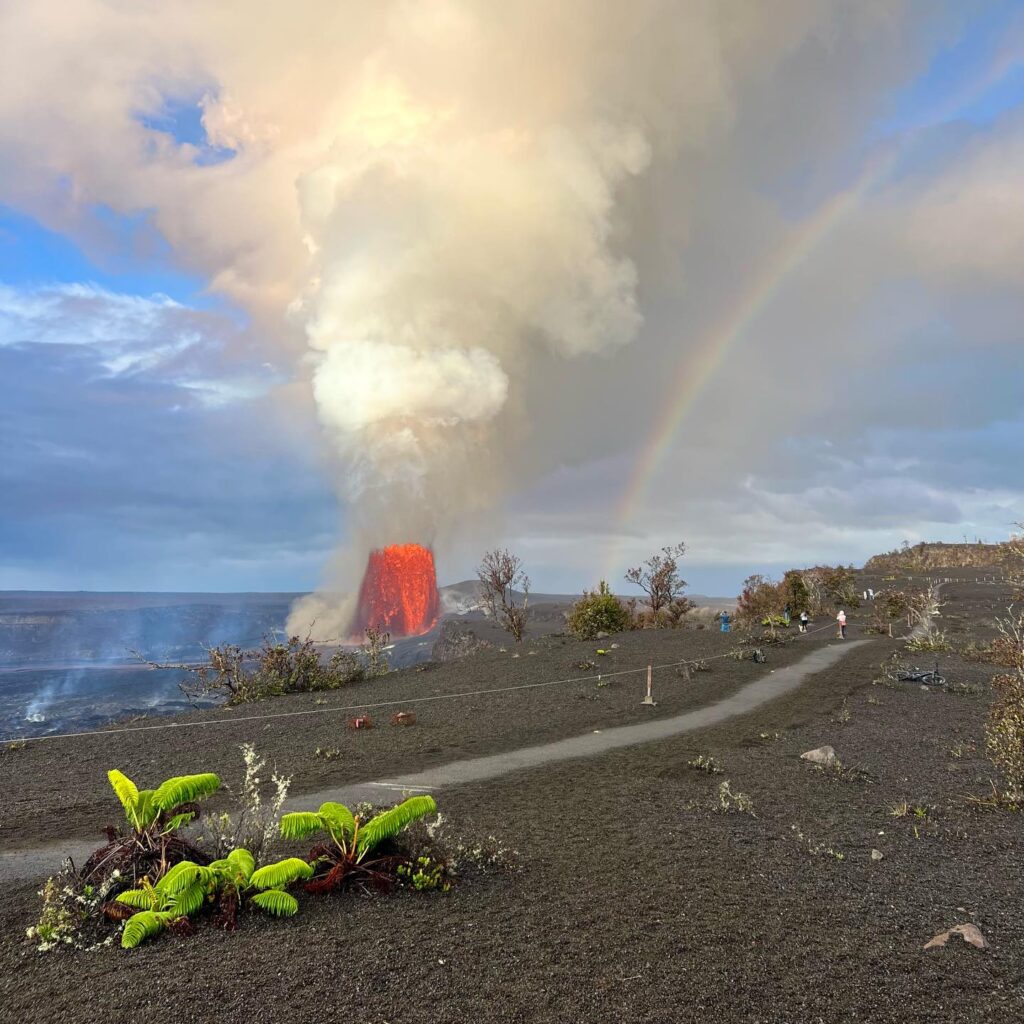
No visit to the Big Island feels complete without exploring Hawaii Volcanoes National Park. The scenery changes constantly, from lava fields and steaming craters to rainforest trails and rugged coastlines, so it’s worth setting aside at least half a day.
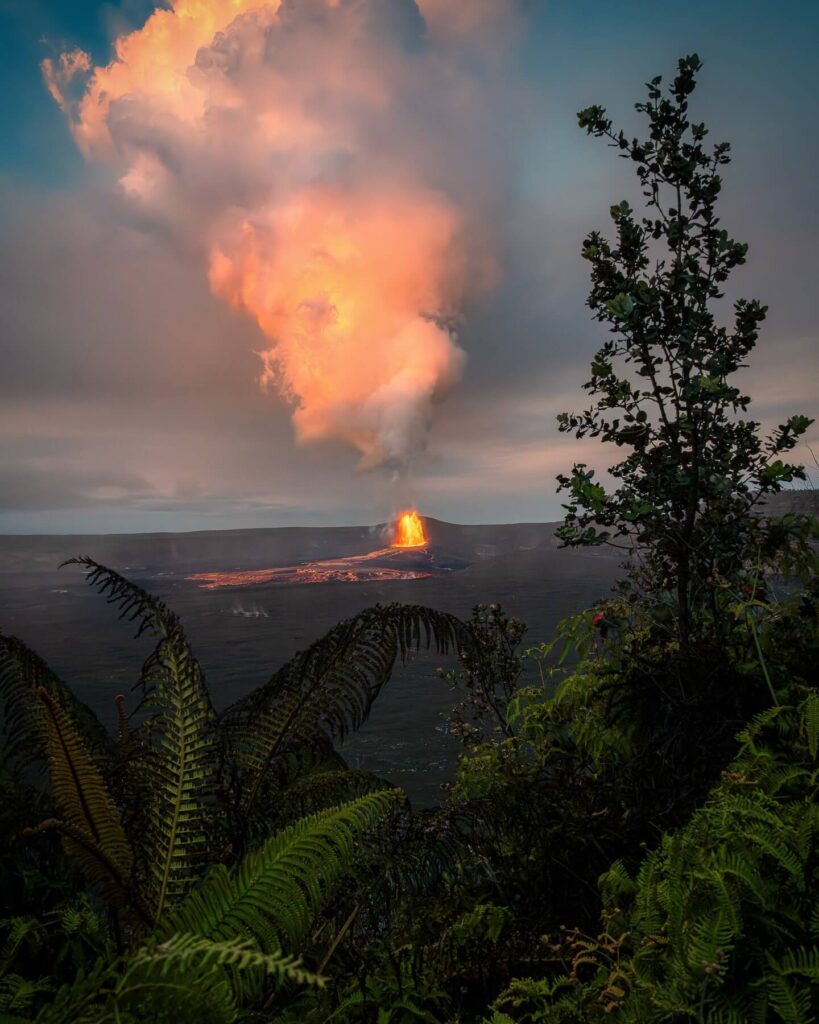
Don’t miss Halemaʻumaʻu Crater, especially around sunset, Chain of Craters Road for its scenic viewpoints, Nāhuku (Thurston Lava Tube) for a walk through a lava tunnel, and the Steam Vents, where you can watch steam rise from the volcanic ground.
4. Mauna Kea Summit
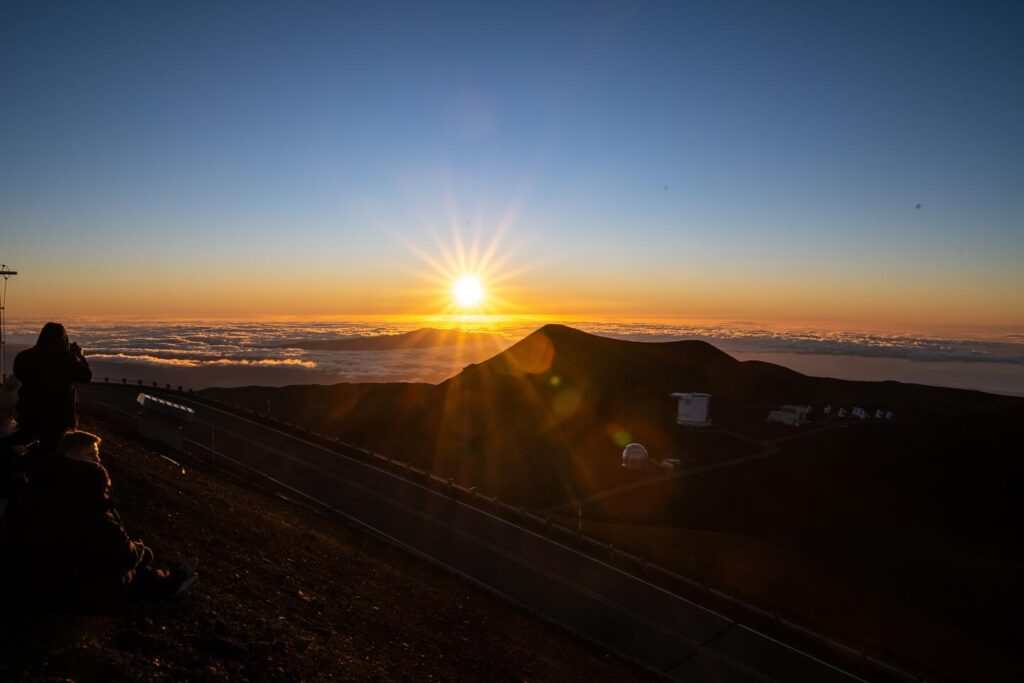
Watching the sunset from Mauna Kea was easily one of the highlights of my trip. Standing above the clouds as the sky changes color is an experience that’s hard to describe. If you stay after dark, you’ll also have the chance to see some of the clearest night skies in the world.
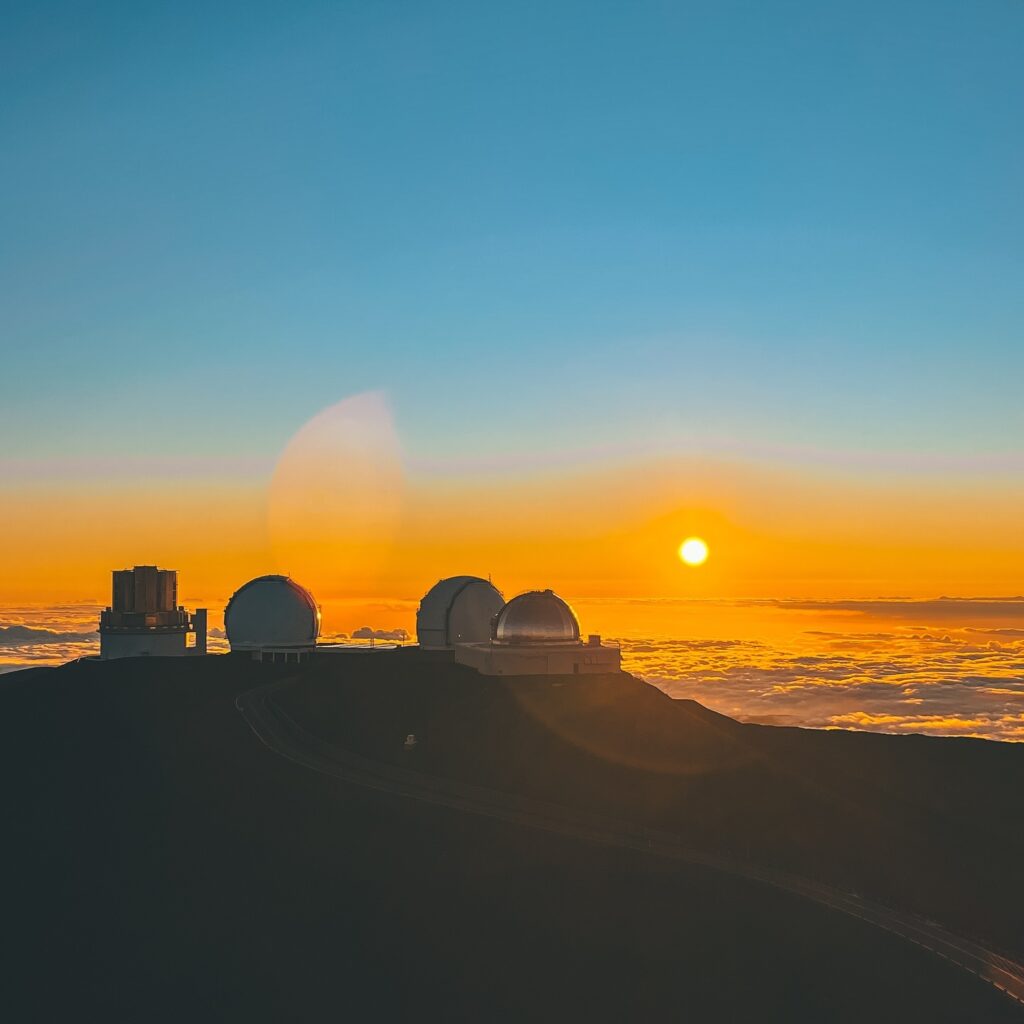
Temperatures at the summit are much colder than the rest of the island, so pack warm layers and arrive early to find parking. If you don’t want to drive to the summit, the Visitor Information Station also offers excellent views.
5. Rainbow Falls
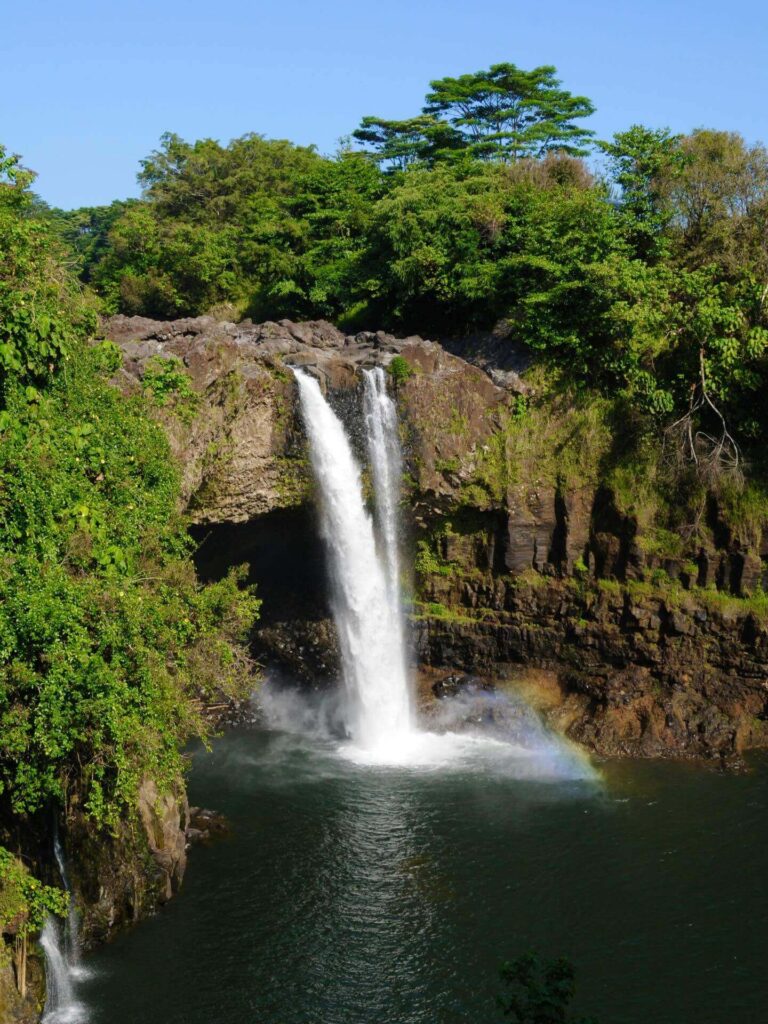
Just outside Hilo, Rainbow Falls is one of the easiest waterfalls to visit on the island. The waterfall drops nearly 80 feet into a tropical gorge, and on sunny mornings, you may even see a rainbow forming in the mist.
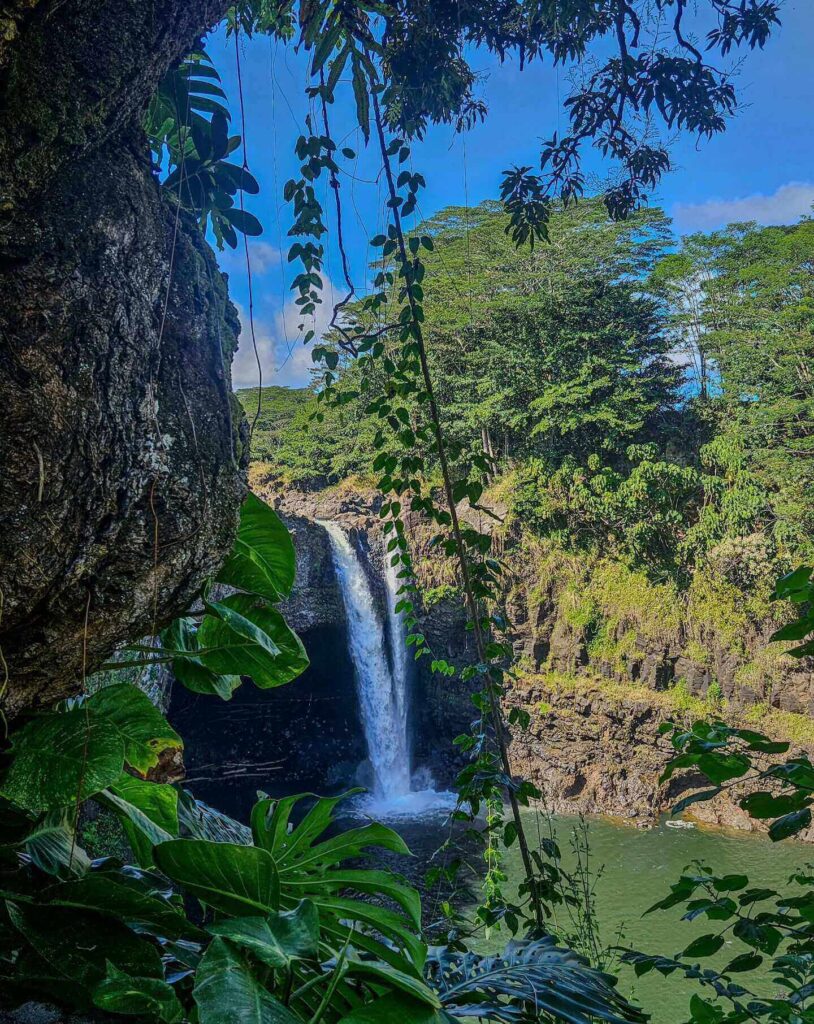
The main viewpoint is only a short walk from the parking lot, and there’s another overlook above the falls that’s worth visiting for a different perspective. Arriving early usually means fewer people and better lighting.
6. Akaka Falls
Akaka Falls is one of the most impressive waterfalls on the Big Island, dropping 442 feet into a lush tropical gorge. Getting there is part of the experience, as the short paved loop trail winds through a rainforest filled with giant ferns, bamboo, and colorful tropical plants before reaching the main viewpoint.
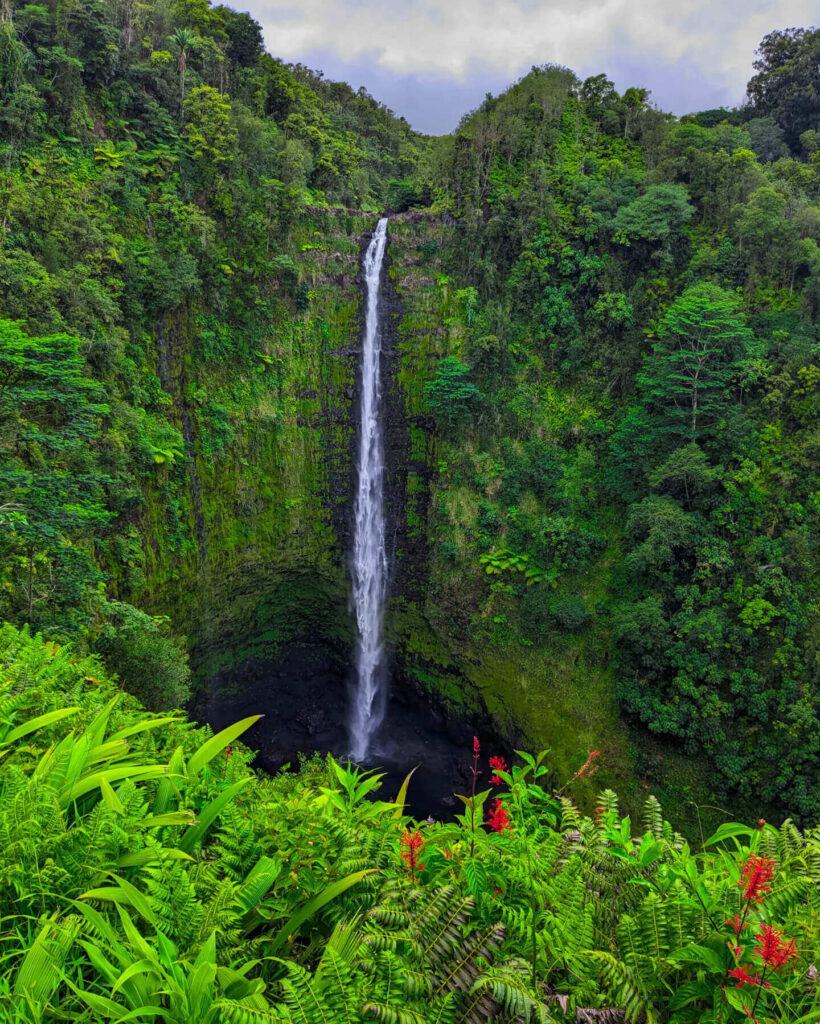
The waterfall flows year round, and after a rainy day it’s even more powerful. Even if the skies are cloudy, the rich green surroundings make for beautiful photos, so don’t let a little rain put you off.
7. Waipiʻo Valley Lookout
Waipiʻo Valley Lookout offers one of the most spectacular views on the Big Island. From the overlook, you’ll see towering cliffs, waterfalls spilling down the valley walls, and a black sand beach meeting the Pacific Ocean. It’s the kind of view that makes you stop for a while instead of taking one quick photo and moving on.
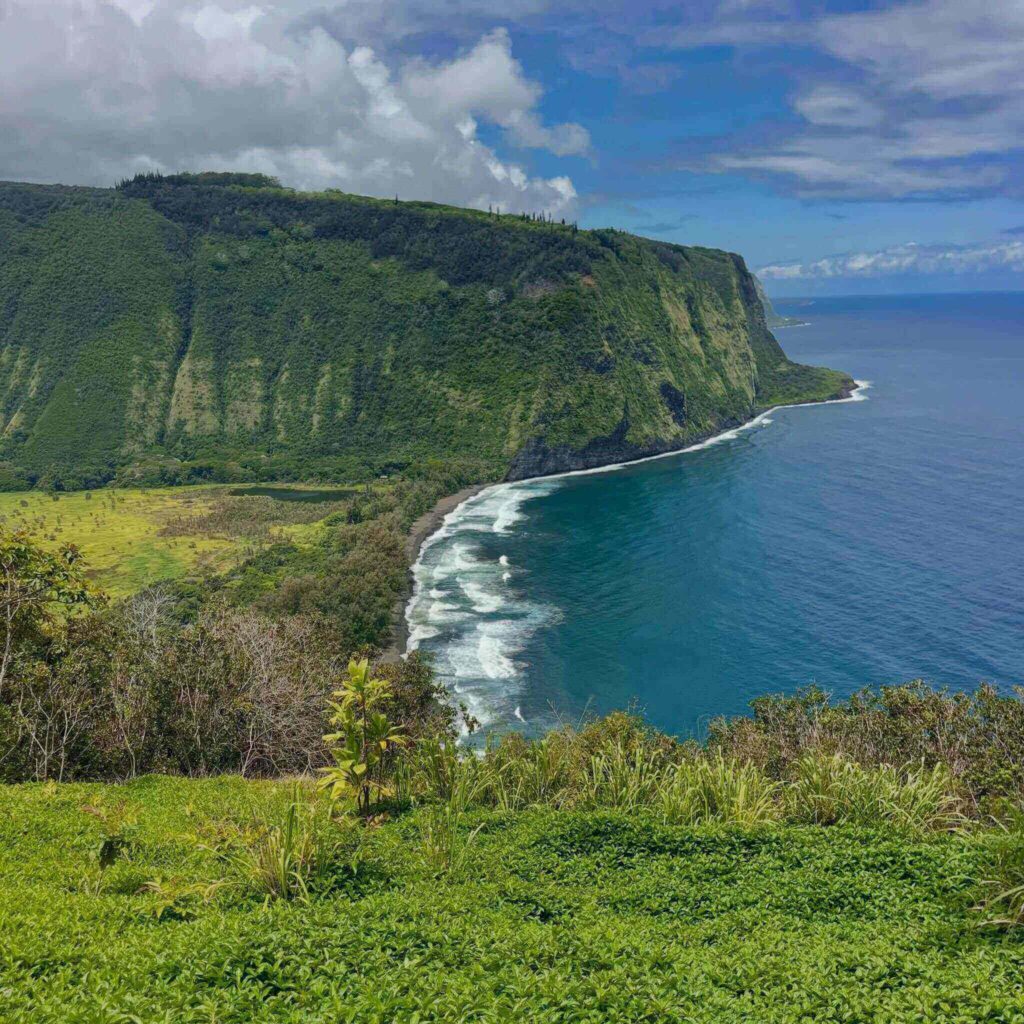
Although public vehicle access into the valley is now restricted, the overlook alone is worth the drive. Every visit can look a little different depending on the weather, with clouds often drifting through the valley in the morning.
8. Pololū Valley Lookout
Located at the northern tip of the island, Pololū Valley Lookout is one of my favorite coastal viewpoints on the Big Island. From the parking area, you’ll enjoy sweeping views of emerald cliffs, a black sand beach, and waves crashing against the rugged shoreline.
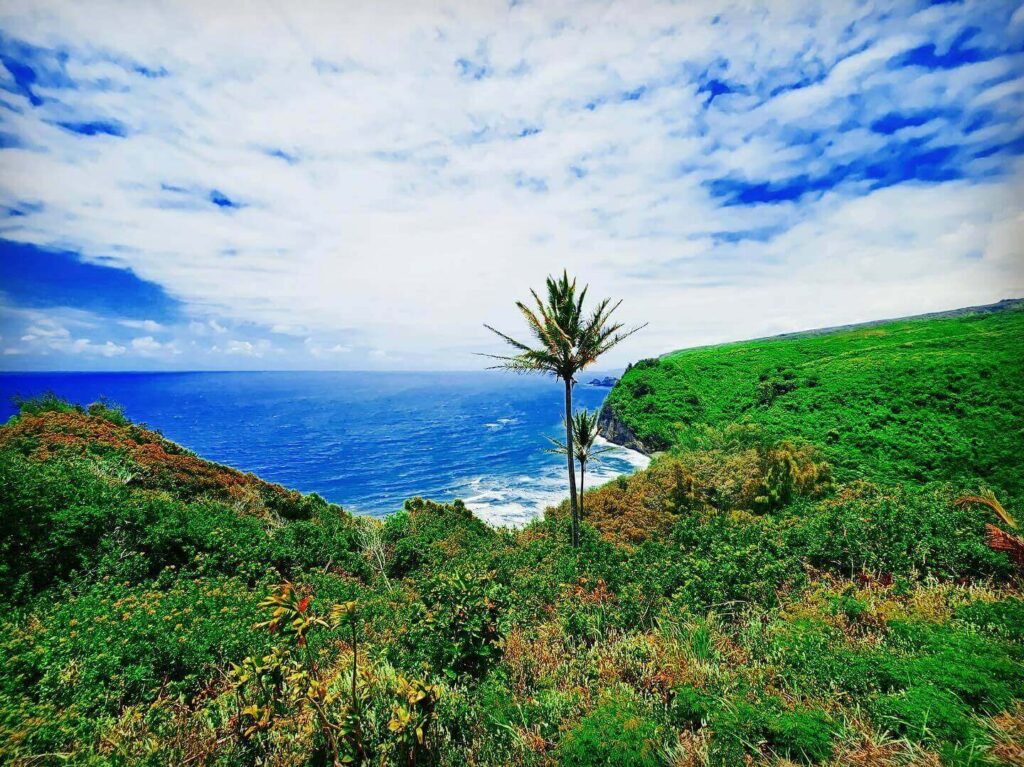
If you’re up for a little adventure, take the short but steep trail down to the beach. The lower viewpoint gives you a completely different perspective and is well worth the extra effort. Late afternoon is my favorite time to visit, when the warm light begins to hit the cliffs.
9. South Point (Ka Lae)
South Point, or Ka Lae, is the southernmost point in the United States and feels completely different from the rest of the island. Instead of lush rainforests, you’ll find dramatic lava cliffs, endless ocean views, and waves crashing against the rocky coastline.
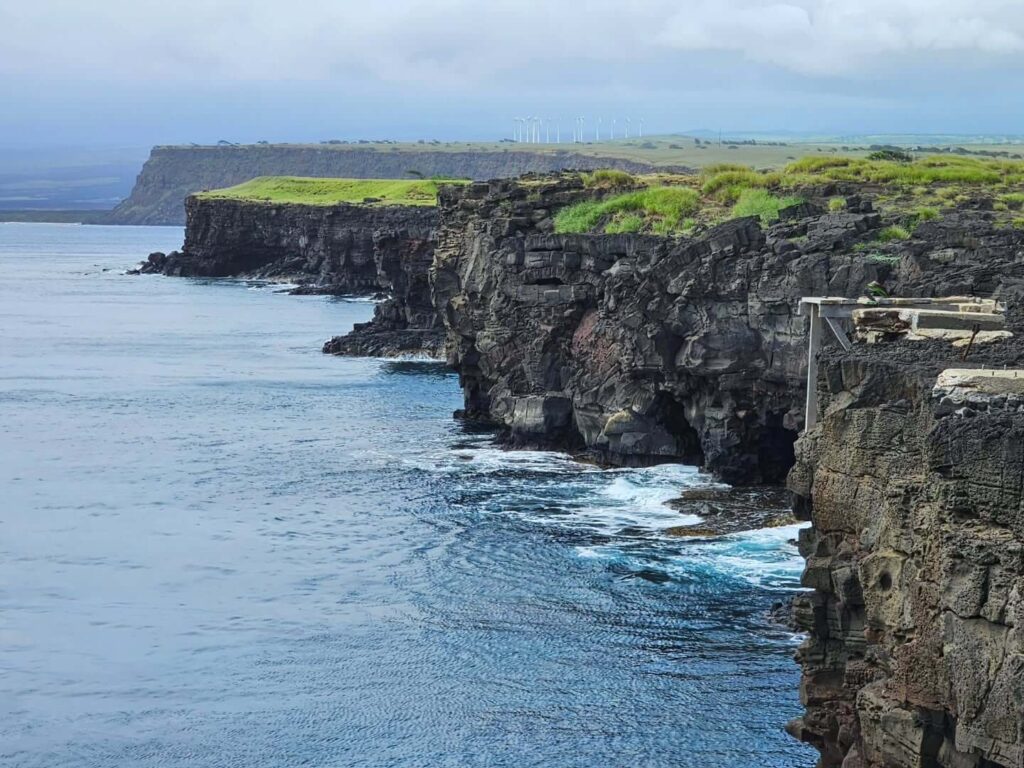
The scenery is especially beautiful during golden hour, when the warm light brings out the textures in the volcanic rock. You may also see people cliff jumping into the ocean below, but I recommend enjoying the views from a safe distance.
It can be very windy here, so hold onto hats, tripods, and anything lightweight before setting up your camera.
10. Hapuna Beach
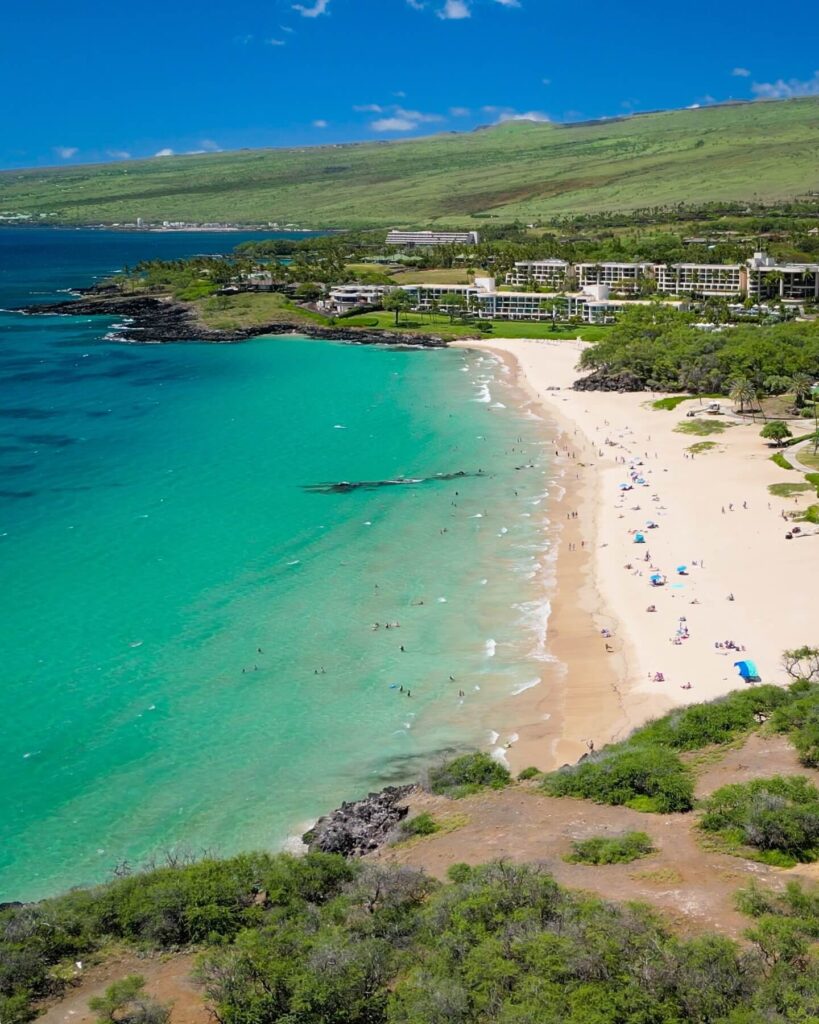
If you’re looking for those classic Hawaii beach photos, Hapuna Beach is hard to beat. The soft white sand, crystal clear turquoise water, and gently swaying palm trees create the kind of scenery you picture when planning a Hawaiian vacation.
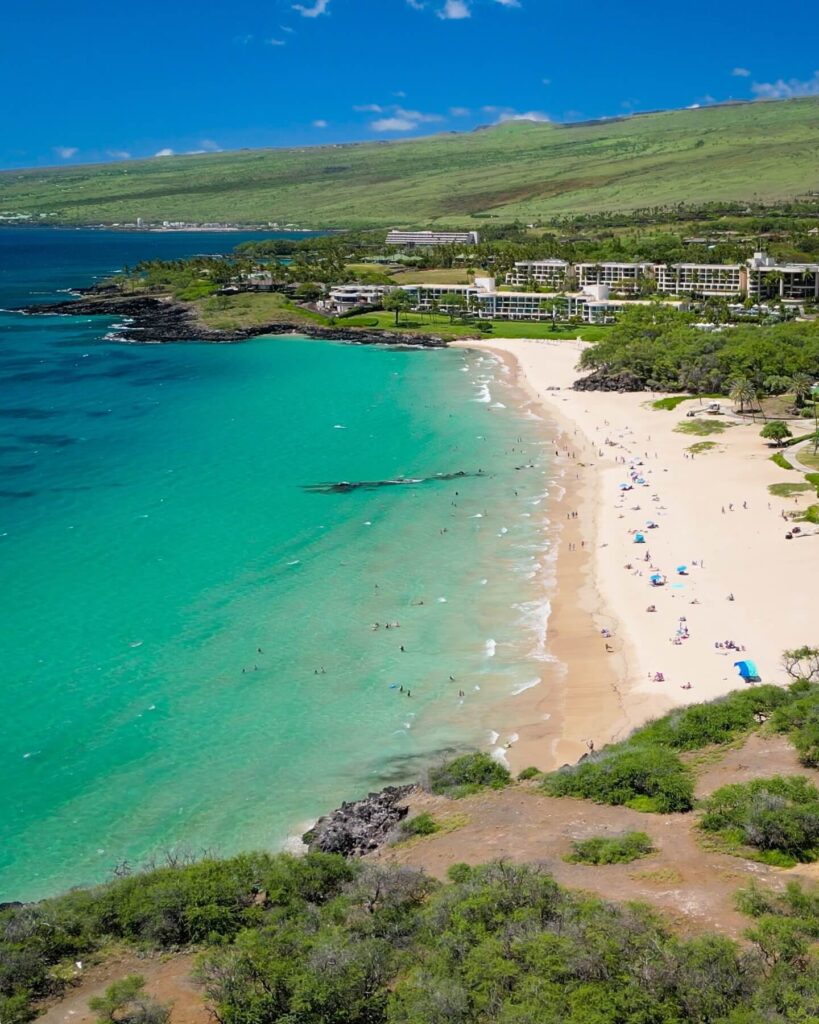
The beach is large enough that it’s usually easy to find a quieter stretch of sand, especially if you arrive in the morning or stay until sunset. As the sun begins to set, the sky often fills with beautiful shades of orange and pink that reflect across the water.
It’s also one of the best places on the island for family photos or portraits thanks to its wide, open shoreline.
11. Kua Bay
Kua Bay, also known as Maniniʻōwali Beach, is one of the prettiest beaches on the Big Island. The combination of soft white sand, crystal clear turquoise water, and black lava rocks creates a beautiful contrast that looks incredible in photos. It’s one of those places where it’s hard to take a bad picture.
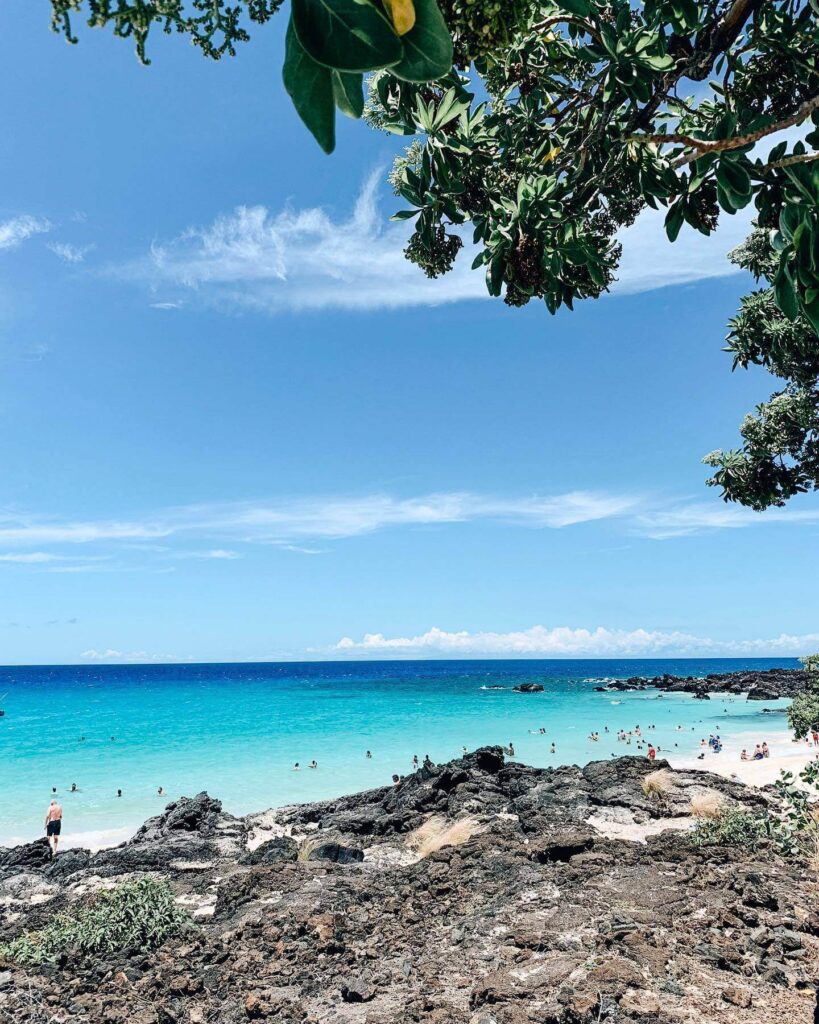
I recommend arriving early in the morning when the water is usually calm and the beach is much quieter. If you have time, walk along the shoreline because the view changes as you move from one end of the beach to the other, and the lava rocks make a great natural frame for your photos.
12. Puʻuhonua o Hōnaunau National Historical Park
Puʻuhonua o Hōnaunau is one of those places where you can enjoy both beautiful scenery and Hawaiian history in the same visit. Once a place of refuge in ancient Hawaii, the park is home to carved wooden kiʻi, lava rock walls, fishponds, and palm trees overlooking the ocean.
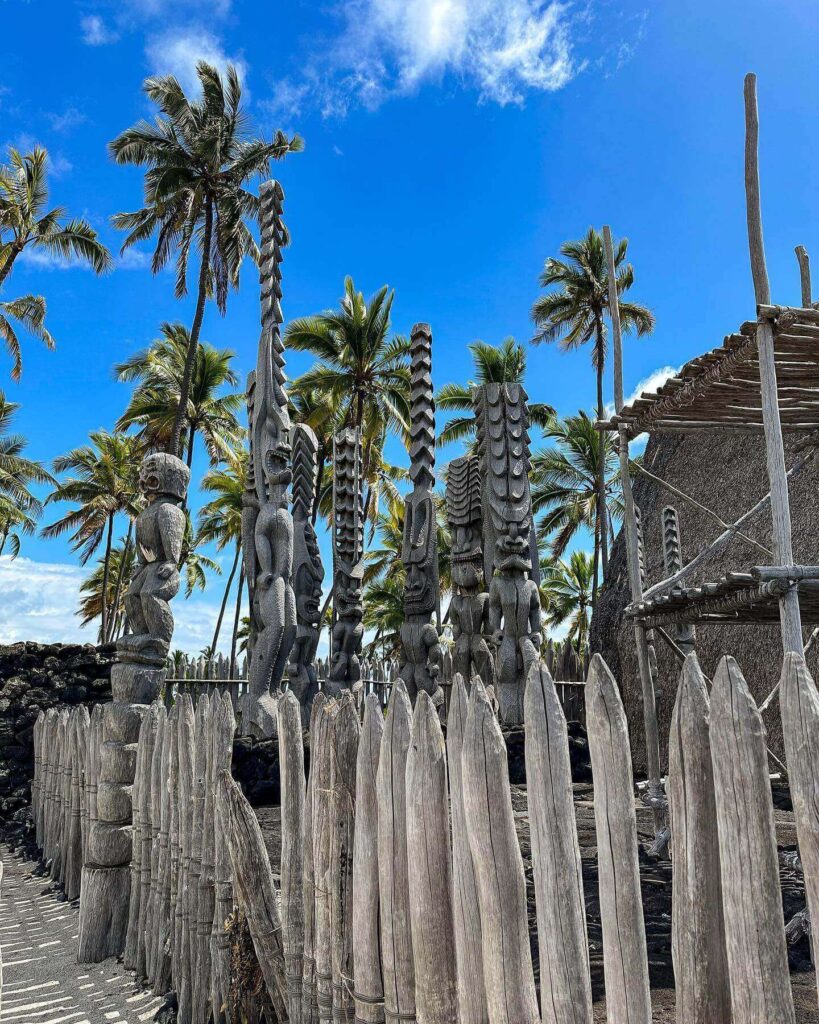
I enjoyed taking my time here because every corner offered something different to photograph. You can capture wide coastal views one moment and then focus on the detailed carvings and historic structures the next. Morning is usually the best time to visit, when the light is softer and temperatures are cooler.
Since this is an important cultural site, stay on the marked paths and treat the historic structures with respect.
13. Kealakekua Bay Overlook
Kealakekua Bay Overlook is one of the best places on the Kona Coast to photograph Hawaii’s famous blue water. From the viewpoint, you’ll look across the bay toward the Captain Cook Monument, with water that often changes from bright turquoise to deep blue depending on the sunlight.
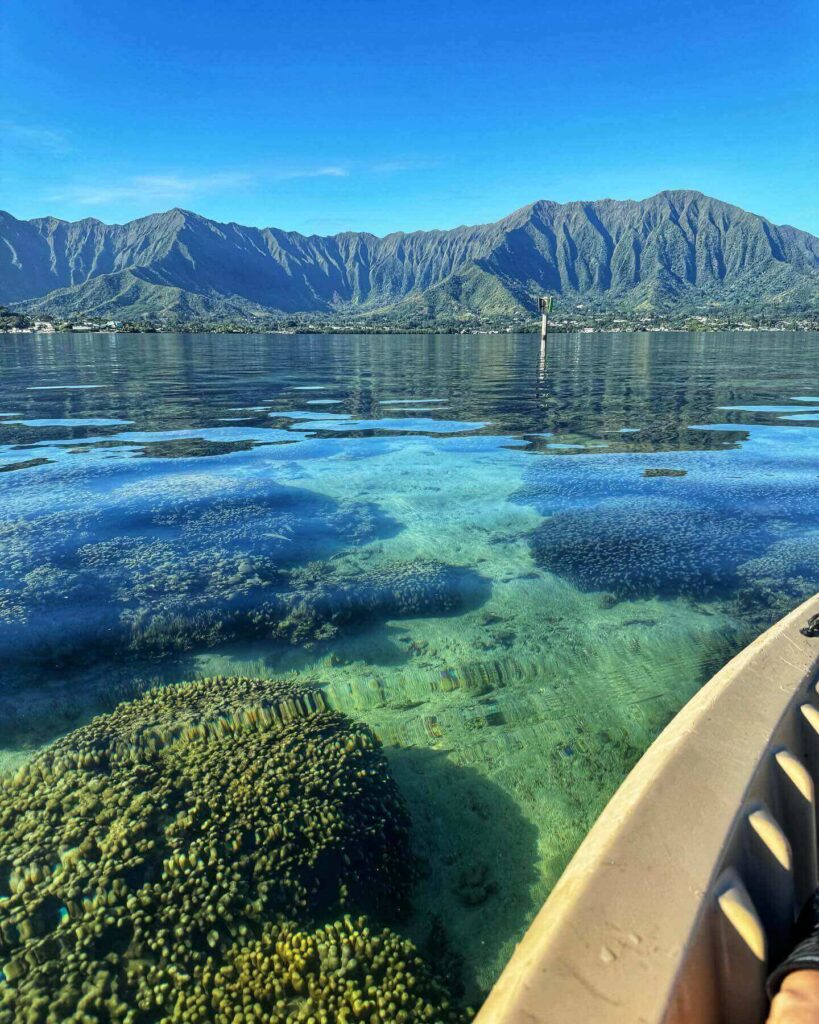
It’s an easy stop if you’re exploring the Kona Coast, and even if you don’t plan to hike down to the bay, the overlook offers beautiful panoramic views. On calm mornings, you can often see boats floating over the coral reefs below because the water is so clear.
14. Lava Tree State Monument
Lava Tree State Monument is unlike anywhere else on the Big Island. Instead of beaches or waterfalls, you’ll walk through a quiet forest filled with lava formations created when molten lava surrounded trees during an eruption centuries ago. Today, those hollow lava molds remain, creating one of the island’s most unusual landscapes.
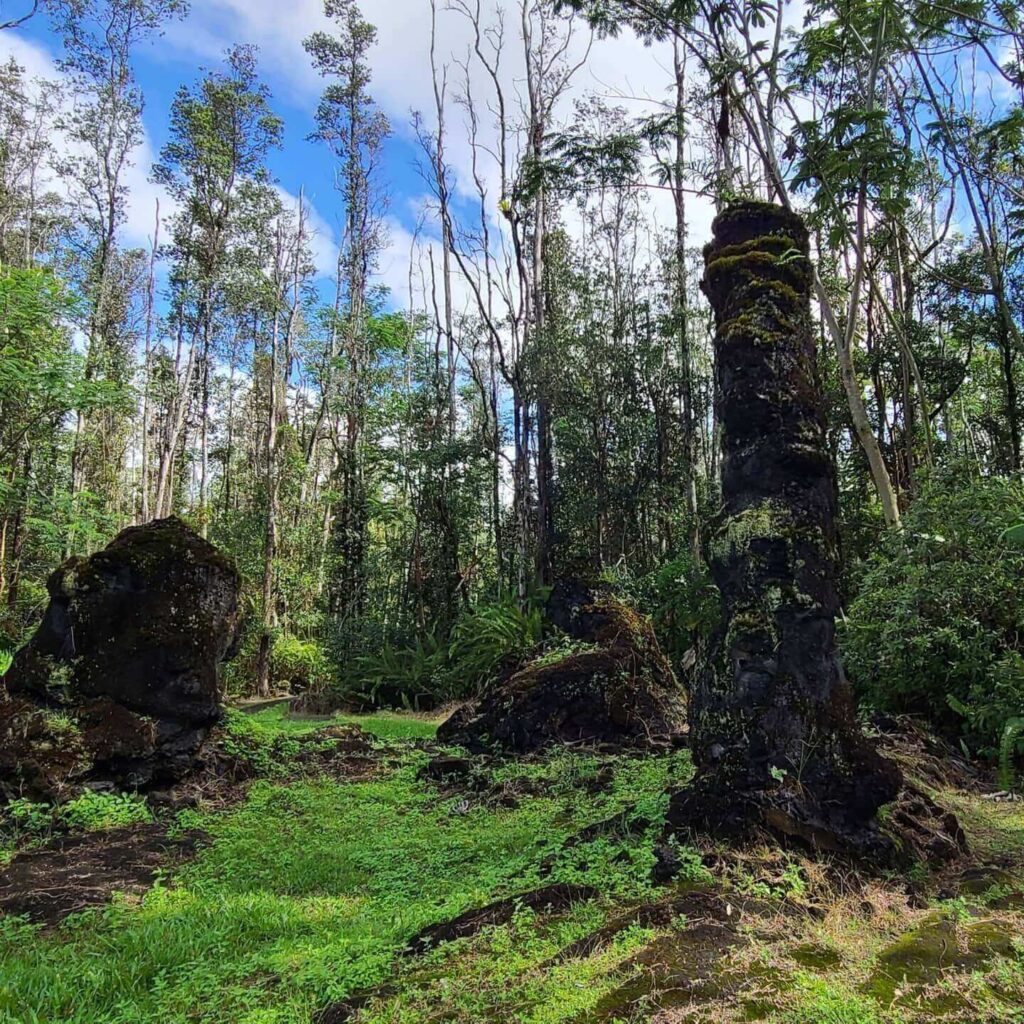
The short paved trail makes it an easy stop, and the shaded forest is a nice break from the island’s sunny beaches. If you enjoy photographing textures, plants, or unique natural formations, you’ll find plenty of interesting subjects here.
15. Honoliʻi Beach Park
Honoliʻi Beach Park is one of the best places on the Big Island to photograph surfers. Just outside Hilo, this black sand beach is known for its consistent waves and relaxed local atmosphere, making it a fun place to spend an hour even if you don’t surf yourself.
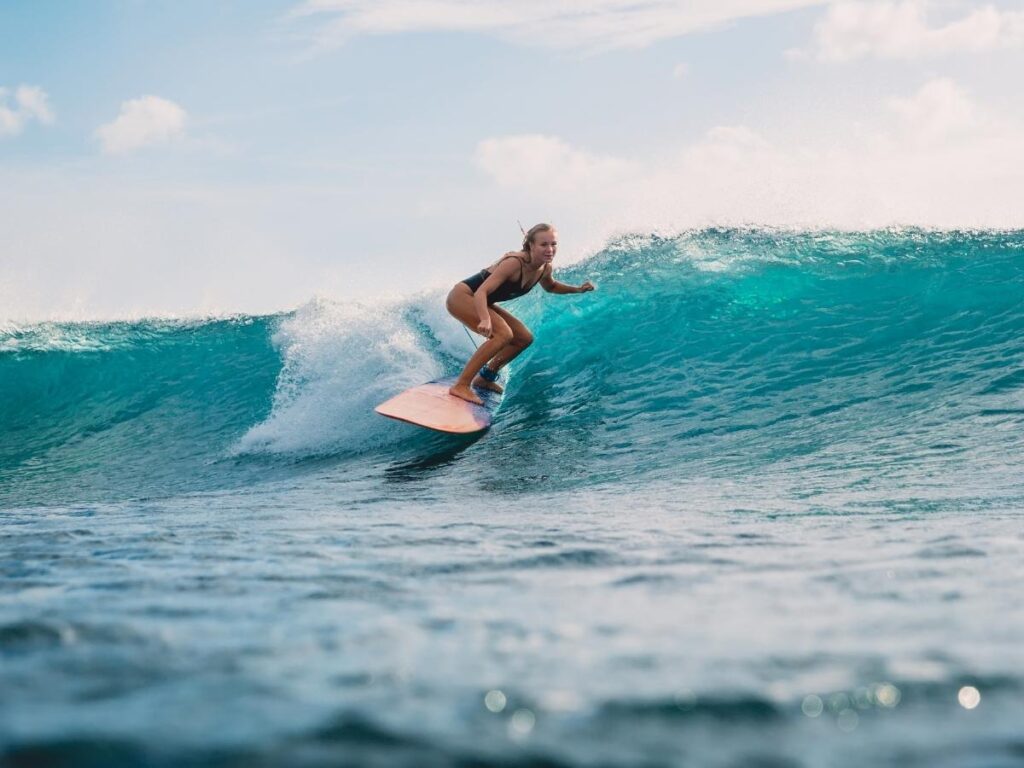
Watching surfers paddle out and ride the waves adds plenty of action to your photos, while the black sand, lava rocks, and green cliffs create a beautiful backdrop. Sunrise is my favorite time to visit because the light is softer and you’ll often find surfers already out in the water.
If you’re traveling with a zoom lens, this is the perfect place to put it to use.
One Day Big Island Photography Itinerary
If you only have one full day on the Big Island, I recommend focusing on the island’s southeastern side. This route lets you experience waterfalls, volcanic landscapes, and a black sand beach without spending the entire day driving.
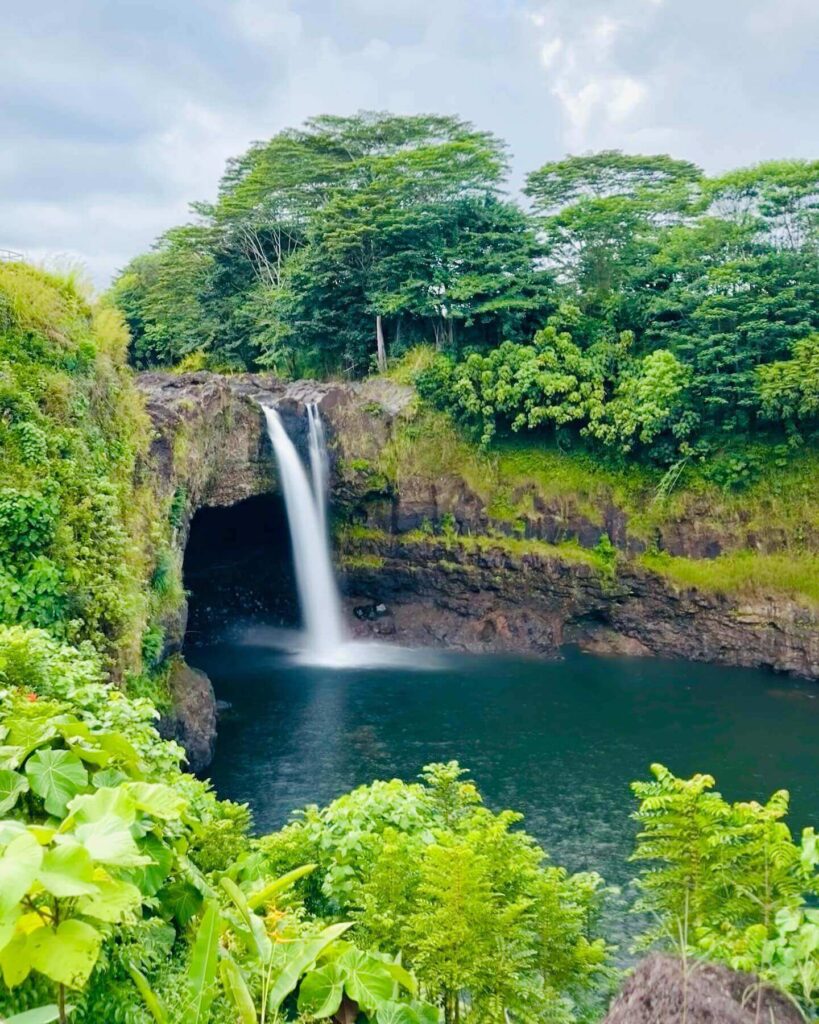
Start your morning at Rainbow Falls, when the light is soft and you might even catch a rainbow in the mist. From there, head to Akaka Falls, where a short walk through the rainforest leads to one of Hawaii’s tallest waterfalls.
By late morning, make your way to Hawaii Volcanoes National Park. Spend a few hours exploring highlights like Halemaʻumaʻu Crater, Chain of Craters Road, and Nāhuku (Thurston Lava Tube). There are plenty of scenic pullouts, so don’t be afraid to stop whenever something catches your eye.
In the afternoon, drive to Punaluʻu Black Sand Beach. It’s a great place to slow down, enjoy the scenery, and, if you’re lucky, spot Hawaiian green sea turtles resting on the beach.
If you still have energy, finish the day at Mauna Kea. Watching the sunset above the clouds is an unforgettable experience, and if the skies are clear, staying after dark for a little stargazing is well worth it.
Two Day Big Island Photography Itinerary
With two full days, you can explore both the lush Hilo side of the island and the sunny Kona Coast without feeling rushed.
Day 1: Waterfalls, Volcanoes, and Black Sand Beaches
Start early at Rainbow Falls, then continue to Akaka Falls before the crowds arrive. Afterward, spend the afternoon exploring Hawaii Volcanoes National Park, taking your time at the scenic viewpoints and lava fields rather than rushing through.
Before ending the day, stop at Punaluʻu Black Sand Beach. The softer afternoon light often makes the beach even more photogenic, and it’s a great place to look for resting sea turtles.
Day 2: Scenic Coastlines and Beautiful Beaches
Begin your morning at Pololū Valley Lookout, where you’ll enjoy sweeping views of the cliffs and black sand beach before most visitors arrive. From there, make your way down the Kohala Coast, stopping at Hapuna Beach and Kua Bay, two of the island’s most beautiful white sand beaches.
Later in the afternoon, visit Kealakekua Bay Overlook for panoramic ocean views before finishing your trip with sunset. If you’re up for the drive, Mauna Kea offers one of the most memorable sunsets on the island. Otherwise, watching the sun set from one of the Kona Coast beaches is a perfect way to end your photography adventure.
Best Time to Visit the Big Island for Photography
The Big Island is a destination you can photograph any time of year, but the scenery and conditions change with the seasons. If your schedule is flexible, I’d aim for the shoulder seasons. You’ll usually find pleasant weather, fewer crowds, and a more relaxed experience at many of the island’s most popular photo spots.
Spring (April to June)
is my favorite time to visit. The weather is warm without being too hot, waterfalls are still flowing well after the winter rains, and many beaches and viewpoints feel less crowded than they do during summer.
It’s a great time if you enjoy landscape photography and don’t want lots of people in your photos.
Summer (July to August)
brings long sunny days, especially along the Kona Coast, making it perfect for beach photography, snorkeling, and those bright turquoise ocean views.
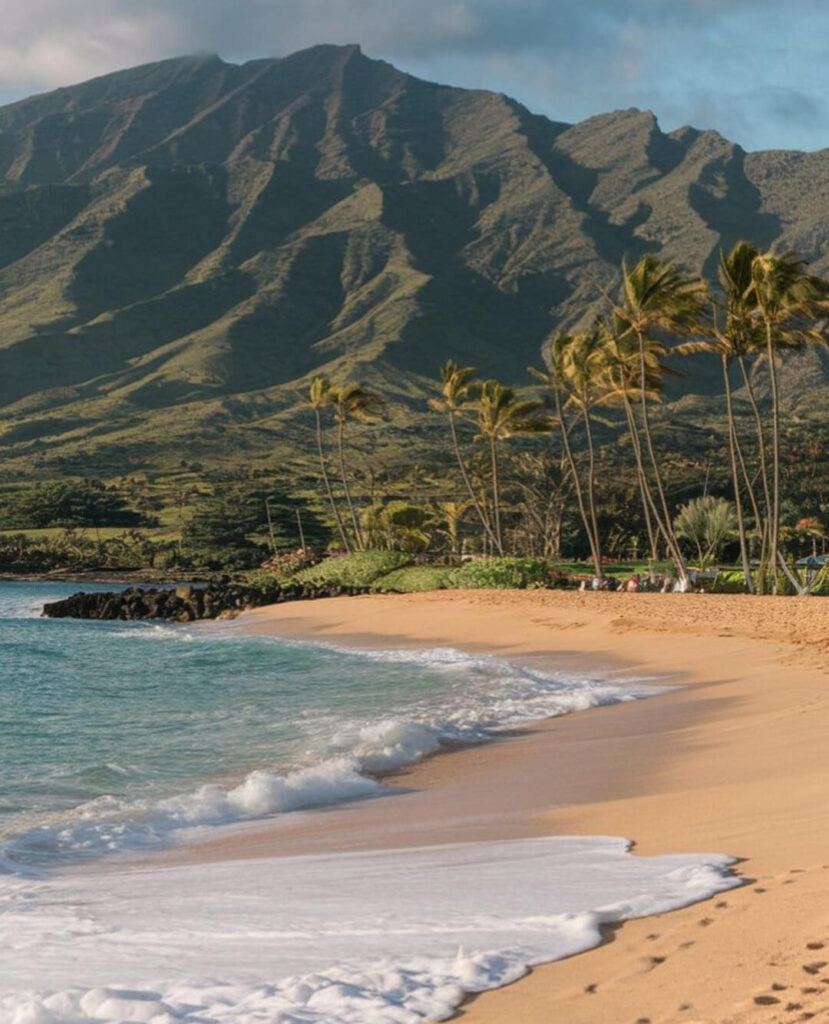
Since it’s also one of the busiest seasons, I recommend heading out early in the morning if you’re planning to visit places like Hapuna Beach, Kua Bay, or Punaluʻu Black Sand Beach.
Fall (September to November)
is another excellent time for photographers. The weather stays warm, ocean conditions are often calm, and visitor numbers begin to drop after the summer holidays.
It’s a great season if you want to explore popular locations at a slower pace while still enjoying plenty of sunshine.
Winter (December to March)
offers a different side of the Big Island. The waterfalls are often at their fullest, the rainforests look especially green, and you may even spot humpback whales along the Kohala Coast.
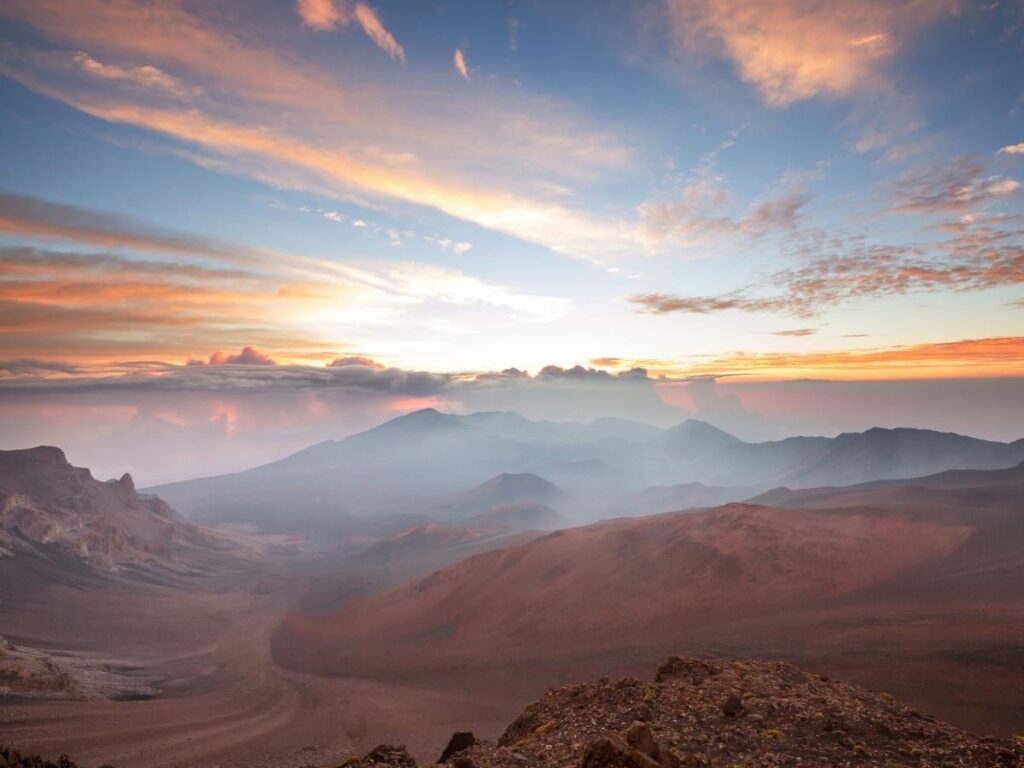
If you’re planning to photograph sunset or the night sky from Mauna Kea, don’t forget that temperatures at the summit can be close to freezing, so warm layers, gloves, and sturdy shoes are well worth packing.
No matter when you visit, I’d recommend starting your days early. The light is softer, temperatures are cooler, and many of the island’s most popular Instagram spots are much quieter before the crowds arrive.
What to Pack for a Big Island Photo Trip
One thing I quickly realized is that the Big Island packs a lot of different landscapes into one trip. You might spend the morning hiking to a waterfall, the afternoon relaxing on a beach, and the evening watching the sunset from nearly 14,000 feet above sea level. Packing a few extra essentials will help you stay comfortable and ready for every stop.
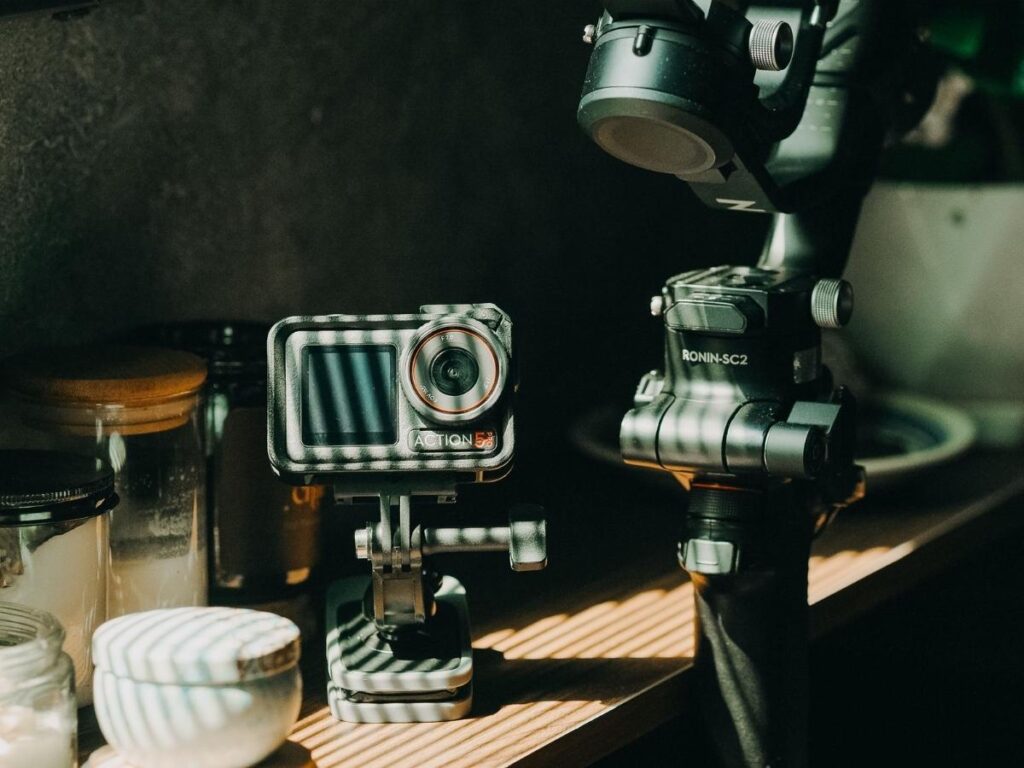
Besides your camera or smartphone, I’d recommend bringing a wide angle lens for landscapes and a telephoto lens if you have one, especially for photographing wildlife or surfers. A tripod is also worth packing if you plan to shoot at sunrise, sunset, or stay out for stargazing on Mauna Kea.
Don’t forget practical items like extra batteries, a power bank, a microfiber lens cloth, a lightweight rain jacket, comfortable hiking shoes, reef safe sunscreen, a reusable water bottle, and a small dry bag to protect your camera near beaches and waterfalls.
Final Thoughts
The Big Island is one of those places that keeps surprising you. Just when you think you’ve seen its best scenery, the landscape changes completely. One day you could be photographing waterfalls surrounded by rainforest, and the next you might be exploring lava fields, relaxing on a white sand beach, or watching the sunset from above the clouds.
While it’s impossible to see everything in one trip, these 15 Instagram spots are a great place to start. My biggest advice is not to rush from one location to the next. Give yourself time to explore, wait for the light to change, and enjoy the places between your planned stops.
Some of my favorite photos from the Big Island weren’t the ones I planned, they were the unexpected moments I found along the way.
If you’re planning a longer stay, be sure to check out my other Big Island guides for more itinerary ideas, beaches, hikes, and travel tips to help you make the most of your visit.