
Before visiting Savannah, I honestly thought I knew exactly what kind of trip it would be. In my mind, Savannah was the kind of place you appreciate quickly. You walk through the historic streets, admire the architecture, take a few photos under the mossy trees, and feel like you’ve “gotten it.”
I expected it to be pretty and calm, maybe even a little sleepy. I assumed it would be more about atmosphere than experiences, somewhere nice to pass through rather than a place that would stay with me afterward.
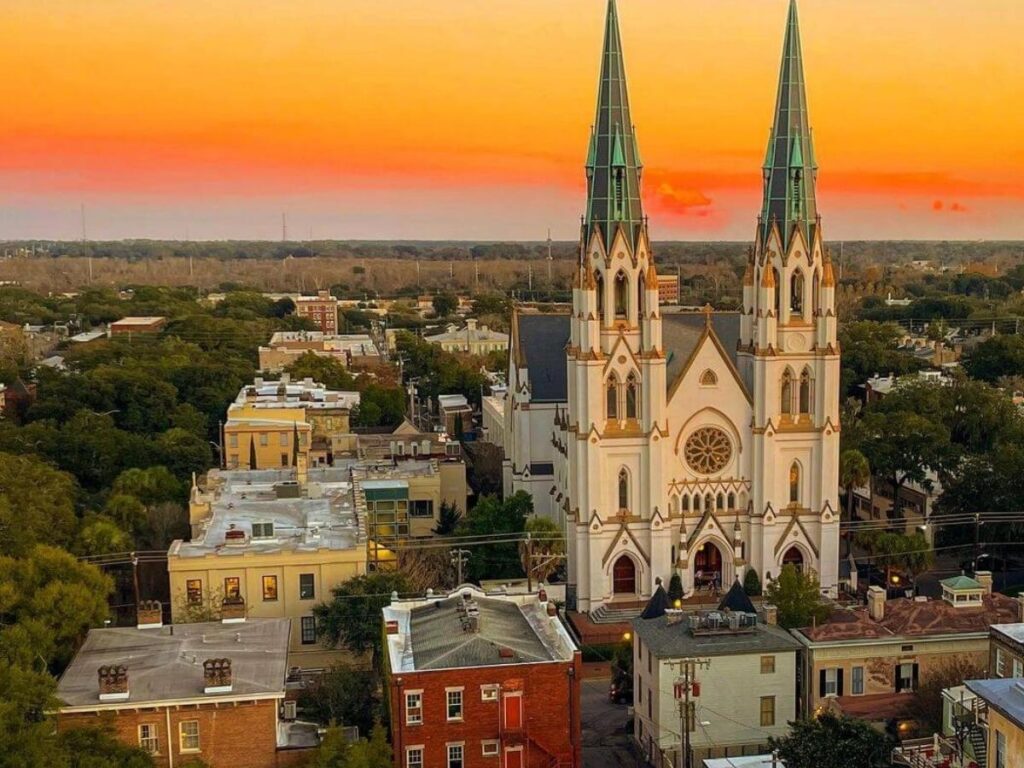
What I didn’t expect was how much Savannah asks you to slow down once you’re actually there. It’s not a city that reveals itself all at once. The more time I spent walking, sitting, and letting the day unfold naturally, the more layered it felt. Savannah isn’t just about landmarks or checking off historic sites.
It’s about the rhythm of the place. Mornings start quietly, afternoons stretch longer than you think they will, and meals end up shaping your day more than any attraction ever could. I found myself planning less and reacting more, letting hunger, curiosity, or a shaded bench decide what came next.
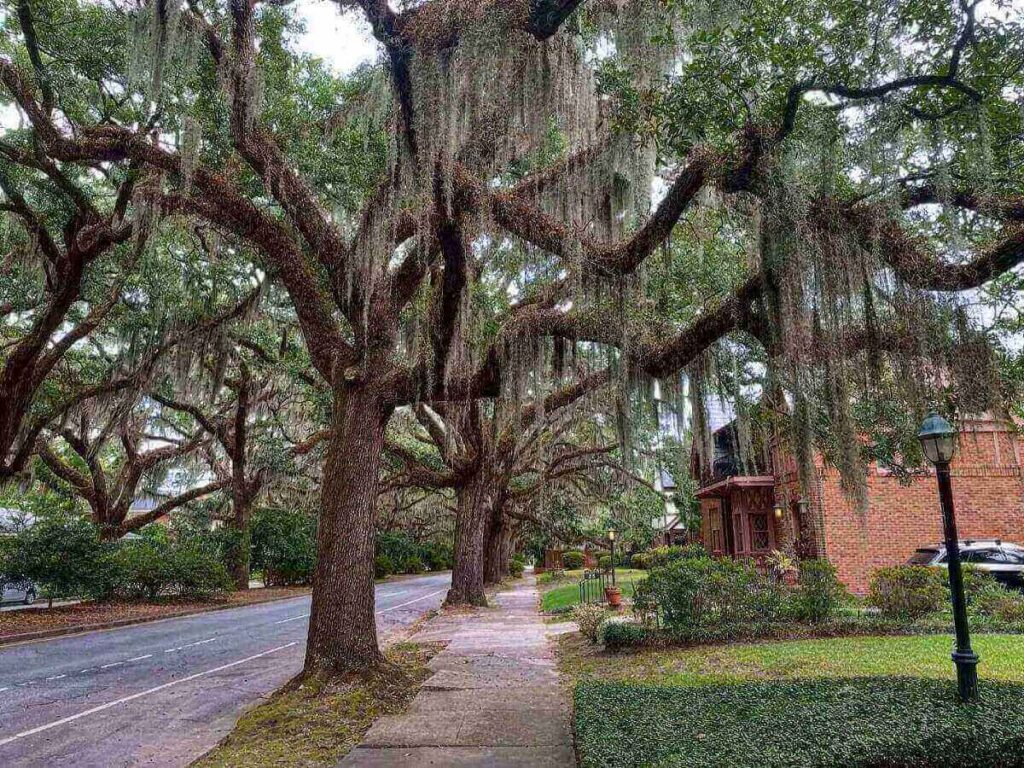
There’s also a balance here that surprised me. Savannah feels calm, but never dull. It’s deeply historic, but it doesn’t feel frozen in time. As the day goes on, the energy subtly shifts. By evening, the streets feel more social, people linger longer, and the city takes on a different personality without ever becoming overwhelming.
That transition from slow daytime wandering to relaxed nighttime buzz was one of the things I enjoyed most, and something I didn’t anticipate at all before arriving.
If you’re planning a trip and trying to figure out what’s actually worth your time, this guide is based on how Savannah unfolded for me rather than what a checklist says you should do.
I’m sharing what I loved, what genuinely surprised me, and how I’d plan your visit depending on how long you have, whether you want to move slowly or see more, and how you prefer to experience a city like this.
Savannah at a Glance
Savannah is the kind of city that works best if you enjoy being on foot and don’t mind letting your days unfold without a strict plan. It’s ideal for travelers who care just as much about how a place feels as what there is to “do.” Walking is part of the experience here.
You’ll cover a lot of ground without realizing it, moving between shady streets, small squares, parks, and cafés, often stopping simply because something catches your eye.
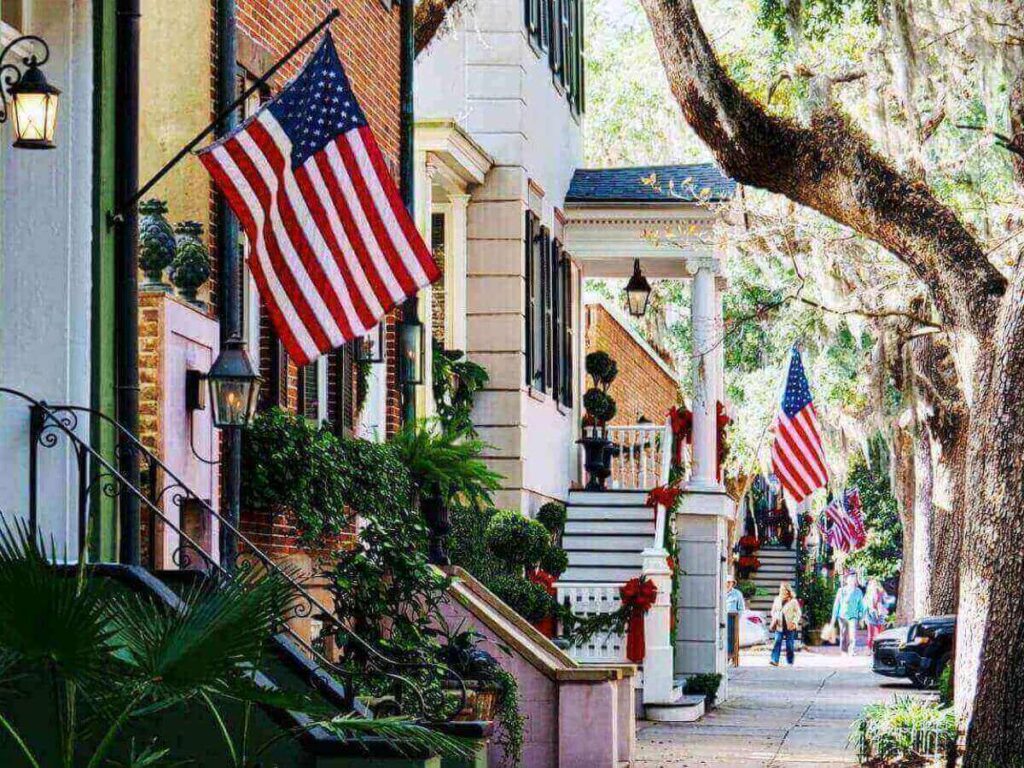
This is also a destination where meals and wandering matter as much as attractions. Food has a way of shaping the day in Savannah. Long lunches, unhurried dinners, and casual coffee stops often become natural breaks between walks rather than things you rush through.
If you enjoy trips where you’re not constantly checking the time, Savannah fits that pace well.In terms of timing, two days is enough to get a solid sense of the city. You can explore the historic district, spend time in the parks, walk along River Street, and leave feeling like you experienced Savannah rather than just passed through it.
That said, those two days will likely feel full, and you’ll be moving at a steady pace.If you have three to four days, Savannah really starts to open up. You can slow down your mornings, linger longer in the squares, and explore areas beyond the historic core without feeling rushed.
This extra time makes a noticeable difference, especially if you want your trip to feel relaxed rather than tightly scheduled. It also gives you space to enjoy the food scene properly and repeat places you liked instead of constantly chasing something new.
When it comes to the best time to visit, spring and fall are the easiest seasons for walking. The weather is comfortable, and you can spend most of the day outdoors without planning around the heat. Summer is still doable, but it changes how you experience the city.
Early mornings become your most productive hours, afternoons are better suited for long meals or breaks indoors, and evenings are when Savannah feels most inviting again. Knowing that ahead of time makes summer trips far more enjoyable and helps set realistic expectations.
.
What I Loved Most About Savannah
Walking the Historic District and Letting the Squares Set the Pace
Savannah’s historic district doesn’t feel like one large attraction you move through once and check off. It feels more like a series of small, connected moments. You turn a corner, walk a few blocks, and suddenly you’re in another square shaded by trees, with benches full of people taking breaks, reading, talking quietly, or just watching the world pass by.
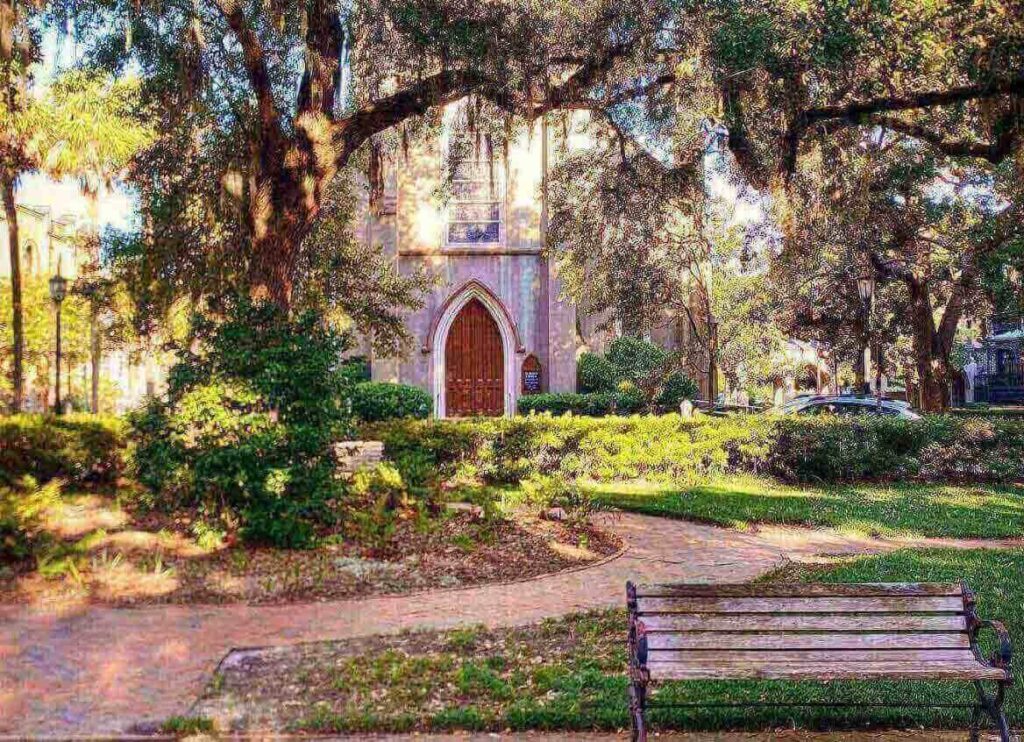
That rhythm repeats itself over and over, and before you realize it, the city has slowed you down without you consciously trying to slow down.
I didn’t follow a set route here, and I think that’s what made it work. I walked until I felt like stopping, sat for a while, then kept going when I felt ready. The squares make that kind of wandering easy.
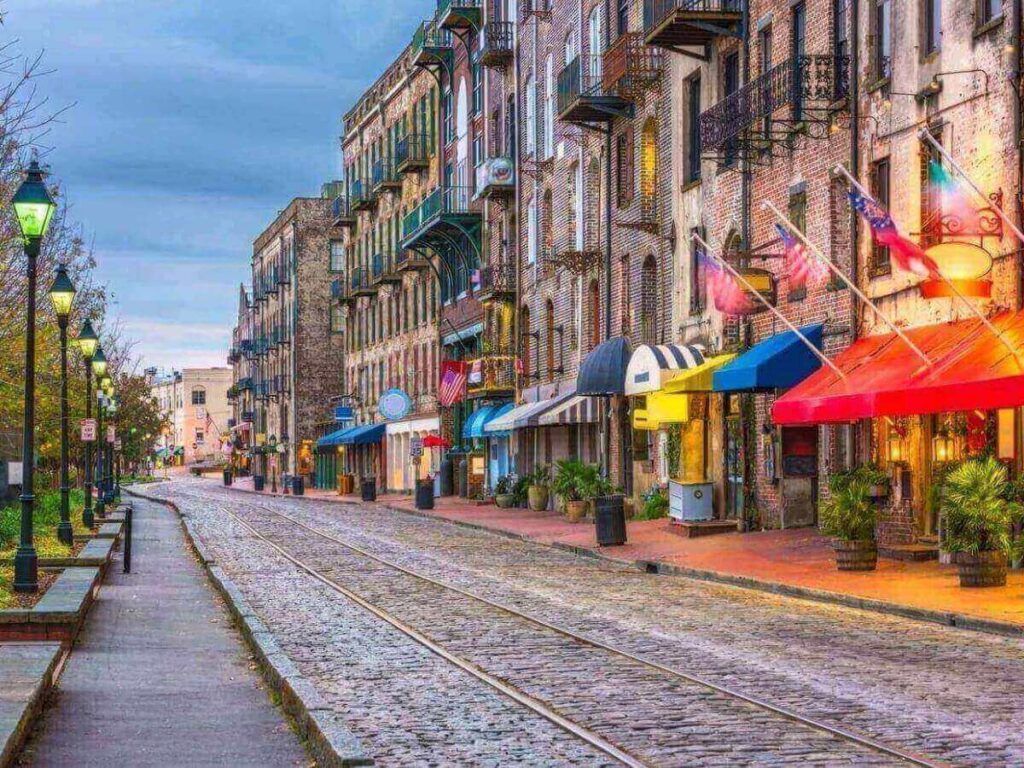
Early mornings were my favorite, when the streets were still quiet and the light filtered softly through the trees. There was a calm to those hours that made the city feel personal, like it belonged more to the people walking it than to visitors trying to see everything at once.
In Savannah, walking isn’t just how you get from one place to another. It’s the experience itself.
Forsyth Park Beyond the Photo Stop
Forsyth Park is one of those places that almost everyone visits, but not everyone really spends time in. I was glad I didn’t rush it. When I slowed down and stayed a while, the park felt less like a landmark and more like a gathering place.
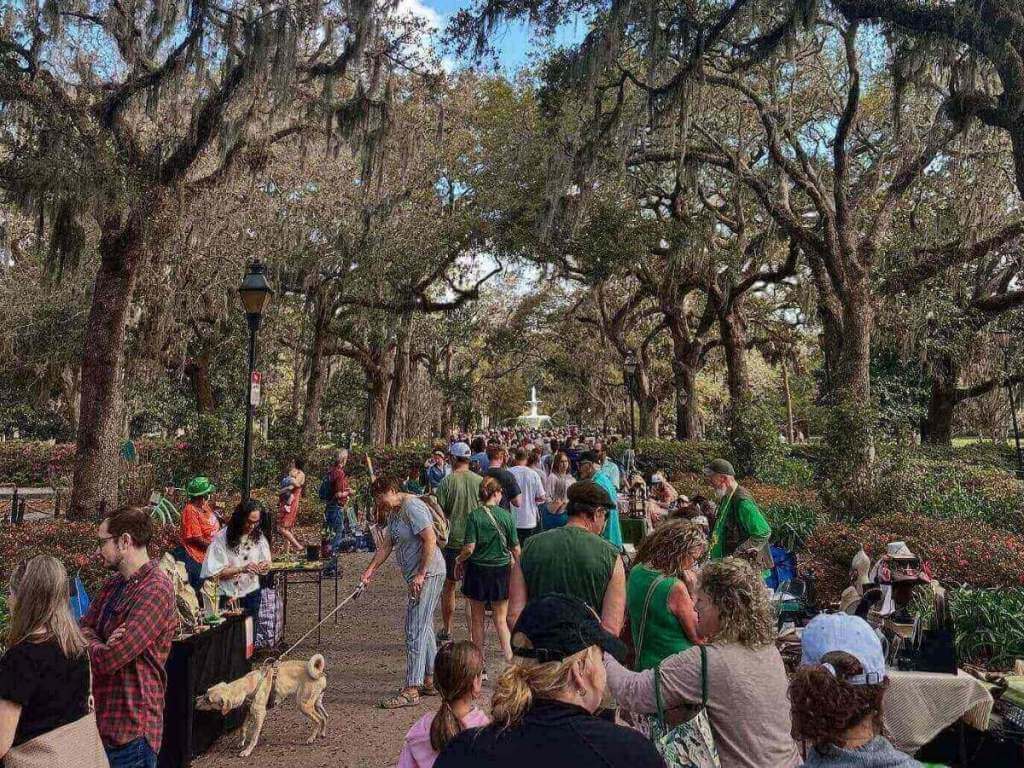
People were jogging, walking dogs, sitting on blankets, or quietly reading on benches. It felt relaxed and everyday in a way that made it easy to blend in.
I kept coming back to the park at different times of day, but late afternoon stood out most. The light softened, the energy calmed again after the midday rush, and the park felt like a pause between the busier parts of the day.
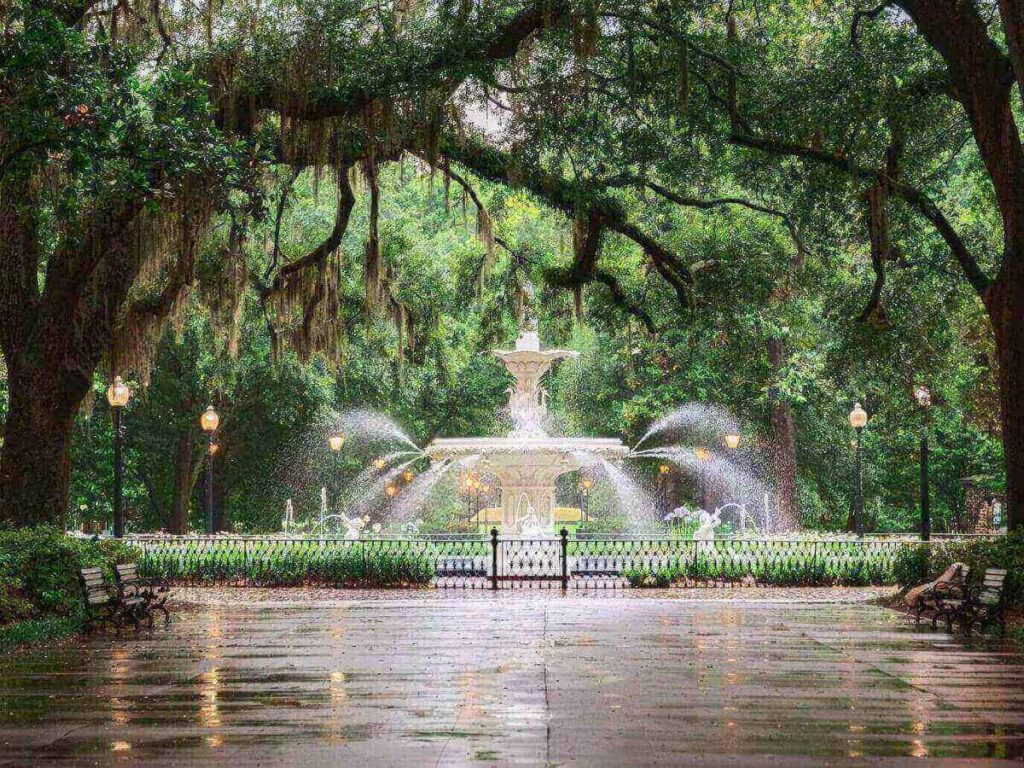
It reminded me that Savannah doesn’t reward constant movement. Some of the moments I remember most clearly came from sitting still and letting the city move around me instead.
River Street, With a Bit of Selectivity
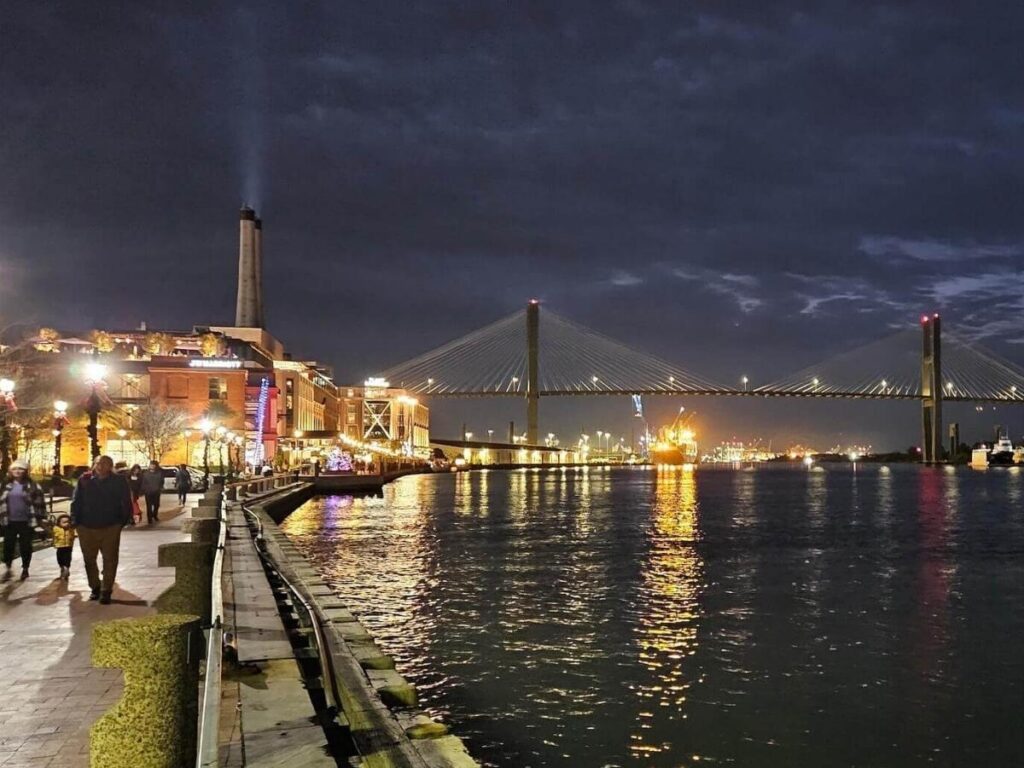
River Street is energetic and busy, especially in the middle of the day. At times it felt crowded and a little overwhelming, but I still found parts of it enjoyable once I adjusted my expectations. The river itself is the reason to be there.
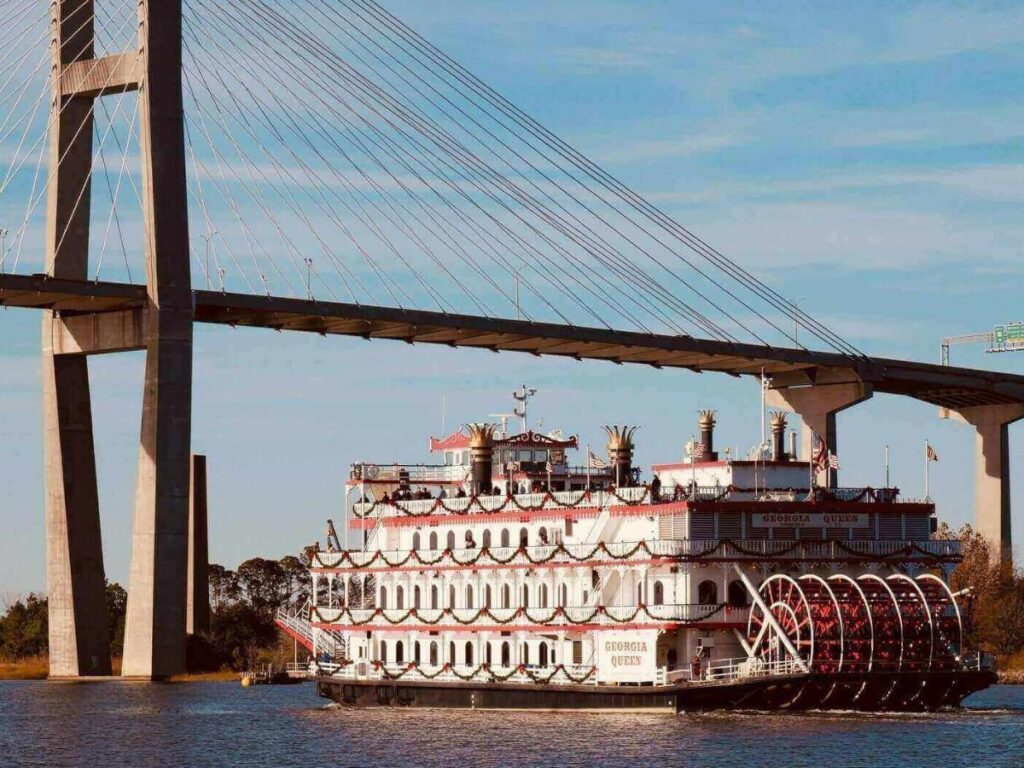
Watching large ships pass by, listening to street musicians, and standing close enough to the water to feel connected to it gave the area a sense of place that went beyond the shops.
I liked River Street much more in the evening. The crowds thinned slightly, the light changed, and the focus shifted back to the river rather than everything happening around it. It became a place to stroll slowly, find a spot to sit, and take in the atmosphere rather than trying to see every store or stop.
How the Food Scene Shaped My Days
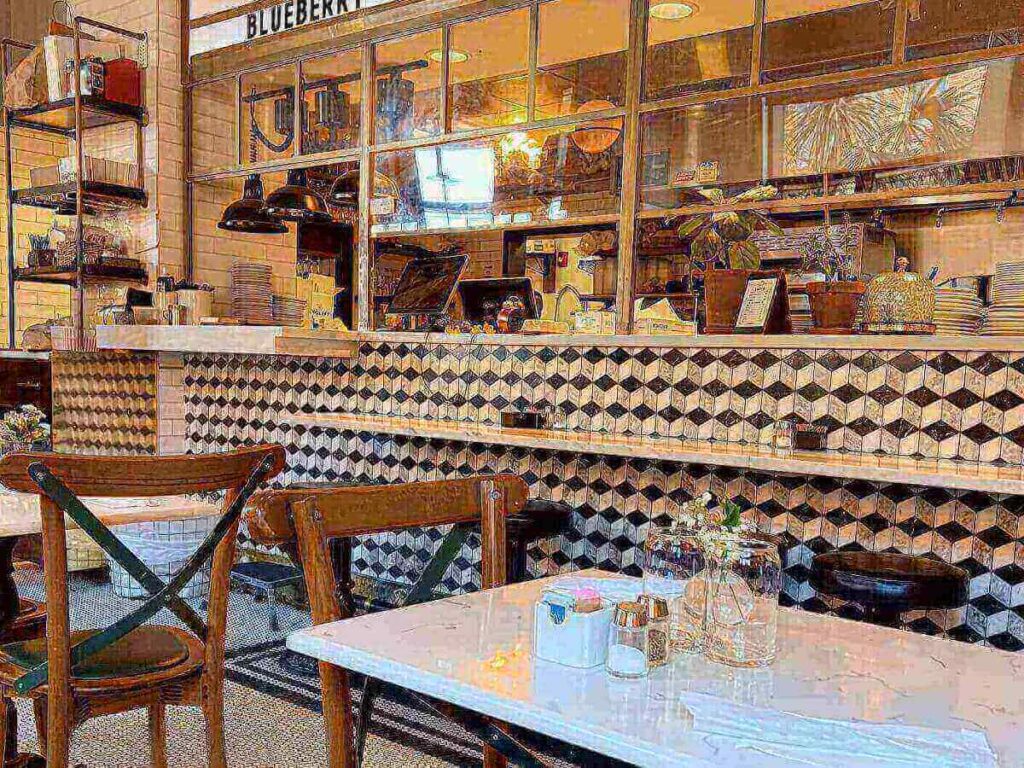
One of the biggest surprises for me was how much food shaped the flow of my days in Savannah. I didn’t plan meals as something to fit in between activities. They became the activities.
Long lunches naturally slowed the afternoon, relaxed dinners stretched into the evening, and coffee or dessert stops gave structure to otherwise unplanned wandering.
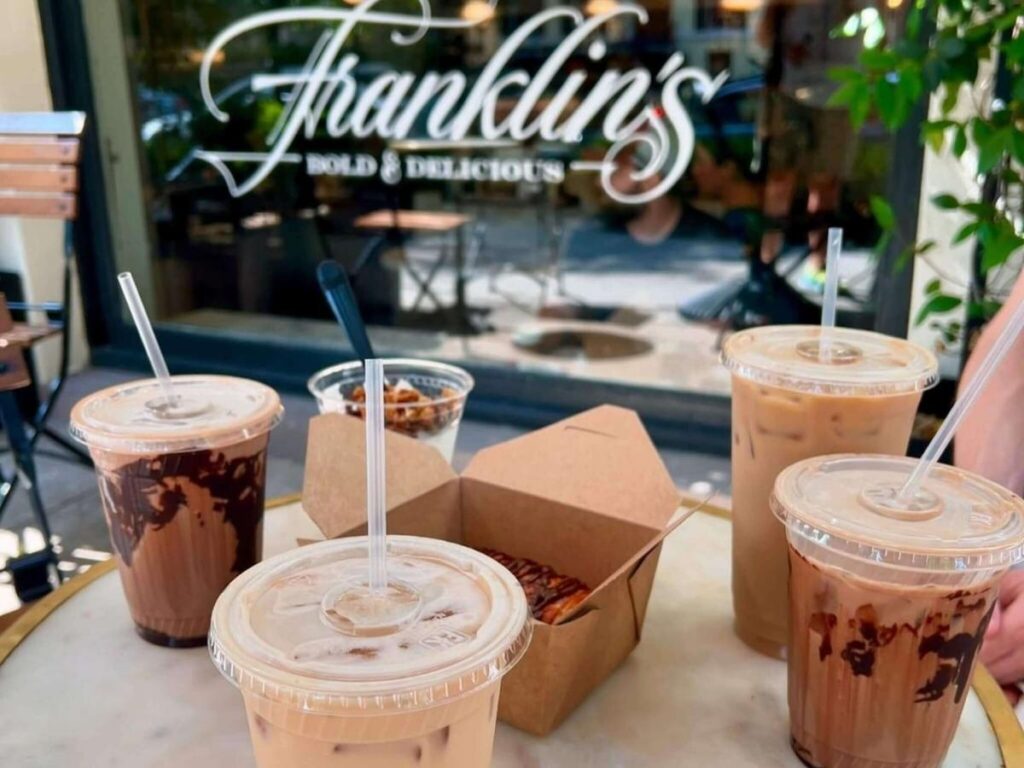
Savannah balances traditional Southern comfort food with newer, more modern spots in a way that feels easy rather than forced. I never felt like I needed a perfectly mapped out dining plan to eat well.
Some of the best meals came from choosing a place that looked inviting and staying longer than expected. That flexibility made the trip feel less rigid and more responsive to how I felt in the moment, which suited Savannah’s pace perfectly.
What Surprised Me About Savannah
How Lively It Feels After Dark
Savannah feels noticeably different once the sun goes down, and that shift caught me off guard in the best way. During the day, the city moves slowly. By evening, it becomes more social without ever tipping into chaos.
People linger outside after dinner, walk between bars and restaurants, and take their time moving through the streets. It doesn’t feel rushed or loud, just comfortably alive.
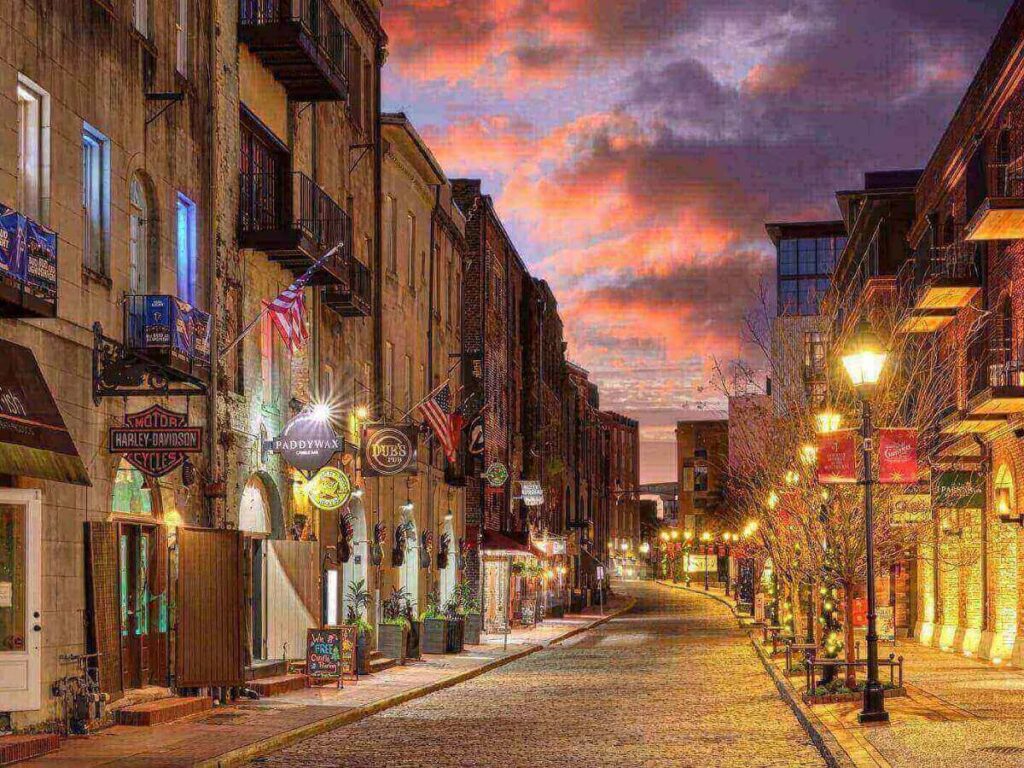
What stood out to me was how inviting the city feels at night. I didn’t feel the urge to retreat back to my hotel once dinner was over. Instead, I found myself going for long walks, cutting through squares, and letting the evening stretch out.
The bars I passed felt relaxed rather than rowdy, and the energy was easy to enjoy even if you weren’t planning on staying out late. If you enjoy cities where evenings are meant for wandering and people watching rather than nightlife schedules, Savannah does this especially well.
How Easy It Is to Visit Without a Car
I was also surprised by how little I needed a car while I was there. If you’re staying in or near the historic district, Savannah is incredibly walkable. The streets are mostly flat, distances are manageable, and the city’s layout makes it easy to explore without feeling like you’re covering the same ground over and over.
I walked nearly everywhere and never felt limited or rushed. In fact, walking made the trip better. It allowed me to notice details I would have missed otherwise, like small parks tucked between streets or quiet corners that don’t stand out on a map.
A car only really becomes necessary if you’re planning to leave the city for day trips. For Savannah itself, walking is not just practical, it’s part of what makes the experience feel cohesive and relaxed.
How Emotional the History Can Feel
Savannah’s history felt heavier than I expected, and not in a way that you can skim past. It’s not confined to museums or plaques you read once and forget. The history is woven into the buildings, the neighborhoods, and the way the city is laid out.
Some places feel light and open, while others carry a weight that’s hard to ignore once you start paying attention.
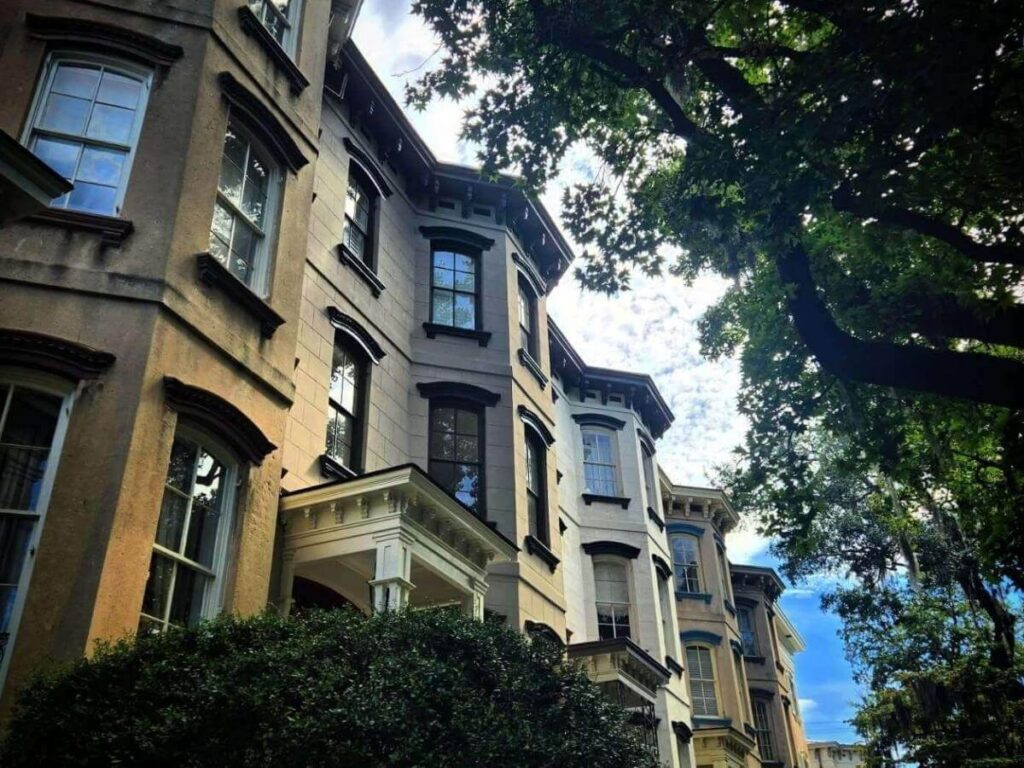
What surprised me most was how emotional that history can feel when you slow down and really engage with it. Certain streets and sites made me pause longer than I planned to, not because there was something dramatic to see, but because understanding what happened there changed how I experienced the space.
That depth gave Savannah more meaning for me. It wasn’t just informative, it was reflective, and it made the trip feel more lasting than a simple sightseeing visit.
Best Things to Do in Savannah
Explore the Historic Squares One by One
Savannah’s squares are easy to underestimate until you start spending real time in them. On a map, they look repetitive, but in person each one has its own personality. Some feel lively, with people chatting on benches or cutting through on their way somewhere else.
Others are quieter, where it feels completely normal to sit for twenty minutes and do nothing at all.
Instead of trying to see every square in one long loop, I found it more enjoyable to pick a cluster and let the day unfold around them. Walk until you feel ready for a break, sit in the shade, then keep going when it feels right.
Bring water, wear shoes you can comfortably walk in for hours, and resist the urge to rush. Watching the city move around you, hearing conversations drift by, and noticing small details in the architecture ended up being just as meaningful as covering distance.
Visit One Historic Home That Matches Your Interests
Savannah has no shortage of historic homes, but you don’t need to tour several to appreciate the city’s past. In fact, I think visiting just one, chosen thoughtfully, makes more sense. Some homes focus more on architecture and design, while others lean heavily into personal stories and social history.
Before you go, it helps to think about what actually interests you. If you love old buildings and details, pick a home known for its structure and interiors. If you’re more interested in understanding how people lived and what the city’s history looked like on a personal level, choose a place that emphasizes storytelling.
One well chosen visit gives you context without overwhelming you, and it leaves room to absorb what you’ve learned as you continue walking through the city afterward.
Spend an Unstructured Afternoon on River Street
River Street is at its best when you don’t try to control the experience too much. It can feel busy and crowded, especially during peak hours, but if you approach it without a checklist, it becomes much more enjoyable.
The river itself is the main draw. Watching ships pass by, standing close to the water, and taking in the movement of the river adds a sense of scale and energy that’s different from the rest of the city.
I found it helpful to wander slowly, stop when something caught my attention, and move on when it didn’t. You don’t need to see every shop or spend hours there. Even a short, relaxed visit can be enough if you focus on the atmosphere rather than the storefronts.
Take a Food Focused Break
Savannah rewards you for slowing down when it comes to meals. Trying to squeeze food in between activities felt like a mistake here. Some of my favorite moments came from sitting down for a long lunch or letting dinner stretch into the evening without worrying about what came next.
Instead of planning every meal far in advance, I liked leaving room for flexibility. If a place looked inviting, I went in. If a meal lasted longer than expected, I let it. Food in Savannah isn’t just fuel, it’s part of how the city sets its pace. Giving meals the time they deserve made the entire trip feel more relaxed and intentional.
Decide Whether a Ghost or History Tour Fits Your Style
Savannah offers plenty of ghost and history tours, and whether they’re worth it really depends on how you like to explore. If you enjoy guided storytelling and learning as you walk, a tour can add helpful context and point out details you might miss on your own. It can also be a good way to understand the city early in your trip.
That said, Savannah doesn’t require a guided experience to be meaningful. I found that wandering on my own, reading selectively, and letting certain places sink in worked just as well for me.
If you prefer exploring independently, you won’t feel like you’re missing something essential by skipping a tour. The city has a way of communicating its history quietly if you give it time.
Neighborhoods Worth Your Time
Historic District
The Historic District is where most first time visitors spend the bulk of their time, and it makes sense once you’re there. This is the Savannah people picture before they arrive: shaded streets, historic homes, small squares every few blocks, and a pace that encourages wandering rather than rushing.
It’s incredibly walkable, and even if you’re not trying to “see” anything specific, walking here still feels purposeful.
What I liked most about staying and spending time in the Historic District was how easy it was to fill a day without really planning it. You can step outside, walk for ten minutes, sit in a square, grab coffee, keep walking, and suddenly it’s lunchtime.
If this is your first visit, it’s the simplest place to base yourself because so much of what makes Savannah special is right outside your door. It’s also where the city’s atmosphere is most concentrated, especially in the mornings and evenings when the streets feel calm but alive.
Starland District
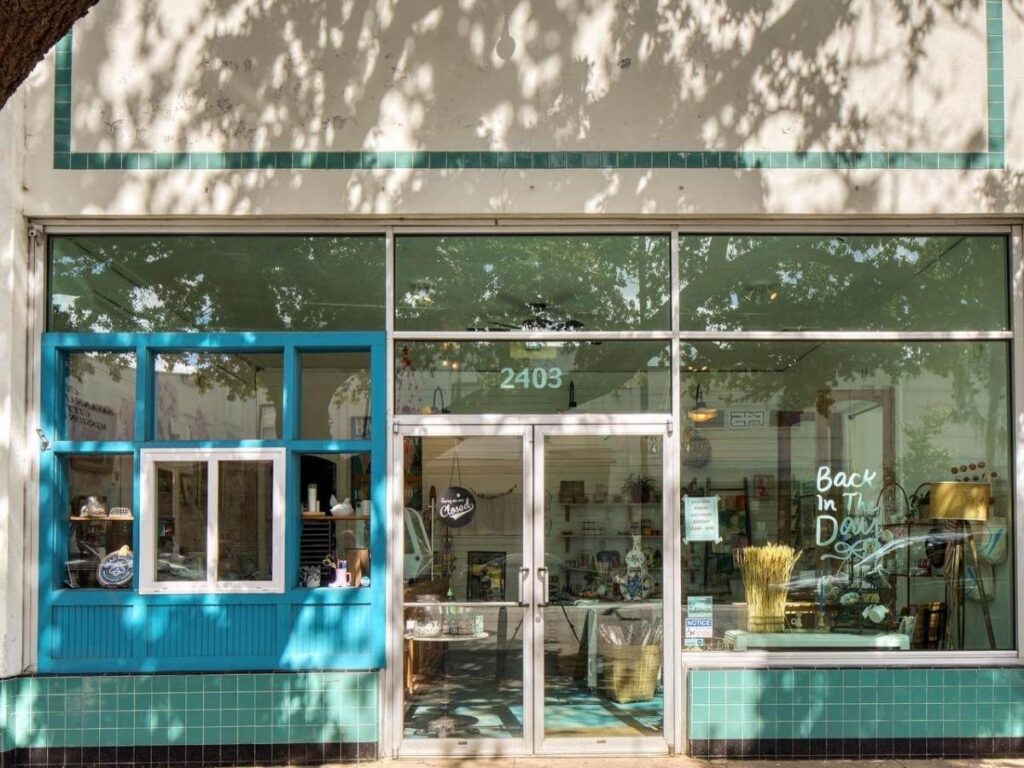
Starland felt like a completely different side of Savannah, and that contrast is what made it worth visiting. It’s more creative and local, with a slightly scrappier energy than the Historic District. Cafes feel less polished, galleries feel more experimental, and the pace is noticeably slower.
It’s not a place you need to rush through, and it’s not designed around sightseeing in the traditional sense.
I wouldn’t recommend Starland as a must see if you’re short on time, but if you have an extra afternoon or want a break from the historic core, it’s a refreshing change of scenery.
Spending a few hours here gave me a better sense of how people actually live in Savannah, not just how the city presents itself to visitors. It’s a good reminder that Savannah isn’t only about its past, it has a creative present too.
City Market Area
City Market sits right in the middle of things, and it definitely has energy. It’s busy, social, and often loud, especially in the evenings. I found it worked best as a place to pass through rather than settle into for long stretches.
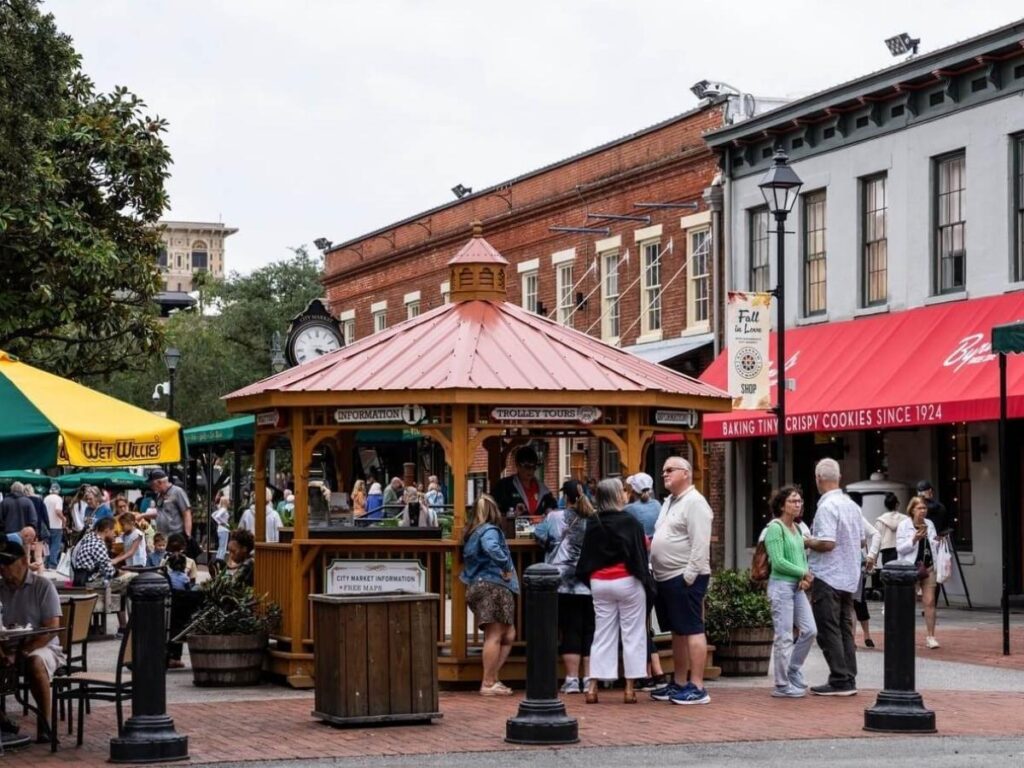
Walking through City Market connected different parts of the city easily, and it was convenient for grabbing food or meeting up with others.
That said, it didn’t have the same lingering quality as the squares or parks. I enjoyed it most in small doses, stopping briefly before moving on. If you’re staying nearby, it’s useful and lively. If not, it’s still worth walking through at least once to understand the city’s rhythm, just without the expectation that you need to spend a lot of time there.
How I’d Plan Your Time in Savannah
If You Have 2 Days
With two days, the goal isn’t to see everything. It’s to understand Savannah’s rhythm and leave feeling like you really experienced it, not just passed through.
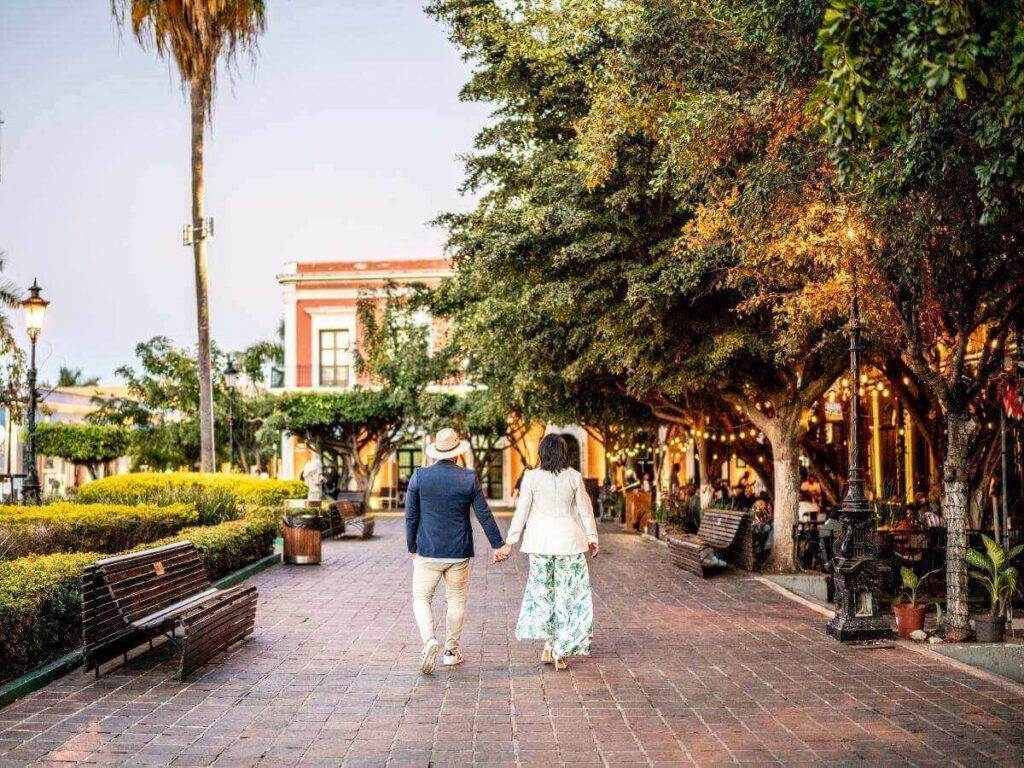
On your first day, I’d keep things centered in the historic district. Start by walking without a fixed route, letting the squares guide you from one area to the next. Spend time sitting when you feel like it, especially in the morning when the city is quieter and the light is softer.
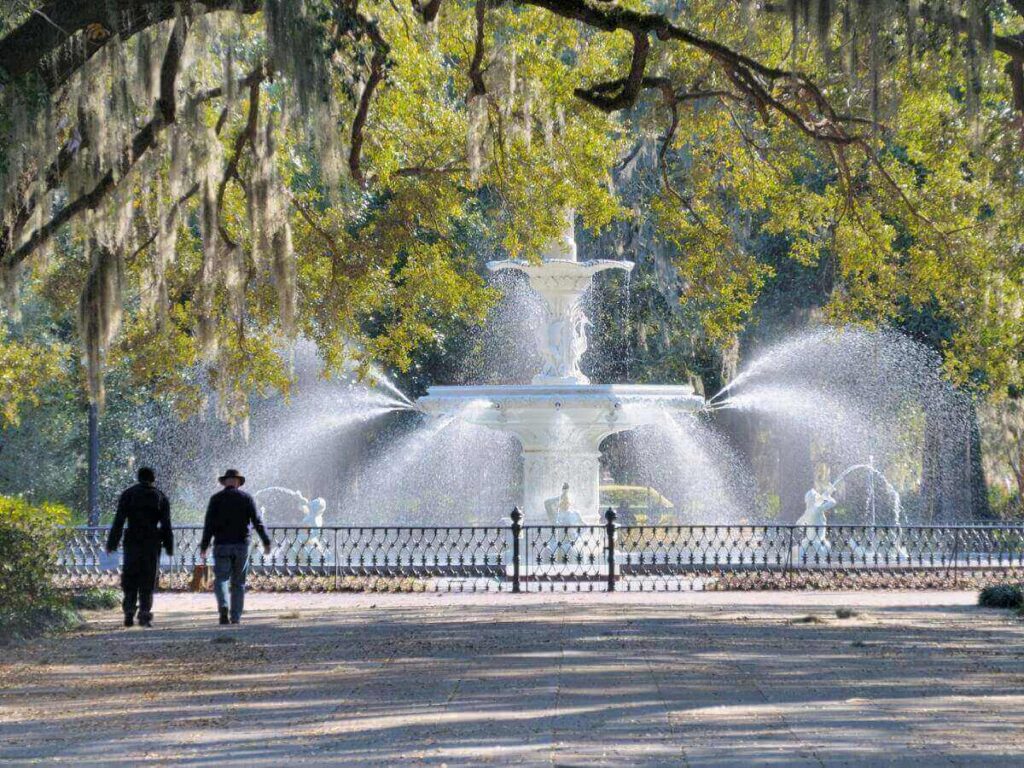
Forsyth Park fits naturally into this day, not as a destination you rush to, but as a place where you slow down even more. In the evening, plan on a long dinner. Savannah is a city that eases into the night, and sitting down for an unhurried meal is one of the best ways to feel that transition.
Your second day can be a little looser. River Street works well earlier in the day or closer to sunset, when you can focus on the river itself rather than the crowds. Pick one historic home to visit so you get some deeper context without overloading yourself, then leave the afternoon open.
Wandering without a strict plan, repeating a square you liked, or stopping somewhere unexpected often ends up being the highlight of a short trip here.
If You Have 3 to 4 Days
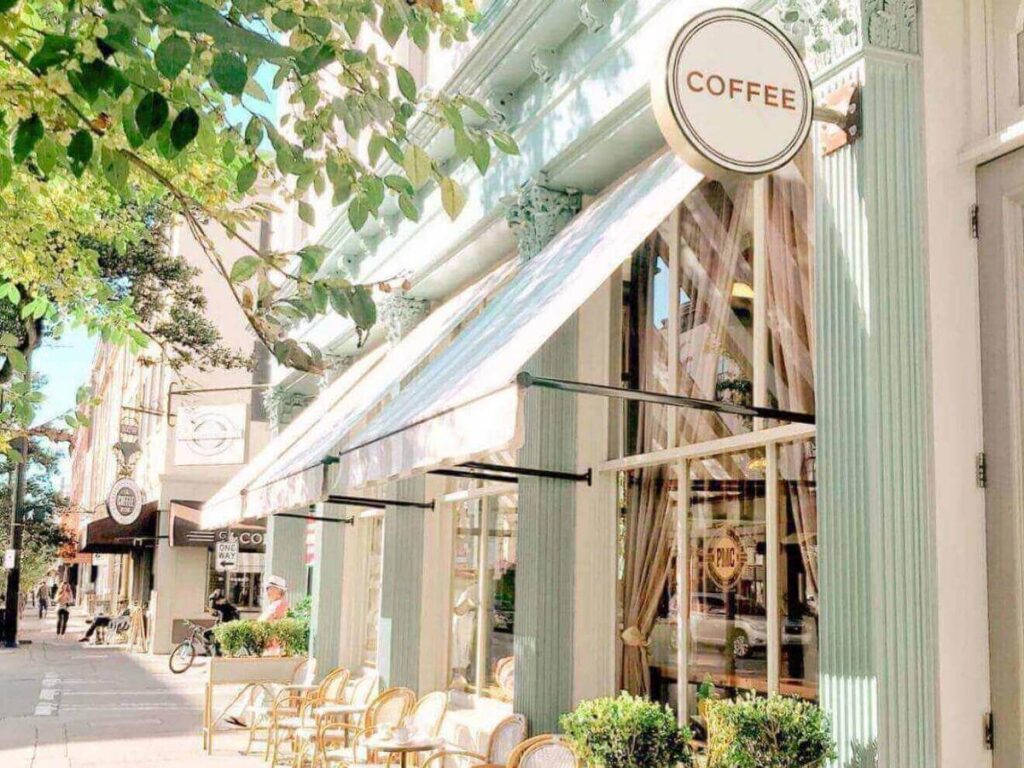
With three or four days, Savannah starts to feel less like a place you’re visiting and more like a place you’re settling into temporarily. You can slow your mornings down, maybe revisit Forsyth Park or linger longer over coffee before heading out.
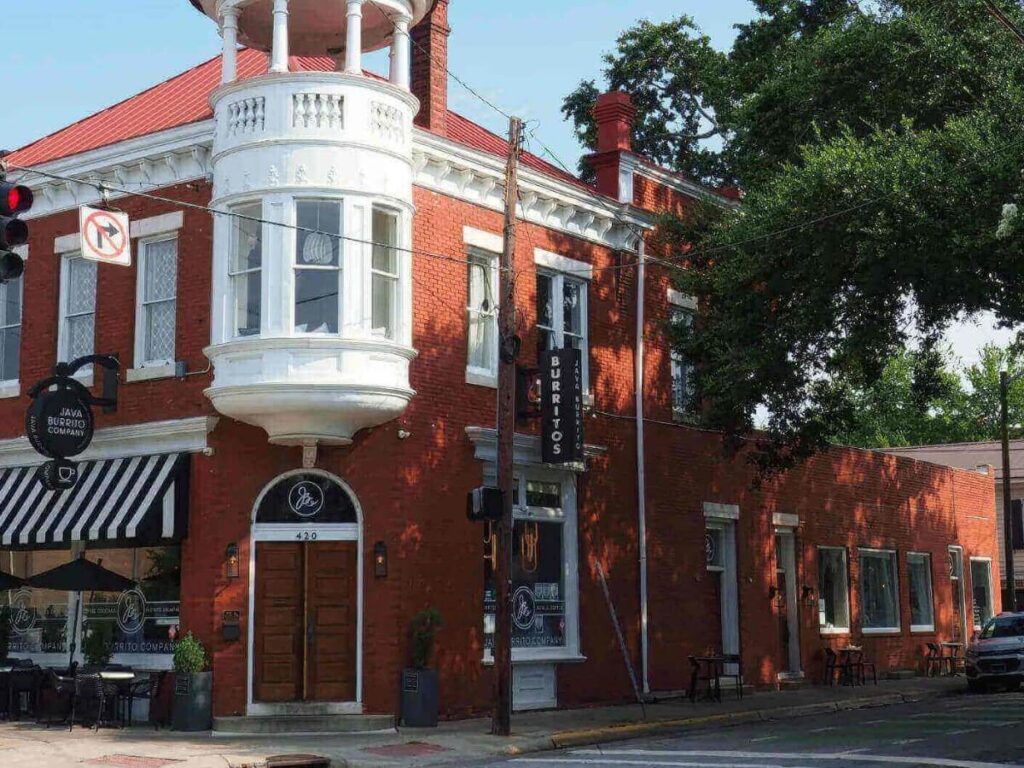
Adding the Starland District gives you a glimpse into a more local, creative side of the city and breaks up time spent in the historic core.
This amount of time also makes space for an easy day trip, whether that’s heading out to Tybee Island for a change of scenery or visiting Bonaventure Cemetery for something quieter and more reflective.
The key is not filling every day with something new. The extra time is best used by repeating places you enjoyed, returning to restaurants you liked, or simply walking familiar streets at a different time of day to see how they feel.
If You Want a Slower, More Atmospheric Trip
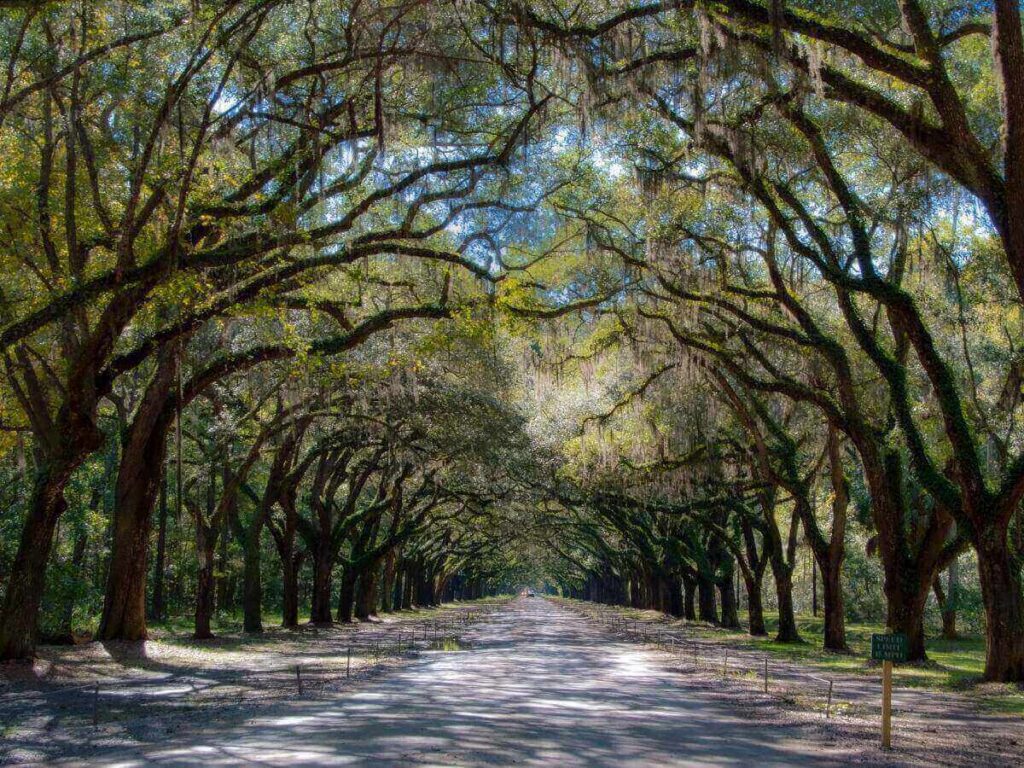
If you’re drawn to Savannah for its mood rather than its landmarks, I’d plan very loosely. Skip the urge to see every square or attraction and focus instead on walking, eating well, and spending time in parks.
Let meals shape your day and evenings stretch out naturally. Savannah shines when you give it room to breathe, and the less you try to control the experience, the more the city tends to give back.
This approach works especially well if you enjoy trips where small moments matter more than major sights. Savannah rewards patience, repetition, and the willingness to sit still once in a while, and that’s when it feels most memorable.
Practical Tips I’m Glad I Knew Before Visiting
One thing I underestimated before arriving in Savannah was just how much walking I’d end up doing. Even on days that felt relaxed, I easily logged miles without trying. Comfortable walking shoes mattered more than anything else I packed.
Savannah’s charm really reveals itself on foot, and sore feet can cut those slow, wandering moments short faster than you expect.
The heat is another factor that shapes the day, especially in summer. Midday isn’t the time to push yourself from one place to the next. Early mornings were when I felt most energetic and curious, and afternoons worked best for long meals, breaks indoors, or sitting somewhere shaded.
Once I stopped fighting the heat and planned around it, the days felt far more enjoyable and less draining.
Food planning is easier than you might think, but weekends do change things slightly. You don’t need reservations for every meal, and some of my favorite stops were spontaneous.
That said, popular restaurants fill up quickly on Friday and Saturday nights, especially in peak seasons. If there’s somewhere you’re especially excited about, it’s worth planning ahead, then keeping the rest flexible.
One small but useful thing to know is Savannah’s open container rules. They apply only in certain areas, and signage matters. Once you understand where it’s allowed, it becomes part of the city’s relaxed evening culture rather than something confusing or stressful. A quick glance around before you step outside with a drink goes a long way.
Final Thoughts
Savannah stayed with me longer than I expected it to. It’s not a place that overwhelms you with big moments or demands your attention at every turn. Instead, it’s the smaller details that linger.
The way the light filters through the trees, the quiet pause between activities, the rhythm of walking, sitting, and eating that shapes each day without you consciously planning it.
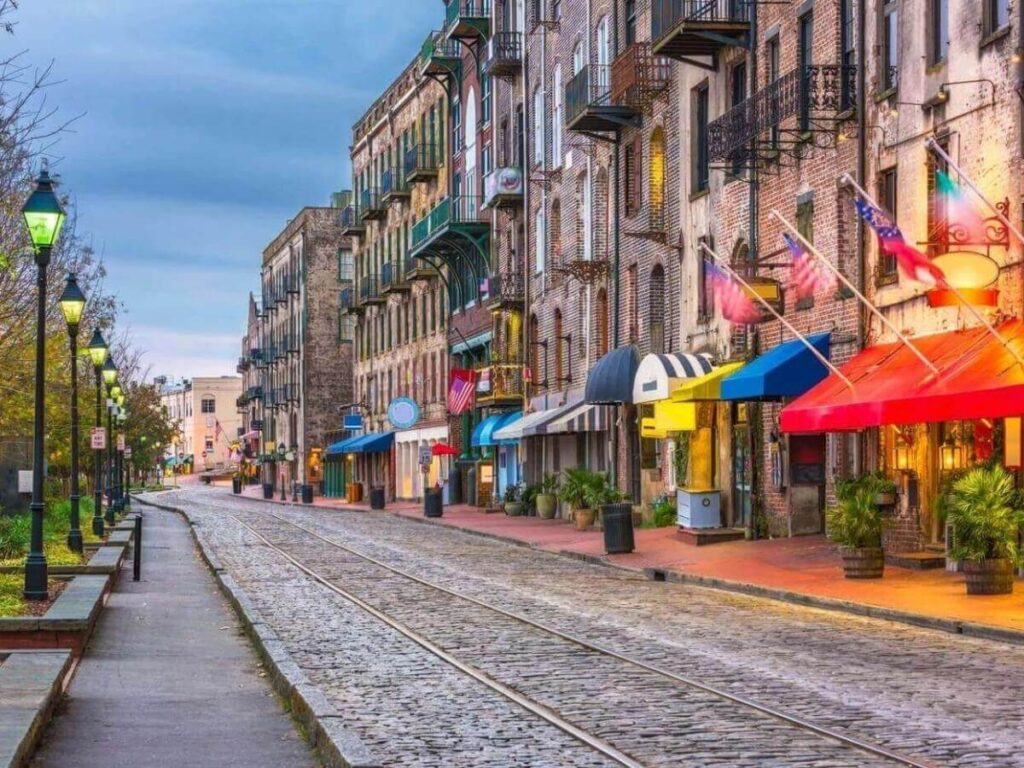
If you enjoy trips where atmosphere matters just as much as attractions, Savannah is worth slowing down for. It’s a city that doesn’t need to be rushed or optimized.
When you let it set the pace, it has a way of rewarding you in subtle, meaningful ways that aren’t always obvious in the moment but stay with you long after you leave.