
Most visitors land on the Big Island and head straight to Kona. I almost did the same. Kona feels easy, sunny, and familiar. Hilo has a reputation for rain, fewer resorts, and a slower pace, so it’s often skipped.
But the first morning I woke up in Hilo completely changed how I saw it.
I remember hearing light rain outside and expecting gray skies. Instead, everything looked lush and alive. The hills were wrapped in mist, palm trees swayed in the breeze, and the air felt cool and fresh. It didn’t feel gloomy at all. It felt peaceful.
That’s when I realized Hilo isn’t trying to compete with Kona. It offers something different.
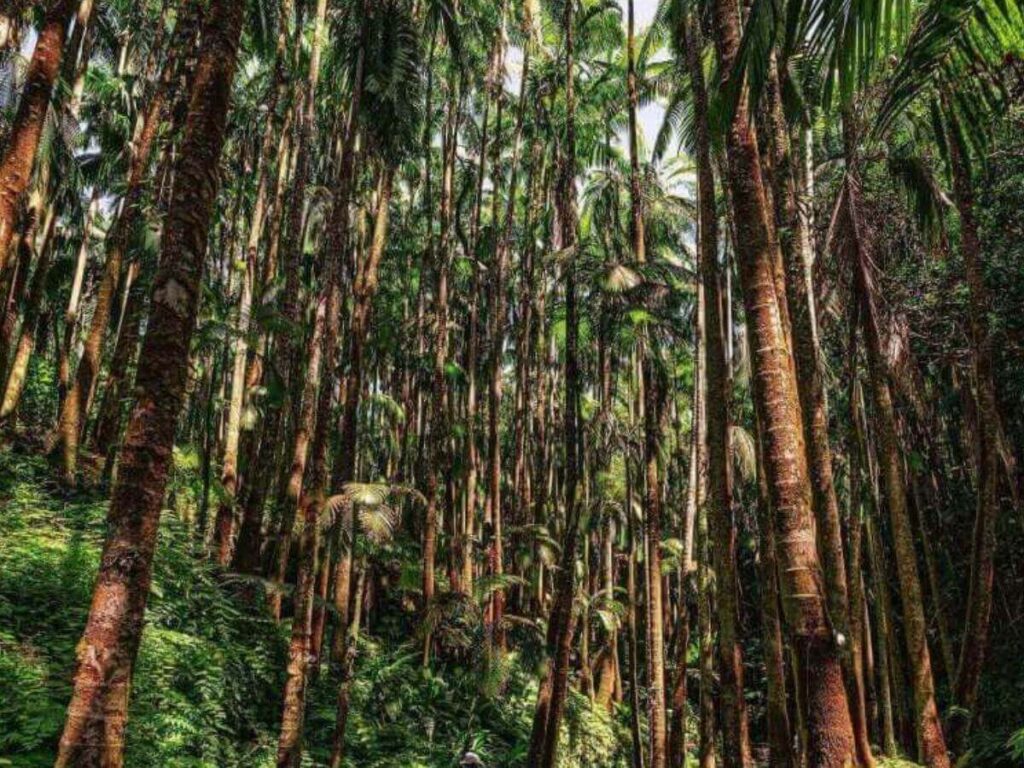
Hilo isn’t about poolside afternoons or predictable sunshine. It’s about waterfalls just minutes from town, rainforest drives that feel immersive, dramatic coastline, and easy access to Hawaiʻi Volcanoes National Park. The landscape changes quickly here, and that contrast is part of the experience.
If you’re planning your trip, I truly think Hilo deserves a spot on your itinerary, especially if you’re drawn to nature and don’t mind a little rain. In this guide, I’ll share the best things to do in Hilo Hawaii, how I grouped them to make my days smoother, and what stood out to me so you can plan your time in a way that feels relaxed, not rushed.
Why Visit Hilo Instead of Kona?
If Kona feels sunny and polished, Hilo feels lush and grounded.
That’s honestly the simplest way I can explain the difference. Kona is dry, resortheavy, and predictable in the best way. You can plan beach days without constantly checking the weather, and everything feels built around visitors. There’s nothing wrong with that. It’s easy and comfortable.
Hilo, on the other hand, feels softer and more natural. The east side of the island gets more rain, and at first that sounds like a drawback. But that rain is exactly why the landscape looks the way it does.
The jungle feels thicker. The waterfalls flow stronger. The hills are layered in shades of green that almost don’t look real.
I also noticed fewer crowds. Even at popular stops like Rainbow Falls, it didn’t feel overwhelming. The pace in Hilo is slower. Shops close earlier. Evenings are quiet. It feels more residential and less curated for tourism.
You’ll probably love staying in Hilo if you’re the kind of traveler who gets excited about scenic drives, short hikes, and pulling over just because something looks beautiful. If you’d rather explore waterfalls and volcanic landscapes than spend the afternoon at a beach club, Hilo makes more sense.
It’s also the better base if you plan to spend real time at Hawaiʻi Volcanoes National Park, since you won’t have to drive across the island before and after.
That said, if your idea of the perfect Hawaii trip is white sand, reliable sunshine, and snorkeling every day, Kona might be a better fit. The weather there is drier and more consistent.
For me, Hilo felt more immersive. It didn’t feel like I was visiting a destination designed for tourists. It felt like I was experiencing a different side of the island. And if that sounds appealing to you, Hilo is absolutely worth considering.
Best Things to Do in Hilo Hawaii
Visit Rainbow Falls
If you only have time for one quick waterfall stop in Hilo, I’d make it Rainbow Falls.
What I appreciated most is how easy it is. You park, walk a short paved path, and suddenly you’re standing in front of a wide waterfall pouring into a lava rock basin. It doesn’t require a hike, special gear, or a big time commitment.
That makes it perfect for your first stop after arriving or something to squeeze in before dinner.
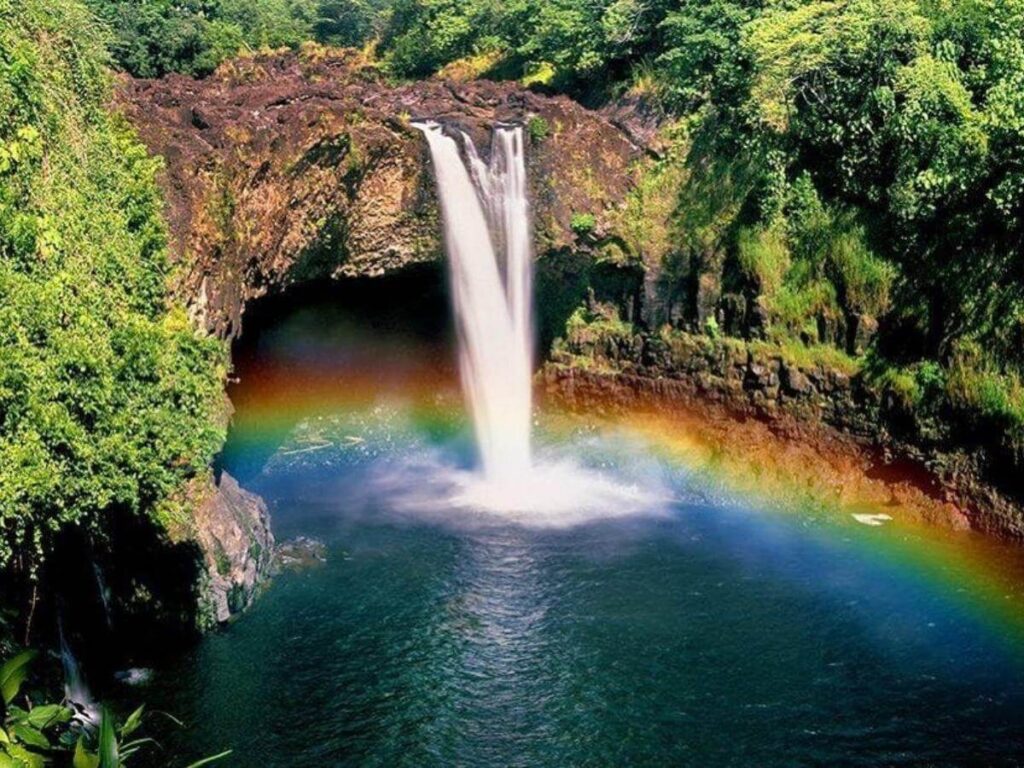
I went in the morning, and that’s when it really shines. When the sun hits the mist at the right angle, you can actually see a rainbow forming in the spray. It’s not guaranteed, but if you go earlier in the day, your chances are much better. Later in the afternoon, the lighting just isn’t as dramatic.
You don’t need more than 20 to 30 minutes here unless you want to linger. There’s also a small set of stairs near the parking area that leads to a different viewpoint from above, which is worth a quick look.
It’s simple, accessible, and one of the easiest ways to experience Hilo’s rainforest energy without much effort.
Explore Hawaiʻi Tropical Botanical Garden
About 20 minutes north of town, this garden ended up being one of my favorite stops.
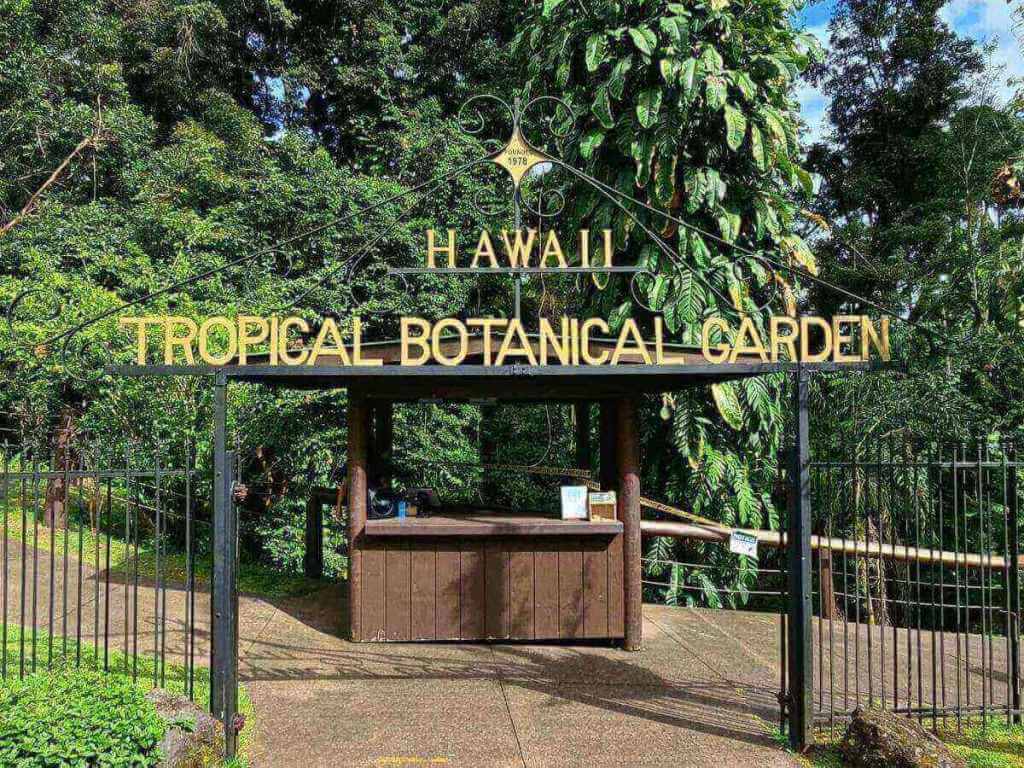
The drive there is beautiful on its own, winding along the coast with ocean glimpses between thick greenery. Once you arrive, the garden feels almost hidden, tucked into a valley that opens toward Onomea Bay.
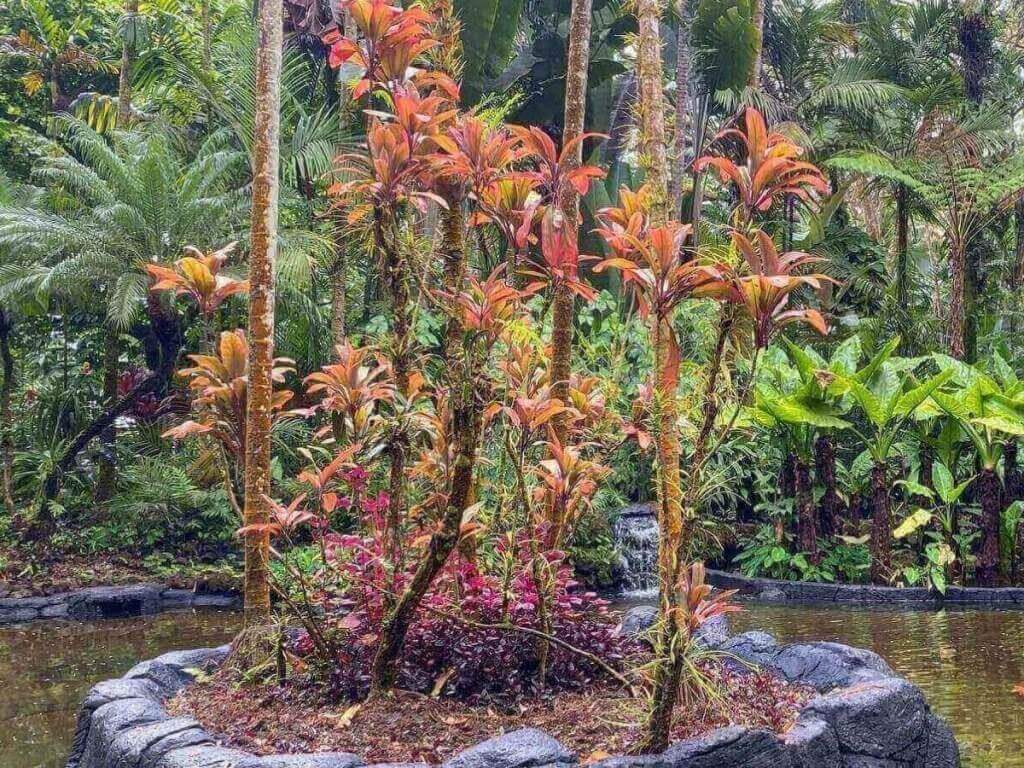
The paths wind downhill through dense tropical plants, bamboo groves, and bright flowers. Because Hilo gets so much rain, everything looks intensely green. Even on a cloudy day, it felt vibrant and full of life. In fact, I’d argue light rain actually adds to the atmosphere here.
Keep in mind that you’ll walk downhill first and then back up at the end. Some parts are a bit steep, so comfortable shoes make a big difference. I spent about two hours moving slowly, stopping for photos, and just enjoying the quiet.
If you love plants, photography, or peaceful walks with ocean views, this stop feels more immersive than you might expect from the word “garden.”
Drive to Hawaiʻi Volcanoes National Park
This is honestly one of the main reasons to stay in Hilo.
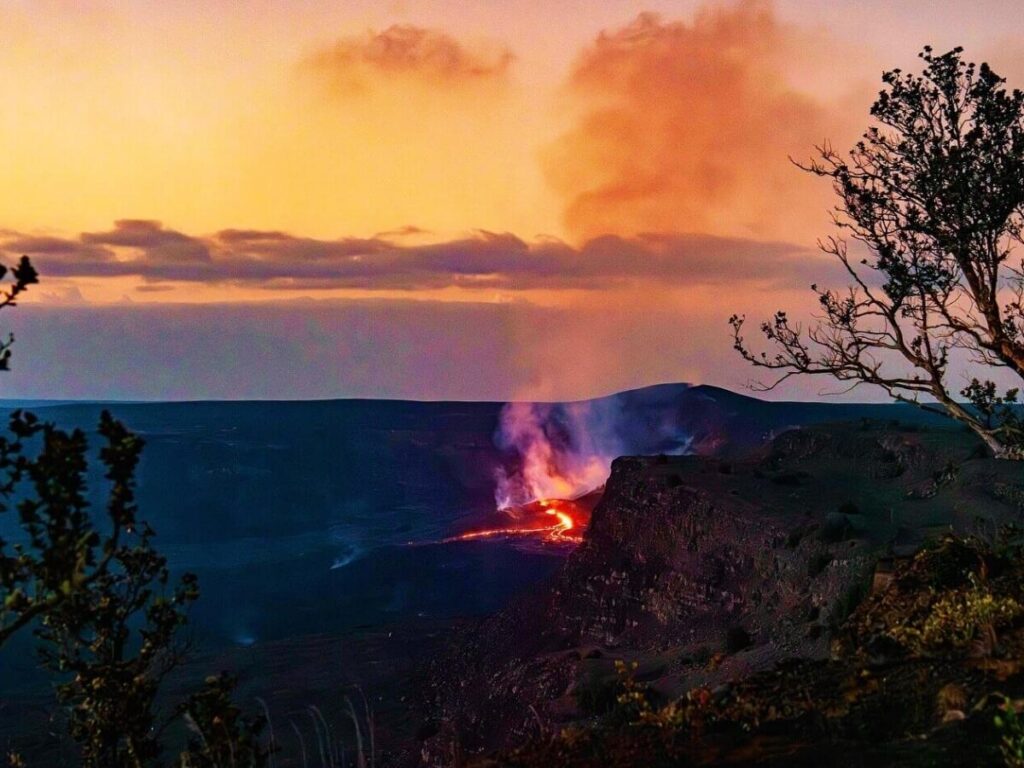
The park is about 45 minutes south, and the landscape changes dramatically as you drive. You leave behind dense rainforest and slowly move into higher elevation terrain that feels stark and volcanic.
When I first stood at the crater overlook, it didn’t even feel like Hawaii anymore. It felt raw and massive. I drove along Chain of Craters Road, which slowly descends toward the ocean, with dramatic viewpoints along the way.
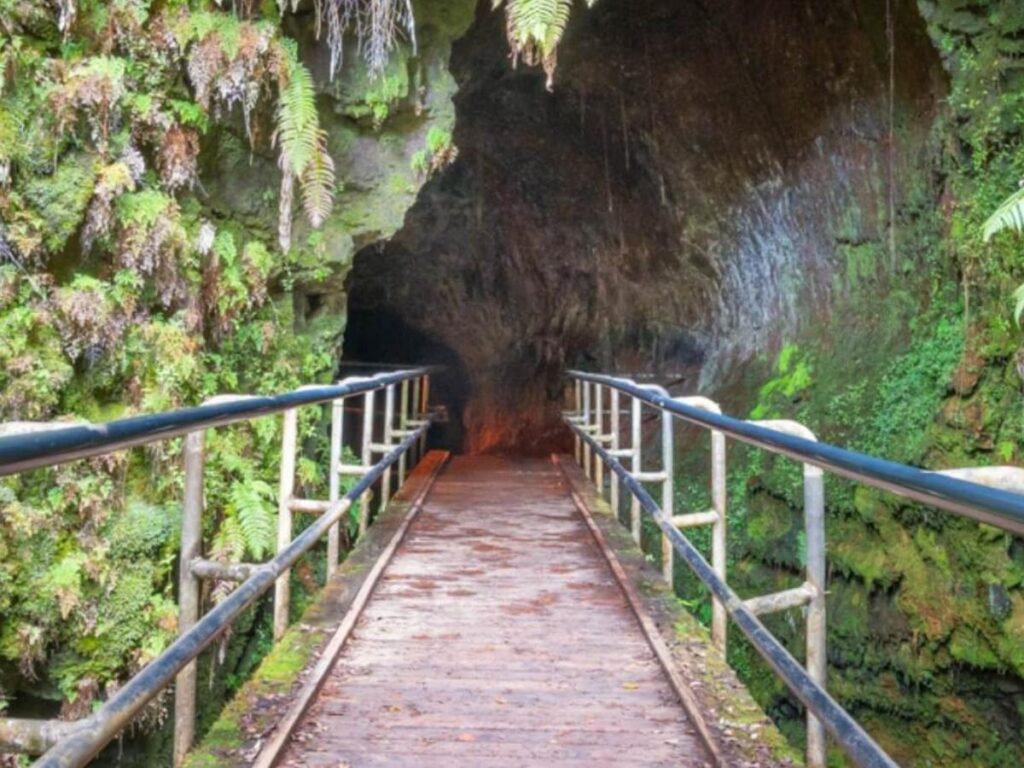
Walking through Thurston Lava Tube was another highlight. It’s short and easy, but stepping inside a tunnel formed by flowing lava is a surreal experience.
Plan at least half a day here, and ideally a full day if you like to explore at a relaxed pace. The weather can shift quickly because of elevation, so even if it’s warm in Hilo, bring a light jacket.
If you’re wondering what to do in Hilo Hawaii that feels completely different from beaches and waterfalls, this is it. It adds a whole new layer to the island.
Relax at Carlsmith Beach Park
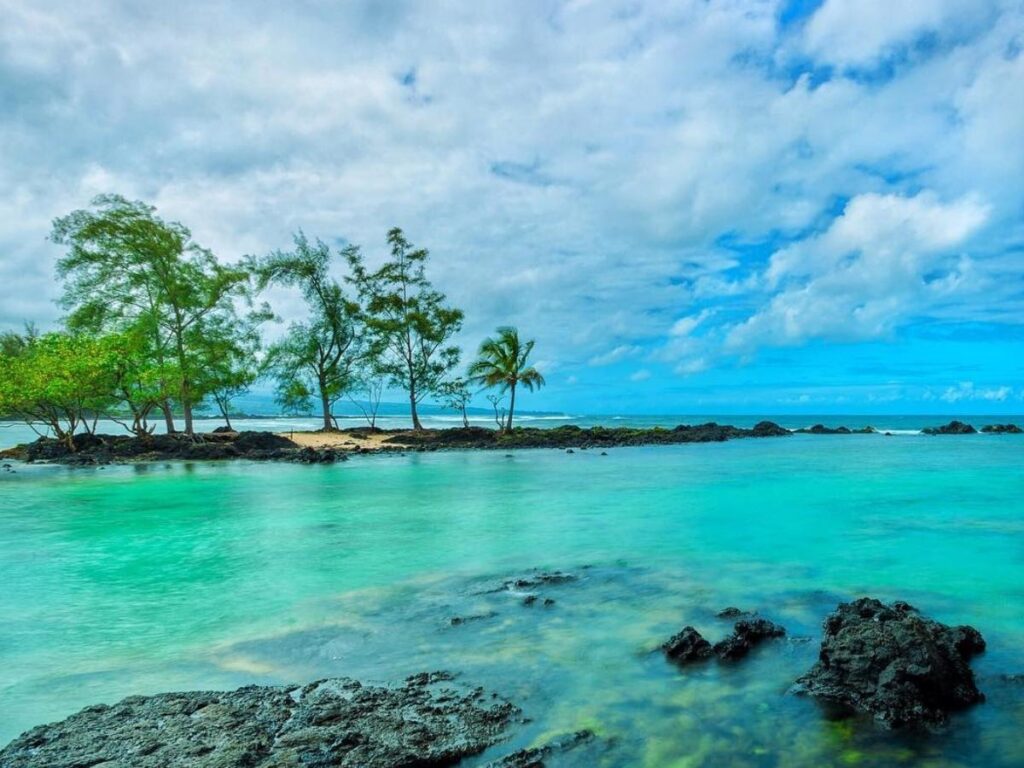
Carlsmith isn’t the kind of beach you picture when you think of soft sand stretching for miles. Instead, it’s made up of calm lagoons surrounded by lava rock and grassy areas.
And that’s exactly why I liked it.
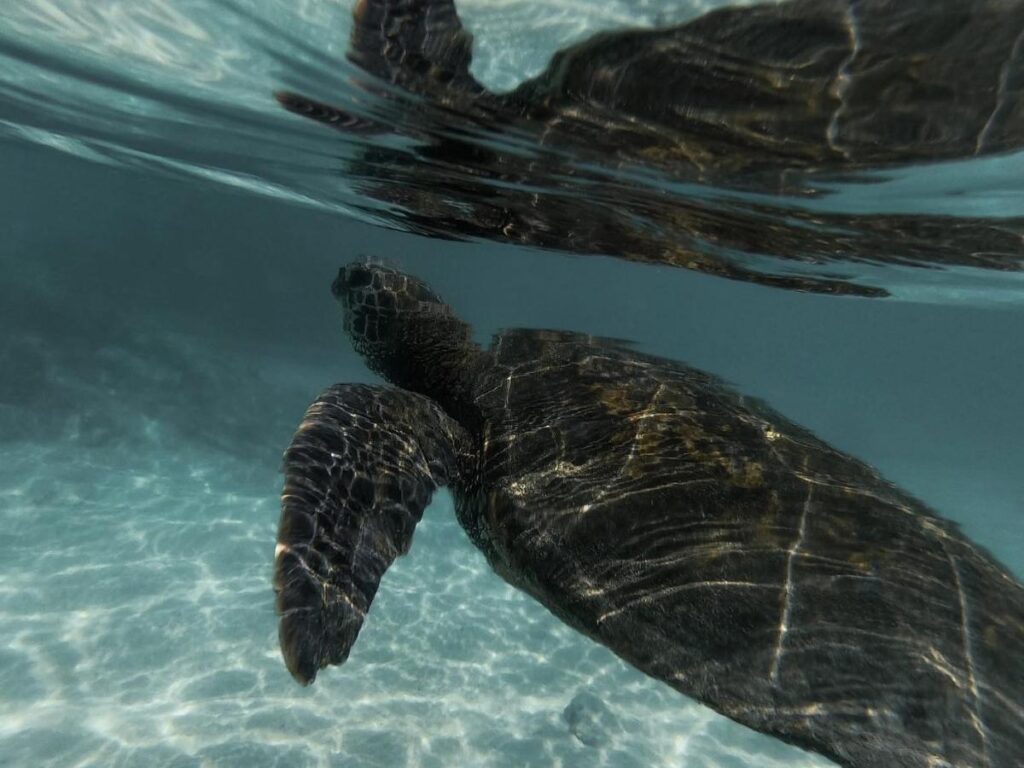
The water here is usually protected and gentle, which makes it much more swimmable than some of the rougher coastline nearby. It’s also one of the places where people often spot sea turtles. I saw one gliding slowly through the water, which made the stop feel special without needing a tour or boat ride.
There’s space to lay out a towel on the grass, and it feels relaxed rather than crowded. After a morning of waterfalls or driving, this is a great place to slow down and cool off.
Walk Through Liliuokalani Gardens
Right along the coast near Banyan Drive, these Japanese style gardens feel calm and open.
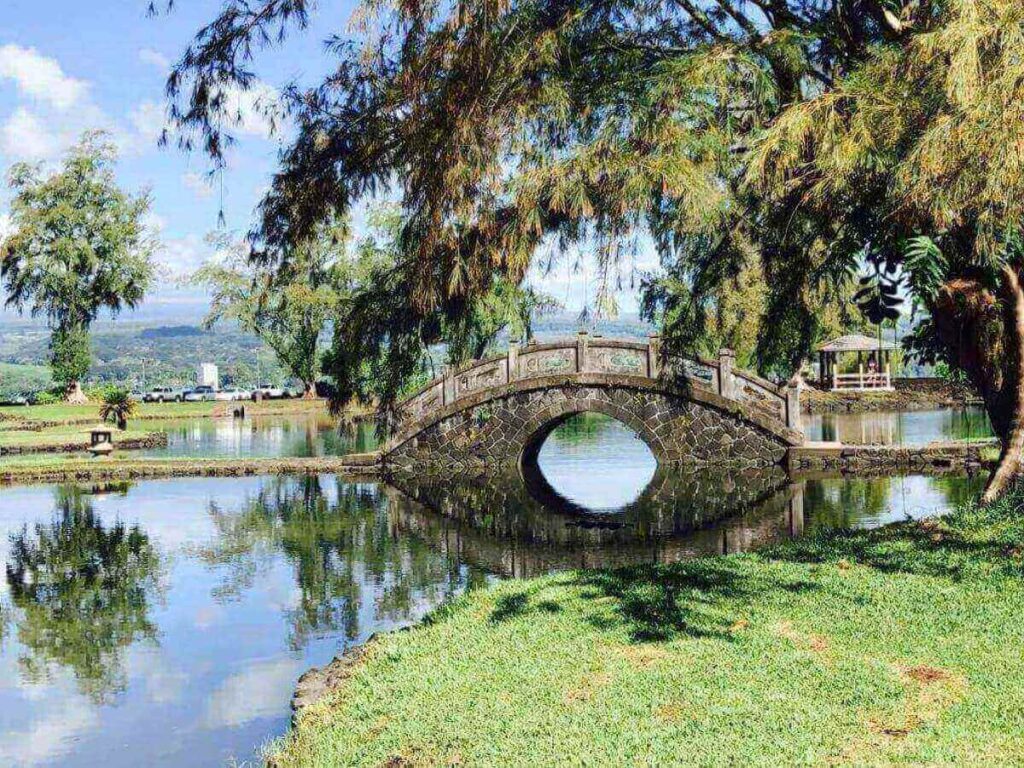
It’s not a huge attraction that takes hours, but it’s the kind of place that resets your pace. There are small bridges, ponds, and wide views out toward Hilo Bay. I went close to sunset, and the soft light reflecting off the water made everything feel even quieter.
It’s an easy stop to combine with nearby areas like Coconut Island. Even a 20 to 30 minute walk here feels worthwhile, especially if you want something low effort after a busier day.
Browse Hilo Farmers Market
If your timing works out, try to visit on Wednesday or Saturday when the market is at its fullest.
What I liked most is that it felt local. It didn’t feel staged for tourists. There were stands selling fresh papaya, pineapples, bananas, baked goods, handmade items, and simple takeout plates.

I picked up fresh fruit and ended up chatting briefly with one of the vendors about what was in season. It felt like a community gathering rather than just a stop to check off.
If you want to try tropical fruit you’ve never had before, this is the place. It’s also a good stop early in your trip so you can snack on what you buy later.
Visit Akaka Falls State Park
About 30 minutes north of Hilo, Akaka Falls makes an easy and rewarding detour.
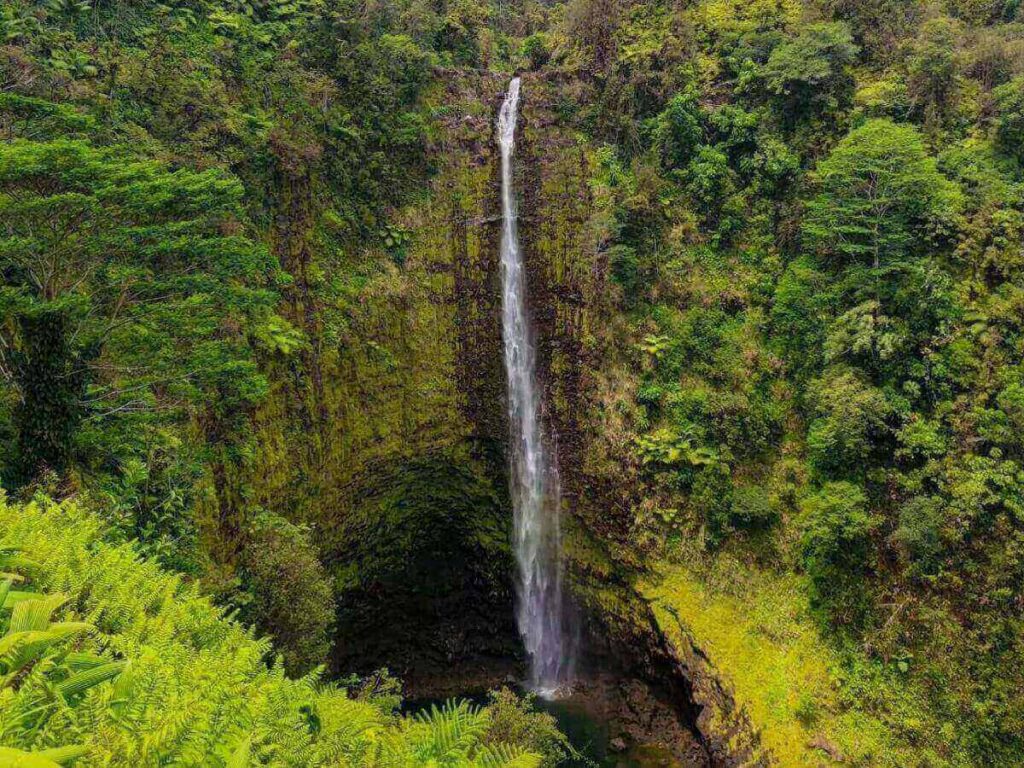
The trail is a paved loop that takes around 30 to 45 minutes total. You’ll pass smaller cascades and thick vegetation before reaching the main viewpoint. And when you do, the waterfall is tall and dramatic, dropping 442 feet into a gorge below.
It’s not a strenuous hike, but it does involve some stairs and gentle inclines. I found it manageable and well maintained.
I paired this with the botanical garden to create a relaxed halfday along the northern coast. Grouping them together saved driving time and made the day feel balanced.
Things to Do in Hilo If It’s Raining
Let’s just say it upfront. At some point during your stay in Hilo, it’s probably going to rain.
When I checked the forecast before my trip and saw little cloud icons every single day, I’ll be honest, I felt slightly discouraged. No one plans a Hawaii vacation dreaming about gray skies. But once I actually experienced Hilo in the rain, my perspective shifted.
Rain isn’t a glitch in Hilo. It’s part of the setting.
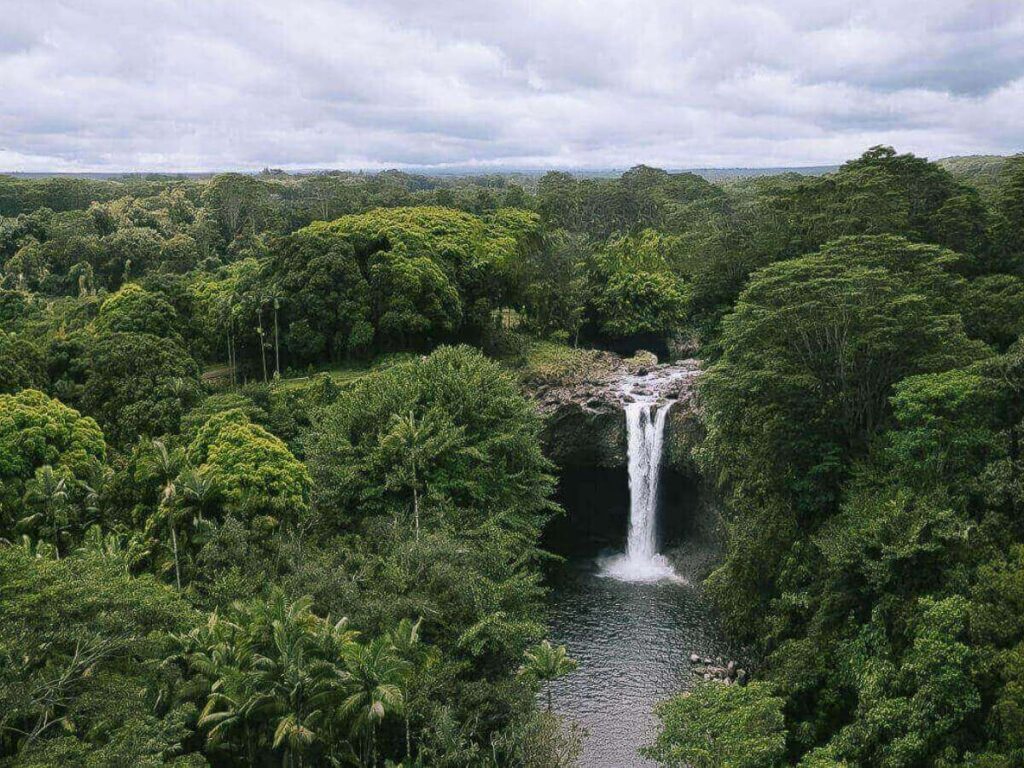
Without it, you wouldn’t have those thick rainforests that feel almost prehistoric. You wouldn’t have waterfalls pouring over lava cliffs with real force behind them. The hills wouldn’t look layered in so many shades of green that they almost blur together. The rain is what makes this side of the island feel alive.
And most of the time, it’s not a full day’s downpour. It’s quick showers. A burst of steady rain, then calm. You might be standing at a waterfall in a light drizzle, and 20 minutes later the sky starts to brighten again. I learned not to cancel plans just because I saw clouds.
In fact, some places are better in light rain. Waterfalls like Rainbow Falls feel stronger and more dramatic after showers. The jungle looks deeper and fuller. The mist hanging between trees creates this quiet, almost cinematic mood that you just don’t get on a dry, sunny coastline. Some of my favorite moments in Hilo happened when everything felt slightly foggy and still.
Now, if it’s raining heavily and you don’t feel like wandering outdoors for long, you still have options.
Hawaiʻi Volcanoes National Park can actually be a great rainy day choice. The volcanic landscape feels moody under gray skies, and it almost adds to the atmosphere. There are lava tubes you can walk through, scenic overlooks you can drive to, and visitor centers where you can step inside for a break. Just bring layers because it’s cooler at higher elevation.
Downtown Hilo also lends itself well to slow afternoons. The coffee shops feel cozy when it’s raining outside. There’s something comforting about sitting with a warm drink while listening to the rain tap against the windows. It matches the slower rhythm of this town.
Another underrated option is simply driving. The coastal roads around Hilo are beautiful even from inside the car. Waves crash against lava rock, greenery lines the highway, and you can pull over when the rain softens. You don’t have to abandon the day just because you’re not walking in full sunshine.
Hilo isn’t meant to be predictable. It’s meant to feel lush, a little wild, and connected to the elements. Once I stopped fighting the rain and started accepting it, I enjoyed this side of the island so much more.
Sometimes, the rain isn’t the thing that interrupts your plans. It’s the thing that makes the place unforgettable
How I’d Plan 1, 2, or 3 Days in Hilo
One thing I realized quickly in Hilo is that you don’t need to rush to feel like you’ve seen a lot. The distances are short, and many of the highlights are within 10 to 30 minutes of each other. But a little structure helps. Without it, you can end up zigzagging back and forth or trying to cram Volcanoes into an already full day.
Here’s how I’d realistically plan it if I were booking again, based on what felt balanced and enjoyable rather than exhausting.
If You Only Have 1 Day in Hilo
With just one full day, I’d focus on getting a feel for Hilo rather than trying to check off every major attraction.
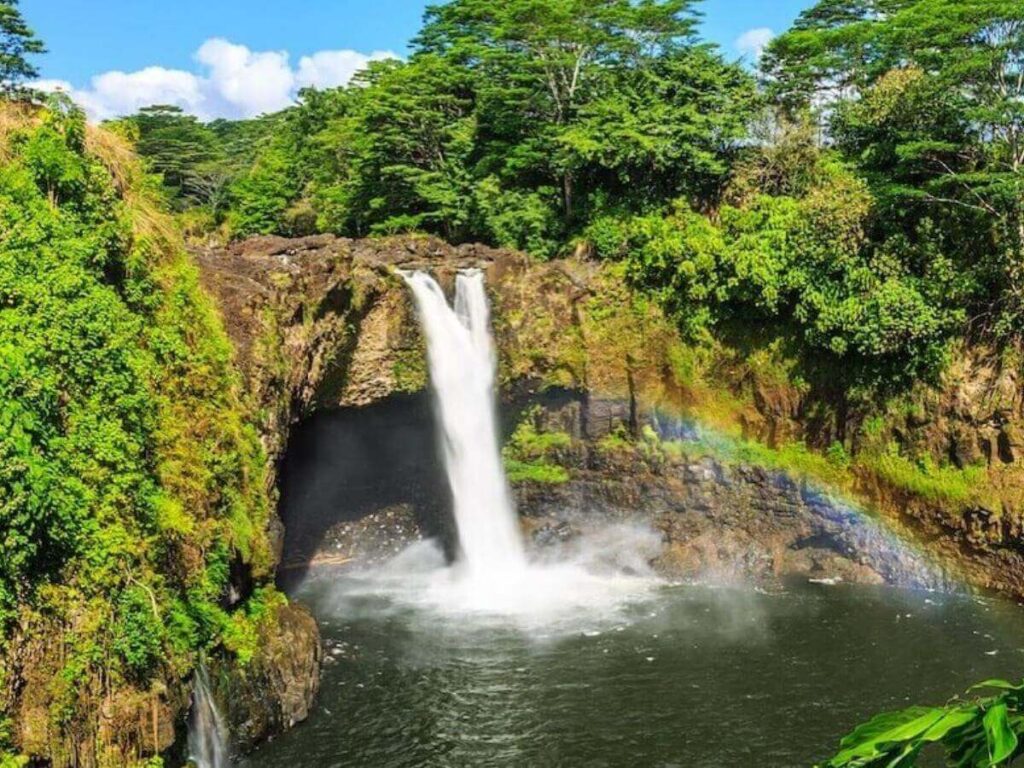
I’d start early at Rainbow Falls. Mornings are usually quieter, and the light is better for seeing the rainbow in the mist. It’s an easy stop, which makes it perfect for easing into the day without committing to a long hike.
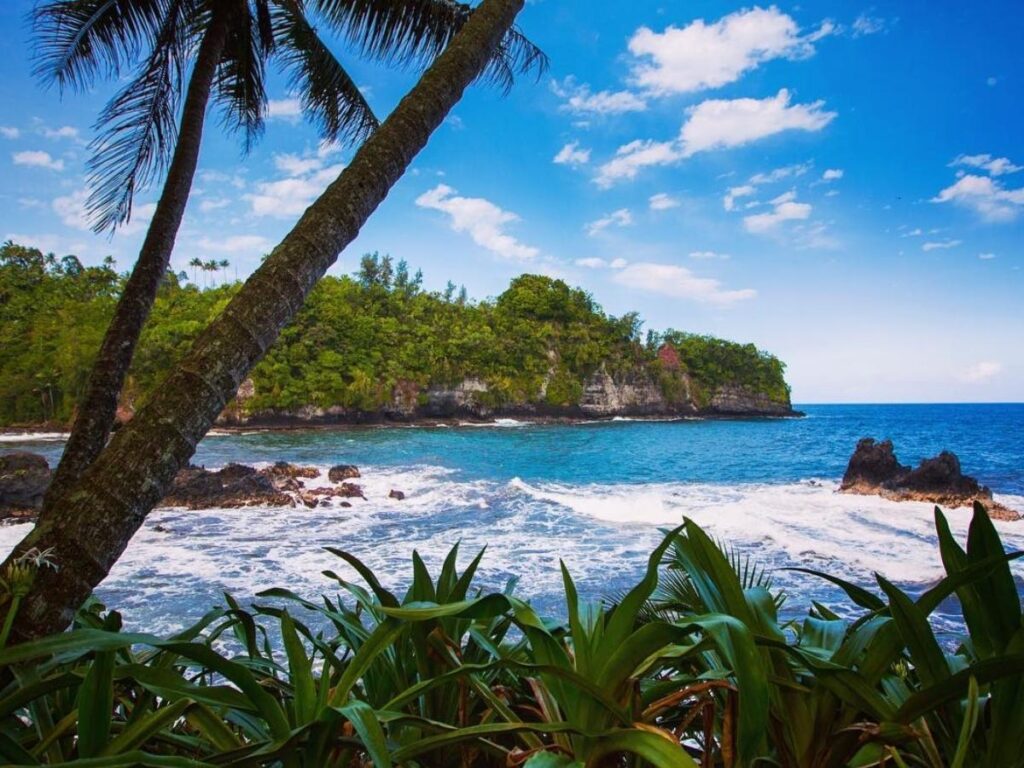
After that, I’d drive north toward the Hawaiʻi Tropical Botanical Garden. The drive itself is beautiful, and arriving midmorning gives you time to wander without feeling rushed. Plan for at least an hour and a half. The garden is built on a hillside, so you’ll walk downhill first and then back up. Taking it slow makes it more enjoyable.
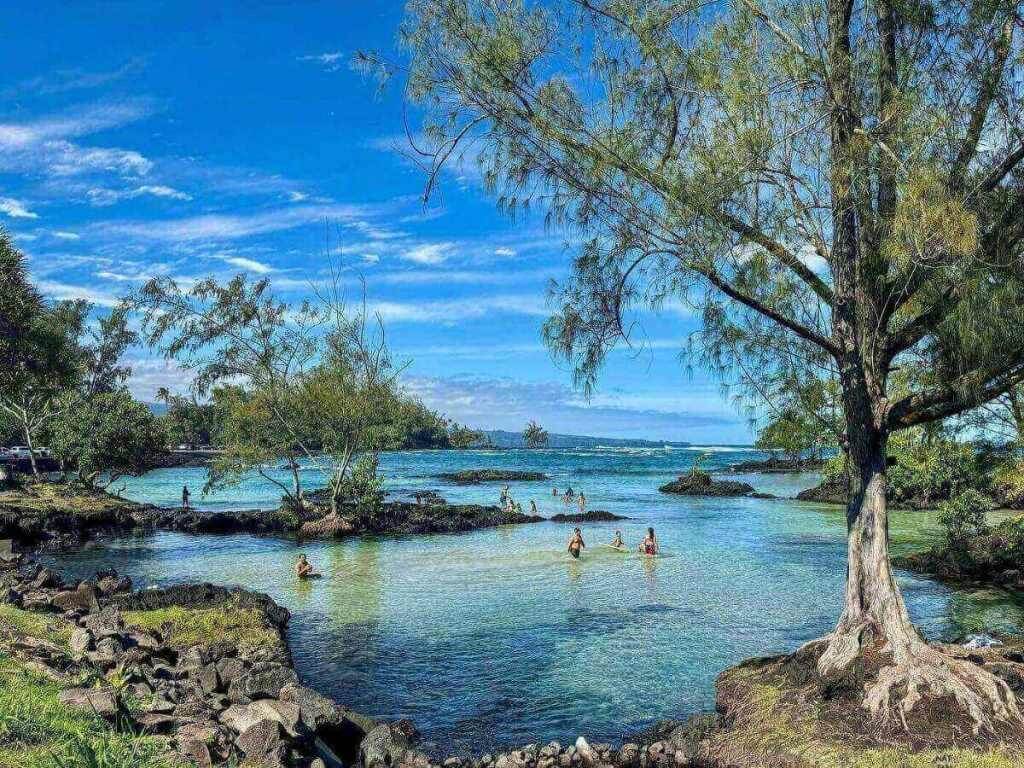
By early afternoon, I’d head back toward town and stop at Carlsmith Beach Park. This is where you pause. Maybe you swim if the water is calm. Maybe you just sit on the grass and watch the ocean. After a morning of walking, this feels like a natural break in the day.
To end things, I’d go to Liliʻuokalani Gardens near sunset. It’s an easy walk and doesn’t require much energy, which is ideal after a full day. The light over Hilo Bay tends to soften in the evening, and it feels peaceful rather than busy.
It’s a full day, but it doesn’t feel rushed. You’ll leave feeling like you experienced Hilo’s waterfalls, coastline, and greenery without constantly checking the time.
If You Have 2 Days in Hilo
With two days, you can slow down and add depth.
I’d keep the first day similar to the one day plan. That way, you’re not trying to combine Volcanoes National Park with everything else.
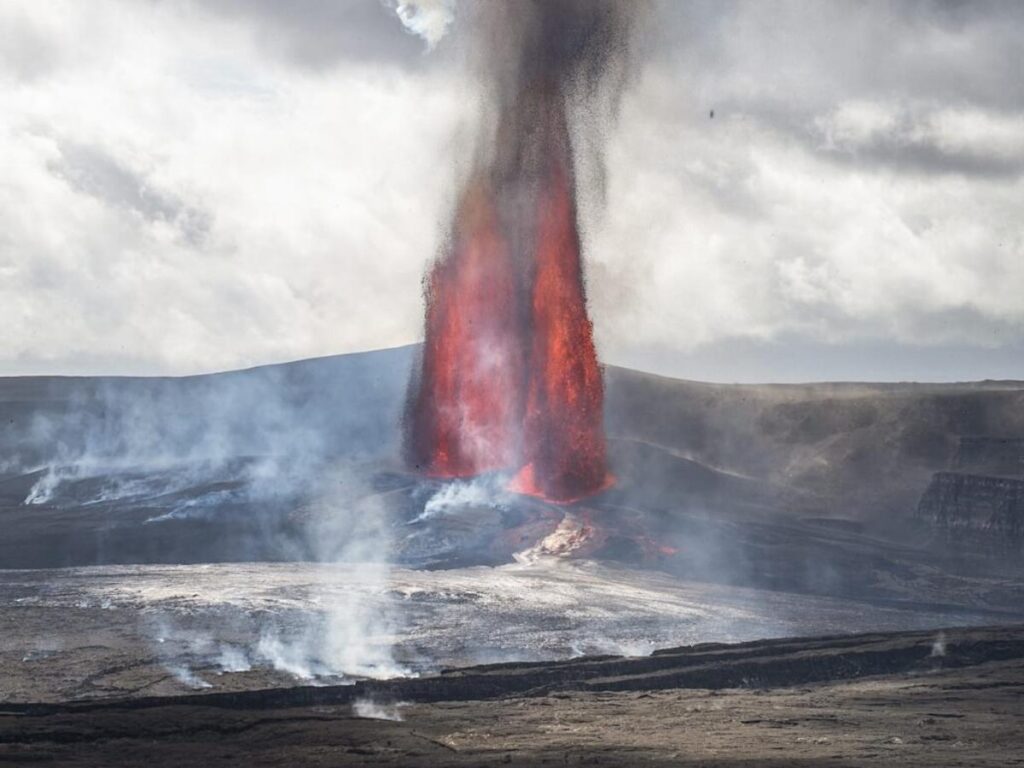
On your second day, I’d dedicate most of your time to Hawaiʻi Volcanoes National Park. Leave in the morning so you’re not driving back in the dark unless you plan to stay for sunset views. Give yourself at least half a day, and ideally closer to a full day if you enjoy walking and scenic drives.
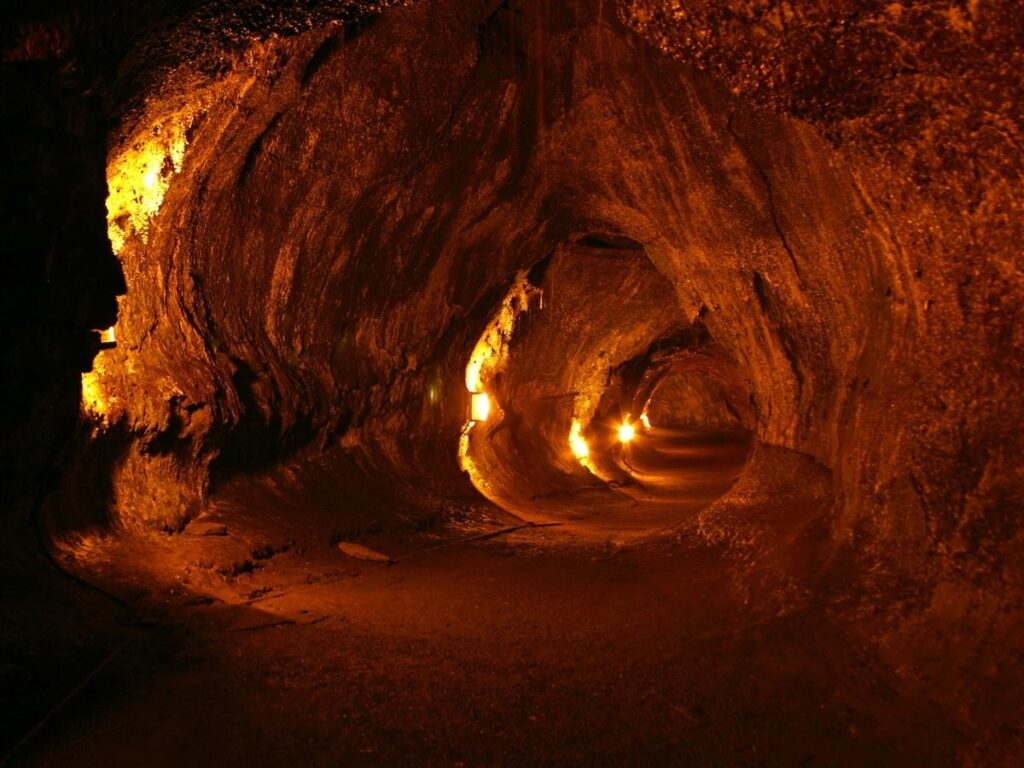
Drive Chain of Craters Road slowly. Stop at overlooks instead of just passing them. Walk through Thurston Lava Tube and spend time at the crater viewpoints. The landscape feels so different from Hilo’s rainforest that it almost feels like a separate destination.
I wouldn’t schedule much else that day. Maybe dinner back in Hilo, but that’s it. Volcanoes deserve your attention, and stacking too much on top of it can make the day feel long.
If You Have 3 Days in Hilo
Three days is when Hilo starts to feel comfortable rather than packed.
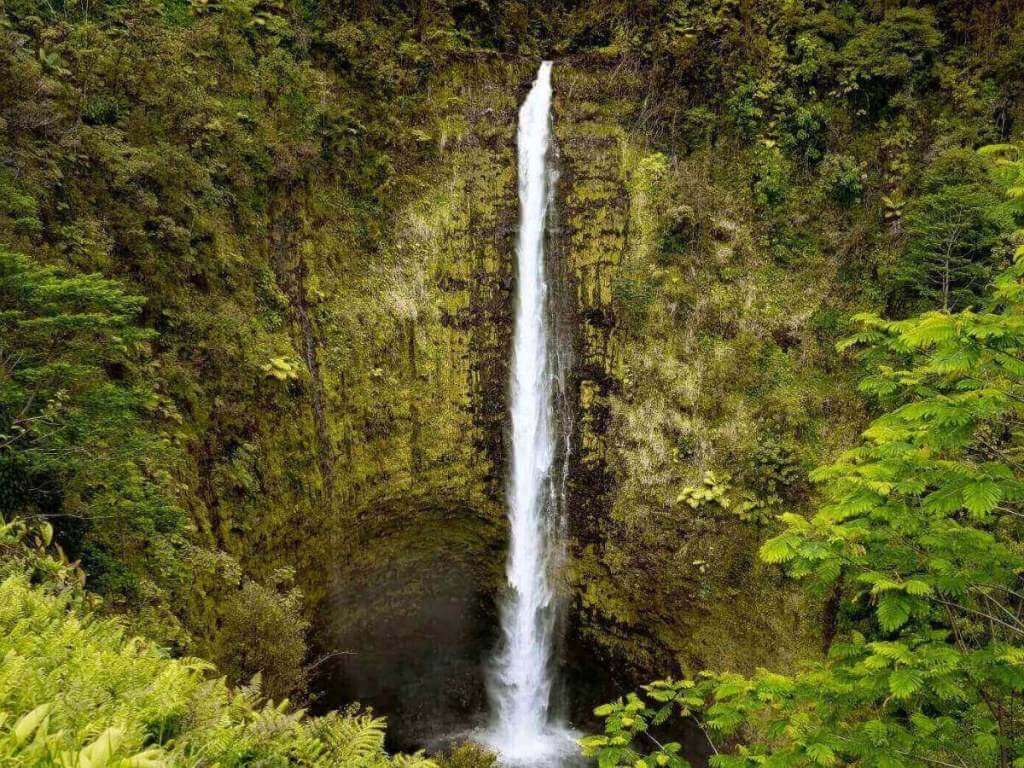
On your third day, I’d head north along the coast. Visit Akaka Falls State Park in the morning when it’s cooler and usually quieter. The paved loop trail doesn’t take long, but the waterfall itself is tall and dramatic. It’s an easy addition without feeling like a major hike.
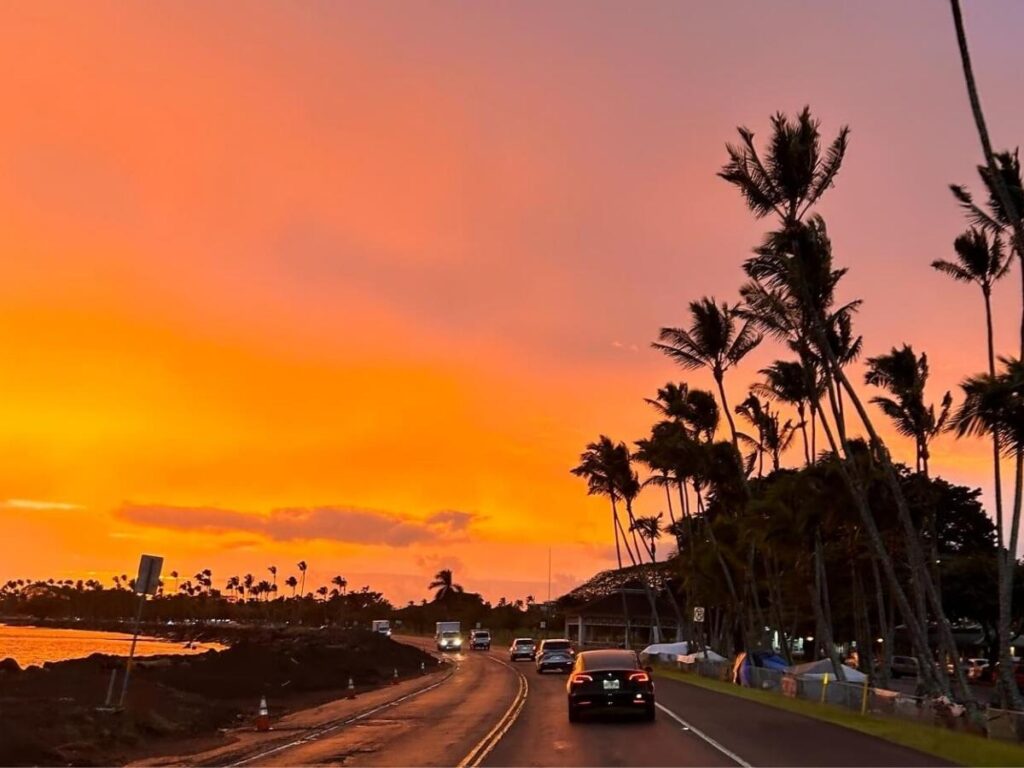
After that, don’t rush back. Take your time driving north of town. There are scenic pull offs, stretches of coastline, and little spots where you can stop just because something catches your eye. This part of the drive feels lush and layered, especially if there’s a little mist in the air.
Three days in Hilo feels relaxed but full. You’re not scrambling to see everything, but you’re also not left wondering what to do next. You get waterfalls, coastlines, gardens, and volcano landscapes in a way that feels natural.
And honestly, that’s how Hilo feels best to me. Not tightly scheduled. Not rushed. Just structured enough to avoid back tracking, but open enough to allow for rain showers, spontaneous stops, and slower mornings when you wake up and decide to take your time.
Where to Stay in Hilo Hawaii: Area Breakdown
Hilo is relatively compact, but where you stay can slightly change how your trip feels. It’s not a huge city, yet the atmosphere shifts depending on whether you’re along the water, tucked into the rainforest, or closer to town.
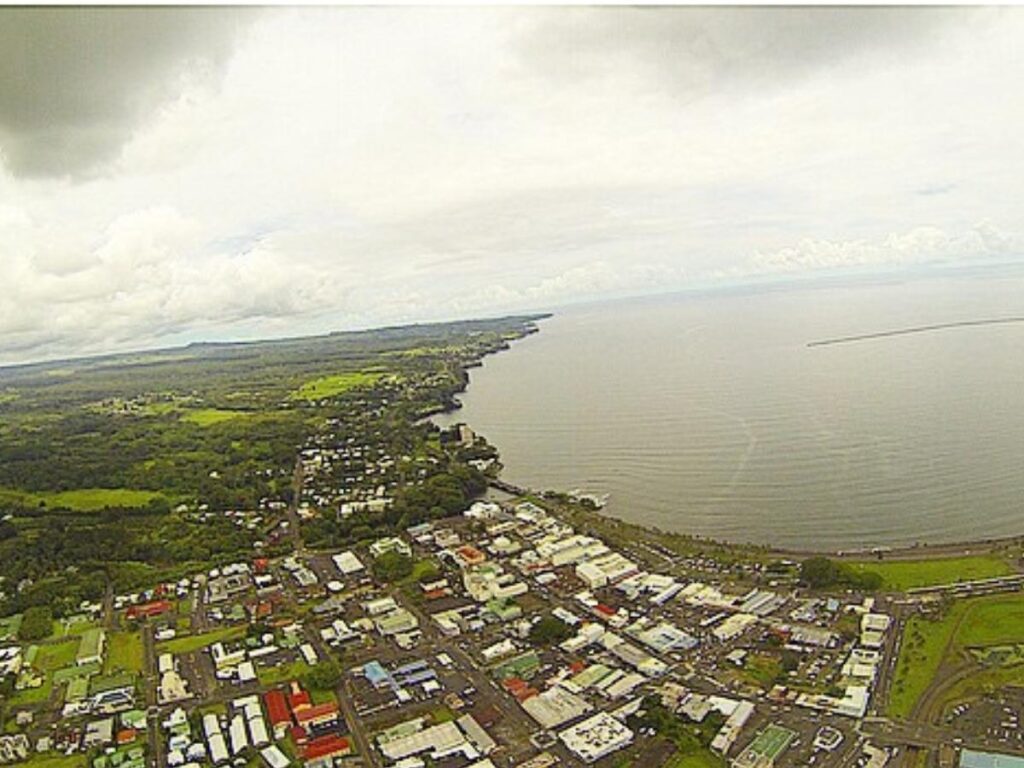
Before booking, I’d think less about star ratings and more about the kind of mornings you want. Do you picture yourself walking along the ocean at sunrise? Or waking up surrounded by trees and birds instead of traffic? That’s what really shapes your experience here.
Banyan Drive (Best for Oceanfront Views)
Banyan Drive is the most straightforward choice if you want to be near the water without overthinking it.
This stretch runs along Hilo Bay, near Coconut Island and Liliʻuokalani Gardens. The hotels here are some of the larger, more established properties in Hilo. They’re not ultramodern resorts with sprawling pools, but they offer something that’s hard to beat on this side of the island: wide ocean views and an easy coastal location.
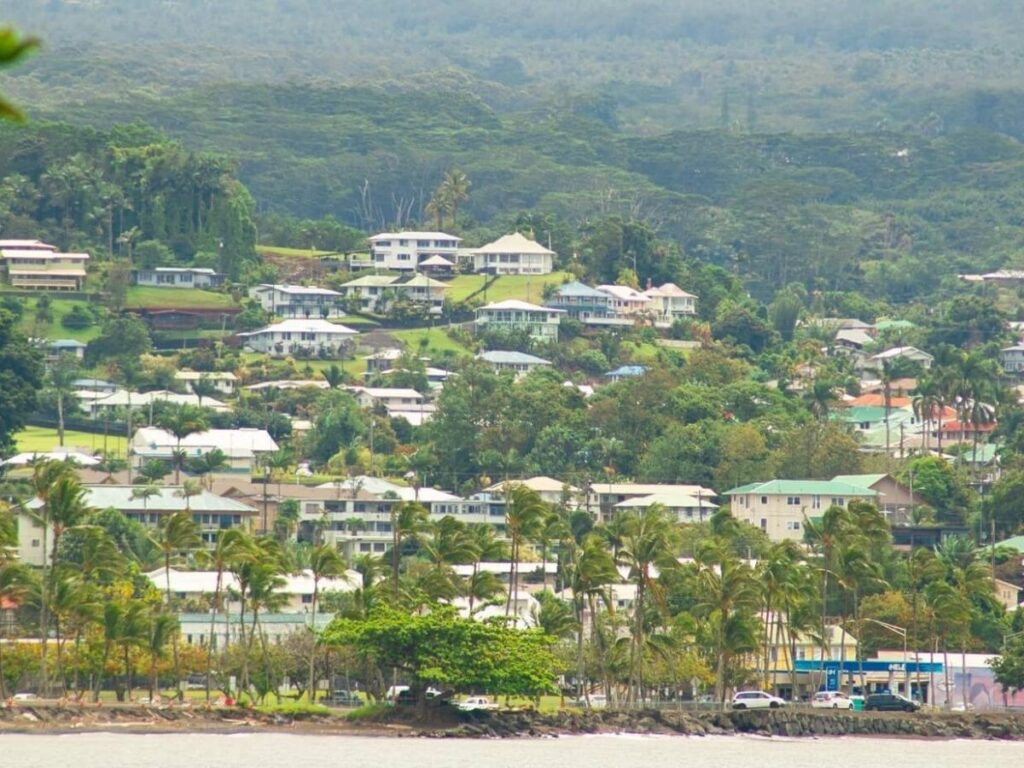
What I liked most about staying in this area was how open it felt. In the mornings, you can step outside and walk along the bay while the light comes up over the water. It’s calm and uncrowded, especially compared to resort areas on the Kona side.
You’re also close to town, so grabbing dinner or driving out to Rainbow Falls doesn’t feel like a chore. If you want reliable comfort and water views without Kona pricing, Banyan Drive is the easiest choice.
North of Hilo (Best for Seclusion)
If you drive about 15 to 25 minutes north of town, the environment changes quickly. The homes and small inns become more spread out, and the greenery gets thicker.
Staying north of Hilo feels quieter and more private. Many of the properties here are small boutique inns, bedandbreakfaststyle stays, or unique rainforest homes. You’ll wake up to birds and maybe light rain on leaves instead of passing cars.
This area also puts you closer to places like the botanical garden and Akaka Falls, which makes morning outings feel easy. The tradeoff is that you’ll likely need to drive into Hilo town for dinner or groceries.
If you’re traveling as a couple or simply want a slower pace, this area can feel peaceful and intimate. It’s less about convenience and more about atmosphere.
Best Hotels in Hilo Hawaii
Hilo doesn’t have large luxury resorts like Kona, so expectations matter here. The experience is more relaxed and understated. These are the stays I’d realistically consider, depending on what kind of trip I wanted.
Grand Naniloa Hotel Hilo a DoubleTree by Hilton
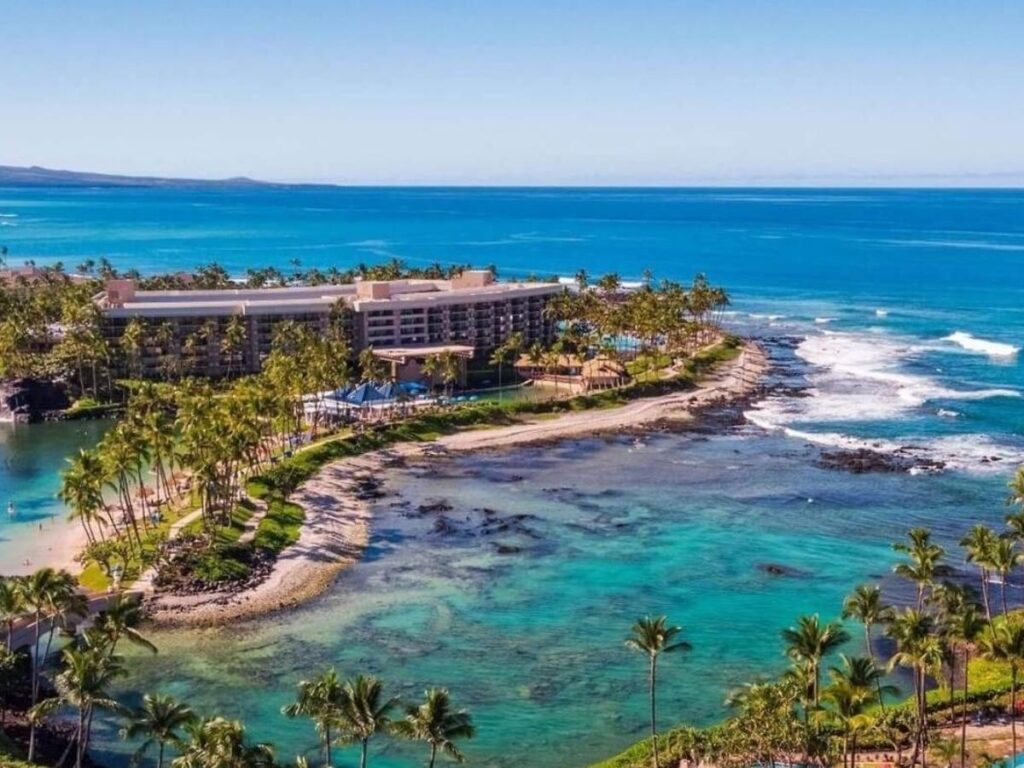
If you prefer a familiar brand and a slightly more updated feel, this is probably the most polished option in Hilo.
The rooms are more modern compared to many other properties in town, and some have balconies overlooking Hilo Bay. Waking up and seeing the water from your room adds something special to your stay.
It’s also well positioned on Banyan Drive, so you can easily walk to the gardens or drive anywhere in town within minutes. If you want reliable comfort and a more contemporary feel, this is the safe choice.
Castle Hilo Hawaiian Hotel
This hotel sits right next to Liliʻuokalani Gardens, and its location is one of its strongest features. The views across Hilo Bay toward Mauna Kea on a clear day can be beautiful.
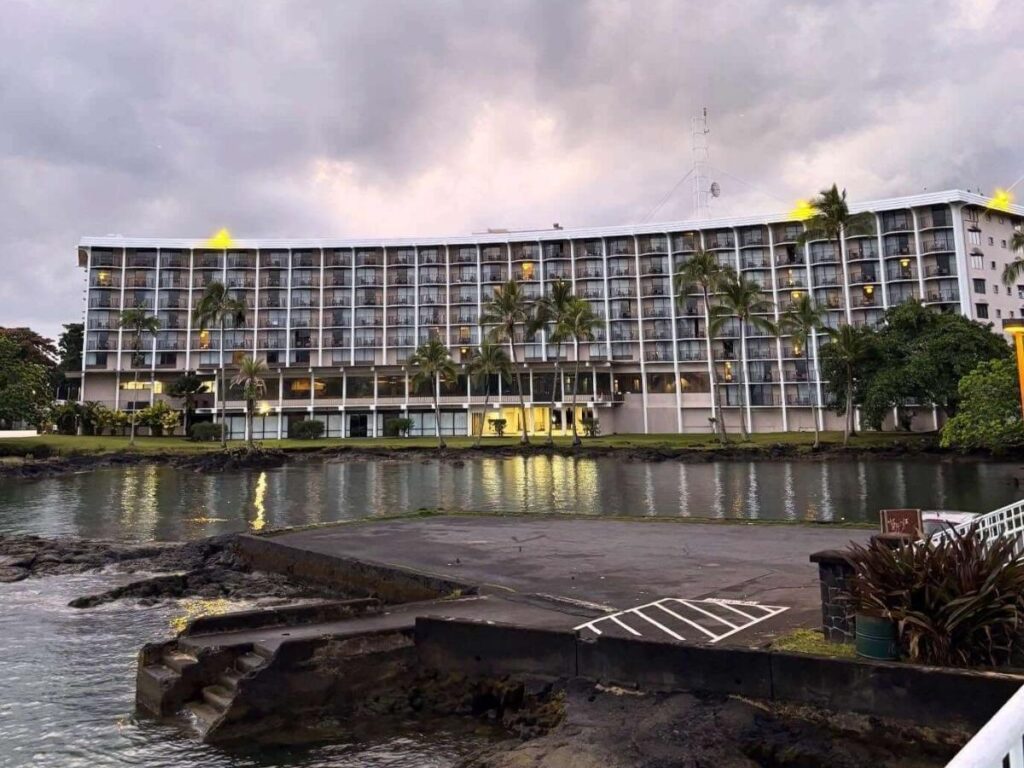
The property has a slightly retro feel, which some people love and others find dated. Rooms vary in updates, so I’d look carefully at recent photos and reviews before booking.
What it does offer is space, views, and a classic Hilo atmosphere. If location matters most to you, this one is hard to beat.
Hilo Reeds Bay Hotel
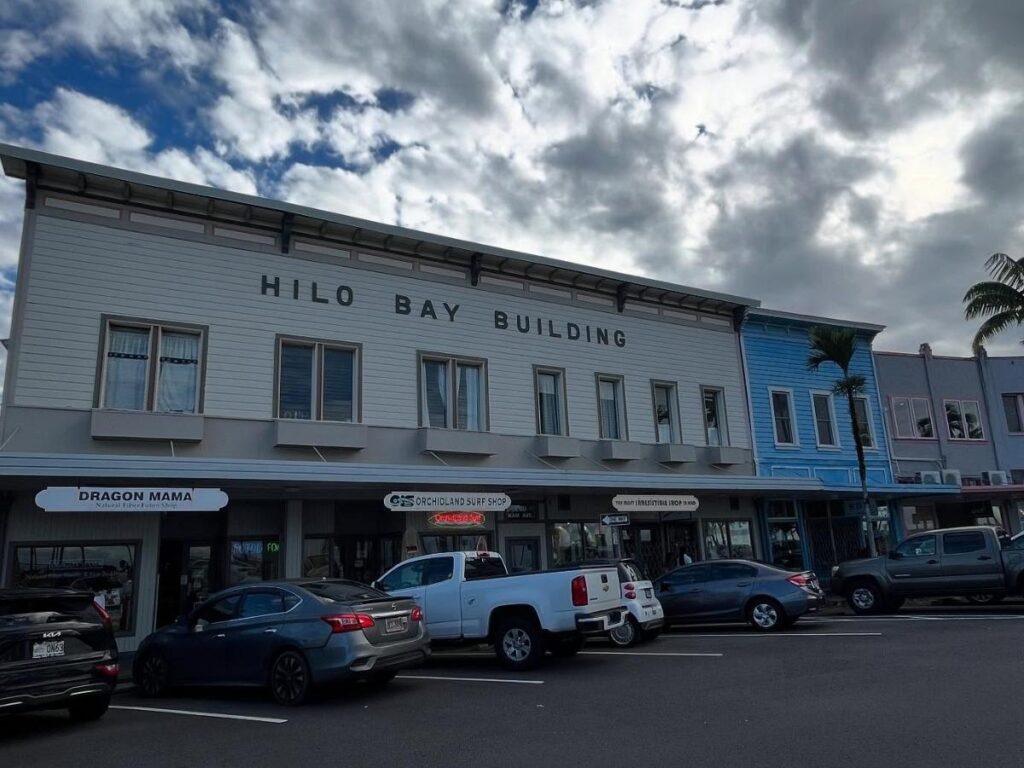
If you’re trying to keep costs lower or prefer something simple and lowkey, this smaller property near the water is worth considering.
It’s not flashy, but it’s peaceful. Some rooms include small kitchenettes, which can be helpful if you’re staying multiple nights and don’t want to eat out every meal.
For travelers who plan to spend most of their time exploring rather than lounging at the hotel, this can be a practical and budget-friendly base.
Is Hilo Worth Visiting?
I genuinely think it is, especially if you’re drawn to nature.
Hilo doesn’t compete with Kona when it comes to white sand beaches or predictable sunshine. If that’s your priority, you may prefer staying on the west side. But what Hilo offers is something different.
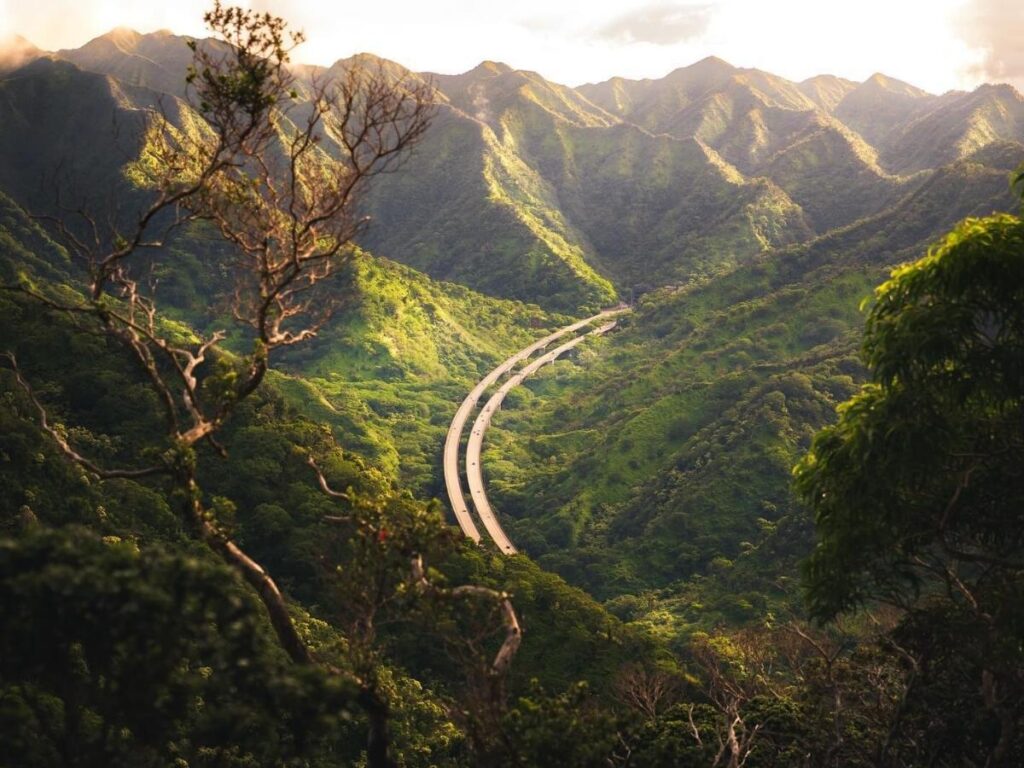
You’re closer to waterfalls, closer to Hawaiʻi Volcanoes National Park, and surrounded by rainforest scenery that feels layered and alive. The mood is quieter and more local. Even the rain feels like part of the environment rather than a flaw.
If your trip is very short and you only want beach days, you might decide to focus elsewhere. But if you want to experience the Big Island’s dramatic, greener side, Hilo deserves time.
Final Thoughts
Hilo surprised me.
I expected it to feel like a rainy stop on the way to something else. Instead, it became one of the most memorable parts of my time on the Big Island. The misty mornings, the waterfalls just minutes away, the slower pace in the evenings, it all felt grounding in a way I didn’t anticipate.
If you’re drawn to volcanic landscapes, thick rainforest, and a more relaxed atmosphere, this side of the island offers something meaningful.
And if you’re planning a longer Big Island trip, I’d personally split my time. A few nights in Hilo for waterfalls and volcanoes, then a few nights in Kona for beaches and sunshine. The contrast between the two sides is part of what makes the island so interesting