
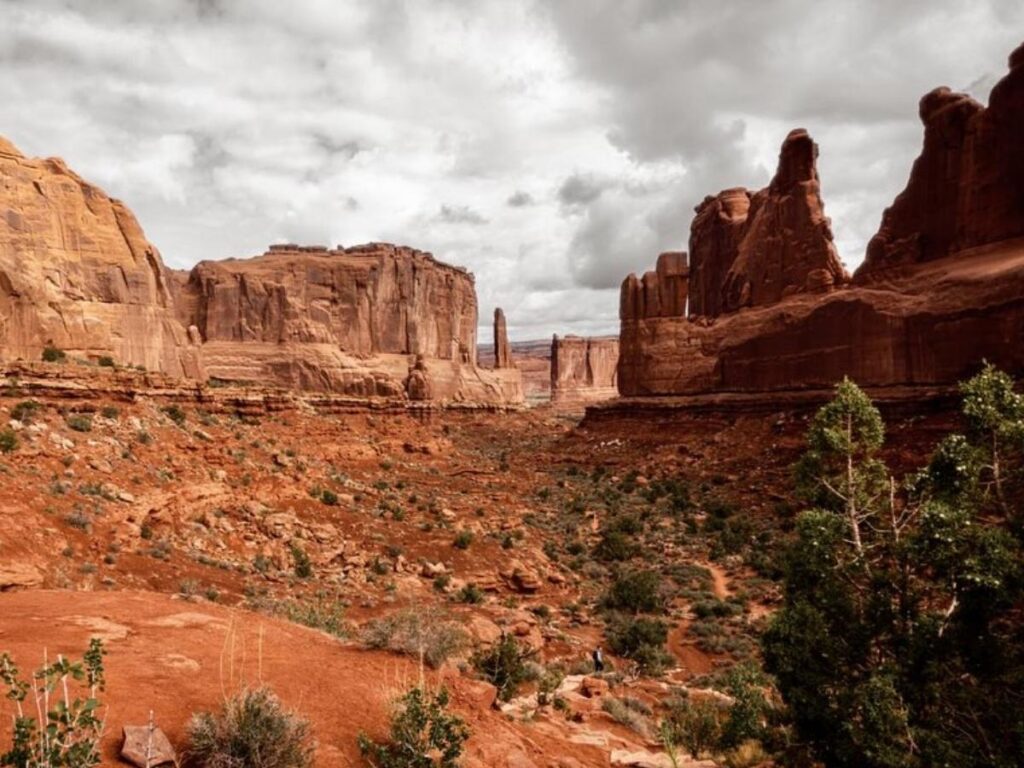
The first time I drove into Moab, the landscape felt almost unreal. Red rock walls rose straight out of the desert floor, the road curved gently along the Colorado River, and suddenly everything felt wide open. It’s one of those places where you instinctively slow down, even if you came here for adventure.
Moab has a reputation for being all about adrenaline: off-roading, mountain biking, long hikes in the sun. And while all of that is very real, what surprised me most was how much variety there is.
You can spend a full day pushing yourself physically, then follow it with a quiet scenic drive, a slow river float, or an evening just watching the light change on the rocks.
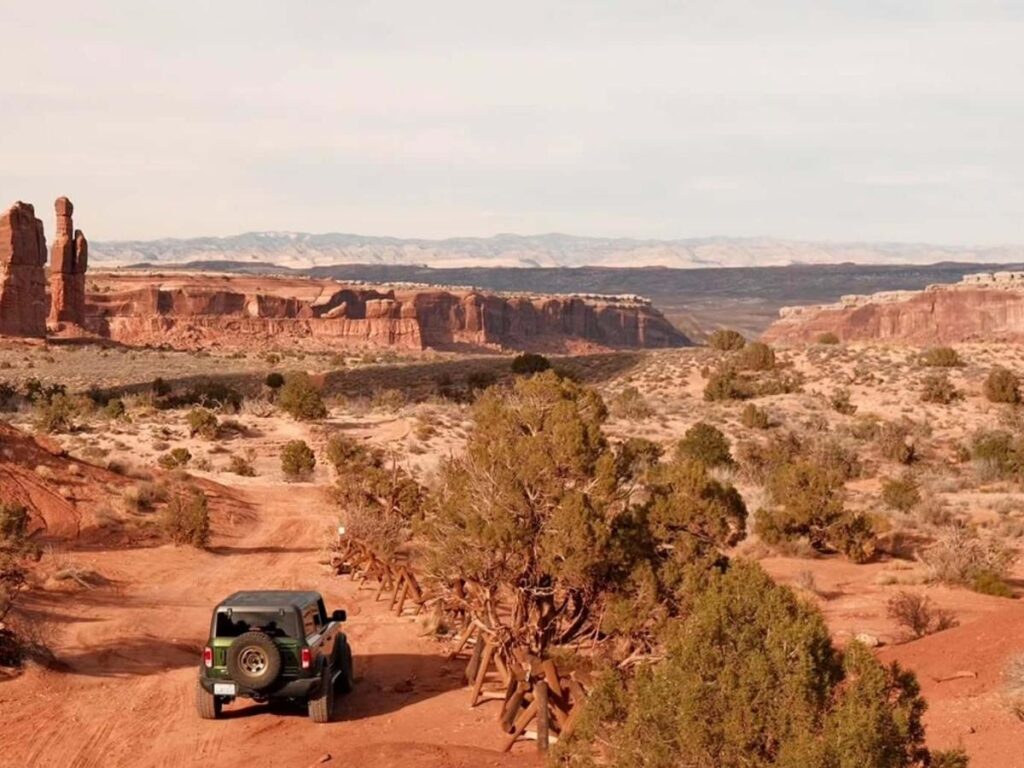
This guide covers the things that genuinely stood out to me, how I’d structure your days depending on how long you have, and the practical details that make a Moab trip smoother. Whether you’re here for your first visit or coming back to dig a little deeper, this should help you plan without feeling overwhelmed.
When to Visit Moab (And Why Timing Matters)
Moab is one of those places where when you visit matters almost as much as what you plan to do. The landscape doesn’t change, but how it feels to be out in it absolutely does.
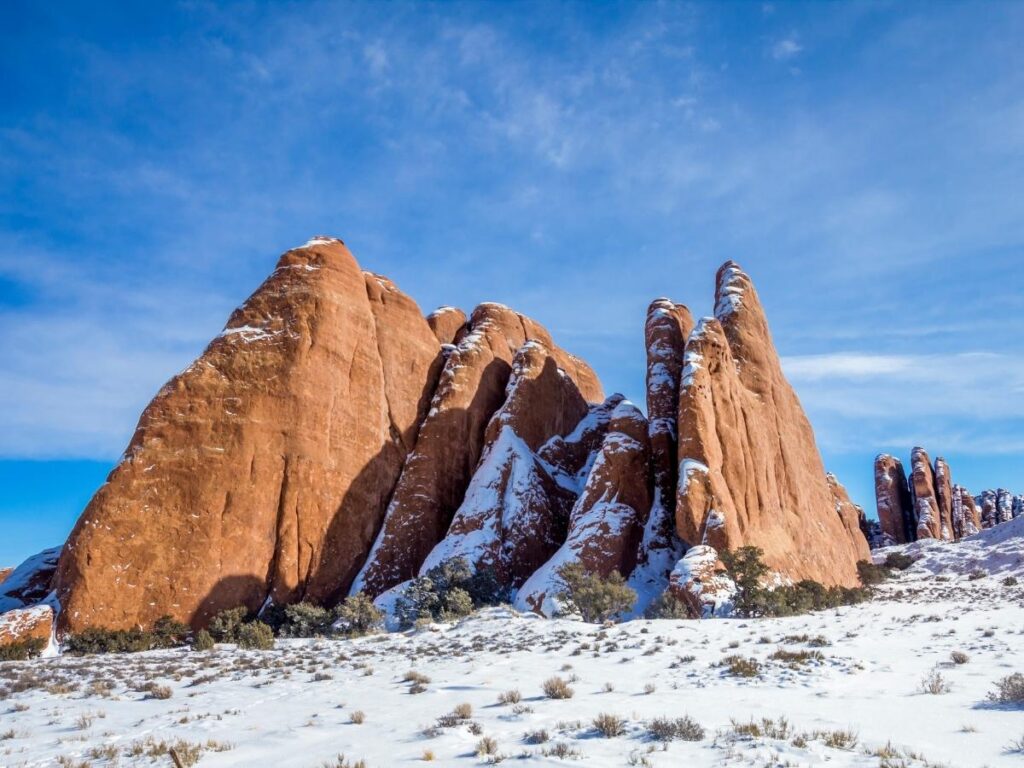
Spring and fall are the easiest seasons to recommend, especially if this is your first visit. In spring, the desert starts to warm up without tipping into that relentless heat yet. Days are comfortable enough for longer hikes, mornings feel crisp instead of cold, and evenings are perfect for scenic drives or sitting outside with dinner.
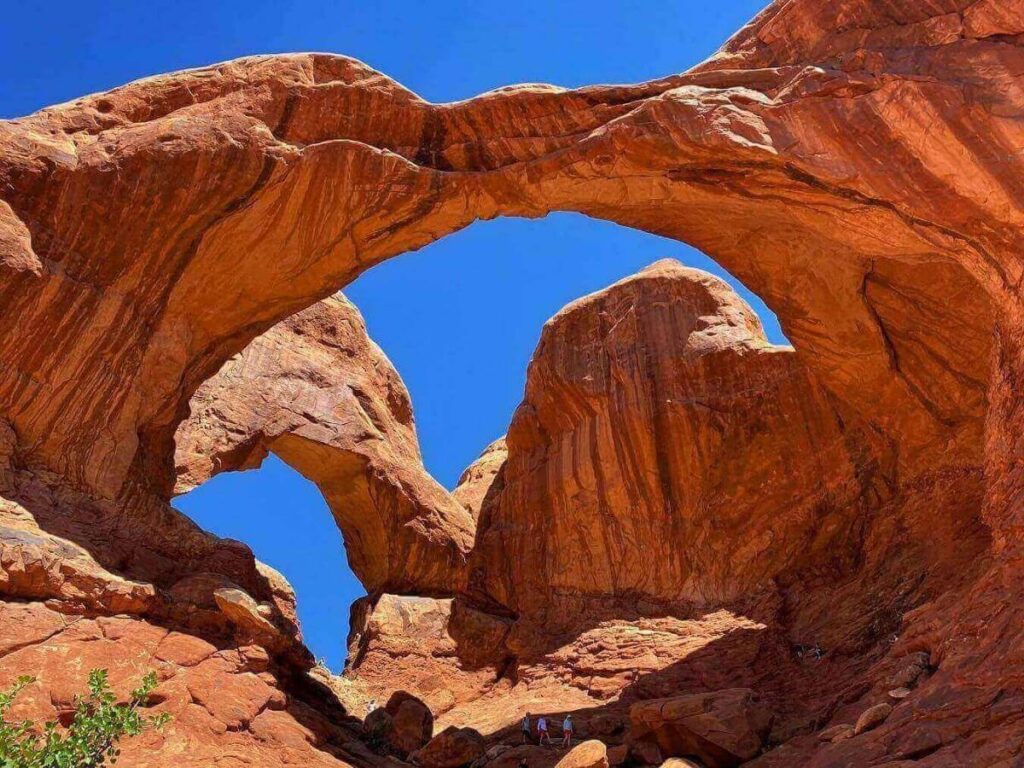
Fall has a similar rhythm, with slightly cooler nights and softer light that makes the red rock colors really stand out. These seasons also give you flexibility. You can hike mid morning, bike in the afternoon, and still have energy left for sunset viewpoints without feeling wiped out.
Summer in Moab is intense, but that doesn’t mean it’s off limits. It just requires a different approach. The heat builds quickly, and midday temperatures can feel punishing if you’re not prepared.
This is when early mornings matter most. Sunrise hikes become the norm, and many people plan their days around being done with physical activity by late morning. Afternoons are better spent on the river, driving scenic routes with air conditioning, or taking long breaks back in town.
The upside is that summer has long daylight hours and a lively atmosphere, with more tours, events, and open services. If you don’t mind adjusting your schedule, it can still be a great time to visit.
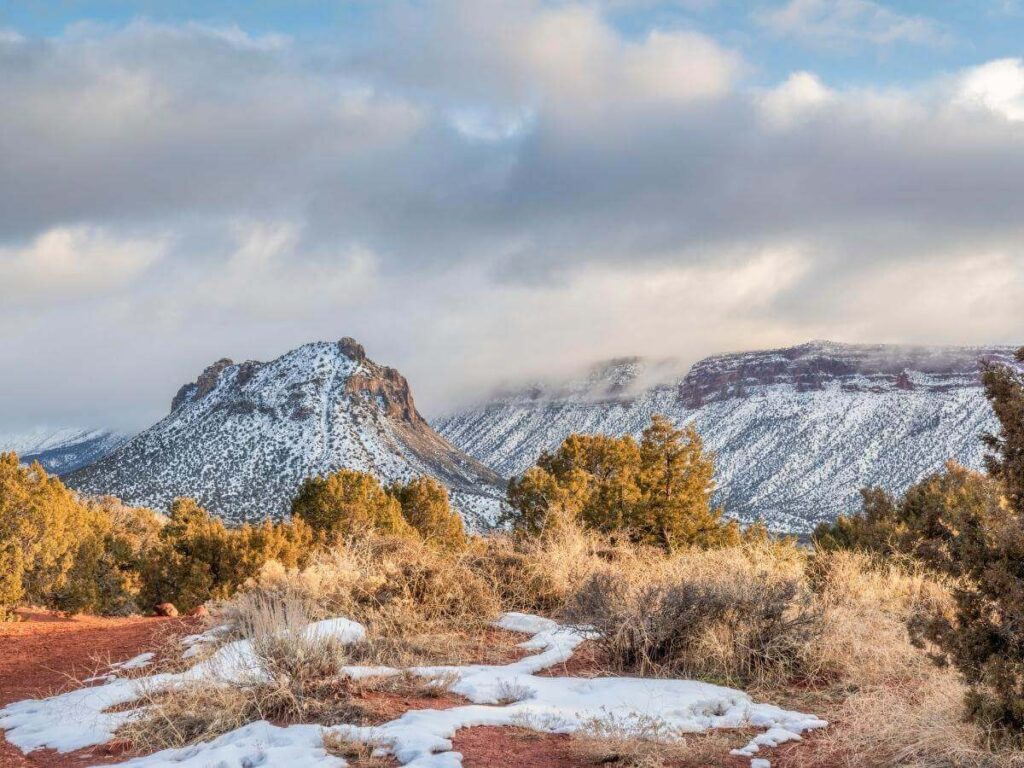
Winter surprises a lot of people, and in a good way. Crowds thin out dramatically, and the landscape feels quieter and more spacious. A light dusting of snow on the red rocks changes the whole mood, making familiar viewpoints feel new again.
Days are shorter and colder, and some higher elevation roads or trails can be icy, so flexibility is important. That said, winter is ideal if you enjoy solitude, photography, and slower exploration. You won’t do everything you would in peak season, but what you do experience often feels more personal.
If you’re trying to decide based on activities, think about what you’re most excited for. Long hikes and biking days are best in spring and fall. River time and scenic drives shine in summer. Quiet viewpoints and uncrowded trails belong to winter. Moab doesn’t have a single “perfect” season, but it rewards choosing the one that matches how you want your days to feel.
Practical Planning Before You Go
Moab may look small on a map, but it doesn’t feel especially close to anything once you’re there. That’s part of what makes it special, but it also means a little planning goes a long way.
Most people reach Moab by flying into either Grand Junction or Salt Lake City and driving the rest of the way. Both routes are scenic, but the final stretch into town is especially memorable.
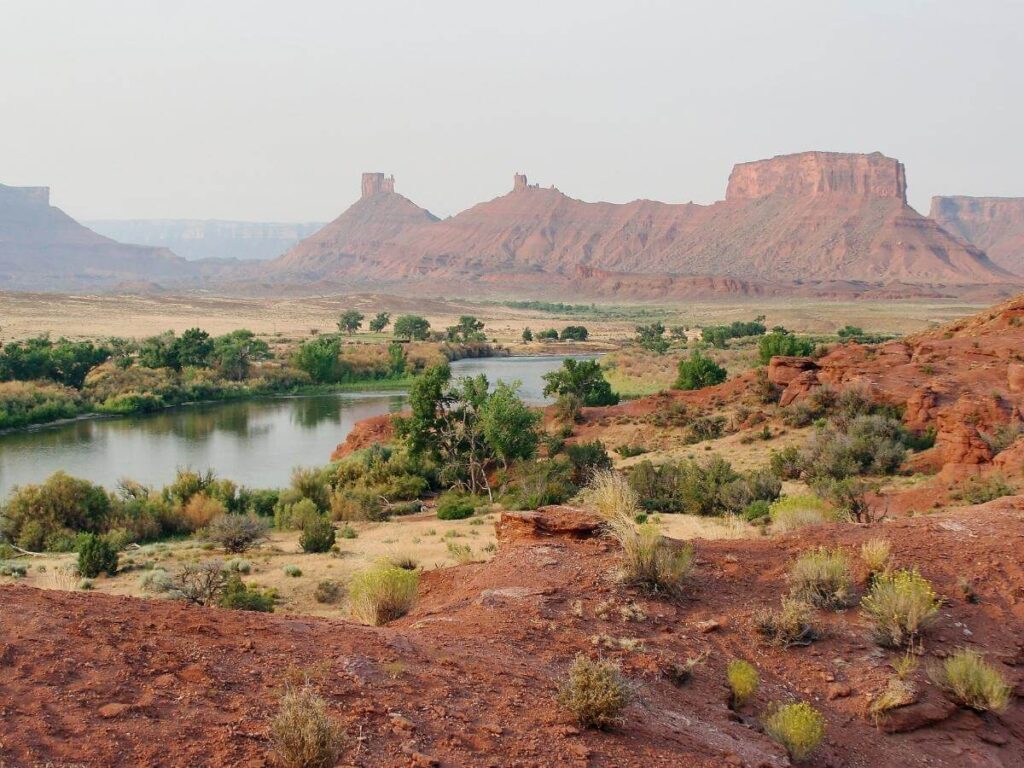
As the road drops closer to the Colorado River, the cliffs start closing in, and it feels like you’re being slowly pulled into the landscape rather than just arriving at a destination. It’s worth arriving in daylight if you can, just to take it all in.
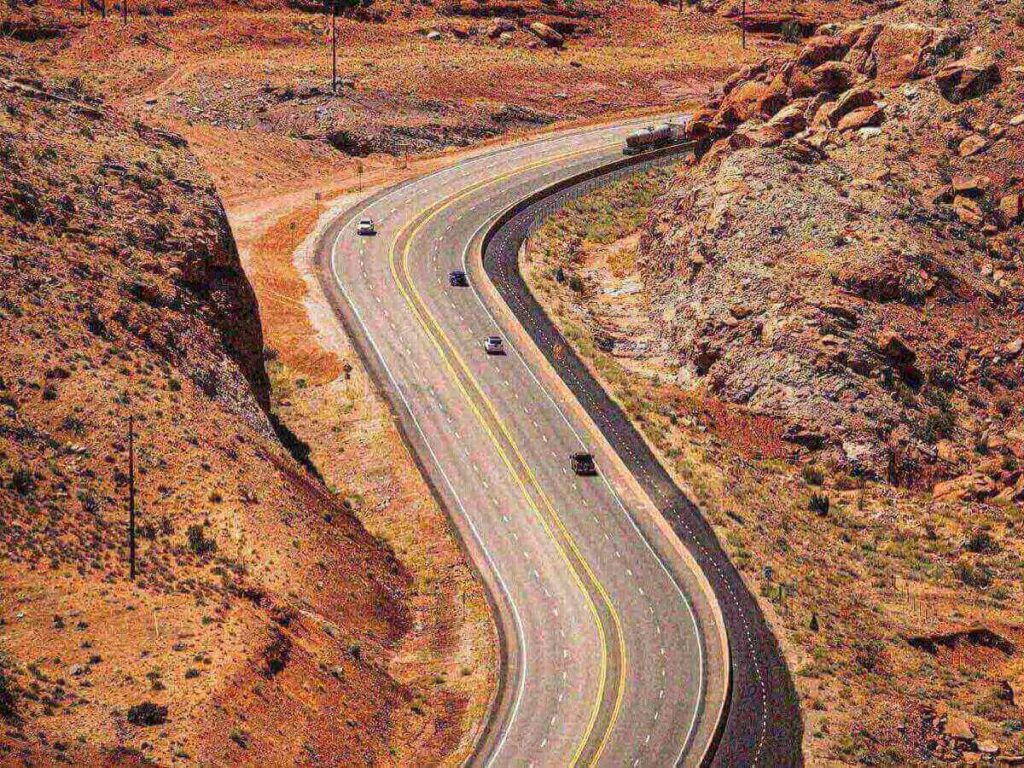
Once you’re in Moab, having a car makes everything easier. Even if your hotel is walkable to restaurants and shops, nearly all of the places you’ll want to explore sit outside town. Trailheads, park entrances, overlooks, and quieter corners are spread out, and public transportation isn’t really a thing here.
Before heading out for longer days, it’s smart to top off your gas tank. Distances add up faster than expected, and there aren’t many services once you leave town.
Water deserves its own mention. Always keep extra in the car, even on days that don’t feel particularly hot. The desert air pulls moisture out of you quietly, and it’s easy to underestimate how much you’re using up just walking around or driving between stops..
If you plan on visiting multiple national parks or state parks, the America the Beautiful pass is worth looking into. It covers entry fees at places like Arches and Canyonlands and can save money quickly if you’re visiting more than one site over a few days. Buying it ahead of time removes one more thing to think about when you arrive at a park entrance.
Packing for Moab is about balance. Layers matter more than you might expect. Mornings can start cool, afternoons heat up fast, and evenings drop again, especially outside of summer. Sun protection is non-negotiable, even in cooler months.
A hat, sunglasses, and sunscreen make long days outside much more comfortable. Comfortable shoes are essential too, even if you don’t plan on doing long hikes. Moab has a way of pulling you into “just one more walk” before you realize how much ground you’ve covered.
Overall, Moab rewards being prepared but not rigid. Have a loose plan, keep your days flexible, and give yourself room to change course if the weather or your energy level asks for it. That’s often when the best moments happen.
National Parks Near Moab
Arches National Park
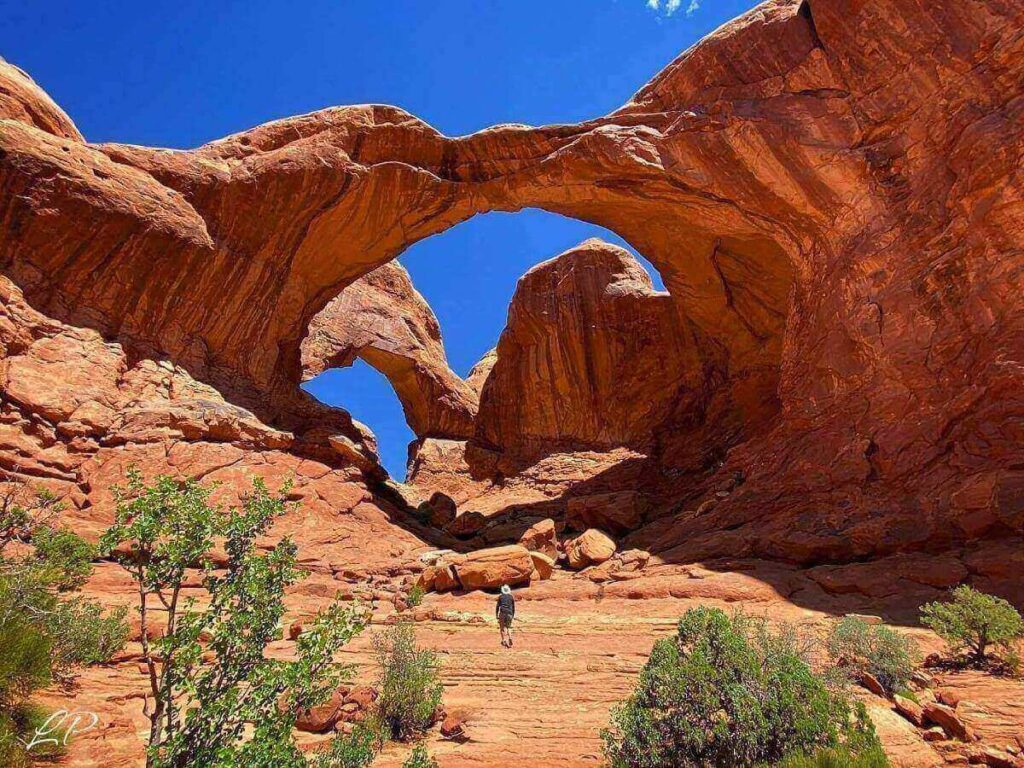
Arches is usually the first place people think of when they hear “Moab,” and once you’re there, it’s easy to see why. The landscape doesn’t feel chaotic or overwhelming. Instead, it feels oddly intentional, like the rock formations were placed with care rather than shaped by chance.
You can drive a short distance, pull over, and suddenly be standing in front of something that looks almost unreal.
Delicate Arch is the hike everyone talks about, and yes, it earns that attention. The trail is fairly straightforward but completely exposed, which means it feels harder in the heat than you might expect.
I’d recommend going early or late, not just for comfort but for the light. Near sunset, the arch takes on a warm glow that makes the entire effort feel worth it. It does get busy, though, so it helps to go in knowing you’ll be sharing the moment with others.
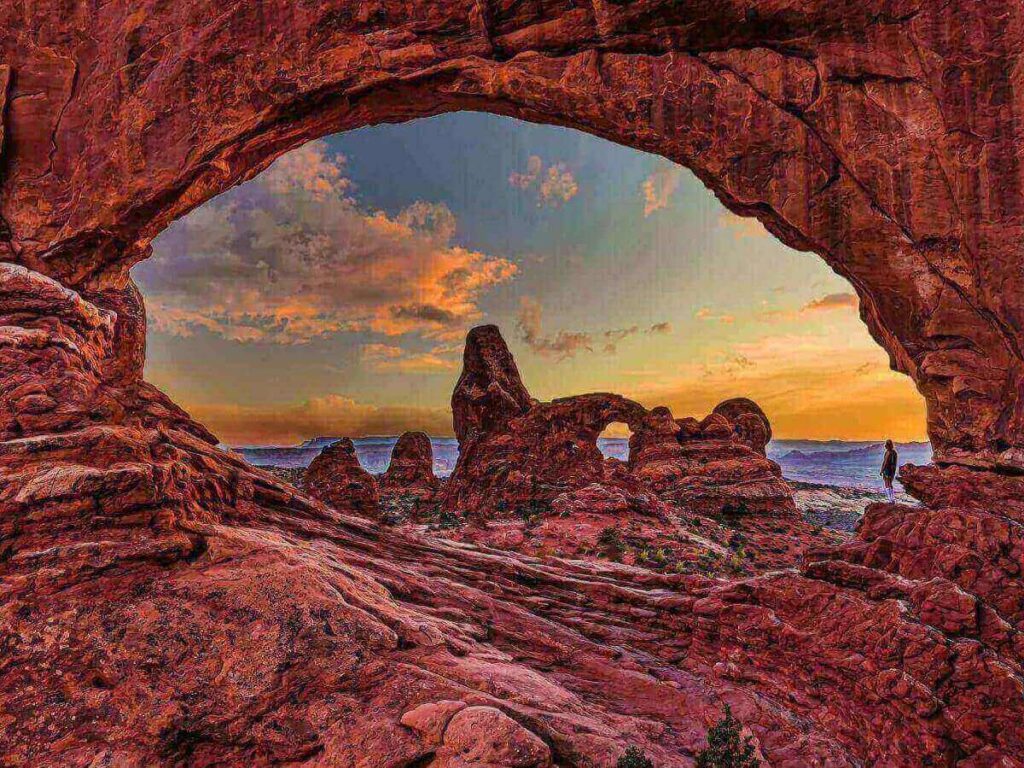
If you want something less demanding, the Windows Section is a great place to slow down. The walks are short, the views open up quickly, and you can see multiple arches without committing to a long hike.
Landscape Arch, in particular, made me stop longer than planned. Its thin span feels almost delicate, like it shouldn’t still be standing, and that fragility makes it strangely compelling.
One practical thing to know is that Arches often uses timed entry reservations during peak seasons. It’s not hard to plan around, but it’s important to check ahead. Showing up without realizing this can turn a great day into a frustrating one very quickly.
Canyonlands National Park
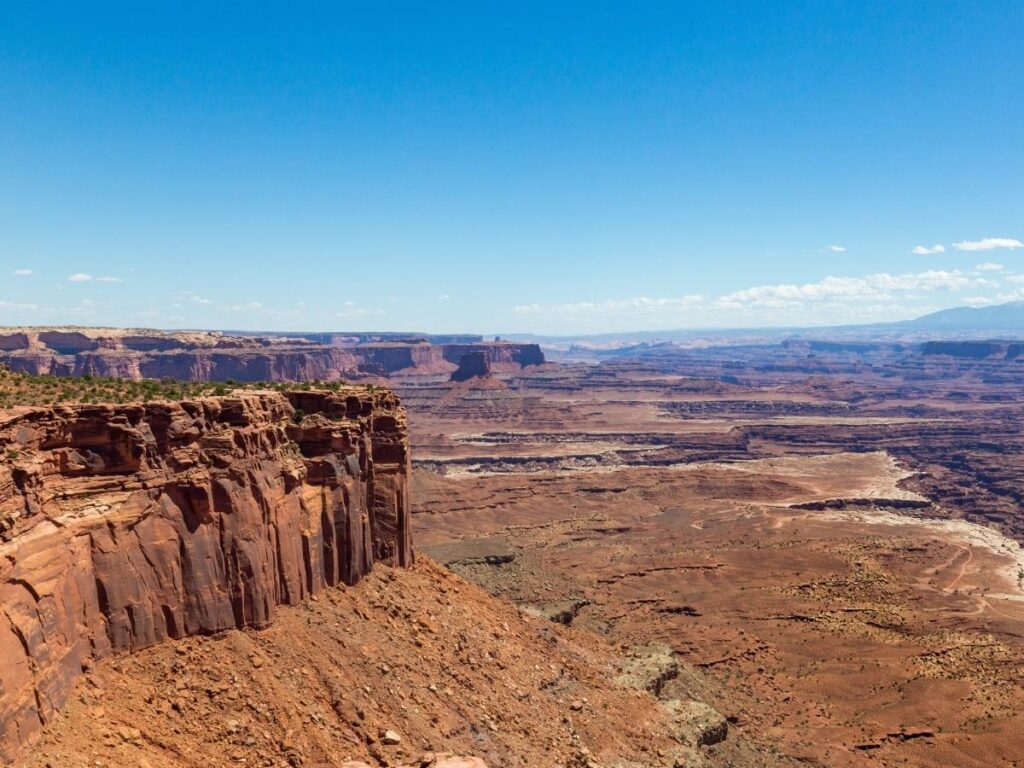
Canyonlands feels like Arches’ quieter, more expansive sibling. Where Arches focuses on individual formations, Canyonlands is all about scale. The Island in the Sky district is the easiest to access and gives you immediate, sweeping views that stretch far beyond what your eyes can fully take in.
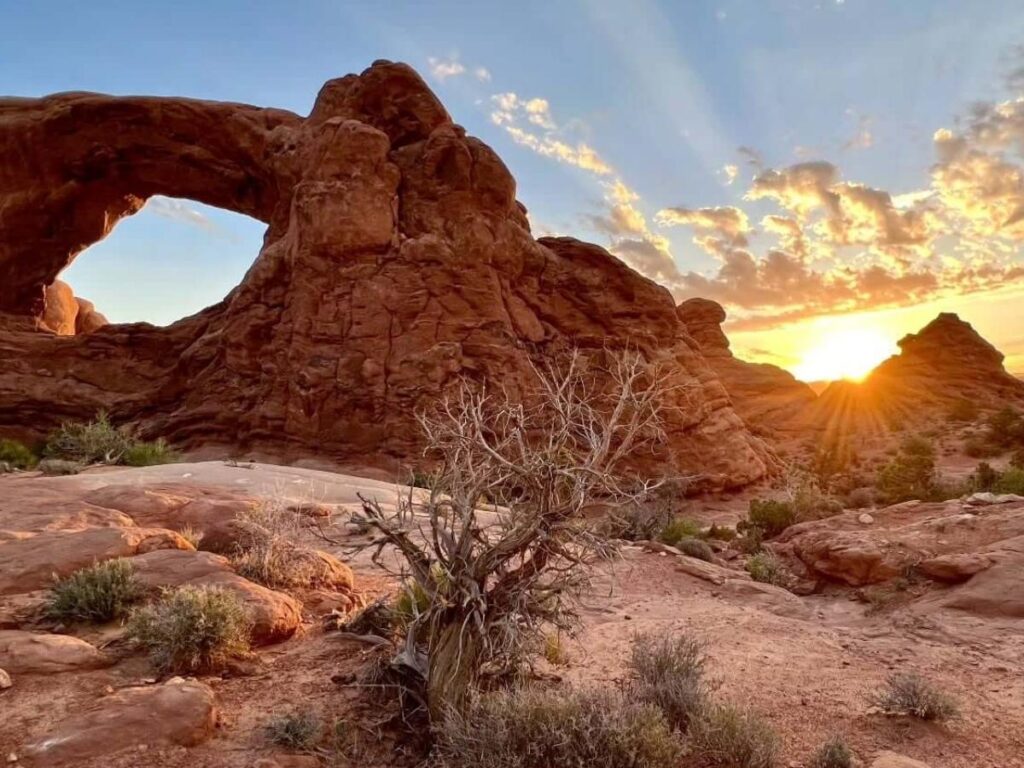
Mesa Arch at sunrise is famous, and standing there as the light changes, it’s easy to understand why. The arch frames the canyon perfectly, and the colors shift quickly, which makes the moment feel fleeting.
That popularity also means crowds, especially during peak travel months. If that doesn’t sound appealing, Grand View Point offers a similar sense of vastness with more room to breathe and linger.
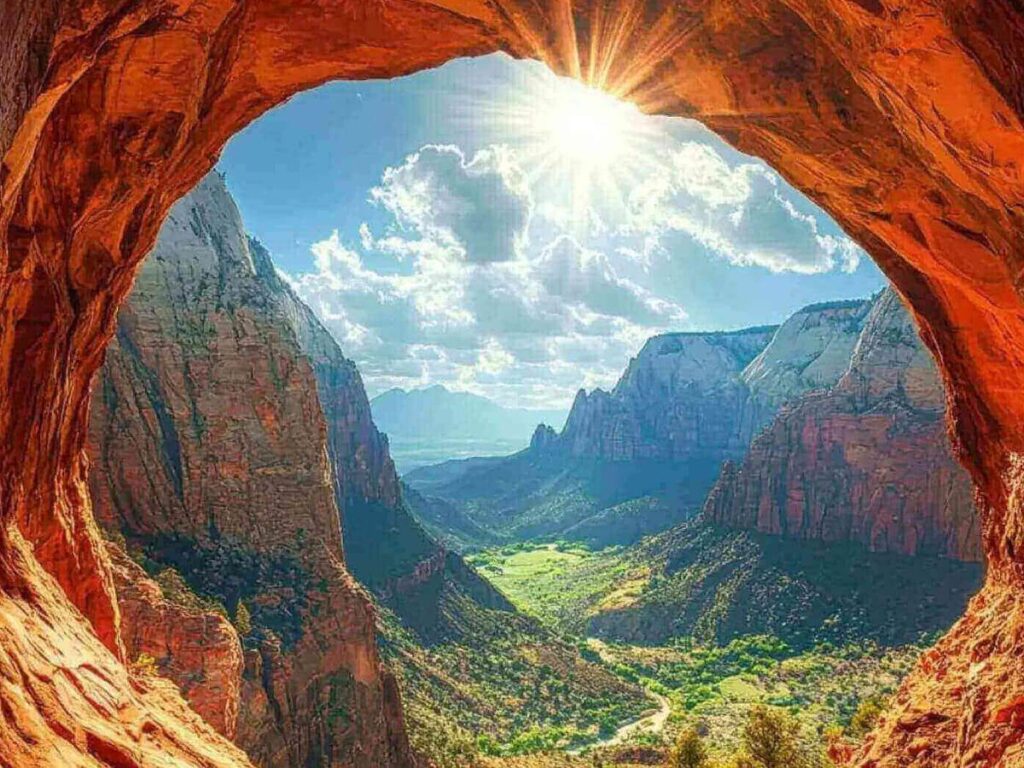
What stood out to me most about Canyonlands is how wild it feels, even close to the viewpoints. You don’t have to hike far to feel removed from everything.
Short walks still deliver that sense of distance and quiet, and there’s a humbling quality to standing there, realizing how small you are in such an enormous landscape. It’s the kind of place that encourages silence without asking for it.
Dead Horse Point State Park
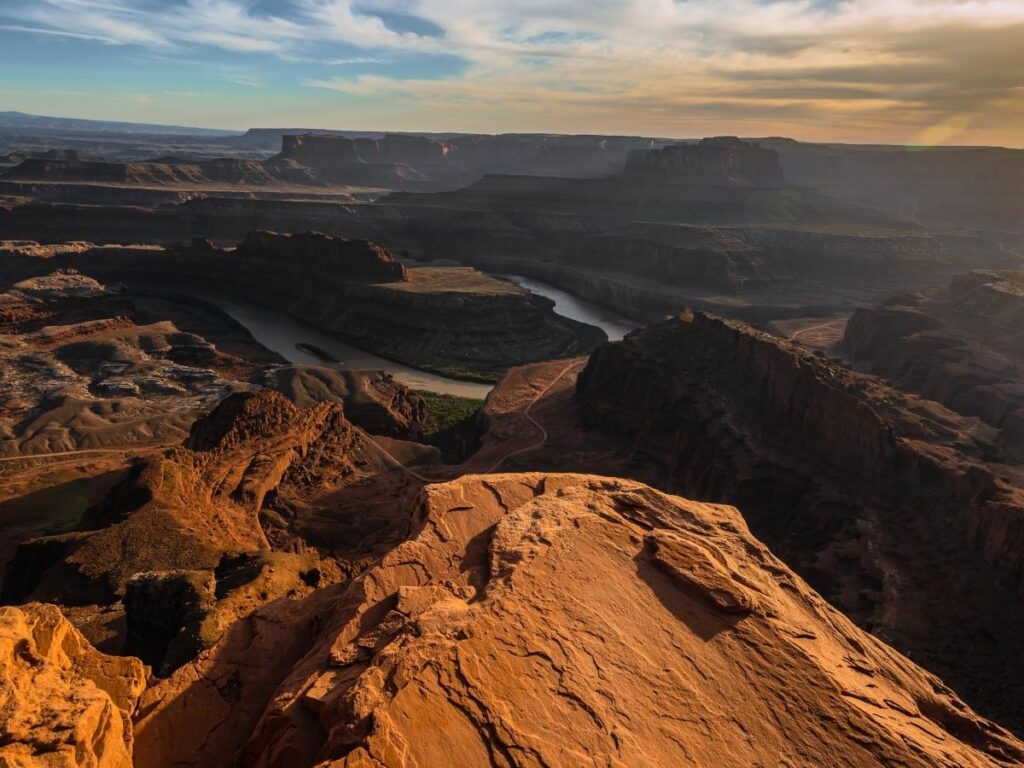
Dead Horse Point sits just outside Canyonlands, but it deserves its own stop rather than being treated as an afterthought. The overlook is one of the most dramatic in the area, with the Colorado River looping tightly below the cliffs in a way that feels almost sculptural.
What I love about Dead Horse Point is how accessible it is. You don’t need to hike far to get an incredible view, which makes it perfect for slower days or evenings when you’re low on energy. The paths are easy to follow, and the viewpoints feel thoughtfully placed.
Sunset here is especially memorable. The crowds thin out, the light softens, and the canyon slowly shifts color as the sun drops. It’s calm in a way that feels different from the national parks, less busy and more reflective. If you’re short on time or want a moment that doesn’t require much effort, this is one of the easiest ways to get a big payoff.
Water and River Experiences
The Colorado River shifts the pace of Moab in a noticeable way. After days of sun, dust, and red rock, being on the water feels like a reset. The air is cooler, the canyon walls feel closer, and everything slows down just enough to catch your breath.
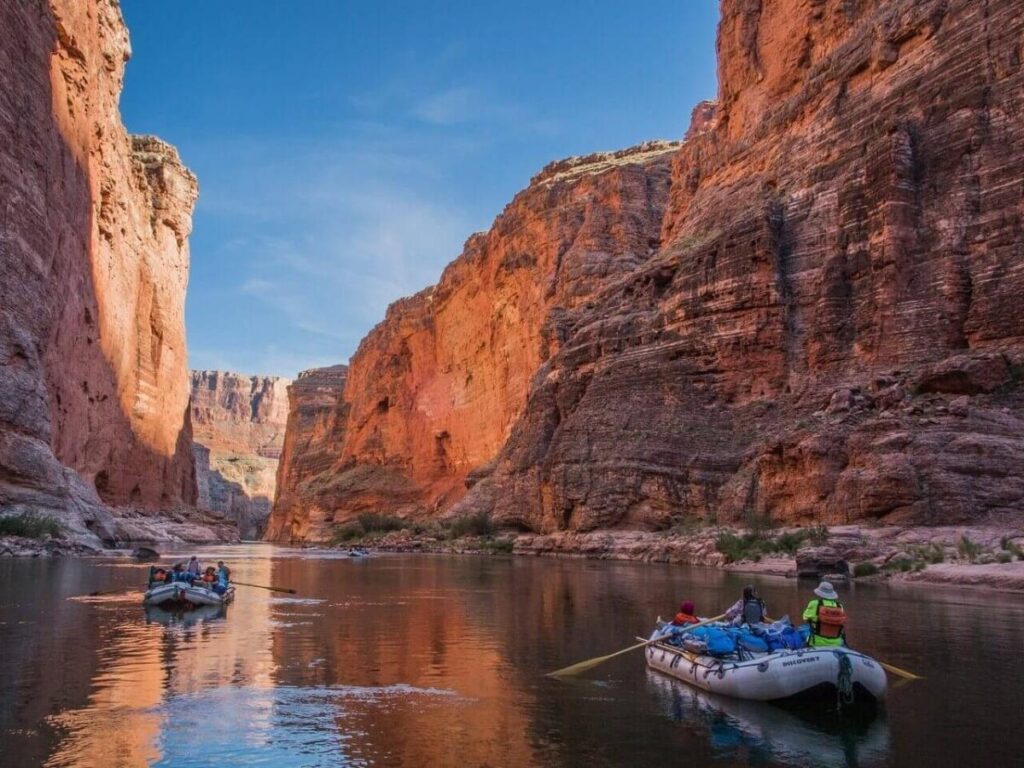
Rafting is the most common way to experience the river, with trips that range from calm scenic floats to more energetic runs with mild rapids. Some days are about drifting quietly past canyon walls and cottonwood trees, while others mix in splashes of excitement that keep things interesting without being overwhelming.
If you prefer something quieter and more self paced, paddle boarding and kayaking work well in calmer sections of the river. These are especially enjoyable in warmer months, when the water offers a break from the heat. Early mornings tend to be the most comfortable and least crowded, which makes a noticeable difference, especially in summer.
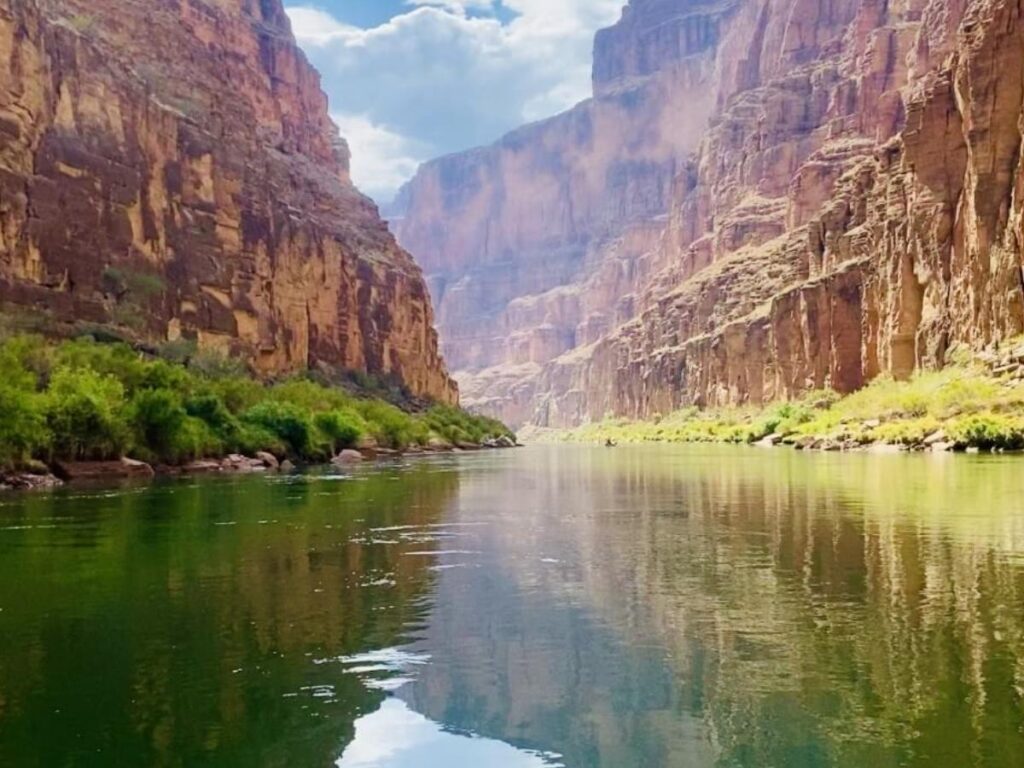
River time pairs well with everything else you do in Moab. It gives your body a break without pulling you away from the landscape, and it’s one of the easiest ways to experience a softer, more relaxed side of the area.
Off Road Trails and Scenic Drives
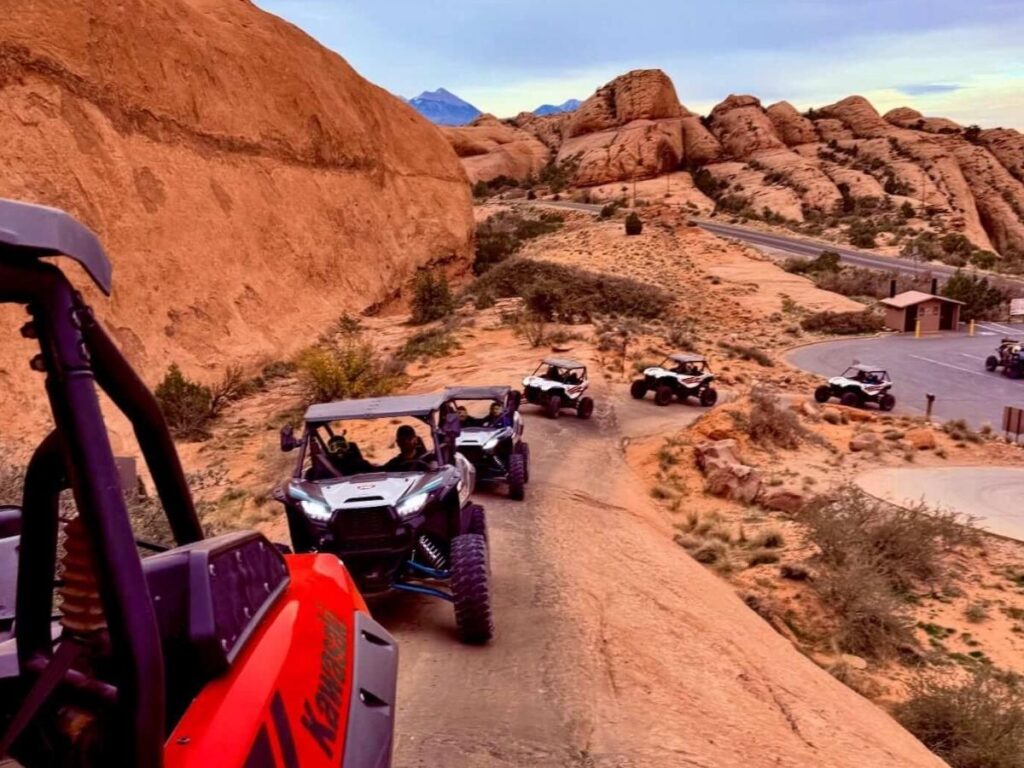
Off roading is a big part of Moab’s identity, but you don’t need to be an expert driver or have a tricked out vehicle to enjoy it. Guided Jeep and UTV tours are everywhere, and they’re a good option if you want access to rugged terrain without worrying about navigation, vehicle damage, or trail difficulty.
Having someone else drive also lets you actually look around instead of gripping the steering wheel the whole time.
Trails like Hell’s Revenge and Fins and Things are famous for their steep climbs and slickrock surfaces, and even watching vehicles tackle them can be impressive. These routes feel intense and technical, and they’re best left to experienced drivers or guided tours.
What surprised me, though, was how memorable the less extreme routes can be. You don’t have to push limits to get incredible views.
Shafer Trail is a great example of that. The road winds its way down through a series of dramatic switchbacks carved directly into the canyon walls. It’s not fast or flashy, but it sticks with you.
Every turn opens up a new angle on the landscape, and there’s a constant awareness of just how big everything around you is. It’s the kind of drive that makes you slow down naturally, both for the views and because it deserves your full attention.
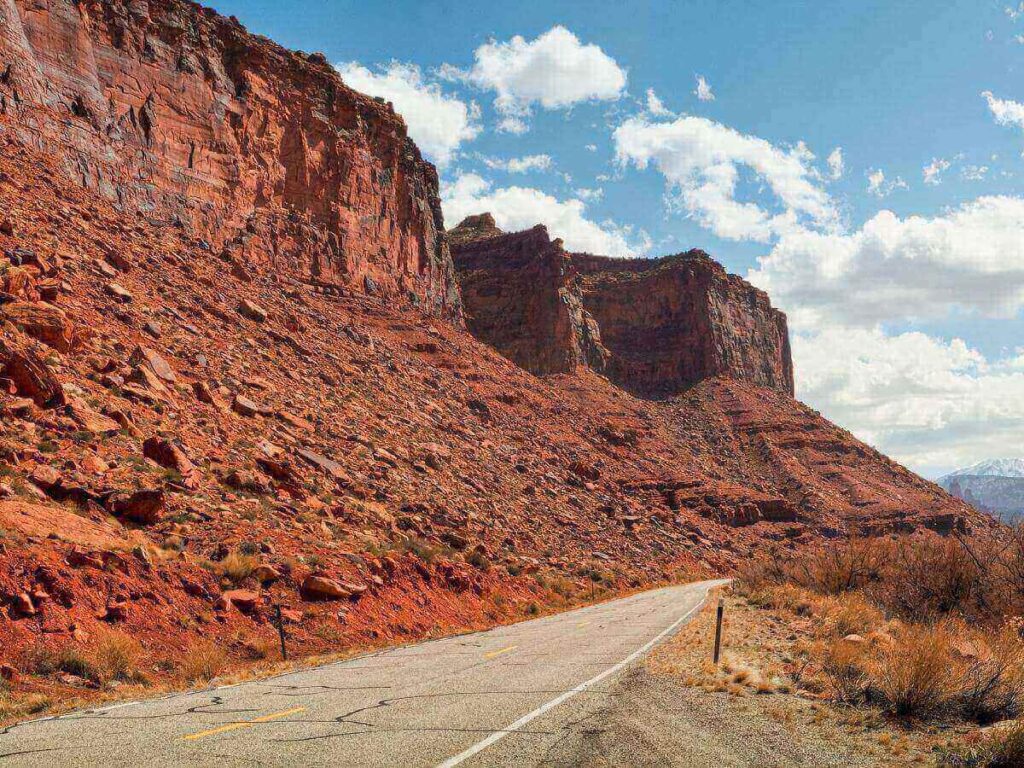
If you’re in the mood for something calmer, Utah Scenic Byway 128 is an easy win. The road hugs the Colorado River and feels completely different from the open desert drives around Moab.
Cliffs rise straight up from the water, the river stays in view for long stretches, and the whole drive has a quieter, more reflective feel. Late afternoon is especially nice, when the sun drops lower and the rock walls start glowing in warmer tones.
Off road routes and scenic drives work well as rest days or half days between hikes. They still give you that deep Moab experience without the physical effort, and they’re often where some of the most unexpected moments happen, like pulling over for a view you didn’t plan on stopping for and staying longer than you meant to.
Spending Time in Town
Moab is very much an outdoor town, but downtown plays an important supporting role in how the trip feels. After hours of sun, dust, and wide open landscapes, coming back into town feels grounding in a quiet way.
Downtown Moab is compact enough that you can wander without a plan, which is part of its charm. Main Street has an easy rhythm to it. People drift in after hikes, bikes are leaned against railings, and patios slowly fill as the temperature drops.
Evenings are when town really shines. Sitting outside with something casual to eat, watching the light fade off the cliffs in the distance, feels like a natural extension of the day rather than a separate activity.
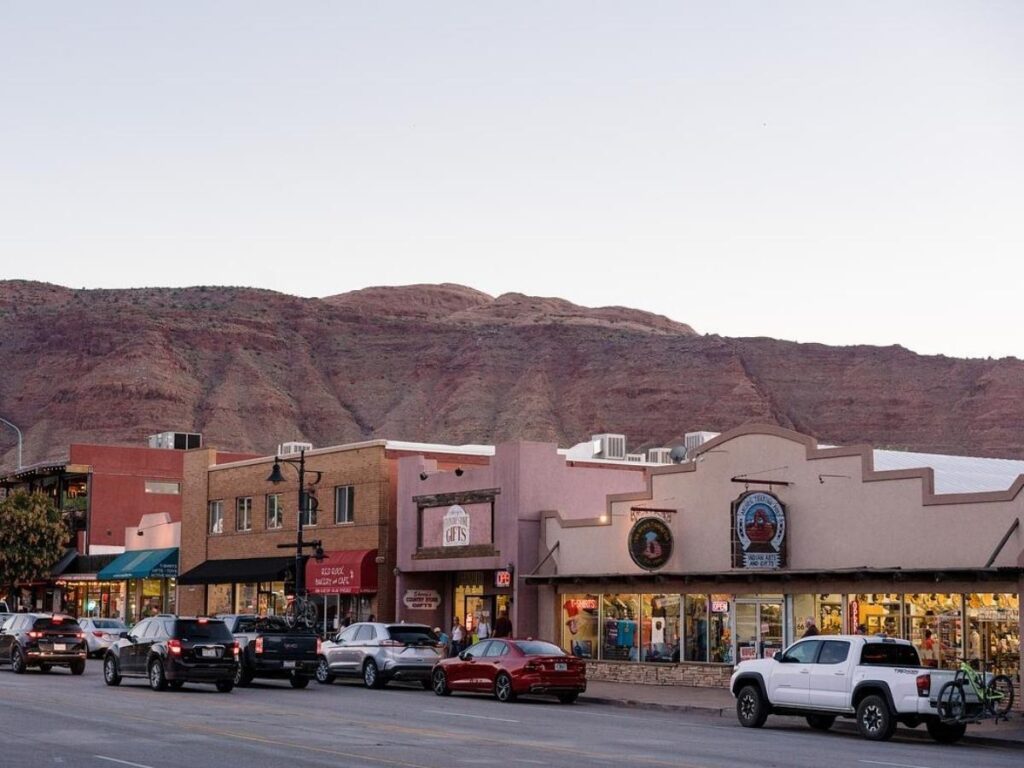
You don’t need reservations or anything fancy. Food trucks, low key restaurants, and local breweries make it easy to keep things relaxed and unhurried.
If you want a deeper understanding of what you’ve been seeing all day, the Moab Museum is worth an hour or two. It gives helpful context on the area’s geology, early settlers, and Indigenous history, which can quietly change how you look at the landscape afterward.
It’s especially nice to visit on a rest day or in the late afternoon when you don’t feel like squeezing in another hike.
Town time in Moab isn’t about checking boxes. It’s about easing out of adventure mode, rehydrating, eating well, and letting your body catch up with everything you’ve been doing.
1 , 3 , and 5 day itineraries
How I’d Spend 1 Day in Moab
With just one day in Moab, the goal isn’t to cover ground. It’s to get a feel for the place without leaving completely wiped out. Trying to cram in too much usually means spending more time in the car or watching the clock than actually enjoying where you are.
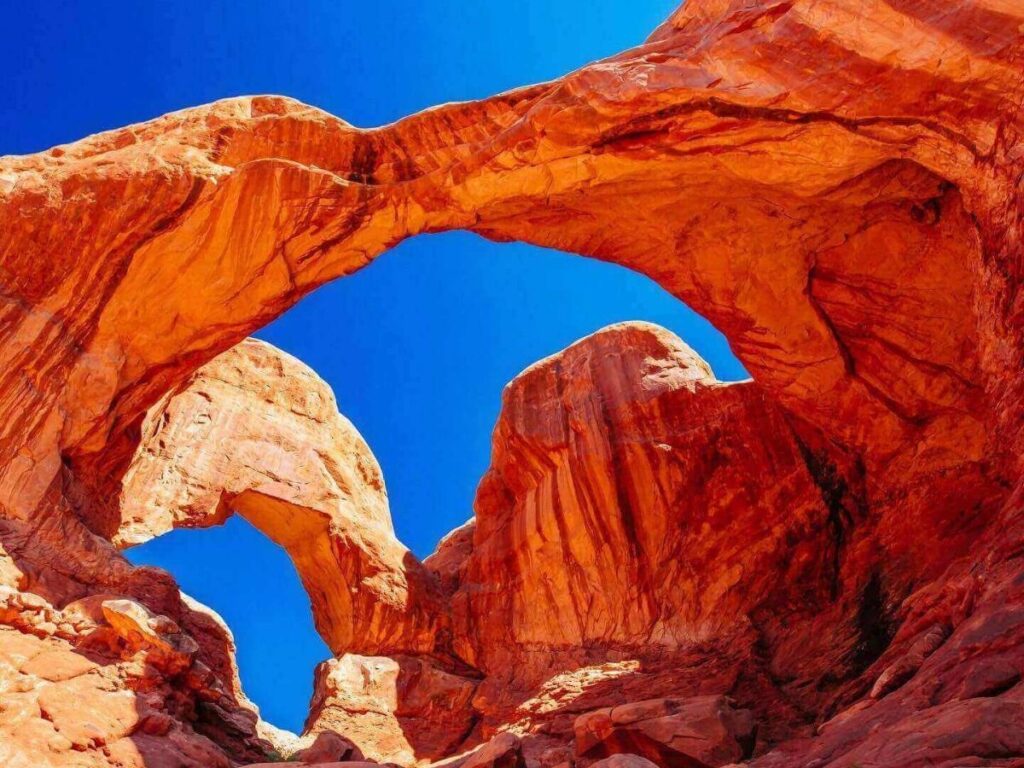
I’d start early and head straight into Arches National Park. Morning really matters here. The light is softer, the air is cooler, and the park feels calmer before the crowds settle in. Pick one main hike and let that be the anchor for the morning.
Delicate Arch is iconic if you’re up for it, but Landscape Arch and the Windows Section give you big views with less effort. What I wouldn’t do is try to see every viewpoint. Arches work better when you slow down and actually spend time in a few places.
By late morning or early afternoon, I’d intentionally shift gears. This is when the heat starts building, and it’s a good moment to stop hiking and let the landscape come to you. Utah Scenic Byway 128 along the Colorado River is perfect for this.
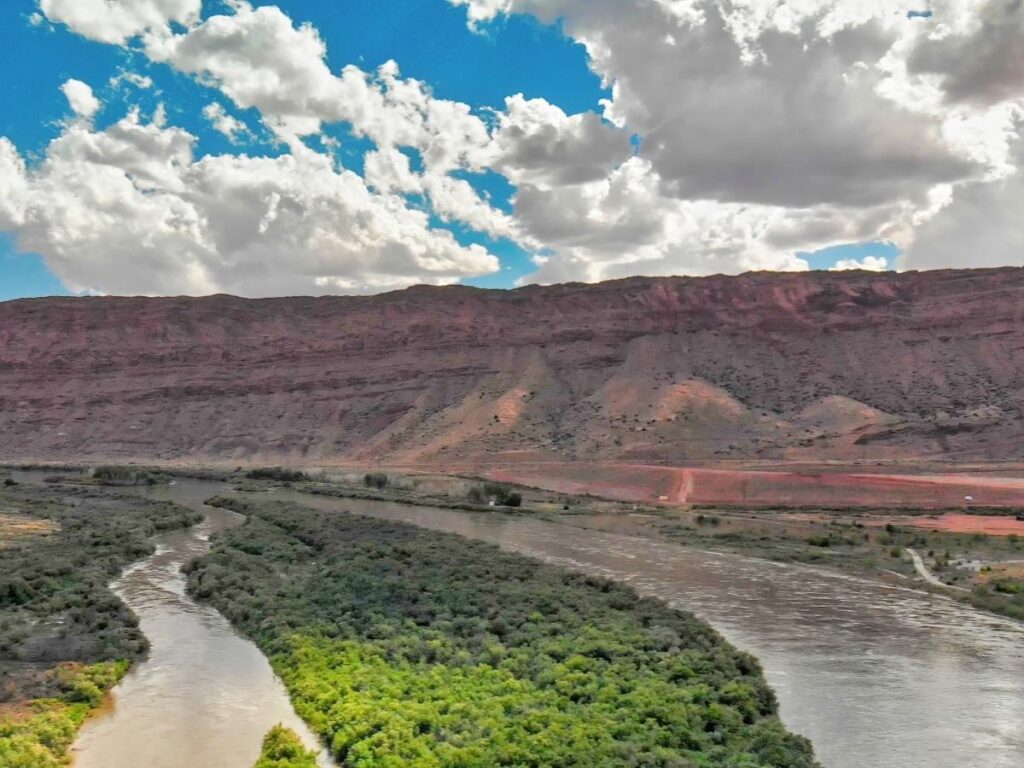
You’re still surrounded by canyon walls and water, but you’re not pushing your body anymore. Pull over when something catches your eye. Those unplanned stops often end up being the best part of the day.
As the light starts to soften again, I’d head toward Dead Horse Point State Park. It’s an easy, low effort way to end the day with a view that feels huge. After sunset, head back into town for dinner. Keep it simple. One good meal, a slow evening, and an early night goes a long way when you’re only here briefly.
How I’d Spend 3 Days in Moab
Three days is when Moab starts to feel balanced. You can see the highlights, but you also have space to rest, adjust plans, and let the days breathe a little.
Day 1: Arches + Town Evening
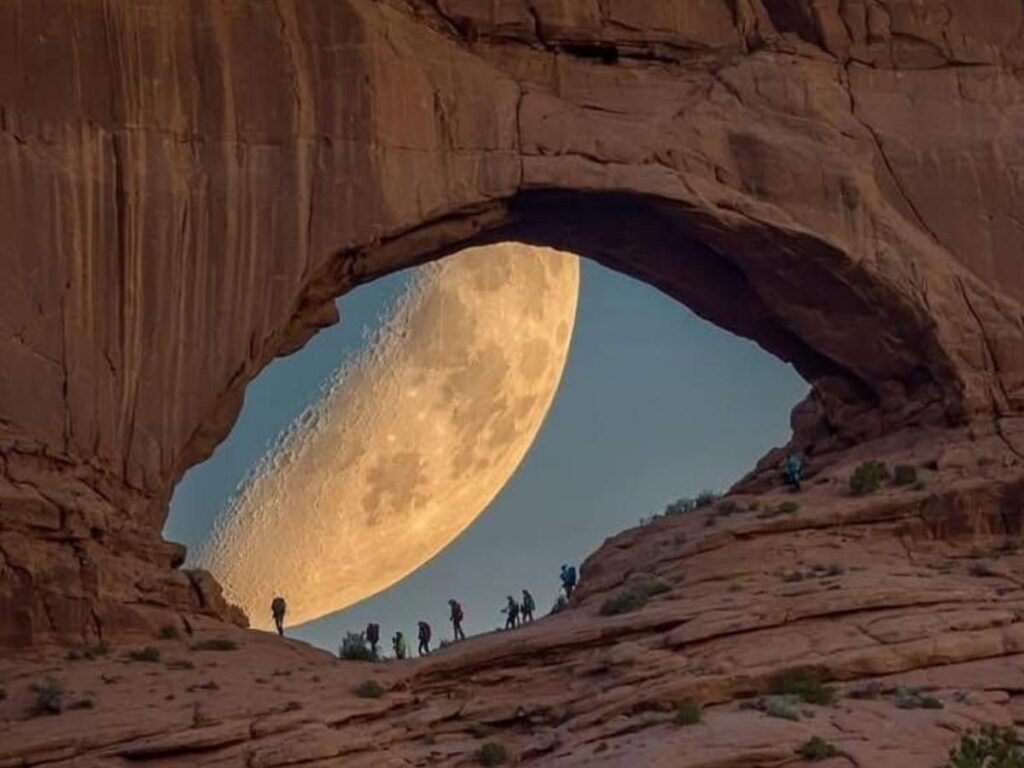
Start the trip with Arches National Park, again as early as possible. Give yourself the whole morning and don’t rush it. Choose a couple of hikes or viewpoints and actually linger instead of hopping from place to place.
In the afternoon, head back to town, hydrate, rest, and resist the urge to fill every hour. Spend the evening walking Main Street, eating somewhere casual, and getting to bed early. That reset makes the next two days feel much easier.
Day 2: Canyon Views + Scenic Driving
This day is all about scale. Head to Canyonlands National Park, focusing on the Island in the Sky district. Mesa Arch at sunrise is beautiful but busy, so if crowds aren’t your thing, Grand View Point offers just as much impact with more space to wander.
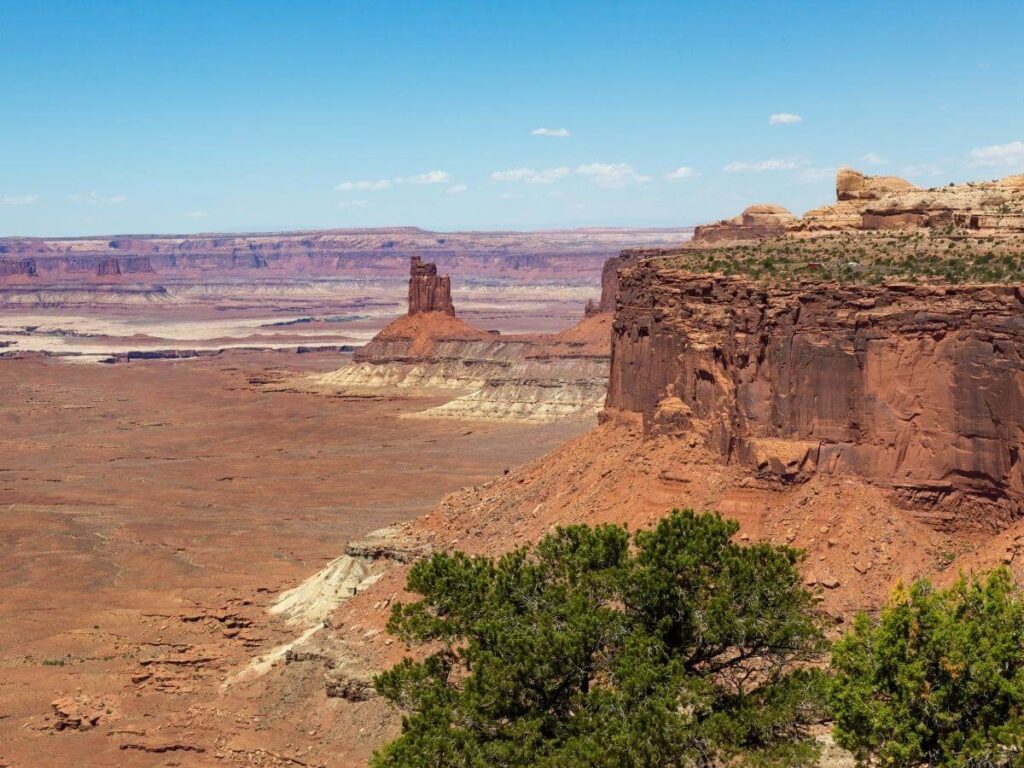
Canyonlands doesn’t require long hikes to be powerful. Short walks and overlooks are enough to feel the vastness. If you still have energy, pairing this with Dead Horse Point later in the day makes sense. The two parks complement each other without feeling repetitive.
Day 3: River or Off Road Experience
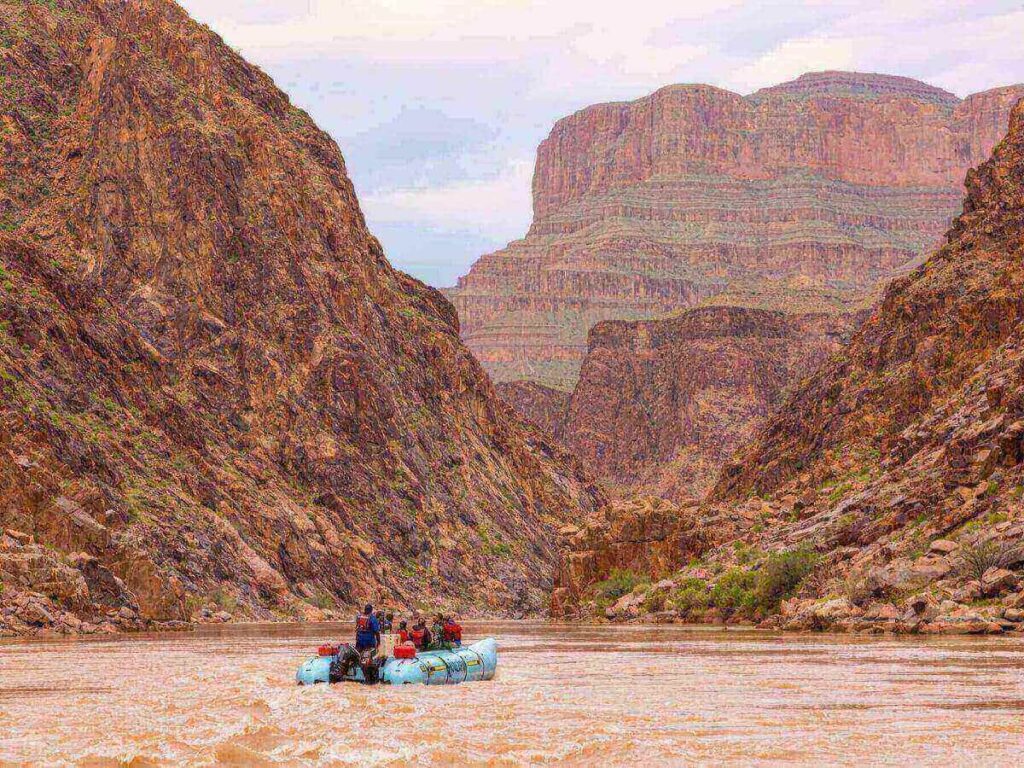
By day three, your legs usually appreciate a change of pace. A half day rafting trip or scenic river float is a great way to stay immersed in the landscape without more hiking. If water isn’t appealing, a guided off road tour or scenic drive works just as well.
This day tends to feel lighter and more playful, which is a nice way to close out a shorter trip. End with a slow evening in town, no agenda, just letting everything you’ve seen settle in.
How I’d Spend 5 Days in Moab
Five days is where Moab really comes into its own. You stop feeling like a visitor passing through and start moving at the same pace as the place itself.
Day 1: Easy Arrival + Scenic Drive
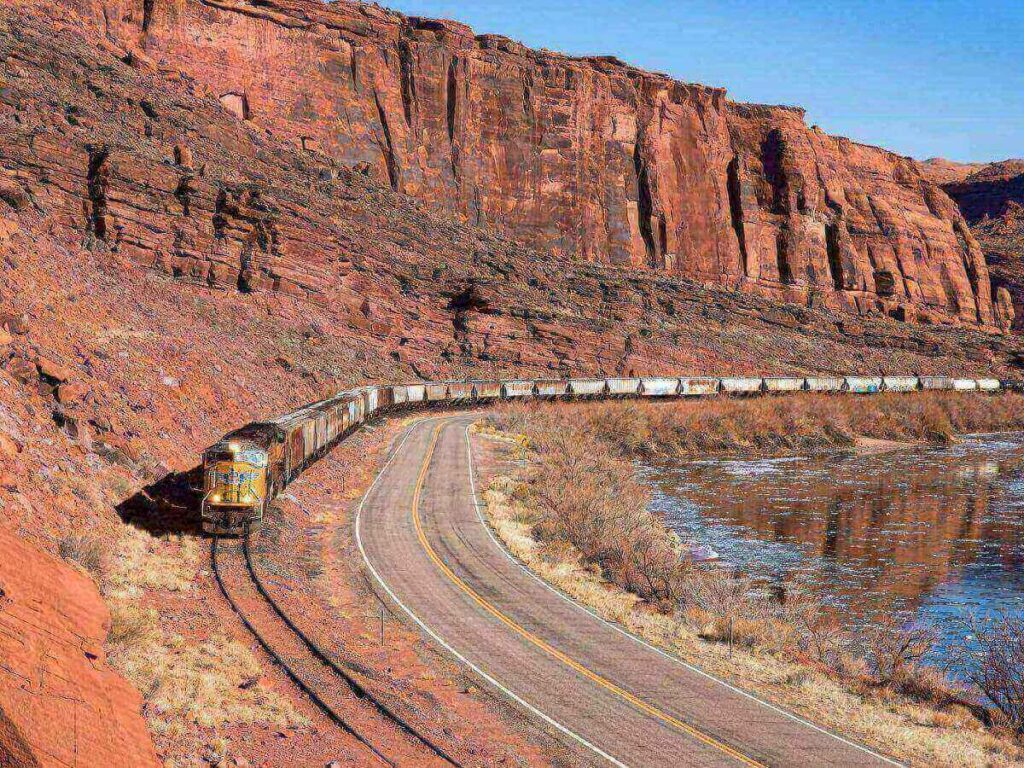
After arriving, I wouldn’t jump straight into hiking. Instead, I’d take a scenic drive along the river, stop at a few overlooks, and let the landscape ease you in. This keeps the first day from feeling rushed and sets a relaxed tone for the rest of the trip.
Day 2: Arches at a Comfortable Pace
This is your main Arches day, but without the pressure to do everything. Revisit a favorite area at a different time of day, choose one longer hike instead of multiple short ones, and build in an afternoon break back in town. Rest isn’t wasted time here, it’s what keeps the rest of the week enjoyable.
Day 3: Canyonlands + Dead Horse Point
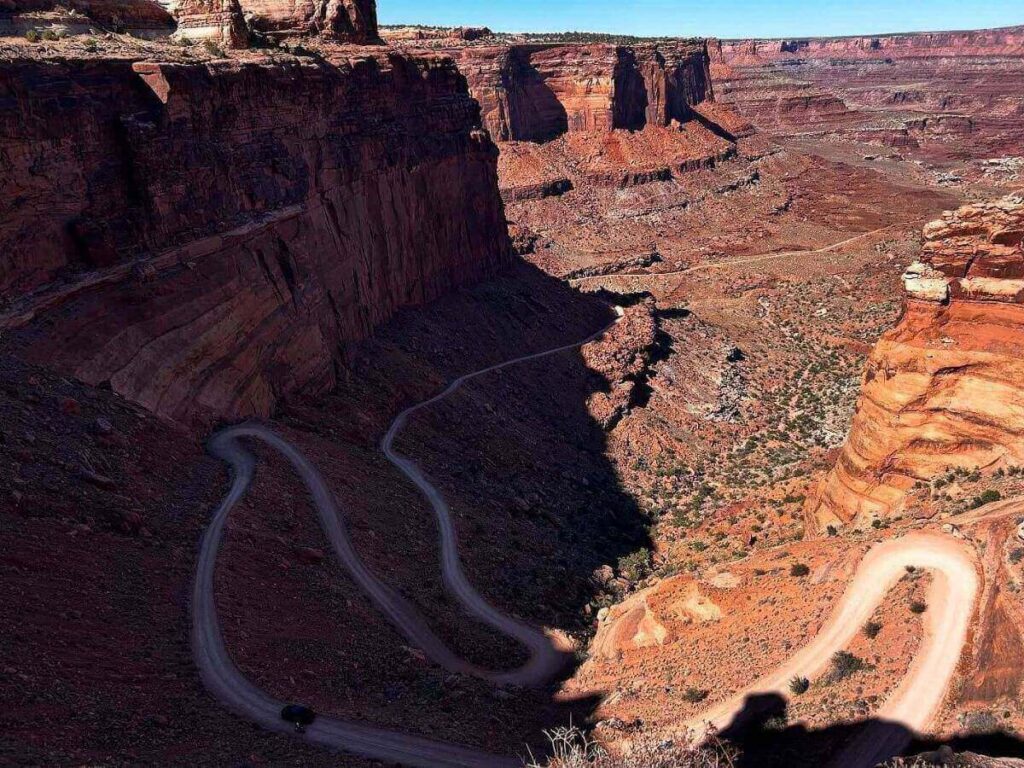
Spend the morning in Canyonlands, moving slowly between viewpoints and short walks. Later in the day, head to Dead Horse Point and let sunset be the focus. This day is less about movement and more about perspective, and it often ends up being one of the most visually memorable.
Day 4: Quieter Corners
This is the day that usually surprises people. Fisher Towers, Castle Valley, dinosaur tracks, or rock art sites like Courthouse Wash don’t require rushing or long plans. You wander, you stop when something feels interesting, and you move on when you’re ready.
These quieter places tend to feel more personal and are often what people remember most vividly afterward.
Day 5: River Time or Adventure Day
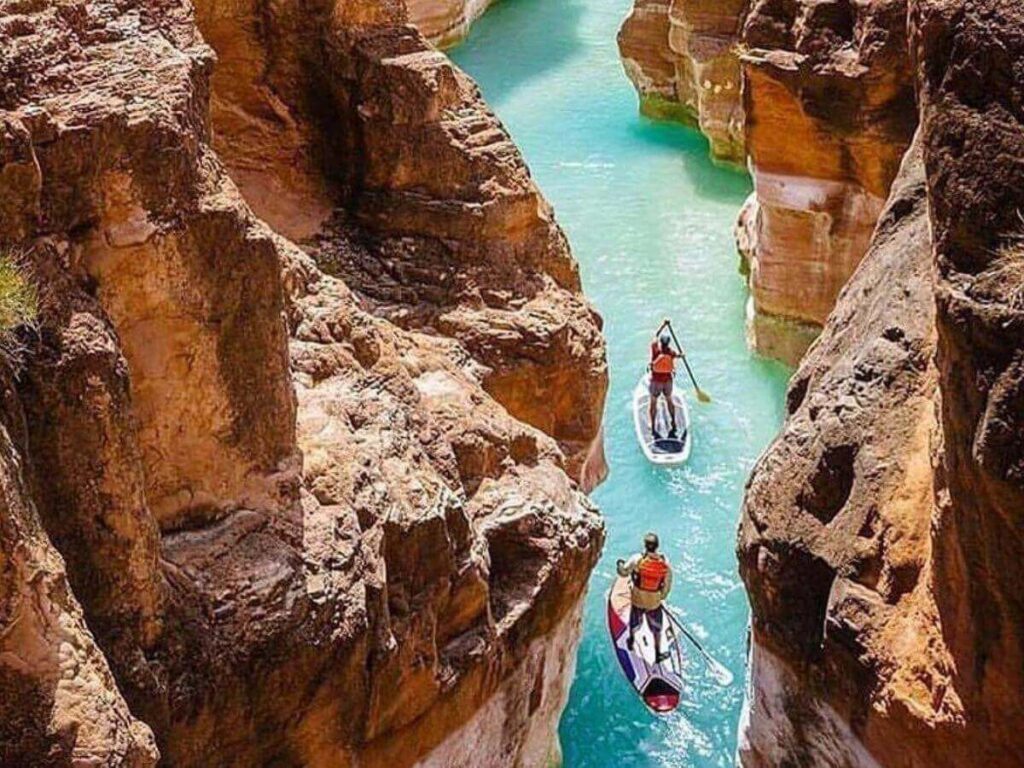
Wrap things up with something different from everything else you’ve done. A rafting trip, paddle boarding, or even a sunrise hot air balloon ride offers a final shift in perspective. End the trip with a relaxed dinner in town and no early alarms. Leaving Moab slowly feels like the right way to say goodbye.
Safety, Etiquette, and Respect for the Landscape
Moab’s landscape is striking, but it’s also easy to underestimate. Heat, sun, and distance combine quickly, especially if you’re used to cooler or more shaded places. Carrying plenty of water isn’t optional here. Even short walks can feel more tiring than expected, and dehydration can sneak up on you in the dry desert air.
Starting early makes a noticeable difference. Mornings are cooler, trails are quieter, and everything feels more manageable. If the heat builds or your energy dips, turning back is the smart choice. Moab isn’t going anywhere, and pushing too hard rarely leads to a better experience.
Cell service becomes unreliable once you leave town, particularly inside the parks and on scenic drives. Letting someone know your plans, downloading maps ahead of time, and keeping a paper map in the car can make a real difference if something unexpected comes up.
Respecting the landscape matters just as much as staying safe. Stick to established trails to protect fragile soil and plants, pack out everything you bring with you, and treat cultural and historical sites with care. Rock art, ruins, and fossil areas are part of a long history and deserve more than a quick photo and a touch.
Small choices add up here. Treating the land thoughtfully helps keep Moab the way it is, both for future visitors and for the people who live here.
Final Thoughts
Moab doesn’t reward rushing. It’s not a place that fits neatly into a checklist, and some of the best moments come when plans loosen. A spontaneous pull off, lingering at a viewpoint, or calling it a day early often ends up being what you remember most.
Whether you come for the parks, the adventure, or the space, Moab meets you where you are. You can move fast or take it slow, and it still works. The more room you leave for the trip to unfold naturally, the more Moab tends to give back.