
When I first planned a trip to Park City, I really thought I knew what I was signing up for. Ski days, après ski drinks, and one slow walk down Main Street to browse shops and call it a day. It felt like one of those places you visit for a specific reason, during a specific season, and that’s it.
But once I actually spent time there, that assumption fell apart pretty quickly.
What surprised me most was how layered Park City feels when you’re not rushing between chairlifts. Yes, skiing is a huge part of its identity, and it does that extremely well. But outside of winter, and even alongside it, there’s a rhythm here that feels calmer and more grounded than I expected.
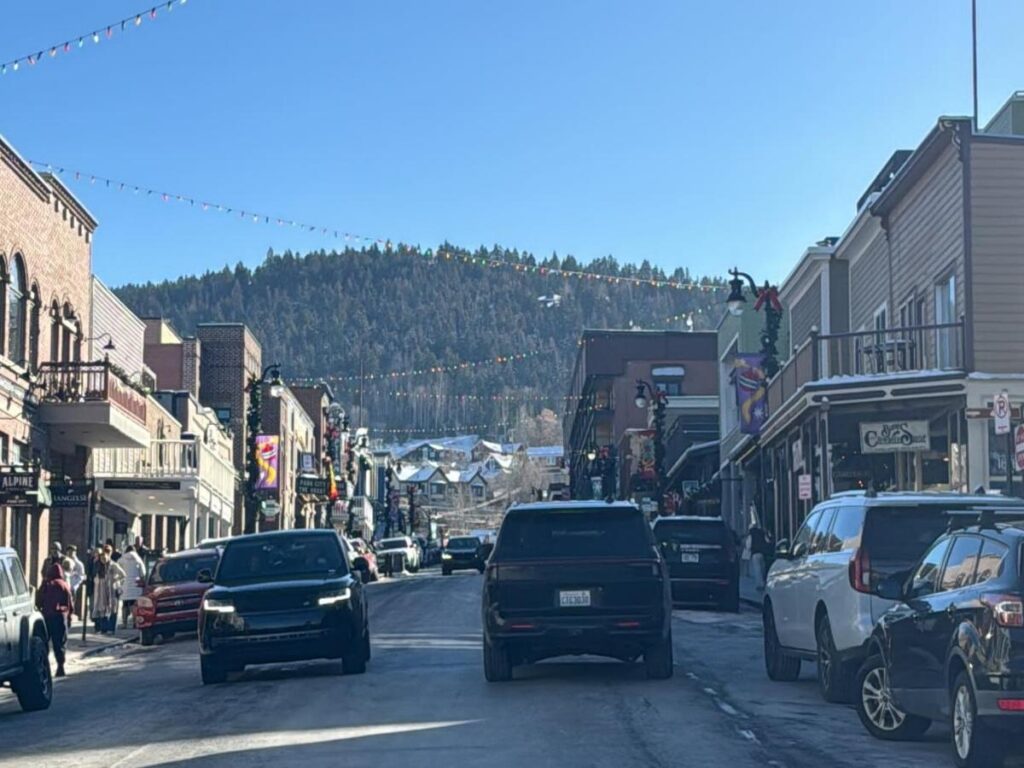
Mornings start slowly with coffee and mountain air. Afternoons might mean a hike, a scenic lift ride, or wandering through town with no real agenda. Evenings lean toward good food and quiet conversations rather than loud nightlife, unless you’re specifically looking for it.
It also doesn’t feel like a town that’s trying to impress you. The history is just there, in the old mining buildings and museums. The food scene is confident without being showy. And the outdoor access feels built into daily life rather than packaged as an attraction.
That combination made Park City feel less like a resort I was visiting and more like a place I could settle into, even for a short trip.
Whether you’re coming during peak snow season, planning a summer escape into the mountains, or visiting in one of the quieter shoulder seasons, Park City adapts easily to how you want to travel. You can fill your days with activity, or you can slow things down and still feel like the trip was worth it.
This guide focuses on the things that stood out to me the most, the experiences that felt genuinely enjoyable, and how I’d plan your time here if you were visiting for the first time and wanted more than just a checklist.
If you want, I can also rewrite other sections in this same more relaxed, human tone so the whole article feels consistent.
Quick Travel Planning Essentials
Best Time to Visit Park City
Park City feels like a different place depending on when you visit, and that’s honestly one of the reasons it works so well as a year round destination.
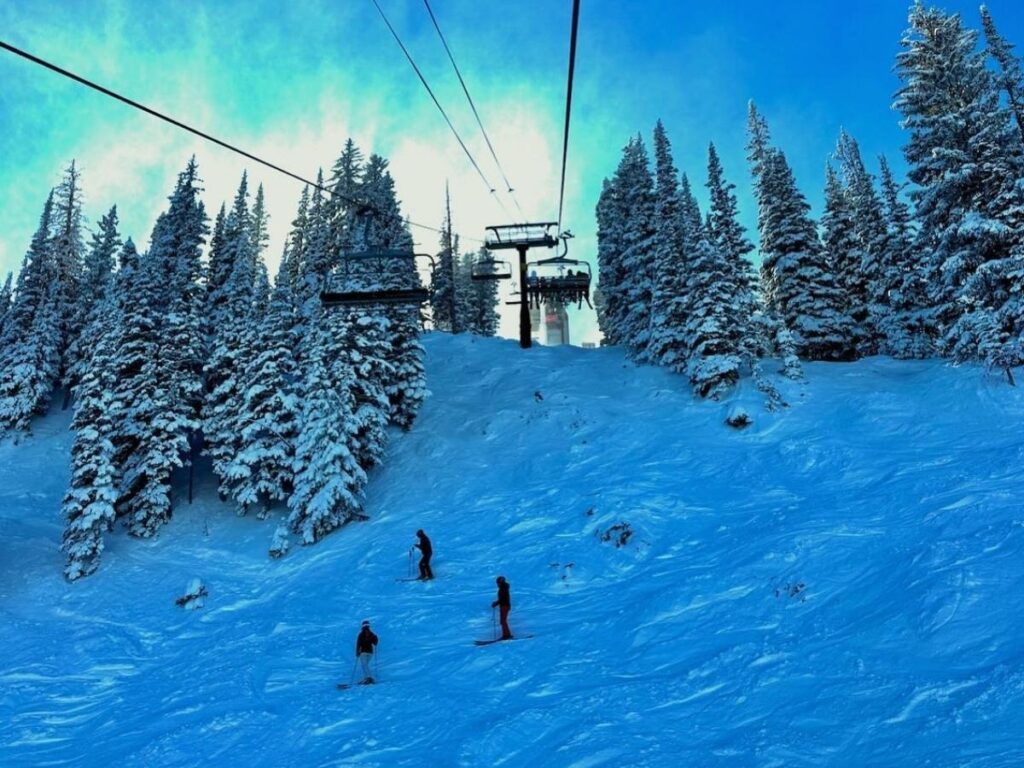
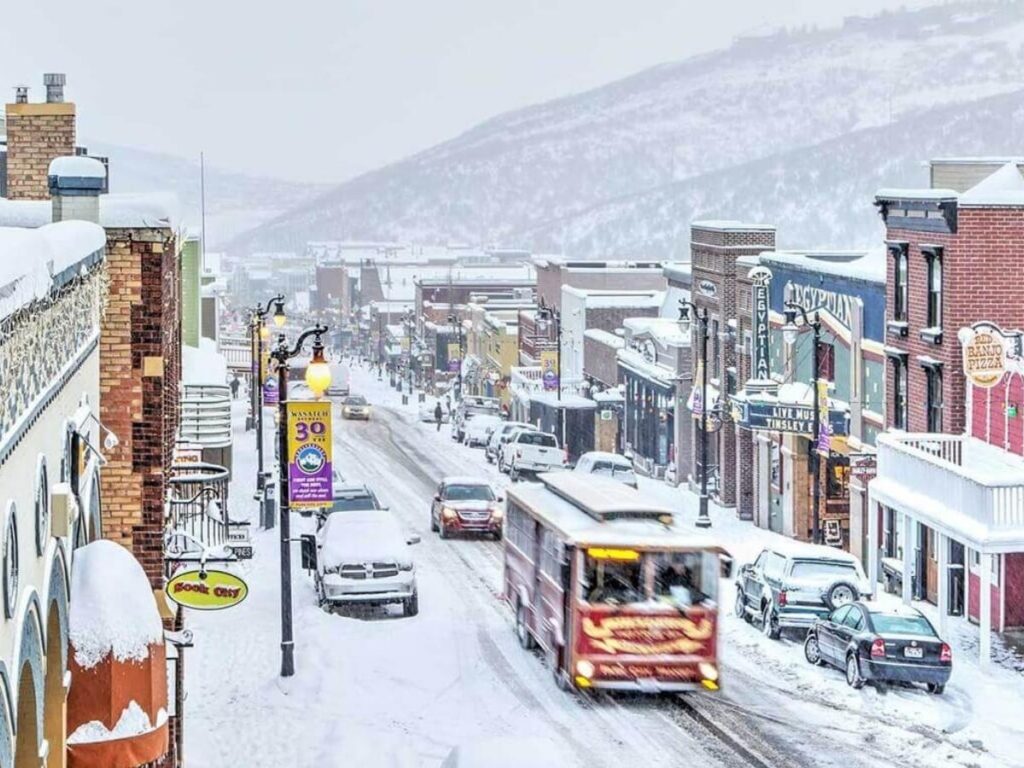
Winter, from about December through March, is when the town is at its most energetic. The snow is reliable, the ski runs are in full swing, and everything feels built around the rhythm of the slopes.
Restaurants stay busy, après ski culture is very real, and the town has that cozy, winter mountain atmosphere people picture when they think of Park City. If skiing or snowboarding is high on your list, winter is worth the crowds and higher prices.
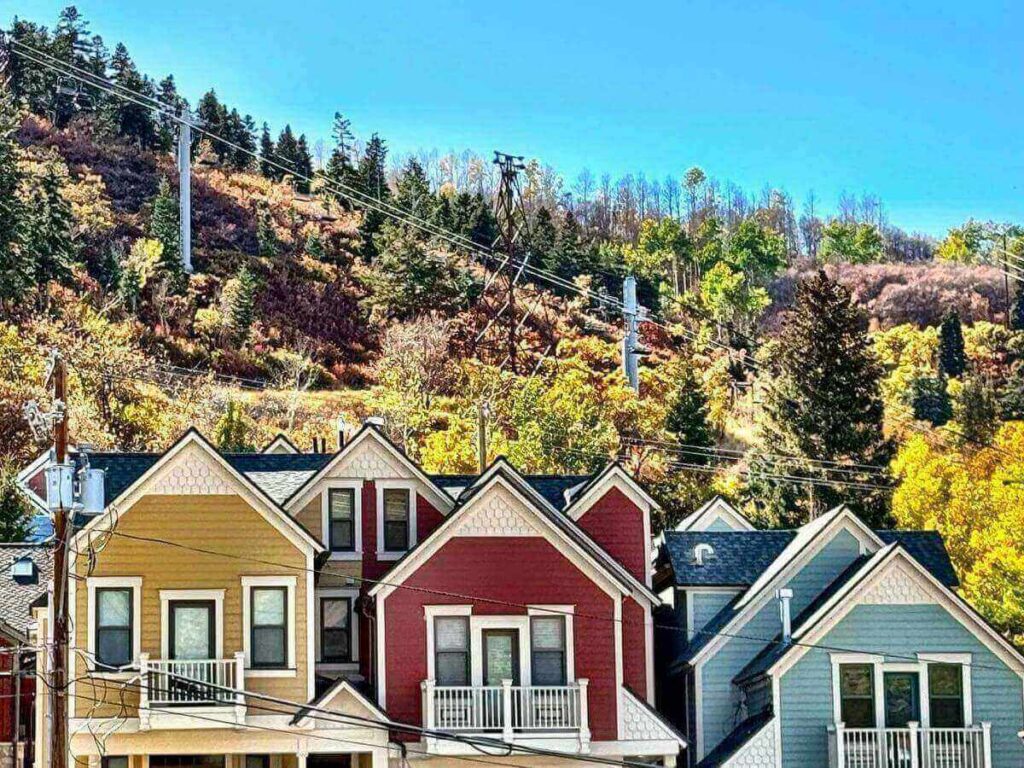
Summer, on the other hand, surprised me in the best way. From June through September, Park City feels more open and relaxed. The mountains turn green, trails fill with hikers and bikers instead of skiers, and chairlifts shift from ski access to scenic rides.
Days feel longer, the pace slows down, and it’s easier to explore without planning every detail in advance. If you like being outdoors but don’t need snow, summer feels easier and more flexible.
Spring and fall sit somewhere in between. These shoulder seasons don’t get as much attention, but they’re ideal if you want fewer people around and better value on accommodations.
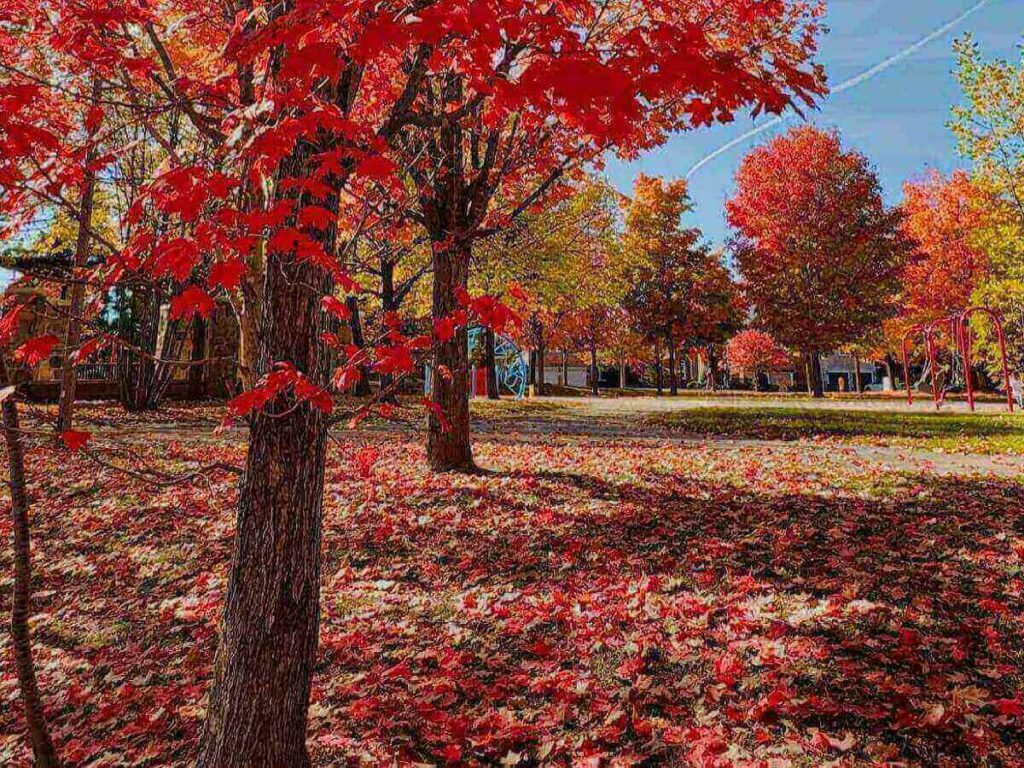
Some attractions run limited hours, and the weather can change quickly, but the scenery during these transition months is beautiful. Fall, especially, stands out for quieter trails and crisp mornings.
If you’re deciding between seasons, it really comes down to what kind of trip you want. Winter brings energy and structure. Summer and fall give you breathing room.
Getting to Park City
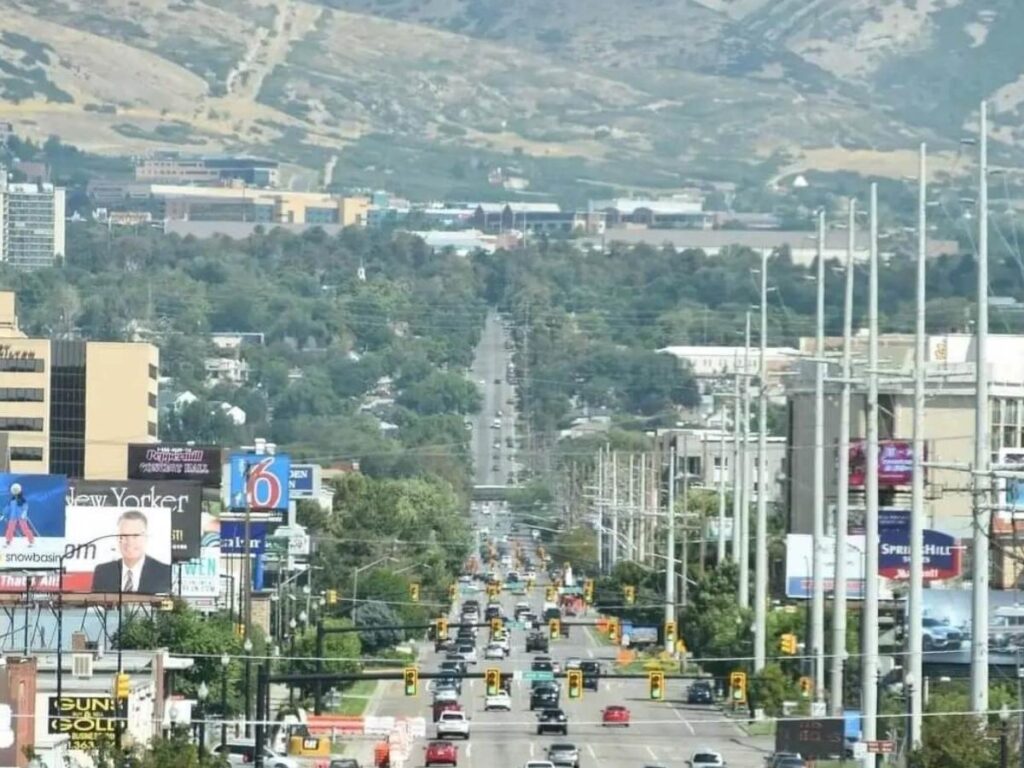
One of the most convenient things about visiting Park City is how easy it is to reach. You don’t have to commit to a long mountain drive or complicated transfers. Salt Lake City International Airport is about a 45 minute drive away, and the route is straightforward.
From the airport, you have a few options. Renting a car gives you flexibility, especially if you plan to explore areas outside town or visit nearby reservoirs in summer.
Shuttles and private transfers are also common and convenient, particularly in winter when road conditions can change. Rideshare services work well too, though availability can fluctuate during peak ski season.
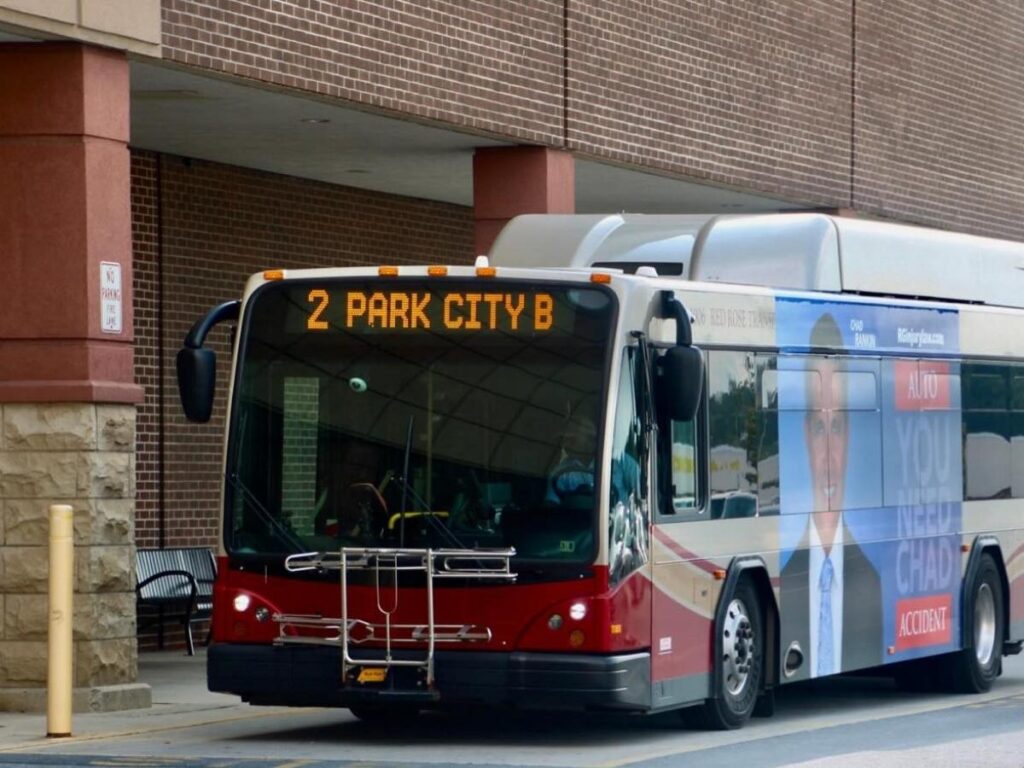
Once you’re actually in Park City, getting around is easier than you might expect. The free bus system covers Main Street, ski areas, and most neighborhoods.
I found myself leaving the car parked more often than not, especially on days when I stayed close to town. It’s reliable, simple to use, and takes away the stress of parking, which can be limited during busy times.
Where to Stay in Park City
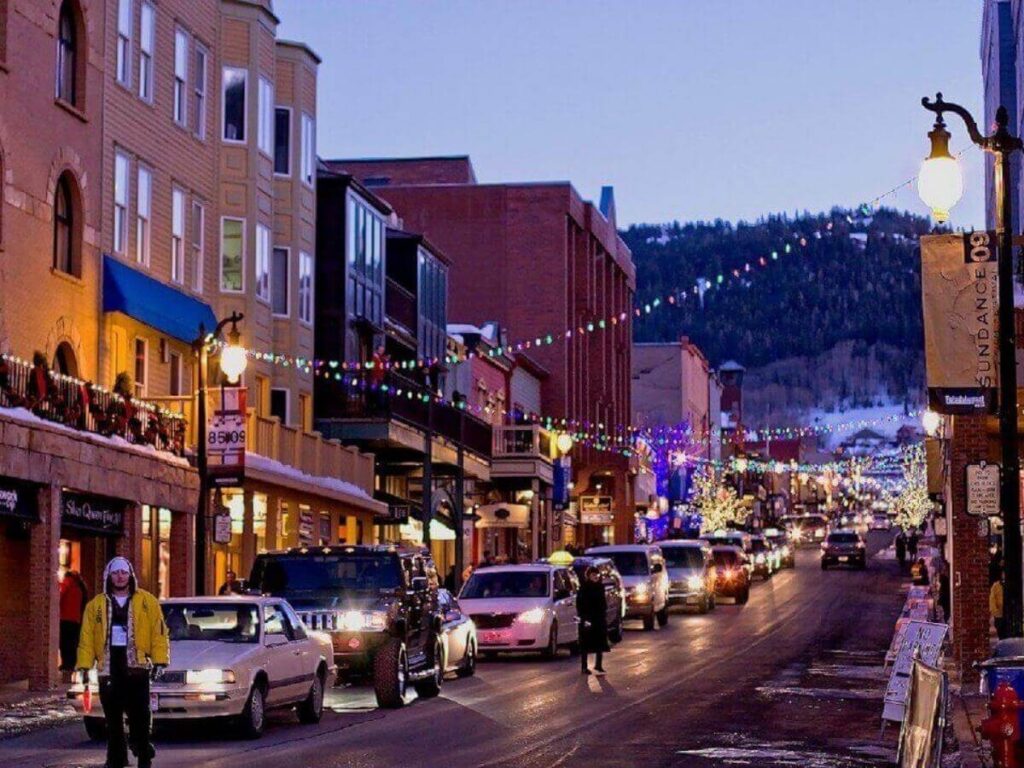
Where you stay in Park City has a noticeable impact on how your trip feels, especially if it’s your first visit. Staying near Main Street puts you right in the middle of things. You can walk to restaurants, shops, galleries, and bars, and it’s easy to hop on the bus from there.
If you like being able to step outside and immediately feel part of the town, this area makes sense. It’s especially convenient if you don’t want to rely on a car.
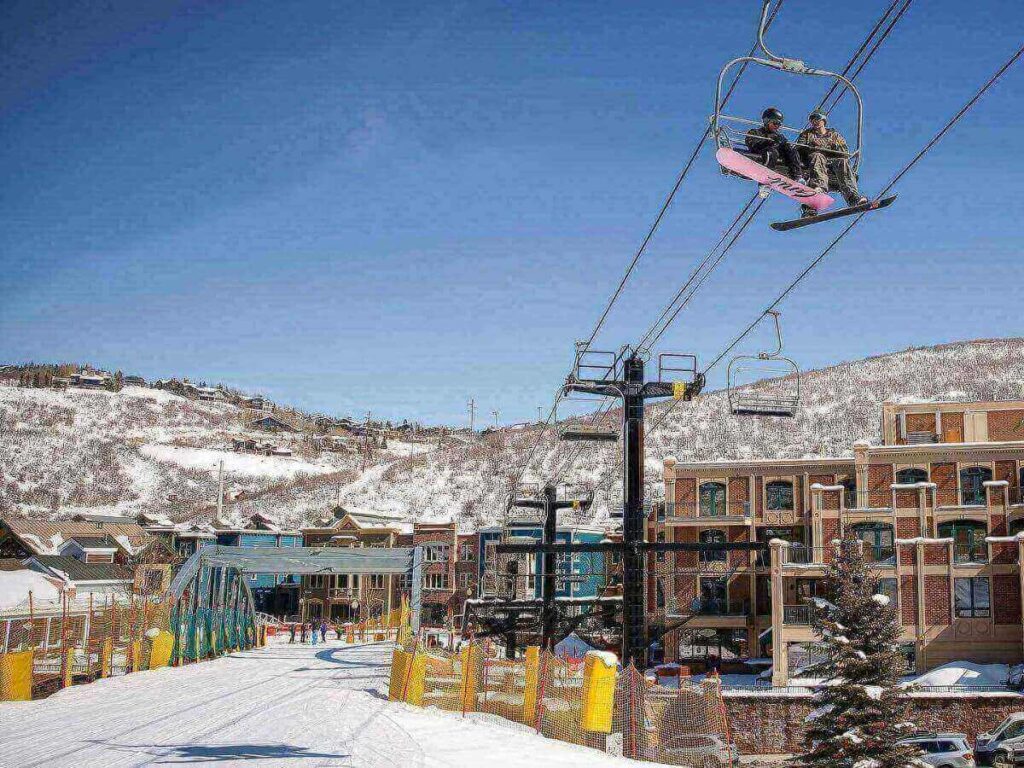
Ski in, ski out areas are a great choice in winter if your main focus is being on the mountain as much as possible. Waking up close to the lifts makes early ski mornings easier and keeps everything feeling seamless. These accommodations tend to be quieter in the evenings, which can be a plus if you’re prioritizing rest.
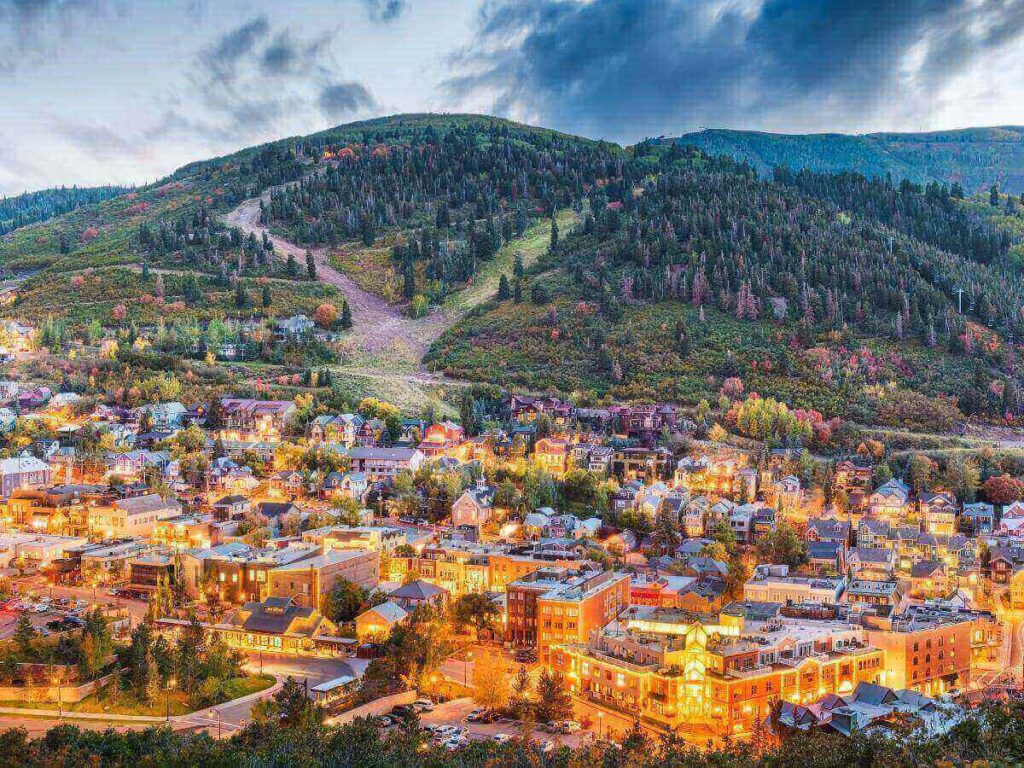
If you’re traveling on a budget or prefer a calmer setting, staying just outside the core areas can be a smart move. These neighborhoods are often more affordable and still well connected by the bus system. You won’t be in the center of the action, but it’s easy to get there when you want to.
For a first visit, I’d still lean toward staying near Main Street or along the main bus routes. It gives you a better sense of Park City’s personality and makes everything feel accessible.
What to Pack for Park City
Packing for Park City is less about specific outfits and more about being ready for changing conditions. Weather can shift quickly, even within the same day, especially at higher elevations.
In winter, layers matter more than anything. Insulated jackets, waterproof boots, gloves, and warm base layers make a big difference, even if you’re not skiing all day. Sidewalks can be snowy or icy, so proper footwear helps beyond the slopes.
In summer, hiking shoes are useful even if you don’t plan long treks. Trails, dirt paths, and uneven sidewalks are common. Sun protection is important too, since the elevation makes the sun feel stronger than expected. Light layers come in handy for cooler mornings and evenings.
No matter when you visit, bring a reusable water bottle. The altitude can catch up with you faster than you think, and staying hydrated made a noticeable difference in how I felt during longer days out.
Best Things to Do in Park City
Outdoor Adventure and Nature
Outdoor time is woven into daily life in Park City, not treated like a separate activity you have to plan around. Whether you visit in winter or summer, it’s easy to step outside and feel like the mountains are part of the experience rather than a backdrop.
Skiing and Snowboarding
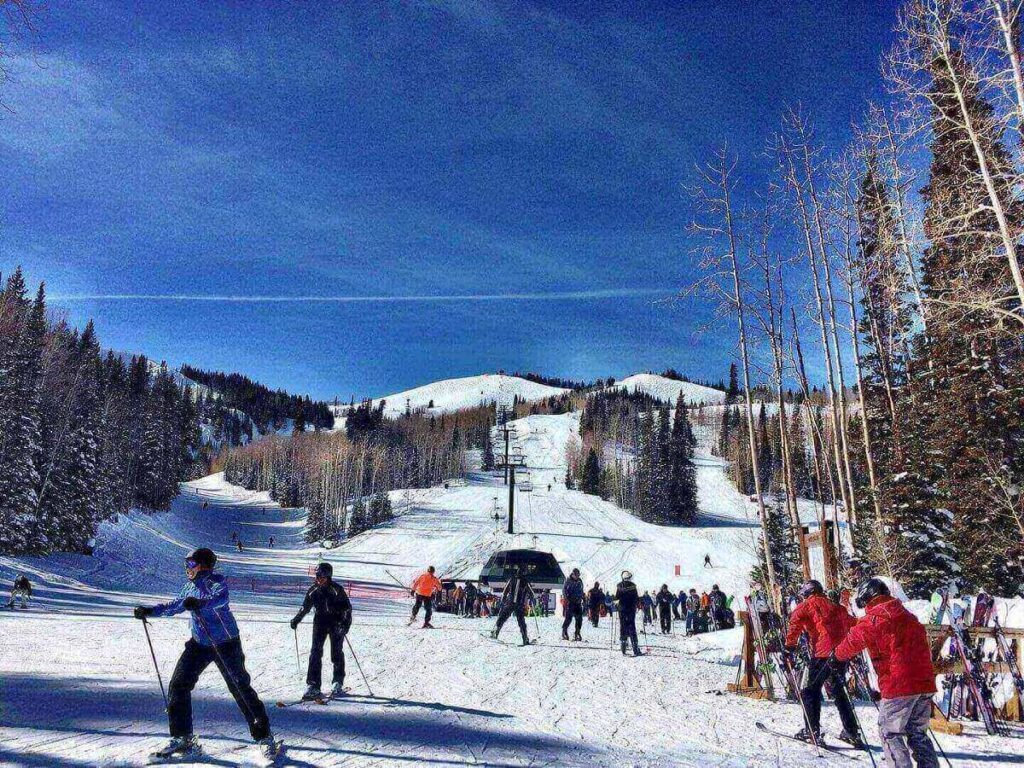
Skiing is what first put Park City on the map, and for good reason. Between Park City Mountain and Deer Valley Resort, you have access to a huge amount of terrain that works for different skill levels.
What stood out to me wasn’t just how big these resorts are, but how spread out they feel once you’re actually on the mountain. Beginners have space to learn without feeling rushed, intermediate skiers can explore for days without repeating runs, and more experienced riders don’t feel boxed into one area.
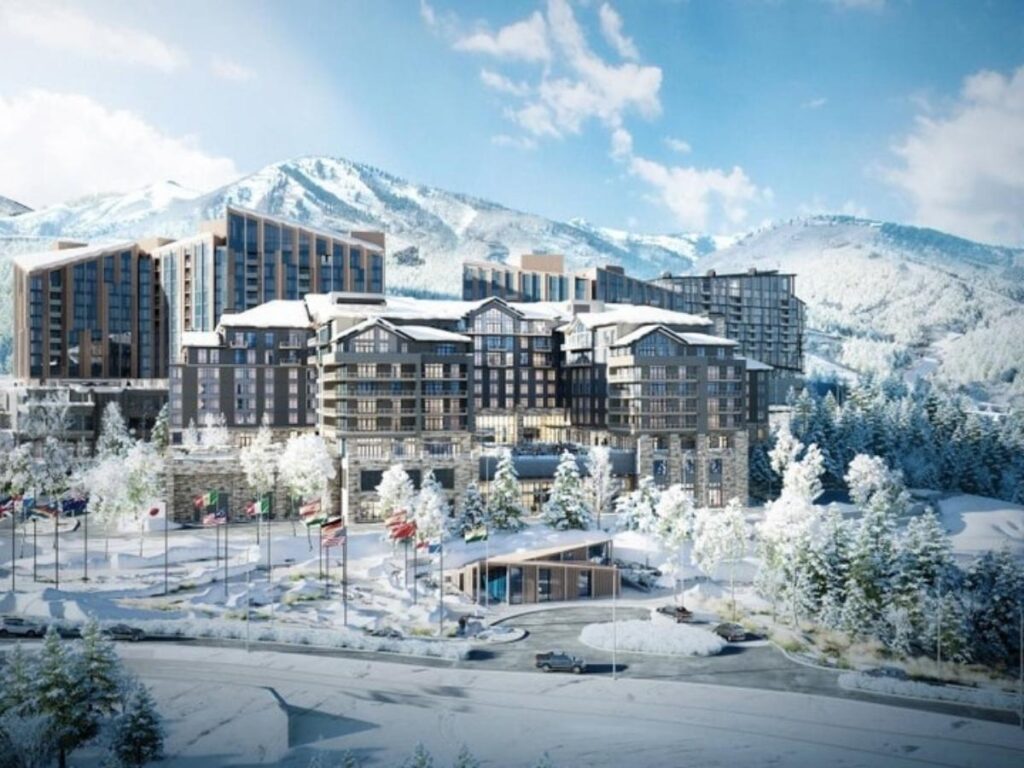
Deer Valley, in particular, feels calm and polished, while Park City Mountain has a more energetic, choose your own adventure feel.
Even if you’re not skiing every day, being in town during winter gives Park City a cozy rhythm that’s enjoyable on its own.
Hiking and Scenic Trails
Once the snow melts, Park City opens up in a completely different way. The trail system is extensive and well marked, which makes it easy to choose something that fits your energy level that day.
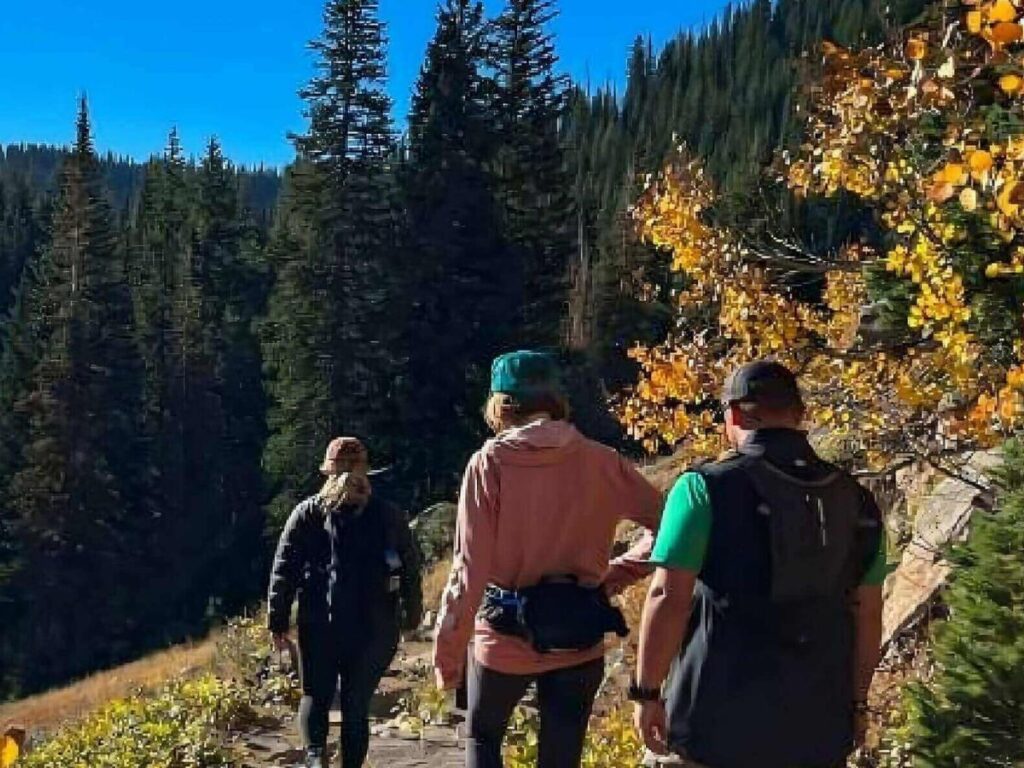
I liked starting with flatter paths like the Union Pacific Rail Trail, especially on slower mornings, then moving on to higher elevation trails when I wanted views.
What I appreciated most was that you don’t need to commit to a long or difficult hike to feel rewarded. Even short walks give you wide open mountain views and fresh air, which makes it easy to fit hiking into your day without building your whole schedule around it.
Mountain Biking and Scenic Lifts
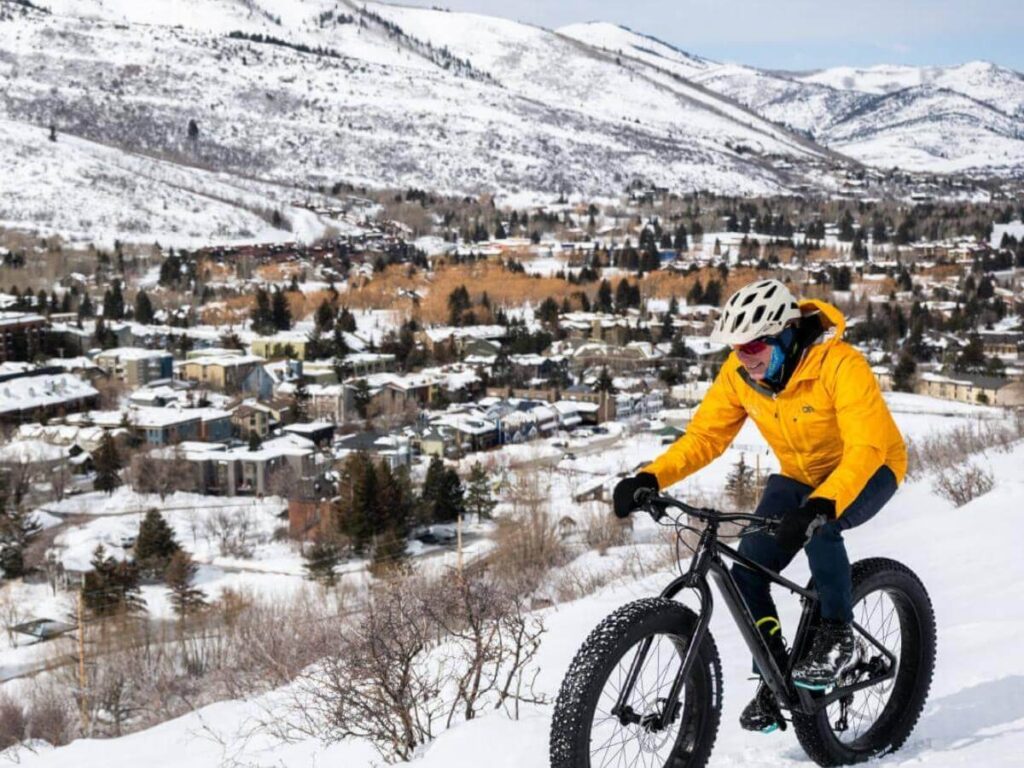
In summer, the ski lifts take on a new role. Instead of carrying skiers uphill, they turn into scenic rides that drop you near trails or viewpoints. If you’re into mountain biking, this opens up a huge network of downhill and cross country options.
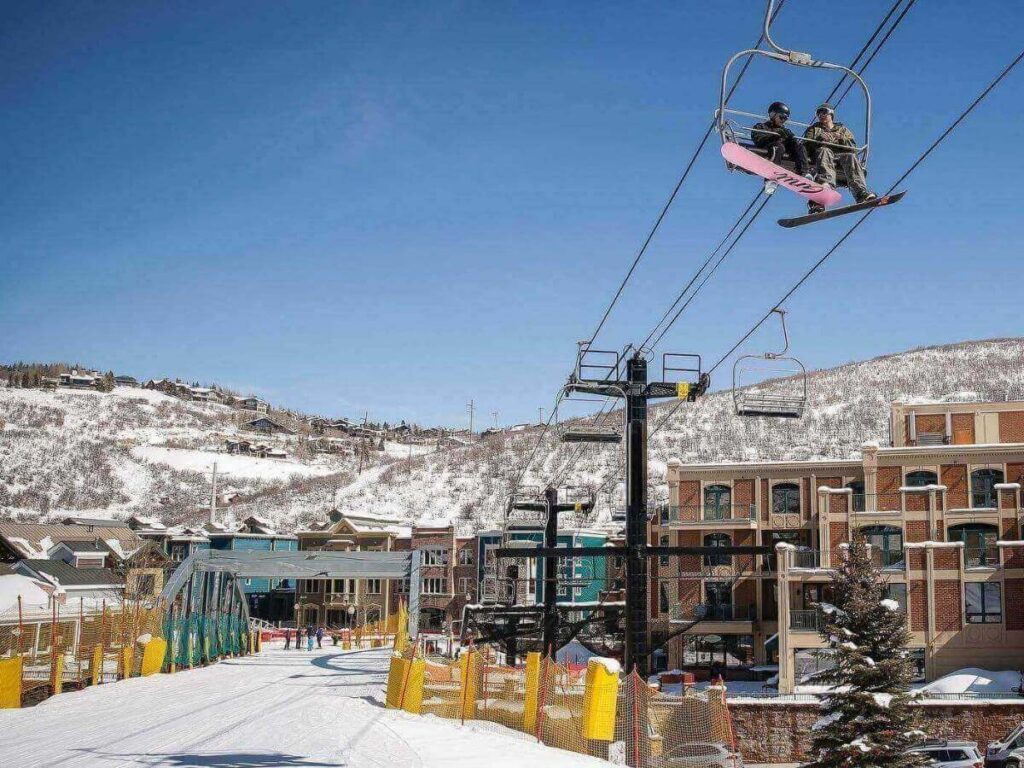
Even if biking isn’t your thing, the lift rides alone are worth doing. Sitting quietly as the landscape opens up beneath you was one of the simplest and most memorable experiences I had in Park City.
Jordanelle Reservoir
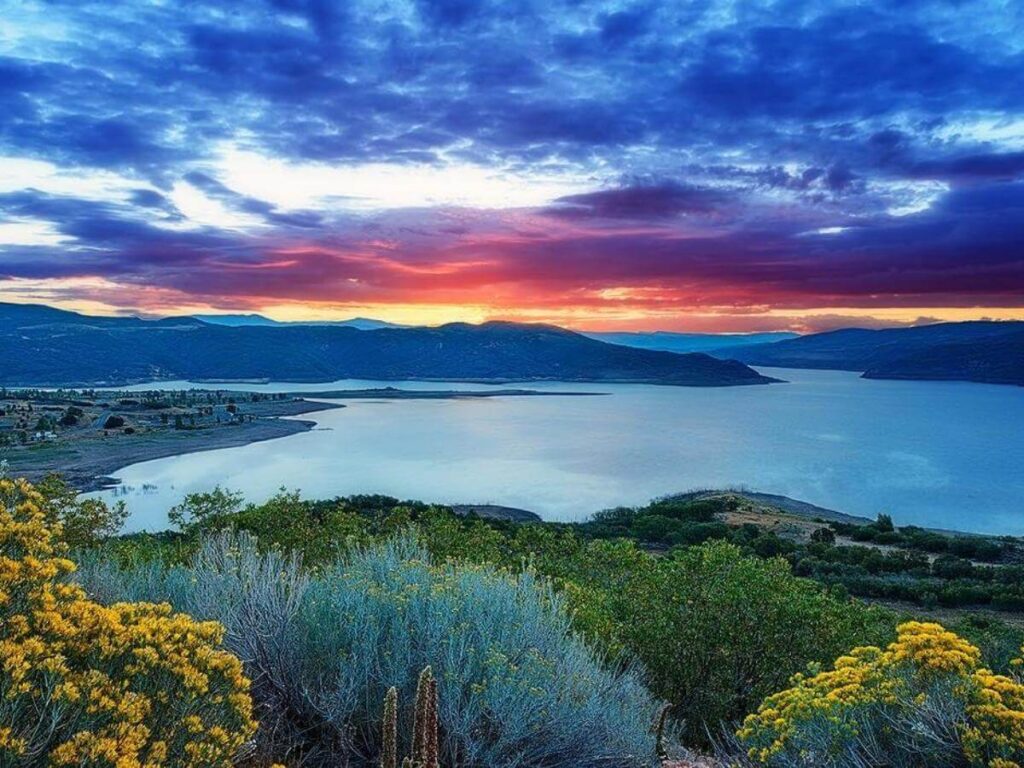
A short drive from town, Jordanelle Reservoir adds a different kind of outdoor experience. After days spent in the mountains, being near water felt like a reset.
Kayaking and paddle boarding are popular here, but even just sitting by the shoreline with a view of the surrounding hills is enough to slow things down.
It’s an easy way to add variety to your trip without venturing far.
Culture, History, and Town Life
For a place known globally as a ski destination, Park City feels surprisingly grounded. Its history isn’t hidden or turned into a performance. It’s simply part of the town.
Historic Main Street
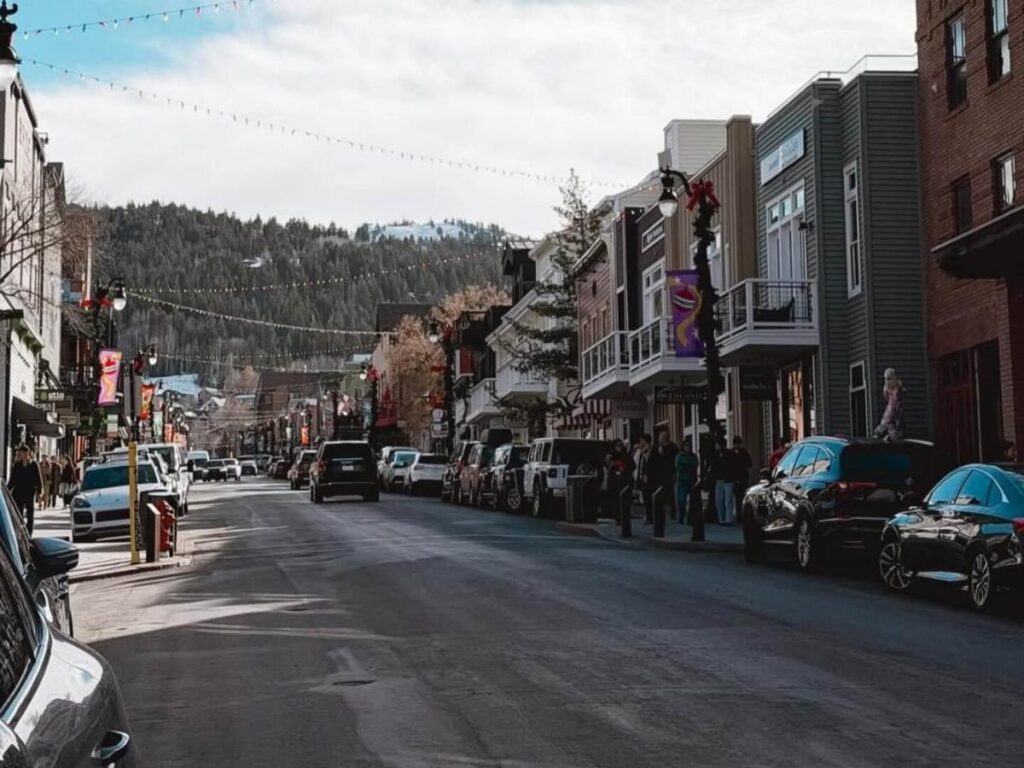
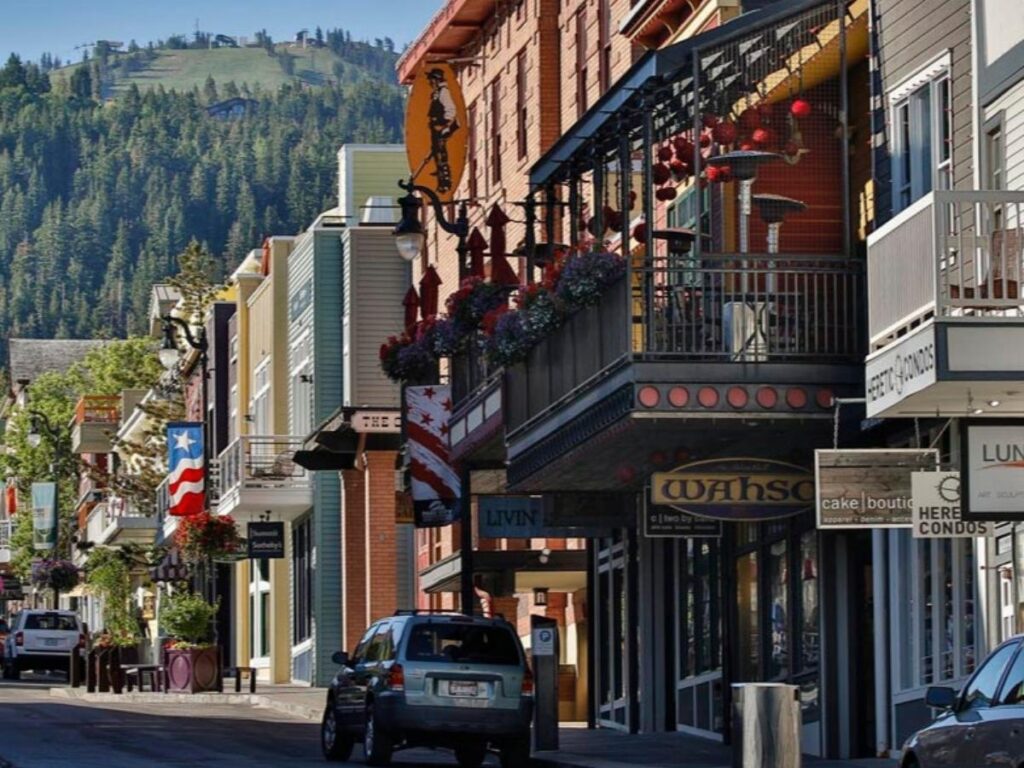
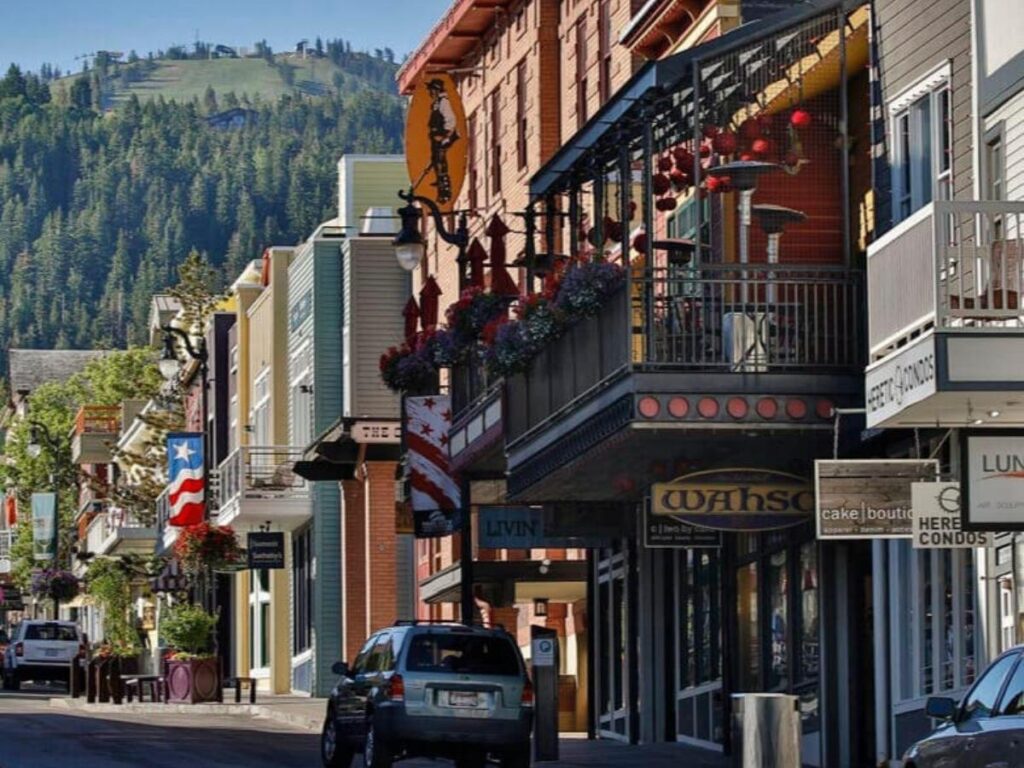
Main Street is the center of Park City life, and it’s best experienced without an agenda. Old mining buildings now house galleries, cafés, restaurants, and small shops, but they haven’t lost their character.
I enjoyed wandering in and out of places based purely on what caught my attention, stopping for coffee when I felt like it, and letting the day unfold naturally.
It’s lively without feeling overwhelming, especially outside peak winter weekends.
Park City Museum
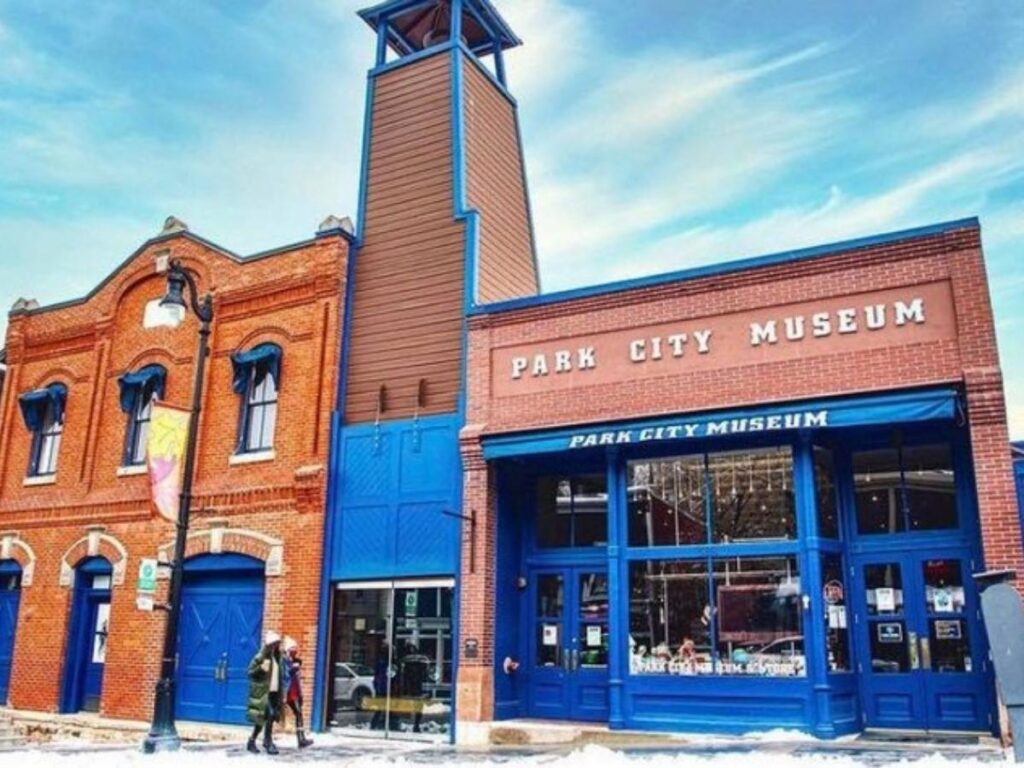
The Park City Museum helped everything else click into place for me. Learning about the town’s mining roots gave context to the layout of Main Street and the preserved buildings you see throughout town.
It doesn’t take long to visit, but it adds depth to the rest of your time in Park City, especially if you’re curious about how the town evolved into what it is today.
Local Events and Markets
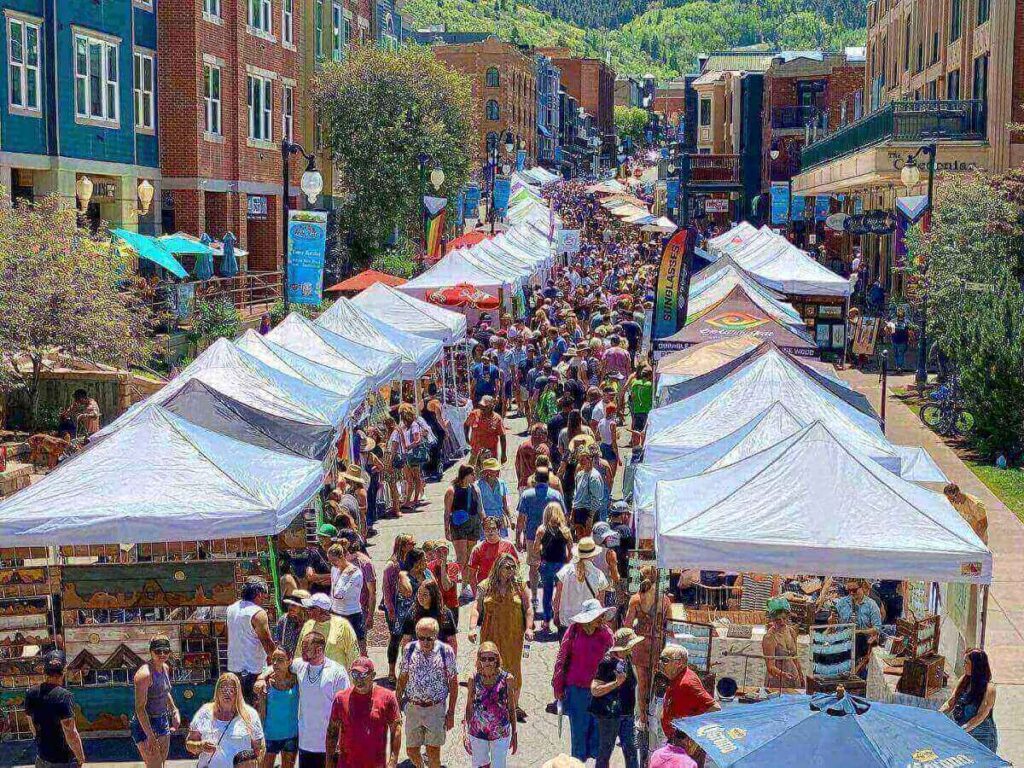
Depending on when you visit, you may come across seasonal markets, street events, or community gatherings. These moments stood out because they felt local and unforced.
Seeing residents show up, chat with vendors, and spend time together made Park City feel less like a destination built solely for visitors and more like a place people genuinely enjoy living in.
Family Friendly and Unique Experiences
Park City does a good job of offering experiences that work across age groups and interests, without making everything feel overly themed or touristy.
Utah Olympic Park
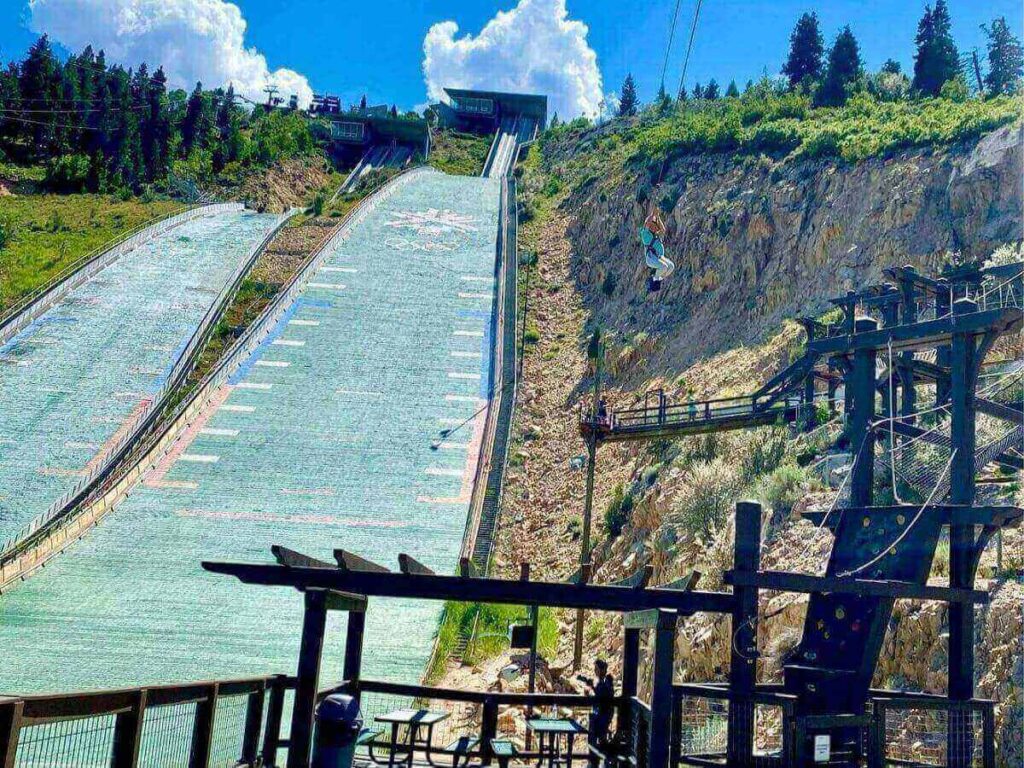
The Utah Olympic Park was more engaging than I expected, even without a strong interest in sports. You can explore exhibits that explain the Olympic history tied to Park City, or take things further with activities like ziplining and bobsled rides.
It’s educational, exciting, and surprisingly approachable, which makes it a solid option for families or mixed interest groups.
Alpine Coasters and Adventure Parks
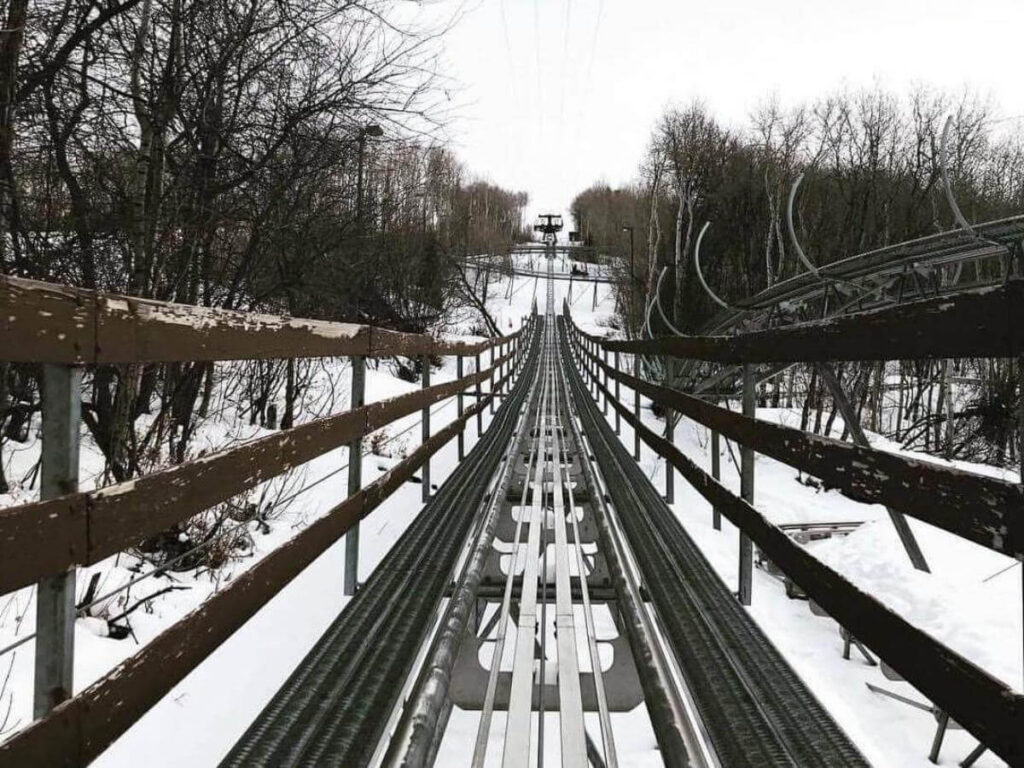
In warmer months, alpine coasters and adventure parks add a playful layer to the trip. These rides don’t require special skills or planning, and they’re easy to fit in between hikes or town time. They’re especially good if you’re traveling with kids or just want something lighthearted.
Woodward Park City
Woodward Park City brings a modern, energetic feel to Park City’s outdoor scene. It’s a year round action sports complex, and even watching athletes train was interesting. It adds contrast to the town’s historic and traditional side, showing how Park City continues to evolve.
Food, Drink, and Après Ski
I went into Park City thinking food would be a supporting character, something you squeeze in between ski runs or hikes. Instead, it became one of the things I looked forward to most each day. The dining scene here doesn’t feel flashy or overly curated. It feels settled, like the town knows what works and doesn’t feel the need to prove anything.
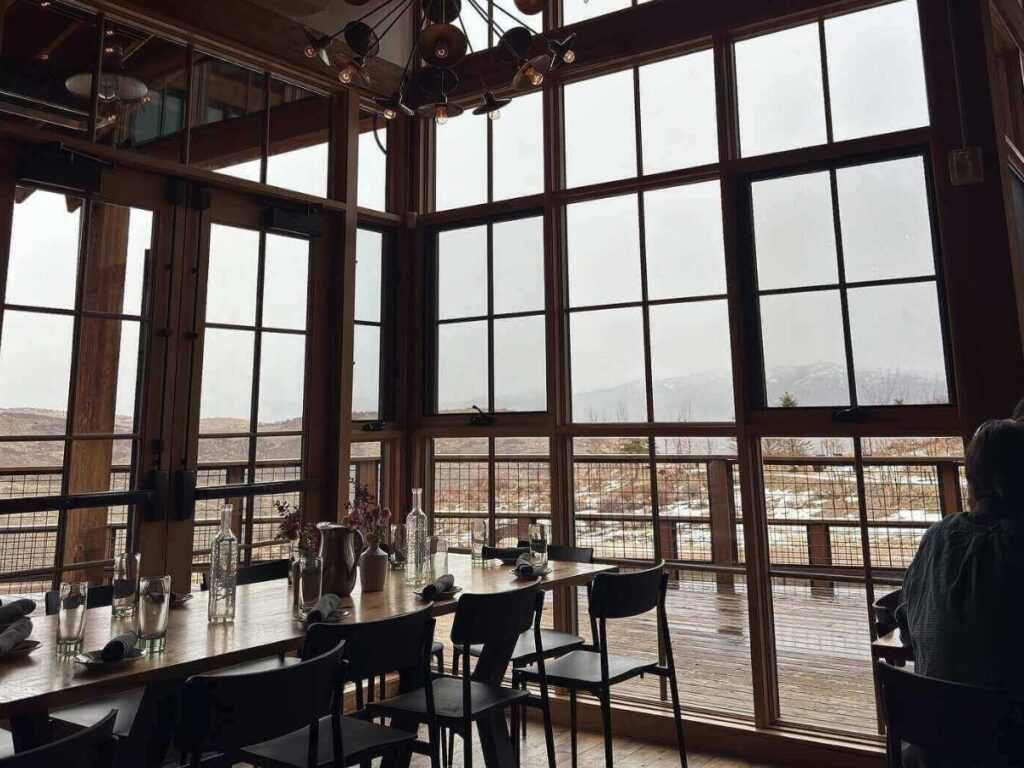
One of the easiest places to see is High West Distillery. It’s the kind of spot that makes sense in this setting. You can warm up with a whiskey tasting, order something hearty, and linger without feeling rushed.
It worked just as well after a cold day outside as it did on a quieter afternoon when I wanted a long, unhurried meal. It’s popular for a reason, but it still felt approachable rather than overhyped.
Beyond places like that, Park City has a rhythm to its food scene that’s easy to fall into. Mornings leaned toward cozy cafés where people actually sit and talk instead of grabbing coffee and leaving.
Afternoons were casual and flexible, especially if you’re coming off the mountain or a trail and just want something comforting. Evenings ranged from laid back neighborhood restaurants to more polished dining rooms that still didn’t feel stuffy.
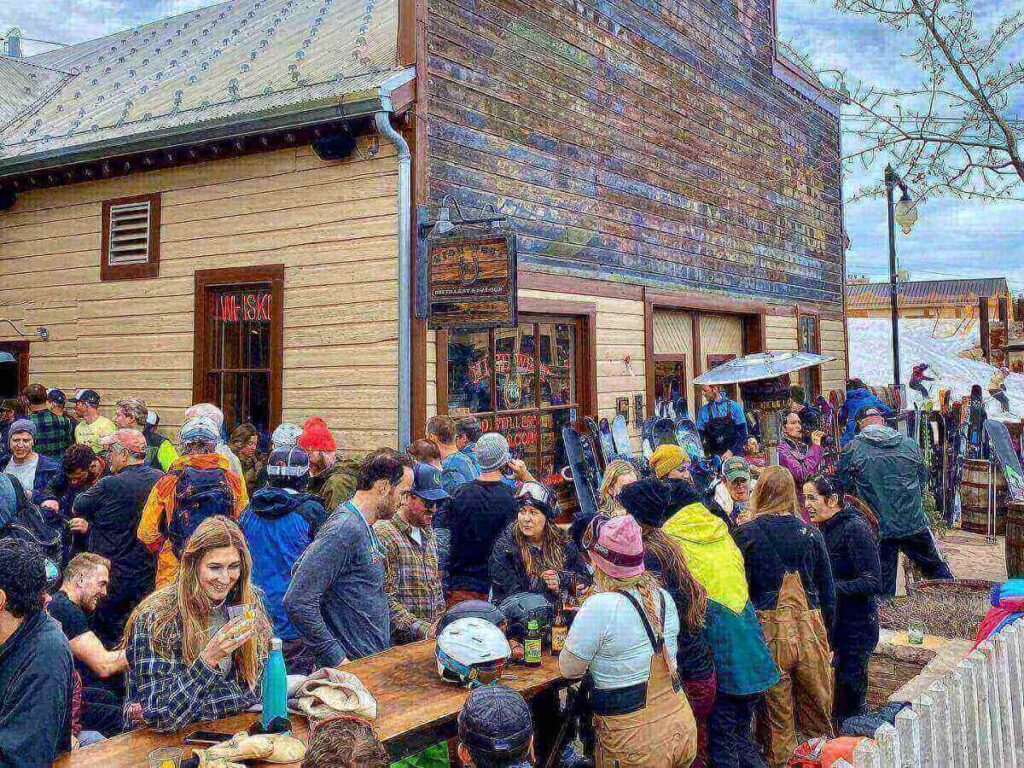
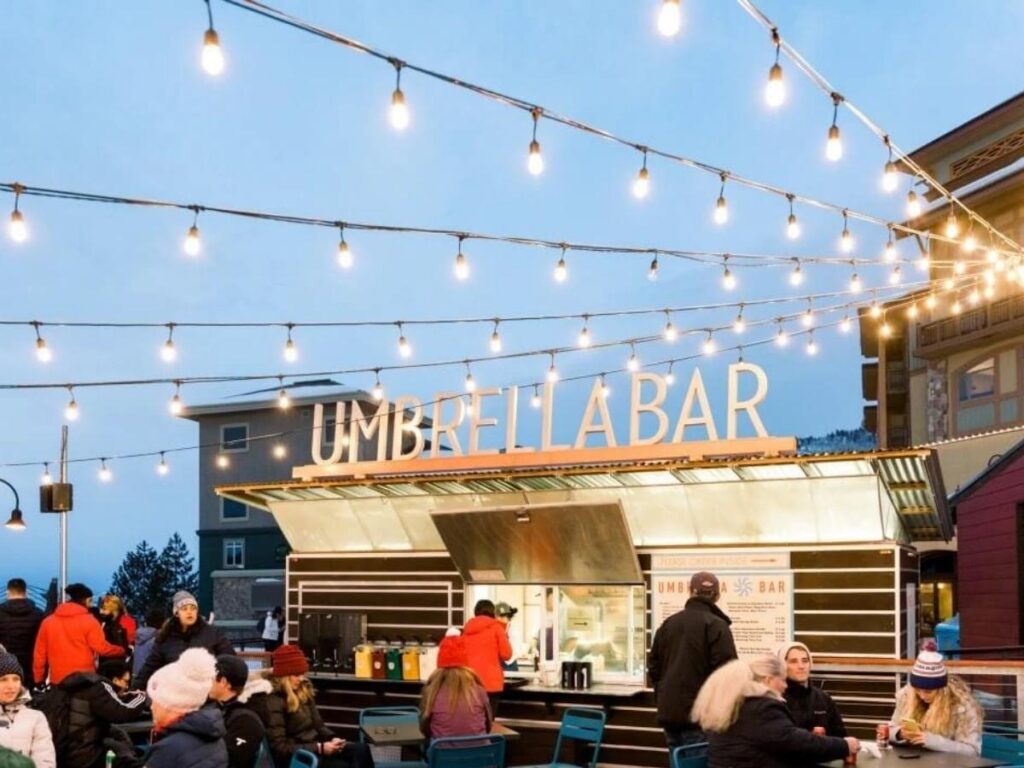
Après ski here deserves a mention, but not in the way you might expect. Yes, there are bars where you can grab a drink after skiing, but most of them felt social without being overwhelming.
Conversations were easy, people lingered over drinks, and it never felt like the night had to turn into a scene unless you wanted it to. That balance made it enjoyable even on nights when I wasn’t in the mood for anything loud.
What stood out most was how little effort it took to eat well. You don’t need reservations for every meal, you don’t need to dress a certain way, and you don’t need to plan your day around dining. I appreciated being able to walk in wearing layers, sit down somewhere warm, and have a genuinely good meal without it feeling like an occasion.
In a town built around outdoor activity, food could have easily been an afterthought. Instead, it felt like part of the overall experience, something that helped slow the pace and made the days feel complete rather than rushed.
Relaxation and Wellness
After spending time outdoors, slowing down felt like part of the Park City experience rather than an afterthought. Spa treatments and massages are easy to book, and yoga studios and wellness spaces are scattered throughout town.
Even without formal plans, simple evening walks as the light faded over the mountains were enough to feel restorative. Park City balances movement and rest better than many adventure focused destinations, which makes it easier to enjoy your trip without feeling worn down.
Seasonal Highlights
One of the things I liked most about Park City is how much it changes with the seasons. The same place can feel lively, quiet, cozy, or wide open depending on when you visit, and each version has its appeal.
Winter Favorites
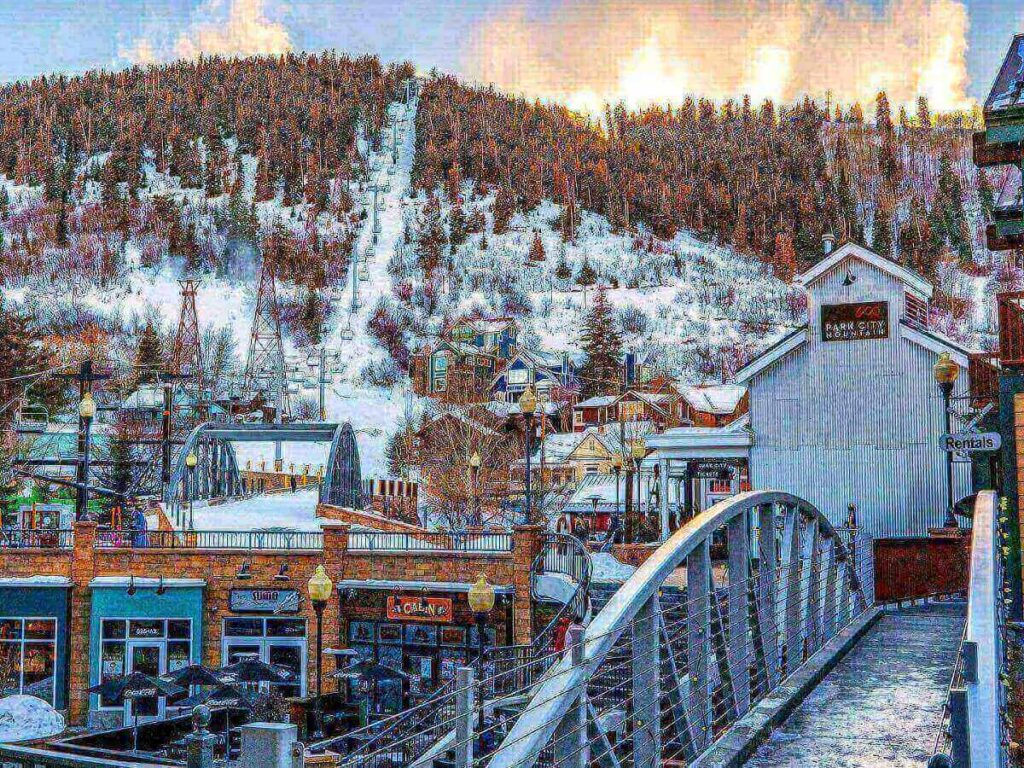
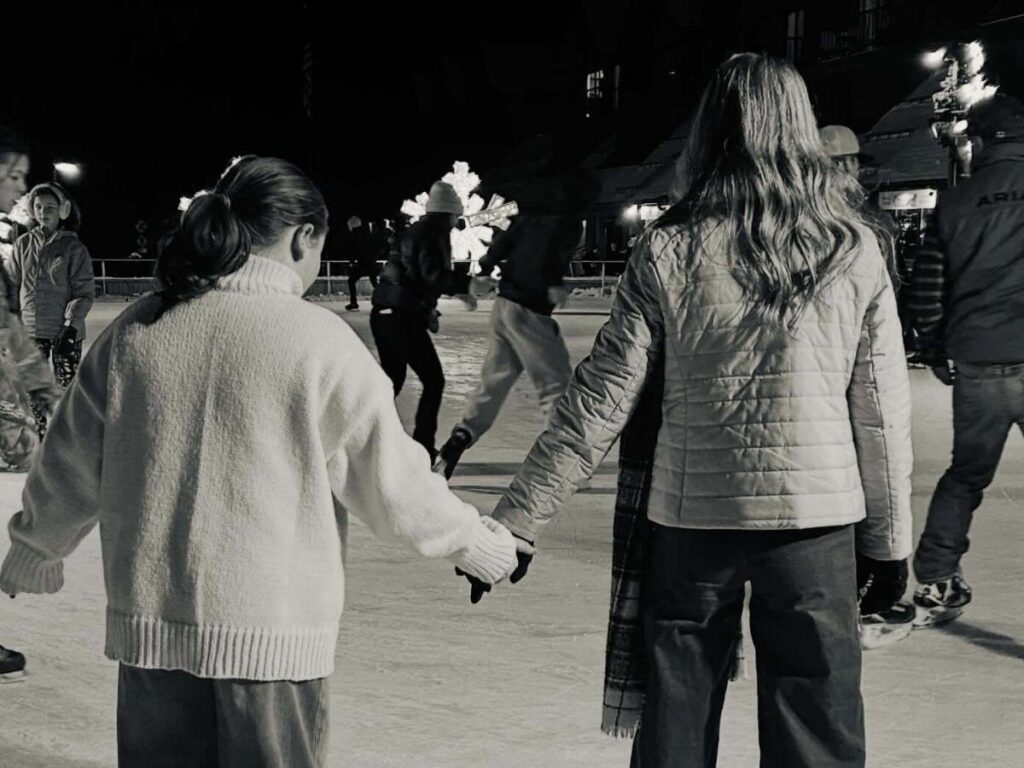
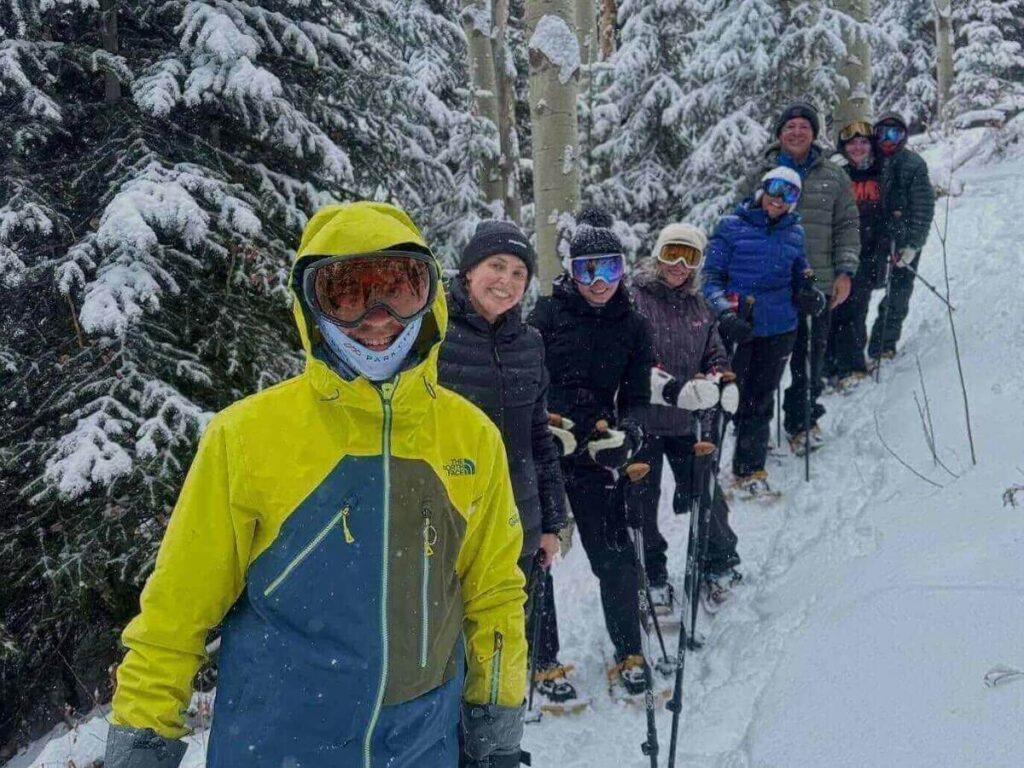
Winter is when Park City feels most alive. Skiing and snowboarding naturally shape the day, but even if you’re not on the slopes nonstop, the atmosphere is part of the experience. Snowshoeing offered a quieter way to enjoy the landscape, especially when I wanted a break from busier areas.
Evenings tend to slow down, with fires lit and people settling in for warm meals and early nights after long days outside.
Summer Standouts
Summer brings a calmer, more open feel. Hiking and biking are easy to fit into the day without much planning, and scenic chairlift rides give you sweeping views with very little effort. Adding a visit to nearby reservoirs breaks up mountain time and keeps the trip feeling balanced.
Overall, summer felt flexible and unrushed.
Fall and Spring Picks
Fall and spring are quieter and less crowded, which makes exploring feel more relaxed. Fall, in particular, stood out for cooler mornings and changing colors, while spring offered a slower pace and better value. These seasons are ideal if you don’t mind some weather unpredictability and prefer space over buzz.
How I’d Plan Your Time
Park City is the kind of place where overplanning can actually take away from the experience. Things tend to flow better when you give yourself a loose structure and then let weather, energy levels, and curiosity guide the rest. This is how I’d suggest breaking up your time, depending on how long you have.
One Day in Park City
If you only have one day, focus on getting a feel for the town rather than trying to see everything. I’d start the morning slowly with coffee and an easy walk along Main Street. It’s the best way to understand Park City’s character, especially before things get busy. Pop into a few shops, browse galleries, and take in the historic buildings without rushing.
By midday, I’d choose one main experience rather than splitting your attention. Visiting Utah Olympic Park works well if you’re curious about the town’s Olympic connection, while a short hike is a better fit if you want fresh air and views. Either option gives you a solid sense of what Park City offers.
In the evening, settle in for dinner somewhere comfortable, then end the day with a relaxed drink. You don’t need a late night here to feel like you’ve done the place justice.
Three Days in Park City
Within three days, Park City starts to feel more balanced. On the first day, I’d stay close to town. Spend time on Main Street, visit the Park City Museum, and enjoy the food scene without packing the schedule. This sets the tone for the rest of the trip.
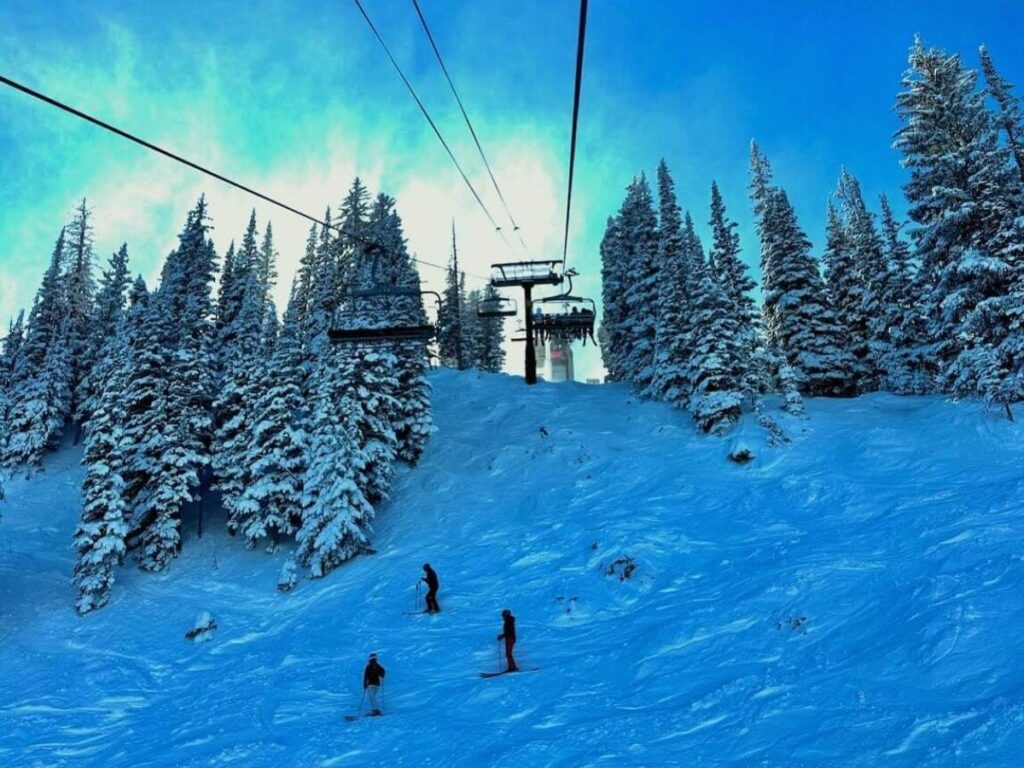
Day two is ideal for a bigger outdoor experience. In winter, this usually means skiing or snowboarding. In warmer months, it could be hiking, mountain biking, or a scenic lift ride. This is the day to be active and lean into why people come to Park City in the first place.
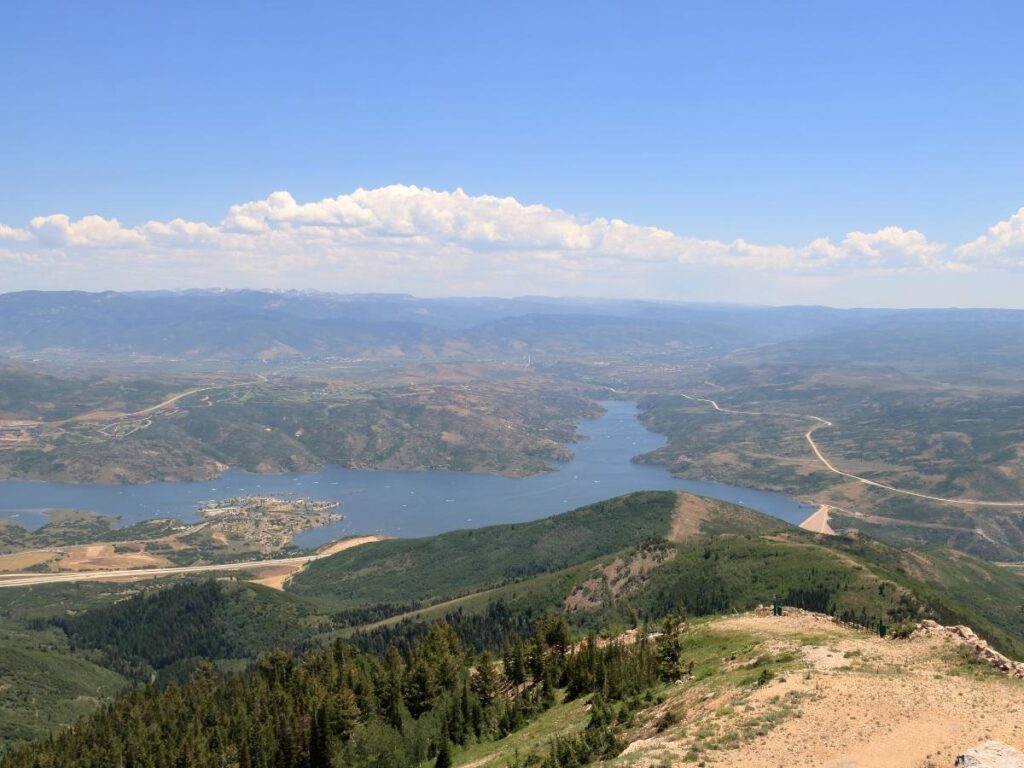
On the third day, slow things down again. Scenic rides, spa time, or a short trip to Jordanelle Reservoir add variety without feeling like work. It’s a good way to wrap up the trip without leaving exhausted.
Five Days in Park City
With five days, pacing matters. I’d mix more active days with lighter ones so everyone stays engaged without feeling worn out. One day might be full of skiing or hiking, while the next focuses on town time, casual walks, or kid friendly attractions.
Using the free bus system makes a big difference, especially with family. It takes pressure off driving and parking, and it’s easy to adjust plans on the fly. I’d also leave at least one day mostly open. Weather can change quickly in the mountains, and having flexibility means you can shift activities without stress.
Park City rewards travelers who don’t try to do everything at once. Giving yourself room to slow down is often what makes the trip memorable.
Final Thoughts
Park City surprised me in a quiet, lasting way. It isn’t a place that tries to impress you with nonstop highlights or a packed schedule. Instead, it gives you space to shape the trip around how you actually like to travel. You can fill your days with skiing, hiking, or exploring, but you can also slow things down without feeling like you’re missing something important.
What stayed with me most was how natural the balance felt. Adventure never felt forced, and downtime never felt like filler.
A full day outside could be followed by a simple, unhurried evening, and that rhythm made the experience feel sustainable rather than exhausting. Park City is confident in what it offers, and that confidence shows in the way the town moves at its own pace.
Whether you visit for snow, summer trails, or the quieter in between seasons, Park City adjusts easily. It works for first time visitors who want a clear introduction, families who need flexibility, and travelers who care more about experience than checking boxes.
If you’re drawn to destinations that feel complete without being overwhelming, Park City is one of those places that quietly earns its spot on your list rather than demanding it.