
The first time I arrived in Aspen, the air felt different, thinner, sharper, almost alpine sweet in a way that made each breath feel unusually fresh. I stepped out of the car and immediately noticed how close the mountains seemed. They rise right behind the rooftops, so close it almost feels like the town was tucked into the valley by hand.
What I love most about Aspen is how easily wild landscapes blend with an easy, everyday rhythm. One moment you’re walking past small cafés and galleries, and a few minutes later you’re surrounded by trees, soft trails, and mountain silence.
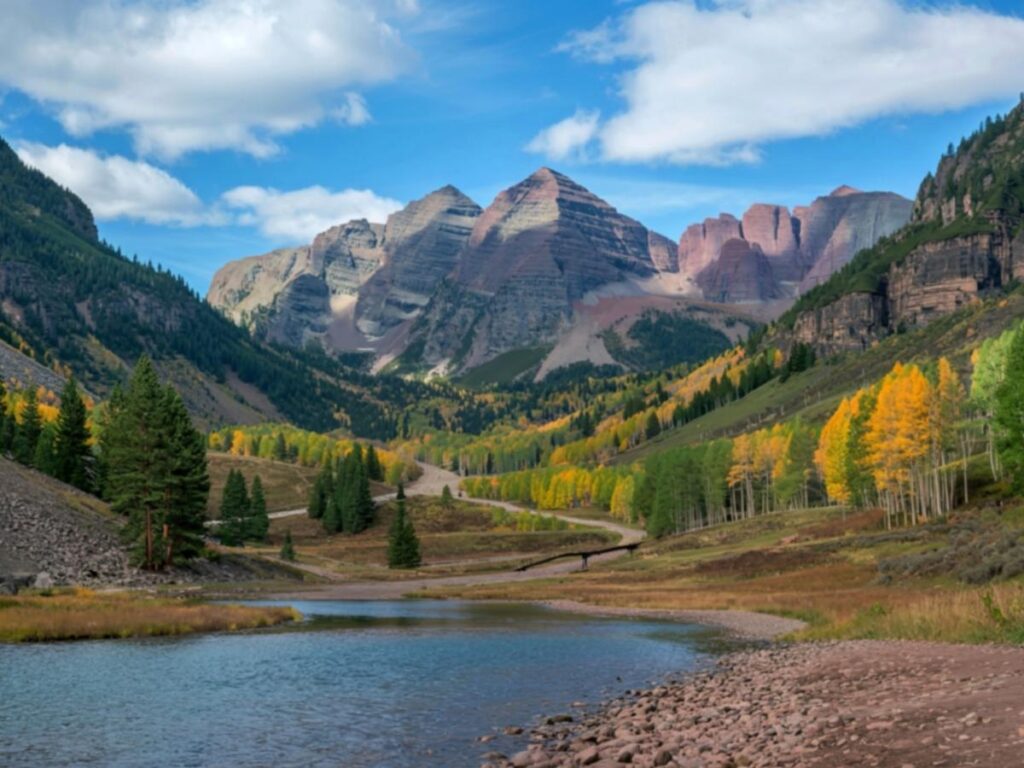
It’s a place where you can do a sunrise at Maroon Bells, spend the afternoon wandering downtown, and still have time for a slow dinner without feeling rushed.
Whether you’re here for the classic views, a scenic drive over Independence Pass, or a simple weekend built around good food and fresh air, this guide will walk you through the best things to do and how to make the most of your time, whether you’re staying for a quick visit or settling in for a few days.
Aspen at a Glance
Aspen changes a lot with the seasons, and knowing what to expect can make planning much easier. Summer, from June through September, is when the town really opens up. Most trails are clear, the wildflowers are out, and the long daylight hours make it easy to fit in both a hike and a slow evening walk by the river.
This is the season that feels the most alive, and it’s also when the scenery is at its brightest.
Winter has a completely different rhythm. From December to March, the town feels wrapped in snow, and even if you’re not here to ski, the atmosphere alone is worth experiencing. Lights glow from windows, people wander around in ski boots, and the mountains look incredibly peaceful under their winter layers.
It’s colder, of course, but Aspen is built to feel welcoming in winter.
Fall is short but beautiful. If you arrive anytime from late September into early October, you’ll catch the aspens turning gold whole hillsides shifting to warm color. It’s one of the most stunning times to visit, and the trails are quieter too.
Spring, by contrast, is slow and a little unpredictable. April and May can be a mix of snowmelt, muddy paths, and chilly mornings. But the town is quiet, and if you prefer to travel without crowds, this shoulder season might suit you.
Most trips to Aspen work well with two to five days. Within two days, you can catch the highlights of Maroon Bells, a short hike, a drive or gondola ride, and a relaxed evening in town. With more time, you can add longer trails, scenic drives, or even a day trip to Glenwood Springs or Snowmass.
One thing every visitor feels is the altitude. Aspen sits around 8,000 feet, and even seasoned hikers can get winded on their first day. Drinking more water than usual and easing into activities really helps. If you’re flying straight in, give yourself time before doing anything strenuous.
You can arrive directly at Aspen/Pitkin County Airport, which is just a few minutes from town, or fly into Denver and make the roughly four-hour drive through the mountains. The drive takes longer, but the scenery is beautiful and feels like part of the trip.
Top Things to Do in Aspen
1. Ride the Silver Queen Gondola
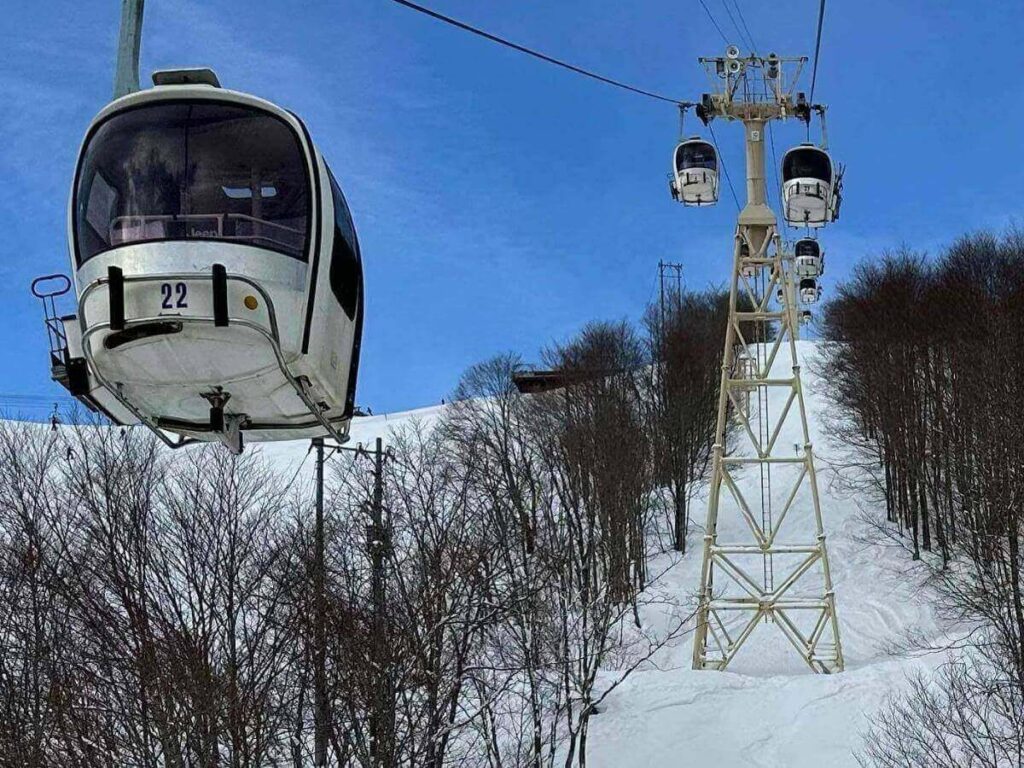
If you only have a short amount of time in Aspen, this is the easiest way to understand where you’ve landed. The Silver Queen Gondola rises slowly to more than 11,000 feet, and the view changes almost minute by minute the valley stretches wider, the ridgelines start layering behind one another, and the town gets smaller and neater with every glide upward.
Once you reach the top, it’s worth lingering. The air feels cooler and lighter up here, and there’s something calming about just standing on the deck with a coffee from the Sundeck café, looking out over the mountains.
You don’t have to hike if you don’t want to; even a short walk around the top gives you that high alpine feeling without much effort. Mornings usually offer clearer views, so if you’re hoping for photos, it’s a good time to go.
2. Hike to Maroon Bells
Maroon Bells is one of those places that genuinely looks like the photos, which isn’t something you can say about every famous viewpoint. The two peaks rise behind a glassy lake that, on calm mornings, reflects them so perfectly it almost looks edited. Seeing it in person, especially early in the day when the light is soft and the lake is still, feels a little surreal.
The area has a strict permit system for shuttles and parking, and it’s worth reserving ahead because turning up without a plan usually means you’ll need to change your schedule. If you prefer something easy, the Maroon Lake Scenic Loop is short and gentle, letting you soak up the views without a big hike.
If you want to stretch your legs more, the trail to Crater Lake climbs through forest and rocky sections until it opens up at another beautiful lake, this one wilder and surrounded by rugged peaks. Autumn is especially beautiful here. The aspen trees surrounding the valley turn bright gold, and the entire landscape looks painted.
3. Walk the Rio Grande Trail
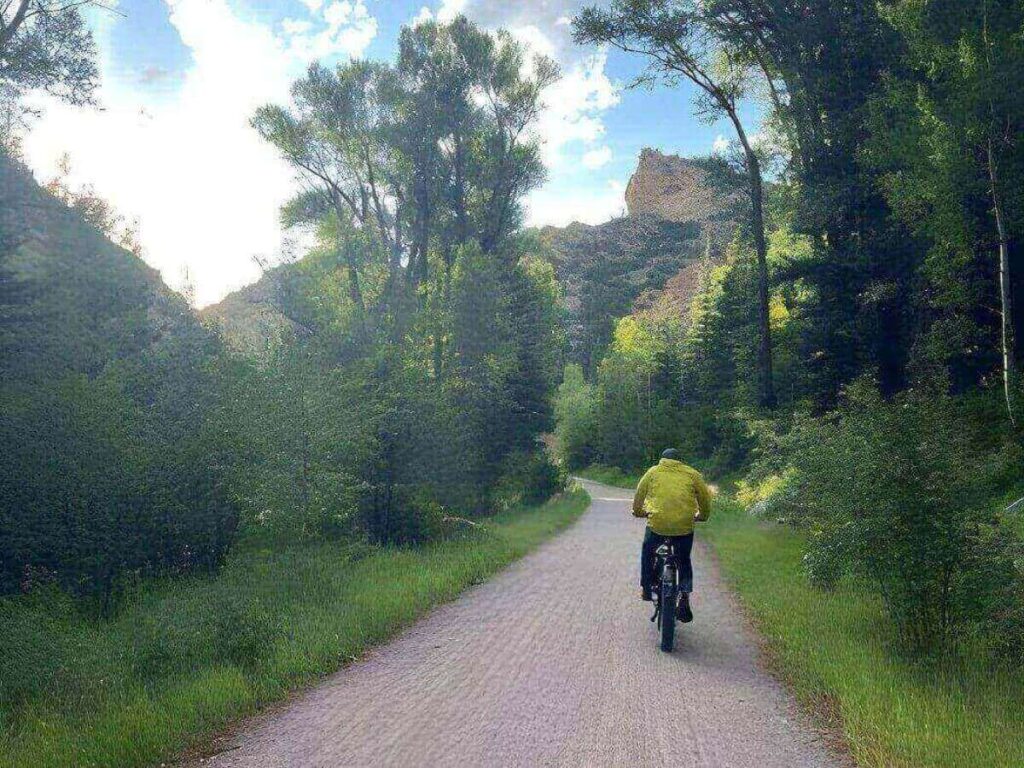
The Rio Grande Trail is the opposite of dramatic alpine views, but in the best way. It’s gentle, quiet, and sits close to the river, which means you often hear the sound of moving water while you walk. The trail follows what used to be a railway line, so the path is long and mostly flat, making it great if you want something peaceful without much effort.
I like starting near Herron Park because within a few minutes, the busy energy of town fades behind you. The trail slips in and out of shade, and you can walk as long or as little as you want. It’s the kind of place where you end up going farther than planned simply because it’s pleasant. If you don’t feel like walking, you can also rent bikes nearby and cover more distance.
4. Explore Downtown Aspen
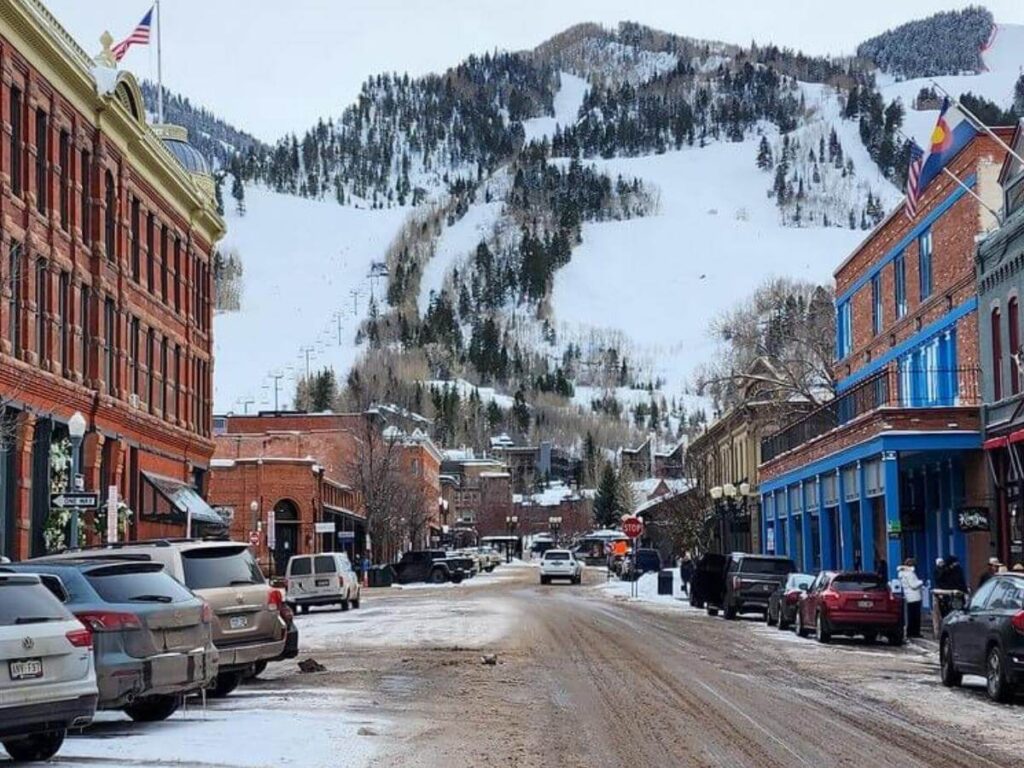
Downtown Aspen is the kind of place that feels warm even when the air is cold. The buildings aren’t tall, the streets are easy to navigate, and there’s a relaxed energy that makes wandering around feel effortless. Instead of big commercial chains, you’ll find small cafés, art galleries, bookstores, and shops that feel like they’re truly part of the town.
I usually start my mornings at Local Coffee House or one of the small bakeries, then wander through the nearby streets just to see what’s open. The gallery windows are fun to peek into, and there are plenty of spots to pick up picnic foods if you’re heading out on a hike later.
Early evening is a lovely time to be here. The light softens behind the rooftops, people start drifting out for dinner, and the whole area feels inviting in that mountain town way.
5. Hike the Ute Trail
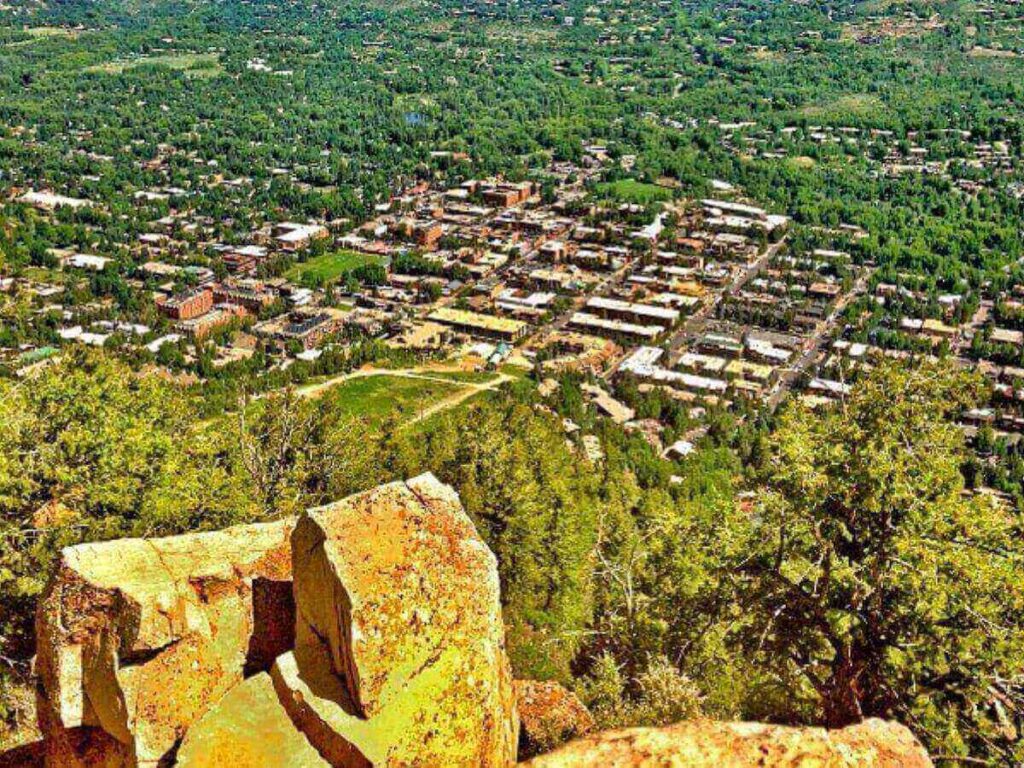
The Ute Trail is short, but don’t let that fool you. It climbs quickly through a series of switchbacks, and you’ll probably find yourself stopping more often than expected partly because of the altitude, and partly because the views keep getting better. The climb is worth it, though. Once you reach Ute Rock, Aspen opens up below you, and the mountains roll away in soft layers behind the town.
It’s especially beautiful at sunset, when the light catches the tops of the peaks and the shadows stretch across the valley. Even if you’re not used to hiking at altitude, the shorter distance makes it doable for most people as long as you take your time.
6. Drive Independence Pass
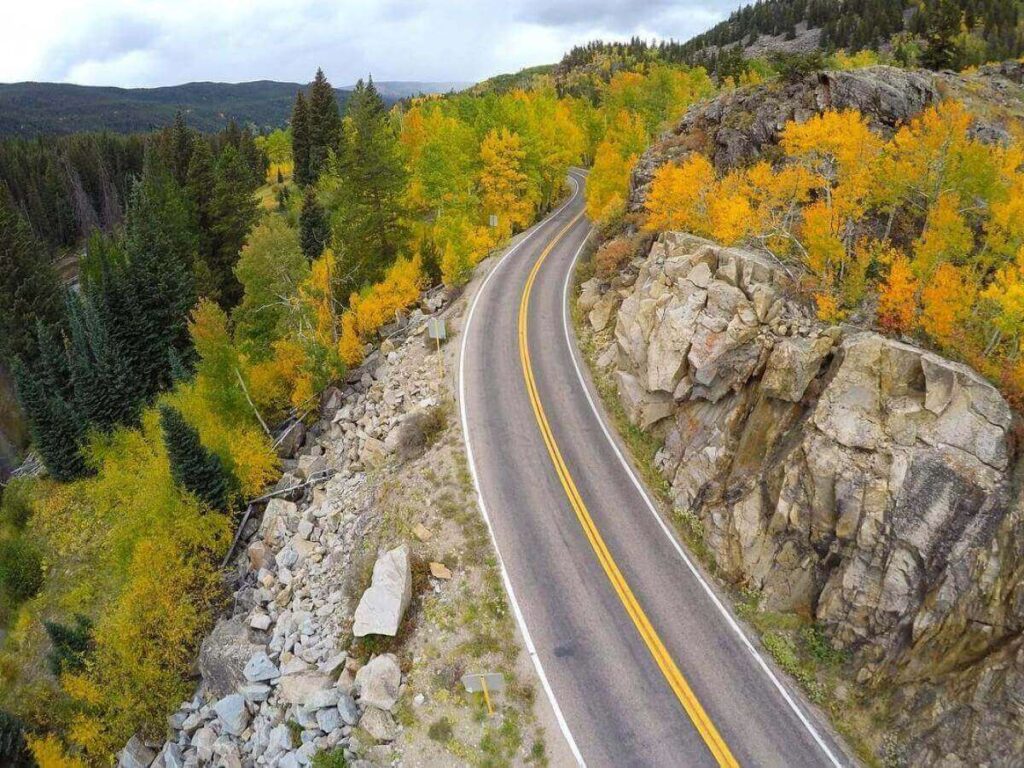
Independence Pass is one of the most striking mountain roads in Colorado and definitely the most dramatic drive near Aspen. It winds along cliffs, dips into forests, and suddenly opens up to huge views that make you pull over almost instinctively. Even the air feels different as you get higher, cooler, thinner, and cleaner.
At the top, the road levels out into an open alpine area where the horizon seems much bigger than it should be. In early summer, the wildflowers are bright and scattered across the tundra; by fall, the grasses turn golden, and the whole place feels almost cinematic. The pass usually closes from late October through late May, so timing matters.
7. Visit Ashcroft Ghost Town
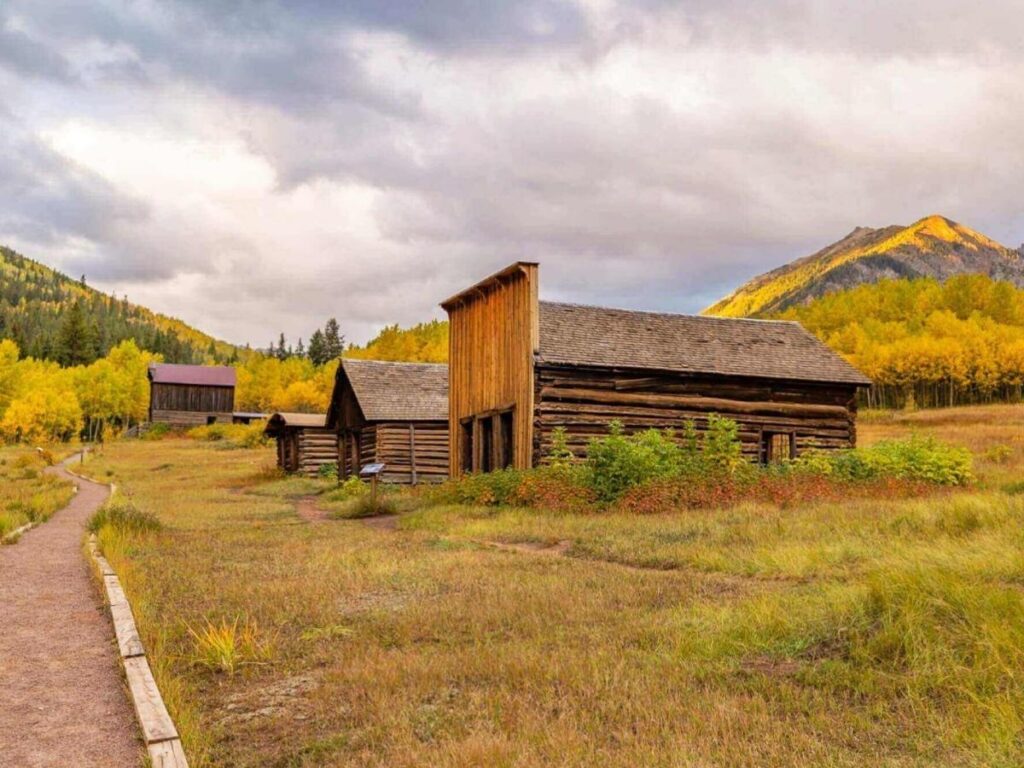
A soft, scenic drive along Castle Creek Road brings you to Ashcroft, a small abandoned mining town that feels frozen in time. The wooden buildings stand quietly in an open meadow framed by mountains, and wandering between them gives you a sense of what life might have felt like here long before Aspen became what it is today.
The area is peaceful, rarely crowded, and easy to explore in under an hour. If you’re visiting in summer or early fall, you can pair it with lunch at Pine Creek Cookhouse, which sits further up the valley and is one of the prettiest places to eat near Aspen.
8. Hike the Cathedral Lake Trail
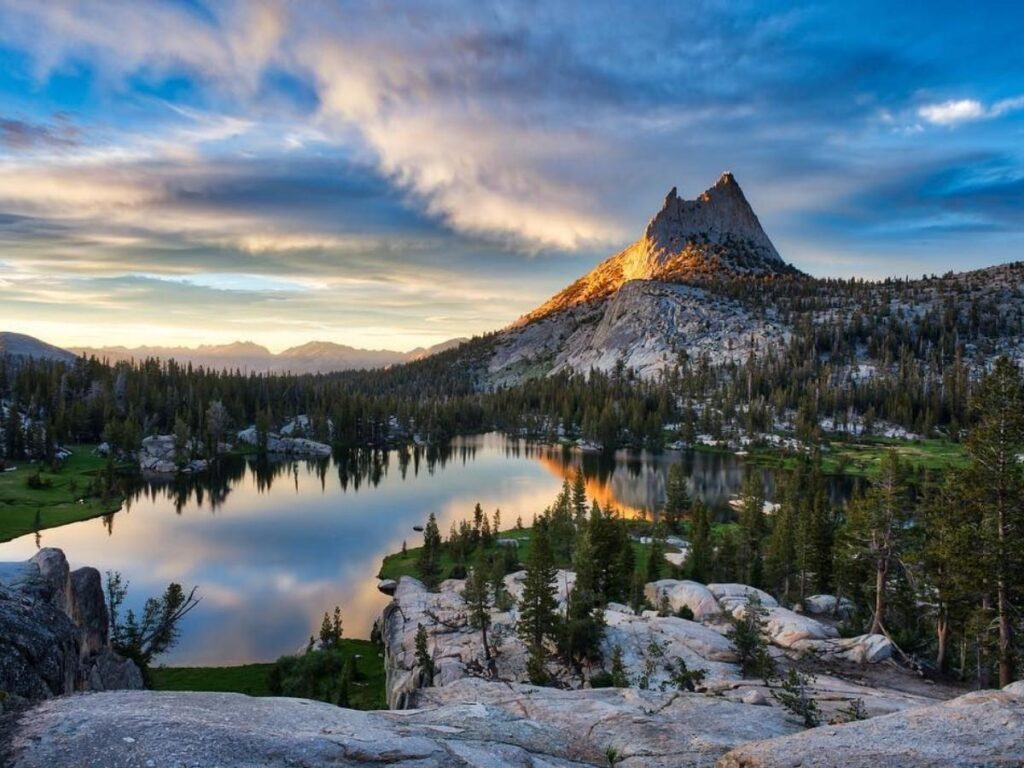
Cathedral Lake is one of my favorite alpine hikes near Aspen because it has that classic Colorado mix of forest, meadows, and unexpected bursts of wildflowers, all leading up to a lake that looks almost unreal on a clear day. The water is a deep, cold blue, and the peaks rise sharply behind it, giving the whole place a dramatic feel.
The hike itself is a steady climb and can feel strenuous at times, especially with the altitude, but it’s manageable if you pace yourself. It’s less crowded than Maroon Bells, so if you want a beautiful alpine lake without feeling like you’re on a popular trail, this is a great choice.
9. Relax at the John Denver Sanctuary
This is one of Aspen’s gentler spots, a quiet riverside area with smooth stones carved with lyrics and soft paths that curve around small gardens and water features. The sound of the river makes the whole place feel peaceful, and it’s a nice area to wander through if you’ve had a busy day or just want a break from the more active parts of your trip.
It’s also a lovely picnic spot if the weather is warm and you want to eat outdoors without leaving town.
10. Experience the Aspen Music Festival
If you visit Aspen in summer, check the schedule for the Aspen Music Festival. Even if you’re not a classical music person, the atmosphere at the openair tent is something special. People drift in with picnic blankets, the mountains sit quietly behind the stage, and the sound carries beautifully through the valley.
It feels like a community gathering locals, families, travelers, everyone settling in for a couple of hours to listen as the sun drops behind the ridgeline.
11. Try Mountain Biking in Snowmass
Snowmass, just a short drive from Aspen, has become one of the area’s best spots for mountain biking. The trails are wellmarked and range from beginner-friendly flow trails to more technical downhill runs. Even if you’ve never tried mountain biking before, renting an ebike or starting with a mellow route is a fun way to explore the hillsides.
The lifts run in summer, so you can spend a whole afternoon riding without much climbing, which makes it approachable for more people.
12. Take a Day Trip to Glenwood Springs
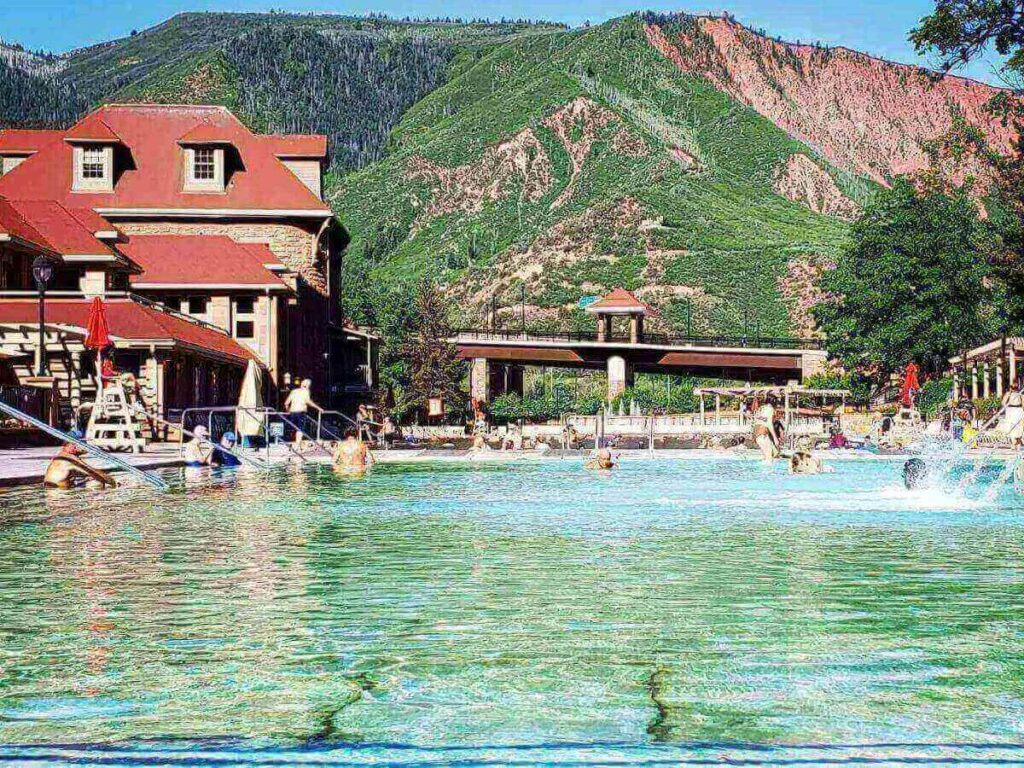
Glenwood Springs is only about an hour from Aspen, but the landscape shifts quickly into steep canyon walls and red rock formations. The main draw is the hot springs’ wide pools of warm, mineral rich water that feel especially good after hiking or biking.
If you have extra time, the canyon trail is a beautiful place for a walk, and the small downtown has cafés and shops that make for a relaxed afternoon. It’s an easy, refreshing break from Aspen’s higher elevation and a nice way to add variety to your trip
Downtown Aspen
If it’s your first visit, staying downtown takes all the stress out of getting around. You can walk almost everywhere from cafés and bakeries to trailheads for easy morning walks. The gondola is right there, which makes it easy to catch those first clear hours at the top of the mountain without rushing.
The area can feel lively, especially in summer and winter, but never in a chaotic way. It’s more of a gentle hum: people sitting outside with coffees, skiers clattering past in winter boots, couples wandering between dinner spots.
The downside is the price. This is the most expensive part of Aspen, and you feel it when browsing hotel options. But if convenience matters more than sticking to a tight budget, downtown is the most comfortable place to settle in. It works especially well for short trips, because you don’t lose time driving back and forth from another town.
West End
The West End feels like a completely different side of Aspen. It’s quieter, full of leafy streets and charming historic homes, and the pace drops noticeably. You’ll see more locals walking their dogs and fewer visitors rushing to the gondola.
It’s close enough to downtown to walk about 10 to 20 minutes depending on where you stay but far enough that you can escape the busier pockets.
This area is great if you like staying somewhere that feels more residential than touristy. It’s a good pick for families, longer stays, or anyone who prefers mornings with soft light and quiet streets rather than the buzz of shops and restaurants right outside the door. Some properties here feel like small retreats, which can be especially nice after a long day exploring the mountains.
Snowmass
Snowmass sits a little outside Aspen, and at first glance it might seem like the “secondary” option. But it’s genuinely one of the best choices if you want more space and a calmer, more resortlike atmosphere without sacrificing access to outdoor activities. In summer, the village is surrounded by biking and hiking trails, and in winter it’s an easy skiing, ski out area.
It’s also noticeably more affordable than downtown Aspen, which makes a real difference if you’re traveling with a family, planning a longer trip, or simply trying to keep your budget under control. You’ll need to rely on buses or a car to get into Aspen. It’s about 20 minutes depending on traffic but the ride is straightforward, and many people don’t mind the tradeoff.
Snowmass works well if you like having room to breathe, enjoy staying in condostyle properties, or want a quieter base where evenings tend to be calm and unhurried.
Sample Itineraries
If You Have 2 Days
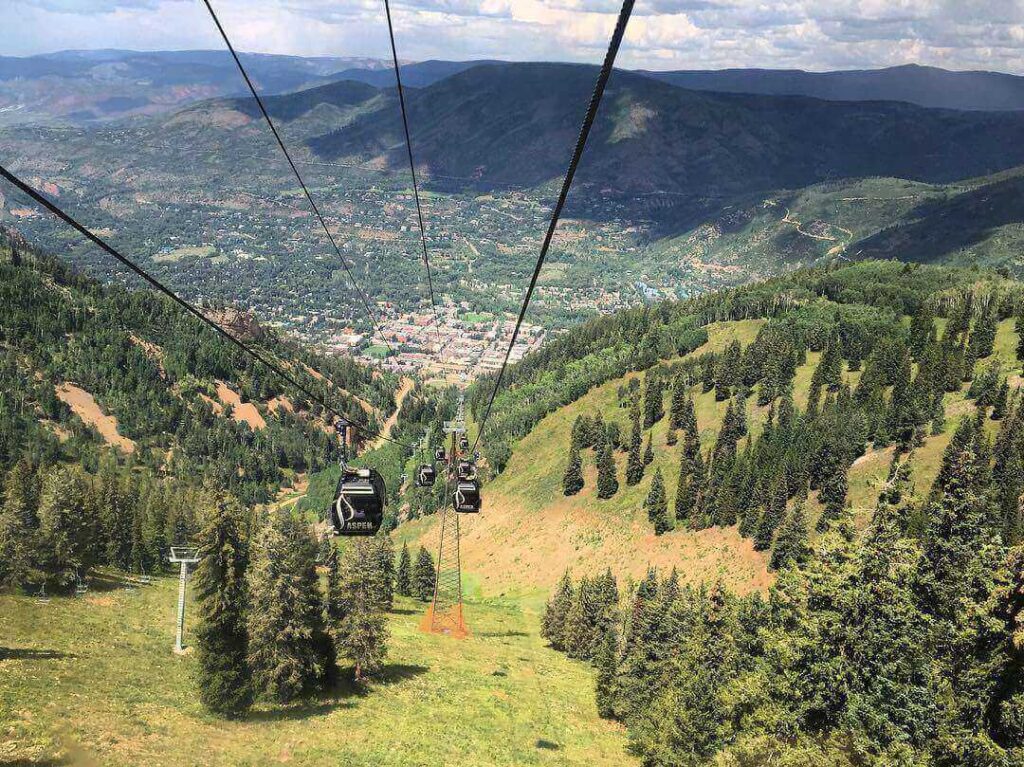
With just two days in Aspen, you can still cover a lot without feeling rushed. On your first morning, start with the Silver Queen Gondola. Going up early helps you catch clear skies, and there’s something grounding about starting your trip with that wide, sweeping view of the valley. When you come back down, take your time wandering through downtown.
Grab a coffee, browse a shop or two, and let yourself ease into the rhythm of the town.
In the late afternoon, head to the Ute Trail for a short hike. It’s steep at first, but the effort is rewarded quickly with views that feel far bigger than the trail’s distance. Sunset is especially beautiful up there, when the light settles softly over the valley.
Afterward, go for an unhurried dinner. This is a nice night for a long meal, especially if the day’s altitude has left you pleasantly tired.
On your second day, plan your morning around Maroon Bells. If you can manage it, arrive early; the lake is calmest then, and the first light on the peaks is something you won’t forget. You can do the easy loop around the lake or follow the trail a bit further if you’re feeling up for it.
Packing something simple for a picnic eating by the lake always feels like part of the experience.
When you return to town, the John Denver Sanctuary makes a gentle stop. It’s quiet, with the sound of the river nearby, and it’s a nice way to bring your energy down after a morning outdoors.
If you still have room for a little more walking, follow the Rio Grande Trail for as long as it feels good. It’s flat, peaceful, and a nice contrast to the dramatic scenery of the morning.
If You Have 3 to 4 Days
With an extra day or two, you can stretch out and see more of the landscapes around Aspen. Adding a drive over Independence Pass is one of the best ways to spend part of a day.
The road winds through forests, cliffs, and meadows, and the views shift so quickly that you’ll probably pull over more times than you expect. The top of the pass feels almost otherworldly wide open, windy, and incredibly beautiful.
You can pair that with a visit to Ashcroft Ghost Town, which is a smaller outing but a memorable one. Walking through the old buildings gives you a glimpse of what this area looked like long before Aspen became a mountain destination. The setting alone, with mountains rising on either side, makes it worth the trip.
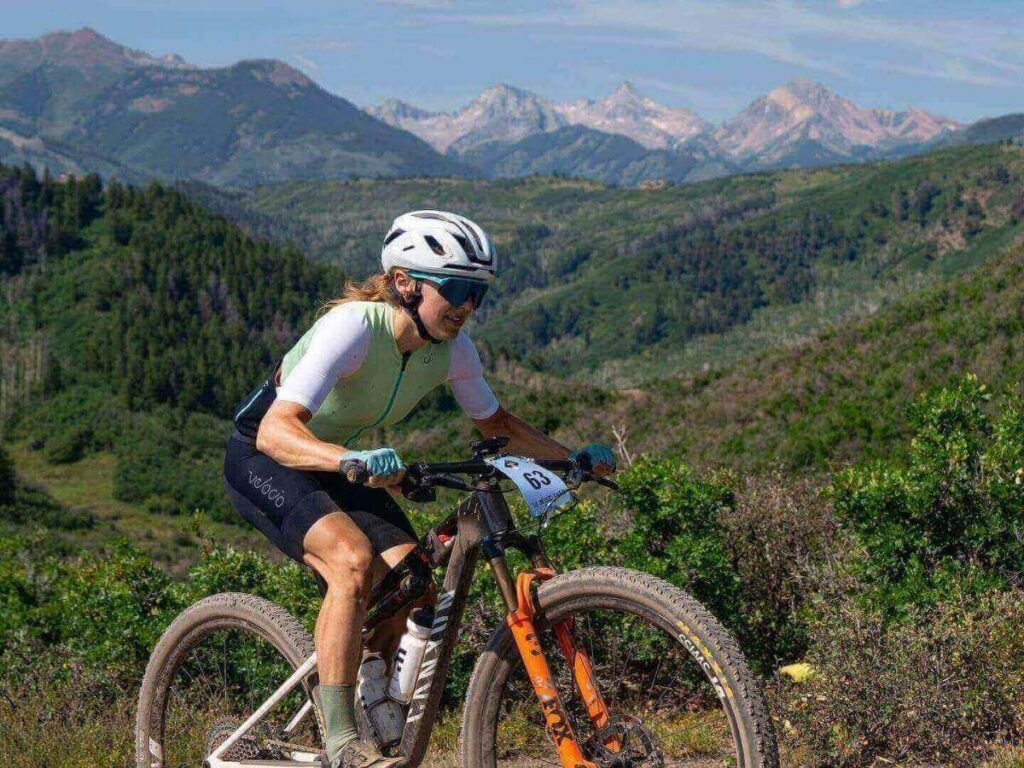
On another day, choose between the Cathedral Lake hike or some downhill biking in Snowmass. Cathedral Lake is a solid half day hike challenging in parts but deeply rewarding once you reach the glacial lake at the top.
If you’d rather do something active but a little different, Snowmass has trails for every level and lift access biking that makes the day feel fun rather than exhausting.
This is also the stretch of your trip where you can slow down your afternoons. Aspen has a way of encouraging a long late lunch, a walk through downtown, or simply sitting outside with a drink and watching the light change on the mountains.
If You Have 5 Days
Five days in Aspen lets you settle into a rhythm rather than hop from place to place. It’s enough time to weave in adventure, quiet mornings, and a couple of things you didn’t plan ahead of time.
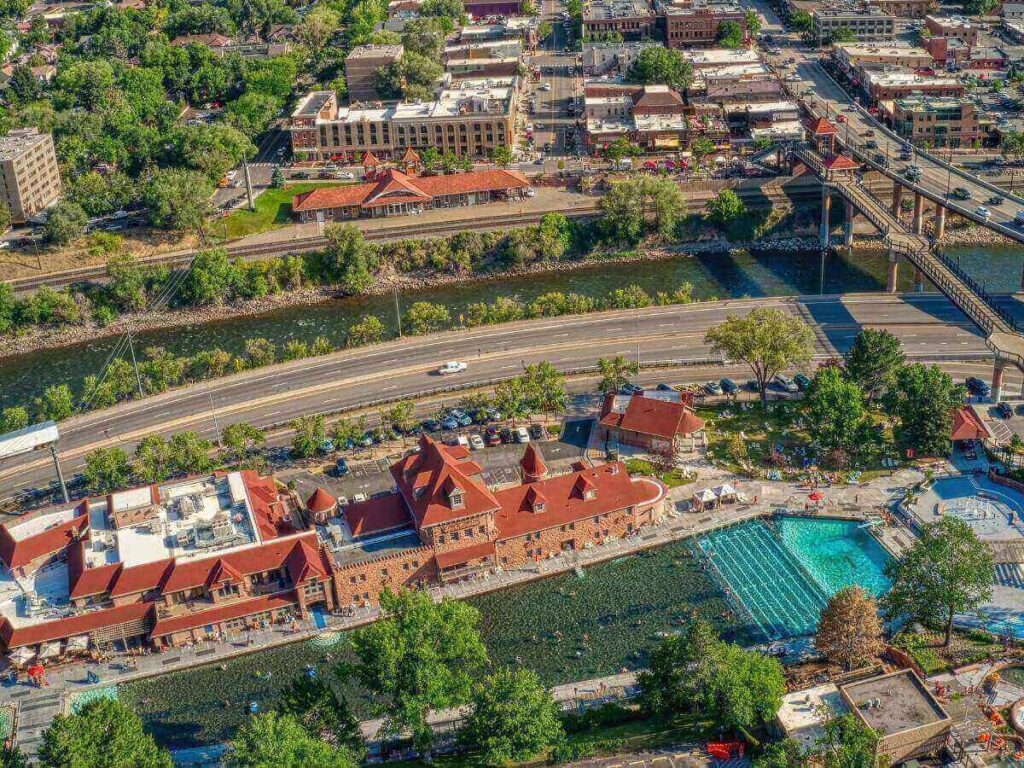
One full day is perfect for Glenwood Springs. The drive is pretty in its own right, passing through Glenwood Canyon’s walls of red rock, and the hot springs are as relaxing as everyone promises. After a long soak, wander through the small downtown, grab lunch, and return to Aspen in the afternoon feeling reset.
The rest of your days can be as slow or as active as you want. I like to start one morning with a long, unhurried walk beside the river, the kind of morning where you let yourself wander without a destination. The next day, you might spend the afternoon browsing a few galleries or sitting somewhere with a view and a warm drink.
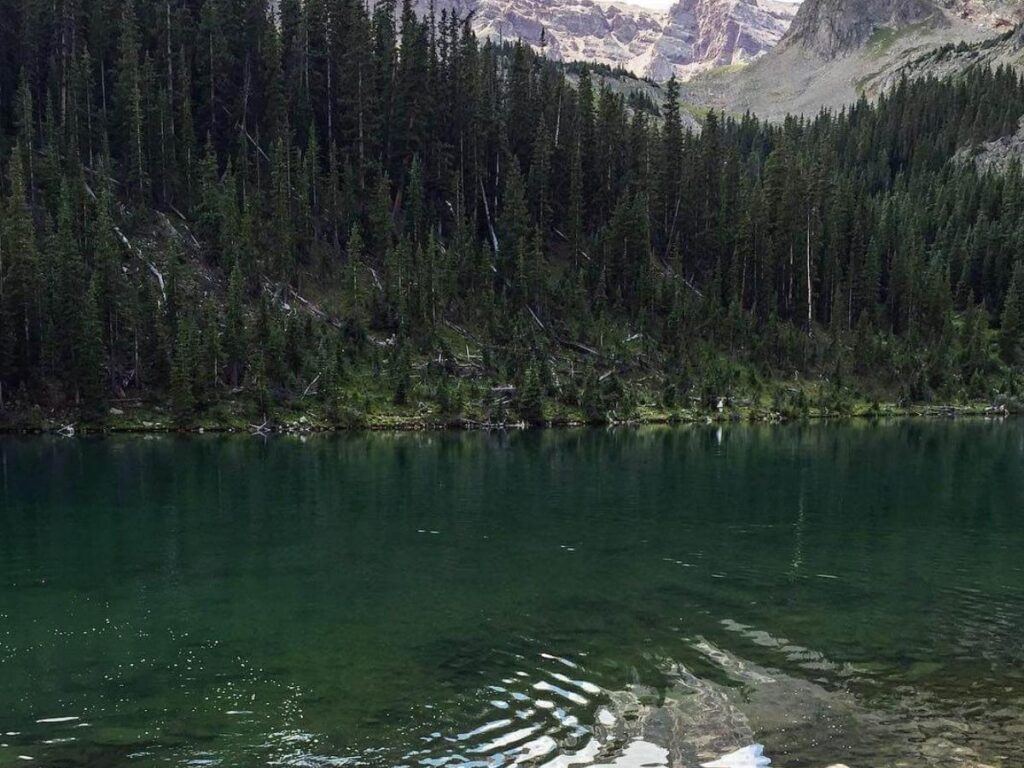
If you still have energy for another hike, consider American Lake or Crater Lake. Both offer that classic alpine feel without the crowds you’ll find at the more famous spots. They’re good options if you want to spend one last day in the mountains before heading home.
Five days gives you enough time to appreciate the small details: the way the light hits the peaks in the evening, the smell of the trees after a warm day, the gentle quiet of the trails outside town. It’s a pace that makes Aspen feel less like a quick trip and more like a place you’ve had time to know.
Summer (June–September)
Summer is when Aspen feels the most open and full of energy. The trails are clear, the wildflowers come out in bright waves around midJuly, and the long daylight hours make it easy to fit a lot into a single day without feeling rushed.
The air is warm but never heavy, and even on hot afternoons there’s a coolness that settles in when you step into the shade. This is the season for big hikes, slow afternoons by the river, and evenings where you can walk around downtown in just a light layer.
It’s also the busiest time of year, so planning ahead for popular spots like Maroon Bells makes the days a lot smoother.
Fall (late September–early October)
Fall in Aspen doesn’t last long, but it’s unforgettable. The aspen trees turn an incredibly bright gold, and the color spreads across the hillsides so completely that even a short drive feels like a scenic event. The air gets crisper, mornings feel quieter, and the trails start to empty out just enough to give everything a calmer, more intimate feel.
If you time it right, usually in the last week of September or the first week of October you’ll catch one of the most beautiful fall landscapes in the Rockies. It’s a really special time to visit if you love photography, hiking, or simply being outdoors when the seasons are shifting.
Winter
Winter transforms Aspen into something you almost have to experience to fully appreciate. Snow gathers on rooftops, the mountains turn smooth and white, and the whole town glows with warm lights in the early evenings. If you ski or snowboard, the mountains here are some of the best in the country.
If you don’t, you can still enjoy the season walking through town with a warm drink, taking a gondola ride for snowy views, or simply soaking up the winter atmosphere. The cold can be sharp, but Aspen handles winter gracefully, and you’ll always find somewhere cozy to step into.
Spring
Spring is the quietest time of year in Aspen. The snow begins to melt, the paths get muddy, and the weather can swing from sunny to icy in a single afternoon. Because of that, it’s often overlooked. But if you prefer slower, uncrowded travel, spring has its charm.
Hotels are more affordable, restaurants are more relaxed, and the town feels like it’s taking a breath between seasons. Some high-elevation trails remain closed, but you can still enjoy lowlevel walks, peaceful mornings downtown, and that feeling that comes with watching the mountains shift from winter to summer.
Conclusion
Every time I leave Aspen, I find myself slowing down for one last look at the mountains. They sit so close to the town that they become part of your days without you even noticing it. At first, you look up while drinking your morning coffee, or while walking back from dinner, and there they are, steady and familiar.
But they’re also tall enough, wide enough, and wild enough to remind you just how small you are in the best possible way.
Aspen is the kind of place that encourages you to breathe a little deeper and move a little slower, even if you usually travel with a packed itinerary. Whether you come for a busy weekend of hiking and scenic drives or you stretch your trip over several days and let the quieter moments shape your plans, the mountains have a way of settling into your memory.
You arrive excited, you leave rested, and somewhere in between, you end up spending more time outdoors than you expected, which is exactly what makes Aspen so easy to love.