
The first time I arrived in Minneapolis, I wasn’t expecting it to feel so calm. This is a major city, but it doesn’t rush you. Water shows up everywhere, lakes tucked into neighborhoods, the Mississippi cutting right through downtown, tree lined paths where people walk dogs or bike to work. It felt outdoorsy in a way I usually associate with mountain towns, not cities.

Minneapolis is layered. On the surface, it’s known for museums, sports, and music. Spend a little time here, though, and you start to notice how well daily life and nature blend together. You can walk across a historic bridge in the morning, sit beside a lake in the afternoon, and still catch live music or a good meal at night without feeling worn out.
This guide covers the things that genuinely stood out to me, how I’d structure your days depending on how much time you have, and the small planning details that make Minneapolis easy to enjoy rather than overwhelming.
Getting Oriented Before You Go
Minneapolis is one half of the Twin Cities, paired closely with St. Paul. They share an airport, transit system, and a lot of history, but they don’t feel the same once you’re actually on the ground. Minneapolis feels more spread out and outdoorsy, with water and green space woven right into everyday life.
Lakes sit inside neighborhoods, bike trails run alongside major roads, and the Mississippi River feels like a central feature rather than a backdrop.
That layout shapes how you experience the city. You’re rarely far from a park or walking path, and even downtown doesn’t feel boxed in. If you enjoy cities where you can mix museums, casual wandering, and time outside without constantly planning logistics, Minneapolis makes that easy.
Best Time to Visit
Late spring through early fall is when Minneapolis feels most alive. By May, patios start opening up, trees fill in, and people return to the lakes as if they’ve been waiting all winter. Summer brings festivals, outdoor concerts, and long daylight hours that make evenings feel unhurried. It’s easy to pack a lot into a day without feeling rushed.
Fall is quieter and slower, especially once kids are back in school. The air cools down, the leaves change along the lakes and river, and the city feels calmer. If you like walking, photography, or simply fewer crowds, early fall is a great choice.
Winter is undeniably cold, but Minneapolis is built for it. The skyway system lets you move between downtown buildings indoors, museums become natural anchors for your days, and the city leans into cozy cafés and restaurants. If you don’t mind dressing warmly and adjusting expectations, winter can still be enjoyable, just very different from summer.
Getting Around the City
Minneapolis is one of those cities where how you get around really depends on where you stay. If you’re near downtown, the North Loop, or close to the lakes, walking works surprisingly well. Bike paths are everywhere, and biking feels like a normal way locals move through the city rather than a niche activity.
Rideshares are easy to use and reasonably priced for covering longer distances or hopping between neighborhoods. Public transit exists, but most visitors find walking, biking, and rideshares more flexible for short stays.
Having a car is helpful if you want to explore beyond the core areas, visit Minnehaha Falls, or take day trips. Parking is generally manageable compared to larger cities, especially outside downtown. I liked having the option of a car without feeling like I absolutely needed it every day, which made the trip feel relaxed rather than logistical.
The Classic Minneapolis Sights That Are Worth Your Time
Minnehaha Falls
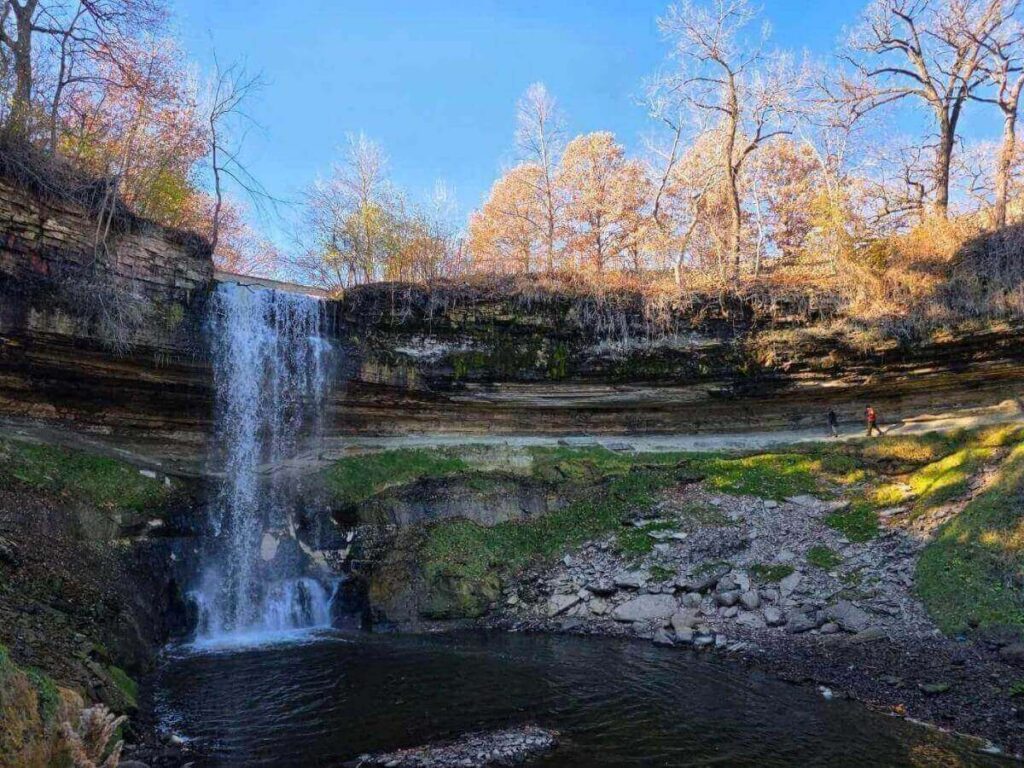
Minnehaha Falls ended up being one of those places I kept thinking about even after I left. The waterfall drops into a limestone gorge that feels dramatic without being intimidating, and the park around it is easy to explore even if you’re not in hiking mode.

Paths are wide and well maintained, and you can choose how active you want to be, anything from a short stroll to a longer wander along the creek.
I liked arriving earlier in the day, before tour buses or weekend crowds showed up. There’s something satisfying about hearing the rush of water before you actually see the falls. If you have extra time, walk a bit farther along the trails instead of turning around right away.
It gets quieter quickly, and it feels more like a local park than a headline attraction.
Stone Arch Bridge
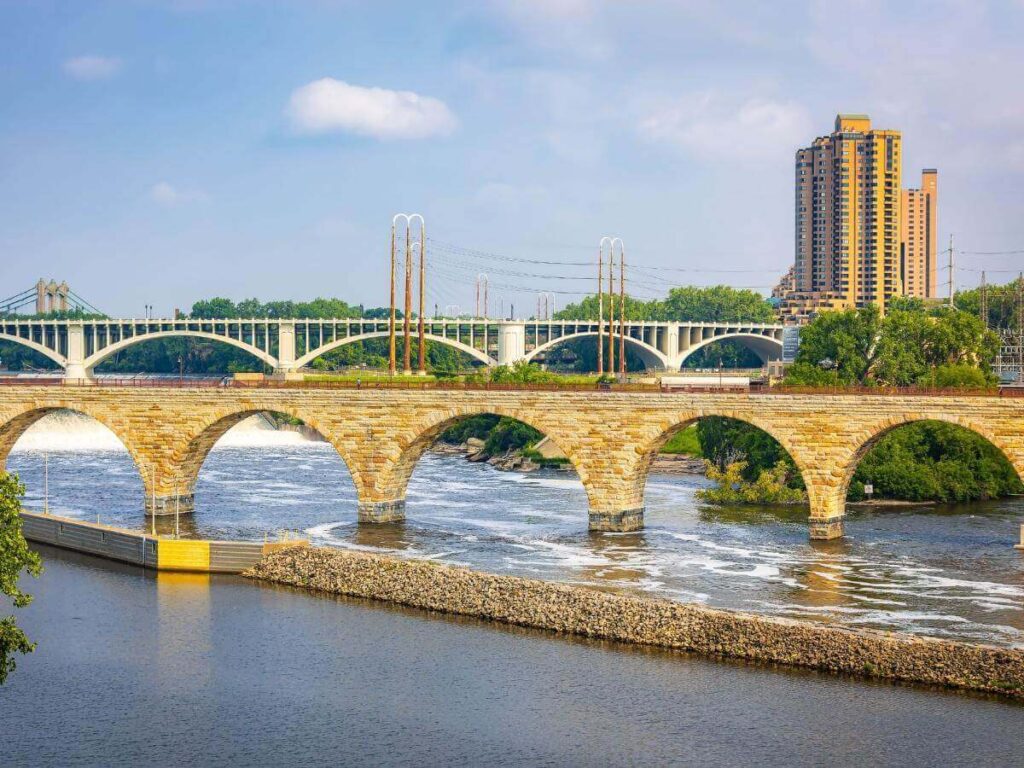
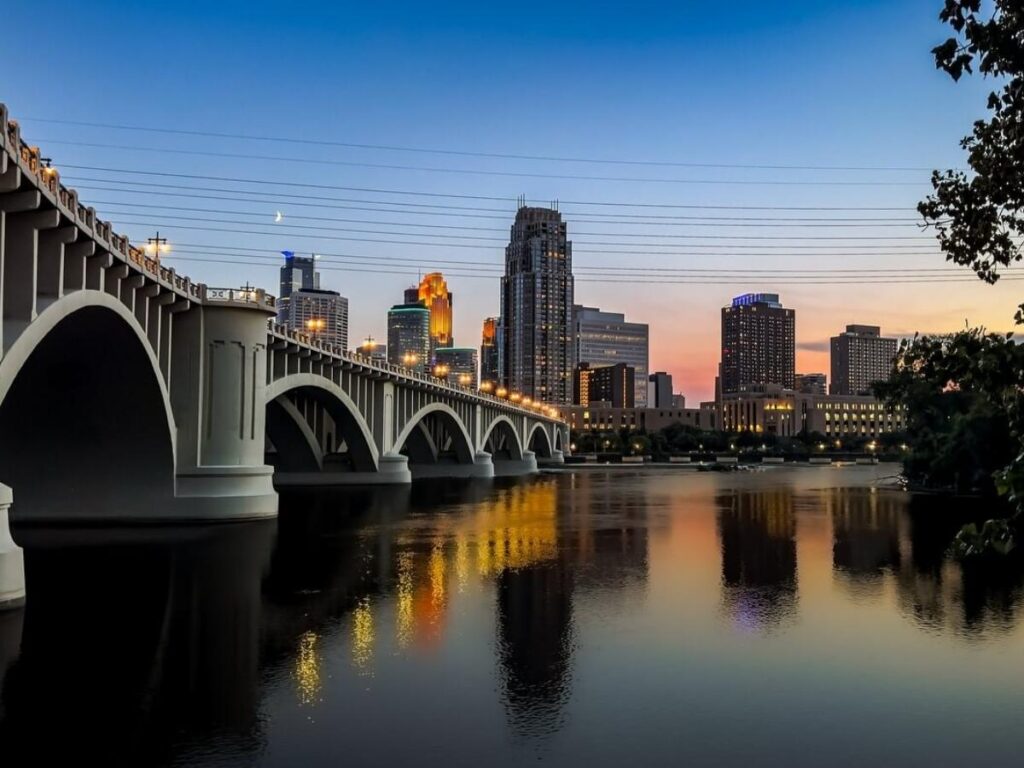
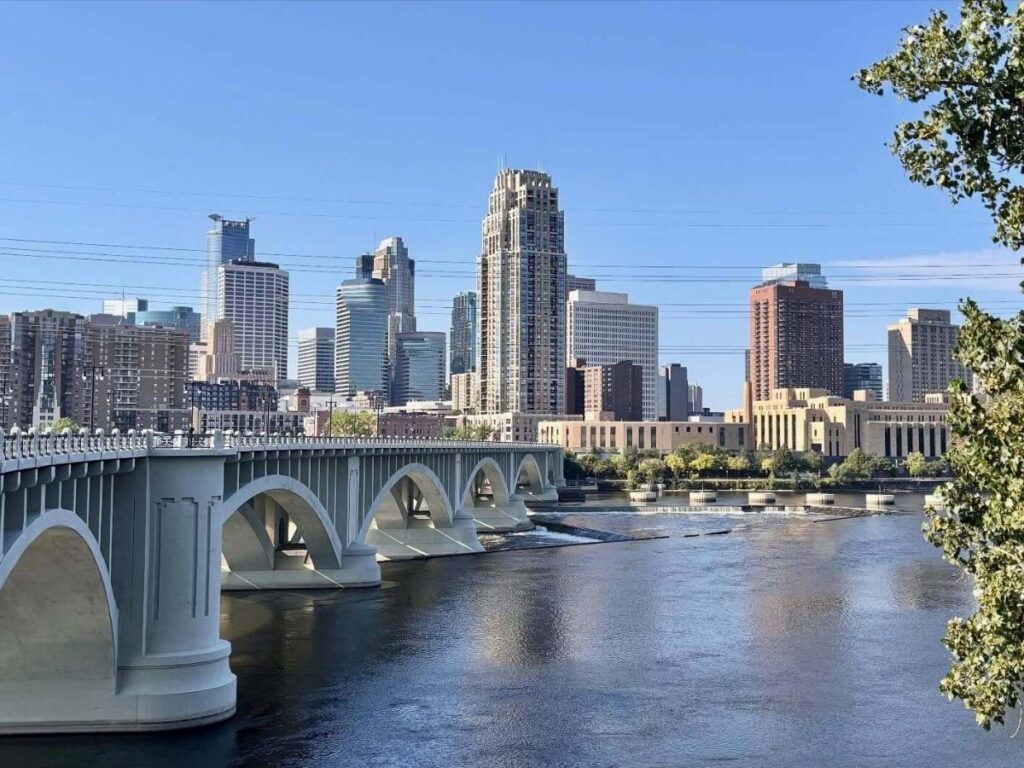
Walking across the Stone Arch Bridge helped me understand the city’s layout better than any map. On one side, you’re facing downtown’s modern skyline. On the other, the Mississippi River stretches out with old mill ruins and river paths that hint at Minneapolis’s industrial past.
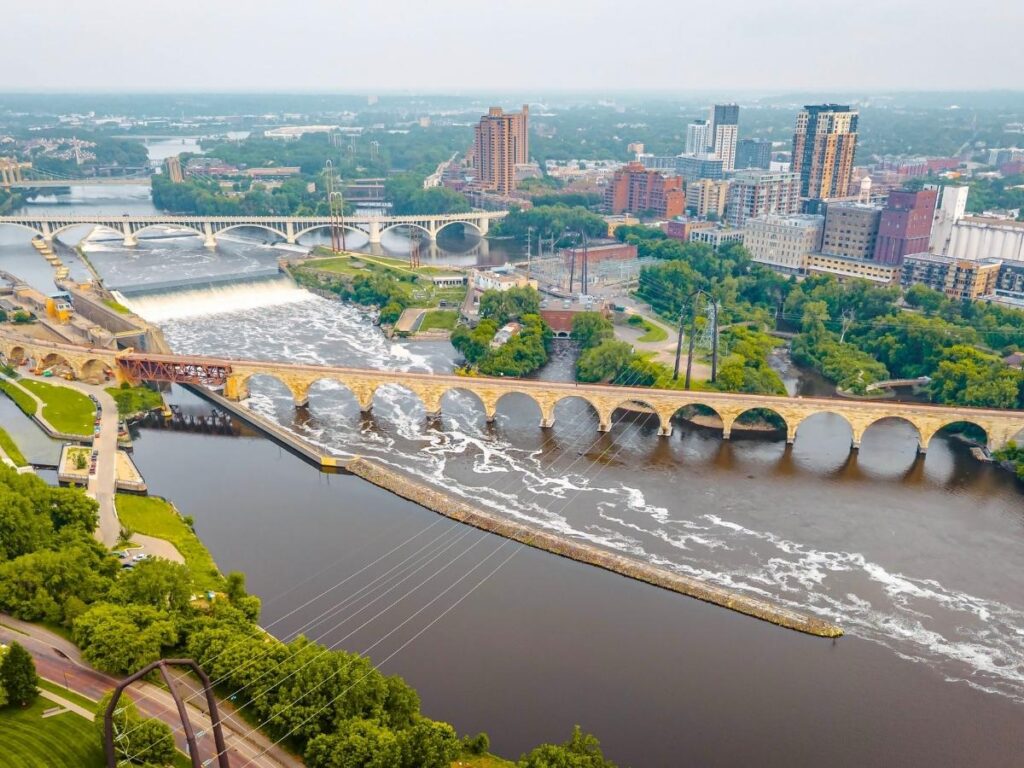
It’s a short walk, but it’s worth slowing down. I found myself stopping several times just to look around. Evening is especially nice when the light softens and the city feels calmer, but even a midday walk fits easily into a packed schedule.
If you’re already near the riverfront or Mill District, this is an easy ad that doesn’t feel like extra effort.
Minneapolis Sculpture Garden and Walker Art Center
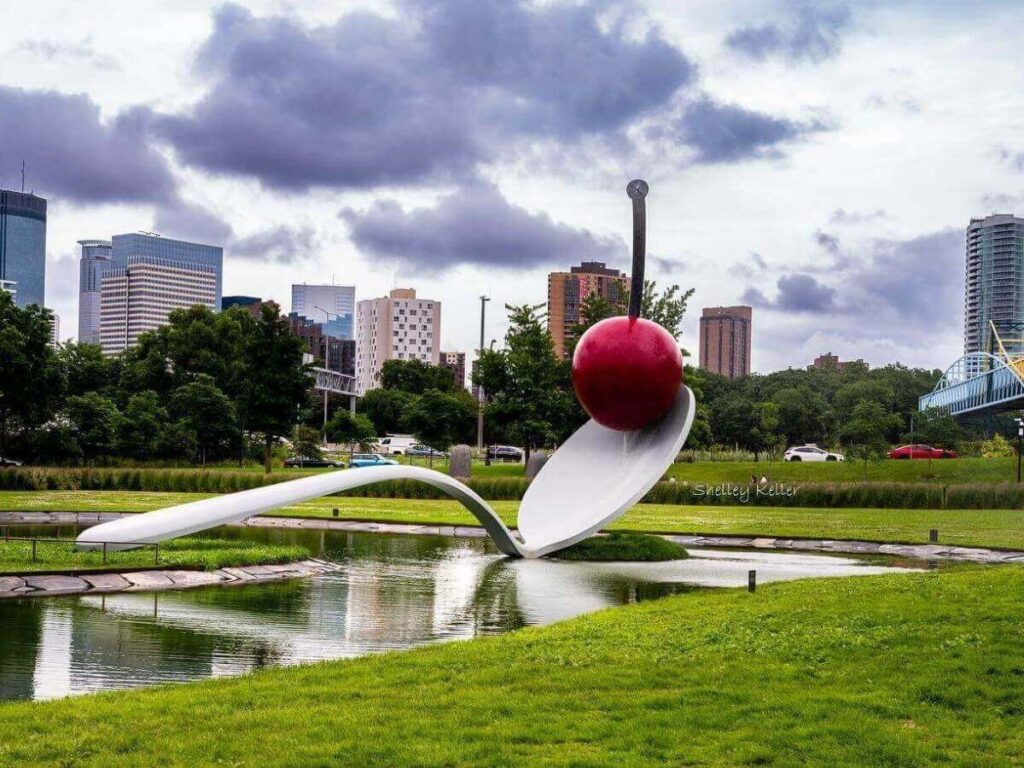
The Sculpture Garden is one of those places that works even if you’re not actively seeking out art. It’s open, relaxed, and meant to be wandered rather than studied. I liked that there was no set path or pressure to see everything. You can pause when something catches your eye and move on when it doesn’t.

Having the Walker Art Center right next door makes it easy to build a flexible visit. You can spend a quick half hour in the garden, then decide whether you’re in the mood to go inside. If you enjoy contemporary art, the Walker adds depth. If not, the outdoor space alone still feels like time well spent.
Minneapolis Institute of Art

What stood out to me about the Minneapolis Institute of Art wasn’t just the collection, but how approachable it felt. Being free to enter changes the whole experience. There’s no pressure to “get your money’s worth,” so you can pop in, see a few galleries, and leave without guilt.
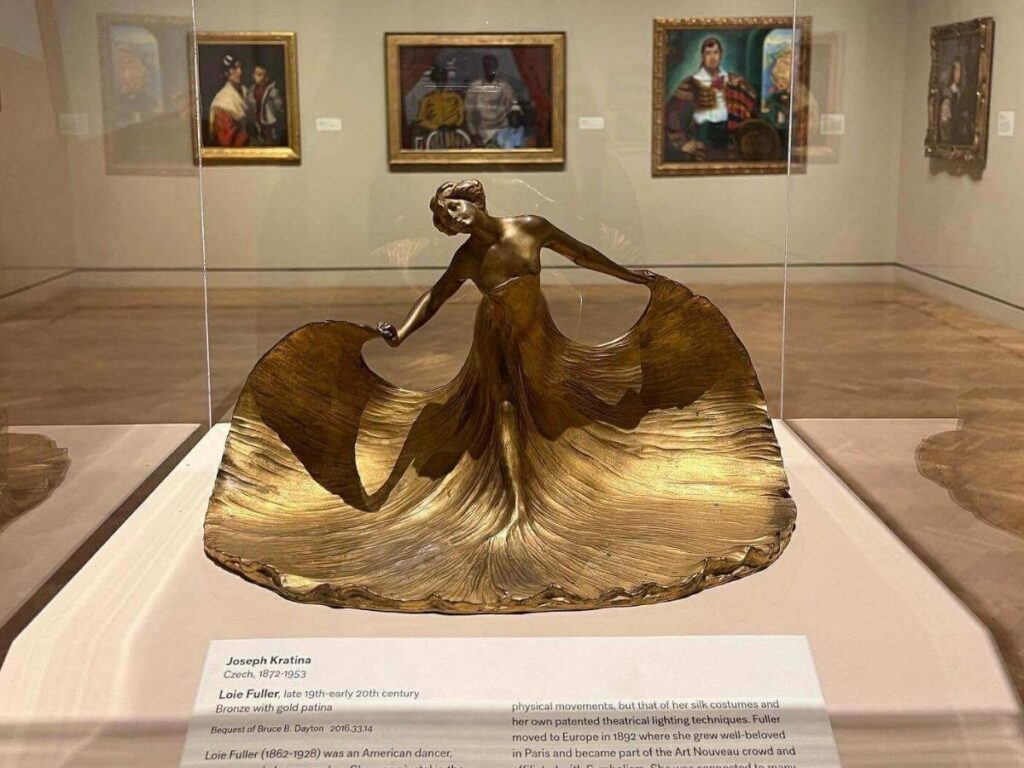
The space is large but well organized, and I never felt overwhelmed. Even an hour here feels satisfying, especially if you focus on one or two sections instead of trying to see everything. It’s an easy place to fit into your day, especially if the weather turns or you want a quieter break.
Exploring Minneapolis by Neighborhood
North Loop and the Downtown Riverfront
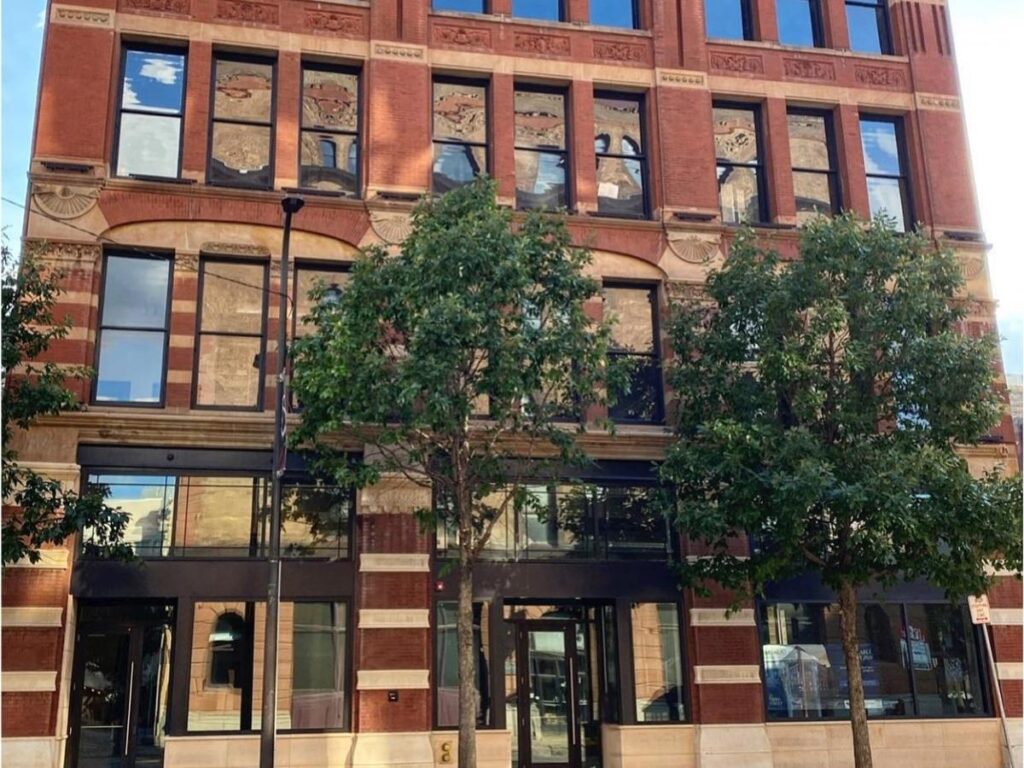
This area feels like a blend of old and new Minneapolis. Former warehouses now house restaurants, shops, and apartments, but the industrial feel hasn’t been erased. I enjoyed walking here without a plan, letting a coffee stop, a river view, or a quiet side street guide where I went next.
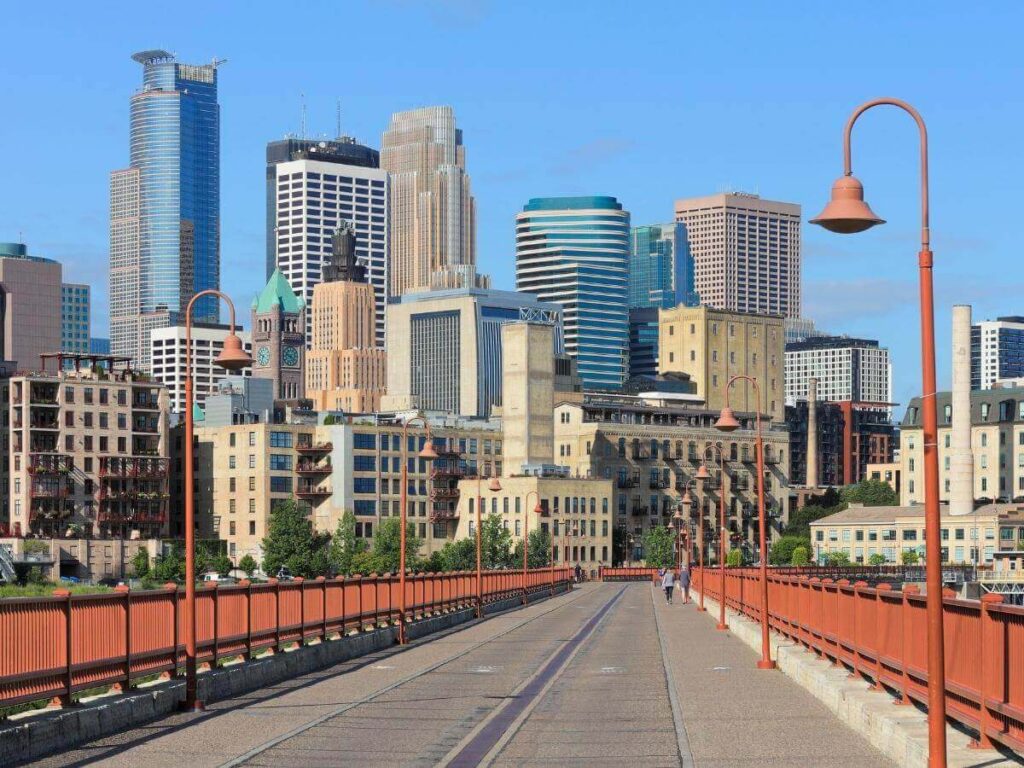
Staying here makes sense if you like being central and walkable. You’re close to the river, downtown sights, and plenty of food options, and it never felt hectic in the way some city centers do.
Uptown and the Chain of Lakes
Bde Maka Ska and Lake Harriet
This part of the city really shows how much Minneapolis values outdoor space. The lakes don’t feel like attractions so much as everyday gathering spots. People jog, bike, sit on benches, or lay out blankets with no rush to be anywhere else.
I liked Lake Harriet most in the evening. The pace slows, families head home, and the light across the water softens. It’s a good place to end a busy day, even if all you do is sit quietly and watch the sky change.
Northeast Minneapolis
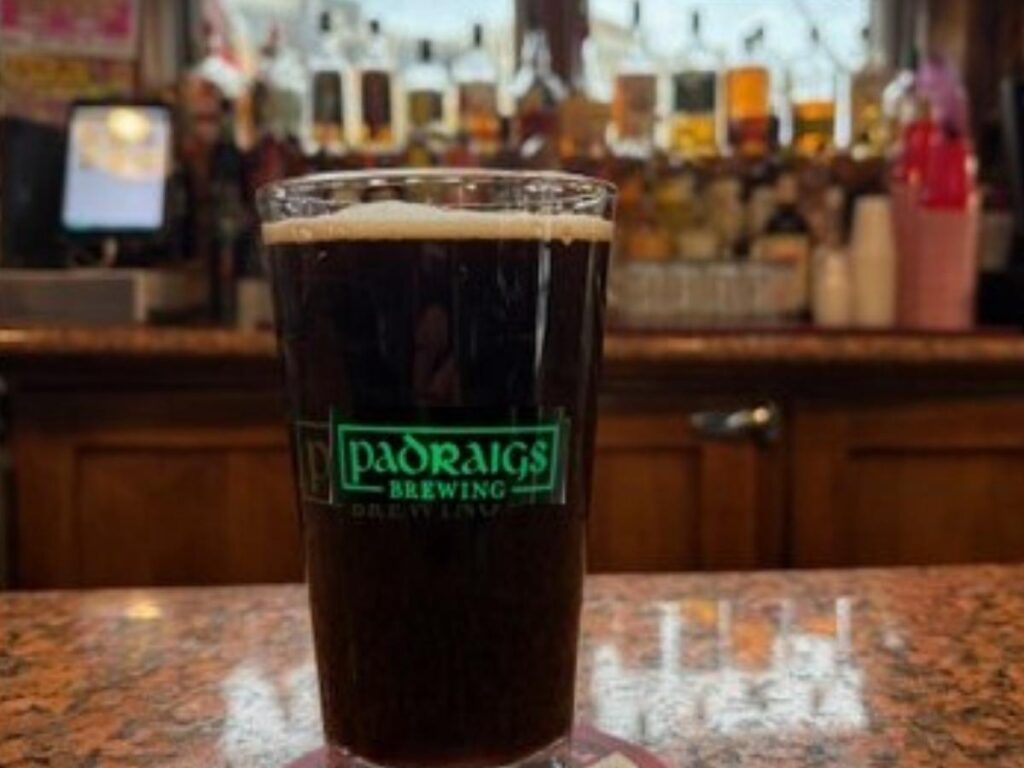
Northeast Minneapolis felt the most relaxed and least polished, in a good way. There’s a strong arts presence here, along with plenty of breweries and small venues that feel local rather than curated for visitors. I liked wandering without a checklist, popping into places that looked interesting, and staying longer when something felt right.

If you enjoy neighborhoods where things feel a little rough around the edges but full of personality, this area is worth carving out time for. It’s less about seeing specific sights and more about getting a feel for the city beyond its postcard spots.
Food and Drink: What’s Worth Planning Around
Minneapolis does food in a very unpretentious way. You don’t have to chase reservations weeks in advance or plan every meal around a “scene.” Most places feel comfortable, casual, and built for people who actually live here, which makes eating out feel relaxed rather than like another thing to manage on your trip.
Juicy Lucy

If you only try one local food, make it a Juicy Lucy. It’s a burger with the cheese sealed inside the patty instead of layered on top, and yes, it’s as messy as everyone says. It’s also very much part of the city’s identity.
This isn’t a refined dining experience, it’s a sit down, lean over your plate kind of meal. The biggest piece of advice I can give you is to let it cool before taking a bite. The warnings exist for a reason.
Trying a Juicy Lucy feels less like chasing a trend and more like participating in a long standing local habit, which is what made it enjoyable for me.
Breweries and Casual Spots in Northeast Minneapolis

Northeast Minneapolis is where I kept ending up in the evenings. The brewery scene here feels low key and social rather than loud or overwhelming. Most places are set up so you can settle in, talk, and actually hear the people you’re with.
Instead of trying to hit several spots in one night, I found it much more enjoyable to pick one brewery that looked inviting and stay awhile. Grab a beer, maybe some food, and let the evening unfold. It fits the pace of the neighborhood and feels more natural than hopping from place to place.
Arts, Music, and Live Performances
Music and performance are woven deeply into Minneapolis, and you feel that even if you’re not actively seeking out shows every night. There’s a sense that creativity matters here, whether it’s happening on a big stage or in a smaller, more intimate space.
First Avenue
First Avenue carries a lot of history, and even walking past it feels meaningful if you know its role in the city’s music culture. If you do get the chance to see a show here, the venue feels personal and unpolished in the best way. You’re close to the stage, the energy feels real, and it doesn’t feel oversized or corporate.

Beyond First Avenue, Minneapolis has a strong theater scene. You’ll find everything from large scale productions to smaller, experimental performances, depending on what you’re in the mood for. It’s worth checking what’s playing during your visit, even if theater isn’t usually high on your list. The quality tends to be consistently good.
Sports and Big City Energy
Target Field
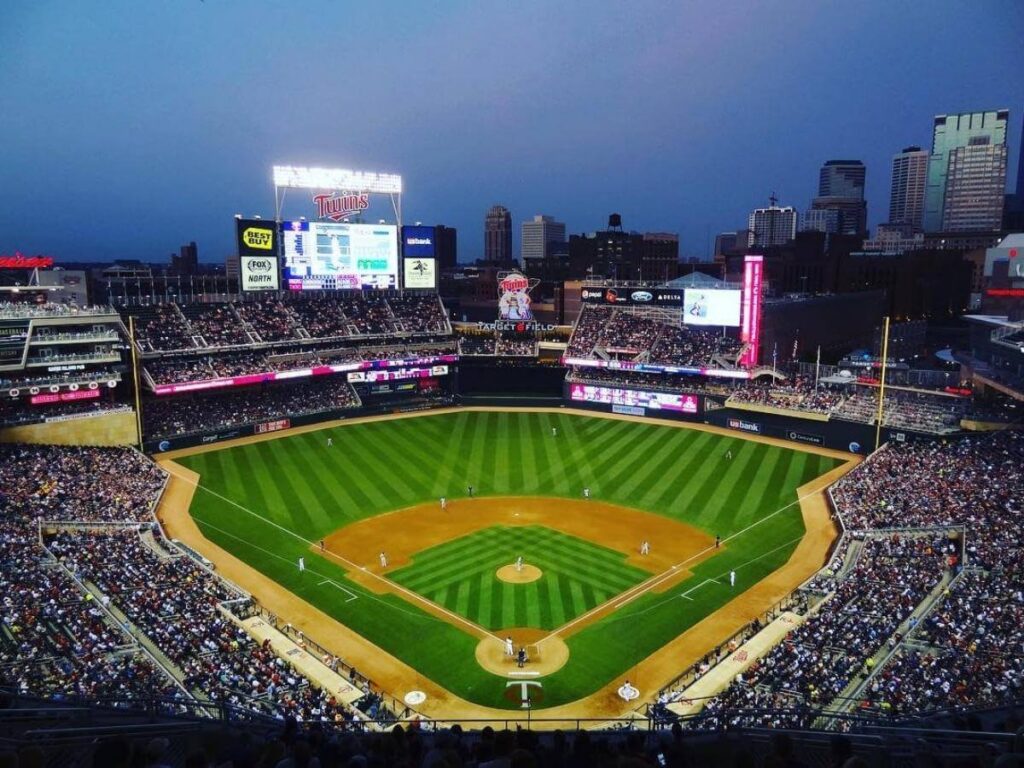
Going to a baseball game at Target Field is as much about the setting as the sport itself. The stadium is open air, well designed, and easy to enjoy even if you’re not deeply invested in baseball. On a warm summer evening, it feels relaxed and social, with people chatting, grabbing food, and watching the game at their own pace.
You don’t need to be a lifelong fan to enjoy it. Think of it as a classic American city experience that fits nicely into a Minneapolis visit, especially if the weather cooperates.
Easy Day Trips from Minneapolis
One of the things I liked about Minneapolis is how easy it is to branch out if you have extra time.
St. Paul is close enough that visiting feels effortless, but it has a noticeably different personality. It’s quieter, more historic, and moves at a slightly slower pace. Spending a half day there gives you a fuller picture of the Twin Cities without feeling repetitive.
If you’re more interested in nature, there are state parks and small river towns nearby that make for easy half day or full day trips. You don’t need to plan anything extreme or drive for hours. Minneapolis works well as a base if you want variety without constant packing and unpacking.
How I’d Spend 1, 2, or 3 Days in Minneapolis
One Day in Minneapolis
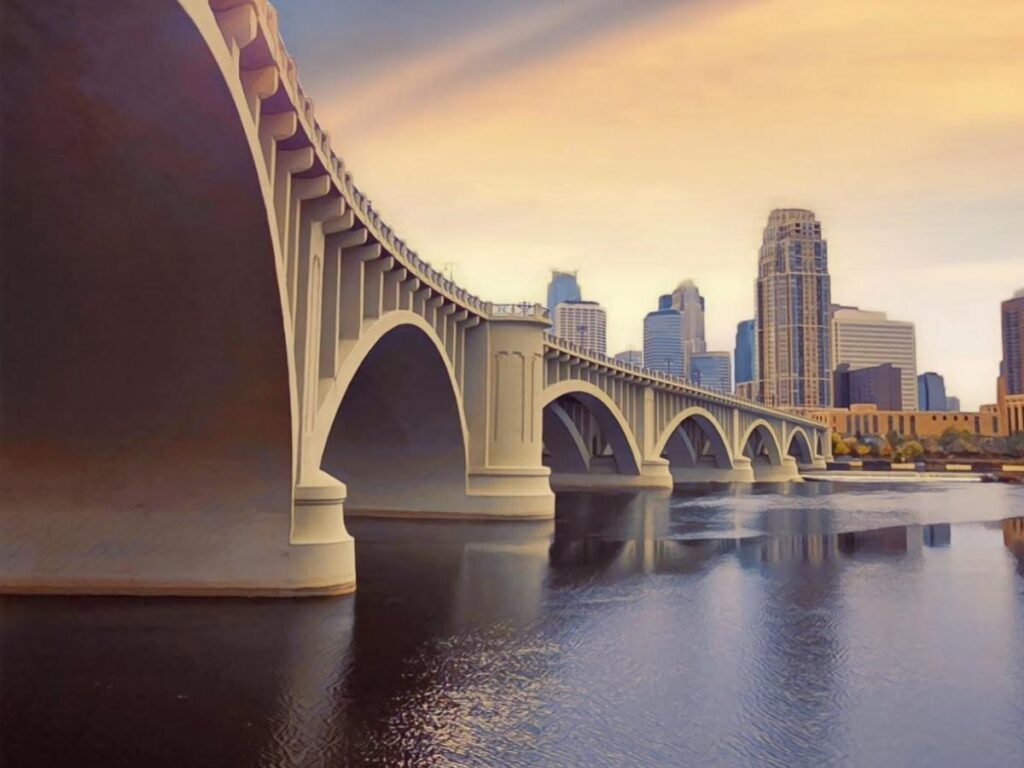
If you only have one day, I’d keep things centered around the river and downtown. Start the morning along the Mississippi River, where the city really shows its character.
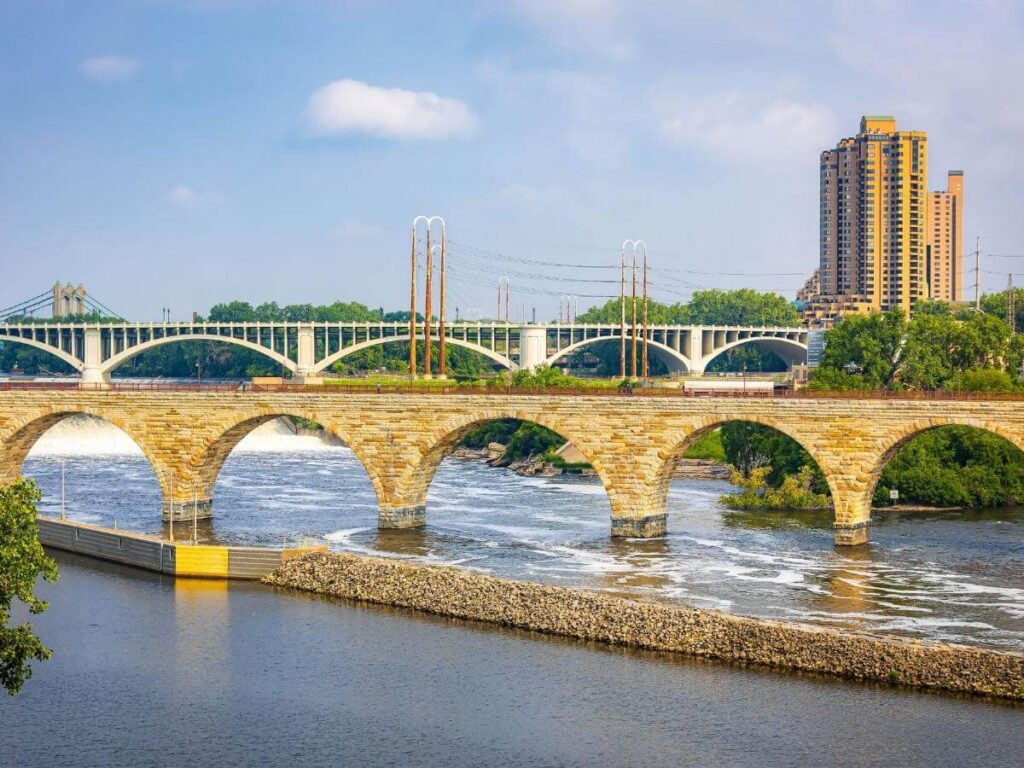
Walking across Stone Arch Bridge is a great way to ease into the day. It doesn’t take long, but the views give you a sense of both the city’s modern side and its history.
From there, choose one museum rather than trying to squeeze in several. The Minneapolis Institute of Art works well if you want something calm and flexible, while the Walker Art Center is a good pick if you’re more interested in modern work. Either way, give yourself time to enjoy it without rushing.
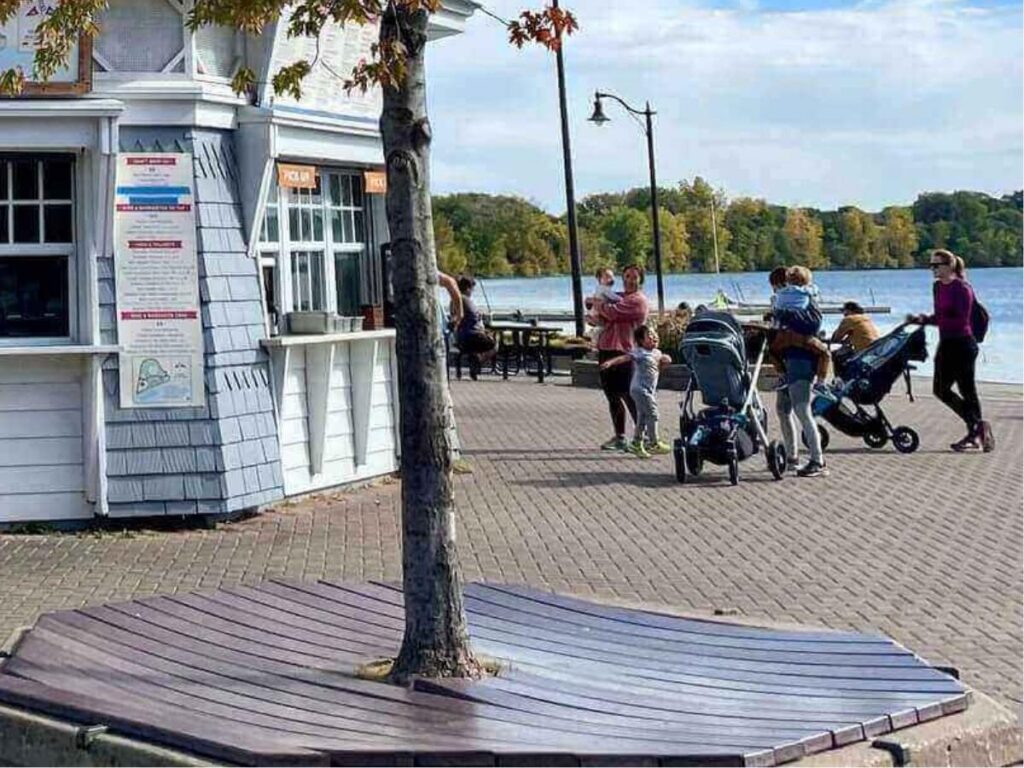
In the late afternoon or early evening, head toward one of the lakes. Sitting by the water, walking a short stretch of the path, or just watching locals wind down their day feels like the right way to end a short visit. It balances out the city sights and keeps the day from feeling too packed.
Two Days in Minneapolis
Within two days, you can see the highlights without feeling like you’re constantly on the move. On day one, I’d still focus on the riverfront, Stone Arch Bridge, and a museum. That gives you a strong foundation and keeps things walkable.
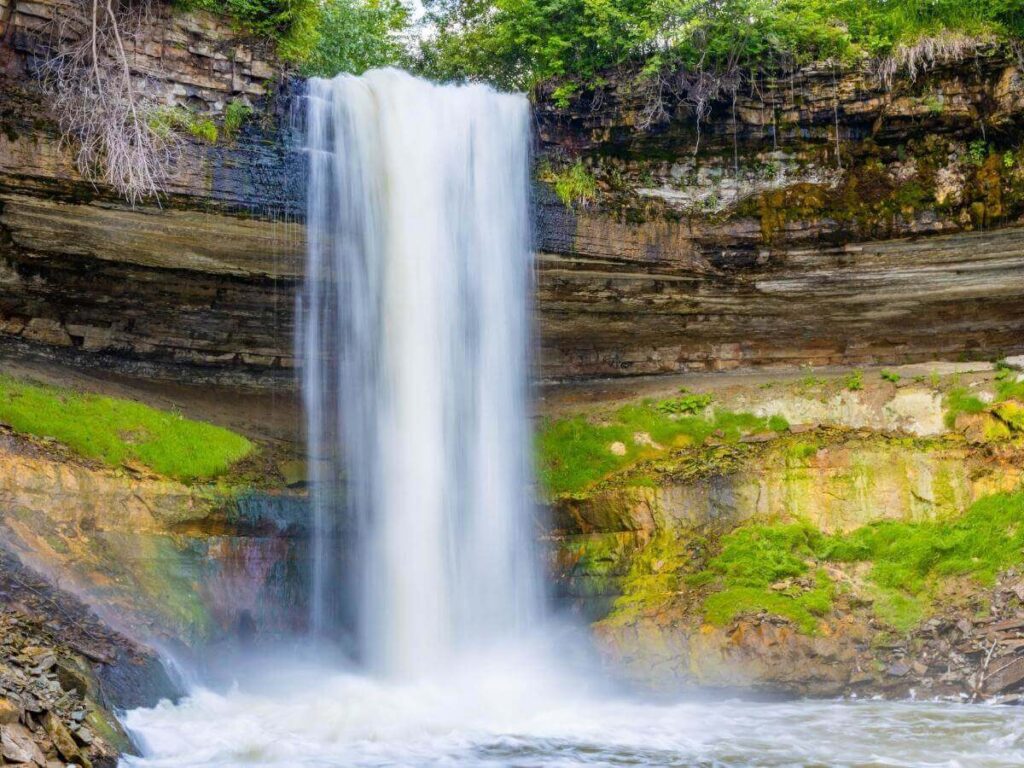
On day two, head to Minnehaha Falls earlier in the day. The park is easy to navigate, and arriving before it gets busy makes the experience more peaceful. Spend some time walking beyond the main viewpoint so it feels less like a quick photo stop and more like a proper visit.
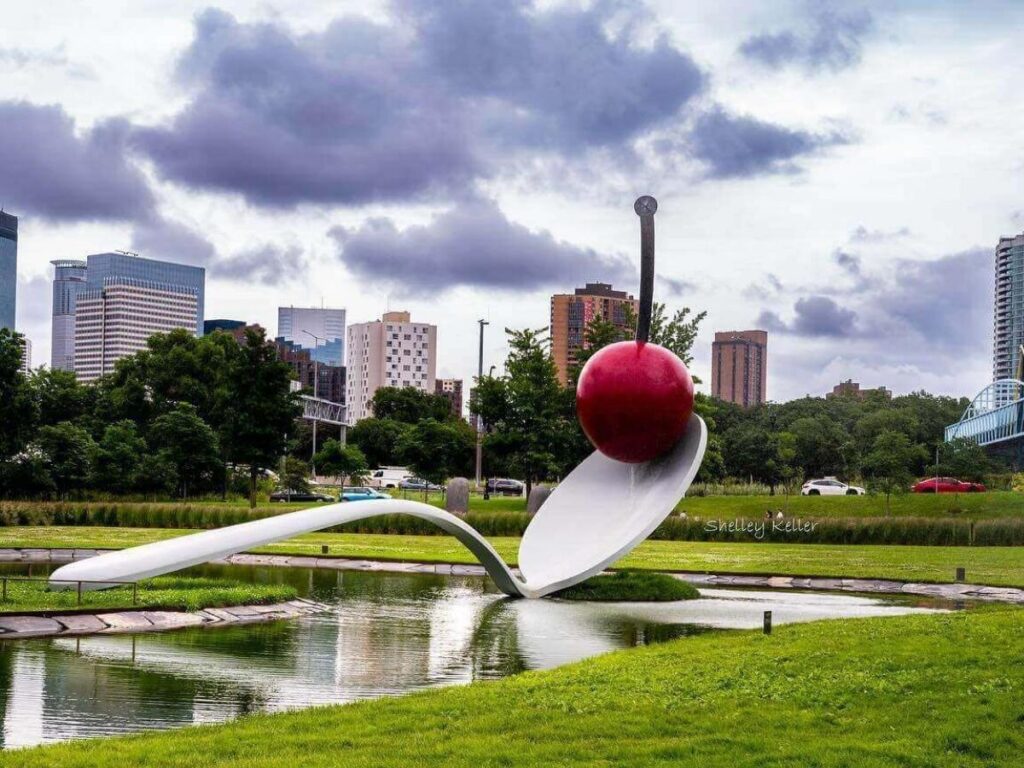
After that, make your way to the Minneapolis Sculpture Garden. You don’t need to plan much here, just wander and stop when something catches your attention. If you’re up for it, step inside the Walker Art Center afterward.

End the day in Northeast Minneapolis. Grab dinner or a drink, maybe at a brewery, and let the evening unfold without an agenda. This is where Minneapolis started to feel more local and lived in to me.
Three Days in Minneapolis
If you have three days, the biggest shift I’d make is slowing everything down. Use the extra time to linger instead of adding more major sights.

Spend one morning around the lakes, especially Bde Maka Ska or Lake Harriet. Walk as much or as little as you want, stop for coffee nearby, and don’t worry about seeing everything. This is where Minneapolis really shines.
Another day can be about neighborhoods. Wander the North Loop, explore Northeast Minneapolis more deeply, and follow whatever looks interesting rather than sticking to a checklist. Pop into shops, take breaks, and let the city set the pace.
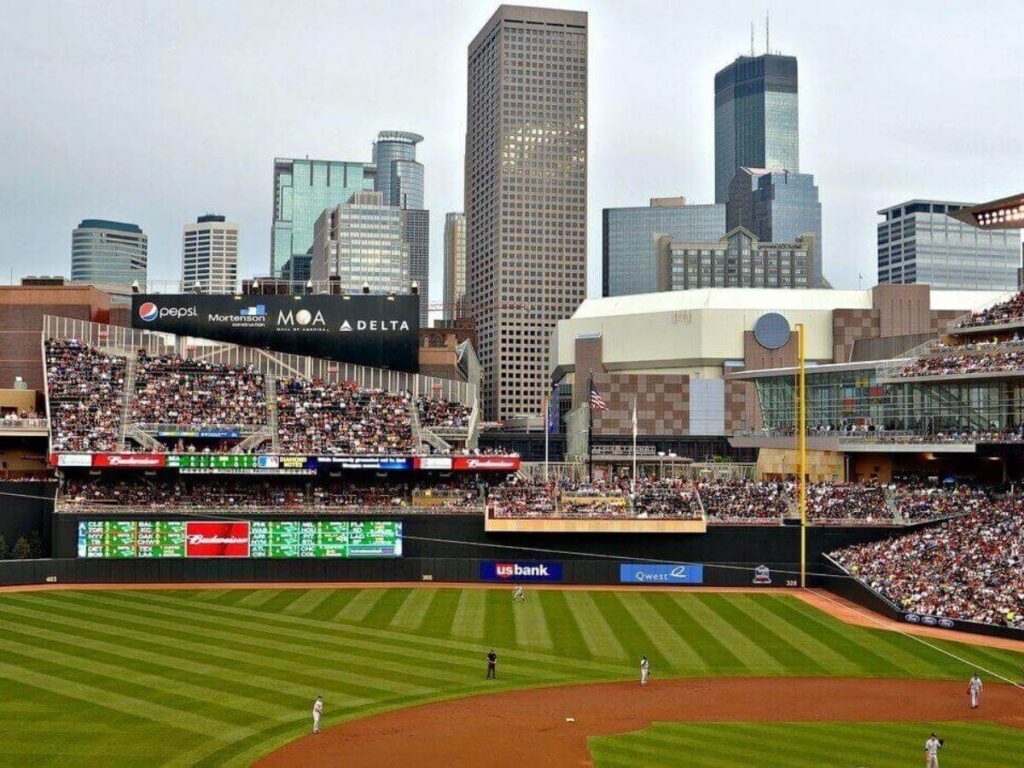
On one evening, try to fit in live music or a game. Seeing a show at First Avenue or catching a baseball game at Target Field adds a different kind of energy to the trip and rounds it out nicely.
With three days, Minneapolis feels less like a destination you’re touring and more like a place you’re temporarily living in, which is when it really starts to click.
Final Thoughts
Minneapolis grew on me in a quiet way. It isn’t the kind of city that tries to grab your attention all at once or overwhelm you with headline attractions. Instead, it settles in slowly. A walk that turns into a longer wander.
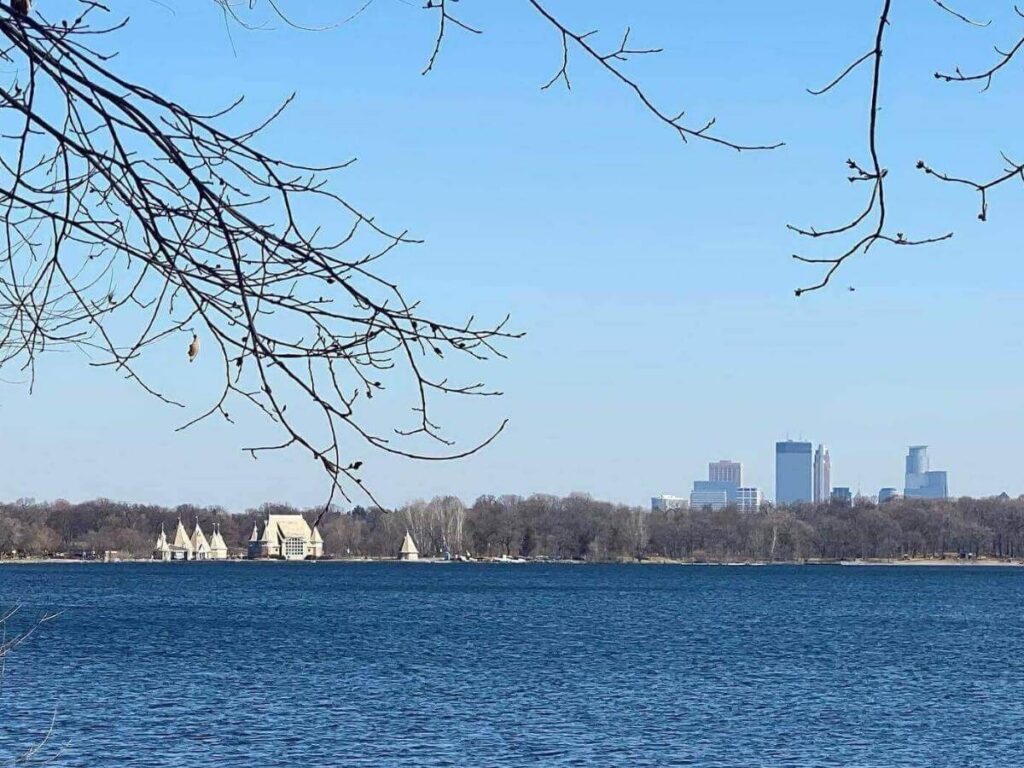
A lake you meant to circle once that ends up holding you there for an hour. A neighborhood you planned to pass through that becomes the place you return to at the end of the day.
What I appreciated most was how easy it was to find balance here. You can have a morning that feels very “city,” walking across the river or stepping into a museum, and then spend the afternoon sitting by the water with no schedule at all.
That shift never feels forced or far apart. Everything connects in a way that makes the days feel full without being tiring.
Minneapolis also rewards flexibility. The moments I enjoyed most weren’t always the ones I planned for. They were the pauses, sitting along Lake Harriet as the light faded, lingering longer than expected in Northeast Minneapolis, or taking the long way back across the bridge just because the view was good.
If you come with a packed checklist, you’ll still enjoy yourself, but if you leave room for the city to guide you, it offers much more.
If you like places that feel livable as well as interesting, where culture, nature, and everyday life blend together naturally, Minneapolis is worth your time. It’s a city that doesn’t rush you, and once you stop rushing it, it has a lot to give.