
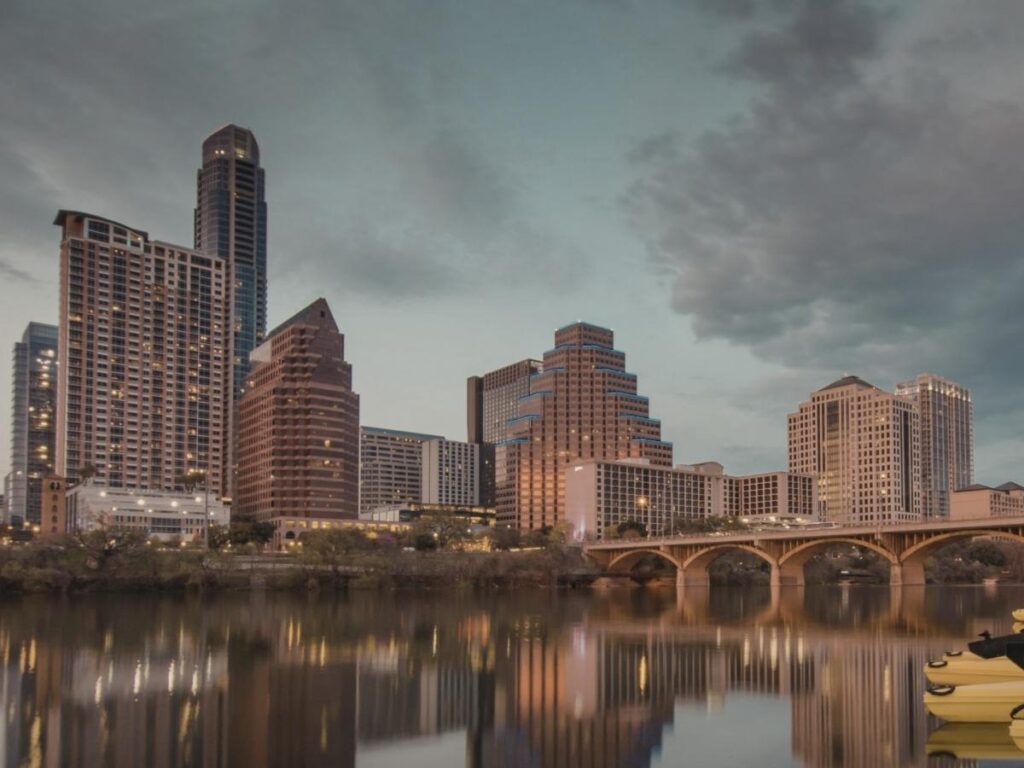
The first time I arrived in Austin, I expected good tacos and a lively music scene. What surprised me more was how naturally the city shifts between quiet and loud moments. One hour I was paddling on Lady Bird Lake, watching the skyline ripple on the water, and the next I was hunched over a tray of barbecue that demanded full concentration.
By evening I’d squeezed into a tiny music venue where the singer was close enough that I could see every shift in their expression. It felt like three different days packed into one.
After a few visits, I realized Austin works best when you let the day unfold instead of trying to control every minute. A slow walk through one neighborhood, a couple of good meals, maybe a swim or a paddle if the weather is kind, and then leave the evening open for whatever music calls to you.
Each area of the city has its own rhythm: South Congress buzzing with shops and coffee, East Austin full of murals and easy energy, Zilker giving you space to breathe.
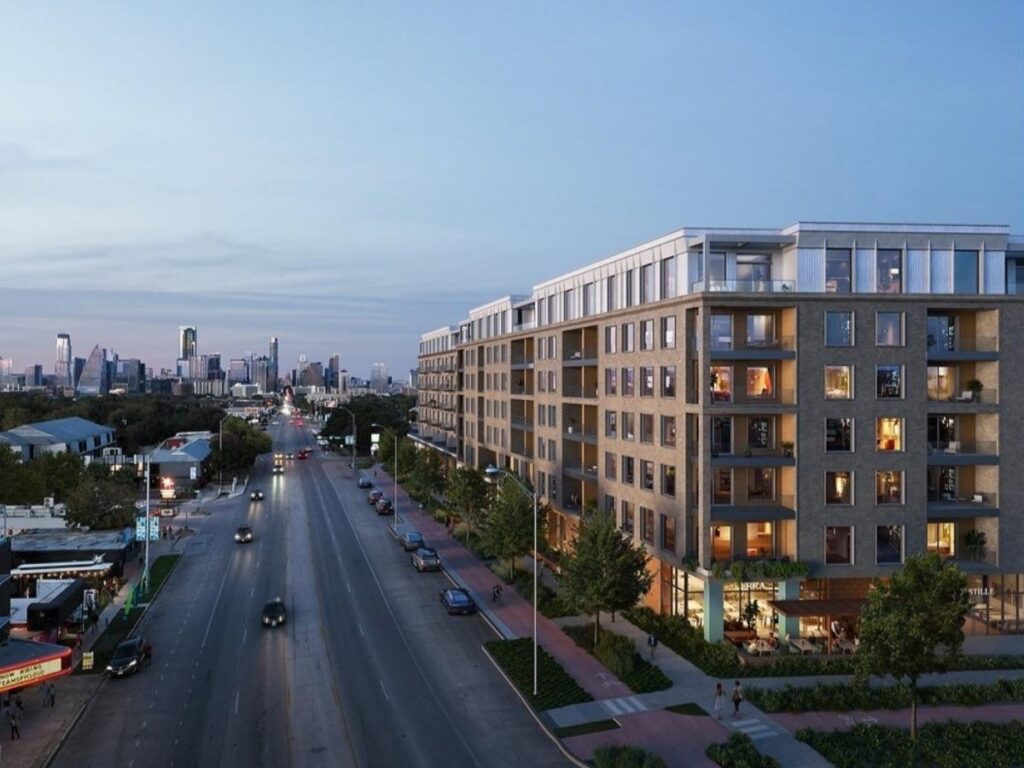
This guide brings together the places and moments that helped Austin make sense to me. The itineraries for 24, 48 and 72 hours aren’t strict plans, just simple paths that help you see the best of the city without rushing. If you’re visiting for the first time, consider this the version I’d send to a friend who wants something honest, practical, and easy to follow.
If you only have a short window in Austin, these are the things that give you the quickest sense of the city. Start with Lady Bird Lake. Rent a kayak or paddleboard for an hour and drift along the water while the skyline rises behind you. It’s calm, usually quiet in the morning, and it sets the tone for the rest of the day.
You see runners, dogs, cyclists, locals taking their slow laps. It’s a simple way to understand why people love living here.
After that, find some Texas barbecue the famous spots draw long lines, so go early or pick a place known for moving quickly. Barbecue in Austin isn’t fancy or complicated; you order at the counter, take your tray, and try not to drop anything as you find a seat. The brisket is usually the star, but the sides matter too, especially if you’re sharing.
Quick Picks Austin at a Glance
If the weather is warm, head to Barton Springs Pool. The water comes from natural springs, so it stays cold all year, and the shock of that first step is part of the fun. People spread out on the grass, sunbathe, nap, and wander in and out of the water at their own pace. It’s one of the easiest places to slow down for a bit.
In the evening, make your way toward the Congress Avenue Bridge if you’re visiting between March and October. The bats gather under the bridge and fly out around sunset, and even though the whole thing only lasts a few minutes, it’s surprisingly memorable.
You can stand along the railings, join the small crowd on the lawn, or watch from the water if you rented a board earlier.
South Congress is worth a walk at almost any time. It’s full of murals, shops, cafés, and food trucks, and the mix of locals and visitors gives it a steady hum without feeling chaotic. Grab a coffee, browse for a few minutes, and take your time wandering down the street the small details are what make it fun.
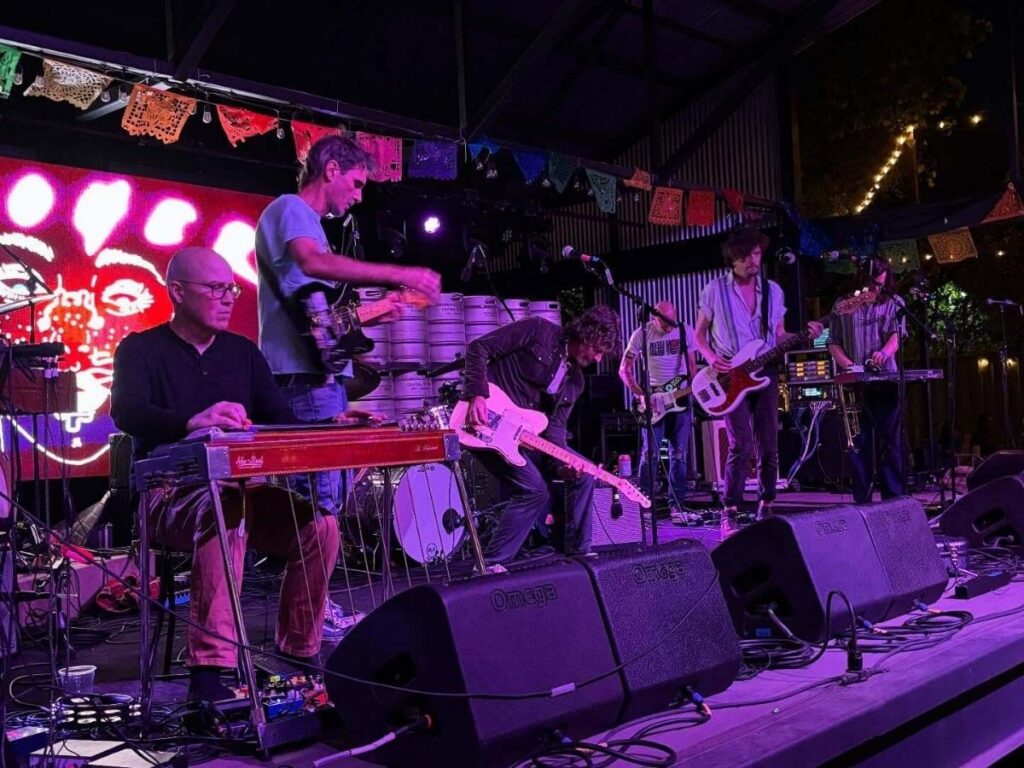
And before you end the day, try to catch a show at one of Austin’s small music venues. The city is known for its live music, but the real magic happens in the places where the stage is barely raised and the band is close enough that you can feel the bass through the floor.
You don’t need to know who’s playing; half the fun is walking into a set you didn’t plan on and staying longer than you expected.
How I’d Spend 1, 2, and 3 Days in Austin
One Day in Austin (24 Hours)
Morning
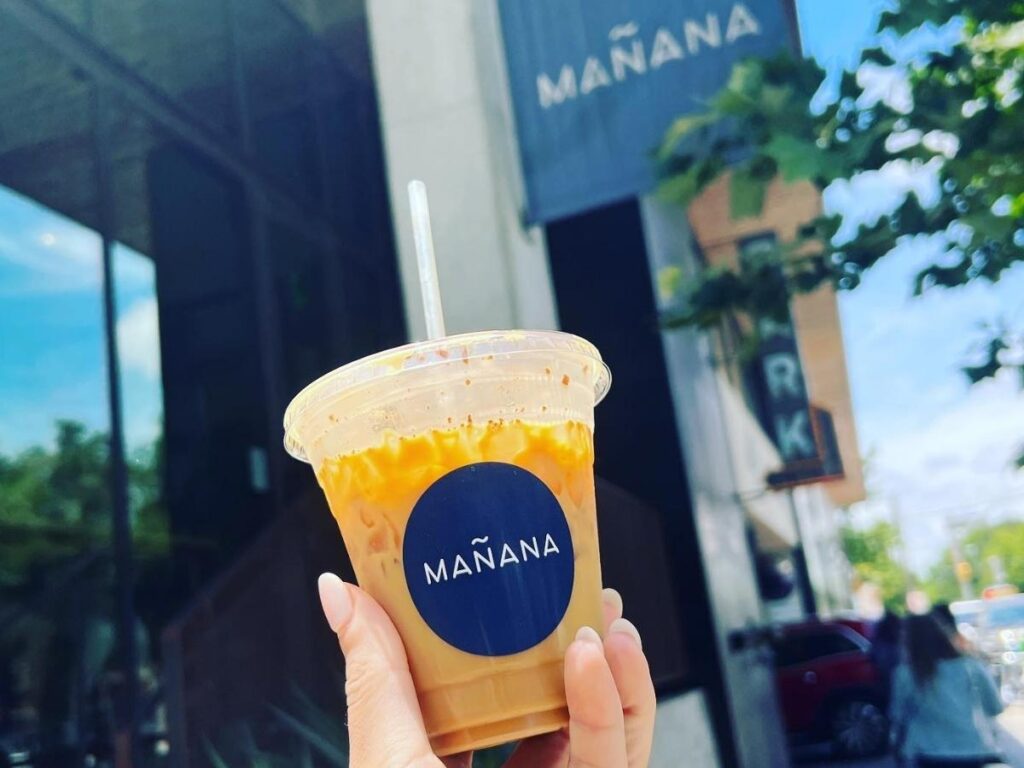
Start your day in South Congress, because it wakes up gently. The street isn’t crowded yet, and the cafés open early enough that you can slip in before the rush. Order a coffee and sit for a minute.
This stretch attracts a mix of locals easing into the day, dog walkers, and travelers trying to figure out their first stop. The energy is soft and unhurried, and it helps set the mood for everything else you’ll do.
As you walk along the street, stop into a shop or two even if you weren’t planning to buy anything. Some stores are quirky, others are beautifully curated, and the whole area has a kind of easy charm.
When the sun starts to feel stronger, it’s a good cue to head toward the river. Crossing over the bridge gives you your first real sense of Austin’s skyline, and once you reach the Lady Bird Lake trail, you’ll see why locals spend so much time outdoors.

Renting a kayak or paddleboard for an hour is one of the simplest ways to connect with the city. The water is usually smooth in the morning, and you get a quiet view of the skyline without the rush of traffic or noise.
You’ll pass other paddlers, people jogging with headphones, and dogs in strollers the usual Austin mix. It’s relaxing without being boring, and it gives you a slice of calm before the day picks up.
Lunch
By the time you’re off the water, you’ll probably be hungry, and in Austin that usually means barbecue. Some spots draw crowds so big that you wonder if the food is worth the wait. It is, but you don’t need to dedicate hours to it if you don’t want to.
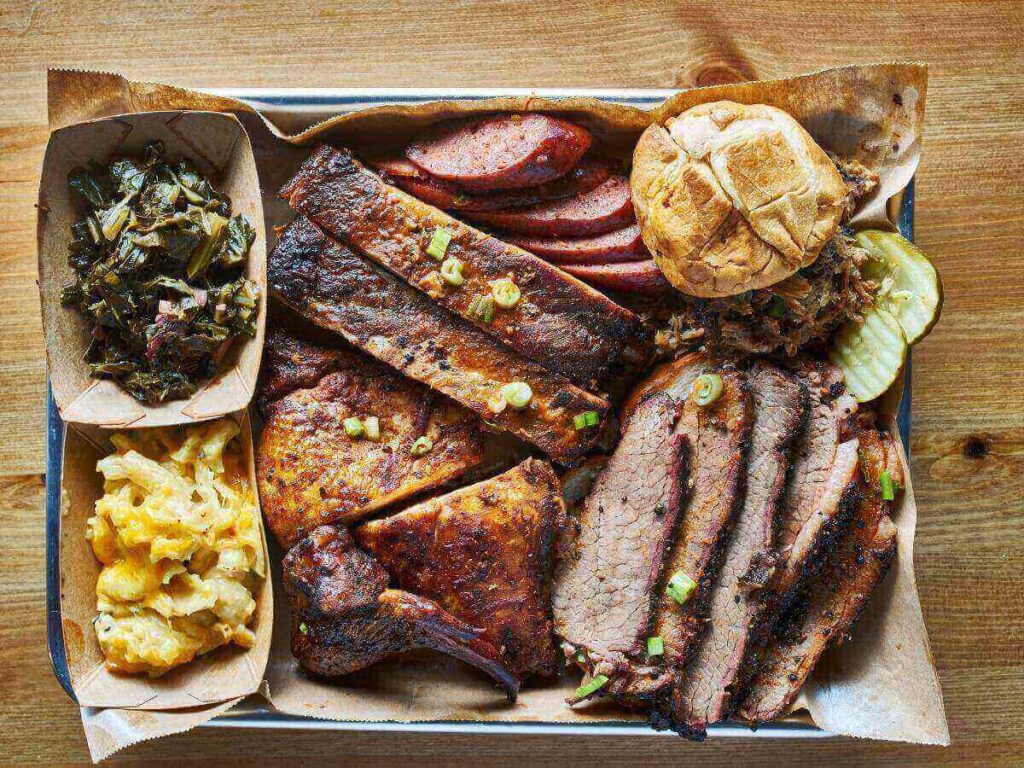
Several places serve excellent brisket, ribs, and sausage without the long line, and the experience is just as satisfying.
Barbecue here is casual and a little chaotic. You order at the counter, carry your tray out with both hands, and try not to spill anything when you sit down. The smell of smoked meat hits you immediately.
It’s the kind of meal that slows you down, partly because it’s delicious and partly because the portions are generous enough that you’ll need a moment before you can stand again.
Afternoon
A walk through Zilker Park is the perfect way to digest. The park feels endless, with big patches of grass, shaded areas under wide trees, and groups of people casually tossing frisbees or reading on blankets. It’s the kind of place where you can wander around without a plan. When you’ve had enough sun, make your way to Barton Springs Pool.
Nothing prepares you for that first step into the water. It’s cold in a way that lifts the heat straight off your skin, and after a minute your body adjusts enough that it becomes addictive. Some people swim laps, others just drift or perch on the ledges.
Families spread out on the lawn while friends gather in small circles chatting between dips. It feels communal and comforting, like the whole city agreed to meet there after lunch.
Evening
When the day starts to cool, you’ll want to head toward a music venue. Austin’s reputation for live music isn’t exaggerated, but the magic happens in the smaller rooms, the ones where the stage is barely raised and the band feels close enough to talk to.
You don’t need to know who’s playing. Half the charm is wandering in with no expectations and staying longer than you planned.
The crowd is usually a friendly mix of locals and curious visitors, and the atmosphere is warm without being rowdy. After the show, grab a late taco or a small dessert from a nearby spot. Austin eats late, so you won’t have trouble finding something good. It’s a nice, easy way to close out a full day without rushing back to your hotel.
Two Days in Austin
Morning
On your second day, shift to East Austin. The neighborhood wakes up differently; it has more color, more murals, more of that creative edge that Austin is known for. The cafés and brunch spots here lean slightly experimental, but not in a pretentious way.
You’ll see menus with familiar dishes and a few twists, and it’s a good chance to try something you wouldn’t usually order.
After brunch, wander through the streets. You’ll come across murals on unexpected corners, small vintage shops, and little clusters of independent businesses. People move slowly here, and the neighborhood feels lived-in rather than curated. It’s an easy place to spend a couple of hours without needing an agenda.
Afternoon
As the heat picks up, the Austin Central Library becomes an unexpectedly perfect stop. It’s one of those public spaces that almost feels like a museum filled with sunlight, quiet corners, and thoughtful design. There’s a rooftop garden where you can catch a breeze and look over the river. You don’t have to stay long, but it’s a refreshing change of pace.
When you leave the library, head toward the Seaholm District. This area has a modern feel but not in a cold way. There are places to grab a snack or drink, and big open spaces where people gather to relax. Sit outside if the weather is comfortable and let the afternoon slow down around you.
Evening
Rainey Street is a great way to end your second day. The bars are small and close together, many inside renovated homes that give the street a cozy, lived-in feel despite the number of visitors. It’s lively, but it doesn’t have the rowdy edge that you might find on 6th Street.
You can wander from one spot to another, grab dinner outdoors, and catch a live set if the timing works out. The whole area feels like a social backyard party, only with better lighting and more food options.
Three Days in Austin (72 Hours)
If you have a third day, use it to see what Austin looks like once you step outside city limits.
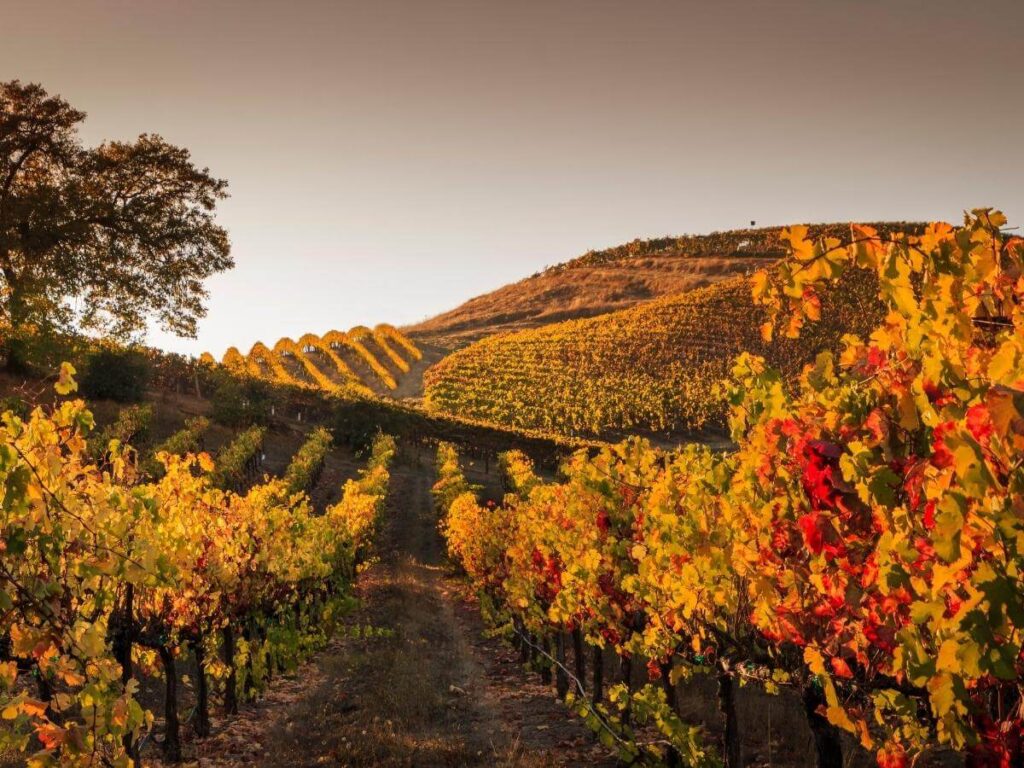
A drive toward the Hill Country is always a good idea. The roads open up quickly, and you’ll pass long stretches of quiet land with clusters of trees and the occasional farmhouse. Dripping Springs and Driftwood both have wineries set among gentle hills, and whether you’re sampling or just enjoying the view, the pace here is slower than anything inside the city.
If water is more your style, Lake Travis offers a completely different atmosphere. You can rent a small boat for a few hours, float around, or just sit at a lakeside restaurant watching the sunlight move across the surface. It’s peaceful in a way that makes it easy to understand why so many locals spend their weekends here.
For something more adventurous, places like Hamilton Pool and Pedernales Falls offer trails, swimming areas, and viewpoints that are worth the drive. Some require reservations, so check ahead. The payoff is being surrounded by nature that feels far removed from the city, even though you’re not that far from Austin at all.
When you return, the city feels a little softer. You can end your last evening with a familiar venue, or try a restaurant in East Austin that you didn’t make time for before. After a day outdoors, simple things like a slow meal, a quiet drink, or a short walk feel even better. It’s a calm ending to a long weekend that already covered so much.
Neighborhood Guide Where to Go and Why
Downtown & 6th Street
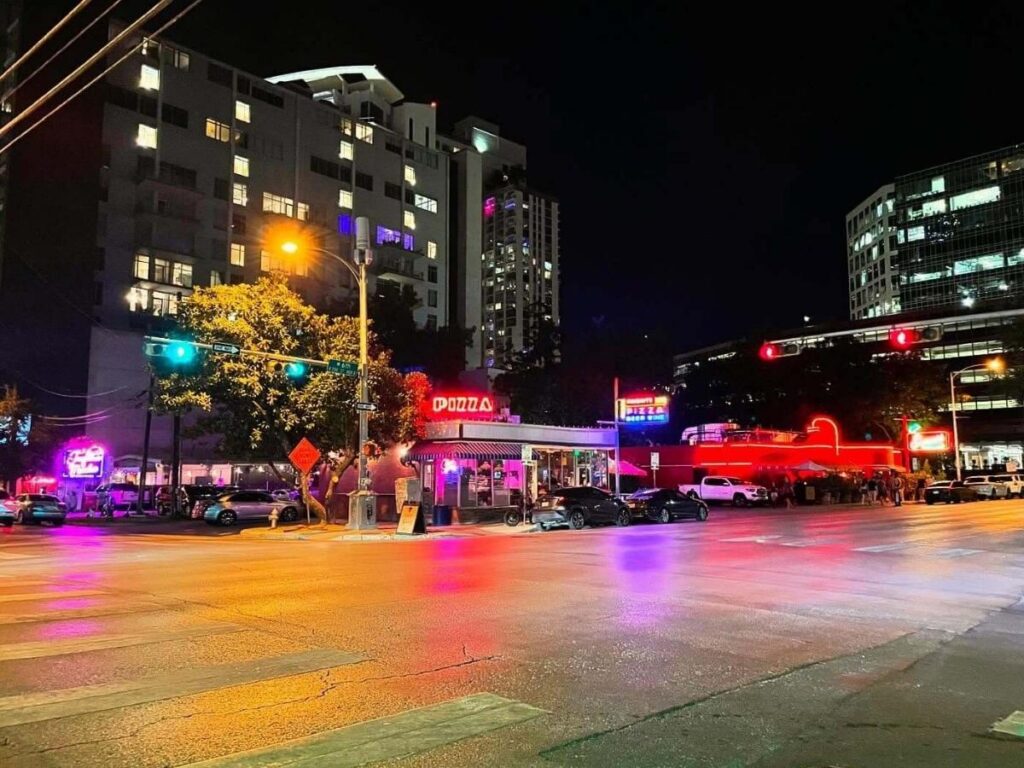
Downtown is the easiest place to stay if it’s your first time in Austin. You can walk almost everywhere, restaurants, bars, cafés, even the river trail. Parts of 6th Street get noisy at night, especially the central stretch where the bars sit close together, so go earlier in the evening if you prefer something calmer.
Nearby blocks feel more relaxed and have plenty of places to eat without the late-night crowd.
South Congress (SoCo)
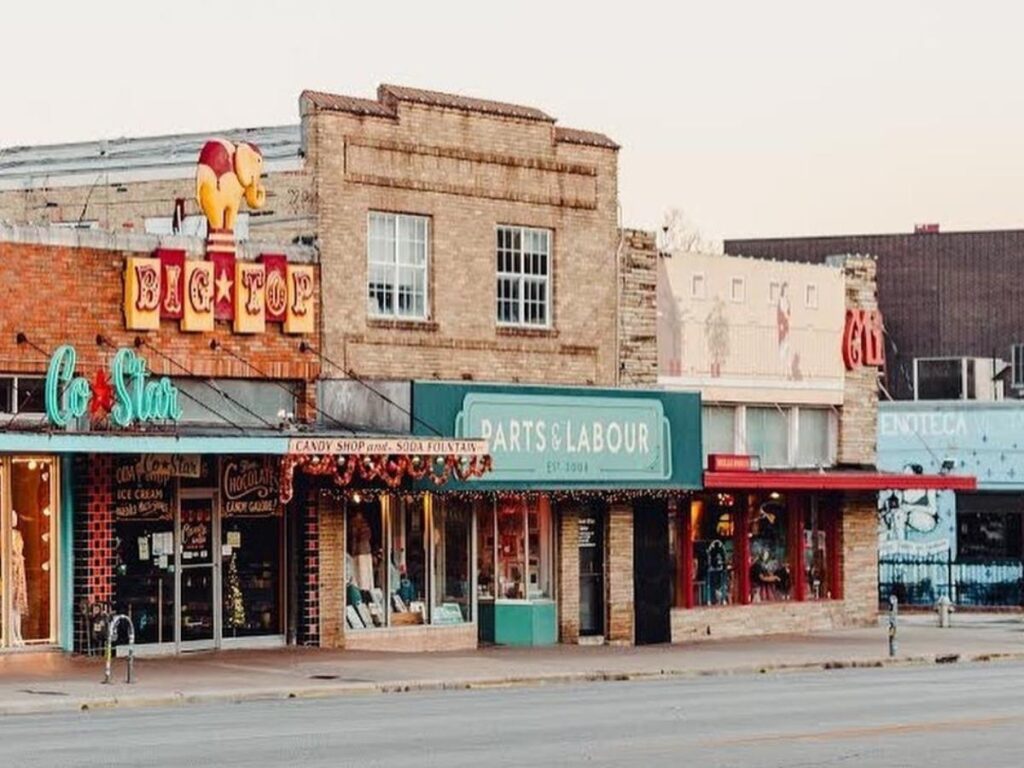
South Congress is one of the city’s most recognizable streets. It’s full of murals, vintage shops, taco trucks and little cafés that spill out onto the sidewalks.
Mornings are the best time to visit because the street hasn’t fully filled up yet and you can browse at your own pace. By midday, it gets livelier and stays that way until evening.
East Austin
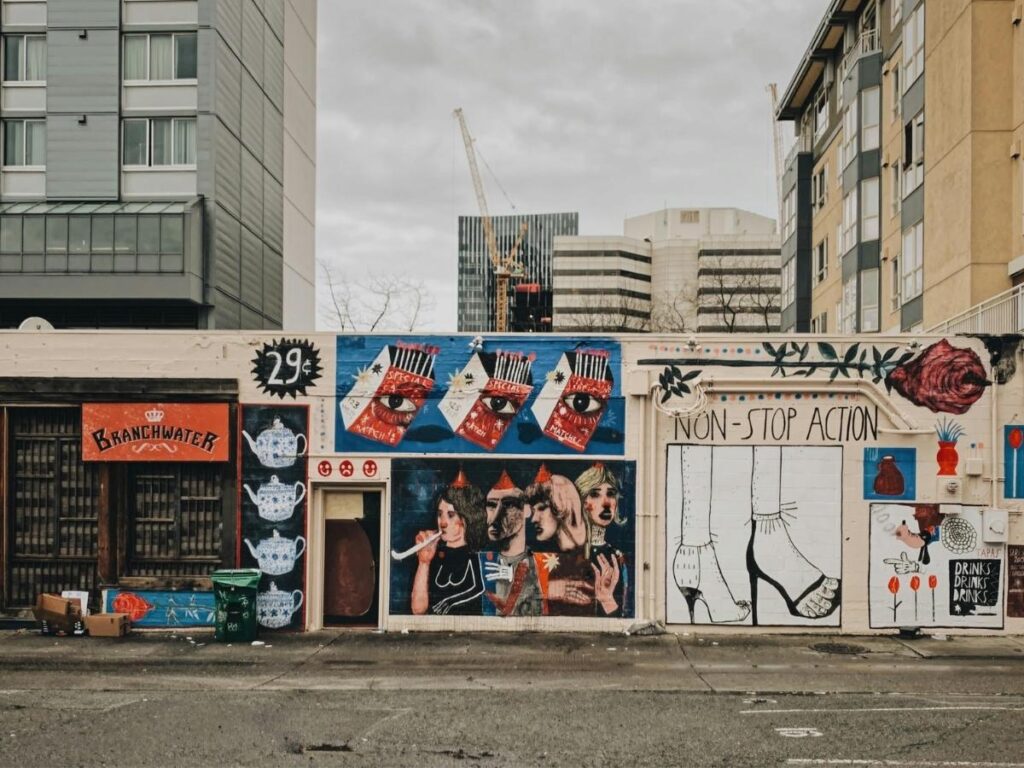
East Austin is where I go for good food and coffee. The neighborhood has creative, slightly scrappy feel murals on every corner, renovated houses turned into cafés, and breweries tucked between old buildings. It’s easy to spend a slow morning wandering around, stopping wherever something catches your eye.
Zilker / Barton Hills
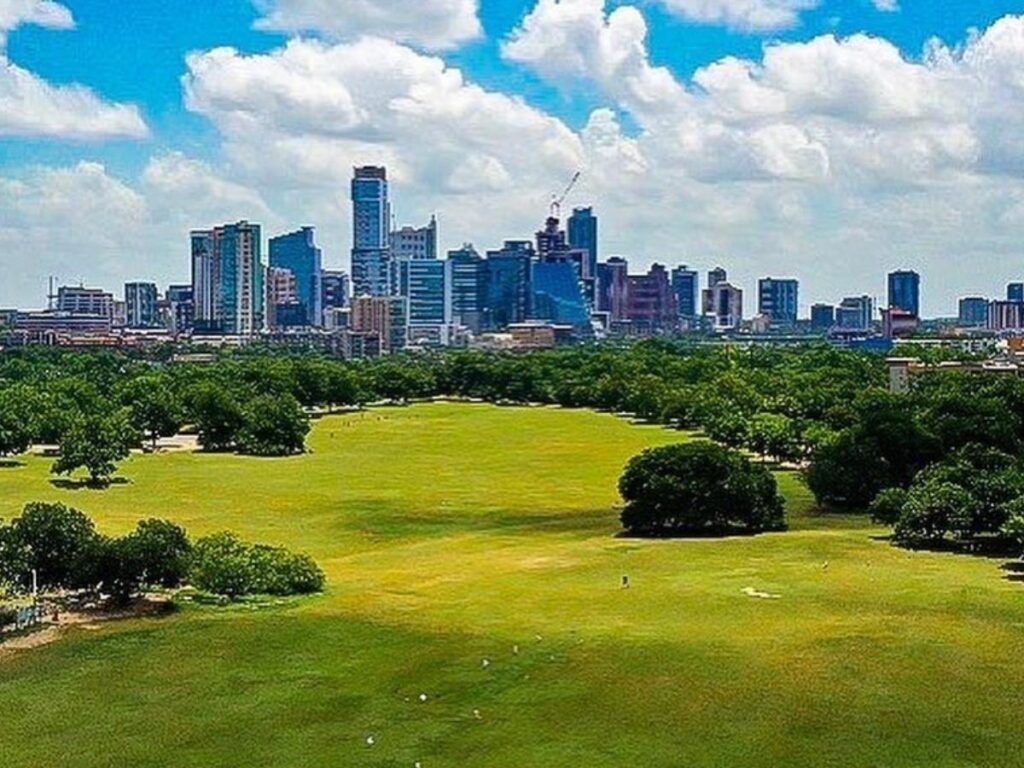
Zilker and Barton Hills sit right next to Austin’s largest green space, so the whole area feels connected to the outdoors.
You can walk through Zilker Park, visit the botanical garden, and cool off in Barton Springs Pool, all without traveling far. It’s a good area if you want a quieter base with nature close by and simple places to eat.
Lake Travis Area
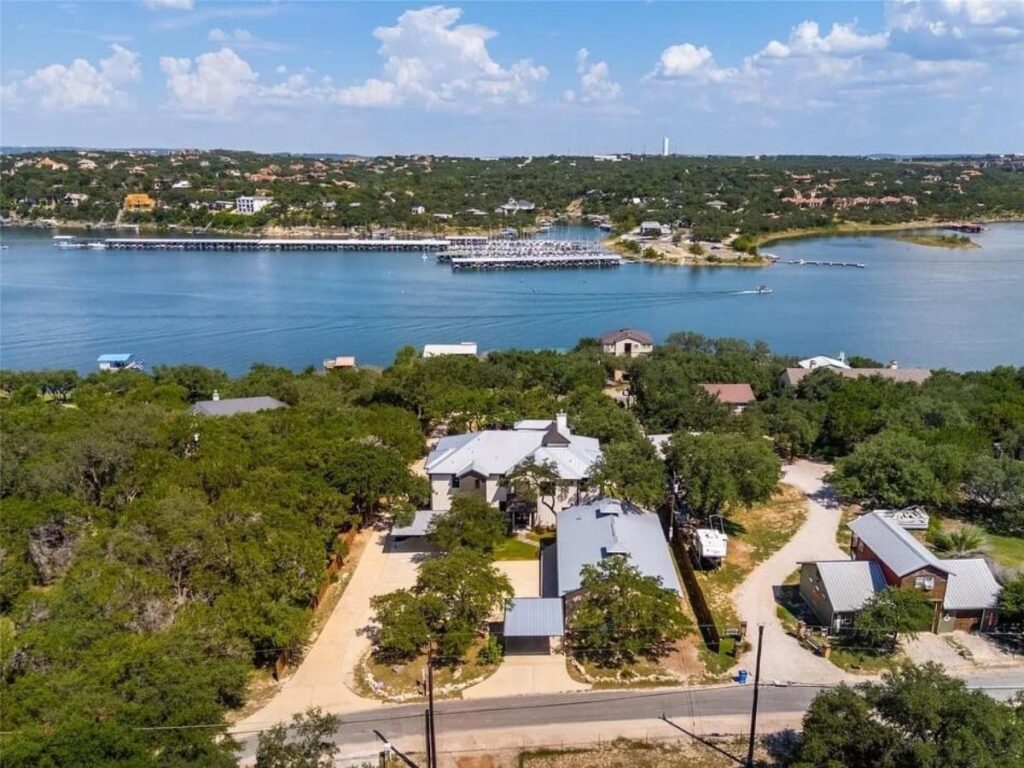
Lake Travis is a good escape when you want open views and a calmer afternoon. It’s best reached by car, and once you get there, the city feels far away.
You can rent a boat, visit a lakeside restaurant, or just sit and take in the water and the breeze. It works well as a half-day break from Austin’s busier neighborhoods.
Food & Drink How to Eat Your Way Through Austin
Barbecue
Barbecue sits at the center of Austin’s food identity, and you feel it the moment you step into a smokehouse. The air is thick with the smell of oak and slow-cooked meat, and people stand in line with this quiet mix of excitement and hunger.
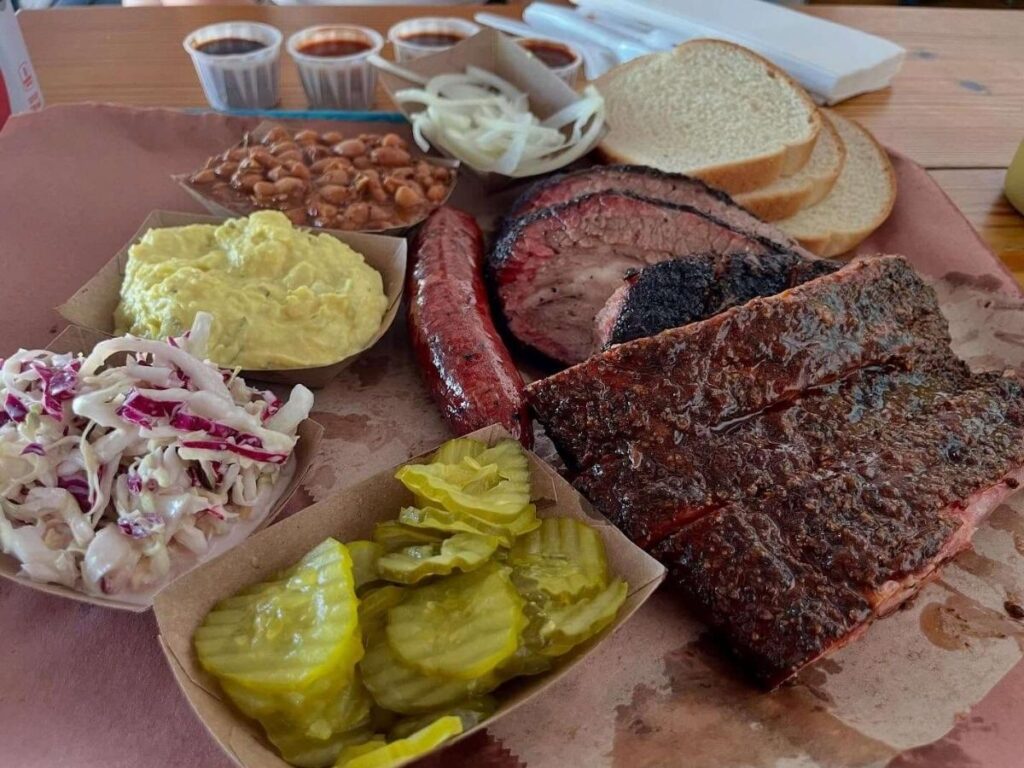
Some of the most famous spots draw lines early, so if you want the “classic” experience, you’ll need to plan ahead. But you don’t have to spend hours waiting to eat well here. Plenty of places serve beautifully smoked brisket and ribs without the crowds.
When you order, don’t be shy about getting a small mix. Barbecue is one of those meals where tasting a few things tells you more about the place than any single cut. Brisket is usually the star, but the sausage links, sides, and even the pickles matter more than you’d expect. You’ll likely leave full, maybe a little messy, and very happy you made the time for it.
Tacos & Tex-Mex

If breakfast tacos haven’t been part of your morning routine before, Austin will change that. They’re simple eggs, beans, cheese, maybe a little potato but the flavor always lands in a comforting way.
People grab them on the go or linger outside with their first coffee of the day. Later, try a spot that blends traditional Tex-Mex with more creative fillings.
Some places do slow-cooked meats, others add fresh herbs or unexpected combos, but the spirit stays the same: warm, generous, and satisfying at any hour.
Food Trucks
Austin’s food truck scene is a whole world of its own. The best way to explore it is to find a cluster, a parking lot, a small courtyard, even an open field where several trucks sit together. That way you can order a little here and a little there, and create your own meal as you walk around.
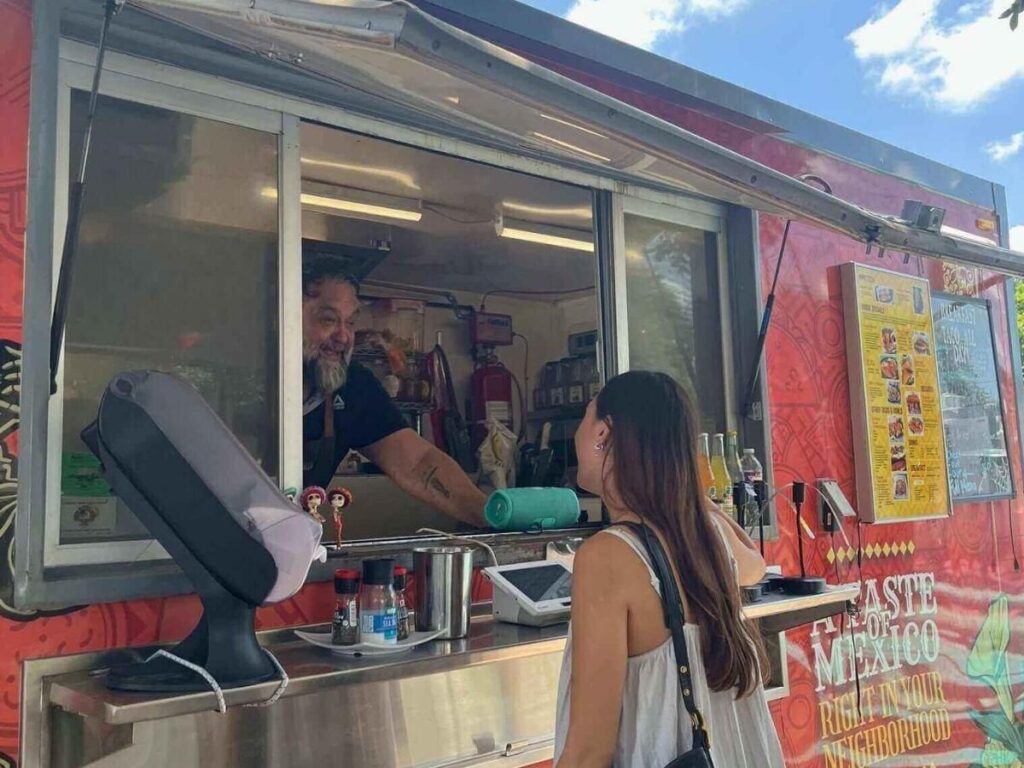
It’s casual and unpretentious, and some of the city’s most memorable meals come from these trucks. You’ll find everything from tacos to ramen to vegan comfort food, often within steps of each other.
Coffee Shops
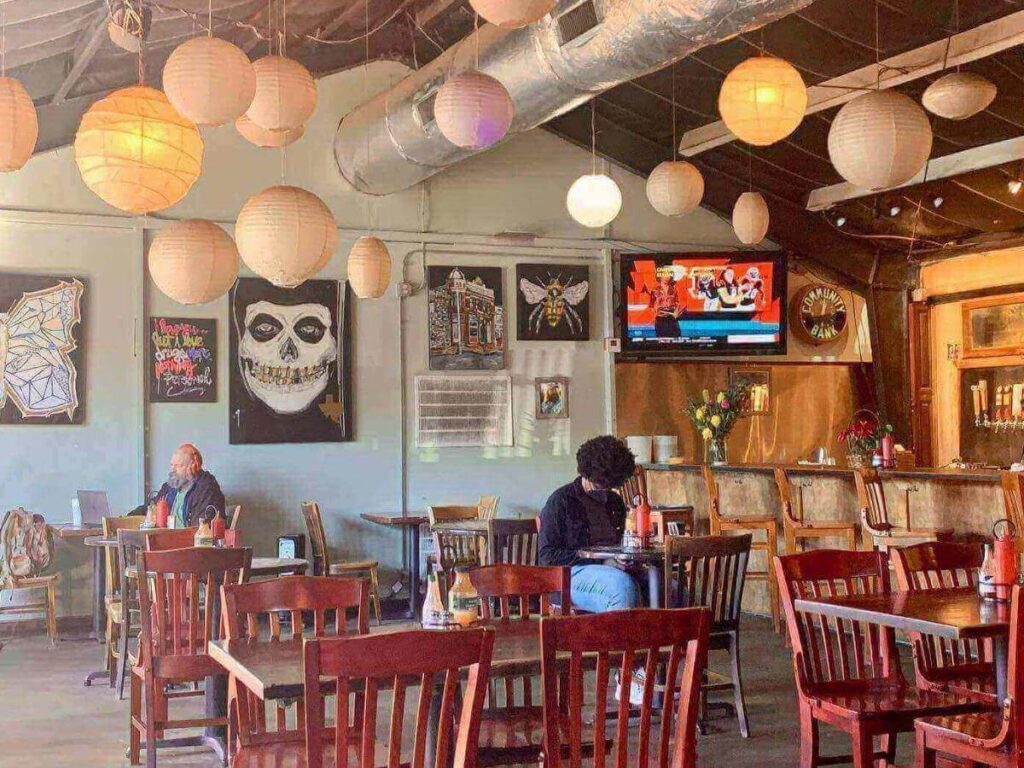
Coffee shops in Austin have personalities that match their neighborhoods. In South Congress, cafés are lively and good for people watching. East Austin leans more creative and mellow, the kind of place where you might sit with your drink longer than planned.
Downtown cafés draw a steady mix of locals and visitors who need a pause between activities. No matter where you stop, the atmosphere tends to be relaxed, and you’ll rarely feel rushed.
Breweries & Cocktails
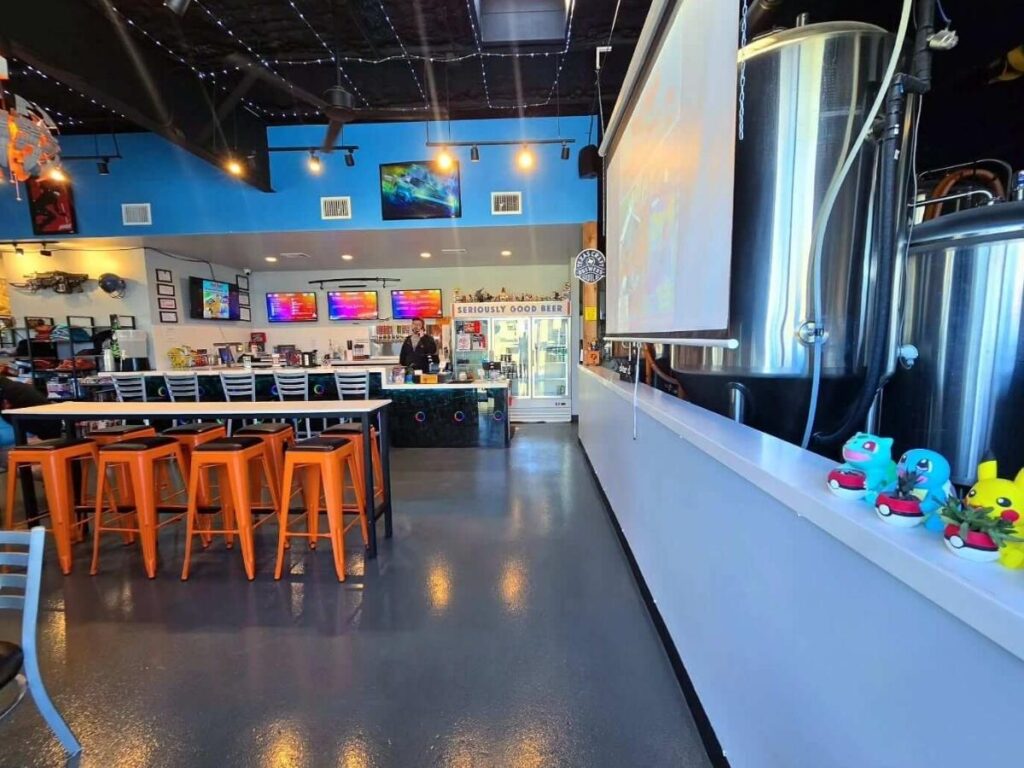
If you enjoy breweries, East Austin is the area you’ll want to explore. Many are tucked into converted warehouses or shared patios, giving them a laid-back, community feel. You can grab a pint, find a shaded table, and watch the afternoon drift by.
For cocktails, Rainey Street is a fun place to wander. The bars sit inside renovated houses, giving them a warm, homey vibe even when they’re busy. Go early in the evening if you prefer something more relaxed; the atmosphere shifts as the night gets later.
Where to Stay
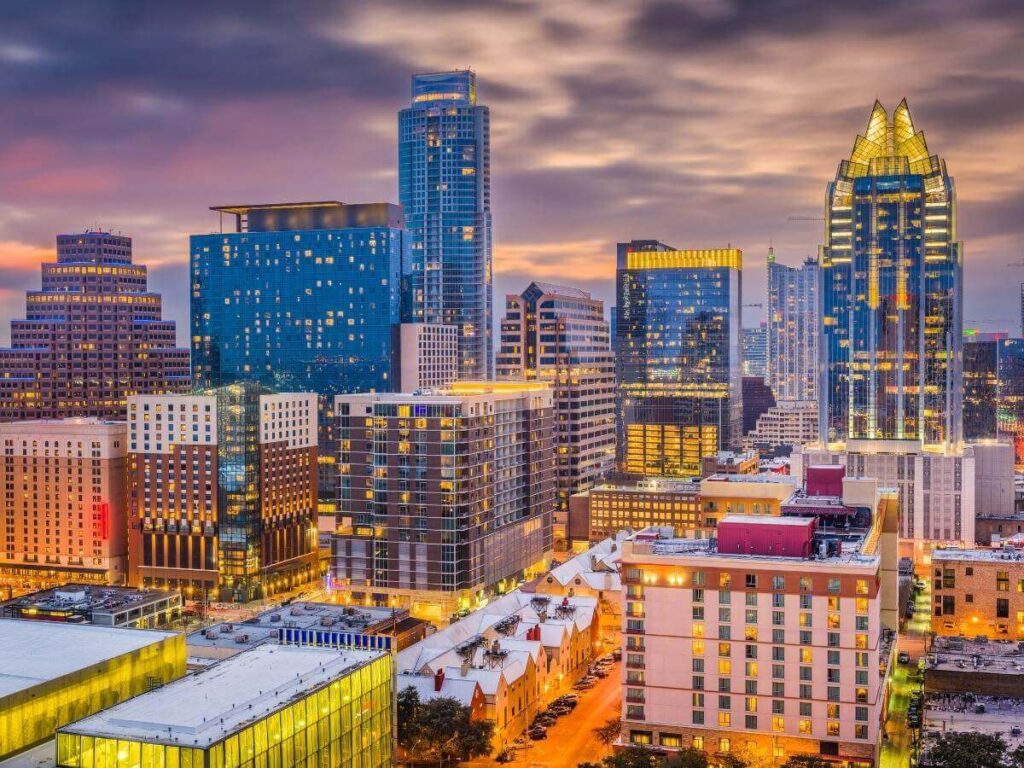
If it’s your first time in Austin and you want a base that makes everything simple, Downtown or South Congress is the easiest place to start. Downtown puts you within walking distance of the river trail, food trucks, museums, and the city’s main clusters of restaurants.
You can step out in the morning and be at Lady Bird Lake in minutes, which makes the start of your day feel effortless.
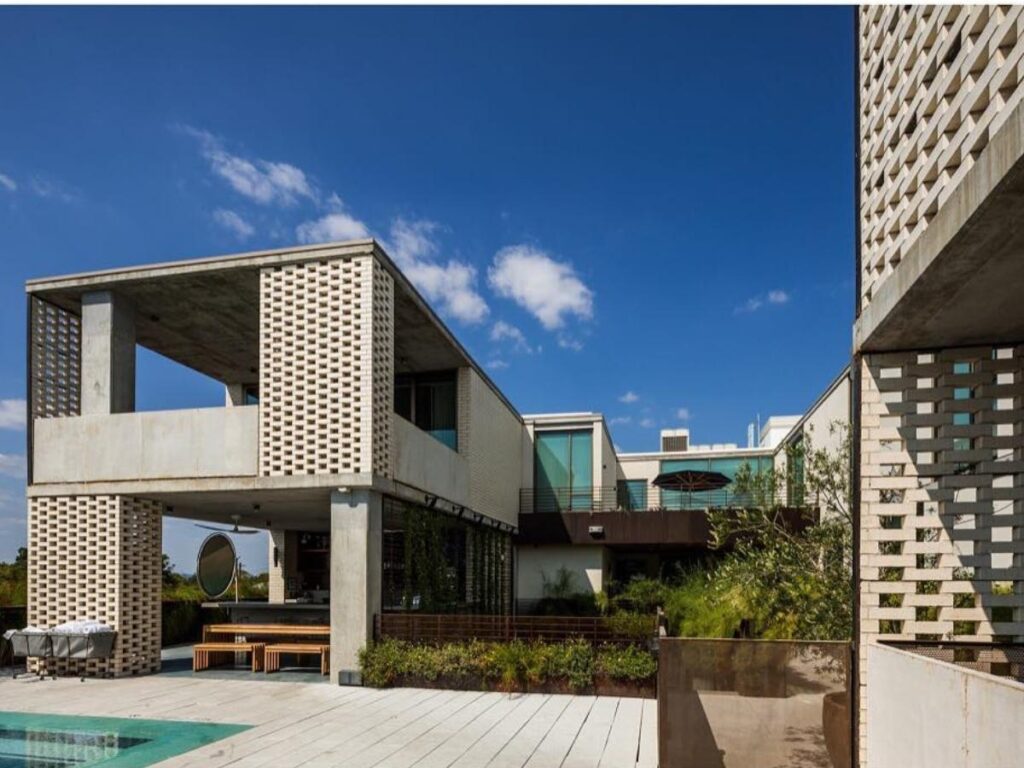
South Congress is a little livelier and more colorful, with cafés, taco trucks, and small shops right outside your door. If you like being surrounded by movement and want your mornings to start with a walk rather than a commute, it’s a great place to stay.
If nightlife is part of your plan, look toward East 6th or Rainey Street. Both areas make it easy to wander between bars and music venues without needing a car at night. Rainey has that cozy, house-turned-bar atmosphere where everything feels close together, while East 6th has a more relaxed mix of breweries, cocktail bars, and smaller live music spaces.
Staying nearby means you don’t have to worry about long rides back at the end of the night. Families usually feel most comfortable around Zilker or South Lamar. These areas sit close to parks and quiet streets, and they give you easy access to Barton Springs Pool, Zilker Park, and the botanical gardens.
You can spend the morning outdoors, grab lunch from a nearby spot, and be back at your hotel for a rest without having to cross the whole city. The pace is calmer, and it’s easier to find places where kids can run around without crowds.
If you’re looking for good value, consider staying just outside the main center. Neighborhoods slightly south or east of the core often have boutique hotels or smaller, locally run places that feel personal without the high price tag. You’ll still be a short drive or rideshare from everywhere you want to go, but the atmosphere tends to be quieter and a bit more relaxed.
Conclusion
Every time I leave Austin, I carry the feeling of its quieter mornings and its lively nights. The city has this way of easing you in with soft light over the river or the smell of breakfast tacos drifting out of a truck, then pulling you back out after sunset with music coming from a doorway you didn’t plan to walk past.
If you only have time for one thing, make it a slow paddle on Lady Bird Lake followed by an evening in a small music venue that combination alone captures so much of what makes Austin special.
If you have more time, follow the itineraries above but don’t be afraid to let the city reroute you. Austin rewards small detours: a food truck you weren’t planning to try, a mural you stop to photograph, a band you hear by accident.
Let your days be flexible, and let the city surprise you a little. Those unscripted moments tend to be the ones that stay with you the longest.
.