

New Orleans didn’t feel familiar to me in the way most U.S. cities do, and I realized that almost as soon as I stepped outside. The soundscape alone is different. Music doesn’t wait for you to buy a ticket or step into a venue.
It drifts out of doorways, down side streets, and across small parks. You might hear a trumpet warming up, a drummer keeping time on a bucket, or a full band playing to a handful of people who just happened to stop walking.
Meals move at their own pace here too. Sitting down to eat doesn’t feel like something to squeeze between plans. Servers expect you to take your time, and no one rushes you out once your plate is empty.
I had more than one meal stretch longer than planned simply because conversation kept going or dessert sounded like a good idea after all.
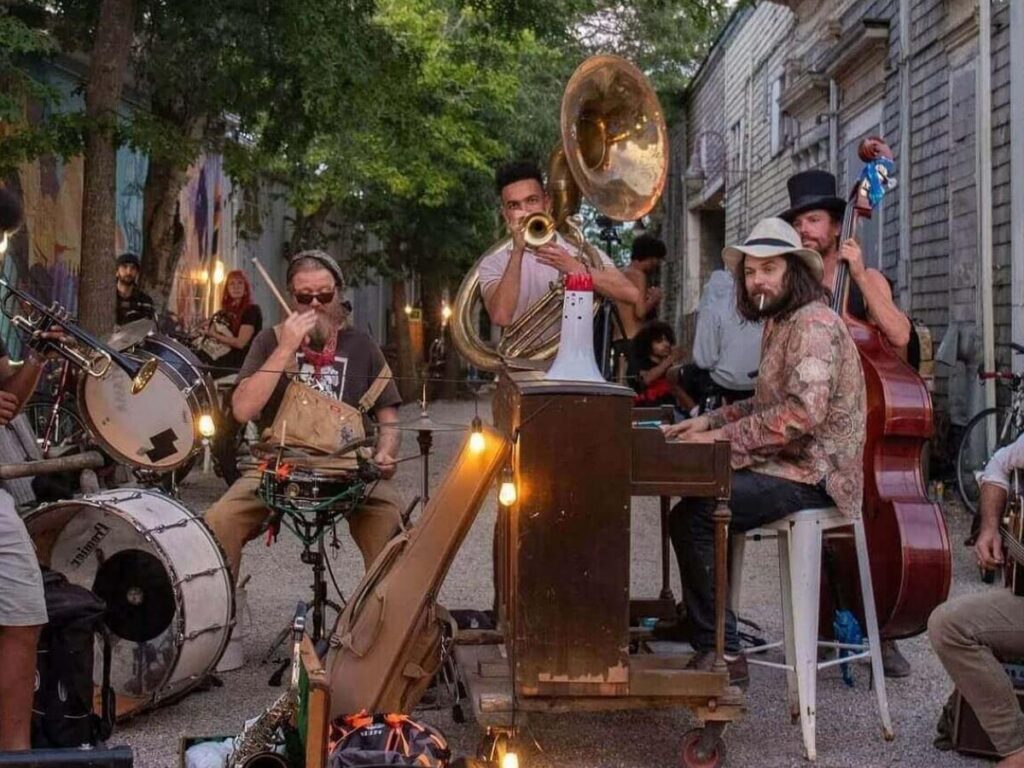
Even short walks rarely stayed short. I’d head out to see one thing and end up stopping to listen to music, talk to someone on a stoop, or follow a street that looked interesting for no real reason.
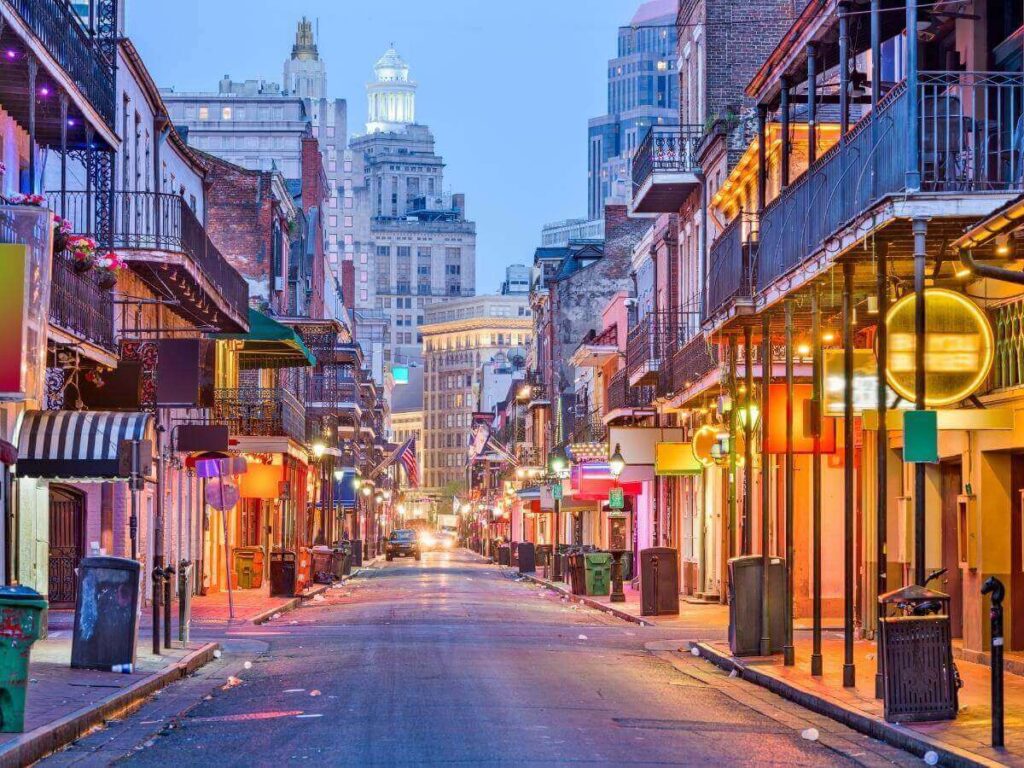
At first, New Orleans can seem defined by a few familiar images, especially if you’ve heard about Bourbon Street more than anything else. That part of the city is loud, crowded, and very easy to find.
But it’s also just one slice of a much bigger picture. Spending more time here reveals neighborhoods that feel completely different from one another. Tree lined streets where people sit on their porches in the evening.
Quiet corners where the past feels close, not preserved behind glass but woven into everyday life. There’s a strong sense that history hasn’t been smoothed over. It’s still visible, still complicated, and still shaping how the city moves today.
This guide isn’t meant to rush you through a checklist or convince you to do everything. It’s based on what actually stayed with me after spending time here. I’ve shared the places that felt worth slowing down for, the experiences that added context instead of noise, and the moments that surprised me in small ways.
I’ve also laid out how I’d plan your days depending on whether you’re here briefly or have a little more breathing room. If it’s your first visit, my goal is to help you feel oriented without feeling overwhelmed, and to give you enough structure that you can relax into the city rather than trying to keep up with it.
New Orleans at a Glance
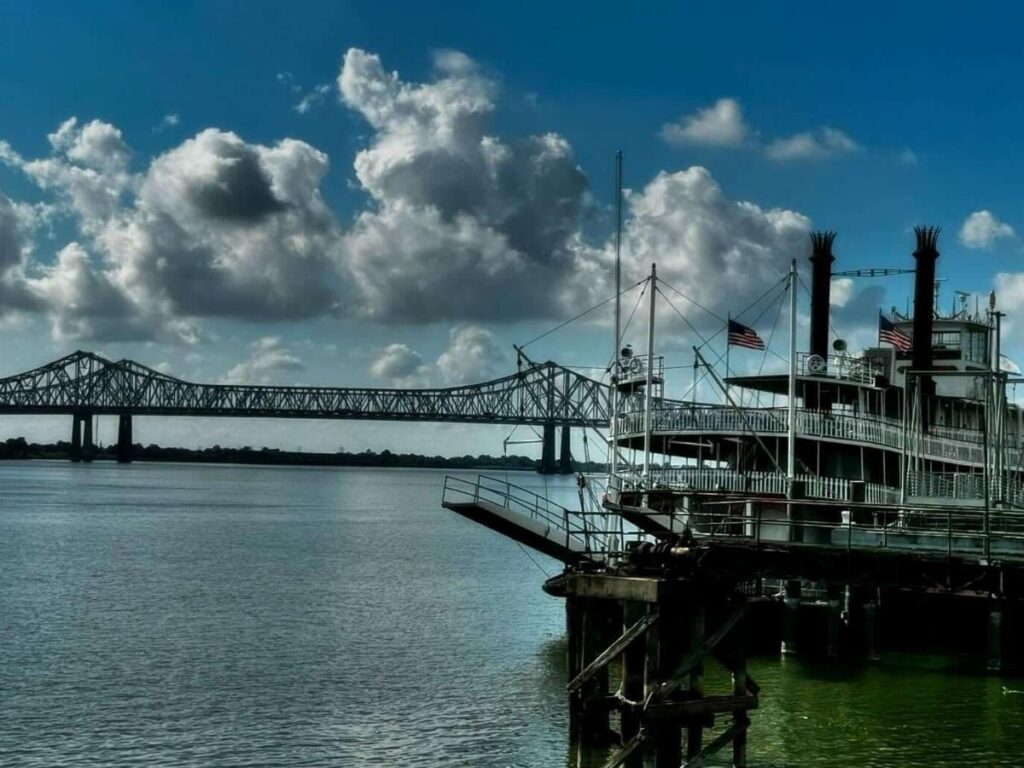
New Orleans sits right along the Mississippi River, and you feel that connection almost everywhere you go. The river shapes the city’s history, its neighborhoods, and even its pace. There’s a sense that things move a little differently here, not rushed, not overly organized, and not trying to impress you all at once.
The city itself isn’t huge, which makes it manageable, especially for a first visit. You can cover a lot without spending hours in transit. At the same time, New Orleans has layers. You might walk the same few blocks on different days and notice something new each time, a detail on a building, a song drifting from a doorway, a café you somehow missed before.
If you’re deciding where to spend most of your time, I’d start with the French Quarter, simply because it helps you understand the city’s roots. This is where the history feels most visible, in the architecture, the courtyards tucked behind iron gates, and the way music and food are woven into daily life.
It can be busy, especially later in the day, but it’s also the easiest place to get your bearings and feel the character of New Orleans right away.
The Garden District offers a completely different experience. The streets are wider and quieter, lined with old oak trees and well kept homes that make wandering feel unhurried.
This is a good area if you want to see a more residential side of the city, take longer walks, and step away from crowds for a while. Riding the streetcar here is part of the experience and a nice way to slow things down.
For live music, I found Frenchmen Street to feel more relaxed and authentic than the better known nightlife areas. The venues are smaller, the crowds tend to be there for the music rather than the party, and it’s easy to move from place to place without a plan.
Even if you’re not staying out late, it’s worth passing through in the evening just to listen and see where the night takes you.
If you have extra time or want somewhere that feels a bit less polished, the Bywater is worth exploring. It has a creative, lived in feel, with local cafés, murals, and small shops that don’t seem aimed at visitors. It’s a good area for slower mornings, casual meals, and getting a sense of how people actually live here.
How long you stay will shape your experience more than trying to see everything. With just one day, I’d focus on soaking up the atmosphere. Stick mostly to the French Quarter, walk along the river, eat well, and listen to music.
It won’t feel complete, but it will feel memorable. Three days is what I’d call a comfortable first visit. That gives you time to see the main neighborhoods, enjoy meals without rushing, and still have space for something unexpected.
If you have four or five days, New Orleans really opens up. You can slow your mornings, revisit places you liked, explore neighborhoods beyond the center, or add a day trip without feeling like you’re cramming things in.
The Must Do Experiences That Define New Orleans
Walk the French Quarter Slowly
The French Quarter rewards early mornings. That’s when it feels most like itself. The streets are quieter, shop owners are just opening their doors, and the air hasn’t yet filled with noise or crowds. I’d start walking without a strict plan, letting curiosity guide you rather than a map.
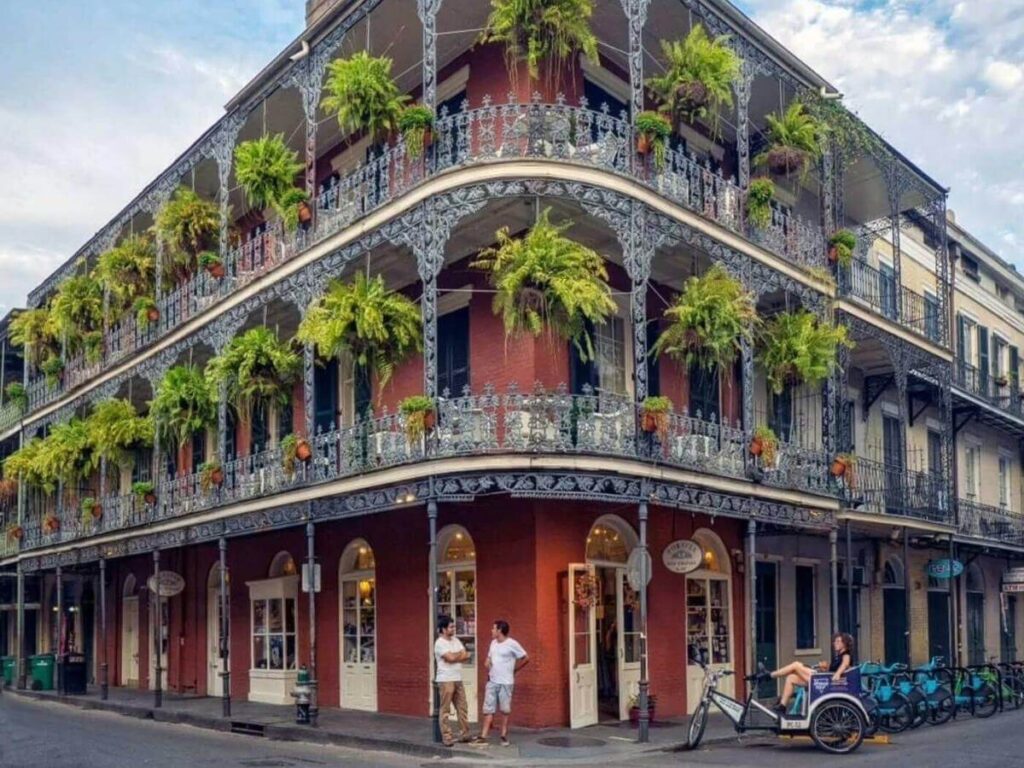
Royal Street is where I’d linger the longest. It feels more refined and relaxed, lined with galleries, antique shops, and musicians who seem content playing to whoever happens to pass by. It’s the kind of street where you stop often, either because something catches your eye or because the sound of music makes you slow down without thinking about it.
Bourbon Street is part of the city’s identity, even if it isn’t where I’d spend much time. Seeing it once helps put everything else into perspective. During the day or early evening, it’s easier to observe without feeling overwhelmed. After that, I’d happily leave it behind and return to the quieter corners that feel more representative of New Orleans as a whole.
Jackson Square and St. Louis Cathedral
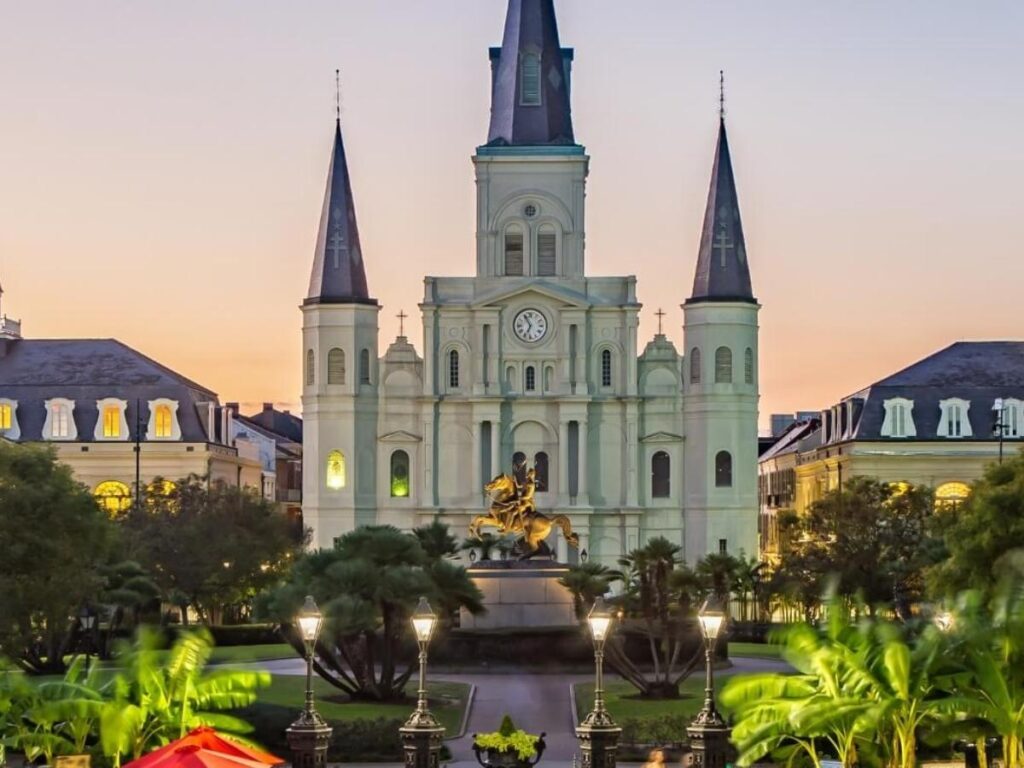
Jackson Square feels like a natural gathering place rather than a formal landmark. Artists display their work along the fence, musicians play beneath the trees, and people linger on benches longer than they probably planned to.
The Mississippi River sits just beyond the square, and there’s a sense that the city has always revolved around this spot in one way or another.
The St. Louis Cathedral anchors the square visually and emotionally. Even a brief visit inside is enough to feel its presence. It’s not a place that demands your attention for a long time, but it leaves an impression. I found it worked best as a pause rather than a destination, somewhere to step into quietly before continuing on.
Ride the St. Charles Streetcar
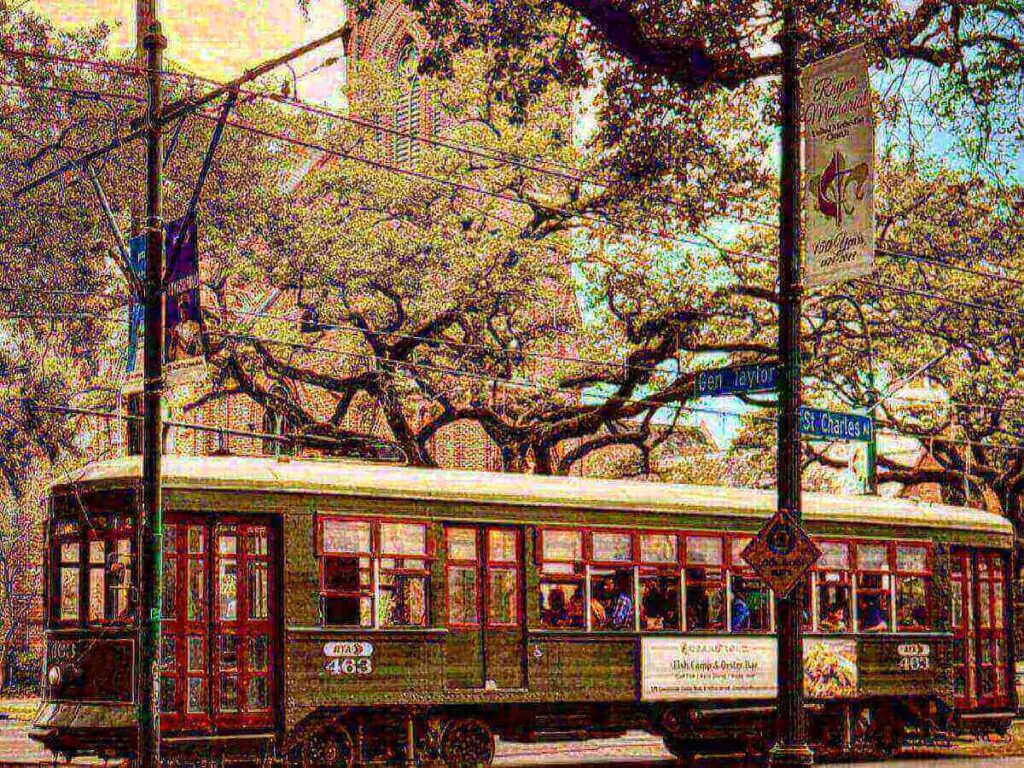
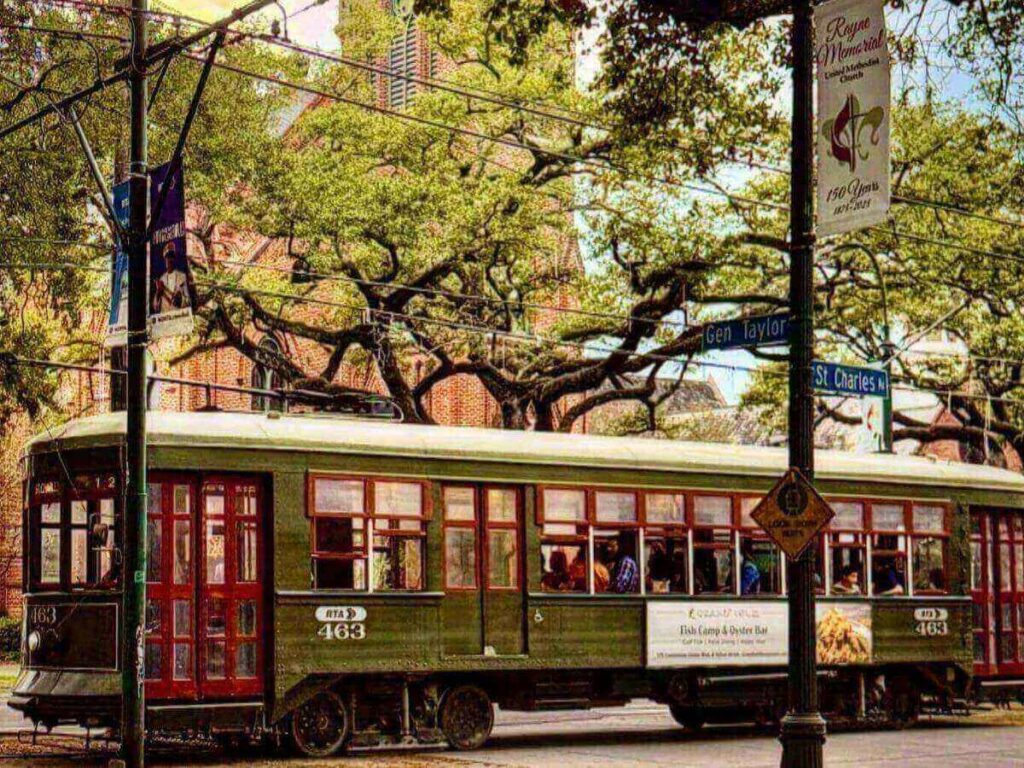
The streetcar along St. Charles Avenue is one of the simplest ways to understand how the city changes as you move through it. You don’t need a plan or a destination in mind. Just get on, find a seat by the window, and watch the scenery shift from busier streets to wide avenues lined with oak trees and historic homes.
I wouldn’t think of this ride as transportation in the practical sense. It’s more like a moving snapshot of daily life. Locals get on and off, conversations drift in and out, and the pace forces you to slow down whether you intend to or not. It’s a good reset if the city starts to feel busy.
Wander the Garden District

The Garden District feels calmer and more residential, which makes it a welcome contrast to the French Quarter. The streets are quieter, the houses sit farther back from the road, and everything feels a little more spacious. This is where I’d go when I wanted to walk without feeling like I needed to be alert at every corner.
If it’s open during your visit, Lafayette Cemetery No. 1 adds another layer of understanding to the city. The above ground tombs aren’t just visually striking, they tell a story about how New Orleans has adapted to its environment over generations. Even a short visit here can change how you see the neighborhoods around it.
Spend Time With the Music
Music in New Orleans doesn’t feel like something you schedule into your day. It’s part of the background and the foreground at the same time. You’ll hear it drifting out of bars, echoing down side streets, or coming from someone playing on a corner with no stage at all.
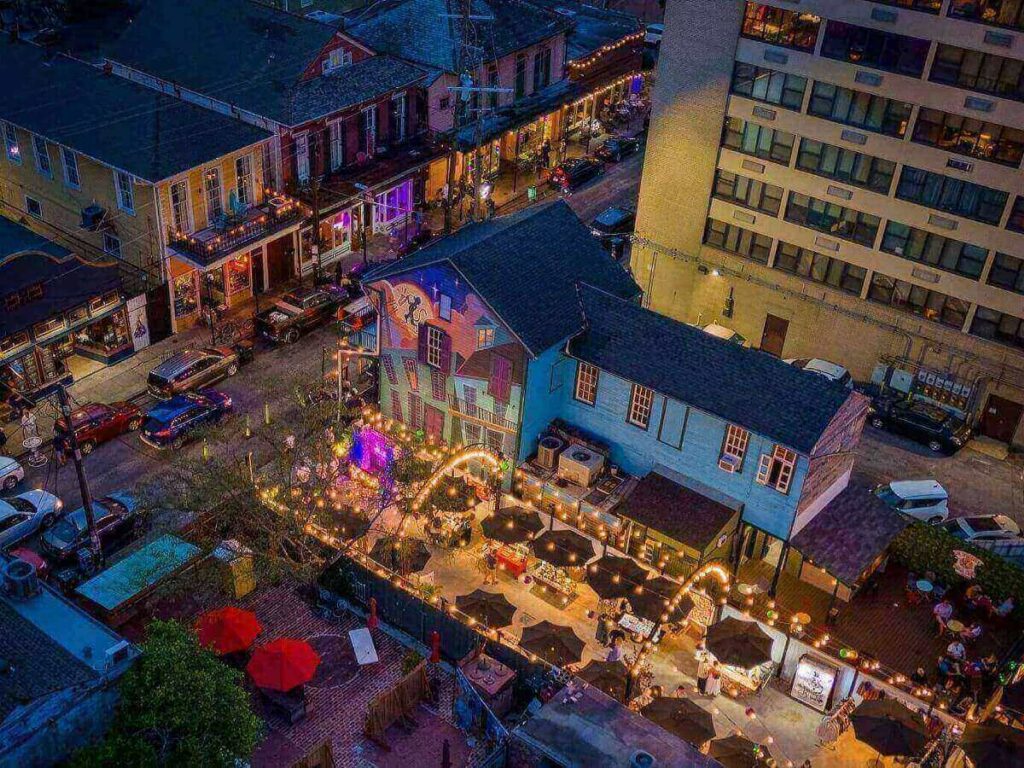
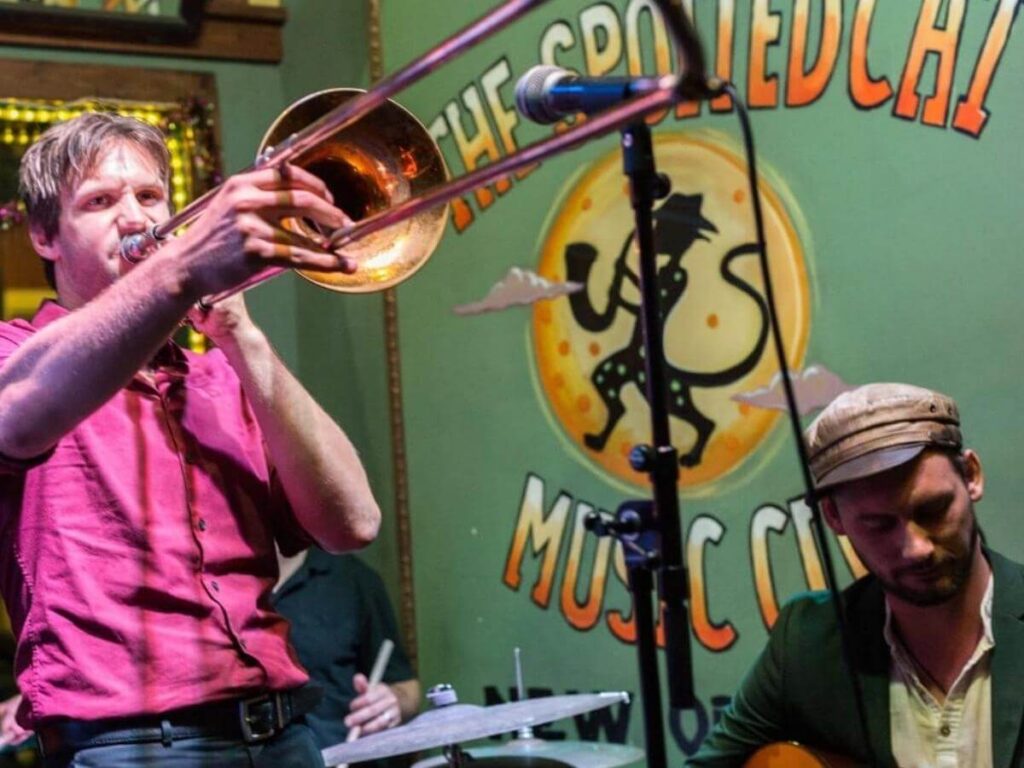
Frenchmen Street is where I’d intentionally set aside an evening, though even then I wouldn’t plan much. The venues are small, close together, and easy to move between. You can listen for a while, step out, and follow whatever sounds good next without feeling committed.
For something more focused, Preservation Hall offers short, intimate performances that feel respectful of the music rather than packaged for spectacle. It’s structured, but not stiff, and works well as a single moment in your evening rather than the entire plan.
Food Experiences That Matter Here
Food in New Orleans isn’t something you fit in between activities. It often is the activity. Meals take longer than you expect, not because service is slow, but because the culture encourages you to settle in.
Servers don’t rush you, conversations linger, and ordering dessert doesn’t feel like an afterthought. I found that the more time I gave meals, the more connected I felt to the city itself.
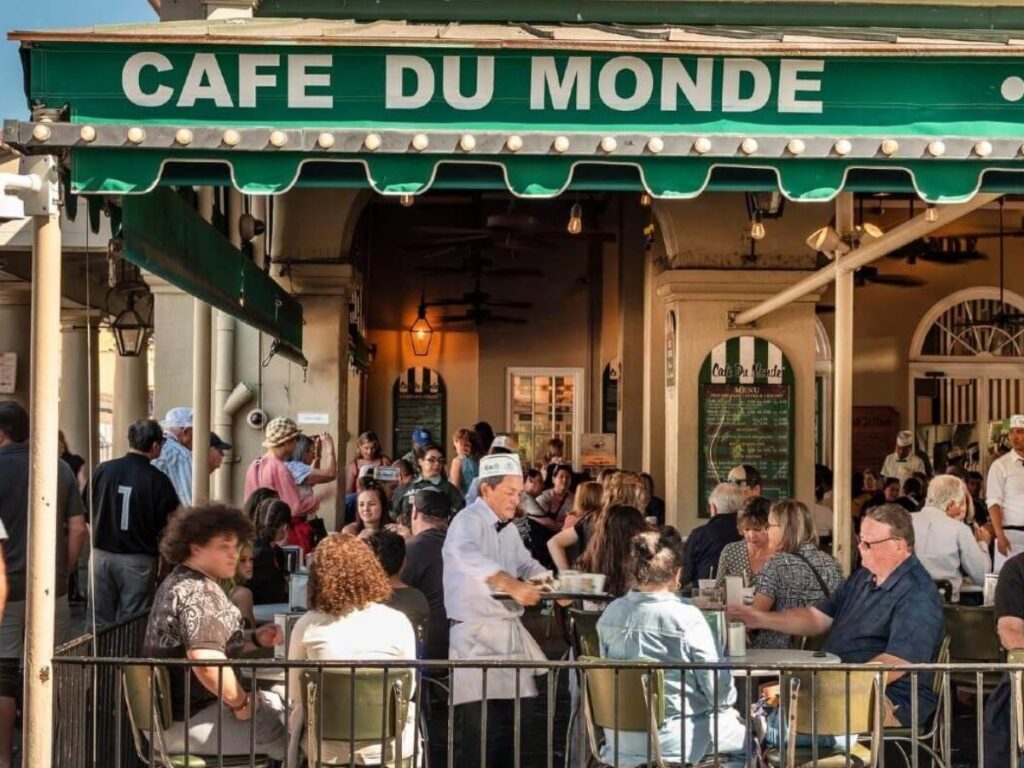
Beignets and café au lait at Café du Monde are one of those experiences that live up to their reputation, especially if you go early. The air is cooler, the lines move faster, and everything feels calmer.
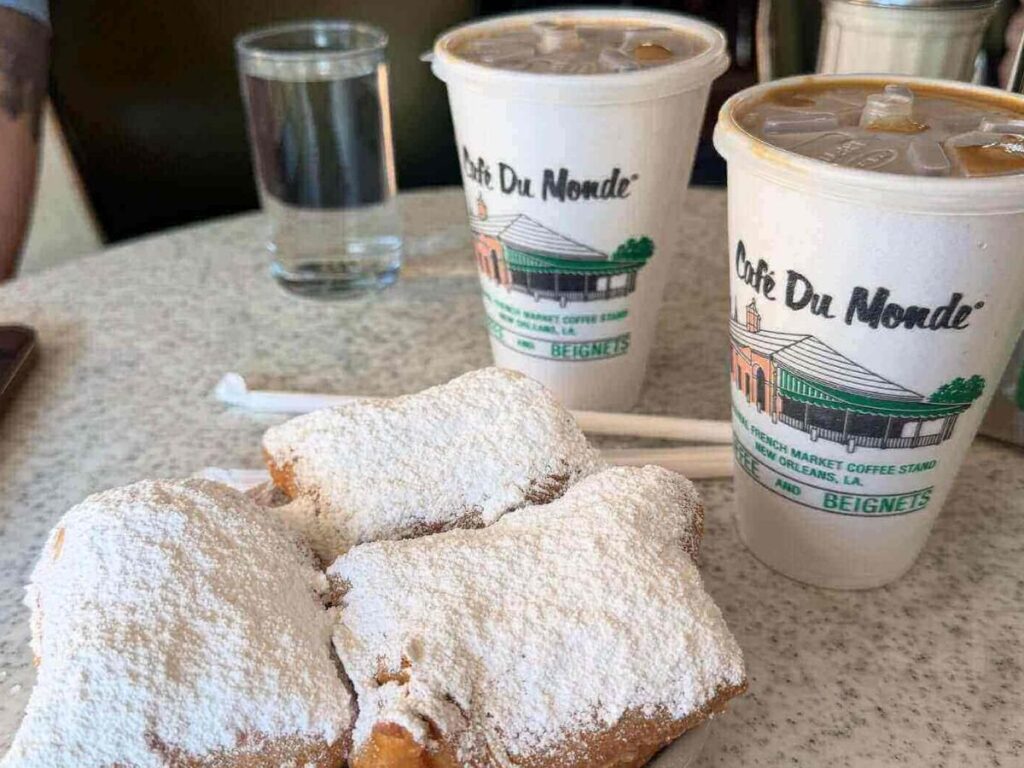
The beignets arrive hot and powdered enough to make a mess, and the coffee cuts the sweetness just enough. It’s not a long stop, but it’s a good way to ease into the day and set the pace.
Gumbo and jambalaya are dishes you’ll see everywhere, but they don’t taste the same from place to place. Some lean more toward seafood, others toward sausage and spice, and each version reflects the kitchen behind it.
I stopped trying to decide where to find the “best” one and instead treated each bowl as a small introduction to whoever made it. Eating these dishes slowly, preferably somewhere casual, made them feel more personal than something to judge or compare.

Po’ boys are another example of New Orleans keeping things simple in the best way. They’re not meant to be precious. A good po’ boy is messy, filling, and straightforward. When you keep expectations realistic and eat one when you’re actually hungry, it’s incredibly satisfying.
I found that neighborhood spots often delivered more consistently than places that felt built around hype.

A Hurricane at Pat O’Brien’s is less about the drink itself and more about the shared experience. It’s sweet, strong, and not something I’d order repeatedly, but having one at least once feels like participating in a long running tradition. I treated it as a single moment rather than a full night plan, which made it easier to enjoy.

What helped most was resisting the urge to chase every famous restaurant. New Orleans has too much good food for that to be realistic or enjoyable. I picked a handful of places that sounded right to me, stayed flexible, and let meals unfold naturally.
Some of my favorite food moments weren’t planned at all, they happened because I was hungry, curious, and willing to sit down without checking a list first.
Museums and History Beyond the Surface
New Orleans history isn’t something you absorb all at once, and I appreciated museums here that didn’t try to overwhelm me with information. The ones that stood out helped me understand why the city feels the way it does today, not just what happened in the past.
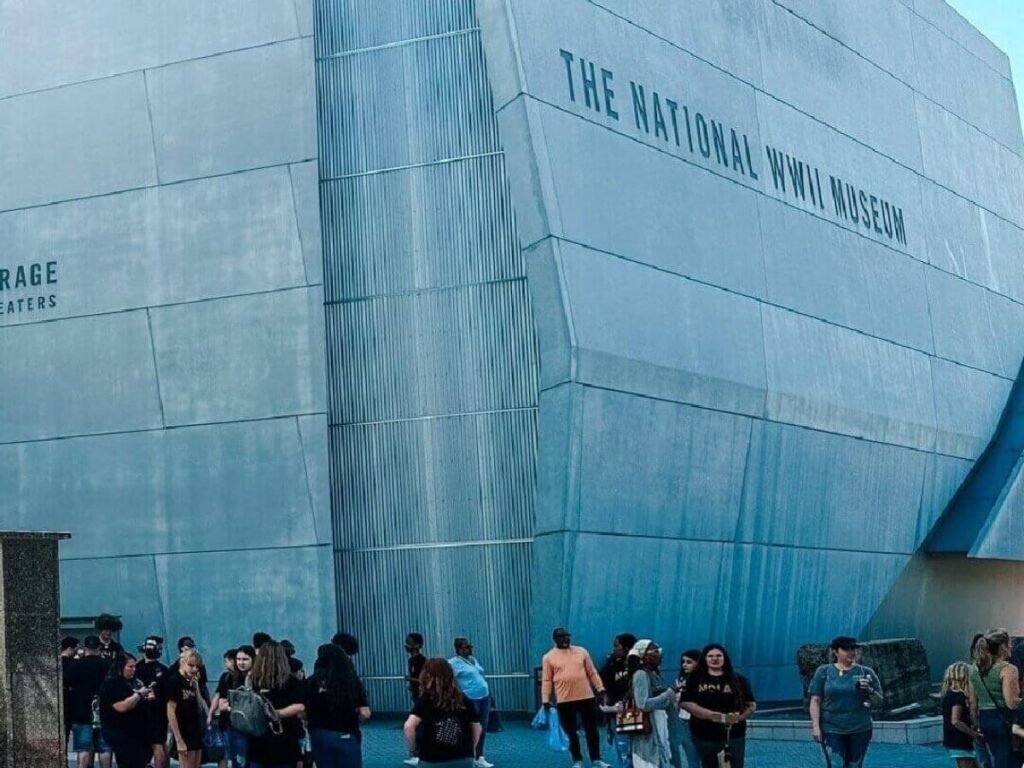
The National WWII Museum is one of those places I’d recommend even if you don’t usually go out of your way for museums. It’s large, but thoughtfully laid out, so you can move at your own pace without feeling lost.
I found it worked best to focus on a few sections rather than trying to see everything. The personal stories, letters, and everyday details are what stayed with me more than the timelines or displays.

It’s immersive in a quiet way, the kind that pulls you in without demanding your attention all at once. If you only have the energy for one museum while you’re here, this is the one I’d choose.
Mardi Gras World offers a completely different kind of insight into the city. Instead of history behind glass, you see the creative process in motion. Walking through the massive floats and sculptures makes it clear how much work, imagination, and tradition go into Mardi Gras long before the parades ever start.
I found this especially helpful if you’re visiting outside of Carnival season. It fills in the gaps and makes future visits feel more meaningful because you understand what’s happening behind the scenes.
What I liked about both places is that they don’t try to summarize New Orleans in a neat way. They give you pieces of the story and let you connect them yourself. I wouldn’t stack museum visits back to back. Instead, I’d pair one with a walk, a long lunch, or time outside afterward. That balance helped everything sink in and kept the experience from feeling heavy or rushed.
Unique Experiences and Day Trips
Some of the most memorable moments I had in New Orleans happened when I stepped just slightly outside the usual rhythm of the city. You don’t need to go far. A short drive or an afternoon commitment is enough to see a very different side of the region.
A swamp tour was one of those experiences I wasn’t sure about at first. I expected something fast and dramatic, but what I found was much quieter. The boats move slowly through narrow waterways, and the focus is more on noticing than reacting.
Cypress trees rise out of the water, birds gather along the edges, and the landscape feels dense and still in a way that’s hard to describe until you’re there. It’s less about thrills and more about understanding how closely life here is tied to the surrounding wetlands.
Going earlier in the day felt calmer, and I appreciated tours that spent time explaining what we were seeing rather than rushing from point to point.
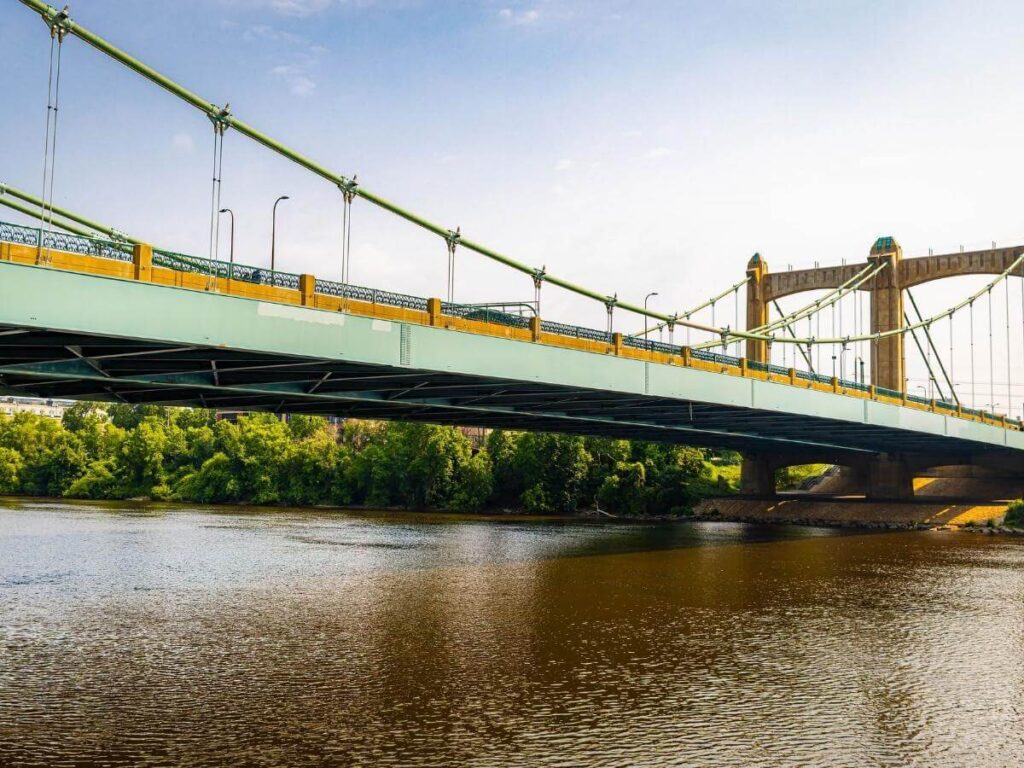
Back in the city, a ride on the Steamboat Natchez offers a gentler change of pace. Seeing New Orleans from the Mississippi River helps put its history into perspective. The skyline looks different from the water, and the movement of the river feels steady and grounding.
I found the evening cruise especially enjoyable, when the heat starts to ease and the light softens over the river. It’s not something I’d schedule on a packed day. It works best when you’re already a little tired and ready to sit, listen to music, and let the city come to you instead of the other way around.
Both of these experiences felt valuable because they added context rather than distraction. They showed how New Orleans fits into a larger landscape, shaped by water, weather, and time. I wouldn’t try to do both on the same day. Giving each one space made them feel intentional instead of like extras squeezed into the itinerary.
How I’d Spend Your Time
If You Have One Day
With only one day in New Orleans, I’d resist the urge to treat it like a checklist. This city doesn’t reward rushing, and trying to squeeze too much in usually leaves you tired without feeling connected to the place. Instead, I’d focus on getting a feel for it.
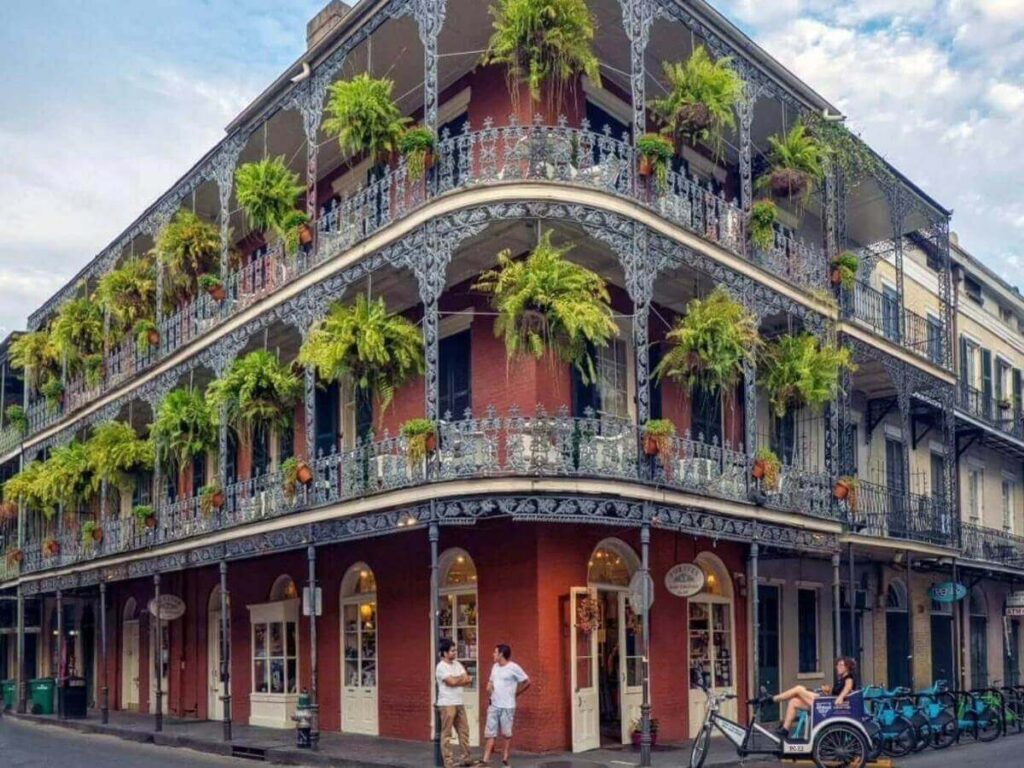
I’d start the morning in the French Quarter, ideally earlier than you think you need to. That’s when the neighborhood feels most honest. Streets are quieter, delivery trucks are pulling away, shop owners are unlocking doors, and you can hear music warming up rather than competing for attention.
I’d wander without a strict route, paying attention to balconies, small courtyards, and side streets that feel lived in rather than staged.
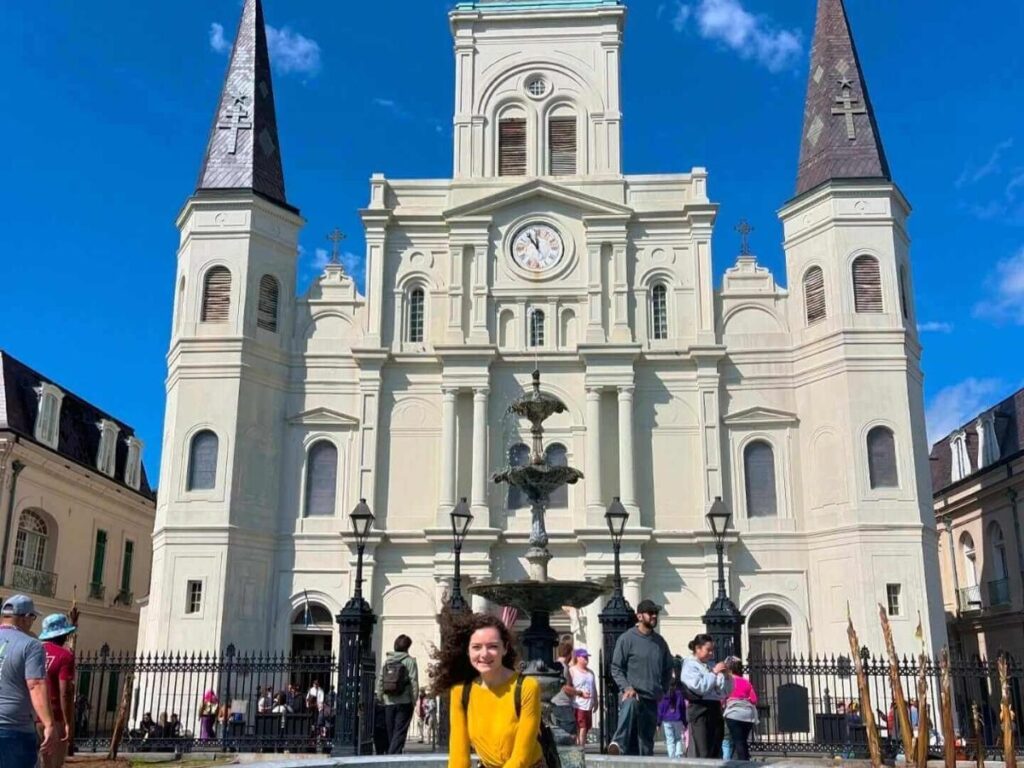
From there, it’s a natural walk to Jackson Square. I wouldn’t rush through it. Sitting on a bench for ten or fifteen minutes can be surprisingly grounding. You’ll see artists setting up, musicians testing instruments, and people easing into their day. It’s a good moment to pause before the city gets louder.
When it comes to lunch, I’d keep things simple. This isn’t the time to chase a reservation or stand in a long line unless you genuinely want to. Some of the most satisfying meals here come from stopping when you’re hungry rather than when the internet tells you to eat.
Look for somewhere casual, order something local, and don’t worry too much about whether it’s “the best” version of anything.
In the afternoon, I’d give my feet a break and hop on the streetcar along St. Charles Avenue. The ride itself is part of the experience. As you move away from the busier areas, the city softens.
Oak trees stretch overhead, houses sit back from the road, and the pace slows without you having to do anything. When you get off in the Garden District, I’d wander a few blocks without a goal. This part of the day works best when you let it stay unstructured.
For the evening, I’d make my way to Frenchmen Street. You don’t need tickets or a plan. Just walk, listen, and follow whatever sounds right. Step into one place for a song or two, then move on. Even if you don’t stay out late, ending the day with live music gives you a sense of New Orleans that sticks.
If You Have Three Days
Three days is where New Orleans starts to feel comfortable rather than rushed. You still won’t see everything, but you’ll have time to settle in.
On the first day, I’d stay mostly around the French Quarter again, but at a slower pace. Revisit spots that caught your attention on the first walk, wander a little farther from the main streets, and allow time for sitting rather than constantly moving. In the afternoon, I’d head toward the riverfront.
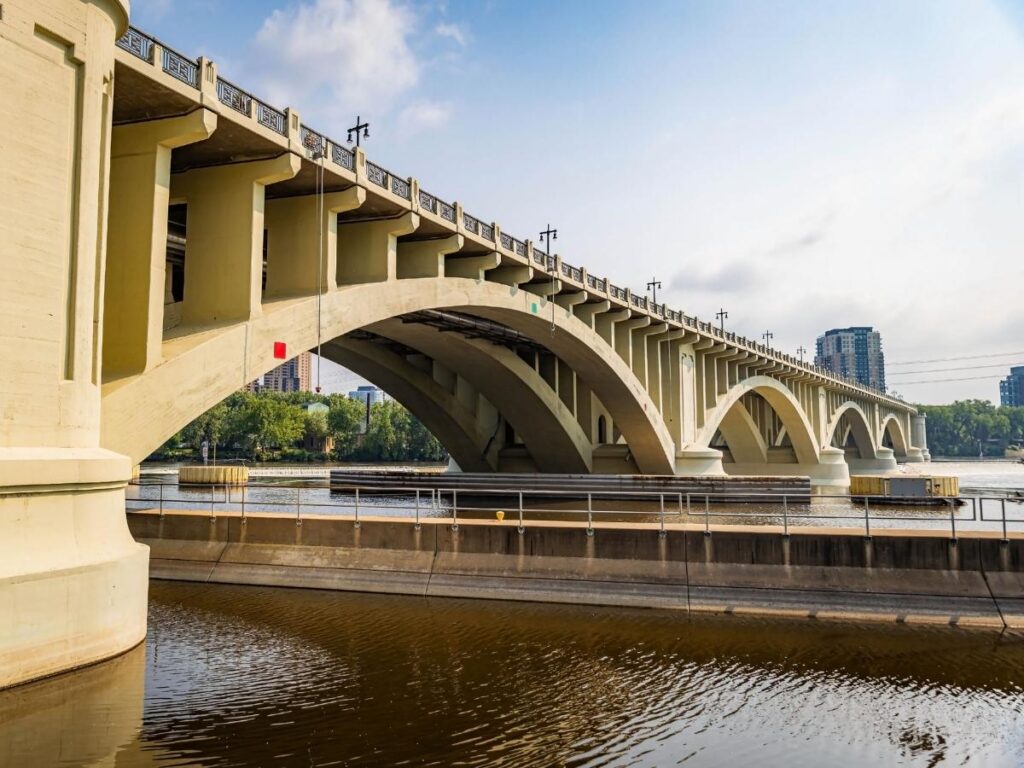
Watching the Mississippi River slide past the city is strangely calming and helps you understand how important it has always been to life here. That evening, I’d focus on one good meal and one music stop rather than trying to stack plans back to back.
The second day is a good moment to slow down even more. I’d start with another streetcar ride toward the Garden District, then spend late morning and early afternoon at the National WWII Museum.
It’s a large museum, and I wouldn’t recommend trying to see it all. Picking a few sections that interest you and moving at your own pace makes the experience more meaningful and far less tiring.
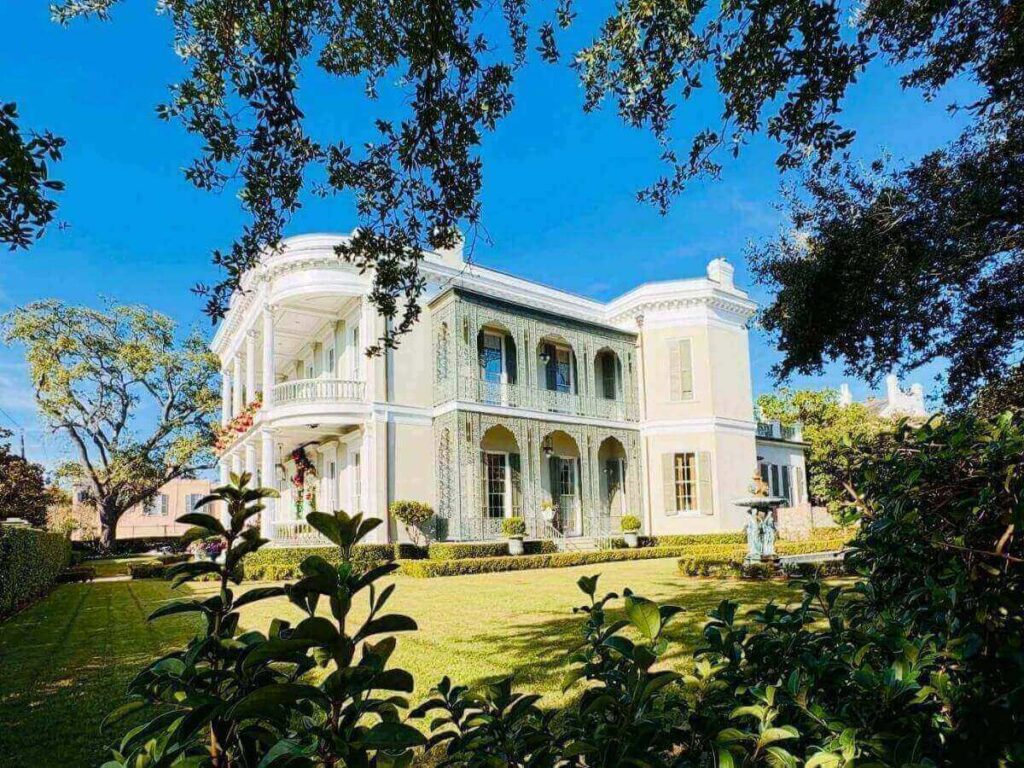
Afterward, I’d plan a relaxed dinner somewhere comfortable, ideally in a neighborhood where you can take a short walk afterward instead of heading straight back to where you’re staying.
By the third day, you’ll probably have a sense of what kind of energy you’re craving. If you’re curious about the landscape beyond the city, this is a good day for a swamp tour. It adds context to everything you’ve seen so far and shows how closely the region is tied to water and nature.
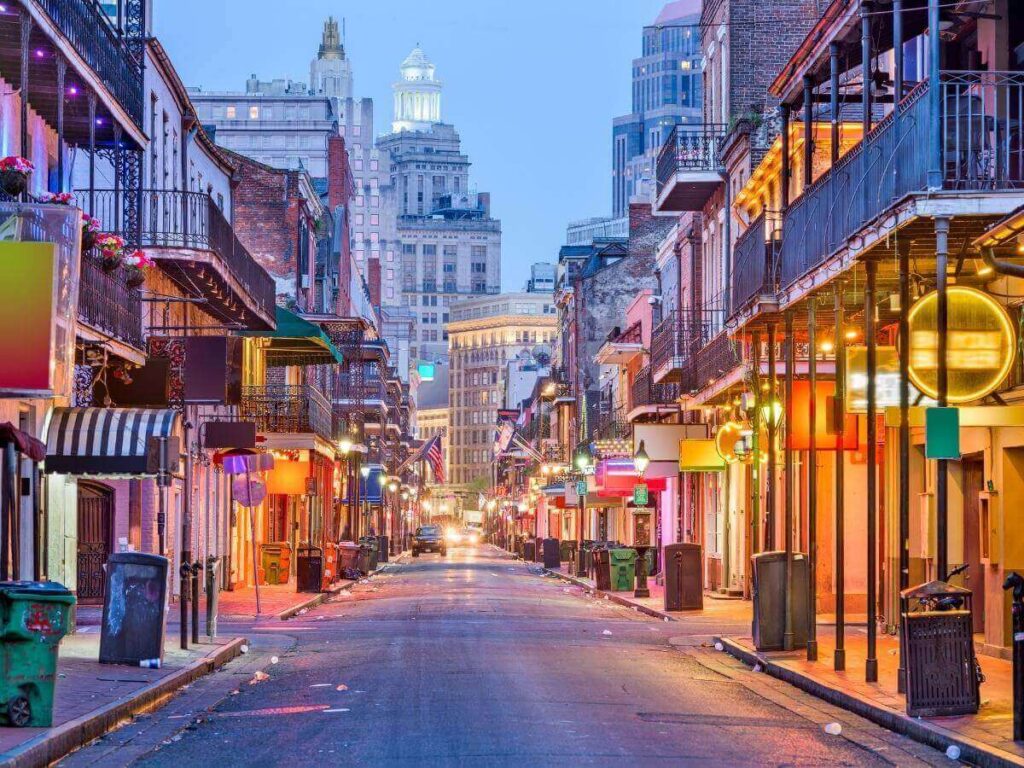
If you’d rather stay local, spending the day in the By water is a great alternative. It’s well suited to slow mornings, casual cafés, small shops, and seeing a more everyday side of New Orleans that doesn’t feel built around visitors.
What I like about this pacing is that it leaves room to change your mind. You’re seeing the highlights, but you’re also allowing for detours, longer meals, and moments you didn’t plan for. In New Orleans, those unplanned moments often end up being the ones you remember most.
Practical Tips Before You Go
Getting around New Orleans is easier than it first appears, especially if you’re staying in or near the historic neighborhoods.
Walking works well for much of the French Quarter and nearby areas, and it’s often the best way to notice the small details that make the city interesting. When distances start to stretch, the streetcars are genuinely useful, not just a novelty.
They’re slower than driving, but that’s part of their charm. I found them especially helpful for getting to the Garden District, where the ride itself feels like an extension of the experience. Rideshares fill in the gaps when you’re tired or heading somewhere less central.
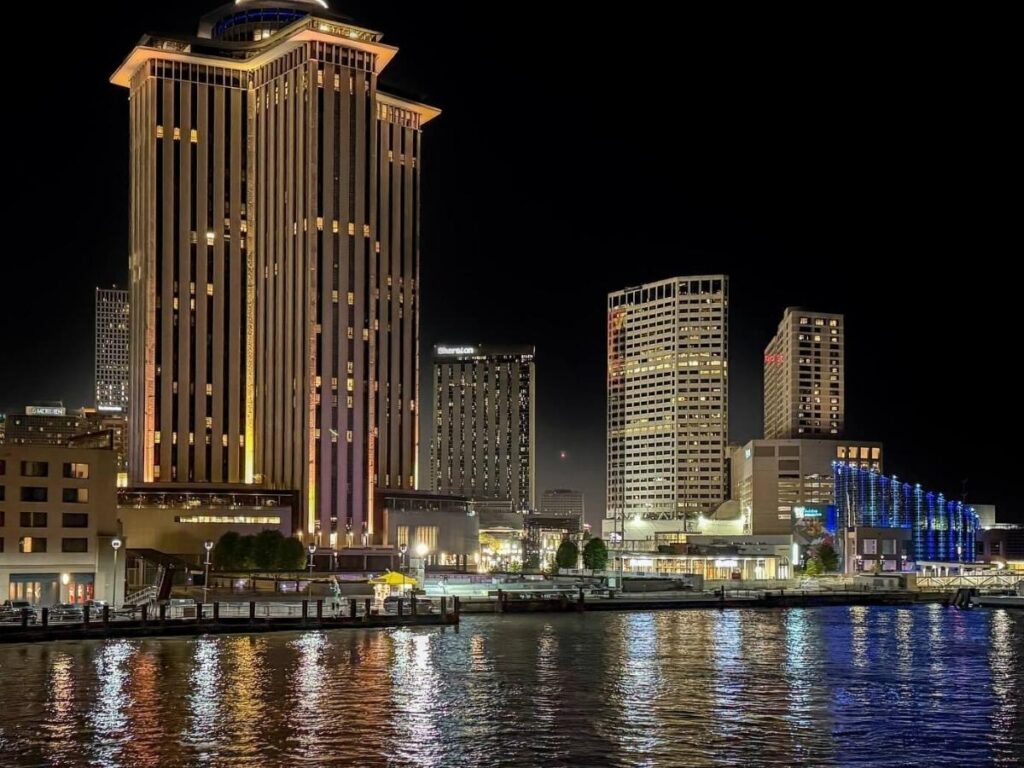
Timing your visit can make a noticeable difference in how the city feels. Late winter and early spring tend to offer the most comfortable weather, with cooler mornings and evenings that make walking enjoyable.
Festival season adds energy, but also crowds, so it helps to know whether you’re looking for excitement or something quieter. Summer brings heat and humidity that can slow your pace, while fall is often overlooked and can be a pleasant middle ground if you don’t mind warmer days.
When it comes to safety, I found that basic awareness goes a long way. New Orleans is a lived in city, not a theme park, and it helps to treat it that way. Stick to areas that feel active and well lit at night, especially if you’re unfamiliar with the layout.
If a street suddenly feels too quiet or off, it’s okay to turn around or grab a ride instead of pushing through. Trusting your instincts usually works better than following rigid rules.
Where you stay will shape your trip more than you might expect. The French Quarter is ideal if walk ability matters most to you and you like being close to food, music, and activity at almost any hour. It can be busy, but the convenience is hard to beat for a short visit. The Garden District, on the other hand, feels calmer and more residential.
It’s a better choice if you value quieter mornings and don’t mind using the streetcar or rideshares to get around. Both work well; it really depends on the rhythm you want your days to have.
Final Thoughts
New Orleans isn’t a city that rewards rushing from one highlight to the next. What stayed with me most weren’t the big moments I planned for, but the ones that happened in between. Sitting longer than expected at a café.
Following music down a side street just to see where it led. Letting dinner turn into a slow evening without worrying about what came next.
If you give yourself permission to slow down, the city starts to open up in small, meaningful ways. It shows itself through sound, food, and the way people move through their days rather than through a perfect itinerary.
You can visit New Orleans with a plan, but it’s often better when you’re willing to set that plan aside now and then.
If you let it, New Orleans will meet you at its own pace, and that’s where it tends to leave the strongest impression.