
I’ve stayed in a lot of hotels over the years, and I’ll be honest: I’ve walked out with a few shampoo bottles and a notepad more than once. I never really thought of it as taking something that wasn’t mine. It felt more like a perk of the stay.
It turns out I’m not alone, and the scale of what gets taken from hotel rooms globally is genuinely surprising. A survey of over 1,300 hotel managers across four-star and five-star properties shed some light on exactly what disappears most often, who tends to take it, and how far up the value scale hotel theft actually goes. The answers range from completely understandable to frankly astonishing.
Here’s what the data shows, what hotels can actually do about it, and a clear breakdown of what you’re genuinely allowed to take versus what will show up on your credit card bill after checkout.
What the Research Actually Says
A survey by German hotel guide Wellness Heaven questioned 1,376 hotel managers, split between 740 four-star properties and 636 five-star properties, about the most commonly stolen items from their rooms. The findings gave a detailed picture of not just what gets taken most often, but how theft patterns differ significantly depending on the level of the property.

The top five most commonly reported stolen items across both categories were towels, bathrobes, hangers, pens, and toiletries. At the other end of the scale, light bulbs, mattresses, lamps, telephones, and mini fridges were reported least often, which makes sense given that taking a mattress out of a hotel requires a level of commitment most guests aren’t willing to bring to a checkout morning.
What I found genuinely interesting was the difference in behaviour between guest types. The research showed that guests at five-star properties are more likely to take higher-value items like tablets, artwork, and mattresses. Guests at four-star properties tend to lean toward practical items: towels, batteries, hangers. The psychology there is worth thinking about for a moment. More on that below.
Towels and Bathrobes: The Most Stolen Hotel Items
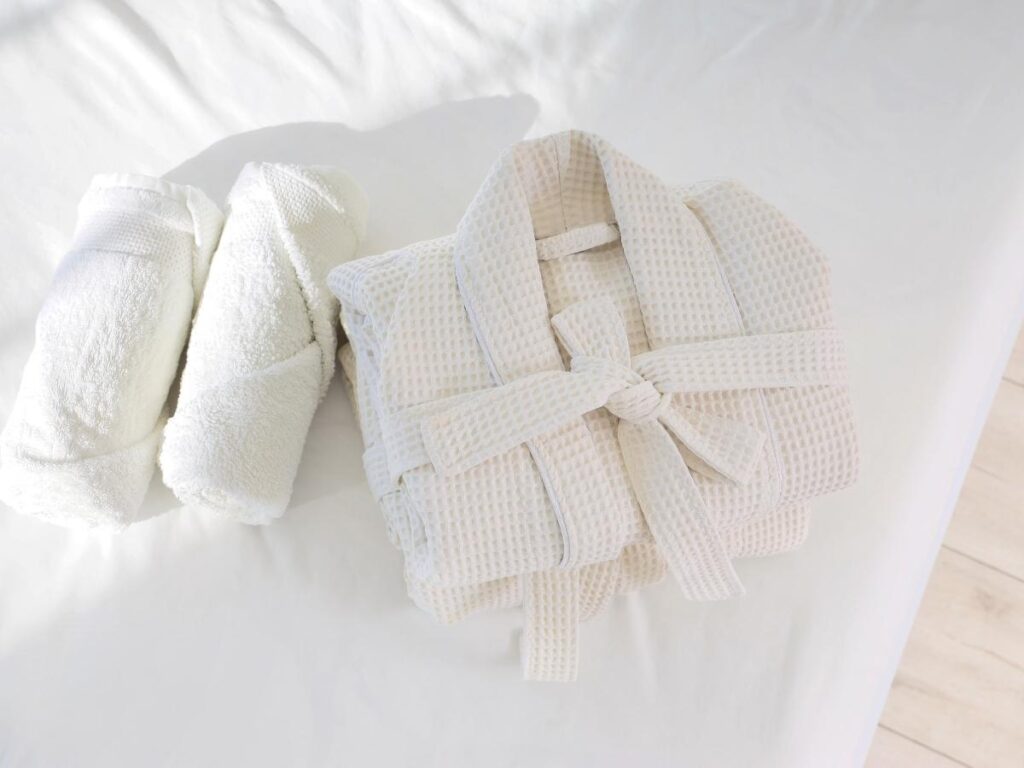
Towels come in at the top of the list by a considerable margin, and it’s not hard to understand why. Hotel towels, particularly at mid-range and above properties, are genuinely nicer than what most people have at home. They’re thick, well-laundered, and have that particular softness that comes from commercial washing at scale. Taking one feels less like theft and more like souvenir shopping.
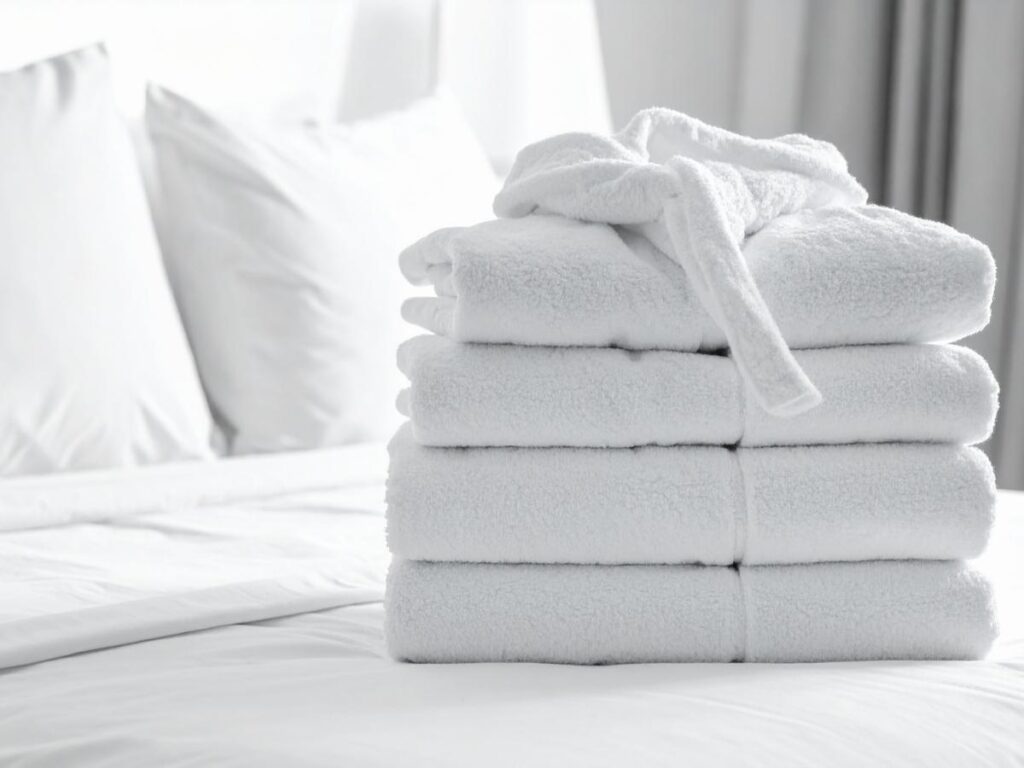
Bathrobes follow closely behind, for similar reasons. A good hotel bathrobe is one of those small luxuries that’s easy to justify in the moment: I paid for this room, the robe is part of the experience, I’ll just fold it into my bag. The problem is that hotels absolutely track these, particularly at higher-end properties where the robes are monogrammed or have the hotel branding embroidered in.
What most guests don’t know is that many hotels have already factored a certain rate of towel loss into their operating costs. But that doesn’t mean they’re not watching. Some properties now use RFID chips sewn into towels and robes to track their location, and a charge for missing items showing up on your card after checkout is entirely within their rights.
If you genuinely love a hotel’s towels or robes, the better move is to ask at the front desk whether they’re available for purchase. A surprising number of hotels sell their bedding and bath products, often at prices that are more reasonable than you’d expect, and you leave without any awkwardness.
Hangers, Pens, and the Small Stuff
Hangers landing on this list surprised me a little until I thought about it. Wire hangers from a dry cleaner get tossed. Plastic hangers at home break. A sturdy wooden hanger from a hotel wardrobe is actually a useful thing to have. I understand the impulse even if I don’t endorse it.
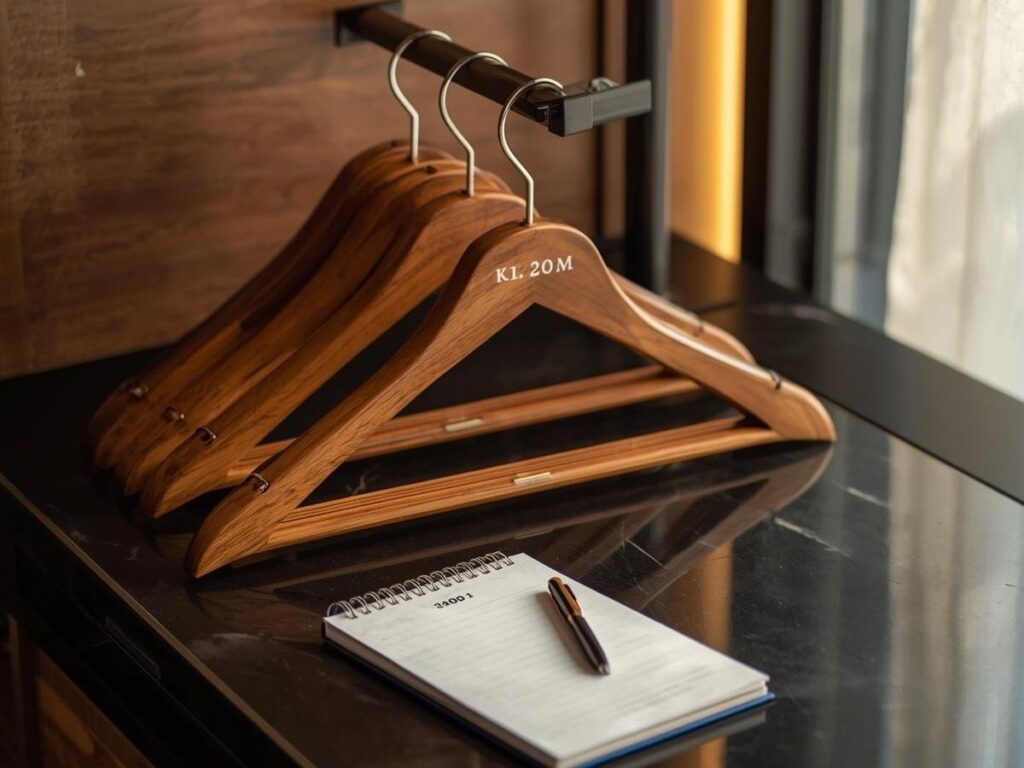
Pens are probably the most harmless item on the list and the one I’d argue most hotels consider a marketing expense rather than a loss. A pen with the hotel’s branding on it, sitting on a desk in a notepad holder, is essentially an advertisement that the hotel chose to place in the room. Most properties expect these to walk out the door and budget accordingly.
The same goes for notepads. A small branded notepad from a nice hotel is barely worth counting as theft, and most properties would agree. These are genuinely in a grey area that I’ll cover properly in the section on what you can legitimately take.
Batteries from remotes and alarm clocks make occasional appearances on stolen items lists too, which speaks more to someone who forgot to pack spares and made a practical decision than to any real intent to steal.
Toiletries and Cosmetics
Toiletries are the area where the line between taking what’s yours and taking what isn’t gets genuinely blurry. The general rule across the industry is that toiletries placed in your room for personal use during your stay are meant for you to use. Whether they’re meant for you to take home is a slightly different question that depends on the property and what they’ve explicitly communicated.
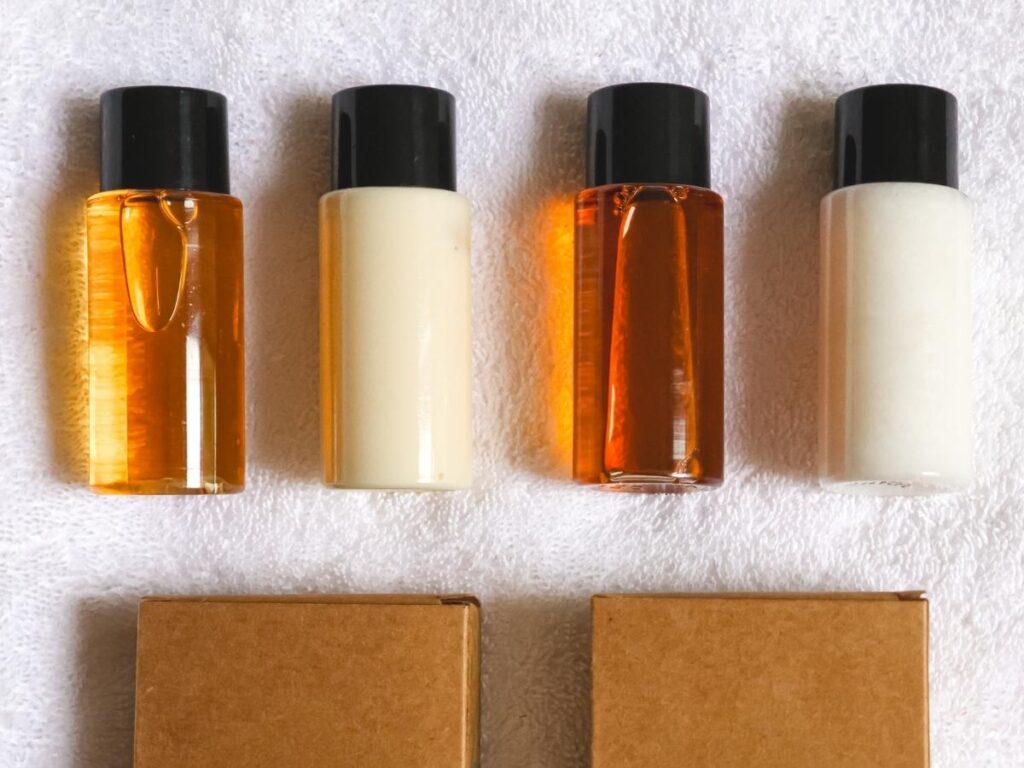
Mini shampoos, conditioners, body wash, and soap: these are almost universally considered fair game. They’ve been placed in your room for your use and if you don’t finish them, taking the remainder is standard practice that hotels fully expect. This is especially true at properties that use single-use travel-size bottles.
Many higher-end hotels have moved away from single-use toiletries entirely in favour of larger refillable dispensers fixed to the wall, partly for sustainability reasons and partly, I suspect, because it neatly removes the question of whether you can take them.
Where it gets murkier is with full-size products, luxury branded cosmetics, or items left as welcome gifts rather than standard amenity stock. A full bottle of branded hand lotion left as part of a turndown service is genuinely yours. A full-size bottle of professional shampoo that’s part of a fixed dispenser system is not.
My approach: anything that was placed in the room as a single-use or personal amenity for my stay, I consider mine to take if I want it. Anything that was fixed to a surface, refillable, or clearly part of the room’s permanent setup, I leave behind.
What Five-Star Hotel Guests Steal vs Four-Star Guests
This is the part of the survey I found most genuinely fascinating. The research found a clear difference in theft patterns between the two hotel categories: guests at four-star properties tend to take practical, everyday items, while guests at five-star properties are more likely to take expensive and unusual things like tablets, artwork, and in extreme cases, mattresses.

There’s a psychology here that’s worth unpacking. At a four-star hotel, the guest is often looking at a towel that’s noticeably nicer than theirs at home and making a practical calculation. At a five-star property, the guest has typically paid significantly more for the stay and may feel, consciously or not, that the premium price entitles them to more than the room technically includes. The higher the spend, the more entitled some guests feel to take something of equivalent value home with them.
Hotels at the luxury end of the market have responded accordingly. Inventory tracking through RFID technology, photo documentation of room contents at check-in and checkout, and detailed billing policies that allow charges to be added post-stay are all considerably more sophisticated at five-star properties than at mid-range ones.
The research also notes that the most unusual items reported stolen included bathroom fittings, a grand piano, room numbers from doors, stuffed hunting trophies, sauna benches, full HiFi systems, and flowers. The grand piano in particular raises questions about the logistics that I genuinely cannot answer.
The Bizarre End of the List
The strange items on the stolen list are worth their own moment because they say something interesting about the lengths some people will go to when they’re feeling impulsive in a hotel room.
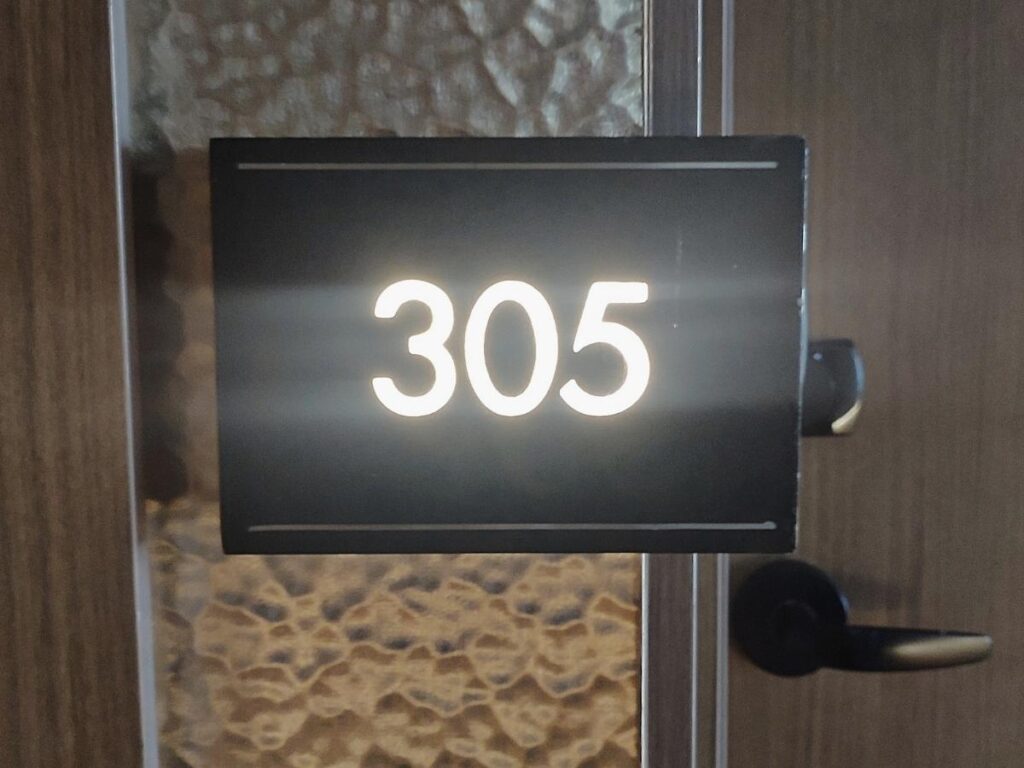
Room numbers removed from doors are a common enough occurrence that many hotels now use recessed or flush-mounted numbers that are harder to detach. Artwork has been reported missing from hotel corridors and rooms often enough that some properties now use screws rather than standard picture hooks. Stuffed hunting trophies presumably went to someone with very specific taste in interior decoration and no particular concern about how they’d explain it at airport security.
The sauna benches are the ones I find hardest to picture. A sauna bench from a hotel spa is a substantial piece of furniture. Someone made a plan, found a vehicle, and committed to it. I find it hard not to be mildly impressed by the audacity, even while recognising it’s straightforwardly theft.
What these extreme cases share is that they’re all items someone clearly wanted and decided in the moment that they’d take. Hotels have become considerably better at tracking high-value items in recent years, and the post-stay credit card charge for a missing piece of artwork is a very real possibility at most properties that take inventory seriously.
What Hotels Are Actually Allowed to Charge You For
This is the practical section. If you’ve ever wondered whether a hotel can actually charge you for a missing towel or bathrobe, the answer is yes, and many do.
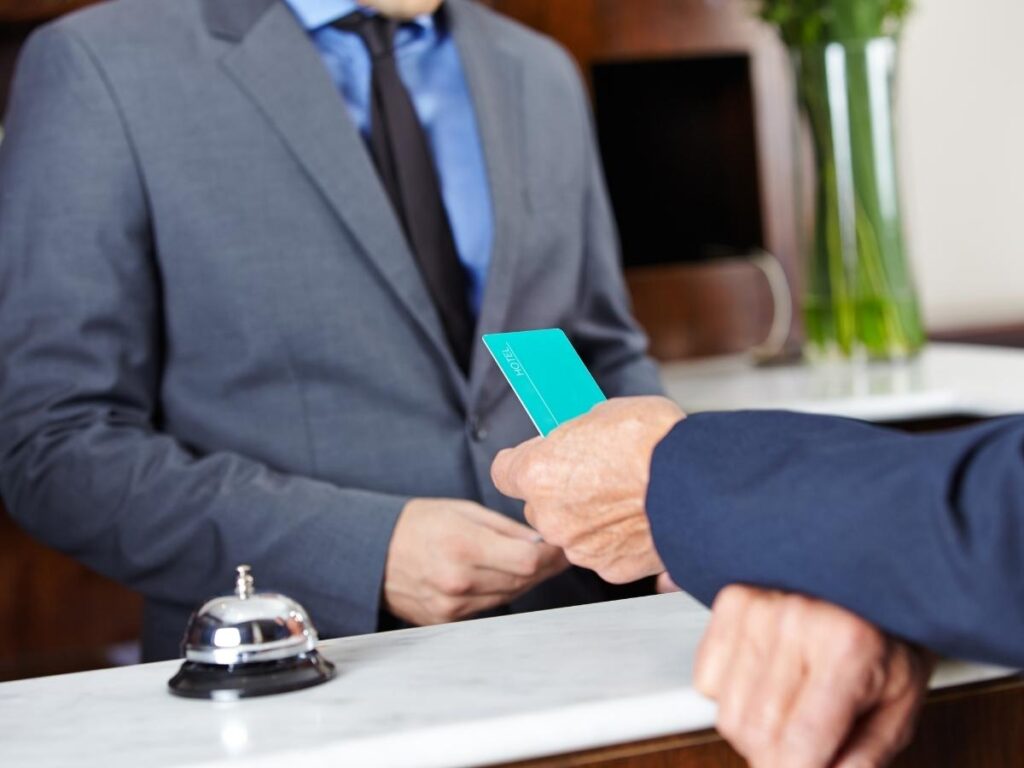
When you check into a hotel, the credit card you provide at the front desk is typically held for incidentals, which includes potential charges for damaged or missing items. The hotel’s terms and conditions, which you agree to at check-in, generally include a clause covering the cost of items removed from the room.
For towels and bathrobes, charges typically range from $20 to $75 per item depending on the property tier. For electronics like tablets left in rooms as amenities, charges can run into the hundreds. Artwork and fixtures are assessed individually and the charges can be significant.
What often surprises guests is that these charges can be applied after checkout, sometimes days later once housekeeping has completed a full room inventory. If you notice an unexpected charge from a hotel on your card statement after a stay, this is frequently the reason.
The practical advice here is simple: if you genuinely want something from your room, ask at checkout whether it’s available for purchase. Front desk staff at most properties can tell you immediately what’s purchasable and at what price. It’s a more straightforward conversation than most people expect, and it avoids any post-stay surprises on your statement.
What You Can Legitimately Take From a Hotel Room
To end on a genuinely useful note, here’s a clear breakdown of what’s generally considered fair game versus what isn’t, based on standard industry practice across most hotel categories.
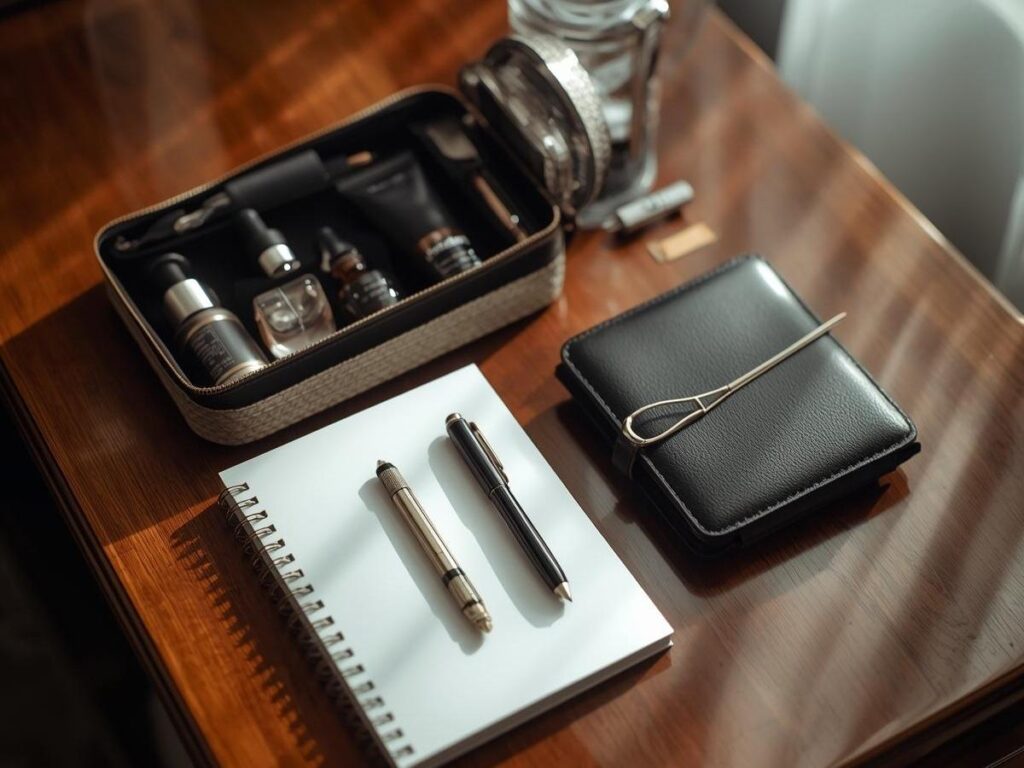
Generally fine to take:
- Partially used toiletries (shampoo, conditioner, body wash, soap, shower cap, dental kit, shaving kit) placed as personal amenities
- Branded pens and notepads from the desk
- Stationery items like envelopes and postcards left as room amenities
- Sewing kits, shoe shine cloths, and similar complimentary items
- Any food or drink items placed as a welcome gift
- Tourist information leaflets and destination guides
Leave these behind:
- Towels and bathrobes (unless you purchase them)
- Pillows, blankets, and bedding
- Hangers
- Electronics including remote controls, tablets, phones, alarm clocks
- Artwork, mirrors, and wall fixtures
- Any fixed amenities including hairdryers, irons, and kettles
- Anything attached to the walls, floors, or furniture
The rule of thumb I use: if it was placed in the room as a consumable for my personal use during the stay, it’s mine to use and take the remainder of. If it was placed in the room as part of the room’s permanent inventory and would need replacing for the next guest, it’s not.
Final Thoughts
Hotel theft sits in an interesting grey area culturally. Taking a pen feels nothing like taking a bathrobe, and taking a bathrobe feels nothing like walking out with a tablet or a piece of art. But hotels track all of it, charge for more of it than most guests realise, and have gotten considerably better at doing both in recent years.
My honest take: buy the bathrobe if you love it, take the toiletries and the pen, leave everything else exactly where you found it, and enjoy the stay for what it actually is. The hotel room is one of travel’s great pleasures. It doesn’t need to be a shopping opportunity.
What is the most stolen item from hotel rooms?
Towels are consistently reported as the most commonly stolen item across hotel categories, followed closely by bathrobes, hangers, pens, and toiletries. This holds across both four-star and five-star properties, though the reasoning behind the theft tends to differ between guest types.
Can a hotel charge you for taking a towel?
Yes. Hotels can and do charge for missing towels, bathrobes, and other inventory items, often days after checkout once housekeeping has completed a room inventory. These charges are applied to the credit card held at check-in. Charges typically range from $20 to $75 per item depending on the property.
What toiletries are you allowed to take from a hotel room?
Any toiletries placed in your room as personal amenities for the stay are generally considered yours to take, including shampoo, conditioner, body wash, soap, dental kits, and shower caps. Fixed refillable dispensers attached to the bathroom walls are not.
Do luxury hotels steal items more than budget hotels?
According to the Wellness Heaven survey, five-star hotel guests are more likely to take higher-value items like tablets and artwork, while four-star hotel guests more commonly take practical items like towels and hangers. Theft occurs across all price categories.
What is the most unusual item ever stolen from a hotel?
Hotel managers surveyed reported unusual stolen items including a grand piano, bathroom fittings, room numbers removed from doors, stuffed hunting trophies, sauna benches, full HiFi systems, and flowers. The grand piano remains the standout for sheer logistical commitment.
Can I buy items from my hotel room?
Many hotels sell their towels, bathrobes, pillows, and branded amenities either at the front desk or through an online store. If you love something in your room, asking at checkout whether it’s available for purchase is always worth trying. It’s a common enough request that most front desk staff have a straightforward answer ready.