
I’ll be straight with you: I’m not someone who travels in a hazmat suit. I eat street food, I take public transport, and I’ve slept in some genuinely questionable guesthouses across Southeast Asia without losing much sleep over it. But there are a few spots in hotel rooms and vacation rentals that genuinely give me pause every time I check in, and once I tell you about them, they’ll probably do the same to you.
The thing about dirty spots in hotel rooms is that they’re almost never the things that look dirty. The bathroom gets scrubbed. The floors get vacuumed. The sink gets wiped. What doesn’t get cleaned are the surfaces that housekeeping touches last (or not at all) because they’re easy to overlook in a room turnover that might be 20 minutes long on a busy day.
I’ve gotten into the habit of doing a quick clean when I arrive at any hotel or Airbnb. It takes about five minutes and a small pack of disinfecting wipes. Here’s exactly where I focus, and why.
Why Hotel Rooms Are Germier Than You Think
Hotel housekeeping teams work under real pressure. Depending on the property, a housekeeper might be responsible for cleaning 12 to 20 rooms in a single shift. That’s not a lot of time per room, and when you’re working that fast, the priority naturally goes to the visible things: fresh linens, clean towels, a wiped bathroom, a vacuumed floor.
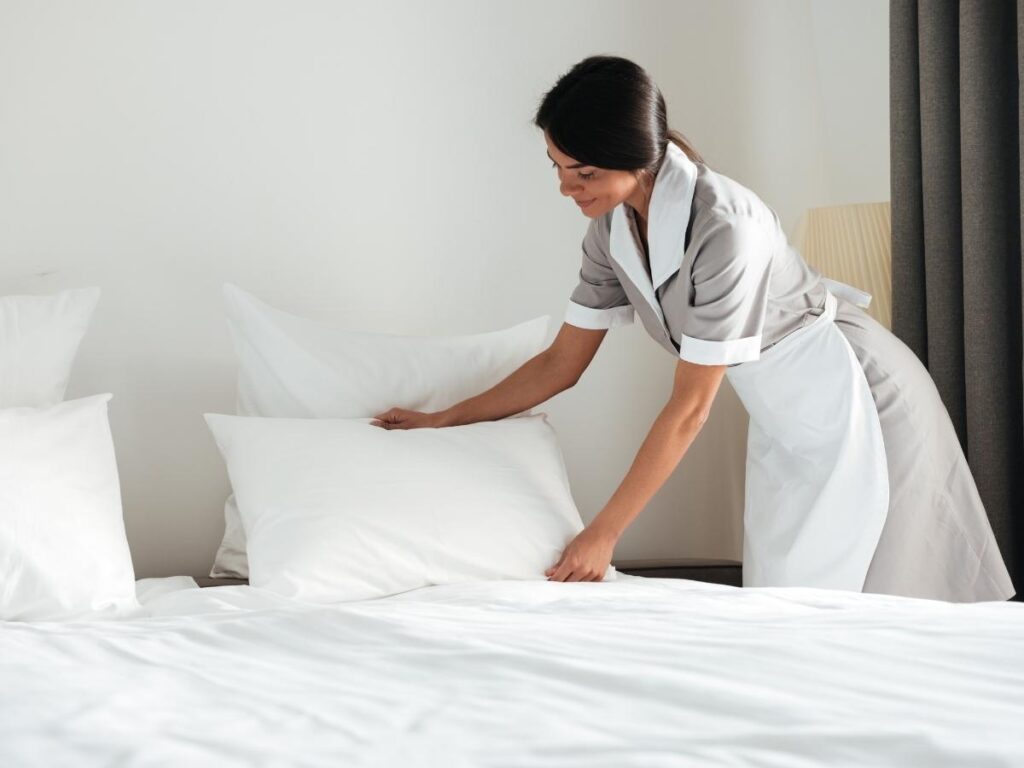
The surfaces that get touched dozens of times a day by every guest but don’t visibly look dirty? Those tend to fall through the cracks. Studies on hotel room hygiene have consistently found that high-touch surfaces like remote controls and light switches carry some of the highest bacterial loads in the room, often far higher than the toilet seat, which gets cleaned every turnover.
Vacation rentals have their own version of this problem. Cleaning standards vary enormously between hosts, and the cleaning fee you pay doesn’t always translate to a thorough disinfection. I’ve stayed in beautiful, well-reviewed Airbnbs where I found crumbs behind a couch cushion and fingerprints across every light switch. It’s not necessarily the host’s fault; it’s just that deep cleaning every surface after every guest is genuinely difficult to do thoroughly in the time available.
None of this means you should avoid hotels or rentals. It just means arriving with a small plan and a pack of wipes makes a real difference.
Light Switches, Remotes, and Everything Your Fingers Touch
This is the first thing I wipe down in any room, every time, without exception. The logic is simple: follow the fingers. Any surface that gets touched repeatedly throughout the day by every guest, but never looks visibly dirty, is exactly where bacteria accumulates most.
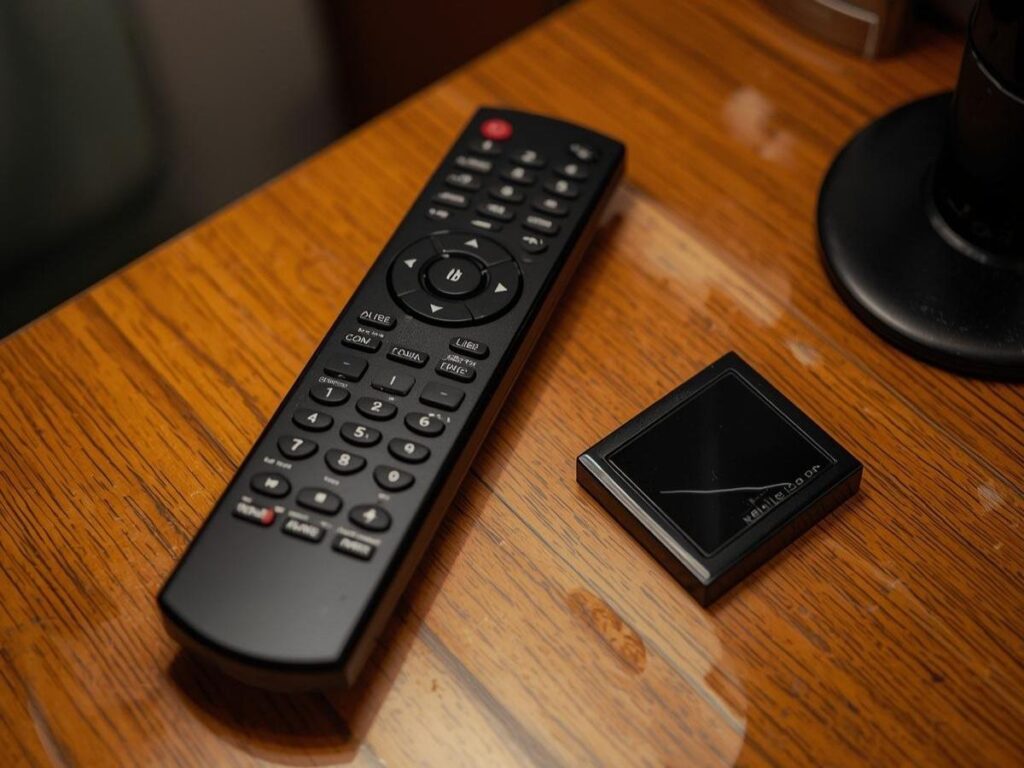
The list includes: the TV remote, any gaming controllers, light switches (especially the one right next to the bed that everyone touches in the dark), the thermostat, the telephone, the door handle on the inside, and the safe keypad if there is one. These surfaces get handled constantly and cleaned rarely.
A remote control, in particular, is one of the most reliably germ-laden objects in any hotel room. It lives on the bed, gets handled with snack-covered fingers, and almost never gets properly wiped between guests. I always take a disinfecting wipe to the remote before I use it, and I encourage you to do the same. It takes about 30 seconds and it’s one of those habits that, once started, you genuinely can’t stop.
The door keycard slot and any shared USB charging ports near the bed are worth wiping too. Small surfaces, high contact, rarely cleaned.
The Hotel Coffee Maker and Kettle
I love in-room coffee. It’s one of those small comforts that genuinely makes a hotel stay feel like yours. But I’ve also learned to give the coffee maker a quick inspection before I use it, because these appliances are warm, damp, and enclosed most of the time, which is exactly the environment where bacteria and mold grow most easily.
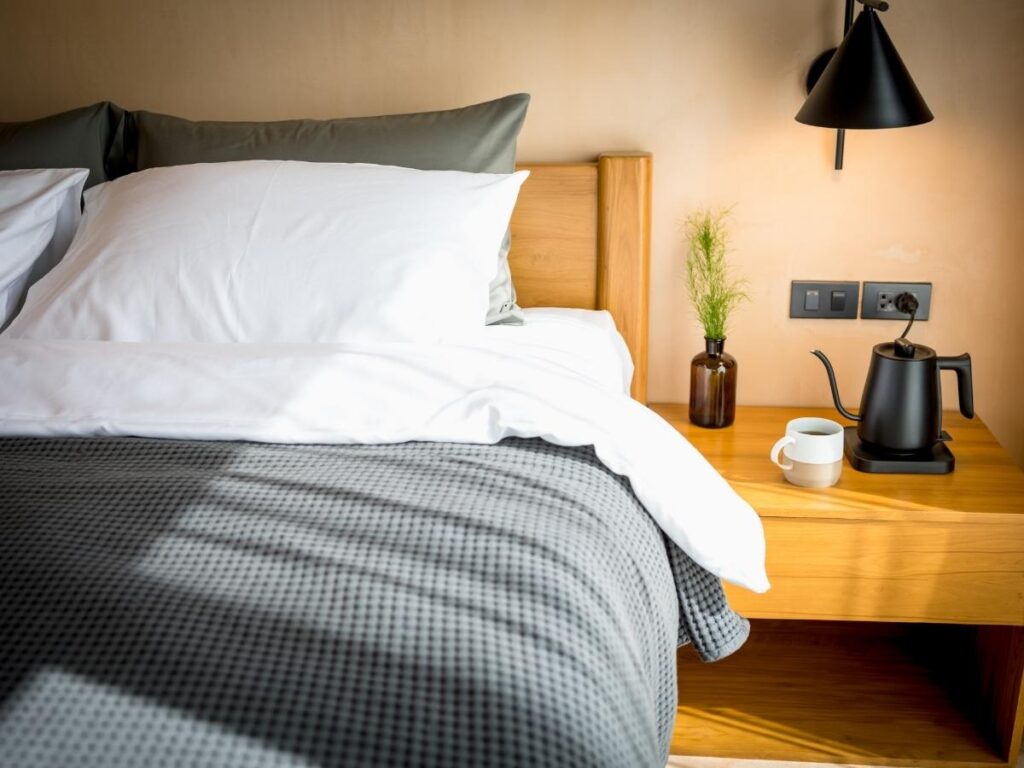
A kettle is easier to assess: remove the lid, look inside with your phone torch, and check for any scaling, discolouration, or residue around the element. If it looks clean, fill it and run it once before making your tea or coffee. That boiling cycle clears out anything lurking in the water reservoir.
A drip coffee maker is trickier because there are more components and less visibility. Run a full cycle with just water before brewing your first cup. If the machine has a removable filter basket, rinse it under the tap. Most hotel coffee makers don’t get descaled or deep-cleaned anywhere near as often as they should, and if you’ve ever looked inside the reservoir of a coffee maker that’s been sitting unused for a few days, you’ll understand why this step is worth taking.
For vacation rentals, the same applies to any appliance that holds water: kettles, coffee machines, water filter jugs. Give them a quick inspection and a rinse cycle before use.
The Couch, Armchairs, and Soft Furnishings
Here’s the honest truth about hotel and rental couches: they almost never get properly cleaned between guests. The cushions might get straightened, a throw blanket might get refolded, but the fabric on the armrests, the seat cushions themselves, and any decorative pillows? Those are cleaned far less frequently than the rest of the room.
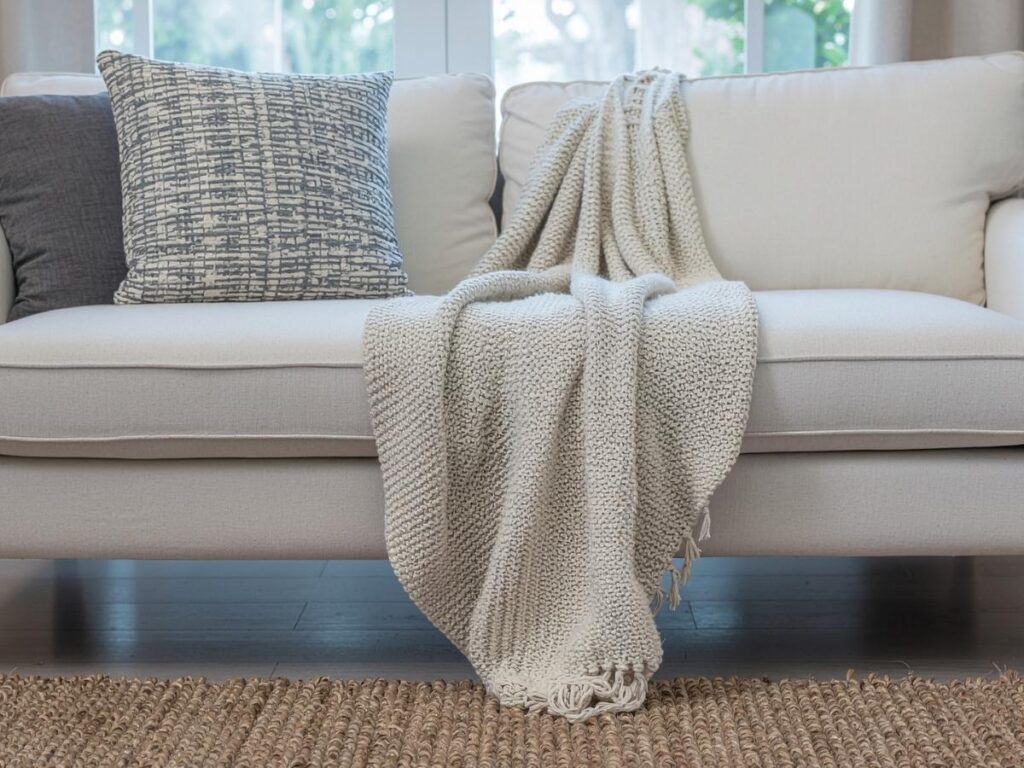
I’m not suggesting you avoid sitting on the couch. I’m suggesting you don’t eat on it, don’t put your toiletries on it, and don’t let it be your default surface for anything you care about keeping clean. If I’m working from the room, I’ll wipe down a desk or table rather than setting up on the couch.
Decorative throw pillows are particularly worth being cautious about. They’re almost never laundered between guests, they get touched constantly, and they often end up near your face if you’re lounging. I usually move them to the wardrobe shelf for the duration of my stay. It’s a small adjustment that removes an unnecessary risk without any real downside.
Soft furnishings in vacation rentals can be even more variable. Some hosts are meticulous about laundering everything. Others are not. If reviews mention cleanliness issues, soft furnishings are usually where the problems show up first.
The Bathroom: Everything Near the Toilet
The bathroom in most hotels actually gets a reasonable clean between guests because it’s visible and expected. But there are a few spots that consistently get missed, and one of them is everything within about a metre of the toilet.
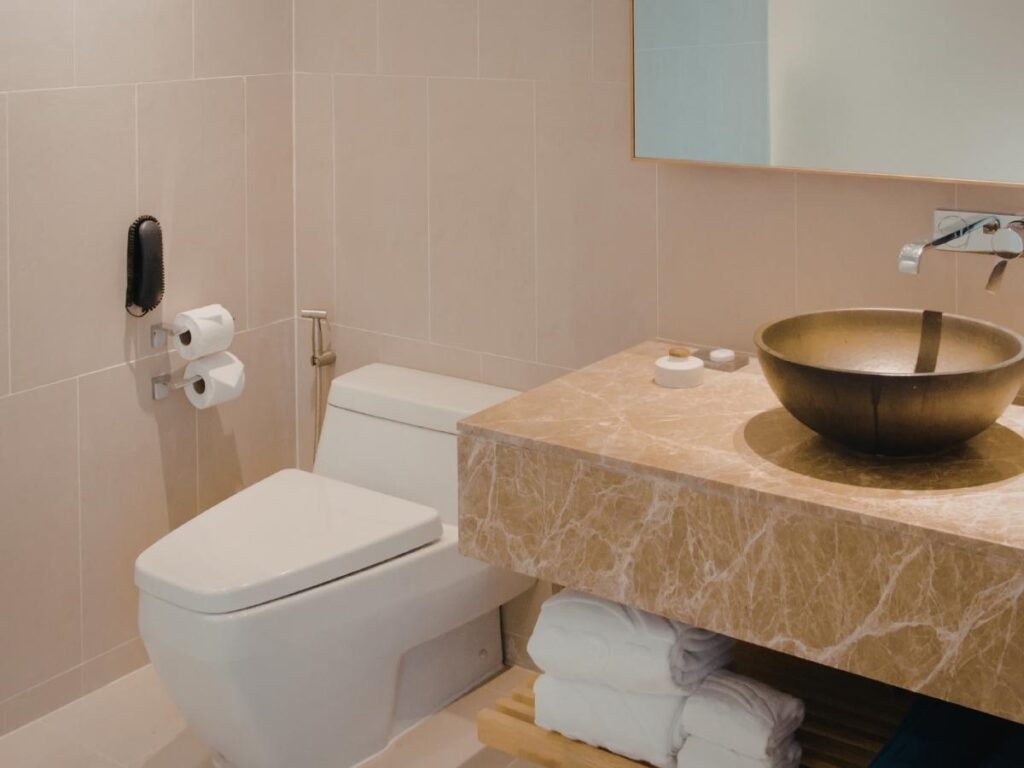
Every flush disperses a fine aerosol of water droplets into the surrounding air, and those droplets land on nearby surfaces: the toilet paper holder, the soap dispenser, the vanity countertop, any cups or glasses left near the sink, the flush handle itself. This happens whether or not the lid is closed before flushing, and it happens with every guest who uses the room.
The flush handle is one of those surfaces that rarely gets the full disinfection it deserves. I wipe it down when I arrive. Same with the toilet paper holder and the area of countertop closest to the toilet.
If the toilet paper roll looks like it’s been partially used by a previous guest, I’d replace it. Most hotels have additional rolls in the vanity or you can request one from housekeeping. Using a roll that’s been sitting exposed near the toilet through multiple guest stays is one of those small things that’s easy to avoid.
The bathroom cups and glasses are another one. Even if they’re wrapped in paper sleeves, I rinse them under hot water before using them. The sleeve indicates they’ve been placed fresh, not necessarily that the glass itself was washed.
The Bed: Duvets, Pillows, and Decorative Throws
The sheets get changed between guests. That much is standard at virtually every hotel and most well-run rentals. What doesn’t always get changed or laundered is everything else on the bed.
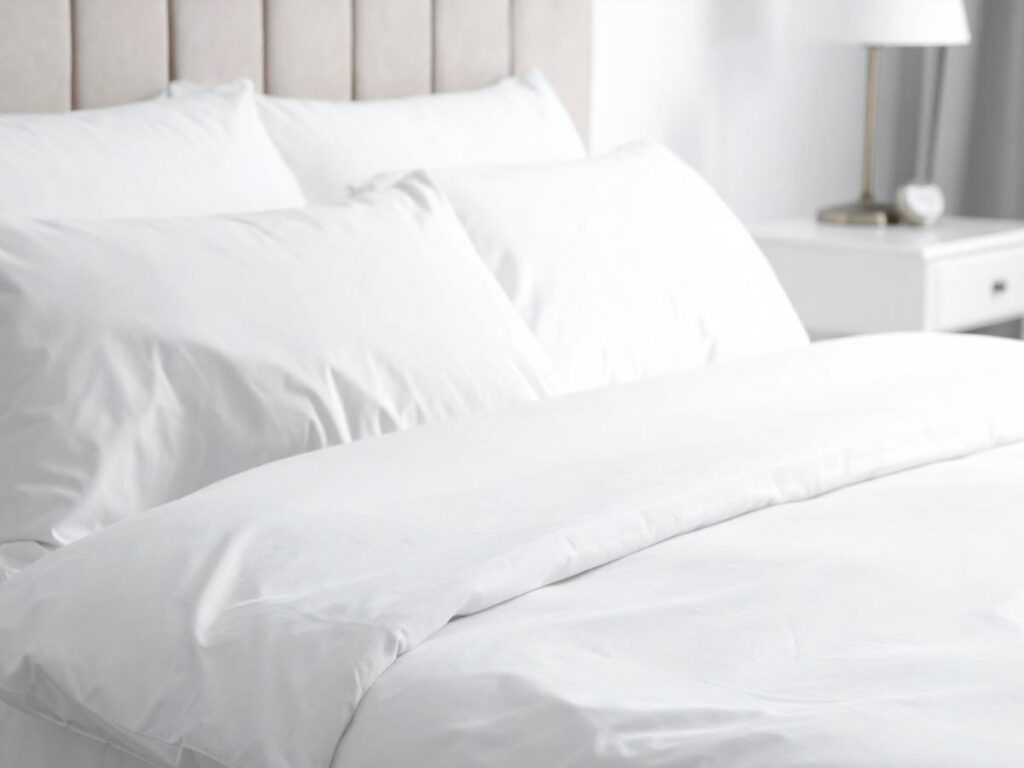
The duvet itself, particularly if it’s inside a duvet cover that gets changed, may not be laundered as frequently as you’d hope. Industry standards vary widely. Some hotels wash duvets every few weeks, others much less regularly. If the duvet has a cover that was clearly changed for your stay, that helps considerably. If the duvet is just sitting on the bed without a visible cover, I tend to fold it to the foot of the bed and use just the sheets.
Decorative throws and accent pillows at the foot of the bed are almost never laundered between guests. I move them off the bed immediately on arrival. Not because they look dirty, but because they almost certainly haven’t been washed recently and they’ll end up near my face if I forget they’re there.
Extra blankets stored in the wardrobe are generally safer as they’re less handled, but if you’re uncertain, housekeeping can bring fresh ones on request at most properties.
Vacation Rental Kitchens: Dishwashers and Washing Machines
This section is specific to vacation rentals and Airbnbs, where the kitchen and laundry appliances are shared between guests and the cleaning standards depend entirely on the individual host.
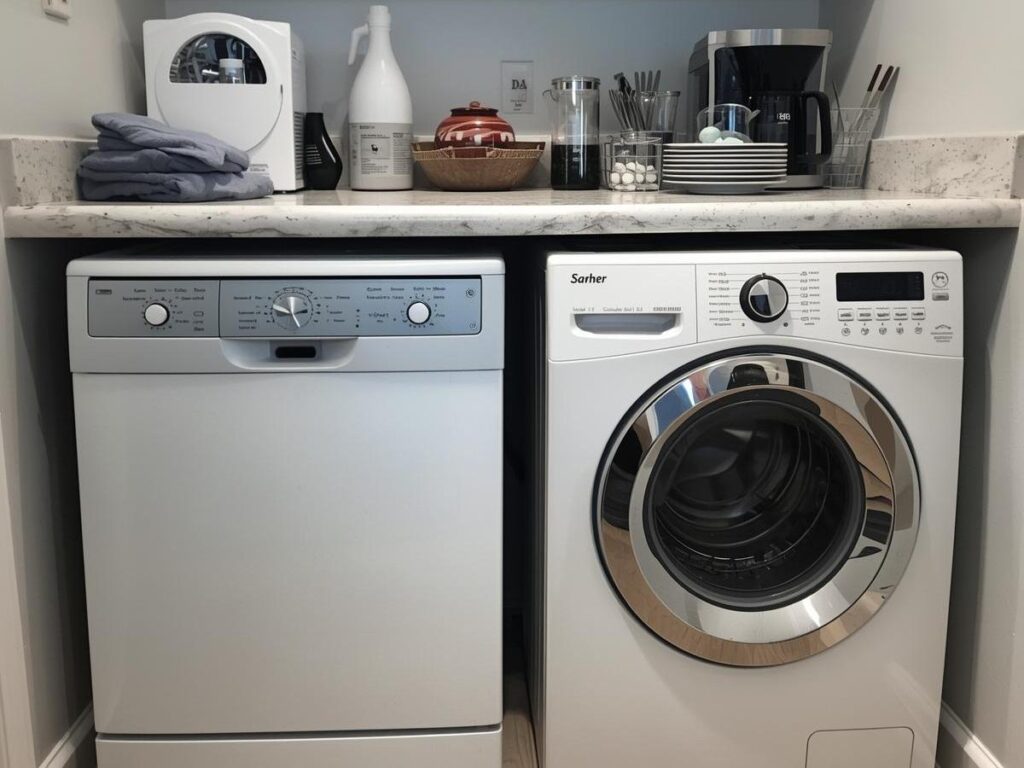
Dishwashers are warm, damp, and food-adjacent, which makes them a prime environment for mould and bacterial growth when not maintained properly. Before I load dishes into a rental dishwasher, I run a short empty cycle to clear out anything that’s accumulated since the last use. It takes about 30 minutes and it’s the easiest way to start clean. If the dishwasher smells musty when you open it, that’s your sign to run it twice before trusting it with anything you’ll eat from.
Washing machines have the same issue. Front-loaders in particular are prone to mould buildup in the door seal, which can transfer to your clothes if the machine hasn’t been cleaned recently. Before doing laundry in a rental, check the door seal for any visible mould or residue, and run a hot empty cycle with a splash of white vinegar if anything looks off. Some newer machines have a self-clean setting that handles this in about an hour.
If either appliance seems genuinely questionable, the practical alternative is to skip it entirely. Most destinations have a laundromat within reasonable distance, and for a short stay, washing dishes by hand is usually less effort than troubleshooting a sketchy appliance.
What I Actually Pack to Stay Clean in Hotels
I’ve refined this over a lot of trips and I keep it genuinely minimal. The goal isn’t to carry a cleaning kit; it’s to have a few things that handle the highest-impact tasks quickly.
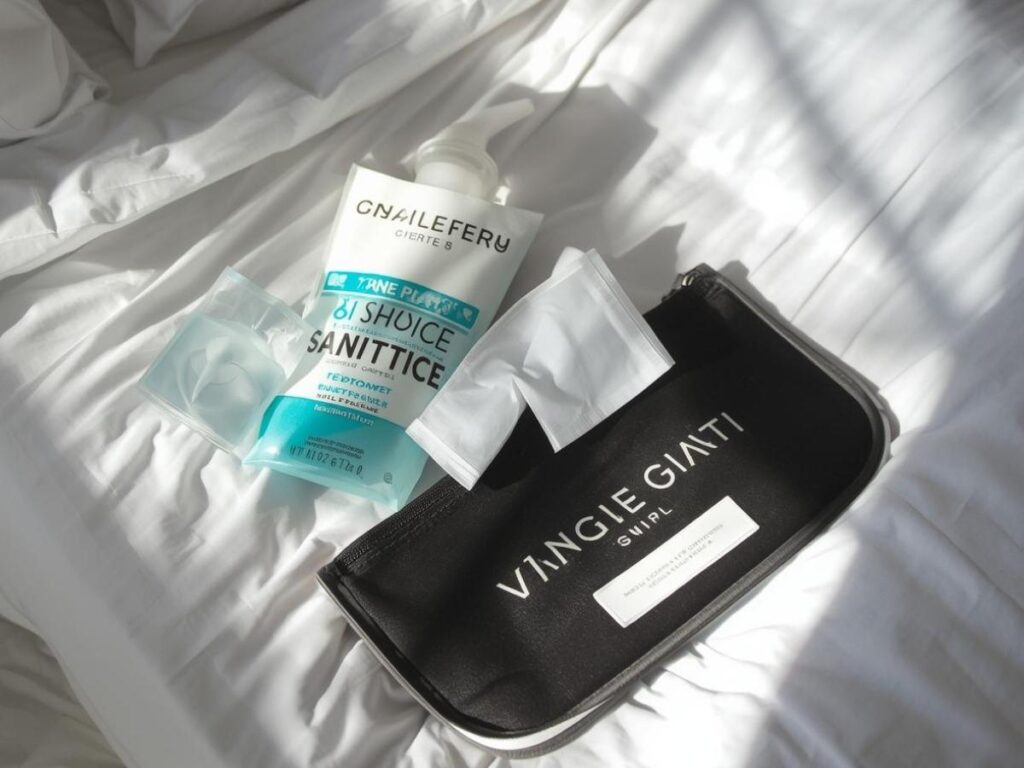
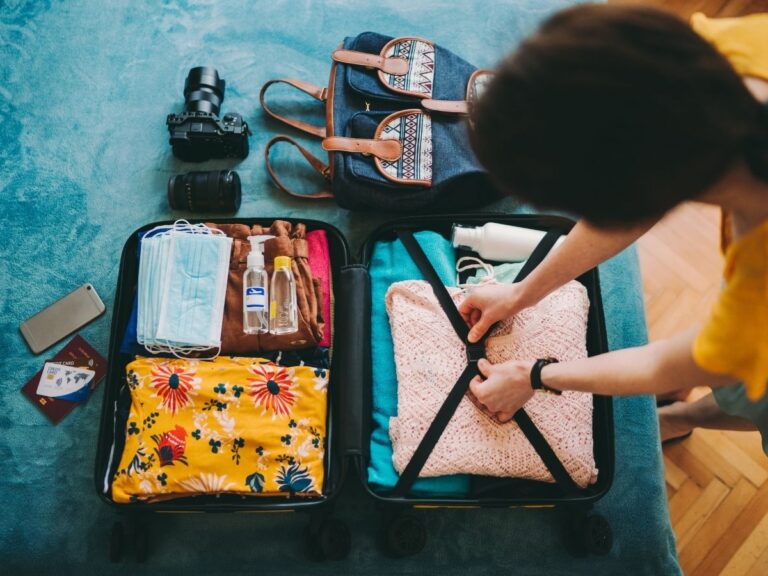
Disinfecting wipes are the single most useful thing in my bag for hotel hygiene. I use a biodegradable travel pack (Dettol or similar) and it takes up about as much space as a deck of cards. I use these on remotes, light switches, the flush handle, and the bathroom countertop. One pack lasts a full week of daily hotel changes with wipes to spare.
A small bottle of hand sanitiser lives in my day bag but I also use it immediately after touching anything I haven’t wiped down yet, particularly on the first 30 minutes of check-in before I’ve done my walk-through.
A travel pillowcase is something I started packing after a particularly uncomfortable pillow experience in a guesthouse, and now I wouldn’t travel without one. It’s a single pillowcase in a soft fabric I like, and it means I’m always sleeping on something I washed myself. Small comfort, but a real one.
That’s genuinely it. Three items, about 200 grams total, and they cover the vast majority of hygiene concerns I encounter in hotels and rentals across any price range.
Final Thoughts
I want to be clear: I stay in hotels constantly and I love them. A good hotel is one of travel’s great pleasures and I’m not trying to put you off them. But knowing where the gaps in cleaning typically are means you can do a five-minute walk-through on arrival and spend the rest of your stay not thinking about it at all.
The remotes, the high-touch switches, the coffee maker, the area around the toilet, and the decorative soft furnishings. Those are your five targets. Wipe them down, move the throws off the bed, run a quick cycle through any appliances you plan to use, and then get on with the actual reason you’re there.
What is the dirtiest spot in a hotel room?
High-touch surfaces like the TV remote, light switches, and telephone consistently carry some of the highest bacterial loads in any hotel room, often more than the toilet seat, which gets cleaned every turnover. These are the first things worth wiping down on arrival.
Do hotels wash duvets between guests?
Not always, and not consistently. Sheets and pillowcases are changed between guests as standard, but duvets and decorative throws are laundered on a much less frequent schedule that varies by property. If the duvet has a removable cover that’s clearly been changed, that helps. Otherwise, folding it to the foot of the bed and sleeping under just the sheets is a reasonable choice.
Are Airbnbs cleaner than hotels?
It depends entirely on the host. Some vacation rental hosts are extremely thorough; others cut corners. Reading recent reviews specifically for cleanliness comments gives the most accurate picture. Appliances like dishwashers and washing machines in rentals are worth checking and running empty before use.
What should I pack to stay hygienic in hotel rooms?
A small pack of disinfecting wipes, a travel-sized hand sanitiser, and a personal pillowcase cover the most common hygiene concerns without adding meaningful weight to your bag. That’s all I bring and it handles everything I encounter.
Is it safe to use hotel glasses and cups?
Most hotels wrap glasses in paper sleeves to indicate they’ve been placed fresh, but the glass itself may not have been washed in a commercial dishwasher since the last guest. A quick rinse under hot water before use is a simple precaution that takes about ten seconds.
Should I be worried about germs in hotel pools or gyms?
Hotel pools and gyms are higher-traffic shared spaces, but they’re also subject to more regular cleaning and, in the case of pools, chemical treatment. The hygiene risks there are generally lower than in your actual room. Shower before and after pool use, and wipe down any gym equipment before you touch it.