
I’ve come home from a trip before and thought, how did I spend that much? If you’ve felt that post-vacation financial sting, you’re not alone. According to a GOBankingRates survey, 34% of American vacationers go over their travel budget, and some by a significant margin.
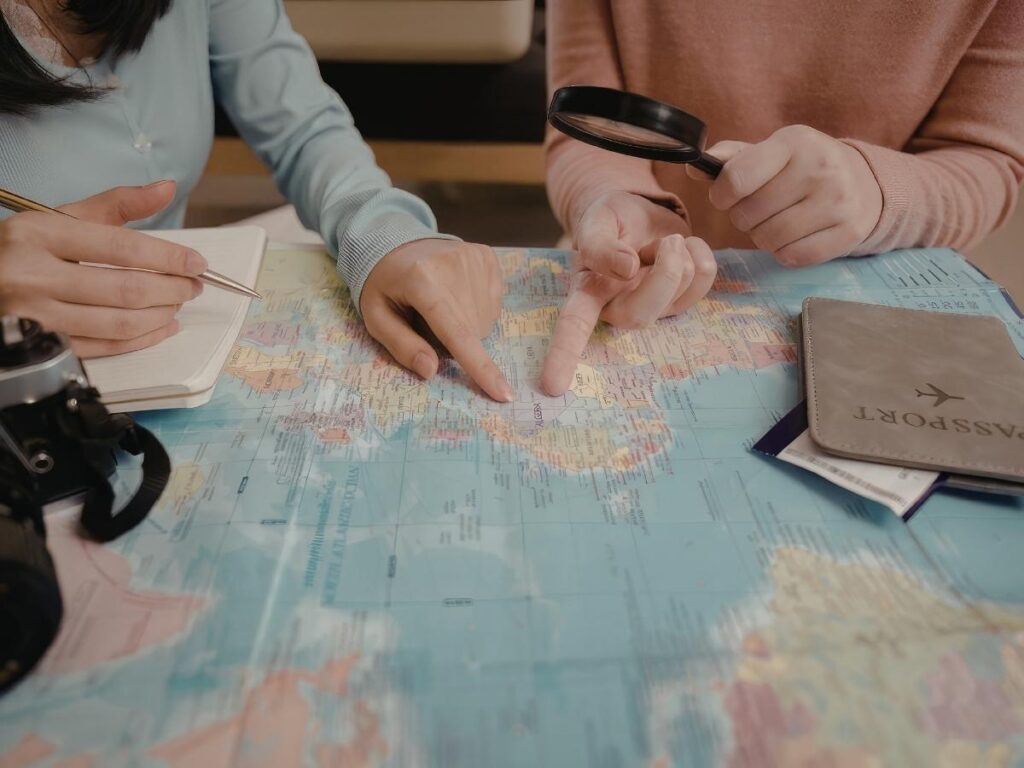
The thing is, overspending rarely happens because people are careless. It happens because vacation budgets are often built on wishful thinking rather than real numbers. I’ve made that mistake, and it took a few trips to figure out a system that actually works.
In this post, I’m sharing the vacation budgeting tips that have genuinely helped me travel more intentionally, spend less on the things that don’t matter, and put my money toward the experiences I’ll actually remember.
Build a Realistic Vacation Budget
This is where most travel budgets fall apart before the trip even starts. People estimate the “big” costs (flights, hotel) and forget everything else. I used to do the same thing.
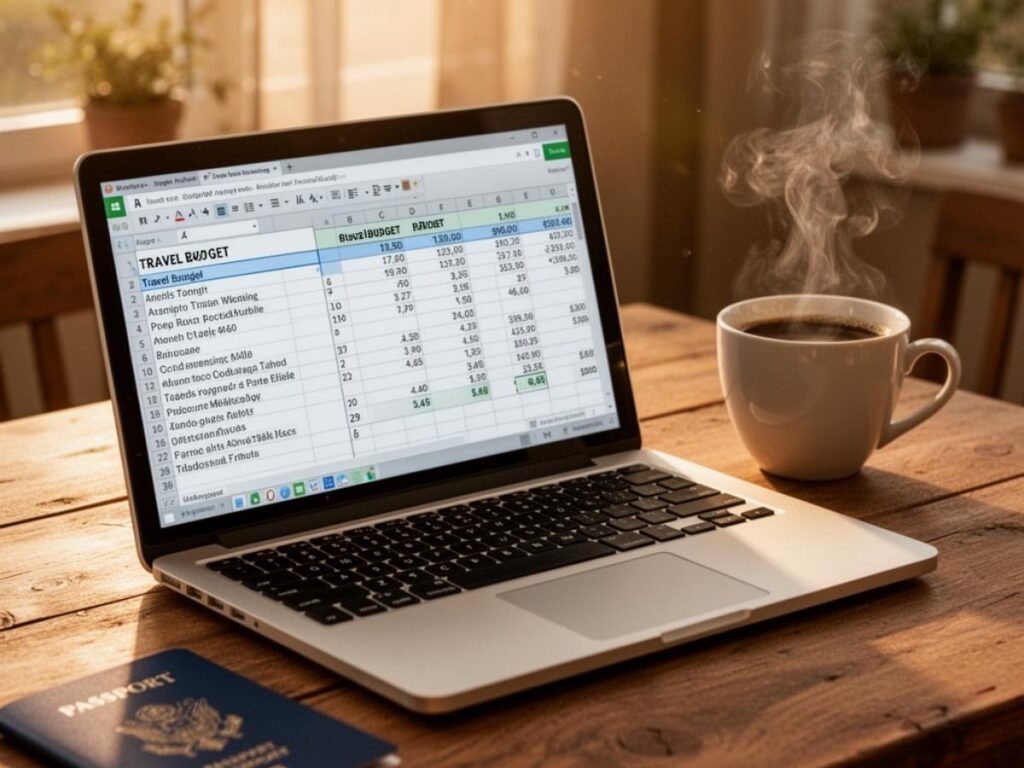
A solid vacation budget needs to account for every category, not just the obvious ones. Here’s what I always include when I plan:
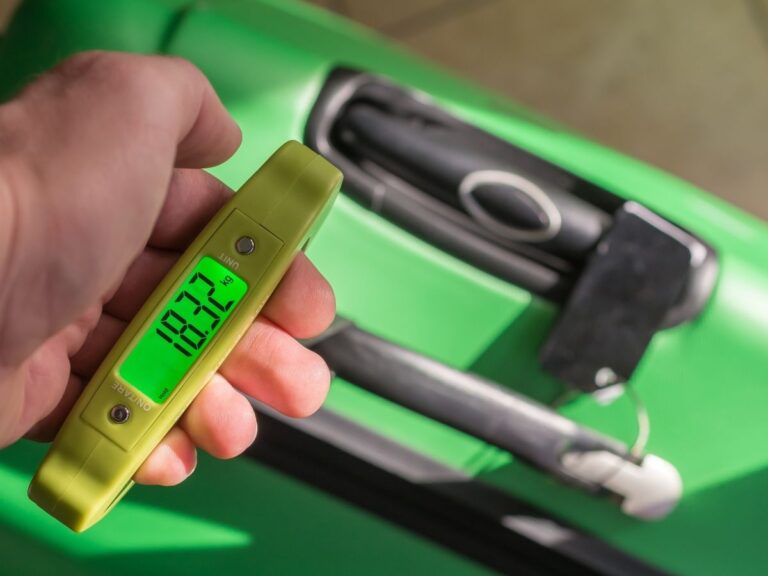
- Flights: Don’t just look at the base fare. Add baggage fees, seat selection, and any airline extras.
- Accommodation: Get the final price with all taxes and fees included. Those resort fees can genuinely shock you at checkout.
- Local transportation: Ubers, metro cards, and rental cars adds up faster than you’d expect, especially over a full week.
- Food: Research what meals actually cost at your destination. A budget that works in Southeast Asia will not work in Scandinavia.
- Drinks: If cocktails by the pool are part of your plan, budget for them honestly. This is one of the sneakiest budget-busters.
- Activities and excursions: Look up what you want to do in advance and price it out. Don’t just leave a vague “fun money” line.
- A buffer: Something unexpected always comes up. I add 10–15% on top of my estimated total just to be safe.
The goal is a budget you can actually stick to because it reflects how you actually travel.
Set a Daily Spending Limit
Having a total trip budget is helpful, but I find that a daily spending limit makes it much easier to stay on track in the moment.

What works well for me is withdrawing a set amount of local cash at the start of each day (where it’s practical), or loading a travel card with a fixed daily amount. When it’s gone, it’s gone. There’s something about physical cash that makes spending feel more real than tapping a card.
This approach lets me enjoy spending without constantly doing mental math. I know I’m within my limit, and if I want to splurge on something later in the day, I know what I have left to work with.
Be Strategic About Food
Food is one of the highlights of travel for me. I love sitting at a local restaurant, ordering something I’ve never tried, and taking my time with it. I’m not here to tell you to skip that.

But eating every single meal out, including breakfast, can drain your budget faster than almost anything else. On a week-long trip with a family or even just a partner, those café breakfasts and casual lunches add up to hundreds of dollars.
What I’ve started doing instead: I pick up groceries at a local market or supermarket on the first day. Breakfast in the rental or hotel room most mornings, maybe a simple lunch here and there, and then I save the sit-down restaurant experiences for dinners and the places that are actually worth it.
It’s not about deprivation. It’s about being intentional so I can spend more on the meals that matter and less on the ones that don’t.
Swap Souvenirs for Experiences
I used to leave every trip with a bag full of fridge magnets, keychains, and things I genuinely never looked at again once I got home. The shopping felt fun in the moment, then I’d get the credit card statement.

Now I spend that same money on experiences instead, and I’ve never regretted it.
Booking a local guide for a neighborhood walk, renting bikes for the day, or joining a small-group cooking class costs about the same as an afternoon of souvenir shopping, and I remember it years later. Most cities also have free things worth doing: markets, parks, historic neighborhoods, viewpoints. I always research those before I travel so I know where to go when I want to explore without spending.
If I do want something to bring home, I look for one meaningful item (a piece of local art, a handmade product from a market vendor) rather than a bag of generic tourist goods.
Use Travel Credit Card Rewards
This one has probably saved me more money than any other strategy. If you’re not already using a travel rewards credit card, it’s worth looking into seriously.
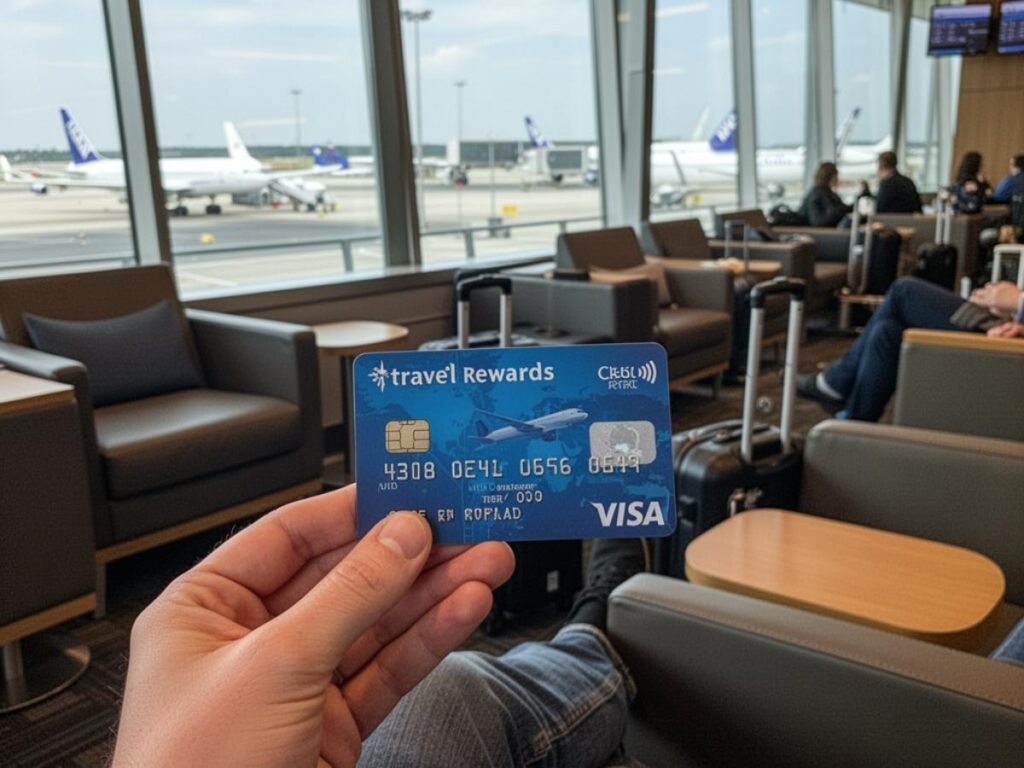
Many cards offer signup bonuses large enough to cover a round-trip flight or several nights in a hotel. Airline cards sometimes give you enough points to book one or two tickets outright. Hotel cards often include free nights, complimentary breakfast credits, or room upgrades that make a real difference.
Cards like the Chase Sapphire Reserve, American Express Gold, and Capital One Venture earn points that transfer to airline and hotel partners, which gives you flexibility in how you redeem.
The key is using these cards responsibly: pay the balance in full every month, or the interest charges will more than cancel out the rewards. Used the right way, though, they’re one of the most practical tools for keeping travel costs down.
Consider Staying With People You Know
Accommodation is almost always one of the biggest line items in a travel budget. If you have a friend or family member in a destination you want to visit, staying with them can make a genuinely expensive trip affordable.
I know it’s not always the most romantic option, and it’s not right for every trip. But for the right destination and the right relationship, it can save you thousands, and you often get a more personal, local experience than you’d have in a hotel anyway.
Another version of this: if someone you know is going out of town and needs a house-sitter, you might get the whole place to yourself at no cost. That’s happened to me once, and it was one of my favorite trips.
Conclusion
Overspending on vacation doesn’t have to be part of the story. The trips I’ve enjoyed most weren’t the most expensive ones; they were the ones where I felt financially calm the whole time, because I’d planned honestly and spent intentionally.

Start with a budget that reflects reality, set yourself a daily limit, be thoughtful about food, and put your money toward experiences over stuff. It really does make a difference, both during the trip and when you get home.
If you’re planning your next trip and want more destination-specific tips, browse the Travel with Zee guides for honest, practical advice on where to go and what it actually costs.
Why do people go over budget on vacation?
Most vacation overspending comes down to underestimating costs upfront. People often budget for flights and hotels but forget local transport, drinks, activity fees, and the small daily purchases that accumulate quickly. A more detailed pre-trip budget helps a lot.
What is a good daily spending limit for travel?
It depends entirely on your destination and travel style. A reasonable daily limit in a budget-friendly destination like Lisbon or Chiang Mai might be $80–$120 per person, while a city like Paris or Tokyo could run $150–$250 or more for food, transport, and activities. Research your specific destination before setting a number.
How can I save money on flights?
Book early when possible, be flexible with travel dates, and check whether two one-way tickets are cheaper than a round-trip. Travel rewards credit cards with signup bonuses can also cover a significant portion of flight costs when redeemed strategically.
Is it cheaper to cook your own food while traveling?
Yes, significantly. Even picking up groceries for breakfast and one meal a day can save hundreds of dollars over a week-long trip, especially for families. It also frees up your food budget for the restaurants that are genuinely worth it.
What travel credit cards are good for vacation savings?
Popular options include the Chase Sapphire Reserve, American Express Gold, and Capital One Venture. Each earns points redeemable for flights, hotels, and travel purchases. The right card depends on your travel habits, so compare the annual fees and benefits before applying.