
Have you ever looked at a national park trip and assumed it would cost a fortune? I did too, until I actually started going. I’ve now visited over two dozen US national parks, and most of those trips came in under $1,000 total. What I learned along the way changed how I plan every outdoor trip. If visiting national parks on a budget is something you’ve been putting off, this guide will show you exactly how to make it work without cutting corners on the experience.
Choose the Right National Park Pass
The first thing I always sort out before any national park trip is which pass actually makes sense for the trip I’m planning. The America the Beautiful annual pass ($80 for US residents) gets you into all national parks for a full year, and it’s a solid deal if you’re hitting more than two parks in the next 12 months. If you’re only visiting one park on this trip, a standard single-park pass (around $35 per vehicle) is the smarter call.
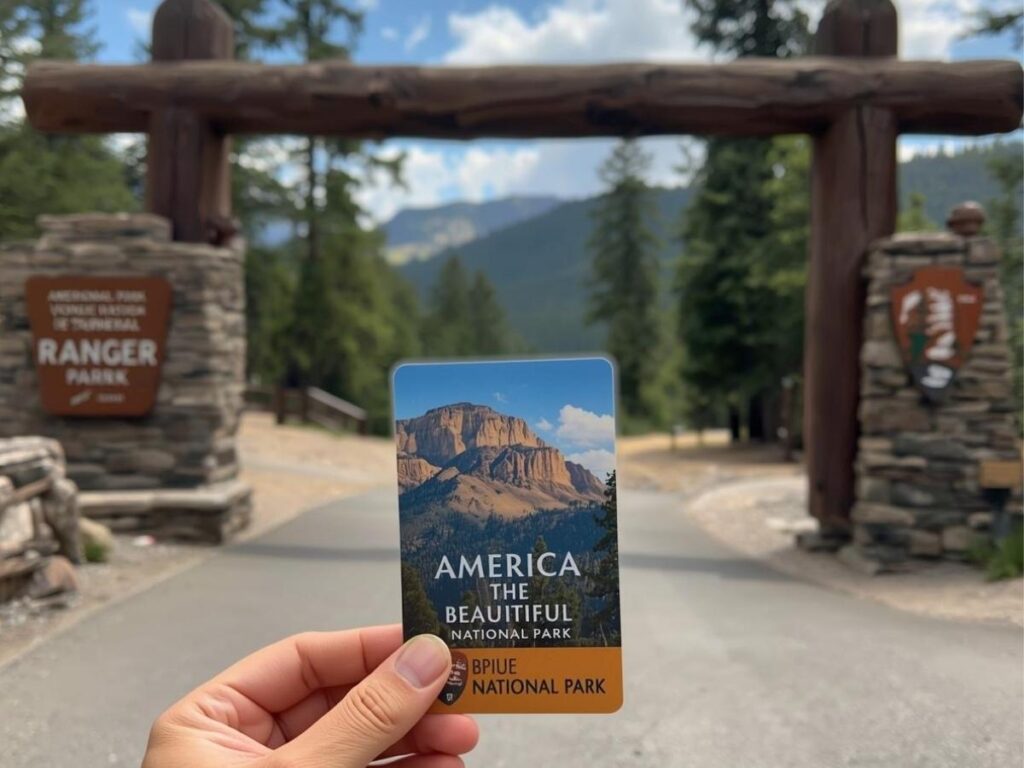
Also worth checking: the National Park Service offers discounted or free passes for seniors, people with disabilities, active military members, and fourth graders through the Every Kid Outdoors program. I’d always look at those options before paying full price.
Pick Fee-Free National Parks
Not every national park charges an entrance fee, and some of them are genuinely spectacular. If you’re flexible on destination, this is one of the easiest ways to cut costs. A few of my favorites from the free list include Great Smoky Mountains (the most visited park in the country, by the way), Redwood, North Cascades, and New River Gorge.
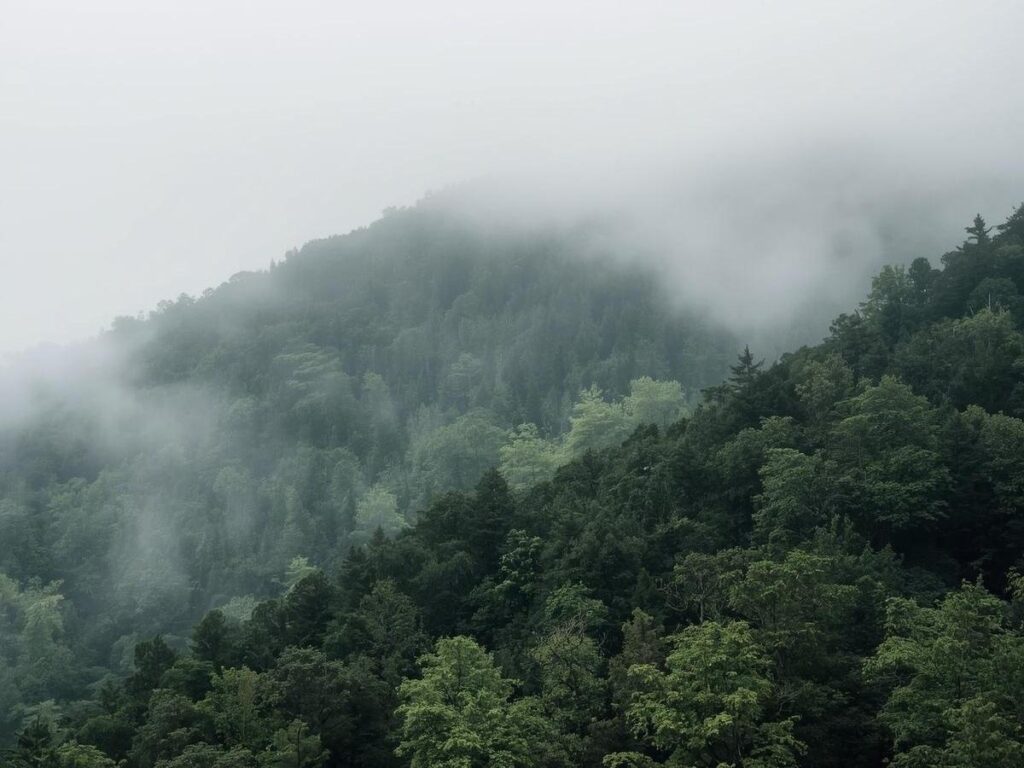
Here’s the full list of fee-free US national parks:
- Biscayne National Park
- Channel Islands National Park
- Congaree National Park
- Cuyahoga Valley National Park
- Gates of the Arctic National Park
- Gateway Arch National Park
- Glacier Bay National Park
- Great Basin National Park
- Great Smoky Mountains National Park
- Hot Springs National Park
- Katmai National Park
- Kenai Fjords National Park
- Kobuk Valley National Park
- Lake Clark National Park
- Mammoth Cave National Park
- New River Gorge National Park
- North Cascades National Park
- Redwood National Park
- Voyageurs National Park
- Wind Cave National Park
- Wrangell-St. Elias National Park
Keep in mind that even fee-free parks can have costs for parking, camping permits, or guided tours. Always check ahead so there are no surprises at the gate.
Visit on Free Entrance Days
The National Park Service designates several days throughout the year when entrance is free at all fee-charging parks. If there’s a specific park on your bucket list that normally charges admission, planning your trip around one of these dates is a genuinely good way to save. The dates change annually, so I’d check the NPS website for the current year’s schedule.
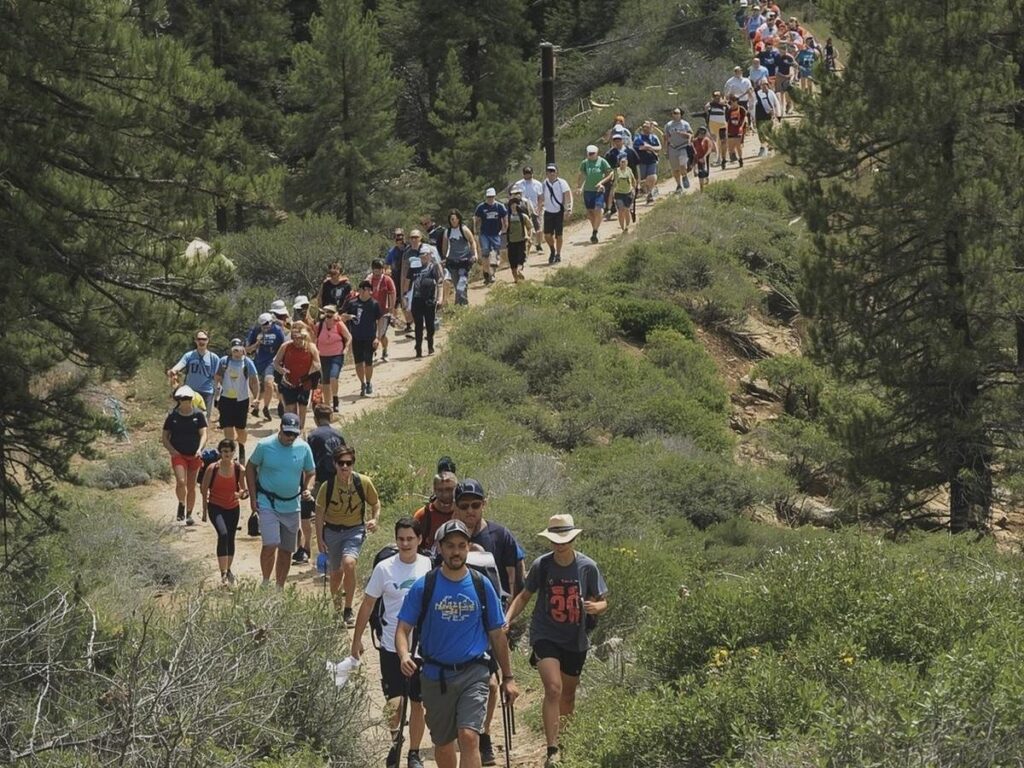
One heads-up: these days draw crowds. If you go, plan to arrive early and have a backup trail or area in mind if your first choice is packed.
Road Trip Through Multiple Parks in One Trip
One of the best things I did early on was realizing that combining parks into a single road trip cuts the overall cost significantly. You’re paying for flights, a rental car, and accommodations once, but you’re getting multiple parks out of it.
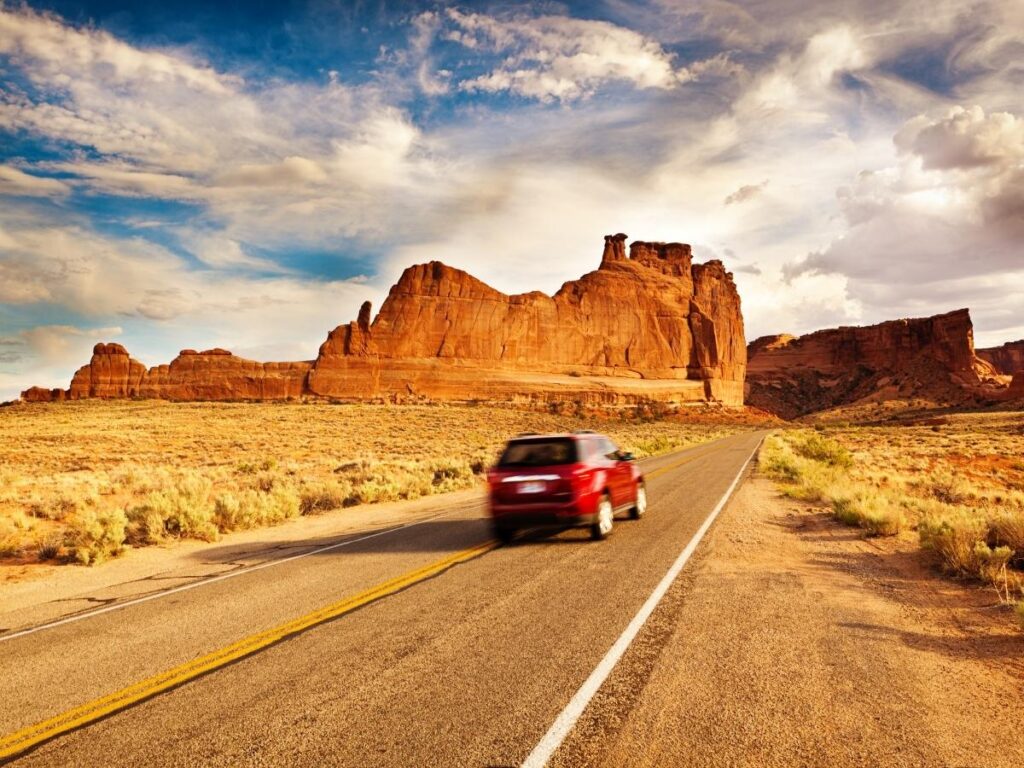
Some of my favorite multi-park routes: the Utah Mighty 5 (Zion, Bryce, Capitol Reef, Canyonlands, and Arches), the trio of Washington state parks, Yellowstone paired with Grand Teton, or the southern California parks like Death Valley, Joshua Tree, and Sequoia. The drive between parks is often part of the experience.
Camp Instead of Booking Hotels
Accommodations near national parks are expensive. Hotels inside park boundaries can run $300-$500 per night, and even the budget hotels just outside the park often top $150-$200. Airbnbs with enough space for a group can push into the thousands for a week.
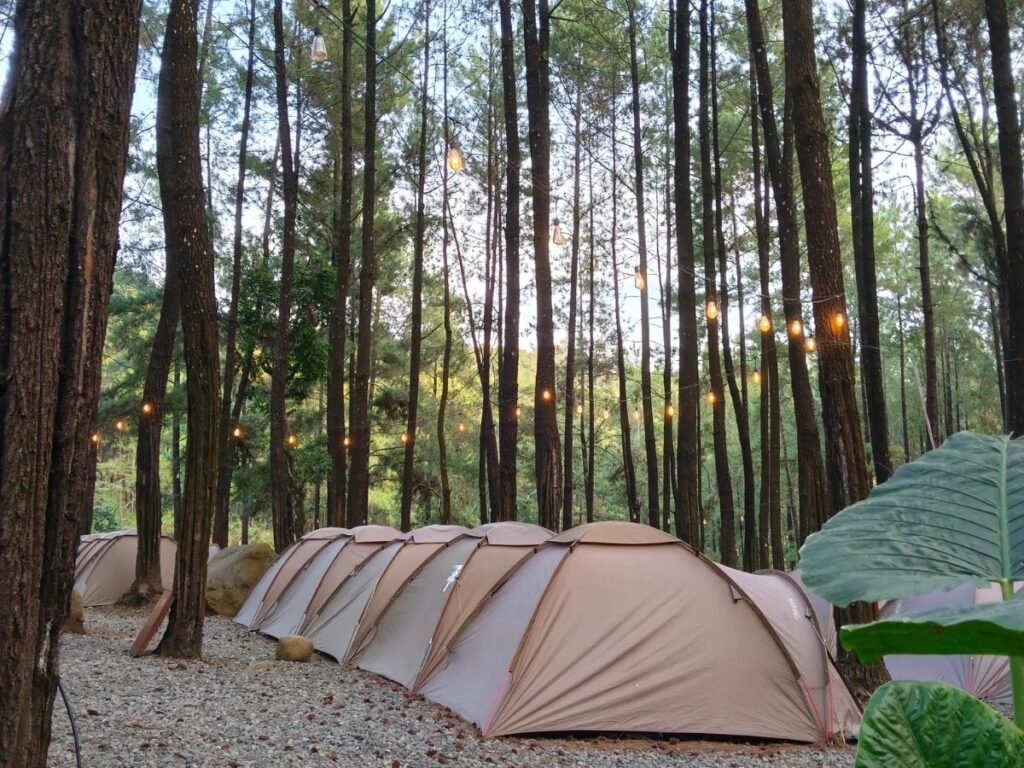
Camping is the most practical workaround I’ve found. In-park campsites typically run $25-$35 per night, and waking up surrounded by the landscape you came to see is honestly one of the better parts of the trip. Book as early as possible because popular campgrounds sell out months in advance, especially during peak season.
Find Free Campsites Near the Parks
Here’s where things get really good: there are free primitive campsites near most national parks, and I’ve stayed at several of them. They don’t have facilities or hookups, so you’re truly roughing it, but the price is hard to argue with.
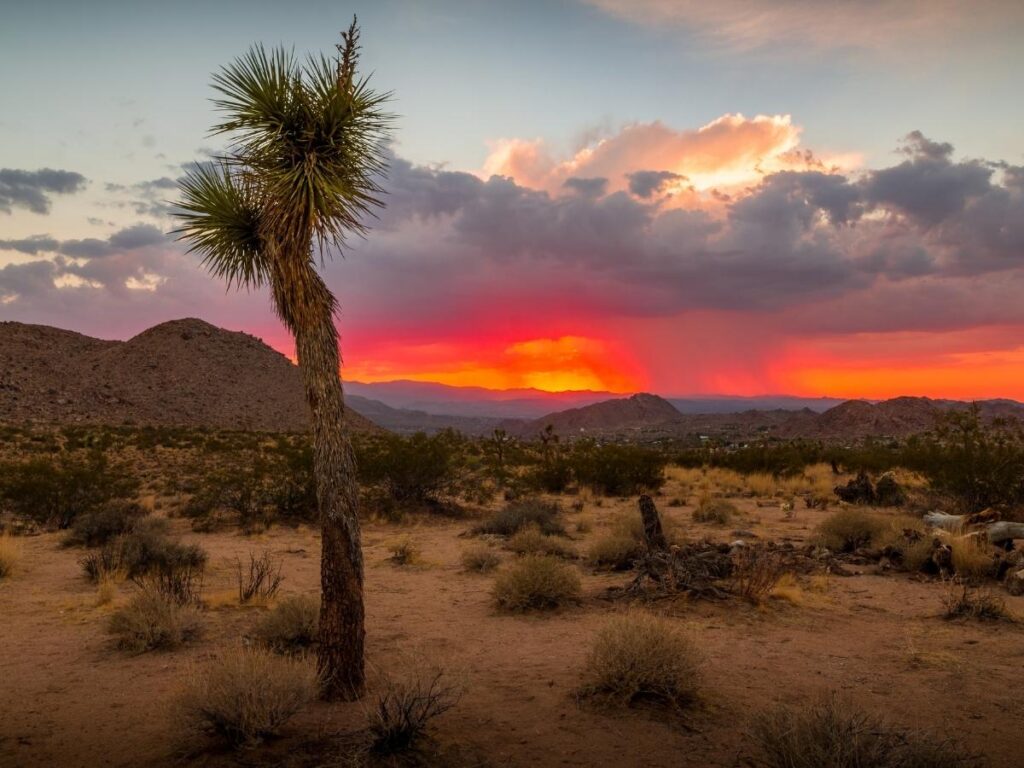
The sites I always check first are Campendium, Freecampsites.net, and The Dyrt. When I was planning a Joshua Tree trip, I found a free site that practically shared a fence with the park boundary, which saved me both money and drive time each morning.
Try Car Camping
If tent camping feels like too much, car camping is worth considering. Sleeping in your vehicle, whether that’s an SUV, van, or even a sedan with the back seats folded down, gives you more comfort, more protection from weather and bugs, and a bit more privacy than a tent. You also don’t need to invest in a lot of gear to get started.
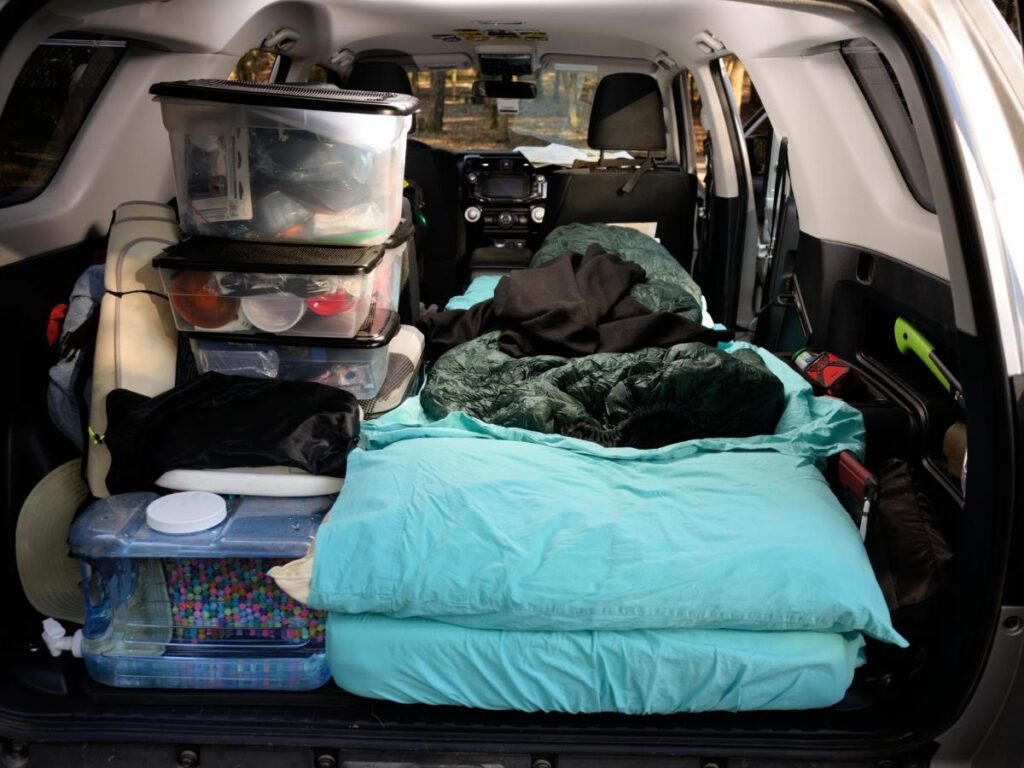
I’ve car camped on road trips where I brought nothing more than a foam pad, a couple of blankets, and a good pillow. It’s far from glamorous, but it works, and the savings compared to even a modest hotel stay add up fast over a week-long trip.
Buy Groceries Before You Go
Eating inside the national parks is one of those things that sounds like a treat until you see the prices. I’ve paid $10 for a basic coffee inside a park. Sit-down meals can easily run $30-$40 per person. If you’re there for a week, that adds up to a significant chunk of your budget.
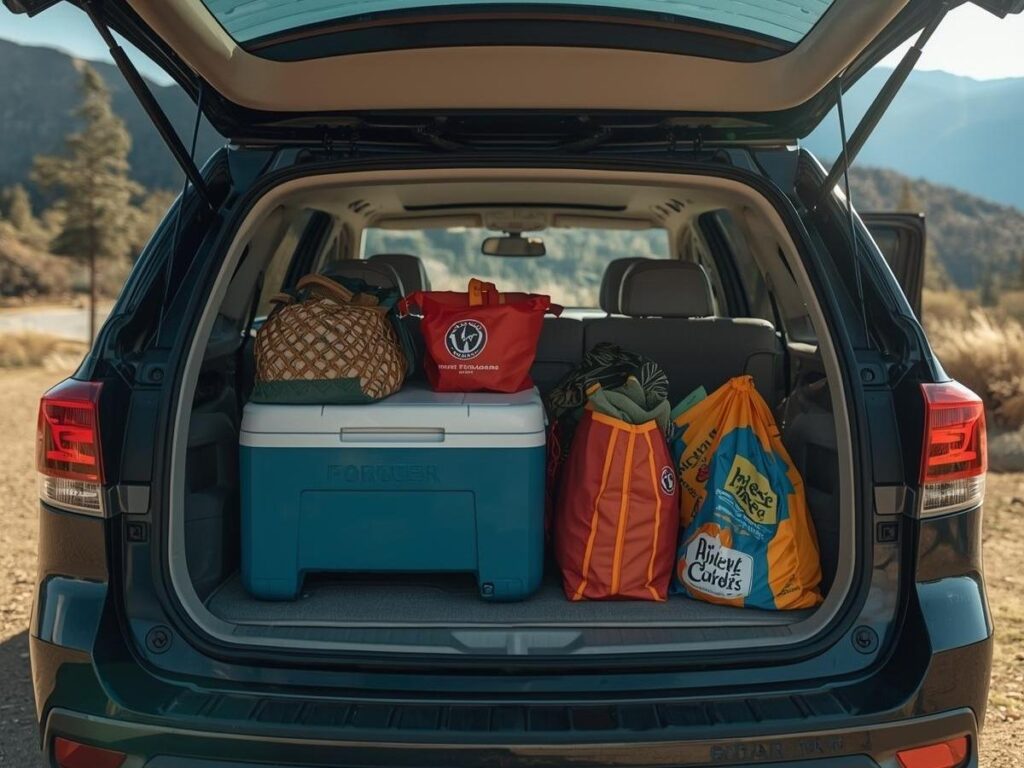
What I do now: stock up at a grocery store the day I arrive or before I leave home. I bring ingredients for simple breakfasts, easy lunches I can pack for hikes, and dinners I can put together at the campsite. Not only does this save a lot of money, it also gives me more flexibility, since I’m not rushing back from a trail to make a dinner reservation.
I do usually budget for one or two meals out at a park restaurant. There’s something fun about sitting inside a historic lodge with a view, but I pick those moments intentionally rather than defaulting to eating out every day.
Use Travel Credit Card Points for Flights
This tip has probably saved me more money on national park trips than anything else. I’ve booked flights to parks in Montana, Colorado, and elsewhere for just a few dollars each, after using points earned through travel credit card welcome offers.
If you have a travel card with a points balance, it’s worth checking what flights look like to the airports closest to your target parks before assuming you need to pay cash. The savings can be significant, and it frees up more of your budget for the actual experience.
Put Your Card Benefits to Work
Beyond points for flights, most travel credit cards have benefits that can directly offset national park trip costs. Annual travel credits, free night certificates, and car rental coverage are all things I’ve used on park trips. On one Death Valley and Joshua Tree road trip, a $300 annual travel credit from my credit card covered nearly the entire cost of the rental car for the week. Combined with free campsites, our accommodation and transportation for the whole trip cost almost nothing.
It’s worth going through your card’s benefits page before every trip to see what’s available. People leave a lot of money on the table by not using perks they’re already paying for.
Final Thoughts
Visiting national parks on a budget is genuinely doable, and in my experience, some of the best trips I’ve taken have been the most affordable ones. The parks themselves are the point, and you don’t need a five-star lodge or a fully catered experience to appreciate them. A free campsite next to Joshua Tree, a packed lunch on a trail in North Cascades, or a road trip connecting four Utah parks in one week can be every bit as good as a trip that costs twice as much.
If you love being outdoors and you’ve been waiting until you could “afford” it, start planning. The tips above should get you a lot further than you expected.
What is the cheapest way to visit national parks?
Combining fee-free parks with free primitive campsites and groceries instead of dining out is the most cost-effective approach. Car camping on free campsites near park boundaries can reduce accommodation costs to zero.
Is the America the Beautiful pass worth it?
It makes financial sense if you’re visiting more than two national parks within a year. At $80 for US residents, it pays for itself quickly. If you’re only going to one park, a standard day pass is usually cheaper.
Are there free days at national parks?
Yes. The National Park Service offers several fee-free days each year when all parks with entrance fees waive them for everyone. Check the NPS website for updated dates each year.
How do I find free camping near national parks?
Campendium, Freecampsites.net, and The Dyrt are the three sites I use most. Searching for BLM (Bureau of Land Management) land near your target park is another reliable option.
What should I bring to save money at national parks?
A packed cooler with groceries, a reusable water bottle (most parks have water refill stations), a National Parks pass if you’re visiting multiple parks, and layers for temperature changes will cover most of your bases without spending extra inside the park.