
I still remember my first panic attack on a plane. We hit turbulence over the Atlantic, the cabin rattled, and I convinced myself we were going down. My heart was racing, my palms were sweaty, and I couldn’t catch my breath. The worst part? We were only two hours into an eight-hour flight.
If you’ve ever felt your stomach drop during takeoff, gripped the armrests during turbulence, or spent the night before a flight obsessively checking weather patterns, you’re not alone. Flight anxiety affects more than 25 million people, and I used to be one of them. But after years of trial and error (and a lot of flights), I’ve learned how to manage that panic and actually enjoy traveling.
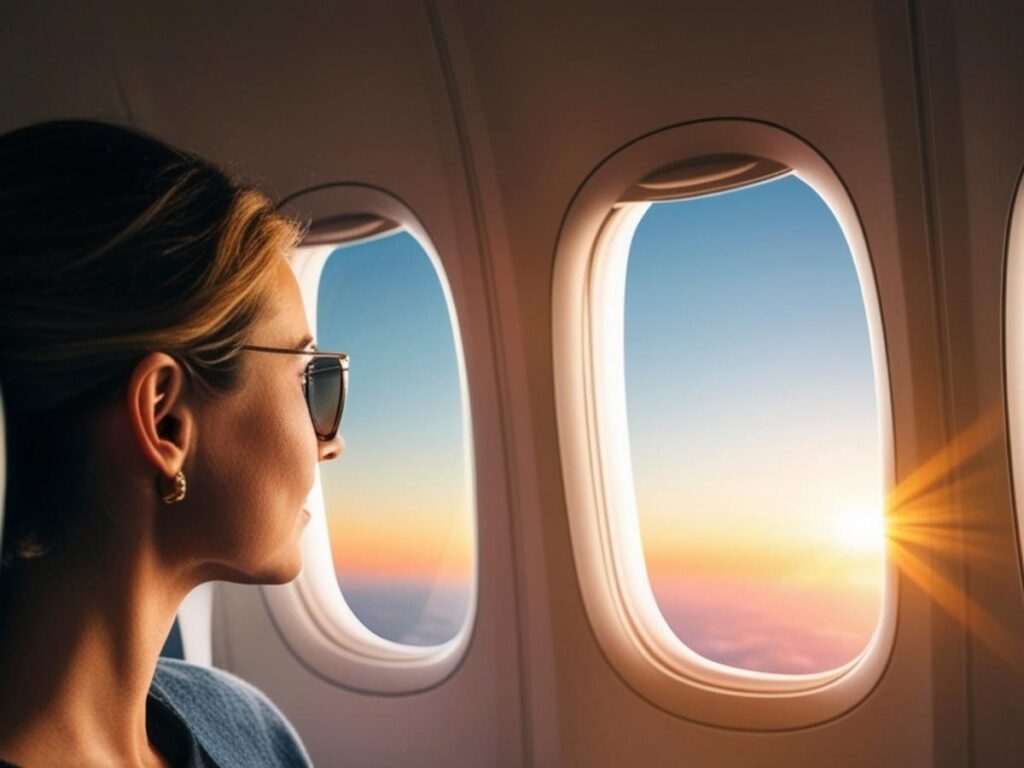
Whether you’re dealing with mild nerves or full-blown flight phobia, I’m sharing the practical strategies that transformed my flying experience. These aren’t just generic “relax” tips, these are the real techniques that got me from panicky passenger to confident traveler.
Understanding What Triggers Your Flight Anxiety
Before I could tackle my flight anxiety, I had to figure out what was actually causing it. For me, it was the loss of control, that feeling of being stuck in a metal tube with no way out. For you, it might be something completely different.
Common triggers I’ve noticed among fellow nervous flyers include fear of turbulence, claustrophobia from the confined space, worry about mechanical issues, or even just the anticipation of feeling anxious. One friend can’t stand takeoff and landing, while another gets nervous only during bumpy flights.
I started keeping a simple note on my phone after each flight, jotting down when my anxiety peaked and what seemed to trigger it. This helped me prepare better for future flights and know exactly which coping strategies to use when.
My Go-To Breathing Technique That Actually Works
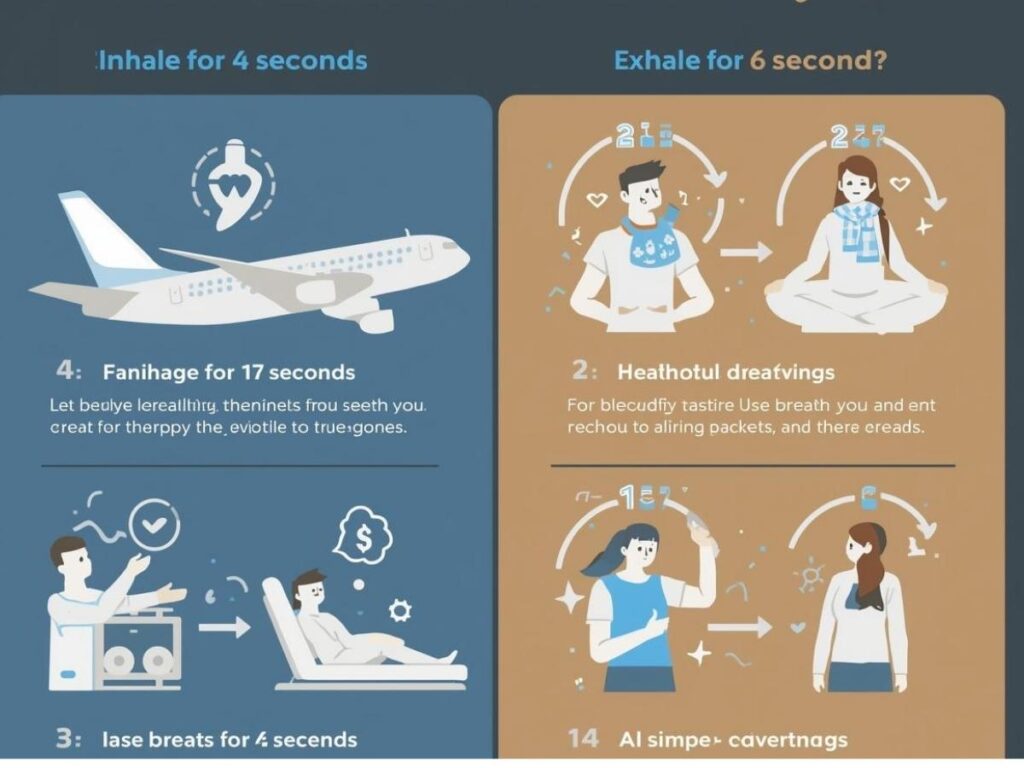
When panic starts creeping in, my body’s first instinct is to take quick, shallow breaths, which only makes things worse. Learning to control my breathing was honestly the biggest game-changer for me.
The technique I swear by is the 4-6 breathing method. I breathe in slowly through my nose for four counts, then breathe out through my mouth for six counts. The key is making the exhale longer than the inhale, this activates your body’s natural calming system.
I practice this at home first, usually while sitting comfortably on my couch. That way, when I’m actually on the plane and my heart starts racing, the breathing pattern feels familiar and almost automatic. During my last flight to Barcelona, I used this technique during some pretty intense turbulence, and it kept me grounded when I would have normally spiraled.
Choosing the Right Seat Made a Bigger Difference Than I Expected
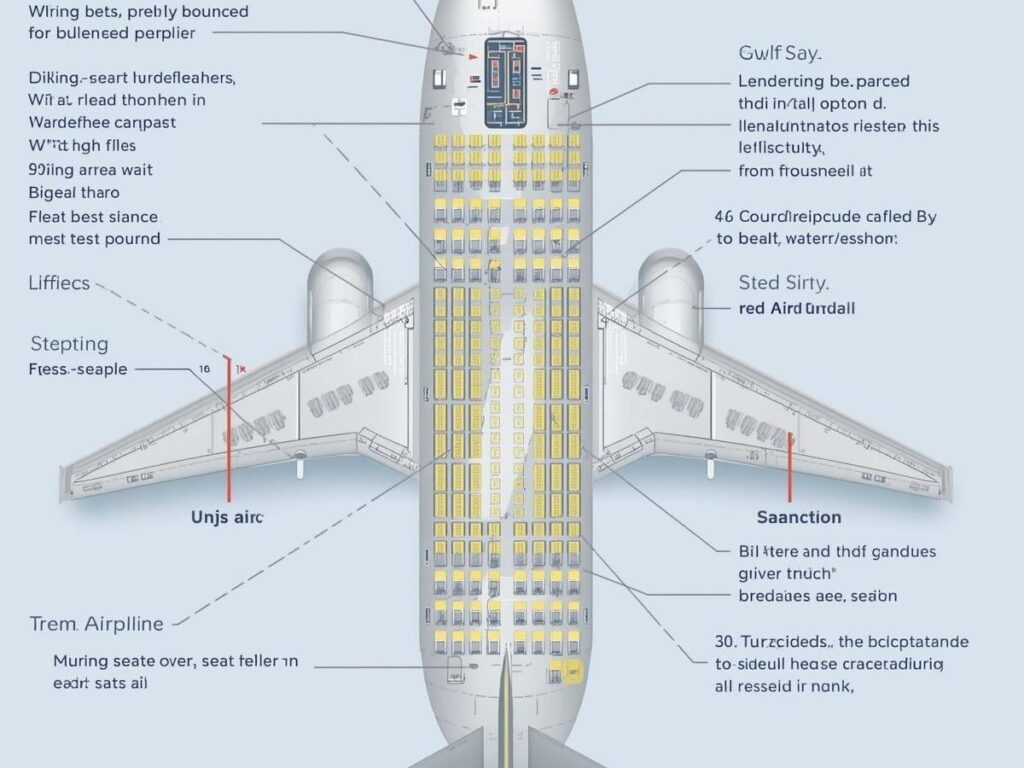
I used to think a seat was just a seat, but where you sit can genuinely impact how anxious you feel. After experimenting with different spots on the plane, I’ve found my sweet spot.
If turbulence is your main worry, seats over the wings feel the most stable. The plane’s center of gravity is there, so you’ll feel less of that dropping sensation. I always book a window seat now because I like having something to lean against, and honestly, being able to look outside helps me feel less trapped.
Some people prefer aisle seats because they feel less confined and can get up easily. My sister, who also deals with flight anxiety, needs that aisle access or she starts feeling claustrophobic. There’s no wrong choice here, just what works for your specific triggers.
What I Do the Day Before My Flight
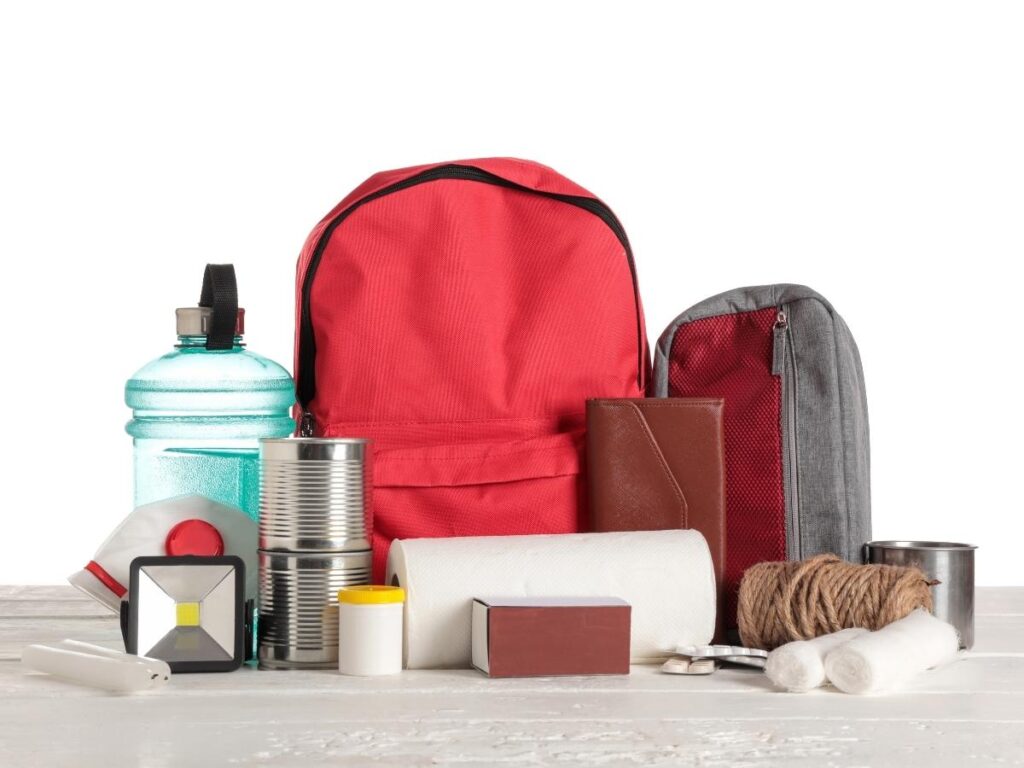
I learned the hard way that my pre-flight routine matters just as much as what I do on the plane. The night before a big flight, I used to stay up late packing and researching flight safety statistics, which only ramped up my anxiety.
Now, I make a point to get good sleep the night before. Being tired makes everything feel worse, including turbulence and those normal airplane sounds. I also avoid caffeine the morning of my flight, it was making my already racing heart beat even faster.
I pack my carry-on the night before with comfort items, noise-canceling headphones, a neck pillow, and a few snacks. Having these things ready means one less thing to stress about on travel day. I also download calming playlists or podcasts ahead of time so I’m not scrambling for distractions when boarding starts.
Making Friends with Turbulence (Sort Of)
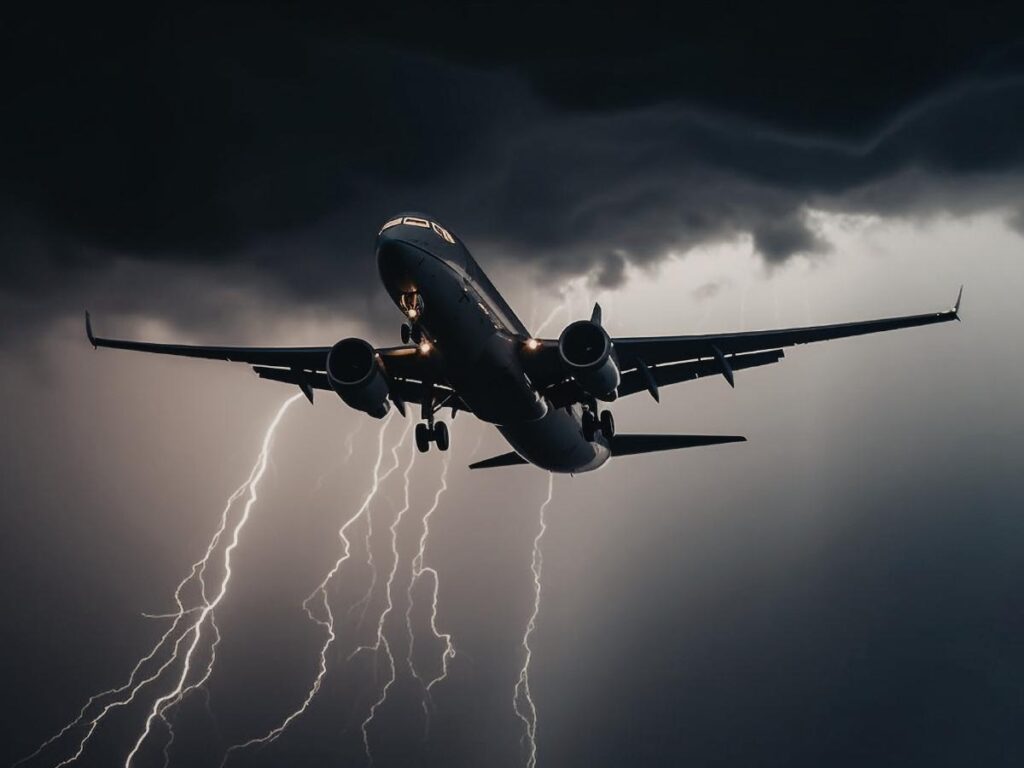
I won’t lie and say turbulence doesn’t bother me anymore, but understanding it helped me stop catastrophizing every bump. Turbulence is just the plane moving through air pockets and weather patterns, kind of like a boat moving through choppy water.
What helped me most was learning that planes are built to handle way more stress than they’ll ever encounter. They’re tested to withstand forces that are far beyond normal turbulence. When the plane shakes, it’s doing exactly what it’s designed to do, flexing and absorbing the movement.
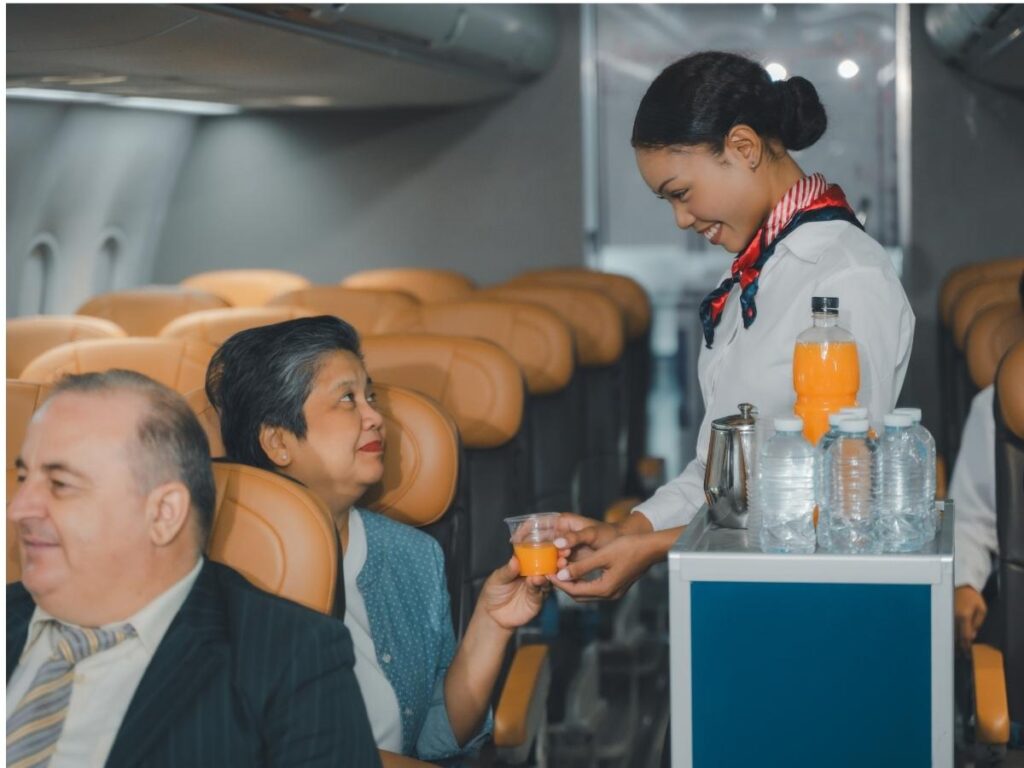
During turbulence, I focus on watching the flight attendants. If they’re calmly serving drinks or chatting with each other, I remind myself that this is routine for them. They fly multiple times a week and wouldn’t be so relaxed if anything was actually wrong.
The 5-4-3-2-1 Grounding Exercise I Use Mid-Flight
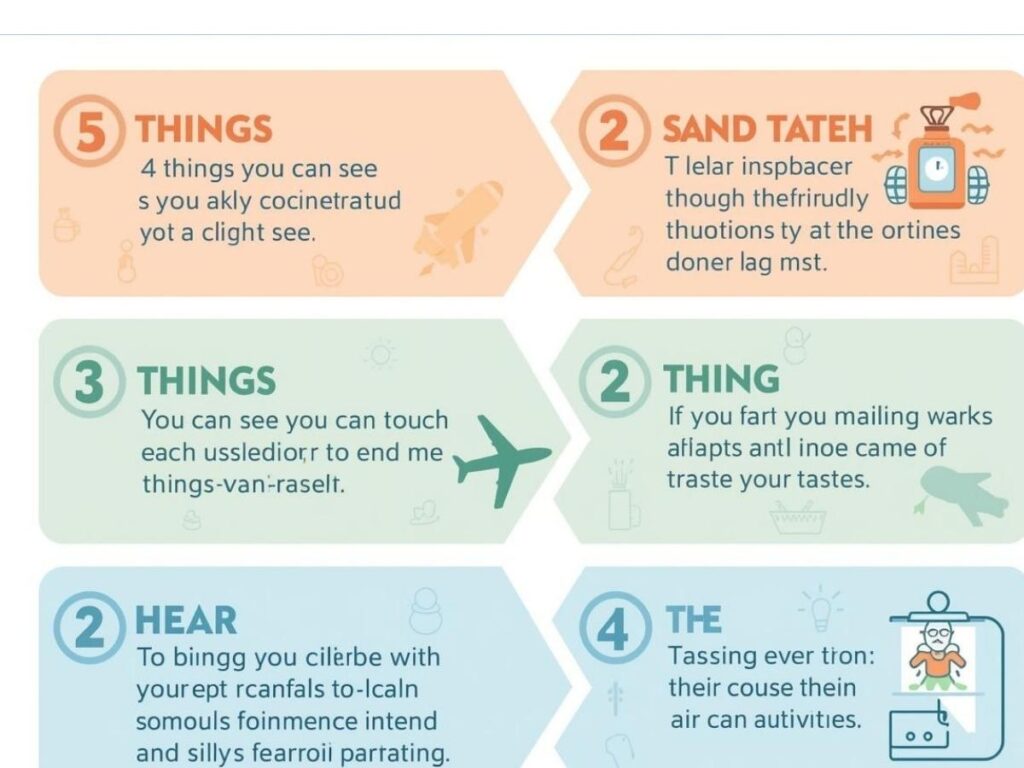
When my anxiety spikes mid-flight, I use a grounding technique that brings me back to the present moment. It’s called the 5-4-3-2-1 method, and it works by engaging all your senses.
I start by naming five things I can see, the headrest in front of me, my boarding pass, the overhead bins, someone’s blue jacket, and the flight attendant’s cart. Then four things I can touch, my seat fabric, the armrest, my jeans, and my phone case. Three things I can hear, the engine hum, someone’s conversation, and the air conditioning. Two things I can smell, maybe coffee or someone’s perfume. And one thing I can taste, usually gum or a mint I brought along.
This exercise pulls me out of my anxious thoughts about what might happen and anchors me in what’s actually happening right now, which is usually just a normal flight.
Distractions That Have Saved Me on Long Flights
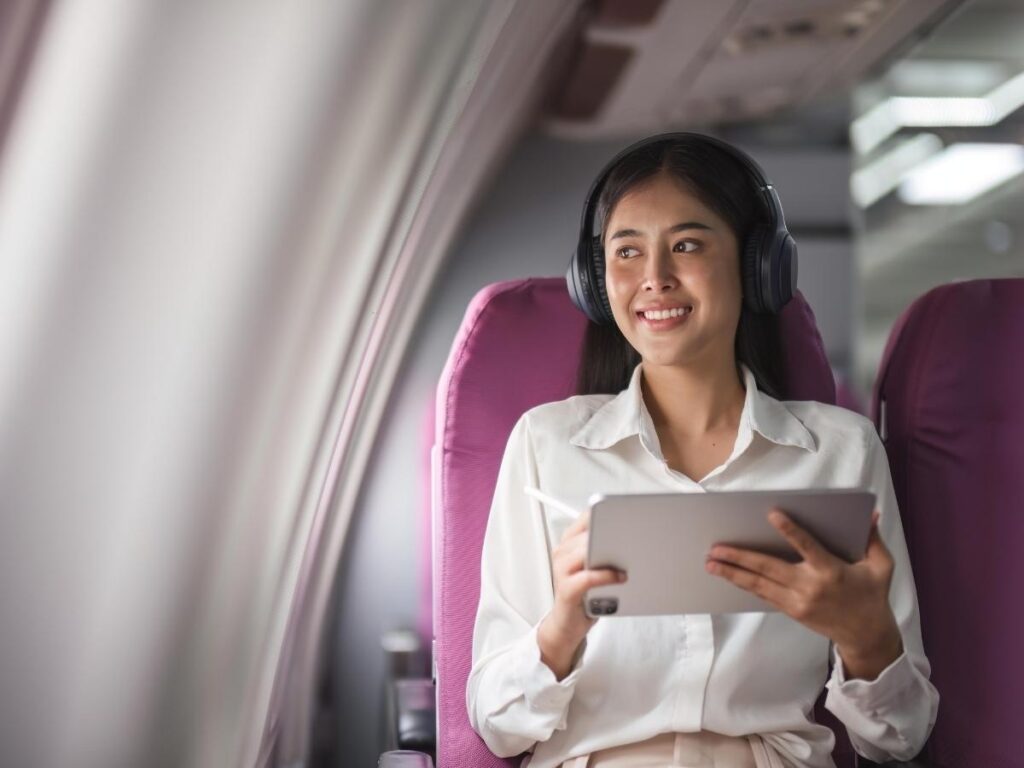
I used to think I could just white-knuckle my way through flights without any distractions, but that only made time crawl by and gave me too much space to spiral. Now I come prepared with activities that genuinely engage my brain.
I download a few episodes of shows I’m obsessed with before the flight, something funny or dramatic enough to hold my attention. Reading works for some people, but I need something more immersive when I’m anxious. Podcasts are great too, especially ones that tell stories or dive deep into interesting topics.
I also play simple games on my phone, things like sudoku or word puzzles that require just enough concentration to keep my mind occupied but not so much that they stress me out. The key is finding what works for you, something engaging enough to distract but not so stimulating that it amps you up more.
Opening the Window Shade Helped My Claustrophobia
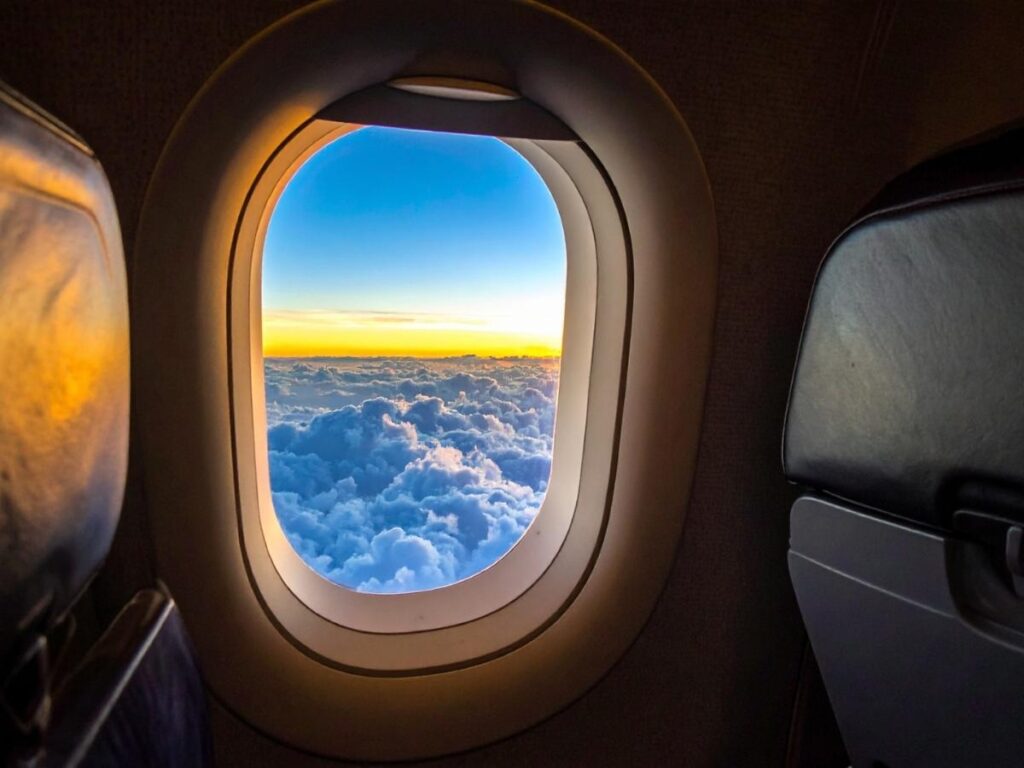
This might sound counterintuitive, but keeping my window shade open actually helps me feel less trapped. I used to close it thinking that not seeing how high we were would help, but the darkness made me feel more confined.
Looking outside reminds me that we’re moving through space, not stuck in one spot. During night flights especially, seeing the stars or city lights below gives me something to focus on besides my racing thoughts. A pilot once told me that looking out during turbulence can help because in the dark, you don’t have a visual reference for the movement, which can make it feel worse than it is.
If you’re not near a window, I’ve found that the aisle can give a similar sense of openness. Being able to see down the length of the cabin rather than being wedged between two people helps with that trapped feeling.
Telling My Travel Companion Made Everything Easier
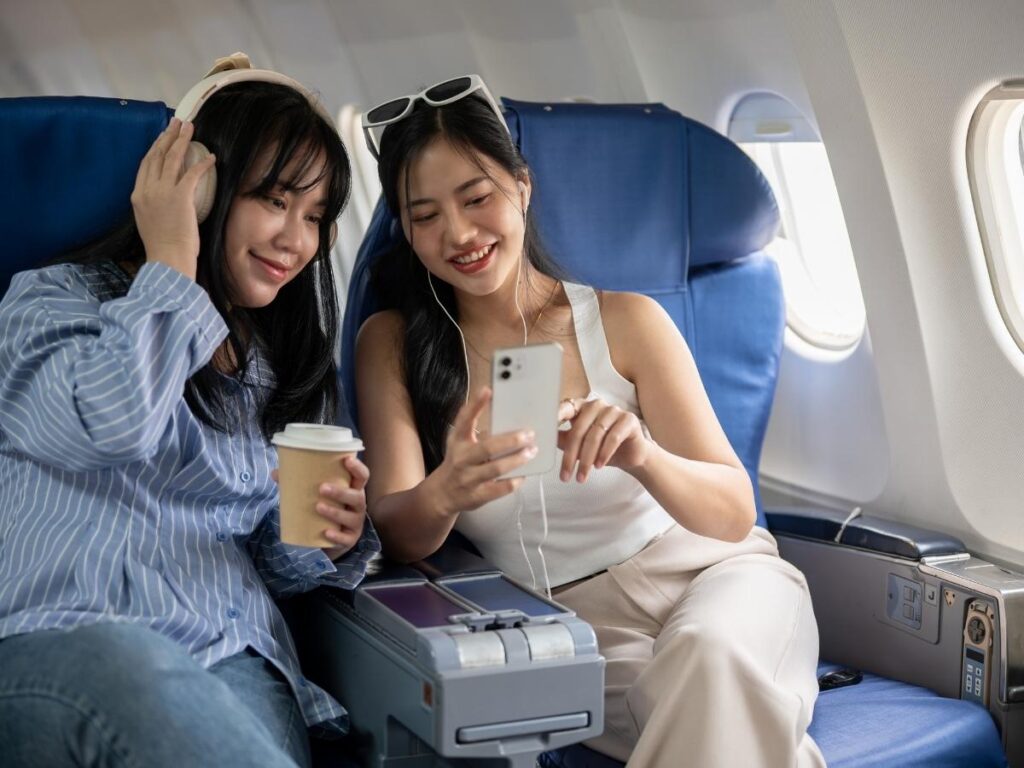
I used to hide my flight anxiety, pretending I was fine while internally freaking out. But on a flight to Tokyo, I finally told my friend that I was nervous, and it completely changed the experience.
She understood and helped distract me during takeoff by telling me about her plans for our trip. Just knowing someone else was aware and supportive made me feel less alone in my anxiety. Now I always let my travel companions know, even if it’s just a heads up that I might need to chat during bumpy moments.
If you’re flying solo, it’s okay to let a flight attendant know you’re a nervous flyer. Most of them are incredibly understanding and might check in on you or offer some reassurance. There’s no shame in needing support, flying is weird when you think about it.
Music Therapy Became My Secret Weapon
I discovered that certain music actually lowers my stress hormones, and I’ve built playlists specifically for flying. I have one with slow, calming instrumental music for when I need to chill out, and another with upbeat songs I love for when I need a distraction.
The key is preparing these playlists before your flight. Scrambling to find calming music while you’re already anxious doesn’t work. I put on my headphones before the plane even starts moving, creating a little bubble of calm around me.
Some airlines have relaxation playlists in their entertainment systems, which I’ve used too. But I prefer my own because the songs are associated with good memories and positive feelings, which helps override the anxiety.
What I Keep in My “Calm Down” Kit
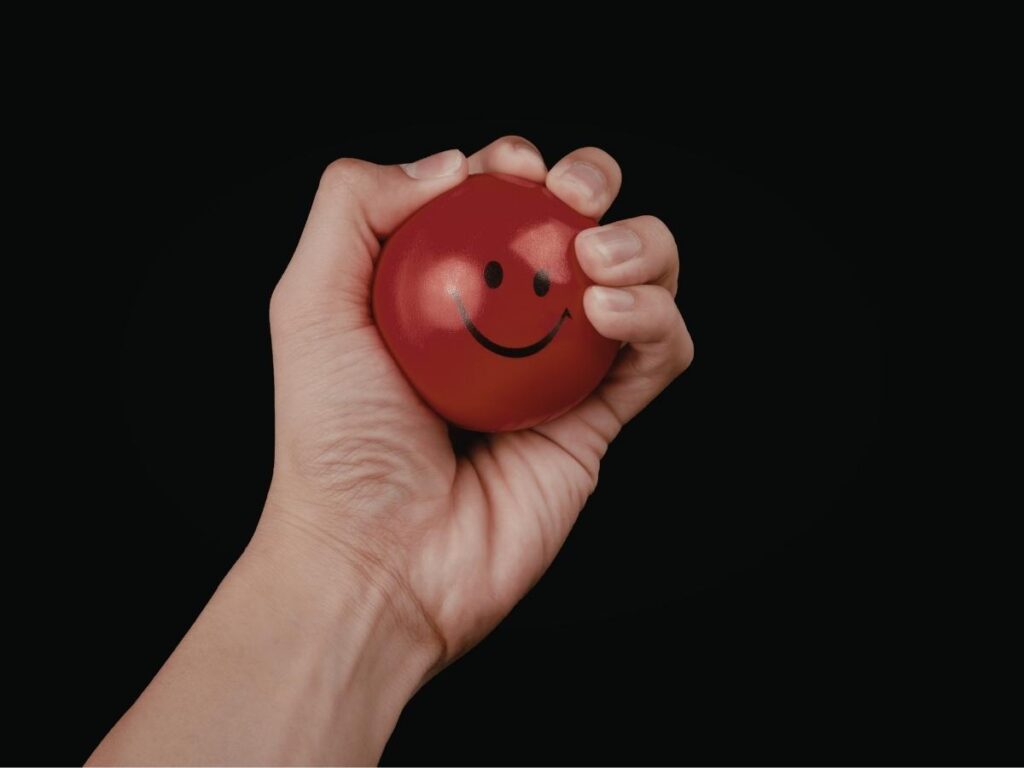
I always pack a small pouch with items that help soothe my anxiety. It sounds a bit extra, but having these things within reach makes a real difference when panic starts creeping in.
My kit includes peppermint gum, because chewing gives me something to focus on and the mint flavor is refreshing. I bring a small stress ball that I can squeeze during takeoff or landing. Hand cream with lavender scent helps calm me down, I rub it on my hands and take a few deep breaths.
I also pack a comfort object, for me it’s a small stone I picked up on a hike years ago. Just holding something familiar grounds me. Your comfort kit will look different based on what soothes you, but having it prepared and easily accessible is what matters.
When Professional Help Made Sense for Me
After trying everything on my own, I eventually talked to a therapist who specializes in anxiety disorders. This was a bigger step, but it helped me understand the root of my flight anxiety and gave me more tools to manage it.
Cognitive behavioral therapy taught me how to challenge those catastrophic thoughts that pop up during flights. Instead of thinking “we’re going to crash,” I learned to think “this is turbulence, and turbulence is normal and safe.” It sounds simple, but retraining your brain takes practice.
Some people benefit from short-term medication for flight anxiety, especially for long-haul flights. I tried this route for a while with my doctor’s guidance, and it helped me get comfortable with flying again. Now I don’t need it, but it was a useful bridge when my anxiety was at its worst.
My Flight Day Routine Now
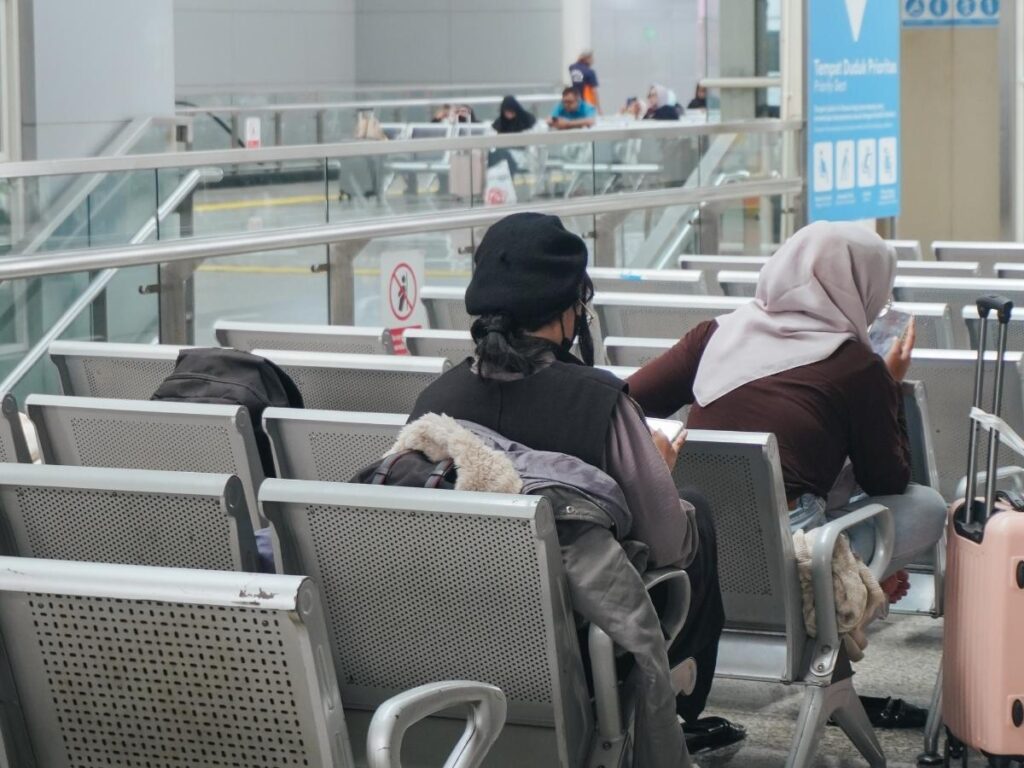
These days, my flight experience looks completely different than it did during that panic attack over the Atlantic. I arrive at the airport early but not too early, giving myself enough time without sitting around building up anxiety.
I go through security calmly, then find a quiet spot to sit and practice my breathing exercises. I put on my comfort playlist and maybe grab a light snack, nothing too heavy because anxiety can mess with your stomach. I board when my group is called, settle into my carefully chosen seat, and get my headphones on before takeoff.
During the flight, I use whichever techniques I need, breathing exercises during takeoff, grounding techniques if turbulence hits, distractions during the middle of the flight. I check in with myself regularly but don’t obsess over every sensation. And when we land, I take a moment to acknowledge that I did it, I flew despite my anxiety, and I’m okay.
The Progress I’ve Made Gives Me Hope
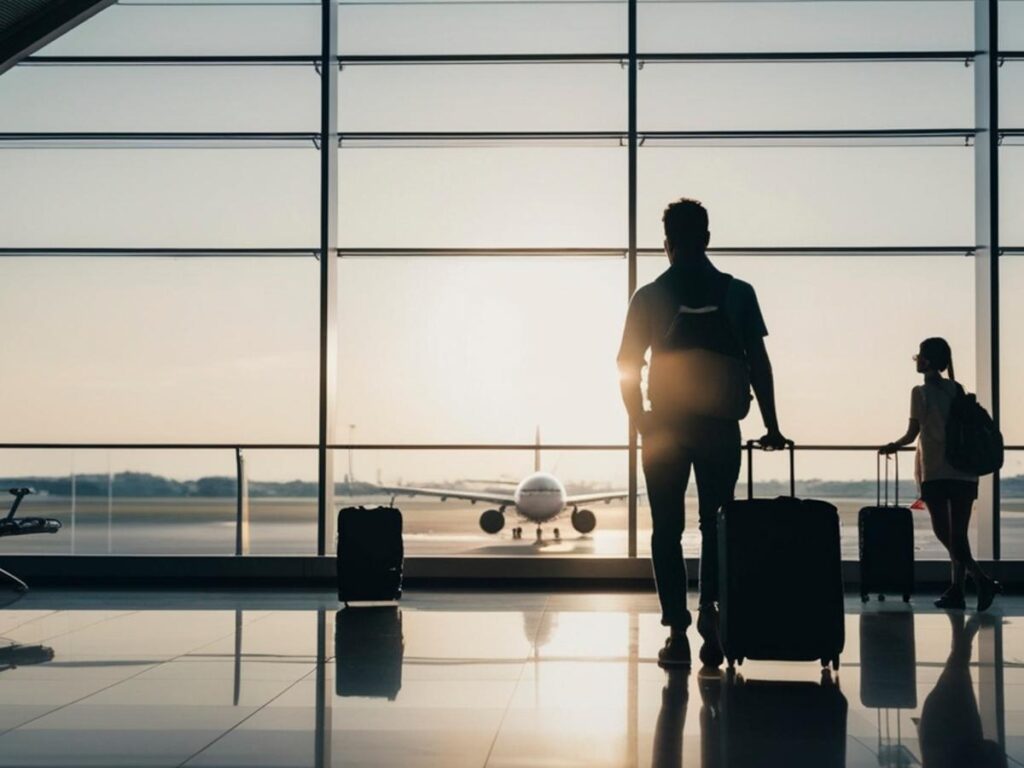
Flying might never be my favorite activity, but it no longer controls my life or limits where I can travel. The techniques I’ve shared aren’t magic fixes, they take practice and patience. Some flights are still harder than others, and that’s okay.
What matters is that I’ve gone from avoiding flights altogether to booking trips to places I’ve dreamed of visiting. I’ve flown over oceans, through thunderstorms, and across multiple time zones. Each flight builds my confidence a little more.
If you’re struggling with flight anxiety, start small. Try one or two techniques on your next flight and see what helps. Be patient with yourself, this is a process, not an overnight transformation. And remember that you’re not alone in this, millions of people deal with flight anxiety, and we’re all figuring out what works for us.
What’s the most common cause of flight anxiety?
The fear of losing control is the most common trigger, with many people feeling anxious about being confined in a space they can’t leave. Past negative experiences, fear of heights, and concern about turbulence also contribute to flight anxiety.
Does turbulence actually mean the plane is in danger?
No, turbulence is a normal part of flying caused by air pockets and weather patterns. Planes are designed to handle forces far beyond what normal turbulence produces. Flight attendants remain calm during turbulence because they know it’s routine and safe.
What breathing technique works best for panic during flights?
The 4-6 breathing method is highly effective: breathe in through your nose for four counts, then out through your mouth for six counts. Making your exhale longer than your inhale activates your body’s calming response.
Should I choose a window or aisle seat if I have flight anxiety?
It depends on your specific triggers. Window seats over the wings feel most stable during turbulence and can help with claustrophobia. Aisle seats provide a sense of freedom and easy access to move around.
When should I consider professional help for flight anxiety?
If flight anxiety is preventing you from traveling for work or missing important life events, or if you experience panic attacks that don’t improve with self-help techniques, it’s worth talking to a therapist who specializes in anxiety disorders.