
I’ll never forget the look on that family’s face. There they were on a gorgeous beach in Benidorm, Spain, their kids proudly standing next to an elaborate sandcastle they’d spent the morning building. Then a beach official walked up and handed the parents a €150 fine. I watched from my towel, completely stunned.
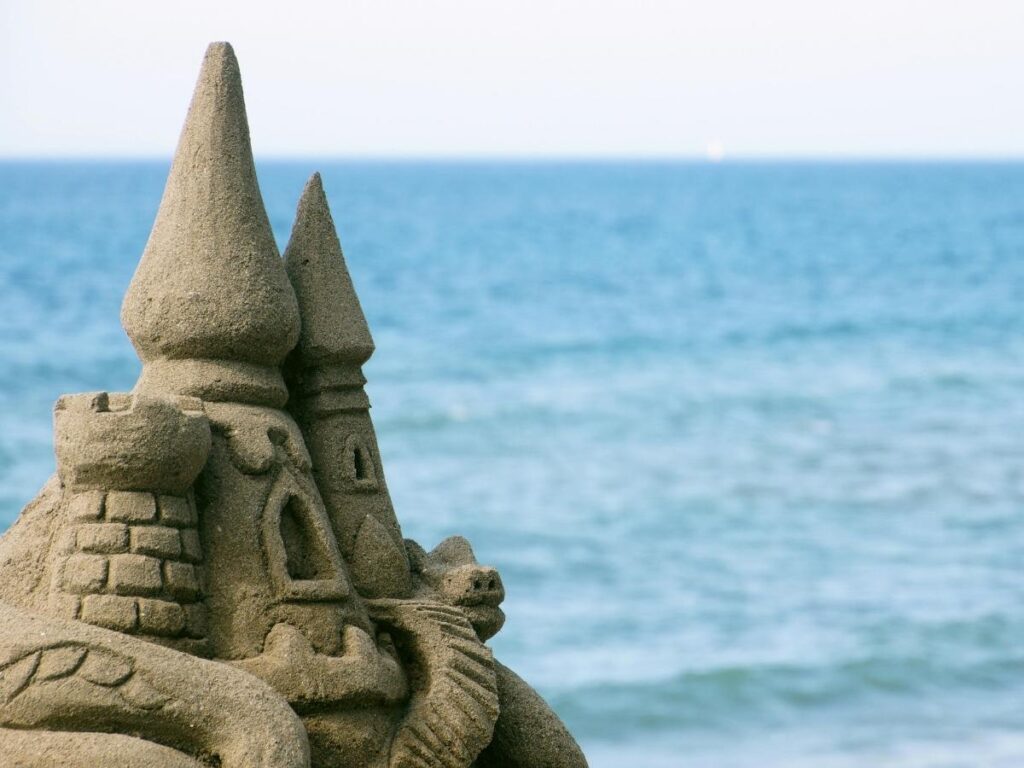
That moment changed how I approach beach days in Europe. Over the years of traveling through Italy and Spain, I’ve learned that those carefree bucket-and-spade afternoons we all remember from childhood? They’re not as simple anymore on many Mediterranean beaches. And while it might sound ridiculous at first, there are actually good reasons behind these rules.
If you’re planning a trip to the Mediterranean, here’s what I wish someone had told me about beach regulations before my first visit.
Why Mediterranean Beaches Started Cracking Down on Sandcastles
When I first heard about sandcastle fines, I thought it was an overreach. But after talking to locals and watching how these beaches operate, I started to see their point.
The Environmental Side
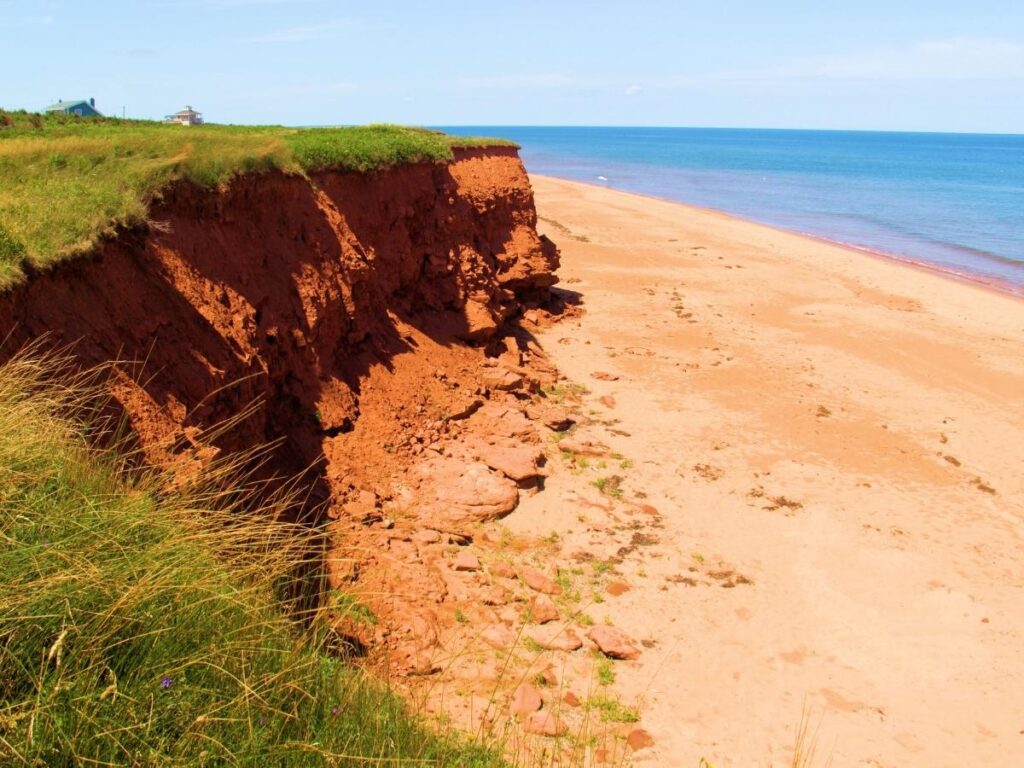
Mediterranean beaches face intense pressure from tourism. In places like Benidorm or Eraclea near Venice, millions of visitors arrive every summer. Each person digging holes and building structures might seem harmless on its own, but multiply that by thousands of beachgoers daily, and you’re looking at serious sand displacement.
Local beach managers explained to me that when we dig deep holes or pile up large mounds of sand, we disrupt how the beach naturally repacks itself. This makes it easier for waves and wind to carry sand away. Over time, the beach actually shrinks.
Safety Concerns Nobody Talks About
Here’s something that surprised me: deep holes left in the sand become genuine hazards after sunset. I spoke with a lifeguard in Italy who told me about emergency vehicles getting stuck in abandoned holes at night. Evening joggers have twisted ankles stepping into pits they couldn’t see in the fading light.
Plus, those massive sand structures can interfere with the beach-cleaning equipment that runs overnight. Municipalities spend significant money maintaining these beaches, and obstacles make that work harder and more expensive.
Where Sandcastle Fines Are Actually Enforced
Not every European beach will fine you for building sandcastles. Enforcement tends to happen in specific tourist hotspots where beach degradation has become a measurable problem.
Italy: Stricter Than You’d Expect
Italy surprised me with how seriously they take beach regulations. Beyond the famous La Pelosa Beach in Sardinia (where you’ll get fined €100 just for using a regular towel instead of a straw mat), several other areas enforce sandcastle restrictions.
Eraclea (Near Venice)
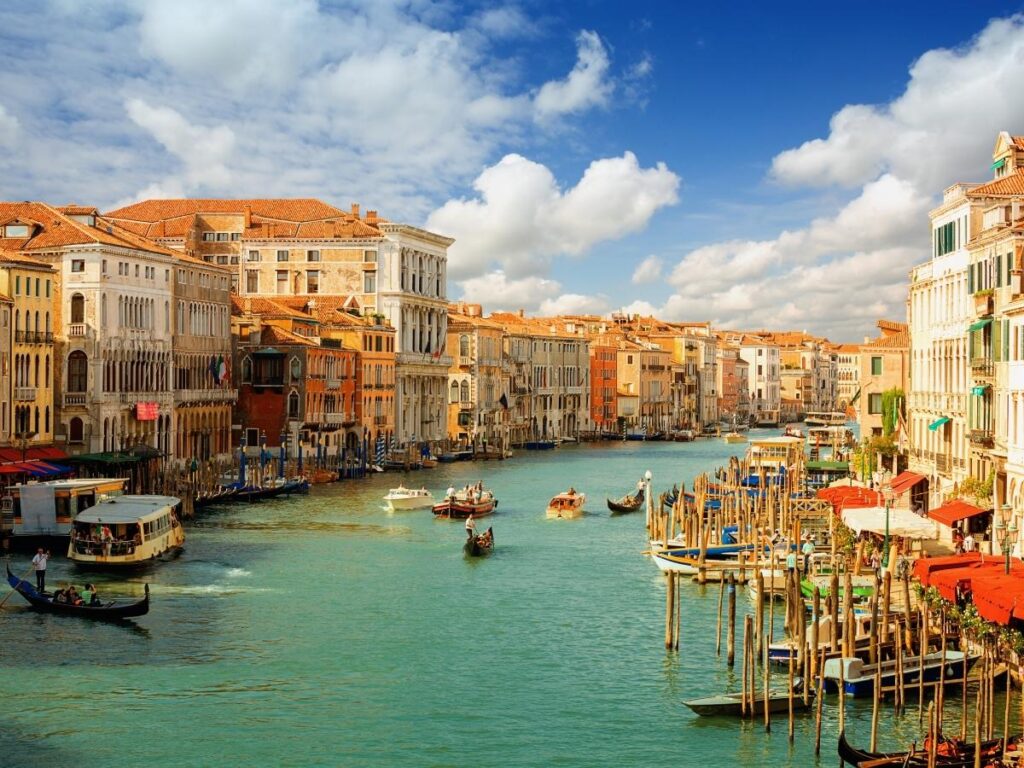
This small town near Venice made headlines for its stance on sandcastles. According to reports I found, fines here can reach €200-€250 for violations. The town’s position? Large sand structures obstruct the beach corridor and create safety hazards.
When I visited, I noticed the enforcement focuses more on large-scale building projects than small kids making tiny castles. Still, it’s better to ask first.
Jesolo and the Adriatic Coast
Nearby Jesolo takes a similar approach. They want to keep the shoreline clear and accessible. Small, modest sand play with children usually gets a pass, but anything that blocks sightlines or pathways can result in warnings or fines.
Spain: Where the Rules Get Specific
Spain’s Coastal Law gives municipalities the power to regulate beach activities, and some cities have taken that seriously.
Benidorm (Levante Beach)
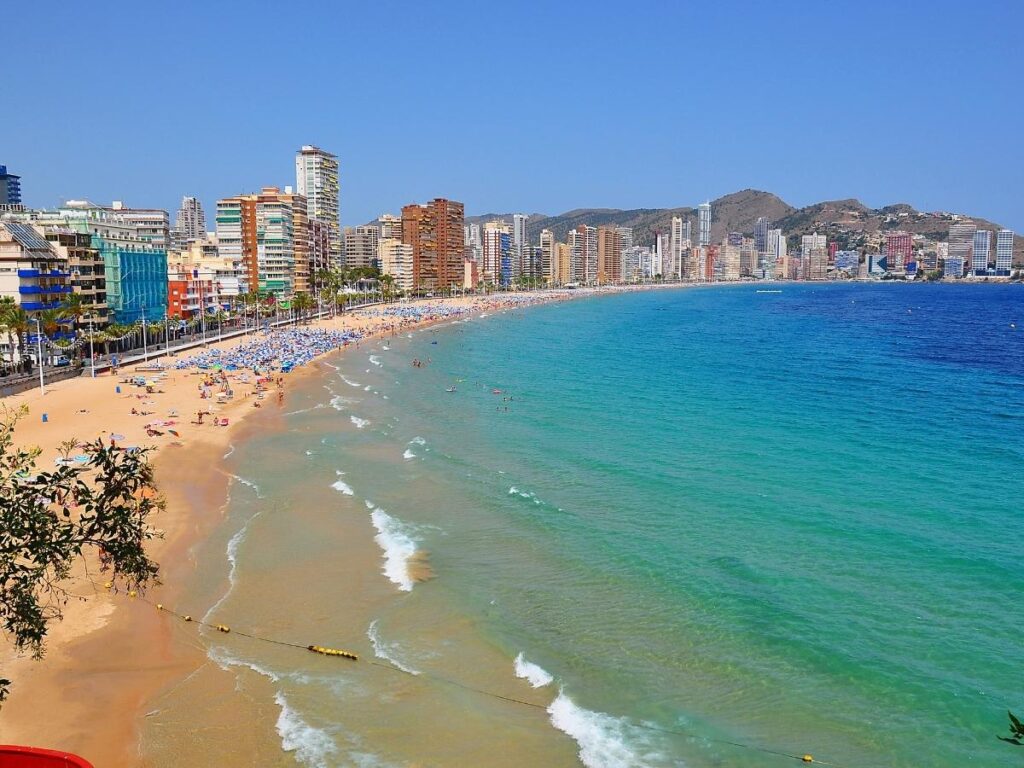
Back in 2016, Benidorm’s Town Hall voted to ban sand structures on Levante Beach. After witnessing that family getting fined, I asked around about enforcement. Here’s what I learned: casual family sandcastle building usually flies under the radar, but “professional” sand artists or elaborate structures without permits? That’s when you’re looking at fines up to €150.
The Canary Islands
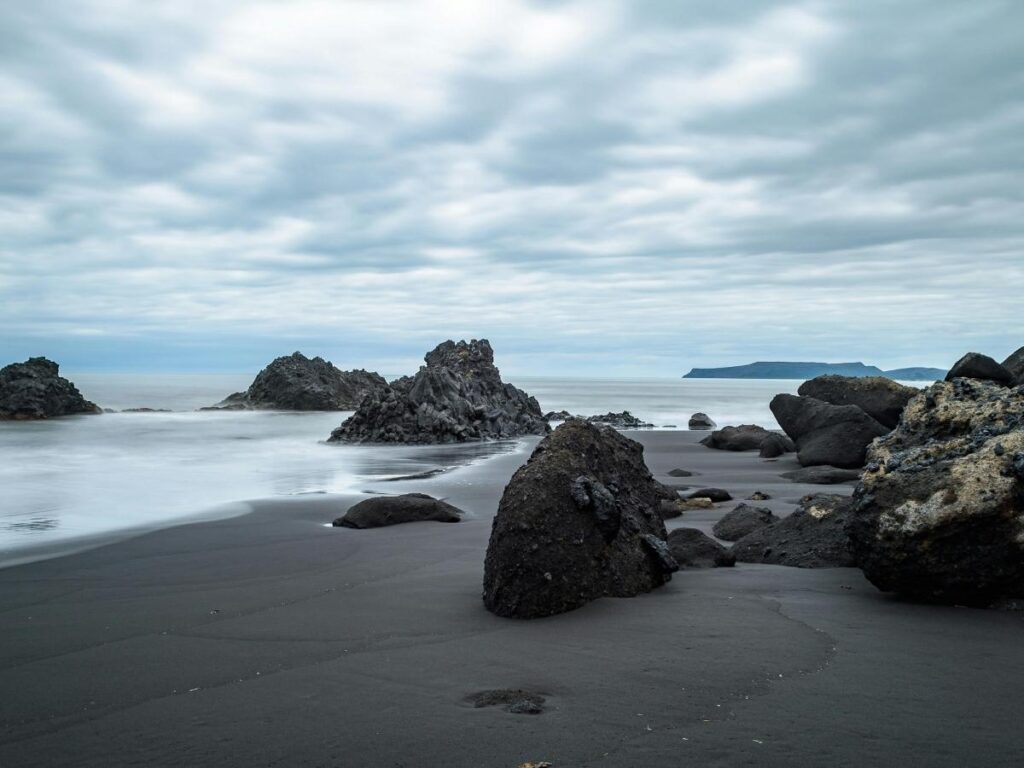
In Tenerife, particularly in Arona and parts of Adeje, organized sand sculpture events typically require municipal authorization. The volcanic sand is precious here, and authorities want to protect it. I found this out when I saw someone attempting an impressive sand sculpture and getting approached by officials.
Galicia Region
Northwest Spain takes beach regulations seriously. In Vigo, for example, I discovered that serious infractions can bring fines ranging from €751 to €1,500. These higher fines typically apply to conduct that creates environmental damage or genuine safety hazards, not your average child’s beach play.
How to Enjoy European Beaches Without Getting Fined
I’ve spent plenty of beach days in Italy and Spain without any issues. Here’s what works for me:
Check Beach Signage First
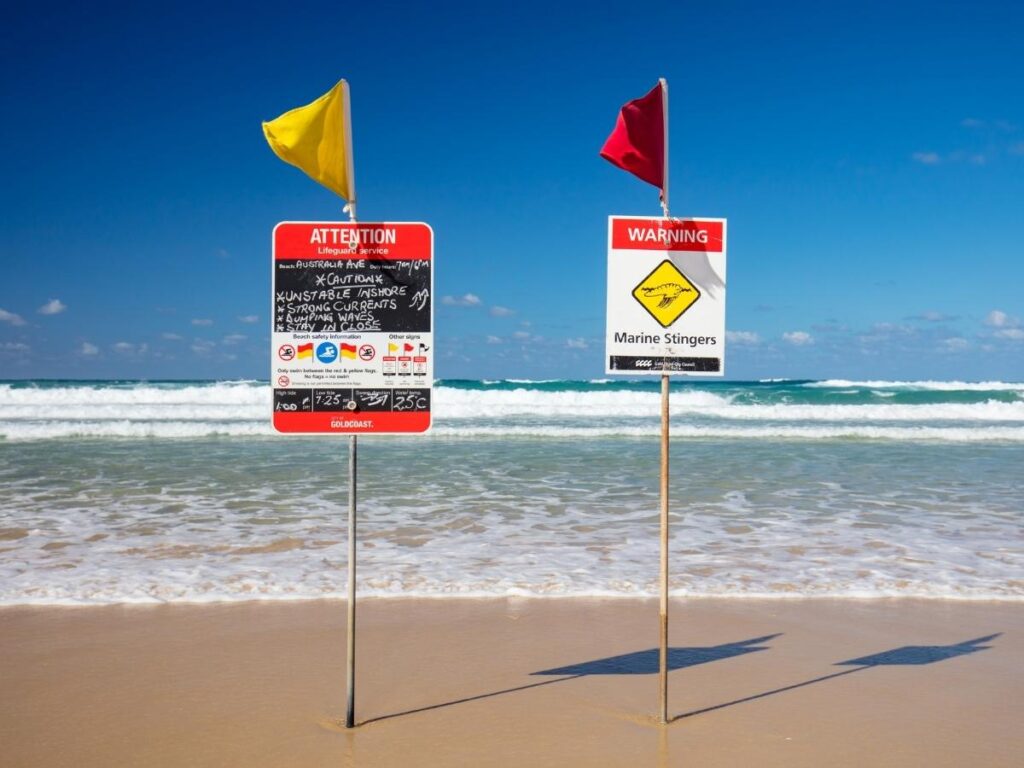
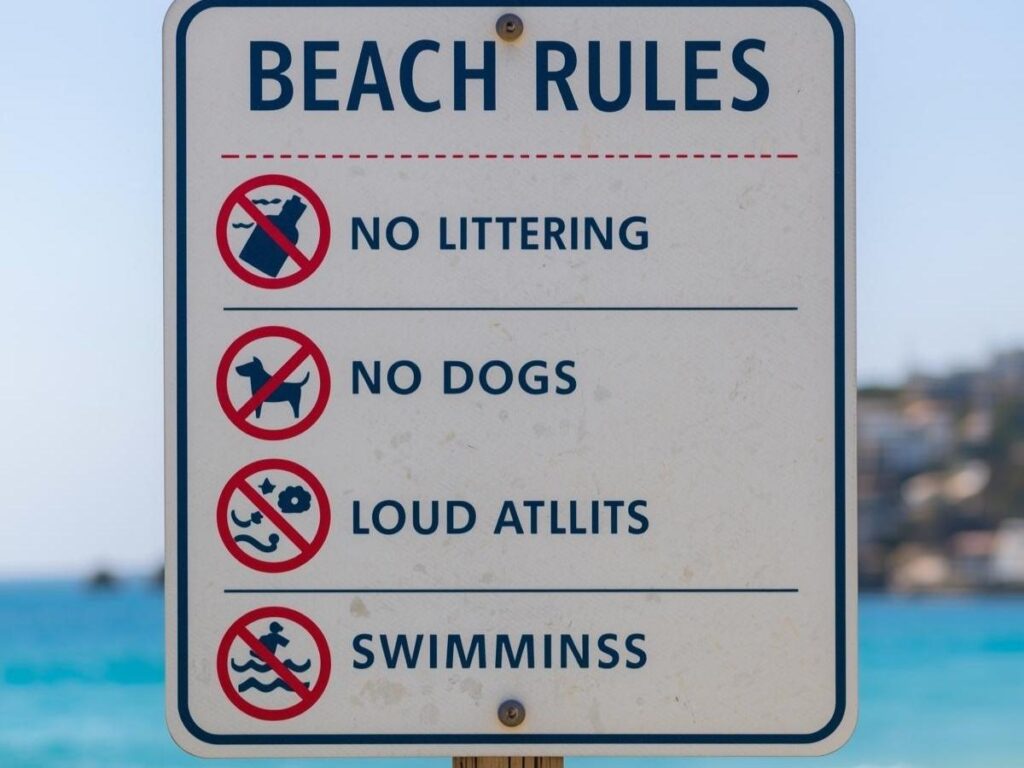
This is my number one rule now. Almost every regulated beach has clear signs at the entrance. Look for crossed-out shovels or sandcastles. If you see these symbols, keep your sand activities minimal.
I always take a photo of the posted rules on my phone, especially if they’re in Italian or Spanish. That way, I can translate them properly later if needed.
Keep It Small and Clean Up
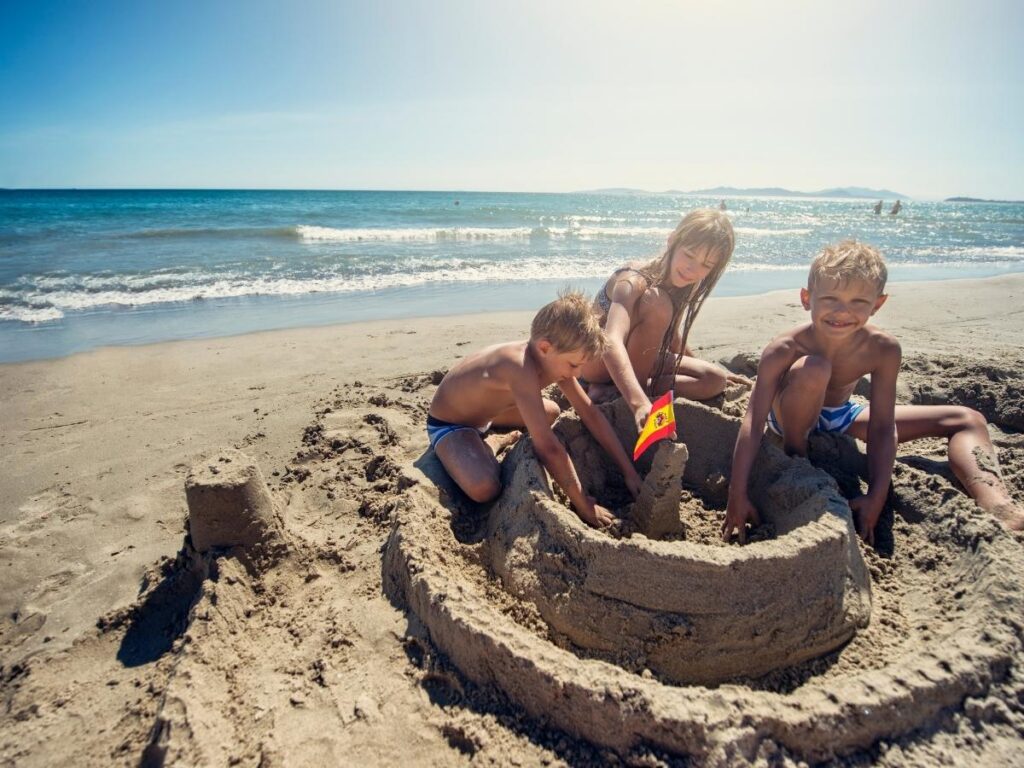
If you’re with kids who want to build in the sand, my approach is simple: keep the structures small and modest. Before we leave the beach, we always flatten everything we built and fill in any holes we dug.
This takes maybe five minutes and shows respect for the beach and other visitors. I’ve never had issues when following this guideline.
The Sardinia Mat Rule
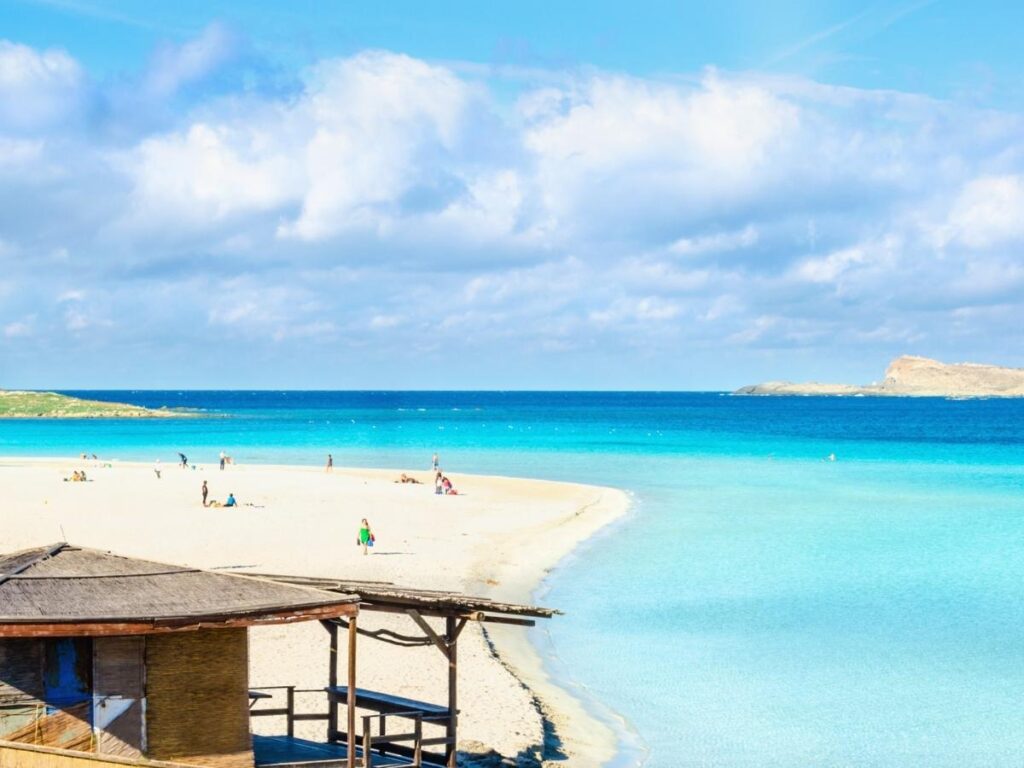
If you’re headed to La Pelosa Beach in Sardinia, this is non-negotiable: bring a rigid straw mat. Fabric towels, even those fancy “sand-free” microfiber ones, are not allowed. The fine for using a regular towel is €100, and enforcement is consistent.
I learned this the hard way when I showed up with my beach towel and got turned away at the entrance. Luckily, vendors nearby sell the approved mats, but they’re pricier than buying one beforehand.
Ask When in Doubt
Whenever I’m uncertain about beach rules, I ask at my hotel or a local tourist information office. They always know the current regulations and can explain what’s actually enforced versus what’s technically on the books but rarely checked.
The Sand Theft Rule You Absolutely Need to Know

While we’re talking about beach fines, here’s something even more serious: taking sand home as a souvenir.
In Sardinia, this is a genuine crime with heavy consequences. Every year, tourists get stopped at airports with bottles of white sand in their luggage. The fines start at €500 and can reach €3,000 for larger quantities.
I met a couple at a café in Cagliari who nearly faced this exact fine. They’d collected a small jar of sand thinking it would be a sweet memory. Airport security caught it during screening, and they had to surrender it and pay a smaller penalty since the amount was minimal.
Don’t risk it. Those shells and pebbles? Also protected in many areas. Leave them where they belong.
Understanding the Bigger Picture
I get it. These rules can feel excessive, especially when you’re just trying to have a relaxing beach day with your family. But after spending time in these communities and seeing how tourism has grown, I understand why they exist.
These beaches are facing unprecedented pressure. Tourism numbers keep climbing, and without some management, these beautiful places could genuinely deteriorate. The regulations aren’t about killing fun, they’re about making sure these beaches still exist and look this good twenty years from now.
When I follow the local rules, whether that’s using a straw mat or keeping sand structures modest, I’m helping preserve the beauty that drew me there in the first place. And honestly? Once I adjusted my expectations, I found I enjoyed my beach days just as much.
Practical Tips Before Your Mediterranean Beach Trip

Based on my experiences, here’s my pre-trip checklist:
- Research your specific beach: Not all Mediterranean beaches have these restrictions. Look up the exact beaches you plan to visit.
- Check municipal websites: Many Spanish and Italian beach towns post current ordinances on their tourism websites. The rules can change seasonally.
- Pack the right gear: If Sardinia is on your itinerary, order a straw mat online before you go. It’s cheaper than buying one there.
- Budget for beach fees: Some protected beaches now charge entrance fees or require reservations. La Pelosa, for example, has a ticketing system.
- Download a translation app: Being able to read posted signs in Italian or Spanish helps tremendously.
My Honest Take
Look, I’m not going to pretend these rules didn’t frustrate me initially. The first time I saw that “no sandcastles” sign, I thought it was absurd. But travel is about adapting to different cultures and understanding local priorities.
What I appreciate now is how seriously these communities take their natural resources. These aren’t random bureaucratic rules, they’re responses to real environmental and safety challenges.
My advice? Don’t let the regulations stop you from visiting these gorgeous beaches. Just go in informed, respect the local guidelines, and you’ll have a wonderful time. I promise the turquoise water and white sand are worth the minor adjustments.
Can you really get fined for building sandcastles in Europe?
Yes, in specific destinations like parts of Italy and Spain. However, enforcement typically targets large sand structures or deep holes that create hazards or obstruct beach access. Small children’s casual play is rarely the focus. I’ve built modest sandcastles with kids on European beaches without issues by keeping structures small and cleaning up afterward.
Which European beaches are known for sandcastle fines?
Based on my research and travels, enforcement has been reported in Eraclea and Jesolo in Italy, Benidorm and parts of Tenerife in Spain, and Galicia in northwestern Spain. However, not every beach in these areas enforces restrictions equally. Always check local signage.
Are these national laws or local rules?
These are municipal ordinances, not national laws. In Spain, the Coastal Law gives municipalities authority to create local beach regulations. In Italy, coastal protection frameworks allow similar local control. This means rules vary significantly from one beach town to another.
Can my kids still build small sandcastles?
In my experience, yes. Enforcement generally focuses on large-scale structures, professional sand sculptures, or deep holes that create genuine hazards. I’ve watched countless families build modest sandcastles without any issues. The key is keeping it small and filling in any holes before you leave.
How much are the fines?
This varies by location. From what I’ve seen and researched: Benidorm fines can reach €150 for large structures, Eraclea has reported fines around €200-€250, Galicia can impose €751-€1,500 for serious infractions, and Sardinia’s towel rule violation costs €100. Taking protected sand as a souvenir can result in fines from €500 to €3,000.
Do these rules change often?
Yes, municipalities update their beach ordinances seasonally. What was allowed last summer might be restricted this year. I always check official municipal tourism websites or local signage before visiting any regulated beach.
How can I avoid getting fined?
Here’s what works for me: read posted beach signs carefully, keep any sand play modest and clean it up completely before leaving, use required equipment like straw mats in Sardinia, never remove sand or shells from protected beaches, and when uncertain, ask at your hotel or local tourist information office about current beach rules.