
I used to pack for flights the same way I’d pack for any trip: rompers for easy style, sandals for the beach, shorts because why not? Then I started paying attention to what flight attendants actually wear, and what they quietly shake their heads at when passengers board.
What you wear on a plane matters more than you’d think. I’m not talking about fashion or Instagram-worthy airport looks. I’m talking about hygiene, safety, and whether you’ll spend six hours freezing, sweating, or dealing with an impossible bathroom situation at 35,000 feet.
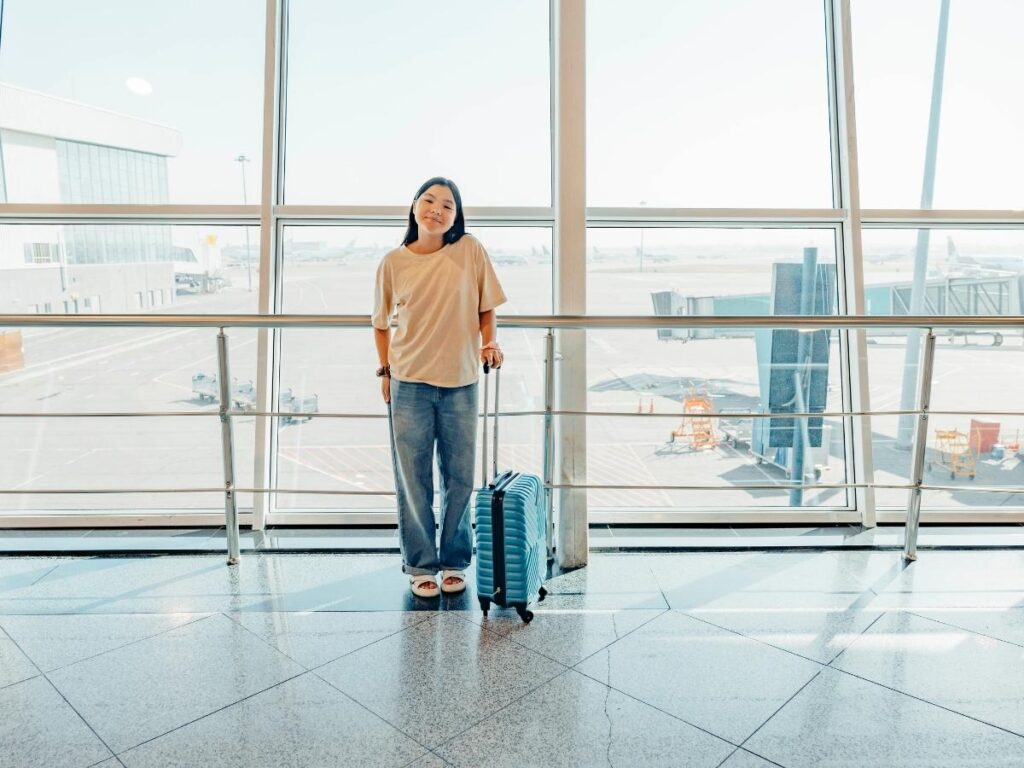
A Dallas-based flight attendant named Cher recently went viral on TikTok for breaking down exactly what she’d never wear on a plane after six years of working flights. Her reasons? Let’s just say they involve airplane bathroom floors, unsanitized seats, and a few truths about cabin cleanliness that’ll make you rethink your travel wardrobe.
Here’s what I learned from her advice, plus a few lessons from my own flights.
What Not to Wear on a Plane: The Insider List
Rompers and Jumpsuits
I love rompers. They’re cute, they’re easy, they pack light. But Cher’s right: they’re a nightmare on planes.
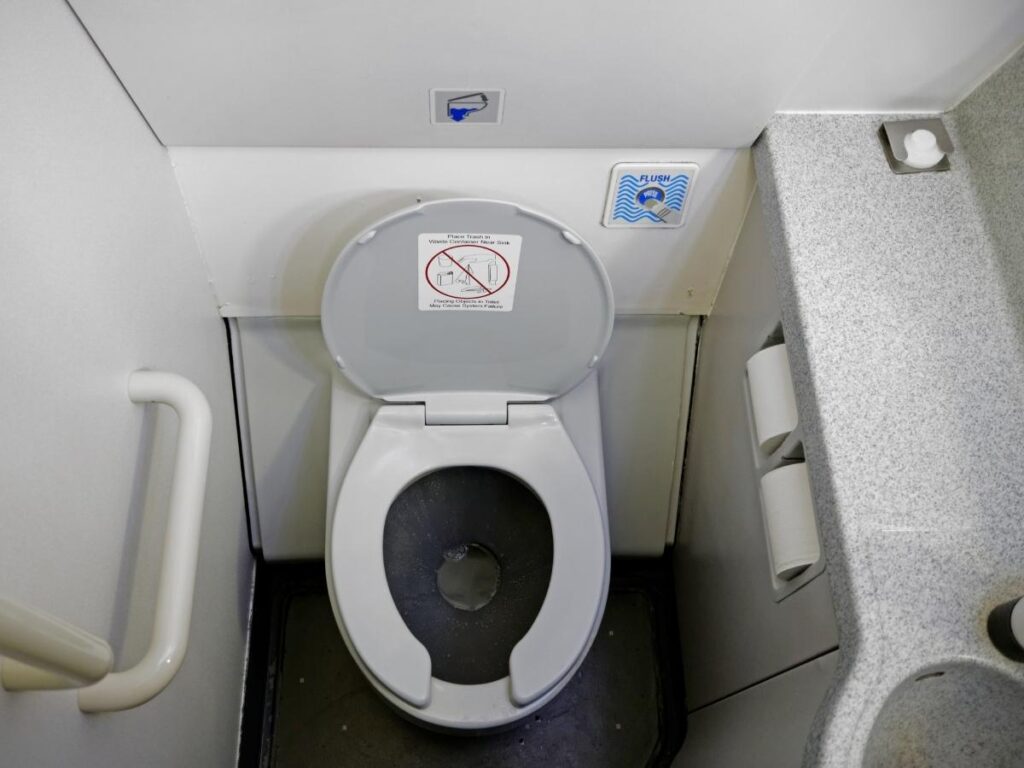
Picture this. You’re in an airplane bathroom that’s barely big enough to turn around in. The floor is wet. You don’t want to know why. And you’re wearing a one-piece outfit that has to come completely off just to use the toilet.
That means your clothes are touching the floor. The same floor Cher says is often “soaked with pee” and doesn’t get mopped between flights.
I wore a jumpsuit once on a seven-hour flight. Never again. The mental gymnastics of keeping fabric off that floor while the plane hits turbulence? Not worth it.
Shorts
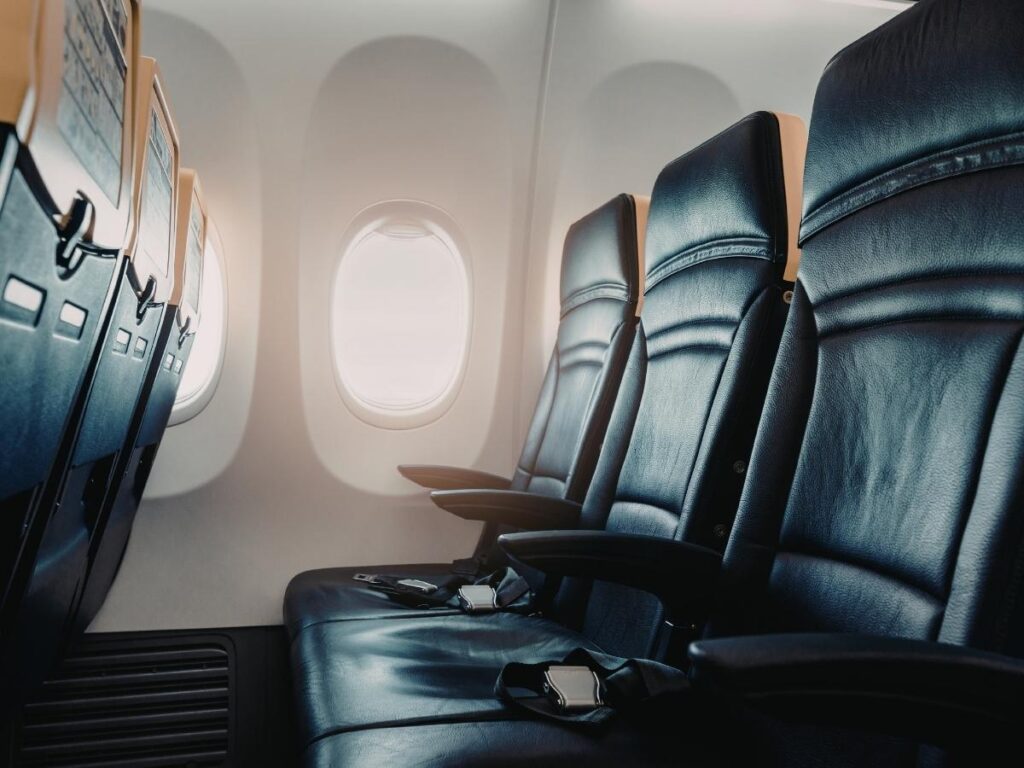
Shorts feel like the obvious choice for warm-weather travel. I get it. But here’s what Cher pointed out that I hadn’t thought about: your bare legs are sitting directly on seats that aren’t cleaned as often as you’d hope.
She didn’t sugarcoat it. Passengers change diapers on those seats. People get sick. Kids spill things. And when you’re wearing shorts, all of that is making contact with your skin.
Cher mentioned the risk of picking up ringworm or staph infections. That’s not scare tactics, it’s just the reality of shared public spaces with high turnover and low deep-cleaning schedules.
I switched to lightweight pants for flights, and honestly, I feel better about it.
Sandals and Open-Toed Shoes
I used to wear flip-flops to the airport all the time. Easy on, easy off at security, breezy for summer trips. Then I started noticing the cabin floors more closely.
Cher’s blunt about it: the carpet is filthy. Passengers walk barefoot. Pets sit on the floor. People get sick. And all of that ends up under your feet.
She’s also seen passengers step on toes, roll luggage over feet, and deal with spills that you really don’t want touching your skin.
Closed-toe shoes aren’t just more hygienic. They’re safer if you need to move quickly during boarding, turbulence, or (in a worst-case scenario) an emergency evacuation.
I pack my sandals in my suitcase now and wear sneakers or slip-on flats instead.
Tank Tops and Tube Tops Without Layers
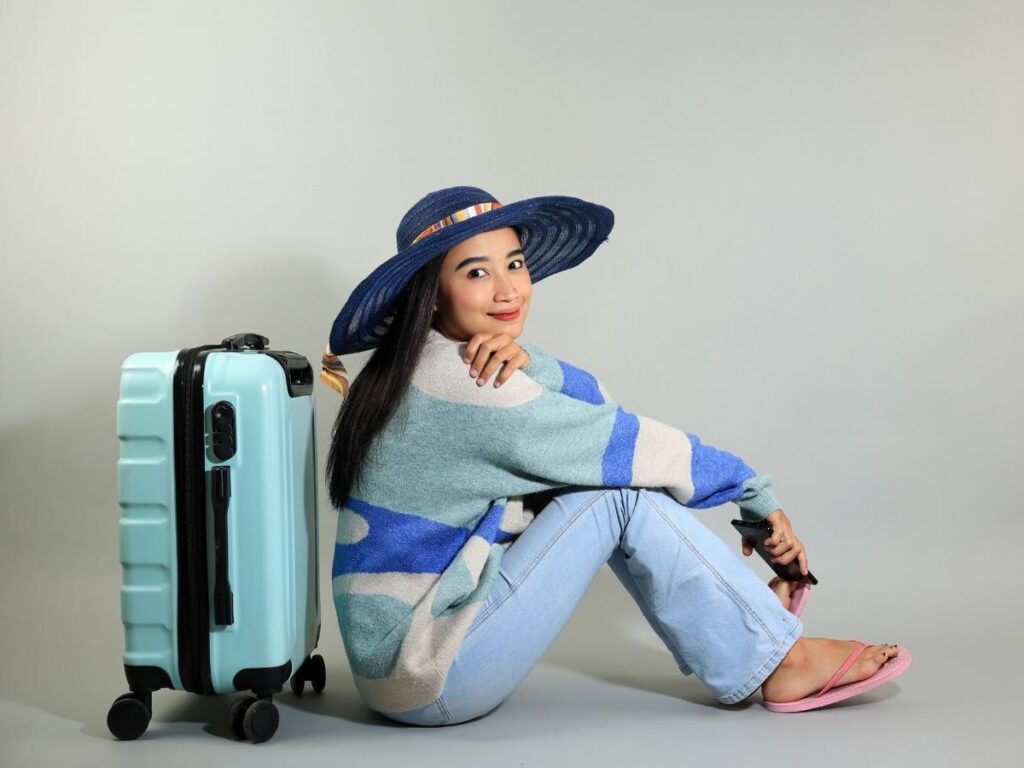
I made this mistake on a flight to Bali. I wore a tank top thinking I’d be fine since we were headed somewhere tropical. By the time we hit cruising altitude, I was freezing.
Cabin temperatures drop fast once you’re in the air. And on most domestic flights, blankets aren’t available anymore. Cher says she’s had passengers ask for them mid-flight, and there’s nothing to hand out.
I learned to always bring a cardigan or light jacket, even if it feels silly packing one for a beach trip. You can always take it off, but you can’t magically create warmth when the AC is blasting.
The One Rule That Changed How I Pack for Flights
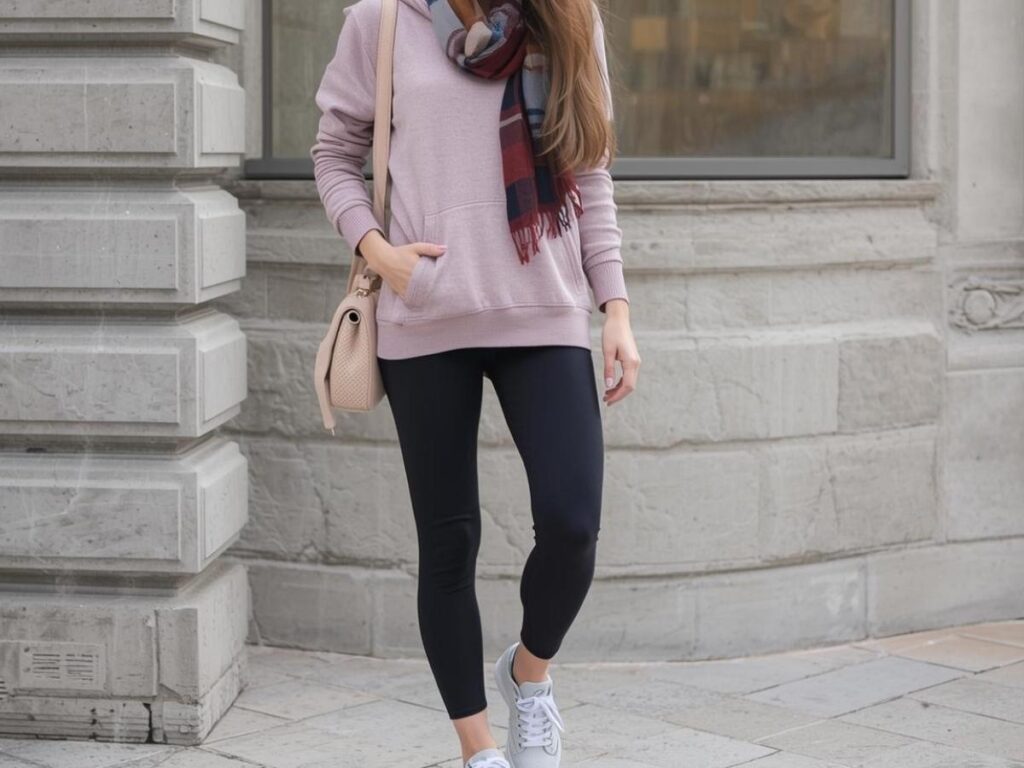
Here’s Cher’s most important tip: always dress in layers.
She warns against wearing just a thick sweatshirt or sweater without anything underneath. Sounds counterintuitive, right? But she’s seen passengers overheat because they couldn’t regulate their temperature when the cabin got warm during boarding or taxiing.
Cher mentioned actual medical emergencies caused by overheating. That’s not something I’d thought about before.
Now I wear a tank or tee underneath a zip-up hoodie or cardigan. It gives me options. Too warm? I can take off a layer. Too cold? I’m already covered. It’s such a simple shift, but it makes every flight more comfortable.
Other Flight Attendant Tips I’ve Picked Up Over the Years
Cher’s advice lines up with what I’ve heard from other crew members and frequent flyers. Here are a few more things I avoid now:
High heels. They slow you down if you need to move quickly, they’re uncomfortable for long flights, and they can be a hazard on slippery floors or during turbulence.
Heavy perfume or cologne. In a closed cabin with recycled air, strong scents can bother people around you (and there’s nowhere for them to escape).
Ultra-revealing or pajama-style outfits. I’m all for comfort, but planes are shared public spaces, and it’s worth dressing in a way that’s respectful to the people sitting inches away.
Complicated outfits with lots of buckles or layers. TSA lines are stressful enough without needing to unlace knee-high boots or remove five accessories.
Synthetic fabrics like polyester. They don’t breathe well, which means you’ll feel sticky and uncomfortable when the cabin gets warm. I stick to cotton, linen, or moisture-wicking blends.
What I Do Wear on Planes Now
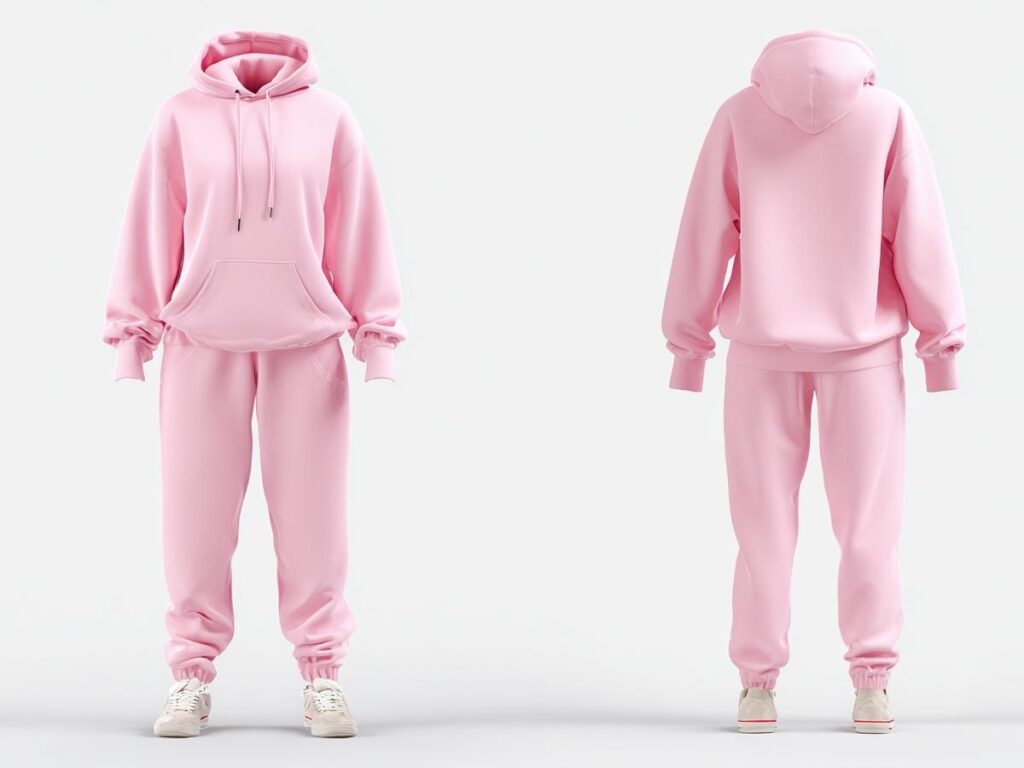
After years of trial and error (and listening to people who fly for a living), here’s my go-to flight outfit:
- Comfortable pants — leggings, joggers, or soft trousers with a bit of stretch
- Layered tops — a fitted tee or tank with a zip-up hoodie or cardigan
- Closed-toe shoes — slip-on sneakers or cushioned flats
- Socks — always, even if I’m wearing slip-ons
- Minimal jewelry — small earrings, maybe a simple necklace, nothing bulky
This setup keeps me comfortable, makes security easier, and means I’m not second-guessing whether my outfit is clean, safe, or practical mid-flight.
Should You Actually Change What You Wear?
There’s no official dress code for most commercial flights. Airlines do reserve the right to deny boarding if your outfit is offensive, unsafe, or overly revealing, but that’s rare.
Cher’s advice isn’t about following rules. It’s about being informed. She’s not saying you can’t wear shorts or sandals, she’s explaining why she wouldn’t, based on what she’s seen behind the scenes.
For me, it’s less about fear and more about comfort and peace of mind. I’d rather wear pants and not worry about what’s on the seat. I’d rather bring layers and not freeze. I’d rather skip the romper and not stress about the bathroom.
If you still want to wear your favorite airport outfit, go for it. But now you know what the people who spend their lives on planes would choose instead.
What should you not wear on a plane?
Flight attendants recommend avoiding rompers, shorts, sandals, tank tops without layers, and one-piece outfits. These items can cause hygiene issues, make emergencies harder to handle, or leave you uncomfortable due to unpredictable cabin temperatures.
Why are shorts not recommended for flights?
Shorts leave your skin exposed to airplane seats that may not be cleaned thoroughly between flights. This increases your risk of contact with germs, allergens, or even skin infections.
Are sandals safe to wear on planes?
While not banned, sandals are discouraged by many flight attendants. The cabin floor is often dirty and may have spilled food, pet messes, or worse. Sandals also offer less protection during emergencies.
Can I wear a tank top on a flight?
You can, but bring a jacket or cardigan. Planes get cold mid-flight, and blankets aren’t always available, especially on shorter routes. Layering helps you stay comfortable.
Why do flight attendants recommend dressing in layers?
Cabin temperatures fluctuate, and layering gives you flexibility. Some passengers have even experienced medical emergencies from overheating due to poor outfit choices.
Is there a dress code for flying?
Most airlines don’t have strict dress codes, but they reserve the right to deny boarding for offensive, overly revealing, or unsafe clothing. Comfortable, modest, and practical outfits are always a smart choice.
What’s the most comfortable outfit for air travel?
The ideal flight outfit includes breathable layers, closed-toe shoes, and clothes that allow easy movement. Avoid one-piece outfits, exposed skin, or anything difficult to remove quickly.
What fabrics are best to wear on planes?
Natural, breathable fabrics like cotton or bamboo help regulate body temperature during long flights. Avoid heavy synthetics like polyester, which can trap heat and feel uncomfortable.