
I’ve dragged overstuffed suitcases through narrow European alleyways, dug through layers of clothes searching for a phone charger at 2 AM, and realized mid-trip that I packed five dresses but forgot the one thing I actually needed. If you’ve been there too, you know the frustration.
After years of trial and error across dozens of countries, I’ve learned that smart packing isn’t just about fitting everything in. It’s about bringing only what enhances your trip, not weighs it down. Whether you’re planning a weekend city escape or a month-long adventure, the way you pack can make or break your travel experience.
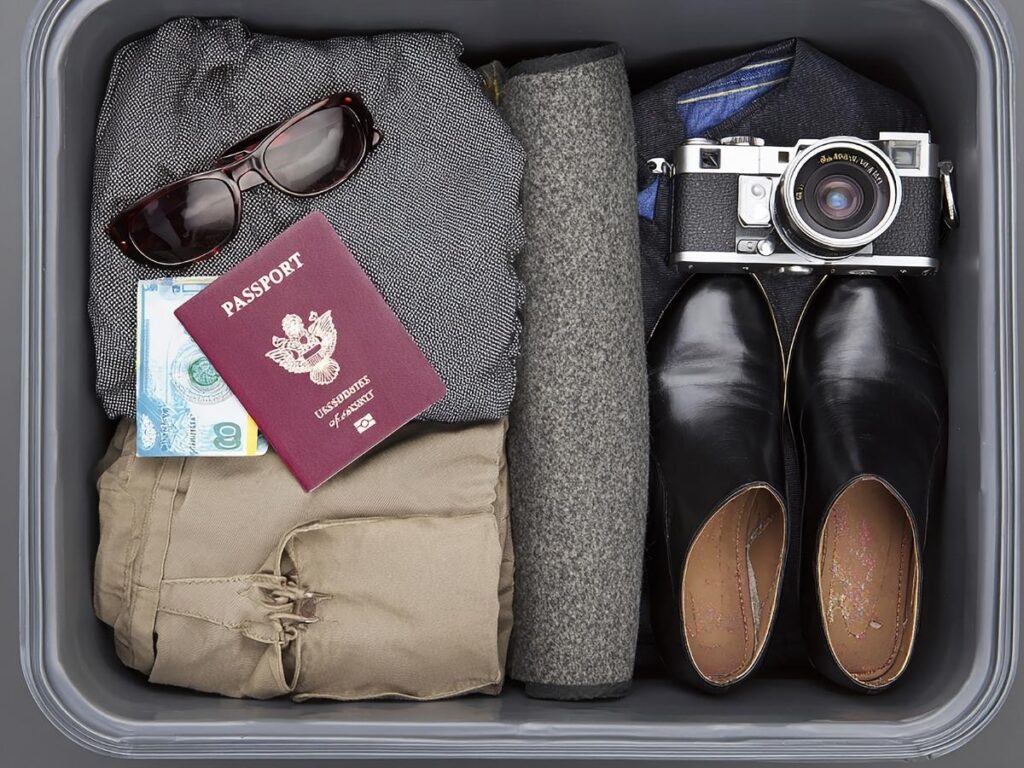
Here are 17 packing strategies that have transformed how I travel, helping me move through airports with ease and actually enjoy my trips instead of managing my luggage.
Why Smart Packing Matters More Than You Think
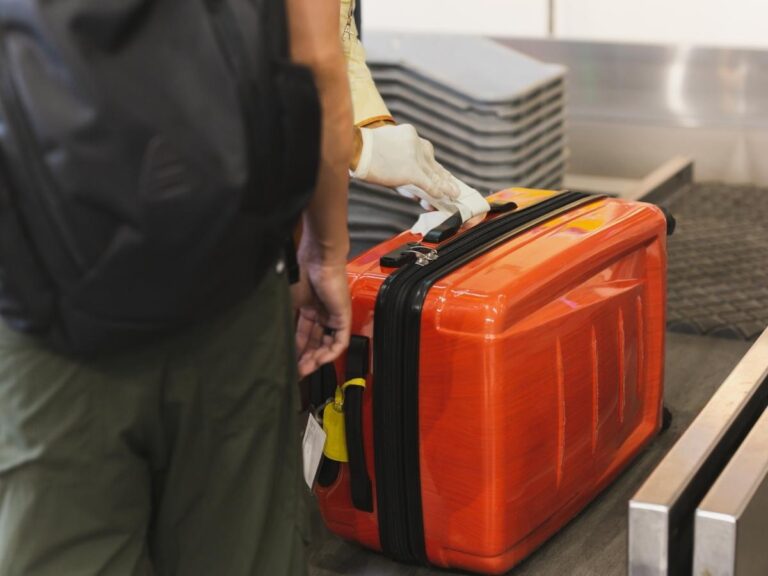
Before I share my tips, let’s talk about why this matters. I used to think that packing more meant being prepared for anything. What I discovered instead was that overpacking created more problems than it solved like extra airline fees, sore shoulders from heavy bags, and time wasted at baggage claim when I could have been exploring.
The reality is that most of what we pack “just in case” never gets used. I’ve learned to pack with purpose, choosing items that genuinely serve my trip rather than just taking up space. And honestly? Traveling lighter has given me more freedom to be spontaneous and present wherever I go.
17 Travel Packing Tips That Actually Work
1. Start With a Packing List

I used to wing it every time, which meant I’d forget essentials and pack duplicates. Now I keep different lists for different trip types; beach vacations, city breaks, adventure travel and I adjust them based on where I’m going.
What works for me: I use a notes app on my phone to save my lists. Before each trip, I pull up the relevant one and customize it. It’s saved me from forgetting chargers, medications, and travel documents more times than I can count.
2. Follow the Rule of Three
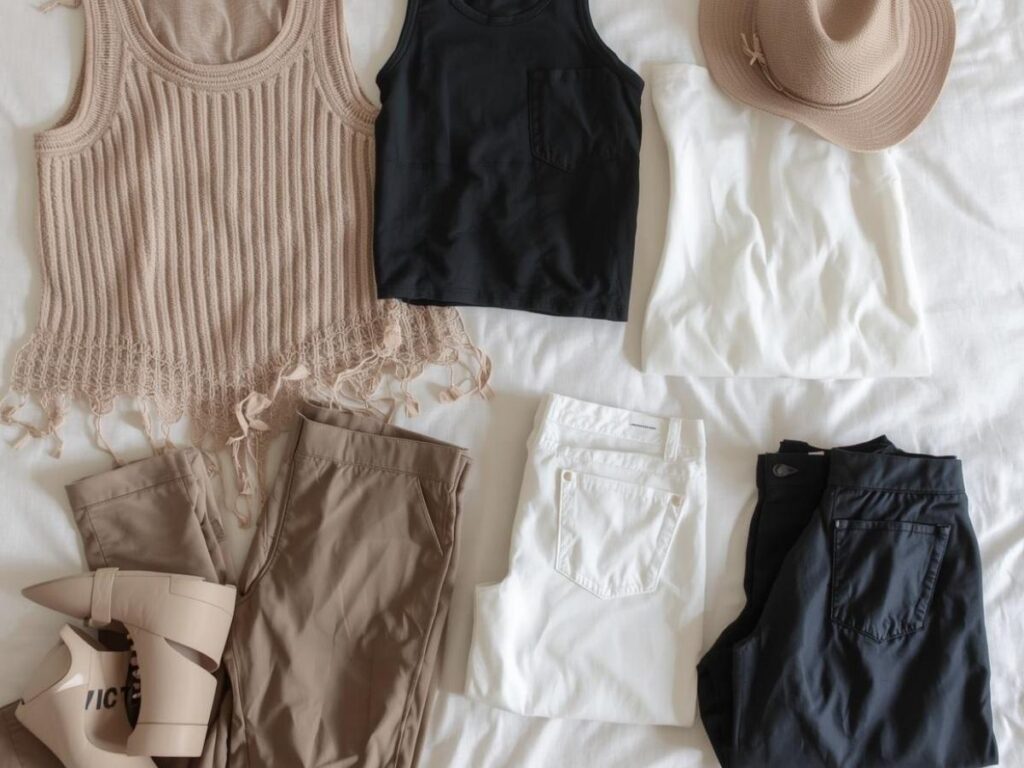
This was a game-changer for me: bring no more than three tops, three bottoms, and three pairs of shoes. It sounds limiting until you realize how many outfit combinations you can create.
My approach: I stick to a neutral color palette like black, white, navy, beige so everything I pack works together. A white t-shirt, black jeans, and tan jacket can be dressed up or down depending on accessories.
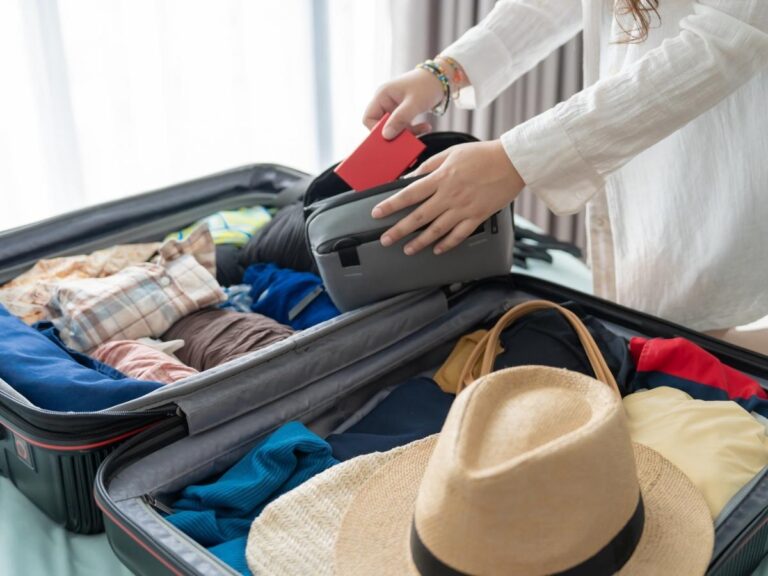
3. Use Packing Cubes and Compression Bags
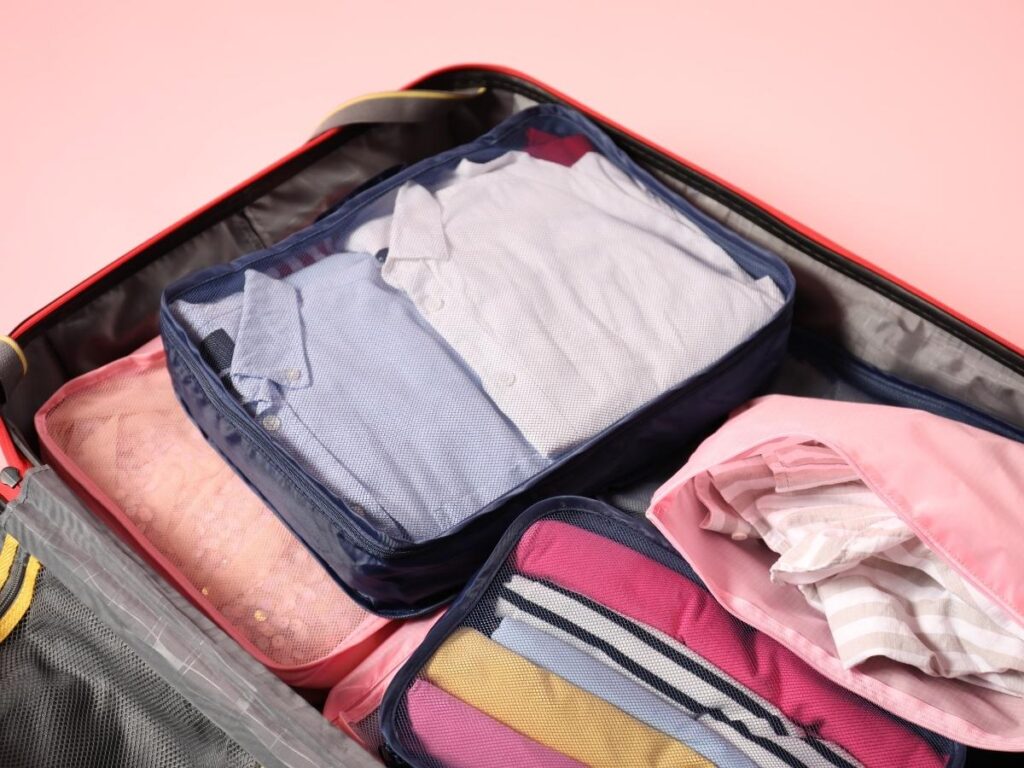
I resisted packing cubes for years because I thought they were just another travel gadget. I was wrong. They keep my suitcase organized and make it easy to find what I need without unpacking everything.
How I organize mine: I color-code them one for tops, one for bottoms, one for undergarments and accessories. When I arrive at my hotel, I can just pull out the cube I need instead of rummaging through my entire bag.
4. Always Pack for One Week, No Matter the Trip Length
This might sound odd, but I pack the same amount whether I’m gone for 10 days or three weeks. The secret? I plan to do laundry.
Why it works: Most accommodations have laundry facilities or services, and even if they don’t, I can hand-wash smaller items in the sink with travel detergent. This keeps my bag light and leaves room for anything I pick up along the way.
5. Wear Your Bulkiest Items in Transit
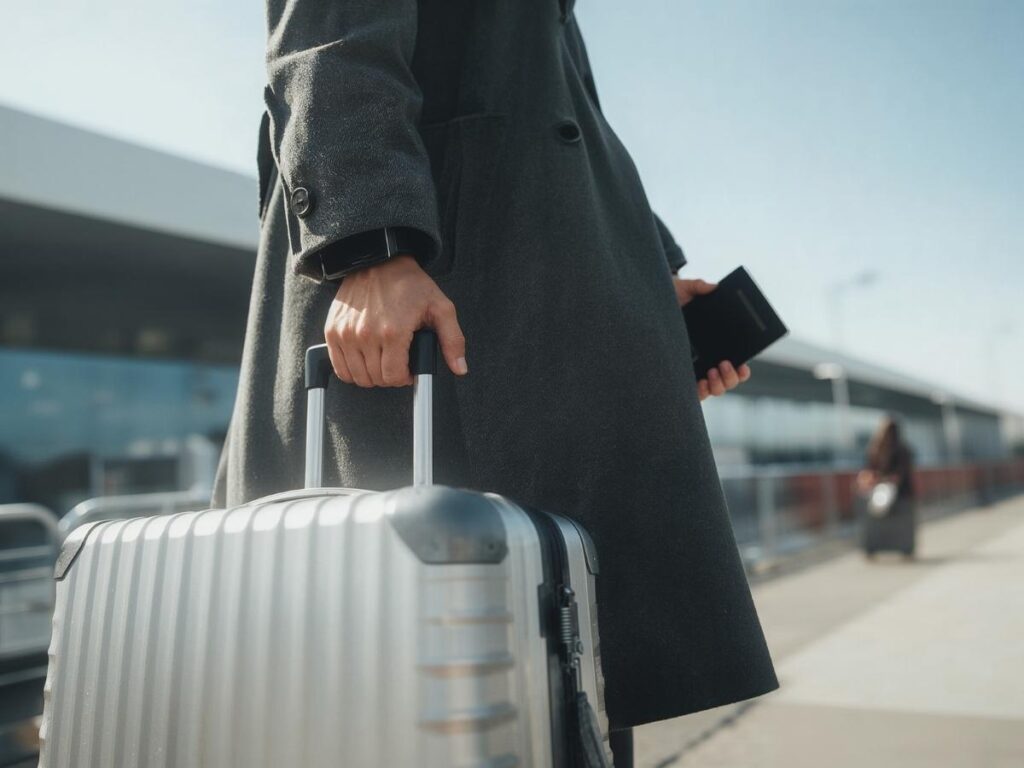
I learned this trick flying to Iceland in winter. Instead of cramming my puffy jacket into my suitcase, I wore it to the airport and stowed it overhead during the flight. It saved so much space.
My travel outfit formula: I layer a tank top, a sweater, and my heaviest jacket. I wear my bulkiest shoes too. Once I’m on the plane, I can peel off layers and stay comfortable.
6. Limit Shoes to Two or Three Pairs
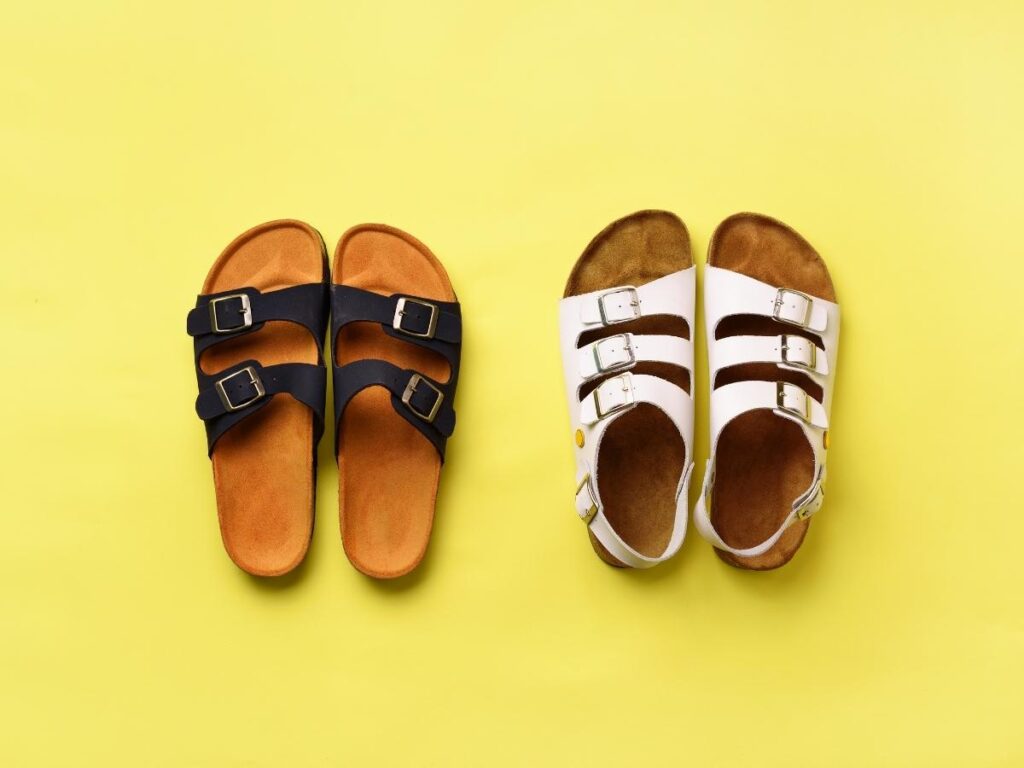
Shoes take up more space than almost anything else, and they’re heavy. I used to pack five pairs “just in case,” but now I stick to two or three at most.
What I bring: Comfortable walking shoes that I wear on the plane, sandals or dressy flats for evenings, and if needed, one activity-specific pair like hiking boots or beach sandals. That’s it.
7. Roll, Don’t Fold
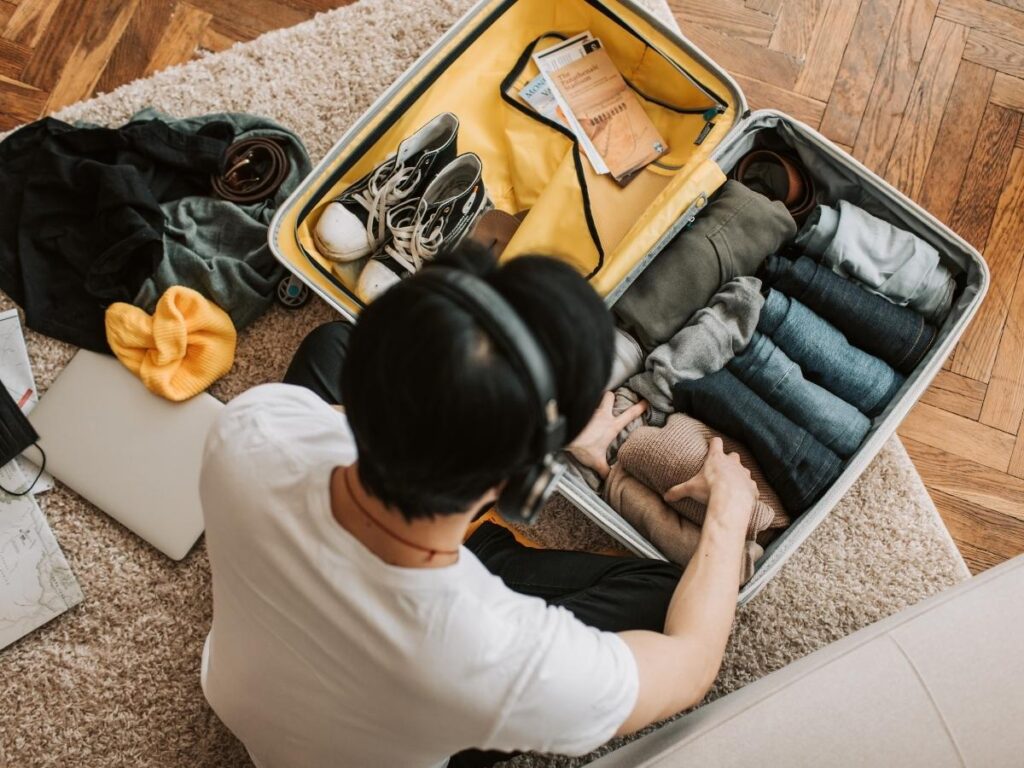
Rolling clothes saves space and reduces wrinkles, especially with casual items like t-shirts, jeans, and sweaters. I still fold structured pieces like blazers, but most of my wardrobe gets rolled.
My technique: Lay the item flat, smooth out wrinkles, fold in the sleeves if needed, then roll tightly from the bottom up. It creates neat little bundles that fit perfectly in packing cubes.
8. Use the Bundle Wrapping Technique for Wrinkle-Free Clothes
For trips where I need to bring dressier clothes, I use the bundle wrapping method. It sounds complicated, but it’s basically wrapping your clothes around a central core to minimize creases.
When I use it: Business trips or destination events where I need to look polished. I wrap dresses and dress shirts around a pouch of socks and underwear, creating one compact bundle.
9. Don’t Pack Full-Size Toiletries
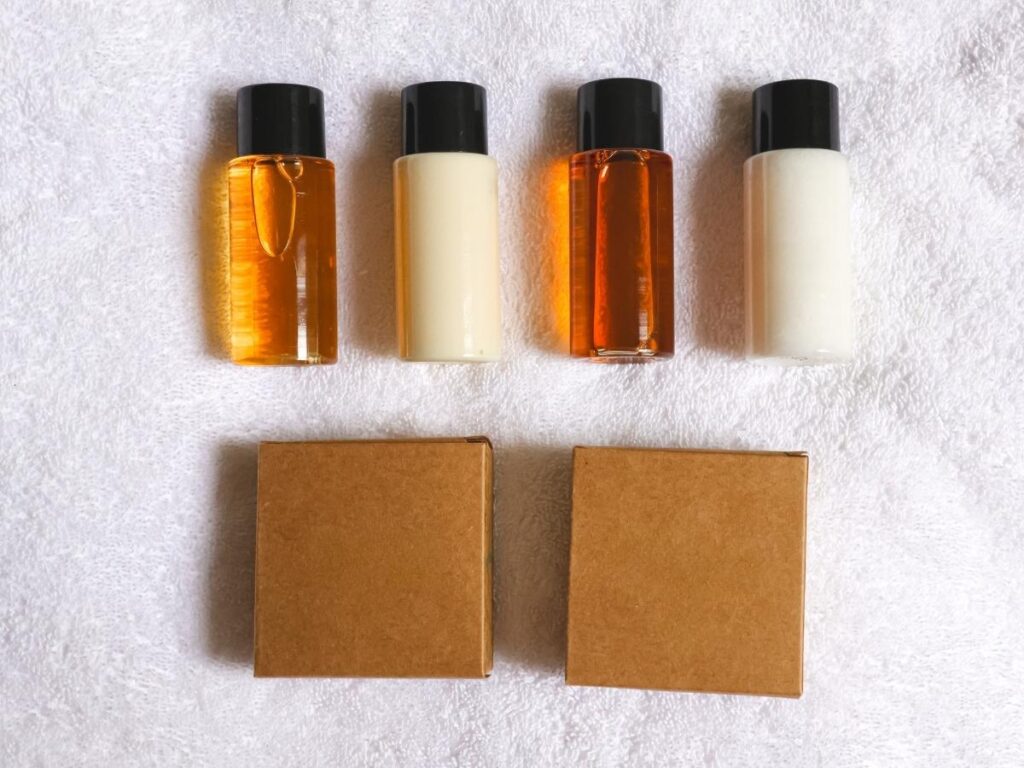
I used to bring full bottles of shampoo and conditioner until I realized how much space and weight they added. Now I use travel-size containers or better yet, solid alternatives.
What I switched to: Shampoo bars, conditioner bars, and bar soap instead of liquids. They take up almost no space, don’t leak, and last for weeks. Plus, they get through airport security easily.
10. Bring a Small Daypack or Collapsible Bag
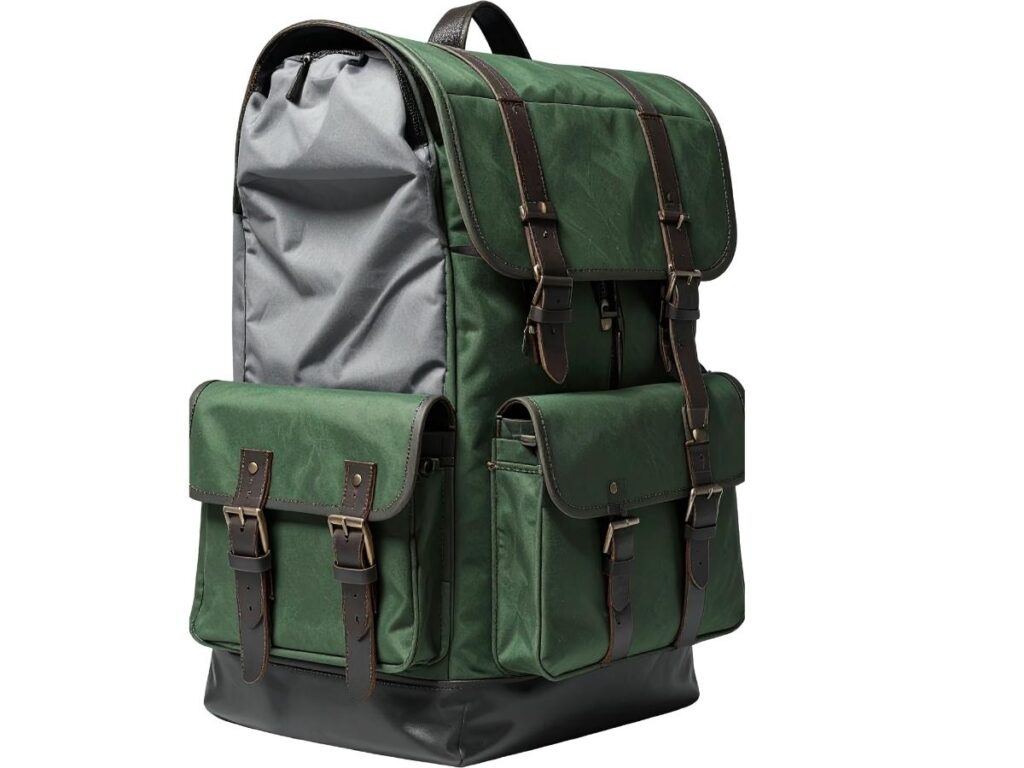
I always pack a lightweight foldable backpack or tote. It takes up minimal space in my suitcase but becomes essential for day trips, grocery runs, or carrying beach gear.
My favorite use: When I buy souvenirs or shop at local markets, I use it as my shopping bag instead of collecting plastic bags.
11. Pack a “Go Kit” in Your Carry-On
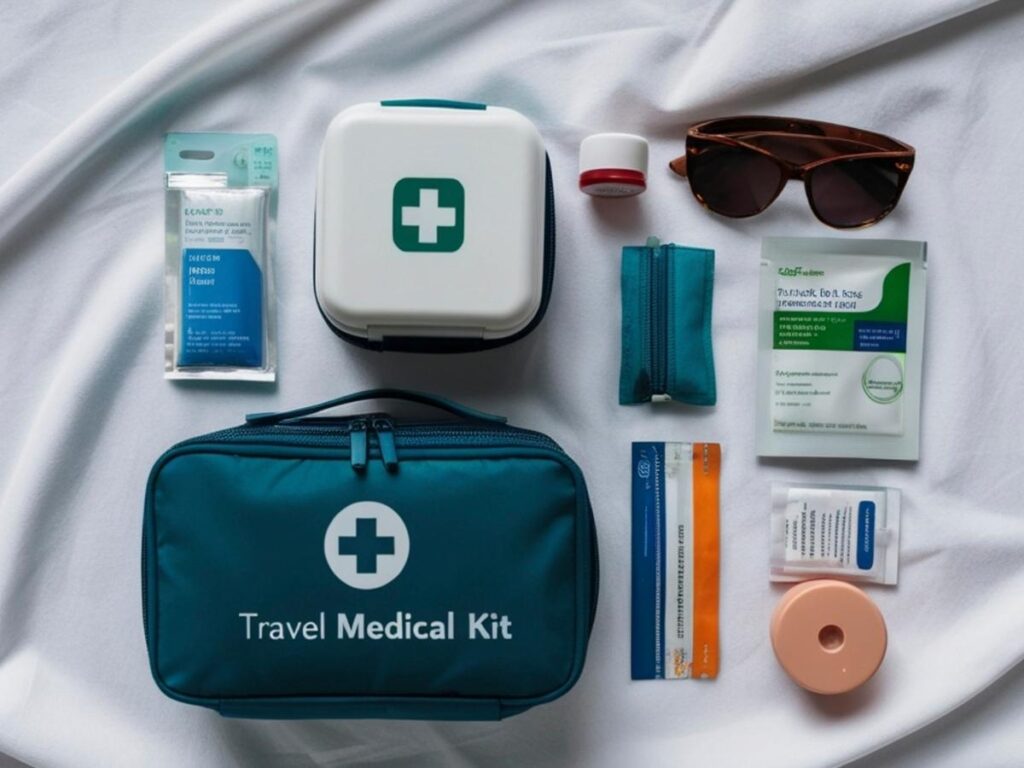
This is my emergency pouch that lives in my personal item. It has everything I need to survive if my checked bag gets lost or delayed.
What’s in mine: Passport and important documents, phone charger and power bank, headphones, a change of underwear, toothbrush and toothpaste, any medications I need, and a few snacks. This saved me on a trip to Portugal when my luggage didn’t arrive until two days later.
12. Research the Destination’s Culture and Dress Code
I learned this the hard way in Southeast Asia when I showed up to temples in shorts and tank tops, only to be turned away. Now I research dress codes before I pack.
What I check: Local weather patterns, cultural expectations for modesty, and whether I’ll need special attire for religious sites or upscale restaurants. A lightweight scarf can be a lifesaver for covering shoulders or knees.
13. Prioritize Versatility and Function Over Fashion

That sequined top I brought to Santorini? Never wore it. Now I focus on pieces that work in multiple situations instead of packing for every possible scenario.
My formula: I build my wardrobe around one versatile base outfit, then add layers and accessories to change up the look. A simple black dress can be casual with sandals during the day or dressy with heels and jewelry at night.
14. Invest in the Right Luggage
Good luggage is worth the investment. I’ve tried cheap suitcases that broke on the first trip and heavy backpacks that hurt my shoulders. Quality matters.
What I look for: Spinner wheels for easy rolling, TSA-approved locks, and durable materials that can handle rough baggage handlers. I also love luggage with built-in USB ports for charging on the go.
15. Pack “Insurance” Items
These are the little things that save the day when something goes wrong. I keep them in a small pouch and hope I never need them, but I’m always glad they’re there.
What I pack: Safety pins (for broken zippers or hems), a few inches of duct tape wrapped around a pen (fixes everything), Ziploc bags (for wet clothes or organizing small items), extra charging cables, and a universal adapter.
16. Leave Room for Souvenirs
I used to pack my suitcase completely full, which meant no space for anything I wanted to bring home. Now I intentionally leave about 20% of my bag empty.
My strategy: I bring a foldable duffel bag that fits in my suitcase. If I end up with more than I came with, I use it as an extra bag or compress my clothes with vacuum bags to free up space.
17. Don’t Forget Travel Insurance and Document Copies
Things go wrong sometimes, flights get canceled, bags get lost, passports get stolen. I always travel with insurance and backup copies of important documents.
How I prepare: I keep digital copies of my passport, travel insurance, and itinerary in cloud storage and email myself the key details. I also carry physical photocopies in a separate part of my bag from the originals.
Final Thoughts
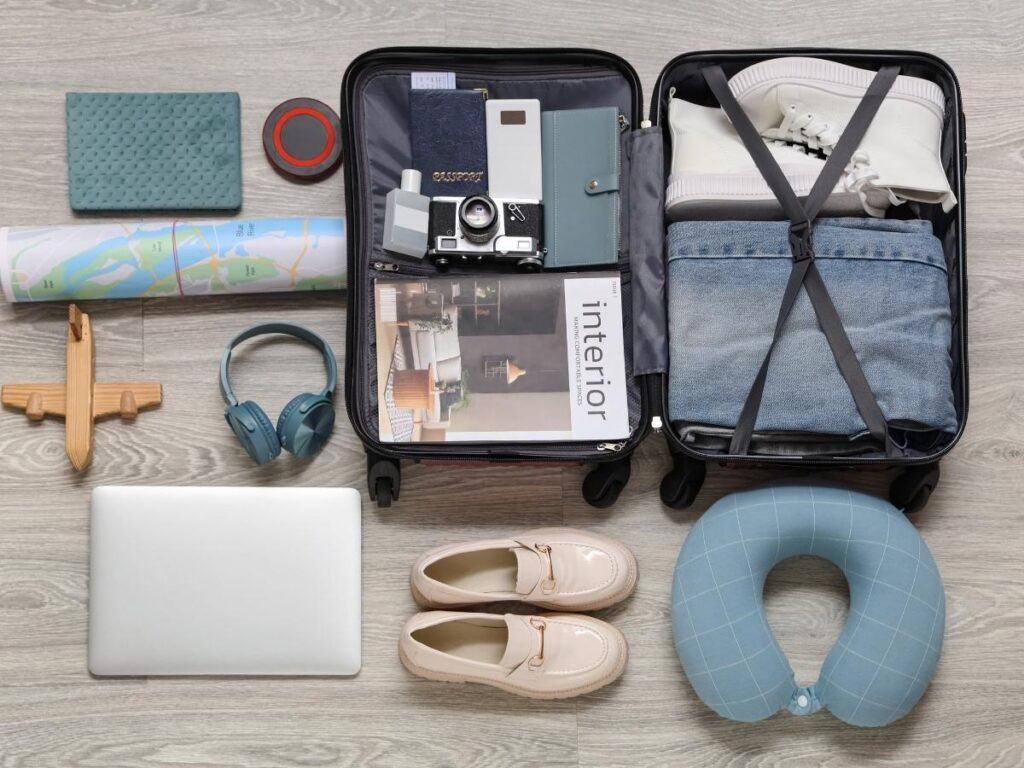
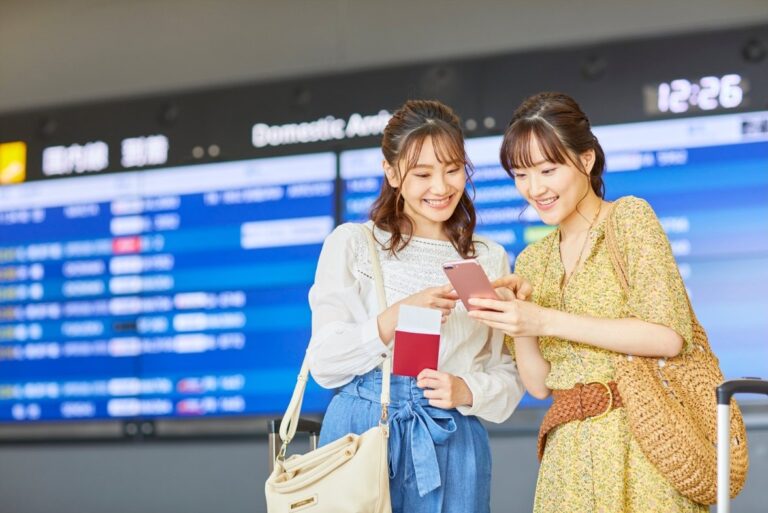
Learning to pack smart has changed how I travel. I move through airports faster, worry less about my belongings, and actually enjoy my trips more because I’m not managing an overstuffed suitcase.
The real shift happened when I stopped packing out of fear (“what if I need this?”) and started packing with intention (“will I actually use this?”). Once you make that mental switch, everything becomes clearer.
Try a few of these tips on your next trip. Start small maybe just invest in packing cubes or commit to the rule of three. You’ll be surprised how much lighter and freer you feel when you’re not weighed down by things you don’t need.
How many outfits should I pack for a 7-day trip?
I pack clothes for about 5-6 days and plan to do laundry once during the week. This typically means 3-4 tops, 2-3 bottoms, and versatile layers that mix and match.
Are packing cubes really worth it?
Yes, they’re one of my best travel investments. They keep everything organized, compress bulky items, and make packing and unpacking so much faster.
What’s the best way to pack shoes?
I stuff socks or small items inside shoes to save space, then place them along the edges or bottom of my suitcase. I also use shoe bags to keep them separate from clean clothes.
Should I pack full-size toiletries or buy them at my destination?
I use travel-size refillable bottles or solid toiletries like shampoo bars. This saves space and weight while still letting me use products I know work for my skin and hair.
How do I pack light without forgetting essentials?
I use a packing list customized for each trip type and lay everything out before packing. Then I remove about 30% of what I initially planned to bring you almost never need as much as you think.