
I’ll never forget the moment I watched a viral video of a hotel housekeeper cleaning drinking glasses with a toilet brush. My stomach dropped. I’d been traveling for years, grabbing those pristine-looking glasses from hotel bathrooms without a second thought, filling them with water before bed, using them for my morning coffee. That video changed everything.
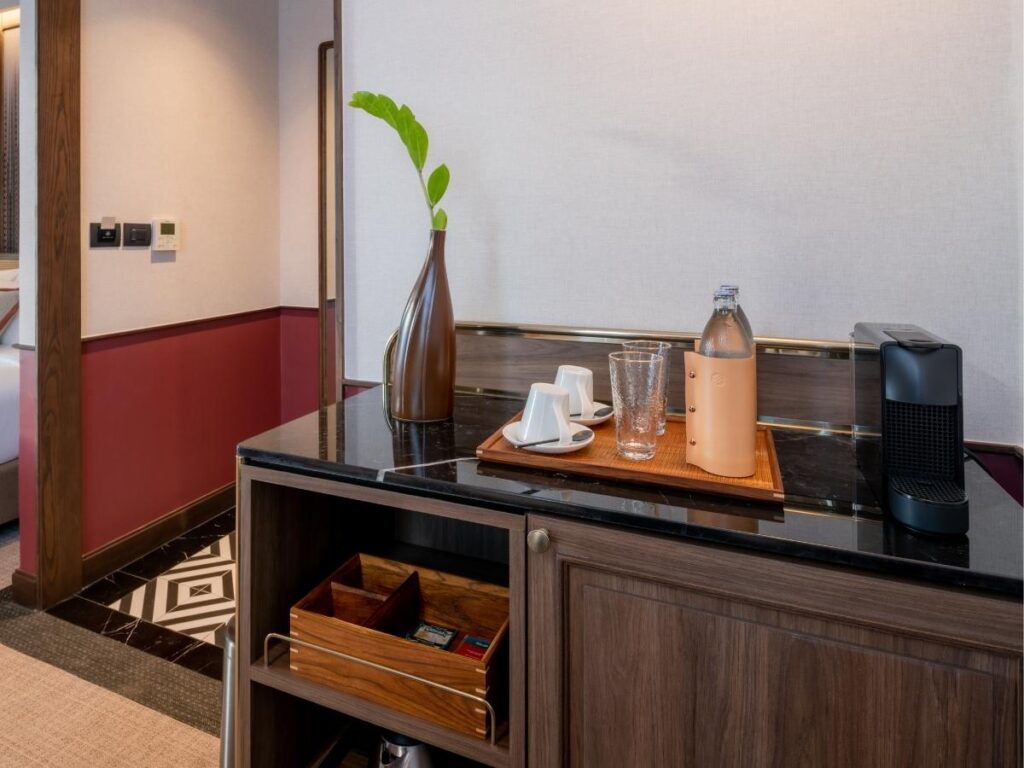
After spending weeks researching hotel hygiene practices and talking to industry insiders, I realized those sparkling glasses sitting next to the sink might not be as clean as they appear. Here’s what I discovered about hotel room glassware and the simple solutions that help me stay healthy on the road.
The Reality Behind Hotel Room Glasses
What an ABC News Investigation Revealed
Back in 2009, ABC News conducted an undercover investigation across 15 hotels in the United States. The results were eye-opening. At 11 out of 15 properties, housekeeping staff didn’t remove dirty glasses from rooms for proper cleaning and sanitizing.
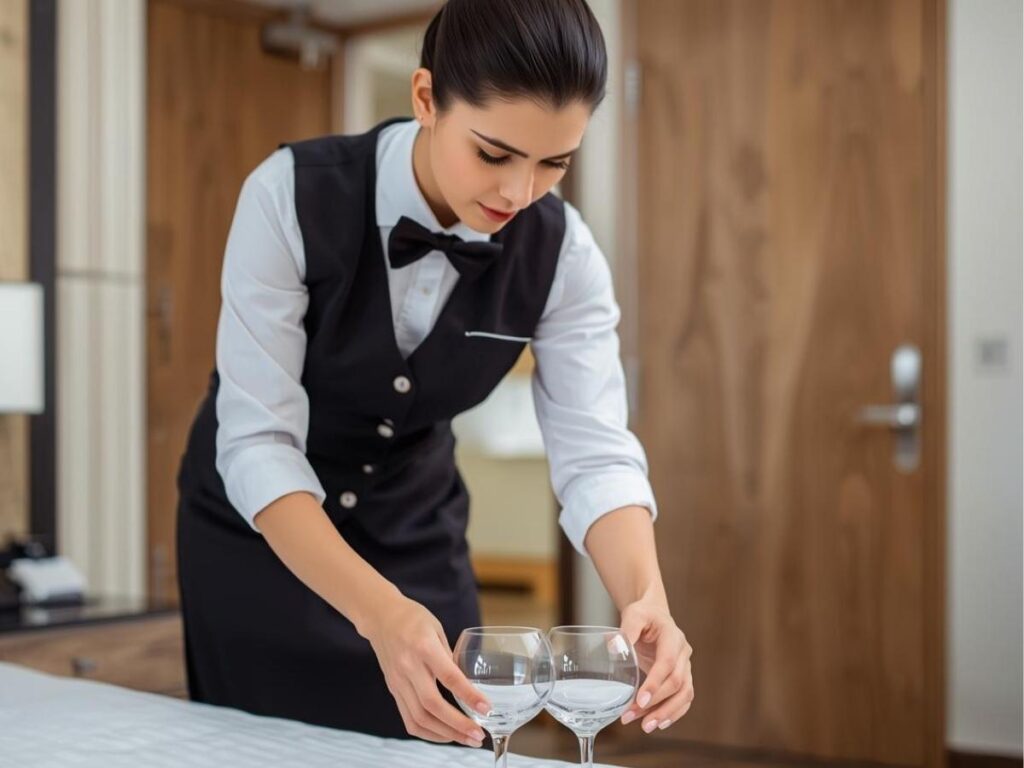
What happened instead? Staff members simply rinsed the glasses in the bathroom sink, wiped them with cleaning cloths (sometimes the same ones used for other surfaces), and placed them back for the next guest. At one Cincinnati hotel, investigators filmed a housekeeper spraying glasses with a bottle labeled Lysol mildew remover, a product clearly marked “harmful if swallowed” on its label.
Why This Happens More Often Than You’d Think

I don’t blame the housekeeping staff. Most are under intense time pressure to clean multiple rooms per shift. Taking glasses to a proper dishwasher adds precious minutes to each room turnover. Some hotels don’t even have systems in place for collecting and washing glassware properly.
A 2012 University of Houston study found that 81% of hotel surfaces contain fecal bacteria. When you consider that those drinking glasses sit inches from the toilet (where flushing spreads bacteria into the air), the math gets uncomfortable pretty quickly.
The Ice Bucket Problem I Didn’t See Coming
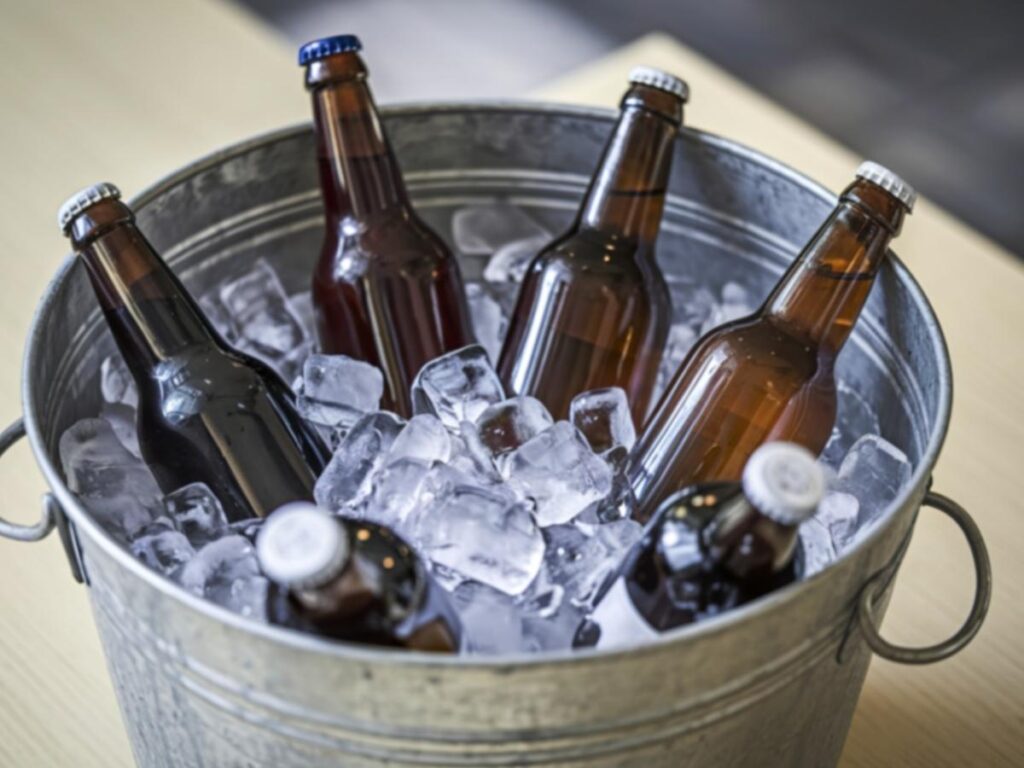
Just when I thought I’d solved the problem by using disposable cups with ice, I learned about another issue. Brian Labus, an assistant professor in the Department of Epidemiology and Biostatistics at the University of Nevada Las Vegas, shared a disturbing story with me during my research.
He described a norovirus outbreak at a hotel where ice buckets became contamination vehicles. Guests with severe stomach flu grabbed the nearest container when they needed to vomit. You can probably guess what happened when the next guest filled that same bucket with ice for their drinks.
Ice machines themselves present challenges too. Industry protocol typically calls for professional cleaning only twice per year. Think about how many hands touch those ice dispensers daily, often after touching door handles, elevator buttons, and who knows what else.
What I Pack Instead
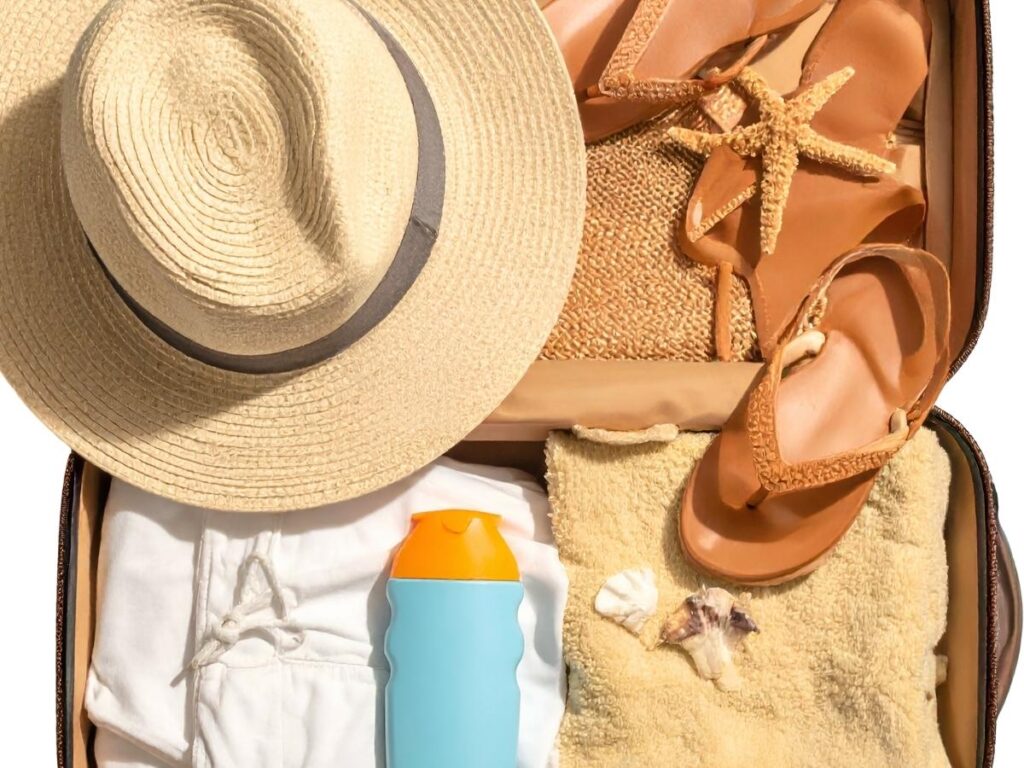
After learning all this, I completely changed my hotel routine. Here’s what I bring on every trip now:
A Collapsible Water Bottle I pack a foldable silicone water bottle that takes up almost no space in my luggage. I fill it from the tap, and if I’m concerned about water quality, I use a portable water purifier or purchase bottled water at my destination.
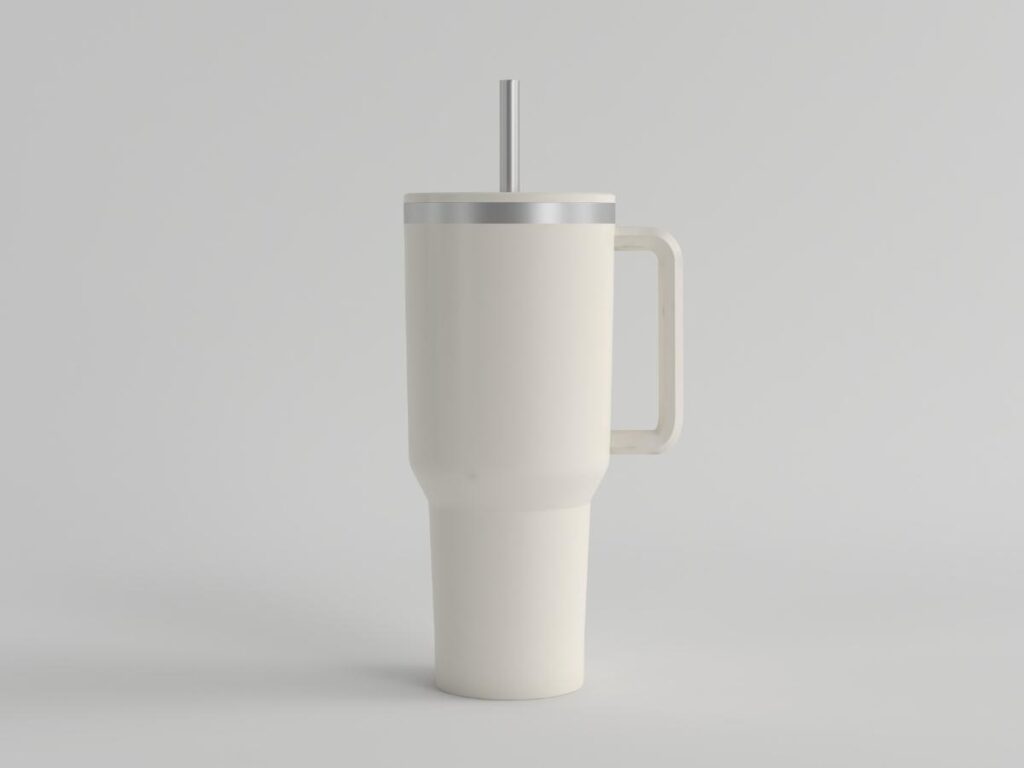
My Own Reusable Cup For coffee and tea, I bring a small insulated tumbler. It keeps drinks hot longer than hotel cups anyway, and I know exactly how clean it is.
Plastic Ziploc Bags for Ice If I need ice, I grab a gallon-size plastic bag from my stash and use it to collect ice from the machine. It never touches the ice bucket, and I can toss it when I’m done.
Disinfecting Wipes These are lifesavers for wiping down high-touch surfaces like light switches, remote controls, and yes, the outside of glasses if I absolutely need to use one in an emergency.
When Hotel Glasses Might Be Safe to Use
Not all hope is lost. Some hotels have completely switched to individually wrapped, disposable cups. If you see plastic-wrapped cups in your room, those are generally safe to use.
A few hotel chains responded to the 2009 investigation by implementing stricter protocols. Some now require glassware to be collected and run through commercial dishwashers between guests. The challenge is knowing which hotels follow through consistently.
If you’re staying at a higher-end property with strong hygiene standards, you can ask the front desk about their glassware cleaning procedures. I’ve found that asking this question politely often results in staff bringing fresh, dishwasher-cleaned glasses to my room.
My Current Hotel Room Routine
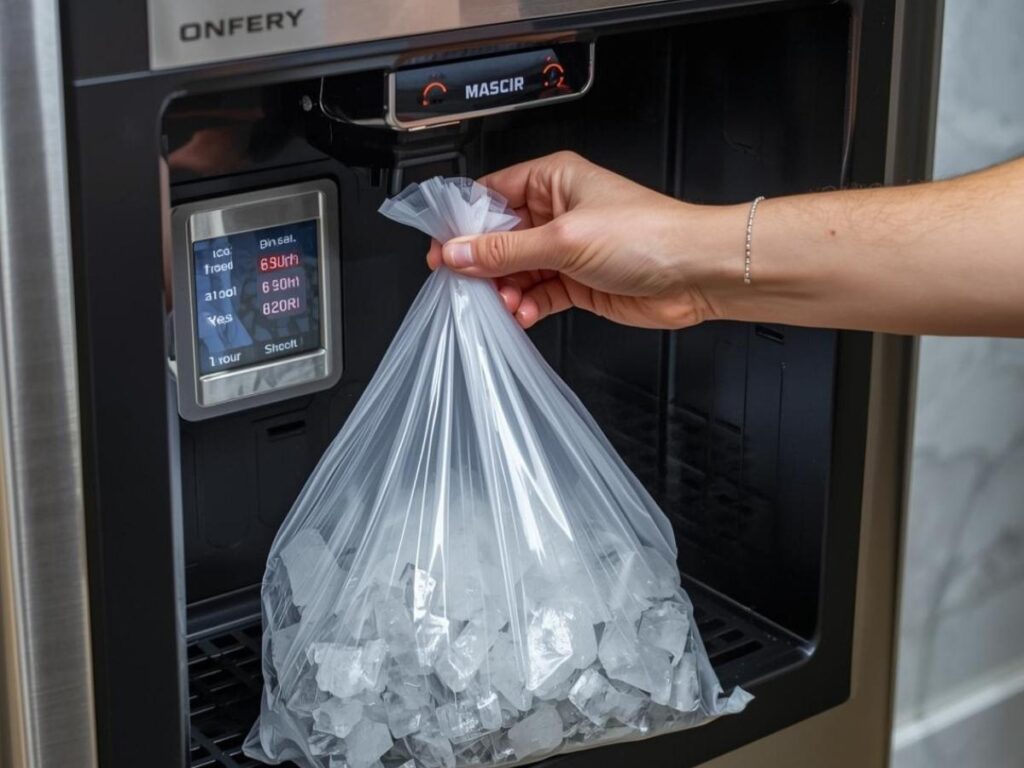
These days, when I check into a hotel, I follow a simple system. First, I set my own drinking supplies on the bathroom counter or desk. Then I move the hotel glasses to a spot where I won’t accidentally use them (usually inside a drawer or cabinet).
If I’m traveling light and forgot my bottle, I look for plastic-wrapped disposable cups first. No plastic cups available? I head to the hotel restaurant or bar and ask for a takeaway cup, explaining I’d prefer something I know is freshly washed.
For ice, I either skip it entirely (room temperature water doesn’t bother me) or use my plastic bag method. If the hotel offers room service, I sometimes call for ice delivery since kitchen ice typically comes with higher sanitation standards.
The Bigger Picture of Hotel Hygiene
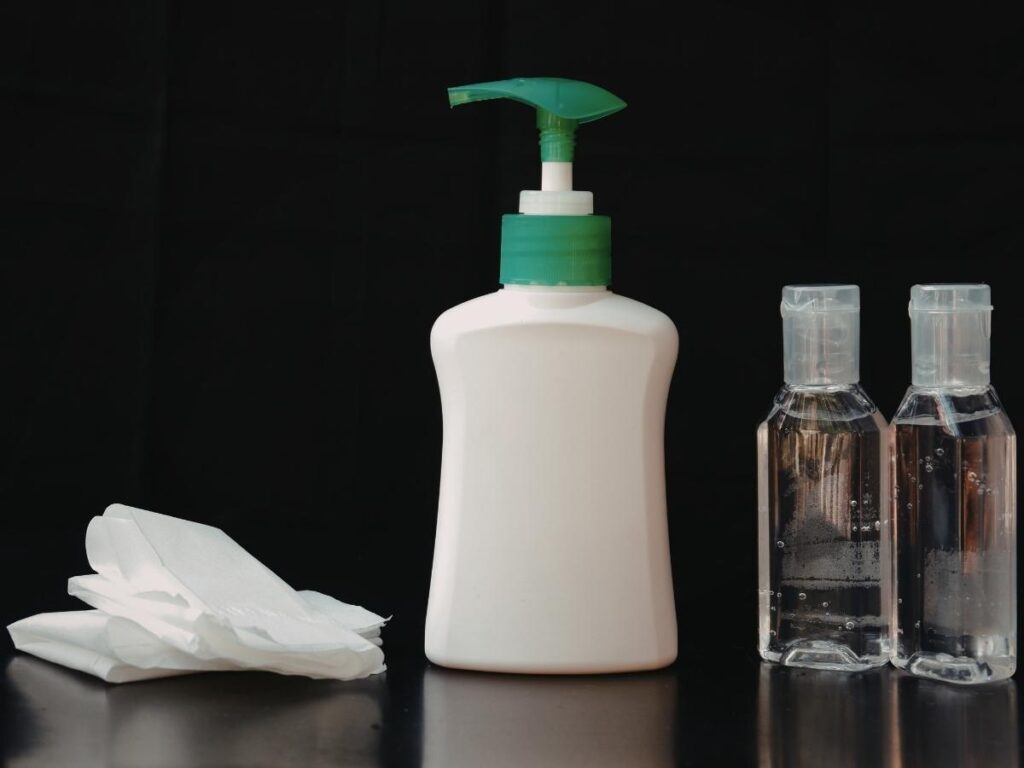
This experience taught me to think more critically about hotel cleanliness in general. Beyond glasses, I now pay attention to:
Remote Controls These rarely get cleaned between guests. I wipe mine down immediately or use it through a plastic bag.
Light Switches Another high-touch surface that doesn’t always make the cleaning checklist.
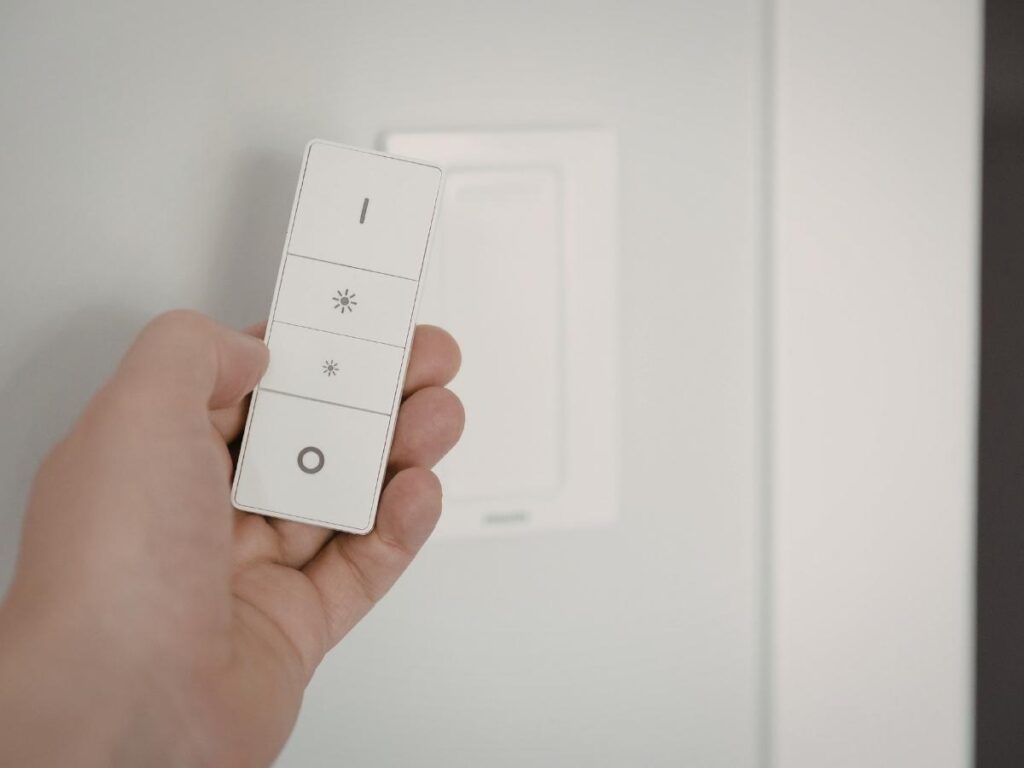
Bedspreads Many hotels wash sheets and pillowcases between guests but only clean decorative bedspreads occasionally. I pull them off immediately.
Coffee Makers The glass carafe faces the same challenges as drinking glasses. I either skip the in-room coffee or rinse everything thoroughly with hot water first.
What Hotels Can Do Better

I want to be fair to the hospitality industry. Many hotels genuinely care about guest safety and cleanliness. The ones getting it right typically have:
- Clear protocols requiring all glassware to be removed and professionally washed
- Regular audits to ensure staff compliance
- Switched entirely to sealed, disposable cups
- Transparent communication about their hygiene practices
As travelers, we can encourage better practices by providing feedback when we notice issues and praising hotels that prioritize cleanliness.
Final Thoughts
Look, I still love hotels. I love the adventure of waking up in a new place, the convenience of having someone else make the bed, the excitement of exploring a new city from a comfortable home base. But I’ve learned to travel smarter.
Bringing my own drinking supplies takes almost no extra space or effort. It gives me peace of mind and lets me focus on what matters: enjoying my trip without worrying about what might be lurking in that innocent-looking glass by the sink.
The next time you check into a hotel and feel tempted to use that sparkling glass, ask yourself: is the convenience worth the risk? For me, the answer is simple. I’ll stick with my trusty water bottle, thank you very much.
Are hotel drinking glasses really that dirty?
Based on multiple investigations, including a 2009 ABC News study, many hotels don’t properly sanitize glasses between guests. While not all hotels have this problem, it’s common enough to warrant caution.
What’s the safest way to drink water in a hotel room?
Use sealed, plastic-wrapped disposable cups if provided, or bring your own reusable water bottle. Fill it from the tap or with bottled water depending on your destination’s water quality.
Can I trust hotel ice buckets?
Ice buckets can harbor bacteria since they’re rarely cleaned between guests. Use a plastic bag liner if you need ice, or request ice delivery from room service when available.
Should I wash hotel glasses myself before using them?
Even washing with hot water and soap may not eliminate all bacteria. It’s safer to use disposable cups or bring your own drinkware rather than risk using improperly cleaned glassware.
Do luxury hotels have cleaner glasses than budget hotels?
Not necessarily. The 2009 ABC investigation included both budget and upscale properties, finding issues at 11 out of 15 hotels across different price ranges. The issue relates more to individual hotel protocols than price point.