

I’ll be honest: before I drove through England’s countryside last summer, I thought London was the whole show. But then I turned off the M4 motorway and found myself in a village so picture-perfect, I had to pull over just to make sure it was real. Stone cottages with climbing roses, a gentle stream cutting through the center, locals chatting outside a 500-year-old pub. That moment changed how I see England.
Over three weeks, I visited dozens of villages across the Cotswolds, Yorkshire Dales, Cornwall, and Devon. Some were on every tourist map. Others, I stumbled upon by accident. What I discovered is that the prettiest villages in England aren’t just postcard material. They’re living, breathing places with stories that go back centuries.
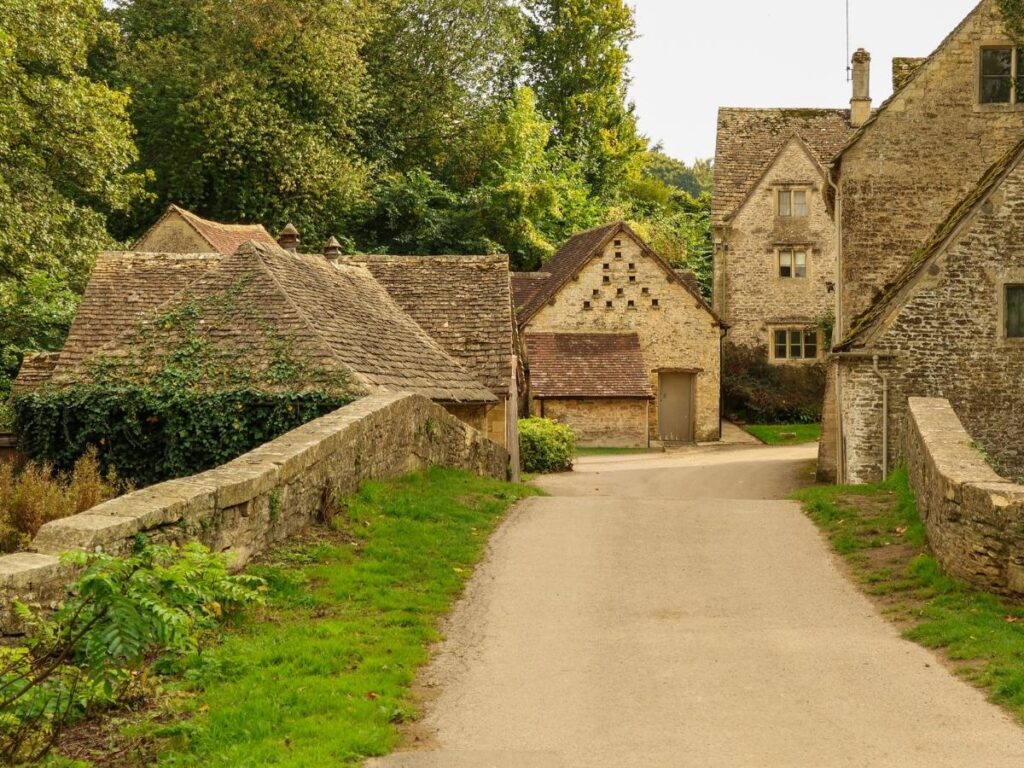
This guide shares the 18 villages that stood out to me most, why they matter, and what you need to know before you visit. Whether you’re planning a Cotswolds weekend or a full English countryside road trip, these are the villages worth building your itinerary around.
Why Visit England’s Countryside Villages?
London is incredible, but it doesn’t show you the England that shaped its culture. The countryside villages do. These are the places where architectural traditions were born, where writers found inspiration, and where you can still see how English life unfolded over hundreds of years.
What makes these villages special isn’t just their looks. It’s the details: the way they use local stone that changes color with the region, the footpaths that connect one village to the next, the pubs that have been serving the same families for generations. You won’t find that in the city.
Most of these villages are within two hours of London, making them perfect for day trips or weekend escapes. I found that the best way to experience them is with a car, though some are accessible by train. Give yourself time to wander without a schedule. That’s when you find the real magic.
18 Prettiest Villages in England
Here are my top picks for the most beautiful English villages, organized by region.
Cotswolds Villages
The Cotswolds is where you’ll find the highest concentration of gorgeous villages in England. The region is known for its honey-colored limestone buildings, rolling hills, and that unmistakable English countryside feeling. I spent five days here and could have easily stayed longer.
1. Bibury
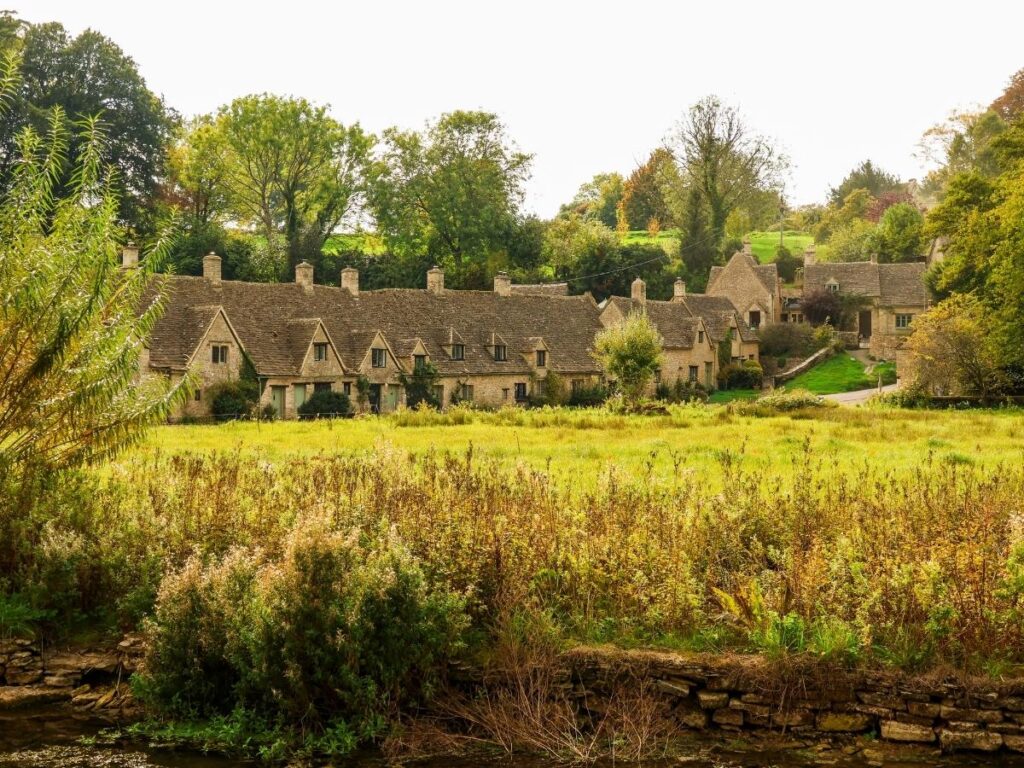
Arlington Row in Bibury might be the most photographed street in the Cotswolds, and for good reason. These 14th-century weavers’ cottages look like something out of a fairytale, with their stone walls and steeply pitched roofs backing onto the River Coln.
I arrived early in the morning to beat the crowds and had the place almost to myself. The golden light on the stone was worth the 7 a.m. wake-up call. Beyond Arlington Row, Bibury has a working trout farm you can visit and several walking paths along the river.
Pro tip: Park at the Bibury Court Hotel car park for a small fee. It’s a short walk to Arlington Row and helps you avoid the roadside scramble.
2. Castle Combe
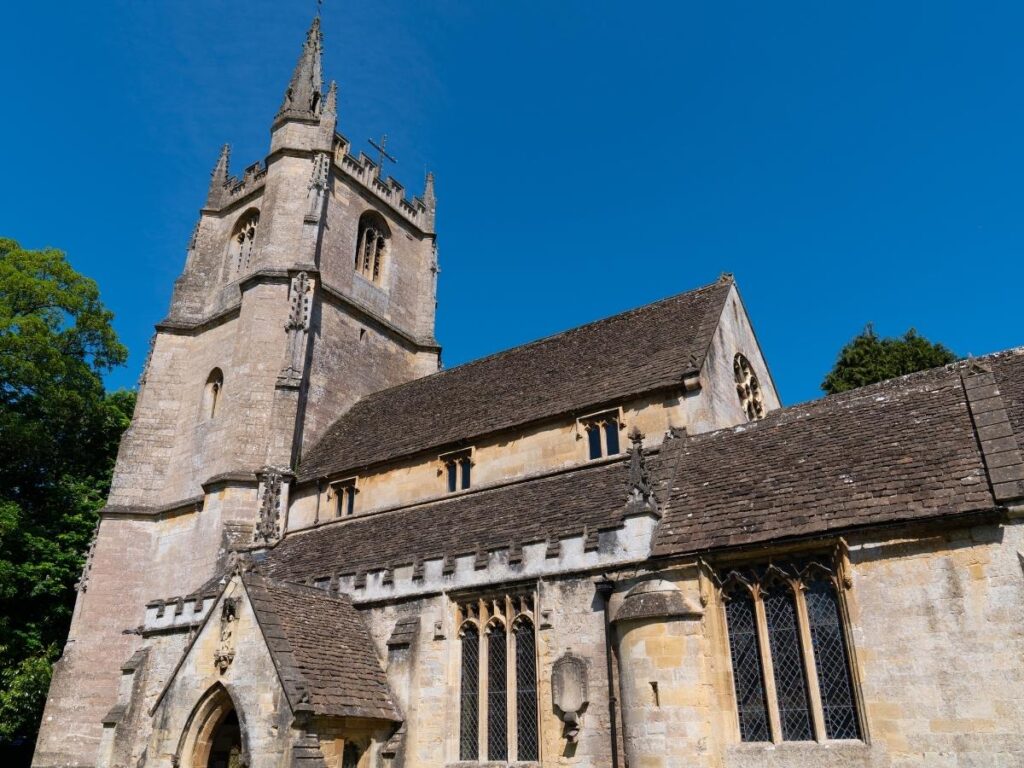
Castle Combe has been called the prettiest village in England so many times that it’s almost cliché. But when I drove down the main street and saw the medieval market cross, the ancient stone bridge, and the row of cottages lining the stream, I understood why.
This village feels frozen in time. There are no modern shop fronts, no chain stores, nothing that breaks the spell. It’s been used as a filming location for movies including War Horse and Stardust, which tells you everything about its visual appeal.
What I loved: Walking down to the By Brook and following the footpath that circles the village. It gave me perspective on how Castle Combe sits in its valley.
3. Painswick
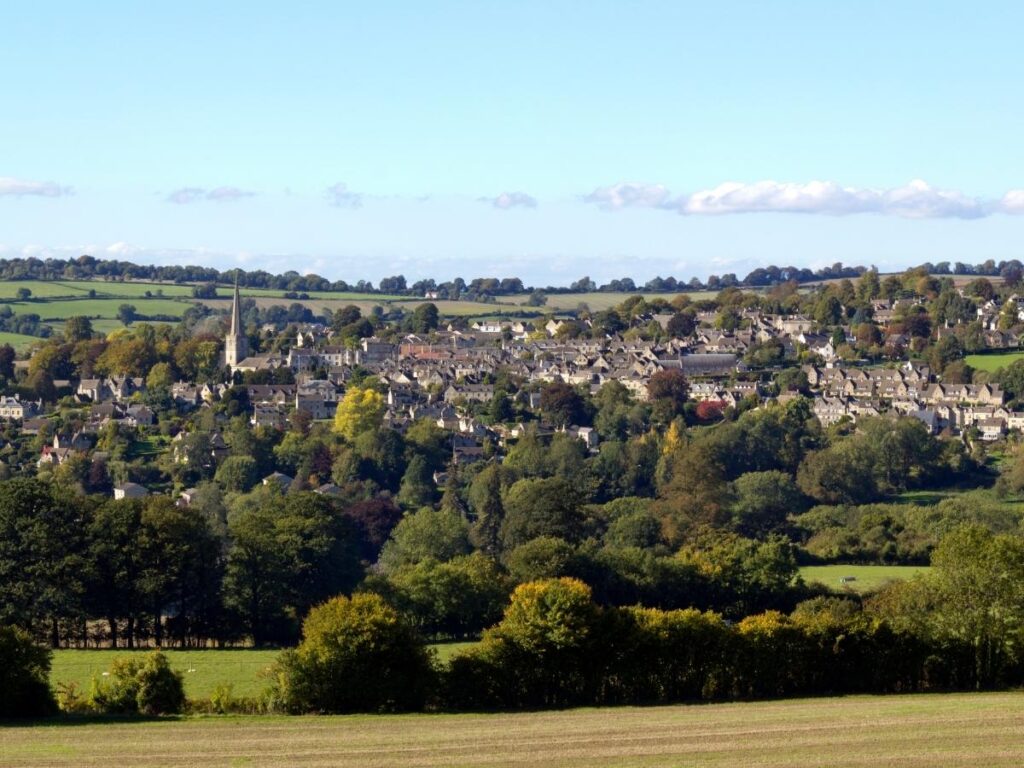
Painswick sits on a hillside, which means its narrow streets wind and climb in ways that make exploring it feel like a treasure hunt. The village is known for its churchyard, which has 99 yew trees (legend says the 100th tree never survives).
I spent an afternoon here walking the lanes between stone houses and stumbled upon Painswick Rococo Garden, an 18th-century garden that’s worth the admission fee. The village has more of a lived-in feel than some of the others, which I appreciated.
4. Stanton
Stanton is small, quiet, and almost entirely built from the same golden limestone, giving it a unified look that feels timeless. Most of the buildings date back to the 16th century, and the village has been carefully preserved without feeling like a museum.
The Cotswold Way passes through Stanton, making it a popular stop for hikers. I walked part of the trail up to Shenberrow Hill for views over the village and surrounding countryside. The climb is moderate and takes about 30 minutes.
5. Upper Swell
Upper Swell is one of the quieter Cotswold villages, which is part of its appeal. A small river runs through the center, crossed by a stone bridge, and the whole place has a peaceful, unhurried quality.
There aren’t many shops or restaurants here, so it’s best visited as part of a driving tour rather than as a destination on its own. But if you’re looking for a spot to park and take a quiet walk, Upper Swell delivers.
6. Snowshill
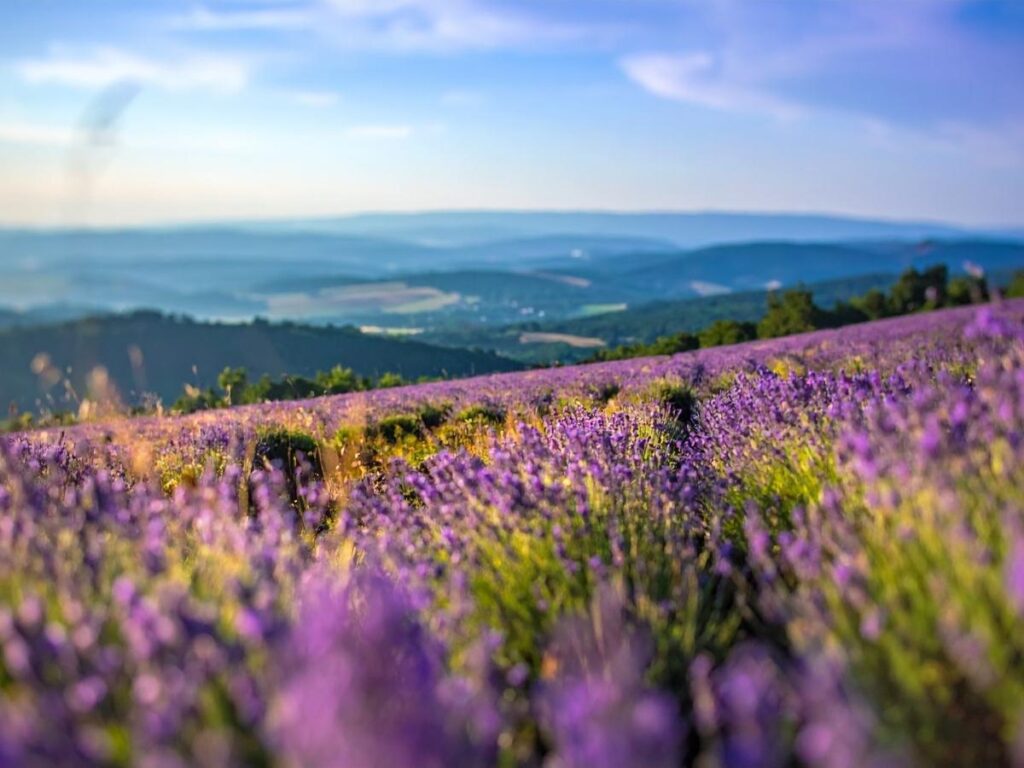
Snowshill is famous for two things: its lavender fields and Snowshill Manor. I visited in late June when the lavender was in full bloom, and the purple fields against the golden stone village were stunning.
The manor itself is quirky and worth touring if you have time. It was owned by an eccentric collector, and the rooms are filled with everything from samurai armor to bicycles. The village appeared in the movie Bridget Jones’s Diary as Bridget’s childhood home.
7. Broadway
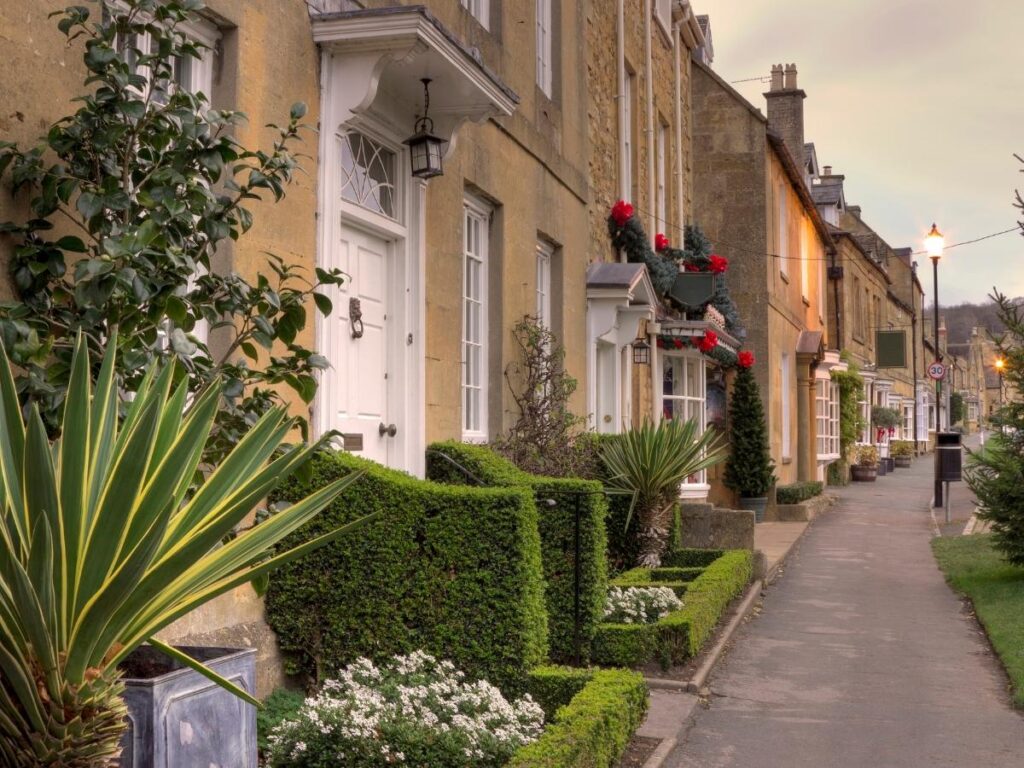
Broadway is larger and busier than most villages on this list, but it still belongs here. The wide main street lined with chestnut trees and shops gives it a different feel from the smaller hamlets. It’s been an artist colony for over a century, and you’ll find several galleries along the high street.
Broadway Tower sits on a hill above the village and offers panoramic views across the Vale of Evesham. The climb up is steep but short, and the tower itself is fun to explore.
8. Broad Campden
Just down the road from the much busier Chipping Campden, Broad Campden is tiny, peaceful, and often overlooked. That’s exactly what makes it special. The village is essentially one street with a church, a pub, and a handful of cottages.
I stopped here on a rainy afternoon and had tea at a local cottage that opens its garden to visitors. It felt like stepping into someone’s backyard, which in a way, it was. The walking trails around Broad Campden connect to longer routes through the Cotswolds if you want to extend your visit.
9. Kingham
Kingham was voted England’s Favorite Village in a national survey, and I can see why. It has a village green, a working farm shop, and a pub that serves locally sourced food. Everything feels authentic without trying too hard.
The village has a train station with direct connections to London, making it unusually accessible for a Cotswold village. I met several Londoners who come here for weekends specifically because of the train link.
10. Minster Lovell
Minster Lovell has a haunting quality that sets it apart. The village sits beside the ruins of Minster Lovell Hall, a 15th-century manor house that was abandoned centuries ago. The ruins are open to explore for free, and walking through them feels like stepping back in time.
The village itself is charming, with stone cottages along the River Windrush. It’s reportedly the most haunted village in the Cotswolds, which adds an extra layer of intrigue if you’re into that sort of thing.
Yorkshire Dales Villages
The Yorkshire Dales have a different character than the Cotswolds. The stone is darker, the landscape is more rugged, and the villages feel wilder. If you want dramatic scenery alongside your village exploring, this is your region.
11. Kettlewell
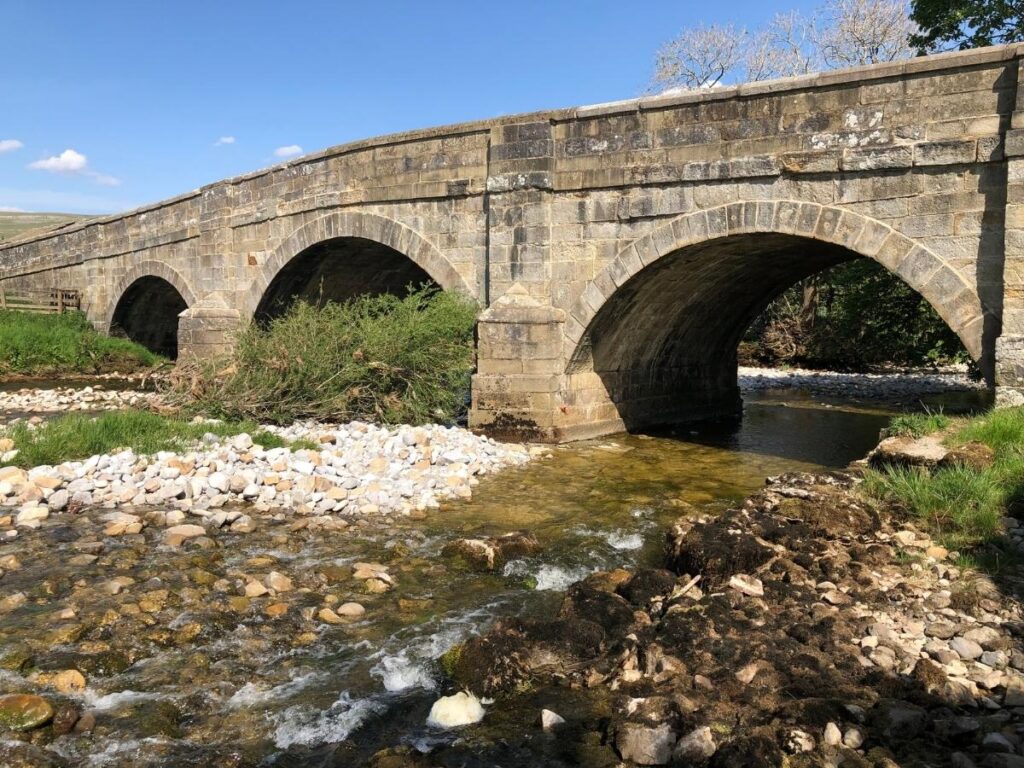
Kettlewell sits in the heart of the Yorkshire Dales National Park, making it a perfect base for hiking. The village is built from grey stone that contrasts beautifully with the green hills surrounding it.
I stayed here for two nights and spent my days walking the trails up to Buckden Pike and Great Whernside. The village has several pubs and cafes that cater to walkers, so you can easily refuel after a day on the fells.
12. Muker
Muker is a tiny hillside village in Swaledale, known for its slate-roofed stone buildings and spectacular setting. The village is a stop on several long-distance walking routes, including the Coast to Coast path.
What I remember most is the sense of remoteness. Muker feels far from everything, even though it’s only about 90 minutes from major cities. The meadows around the village burst with wildflowers in late spring and summer.
Cornwall and Devon Coastal Villages
The coastal villages of Cornwall and Devon offer something completely different: harbor views, seafood, and that special light you only get by the ocean. These villages are perfect if you want to combine countryside charm with beach time.
13. Polperro
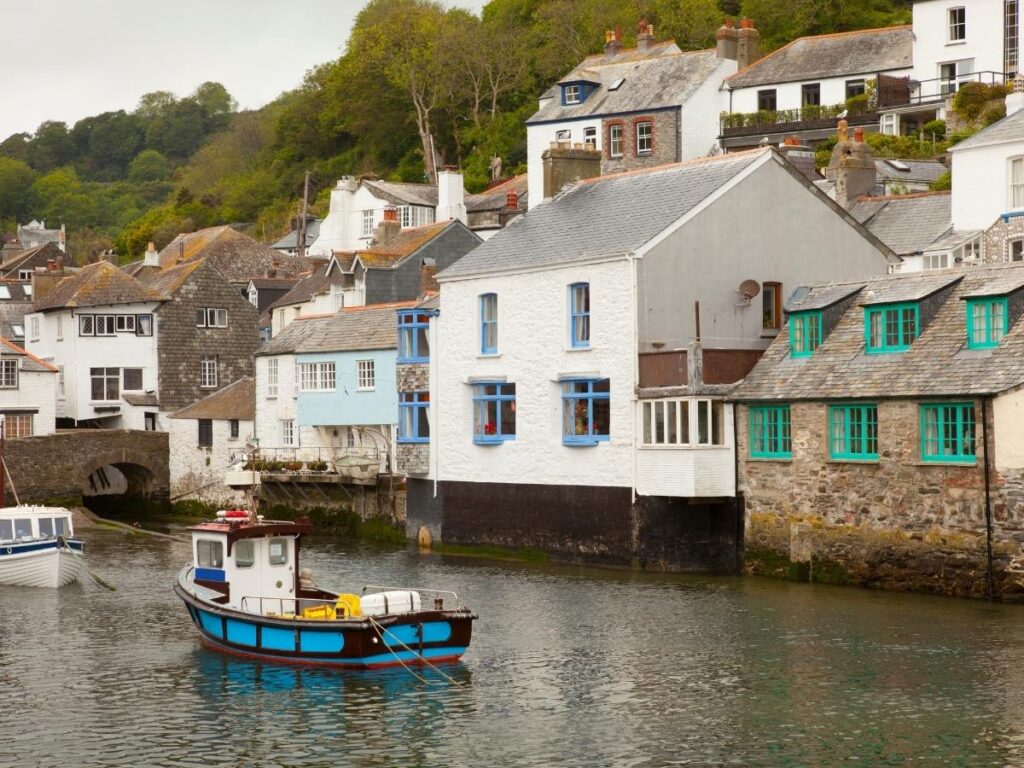
Polperro is a former fishing village that clings to the sides of a narrow harbor inlet. The whitewashed cottages stacked up the hillside and the small boats bobbing in the harbor make it one of Cornwall’s most picturesque spots.
Cars aren’t allowed in the village center, which preserves its peaceful atmosphere. I parked in the lot above the village and walked down through the narrow lanes. The harbor area has several seafood restaurants serving fresh catch.
14. Hope Cove
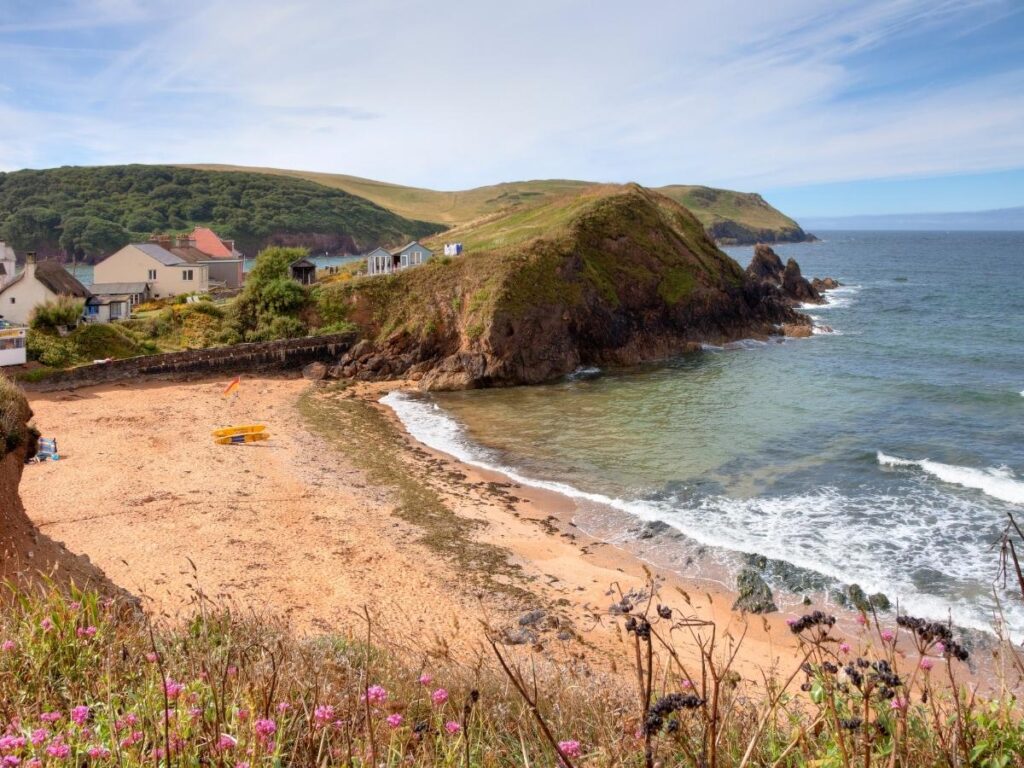
Hope Cove in South Devon is actually two small villages (Inner Hope and Outer Hope) that share a beautiful stretch of coastline. The beaches here are sandy and surprisingly clear, with turquoise water that rivals more famous coastal spots.
I visited in September when the summer crowds had thinned out. The coastal path walks in either direction from Hope Cove are spectacular, especially heading south toward Bolt Tail.
15. Beesands
Beesands is little more than a single row of houses facing a shingle beach, but that simplicity is its appeal. This is a working fishing village where you can still buy lobster and crab directly from the boats.
I stopped here for lunch at the Cricket Inn, which sits right on the beach and serves excellent fish and chips. The village has a raw, authentic quality that some of the prettier spots have lost.
Other Beautiful English Villages
16. Rye, East Sussex
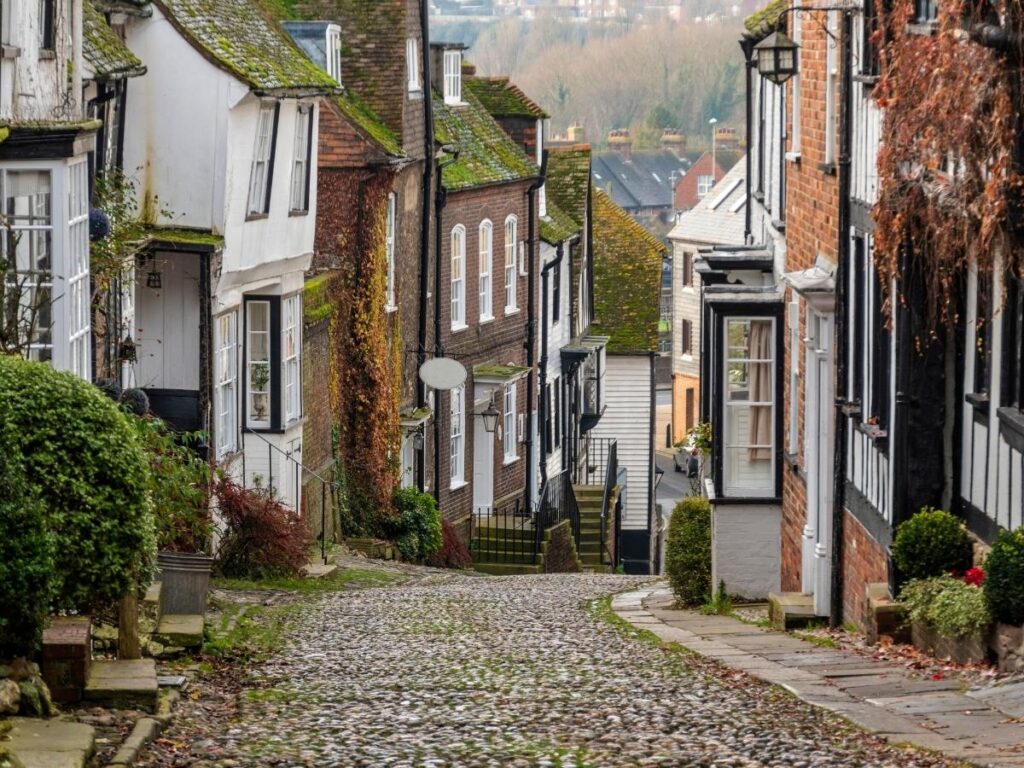
Rye is technically a town, but it has all the charm of a village with its cobblestone streets and medieval architecture. The mix of Tudor and Georgian buildings gives it layers of history you can see just by walking around.
Henry James lived here for nearly 20 years, and you can visit Lamb House, where he wrote some of his most important work. I spent a morning wandering the lanes around Mermaid Street, which is as atmospheric as it sounds.
17. Ombersley, Worcestershire
Ombersley stands out for its black-and-white half-timbered buildings dating back to the Elizabethan era. These timber-framed houses are remarkably well-preserved and give the village a distinctive look compared to the stone villages elsewhere.
The village is small and quiet, making it easy to explore in an hour or two. It’s a good stop if you’re driving through Worcestershire and want a break from the motorway.
18. Hawkshead, Cumbria
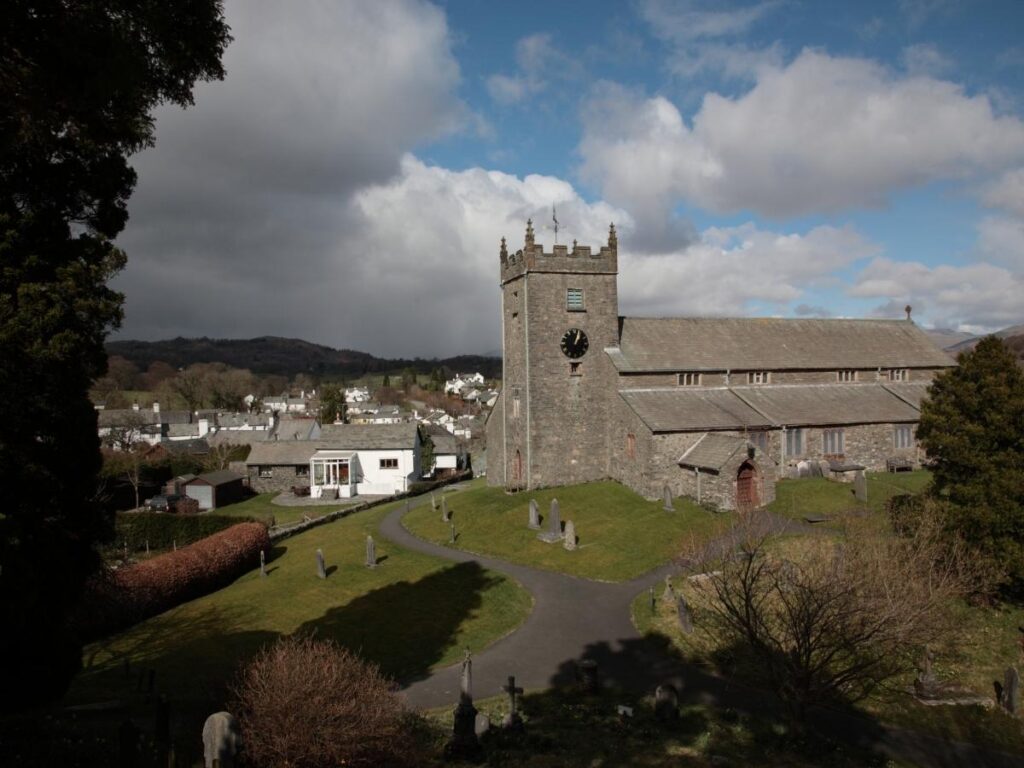
Hawkshead in the Lake District dates back to the 12th century and is one of the region’s best-preserved villages. The whitewashed buildings and car-free center make it feel like a step back in time.
The village is home to the Beatrix Potter Museum, which tells the story of the famous children’s author who spent much of her life in the Lake District. I visited in autumn when the surrounding hills were painted in orange and gold.
Planning Your English Village Trip
Best Time to Visit
I visited in late May through early June and found it ideal. The weather was mild, the gardens were in full bloom, and the crowds hadn’t reached peak summer levels yet. September is another excellent choice for similar reasons.
If you want to avoid crowds entirely, visit midweek in spring or autumn. Some villages, especially in the Cotswolds, can get busy on summer weekends.
Getting Around
A car gives you the most flexibility for village hopping. Many of these places aren’t well-served by public transport, and having your own wheels lets you stop at multiple villages in a day.
That said, some villages (like Kingham and Rye) have train stations. You can also book organized day tours from London that hit several Cotswold villages in one go. I preferred the independence of a car, but the tours work well if you don’t want to drive.
Where to Stay
I recommend staying in one larger village or town and using it as a base for day trips. Places like Broadway, Stow-on-the-Wold, or Keswick have good accommodation options and put you within striking distance of several smaller villages.
If you want a more immersive experience, book a cottage in one of the smaller villages for a few nights. Just know that amenities will be limited.
Final Thoughts
These 18 villages represent the best of England’s countryside, but they’re just the beginning. Almost every region has its own collection of beautiful villages waiting to be explored. What I learned from this trip is that the prettiest villages aren’t always the most famous ones. Some of my favorite moments came from villages I found by accident.
Whether you spend three days in the Cotswolds or three weeks touring the entire country, give yourself permission to slow down. These villages reveal themselves best when you’re not rushing.
Want more England travel inspiration? Check out my guides to the best day trips from London and planning a Cotswolds weekend.
What is the prettiest village in England?
Castle Combe in Wiltshire is often called the prettiest village in England, and it lives up to the reputation with its medieval architecture and riverside setting. That said, Bibury and Painswick in the Cotswolds are equally stunning.
Can you visit English villages without a car?
Some villages like Kingham, Rye, and Broadway have train stations and are accessible by public transport. However, most villages are easier to visit with a car. Day tours from London are a good option if you don’t want to drive.
When is the best time to visit the Cotswolds?
Late spring (May to June) and early autumn (September) offer the best balance of good weather and smaller crowds. Summer is beautiful but busy, especially on weekends.
How many days do you need to explore English villages?
A weekend gives you time to visit four or five villages in one region. A week lets you explore multiple regions at a comfortable pace. I spent three weeks and still didn’t see everything I wanted to.
Are English villages expensive to visit?
Walking around villages is free, though parking fees typically range from £3 to £8. Accommodation in popular villages can be pricey, but staying in nearby towns often saves money. Pub meals and cafes are reasonably priced.
Which region has the most beautiful villages in England?
The Cotswolds has the highest concentration of beautiful villages, all within easy driving distance. The Yorkshire Dales and Cornwall also offer stunning villages with completely different landscapes and architecture.