
Homer was one of those places I didn’t fully understand until I stood there myself. The drive down the Kenai Peninsula already shifts your mindset. Forests open up, the land drops toward the sea, and by the time you reach town, everything feels a little quieter.
Locals call Homer “the end of the road,” but it doesn’t feel like a final stop. It feels more like a place where you slow down and stay awhile.
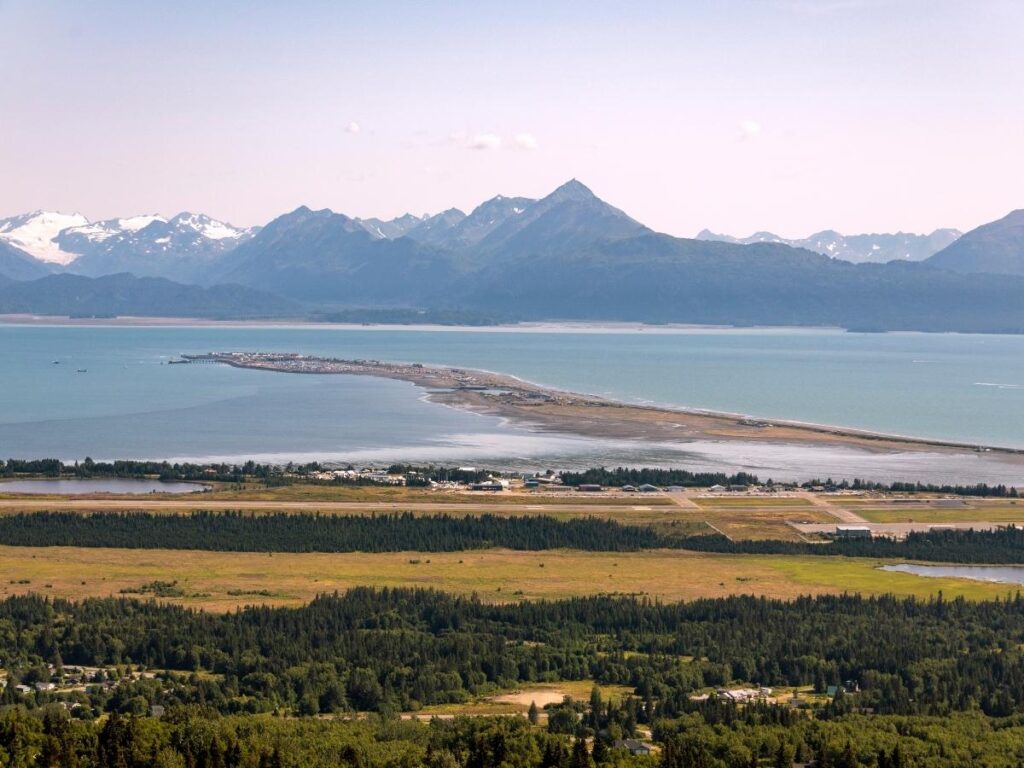
Set along Kachemak Bay, Homer sits right where land and water meet, and that shapes the town’s personality. Fishing boats pull into the harbor, artists unlock gallery doors for the day, and bald eagles circle overhead, often all at once. Nothing feels staged. It’s just how life moves here.
What I liked most about Homer is how easy it is to find balance. You can spend your morning out on the water, your afternoon walking through small museums or art spaces, and your evening watching the light change over the bay. Even when the weather shifts, the town still feels calm rather than rushed.
This guide focuses on the things I honestly think are worth your time, especially if it’s your first visit. I’ll share how to plan your days without overpacking them, where to slow down, and what gives Homer its quiet, slightly offbeat charm.
Getting Oriented: What Makes Homer Special
Homer sits at the very end of the Kenai Peninsula, about a five hour drive from Anchorage, and that distance really does matter. By the time you arrive, the road feels quieter, the scenery opens up, and the town feels removed from the busier parts of Alaska.
It’s the kind of place where you notice the shift as soon as you step out of the car.
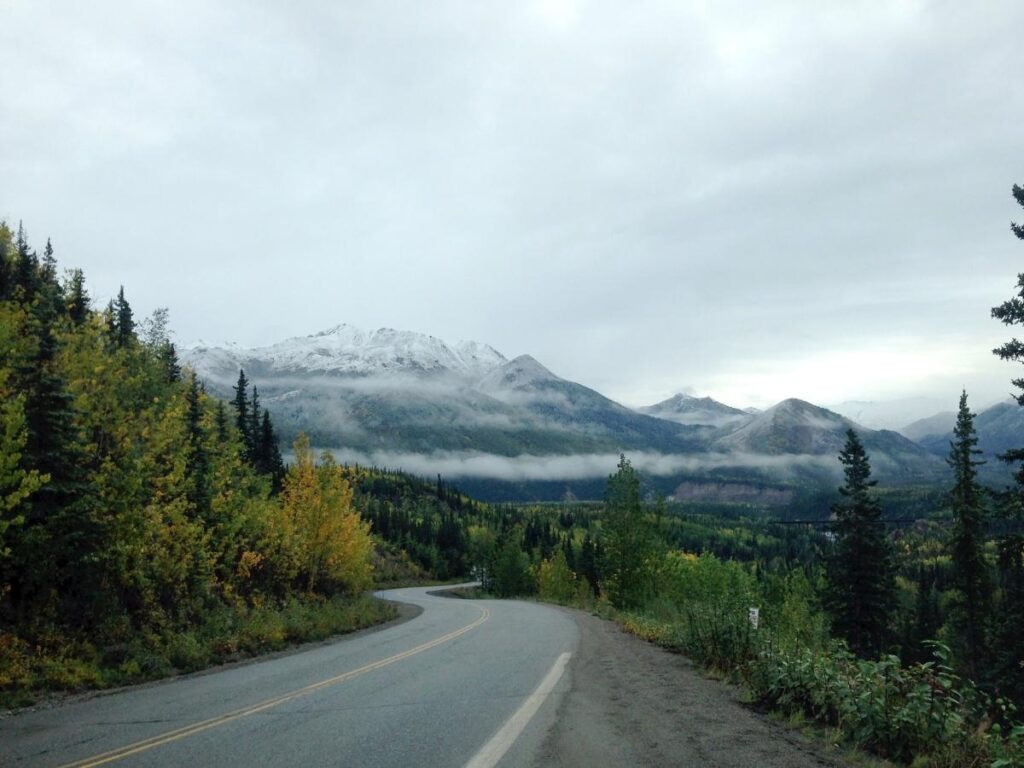
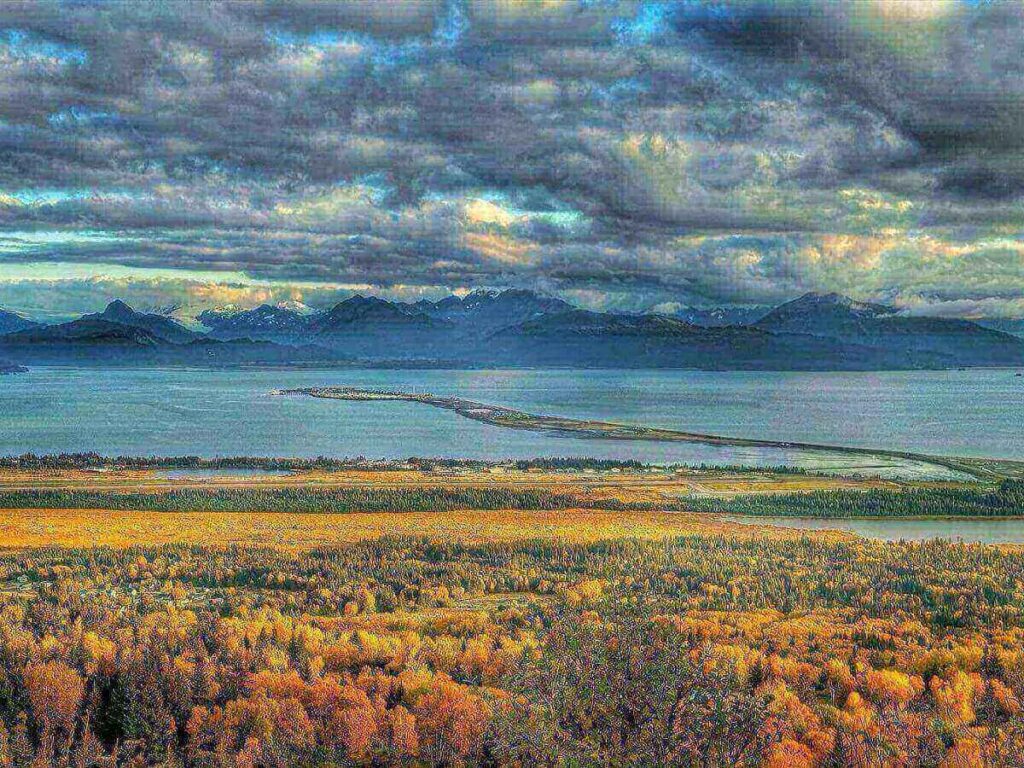
The town itself is small and spread out, shaped by the water on one side and low hills on the other. The Homer Spit stretches into Kachemak Bay, while the rest of town sits back from the shoreline, still very much influenced by fishing seasons and the weather. It feels lived in and practical rather than built purely for visitors.
The landscape does most of the work here. On clear days, you can see mountains and glaciers across the bay. When the weather rolls in, the light changes quickly and gives the place a softer, quieter feel. Homer isn’t about moving fast or checking off sights. It’s about leaving space in your day to wander, pause, and let the town show you what makes it special.
Walk the Homer Spit (And Actually Take Your Time)
The Homer Spit is the heart of town, but it’s also one of the easiest places to rush through. On a map, it looks simple: a narrow strip of land stretching about four and a half miles straight into Kachemak Bay.
In real life, it feels more layered. Water sits on both sides, the mountains rise in the distance, and something is always happening around the harbor.

I liked starting here early in the day, before the Spit fills up. Mornings are quieter, with fishermen unloading gear, boats coming and going, and sea otters floating just offshore like they’ve claimed the place as their own.
It’s a good time to walk slowly, stop often, and just watch how the harbor works. Even if you don’t have a plan yet, the Spit gives you a feel for Homer right away.
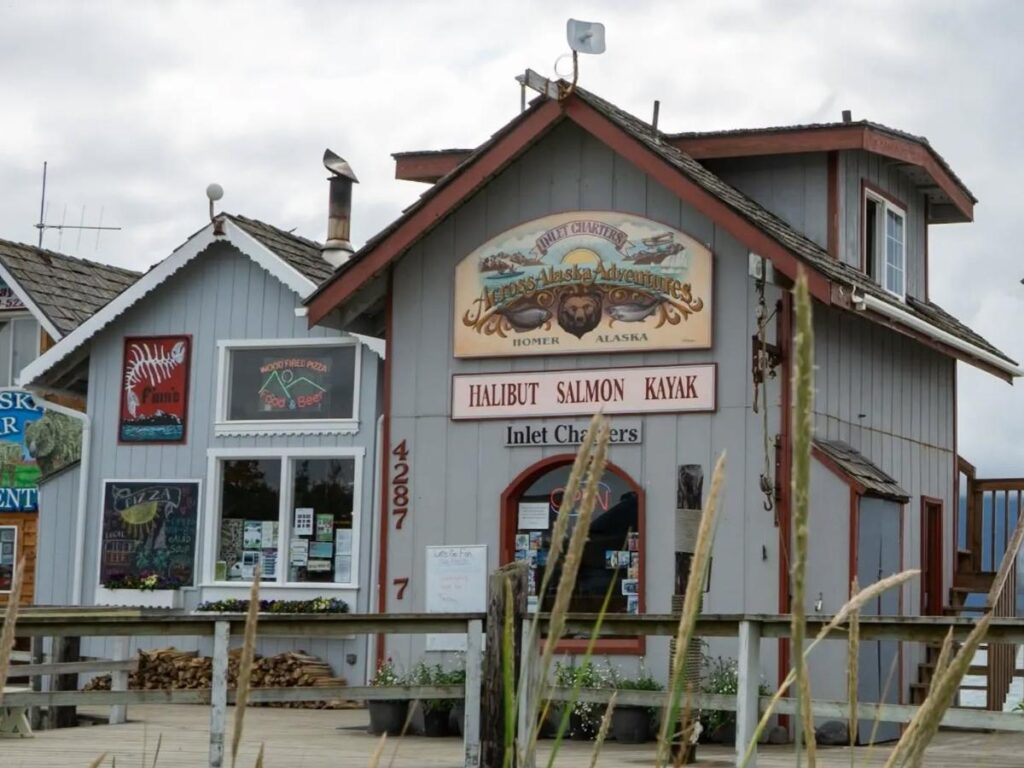
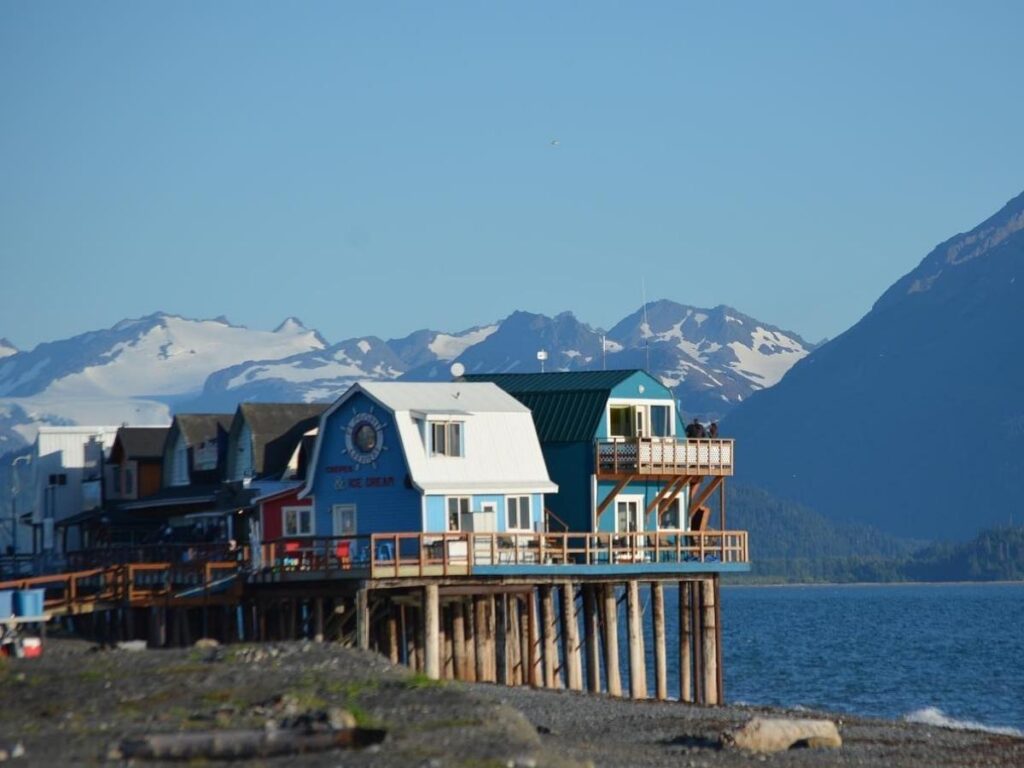
As you walk, you’ll pass small shops, casual food stands, and a few spots that are perfect for pausing and looking out over the bay. It’s easy to cover the whole length, but there’s no reason to rush it.
This is also where most boat tours, fishing charters, and water taxis depart, so you’ll likely pass people gearing up for the day. If you have something scheduled later, starting here makes everything else feel more connected.
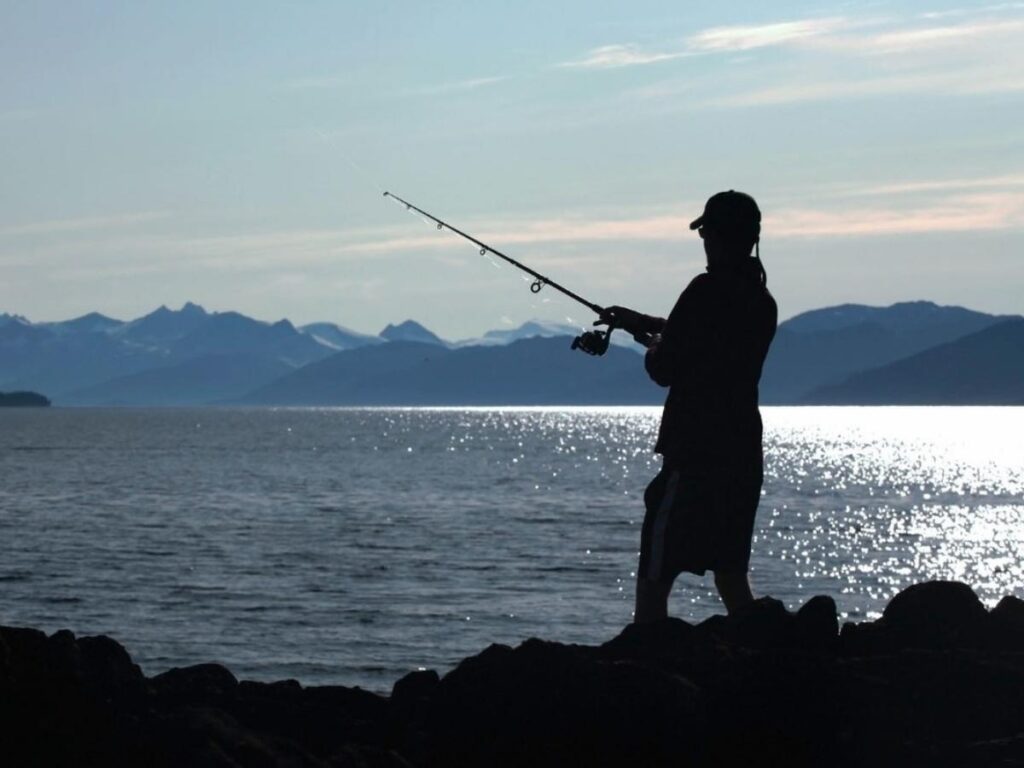
At the very end of the Spit is the Nick Dudiak Fishing Lagoon. It’s popular with families and anyone looking for something low key. You don’t need to fish to enjoy it. Birds gather here, eagles often circle overhead, and the views across the open water are wide and peaceful.
It’s a simple place, but a good reminder that in Homer, even the quieter stops tend to leave an impression.
Get Out on Kachemak Bay
If you only make time for one thing in Homer, let it be getting out on the water. Kachemak Bay is where the place really opens up. From the bay, the mountains feel closer, glaciers sit quietly in the distance, and the town fades into the background in the best way.
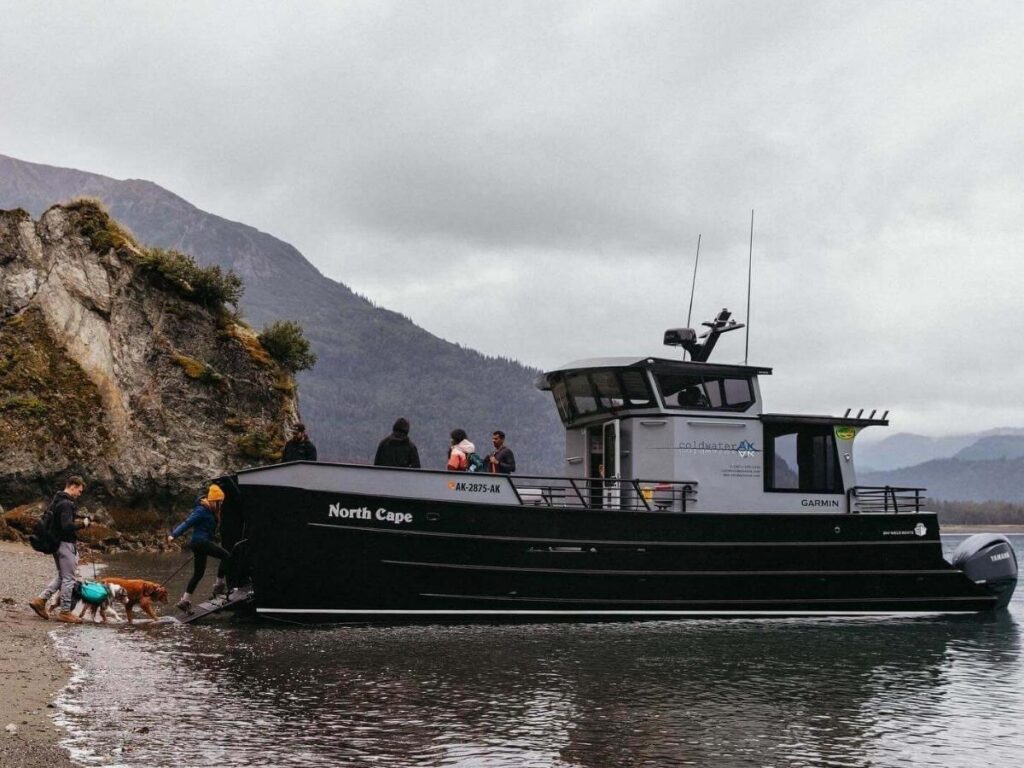
Water taxis are one of the easiest ways to explore. They run regularly from the Homer Spit and can drop you at trailheads, remote beaches, or small communities across the bay. You don’t need a detailed plan, but it helps to know whether you want an active day or something more relaxed.
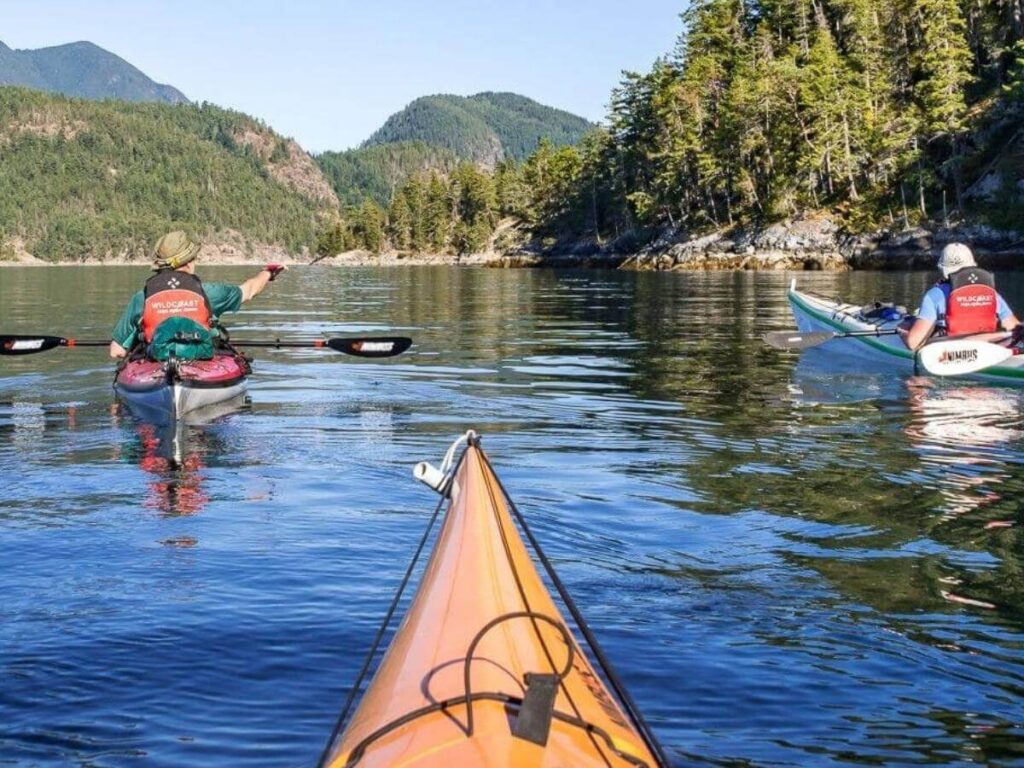
Kayaking is one of my favorite ways to experience the bay, especially when the weather cooperates. Paddling along the shoreline gives you time to notice small details like drifting kelp, diving seabirds, and the steady sound of water against rock.
Because the water is cold, guided trips are a good option if you’re new to sea kayaking or want local insight.
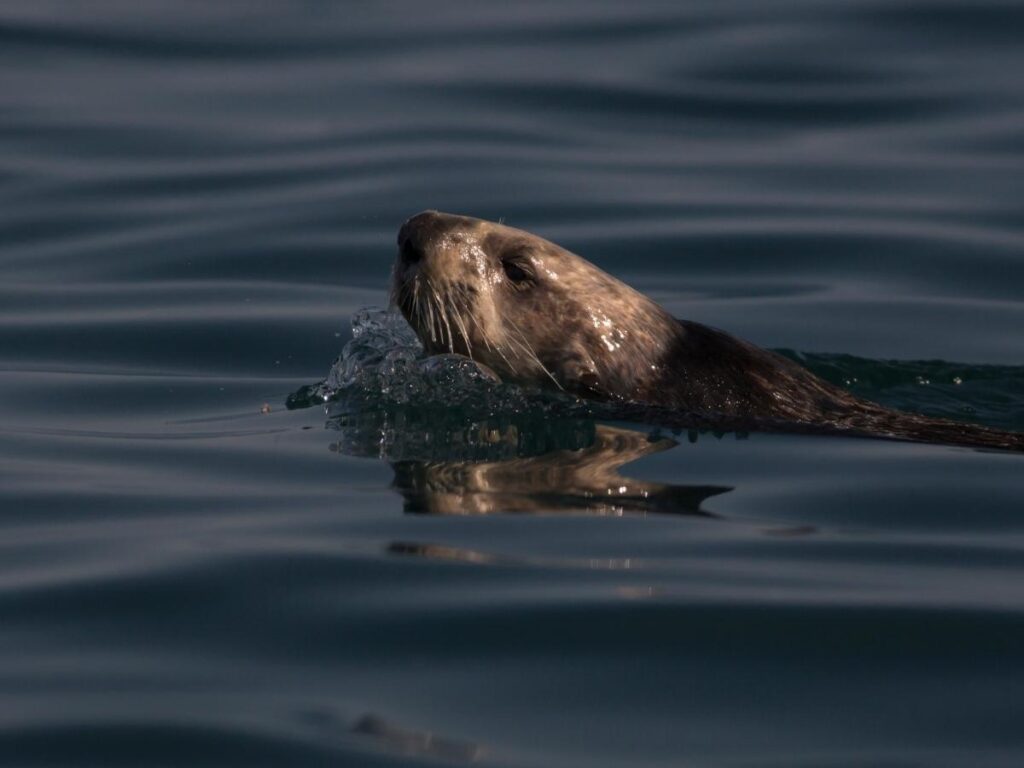
For a slower pace, scenic cruises and wildlife tours let you experience the bay without much effort. Sea otters and seals are common, and depending on the season, whales sometimes pass through. It’s an easy, rewarding way to see what makes Homer feel so expansive.
Wildlife Experiences Worth Planning For
Homer is known for its wildlife access, but it’s important to approach it thoughtfully. Some experiences require advance planning and a bigger budget, while others happen naturally as you move through town.

Bear viewing trips are one of the biggest draws. These usually involve a floatplane flight to Katmai or Lake Clark National Park, where brown bears gather near rivers to fish. It’s not a casual outing, but if it fits your budget and timing, it’s a powerful experience that feels respectful and carefully managed.
Closer to town, wildlife feels more woven into everyday life. Bald eagles are everywhere, especially near the harbor. Sea otters often float just offshore, and whales pass through the area seasonally. I found that slowing down made these moments more frequent. Sitting quietly near the water often brought more sightings than actively searching.
Hiking and Time Outdoors Beyond the Town Center
Homer is a good base for hiking, but many of the best trails require crossing the bay. Kachemak Bay State Park holds some of the area’s most memorable routes, and water taxis make access straightforward.
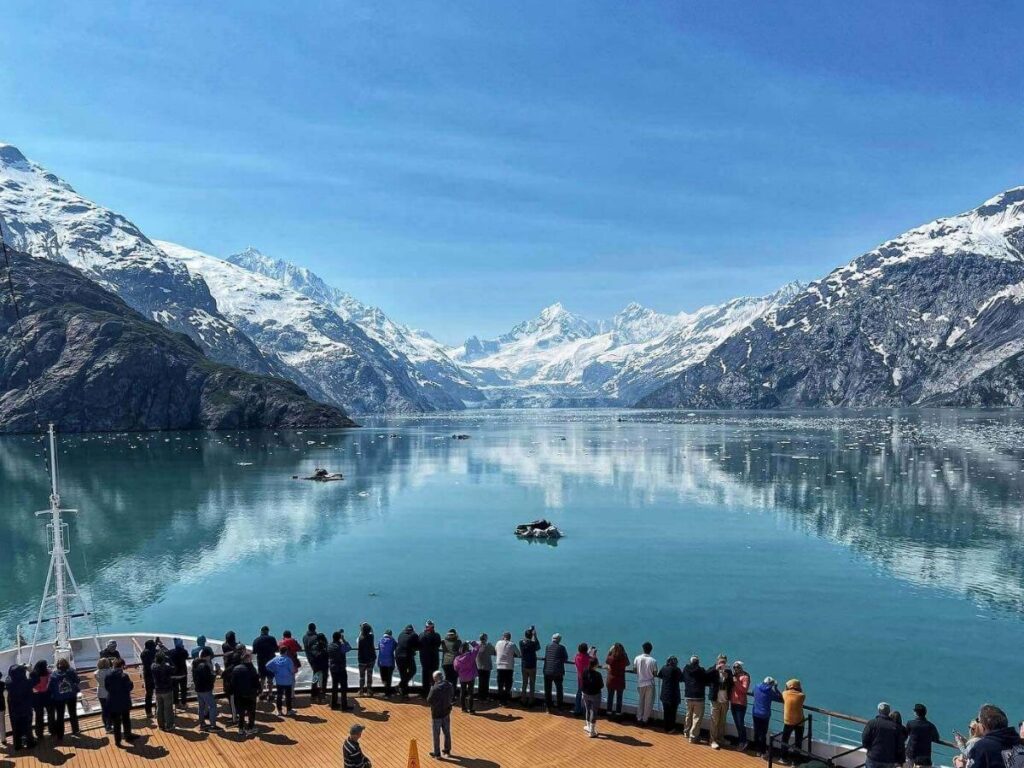
The Grewingk Glacier Lake Trail is a popular option and for good reason. The hike itself is manageable for most people, and the reward at the end is a quiet lake with views of a glacier tucked into the mountains. It feels remote without being overwhelming.
Closer to town, there are shorter trails and beach walks that still deliver strong scenery. I liked combining light hiking with time near the water, especially on days when the weather shifted quickly. Always check tide tables if you’re planning beach walks, as tides can change faster than expected.
Easy Day Trips From Homer
One of Homer’s strengths is how easily it connects to smaller, quieter places nearby.
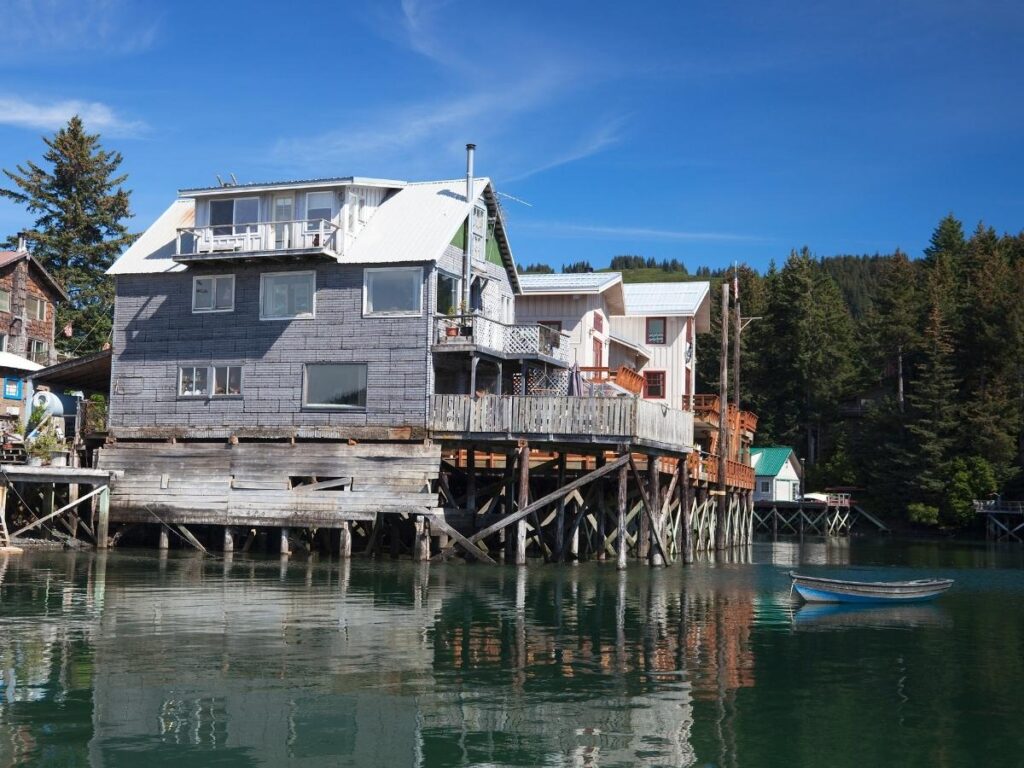
Seldovia makes a great day trip. A short ferry ride takes you to a compact town with boardwalks, old buildings, and a slower rhythm. It’s easy to explore on foot, and the ride itself adds to the experience.
Halibut Cove feels different again. It’s artsy, a little tucked away, and built along wooden walkways above the water. Galleries, small restaurants, and homes all seem to blend into the landscape. It’s a good reminder that Alaska has many personalities, even within a short distance.

If you’re short on time, scenic flightseeing tours offer a way to see glaciers and mountains without committing a full day. They’re brief but memorable, especially on clear days.
Art, History, and the Creative Side of Homer
Homer has a strong creative streak that shows up in small but meaningful ways. Gallery Row near the harbor is a good place to start. Many of the artists live locally, and the work reflects the landscape without feeling repetitive.

The Pratt Museum adds helpful context. It covers local history, Indigenous culture, and the natural environment, making it easier to understand how people have lived here over time. I found it especially useful early in my visit, as it shaped how I saw the area afterward.
The Alaska Maritime National Wildlife Refuge Visitor Center is another quiet stop that’s worth your time. It’s free, informative, and focused on the wildlife that defines the region.
Where to Eat and Drink in Homer
Food in Homer feels straightforward in the best way. There’s a strong focus on fresh ingredients, especially seafood, and most places don’t try to overcomplicate things. Halibut and salmon show up on menus all over town, often grilled, fried, or served simply so the flavor speaks for itself.

If you enjoy seafood, it’s worth ordering it more than once, because preparation and atmosphere can vary a lot from place to place.

The Salty Dawg Saloon on the Homer Spit is hard to miss and even harder to ignore. It’s busy most days, especially in summer, but it also feels like a piece of living history. The walls are covered in dollar bills and handwritten names from years of visitors passing through, and there’s a constant mix of locals, fishermen, and travelers stopping in for a drink.
You don’t have to stay long to appreciate it. Even a quick visit gives you a sense of how connected the place is to the town’s fishing roots.

Mornings in Homer tend to be slower, and the coffee shops and bakeries around town fit that rhythm well. A warm drink and something simple to eat go a long way here, especially when paired with a short walk overlooking the bay.
I liked starting my days this way, without a strict plan, letting the weather and the light help decide what came next. It’s an easy way to settle into Homer’s pace before heading out for the day.
How I’d Spend 1, 2, or 3 Days in Homer
One Day in Homer
If you only have one day in Homer, the key is to stay close and not overplan. I’d start the morning on the Homer Spit, not with the goal of seeing everything, but just to ease into the day. Grab a coffee, walk a short stretch, and watch the harbor come to life.
Fishermen unloading gear, boats pulling in and out, and the occasional sea otter drifting by give you a good sense of how the town works. If the skies are clear, take a few minutes to look across Kachemak Bay toward the mountains and glaciers, it sets the tone for the rest of the day.
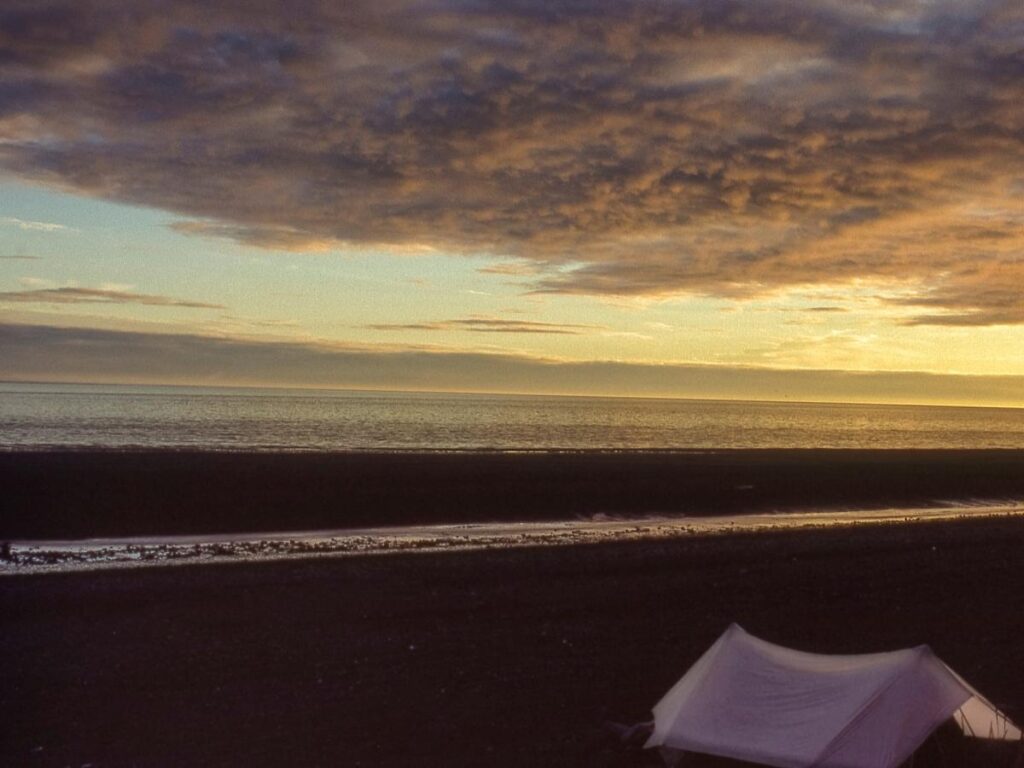
By early afternoon, getting out on the water makes a big difference, even if it’s only for a couple of hours. A short boat tour or a guided kayak trip lets you experience the bay without turning the day into a long excursion. You’ll see the landscape from a different angle, and wildlife sightings often feel more natural once you’re away from shore.
After that, head back into town and keep the evening simple. An easy dinner overlooking the water, especially around sunset, feels like the right way to wrap up a short visit. At this pace, one day still feels full, not rushed.
Two Days in Homer
With two days, you can slow down and explore beyond town without feeling pressed for time. I’d use the first day much like the one day plan, focusing on the Spit, the harbor, and a short time on the water. On the second day, cross Kachemak Bay.
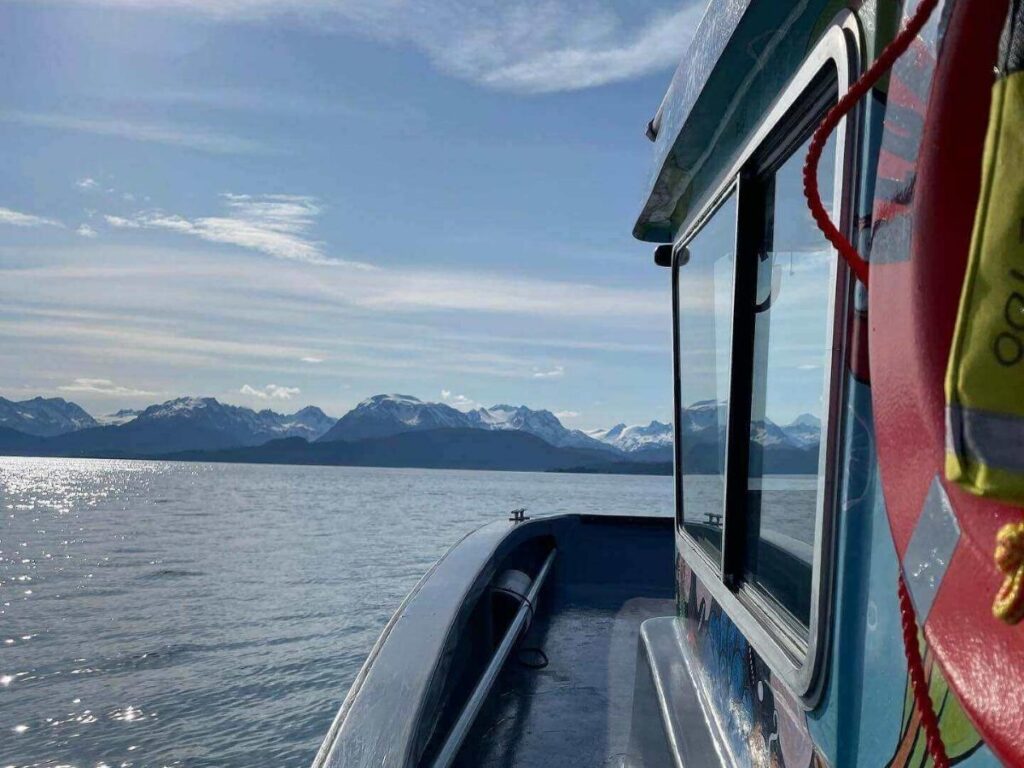
Water taxis make it easy to reach trailheads, quiet beaches, or small stretches of coastline where you can spend a few hours hiking, kayaking, or simply sitting somewhere remote and quiet.
When you return in the afternoon or early evening, take advantage of Homer’s creative side. Wander through local galleries, visit a museum, or choose a restaurant you skipped the night before.

Evenings feel especially calm once the day visitors have headed out, and the town takes on a slower rhythm. It’s a good time to notice the smaller details, the art, the conversations, the changing light, that give Homer its personality.
Three Days in Homer
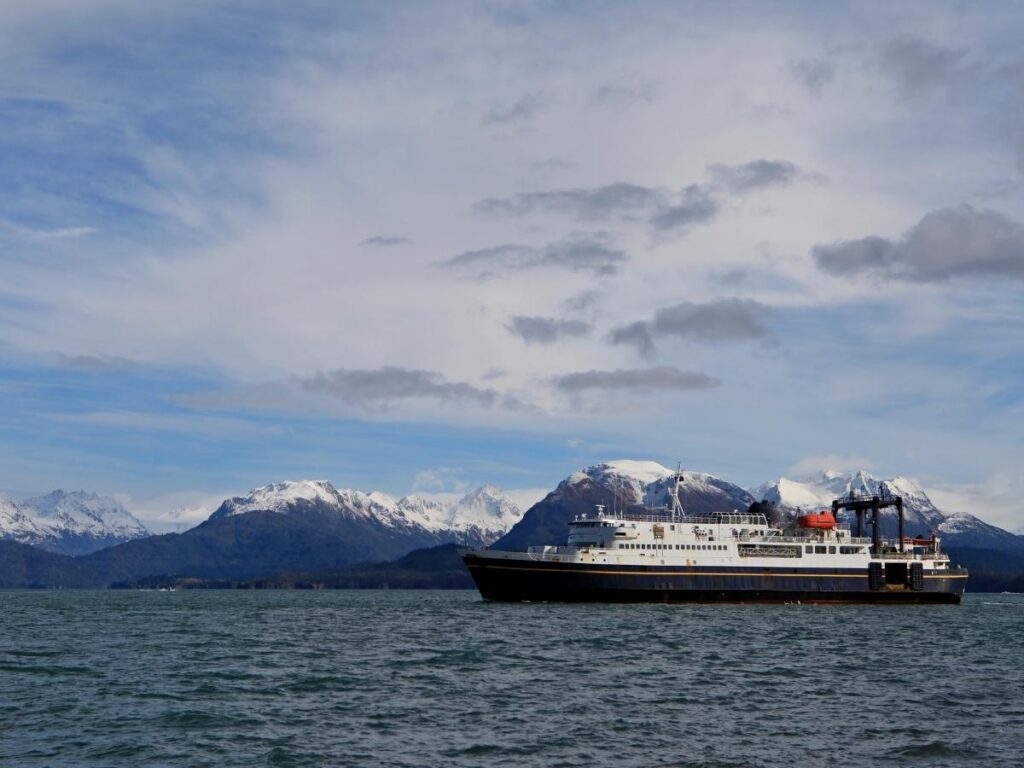
Three days gives you breathing room, which is when Homer really starts to shine. You can follow the weather, adjust plans, and leave space for rest. Along with time on the Spit and on the bay, I’d set aside a full day for a boat trip to Seldovia or Halibut Cove.
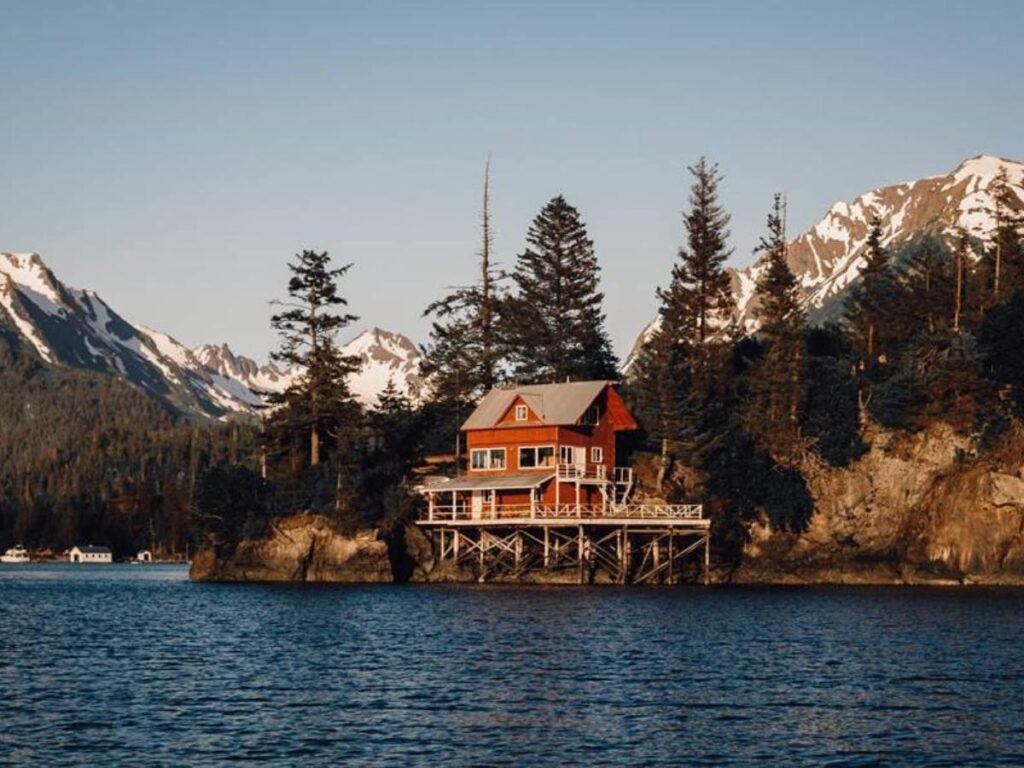
Both are easy to reach and feel noticeably different from Homer, offering a quieter, more intimate look at life along the water.

If a day trip doesn’t appeal, this is also the best window for wildlife focused outings like whale watching or bear viewing. These trips depend heavily on conditions, so having an extra day makes scheduling much easier.
With three days, you can mix bigger experiences with slow mornings and unplanned moments, and that balance is what makes a stay in Homer feel especially rewarding.
Practical Tips Before You Go
Weather in Homer has a mind of its own, and it’s best to plan with that in mind. Conditions can shift quickly, sometimes within the same hour, so dressing in layers matters more than what you wear. Even in summer, a light waterproof jacket can make the difference between enjoying a walk and cutting it short.
If you’re heading out on the water, check marine conditions the day of, not just when you book. Wind and visibility can change plans, and it helps to stay flexible rather than trying to force a schedule.
Getting around is fairly easy once you’re there, but having a car gives you more freedom. A rental makes it simpler to reach viewpoints, trailheads, and quieter stretches outside the main areas.
Within Homer itself, everything is spread out but close enough that short drives are the norm. You don’t need to rush between stops, and building in extra time for weather or spontaneous detours usually pays off.
It also helps to plan your bigger activities earlier in your stay. That way, if the weather pushes something back, you still have room to adjust. Homer works best when you let it set the pace rather than trying to stick to a tight plan.
Final Thoughts
Homer isn’t a place that competes for your attention. It invites you in quietly and lets you discover it at your own speed. The longer you stay, the more you notice the small things: the way the light moves across Kachemak Bay, how conversations slow down, how easy it is to lose track of time by the water.
If you’re drawn to places that balance wild landscapes with creativity, good food, and a strong sense of community, Homer fits that space naturally. It’s not about doing everything or filling every hour. It’s about choosing a few experiences that matter to you and leaving room for the rest to unfold on its own.