
Picture this: cobblestone streets winding between half-timbered houses, window boxes overflowing with geraniums, and a church bell echoing across hillside vineyards. I thought I knew France until I ventured beyond Paris and discovered the country’s real treasures, its villages.
Over the past few years, I’ve explored dozens of France’s officially designated Plus Beaux Villages (Most Beautiful Villages), and each one has surprised me in different ways. Some perch dramatically on clifftops above river valleys, others nestle into lavender-scented hills, and a few look like they’ve been plucked straight from a storybook.
Whether you’re planning a romantic getaway, a wine-tasting road trip, or simply want to experience provincial France at its most authentic, I’ll share the villages that left the biggest impression on me, plus practical tips I learned along the way.
Understanding Les Plus Beaux Villages de France
Before I started planning my village visits, I didn’t realize there was an official designation. The Plus Beaux Villages de France association was formed in 1981 by Charles Ceyrac, Mayor of Collonges-la-Rouge, to preserve small villages and support local economies through tourism.
To qualify, villages must have a rural setting, a population under 2,000, and at least two protected historical monuments. As of 2025, 184 villages hold this designation across 14 regions and 70 departments.
What this meant for me: these aren’t just pretty villages they’re living communities committed to preserving their heritage. When you visit, you’re supporting that preservation.
The Dordogne Valley: Medieval Perfection
The Dordogne region has the highest concentration of Plus Beaux Villages, and after visiting, I understand why.
Collonges-la-Rouge
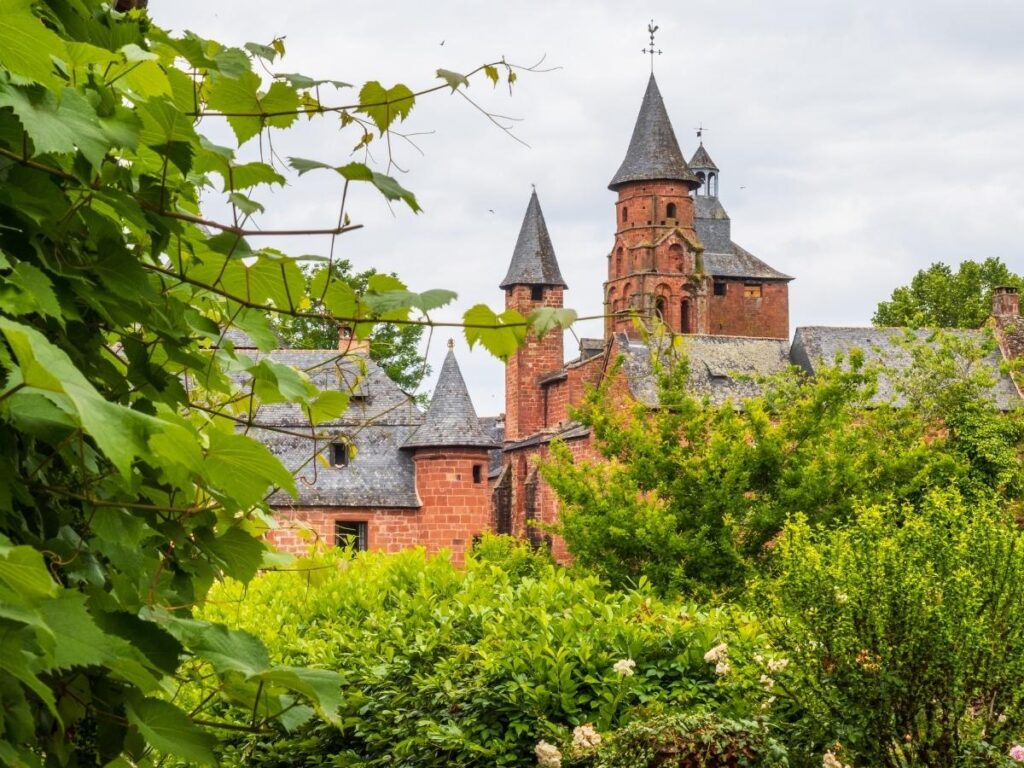
This was the first village I visited, and it set the bar impossibly high. Collonges-la-Rouge features dark red stone houses, turrets and towers, covered in flowering vines. The entire village glows in shades of crimson and burgundy.
I spent an entire afternoon here, which I recommend. The tourist office provides a walking map highlighting the church, the Mermaid’s House, and other historic buildings. My favorite moment? Sitting at a café terrace watching the late afternoon sun turn the red stone almost purple.
Insider tip: Visit in late afternoon when day-trippers have left. The lighting is phenomenal for photos.
Beynac-et-Cazenac
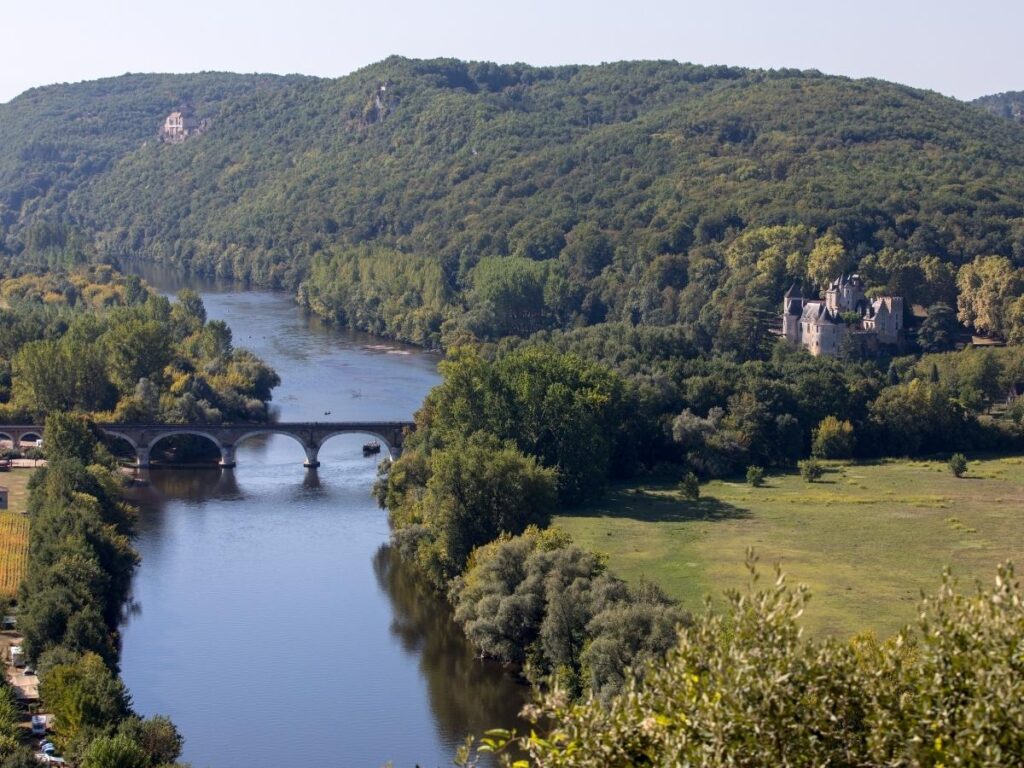
With stunning views and one of the most impressive Dordogne castles, Beynac is unmissable. The village clings to a cliff face above the Dordogne River, crowned by a medieval fortress.
I climbed to the château (it’s steep, but worth it) and the panoramic views across the river valley took my breath away. The village below is a warren of narrow lanes and honey-colored stone houses.
What to know: Parking is limited. Arrive early or late in the day, especially in summer.
La Roque-Gageac
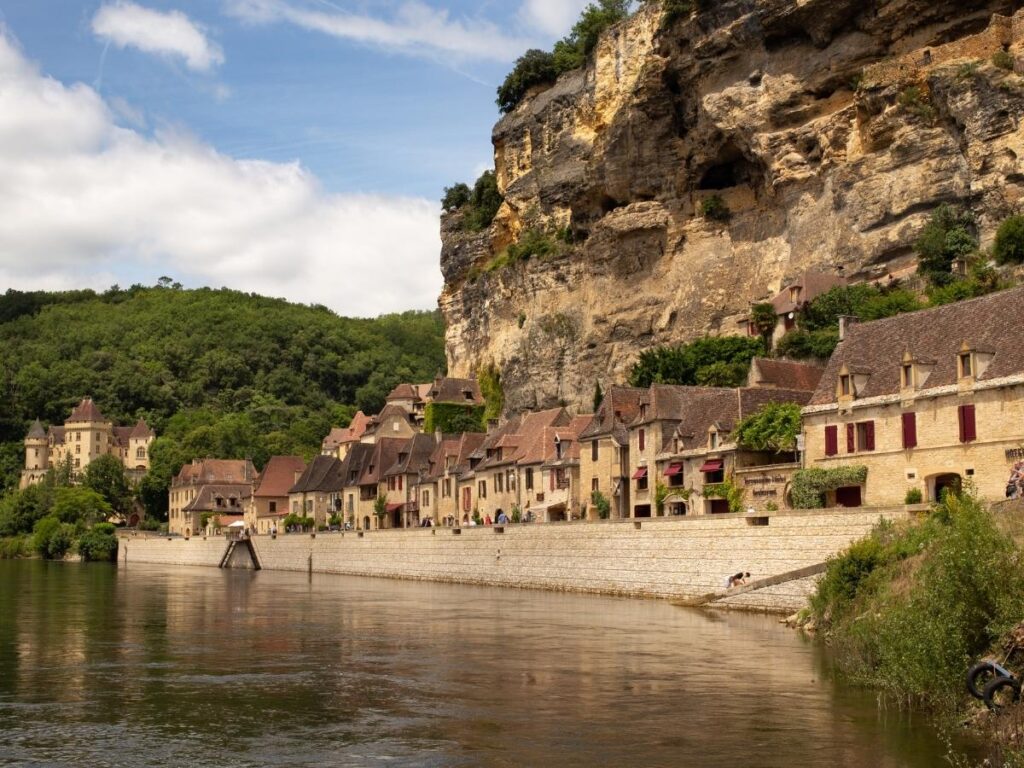
This village wedges itself between limestone cliffs and the Dordogne River. I rented a canoe and paddled past it, seeing the village from the water gave me a completely different perspective. The subtropical gardens thriving against the cliff face surprised me, sheltered as they are in a unique microclimate.
Provence: Hilltop Villages and Lavender Dreams
Provence has more Plus Beaux Villages than any other region I visited. The landscape alone has olive groves, vineyards, and those famous lavender fields which would be worth the trip, but the villages elevate it to something extraordinary.
Gordes
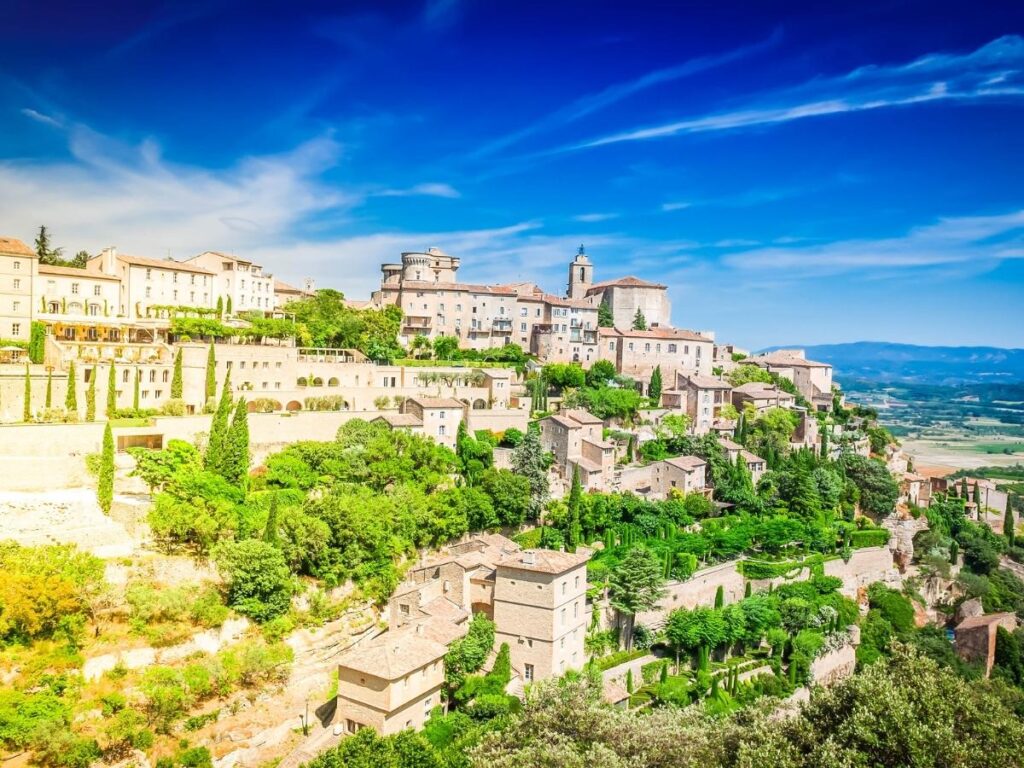
Often cited as the most beautiful village in France, Gordes is a quintessential Provençal village atop a rock, renowned for attracting artists. When I first saw it from a distance, the village seemed to rise organically from the rocky outcrop, all white and golden stone against the blue sky.
I stayed two nights here, and I’m glad I did. Mornings were quiet enough to explore without crowds. The village hosts art and music festivals that create a festive atmosphere.
Don’t miss: The sunset view from the village ramparts is one of the best I’ve seen in France. Also, the nearby Abbaye de Sénanque with its lavender fields (blooming mid-June to mid-August) is worth planning around.
Roussillon
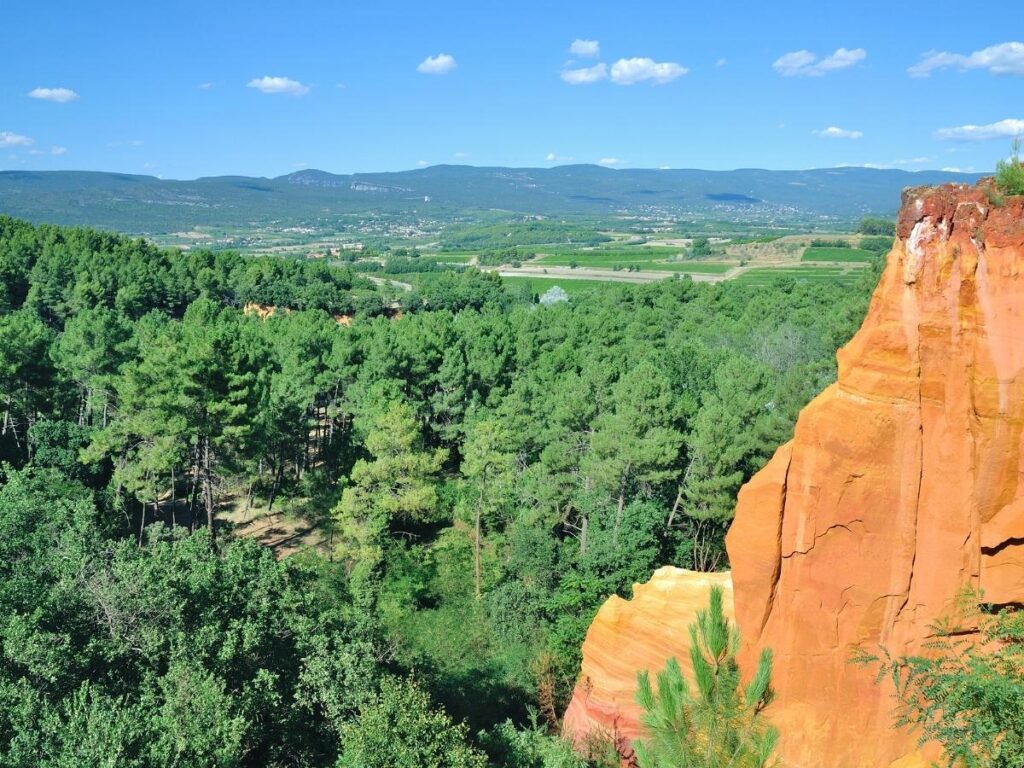
Roussillon’s ochre pigments range from orange to red and were used in the 18th and 19th centuries for textiles and paints. Walking through this village felt surreal, the buildings glow in shades of terracotta, burnt orange, and deep red.
I hiked the Sentier des Ocres (Ochre Trail) just outside the village. The landscape looks like something from another planet, with ochre cliffs creating a natural palette of colors. Wear shoes you don’t mind getting stained the red dust is everywhere.
Les Baux-de-Provence
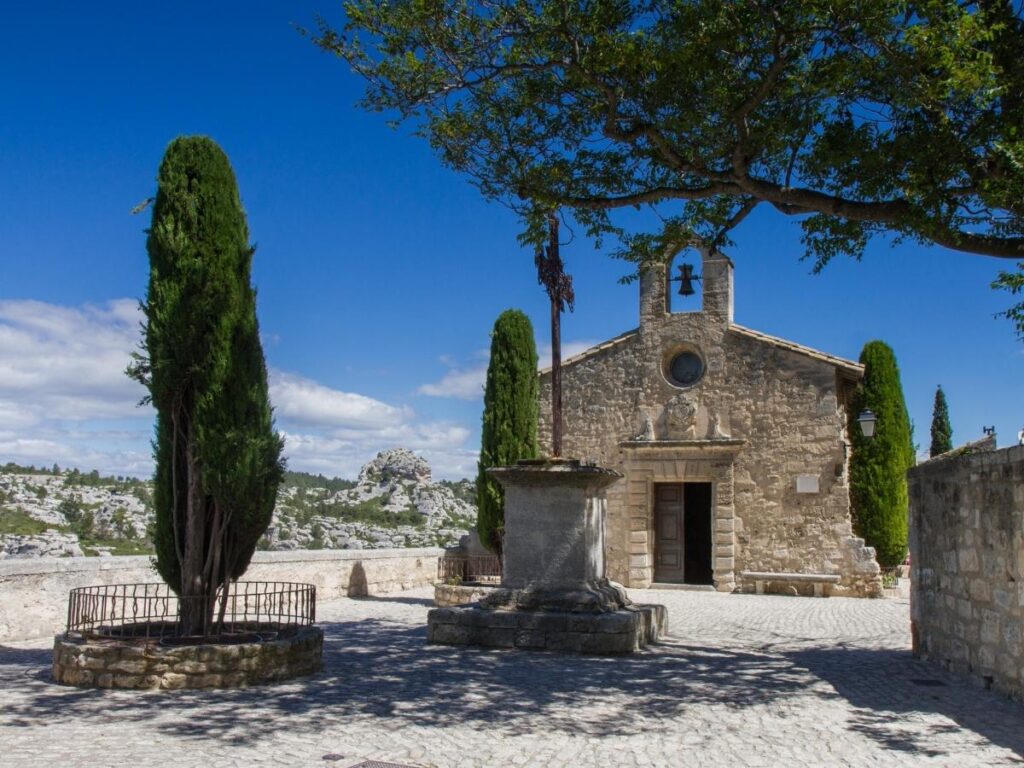
While Les Baux-de-Provence is often considered overrun with tourists during high season, it’s worth visiting for the château and the nearby Carrières de Lumières. I visited in May before peak summer, and it was manageable.
The château ruins offer commanding views across the Alpilles mountains and the surrounding countryside. The Carrières de Lumières an immersive art exhibition in a former quarry was an unexpected highlight.
Alsace: Fairy-Tale Wine Villages
The Alsace region blew me away. The German-French fusion creates something unique half-timbered houses in rainbow colors, storks nesting on chimneys, and some of the best white wine I’ve tasted.
Eguisheim
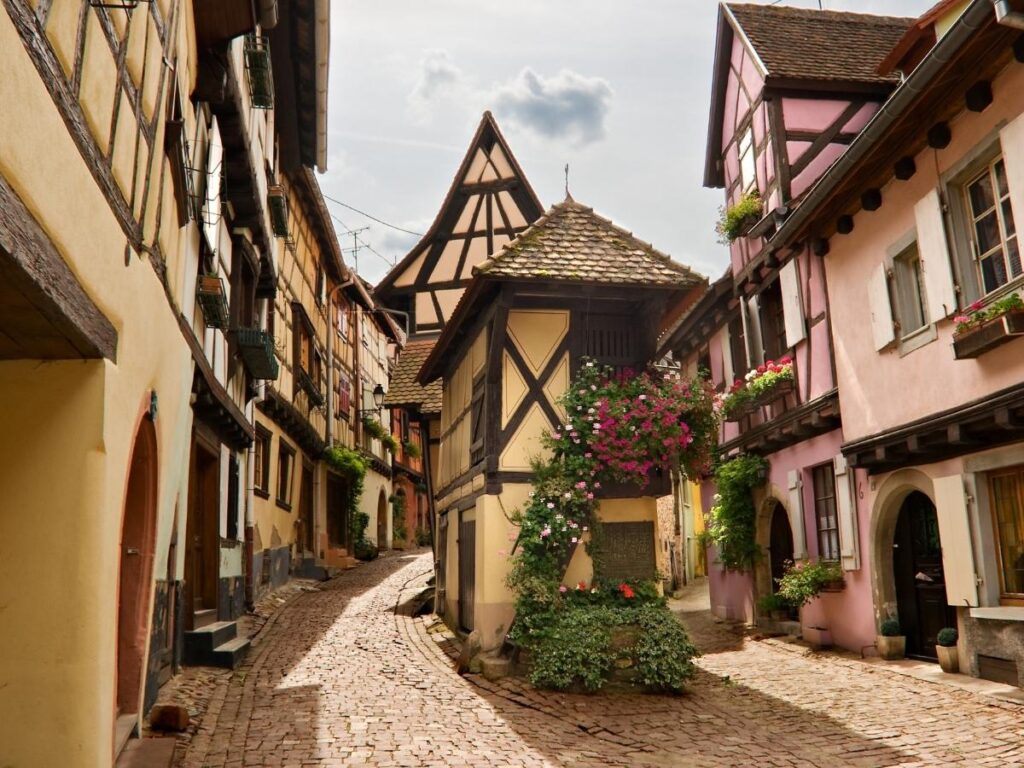
In May 2013, Eguisheim was voted ‘Village préféré des Français’ (Favorite French Village), and walking through it, I could see why. The streets and colorful half-timbered houses are built in concentric circles around the 13th-century octagonal castle.
I followed the Discovery Trail that winds through the village, but honestly, getting lost in those circular streets was half the fun. Every turn revealed another impossibly photogenic corner.
Storks nest on rooftops and chimneys around Eguisheim, part of France’s successful repopulation program. I spotted several and loved watching them.
Wine tip: Eguisheim produces wine from two Grand Cru vineyards, Eichberg and Pfersigberg. I visited Domaine Emile Beyer (producing wine since 1580) for a tasting and it was exceptional.
Riquewihr
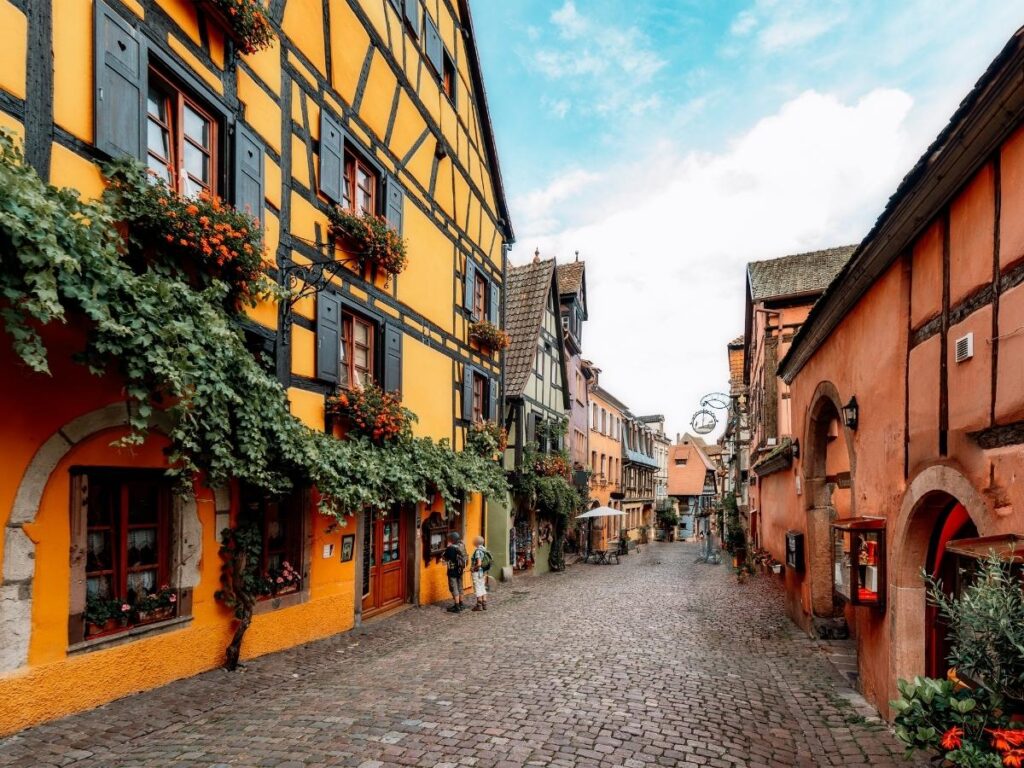
Riquewihr and nearby Ribeauvillé inspired Belle’s hometown in Disney’s Beauty and the Beast. When I arrived, I immediately understood the connection, it looks exactly like a movie set.
Riquewihr looks today as it did in the 16th century, with 48 National Heritage buildings, third-most in Alsace after Strasbourg and Colmar. The main street (Rue du Général-de-Gaulle) runs uphill through the village, lined with perfectly preserved medieval houses.
Here’s what I learned: Most tourists visit Riquewihr for the day; by 6 p.m., most visitors are gone. I arrived at 8 a.m. and had the village almost to myself for two glorious hours. The difference was night and day compared to when I returned later.
Where to eat: I grabbed breakfast at Kouglopf & Cie when it opened at 7 a.m. their kougelhopf (traditional Alsatian cake) paired perfectly with strong coffee.
Kaysersberg
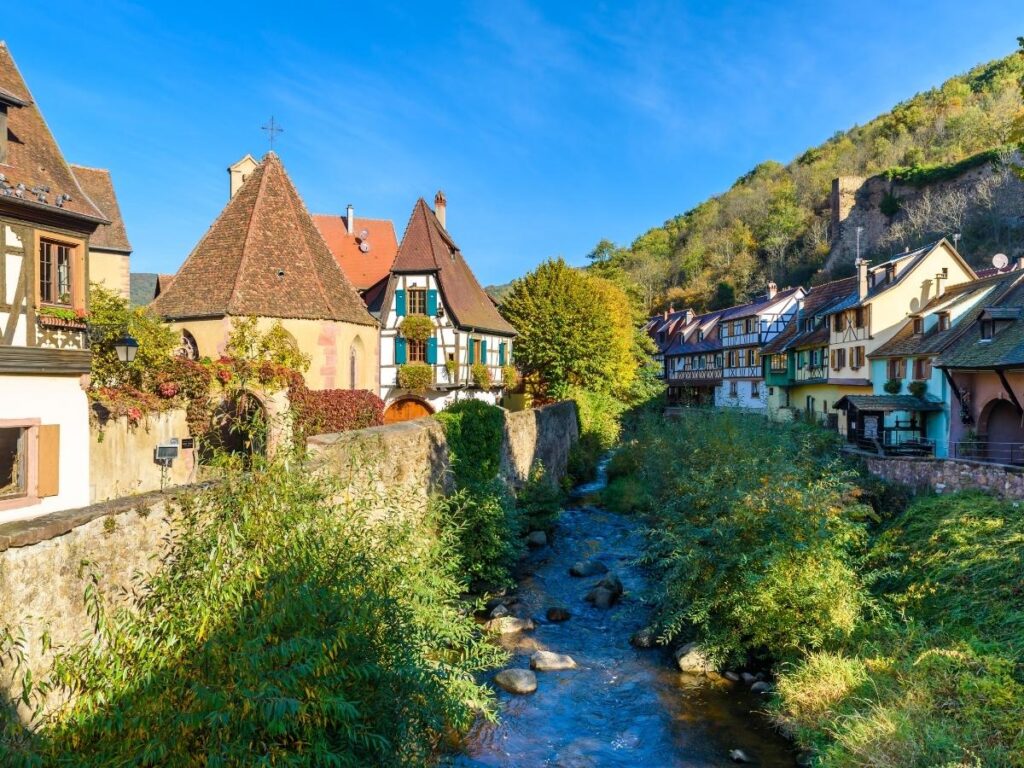
Voted ‘Favorite Village of the French’ in 2017, Kaysersberg charms visitors with cobbled lanes, hillside castle, and the Weiss River flowing beneath a stone bridge. I found it less crowded than Riquewihr but equally charming.
The castle ruins above the village offer excellent views. I also caught the Night Watchman’s Round (May through October) a centuries-old tradition where a costumed watchman walks through the village at 10 p.m. It’s touristy, yes, but also genuinely fun.
Aveyron: France’s Best-Kept Secret
Aveyron has the highest number of Les Plus Beaux Villages de France at 11 total. I’d never heard of this department before planning my trip, but it became one of my favorite regions.
Conques
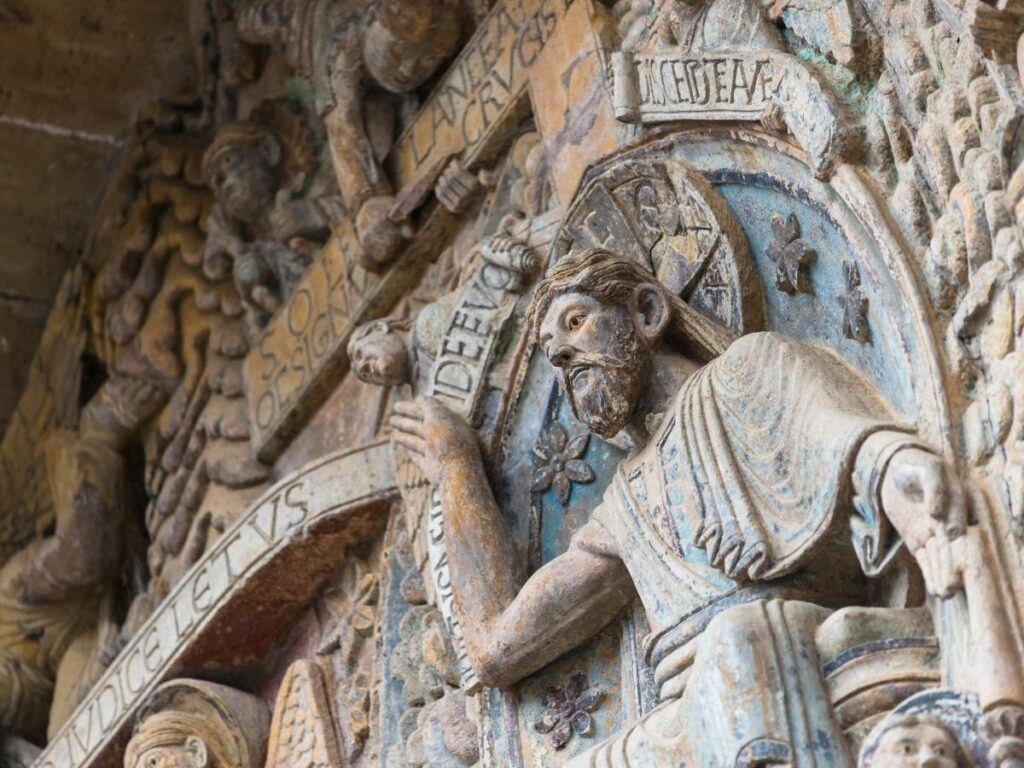
I arrived in Conques on a misty morning, and the village looked like something from a medieval manuscript. The Abbey Church of Sainte-Foy dominates the village with its stunning Romanesque architecture. The steep cobbled streets lined with half-timbered houses felt authentically unchanged.
What surprised me: this village sits on the Camino de Santiago pilgrimage route, and I met pilgrims from around the world. The atmosphere had a special, almost spiritual quality.
Saint-Cirq-Lapopie
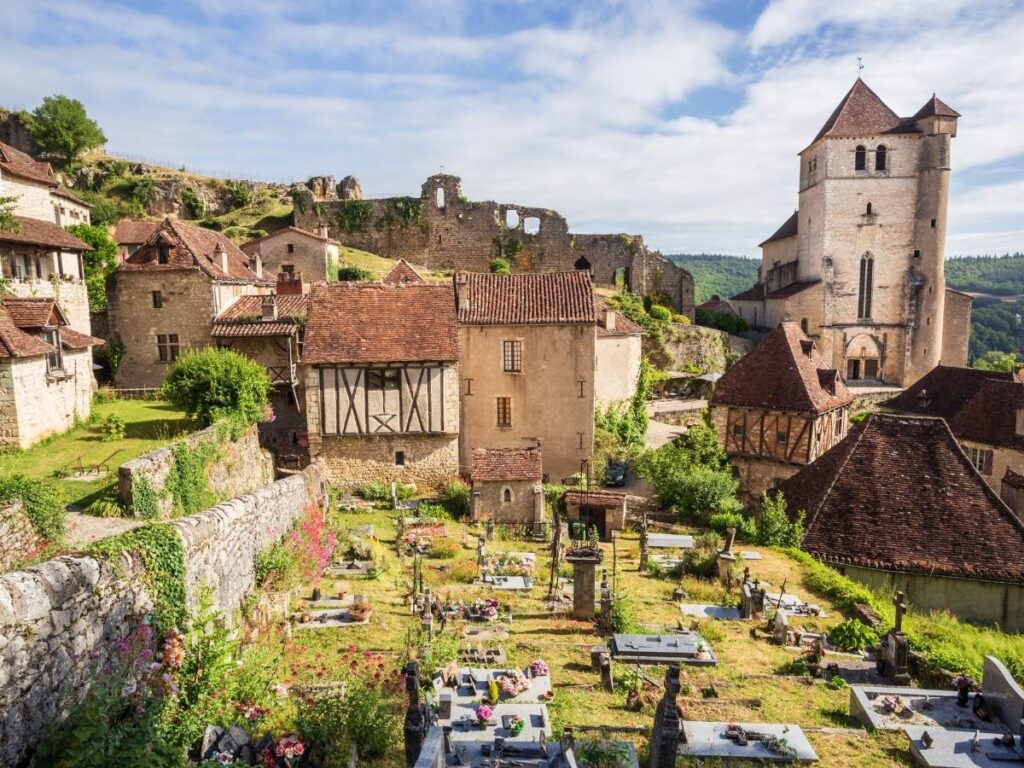
Perched on a cliff above the Lot River, this village stopped me in my tracks when I first saw it from across the valley. I spent half a day wandering its medieval streets, browsing artisan workshops, and photographing the view.
The walk down to the river and back up is steep, but I recommend it for a different perspective of the village.
Normandy and Brittany: Coastal Charm
Honfleur
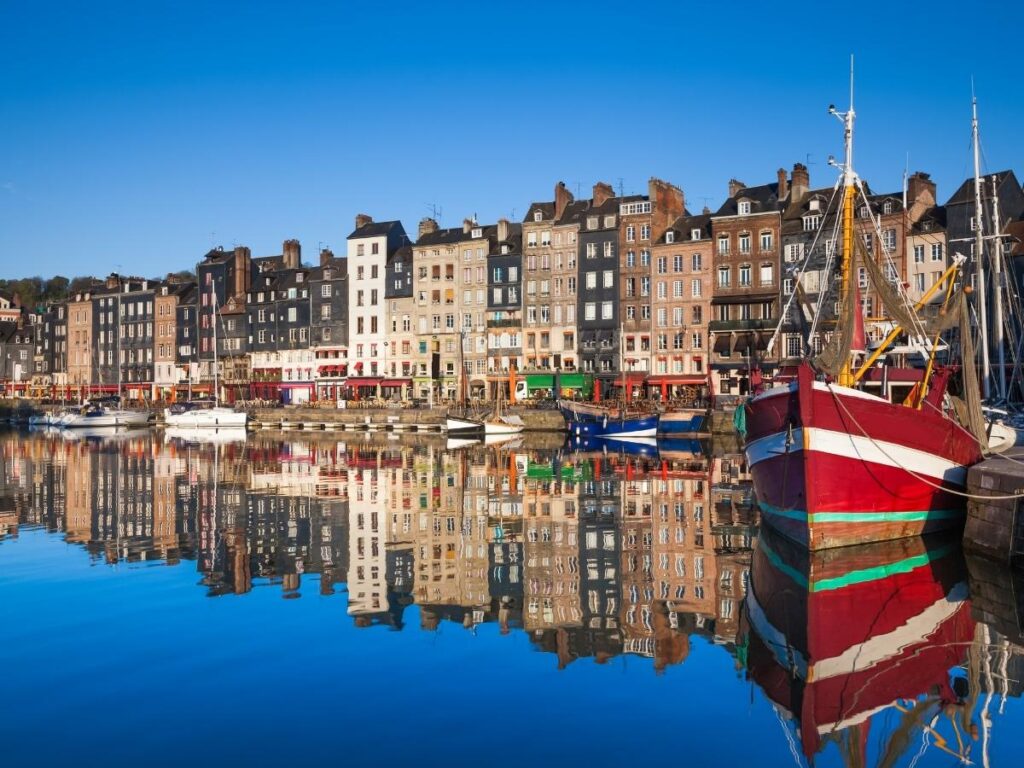
Technically not on the Plus Beaux Villages list, but Honfleur, originally built for trading, now attracts impressionist painters and features colorful buildings around its harbor. I loved the Vieux Bassin (old harbor) with its tall, narrow houses reflected in the water.
The seafood here was outstanding. I had the freshest oysters of my life at a harborside restaurant.
Locronan
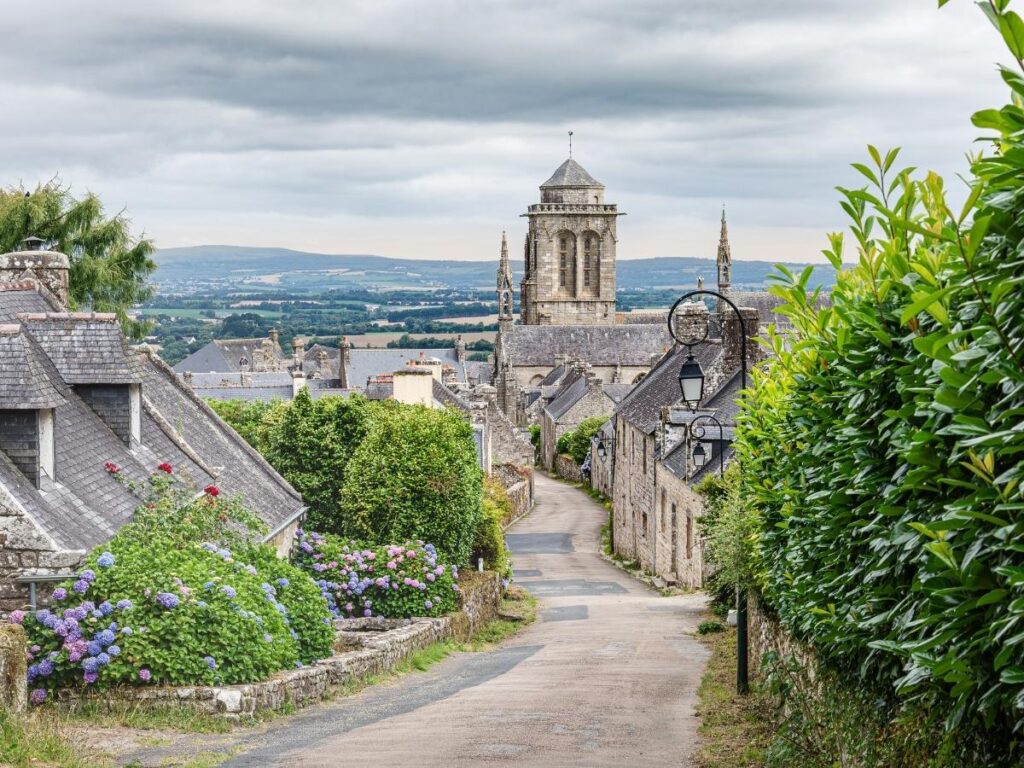
Locronan in Brittany is a third-place contender for most beautiful village. This granite village in Finistère feels distinctly Breton sturdy, weathered, and deeply atmospheric. The central square is perfectly preserved, surrounded by Renaissance houses.
Practical Tips for Visiting French Villages
After visiting over 50 Plus Beaux Villages, here’s what I wish I’d known from the start:
Timing is everything. Most villages receive tour buses between 10 a.m. and 4 p.m. I learned to arrive early (before 9 a.m.) or stay late (after 5 p.m.). Better yet, spend the night you’ll have the village to yourself in the golden hours.
Parking can be challenging. Many villages have pedestrian-only centers. Parking lots are usually outside the village walls. In summer, arrive early or risk circling for 30 minutes.
Markets are magical. If a village has a weekly market, plan around it. I stumbled upon the Wednesday market in Martel and bought the best truffles and foie gras I’ve ever tasted.
Forget the car sometimes. While a car makes village-hopping easier, getting to villages by public transport is possible but requires more time with trains and buses. In Alsace, I based myself in Colmar and took day trips which are very doable.
Respect the communities. These aren’t theme parks. People live here year-round. I was mindful about photographing private homes and kept noise down in residential areas.
Check opening hours. Small village restaurants often serve lunch strictly between noon and 2 p.m. I learned this the hard way when I showed up at 2:15 p.m. and was politely turned away.
Season matters. Provence in lavender season (mid-June to mid-August) is spectacular but crowded. Alsace at Christmas is magical with its markets. I loved visiting Dordogne in September becuase fewer tourists, great weather, harvest season.
Where to Base Yourself
For region-hopping efficiency, I recommend:
Provence: Stay in Gordes, Isle-sur-la-Sorgue, or outside Avignon. You can reach most Luberon and Vaucluse villages within 30-45 minutes.
Dordogne: Sarlat-la-Canéda makes an excellent base. It’s central, has good restaurants, and you can reach the major villages easily.
Alsace: Colmar is perfect. Eguisheim is 7 km from Colmar, Riquewihr is about 12 km away, making day trips simple.
Aveyron: Rodez, though not a designated beautiful village, serves as an ideal base with its population of just over 24,000, grocery stores, restaurants, museums, and the impressive 13th-century Notre Dame Cathedral.
Conclusion
France’s villages showed me a side of the country that exists far from the Eiffel Tower and the Riviera’s beaches. These communities preserve centuries of history while remaining vibrantly alive people still farm the surrounding vineyards, bake bread in village ovens, and gather in the square on market days.
My biggest takeaway? Slow down. These villages reward lingering. Order a second coffee. Chat with the shopkeeper. Watch the light change on those ancient stone walls. That’s when the magic happens.
The Plus Beaux Villages de France designation is a helpful starting point, but some of my favorite discoveries were villages that didn’t make the official list. Use the designation as a guide, but trust your instincts when you see a promising village sign pointing down a country road.
France has over 32,000 villages. I’ve barely scratched the surface, but I’m already planning my next trip. If you’re looking to experience France beyond the usual tourist circuits, these villages offer something no city ever could a chance to step into living history and experience the France that locals have cherished for generations.
What does Les Plus Beaux Villages de France mean?
It translates to “The Most Beautiful Villages of France” and refers to an official association established in 1982. Villages must meet strict criteria including having fewer than 2,000 inhabitants, a rural setting, and at least two protected historical monuments. Currently, 184 villages across France hold this prestigious designation.
Which region has the most beautiful villages in France?
The Dordogne, Aveyron, Vaucluse (Provence), and Lot regions have the highest concentrations. Aveyron leads with 11 designated villages, while Provence has the most I’ve personally visited, especially concentrated in the Vaucluse department.
How many days do you need to visit French villages?
It depends on your region. For a focused trip to one area like Alsace or Provence, I’d recommend 4-5 days minimum. This gives you time to visit 5-7 villages without rushing. If you’re combining multiple regions, plan at least 10 days to two weeks.
Is it better to stay in villages or nearby towns?
Both have advantages. Staying in a village lets you experience it after the day-trippers leave magical in places like Riquewihr or Gordes. But nearby towns like Colmar, Sarlat, or Avignon offer more dining options and easier parking. I mix both depending on the trip.
When is the best time to visit France’s villages?
May-June and September-October offer the best combination of good weather and manageable crowds. For specific experiences: visit Provence in late June-July for lavender, Alsace in December for Christmas markets, or Dordogne in September for harvest season and truffle markets.
Do I need a car to visit these villages?
A car makes village-hopping significantly easier, especially in rural areas like Dordogne or Aveyron. However, villages near major towns (like Alsace villages near Colmar) are accessible by bus or bike. Just expect longer travel times with public transport.