


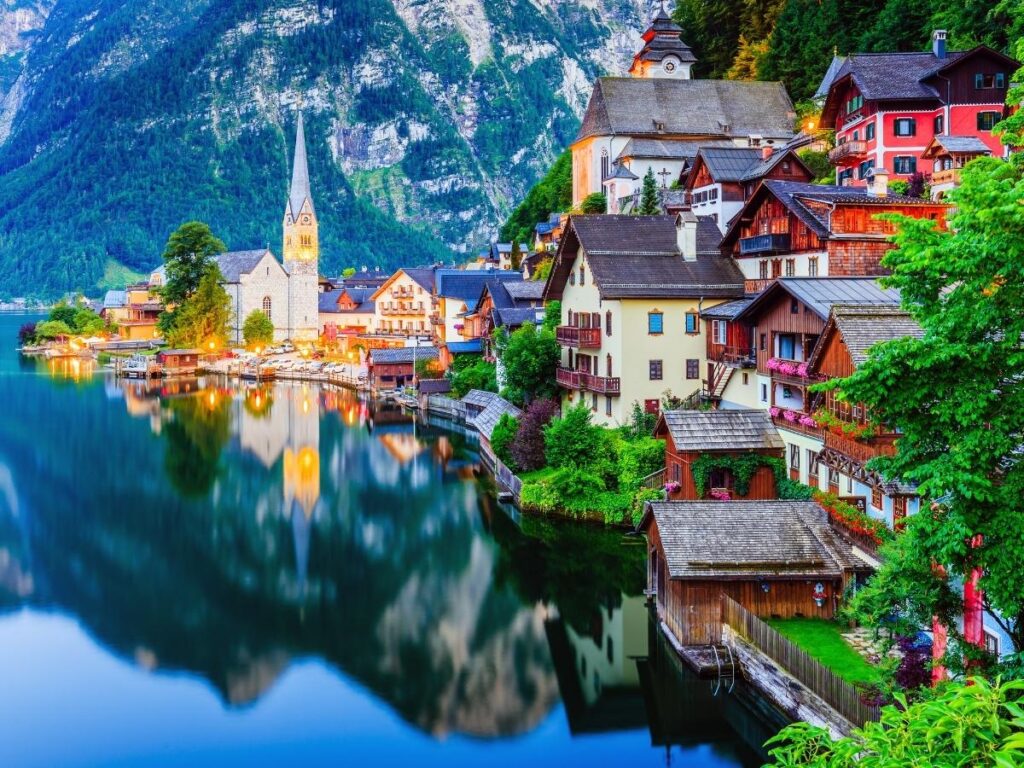
I’ll never forget the moment I first stepped into Hallstatt. The pastel houses reflected in the lake, the church spire reaching toward Alpine peaks, and cobblestone paths winding through centuries-old streets. It felt like walking into a storybook, and honestly, I had to pinch myself.
That’s the thing about Europe’s fairytale towns. They’re not just pretty backdrops for Instagram photos (though they certainly are that). These places have a way of making you slow down, breathe deeper, and feel like you’ve stepped through a portal into another era. Over the past few years, I’ve made it my mission to seek out these magical pockets of Europe, and what I’ve found has exceeded every expectation.
Whether you’re planning a honeymoon, a solo adventure, or just dreaming about your next European escape, this guide covers 21 of the most enchanting fairytale villages in Europe. I’ll share what makes each one special, practical tips for visiting, and a few surprises I discovered along the way.
What Makes a Town Feel Like a Fairytale?
Before we get into the list, let me explain what I mean by “fairytale town.” I’m talking about places where the architecture seems almost too perfect to be real. Half-timbered houses with flower boxes overflowing with geraniums. Medieval castles perched on hilltops. Cobblestone streets that wind through town squares where locals still gather at the market.
But it’s more than just aesthetics. These European fairytale destinations have a certain atmosphere. They’re often small enough that tourism hasn’t completely changed their character. You can still hear church bells marking the hour, see locals chatting with shopkeepers, and find family-run restaurants that have been serving the same recipes for generations.
The best part? Many of these towns are less crowded than major European cities, which means you get a more authentic, peaceful experience.
Austria
Hallstatt
If I had to pick one place that defines “fairytale town,” it would be Hallstatt. This tiny Austrian village sits on the edge of a pristine Alpine lake, with mountains rising dramatically behind it. The view is so perfect that it’s rumored to have inspired the kingdom of Arendelle in Disney’s Frozen.
I visited Hallstatt twice because my first trip was cloudy, and I desperately wanted to see it in sunshine. That second visit? Worth every bit of effort. The early morning light on the lake, the quiet streets before the day-trippers arrived, and the sound of waterfalls in the distance made it feel truly magical.
What to do: Take the funicular up to the Salzwelten (salt mines) for incredible views over the village and lake. Walk through the old town center and visit the bone chapel at the Catholic church. If you can, stay overnight so you experience Hallstatt after the crowds leave.
Getting there: Hallstatt is about 1.5 hours from Salzburg. You can take a train to Hallstatt station, then a ferry across the lake to the village itself.
Werfen
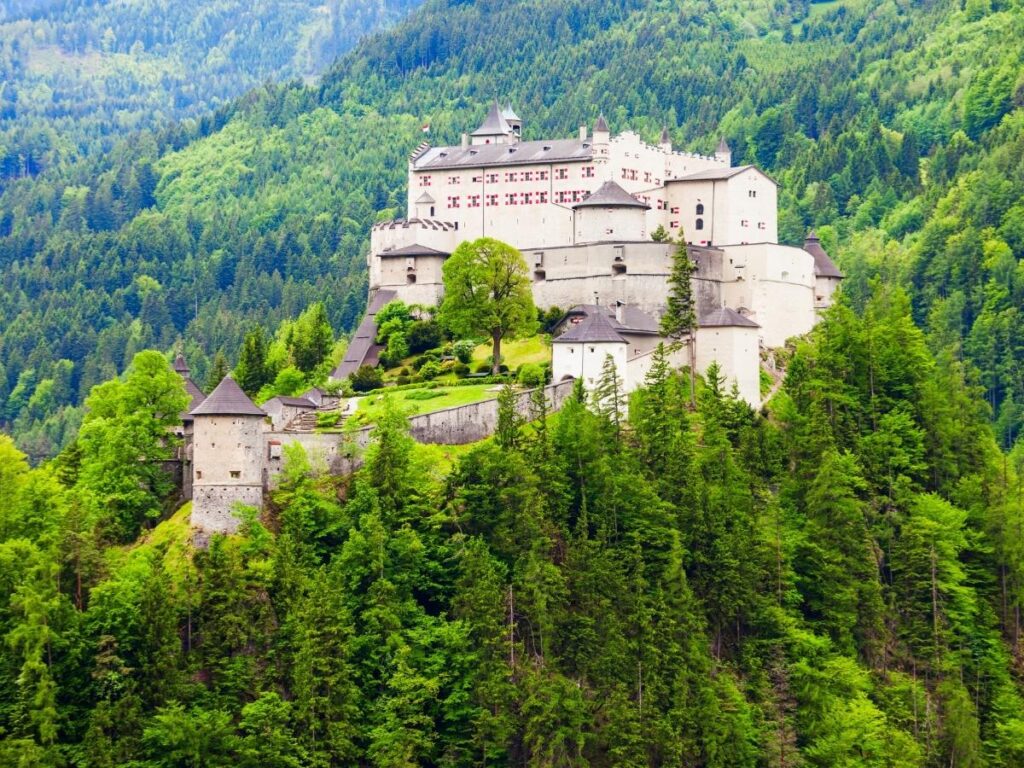
Most people skip Werfen on their way to more famous Austrian destinations, which is exactly why I loved it. This small town sits in a valley surrounded by mountains, and it has this quiet, unassuming charm that bigger tourist spots have lost.
The real draw is Hohenwerfen Castle, perched on a rocky outcrop above the town. I took the tour twice (yes, I’m that person), and it’s genuinely one of the best castle experiences I’ve had in Europe. The views from the courtyard are spectacular, and if you’re into “The Sound of Music,” you’ll recognize this as the meadow where Maria sings “Do-Re-Mi” with the Von Trapp children.
What to do: Visit Hohenwerfen Castle and catch the falconry demonstration. If you’re there between May and October, explore Eisriesenwelt, the world’s largest ice caves.
Getting there: Werfen is about 40 minutes south of Salzburg by car or train.
Germany
Rothenburg ob der Tauber
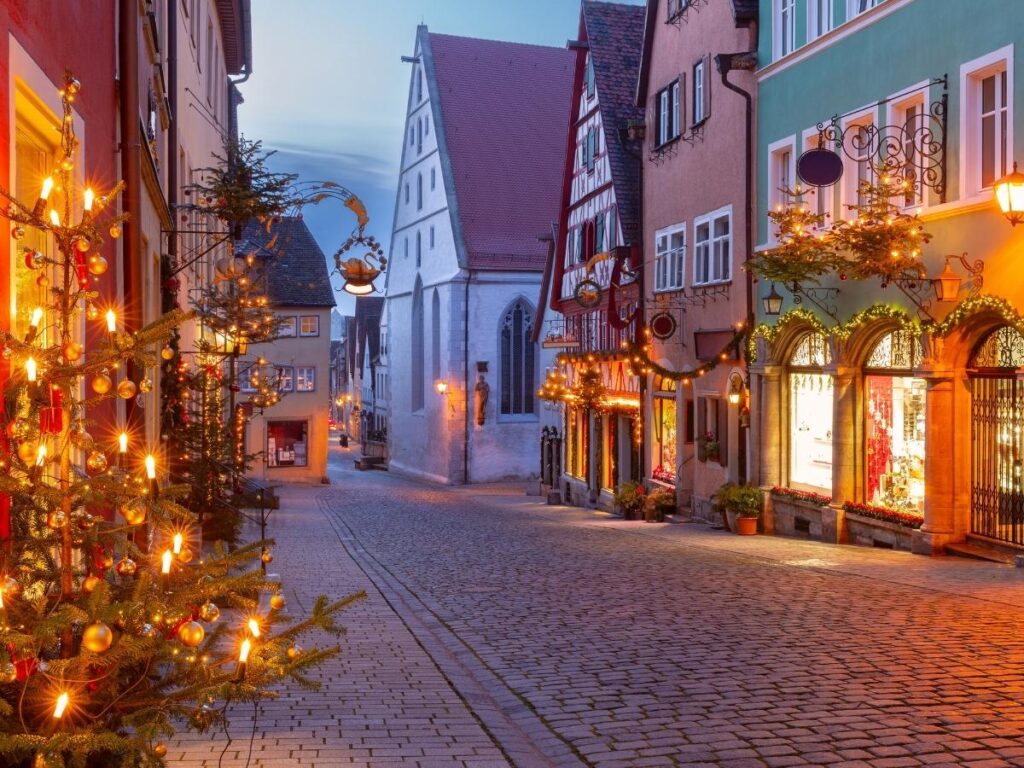
Rothenburg is probably the most famous medieval town in Germany, and for good reason. The entire old town is surrounded by preserved medieval walls that you can walk along. Every street looks like it came straight from a Brothers Grimm tale, with half-timbered houses painted in warm colors and cobblestones worn smooth by centuries of footsteps.
I spent two nights here, and I’m so glad I did. The town gets packed with day-trippers during the day, but evenings and early mornings felt like I had the place almost to myself. Walking along the town walls at sunset, with views over the red rooftops and surrounding countryside, was one of my favorite moments in Germany.
What to do: Walk the medieval walls for panoramic views. Visit the Christmas Museum (yes, it’s year-round). Try a Schneeball, the local pastry that’s famous here. Explore the narrow lanes and hidden courtyards in the old town.
Getting there: Rothenburg is about 2.5 hours from Munich or Frankfurt by car. By train, you’ll need to make at least one transfer, but it’s worth the journey.
Königswinter
An hour from Cologne, Königswinter makes a perfect day trip if you’re in western Germany. The village sits along the Rhine River, with timbered buildings, colorful cafes, and tree-lined walkways that feel pleasantly old-fashioned.
The highlight is Schloss Drachenburg, a castle that looks like something a romantic 19th-century king dreamed up (which is basically what happened). You can hike up to the castle in about 45 minutes, or take the charming Drachenfelsbahn tram if you prefer.
What to do: Visit Schloss Drachenburg and explore its whimsical gardens. Walk along the Rhine promenade. Browse the shops around Marktplatz and try a traditional bienenstich pastry.
Getting there: Königswinter is easily accessible by train from Cologne or Bonn.
France
Colmar
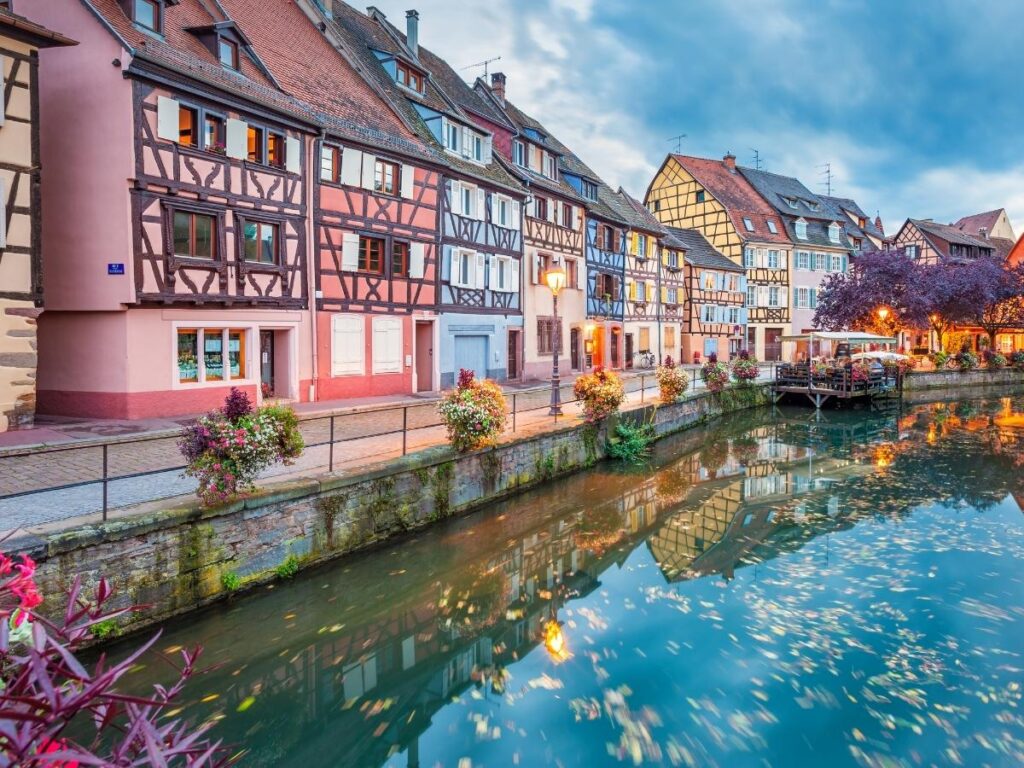
Colmar feels like someone took every element of a perfect Alsatian town and concentrated them into one place. Half-timbered houses in shades of pink, yellow, and blue line canals filled with flowers. The cobblestone streets are impeccably maintained, and the whole place has this polished, almost too-perfect quality.
I visited in early June, and the flowers were in full bloom. The Petite Venise neighborhood, with its canals and waterside restaurants, was exactly as charming as I’d hoped. Walking through Colmar reminded me why Alsace has become one of my favorite regions in France.
What to do: Explore Petite Venise and take a boat ride along the canals. Visit the covered market for local cheese and wine. Wander through the old town and admire the architecture. If you have time, take a day trip to nearby Eguisheim or Riquewihr.
Getting there: Colmar is about 2.5 hours from Paris by train, or you can fly into Basel-Mulhouse airport (about an hour away).
Eguisheim
Just 15 minutes from Colmar, Eguisheim is a tiny village that wraps in concentric circles around a central square. The half-timbered houses are painted in every color imaginable, and window boxes overflow with geraniums from spring through fall.
I spent a leisurely afternoon here wandering the circular streets, stopping at wine cellars to taste local Alsatian wines, and people-watching in the main square. It’s the kind of place where you don’t need a plan just follow wherever the streets take you.
What to do: Walk the circular streets and admire the architecture. Stop at a winstub (traditional Alsatian wine bar) for Riesling and tarte flambée. Visit the Château de Saint-Léon if you’re into medieval history.
Getting there: Eguisheim is easily reached by car or bus from Colmar.
Annecy
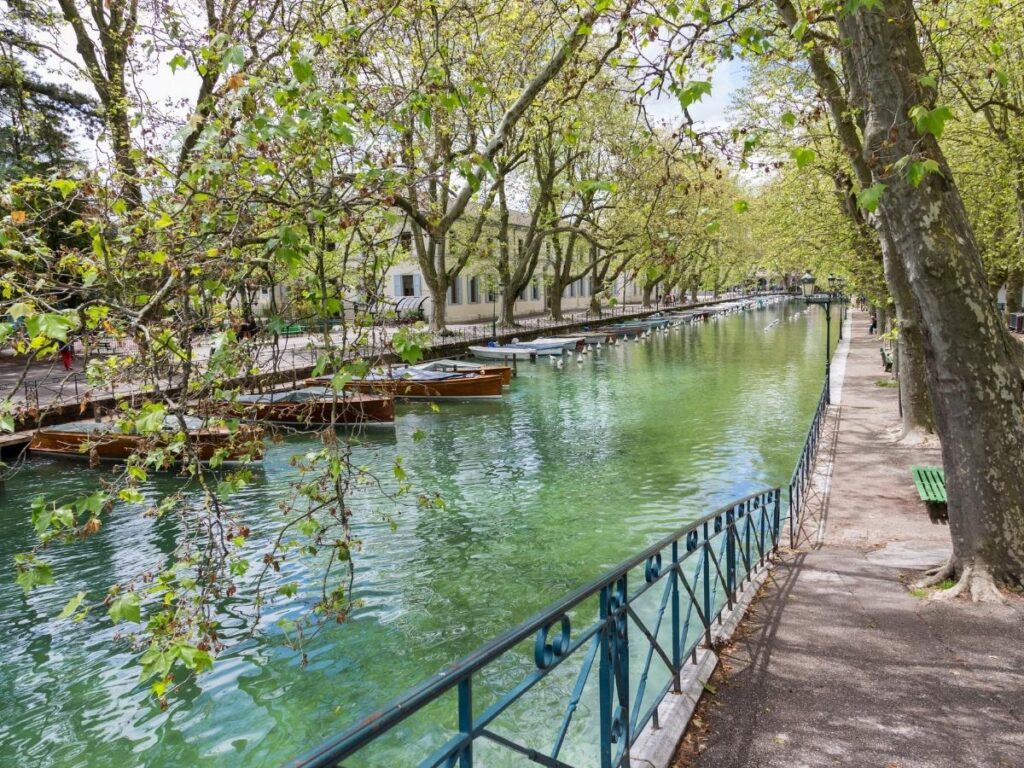
Annecy might be my favorite town in all of France. I know that’s a bold statement, but hear me out. This town sits on the edge of a crystal-clear lake surrounded by mountains. The old town has canals running through it (earning it the nickname “Venice of the Alps”), with pastel-colored buildings and cobblestone streets that beg to be photographed.
But what really won me over was the combination of beauty and activity. You can hike, paraglide, kayak on the lake, or simply stroll the canals and eat your weight in cheese. It’s both picturesque and practical, which is my ideal travel combination.
What to do: Explore the Vieille Ville (old town) and walk along the canals. Visit the Palais de l’Isle, a 12th-century castle in the middle of a canal. Rent a bike and cycle around Lake Annecy. If you’re adventurous, try paragliding for incredible views.
Getting there: Annecy is about 4 hours from Paris by train, or 3.5 hours from Lyon.
Slovenia
Lake Bled
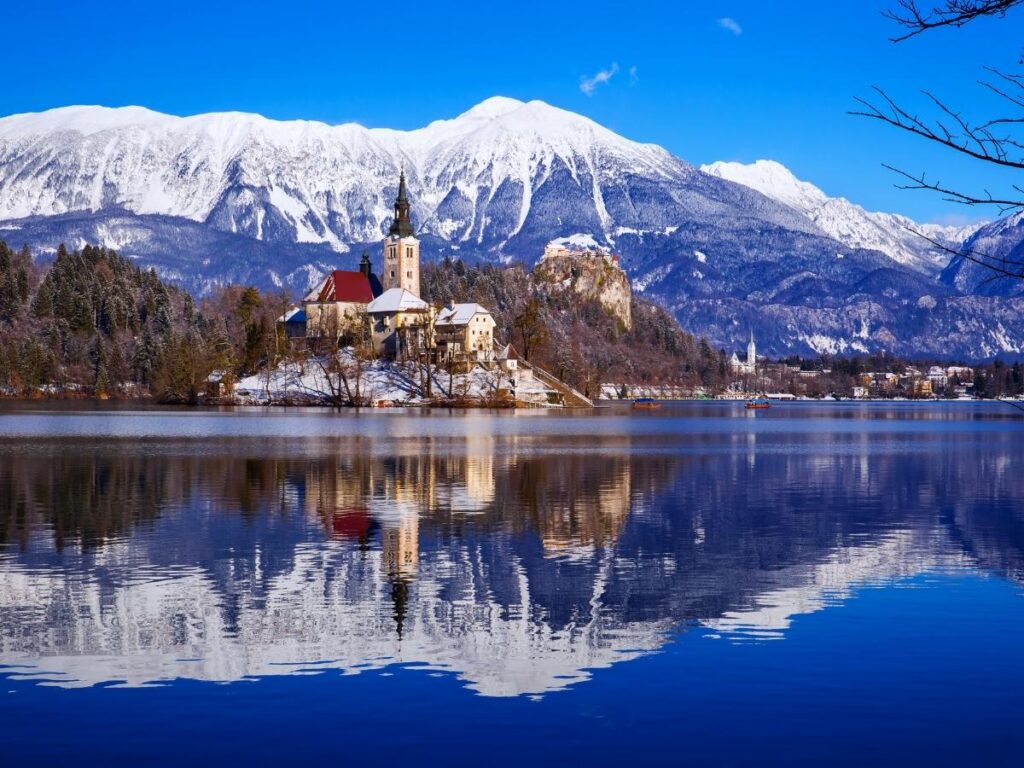
Lake Bled was one of the first fairytale destinations in Europe I ever visited, and it set my expectations impossibly high for everywhere else. A medieval castle perched on a cliff overlooks an emerald-green lake with a tiny island in the middle, crowned by a church. Behind it all, the Julian Alps rise like something from a fantasy novel.
I took a day trip from Ljubljana, and it was one of those rare moments where a place lives up to the hype. I rented a traditional pletna boat to row out to the island, climbed the 99 steps to the church, and rang the wishing bell. Cheesy? Maybe. Worth it? Absolutely.
What to do: Row or take a pletna boat to Bled Island. Hike up to Bled Castle for panoramic views. Try kremšnita, the local cream cake that’s dangerously good. If you’re up for a longer hike, walk to Ojstrica viewpoint for the iconic shot of the lake.
Getting there: Lake Bled is about an hour from Ljubljana by car or train.
Czech Republic
Český Krumlov
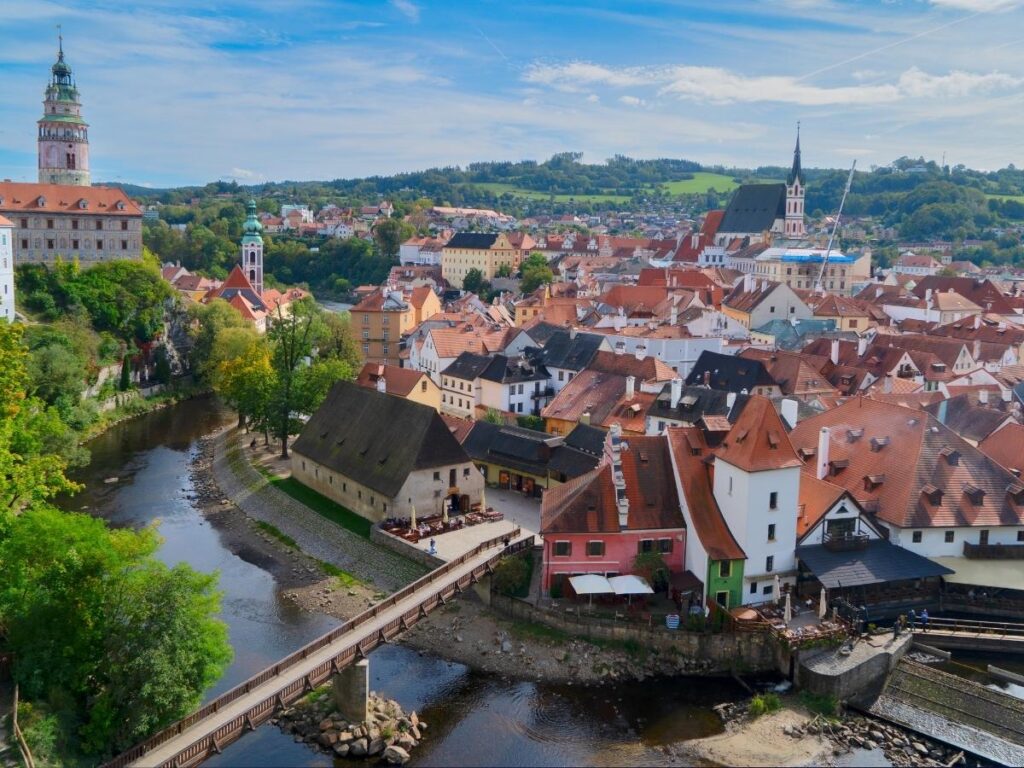
Český Krumlov is the kind of place that makes you want to get lost. The medieval old town is a UNESCO World Heritage site, with a massive castle complex dominating the skyline and the Vltava River winding through town in a dramatic horseshoe bend.
I spent two days here, which was perfect for really exploring beyond the main tourist areas. The castle tour was fascinating, and climbing the tower for views over the red-tiled roofs and surrounding hills made me understand why this town has become so popular.
What to do: Explore Český Krumlov Castle and climb the tower. Walk through the old town and along the river. If you’re into theater, check the schedule for the revolving auditorium at the castle gardens. Take a river rafting trip for a different perspective.
Getting there: Český Krumlov is about 2.5 hours from Prague by car or bus.
Telč
Telč is one of those places that hasn’t made it onto most tourists’ radars yet, which means you can enjoy its Renaissance square without fighting crowds. The main square is lined with colorful townhouses, each with distinctive high gables and arcades. It’s compact, peaceful, and feels refreshingly undiscovered.
What to do: Wander the main square and admire the Renaissance architecture. Visit Telč Chateau and its English-style gardens. Have coffee at one of the arcaded cafes and watch life unfold in the square.
Getting there: Telč is about 2 hours from Prague or 1.5 hours from Brno by car.
Karlovy Vary
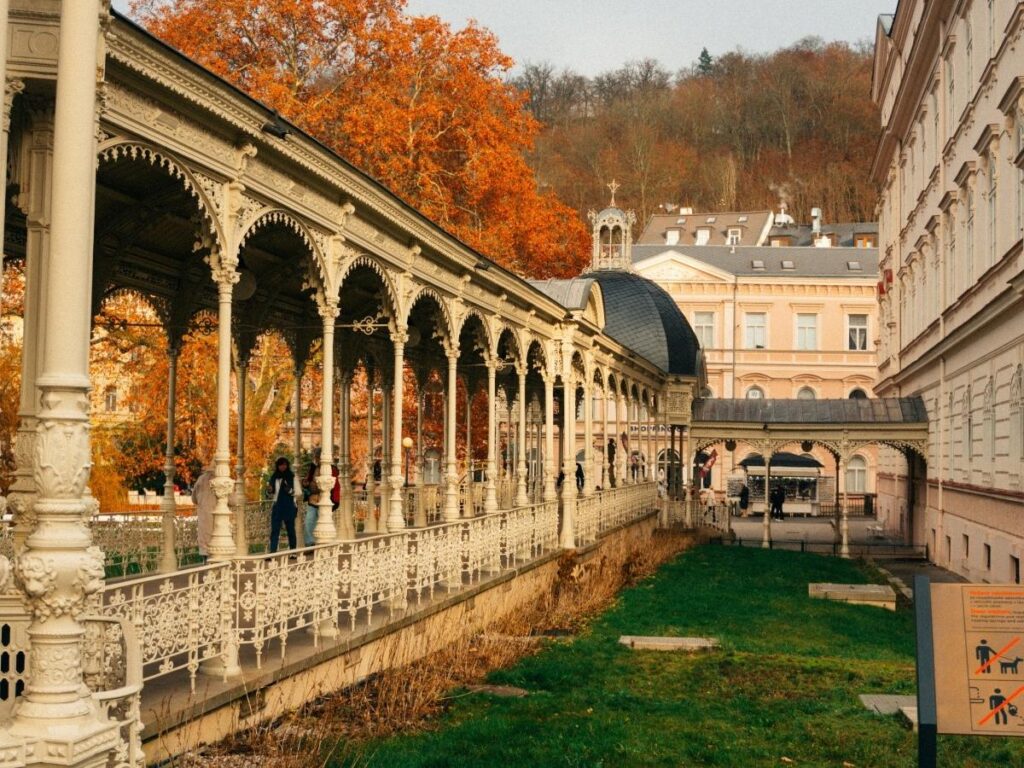
Karlovy Vary (also called Carlsbad) is a spa town that feels like stepping back into the Belle Époque. The architecture is grand and ornate, with colonnades, pastel-colored buildings, and elaborate hotels lining the river valley.
I came here expecting a quiet, relaxing spa experience and got that, but I was also surprised by how lively the town felt. There’s a thriving arts scene, museums, and even an international film festival. It’s a place where you can drink mineral water from decorative spa cups, stroll along the river, and feel like you’ve traveled to a different era.
What to do: Sample water from the hot springs (you can buy or rent a spa cup). Visit the Moser glassworks museum. Take the funicular to Diana Observation Tower for panoramic views. Walk along the colonnades and admire the architecture.
Getting there: Karlovy Vary is about 2 hours west of Prague by car or bus.
Belgium
Bruges
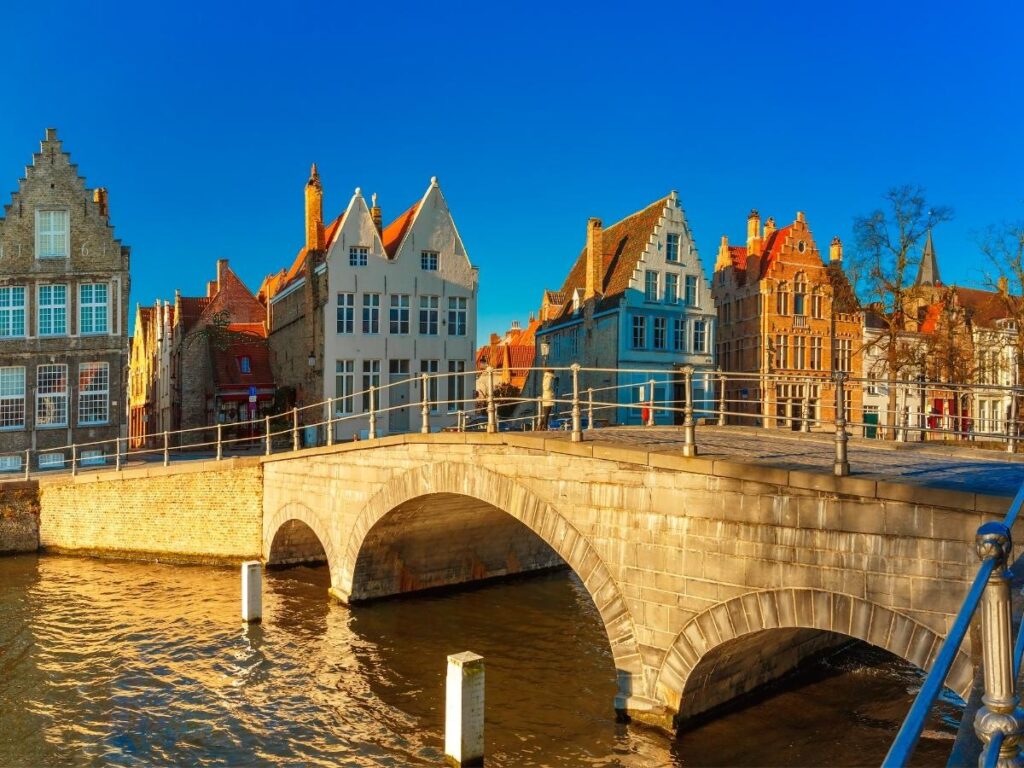
Bruges is probably the most famous medieval town in Europe, and it wears that reputation well. The entire historic center is a UNESCO World Heritage site, with canals, medieval bridges, and cobblestone streets that look almost suspiciously well-preserved.
I visited Bruges on a quiet Tuesday in November, which meant fewer crowds and a more atmospheric experience. Morning mist rose from the canals, and the city had this moody, mysterious quality that I loved. Yes, it gets very touristy in summer, but if you visit in shoulder season or stay overnight, you’ll see why this town has captured so many hearts.
What to do: Take a canal boat tour for views of the medieval buildings from the water. Climb the Belfry tower (yes, all 366 steps). Visit the Market Square and try Belgian chocolate from one of the many shops. If you’re a beer lover, tour one of the local breweries.
Getting there: Bruges is about an hour from Brussels by train, or 2.5 hours from Amsterdam.
Ghent
Ghent gets overshadowed by Bruges, which means it stays pleasantly less crowded while still offering medieval charm, canals, and impressive architecture. I actually preferred Ghent because it felt more lived-in and less like a museum town.
What to do: Visit Gravensteen Castle. Walk along the Graslei and Korenlei canals. Climb St. Bavo’s Cathedral for city views. Try the local specialty, waterzooi (a creamy chicken or fish stew).
Getting there: Ghent is about 30 minutes from Brussels and 30 minutes from Bruges by train.
Luxembourg
Grund (Luxembourg City)
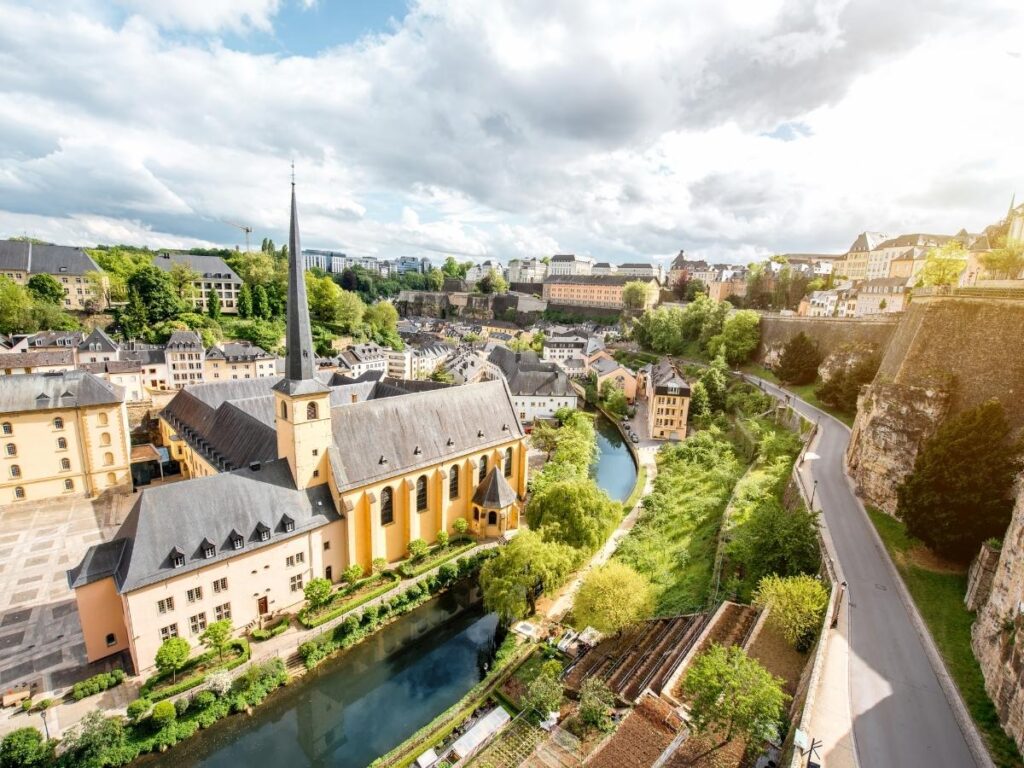
Grund is the valley district of Luxembourg City, and it’s one of Europe’s most underrated fairytale neighborhoods. Traditional houses line the Alzette River, stone bridges connect different parts of the district, and the Bock Casemates (underground fortifications) loom above.
I loved how different Grund felt from the upper city it was quieter, more residential, and had this secret garden quality. Plus, public transport in Luxembourg is completely free, which made exploring easy and budget-friendly.
What to do: Walk along the Alzette River and cross the various bridges. Explore the Bock Casemates for underground passages and city views. Have dinner at one of the riverside restaurants. If you have time, visit nearby castles like Vianden or Beaufort.
Getting there: Luxembourg City has its own international airport, or you can reach it by train from Brussels (3 hours) or Paris (2 hours).
Echternach
Echternach is Luxembourg’s oldest city, built around an abbey and surrounded by the forests and rock formations of the Mullerthal region (called “Little Switzerland”). The town center has pastel-colored houses around a cozy market square, with a maze of cobblestone streets connecting everything.
What I loved about Echternach was how it balanced town charm with easy access to nature. I could explore the medieval streets in the morning, then hike through the Mullerthal’s unique rock formations in the afternoon.
What to do: Explore the old town and visit the basilica. Hike the Mullerthal Trail for unique rock formations and forest scenery. Swim or paddleboard on Echternach Lake. Have dinner at one of the lively bars around the marketplace.
Getting there: Echternach is about 30 minutes from Luxembourg City by car or bus.
Romania
Sibiu
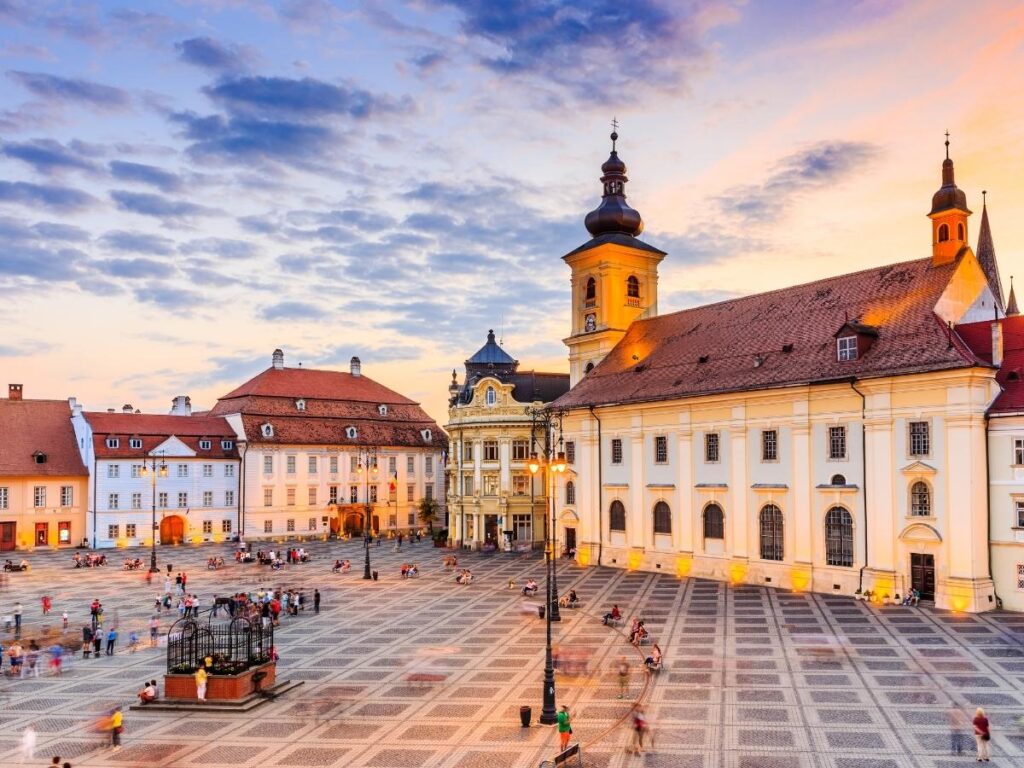
Sibiu surprised me in the best way. This Transylvanian town has a distinctly Germanic feel thanks to its Saxon heritage, with pastel-painted buildings, narrow passages connecting upper and lower towns, and a relaxed, bohemian atmosphere.
I spent three days here and never felt like I’d run out of things to do. The old town is compact and walkable, the food scene is excellent, and there’s an impressive collection of museums if you’re into culture and history.
What to do: Walk through the old town and look for the “eyes of Sibiu” (attic windows that look like they’re watching you). Visit the Brukenthal Museum for Romanian art. Walk along the city walls. Take a day trip to the nearby countryside or Paltinis mountain resort.
Getting there: Sibiu has a small airport with connections to major European cities, or you can take a train or bus from Bucharest (about 4-5 hours).
Croatia
Rovinj
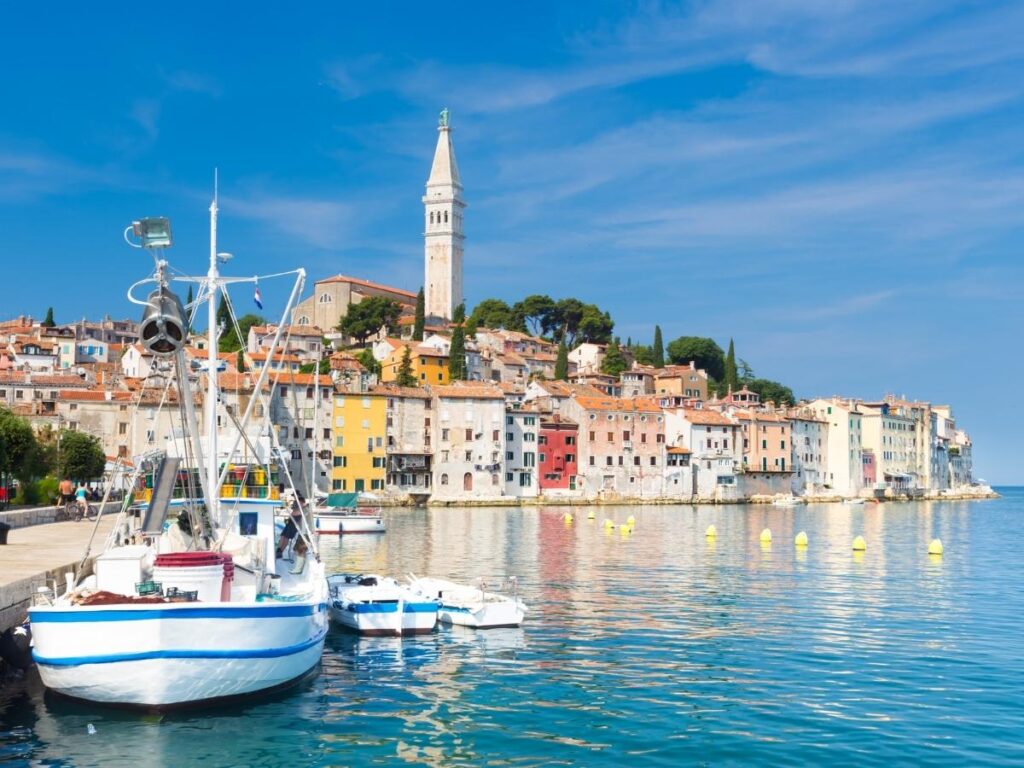
Rovinj is a coastal town in Istria that combines Adriatic beauty with Italian influence (it’s very close to the Italian border). Colorful buildings cascade down to a working harbor, narrow streets wind up the hillside, and the whole place has this effortlessly charming, lived-in quality.
I visited in September, and the crowds had thinned but the weather was still perfect. Swimming off the rocky beaches, eating fresh seafood by the harbor, and watching the sunset from the hilltop church felt like the ideal Mediterranean escape.
What to do: Climb St. Euphemia’s Church for panoramic views. Wander the old town’s narrow streets. Swim or sunbathe at one of the beaches or from the rocks. Take a boat trip to nearby islands. Eat seafood at one of the harbor restaurants.
Getting there: Rovinj is about 40 minutes from Pula airport, or 2.5 hours from Ljubljana.
Switzerland
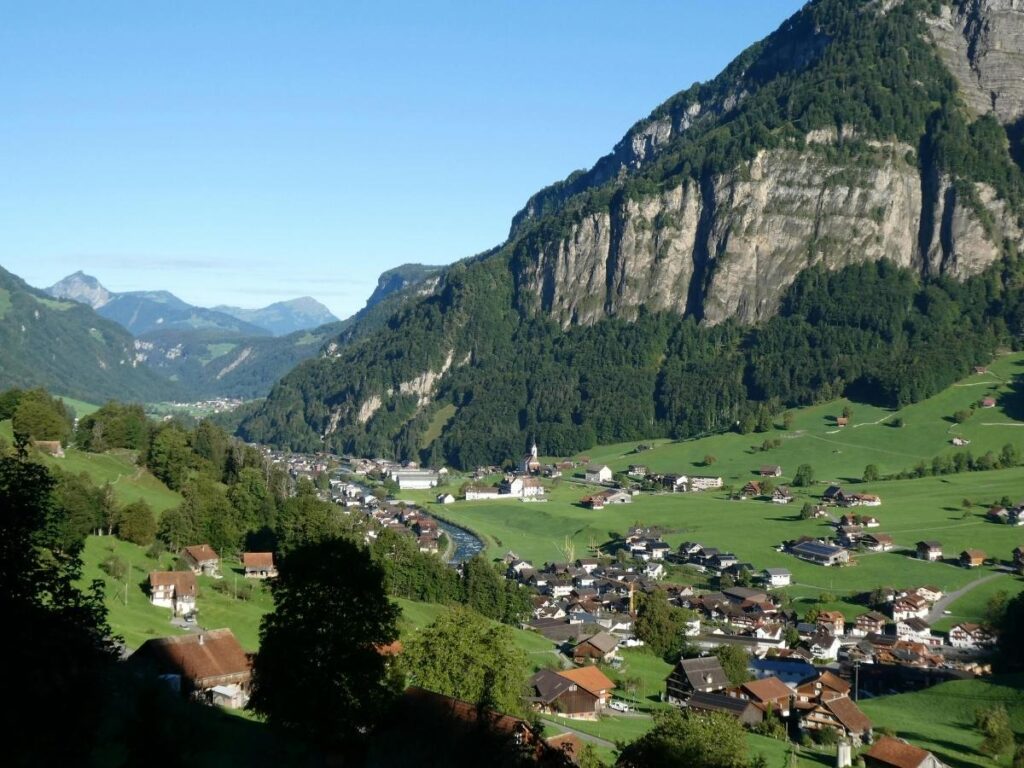
Gimmelwald
Gimmelwald is a tiny car-free mountain village in the Swiss Alps that you can only reach by cable car. It’s the kind of place where cows still wear bells, wooden chalets dot the hillside, and you wake up to views of snow-capped peaks.
This isn’t a place you visit for activities or sightseeing (though there’s plenty of hiking). You come here to disconnect, slow down, and remember what it feels like to be somewhere truly remote and peaceful.
What to do: Hike the trails around the village for Alpine views. Take the cable car to Schilthorn for 360-degree mountain panoramas. Simply relax and enjoy the mountain scenery.
Getting there: From Lauterbrunnen, take the cable car to Gimmelwald. The village is car-free.
Portugal
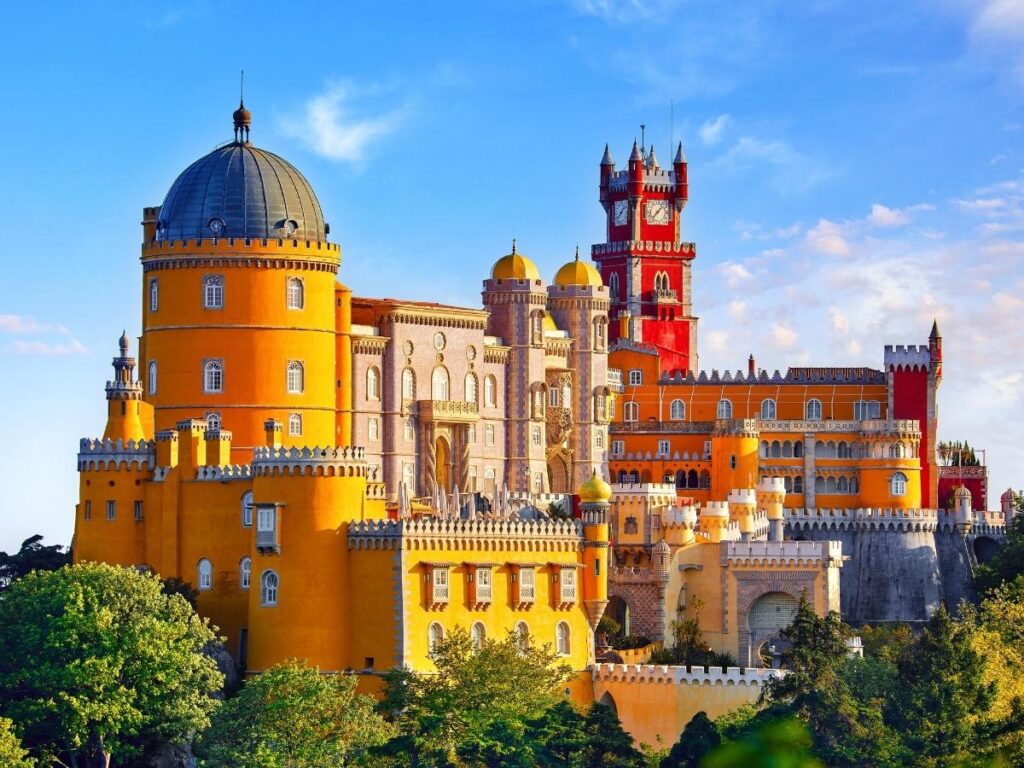
Sintra
Sintra is where Portuguese royalty built their summer palaces, and they chose well. This hillside town is covered in lush gardens, colorful palaces, and Moorish ruins that seem to peek out from behind every turn.
I spent a full day exploring Sintra and could have easily used two. The Pena Palace is the most famous attraction (and yes, those yellow and red towers are as colorful in person as they look in photos), but I also loved exploring the gardens and discovering lesser-known spots like Quinta da Regaleira.
What to do: Visit Pena Palace and explore its terraced gardens. Tour Quinta da Regaleira and its mysterious initiation wells. Walk to the Moorish Castle for views over the town and coast. Try travesseiros and queijadas, local pastries that are worth the calories.
Getting there: Sintra is about 40 minutes from Lisbon by train.
England
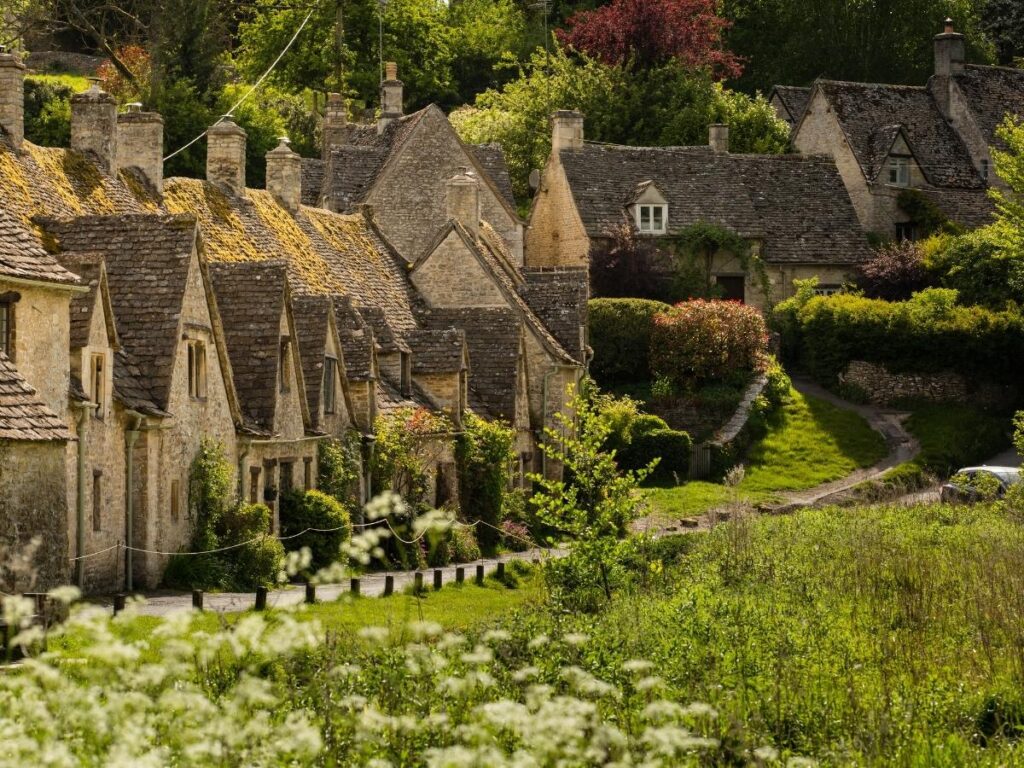
Cotswolds Villages
The Cotswolds isn’t one town but a region of honey-colored stone villages that dot the English countryside. Places like Bibury, Castle Combe, and Bourton-on-the-Water look like they were designed specifically to appear on postcards.
I rented a car and spent three days driving through the Cotswolds, stopping wherever caught my eye. It’s one of the best road trips I’ve taken each village has its own character, but all share that quintessentially English charm of thatched roofs, stone cottages, and village greens.
What to do: Visit Bibury’s Arlington Row (a row of 17th-century weavers’ cottages). Explore Castle Combe’s main street. Walk along the river in Bourton-on-the-Water. Have afternoon tea at a traditional tea room. If you’re there in spring or early summer, look for bluebell woods.
Getting there: The Cotswolds is best explored by car. The region is about 2 hours west of London.
How to Visit These Fairytale Towns
Best Time to Visit
For most of these European fairytale towns, I’d recommend visiting in shoulder season (April-May or September-October). The weather is usually good, crowds are smaller, and you’ll have a more authentic experience. That said, each season has its charm:
- Spring: Flowers blooming, mild weather, fewer tourists
- Summer: Long days, best weather, but most crowded
- Fall: Fewer crowds, autumn colors, harvest season
- Winter: Christmas markets, snow-covered villages, magical atmosphere
Getting Around
Many of these towns are small and easily walkable. For getting between destinations, I’d recommend:
- Train: Best for major towns and cities (Bruges, Annecy, Hallstatt)
- Car rental: Essential for regions like the Cotswolds or visiting multiple small towns
- Buses: Often connect smaller villages to larger towns
- Day tours: Good option if you don’t want to drive and are short on time
Where to Stay
Whenever possible, I recommend staying overnight in these small towns rather than doing day trips. You’ll experience them at their best when the crowds leave early morning and evening are magical times in these places.
Look for:
- Local guesthouses or B&Bs
- Small family-run hotels
- Apartments through Booking.com or Airbnb
- Mountain huts or refuges (for places like Gimmelwald)
Many of these towns have limited accommodation, so book well in advance, especially for summer travel.
Final Thoughts
These 21 fairytale towns in Europe represent some of my favorite places I’ve discovered over years of travel. What makes them special isn’t just their beauty though they’re certainly photogenic. It’s the way they transport you to a different pace of life, where the focus is on preserving history, celebrating local traditions, and simply enjoying where you are.
Not every trip needs to be about checking off major landmarks or covering as much ground as possible. Sometimes the most memorable experiences come from spending an afternoon wandering cobblestone streets, trying local pastries, and watching the world go by from a cafe terrace.
If you’re planning a trip to Europe and want to include some of these magical places, my advice is simple: don’t rush. Pick a few towns that really speak to you, give yourself time to explore them properly, and leave room for getting lost and discovering things that aren’t in any guidebook. That’s when the real magic happens.
Which of these fairytale towns is calling your name? I’d love to hear what’s on your bucket list in the comments below!
What is the most fairytale town in Europe?
Based on my travels, Hallstatt in Austria comes closest to the perfect fairytale town. The combination of Alpine scenery, a pristine lake, and pastel-colored houses creates a setting that looks almost too beautiful to be real. That said, Rothenburg ob der Tauber in Germany gives it serious competition with its complete medieval walls and storybook streets.
What is the most magical place in Europe?
The Alsace region of France (especially Colmar and Eguisheim), the Austrian lake district around Hallstatt, and the Cotswolds in England all have concentrations of exceptionally beautiful small towns. These regions are perfect for multi-day trips where you can explore several fairytale villages.
What is the prettiest village in Europe?
It’s impossible to choose just one, but if pressed, I’d say Hallstatt or Colmar top the list. Both have that perfect combination of natural setting, architectural charm, and photogenic appeal that defines the prettiest villages in Europe.
Are fairytale towns in Europe worth visiting?
Absolutely. While some can get crowded (like Hallstatt or Bruges), they’re popular for good reason. To get the best experience, visit during shoulder season or stay overnight so you can explore early morning and evening when day-trippers have left. These towns offer a completely different experience from big European cities and are worth including in any European itinerary.